The Apple AirPods Max 2 arrive in a wireless headphone category that has become far more competitive since the original model launched. Sony, Bose, and Beats have all continued to refine ANC, comfort, battery life, app control, and sound quality, which makes small updates harder to justify at premium pricing.
For existing Apple users, the improvements may be enough: better noise cancelling, tighter ecosystem integration, and slightly improved sound quality. But for anyone still using an older pair of wireless headphones, or considering a move from Sony, Bose, or Beats, the AirPods Max 2 need to offer a clearer reason to switch. Marginally better is still better, but in 2026, it may not be enough. How do they compare to the model they replace?
Physically, these are almost identical headphones: same industrial design, same aluminum construction, same weight, same controls, and the same overall sound signature. Even the improvements, including better ANC, USB-C wired audio, and a slightly firmer low end, feel deliberately restrained rather than transformative.
Compared directly against the original AirPods Max, the overall experience remains remarkably similar. Apple clearly viewed this update as a refinement rather than a reinvention.
Advertisement
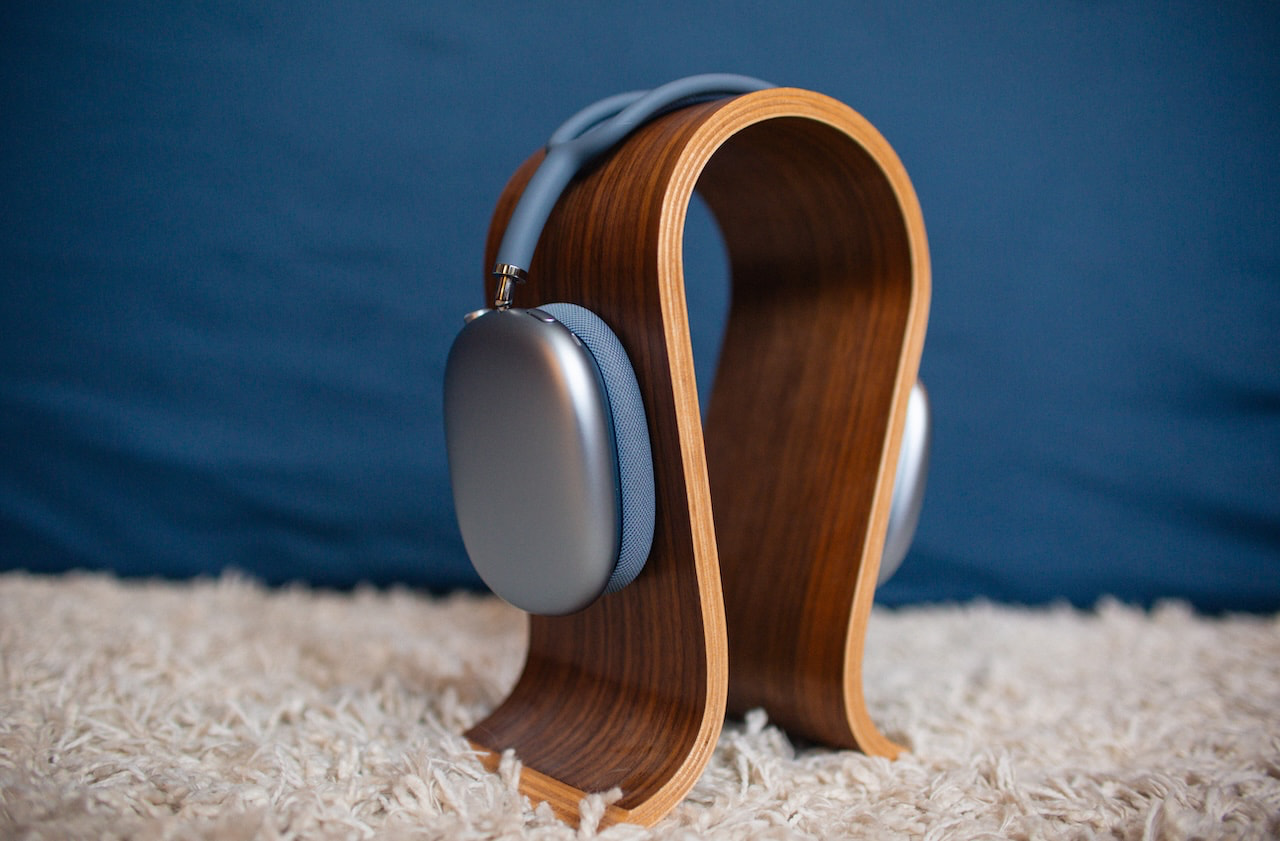
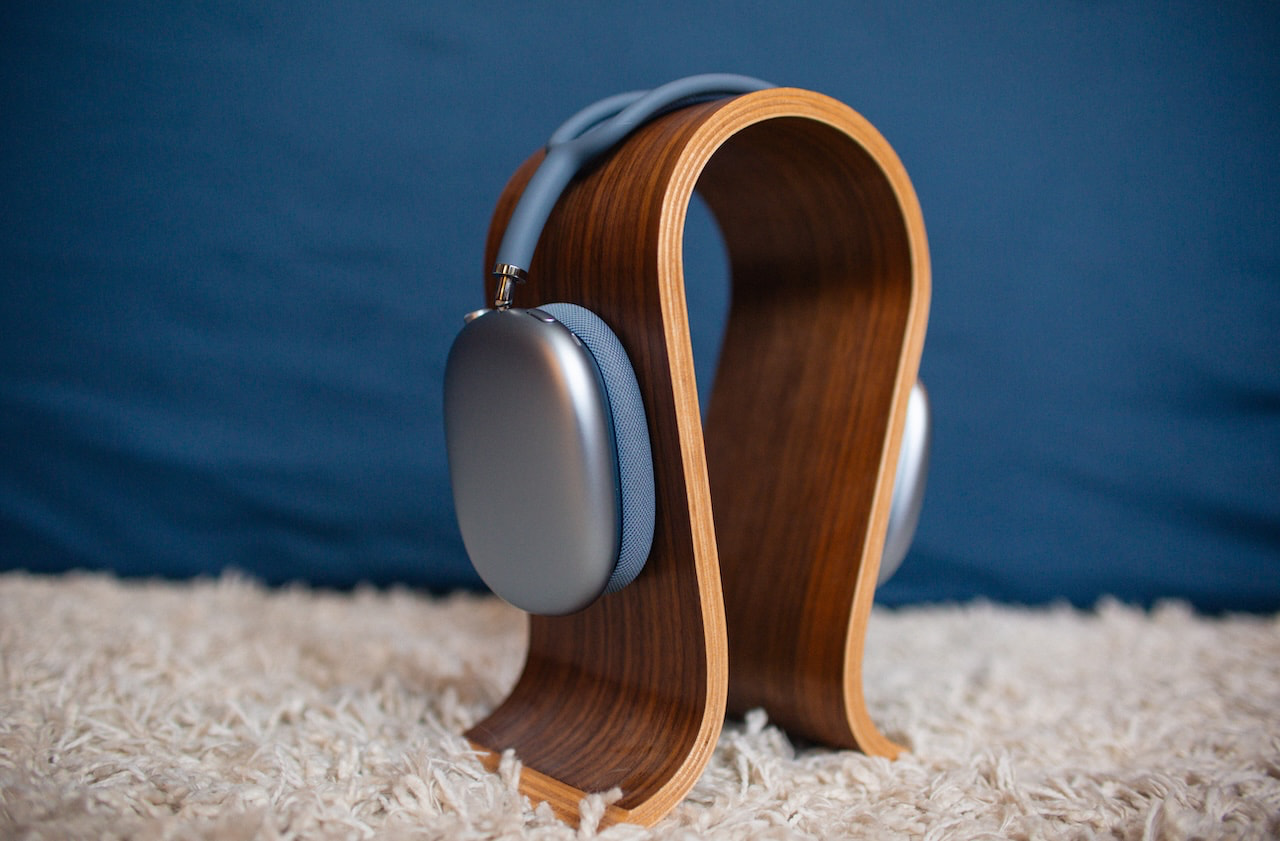
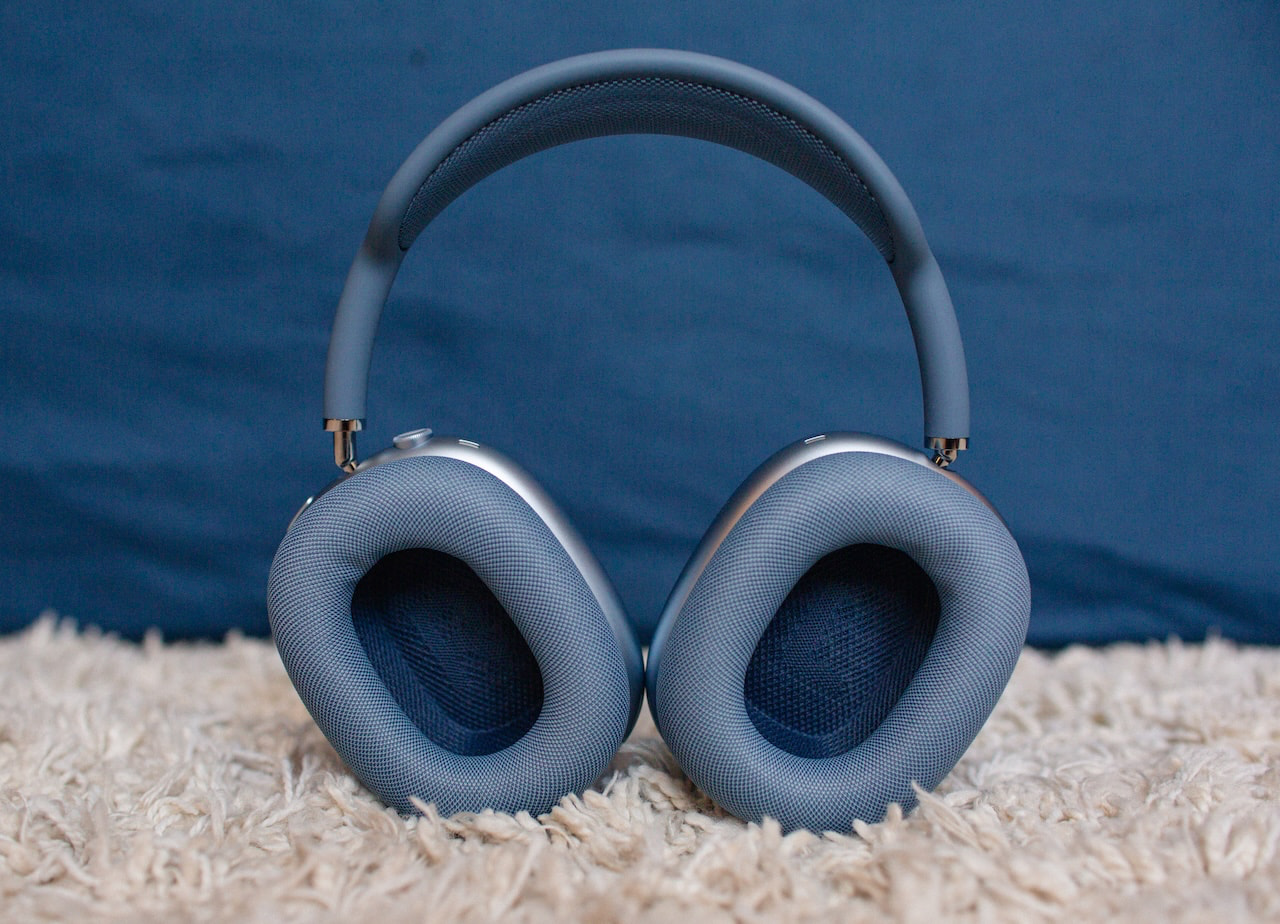
AirPods Max 2 (blue)
Design & Features
The AirPods Max 2, like the original, still feel like one of the most premium wireless headphones Apple has ever made. The aluminum ear cups feel excellent, the suspension headband helps spread the weight better than expected, and Apple’s Transparency, Noise Cancelling, and Adaptive modes remain among the best implementations in the category.
That weight still matters. At 382.2 grams, the AirPods Max 2 never disappear on your head. The balance is good, but after a full record, taking them off feels less like a break and more like your neck filing a polite complaint.
The listening modes are very well executed. Noise Cancelling is excellent with steady background noise and also reduces intermittent sounds effectively. Transparency mode keeps outside sound natural and useful, while Adaptive mode works as a smart middle ground, adjusting continuously based on the listening environment.
Sound
The AirPods Max 2 retain almost all of the strengths (and occasional weaknesses) of the original model. The stereo image still sounds expansive, the low end still has satisfying weight and impact, and the headphone’s detail retrieval remains impressive for a wireless headphone.
Advertisement
The general tuning philosophy seems unchanged as well: a mostly inoffensive sound with mild elevation in the upper treble and bass, nicely filled-in lower mids that give vocals a nice weight and intimacy, and a laid-back lower treble that remains forgiving across a wide range of music and other content.
Reference Tracks
Bass
The low end comes across as classic Apple. There is a typical elevation to the bass and sub-bass that gives kick drums and bass guitars an enhanced sense of impact and authority.
Advertisement. Scroll to continue reading.
Advertisement
Listening to “Only When I” by Alice Phoebe Lou, despite the relatively emphasized low end, the separation between kick drum and bass guitar remains nice and distinct, letting each support the arrangement within its own range of low-end frequencies.
Listening to “Escalator” by Ritt Romney, the AirPods Max 2 do a pretty great job reproducing both the sustained sub-bass and pulsating mid-bass rhythm without the two becoming overly blurred together.
While the low end is not as punchy or authoritative as it is on something like a planar magnetic open-back driver Audeze LCD-X or a dynamic open-back like a Focal Clear, it sounds just as good or better than any other closed-back wireless headphone I’ve heard without sacrificing midrange intelligibility.
Midrange
While the low end on the AirPods Max 2 lands decidedly north of neutral, the midrange plays it very safe.
Advertisement
The lower midrange where the fundamental frequencies of melodic elements like vocals, guitars, and pianos sit, is more forward and filled out. Moving into the upper midrange from roughly 1 kHz to 5 kHz, Apple has done the typical Apple thing and kept the amplitude nice and relaxed.
This is where overemphasis becomes most irritating because human hearing is especially sensitive in this range. It is where many urgent sounds live, including babies crying, people screaming, and alarms.
The downside of playing it safe is that some songs and content come across as overly dull or relaxed. One example is “Halloween” by Phoebe Bridgers. The inherently forward lower midrange combined with the relaxed upper midrange of the track makes for an especially wonky rendition of a mix that is usually one of my favorites. The buildup in the upper bass and lower midrange creates a sense of pressure and fullness that needs more upper midrange clarity to keep things balanced.
Generally, Apple did a good job sculpting the midrange to be widely palatable across most music and audio content.
Advertisement
Treble
The treble, like the low end, is somewhat emphasized. Fortunately, Apple mostly avoids the kind of sharp lower-treble peaks that can make headphones sound brittle or fatiguing over longer listening sessions.
Instead, most of the added energy seems concentrated higher up in the spectrum, lending cymbals, acoustic textures, reverbs, and ambient details a pleasant sense of air and openness without constantly shoving them into the foreground.
The treble emphasis does occasionally land unpleasantly with sibilance and percussion, depending on how a song is mixed.
Listening to “Fruity” by Rubblebucket, the vocal sibilance rides dangerously close to the edge of unpleasantness without ever fully crossing over. Songs with more aggressive mixes like “Life or Just Living” by Caveman, fall squarely on the side of unpleasant every time the vocalist sings anything sibilant or consonant.
Advertisement
Advertisement. Scroll to continue reading.
Overall, Apple did a decent job making the AirPods Max 2 sound exciting without becoming overly fatiguing. Some customization would go a long way, but as usual, Apple provides no native EQ control.
Comparison to AirPods Max 1
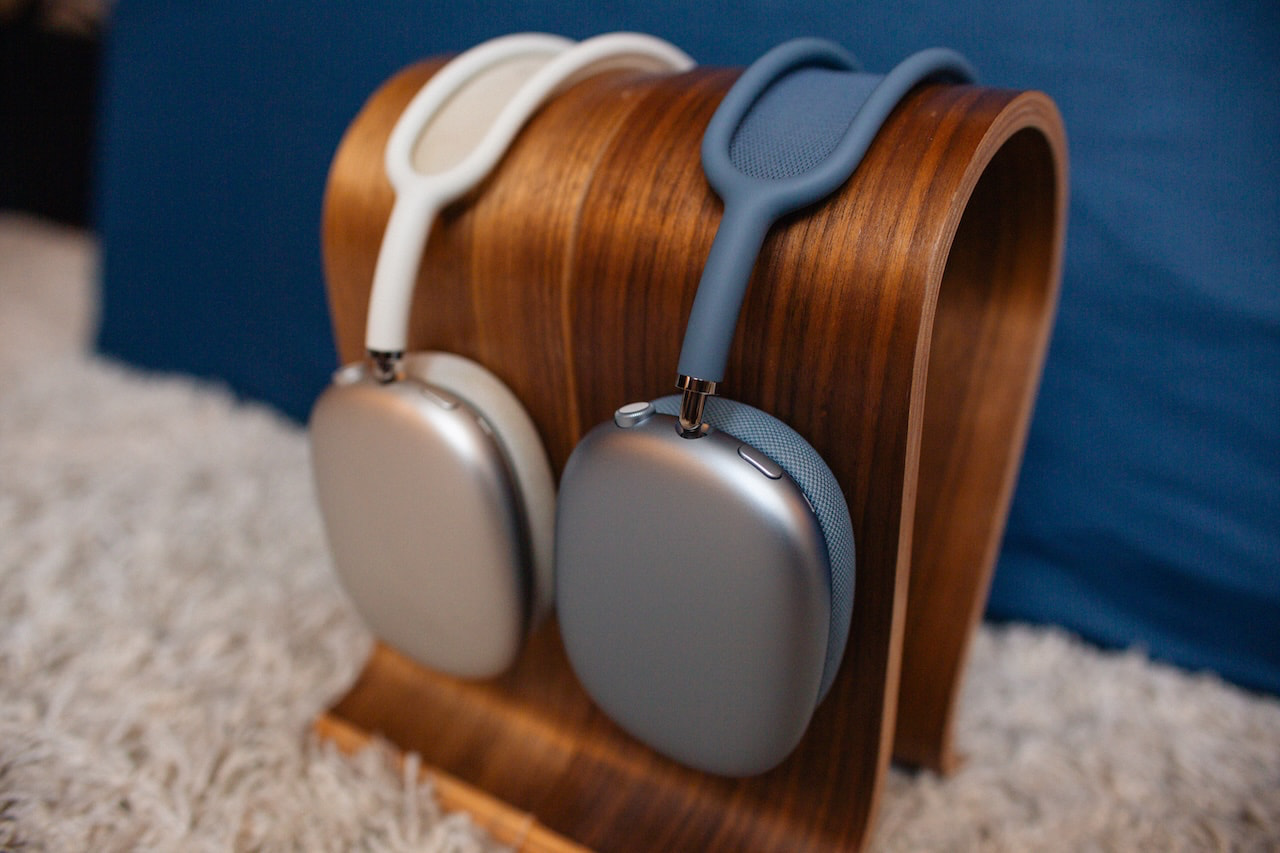
While the tuning feels more similar than different compared to the original AirPods Max, the upper and lower extremities of the frequency range come across as subtly firmer and more defined. Bass sustain feels more convincing, and upper-treble information like percussion and cymbals sounds smoother and slightly less digital.
AirPods Max 1 (silver) vs. AirPods Max 2 (blue)
Plugging the AirPods Max 2 in via USB-C for wired listening also improves the sound modestly, further refining many of the qualities above. The difference is not night and day, but for someone seeking the most natural sound possible from the AirPods Max 2, listening via USB-C is the best way to get there.
Advertisement
The improvements to noise canceling and transparency functions are similarly incremental. If you compare the two models side by side, the newer model is clearly superior in overall attenuation of environmental noise. The AirPods Max 2 do a more even job across the frequency spectrum, whereas the original model lets slightly more lower-treble information through to the listener.
However, the difference is not night and day. The original already did a fantastic job and the new version only slightly improves on the former.
For anyone deciding between the old version and the new version, I would suggest the AirPods Max 2 as the superior product. But is the upgrade from the original worth the money? I don’t think so. The two products are more similar than different so I would wait for the next iteration.
Comparison to Bose QuietComfort Ultra 2
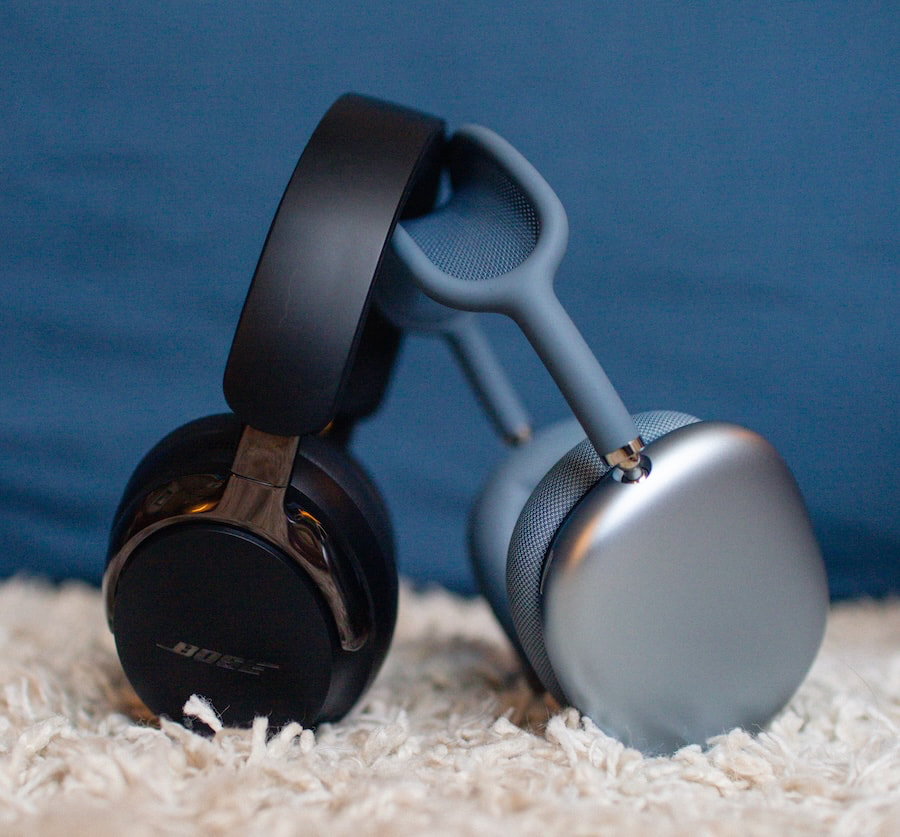
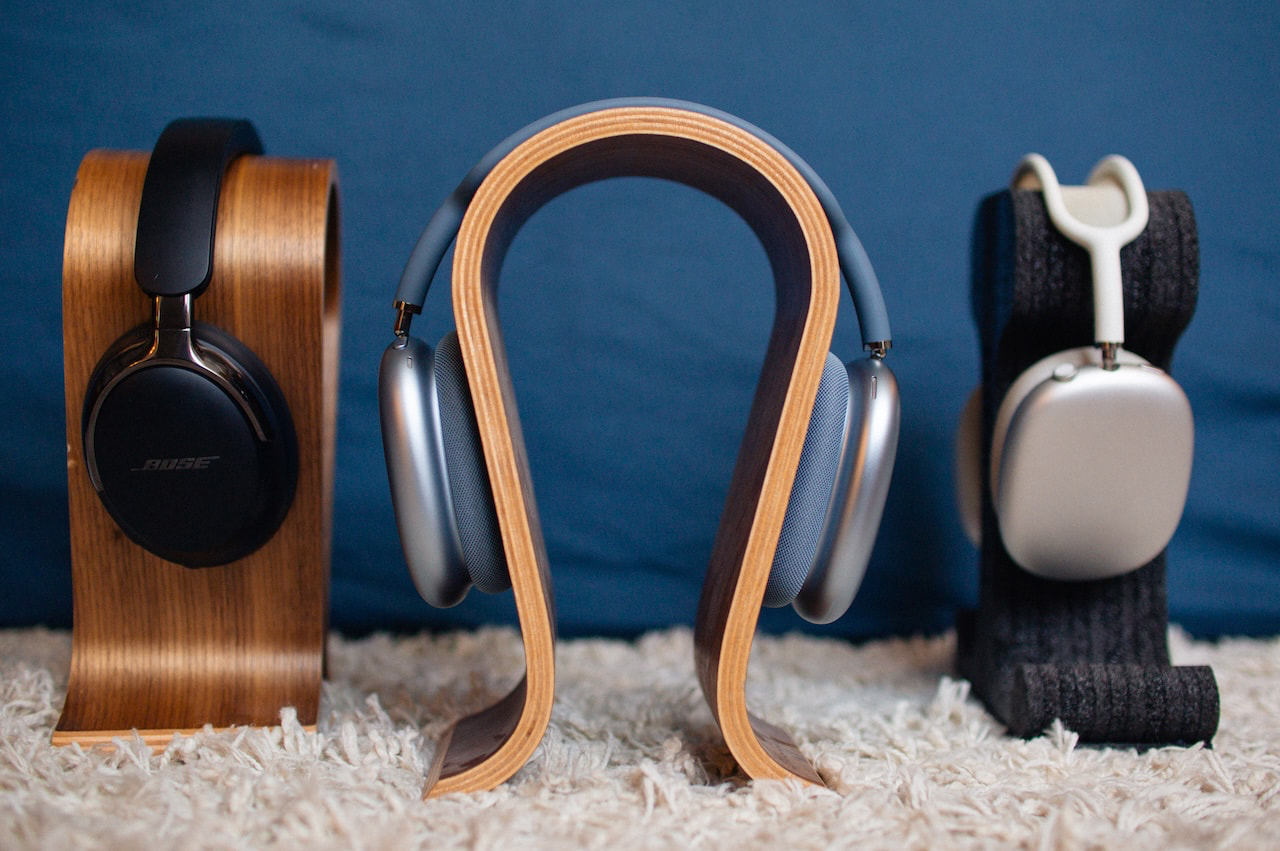
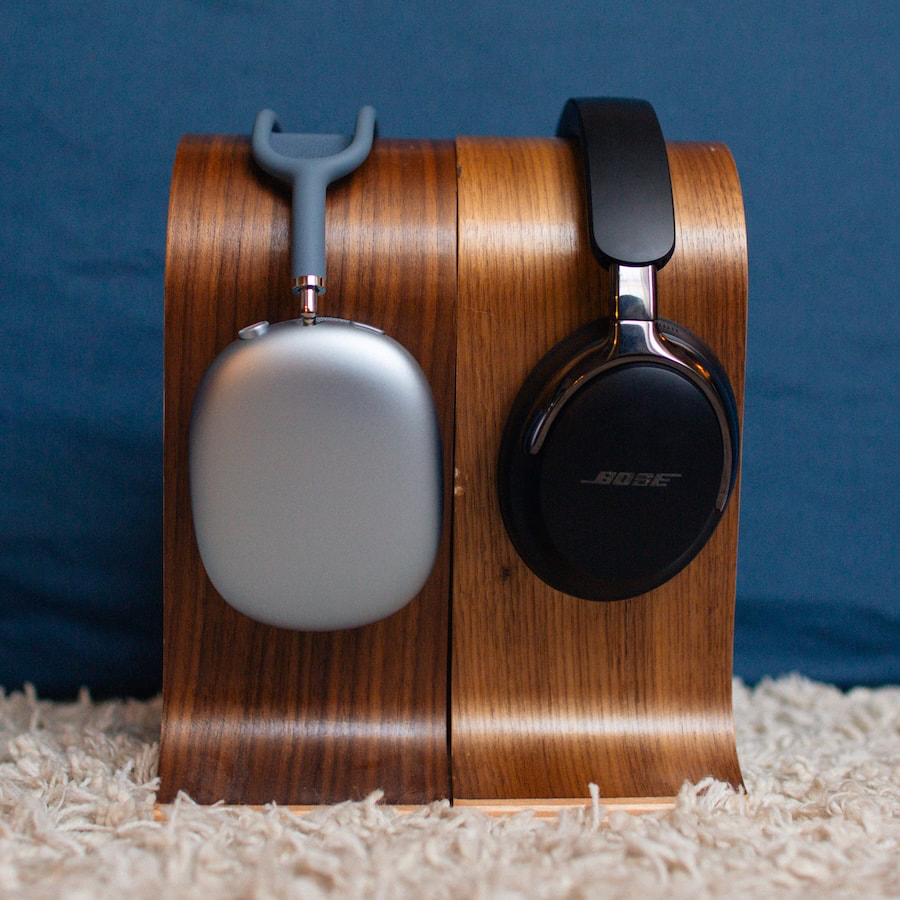
Bose QuietComfort Ultra (2nd Gen) vs. AirPods Max 2
The Bose QuietComfort Ultra (2nd Gen) feels like the more rational product. It is lighter, more comfortable, has notably better battery life, folds up more easily and compactly, and includes native EQ sound and noise cancelling level customization. Ultimately, the Bose is a more practical design for listening on the go.
Next to the Bose, the AirPods Max 2 feels more like an Apple luxury fashion accessory. The materials are nicer, the integration is more seamless with my iPhone, and all three listening modes (Transparency, Noise Cancelling, Adaptive) sound more natural despite the lack of customization.
Advertisement
In terms of sound, the Bose QuietComfort Ultra 2 sounds surprisingly different compared to the AirPods Max 2 for two headphones competing in the same space. The Bose takes Apple’s V-shaped frequency response and puts it into warp drive – both the low bass and the upper trouble are more emphasized on the Bose. Ultimately, I find the QC Ultra 2 less detailed and more fatiguing than the AirPods Max 2 with a generally more artificial sound.
However, between the QC Ultra II’s significantly lower price, lighter weight, and inclusion of EQ customization, I would sooner recommend the Bose to someone looking for a solid sounding over-ear noise canceling headphone.
The Bottom Line
The AirPods Max 2 are, ultimately, a product for people who already know they want an AirPods Max.
If you’re deeply invested in Apple’s ecosystem, value best-in-class transparency mode and noise cancellation, care about industrial design, and want a wireless headphone that sounds genuinely good without requiring much thought or tweaking, the AirPods Max 2 stands out as one of the most compelling options on the market.
Advertisement
Advertisement. Scroll to continue reading.
They still feel uniquely Apple in both the best and worst ways: beautifully built, thoughtfully integrated, and exceedingly expensive.
At the same time, this update feels particularly conservative. The AirPods Max 2 improves on the original model in nearly every category – but only slightly. The sound is more refined, the ANC is more effective, and USB-C wired audio is a genuinely welcome addition. But none of it fundamentally changes the experience. Existing AirPods Max owners are not missing much.
Personally, there are very few situations where I would prefer listening to the AirPods Max 2 over my much-loved AirPods Pro 2 earbuds. Between the AirPods Max 2’s less-neutral sound signature and dramatically heavier weight, I simply get along better with the sound and form factor of the AirPods Pro 2.
Advertisement
If my goal is to listen to headphones with the best possible sound quality, I prefer wired open-back headphones. If convenience is the mission, I’m always going to choose the pocketable AirPods Pro 2. Maybe if Apple were to add some EQ customization to the AirPods Max 2, this conclusion may have looked very different but based on Apple’s track-record, I won’t hold my breath.
Pros
Best-in-class Transparency, Noise Canceling, and Adaptive modes
I’ve had all manner of computer mice over the years, but by far my favorite is a travel mouse. They come in so many different shapes, sizes, and configurations. I fondly remember a promotional USB travel mouse, perhaps no bigger than my thumb, that featured a spring-loaded retractable cable. When that died after multiple road trips, I switched to a Microsoft Surface Arc Bluetooth travel mouse. It was darn near perfect. In travel mode, it was flat, and when you wanted to use it, you bent it to a perfect, palm-hugging curve. That one died after years of business travel.
So you can imagine my excitement when Logitech showed me its new Mobi Fold ($79.99 / $119.99CAD/€79.99 / £69.99). As the name suggests, it is a truly foldable Bluetooth travel mouse.
Image 1 of 3
(Image credit: Lance Ulanoff / Future)
(Image credit: Lance Ulanoff / Future)
(Image credit: Lance Ulanoff / Future)
The company claims that while roughly 76% of us own mice, only 26% take them on the road. The palm-sized Mobi Fold is small enough to slip into almost any pocket and join you in your wanderlust.
Latest Videos From
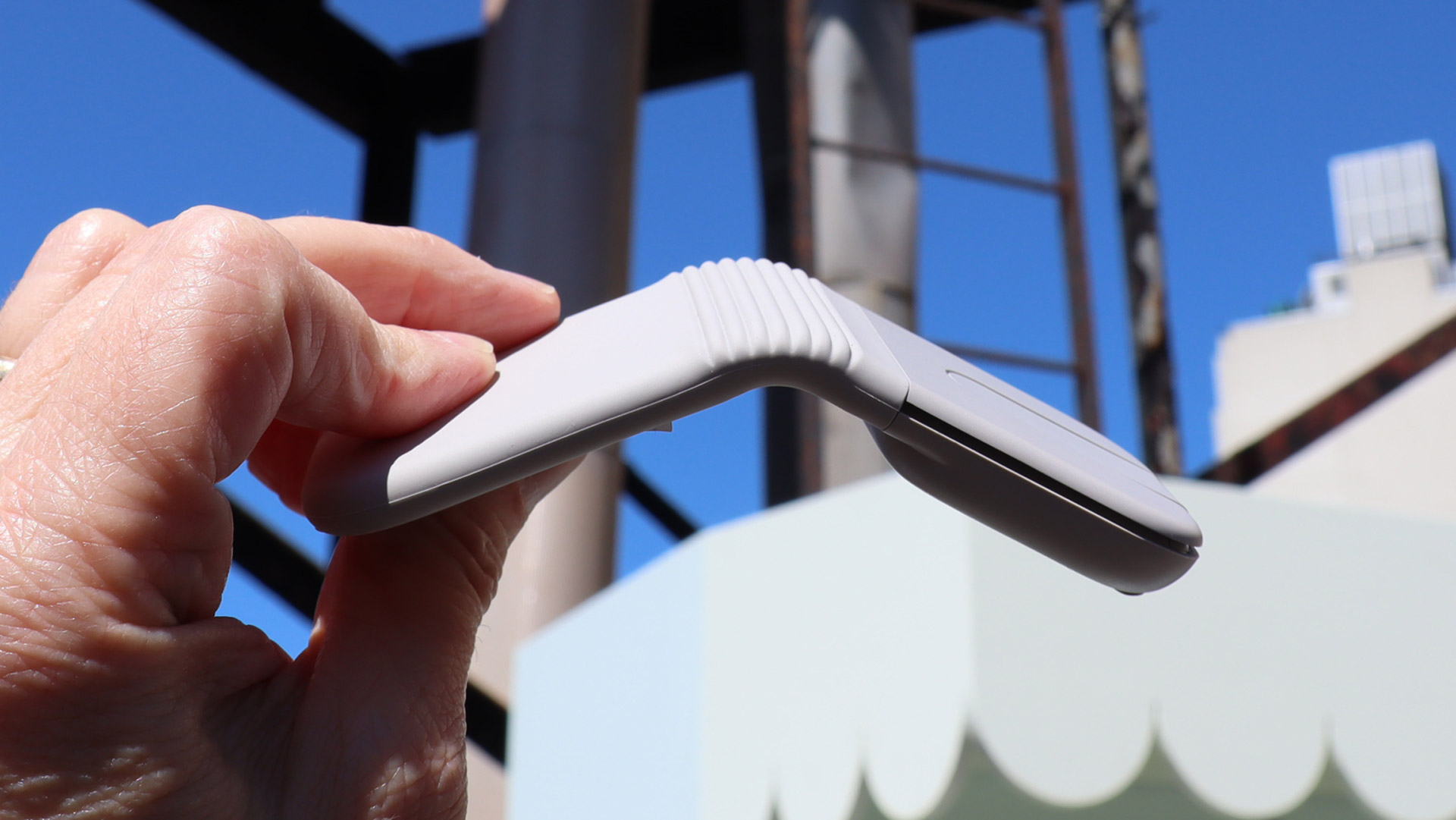
When folded, the Logitech Mobile Fold resembles in size and shape a screenless Samsung Galaxy Z Flip. It unfolds to a roughly 60-degree curve that neatly fits under your palm. It has a pair of silent clickers — all the better to not annoy your fellow passengers — and between them is a wide touch-sensitive button that you can use to scroll through on-screen content quickly or a line at a time.
Image 1 of 4
Advertisement
(Image credit: Lance Ulanoff / Future)
(Image credit: Lance Ulanoff / Future)
(Image credit: Lance Ulanoff / Future)
(Image credit: Lance Ulanoff / Future)
The body is covered in a soft rubber material that feels good against your skin, and Logitech claims that Mobi Fold is durable and ready to accompany you on the road for up to 15 years.
In the near-term, battery life is rated for 33 days on a charge, but if you’re in a pinch, a minute of charge can net you 22 hours of operation. You also don’t have to worry about the battery running down when the mouse is folded up in your backpack or pocket. It automatically powers on when unfolded and shuts off when folded up.
Image 1 of 3
(Image credit: Lance Ulanoff / Future)
(Image credit: Lance Ulanoff / Future)
(Image credit: Lance Ulanoff / Future)
If you regularly switch between, say, a desktop, laptop, and tablet, you’ll be pleased with the Mobi Fold’s quick-switch capabilities for up to three devices. There’s also the Logitech Plus companion app that you can use to customize buttons to open certain apps, take screenshots, copy and paste, and perform other operations.
Sign up for breaking news, reviews, opinion, top tech deals, and more.
Advertisement
I got a chance to try the mouse with a few different systems and apps. It doesn’t need a special surface or mouse pad to work, and I found it comfortable and responsive. I folded and unfolded it repeatedly and noticed that the fold feels firm, not flimsy. There’s enough tension that you won’t worry about the two halves flopping about.
Yes, I even accidentally dropped the ultra-portable mouse, and it survived without issue.
Mobi Fold comes in four colors: Graphite, Off-white, Lilac, and Sand, and should start shipping this week.
After Independence Day, director Roland Emmerich and producer Dean Devlin could have easily kept feeding the multiplex more flag-waving alien carnage. Instead, with Robert Rodat’s Saving Private Ryan pedigree tempering the “U-S-A!” machinery, The Patriot became something more grounded, darker, and far better researched than anyone had reason to expect. It is still historical fiction with Hollywood fingerprints all over it, but compared to the glorious cheese fountain of ID4, this is a far more serious and satisfying story about American grit, personal loss, and the ugly cost of revolution.
Mel Gibson’s Benjamin Martin is not based on one specific individual but a composite of militia who fought so bravely to win our freedom from Great Britain some two-and-a-half centuries ago. As a veteran of the French and Indian War, specifically “the wilderness campaign,” he’s not only witnessed but perpetrated unspeakable horrors and is reluctant to see his people thrust into another bloody conflict. But when the war comes for him and his family, this expert in guerilla warfare answers the call and helps turn the tide. Beyond the relatively minor indignities such as the Tea Act Monopoly, the Stamp Act and the Writs of Assistance, we’re shown the atrocities visited upon the colonists by the British forces, a brutality born of arrogance, and it’s hard not to be invested in the struggle by the climactic battle.
My collection of The Patriot discs on DVD and Blu-ray.
A quick glance over my left shoulder at the shelf marked M through Z tells me that, damn, I must really like this movie. I’ve owned The Patriot on five different five-inch discs (see photo), and that was before Sony dropped its new and improved SteelBook 4K edition, once again serving up both the R-rated theatrical cut and the longer unrated version. On the 2018 UHD disc release, just the theatrical cut was in Atmos and 4K, but only in HDR10, with the unrated version in 1080p/5.1. This SteelBook set now offers both cuts each on its own BD-100 platter, in 4K, Dolby Vision and Dolby Atmos, with breathtaking cover artwork by Paul Shipper.
Say what you like about ol’ Mad Max here, but he is one intense thespian, and his closeups convey his grief, his conviction, and the inner demons that fuel Martin’s resolve. Not every shot is razor-sharp, but nonetheless it looks like we’re watching the Revolutionary War, the roll-up and the aftermath through an immaculate window. A light, consistent layer of film grain accentuates the 2.39:1 image, and the high dynamic range delivers consummate detail in the many period-authentic low-light scenes, illuminated by candles, fireplaces or campfires. Even the glisten of a brocaded epaulet is preserved. Whether through the use of filters, magic hour scheduling or post-production wizardry, Caleb Deschanel’s Oscar-nominated cinematography has an enticing golden glow, and the colors are significantly upgraded from the 2018 4K, with only the slightest perceptible drop in picture and sound quality at the inserts within the unrated cut.
Subtle LFE for hoofbeats and fireworks early in the story lull us into false resignation, until the realities of warfare are fully unleashed. Showoff scenes don’t come much better than Gabriel’s rescue–this is the one I routinely use to test speakers, in particular my surrounds and sub–conveniently located at the start of Chapter 5 on the theatrical version, 36:42 into the film. Our vantage point shifts frequently amid the chaos but the hard placement of off-camera voices keeps us in the middle of the action, with frequent booming gunshots all around. (I plan to watch it again after this review publishes, just because.) The whiz and impact of cannonballs are also outstanding. The active overhead channels bring a wonderful sense of spaciousness throughout, and dialogue scenes that proved challenging on past editions are now crystal-clear. The Patriot boasts a John Wiliams score, lesser-known despite its Oscar nomination, and it amplifies the excitement exponentially.
The extras are all ported from past editions, some dating back almost 26 years, spread across the two platters. The theatrical version carries an enjoyable Emmerich/Devlin audio commentary in addition to brisk featurettes about the production and the historical fact. Interestingly, the comprehensive deleted scenes section–13 minutes total with optional commentary–is located on the unrated disc, even though most of that footage has been integrated back into the movie to create the longer cut. Also on this disc are vignettes devoted to the visual effects and concept art.
Advertisement
The timing of the new The Patriot 4K SteelBook is curious, too late for Memorial Day and too early for The Fourth, but take it from me: This one would make a terrific Father’s Day gift. (Father’s Day feature incoming, but this one deserved its own review.) With top scores for the movie, audio and video, this one gets our highest recommendation.
Movie Details
STUDIO: Sony Pictures Home Entertainment
FORMAT: Ultra HD 4K Blu-ray (June 9, 2026)
THEATRICAL RELEASE YEAR: 2000
ASPECT RATIO: 2.39:1
HDR FORMATS: Dolby Vision, HDR10
AUDIO FORMAT: Dolby Atmos with TrueHD 7.1 core
LENGTH: 165/175 mins.
MPAA RATING: R/Unrated
DIRECTOR: Roland Emmerich
STARRING: Mel Gibson, Heath Ledger, Jason Isaacs, Chris Cooper, Tchéky Karyo, Joely Richardson
Which? discovers ‘potentially lethal’ phone chargers are being sold by major retailers
Cheap chargers pose serious risks of fire, electric shock and more
Consumer group demands stricter government regulation
British consumer watchdog Which? has revealed many of the third-party phone chargers available to consumers could present “potentially lethal” risks – and they’re often hidden in plain sight.
Nine of the 15 chargers tested by Which? posed serious electric shock risks, while eight also presented potential fire or explosion hazards, but more worryingly, many were available from popular and trustworthy high-street and online retailers like Amazon, B&Q and Debenhams.
The timeliness is also of note, because the findings come seven whole years after Which? first warned about dangerous counterfeit and low-quality chargers, suggesting the problem remains widespread despite repeated warnings.
Latest Videos From
These are the reasons cheap chargers can fail basic safety tests
According to the report, many of the chargers tested failed basic testing because the internal electrical components were positioned too close together, insulation was inadequate, high-voltage stress tests caused failures and plug pins did not meet British Standards requirements.
Advertisement
The most prevalent concern, then, was that the defective products could cause electrical arcing, where electricity jumps between components, leading to electric component failures in the best-off cases, but electric shocks, overheating, fire and explosions in the most severe cases.
Among the examples given by the group was a counterfeit Apple USC-C 35W Power Adaptor sold for £11.99 – a not-at-all similar mock of Apple’s £59 charger. The researchers discovered arcing noises after just 10 seconds, and upon further investigation, found modelling clay inside the charger.
They believe it was added to make the device heavier, making it feel more ‘premium’. A second, separate model, sold via Debenhams, also included modelling clay within.
Advertisement
Sign up to the TechRadar Pro newsletter to get all the top news, opinion, features and guidance your business needs to succeed!
Besides suspiciously cheap chargers from Amazon (£2.99 and £3.99), eBay (£2.10 and £2.80) and AliExpress (£1.30 and £5.69), Which? also found that a more expensive £10.99 charger sold via B&Q was subject to fire, electric shock and explosion risks.
And even the chargers that passed safety tests, including models sold via Temu and Shein, weren’t fully legitimate. They still lacked the required markings and importer details, making them illegal in the UK.
“Badly designed electricals like these can have life-altering – even fatal – consequences,” Head of Consumer Protection Policy Sue Davies commented.
Advertisement
(Image credit: Which?)
Which? calls for greater enforcement over online marketplaces
Which? argues that marketplace operators have now become a major route through which unsafe and illegal imports can reach UK consumers, because they often act as intermediaries for third-party sellers.
However, despite the implementation of the UK’s Product Regulation and Metrology Act in July 2025, the consumer group says implementation has been slow. Under the law, the government can place obligations on online marketplaces.
Advertisement
Which? is therefore advocating for stronger enforcement powers and greater accountability for third-party seller listings.
“By making online marketplaces legally responsible for unsafe products, the government can set a world-leading standard for product safety in the digital age,” Davies added.
As for consumers, they’re being advised to buy from recognized brands and be wary of very cheap big-brand chargers. UK citizens should also look for the CE or UKCA marks and importer details.
Looking ahead, Which? has presented UK Department of Business and Trade Minister Kate Dearden a petition, with 150,000 signatories, calling for the government to regulate online marketplaces and fine them for breaches.
Rivian engineers took everything they learned from the larger R1 models and applied it to a vehicle sized for more people and more driveways. The result is the R2, a two-row electric SUV that starts well below sixty thousand dollars for loaded early versions and dips into the mid-forties for simpler single-motor models arriving next year. That pricing alone sets it apart from bigger adventure-focused rivals while still delivering real capability.
The body looks just like you’d expect from a car with a specific function, with no unnecessary frills and a nice, boxy form that declares its intent without being too huge for its own good. At 186 inches long, it’s around the size of a Honda CR-V in terms of footprint, but its stretched-out wheelbase makes it feel a little longer. The ground clearance is 9.6 inches, and the approach and departure angles are adequate for off-road adventures.
2 Mercedes toy cars for kids – LEGO Speed Champions Mercedes-AMG G 63 & Mercedes-AMG SL 63 vehicle playset for boys and girls ages 10 and up and…
2 driver minifigures – Each buildable vehicle toy comes with a driver minifigure wearing a Mercedes outfit so kids can role-play fast-paced races
Authentic Mercedes design – Each collectible car model features design details from the real life versions, including front grilles, hoods, wheels…
Stepping inside, you get the idea that the cabin is a huge open space with useful touches all over. The back seats provide ample leg and headroom and are exceptionally comfortable even on extended trips. The materials used are an excellent mix of nice everyday goods and some very smart eco-friendly choices, such as birch trim created from repurposed birch and a headliner built from ocean-rescued plastic. There are also spacious door pockets for holding water bottles, and the rear liftgate glass lowers to make loading heavier items easier.
Advertisement
The controls are one of the car’s most noticeable elements. There is a large, wide touchscreen that handles all of the normal features like as navigation, media, and vehicle settings, and it responds rapidly. You also get two huge halo dials on the steering wheel that allow you to change the climate, radio, drive modes, mirrors, and other settings with a few twists, pushes, pulls, or tilts. This strategy immediately became popular among reviewers, who considered it more user-friendly than scrolling menus while driving. One thing they needed was smartphone mirroring, but the native apps fulfill the most of your demands, and the interface is constantly updated with new features.
Under the hood, there’s an 88-kilowatt-hour battery and some extremely efficient motors. The top dual-motor Performance model generates 656 horsepower and accelerates to 60 mph in 3.6 seconds flat. Acceleration is powerful and immediate, but never uncomfortable. With 350 horsepower, the single-motor rear-wheel-drive car is a great option for people seeking for something a little more efficient. If you’re curious about how far you’ll get on a charge, the car’s range can reach 345 miles on the most efficient settings, thanks to its extraordinarily light weight (about 5,000 pounds) and sophisticated aerodynamic architecture that decreases the drag coefficient to 0.3.
Charging is quite speedy, with up to 230 kilowatts charging the battery from 10% to 80% in around 29 minutes under optimum conditions. You can also do bidirectional charging of up to 11 kilowatts, which allows you to power tools or even transmit electricity back to your home when the power goes out. Production of these things has already begun at Rivian’s plant in Normal, Illinois, with the intention of delivering the higher trims to clients this summer first.
The custom APU at the core of Sony’s PlayStation 5 hasn’t just been quietly powering these game consoles, but also made their way onto cryptomining cards around 2023 which are called the BC-250. The APUs on these boards differ from the one found in the PS5 most notably by having two out of eight CPU cores disabled, along with many compute units (CUs) of the iGPU. Now apparently it seems that you can re-enable these CUs per instructions by [duggasco] if you’re feeling adventurous.
The BC-250’s AMD APU in all its glory. (Credit: Lowest Logan, YouTube)
As stated in the project’s README, BC-250 boards come with only 24 out of 40 CUs enabled, but this is not a permanent (e-fuse) thing. Instead you can write to two hardware registers during the GPU driver initialization, something which can be added to for example the Linux kernel module parameters.
Since many of these APUs likely had cores and CUs disabled due to them failing QA during PS5 APU manufacturing, there’s a good chance that some of the CUs truly are bad. Yet as we saw with the AMD Phenom II X3 with a supposedly bad fourth core back in the day, sometimes demand for the ‘defective’ part is high enough that good parts get mixed in as well.
Thus people like [Lowest Logan] decided to give it a shot, demonstrating the use of the patch with Bazzite Linux on a BC-250 system. After a reboot the system does indeed list 40 CUs as being enabled, and running Furmark shows a big boost in performance without any glitches or fire. There is of course thermal throttling, but that is due to the default cooling solution not being designed for running it at full blast.
Advertisement
Incidentally the real PS5 has only 36 active CUs, so this technically makes these unlocked APUs more powerful. With the water cooling solution demonstrated by [Lowest Logan] the thermal throttling is also resolved, showing that you can get a pretty nice gaming system out of these old cryptomining boards if you happen to win the silicon lottery.
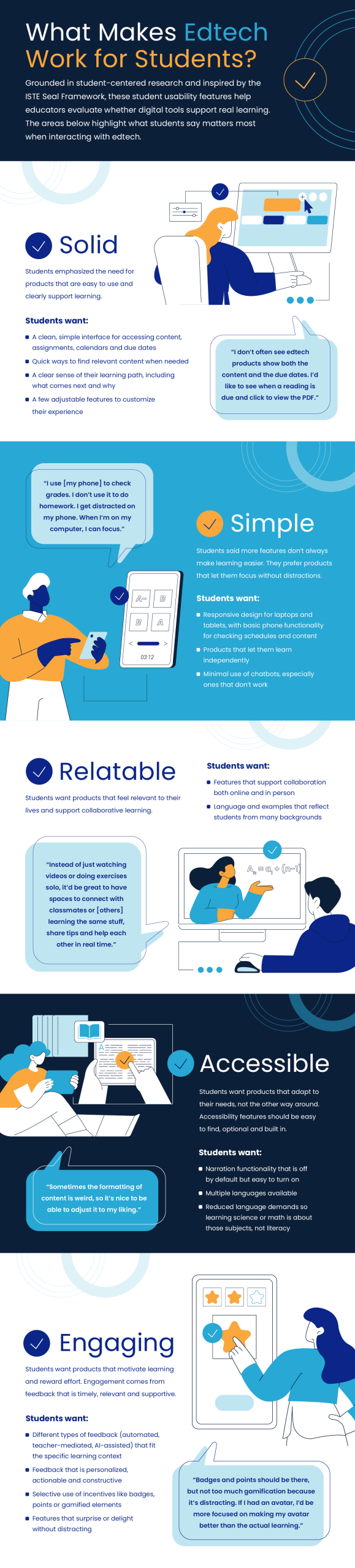
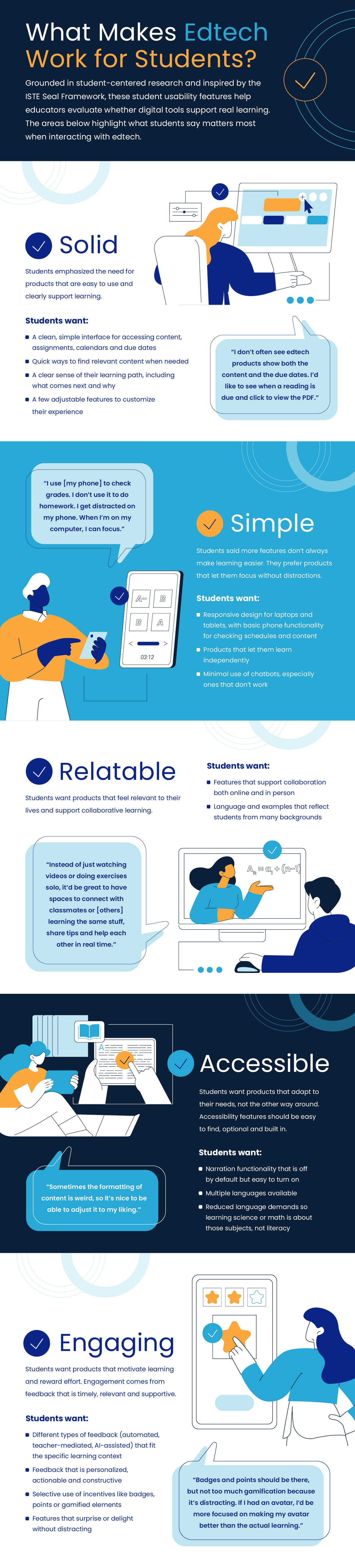
Even the most well-intentioned edtech can fall short if it does not meet students where they are. After several years studying the usability of edtech for teachers, the research team at ISTE+ASCD turned its attention to students — examining how the technical and pedagogical design of digital tools shapes their learning experiences.
In partnership with In Tandem and Sesame Workshop, researchers spoke with high school students across the United States to understand how they actually use edtech in real learning contexts. The findings identify five areas that matter most to students and offer guidance for educators and product designers seeking tools that are intuitive, meaningful and engaging.
A full framework and guidance for edtech buyers and product providers will be released in 2026.
This article was sponsored by ISTE+ASCD and produced by the Solutions Studio team.
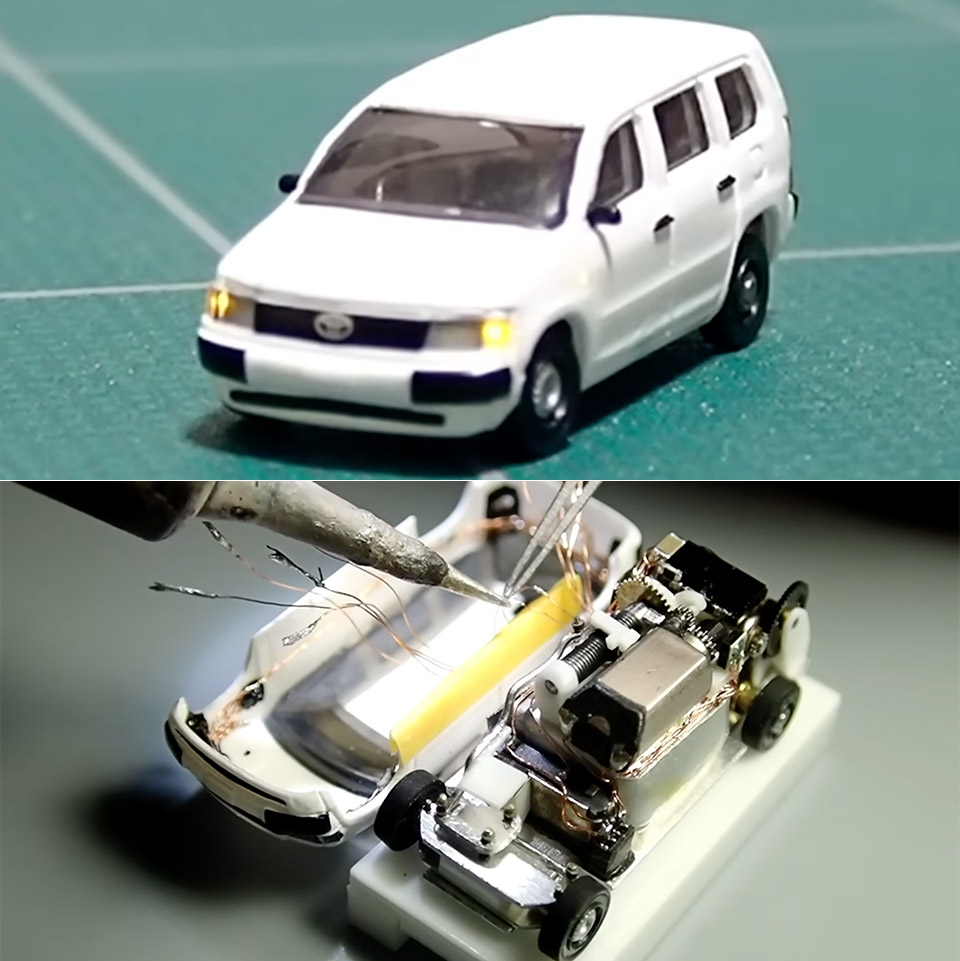
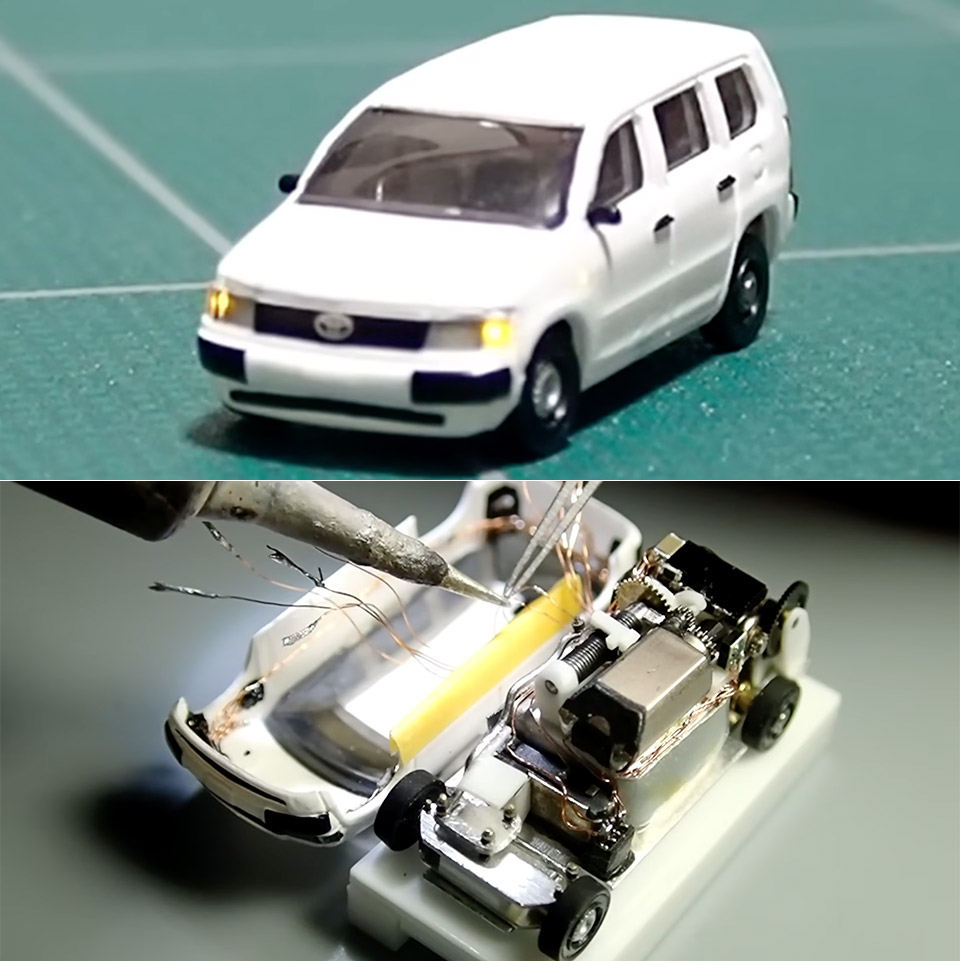
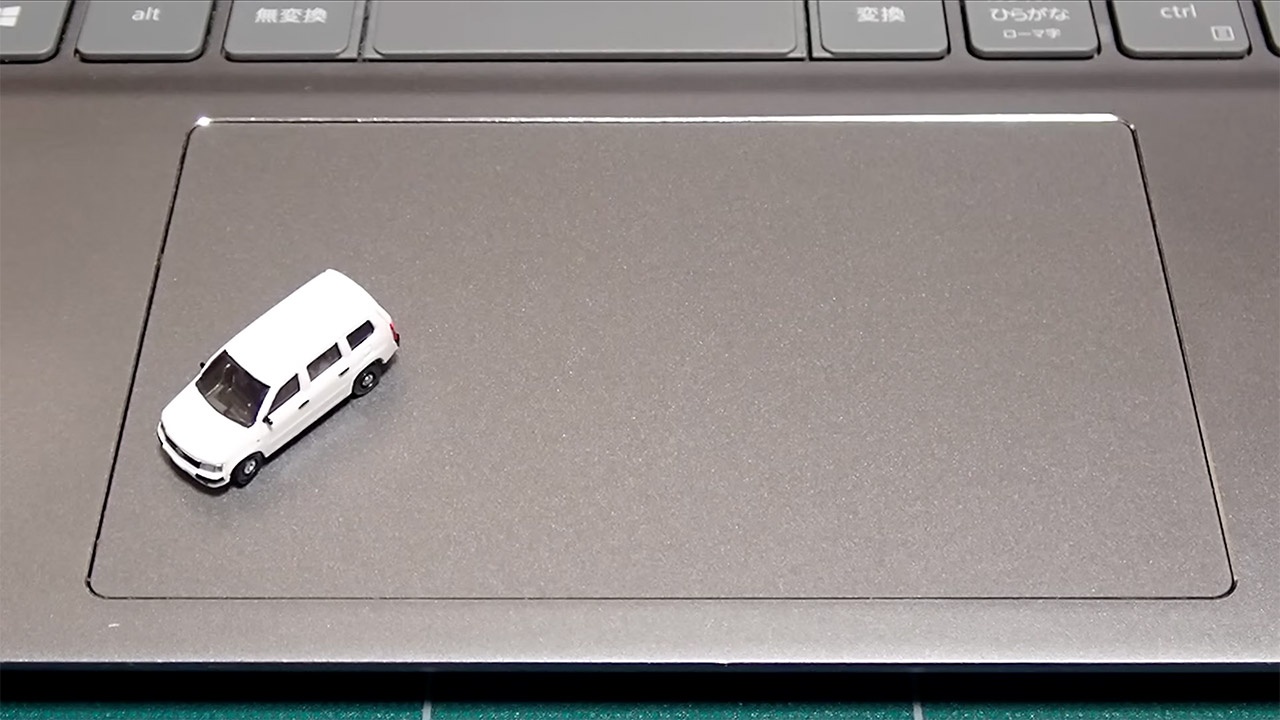
Diorama111 released a fresh build just days ago that shows what happens when extreme miniaturization meets real remote control hardware. He started with an ordinary KATO 1/150 scale Toyota ProBox, the kind of plastic model that sits on N-gauge train layouts or display shelves. Most builders stop at painting and weathering. He kept going until the little van could roll under its own power, steer on command, and light up properly in both directions.
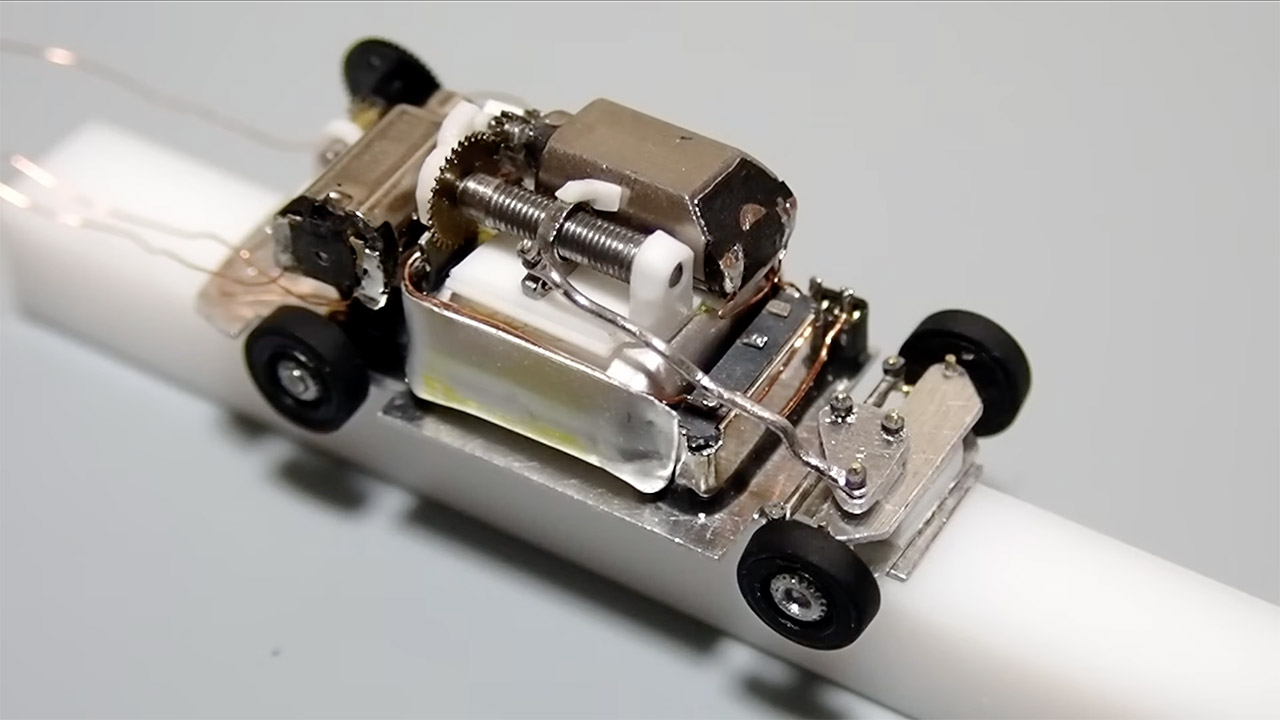
The finished model is only a few centimeters long, but at true scale, it is roughly 150th the size of a real Toyota ProBox. The exterior still looks like it just came off the production line, but everything inside had to be modified just to fit. This entailed designing new parts, modifying old ones, or just building them from scratch to allow for movement and electronics to fit within. Power is supplied by a tiny lithium-polymer cell measuring 9 by 9 by 4 millimeters. It sits on top of a custom control board and provides power to the complete arrangement. The duration is purposefully brief, just long enough to test it on a tabletop or in a diorama before it needs to be recharged quickly via the underside connectors.
A DC motor in the back propels the vehicle, and watch gears are used to slow it down significantly, allowing it to move at a suitable rate for its size. A brass-bushed axle is used to reduce friction, resulting in smooth acceleration and excellent control at low speeds. As a result, when observed from above, it looks to be moving steadily rather than bouncing about haphazardly.
Steering was a challenge because the conventional solution would not have worked. So a second DC motor was added to drive a lead screw, and a rod-and-linkage system was adapted to convert linear motion into front wheel spin. Two photoreflector sensors continuously monitor the motor shaft and screw, providing feedback to the controller so that it knows exactly where the wheels are and can give true proportional steering rather than just on/off. This all fits into the compact chassis, leaving room for the battery and receiver.
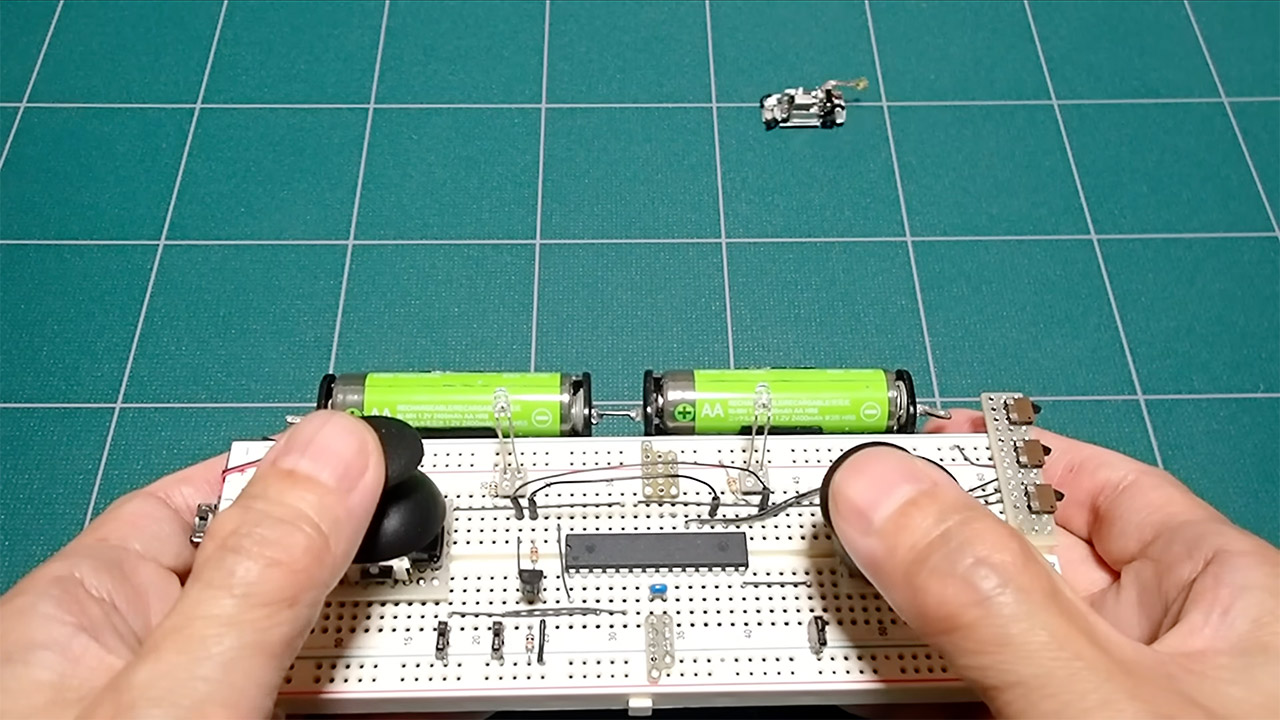
The radio signal is sent via infrared because a small surface-mount IR receiver module is contained within the body. The matching handheld transmitter contains two analog joysticks that provide you independent control over the throttle and steering. It appears delicate enough to execute figure-eights, smooth turns, and faultless parking on a cutting mat. Lighting only adds to the illusion, with a few tiny surface-mount LEDs concealed beneath the headlight and taillight lenses. A hair-thin magnet wire runs through the roof and body, transferring power without adding mass. The headlights turn on as you go forward. When you change into reverse, the rear lights brighten. Direction sensing guarantees that the lights function in the same way as a full-size car does.
Building this micro car required a great deal of patience because each stage required extreme focus. The interior was removed to provide way for the construction process, and each mechanical part had to be precisely positioned and tested before being altered repeatedly until everything fit together neatly while still leaving room for the batteries and cables. The underside of the chassis contains terminals for charging the battery and reprogramming the controller, making it possible to do so without disassembling anything. [Source]
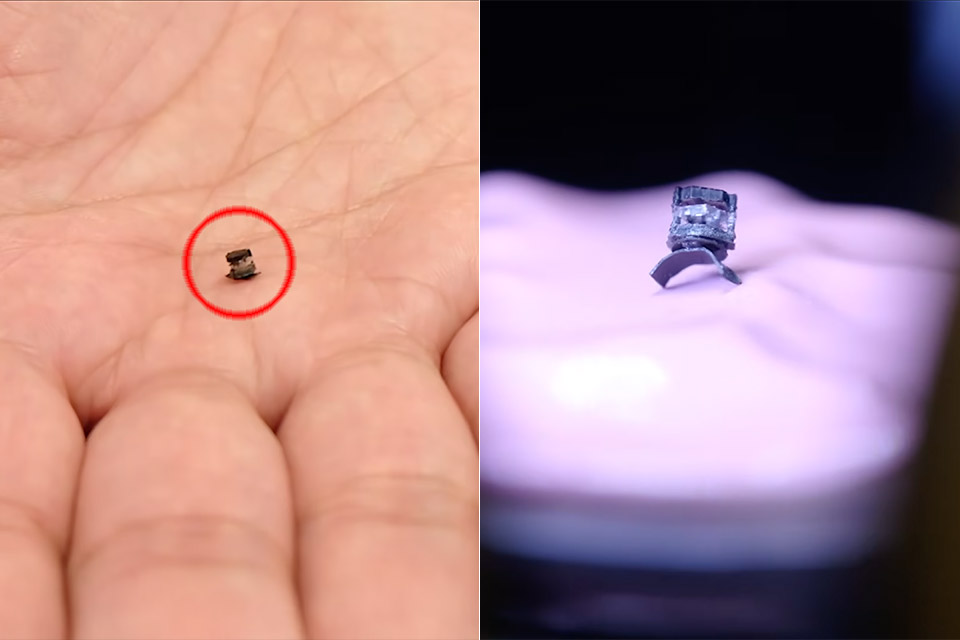
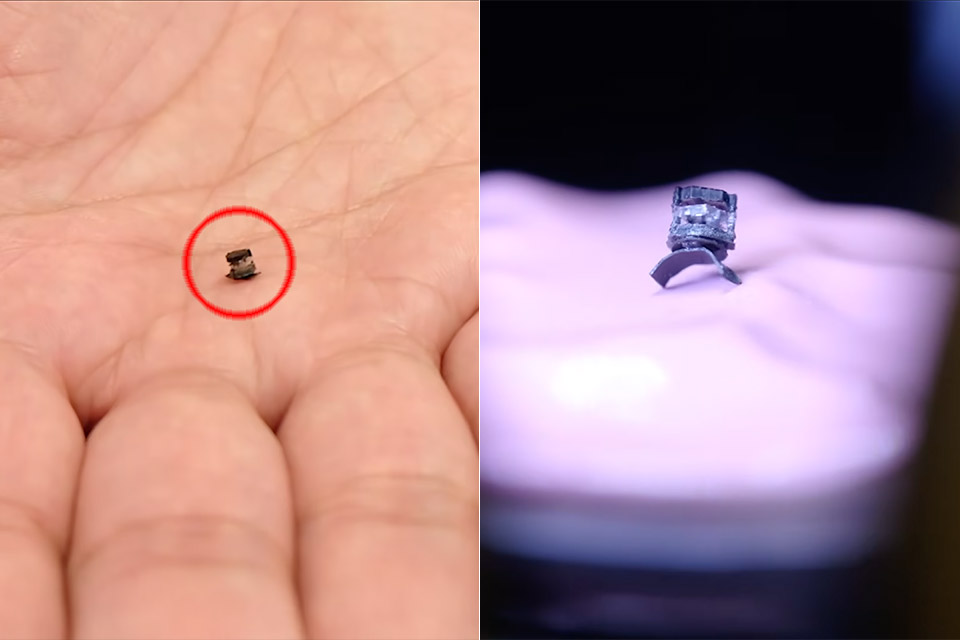
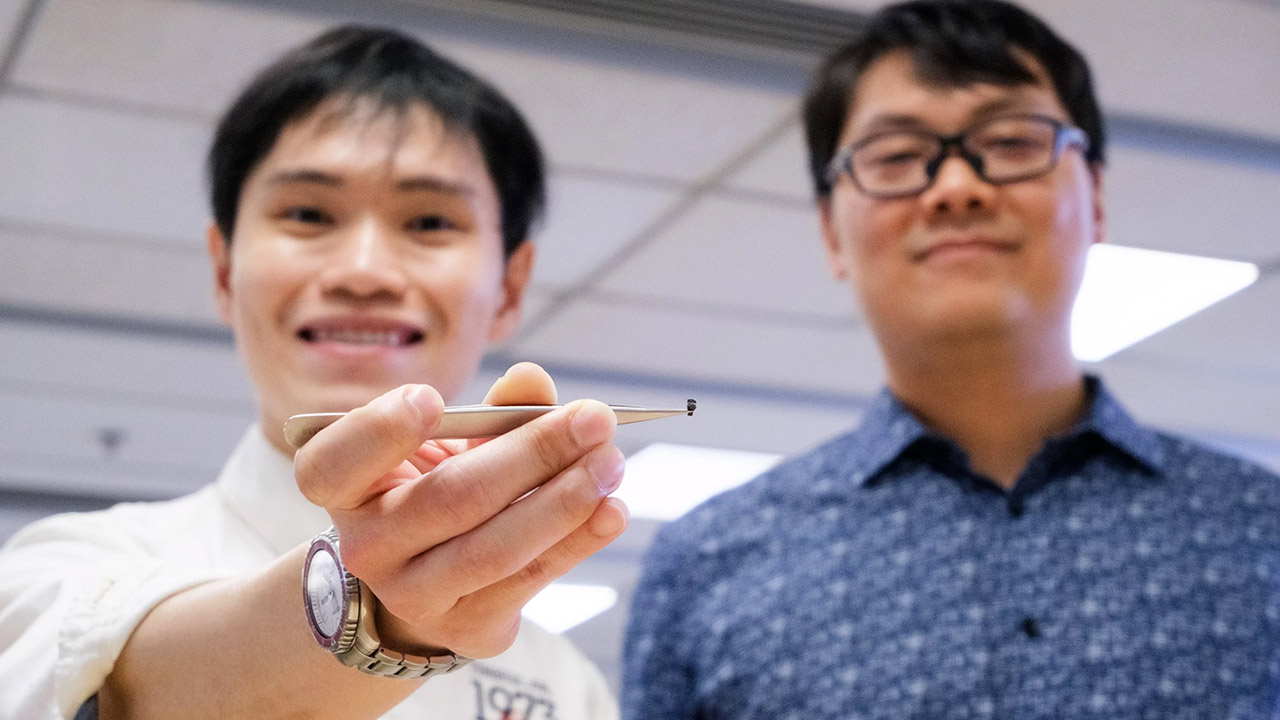
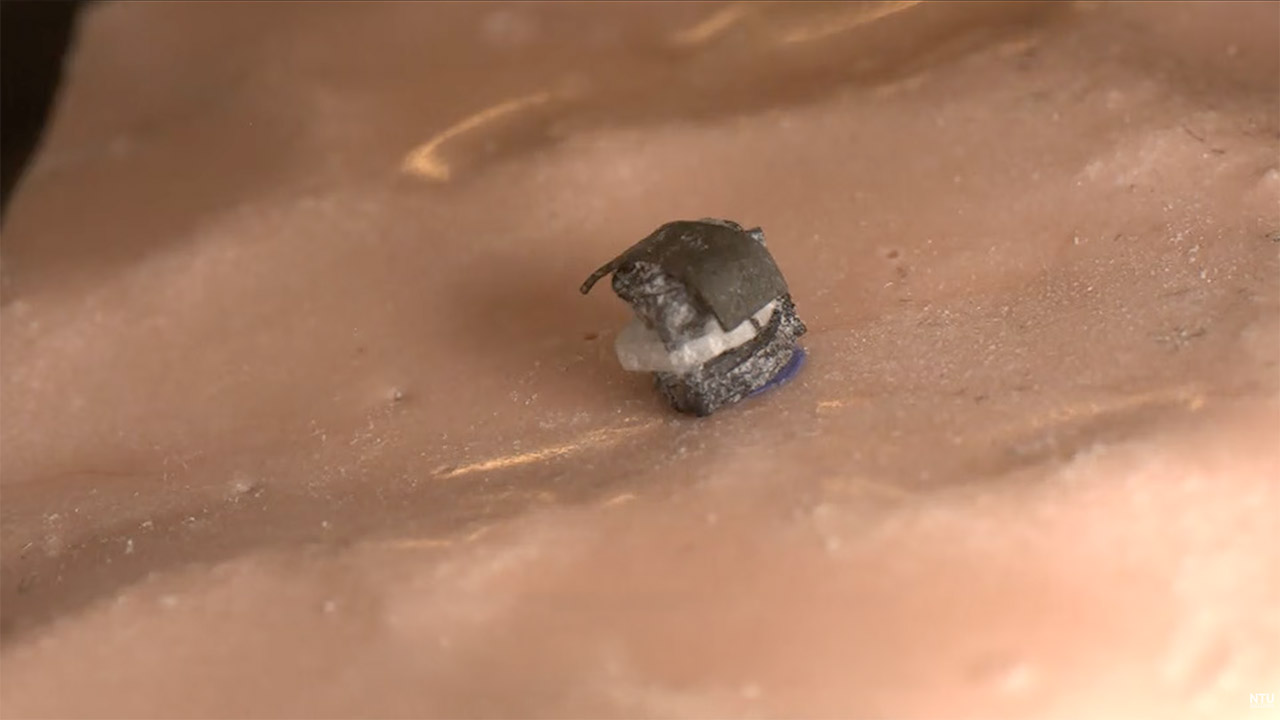
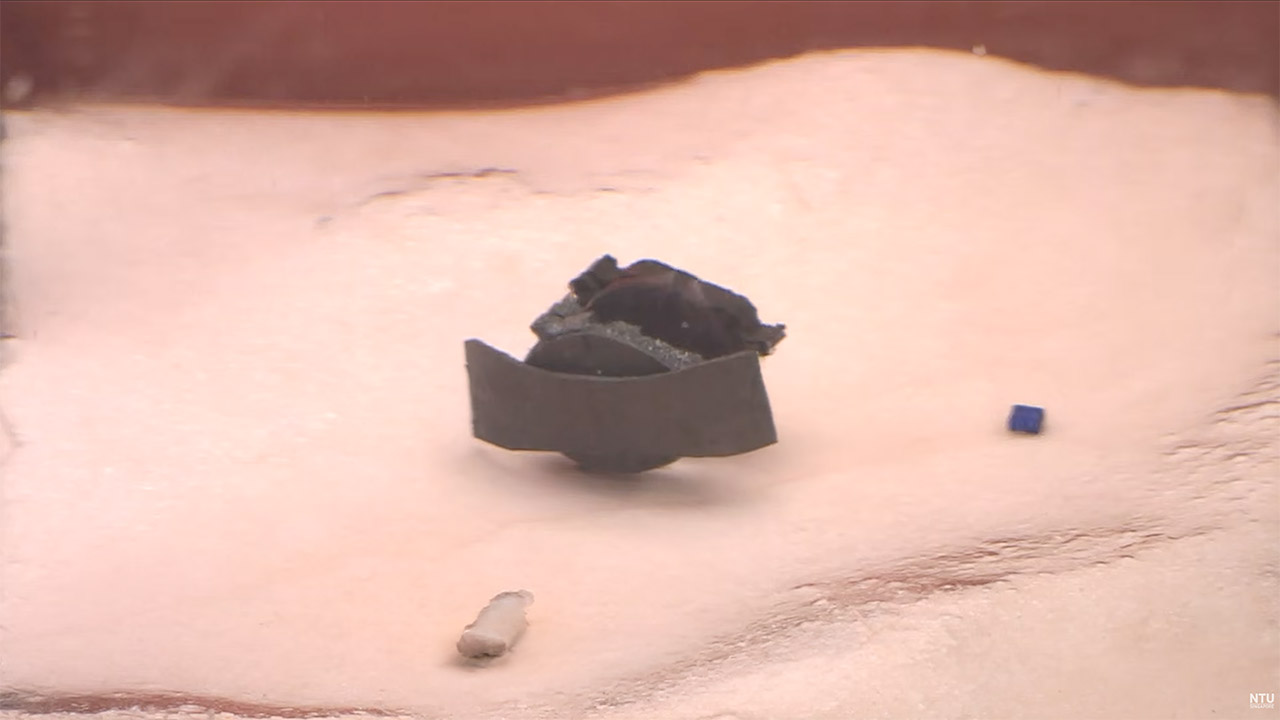
NTU researchers spent seven years building a magnetic robot just 4.4 millimeters long. The compact machine performs five surgical functions through external control alone. It travels across soft tissue, cuts when required, dispenses medicine, gathers samples, and creates localized heat. Work on the project took place in the School of Mechanical and Aerospace Engineering under Associate Professor Lum Guo Zhan.
Nicholas Yong Wei Foo, a PhD student, led the project’s hands-on development. Alumni and regulars, including Dr. Chelsea Shan Xian Ng and Yu Xuan Yeoh, made substantial contributions during the design and testing phases. The researchers published their findings in Advanced Materials after being funded by NTU funds, A*STAR, and the NHG Health group. NTUitive has received a technology disclosure and is poised to proceed. Almost every other magnetic robot of this size can only perform one or two tricks; this one can perform five, owing to a programmable core module.
With this set, based on the legendary Transformers Autobot, adults build LEGO Optimus Prime figure that converts from robot to truck and back
Relive the Transformers saga with accessories, including the ion blaster, Autobot Matrix of Leadership, an Energon axe, Energon cube and jetpack
This unique collectible robot model makes a great home décor piece – top off the build with a unique display plaque with Optimus Prime facts
The module’s magnetic state can be changed with a few external coils; just magnetize, demagnetize, or reverse the direction, and each condition corresponds to a specific tool or action. The innovative aspect is that zones in the body are designed to only illuminate active areas while leaving the rest dark. According to tests, a complete flip takes less than a second. Getting around is the first trick, but it is far from the only one. This robot can crawl on soft, uneven ground that replicates surfaces found deep within the body. It can also rotate along its long axis, which is important for achieving perfect alignment when things become tight or the surface starts to slope and fold. There’s also a blade that pops out for cutting, and in lab tests, it effortlessly sliced through chicken liver and gelatin models, or at least models designed to imitate the inside of a human.
Advertisement
When it comes to medicine delivery, the robot’s dispensing arm simulates drug delivery by using preloaded particles. The operator merely needs to maneuver it to the right spot and then press the release. The robot collects samples by utilizing a gripper to grab and secure tissue until it is ready for laboratory analysis. Test results showed that the gripper performed effectively on the models tested.
Then there’s heat generation, which is a different magnetic process that warms up a small region by creating high-frequency alternating fields that force the particles inside to warm up. The idea is that this might be used for targeted therapy, raising the temperature in a specific area without damaging the surrounding tissue.
The robot’s body is a clever combination of two flexible silicones, PDMS and Ecoflex, with magnetic particles that are barely five micrometers across. It has just enough give to bend and twist as needed while yet preserving enough shape to complete the task. Because there are no batteries, wires, or electronics inside the robot, all guidance and tool activation occurs from the outside. Because the robot is designed to be tiny and simple, all commands are given from the doctor’s control station.
Lab studies on actual biological samples showed that the design choices worked successfully. The robot completed all of the tasks on the samples, and subsequent tests comparing the materials to human skin cells found that more than 99% of the cells were still alive and active, which is optimistic for future development. According to Associate Professor Lum, most magnetic robots this size can only do one or two tasks. [Source]
A big civil rights deadline that impacts schools and vendors will hit this month.
Federal law has required accessibility for people with disabilities for decades, says Glenda Sims, chief information accessibility officer at Deque Systems, a company that specializes in digital accessibility.
But two years ago, the federal government finally gave schools a way to measure whether their websites, mobile apps and digital content were accessible under law when it released a “final rule.”
In essence, the final rule updated 2024 Title II of the Americans with Disabilities Act, a federal law concerning equal opportunity, setting out standards for public institutions around website and mobile app accessibility. When the deadline was put in place, disability experts told EdSurge that the rules provided clarity for schools and edtech vendors, and also set a ticking clock for when they would have to make changes. The rule set varying deadlines for school districts and state and local governments — in April 2026 or April 2027, based on population size.
Advertisement
On April 24, the first deadline will hit. By then, institutions have to make their web content and mobile apps comply with Level AA of the Web Content Accessibility Guidelines (WCAG) 2.1, a widely recognized accessibility standard that includes accommodations such as a minimum contrast ratio and a requirement for audio descriptions.
But with the well-advertised deadline just days away, schools are well behind schedule.
Some advocates worry that digital accessibility is being swept up in broader political trends. So, what happens when the deadline hits?
Not Ready for Prime Time
Only 14 percent of districts had completed the accessibility updates required by law, according to a survey from the National School Public Relations Association released last December. The survey also found fewer than half of districts prioritized digital accessibility or had procedures for vetting vendor accessibility, which is required by the rule.
Advertisement
It’s not just about course content, but also the apps that a school may use, says Sambhavi Chandrashekar, global accessibility lead at D2L, a company that runs a widely used learning management system. “I doubt if a single K-12 district in the U.S. or anywhere else has an inventory today of all the web apps and forms and content that they have that are not accessible,” Chandrashekar says.
NEWSLETTERS
STAY AHEAD IN EDUCATION.
Sign up for EdSurge newsletters for timely news, insights and analysis.
Figuring that out requires performing an audit, which most schools likely haven’t done and which can be expensive, she adds.
Advertisement
At EdSurge’s request, AAAtraq, a company that sells disability-related legal compliance services, surveyed around 20 of the largest schools across a number of states — in California, Colorado, Florida, Illinois, New York, Texas and Washington state. Many school websites and online PDFs failed along “basic accessibility fundamentals,” based on a benchmark the company uses to assess legal exposure. Alt text was missing, there was not enough color contrast and many websites didn’t have an accessibility statement, the company reports. The company found that 88 percent received an “F,” the lowest possible grade.
“Title II should have been a wake up call,” said AAAtraq CEO Lawrence Shaw in an emailed comment, referring to the major disability law behind the “final rule.” Yet many schools, including some of the largest in the country, have left themselves open to legal action.
Digital Exhaustion
Schools’ relationship to technology has also changed since two years ago, from rushing to embrace it to trying to limit it.
Advertisement
These days, beset by digital exhaustion and regret over the reach of tech into children’s lives, schools have sought to restrict screens in schools.
But it’s important for schools and lawmakers to distinguish between meaningful tech and doomscrolling on social media, says Luis Pérez, senior director of disability and accessibility for CAST, a digital access advocacy group. Students are under more pressure to manage their own attention, Pérez says, but those with disabilities and multilingual learners rely on certain digital tools, such as text-to-speech and adjustable text sizing to navigate daily learning. When used correctly, digital tools that expand accessibility can foster a sense of belonging, especially for underrepresented groups.
He worries that screen time laws that lump all screens together could make digital accessibility harder.
K-12 schools may be having the toughest time. Universities are usually more prepared for digital accessibility than state or local governments, which run K-12 public schools, says Sims of Deque. That’s partly because students with disabilities represent a more identifiable group in universities and that allows them to advocate for accommodation, she says.
Advertisement
These schools are heavily reliant on vendors for accessibility, Sims says.
It doesn’t help that there’s uncertainty at the moment.
Old Rules, New Rulers
While the accessibility deadline is still in place, the intentions of the federal government have become murky.
Last year, the Department of Justice signaled that it might issue a new “interim final rule” that would impact the deadline. And recently, the Office of Information and Regulatory Affairs — a federal agency that is usually not involved with accessibility — has been holding meetings on the rule, as “credible rumors” have circulated that the rule is in danger of getting delayed or scrapped.
Advertisement
Yet, the federal government has not publicly released information about its intentions, according to Jarret Cummings, senior adviser for policy and public relations at Educause.
The Office of Information and Regulatory Affairs did not immediately respond to a question from EdSurge about whether a delay is expected.
However, some documents related to the meetings are publicly accessible, giving a glimpse into what they are hearing.
A group representing more than 800 Minnesota cities argued in written testimony that none of the Minnesota cities that would be impacted by the rule are fully compliant with the law. The letter states that the cost of compliance would squeeze small government budgets. In a similar argument, testimony from the National Association of Counties estimated that it would cost small counties about $32,000 to fix problems with accessibility on their sites, and large counties as much as $700,000.
Advertisement
Cummings’ organization, Educause, has also argued that two years was not enough time for most higher-ed institutions to make changes. It suggested that the government alter the timeline.
In contrast, Mark Riccobono, president of the National Federation of the Blind, testified that the rulemaking process has been ongoing for decades, with ample time for comment. The bill represents a compromise that clarifies rules, while reducing the burden of those under the law by providing exceptions and generous timelines, Riccobono argued.
Politically, the national mood has changed since the rule was issued a couple of years ago.
The affiliation of accessibility with diversity, equity and inclusion has politically backfired under the Trump administration. The administration has shredded grants it has identified with “radical” DEI ideology, and mass firings have gutted agencies like the Education Department, which the administration is actively trying to dismantle.
Advertisement
For students with disabilities, it means that there’s no guarantee of federal support, even when a federal complaint is filed.
“I would say that so many of the places that were reasonably staffed… have been reduced to almost bare bones, nothing. And so even if there are complaints coming in, there’s no way to truly handle them,” says Sims, of Deque.
Indeed, mass firings have led to 90 percent of all student civil rights complaints, including from students with disabilities, being dismissed by the federal government in the second half of last year, according to a nonpartisan government watchdog report published in January.
In the absence of federal help, people with disabilities have turned to the courts. There were more than 3,000 accessibility lawsuits filed in federal court last year, according to legal analysis of court data.
Advertisement
Long-term Goals
Pérez of CAST maintains that advocates should keep on track, focusing on long-term strategy, no matter what happens at the federal level. Accessibility benefits everyone, regardless of their background or disability status, he says.
Sims, of Deque, has also made a “business case” for considering accessibility during the design of products, suggesting that as schools embrace accessibility, the vendors that can show they build accessibility into their products will be rewarded.
Some hope that artificial intelligence tools will help students with disabilities access information on their own, and point toward tools like Aira, an AI tool that aids in remote video interpretation for people with visual impairment.
But even there, disability law experts insist that the federal rule hasn’t actually changed. “The rule is the rule until it isn’t,” wrote Lainey Feingold in early March.
Tuesday’s patch bundle also fixed MiniPlasma, a separate vulnerability disclosed by Nightmare Eclipse. Microsoft said in an email that the vulnerability is tracked as CVE-2020-17103, a vulnerability Microsoft first fixed six years ago. That means MiniPlasma was the result of a regression or an incomplete patch in its initial form. The company is in the process of updating Tuesday’s bulletin to note the republication.
Microsoft has yet to release patches for other vulnerabilities disclosed by Nightmare Eclipse. The company did provide manual instructions for mitigating YellowKey, a vulnerability that allows attackers to defeat Bitlocker full-disk encryption. That could be a boon when attackers have physical access to a device (the precise scenario Bitlocker is designed to protect against). The company has yet to fix the underlying cause of the vulnerability.
The status of other vulnerabilities disclosed by Nightmare Eclipse are also unclear at the moment. The researcher named one vulnerability, present in Windows Defender RedSun. Another, named BlueHammer, is also a local privilege escalation flaw that provides SYSTEM rights.
Over the past few months, Nightmare Eclipse has taken multiple potshots at Microsoft. The specific criticisms remain unclear, but many make references to complaints about the company’s vulnerability disclosure program. Microsoft, in turn, has publicly railed against the researcher for “not responsibly” disclosing the vulnerabilities and made a vailed reference to the possibility of pursuing legal action. After a public backlash, Microsoft later relented and vowed no such legal action would occur.
Advertisement
On Tuesday, Nightmare Eclipse published exploit code for a new Windows vulnerability. It’s a race condition that targets Defender.
Tuesday’s patch batch included fixes for roughly 200 vulnerabilities. Notwithstanding the appearance that MiniPlasma was fixed, two of them were also confirmed as zero-days.
Post updated to include information Microsoft provided after initial publication of this post.


























































You must be logged in to post a comment Login