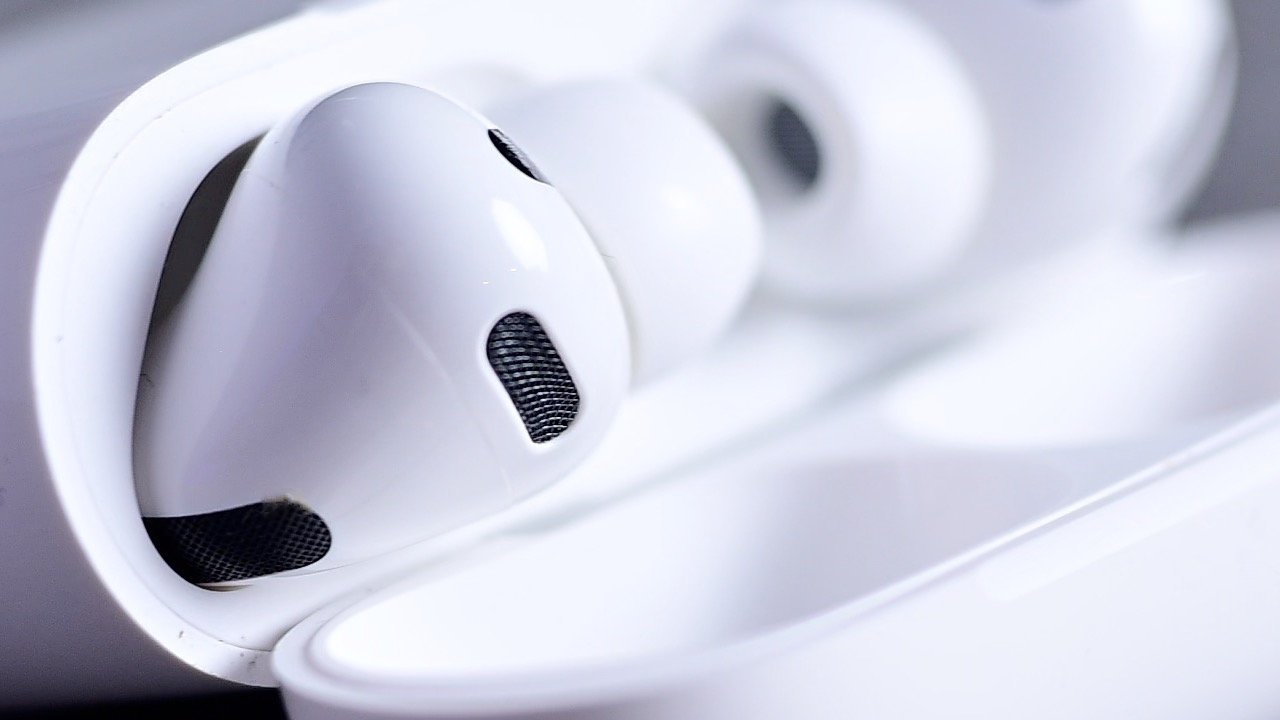
While the rumored camera-equipped AirPods Pro won’t be coming out until 2027, an update is still expected by the end of 2026.
Fall is the traditionally busy launch period for Apple’s product catalog, and that can include AirPods. However, while there are rumors of a wild addition to the earbud range in development for 2027, Apple may still have something to launch in 2026.
Writing in Sunday’s “Power On” newsletter for Bloomberg, Mark Gurman reiterates that AirPods Pro probably won’t be coming out in 2026. Back in May, while the model was said to be very close to launch, being in the design validation testing (DVT) stage, it was thought that it was too late in the schedule for 2026, and 2027 was a safer bet.
A more probable 2026 candidate is said to be in the works, under codename B790, with Gurman insisting that Apple habitually makes competing versions internally. The B790 was the alternative to the camera-equipped versions, codenamed B798.
Advertisement
The B790 are said to be “further along,” and have been referenced in iOS 27 code. They have also apparently been listed on Apple’s internal road map for launch as early as 2026.
As for what to expect, Gurman doesn’t provide any clues about them. Most probably, they will be an enhancement of the current version, but without any cameras.
RGB backlighting and Super Quantum Dot (SQD) technology are mounting the strongest challenge yet to OLED’s dominance in 2026. After testing and reviewing the year’s major contenders, we are ready to reveal our picks for the best TVs of 2026 so far. Join Senior Reviewer Al Griffin, and Editor-at-Large Chris Boylan as they break down their favorite models, explain what sets each one apart, and debate whether OLED still deserves the crown.
TVs are now so thin that they don’t have space for big, beefy drive units to produce good sound.
That means you’re not getting the best audio experience, and as should all know by now, audio is 50% of the experience. To give yourself the best chance of having the best home cinema sound, you should consider investing in a soundbar.
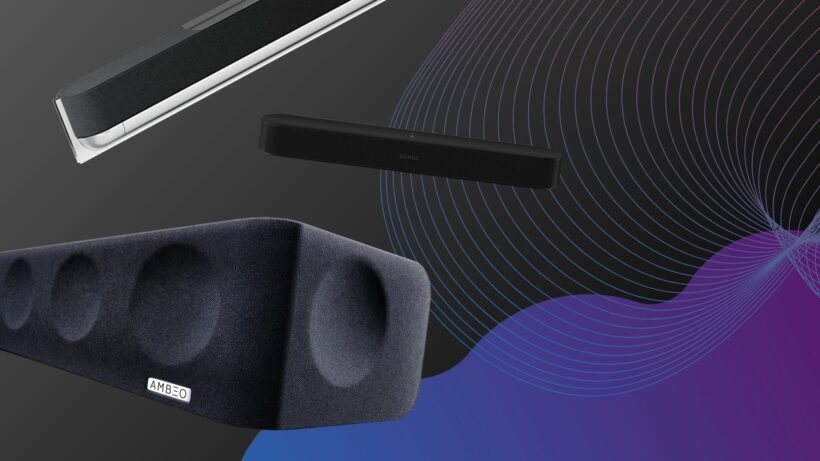
We’ve put together this list of the best soundbars for different budgets, sizes and uses. Whether it’s a compact soundbar for a small room, a soundbar for gaming, or a soundbar system with speakers and subwoofers, you can have a look at the options below.
When we test a soundbar we look at its design how flexible it is to fit in a space. How easy is it to use is another consideration, the number of inputs (and outputs) it has, and its feature set too. We’ll also take a close look at any smarts and wireless connectivity.
Advertisement
Sound quality is, of course, the main reason to buy a soundbar and our reviewers watch a range of movies, play games and listen music to determine how well the soundbar performs across a range of activities.
We’ve replaced the Marshall Heston 120 with the Bose Lifesytle Ultra Soundbar for the bass entry, and we’ve added the Samsung HW-QS90H as the best wall-mounting option.
Soundbars were created to boost TV sound quality – which means we end up watching a lot of TV. We play everything – news reports for voices, movies for scale and effects steering – to ensure that the soundbars that come through the doors at Trusted Reviews are given a proper challenge. We’ll play different genres of music, too, since a good soundbar should be capable of doubling-up as a great music system.
More complex soundbars feature network functionality for hooking up to other speakers and playing music around the home, so we test for connectivity issues and ease of use. We cover the spectrum of models available, everything from cheap soundbars costing less than £100 to those over £1000, to ensure our reviews benefit from our extensive market knowledge. Every product is compared to similarly priced rivals, too.
Best overall soundbar
Sennheiser Ambeo Soundbar Max
Best soundbar system
Samsung HW-Q990F
Advertisement
Best premium all-in-one
KEF XIO
Best for wall-mounting
Samsung HW-QS90H
Best mid-range soundbar
Sennheiser Ambeo Soundbar Plus
Best for music
Sonos Arc Ultra
Advertisement
Best for bass
Bose Lifestyle Ultra Soundbar
Best compact soundbar
Sonos Beam (Gen 2)
Best gaming soundbar
Razer Leviathan V2
Best budget surround sound
Sharp HT-SBW55121
Advertisement
Best no expense soundbar
Bang & Olufsen Beosound Premiere
Best budget soundbar
Majority Bowfell Plus
Advertisement
FAQs
What’s the best soundbar without a subwoofer?
Advertisement
If you’re short on space or prefer not to have a subwoofer as part of the package, then the Sonos Beam Gen 2 is an excellent choice with its wide soundstage and detailed performance with voices. If you have room for a bigger bar, either the Sennheiser Ambeo Soundbar Mini or Sony HT-A7000 would be fine options.
There’s a new contender in the prosumer UV printer world up on Kickstarter, the HeyGears G1. This one’s particularly interesting as they’re explicitly marketing it as being able to produce full-color 3D prints along with the “print-on-anything” functionality we’ve come to expect from a UV flatbed printer.
You get two choices of bed, with the larger being 420 mm x 320 mm x 130 mm. Hardly the largest build volume we’ve seen around here. You can fill that with up to 6 KG of UV ink/resin from its Epson-brand head in glorious full color and layers as small as 10 um. The ink isn’t super cheap — the CMYK kit looks to MRSP at 189 USD — but you aren’t locked in to expensive cartridges at least. HayGears sells ink in bottles, and you’re free to grab any other brand’s bottles if you want to risk it.
The Kickstarter is ongoing, and it will be some time before backers get their printers. But we can report that the early review copies, like the one [Steve Makes Everything] got for the video embedded below, seem to live up to the manufacturer’s claims, which is promising indeed. Certainly the idea of SLA quality without the mess is very appealing to many — though the super-early-bird price of two grand on Kickstarter and the doubtless higher MRSP may temper some of that interest.
If you’re curious about this UV printer business and why a maker might want one that doesn’t do 3D, our own [Tom Nardi] went hands-on with the EufyMake E1 last year.
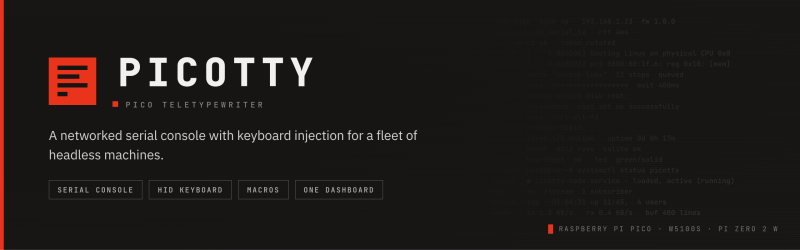
Many of us will be used to the idea of a KVM, a device that pipes keyboard, video, and mouse over the network from a remote machine to your own. But many remote machines don’t run a GUI, so there’s not always the need for a full video experience. Enter [morpheuslord] with the PicoTTY. It’s somewhere between an old-fashioned serial terminal and a KVM.
The system has two components, a Pi Pico which plugs in to the USB port of any one of a number of machines and has a wireless card, and a Pi Zero which forms the hub. The Pico acts as both a keyboard and a serial terminal, and streams both to the user via a web interface on the Zero.
We can see the use of a machine like this, but we have a few questions. Why for instance is the keyboard needed, given that the serial terminal could provide input in itself. But however it works we can see it might have a use in cases where a terminal can’t be accessed over the network directly, and we especially like it that a single USB peripheral does the job that a conventional KVM would use a bunch of cables for.
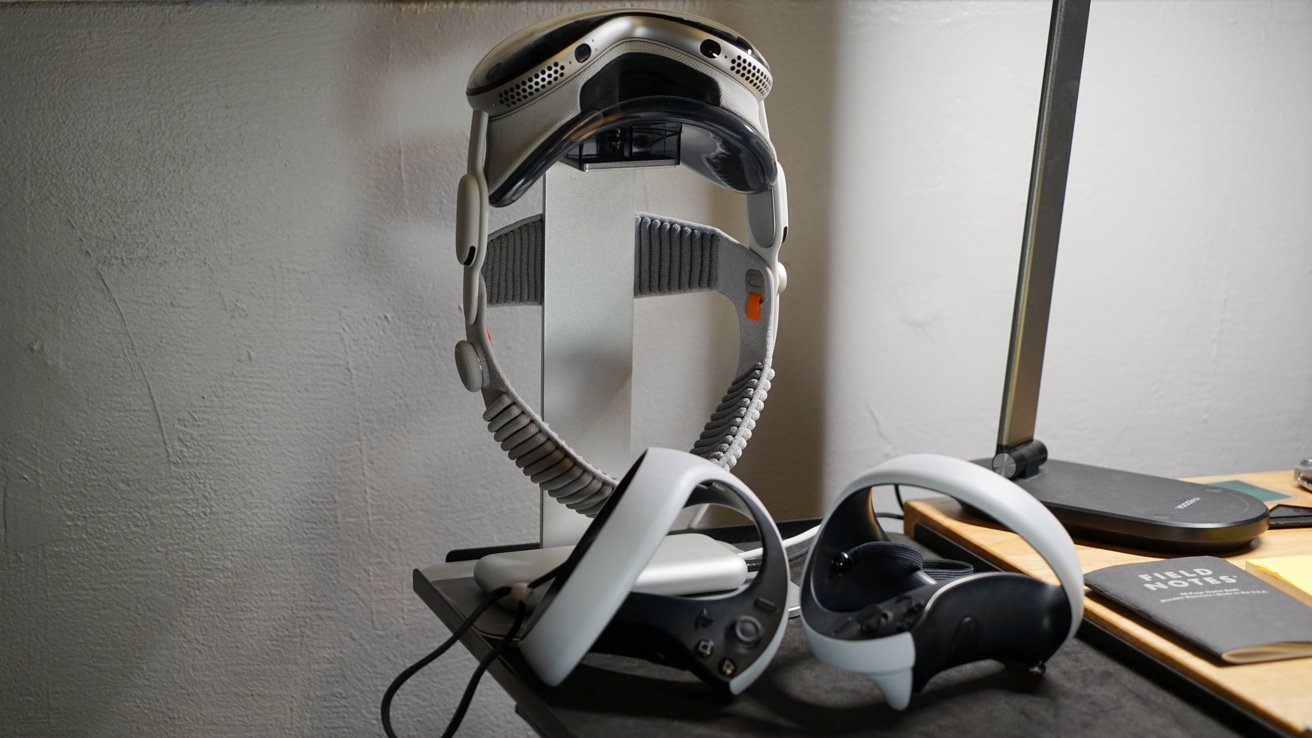
Apple Vision Pro is way too unwieldy for yoga and cardio, but fitness tracking could be implemented in a future version of Apple smart glasses if a job listing is anything to go by.
If there is one thing Apple CEO Tim Cook did beyond making Apple a company capable of earning $109 billion in a summer quarter, it’s bringing health and fitness to its products. There were apparently ambitions for fitness software on Apple Vision Pro, but those plans fell through for obvious reasons.
According to the “Power On” newsletter from Bloomberg, Apple is looking to hire a “strategic product design leader” that would “define the future of health, wellbeing, and fitness experiences across vision products.” The listing goes further by stating that the person would “translate ambiguous opportunities at the intersection of spatial computing, wearables, consumer health, and human behavior.”
The listing itself is interesting, but if you’ve ever scoured Apple’s vacant job postings, there are many like it. Bringing fitness and health products to Apple’s Vision lineup isn’t an unprecedented move as Meta’s Quest headsets have fitness features too.
Advertisement
I still hope Apple might try to work with the team at Supernatural Fitness after Meta cut staff from the project.
The report suggests that Apple has already moved on from the idea of incorporating something like Apple Fitness+ into Apple Vision Pro. The new hire would likely be focused on implementing features in its future smart glasses, though possibly not in the first generation due in 2027.
That said, Apple Vision Pro isn’t devoid of health features today.
Apple Vision Pro is already a fitness product
I wouldn’t recommend buying Apple Vision Pro as a workout tool. It’s big, heavy, and can cause neck strain if you’re moving and twisting too much with it on.
Advertisement
There are fitness tools on Apple Vision Pro if you go looking for them
That doesn’t mean Apple Vision Pro is completely devoid of health and fitness tools. Users can install apps that interact with HealthKit and log fitness data.
Meditation tools were advertised at the launch of Apple Vision Pro, plus there are a few fun workout-focused games on the platform. I would love to play Beat Saber, as that’s a great workout, but it still isn’t on the platform.
The boxing and rhythm games that do exist can work up a sweat, though. Starting a general workout on Apple Watch while playing some of these games can be useful to the user too.
Advertisement
While Apple Vision Pro isn’t exactly something you’d add to your workout routine, it isn’t completely devoid of fitness software. It will be interesting to see how Apple leans into the AR and VR aspects of fitness and health as Apple Vision Pro and smart glasses evolve.
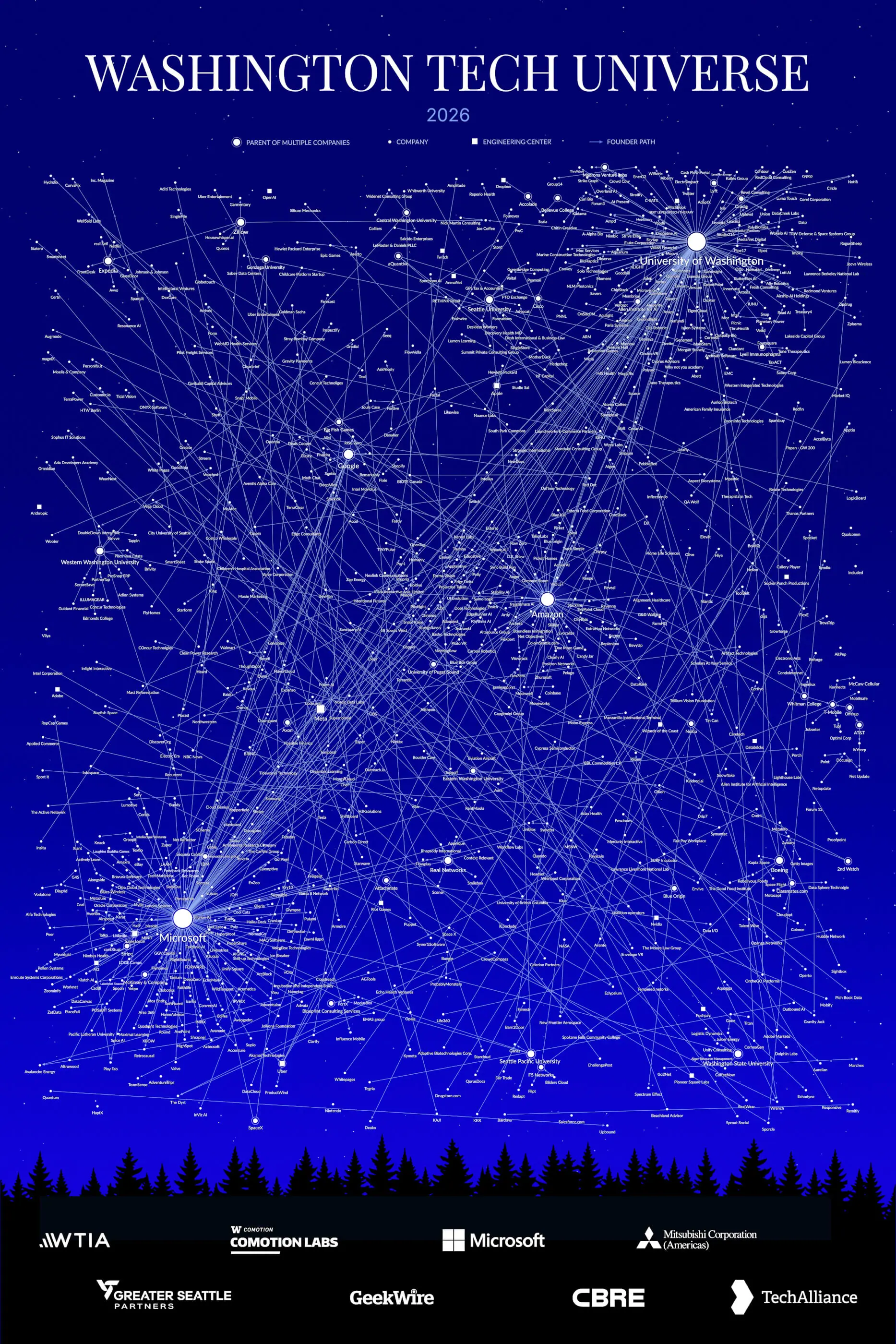
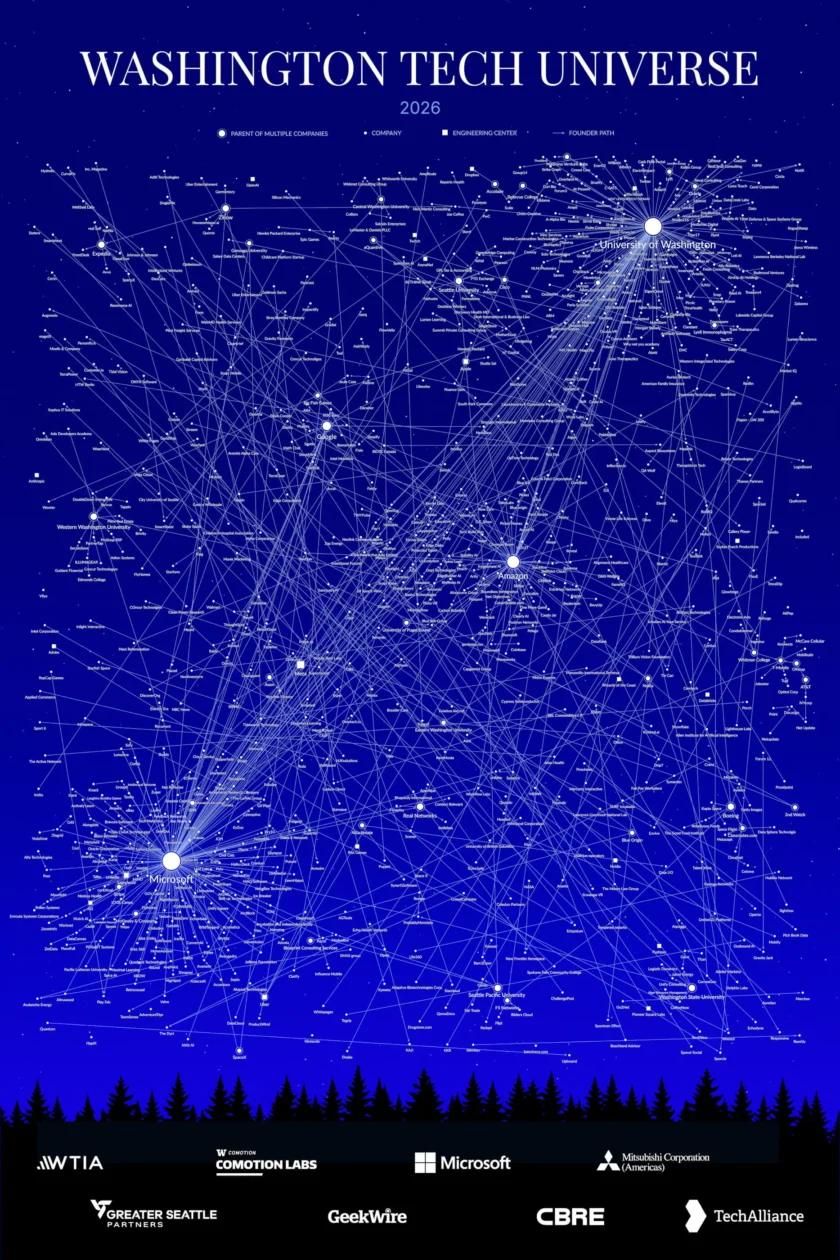
How interconnected is Washington’s tech industry? Enough that a large share of the state’s companies can trace their lineage to Microsoft, the University of Washington, Amazon, and a handful of other institutions.
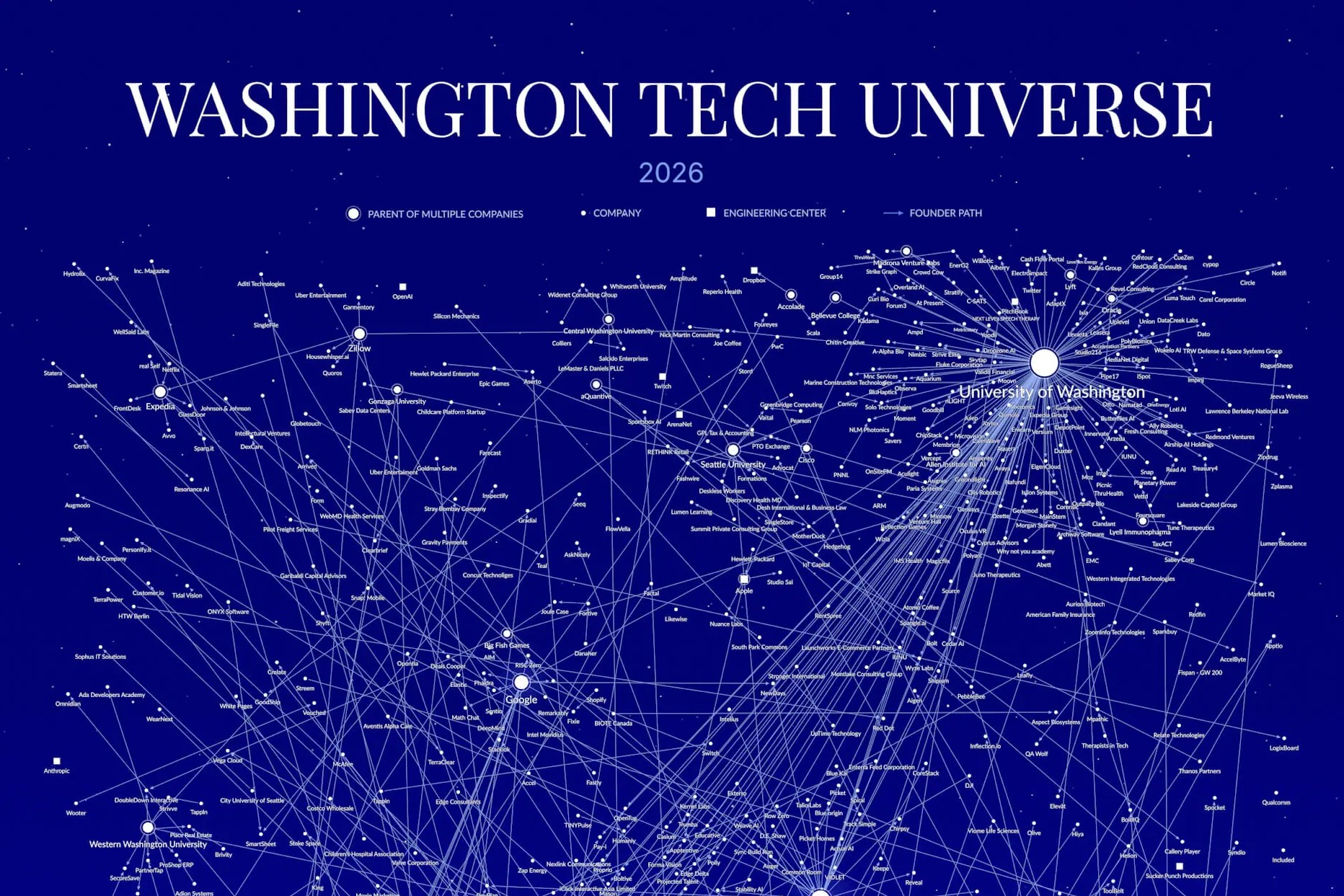
A new visualization from the Washington Technology Industry Association (WTIA), unveiled this week, charts those family trees. But the “Washington Tech Universe” map offers only a partial view: Washington is home to 25,000 tech companies, and just 625 are featured.
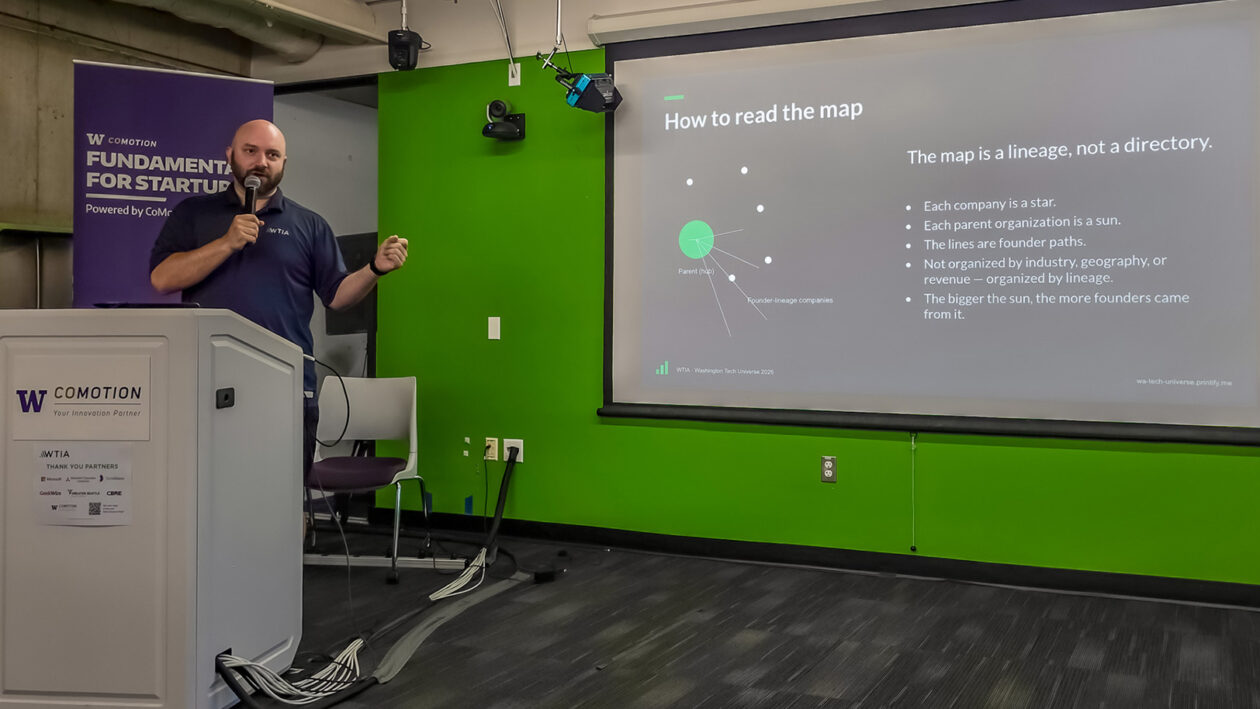
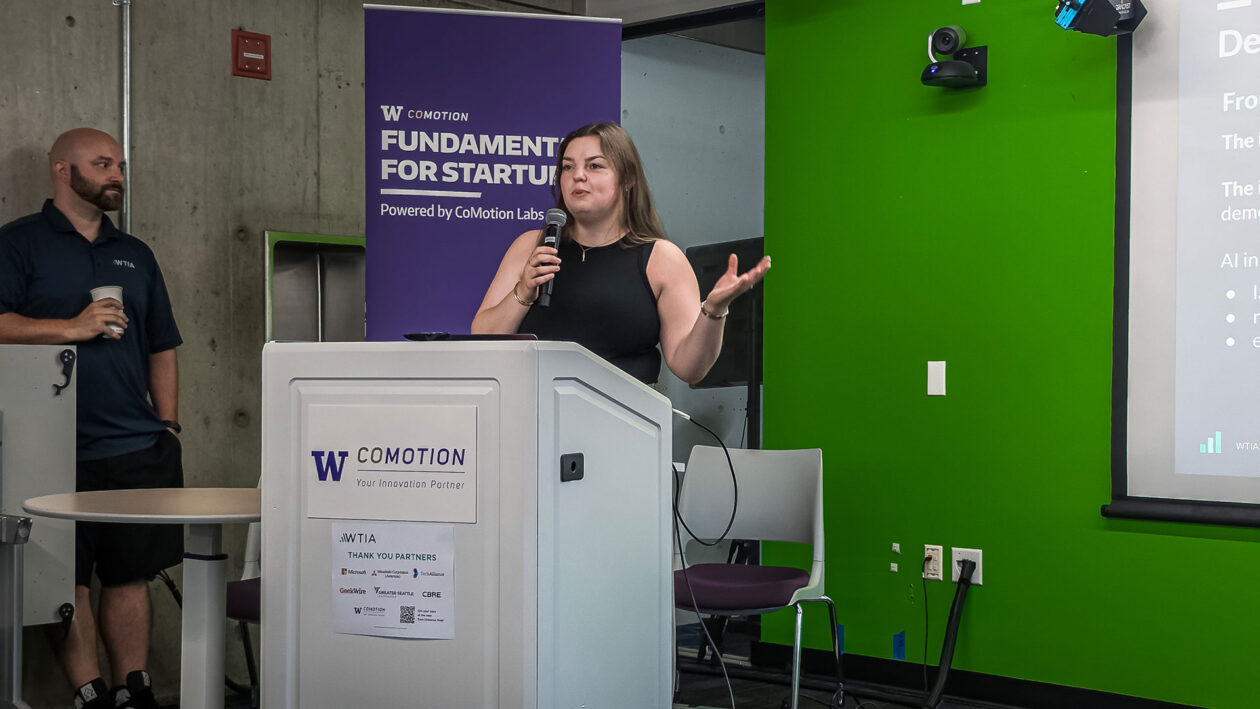
“This is not a ranker of all the best companies,” said Nick Ellingson, WTIA’s vice president of innovation and entrepreneurship, during a presentation at Seattle Tech Week. The point, he said, is to show the region’s connectivity and to make the case for investing in the community as a whole.
The “Tech Universe Map” comes 11 years after the trade group published a similar visualization. According to Ellingson, the update came because people kept asking for it, not because of a single event. It’s unrelated to WTIA’s efforts to help Washington establish a public AI narrative.
That said, the 2026 edition is markedly different from the one in 2015: The new map looks at the entire state, aiming to comprehensively chart the connections among different companies, while the prior version was limited to companies in Seattle, with a more narrow focus on acquisitions and similar data.
Advertisement
Microsoft and UW produce the most founders
WTIA’s data shows that today, Washington has four main founder “hubs,” with Microsoft being the largest. About a quarter of the mapped companies — 161 of 625 — have at least one founder who came out of Microsoft. UW is the second with 143 companies, followed by Amazon, which anchors 58 firms. Google rounds out the group with 20 connections, though it’s a pipeline that didn’t exist in WTIA’s 2015 map.
WTIA’s Vice President of Innovation and Entrepreneurship, Nick Ellingson, unveils the 2026 “Tech Universe Map” at the University of Washington’s Comotion Lab on July 27, 2026, explaining how to read the map. (Photo by Ken Yeung, click to enlarge)
UW isn’t the only school producing founders. WTIA’s map traces company lineages to Washington State, Western Washington, Central Washington, Eastern Washington, Whitman College, Seattle University, and Seattle Pacific. Still, UW accounts for 70% of the map’s university connections.
Broken down, the data shows that nearly two out of three companies (64%) grew out of another company listed on WTIA’s map. A third came out of a university, or out of a company that operates in Washington without being headquartered here.
Google is the clearest example of the latter since it’s based in California but has a significant presence here. Moreover, WTIA found that 44% of mapped companies had founders who previously worked at two or more Washington organizations before starting theirs.
Advertisement
Ellingson called the hubs “gravity wells that bend the entire region toward the next generation of founders” in the announcement.
However, he cautioned that this pipeline concentrated around four main sources could be a risk. Some of the hubs he expects to grow next, such as Google, OpenAI, Anthropic, and Nvidia, are headquartered elsewhere and maintain engineering centers here, a presence that is easier to scale back. Microsoft, Amazon, and UW aren’t going anywhere. The next generation of hubs has no such guarantee.
The Washington Tech Universe map. See the full version here.
To mitigate this risk, Ellingson called for broad community support for these hubs, saying it would keep the flywheel going.
These companies, he said, “are growing not just the jobs at their companies, but they’re creating the next employers, venture-scale startups, and tech companies that go on to build amazing things, and hire the next generation of talent here and bring more talent to the area, who then go and create their own startups.”
The next hubs are forming around AI
WTIA also recognized AI’s impact on Washington’s tech ecosystem. Although the technology was not a formal selection criterion, it became evident that AI would be a dominant theme among the featured companies. In fact, firms like Read AI, Karat, Yoodli, Outreach, and Pictory appear on the map for the first time. And Ellingson revealed that “many of the startups on the map are AI startups.”
Advertisement
“Twenty-three percent of the AI talent in the United States is here in Seattle,” he said.
That, along with the burgeoning startup ecosystem, is why organizations like the Allen Institute for AI (Ai2) and AI House, are poised to have large constellations of their own. AI House was formerly the AI2 Incubator. It spun out as an independent entity in 2022 and rebranded in June.
WTIA noted that Ai2 is the first research lab on its map to operate as a “founder factory.”
Other AI companies making their presence known on the “Tech Universe Map” include OpenAI and Anthropic. While not Washington-native, both AI model makers have established or expanded their outposts in the state since 2015.
Advertisement
Ellingson predicted that, like Ai2, both would eventually become major hubs.
How companies were selected
UW alumni Jessica Forcucci explains her design process in creating WTIA’s 2026 “Tech Universe Map.” (Photo by Ken Yeung)
To create the “Tech Universe Map,” WTIA started out with a dataset of 3,500 Washington-based tech companies with at least $1 million in funding or revenue according to PitchBook.
The group was filtered further to those that were headquartered or had notable engineering centers in the state, were still active, and had “meaningful” Washington-grown connections through founder or university lineage. The GeekWire 200 was also used in the process.
WTIA enlisted the help of UW graduate Jessica Forcucci and a team of designers to create the visualization. In brief remarks, Forcucci explained her vision for the “Tech Universe Map,” saying the goal was to “demonstrate the interconnectivity” these companies had with each other.
Predicting what the next map will look like
As Washington’s tech ecosystem evolves, Ellingson predicted there will not only be bigger constellations of AI companies, but also quantum, fusion and advanced energy, and space and defense. He believed more tech clusters will blossom statewide beyond King County.
Advertisement
Ellingson said WTIA is seeing real growth in Wenatchee, the Tri-Cities and Spokane. Those regional clusters are small now, he said, but he expects them to be substantial by 2031.
To make the next map happen, Ellingson urged people to open doors for others, make introductions without expecting anything in return, and give first, building community and forming new constellations.
Despite a lawsuit from xAI, a Minnesota ban on apps that allow users to “nudify” images can move forward, according to NBC News.
U.S. District Judge Donovan Frank’s ruling focused as much on the timing of xAI’s lawsuit as on the substance of the law itself. Frank wrote that xAI filed its request for a temporary restraining order “on July 29, 2026, nearly three months after the law was signed, and only three days before the law is set to take effect” on August 1.
“Such a delay in bringing the action and the motion suggests that harm is not immediate,” Frank said.
This isn’t the end of xAI’s lawsuit against the ban; it only means that the law can take effect while the lawsuit proceeds. In the suit, xAI argued that the ban — the first of its kind in the United States — is “overinclusive” and that “there are far less restrictive alternatives that function to achieve the same ends.”
We’ve all seen these sensors and modules kicking around, as part of beginner kits, strapped into prototypes and potentially even in products deployed in the field. Yet as [John Teel] rightfully points out in a recent video, most of these have no business ever being used in a real product, and might not even be suitable for prototyping.
First up is a combination of the related DHT11 and DHT22 temperature-humidity sensors. As common as these are, they’re also pretty sketchy with their proprietary one-wire protocol and at most questionable accuracy, worsened by not having a good supply chain. The replacements are plentiful: the SHT40 and SHT41, the Bosch Sensortec BME280 or BMP180, as well as TI’s HDC3020. These get you standard I2C communication and a supply chain plus a datasheet you can trust.
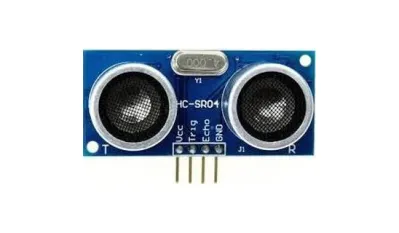
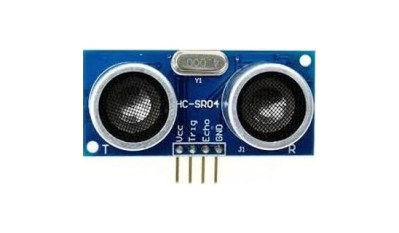
Second is the HC-SR04 ultrasonic distance sensor. Although fine for prototyping, it’s a 5 V module, lacks temperature compensation and other features that’d be needed outside a temperature-controlled room. Here ST’s VL53 Time-of-Flight sensors are a good alternative, containing a range of sensors of which we covered the fancier VL53L5CX previously for 3D scanning a room. Of course, you can also use reflective IR as a good cheap alternative.
Third is the HC-SR501 passive infrared (PIR) motion module. This one is also fine for PIR and motion sensing prototyping, but is too inconsistent and power-hungry for production. Instead you can get much better and much smaller PIR modules, like the Panasonic EKMC and EKMB, or the ST STHS34 IR motion and presence sensor.
Advertisement
Fourth takes a swing at all the MQ-series of gas sensors. These generally feature a heater that consumes a lot of power, require a long burn-in period and need calibration using a reference gas to be useful. In a safety-first environment you’d thus use a sensor from a reputable manufacturer with a datasheet and some level of calibration.
Fifth is the MPU-6050 IMU, which probably comes as a surprise to many, as it generally seems to just work well. The main issue here is something that is common for a lot of common non-sensor chips as well, like the still very common UDA1334A I2S codec that hasn’t been manufactured by NXP for ages, but is still found everywhere. If you want to design a product that can be easily manufactured, you have to pick an IMU here that is actively being manufactured by a reputable manufacturer.
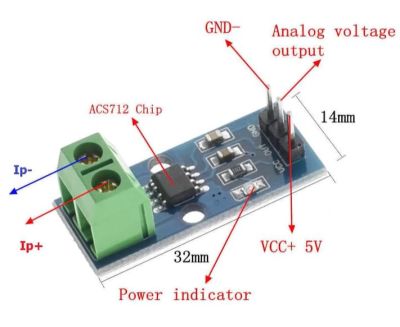
How not to use the ACS712 IC to sense mains current. Avoid this breakout board.
You also have to actively avoid anything that’s marked as ‘Not Recommended for New Designs’ (NRND) unless you love supply surprises during production. For IMUs you end up with something like the Bosch BMI270 or TDK’s ICM-42688, albeit for more money, but with better specifications.
Sixth sensor are cadmium sulfide photoresistors (LDRs). Although this is a very simple light-dependent resistor part, they fall afoul of the EU’s RoHS regulations due to the presence of said cadmium. Fortunately they’re not that great anyway, so an ambient light sensor IC is a good alternative. Here the Vishay VEML7700, TI OPT3001 and Lite-On LTR-303 are recommended and provide far more features at a reasonable BOM cost.
Seventh sensor and #1 on the list is the ACS712 current sensor. Specifically the mains-targeting breakout boards that are being sold everywhere. Here it’s not the IC that’s the problem, it’s that here – as also seen with various common relay boards – there has been no consideration given to basic mains power safety, such as creepage distance and general separation. The lesson here is that if you integrate mains power in your device, you do not skimp on safety with a sketchy module.
JetBrains is warning of a critical authentication bypass vulnerability affecting TeamCity On-Premises that could be exploited to achieve remote code execution.
The security issue is tracked as CVE-2026-63077 and can be leveraged by an attacker with HTTPS access to a TeamCity server to bypass authentication via the agent polling protocol and execute arbitrary operating system commands with the privileges of the server process.
“All versions of TeamCity On-Premises are affected,” JetBrains warns in the advisory, adding that “TeamCity Cloud customers are not required to take any action, as the necessary measures have already been applied.”
TeamCity is a commercial continuous integration and continuous delivery (CI/CD) server that is used for building, testing, and deploying software.
Daniel Gallo, Solutions Engineering Lead at JetBrains, says that successful exploitation of CVE-2026-63077 could expose TeamCity data, configurations, stored credentials, or compromise build artifacts and CI/CD pipelines, depending on privileges.
Advertisement
At the time the advisory was published on July 27, there was no evidence of active exploitation.
JetBrains says the issue was privately reported to them on July 10 and was addressed in TeamCity versions 2025.11.7 and 2026.1.3. The vendor recommends upgrading to the versions listed above as the first option.
A security patch is available for TeamCity 2017.1+ as a plugin for customers unable to upgrade to the latest releases.
Advertisement
JetBrains notes that TeamCity 2024.03 and newer automatically downloads available security patch plugins and notifies administrators so they can install them.
Also, TeamCity versions 2017.1 through 2018.1 will require a server restart for the security updates to take effect after installing the patch plugin.
Detailed instructions for installing the security plugin are available here.
JetBrains also highlighted a set of more generic “best practices,” including requiring VPN access or other protective layers on internet-facing TeamCity servers.
Advertisement
The vendor reminds that even exposing the login page or REST API can give attackers an entry point to exploit newly disclosed vulnerabilities.
Security teams log 54% of successful attacks and alert on just 14%. The rest move through your environment unseen.
The Picus whitepaper shows how breach and attack simulation tests your SIEM and EDR rules so threats stop slipping by detection.
Today’s NYT Connections: Sports Edition puzzle was a fun one for me, as a Seattle Seahawks fan. If you’re struggling with the puzzle but still want to solve it, read on for hints and the answers.
Hints for today’s Connections: Sports Edition groups
Yellow group hint: This is how we roll.
Green group hint: Capital of Georgia.
Blue group hint: He’s #14.
Advertisement
Purple group hint: Body part hidden in each word.
Answers for today’s Connections: Sports Edition groups
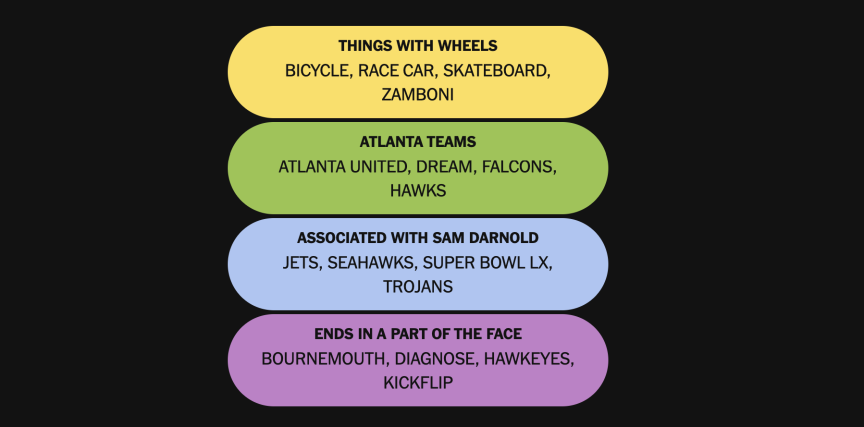
Yellow group: Things with wheels.
Green group: Atlanta teams.
Blue group: Associated with Sam Darnold.
Advertisement
Purple group: Ends in a part of the face.
What are today’s Connections: Sports Edition answers?
The completed NYT Connections: Sports Edition puzzle for Aug. 2, 2026.NYT/Screenshot by CNET
The yellow words in today’s Connections
The theme is things with wheels.
The four answers are bicycle, race car, skateboard and Zamboni.
The green words in today’s Connections
The theme is Atlanta teams.
The four answers are Atlanta United, Dream, Falcons and Hawks.
Advertisement
The blue words in today’s Connections
The theme is associated with Sam Darnold.
The four answers are Jets, Seahawks, Super Bowl LX and Trojans.
The purple words in today’s Connections
The theme is ends in a part of the face.
The four answers are Bournemouth (mouth), diagnose (nose), Hawkeyes (eyes) and kickflip (lip).
Advertisement
CNET editor Gael Fashingbauer Cooper, a journalist and pop-culture junkie, is co-author of “Whatever Happened to Pudding Pops? The Lost Toys, Tastes and Trends of the ’70s and ’80s,” as well as “The Totally Sweet ’90s.” She’s been a journalist since 1989, working at Mpls.St.Paul Magazine, Twin Cities Sidewalk, the Minneapolis Star Tribune, and NBC News Digital. She’s Gen X in birthdate, word and deed. If Marathon candy bars ever come back, she’ll be first in line.
See full bio























































You must be logged in to post a comment Login