Apple is reportedly negotiating multi-year deals with news publishers to give its redesigned Siri access to current news and other information, with payments potentially tied to how often publishers’ content is used. The talks come as Apple prepares to launch its long-delayed Siri AI later this year, after partnering with Google to use distilled Gemini models. Engadget reports: [The Wall Street Journal] did not reveal the specific publishers Apple reached out to, but did note the company has proposed structuring payments around a variable compensation plan, which would see it pay those organizations when their content is used. By contrast, most large AI labs like OpenAI have typically offered guaranteed fees in exchange for broad access. According to the The Journal, Apple has paid publishers for access to their content in the past as part of earlier agreements that saw the company secure AI training rights.
Amazon’s Beats discounts knock up to 54% off the earbuds and over-ear headphones, while Nomad launches an aggressive overstock sale dropping iPhone and Apple Watch accessories to as low as $19.
If you’re in the market for a new pair of headphones or want to breathe new life into your iPhone with a fresh case, there are deals in effect from just $19.
Save up to $190 on Beats
Apple deals continue to roll in at Amazon, with a price cut on the M5 MacBook Air that we covered earlier today, but now Beats are on sale to pair with your Mac, iPad, or iPhone.
Save up to 51% across the headphones range, with a standout deal being the $159.95 price on Beats Studio Pro for the exclusive Sand Gray color. Other color options are priced at $169.95, still a $180 discount off retail, with Amazon stating the limited-time offers are selling fast.
On the earbuds side, Beats Studio Buds Plus are marked down to $99.95, which is a 30-day low.
Today’s best Beats deals
Nomad iPhone & Apple Watch accessories from $19
Discounts of up to 74% off are in effect as Nomad clears out iPhone 16 and 17 accessories. You can also grab an Apple Watch band at 49% off during the overstock sale.
The company is finally addressing some of these issues and rolling out updates to make abuse by law enforcement and other entities more difficult. The pre-existing Audit Assistance feature will now be required to use, after being introduced as an optional tool. This flags “abnormal search behavior” and locks out suspicious users until an administrator reviews their activity.
Police officers will now be required to enter case codes to run searches, which is intended to limit personal queries. This can, however, be overridden by an administrator in certain scenarios.
I’ve learned a lot in nine years of building @Flock_Safety. Some of it from our customers, and some of it from the communities they serve.
Today we’re announcing the changes that came from listening. A new standard for privacy, security, and accountability in public safety…
“This is such an obvious way to curb abuse,” CEO Garrett Langley told The Verge. “And I said, ‘Fine. You know what? I think that’s right, and we got this one wrong. We should make it a requirement.’” It is worth noting that we’ve been seeing Flock-related stalking incidents from police officers since 2021.
The company is also shortening the Automated License Plate Reader (ALPR) data retention period from 30 days to a week. Again, there will be exceptions for “cases that take longer,” like “an active investigation in cold storage.” However, this looks to only apply to new customers. The company is carving out another exception for existing customers, in which they can “keep their current, democratically approved retention periods.”
“All I guess I’m asking for is for a fair shot,” he told The Verge. “It took me maybe longer than it should have to realize the sheer impact of the company.” Again, it must be noted that these officer-related offenses have been ongoing for at least five years and the company itself turns 10 next year.
These are largely positive moves that could curb some police misuse, but that’s only one aspect of why people dislike Flock cameras so much. Groups like the ACLU and the Electronic Frontier Foundation have accused the company of misleading the public regarding the capabilities of these cameras, suggesting that they are actually much more than simple license plate readers.
There are multiple reports that Flock data has been shared with ICE, to which Langley has said that “if the state of Texas wants to enforce immigration, they might use Flock, but they’re gonna go enforce immigration no matter what Flock does.” As of this writing, at least 24 people have reportedly died in ICE custody in 2026.
All of this combined has led to serious backlash. Some law enforcement agencies have severed ties with the company, like in Los Angeles. Communities have also begun taking matters into their own hands. Flock cameras have been vandalized, destroyed or straight-up stolen in numerous incidentsthroughout the country. One Minnesota town found that its entire stock of Flock cameras had disappeared overnight. The city’s police department has announced it will not be replacing the cameras.
Acura is largely known for its reliable models and simple SUVs, but the automaker recently unveiled a shocking concept car that is cool enough to rival any supercar. The Acura NEXERA Vision is debuting at The Quail on August 14th, right in the middle of Monterey Car Week, and will then be showcased at the Pebble Beach Concours d’Elegance on the Concept Lawn on August 16th. Its butterfly doors may very well steal the show.
Acura
Acura Creative Director and Vice President of Auto Design, Yasutake Tsuchida, said Acura’s 40th anniversary has sparked the brand to experiment with the design language for future models, including the upcoming fourth-generation RDX Hybrid that’s releasing in the next few years. “Our goal with this new design direction is to define Acura performance through disciplined proportions, sculpted form and the seamless integration of advanced technology, creating an expression that is both progressive and authentic to the brand,” he said in a press release.
Acura
The NEXERA Vision concept was designed under Tsuchida’s guidance at the Acura Design California studio in Los Angeles. The Matte Titanium finish gives it a sleek, futuristic appearance, which is paired with a wide stance for extra drama. The butterfly doors elevate that striking profile even further, as you can see in the coolest cars with butterfly doors. But its aggressive appearance is matched by a promise of performance, thanks to an active rear spoiler, high-performance carbon-ceramic Brembo brakes on its 22-inch wheels, and forged carbon accents.
Advertisement
The Acura NEXERA Vision’s leveled up details
Acura
The Acura NEXERA Vision concept car features intricate details that make it more dynamic than just its butterfly doors. Upon a closer look, you can see a new lighting signature Acura is calling “phantom lighting” behind the bodywork. It’s revealed when the vehicle is illuminated, creating a layered look that makes the NEXERA Vision come alive.
Acura
The thin headlights and taillights are also part of a new lighting signature for Acura, forming an “A” that artistically wraps around the front and back of the vehicle. This will become part of Acura’s identity and will be seen on future production cars. (Although we’d love to see the NEXERA Vision become more than just a concept as well.)
Acura
Inside the NEXERA Vision, there is also plenty of detail that may not be seen at first glance. Meant to be a driver-focused cabin, the fixed front seats are integrated into the floor to make them lower, allowing the pedals and steering wheel to “meet” the driver. There are premium materials and forged carbon finishes throughout, giving a luxury feel.
Acura
These include many sustainable materials, like recycled aluminum and polyester. Said Tsuchida: “Sustainability is playing an increasingly important role in how premium quality and performance are defined, and the Acura brand is embracing innovative material technologies that bring fresh possibilities to the customer experience while supporting broader environmental ambitions.”
One obvious byproduct of letting what’s left of U.S. journalism consolidate in the hands of a bunch of giant corporations is the end result winds up being a feckless mess. Generally corporations don’t want to upset advertisers, ownership (usually Conservative, white, and male), event sponsors, or potential advertising targets, so their journalism winds up being hollow, performative, and toothless.
One end result of this is something I affectionately call “CEO said a thing!” journalism, which kind of looks like journalism, but generally involves mindlessly parroting whatever a wealthy executive (or politician) says without context, correction, or even third-party objective analysis.
You’ll endlessly see this in corporate press coverage of corporations and tech. But it’s more generally reflected in their coverage of all rich men. Especially guys like Elon Musk or Donald Trump, who have found it incredibly easy to manipulate what’s left of our press into parroting every brain fart they have, regardless of whether there’s any useful new information or meaningful tether to factual reality.
This has been on particularly proud display when it comes to Trump and his unpopular and pointless war in Iran, with each week bringing a new headline of a plan that doesn’t exist, a pivot that never happened, or a strategy that isn’t coherent — or even real. The U.S. press, with occasional refreshing exception, endlessly just repeats whatever Trump says, regardless of whether what he’s saying is useful, real, or true.
Advertisement
Media critic Dan Froomkin has it right when he calls for a moratorium on “Trump says” headlines where every statement by our mad idiot king is mindlessly repeated without context or correction:
“It’s simple: Newsroom leaders should ban headlines based on what Trump says if there is legitimate reason to suspect that he may not be relating truthful, accurate, and durable information.
I’m only a tiny bit more tolerant of the Trump “claims”, “maintains”, “blames”, and “insists” headlines, but at least those impart an iota of doubt.”
The problem is this has been going on for generations. We’re more than ten years into Trump authoritarianism and propaganda. There’s no more room for giving meaningful credence to the idea that newsrooms and top editors are doing this simply because they don’t know any better.
They do this because corporate consolidated media isn’t interested in truth-telling journalism, they’re interesting in journalistic simulacrum and infotainment kayfabe that props up the interests and values of the extraction class. The public interest, hard-nosed journalism, and a properly informed electorate is the last thing on these gentlemen’s minds.
Advertisement
This isn’t some funny accident and it’s not subtle. Republicans and most rich white men are treated with kid gloves by 75% of the U.S. press because the corporations that own what’s left of these companies don’t want to rock the boat. They want their latest giant shitty merger approved. Their ownership likes tax cuts. Journalism that tells the truth isn’t what they’re here for.
Froomkin remains hopeful all the same:
“Surely our top newsroom leaders don’t see themselves as being in the business of spreading disinformation. But that’s what happens when they use the headlines and the tops of their articles to tell us what “Trump says” without caveats or pushback — when their headlines and leads should instead be devoted primarily to those caveats and pushbacks.”
Froomkin is right, though I’d argue this isn’t something that a compelling letter to the editor can fix. This sort of abject cowardice is systemic and by design. And while there’s still great journalism that can occur at many modern media companies, it’s increasingly becoming the exception, not the rule. We’re not debating our way out of this. The fix is massive structural reform.
The fixes are obvious and have always been there, and they involve things large media company owners don’t like: like reforged media consolidation limits, real antitrust enforcement, media ownership diversity requirements, improved media literacy and education standards (an informed audience that demands more of our journalistic institutions can shape coverage), a restoration of U.S. public media, and creative new funding models for real independent, worker-owned (and inevitably unionized) journalism.
Advertisement
We’re way past the point where we can assume this isn’t intentional, or can believe that simply asking better of these companies will result in the outcomes we’re all looking for.
Fans think they’ve uncovered The Elder Scrolls 6‘s eight-letter subtitle
Redditor ‘starfieldnovember’ suggests the subtitle is “Sentinel”
The clue comes from Starfield‘s character creator and employee number, which, translated via the alphabet, spells “Sentinel”
The Elder Scrolls 6 fans believe they’ve uncovered the game’s secret subtitle, and it may have been under our noses the entire time.
Earlier this week, Xbox CEO Asha Sharma shared an X post that blew up, which read, “Live playthrough of The Elder Scrolls 6: ******** this morning. The scale and grandeur are incredible. The story is even greater.”
Of course, fans instantly began speculating what those eight asterisks could be; Hammerfell? Nope, too many letters. Redguard? Already been used. But one fan has offered up their own theory, and it’s the best one yet.
Latest Videos FromTechRadar
Advertisement
According to Redditor ‘starfieldnovember’, The Elder Scrolls 6‘s subtitle could be “Sentinel,” and the clue has been hidden in Starfield‘s character creatorwithout anyone realizing until now (via IGN).
“By the way, Sentinel was already teased in Starfield,” they began. “In Starfield Direct and in the final game, we can see our employee number during character creation. Random string of numbers at first look, but if you translate it by dividing it into pairs and then using the corresponding letter of the alphabet, you get SENTINEL.
“This title was at our noses for more than 3 years, and we somehow missed it.”
Other fans seem to agree with the theory, not only because Bethesda loves to hide easter eggs in its games, but because Sentinel is a major coastal capital city located in the northwestern hills of Hammerfell, which is rumored to be the setting of The Elder Scrolls 6.
Sign up for breaking news, reviews, opinion, top tech deals, and more.
What’s more, Bethesda developer Michael Kirkbride replied “Yep” to a separate Reddit post after a fan suggested the name could be Sentinel, which seems like a done deal, but we’ll have to wait and see.
The Elder Scrolls 6 was revealed in June 2018, and its announcement has now become as old as The Elder Scrolls 5: Skyrim was at the time. Over eight years later, there’s still no development update on the game, besides Sharma’s confirmation that she’s played it, and no release date.
In November 2025, Todd Howard, director and executive producer at Bethesda Game Studios, said the game is “still a long way off,” and revealed at the time that the studio “did a big play test.”
Advertisement
It was also speculated that Bethesda could shadowdrop the game, just like The Elder Scrolls 4: Oblivion Remastered in April 2025, and when the idea was brought up to Howard, he didn’t immediately reject it.
“You might say that was a test run. It worked out well,” he said on Oblivion Remastered.
Reducing downtime in industrial boiler systems requires combining ASME- and NBIC-compliant pressure vessel inspections, automated water chemistry control, precise feed pump sizing, and continuous oxygen-trim combustion tuning to eliminate root causes of unscheduled outages. Implementing a proactive spare parts buffer and structured operator warning protocols further prevents minor mechanical deviations from escalating into plant-wide shutdowns.
When an industrial steam or hot water boiler fails unexpectedly, loss of thermal energy halts production lines, compromises product quality, and imposes expensive emergency repair bills. Facilities that achieve high operational availability do not rely on reactive fixes; they manage their boilers through rigorous condition monitoring, proactive component replacement, and precise fluid dynamics.
Evaluation Criteria for Boiler Downtime Reduction
To eliminate unscheduled outages, boiler maintenance strategies must address the primary mechanisms of mechanical, chemical, and operational degradation. A robust reliability framework prioritizes interventions based on three main criteria:
Structural Safety & Code Compliance: Interventions that prevent catastrophic pressure shell or tube failure, adhering to jurisdictional standards.
Thermodynamic Efficiency & Fuel Stability: Measures that stop heat exchanger degradation, soot accumulation, and burner instability.
Operational Continuity & Fluid Delivery: Protections that maintain uninterrupted feedwater flow, correct steam header pressure, and proper chemical balance.
Quick Take: Core Downtime Reduction Strategies
Preventing industrial boiler downtime relies on eliminating scale accumulation, mechanical wear, and fluid imbalances before they force a safety trip. Maintaining strict water chemistry controls and executing periodic combustion tuning prevents up to 80% of premature tube failures and burner outages. Pairing these daily operational habits with strategic spare parts management and calibrated pressure vessel inspections ensures continuous thermal delivery even under heavy production loads.
7 Proven Ways to Reduce Industrial Boiler Downtime
1. Schedule Regular Inspections of Pressure Vessels
Because pressure vessels degrade over time from cyclic thermal stress, chemical corrosion, and mechanical fatigue, undetected micro-cracks or localized wall thinning can trigger emergency shutdowns or catastrophic pressure boundary breaches. Operating under constant pressure expansion and contraction weakens shell welds, steam drum nozzles, and firetube sheet turnarounds.
Advertisement
Relying solely on annual jurisdictional pass/fail inspections is insufficient for high-demand facilities. Plant engineers should establish a supplementary internal non-destructive examination (NDE) schedule—utilizing ultrasonic wall thickness testing, magnetic particle testing on high-stress welds, and dye penetrant inspection on tube sheets. Documenting these measurements in an ongoing log allows maintenance teams to plot metal loss rates over time rather than treating each inspection as an isolated event. When repairs or alterations become necessary, perform all welding in accordance with National Board Inspection Code (NBIC) Part RC standards using an R-stamp certified contractor to maintain structural integrity and regulatory compliance.
2. Calculate Boiler Feed Pump Duty and NPSH Margins
A boiler feedwater pump running outside its designed operating curve creates continuous mechanical stress that leads to seal failure, bearing destruction, and low-water boiler trips. Undersized feed pumps fail to deliver sufficient water volume against peak steam drum pressure, triggering low-water safety cutoffs. Conversely, oversized pumps force feed valves to operate near fully closed positions, causing excessive throttling wear and pump recirculation overheating.
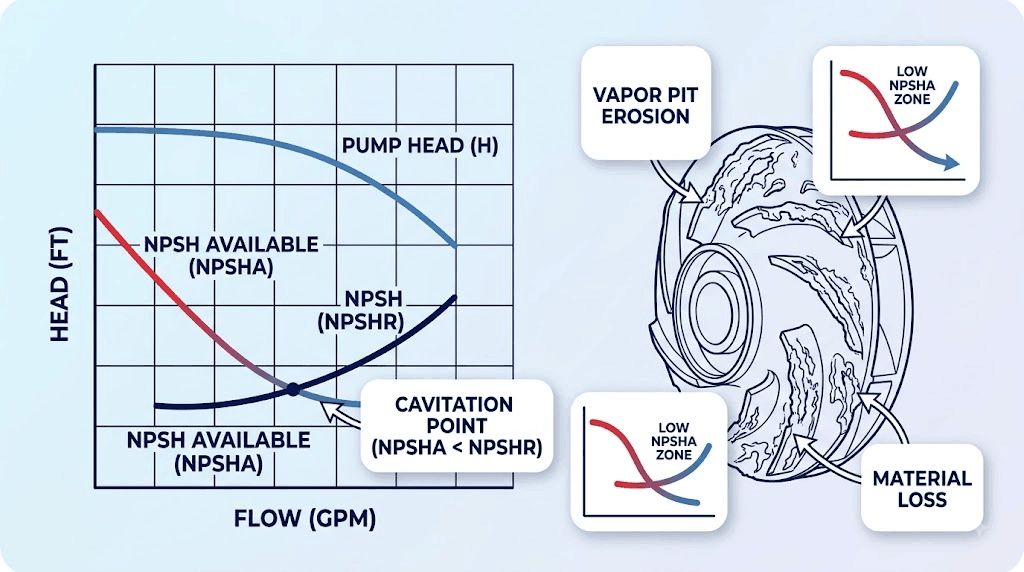
Executing an accurate boiler feed pump calculation ensures the pump is matched to actual system hydraulics. The sizing calculation must account for maximum steam generation capacity, required operating pressure, piping friction head loss, static elevation, and an additional 5% to 10% flow allowance for blowdown losses. Furthermore, engineers must verify that the Net Positive Suction Head Available (NPSHA) from the deaerator or condensate tank exceeds the Net Positive Suction Head (NPSH) required by the pump under peak temperature conditions. Insufficient NPSH causes hot condensate to flash into steam at the impeller inlet, creating destructive cavitation that can destroy a feed pump impeller in weeks.
3. Control Water Chemistry and Enforce Consistent Blowdown Protocols
Improper boiler feedwater treatment is the single largest cause of unscheduled tube failures, scale accumulation, and dissolved gas corrosion. Dissolved calcium, magnesium, and silica precipitate out of solution under high heat, forming an insulating scale layer on heat transfer surfaces. A scale deposit as thin as 1/16th of an inch insulates boiler tubes, reducing thermal efficiency and forcing metal temperatures to rise until the tube wall softens, bulges, and ruptures.
Advertisement
Maintaining water quality requires a dual approach: operating external pretreatment equipment such as water softeners and deaerators, alongside dosing internal chemical treatments (phosphate treatment, oxygen scavengers, and alkalinity builders). To prevent dissolved solids from reaching critical concentration thresholds, operators must follow blowdown procedures systematically. Implementing automated continuous surface blowdown controls total dissolved solids (TDS) and conductivity levels at the water surface, while periodic manual bottom blowdown removes accumulated sludge from the lower drum or shell legs. Combining these controls with a external water treatment equipment testing routine prevents carryover, foaming, and scale-induced overheating.
4. Implement Predictive Replacement for Critical Control and Safety Valves
Control valves, blowdown valves, feed check valves, and safety relief valves operate under extreme pressure drops, high temperatures, and erosive fluid conditions. A sticking feedwater control valve can trigger a low-water shutdown within seconds, while a leaking blowdown valve steadily drains boiler water and thermal energy. Waiting for a critical valve to fail completely mid-production turns a simple maintenance task into an emergency outage.
Establish a predictive replacement program based on valve duty cycles, seat material wear rates, and operational history. Inspect control valve stems for packing leaks, actuator diaphragm cracking, and seat scoring during scheduled outages. Test safety relief valves in compliance with safety valve testing standards, performing manual lift tests or bench testing to confirm set pressures and re-seating capability. Replacing internal packing, trim, or entire valve assemblies during planned maintenance prevents minor internal leakage from escalating into total valve seizure during heavy plant operation.
5. Optimize Combustion Efficiency via Continuous O2-Trim Tuning
Inconsistent combustion forced by improper air-to-fuel ratios wastes fuel and accelerates mechanical wear on burner components, combustion chambers, and heat transfer surfaces. Running with too little air results in incomplete combustion, generating toxic carbon monoxide and heavy soot deposits that coat firetubes and act as an insulating blanket. Running with excess air pulls heat out of the combustion zone and sends unburned energy up the stack, overworking the forced draft fan and burner linkage.
While performing a routine flue gas combustion analysis with a portable analyzer calibrates seasonal burner response, ambient air temperature and barometric pressure fluctuate constantly. Installing an automated oxygen trim system continuously measures flue gas oxygen content and adjusts the air damper or variable speed fan in real time. Maintaining optimal excess air levels (typically 15% excess air or roughly 3% O2 in flue gas for natural gas) stabilizes combustion temperatures, reduces thermal fatigue on burner cones, and prevents unburned fuel accumulation.
Advertisement
6. Train Operators on Early Mechanical Deviation and Acoustic Warning Signs
Boiler operators on the plant floor are the primary line of defense against compounding mechanical failures. Minor mechanical deviations—such as a subtle change in feed pump vibration, a high-pitched hiss from a packing gland, or small pressure swings on the steam header—precede complete system failures. Without structured training, operators may overlook early indicators until automated safety limit controls trip the boiler offline.
Formalize daily shift routines around a standardized checklist rather than relying on informal walk-throughs. Operators should record daily logbook entries capturing flue gas temperatures, steam drum pressure, feedwater temperature, chemical dosing rates, and stack draft pressure. Establish clear escalation thresholds: if stack gas temperature rises 20°F above baseline at a given firing rate, operators should immediately flag potential tube soot accumulation or fireside baffle bypass to the maintenance team for investigation before efficiency drops further.
7. Maintain a Strategic On-Site Critical Spare Parts Buffer
Extended boiler downtime often stems not from the complexity of a repair, but from waiting for long-lead replacement components to arrive. High-spec items—such as flame safeguard control modules, flame scanners, high-pressure feed pump seals, level control probes, and boiler-specific valve rebuild kits—frequently carry multi-week lead times from original equipment manufacturers (OEMs).
Conduct a spare parts criticality audit by analyzing past maintenance logs and component lead times. Maintain an organized, climate-controlled on-site inventory containing high-wear components, including replacement gaskets, sight glass sets, igniters, safety valve spares, and burner nozzles. Pair this physical inventory with a formal agreement for a emergency temporary steam header piping connections setup to ensure rapid deployment if an unexpected pressure vessel failure occurs.
Advertisement
Decision Framework: Customizing Your Maintenance Priority Matrix
Not all industrial boilers face identical failure modes. Operating profile, feedwater source, fuel type, and system design dictate which downtime prevention measures yield the highest return on effort. Use the matrix below to prioritize maintenance resources based on your facility’s operational reality:
Operational Condition
Primary Downtime Risk
Highest-Priority Preventive Focus
Secondary Mitigation Measure
High Makeup Water Ratio (>50%)
Scale build-up, dissolved gas pitting, tube burnout
Automated water chemistry control & continuous blowdown
On-site spare parts buffer & temporary rental contingency plan
Key Takeaways
Combine Code Inspections with NDE: Supplementary ultrasonic wall testing and NBIC Part RC compliant repairs catch pressure vessel thinning long before mandatory inspections force an emergency shutdown.
Solve Feed Pump Hydraulic Deficits: Accurate boiler feed pump sizing must account for drum pressure, head losses, blowdown margins, and strict NPSH requirements to prevent pump cavitation.
Automate Chemistry and Blowdown Controls: Scale accumulation insulates tubes and causes rapid thermal failure; daily testing and automated blowdown maintain optimal heat transfer.
Implement Continuous Combustion Tuning: Installing automated O2 trim systems prevents thermal fatigue, reduces soot buildup, and stabilizes burner output across fluctuating ambient conditions.
Bridge Hardware Gaps with Inventory and Planning: Stocking long-lead control modules and maintaining a temporary rental boiler plan eliminates logistics delays when repairs are required.
Frequently Asked Questions
How often should industrial boiler water chemistry be tested to prevent downtime?
Industrial boiler water chemistry should be tested at least once per shift for manual parameter checks (such as hardness, pH, sulfite, and phosphate levels), while conductivity and Total Dissolved Solids (TDS) should be monitored continuously via inline sensors. Continuous monitoring combined with daily laboratory verification prevents sudden scale precipitation and acidic corrosion. Following a comprehensive preventative maintenance schedule ensures chemical dosing pumps and blowdown controllers remain calibrated.
What is the most common cause of premature boiler tube failure?
The most common cause of premature boiler tube failure is thermal overheating caused by internal scale buildup or oxygen pitting corrosion on the waterside. When mineral scale accumulates on heat transfer surfaces, it acts as an thermal insulator, preventing water from cooling the metal. The tube metal temperature escalates rapidly until the wall weakens, swells, and ruptures under operating pressure.
How does improper feed pump sizing cause boiler shutdown?
An undersized boiler feed pump cannot maintain sufficient flow against peak steam drum pressure, causing the water level to drop until the low-water fuel cutoff trips the burner offline to prevent dry firing. An oversized pump causes severe control valve throttling, leading to high flow turbulence, pump overheating, premature seal failure, and frequent pressure swings across the steam system.
What emergency contingency measures should be in place for unexpected boiler outages?
Facilities should maintain an active rental boiler contingency plan that documents physical connection points for steam lines, feedwater supply, fuel lines, electrical connections, and stack clearances. Pre-wiring electrical hookups and pre-flanging steam header tie-ins allows a temporary rental unit to be piped and commissioned within hours of a severe primary boiler outage, maintaining plant operations while repairs take place.
Nightmare Eclipse discloses ShieldBreak, a new Windows privilege‑escalation zero‑day
Flaw bypasses a recent patch and works on fully updated Windows 11 systems
Researcher’s ongoing exploit spree leaves multiple Windows vulnerabilities still unpatched
Nightmare Eclipse has struck again! The notorious zero-day researcher with a Microsoft grudge disclosed its latest vulnerability, and just as in previous instances, they picked their timing and released their research hours after Microsoft published its August Patch Tuesday cumulative update in order to maximize the hurt.
The newest flaw is called ShieldBreak, and is described as a local escalation of privilege vulnerability that allows threat actors to gain SYSTEM-level privileges on vulnerable systems. Speaking of vulnerable systems, the list is rather long because it includes all versions of Windows 11, including those with the latest security patches.
“The PoC was tested in the latest version of windows 11 25h2 (+Canary channel) and windows server 2025, the PoC also have a 100% success rate,” Nightmare Eclipse said on their GitHub account. “Please note that Windows 10 (and respective server editions) are not currently supported, they are however vulnerable to ShieldBreak as well.”
Latest Videos FromTechRadar
Advertisement
A bypass for the RoguePlanet fix
The mysterious attacker also said that the bug was actually a bypass for the patch Microsoft issued to fix their earlier work, called RoguePlanet.
“Microsoft has failed to properly patch the RoguePlanet vulnerability CVE-2026-50656, this PoC demonstrates a full patch bypass,” the GitHub read entry.
Microsoft, on the other hand, responded in pure enterprise fashion, sharing a boilerplate statement that it was “investigating” and that it “supports coordinated vulnerability disclosure”.
In response to an enquiry by The Register, a company spokesperson said Microsoft “is aware of the reported vulnerability and is actively investigating the validity and potential applicability of these claims.”
Sign up to the TechRadar Pro newsletter to get all the top news, opinion, features and guidance your business needs to succeed!
“Microsoft is committed to investigating security issues and updating impacted products to protect customers as soon as possible,” the statement reads. “Importantly, we support coordinated vulnerability disclosure, an industry standard that protects customers and supports the research community by ensuring their findings are thoroughly investigated and addressed before being made public.”
Advertisement
A hacker on a mission
Together with ShieldBreak, the number of disclosed Windows vulnerabilities and exploits now counts 10. Nightmare Eclipse’s campaign began in April 2026, when they demonstrated BlueHammer, a Windows Defender local privilege-escalation flaw that gives low-privileged users SYSTEM-level access. The researcher claimed BlueHammer, now tracked as CVE-2026-33825, was previously reported to Microsoft, but the company allegedly mishandled the disclosure.
Just before publishing the work, they said “someone violated our agreement and left me homeless with nothing. They knew this will happen and they still stabbed me in the back anyways, this is their decision not mine.”
At first, Microsoft took a tough stance, calling the public release “never justifiable” and even warning that it might pursue legal cases against people who put customers at risk.
The community interpreted this statement as a threat of legal action against Nightmare Eclipse, which triggered a backlash. Microsoft later backed away, saying “to be clear about our approach to legal matters, we have no intention to pursue action against individuals conducting or publishing their security research.”
In the meantime, Nightmare Eclipse (also known as Chaotic Eclipse) went on a full-blown rampage. They released RedSun and UnDefend (both targeting Defender), YellowKey (a BitLocker bypass), GreenPlasma (a CTFMON-based privilege-escalation flaw), MiniPlasma (a regression of a vulnerability Microsoft had originally fixed in 2020), RoguePlanet (another Defender privilege-escalation bug), GreatXML (a BitLocker/Windows Recovery Environment bypass), LegacyHive (a Windows User Profile Service privilege-escalation flaw), and now ShieldBreak.
BlueHammer was fixed in April, RedSun and UnDefend in May, and YellowKey, GreenPlasma, and MiniPlasma, in June. RoguePlanet was patched in July, while LegacyHive, GreatXML, and ShieldBreak, remain unpatched.
Advertisement
It is also worth mentioning that not all of Nightmare Eclipse’s releases were equally complete or reproducible by third parties. For GreenPlasma, independent researchers said it contained the vulnerability but turning it into a reliable working exploit required significant additional technical work. Some of the early Defender exploits were also apparently difficult to reproduce, mostly because they relied on delicate race conditions and very specific sequences of Windows components.
ShieldBreak, however, seems to be more dangerous in that respect. Speaking to The Register, security researcher Kevin Beaumont confirmed it as working: “I’ve tried it, it works on latest Windows 11,” he told the publication.
He also said that while ShieldBreak was described as a bypass for the RoguePlanet fix, the two flaws actually operated quite differently.
“RoguePlanet was a filesystem race condition vuln that uses virtual disks and NT native file manipulation to trick quarantine process into overwriting system files,” Beaumont explained. “ShieldBreak user-mode callback hook to change file contents during a Defender cloud-hydration scan via cfapi (Cloud Filter API).”
Advertisement
No one knows how much ammunition Nightmare Eclipse still has, but we will certainly be paying attention to them in the hours after next month’s Patch Tuesday, as well.
Color has a funny way of grabbing my attention. It could be a bright bunch of flowers, a colorful bottle sitting on a shelf, a funky piece of home decor, or even something as small as a pair of earbuds. And when it comes to phones, I’m the same. Give me an interesting color, and I’m probably going to notice it before anything else.
Phone makers clearly know this, too. Apple has been playing with colorful iPhones for years, with the iPhone 5c being one of the earliest and most obvious examples. Google has embraced color with its Pixel lineup as well, especially since the Pixel 5 era. But over the years, I’ve started to feel that Google does phone colors better than almost anyone else. It doesn’t just slap a bright shade on the back and call it a day. Its colors tend to have personality. That feeling became even stronger when Google unveiled the Pixel 11 series at its Made by Google event. The moment I saw the new lineup, the colors were among the first things that caught my eye. And once again, Google reminded me why Pixel colors are some of my favorites in the business.
The Pixels are anything but shy
Google has given us four Pixel phones this year: the Pixel 11, Pixel 11 Pro, Pixel 11 Pro XL, and Pixel 11 Pro Fold. But what I love is that Google hasn’t treated color like an afterthought. There’s actually a decent amount of personality spread across the lineup, whether you want something that blends in or a phone that practically announces itself when you pull it out of your pocket. The Pixel 11 is easily the most playful of the bunch. You can get it in Frost, Hibiscus, Obsidian, or Pistachio, while the Pixel 11 Pro and Pixel 11 Pro XL come in the slightly more grown-up Canyon, Olive, Fog, and Obsidian shades. The Pixel 11 Pro Fold keeps things much simpler, with just Olive and Obsidian to choose from. So, yes, Google still saves some of its more adventurous colors for the regular Pixel, but at least the Pro models aren’t stuck with four different interpretations of gray.
Nadeem Sarwar / Digital Trends
And then there’s Hibiscus. Oh, Hibiscus. That’s easily the color I’d pick this year. It immediately reminds me of the iPhone 17 Pro’s Cosmic Orange, because they have the same unapologetically vibrant energy. These are phones that don’t want to disappear inside a black case or quietly sit on a table. They want you to notice them. Hibiscus, in particular, is the kind of color I can imagine spotting from across a room and immediately knowing exactly which phone it is. Judge my taste all you want, subtle has never really been my thing.
Nadeem Sarwar / Digital Trends
That’s also why I appreciate what Google is doing here. Look around the Android world, and you’ll find plenty of beautiful phones, but so many manufacturers still play it incredibly safe with black, white, silver, gray, and the occasional dark blue. They look premium, sure, but after a while, they can also start looking a little too similar. Pixels rarely have that problem. Even the softer shades have a little character, while colors like Hibiscus and Pistachio genuinely pop. They’re bright, fun, and instantly recognizable without making the phones feel cheap. In a sea of increasingly serious-looking smartphones, Google seems perfectly happy to let its Pixels shine a little brighter. And I’m absolutely here for it.
Everything is color-coordinated for you
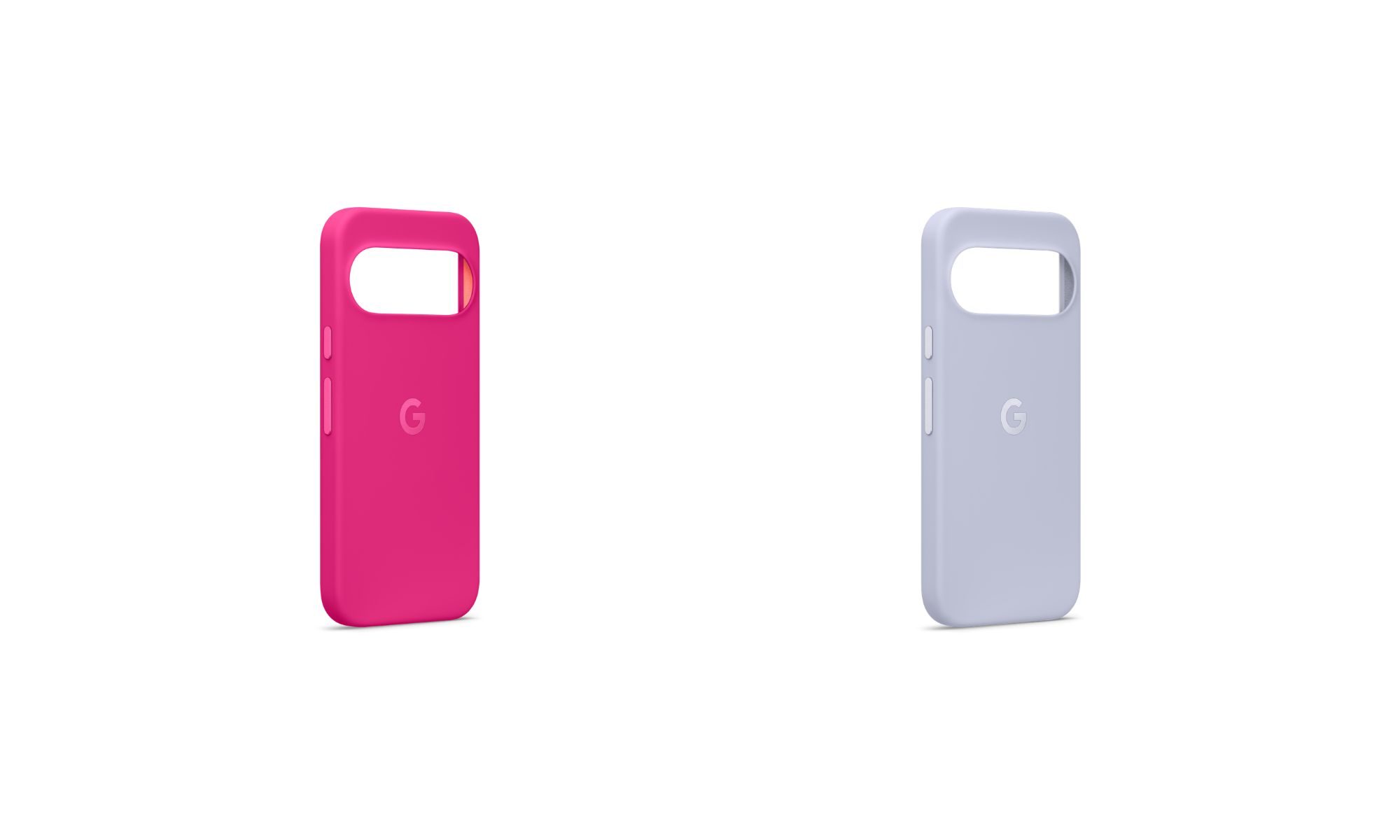
Google has carried that same colorful energy over to its official cases, and this is one of those small decisions I appreciate more than I expected. Say you fall for the Hibiscus Pixel 11, as I clearly have. You don’t have to cover that personality with a boring black or gray case. Google also sells a matching Hibiscus case, so you can protect the phone without completely changing the look you bought it for in the first place.
Advertisement
Google
Whenever a smartphone brand launches a particularly bright or unusual color, finding a case that actually complements it can be a pain. You might get ten different case options, but somehow they’re all black, gray, navy blue, or a shade that doesn’t quite match the phone. And if you really want that beautiful color underneath to remain visible, the easiest answer is usually the good old transparent case.
Google
I’ve gone down that road plenty of times, and I’m not a huge fan. A clear case looks fantastic on day one because you get protection without hiding the phone. Give it a little time, though, and dirt starts collecting around the edges, fingerprints become more noticeable, and some transparent cases eventually begin looking yellow and tired. Suddenly, that gorgeous phone you wanted to show off doesn’t look nearly as gorgeous anymore. Then you buy another clear case, and the whole cycle starts again.
Pixelsnap Ring StandGoogle
That’s why I like Google’s approach here. If I’m buying the Hibiscus Pixel 11, I can get the matching case and keep that same bright look going. And Google hasn’t stopped with cases, either. Even the Pixel Ring Stand gets a little color this year, with Canyon, Olive, and Black options. That means you can actually mix and match the accessories with your phone and case rather than having a bright Pixel attached to a sea of boring accessories. It’s a small detail, sure, but that’s what makes the whole lineup feel more considered. Google isn’t just giving you a colorful phone and leaving you to figure out the rest. It’s building that personality into the accessories around it, too.
Olive from head to toe
I also really like how Google has leaned into the whole matching-ecosystem idea this year. If you pick up the Pixel 11 Pro or Pixel 11 Pro XL in Olive, your phone doesn’t have to be the only device wearing that color. You can pair it with a Pixel Watch 5 in a complementary Olive shade and even grab the Pixel Buds Pro 2 in Olive to complete the look.
Nadeem Sarwar / Digital Trends
And I’m a sucker for this kind of coordination. Most of us already carry a phone, wear a smartwatch, and throw a pair of earbuds into our bag every day, so there’s something satisfying about having all three look like they actually belong together. The Olive shade works particularly well for this because it has personality without screaming for attention. Put the phone, watch, and earbuds next to each other, and there’s a visual consistency that makes the entire ecosystem feel a little more intentional and, dare I say, more premium. Apple has long understood the appeal of making its devices and accessories feel like part of the same family, and I’m glad Google is pushing further in that direction, too.
Keep the colors coming
Nadeem Sarwar / Digital Trends
For me, Google remains one of the best in the business when it comes to smartphone colors, and the Pixel 11 series is another great example of why. There’s something for almost everyone, whether you want to stand out with Hibiscus or keep things a little more understated with Olive. More importantly, Google isn’t afraid to have some fun. When so many smartphones are starting to look and feel increasingly similar, a great color can give a device its own identity and make it feel more personal. I’m loving what Google has done this year, and I hope it keeps taking these little risks with future Pixels. After all, phones are serious enough already; their colors don’t have to be.
In a nutshell: A Steam Deck mod built inside a Game Boy-sized case is nearing a key milestone: adding its internal display. The project, called SteamBoy, already has a working Steam Deck motherboard, battery, speakers and controls inside a custom case modeled after Nintendo’s original handheld. However, the SteamBoy is still a work in progress, with the display remaining the largest unfinished component.
Fitting the AMOLED panel, completing the adapter board and applying the BIOS modification will determine whether the device can function as a self-contained handheld.
As the next step, creator PhyFawkes plans to install a 1,200 x 1,080 AMOLED panel with a 90 Hz refresh rate. The panel was originally designed for VR use, so it cannot connect directly to the Steam Deck’s hardware. A custom adapter PCB is being designed to connect the Deck’s display ribbon cable to the new screen.
The mod will also require a BIOS modification. PhyFawkes said the firmware work will be similar to modifications used in the DeckHD and Deck Sight projects. Until the display is installed and working, the SteamBoy can only be used with an external monitor.
Advertisement
“Hopefully it won’t be too long before that’s working as well,” PhyFawkes wrote in a comment on a video showing the device running.
The build started with a simple question about the Steam Deck’s internals. “The Steam Deck motherboard seems pretty small,” PhyFawkes wrote. “I wonder if you could make a Steam Deck the size of a Game Boy?”
The project shows that much of the hardware can fit inside a much smaller enclosure. “It has a fully functional LCD Steam Deck motherboard, battery, speakers, and all the face buttons you see here. No custom PCBs needed (so far), and all within the dimensions of a Game Boy,” PhyFawkes said.
That is the main technical point of the build. The modder has not needed to replace the Deck’s main hardware or create custom control boards to make the system work in the smaller case. The display is the first component that requires a purpose-built circuit board.
Cooling is another challenge in the tightly packed enclosure. PhyFawkes used a 30 x 7 mm fan and heatsink from AliExpress, mounted with a custom 3D-printed bracket. The system also uses a slight undervolt to reduce heat. During gaming, temperatures have reportedly ranged from 70 to 80 degrees Celsius.
Teardown photos posted on Reddit show the Steam Deck components arranged inside the Game Boy-style shell. The design retains the general shape and control layout of the original handheld, but the system inside is built around Valve’s modern portable PC hardware.
For now, the project demonstrates that a functional Steam Deck can be reduced to a much smaller, retro-style form factor without modifying its core motherboard, battery, speakers or controls.
Smart financial technology automates expense tracking, invoicing, business banking, and tax prep, so founders spend less time on bookkeeping and more time running the business. The right combination of tools can turn hours of manual finance work each week into a few minutes of review.
Quick Take
Startup finance breaks down into four jobs: tracking what you spend, getting paid on time, banking without friction, and staying ready for tax season. Each job now has purpose-built software behind it. You don’t need all of it on day one. Start with the tool that removes your biggest weekly time cost, usually expense tracking or invoicing, then add the rest as your transaction volume grows.
Why Manual Finance Tracking Breaks Down
A shoebox full of receipts feels manageable at first. It stops working once you have real transaction volume. Manual tracking takes hours. It also causes mistakes. A missed receipt or a mistyped number can mean a missed tax deduction or a wrong number in your books.
Founders who track expenses by hand also lose something harder to measure: visibility. You don’t know what you spent this month until you sit down and add it up. By then, it’s too late to change course. Digitizing the process fixes both problems at once. It saves time, and it gives you numbers you can check any day of the week.
Advertisement
Automating Expense Tracking
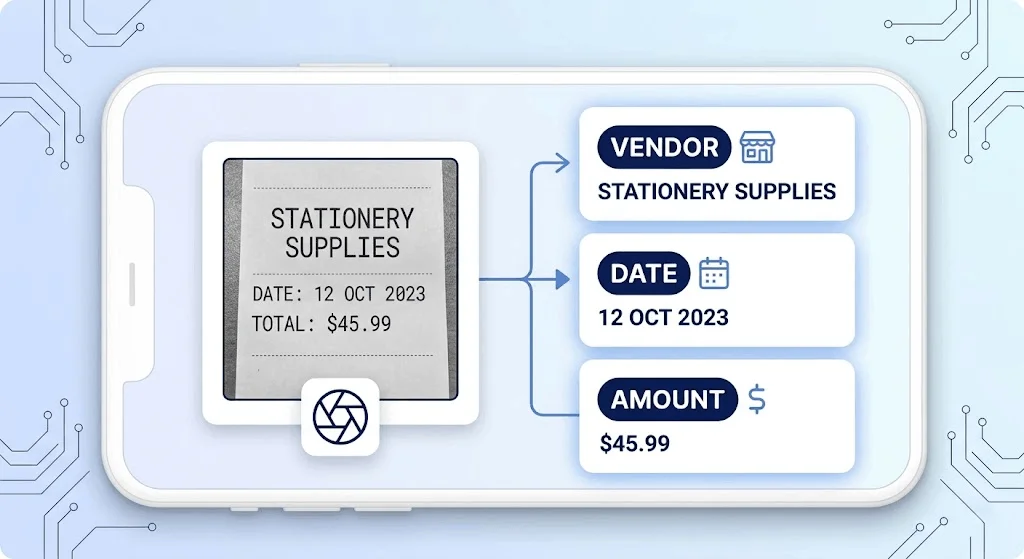
Modern expense tracking apps replace the shoebox with your phone camera. You take a photo of a receipt. The app uses optical character recognition (OCR), which is software that reads text in a photo, to pull out the vendor name, date, and amount on its own. You don’t have to type any of it in by hand.
This won’t work well if your team still pays for things in cash with no receipt at all. OCR needs something to scan. If cash purchases are common at your company, you’ll still need a manual entry step, even with the best app.
Simplifying Invoicing and Payments
Waiting on a check in the mail can wreck a startup’s cash flow. Building invoices in a word processor or spreadsheet is slow, and it makes it hard to track who has actually paid. Invoicing software fixes both problems.
Advertisement
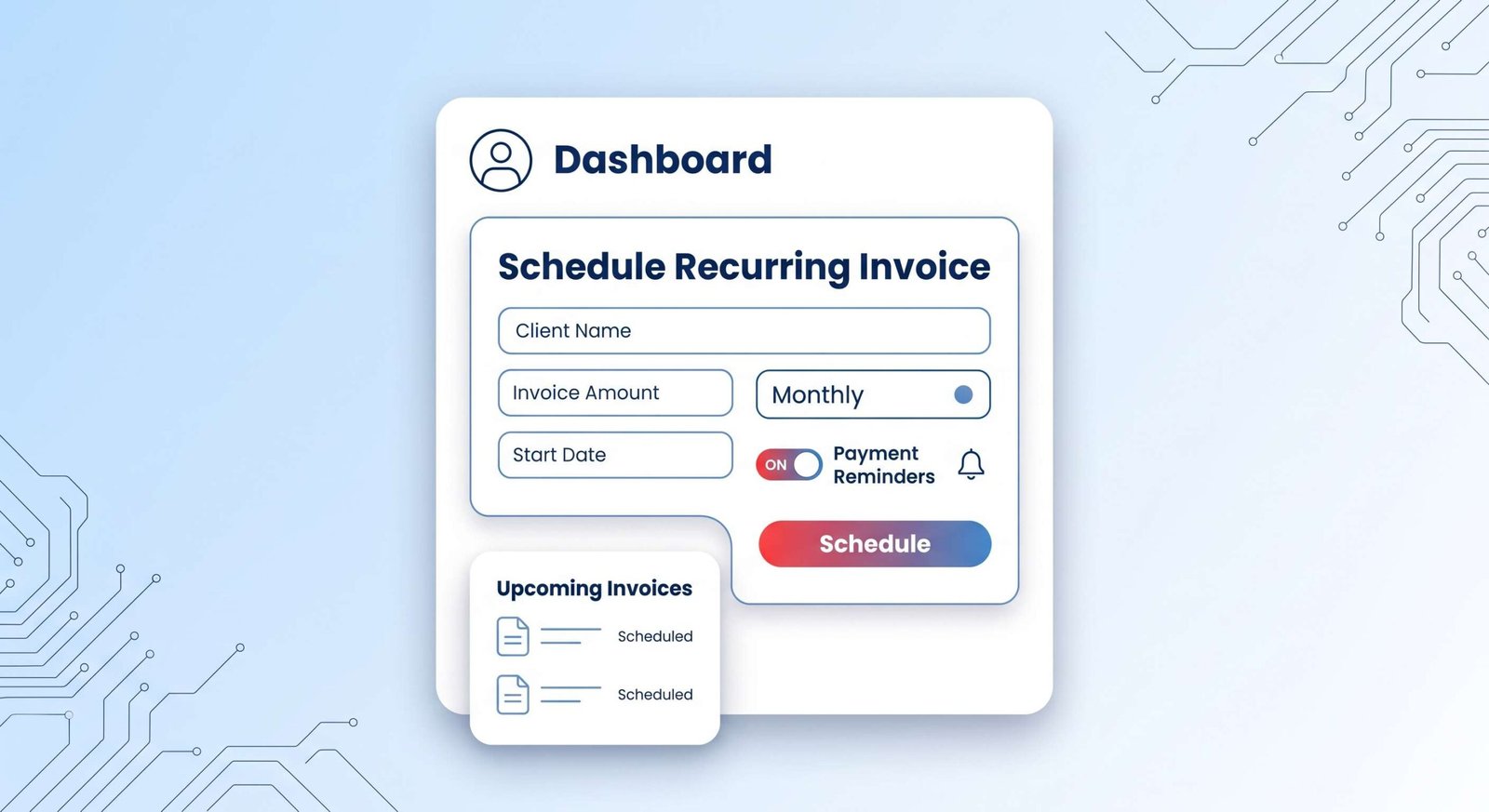
With a dedicated invoicing tool, you build a professional invoice from a template in minutes instead of starting from scratch each time. You can set up recurring invoices for retainer clients, so the same invoice goes out automatically every month. The software can also send automatic reminders when a payment is late, so you’re not the one chasing it down. Most platforms connect directly to online payment gateways, which lets a client pay by card or bank transfer the moment they open the invoice.
Faster payment cycles come with a trade-off: payment processors take a small cut of each transaction. For most startups, getting paid a week earlier is worth that fee. If your margins are razor-thin, do the math on the fee against the cash-flow benefit before switching every client over.
The Rise of Digital Business Banking
Traditional banking isn’t always a good fit for a fast-moving startup. Opening an account can mean paperwork and an in-person branch visit. Once it’s open, the online banking portal often feels clunky and doesn’t connect to your other software. This gap is why digital-first banking built for entrepreneurs has grown so much.
These platforms run entirely online, with no branch visits required. Many startups now open a dedicated digital business account specifically to get more flexibility and fewer fees than a traditional bank charges. This shift reflects a broader trend: founders are increasingly choosing online-only banking over branch-based banks because it’s faster to set up and easier to manage day to day.
Advertisement
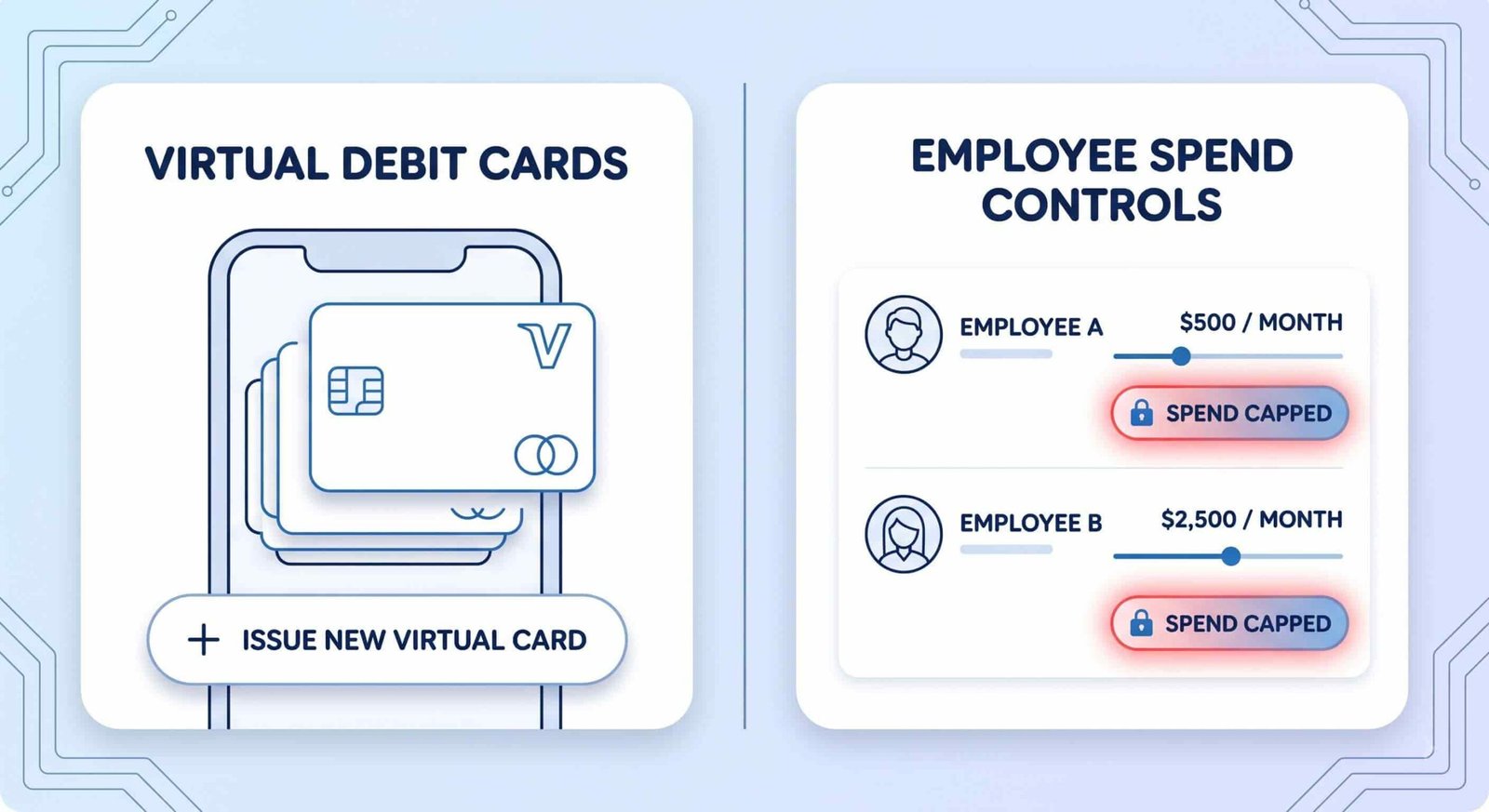
A digital-only account can include features like virtual debit cards you can issue instantly, direct sync with your accounting software, and controls that let you cap how much an employee card can spend. Being able to open and manage the account entirely online gives founders more room to move quickly without waiting on a bank’s schedule.
Digital banking isn’t right for every situation. If your business handles a lot of physical cash, or if you need a banker relationship for a complex loan application, a traditional bank with branch access may still serve you better.
Tax season stresses out most business owners. Scrambling to gather a year of financial records at the last minute leads to mistakes and missed deductions. The right technology keeps you ready throughout the year instead of just in April.
Most small businesses that expect to owe tax also need to make estimated tax payments four times a year, not just once. Tax management tools help you estimate what each quarterly payment should be and set aside enough cash so the payment doesn’t catch you short. They also flag tax-deductible expenses as they happen, instead of forcing you to reconstruct the year later.
Advertisement
When tax time arrives, you can generate the reports you need with a few clicks, or give your accountant direct, read-only access to your books instead of exporting spreadsheets by hand.
Each of these tools solves one job well on its own. The real gain comes when they talk to each other. If your expense app doesn’t sync with your accounting software, you’re back to manual data entry, just in a different app. The table below shows what to check for each category before you commit to a tool.
Tool category
Main job
Integration to check before you buy
Expense tracking
Captures and categorizes spending automatically
Syncs with your accounting software and business bank feed
Invoicing
Bills clients and collects payment
Connects to a payment gateway and posts payments to your books
Digital banking
Holds and moves company money
Exports transactions to your accounting software automatically
Tax management
Tracks deductions and estimated payments
Pulls data from your accounting software instead of a separate manual import
When you’re picking tools, ask one question before anything else: does this connect to what I already use? An accounting platform is usually the hub everything else should plug into. There’s a lot of solid accounting tech for startups out there, so start with the essentials and layer in more specialized tools as your business grows.
Common Misconceptions
A few beliefs trip founders up here. First, “automated” doesn’t mean “unsupervised.” Automation software is very good at capturing data and very bad at judgment calls, like deciding whether a purchase should count as a business expense. You still need to review flagged items.
Advertisement
Second, more tools isn’t automatically better. Adding a fifth app to save ten minutes a week isn’t worth the setup time and the risk of duplicate or conflicting records. Pick tools that replace real pain points, not ones that just look impressive.
Third, switching your financial tool stack later isn’t as painless as vendors imply. Most tools let you export your data, but re-mapping categories and reconnecting bank feeds in a new tool still takes real hours. Choose with some intention rather than picking whatever’s cheapest this month.
Where This Approach Has Limits
Smart financial tools reduce manual work, but they don’t remove the need for financial judgment. If your cash flow is genuinely tight, no app will tell you which bill to delay and which to pay on time. That’s a business decision, not a software feature.
These tools also assume a baseline of clean, consistent data entry. If your team is inconsistent about scanning receipts or categorizing transactions, automation just processes messy data faster. It doesn’t fix the underlying habit problem.
Advertisement
Finally, most of these platforms are built for straightforward business structures. If you have complex situations, multiple entities, foreign currency, equity compensation, software alone usually isn’t enough. You’ll still want an accountant or bookkeeper who understands your specific setup.
Key Takeaways
Manual expense tracking costs real time and causes real errors; OCR-based apps remove most of the manual entry.
Invoicing software shortens payment cycles mainly through automated reminders and built-in online payment collection.
Digital-first business banking trades branch access for speed, lower fees, and better software integration.
Tax tools work best when they track deductions and estimate quarterly payments continuously, not just once a year.
The biggest gains come from integration between tools, not from any single app on its own.
FAQ
How much does startup financial software typically cost?
Pricing varies a lot by category and by how many transactions or users you have, so it’s not something to take on faith from a single source. Check the current pricing page on each vendor’s own site before you commit, since plans and tiers change often.
Can I switch financial tools later without losing my data?
Most platforms let you export your transaction history, usually as a spreadsheet file. What doesn’t transfer automatically is your category setup and any custom rules you built, so expect to spend a few hours rebuilding those in the new tool.
Do I still need an accountant if I use these tools?
For most startups, yes, at least at tax time or for anything beyond simple bookkeeping. These tools handle data capture and organization well. They don’t replace the judgment an accountant brings to structuring, deductions specific to your situation, or filing.
Is it safe to connect my bank account to expense or accounting apps?
Reputable financial software uses encrypted, read-only connections to your bank, meaning the app can see transactions but can’t move money on its own. Before connecting any account, confirm the provider states this explicitly and check that they use a recognized bank-connection service rather than asking for your login credentials directly.








































































You must be logged in to post a comment Login