Phone shop staffer claimed he was paid less than $4k for in his part attacks leading to combined intended losses of $600,000
A former AT&T retail worker who used his system access to hijack customers’ phone numbers for cybercriminals has been sentenced to 16 months in federal prison.
Advertisement
Kenneth Carter, 44, carried out the SIM swaps at a store in Portland, Oregon, , allowing the criminals to intercept authentication codes and raid victims’ bank accounts.
Court documents show that Carter worked with at least three other people in the scheme, which ran between May 2018 and November 2019, and caused nearly $600,000 in intended losses.
Co-conspirator One, described in court documents as the operation’s main “hacker,” identified victims with online bank accounts, gathered their personal data, and sent it to Carter, who could reassign their phone numbers.
Carter abused his access to AT&T’s systems to transfer victims’ phone numbers to devices controlled by the other criminals. His role was described as “instrumental to the scheme.”
Advertisement
Co-conspirator Two and Co-conspirator Three would walk into the store and impersonate the victim whose number they planned to SIM-swap, and Carter would reassign the number to a phone they controlled – usually a “cheap flip phone.”
Once the swap was complete, the criminals could use the flip phone to intercept SMS-based 2FA codes and password reset messages, take over the victim’s bank account, and steal funds.
The intercepted codes were relayed to Co-conspirator One, who used them to access the victims’ bank accounts.
Court documents also refer to “an unnamed family member” who held a minor role in the scheme. They were described as someone “who occasionally passed along the two-step authentication codes” to Co-conspirator One.
Advertisement
According to the Justice Department, three victims incurred combined intended losses of $593,963.77, and Carter admitted carrying out additional unauthorized SIM swaps.
Carter’s plea agreement [PDF] included details of three SIM swap attacks he helped execute. Only one victim suffered an actual loss: $99,528.33 transferred to a Portuguese bank account.
The conspirators attempted to transfer $247,652.74 and $246,782.70 from the other two victims, but the banks’ fraud controls blocked both transactions.
Prosecutors said Carter was paid between $1,000 and $2,000 per swap, although he maintained that he earned less than $4,000 in total.
Advertisement
Law enforcement raided Carter’s residence in November 2019, finding copies of the personal data provided to him to carry out the SIM swaps, including the Social Security number of the one victim whose money was successfully stolen.
AT&T terminated Carter’s employment at an unspecified date in 2019. He pleaded guilty on March 24, 2026, to conspiracy to commit wire fraud and bank fraud.
In a letter to United States District Judge Stanley Blumenfeld, Jr., Carter described his offending as “a one-off situation that truly was a mistake.”
He explained that he takes care of his mother-in-law, who spends much of her time in a hospital bed located in the family living room, and two daughters, one of whom has schizophrenia.
Advertisement
Carter claimed that he was “propositioned by my in-law cousin with an opportunity for me to make a little extra money for my family.”
“I was told I wouldn’t have to do anything but do my job,” he added. “So, I was under the impression that this was a harmless act. As far as I knew at the time, I was never a part of a ring, nor was this an out-of-state matter.
“My incident was isolated to just Portland, OR, and the incident occurred while I was employed by AT&T. I later learned that what I found myself a part of was criminal, and I also learned after the fact the severity of what my co-conspirators were doing with the flip phones I sold under customer accounts.”
Federal prosecutors were unmoved by Carter’s letter. In their response [PDF], US attorneys argued that Carter had not provided enough evidence to show he was unaware of the criminal activity’s scope or nature, or that he was less culpable than the “hacker” who coordinated the operation.
Advertisement
In addition to the 16-month sentence, Judge Blumenfeld, Jr. ordered Carter to pay $99,528 in restitution. ®
Sam Altman says OpenAI will match Anthropic’s commitment to give independent evaluators employee-like access, a day after Dario Amodei asked the industry to slow down and asked Washington for a narrow antitrust waiver so competitors could coordinate. Europe has no waiver to grant, because Brussels abolished individual exemptions in 2004, and the only soft safe harbour it has since written for competitor standards covers sustainability.
He called independent evaluators with employee-like access a great idea, said OpenAI would do the same, and promised more to share soon. Pacing had been a primary topic of discussion inside OpenAI in recent weeks, he added.
Elon Musk, who runs xAI, was briefer. “Dario is right,” he posted.
Advertisement
Amodei’s essay on Saturday asked frontier labs to let outside teams verify their safety work from inside their offices. Anthropic’s own version gives them desks, badges, company laptops and the right to publish what they find. It also asked Washington for something harder.
He wants a narrow waiver, so that competitors can hold safety conversations without the conversations themselves becoming the legal problem. Governments need not take part, he wrote, only permit the discussions.
Two of the largest labs have now agreed a common commitment in public, inside a day. That is the first rung of the three-step plan Amodei set out.
In Europe there would be nobody to ask.
Advertisement
The Commission stopped granting individual exemptions when Regulation 1/2003 took effect in 2004. Before that, companies notified their agreements to Brussels and waited. Competitors now assess their own against Article 101 and live with the answer.
What Europe has instead is a precedent. It rewrote its horizontal cooperation guidelines in 2023, expanding them from 72 pages to 167.
The new text carries a 21-page chapter on sustainability agreements, including a soft safe harbour for standards that meet six conditions. It also reworked the chapters on standardisation and on information exchange between rivals.
That is close to the machinery Amodei is asking America to build. Europe has already built it once, for a different public good.
Advertisement
There is no equivalent chapter for safety standards, and nobody has asked for one.
His essay does not mention Europe, and neither did Altman’s reply. The Commission’s own tech chief said last week that global rules are needed.
If you’re waiting for a sign to upgrade to a fixed version: this is it
JFrog Artifactory instances continue to get hit hard. Multiple attackers are exploiting three JFrog Artifactory bugs to gain administrative control over vulnerable instances – in some cases, just days after the vendor published a patch – and then using this illicit access to install malicious plugins and backdoors.
Advertisement
The three vulnerabilities are:
CVE-2026-42018 is a high-severity, improper authentication flaw that can return an internal anonymous-user token to an unauthenticated caller when anonymous access is disabled. An attacker can use this token to authenticate to the repository manager and then access sensitive resources. JFrog patched this vulnerability on August 12.
CVE-2026-42016 is a high-severity privilege-escalation bug. Artifactory doesn’t properly validate the token’s scope, and this can allow an attacker with low-privileged access to elevate privileges and perform actions that they should not be allowed to do. JFrog fixed this one on July 27.
CVE-2026-82329 is a critical authentication-bypass vulnerability that allows unauthenticated attackers with network access to obtain administrative privileges. JFrog published a patch for it on August 28.
Advertisement
Earlier this month, security researchers told The Register that miscreants began battering internet-exposed systems vulnerable to CVE-2026-82329 just four days after JFrog disclosed the bug. In addition to creating new administrative credentials, watchTowr’s honeypot network caught miscreants “enumerating users, groups, credential sets and federated access topologies,” said Yordan Ganchev, principal threat intelligence specialist at watchTowr.
The one thing everyone agrees upon is that attackers didn’t start exploiting any of these CVEs until after JFrog issued fixes.
In a Thursday report, Wiz security researchers “confirmed in-the-wild exploitation of all three vulnerabilities across multiple environments,” and noted that “patching velocity has been slow.”
JFrog has not responded to any of The Register’s inquiries about attacks against any of the three CVEs.
Advertisement
‘Patching velocity has been slow’
Six weeks after JFrog disclosed CVE-2026-42016, 59 percent of organizations remain vulnerable, and 62 percent remain vulnerable to CVE-2026-42018 after four weeks. Organizations have been quicker to remediate the critical bug, CVE-2026-82329, although 49 percent remain vulnerable two weeks after its publication, according to Wiz.
Beginning August 15 and running through September 8, Wiz spotted “multiple” attackers chaining CVE-2026-42018 and CVE-2026-42016 against self-hosted Artifactory instances to gain admin access. Many of these intruders then dropped a custom Rust backdoor to establish command-and-control (C2) capabilities.
While the post-exploitation activity varies, Wiz reports observing attackers doing all types of mischief with their administrative access to compromised Artifactory instances, including establishing persistent admin accounts, installing Groovy plugins to achieve remote code execution on the server, executing shell commands run through the plugin to perform reconnaissance and scan for sensitive files, deliver second-stage payloads, and upload web shells.
Then, between September 1 and 8, Wiz saw “several” attackers exploiting CVE-2026-82329. These intrusions were not a “unified attack chain by a single threat actor,” but spanned multiple illicit behaviors including exfiltration of configuration details, establishing persistent admin accounts, token minting for long-lived credentials, stealing keys, attaching their own SSH keys to created users in some cases, and enumerating users, repositories, and tokens.
Advertisement
If you haven’t already, patch vulnerable instances
Wiz advises – and we strongly concur – upgrading to a fixed Artifactory version as soon as possible.
“Given that exploitation may be possible remotely without authentication under the default configuration, organizations should prioritize internet-accessible Artifactory instances and restrict network access to trusted users and systems where possible,” the researchers added. “Organizations should also review Artifactory authentication and administrative activity for unexpected privileged access.”
These latest exploits follow a rough few months for JFrog’s package management system, which has been under fire from both human and AI attackers.
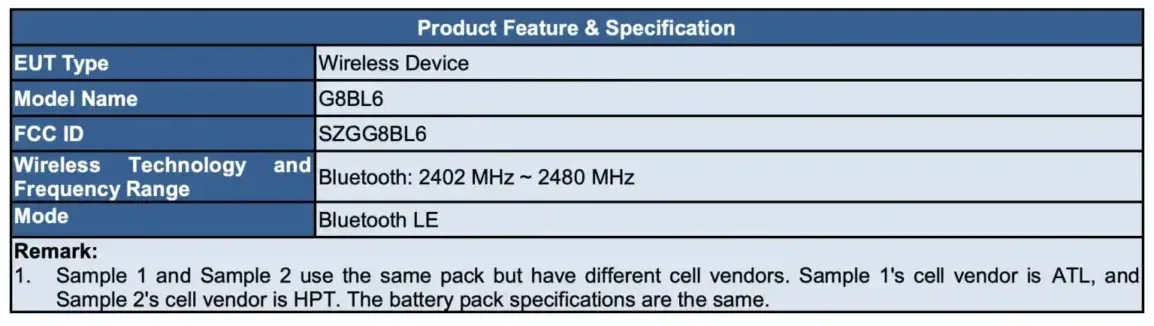
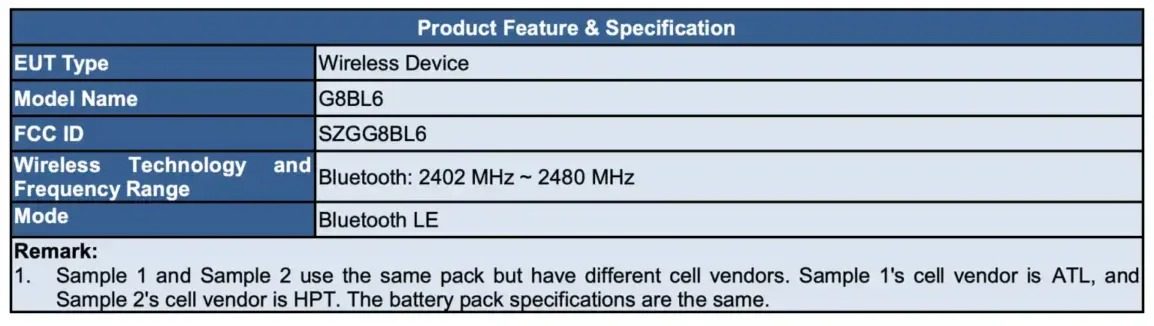
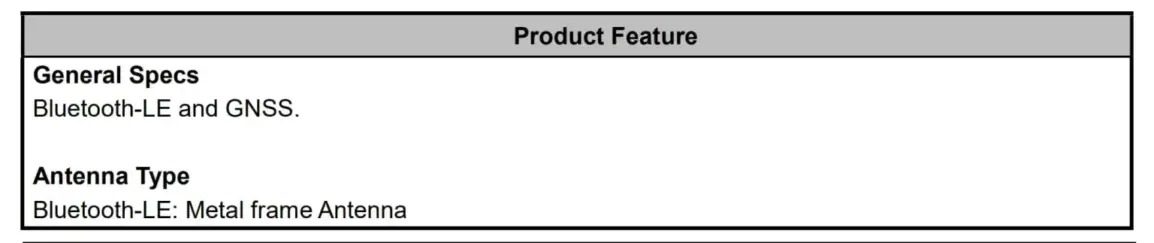
Google may be preparing a successor to the Fitbit Charge 6, and it could bring a major software change to the fitness band. A mystery device identified as G8BL6 has appeared at the FCC with Bluetooth LE, built-in GNSS, and what appears to be a display. 9to5Google believes the device could run Wear OS and says it would make sense as a successor to the Charge line.
The Charge 6 has not been refreshed since 2023. Google also showed an unidentified fitness band in Pixel 11 ads in August. The device had a tall display and looked closer to a Fitbit Charge than a Pixel Watch. Google never identified it, but the FCC device could be the same product.
FCCFCCFCC
Wear OS would be a major change for the Charge line
The Charge 6 already supports Google Maps, Google Wallet, YouTube Music controls, notifications, and dozens of exercise modes without running Wear OS. Moving a future Charge to Wear OS could give it access to a broader app ecosystem and deeper Google integration. It would also be unusual for a fitness band. Devices in this category generally use lighter software that requires less processing power and consumes less energy.
A full Wear OS experience would also require more capable hardware than a conventional fitness tracker. Google would likely need a modern wearable processor, more memory, and substantially more storage.
Reddit
Battery life could be the difficult part
The Charge 6 is rated for up to seven days of battery life, although Google notes that features such as the always-on display can reduce that figure.
Matching that endurance with Wear OS could prove difficult in a slim fitness-band design. Google could instead develop a stripped-down version of Wear OS for this form factor and remove some of the apps, background services, and other smartwatch features that demand more hardware and power.
Advertisement
For now, though, that is all speculation. Both ideas depend on clues from the FCC filing and the assumption that this is the same mystery tracker Google previously showed in its advertising.
After a tumultuous week, which saw WordPress founder Matt Mullenweg ousted from his position as CEO of Automattic, WordPress.com’s parent company, by way of a board vote, the company has now issued a statement confirming that Mullenweg has returned to his position.
“Matt Mullenweg is the chairman and CEO of Automattic, with full support of the board and if you search online you can see many top executives and Automatticians supporting him as well,” a company spokesperson shared with TechCrunch via email just after 5 PM ET on Saturday evening. (The mention of online support appears to refer to supportive posts on X that Mullenweg has been reposting from his X account.)
Automattic’s board had voted earlier this week to put Mullenweg on a paid leave of absence for unknown reasons. The move seemingly came as a surprise to Mullenweg, who posted on Automattic’s Slack, accusing the board members of “conspiring” against him.
Automattic confirmed Mullenweg’s removal to TechCrunch on Wednesday, saying that Mullenweg was “currently on leave” and that Automattic’s Chief Financial Officer, Mark Davies, would lead as interim CEO with “full confidence” of the board.
Advertisement
However, the board’s plan did not go smoothly. Seemingly declining to depart, Mullenweg booted other admins out of the company Slack and told employees everything had been worked out and that he was back in control of Automattic, multiple sources told TechCrunch. At one point, he also posted to Slack, “I’m a pirate now” and cursed, which is something Mullenweg famously did not do. “If this is an HR problem, please wrangle me in since my normal wranglers are with Mark Davies,” he wrote.
When TechCrunch asked Mullenweg if his comments about being back as CEO were legitimate, he promised a blog post was coming. When it arrived, however, it was about him buying a houseboat. When we asked if his comments about being back were also him trolling, he replied, “I’m not a troll I’m a pirate, obviously.” Mullenweg never provided any official comment about his return, but noted on X that this was likely the fifth time he’s faced a “coup.”
Automattic also did not respond to repeated requests for comment on Friday, nor to reports we heard about board member Toni Schneider stepping down. Schneider, a founding CEO of Automattic, now leads Bluesky. He did not return requests for comment at his personal email or via requests sent to Bluesky.
We have since asked Automattic again about this and other changes to the board’s composition, which we’re hearing still may be in flux.
Advertisement
When you purchase through links in our articles, we may earn a small commission. This doesn’t affect our editorial independence.
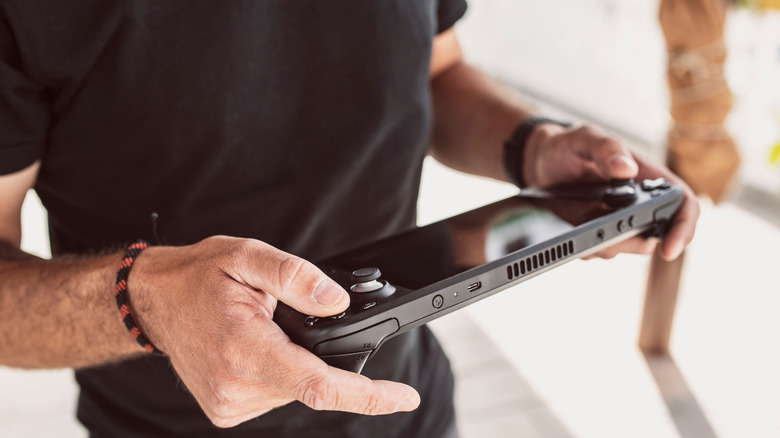
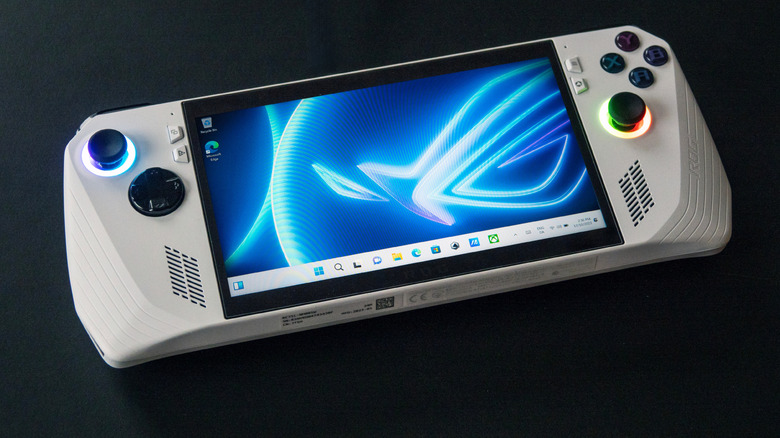
If there’s one piece of advice that’s been echoed all over tech forums and support pages the moment someone brings up an issue, it’s probably, “Restart your device.” Even though gaming handhelds like the Steam Deck and the ROG Ally don’t look like laptops, under that portable hood they’re running full PC operating systems, regardless of whether that’s Valve’s SteamOS or Windows. So, at their core, they still run on the same principles as your regular PC. That means the age-old advice of “turn it off and on again” still holds true here and with an impressive success rate.
On the surface, restarting your gaming handheld seems like basic advice, but there’s more to it than meets the eye. That simple restart can fix a surprising number of issues, from a game that keeps crashing to sudden frame drops and lag. It can even clear up lingering audio issues. So there are a lot of benefits to restarting your gaming handheld regularly; it’s even one of the first troubleshooting steps on Valve’s Steam Deck support page. It won’t solve everything, but it’ll at least clear out whatever’s built up in your background and give the system a clean slate to work with.
Advertisement
Benefits of restarting your gaming handheld regularly
The first benefit of making regular restarts a habit is that it keeps your device’s memory clear. The more you use your console, the more your RAM (random-access memory) gets filled up, and over time some games and applications can fail to release memory back to your system or leak memory even after you’ve closed them. These leaks and memory hogging eventually slow down your gaming handheld, and worse, it’s not something you can prevent. But by simply restarting your gaming handheld regularly, you can keep those effects from building up over time.
Another unsung benefit of restarting your gaming handheld is that it allows your system to apply updates effectively. A good ol’ restart allows your device to properly integrate all the important stuff packaged into an update (like bug fixes, security patches and performance improvements) into your system. So, by regularly restarting your gaming handheld, you ensure that your device is always up to date. Regular restarts can also help you resolve software glitches before they cause your gaming handheld to freeze or crash.
Advertisement
Yes, hibernating and powering off helps too
oleschwander/Shutterstock
Powering off your handheld gives the same benefits as restarting simply because it’s basically the same thing. Meanwhile, hibernating your gaming handheld doesn’t give the benefits of a restart or power-off; instead, it allows you to save your exact session to storage when you’re not using the device and then pick up where you left off, all with little to no battery drain. Powering off or hibernating your gaming handheld when it’s not in use is widely recommended, especially when you’re carrying it around inside a carry case or a bag with poor ventilation where it risks overheating.
In case you’re wondering, regularly restarting your gaming handheld doesn’t mean you need to do it every few hours. There’s no fixed or universally accepted number on how often you should restart your gaming handheld, but a good place to start is once every few days or at least once a week.
Even if regulators did somehow unwind the $20B deal, there’s a growing list of alternatives ready to take Groq’s place, no merger required
Nvidia spent a whopping $20 billion late last year to license Groq’s AI accelerator tech and hire away key members of its engineering team in an everything-but-the-kitchen-sink deal.
Advertisement
The acquihire technically left Groq’s core inference-as-a-service business intact, but was clearly architected in such a way as to fly under regulators’ radar.
Only it didn’t.
This week, The New York Times reported that the US Department of Justice had launched an antitrust probe into the deal.
It’s hard to argue that Nvidia didn’t strip the startup for parts. It may not have been a merger in the traditional sense, but without its engineering staff, Groq may as well be Nvidia’s puppet at this point.
Advertisement
Despite this, Nvidia contends the deal is a great American success story.
“The Groq story is a prime example of the American system working as designed to promote innovation, reward entrepreneurs, and benefit consumers. The law is designed to encourage America’s startup ecosystem and promote the fundamental rights of inventors and workers to pursue their dreams,” an Nvidia statement provided to El Reg and other media reads.
Whether the acquihire of Groq actually harmed competition is another matter entirely. But, even if the Justice Department did force Nvidia to unwind the team, it’s probably too late.
What exactly did Nvidia buy?
Nvidia’s Groq acquihire bought it two key assets: mature silicon and the talent necessary to continue its development.
Advertisement
Groq – which, by the way, is completely unrelated to Elon Musk’s Grok model series – made a name for itself using SRAM-heavy dataflow accelerators to speed up LLM inference to hundreds and now thousands of tokens a second, something that GPU-based systems from Nvidia had struggled to do on their own.
But while faster than GPUs, the accelerators couldn’t achieve rapid throughput. Think of it this way: If Groq’s LPUs were the F1 cars, Nvidia’s GPUs were more like a city bus. But combine the two and you get something more akin to a sport pickup.
At GTC in March, Nvidia unveiled its LPX racks, which are powered by 256 Groq-3 accelerators. As we understand it, they are really lightly modified versions of the startup’s existing Groq-2 chip designs, which makes sense, because three months is absurdly fast to tape out new silicon.
Nvidia CEO Jensen Huang promised Groq-3 combined with its Vera Rubin GPU racks would deliver optimal performance across the entire spectrum of inference workloads.
Advertisement
But, as we’ve discussed at length now, disaggregated compute architectures are not unique to Groq. Nvidia rival Cerebras is building similar systems with AWS and AMD, SambaNova is working with Intel, and d-Matrix and its partners are combining its in-memory compute platform with Nvidia GPUs to the same end as Nvidia’s Vera Rubin-LPX rack combo.
The damage, if any, has been done
Deals of this sort that are engineered to avoid regulatory scrutiny should get it anyway, several US senators have argued. While Nvidia didn’t outright buy Groq on paper, it may as well have.
However, the real question for the DOJ is whether the deal was harmful to competition, and given the competitive landscape, proving harm may be easier said than done.
But even if the DOJ found reason to litigate and was successful in unwinding the deal — it certainly wouldn’t be the first time regulators had torpedoed an Nvidia deal — it probably wouldn’t change much.
Advertisement
Before Nvidia and Groq announced their licensing deal, the GPU giant was already laying the foundations for an ecosystem with its networking business at its center.
In late 2024, the company contributed its MGX rack designs to the Open Compute Project (OCP) making it possible for any chipmaker to put their chips in racks originally designed for Nvidia GPUs.
Then in mid-2025, GPUzilla opened its high-speed interconnect tech — the secret sauce that makes six dozen GPUs behave as one — to the broader industry through a licensing scheme called NVLink Fusion.
As we recently discussed, the combination of open racks and Nvidia networking effectively meant that any chipmaker licensing the tech could slot their designs directly into Nvidia’s racks.
Advertisement
If the DOJ blocked the acquihire and unwound the deal, Nvidia might lose direct control of LPU development and any revenues from the sale of the chips, but it wouldn’t necessarily be the end of its Groq LPX racks.
Groq would just join the growing number of Nvidia hardware partners designing around the company’s AI factory ecosystem. In fact, if anything, the acquihire ensures that even if regulators eventually derail the deal, there will be plenty of alternatives lined up and ready to fill the void. ®
The four potential collaborators initially formed an equal-partnership ad-tech joint venture in 2023.
Four of Europe’s largest telecom operators are said to be in talks to create a consortium that will bid on satellite spectrums and offer direct-to-mobile service in Europe, Bloomberg reported earlier this week.
The mooted partners – Germany’s Deutsche Telekom, France’s Orange, Spain’s Telefonica and the UK-headquartered Vodafone – are expected to make a joint bid for a share of airwaves that the EU has planned to reserve for local operators in order to strengthen home-grown European sovereign satellite communication capabilities, according to Bloomberg.
The sector is currently dominated by Elon Musk’s SpaceX.
Advertisement
The talks are in early stages, sources told Bloomberg. The four potential co-bidders initially formed an equal-partnership ad-tech joint venture in 2023.
Earlier this year, the EU adopted a proposal to select mobile satellite services providers who will be authorised to use the 2GHz frequency band beyond 2027, when the current licences expire. These licences were first handed out in 2008.
Under new rules, one-third of the band will be dedicated to government use, while the remaining two-thirds will be used commercially to provide direct-to-device services for mobile users.
SpaceX – which currently provides its satellite broadband to much of Europe with Starlink – has pushed back on the European Commission’s plans to boost satellite sovereignty in the region.
Advertisement
In June, the company said that the proposal creates a “significant likelihood that Europeans will be left without direct-to-device satellite services or that new European operations will create global interference problems, including to emergency services like those in Ukraine”.
SpaceX already has a partnership with Deutsche Telekom to provide direct-to-device services in the EU – something it cannot do independently.
Last year, Vodafone and AST SpaceMobile, a US company building a space-based cellular broadband network, announced a joint venture called SatCo with the aim of providing exclusive direct-to-device satellite broadband services to European mobile network operators.
Don’t miss out on the knowledge you need to succeed. Sign up for the Daily Brief, Silicon Republic’s digest of need-to-know sci-tech news.
For U.S. consumers, a credit card is generally safer than a debit card for online shopping when the main concern is unauthorized transactions, covered merchant disputes, or keeping checking-account funds available while a problem is investigated. Debit cards still have important protections, but their direct connection to a deposit account and their timing-sensitive federal liability rules can make fraud more disruptive.
That does not make a credit card the best financial choice in every situation. If using credit leads you to carry an unaffordable balance and pay interest, avoiding debt may be the more important risk. The useful comparison is what happens when an online transaction goes wrong.
The first difference is where the purchase is funded. A debit card normally uses money already held in the linked checking account. A credit card uses credit provided by the card issuer. The Federal Trade Commission’s comparison of payment cards explains both this funding difference and the different legal protections that apply.
Suppose an unauthorized $800 online purchase appears on each type of card. With a debit card, that transaction can reduce the money available in the linked account while the matter is investigated. With a credit card, the disputed transaction normally affects the credit account rather than directly removing $800 from checking.
Advertisement
That difference matters even when the consumer ultimately has no financial loss. A temporarily reduced checking balance can interfere with rent, utilities, scheduled transfers, or other payments. Final fraud liability and short-term access to cash are separate risks.
Credit cards also have a relatively simple federal limit for qualifying unauthorized use. Under Regulation Z’s credit-card provisions, a cardholder’s liability generally cannot exceed the lesser of $50 or the amount obtained through unauthorized use before the issuer is notified, provided the regulation’s conditions for imposing liability are met.
Credit Card vs Debit Card: Safety Comparison at a Glance
The most useful comparison is not whether both cards advertise fraud protection. It is how federal liability, access to checking-account funds, merchant-dispute rights, network policies, and debt risk differ.
Credit Card vs Debit Card for Online Purchases
Comparison of credit-card and debit-card protections and practical risks for U.S. online shoppers
Feature
Debit Card
Credit Card
Purchase funding
Usually draws from money in a linked checking account.
Uses a credit line rather than directly withdrawing checking-account funds.
Federal unauthorized-use liability
Can vary based on the circumstances and how quickly the consumer reports the problem.
For qualifying unauthorized use, liability generally cannot exceed $50 and may be lower.
Stolen account number
Regulation E protections apply to unauthorized electronic fund transfers, with reporting rules affecting potential liability.
If the physical card was not lost but the account number was stolen and used, CFPB guidance says the consumer generally has no liability.
Effect on checking-account cash
An unauthorized transfer can reduce available account funds before the matter is resolved.
A disputed purchase normally does not directly remove funds from the checking account.
Federal merchant-dispute framework
Regulation E provides error-resolution rights for electronic fund transfer errors, but it does not mirror Regulation Z’s billing-error category for goods or services not delivered as agreed.
Regulation Z covers several billing errors, including certain transactions involving goods or services not accepted or not delivered as agreed.
Additional network protection
Some networks and issuers provide protections beyond federal minimums.
Networks and issuers may also provide protections beyond federal minimums.
Debt and interest risk
Usually uses money already held in the account and does not create ordinary revolving credit-card debt.
Can create interest charges and revolving debt when balances are carried, depending on the account terms.
For online-payment protection, credit generally has the advantage. That does not mean it wins every financial criterion. A shopper who is likely to carry expensive credit-card debt may reasonably give greater weight to borrowing risk.
Advertisement
What Happens If Someone Uses Your Card Without Permission?
Credit-card unauthorized use
Federal credit-card rules provide a relatively straightforward liability ceiling. Regulation Z states that qualifying liability for unauthorized credit-card use cannot exceed the lesser of $50 or the value obtained before the issuer is notified.
The protection can be stronger when the physical card remains in your possession. According to the Consumer Financial Protection Bureau’s guidance on unauthorized credit-card charges, if someone steals and uses only the account number and you have not lost the card itself, you generally have no liability for that unauthorized use.
“Unauthorized use” has a specific legal meaning. Regulation Z defines it as use by someone other than the cardholder who lacks actual, implied, or apparent authority and from which the cardholder receives no benefit. A disagreement involving a family member, employee, or another person who was previously allowed to use the card can therefore be more complicated than a straightforward stolen-number case.
Debit-card unauthorized transfers
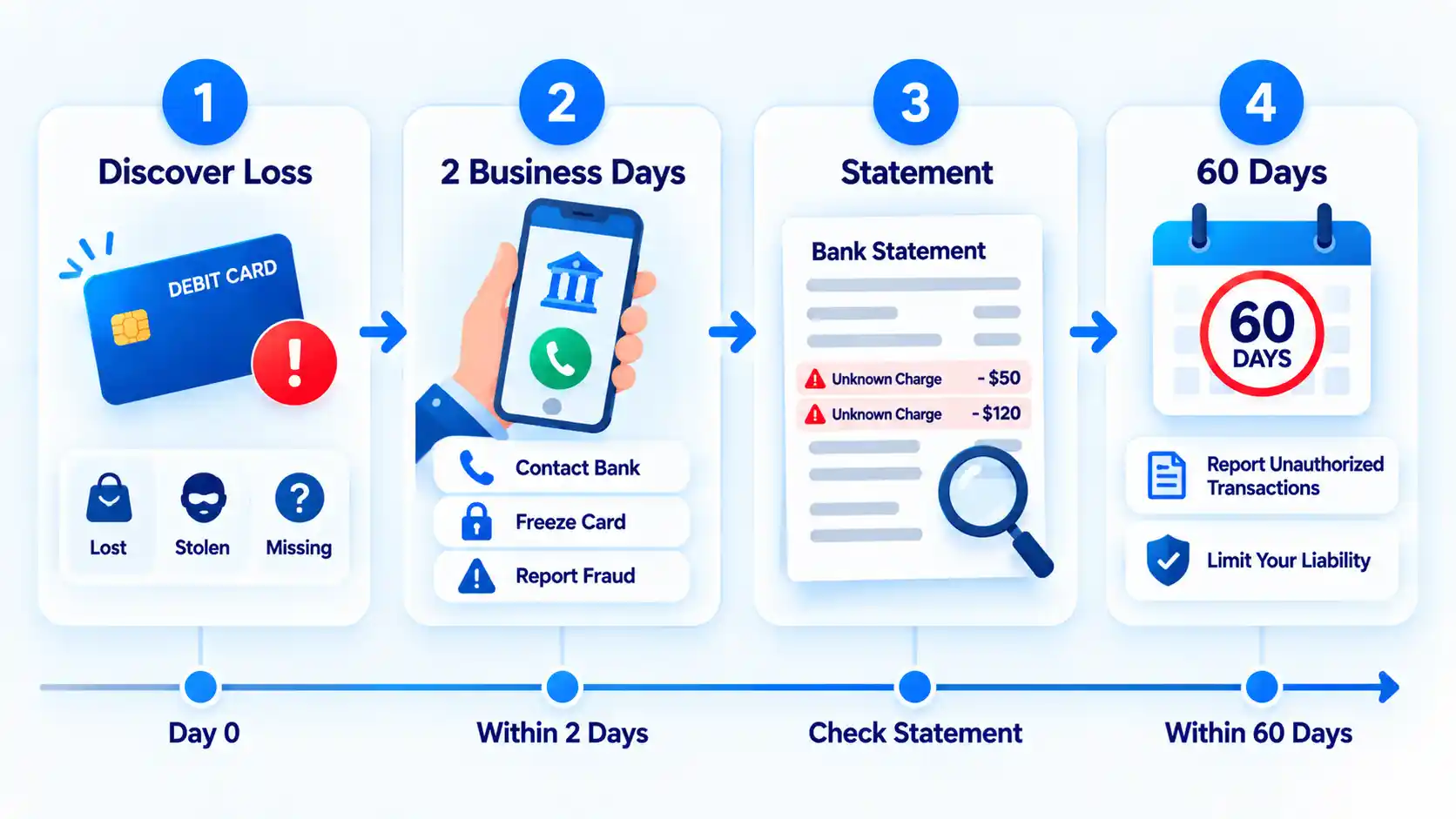
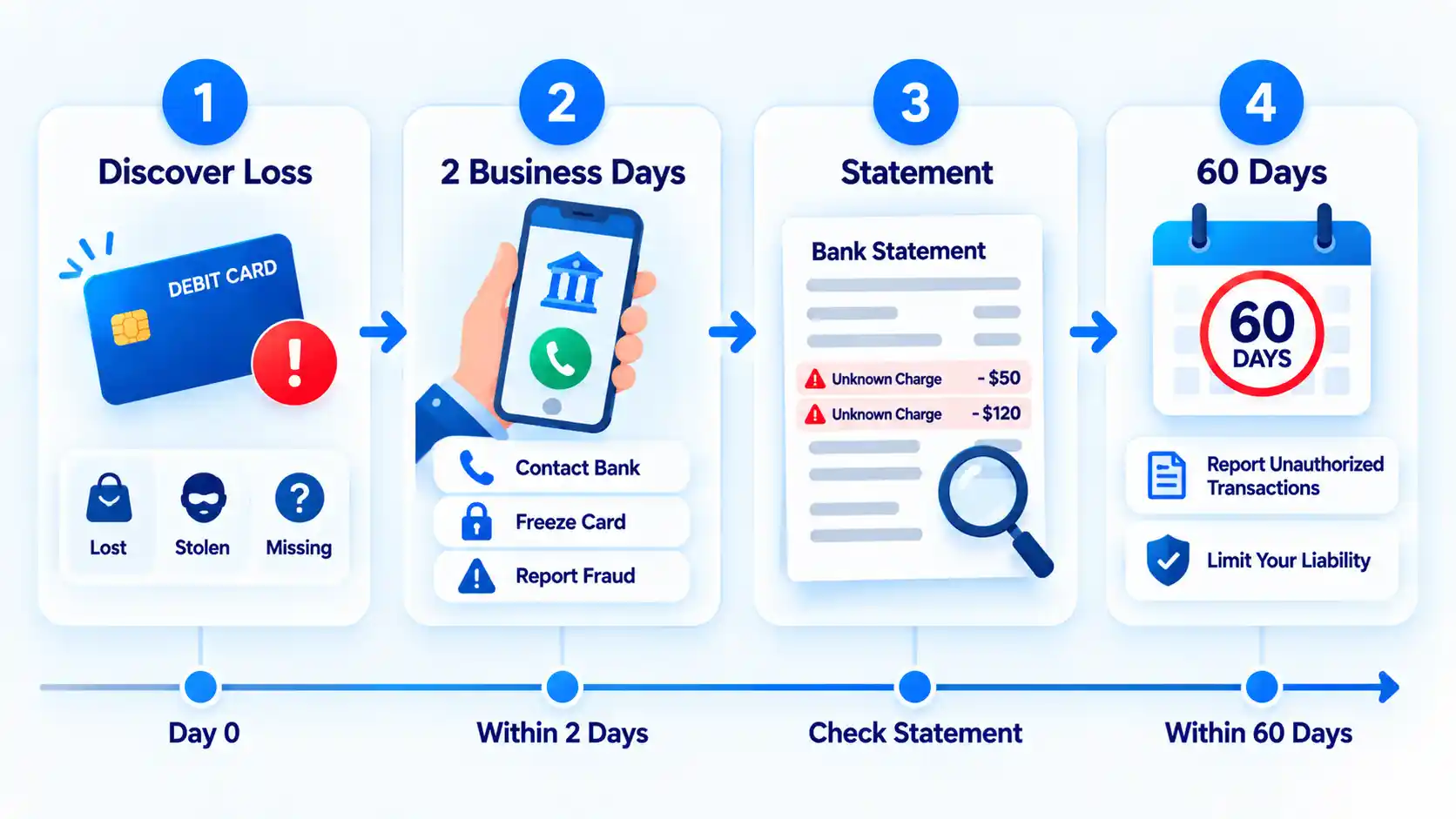
Debit cards also have federal protections, but reporting timing can materially affect potential liability. Under Regulation E’s unauthorized-transfer rules, a consumer who notifies the financial institution within two business days after learning that an access device was lost or stolen generally faces liability of no more than the lesser of $50 or the unauthorized transfers that occurred before notice.
Advertisement
If the consumer waits longer than two business days, potential liability can rise. Regulation E describes circumstances in which the applicable ceiling can reach $500, although the actual amount depends on when the transfers occurred and whether the institution establishes that later transfers could have been prevented by timely notice.
The often-repeated “60-day rule” also needs precision. If an unauthorized electronic fund transfer appears on a periodic statement, the consumer generally must report it within 60 days after the institution transmits that statement to avoid potential liability for later unauthorized transfers that timely notice could have prevented. It is misleading to say that every unauthorized dollar automatically becomes the consumer’s responsibility on day 61.
Because reporting time can affect the outcome, responding to an unauthorized online card purchase should include prompt notice to the issuer or financial institution and preservation of the relevant transaction records.
A consumer can ultimately have little or no liability and still experience temporary disruption. That distinction is particularly important with debit cards because the disputed transfer can affect money already sitting in the linked account.
Advertisement
Under Regulation E’s error-resolution procedures, a financial institution generally must investigate promptly and determine whether an error occurred within 10 business days after receiving a qualifying notice of error.
If the institution cannot complete the investigation within that period, it can generally take up to 45 days if it provisionally credits the consumer’s account within the required period and satisfies the other conditions in the rule. Regulation E provides longer investigation periods for specified categories, including certain point-of-sale debit-card transactions, transfers initiated outside a state, and qualifying new-account cases.
Provisional credit is a temporary credit placed in the account while the investigation continues. It is not necessarily a final determination that the consumer’s claim is valid.
Consider the $800 fraud example again. If an unauthorized debit transaction reduces the checking balance shortly before rent is due, the consumer may face a cash-flow problem before the investigation or provisional-credit process restores access to those funds. An unauthorized credit-card transaction ordinarily does not remove that $800 from checking in the first place.
Advertisement
Credit Cards Have Federal Billing-Error Rights for Some Merchant Problems
Online-shopping problems are not limited to card theft. A merchant might bill twice, charge the wrong amount, fail to deliver an order, send the wrong quantity, or deliver an order somewhere other than the location agreed upon.
Regulation Z’s billing-error rules cover several categories of problems with open-end credit accounts. One category includes charges for property or services that the consumer did not accept or that were not delivered as agreed. The CFPB’s official interpretation gives examples including different property than agreed, the wrong quantity, late delivery, and delivery to the wrong location.
For the formal billing-error process, the consumer’s written notice generally must reach the creditor no later than 60 days after the creditor transmitted the first periodic statement reflecting the alleged error. The notice must also contain enough information for the creditor to identify the account and understand the alleged problem.
Once a qualifying notice is received, the creditor generally must acknowledge it in writing within 30 days unless the matter has already been resolved, and complete the applicable resolution procedures within two complete billing cycles, but no later than 90 days.
Advertisement
There is an important limit. Regulation Z expressly says this billing-error category does not cover a dispute merely about the quality of property or services that the consumer accepted. Whether the consumer legally accepted the goods can depend on state or other applicable law.
For example, a laptop that never arrives can fit the non-delivery framework more readily than a laptop that arrives as ordered but feels less premium than the buyer expected.
Credit cards also have a separate federal claims-and-defenses provision. Under Regulation Z’s claims-and-defenses rules, a cardholder can in qualifying circumstances assert certain merchant-related claims or defenses against the card issuer after the merchant fails to resolve the dispute satisfactorily.
That right has conditions and should not be presented as a universal guarantee. The regulation generally requires a good-faith effort to resolve the dispute with the merchant and includes transaction-value and geographic requirements. Its official interpretation also notes that internet orders can qualify as credit-card purchases, while the location of an internet or telephone transaction for the geographic condition can depend on state or other applicable law.
Advertisement
For that reason, “you can always charge it back” is too broad. The applicable right depends on the type of dispute, the facts, the account, and the governing rules.
What About Debit Cards With Zero-Liability Policies?
Network and issuer policies can improve the protection available to debit-card users beyond the federal statutory minimum. They do not make Regulation E and Regulation Z identical.
For example, Visa’s current Zero Liability Policy says qualifying Visa credit and debit cardholders are not held responsible for unauthorized charges made with the account or account information. Visa states that the policy covers most credit and debit cards but excludes certain commercial-card and anonymous prepaid-card transactions and transactions not processed by Visa.
Visa also instructs cardholders to notify their issuing financial institution immediately and tells consumers to check with the issuer about coverage for a specific card.
Advertisement
This creates two distinct layers. Federal law sets statutory rights and liability rules. A network or issuer can then provide contractual protections that are more favorable to the cardholder. A network policy should therefore be described as an additional protection, not as evidence that every debit card has identical rights or that statutory debit and credit protections are the same.
When Using a Debit Card Online Can Still Make Sense
A debit card can still be a reasonable choice when avoiding revolving debt is the higher financial priority. Debit purchases normally use money already held in the linked account rather than creating an ordinary credit-card balance.
The FTC notes that credit cards can charge interest when balances are carried from month to month. It also explains that on most cards, paying the whole bill by the due date can avoid purchase interest, although the exact account terms control.
Debit may therefore make sense for someone who does not have a credit card, prefers not to borrow, or knows that available credit tends to lead to balances that are difficult to repay. In that situation, it is particularly important to understand the bank’s reporting procedures, review account activity regularly, use available transaction alerts, and report suspicious transfers promptly.
Choosing credit instead of debit does not make an untrustworthy merchant safe. Payment protections matter after something goes wrong, while merchant checks can reduce the chance of entering the transaction in the first place.
Check an unfamiliar seller before paying. Look for independent information about the business and search its name with terms such as “complaint” or “scam.”
Do not treat HTTPS as proof that a seller is legitimate. The FTC explains that HTTPS means the connection is encrypted, but fraudulent sites can use encryption too.
Keep transaction records. Save the order confirmation, price, promised delivery information, return or refund terms, and important communications with the seller.
Review account activity regularly. Detecting an unauthorized transaction sooner can make it easier to report within applicable deadlines.
Use transaction alerts when your issuer offers them. They can make unexpected activity easier to notice.
Report suspicious activity promptly. Follow the card issuer’s or financial institution’s stated reporting process rather than waiting to see whether another transaction appears.
The FTC’s online-shopping guidance specifically recommends paying by credit card when possible because of the protections available when a scam or covered purchase problem occurs. The FTC also recommends keeping purchase records and warns that an encrypted website is not necessarily legitimate.
How the card credentials themselves are exposed is a separate security question. Virtual card vs physical card for online shopping can be evaluated separately from the legal differences between debit and credit accounts.
Which option should you choose?
Credit Card
Choose this if: you want stronger federal protections for several online-purchase problems, want a disputed purchase separated from your checking-account balance, or are making a purchase where temporary loss of cash would create a serious inconvenience.
Advertisement
Avoid this if: using available credit is likely to leave you carrying debt that you cannot comfortably repay.
Main trade-off: stronger payment protections come with the possibility of interest and revolving debt if the balance is carried.
Debit Card
Choose this if: avoiding borrowing is the higher priority, you understand your bank and network’s fraud policies, and you actively monitor the linked account.
Avoid this if: temporary loss of checking-account funds could interfere with essential bills or you are unlikely to notice and report unauthorized activity promptly.
Advertisement
Main trade-off: you avoid ordinary revolving credit-card debt, but unauthorized transactions can directly affect available account funds while a dispute is being investigated.
For most U.S. shoppers who can use a credit card without carrying unaffordable debt, credit is the safer default for online purchases. Its advantage comes from federal unauthorized-use limits, specific billing-error protections for several merchant problems, and the practical separation between a disputed purchase and money held in checking.
Debit is not inherently unsafe. It simply makes rapid detection and reporting more consequential and exposes the linked account more directly when fraud occurs. Whichever card you use, verify unfamiliar sellers, keep transaction records, review account activity, and report suspicious transactions promptly.
Many electronics users have felt the wave of panic that comes with trying to wipe away a mark on their screen, only to realize it’s actually an issue with the screen itself. Sometimes, this can be caused by factors like source or cable issues, and isn’t cause for alarm. Other times, however, it’s a pixel problem, which can be much more dread-inducing due to varying levels of repairability.
Even the best monitors aren’t safe from a potential pixel issue, of which there are two main types: stuck pixels and dead pixels. Both are dots — or, even worse, clusters of dots — that no screen user wants to see. However, though both screen annoyances look a lot alike shape-wise, there are some distinct differences between them, namely in their exact appearance and if they can be fixed.
Advertisement
Spotting the difference
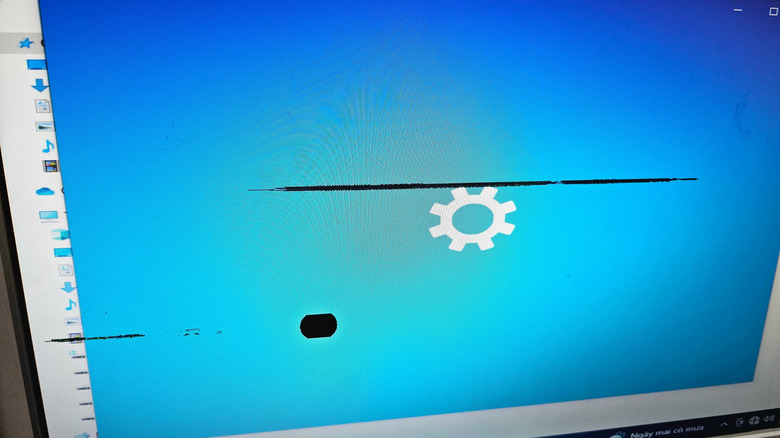
One of the biggest differences between a stuck and dead pixel is the presence of light. A stuck pixel is permanently on, displaying a constant blue, red, green or bright point, while a dead pixel is, as the name suggests, no longer functioning and is always black. This visual difference can help you determine which particular problem you’re facing.
The other main defining factor between the two is how fixable they are. A stuck pixel has a myriad of troubleshooting routes that can be taken, and can often be returned to normal. A dead pixel, on the other hand, cannot be salvaged. If you’ve got a dead pixel, you’ll unfortunately either have to get a replacement or learn to tolerate it. On the bright side, it’s a generally less obtrusive visual issue than something like screen burn-in.
Advertisement
How to test for dead and stuck pixels
Loner Nguyen/Shutterstock
Stuck and dead pixels are so small it can sometimes be tricky to identify if they’re even the issue at hand, and, if they are, which instance in particular you’re dealing with. First, it’s best to rule out all other display issues that could be going on. Clean your display thoroughly, see if the problem persists across different applications and, if you can, try both a new cable and input device.
Once you’ve ruled out other problems, conduct a final test designed to concretely pinpoint the issue. There are several sites and apps that can be used to sniff out pixel problems, like Dead Pixel Buddy, and even some that purport the potential to solve the issue as well, like JScreenFix or Dead Pixels Test and Fix. It should be noted that stuck pixels can sometimes be harder to diagnose, as those with power or heat problems as the underlying cause may only appear intermittently. If that’s the case, try to pull up one of these tests as soon as you notice the issue’s returned.
Samsung’s first Android XR glasses with a colour display could arrive towards the end of 2027, according to a new report. The company is already working on the tiny microdisplays needed for the glasses, although some key decisions around the design and cost still appear to be up in the air.
The Elec reports that Samsung has asked Samsung Display to develop new colour microdisplays for future smart glasses. The panels are expected to be around 0.2 inches or smaller, with Samsung still weighing up performance and price as it works out the final form factor.
Exactly how those displays will be used isn’t settled yet, either. Samsung is reportedly considering both monocular and binocular designs. The early prototypes shown by Samsung and Google have generally used a monocular setup, with a display positioned over one eye. A binocular design would put displays over both eyes and could offer an advantage for showing 3D content.
That would make these glasses quite different from Samsung’s first Android XR glasses, which aren’t expected to have a display at all. Those glasses are instead being developed more like the Meta Ray-Ban smart glasses, combining a camera with open-ear audio.
Advertisement
Samsung has already shown designs created with eyewear brands Warby Parker and Gentle Monster, but it hasn’t confirmed when those first display-free glasses will actually launch.
Advertisement
The colour-display version appears to be further down the road, with the latest report pointing towards late 2027. There are still plenty of details to work out before then, particularly whether Samsung settles on one or two displays and how it balances the performance of those tiny panels against their cost.
Still, the move would mark a more ambitious step for Samsung’s Android XR push. Rather than simply adding cameras and speakers to a familiar pair of glasses, a colour-display model could put actual visual information in front of the wearer while keeping the glasses themselves far more compact than a traditional headset.
















































You must be logged in to post a comment Login