
Security teams log 54% of successful attacks and alert on just 14%. The rest move through your environment unseen.
The Picus whitepaper shows how breach and attack simulation tests your SIEM and EDR rules so threats stop slipping by detection.



The grass isn’t always greener on the other side.
The smart speakers above are our current favorites, but you still have other options if you’re looking for something specific in audio performance. Options that didn’t make this list include:
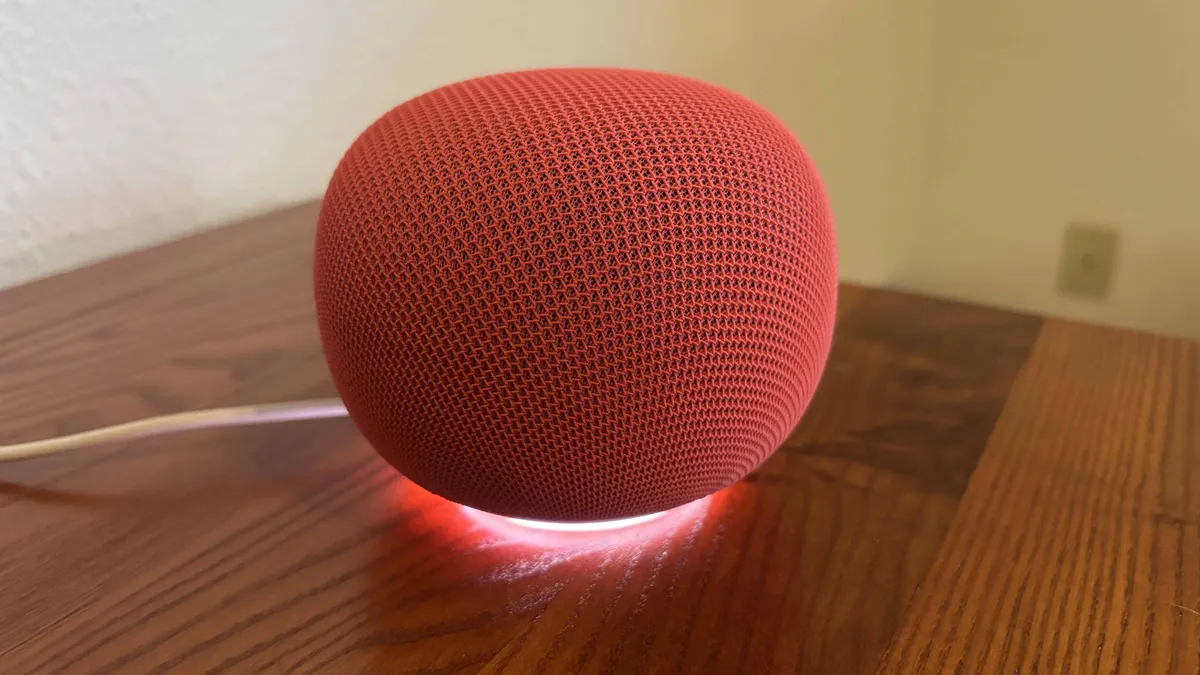
Apple HomePod: I really like the HomePod’s sound, which is possibly the best in the business, but it’s simply too expensive for the average budget at over $250 to $300 — which is why Apple released a Mini version. The smaller HomePod doesn’t have quite the same incredible sound, but it’s a whole lot more affordable, which is why it ended up on the list.
Echo Dot 4: I really like this Echo Dot and use it in my house, but it’s starting to become an older model and I’m not sure how much longer Amazon is going to sell it since there are new models like the Echo Dot Max.
Echo Show 11: This smart display offers surprisingly good sound with its updated design, but it’s more focused on the 11-inch screen, which is why it ended up on my picks for best smart displays instead.
Sonos Era 100: The Sonor Era 100 has incredible sound for its $199 price, but if you really want an elite model, why not go all the way and get the better Sonos Era 300? I chose the highest-end Sonos option for this list if your budget isn’t a problem, but the 100 is still an option for those who like Sonos features but want a lower cost.
Google Nest Mini: The Nest Mini second-gen speakers were fun little desk-side assistants for their time, but that time has largely passed now, especially with Google’s new and far superior Home Speaker available. That’s probably why Google is discontinuing this model.
Bose SoundLink Home: Bose’s home speaker sounds great but the “Home” moniker is a bit misleading. This is a portable Bluetooth speaker that doesn’t have any smart capabilities and can’t even link with the Bose app, so it’s a thumbs down for this list.
Wiim Pro: The Wiim Pro is an interesting smart speaker receiver if you already have speakers you like and want to give Alexa/Google/Siri capabilities, but it’s not actually a smart speaker itself, so it didn’t make this list. I’m also waiting on the Wiim Sound, which is its own standalone smart speaker and could win a spot if it tests well.
Google Nest Audio: The Nest Audio is now entirely eclipsed by the newer Google Home Speaker, and this smart speaker has also been discontinued.
Denon Home 150: I chose the more versatile Sonos over the AV-friendly Denon brand for this list. However, if your home entertainment system uses Denon products and you’re very happy with them, it’s well worth investigating this $199 smart speaker from the same maker.


The Coca-Cola Company disclosed today that a ransomware attack impacting its Fairlife dairy subsidiary has disrupted operations, temporarily suspending production of Fairlife products across the United States.
In a Form 8-K filing with the U.S. Securities and Exchange Commission (SEC), Coca-Cola said Fairlife detected unauthorized access to some of its systems, including its production-related systems, in connection with a ransomware attack.
“After detecting the issue, the Company promptly activated its incident response and business continuity protocols,” Coca-Cola said in the filing.

“The Company’s investigation and assessment of the impact of the incident is ongoing, with the assistance of outside advisors and cybersecurity experts. The Company has also notified law enforcement.”
The company said product quality and safety have not been affected by the ransomware attack.
However, it confirmed that production at Fairlife’s U.S. facilities has been temporarily suspended while the company responds to the incident and restores impacted systems.
Canadian production operations are not currently affected.
Coca-Cola says it is working to restore affected systems and resume operations, but the full impact of the incident is being investigated.
Due to this, it has not yet been determined whether the cyberattack is reasonably likely to materially affect the Company
If you have any information regarding this incident or other undisclosed attacks, you can contact us confidentially via Signal at 646-961-3731 or at tips@bleepingcomputer.com.
Fairlife is one of Coca-Cola’s dairy brands and produces ultra-filtered milk products, protein shakes, and nutrition drinks sold in the United States.
The company’s products include Ultra-Filtered Milk, Core Power Protein Shakes, and Nutrition Plan.
At this time, Coca-Cola has not disclosed whether any data was stolen during the attack, whether the company is being extorted, or which ransomware operation is responsible.
No ransomware gang has claimed responsibility for the attack at this time. If data was stolen during the intrusion, the attackers will likely attempt to extort the company later by threatening to publish it unless a ransom is paid.
When BleepingComputer contacted Coca-Cola to ask whether the attackers stole data, whether the company had received an extortion demand, and which ransomware gang was behind the attack, a spokesperson said the company had nothing additional to share beyond its public statement.

Security teams log 54% of successful attacks and alert on just 14%. The rest move through your environment unseen.
The Picus whitepaper shows how breach and attack simulation tests your SIEM and EDR rules so threats stop slipping by detection.


Battery life is usually one of the first things to take a hit as a laptop gets older, and the MacBook Neo is no exception. After years of regular use (or if you bought a used MacBook Neo), Apple’s entry-level laptop will likely be due for a battery upgrade. Luckily, it isn’t hard to get a new one at a relatively affordable price tag too, compared to a MacBook Pro, for instance. This is especially true for owners who have AppleCare, Apple’s customer support and warranty services. That being said, there are several options for replacing MacBook Neo’s battery.
For starters, if you don’t have a warranty, going directly through Apple will cost you $149. However, in case you have AppleCare, you won’t need to pay anything, provided the battery holds less than 80% of its original capacity. You can always do it yourself if you’re knowledgeable enough or willing to try. Apple sells replacement batteries (and other parts) via the Self Service Repair Store, which is authorized and managed by Apple. In case you opt for this route, you’ll pay $134.25 for a new battery, slashed to $111.75 when you return the old battery to Apple.
Provided you don’t have a warranty, that’s $37.25 less than letting Apple handle the replacement. For those of you who aren’t completely sure about what you’re doing, you may be better off letting the company do its thing. However, if you get the urge for some DIY-ing, just remember to read the repair manuals — found on Apple’s Self Service Repair site — or watch some videos. The good news is that Apple’s Chromebook alternative has a surprisingly repairable design, and the battery is easily accessible after you unscrew the bottom cover.
Apple listed that the MacBook Neo’s battery is rated for a maximum of 1000 cycles. A single cycle is equivalent to a person using 100% of the battery’s total capacity over time, which could happen over several charges. This translates to a lifespan of about four to six years on average, depending on daily usage. Additionally, Apple stated that MacBook Neo’s battery may last up to 16 hours on a single charge.
One more thing. Let’s say you notice that your MacBook Neo’s battery isn’t holding a charge as it used to. You can check the battery health by clicking on the Apple logo and selecting System Settings. Afterwards, click on Battery, and you’ll get an overview of its health. Clicking the information button under Battery Health will give you additional data, including the Maximum Capacity. If the maximum capacity has fallen below 80% or you see a Service Recommended warning from macOS, it might be time for a replacement.
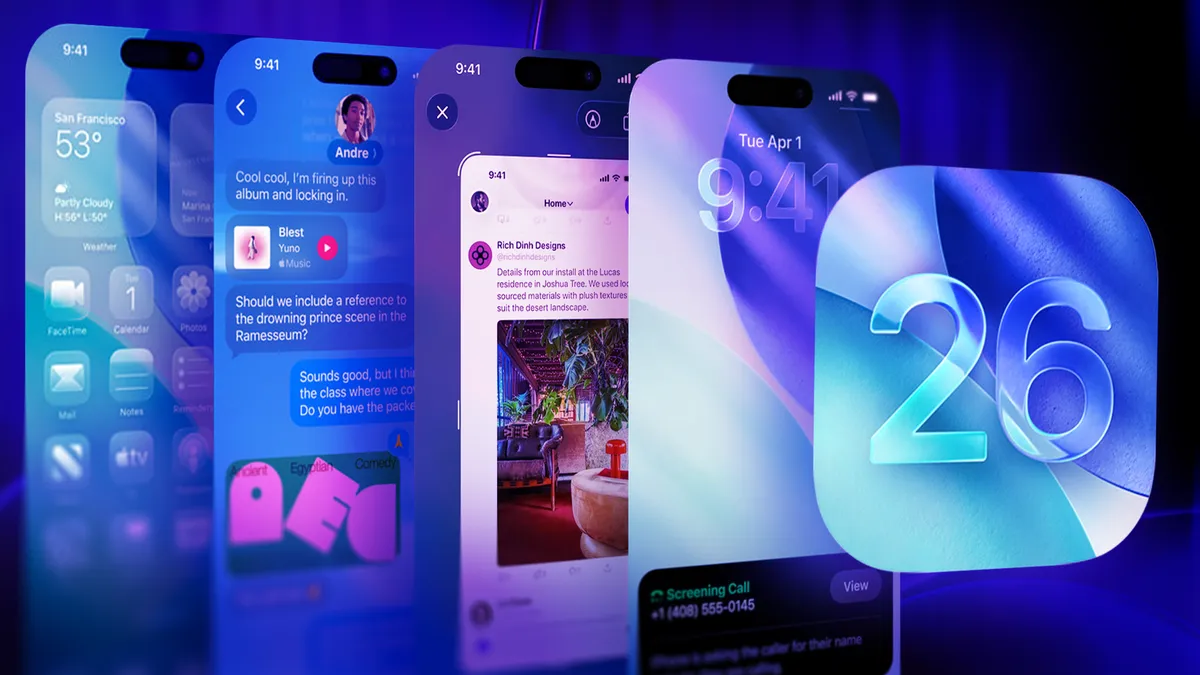
Spam calls are annoying. I always have my phone ringer on in case there is an emergency but that means my iPhone receives spam calls at least a handful of times a week. Spam calls can be stressful, especially if you’re trying to stay quiet so as not to disturb a napping baby. But thanks to iOS 26‘s call screening feature, spam calls haven’t bothered me for months.
Call screening isn’t an Apple Intelligence feature so any iOS 26-compatible iPhone, like the iPhone 14 Pro, can use it. I enabled the feature early in the beta process and my iPhone has diligently held back spam calls, like the Hoover Dam, ever since. But you have to enable it first.
Here’s how to enable call screening in a few easy steps and what to know about the new feature.
Read more: Win a New Apple Watch in CNET Big Guessing Game Contest
1. Tap Settings.
2. Tap Apps near the bottom of the menu.
3. Tap Phone.
Under the section Screen Unknown Callers, you’ll see three options: Never, Ask Reason for Calling and Silence. Here’s what you should know about each of these options and which one is right for most people.
Choosing Never is the default option and lets calls from unsaved numbers come through and ring on your phone. It also documents missed calls in your Recents list in your Phone app, just like before call screening was available.
If you tap Ask Reason for Calling, your iPhone will ask anyone who calls you from an unsaved number why they are calling you without ringing your iPhone. After the caller answers a few questions, your iPhone will notify you with a transcript of the caller’s answers. Then you can decide whether you want to answer the call.
You can also pick Silence, which is the nuclear option for phone calls. Any unsaved numbers that call you will be silenced and sent to voicemail, no questions asked.
Ask Reason for Calling is the best option for most people who want to screen calls. I chose it, and while it notified me when scam callers answered some questions, which they rarely did, it also notified me when my doctor’s office called to go over some test results. If I had chosen Silence, I would have missed my doctor’s office (and choosing Never would mean checking every call if I was expecting something important).
If you choose Ask Reason for Calling and dislike it, you can always follow the steps above again and choose one of the other options. And remember, you can always silence your iPhone and not be bothered by any phone calls at all. My wife has not taken her phone off silent in months, and she remains blissfully unbothered by spam calls.
For more iOS news, here’s what to know about the upcoming iOS 27 and our iOS 26 cheat sheet for other tips and tricks. You can also win an Apple Watch playing CNET’s Big Guessing Game.
Watch this: Apple vs. OpenAI: These Lawsuit Details Are Wild
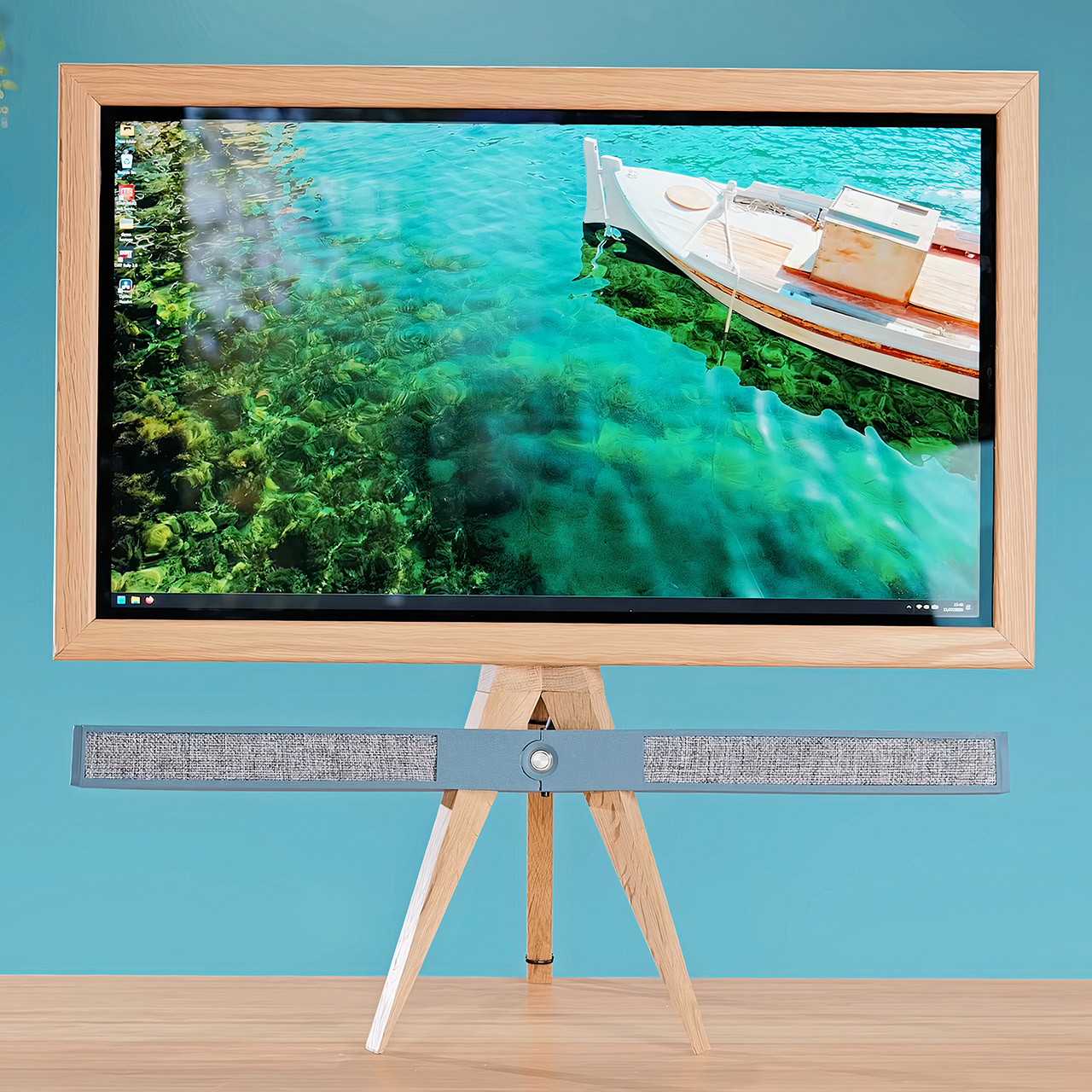
Matt of DIY Perks looked at piles of discarded hardware most people would haul to the dump and saw a complete computer waiting to be put together. High-end laptop motherboards that once lived inside machines with cracked cases or ruined keyboards still carry strong processors, dedicated graphics, and plenty of memory. Those boards sell for far less than equivalent desktop parts because repair shops and most buyers overlook them. He picked one up that included an AMD processor with AI features, an NVIDIA RTX GPU, and 32 GB of DDR5 memory already soldered on board. The price sat below what a simple desktop RAM kit often costs.
Getting the board to work without its original keyboard needed some careful detective work with a multimeter. He fished about the keyboard connector pins with the meter until he found the standby voltage line, which typically runs at 3.3 volts. Bridging that pin to ground with a piece of wire activated the mechanism. The fan kicked in, and the board began to warm up, indicating that it still had life, and he was relieved that he had never operated it without a heatsink and fan attached. Video output came from the USB-C connector, which he confirmed by examining the chipset specs while blissfully browsing the web.

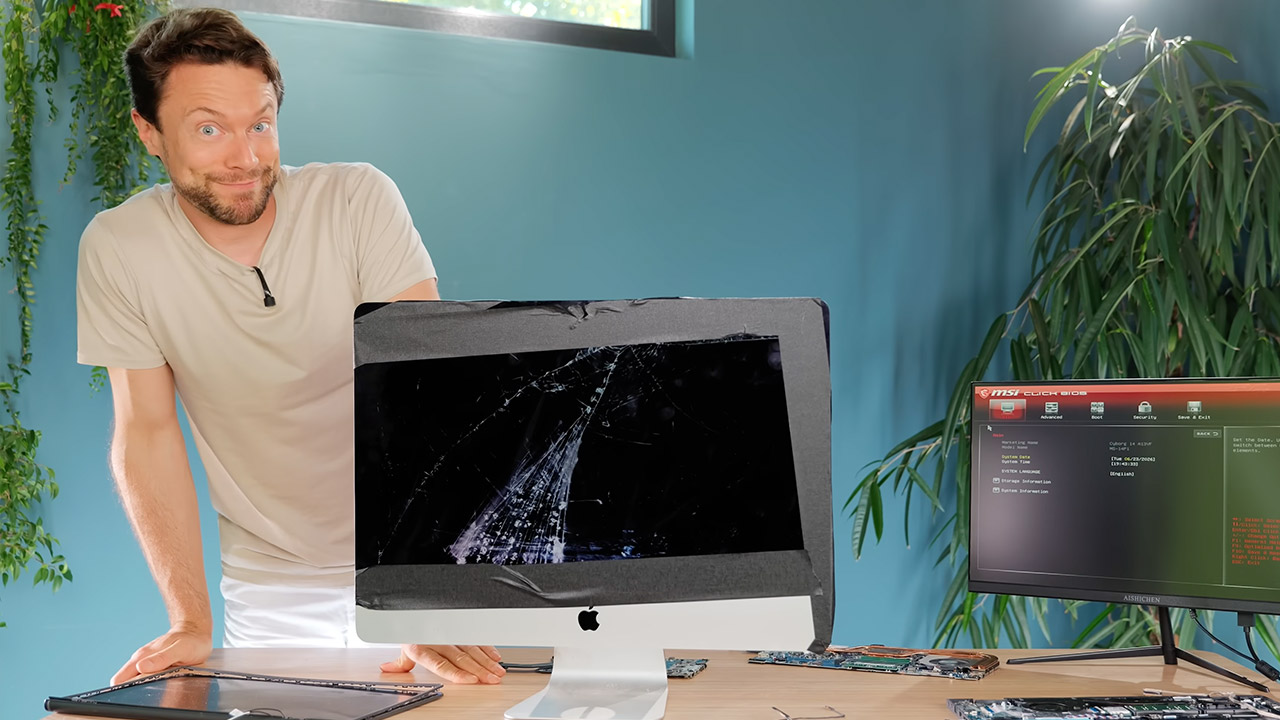
For the screen, he searched local recycling centers for a broken iMac with a smashed exterior glass panel. You would be surprised at what individuals give away for free. The LCD itself was in perfect shape. Separating the bonded glass layers needed time and a heat gun, as he’d weaken the adhesive and then work a fine wire between the layers, moving slowly to keep the panel from splitting. When all was said and done, a quick wipe down with alcohol restored the surface to its original condition. What a screen it is, with over 4K resolution, a wide color gamut, and impressive brightness.
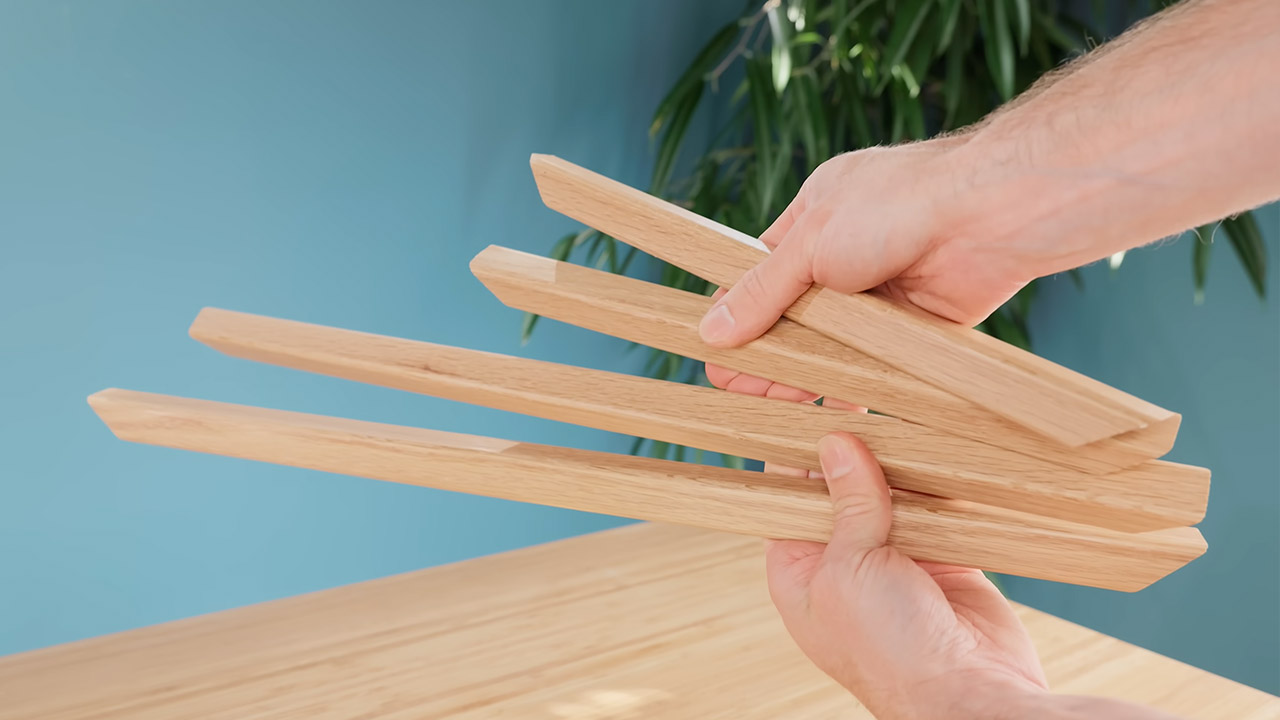
A few pieces of hardwood formed a modest wooden edge around the panel, and a coat of colored oil provided a very warm finish. He wrapped the case in a layer of vinyl before slapping an aluminum sheet on the rear to give it a clean appearance. The wooden offcuts between the screen and back served as braces to hold everything together, providing a small gap to keep the system cool and some opportunity to pass cables. The motherboard was mounted to the metal using normal PCB standoffs. He added few more holes to allow air and cables to move freely.
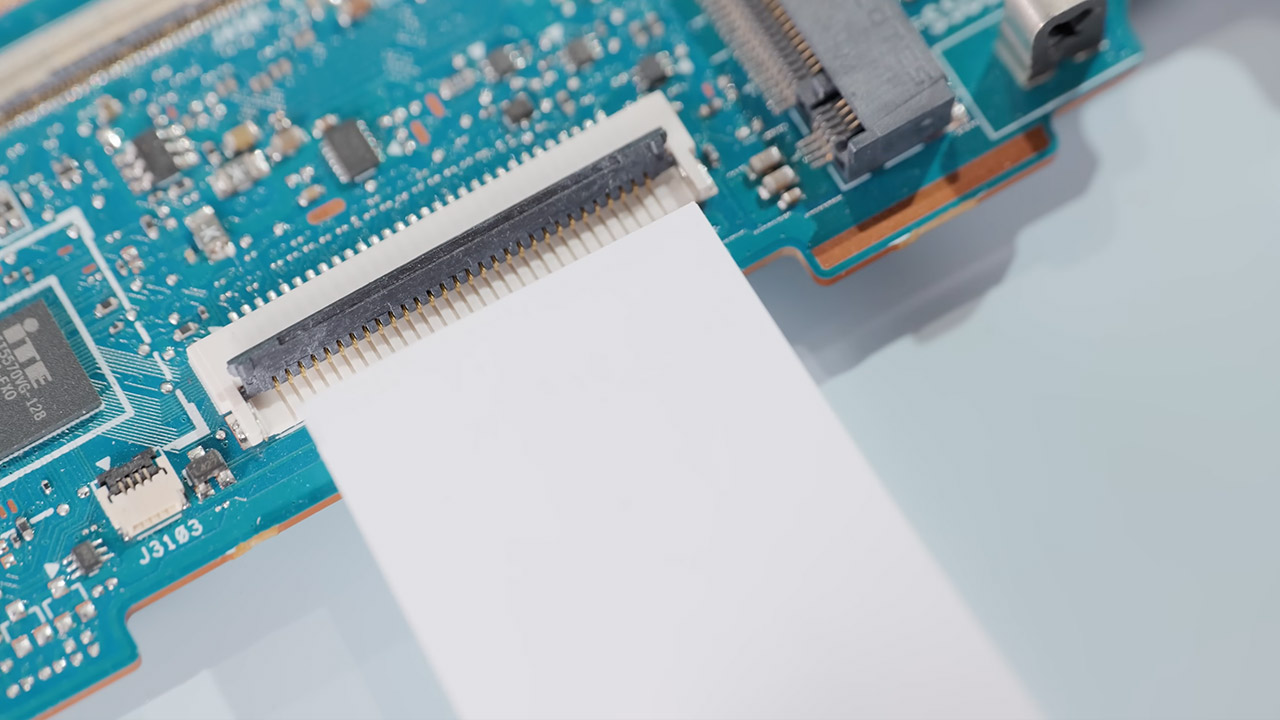
The board had storage, extra memory if needed, a USB hub, a card reader, and a Wi-Fi card with fold-up antennae. They were out of the way and still received a strong signal. He used a handmade ribbon cable composed of paper, copper foil tape, and a soldered-in ground wire to control the power on. You just pressed a little tactile button against the strip to complete the circuit.
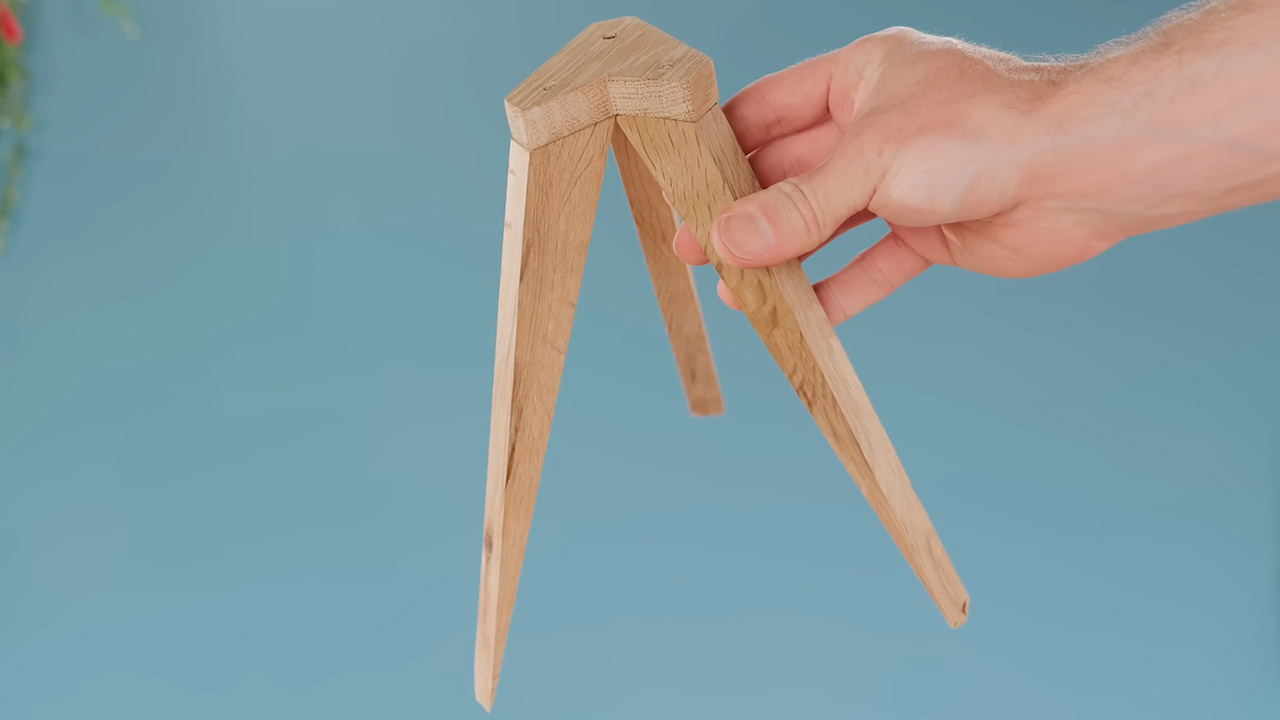
The stand born from this project started with an old oak floorboard chopped into three triangular legs. A laser level was used to check that the cuts were exact and that everything was aligned correctly. A piece of wood and a metal bracket kept everything welded together, resulting in a sturdy tripod. The speakers were from a broken television, and a pair of thin mid and high drivers were mounted next to a compact subwoofer, all housed in a 3D printed case covered in textured fabric. This enclosure clipped to the stand legs and protruded at an angle. The display driver board already featured a 15-watt stereo amplifier, which was more than adequate for the main speakers. A filtered signal drove a separate 30-watt mono amplifier for the subwoofer, which was kept clean with a few capacitors and a tiny transformer.

A final aluminum plate closed off the back, leaving a free channel for the fans to breathe. Then, a piece of electrical tape was used to plug any openings in the case that may allow the warm air to simply recirculate. And that was it; the finished machine resembled a framed picture sitting erect on a wooden tripod. All of the cords were hidden from sight, and the sound only came from the front. The fact that the RTX graphics chip could produce clear 4K images and didn’t blink an eyelid when its user threw video editing or AI upscaling at it was rather astounding.
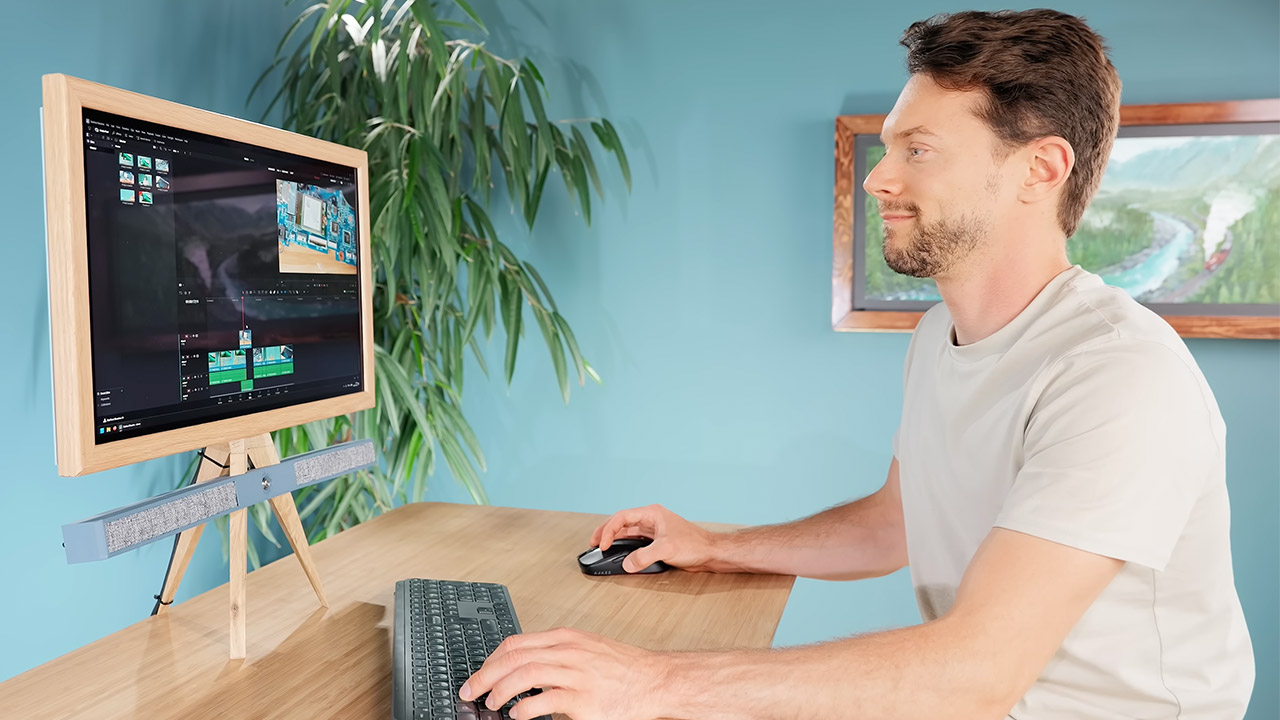
In the end, everything cost about a third of what it would have cost to buy all of the comparable new parts, and the end result was a quiet, capable desktop that appeared to have been assembled with care and attention, rather than some old bits and bobs thrown together from the local tip. Matt even suggests an even simpler version: wrapping a basic metal casing around the same laptop board creates a compact portable box that functions similarly to a recent Steam Machine alternative.


The U.S. Cybersecurity and Infrastructure Security Agency (CISA) on Thursday ordered government agencies to prioritize patching two actively exploited vulnerabilities in the Fortinet FortiSandbox threat detection platform.
These two critical-severity security flaws (tracked as CVE-2026-39808 and CVE-2026-25089) were addressed by Fortinet on April 14 and June 9, respectively.
As the company detailed in security advisories issued at the time, successful exploitation allows unauthenticated threat actors to execute unauthorized code remotely through low-complexity command injection attacks that require no user interaction.
To resolve these issues and block incoming attacks, admins must upgrade all affected deployments to the latest released versions.
While Fortinet has yet to tag these two vulnerabilities as used in attacks, and has not yet replied to BleepingComputer’s emails regarding in-the-wild exploitation, threat intelligence company Defused revealed on June 16 that attackers had started abusing them in the wild.
“We are observing exploitation of multiple Fortinet FortiSandbox vulnerabilities during the past 24 hours, including: CVE-2026-39813 (no previous recorded exploitation), CVE-2026-39808, CVE-2026-25089 (vibecoded, likely faulty exploit),” Defused warned.
On Thursday, CISA also confirmed that the flaws are actively exploited in the wild, adding them to its catalog of known exploited vulnerabilities. As mandated by Binding Operational Directive (BOD) 26-04, U.S. federal agencies must patch vulnerable FortiSandbox instances by Sunday, July 19.
In February, Fortinet also patched a critical SQL injection vulnerability (CVE-2026-21643) in the FortiClient Enterprise Management Server (EMS) platform, which Defused flagged as actively exploited one month later.
Two months later, the company addressed another security issue exploited in attacks: a path traversal vulnerability (CVE-2025-61624) that can allow authenticated attackers to escalate privileges.
Fortinet vulnerabilities are often exploited in cyber espionage campaigns and in ransomware attacks (often as zero-days). In total, CISA tracks 28 Fortinet vulnerabilities that have been exploited in attacks in recent years, 13 of which have also been abused in ransomware attacks.
Security teams log 54% of successful attacks and alert on just 14%. The rest move through your environment unseen.
The Picus whitepaper shows how breach and attack simulation tests your SIEM and EDR rules so threats stop slipping by detection.


“Speak softly and carry a big prompt.”
That’s not exactly how Theodore Roosevelt put it, but presidential historian Doris Kearns Goodwin found herself face to face with an AI-powered version of the 26th president at the newly opened Theodore Roosevelt Presidential Library in Medora, N.D. — and she had questions.
Goodwin is among the high-profile visitors to interact with the lifelike, immersive version of Roosevelt that is able to discuss his life, leadership and legacy.
A week after a visit from President Trump, Goodwin joined Microsoft President Brad Smith at the library to learn how the tech giant’s AI is being used to help the institution — and the Roosevelt avatar — speak directly to future generations.
“Who better to put our avatar to the test than American historian Doris Kearns Goodwin,” Smith wrote on LinkedIn on Sunday, where he shared a video of a clearly giddy Goodwin meeting the digital Roosevelt.
“I’ve been wanting to meet you for such a long time,” Goodwin said. “I feel like I’ve lived with you for 10 years of my life when I wrote a first book about you.”
Goodwin asked Roosevelt questions about his relationship with JP Morgan, the changing will of the country, and how it was presumed that when he neared death, Roosevelt would still be fighting and still be in the arena.
“I never cared how’d I’d be remembered by the historians,” the avatar said. “Still swinging, still loud, still on your feet. If folks say I managed that, well, I’m glad of it.”
A Pulitzer Prize-winning biographer who has written extensively about presidents and American history, Goodwin was moved by the interaction.
“Wow,” she said. “It’s amazing.”
The AI works as part of Box 1, the knowledge base backbone of the museum, powered by technology Microsoft helped create. According to a July 1 Microsoft blog post, the system is loaded with hundreds of thousands of archival documents, and AI is used to “organize, enrich and reconstruct fragmented materials into searchable, contextualized historical records.”
Box 1 and AI also power The Campfire Reading Room, a digital research tool that anyone anywhere in the world can use to search through Roosevelt’s writings, letters, images and historical materials.
Microsoft donated much of its work with the library through its AI for Good Lab. The company said it plans to release a paper documenting exactly how the technology works and to open source the software used in the project.
As technology evolves, the library will evolve with it, Microsoft said. When more documents are added to Box 1 or as generative AI improves, the Roosevelt avatar will automatically update with the additional context.
“That’s why we call it a living library,” said Laura Hoffman, senior director of the AI for Good Lab. “One of the most challenging things for cultural institutions is to continue to keep their experiences feeling relevant and fresh. This is what’s great about AI technology: It will continue to get better and better.”
Brakes are arguably the most important single system on any vehicle, perhaps along with tires. After all, it doesn’t matter how powerful your engine is or how well your car is planted — if you can’t stop, you’re no longer in a car, you’re in a missile.
Brake systems are fairly simple and intuitive if you understand how they work. In most cars, when you press on the brake pedal, it acts on the brake master cylinder. This applies pressure to your brake fluid, which is incompressible. This brake fluid then acts upon the brakes themselves, squeezing them against the working surfaces and using friction to slow the car down. It’s not the only braking method — systems like Brembo’s non-hydraulic Sensify are out there in various stages of development, but the hydraulic system is by far the most common.
On the other end of the scale from Sensify, a drum brake appears quite complicated at a glance — when you open it up, there’s a bunch of springs, a cylinder, and inner surfaces. Let’s break it down.
Imagine a spinning bowl. You put your hands on the inside of the bowl — your hands are the brake shoes. You push outward and use your hands to slow the bowl down — that’s what the wheel cylinder does. A drum brake is just two big half-moon shoes being forced up against a bowl. Likewise, the parking brake has a cable that pushes the shoes outward through its own actuator, acting like a secondary brake pedal. Now that we have a basic understanding, here’s what can go wrong.
You might’ve come across this term a few times, even in more modern disc brake-equipped vehicles, and that’s because of how brakes work in the first place. Brakes convert kinetic energy to heat — pushing on that bowl creates a lot of friction, and that quickly adds up like rug burn. Brake fade is essentially the braking equivalent of rug burn; it means your brakes are overheating and subsequently lose stopping power.
Brake shoes use friction material to slow the car down through mechanically rubbing up against the shoe, similar in principle to how a clutch in a manual transmission works. When you ride the clutch in a manual transmission, you’re building up a lot of heat because the clutch and engine are spinning at different speeds, so it’s constantly giving that friction material rug burn. If it can’t accept any more heat, it can’t convert any more kinetic energy and it stops working. Similarly, if you ride the brakes without actually stopping the car — if you’re on a steep hill, for example — the same phenomenon occurs.
Brake fade is more common in drum brakes for two reasons — disc brakes are more exposed to ambient rushing air than the inside of drums, and drums expand when superheated. That expansion means that the shoes can’t reach the sides as well, so your brake pedal starts to feel spongy and unresponsive. The easiest solution to brake fade is to simply stop the car for a while and let them cool. Moreover, a good way to prevent it in the first place is to practice engine braking to avoid overstressing your brakes on steep hills.
Brake friction material is a finite resource on your car. Every time you apply the brakes, a little bit of that friction material wears off, usually turning to dust — that’s why the inside of your brake drum can look like a charcoal briquette after years of driving. That also means that, eventually, this friction material will wear to nothing, at which point you’ll lose most of your car’s braking performance.
Wear occurs almost constantly; it’s a necessary evil, but that’s the nature of the game. Luckily there are a few ways of preventing brake wear, and most of them are common sense. For instance, don’t ride the brakes when you’re cruising along, otherwise you’re just building up heat for no reason. Don’t apply too much pressure by panic-braking all the time; focus on smooth driving. Don’t carry a ton of weight all the time, because that leads to the brakes having to work harder. Of course, the same also applies to disc brakes, but remember that drums have a harder time dissipating heat.
Regardless of how quickly your brake shoes wear, you’ll often immediately notice if they’re worn when your brakes start squealing. But squealing brakes aren’t necessarily the end of the road — many shoes actually have little pieces of metal embedded in the friction material. These acoustic indicators act as a warning to let you know your brake shoes are on their way out and should be replaced; it doesn’t necessarily mean they’re gone entirely. Other brake shoes might have electronic warnings to let you know the same thing, but in any case, if you hear and/or see such a warning, it means it’s time to change your brake shoes.
How do you know if your brakes need adjusting? If you open up a brake drum, you’ll see a complicated arrangement of springs, levers, and a big cylinder on one side. The way all this works is that the cylinder pushes on the top of both brake shoes, while the springs themselves do two things: The first is set how far apart the shoes are at rest, and the second is to ensure the top and bottom of the shoes move in unison. Basically, if you push on just one side of the shoes and not the other, you’ll only engage the top and never use the friction material on the bottom. Such uneven wear is called wedge-wear. Time for adjustment.
Another factor to consider is how far down your brake pedal travels before you feel anything. Drum brakes push outward against the surface via the cylinder, but they also have a resting position that’s determined by all the hardware within the brake — those springs and levers. As the brake shoe wears down, it’ll be physically further from the drum, meaning you’ll need to periodically adjust it to keep the brakes feeling tight.
Likewise, the reverse can be true as well; you might have brake shoes that are too tight and are constantly wearing on the drum. In this case, you’ll likely smell burning after a time as the shoes glaze the inside of the brake drum, overheating it and polishing the friction material with a glass-like smoothness. In either case, it means it’s time to change some components and adjust everything properly.
Here’s another problem common to both drum brakes and disc brakes; at the heart of both systems lies a series of lines filled with hydraulic fluid. There are many different variants of brake fluid, granted, but they all serve the same function: They are incompressible liquids designed to resist the force placed upon them by the brake master cylinder. The problem here doesn’t arrive with the brakes themselves — rather, it’s to do with the brake lines.
Under ideal conditions, your brake system is airtight, and you want it that way because, unlike brake fluid, air can be compressed. When you press on a pedal filled with air, the best-case scenario is the pedal will have an unusually long travel before engaging; you might only have smaller bubbles in the system, but generally what’ll happen is you press on the brake pedal and it goes straight to the floor. Nothing happens, or very little happens right at the end of travel. This means you either sprung a leak or you have bubbles in the system from bleeding the brakes poorly.
Luckily, assuming you haven’t burst a line and your master cylinder is alright, this is a pretty straightforward fix. Hydraulic lines interact with the drum cylinder, forcing it to expand and pushing on the shoe, so you disconnect the line at that side and bleed the brakes like any disc brake. You can even do this job yourself in an afternoon using nothing more than a hose connected to a small bottle to catch any fluid.
We’ve already discussed one issue you might’ve noticed, which is that high-pitched squealing you get when your brake pads are too low. This is a more advanced stage of that same phenomenon, occurring when you have no usable friction material left and it’s effectively just metal on metal contact. It could also be caused by contaminants like dirt and metal particulates, particularly relevant if your vehicle goes off-road or travels to job sites frequently — bear in mind that a lot of trucks today still have drum brakes.
If you know anything about trains, you’ll know right away why this is a problem. Trains run on steel rails with steel wheels because of its extremely low friction coefficient; that’s why trains are so good on fuel, as opposed to trucks. The problem comes when you apply that principle to brakes. Imagine for a second what it’s like trying to stop something like a loaded car traveling downhill with nothing more than two pieces of steel friction-welding each other together.
Of course, that’s a bit extreme, but it gets the point across. A huge variety of contaminants can affect your braking performance in this manner, especially factors like rust and corrosion. Rust affects different components in different ways, ranging from seizing the drum cylinder on to freezing your emergency brake in-place. Even your brake shoes can rust, depending on what friction material you’re using, which is one reason why it’s so important to drive long-term stored cars every now and then.
We selected these phenomena, first and foremost, because of their relative prevalence. Factors such as perishable materials in brake friction material, the necessity of periodic adjustment, and bleeding brake lines are common to most production cars with drum brakes on today’s roads.
The second criteria for selection was to focus solely on issues either exclusive to drum brakes, or shared between drum and disc brakes. Both braking systems feature a lot of overlap, owing to their similar functions, so crossover is virtually unavoidable; still, it’s important to acknowledge that problems shared between both systems can be equally as important and commonplace.
Our sources for this article outside of in-house expertise in the automotive field include independent automotive websites such as professional auto care centers, as well as scientific analyses and case studies of various brake drum failures to determine their root causes. We took the most common among these, along with testimonials from around the Internet, to come up with the initial list; this was then followed up with the aforementioned sources for the actual information presented herein.
This list assumes that the drum brakes in question aren’t damaged or warped by impacts or overt abuse, which constitute their own failures and were therefore not considered.

Connecting the dots: A developer who worked on the FPS classic Doom has slammed Microsoft’s top management for the way it has handled its gaming division in recent years. The criticism comes just days after a former Obsidian Entertainment developer called Xbox a “cancer” and confessed to not owning a single game on the console.
In an interview with Game Developer, the unnamed developer, who was one of the 3,200 Xbox employees fired by Microsoft earlier this month, criticized Redmond for announcing the job cuts a day before the launch of the new Doom DLC. The layoffs accounted for 20% of the total staff at Xbox and reduced the id Software workforce by 75%.
Accusing Microsoft of destroying “an immense amount of value,” the developer lamented that id Software and its employees did not benefit in any meaningful way after being acquired by the company. He also warned that the mass layoffs could hurt Microsoft as the “entire thing is going to fall apart” because the development teams depend heavily on one another to create quality content.

The Doom developer’s views on Microsoft are shared by his former boss, id Software co-founder and Doom creator John Carmack, who recently admitted that his earlier optimism about Microsoft’s acquisition of id Software hasn’t stood the test of time. In a social media post, Carmack wrote, “My ‘Microsoft will probably be a good steward of the brand’ statement isn’t aging well.”
Carmack, however, said that he understood why id Software was never a priority for a multitrillion-dollar company like Microsoft. “I’m saddened, but I can’t muster anger or outrage over it,” he stated, adding that he has no reason to doubt the Bloomberg report that claimed most of the smaller studios owned by Microsoft are being funded by Minecraft revenue.
Microsoft also recently confirmed plans to cut hundreds more jobs at Bethesda and its parent company, ZeniMax Media. The layoffs will reportedly impact 166 employees in Rockville and 213 in Cockeysville. The announcement has prompted widespread protests, with hundreds of Bethesda and ZeniMax employees rallying outside ZeniMax’s headquarters during lunchtime on Wednesday.
In addition to cutting thousands of jobs, Microsoft is also separating from at least four game studios that it acquired in recent years. According to Xbox CEO Asha Sharma, the company will sell Ninja Theory and Undead Labs to third-party buyers, while Compulsion Games and Double Fine will become independent.
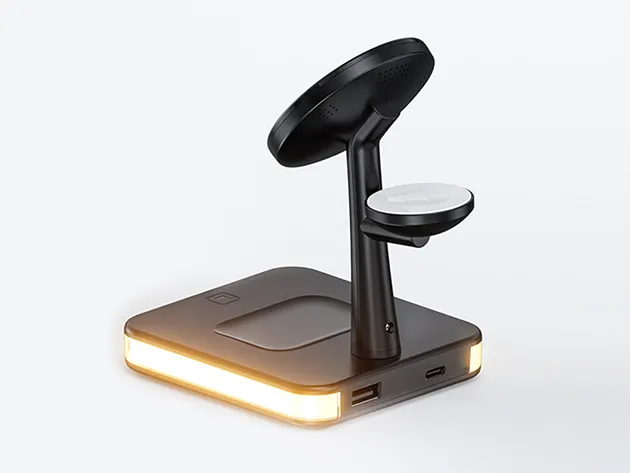
Simplify your daily charging experience and replace most of the chargers and cables on your desktop, with this one mini station that does it all. The 6-in-1 Magstand Mini Magnetic Charge Station is a mini charging station that gives you full control over how much your favorite gadgets get charged. It features 3 wireless charging spots, and one USB-A port, and can also double as a bedside lamp with 2 brightness levels. It has 3 sets of magnets to ensure stability on any surface, including iPhone, Apple Watch, AirPods Pro, and others. It’s on sale for $45.

Note: The Techdirt Deals Store is powered and curated by StackSocial. A portion of all sales from Techdirt Deals helps support Techdirt. The products featured do not reflect endorsements by our editorial team.
Filed Under: daily deal
Sonos has begun rolling out one of the most substantial updates to its mobile app since the company’s disastrous 2024 redesign made basic multiroom audio controls unreliable, alienated longtime customers, damaged the brand, contributed to a dramatic leadership overhaul and handed rivals an opening that may take years to close.
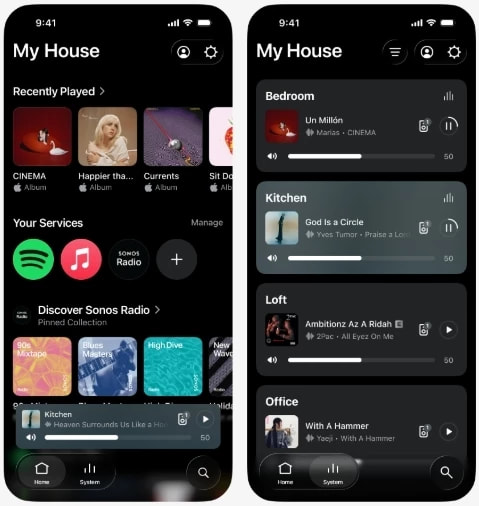
The new update adds optional tab-based navigation, speaker and room sorting, pinned products and a redesigned volume interface on iOS. Android users will receive the new volume controls later. Sonos says the phased rollout began on July 14 and may take up to two weeks to reach every compatible device.
The relevant versions are:
The update also includes player software version 96.0-78270 for modern Sonos products and 86.8.78270 for legacy hardware.
The largest change is the return of clearly visible tabs across the bottom of the app.
Users can now move directly among Home, System and Search rather than relying on the stacked screens and gestures introduced with the 2024 redesign. Sonos is making the interface optional for now; it can be enabled through Settings > Enable Improved Navigation and disabled again if users prefer the current layout.

Putting Home, System and Search where people can actually see them is not a software revolution. It is, however, considerably more useful than making customers remember which screen needs to be dragged, swiped or politely negotiated with before music appears.
The System tab now supports custom speaker and room sorting. Users can arrange products alphabetically, organize them manually or pin frequently used rooms to the top. That should be particularly useful for larger Sonos installations where finding the correct speaker had begun to resemble sorting through airport departure boards.
Other changes include:
Android users receive the new navigation and speaker sorting now, but Sonos says the redesigned volume interface is still coming.
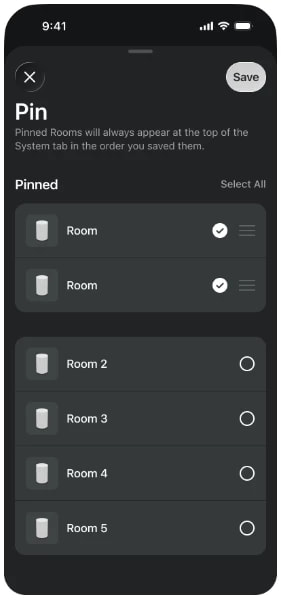
The update matters because the Sonos app is not merely a remote control. It is the control center for grouping rooms, configuring speakers, tuning systems with Trueplay, managing music services and integrating products across the home.
In May 2024, Sonos replaced its established mobile app with a heavily redesigned version released ahead of the Sonos Ace headphones. Customers quickly reported missing and unreliable features, including speaker grouping, queue management, alarms, local music-library access and the ability to switch consistently among streaming services.
As eCoustics reported at the time, some of the company’s most loyal users suddenly found expensive whole-home systems harder to control after a mandatory software update. Owners with large local music libraries were hit especially hard because search and playback functions either disappeared or stopped working properly.
Former CEO Patrick Spence eventually issued an apology and announced seven commitments intended to repair both the software and Sonos’ relationship with customers. One of those promises was that major app changes would be introduced gradually, with optional experimental features made available before becoming the default.
The version 87 rollout follows that commitment almost exactly. The navigation is optional, the deployment is phased and customers can return to the previous interface.
It is remarkable what can happen when software controlling thousands of dollars of hardware is tested before being imposed on everyone.

The damage did not remain confined to software reviews and angry support forums. Spence stepped down in January 2025 and was replaced on an interim basis by board member Tom Conrad, who became permanent CEO in July 2025.
The turmoil also overshadowed the company’s hardware.
The Sonos Ace headphones arrived with strong build quality, comfort and sound, but their integration with the broader Sonos ecosystem was more limited than many customers expected. They could not function as a normal Sonos room or wireless multiroom endpoint, and some of their most useful home-theater features required a compatible Sonos soundbar.
The Arc Ultra and Sub 4 followed in October 2024 with meaningful hardware improvements, including Sonos’ Sound Motion bass technology and wider Android support for Trueplay. Those products still depended on the same app that the company was attempting to repair.
Sonos later canceled its reported Pinewood video-streaming project amid the wider leadership and product reset. More recently, the company has returned to hardware expansion with products including the professional Amp Multi, an eight-channel streaming amplifier designed for custom installations.
That makes dependable app control even more important. A professional installer cannot sell a multi-zone platform on simplicity and reliability if the homeowner needs a support ticket to locate the kitchen.
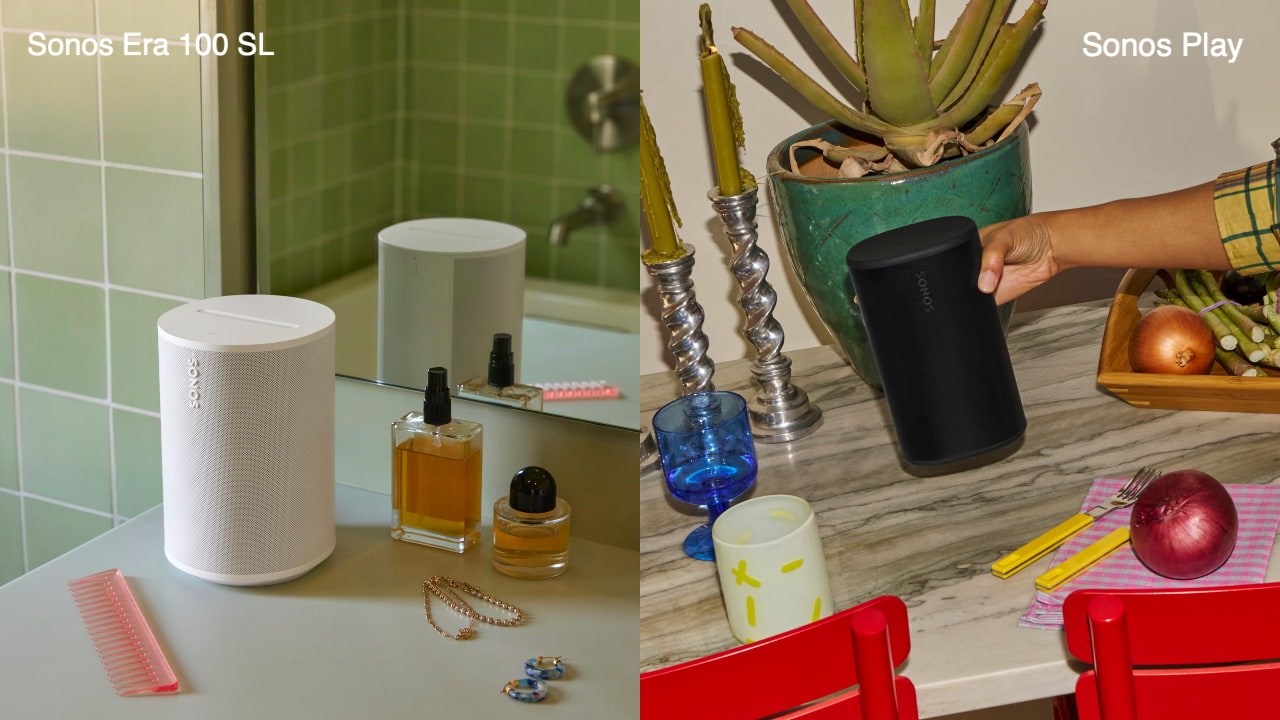
Version 87 does not erase the damage caused by the 2024 app disaster, nor does it prove that Sonos has finally resolved every remaining software problem.
It does show that Sonos is listening to complaints that should have been addressed before the original redesign reached customers. Clear tabs, customizable speaker sorting and more predictable volume controls are practical improvements for people who use the system every day.
The decision to make the new navigation optional and roll it out gradually is equally important. Sonos promised it would stop treating paying customers as an involuntary quality-assurance department. This release suggests somebody inside the company remembered.
The new interface is not revolutionary. It is an overdue return to the idea that software controlling a whole-home audio system should disappear into the background rather than becoming the most memorable part of the experience.
For more information: support.sonos.com




London Mayor Sadiq Khan handed a peerage by Keir Starmer alongside 15 other Labour figures… just days before the PM leaves No10


Weekend Open Thread – Corporette.com


The House | The City of London can help the new chancellor deliver growth in every postcode


Young campaigners urge incoming PM to act on outdoor junk food ads


CFTC blocks Kalshi from unwinding Michigan trades after court order


Nvidia Stock Slips After Big Tuesday Rally as Huang Confirms Vera Rubin Chip Is Now in Production Today


Ripple Payments Joins MiCA With 14 Firms, Does It Mean Anything For XRP?

Disney’s Most Ambitious Failed Star Wars Attraction Is Coming to SDCC


Ripple wins EU-wide access as ESMA adds it to MiCA register


Palantir Shares Rise After Expanded Nvidia Partnership and Fresh Analyst Upgrades Ahead of Earnings Day


Injective Submits SEC Transfer-Agent Registration to Onchain Ownership Records


Get Your ESP32 Sunny Side Up With This Solar Dev Board

Two July Windows Left: The CLARITY Act’s Senate Fight and What Failure Means


Registration is now open for March for Men with Kev 2026


XRP BOMBSHELL… XRP OMBOARDED FOR TRANSACTIONS!!!


Dark Secrets Emerge When Jailbreaking LLMs

New Cornerback Enters Vikings Trade Rumor Mill


Money | Class 12 Economics | CBSE Board Exam 2026-27


Banco Bilbao Vizcaya Argentaria, S.A. (BBVA) Discusses Global Macro Environment and Economic Outlook for Core Markets Transcript


Claude Fable 5 Slips to Second in AI Coding Leaderboard


You must be logged in to post a comment Login