Bungie will deliver a final update to wrap things up.
Bungie
Destiny 2 has just about reached its final destination. Nearly nine years after the game’s initial release, Bungie is ending active development on the live-service shooter. Its last content update, Monument of Triumph, will arrive on June 9.
The final live-service update will include changes designed to make the game “a welcoming place for players to return to.” Despite the lack of updated content beyond that, Bungie plans to keep the game’s servers online indefinitely, similar to the original game.
The move comes after a rocky period for Bungie. It went through two rounds of layoffs (in 2023 and 2024) following its 2022 acquisition by Sony. The studio finally got Marathon out the door this March, but only after a delay. Even with the extra development time, reviews have been mixed. Love it or hate it, Marathon doesn’t appear to be the massive, runaway hit the studio was hoping for. What’s next? Bungie says it will begin “incubating [its] next games.”
Advertisement
At least Destiny 2‘s final update sounds pretty significant. After listening to player feedback, Bungie is bringing back the Director and pushing the much-maligned Portal to node menus at the bottom of the screen. A new, permanent Pantheon mode will be added (including a new slate of bosses). And all raid and dungeon gear is being updated to modern standards. Bungie’s blog post explaining the decision includes plenty more details about the Monument of Triumph update.
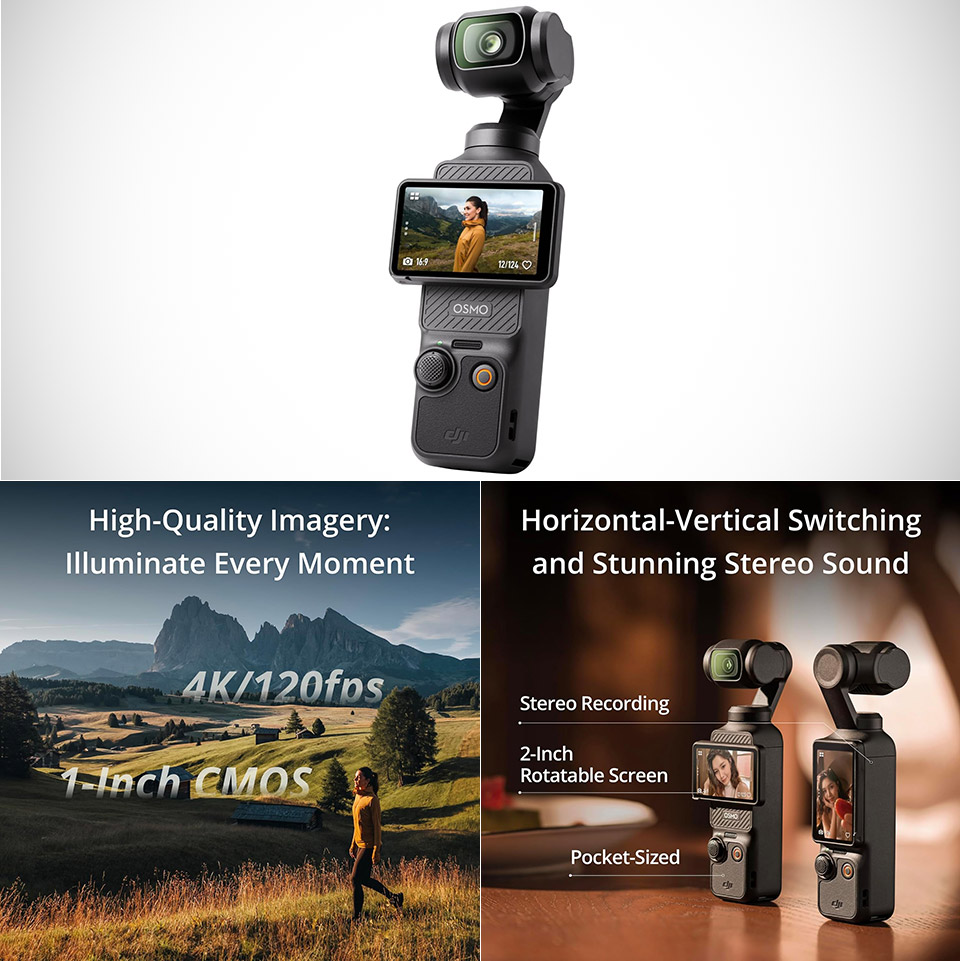
Few pieces of tech hold their ground several years after launch the way this one does. Creators who picked up DJI Osmo Pocket 3, priced at $419 (was $499), when it first arrived still reach for it on trips, family outings, and quick daily shoots. Even with a newer model now available, plenty of people choose the original because it simply works well without extra fuss.
Portability is the most important factor in determining how often someone will take out their camera and start filming, because let’s be honest, this thing is light as a feather and fits snugly in your jacket pocket or small bag, making it a no-brainer to carry around every day without even realizing it’s there. With continual access to a camera, it becomes second nature to capture those odd, ephemeral moments that would otherwise go undetected and unrecorded. Moments that you wish you had actually captured, and frequently would have, if you’d had a little more notice to pull the heavier equipment out of storage.
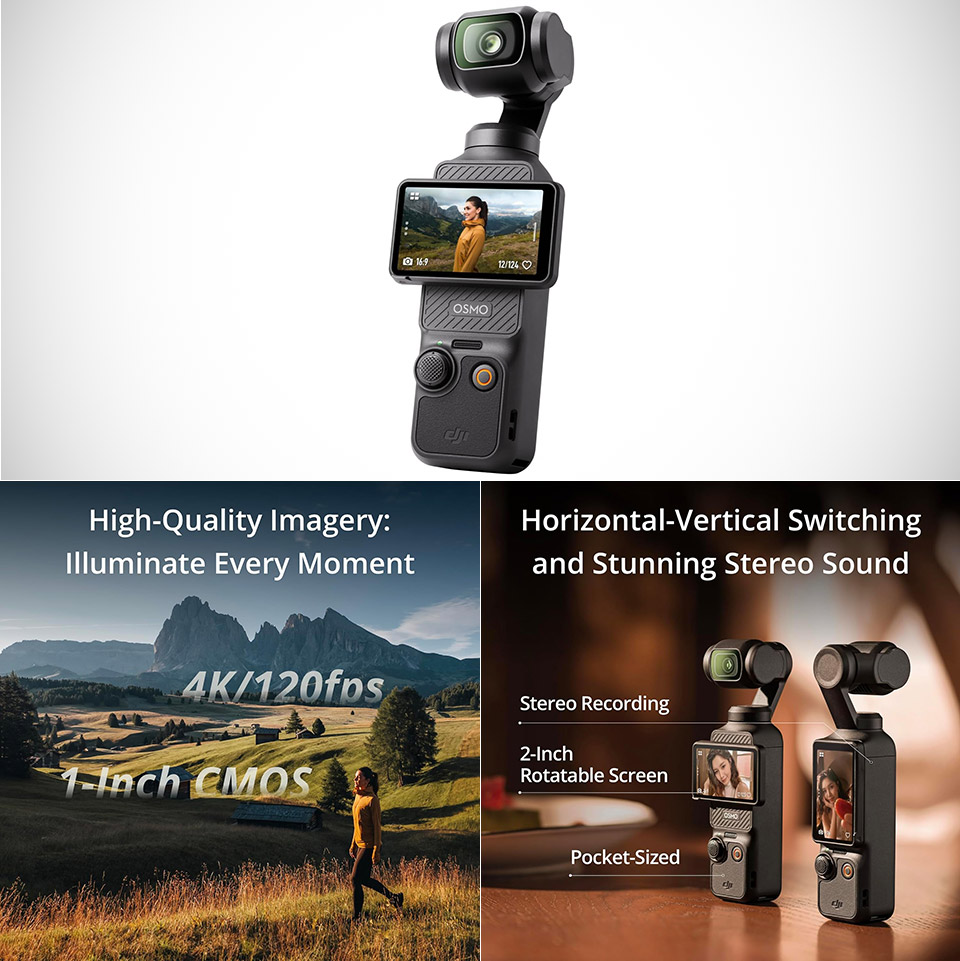
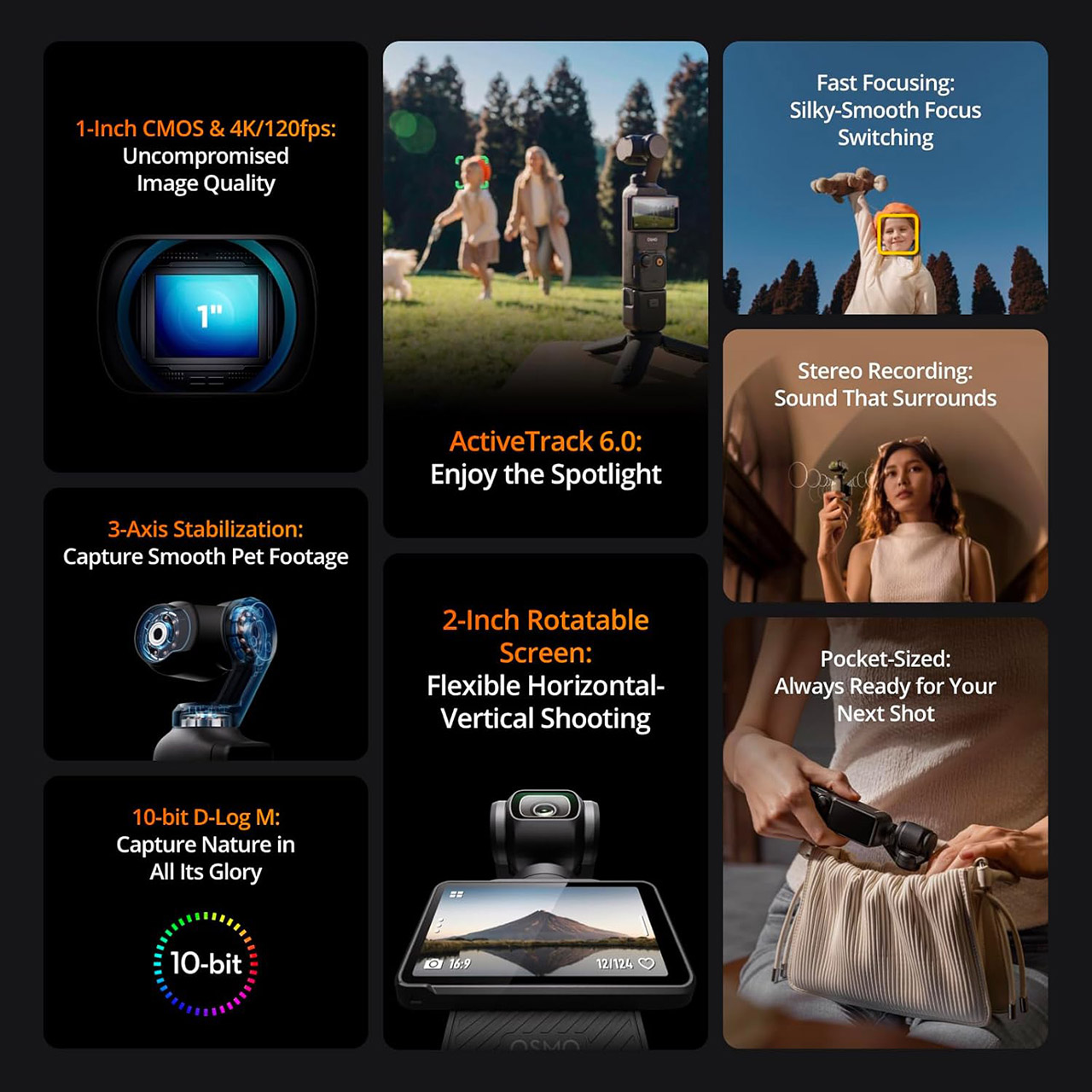
Capture Stunning Footage – This vlogging camera features a 1-inch CMOS sensor and records in 4K resolution at an impressive 120fps. Capture…
Effortlessly Frame Your Shots – Get the ideal composition with Osmo Pocket 3’s expansive 2-inch touch screen that rotates for both horizontal and…
Ultra-Steady Footage – Say goodbye to shaky videos. Osmo Pocket 3’s advanced 3-axis mechanical stabilization delivers superb stability. Enjoy smooth…
Vibrant 4K footage, with built-in three-axis stabilisation, will render your house, or even a walk through the woods, as level and smooth as silk. There is no sense of a shaky, handheld appearance whatsoever, not even during those action-packed stunts that would completely wreck a phone video or a basic action camera. The mechanical stabilizer keeps everything under control, whether you’re banging about the streets or taking a quick turn up a mountain bike route.
Advertisement
Then there’s the sharp detail, colors, and low noise found in this bad boy, as the 1-inch sensor takes 4k footage that can easily compete with larger devices on the market. It gets even better: the screen rotates so you can simply point it at your subject in whatever direction you wish to video; no need to fiddle with vertical and horizontal settings; just point and shoot. The screen is completely clear and tells you exactly what’s going on, allowing you to make those all-important adjustments on the go, without trial and error. Touch controls are direct and responsive, allowing you to start filming in seconds.
The battery life is likewise impress, providing a whole day of shooting without the need to recharge continually, as many owners have logged up solid hours of use on a single charge, which is a blessing for travel, a long event, or whatever your thing is. The recording settings are very extensive without being overly confusing; active tracking follows your subject with ease, time-lapse condenses extended sequences, and the built-in audio captures clear sound for all you vloggers out there. If you desire even higher sound quality, you may always connect an additional microphone. Software updates have been flowing thick and fast, introducing minor upgrades and modifications that have undoubtedly extended the life of this camera.
Google has accidentally leaked details about an unfixed issue in Chromium that keeps JavaScript running in the background even when the browser is closed, allowing remote code execution on the device.
The flaw was reported by security researcher Lyra Rebane and acknowledged as valid in December 2022, as per the thread on Chromium Issue Tracker.
An attacker could exploit the problem to create a malicious webpage with a Service Worker, such as a download task, that never terminates. Rebane says that this could allow an attacker to execute JavaScript code on the visitors’ devices.
“It’s realistic to get tens of thousands of pageviews for creating a ‘botnet’, and people won’t be aware that JavaScript can be remotely executed on their device,” Rebane says in the original bug report.
Advertisement
Potential exploitation scenarios include using compromised browsers to launch distributed denial-of-service (DDoS) attacks, proxying malicious traffic, and arbitrarily redirecting traffic to target sites.
The issue impacts all Chromium-based browsers, including Google Chrome, Microsoft Edge, Brave, Opera, Vivaldi, and Arc.
Persistent bug
On October 26, 2024, a Google developer noticed that the issue was still open and described it as a “serious vulnerability” that needed a status update “to ensure that there’s progress.”
This year, on February 10, the issue was marked as fixed and reopened just a few minutes later due to several concerns.
Advertisement
Since it was a security problem, the labels for the bug were updated so it could go through the Chrome Vulnerability Rewards Program (VRP) Panel, and the issue was marked as fixed on February 12, although a patch had not been shipped.
An automated email informed Rebane that she had been awarded a bug bounty of $1,000.
All access restrictions on Chromium Issue Tracker were removed on May 20, since the bug had been closed for more than 14 weeks and marked as fixed in the system.
On the same day, Rebane tested the fix and noticed that the problem was still present in Chrome Dev 150 and Edge 148.
Advertisement
“Back in 2022, I found a bug that would let me, with no user interaction, turn any Chromium-based browser into a permanent JS botnet member,” the researcher said in a post yesterday.
“In Edge, you wouldn’t even notice anything out of place, and would stay connected to the C2 even after closing the browser.”
After noticing that the exploit still worked, the researcher realized that Google had likely published the details by mistake.
Advertisement
To make matters worse, the download pop up that appeared when triggering the exploit previously no longer comes up in the latest Edge, making the exploit even stealthier.
“OH NO I JUST REALIZED THIS IS NOT ACTUALLY PROPERLY FIXED AND STILL WORKS,” posted Rebane on Mastodon.
“Even worse, Edge no longer even makes the download menu pop up, so it’s completely silent JS RCE that keeps running even after you close the browser !! all from just visiting a single website once !!”
Although the issue was made private again, the exposure lasted long enough for the information to leak.
Advertisement
Rebane told Ars Technica that Google’s exposure would make exploitation “pretty easy,” however, scaling it into a large botnet is more complicated.
She also clarified that the bug does not bypass browser security boundaries and doesn’t give attackers access to the victim’s emails, files, or the host OS.
Given that the issue details have been leaked, the risk to a large number of users is significant, and Google will most likely treat this as urgent, releasing emergency fixes soon.
BleepingComputer has reached out to Google for a comment on this exposure, but we have not received a response by publication.
Advertisement
Automated pentesting tools deliver real value, but they were built to answer one question: can an attacker move through the network? They were not built to test whether your controls block threats, your detection rules fire, or your cloud configs hold.
This guide covers the 6 surfaces you actually need to validate.
What’s the most overlooked factor in a high end audio system? It’s not cables. It’s not room treatment. It’s power. And most people don’t give it a second thought until something sounds wrong.
The Clarus Concerto MKII (model CP-8MKII) Power Conditioner exists because the electricity coming out of your wall is rarely the pristine 120V at 60Hz sine wave we like to imagine. EMI, RFI, voltage fluctuations, harmonic distortion, line noise, sags, surges, transients, and ground loops can all affect sensitive audio gear. Utilities are not designing power delivery for your DAC, preamp, or integrated amplifier. They are trying to keep the grid stable, your appliances running, and the heat pump from going full Chernobyl in January.
Much like 87 octane fuel is good enough for most cars on the road, unconditioned wall power is good enough for most everyday devices. Computers, radios, appliances, and basic electronics are designed to tolerate imperfect AC power, convert it to DC, and clean things up enough to keep operating without drama.
But high performance audio is not the family minivan. Race teams do not fill up at the local Stop and Rob before heading to the track, and serious audio systems should not be expected to perform at their best when fed whatever polluted electricity happens to be coming out of the wall.
Advertisement
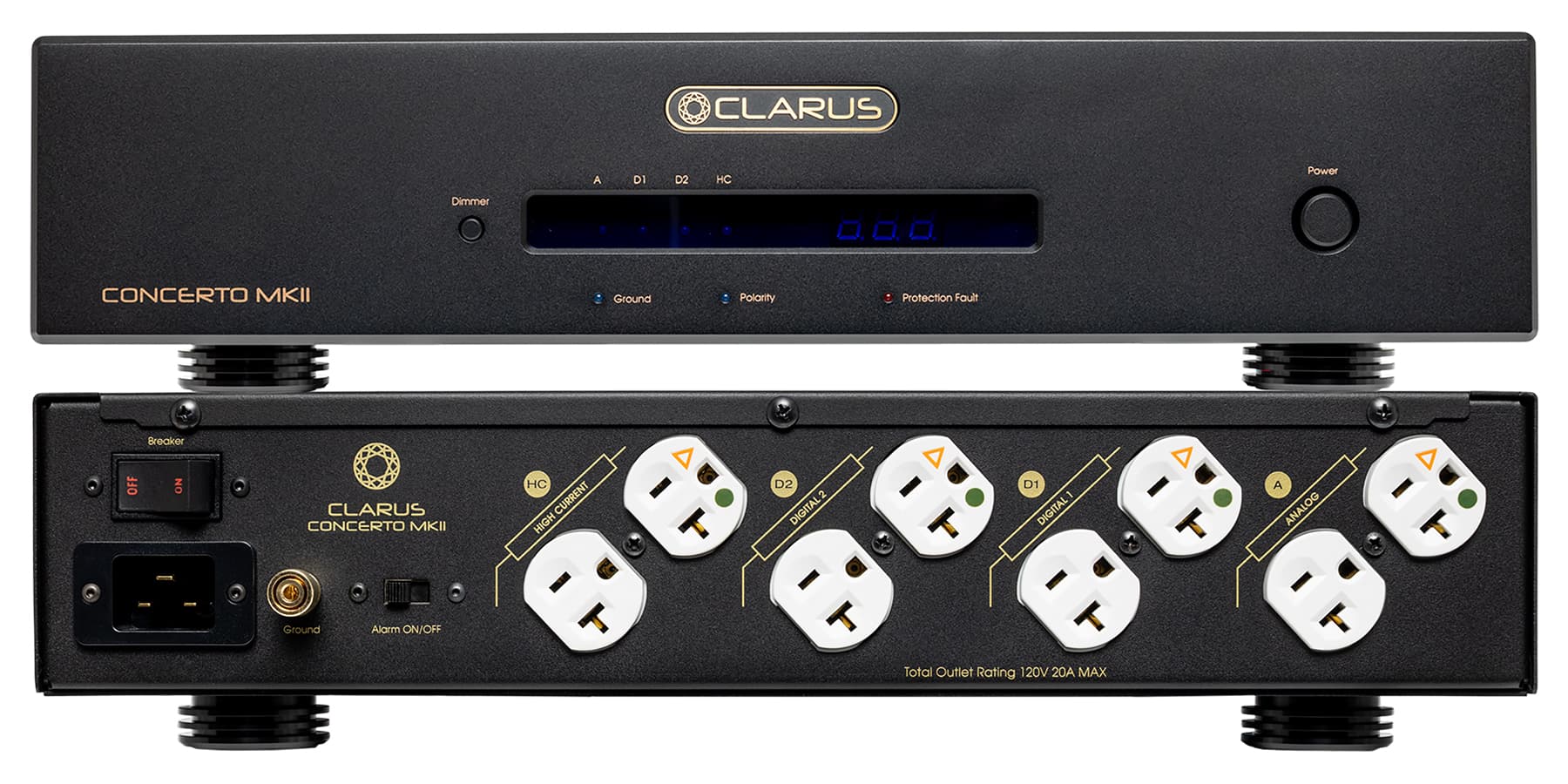
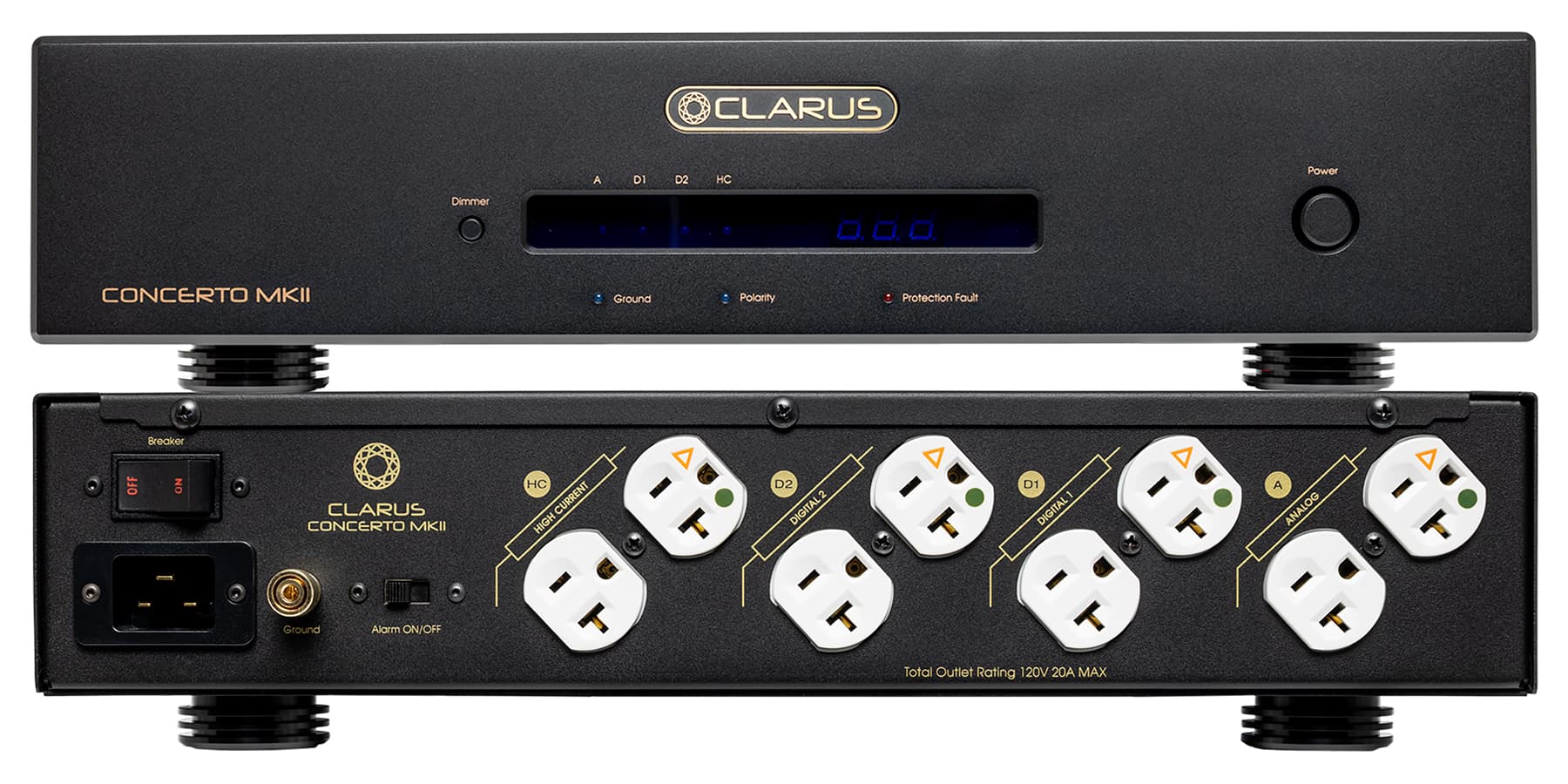
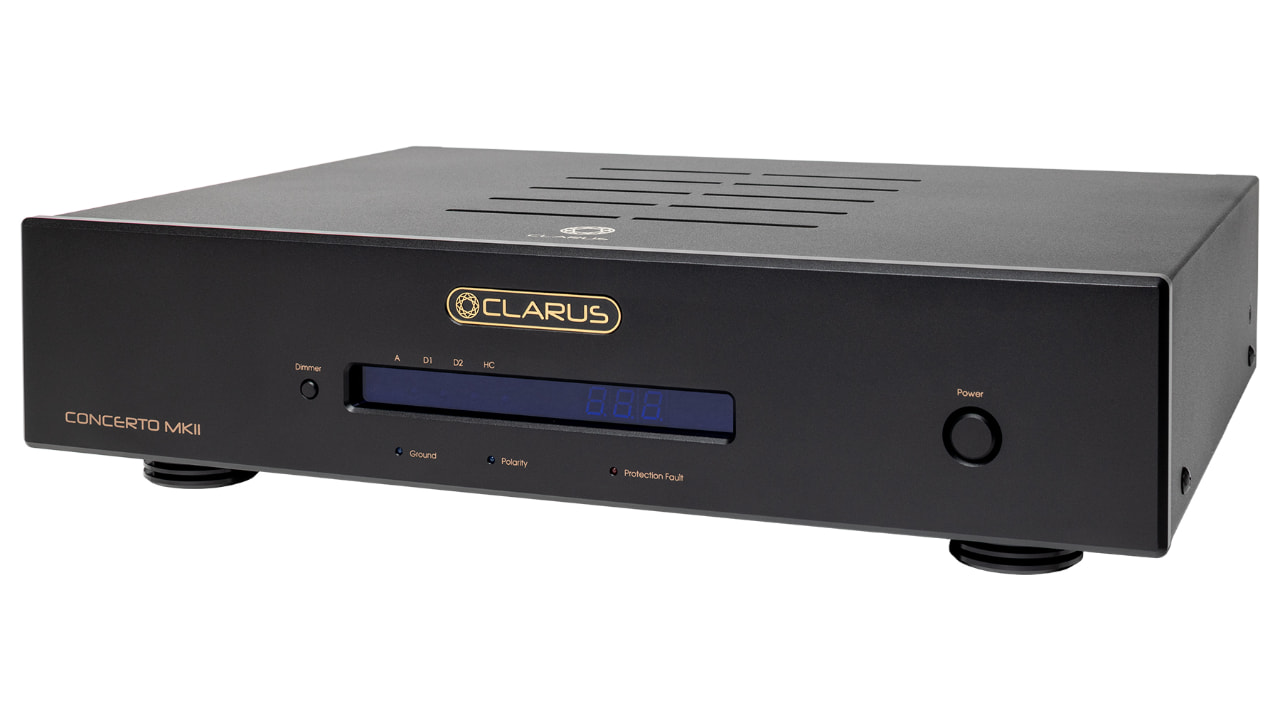
Clarus Concerto MKII Power Conditioner (Front and Back)
Is There a Difference Between Surge Suppressors and Power Line Conditioners?
The most common power protection device is the surge suppressor, not because surges are the most frequent problem, but because a serious one can turn expensive gear into a very sad insurance claim.
UPS units are also common, especially with computers and network gear, but they serve a different purpose. Most consumer UPS products provide just enough battery power to ride out a brief outage or shut equipment down safely. They are not backup generators, and pretending otherwise ends badly.
High end online UPS systems go further by converting incoming AC to DC, storing it in battery banks, and then converting it back to AC for connected equipment. That approach can solve many source power problems, but it can also introduce its own noise, cost, weight, heat, and maintenance headaches. Clean power matters, but nobody wants a utility substation squatting beside the audio rack.
A line conditioner sits between a basic surge bar and full power regeneration. It still relies on incoming utility power and does not function as a UPS, but its job is to reduce noise, manage interference, and help protect sensitive equipment before that power reaches the system.
Advertisement
The Clarus Concerto MKII Power Conditioner is designed for that middle ground. It is not trying to replace the power company or impersonate a battery backup. It is there to filter EMI, RFI, line noise, surges, transients, and other garbage riding along with the AC signal before it reaches your source components, preamp, amplifier, or DAC.
For high end audio, the safest assumption is simple: interference is bad. Audio components are designed around the expectation of reasonably clean power, not the random electrical circus that happens when a neighbor backs into a transformer or a lightning storm decides to audition for Zeus. Most components include some internal power filtering, but that is rarely the core focus of the design.
A good real world example is my Astell&Kern KANN Alpha. When I listen while charging over USB, it produces an obvious hum. Disconnect the USB cable and the hum disappears immediately. That does not require a lab coat or a $40,000 analyzer to understand. Dirty or poorly managed power can introduce noise, and once you hear it, you stop pretending the wall outlet is innocent.
Advertisement. Scroll to continue reading.
Advertisement
So if power conditioning is not the main focus for most electronics manufacturers, and it is not a priority for the utility company, whose job is it to make sure your high-end audio system is being fed properly?
That one is rhetorical. It is yours.
The right solution depends on the system, the room, the available space, and the budget. As a rough starting point, spending around 10% of the total system cost on proper power protection and conditioning is not unreasonable. If you have a $500 system from a big box store, a $50 power strip makes sense. Not every setup needs a power conditioner that looks like it was removed from the Red October.
Clarus Concerto MKII Power Conditioner: Built for Serious High End Systems
At the other end of the spectrum sits the Clarus Concerto MKII, a $12,000 power conditioner designed for high-end systems where protection, isolation, and clean power are not optional accessories.
Advertisement
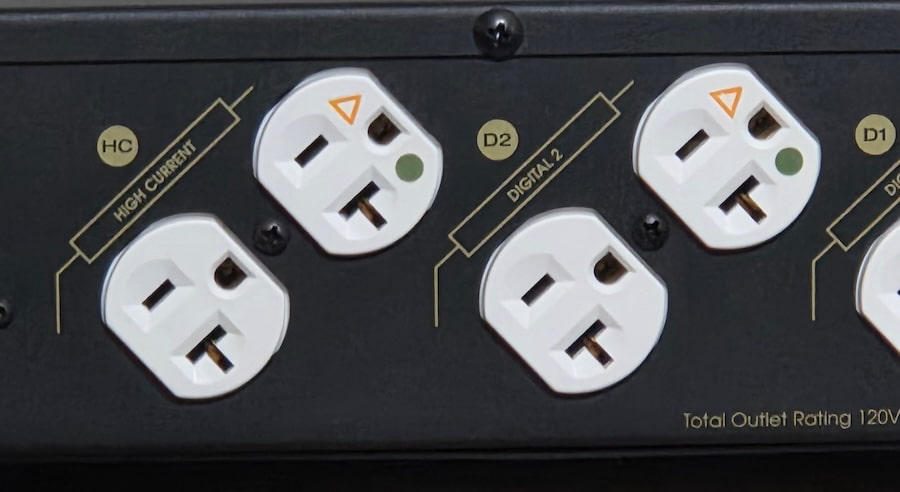
The Concerto MKII provides eight outlets: two optimized for analog components such as turntables and tube preamplifiers, four optimized for digital sources such as DACs and transports, and two high current outlets for power amplifiers. Each outlet receives Clarus’ full suite of line conditioning, noise reduction, surge suppression, over and under voltage protection, and vibration control.
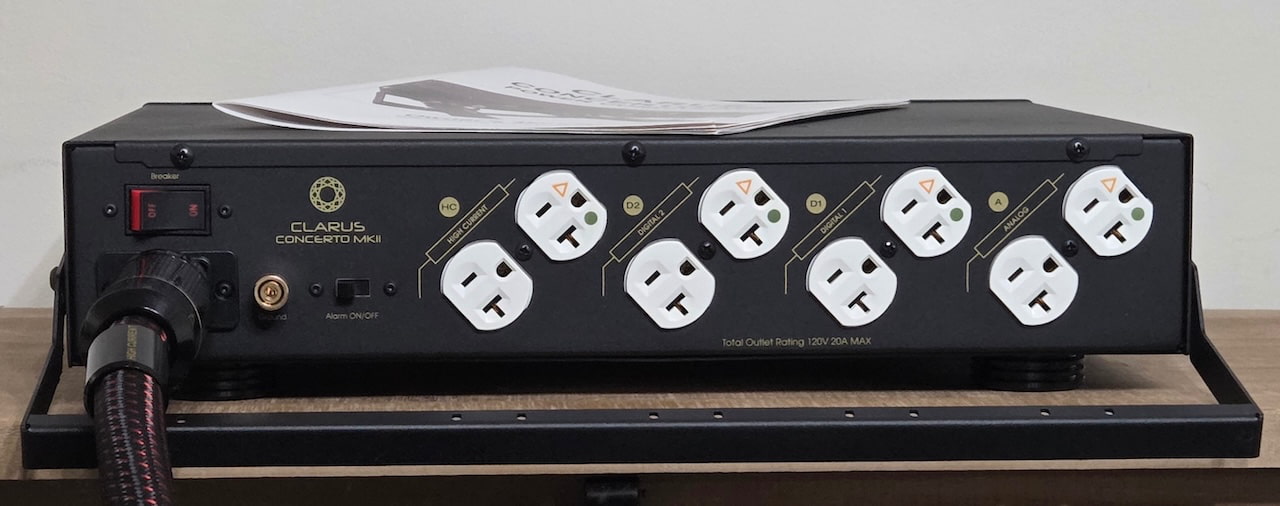
Clarus also includes a cable support bar, which sounds minor until you start using heavy audiophile power cords that behave like they were trained by bridge engineers. For systems built around serious amplification, delicate source components, and expensive analog front ends, that kind of physical stability is not just tidy. It is practical.
Design: Simple Controls, Serious Hardware
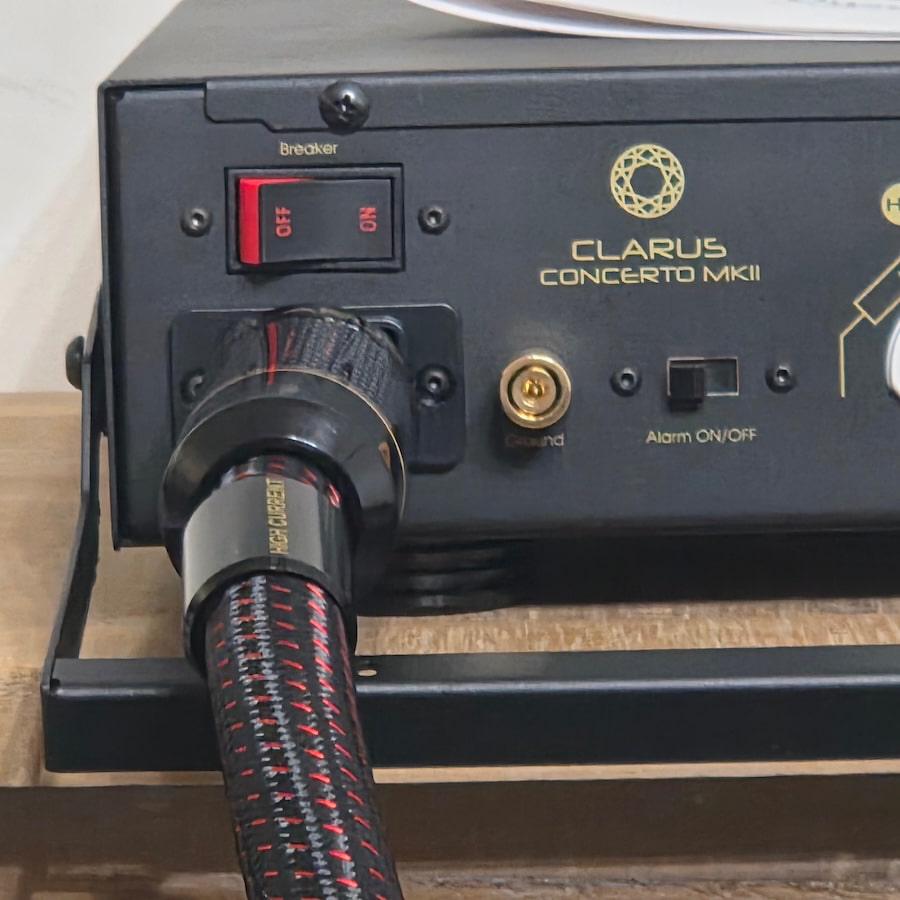
The front panel of the Clarus Concerto MKII keeps things straightforward. You get LED indicators for each outlet bank, an AC voltmeter, polarity, ground, and fault indicators, an LED dimmer control, and a front power switch that controls the rear outlets. The main power switch for the unit itself is located on the rear panel above the power inlet.
Across the back, Clarus lays things out logically: ground connector, alarm switch, high current outlets, digital outlet banks, and the analog outlet bank. Nothing cute. Nothing confusing. Just the business end of a $12,000 power conditioner.
Advertisement
The all metal chassis feels solid but is lighter than expected at around 26 pounds. Many power conditioners use large isolation transformers and end up weighing as much as small amplifiers with a gym membership. The Concerto MKII avoids that approach.
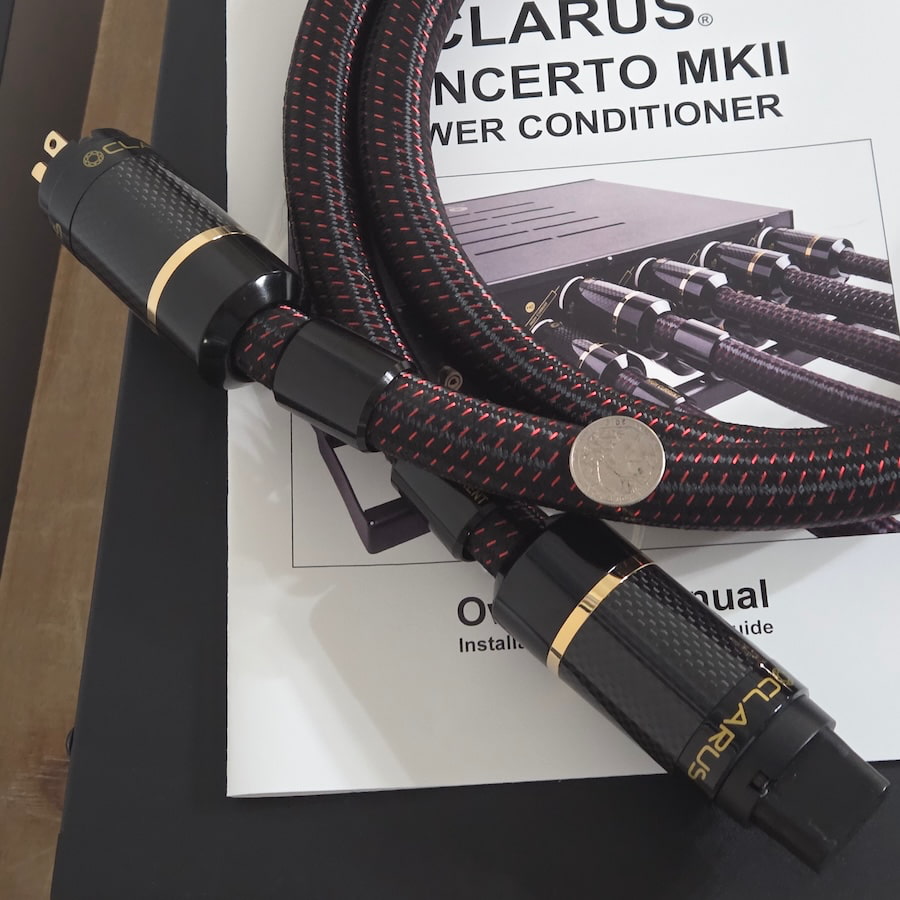
Clarus included one of its Crimson MKII High Current AC power cables with the review sample, which makes sense given the brand’s cable heritage and the Concerto MKII’s position at the top of its power conditioning lineup. However, the Crimson cable is not included and would add an additional $3,520 to $6,670 into the final cost, depending on length.
The Concerto MKII can connect to either a 15 or 20 amp circuit, providing up to 1,800 or 2,400 watts of available output power depending on the circuit. That is serious current delivery, and serious current usually means heat. Fans would solve that problem while creating another one: noise. Clarus wisely avoids that route and instead uses a five stage cleaning approach designed to reduce noise without adding more of it.
Clarus’ first line of defense is its C-Core technology, which is designed to reduce magnetostriction. That mouthful refers to the way ferromagnetic materials can change shape when exposed to changing magnetic fields. In power products, that movement can contribute to mechanical vibration and electrical noise. Reduce the movement, and you reduce one more source of unwanted junk riding along with the power.
Advertisement
Advertisement. Scroll to continue reading.
The second part is additional damping. AC current passing through windings can create vibration, and vibration can cause tiny changes in the magnetic field around the component. In a high end audio system, that is not helpful. The Concerto MKII is designed to control those physical vibrations before they become another way for noise to creep into the system.
The third piece is voltage protection and regulation. Within a 90V to 135V AC range, the Concerto MKII is designed to help maintain a stable 120V output to the connected components. If incoming voltage drops below 90V or rises above 135V, the unit shuts down and blocks power from reaching the attached equipment. That gives the Clarus both line conditioning and a meaningful layer of safety, which is the whole point unless you enjoy using expensive gear as sacrificial offerings.
Fourth is the use of Thermal Metal Oxide Varistor devices, or TMOVs, which are designed to reduce small voltage spikes before they reach connected equipment.
Advertisement
Those spikes can happen when other devices on the same circuit turn on or off. Motors are a common culprit. Fans, hair dryers, refrigerators, HVAC equipment, and anything else with a motor can create an initial inrush of current that is higher than its normal operating draw. When that happens, other devices on the circuit can see a brief sag, followed by a rebound spike when the demand settles.
The Concerto MKII is designed to keep those spikes away from your audio gear. If the TMOVs overheat, which can indicate excessive current demand or an unsafe condition, the unit shuts down to protect itself and the connected components.
That matters because even a serious power conditioner has limits. Plug 3,200 watts of equipment into the Clarus Concerto MKII and it is not going to salute and carry on. It will object, loudly and correctly, before your system becomes an expensive lesson in electrical arrogance.
Finally, and perhaps most important, the front panel LEDs confirm whether incoming power is properly phased and grounded.
Advertisement
That might sound basic, but it matters. A surprising number of wall outlets are wired incorrectly, poorly grounded, or not grounded at all behind that harmless looking white cover plate. The Clarus Concerto MKII gives users a clear visual warning before expensive components are asked to trust bad wiring.
Clarus CCP-HC Crimson High Current Power Cable (6 foot) – $4,570 (not included)
Listening
Reviewing a power conditioner is tricky because the best results are often about what you no longer hear.
To give the Clarus Concerto MKII a fair workout, I first removed my existing power conditioning and ran the system directly from the wall. That required a small act of faith, because my local utility is not exactly a model citizen. Even LED bulbs seem to live shortened, nervous lives in this neighborhood.
After what felt like an eternity, but was closer to 30 minutes, I inserted the Clarus Concerto MKII into the system and reconnected the gear. The change was immediate. The noise floor dropped, and I was able to turn the volume up noticeably higher on my PrimaLuna preamp before hearing any noise through the large Magnepan loudspeakers.
Advertisement
With the Concerto MKII in place, I gained roughly another 20% of travel on the volume knob with no music playing before any noise became audible at the speakers. That is not subtle. That is the kind of improvement that makes you look at the wall outlet like it has been lying to you for years.
Advertisement. Scroll to continue reading.
With music playing, the first obvious improvement was soundstage. Spatial information lives in the smallest details, and those are often the first things buried by noise and distortion. In this system, it became clear that dirty power had been shaving off performance in ways that were not obvious until the Clarus Concerto MKII cleaned up the mess.
Transient response also improved. That may have come from lower noise, more stable power delivery, or some combination of both. Either way, the system sounded quicker, cleaner, and more controlled with the Concerto MKII in the chain. The wall outlet had been doing the system no favors.
Advertisement
The Bottom Line
The Clarus Concerto MKII (model CP-8MKII) is expensive, but it does something that matters in a serious high-end system: it lowers the noise floor, improves system stability, and protects expensive gear from the questionable electricity coming out of the wall. In this system, the gains were not theoretical. Soundstage improved, transient response tightened up, and the system stayed quieter at higher volume settings with no music playing. That is the kind of difference you notice before the audiophile committee arrives with clipboards.
What makes the Concerto MKII unique is the complete package: eight optimized outlets for analog, digital, and high current components, over and under voltage protection, surge suppression, vibration control, a useful cable support bar, and a supplied Clarus Crimson power cable that is built like it owes someone money. It is not a budget accessory, and it makes no sense for a modest system. But for listeners with serious money invested in amplifiers, DACs, transports, turntables, tube gear, and big loudspeakers, the Concerto MKII is both a performance upgrade and an insurance policy. The only real downside is the price. Clean power is not cheap, but neither is replacing your system after the utility company has a bad day.
If you are lucky enough to own a high-end audio system, then the Clarus Concerto MKII provides what is needed to ensure it is well fed and well cared for. The beauty of the unit lies in how well it works, how compact it is, and how little heat it adds to the gear rack. The Clarus Concerto MKII earns an Editors’ Choice 2026 award for power conditioning in the cost-no-object category, as I fully believe you cannot find better without spending a good bit more on a whole home system.
Pros:
Excellent build quality
Lowers the system noise floor
Improves soundstage clarity and spatial detail
Better transient response and overall control
Eight outlets optimized for analog, digital, and high current components
Over and under voltage protection adds real peace of mind
Cable support bar is genuinely useful with heavy power cords
Cons:
Very expensive at $12,000
Overkill for modest or entry level systems
Requires proper rack space
Best suited for systems where the rest of the gear justifies the investment
“These strategic quantum technology investments will build on our domestic industry, creating thousands of high-paying American jobs while advancing American quantum capabilities,” he added.
The move is the latest in a series of attempts by the Trump administration to intervene in the market, offering grants to companies in strategic sectors, such as semiconductors and critical minerals, in exchange for equity stakes.
Last year, the commerce department took a 10 percent stake in Intel, by converting $2.2 billion in grants under the Joe Biden-era Chips Act as well as $8.9 billion in federal grants that had been awarded but not yet paid.
Since then, several companies have received smaller sums, including Vulcan Elements, a little-known rare earths startup with about 30 employees, in which Trump Jr’s venture capital firm has invested.
Advertisement
Notably absent from the list of companies that signed letters of intent with the commerce department on Thursday was IonQ, a leading quantum company that has attracted significant investment from Cerberus, a firm co-founded by Donald Trump’s deputy secretary of war, Stephen Feinberg.
The US quantum announcement comes as other countries such as the UK are increasing their investments in technology and other related fields.
The ability of quantum computers to exploit the unusual properties of matter at the atomic and subatomic levels makes them theoretically capable of performing complex calculations much faster than existing machines.
But significant engineering hurdles remain, such as in making the machines less prone to errors, while companies are still dueling over which technical approaches work best.
Advertisement
The deals unveiled on Thursday are not final, and the administration said it was still soliciting proposals from other advanced tech firms. Intel is facing a shareholder lawsuit over its deal with the US government.
Google recently published – and then quickly hid – a potentially dangerous bug found in the Chromium web browser. The security vulnerability was originally discovered in 2022 and still needs to be fixed in Chromium’s codebase. According to researcher Lyra Rebane, who first identified the bug four years ago, Google… Read Entire Article Source link
Sometimes, AI helps you fine-tune weather forecasts or improve the lives of people with disabilities. Other times, well, it loses a fight with a bottle of peppermint syrup. That’s the situation Starbucks CEO Brian Niccol finds himself in after the coffee chain reportedly told staff that it’s scrapping an AI inventory program after only nine months.
Starbucks rolled out the “Automated Counting” software to its North American stores in September 2025. Developed in partnership with NomadGo, the AI-powered tool was supposed to speed up inventory tracking. Employees (likely fearing that they were holding their replacements) would use mobile devices to scan items on shelves.
The idea was simple: Automate the tedious task of counting milks and syrups, increase accuracy, and optimize the supply chain. Welcome to the AI revolution, baby.
A since-deleted September blog post by CTO Deb Hall Lefevre laid on the hype as thick as the whipped cream on a mocha Frappuccino: “With a quick scan using a handheld tablet, partners can instantly see what’s in stock — ensuring cold foam, oat milk, or caramel drizzle are always available,” it read. “Customers can enjoy beverages their way, every time — and partners spend less time in the backroom and more time crafting and connecting.” (“Partners” is Starbucks’ term for its employees.)
Advertisement
Well, things didn’t quite turn out that way. Reuters reports that the tool frequently mislabeled and miscounted items. It was known to mix up similar milk types or skip them altogether.
The video above, embedded in Starbucks’ September blog post, foreshadowed the tool’s struggles. The clip inadvertently showed the system missing a bottle of peppermint syrup as a worker scanned the shelf. (Did Starbucks deploy a half-baked AI video editor, too?)
So, Starbucks “partners” will now go back to the good ol’ days of manually counting inventory. “Beverage components and milk will now be counted the same way you count other inventory categories in your coffeehouse,” an internal company newsletter, viewed by Reuters, said. Apparently, workers won’t miss it much. “Thanks for discontinuing Automatic Counting!” one employee reportedly wrote in response to the change. “The thought behind it was great, but the execution was proving difficult.”
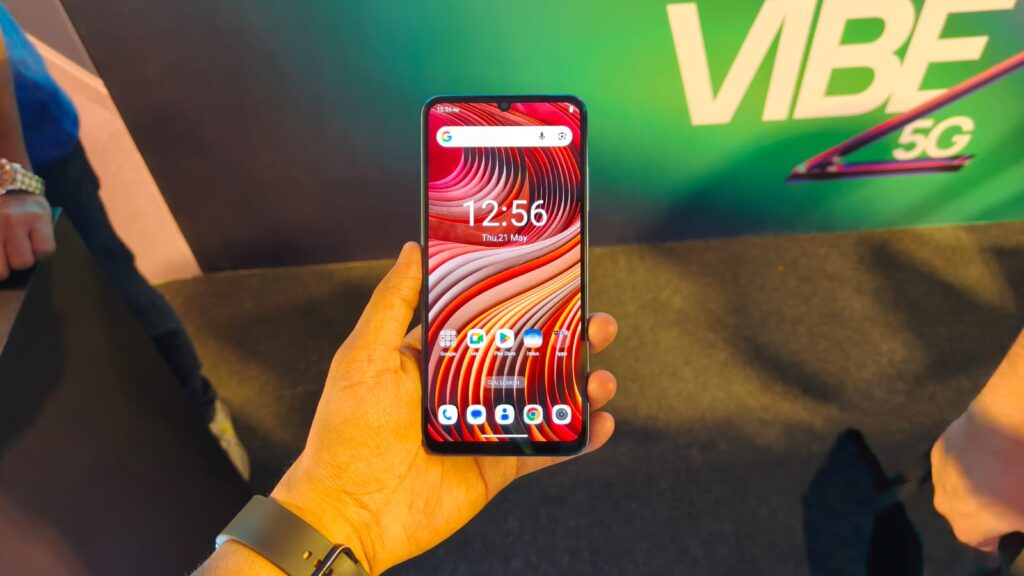
With AI ballooning memory prices, it seems like the budget segment in India has been abandoned by almost all brands. All you can find these days are older models. HMD, the brand behind Nokia’s resurrection, has decided to change that notion up with the launch of the new HMD Vibe 2 5G. The phone arrives as the successor to last year’s Vibe 5G, focusing heavily on battery life and basic everyday performance.
HMD Vibe 2 5G Specifications
The new Vibe 2 5G features a 6.7-inch HD+ display with a 120Hz refresh rate. While the resolution stays at HD+, the higher refresh rate should still make scrolling and general navigation feel smoother compared to traditional 60Hz panels.
Under the hood, the phone runs on an octa-core Unisoc processor clocked at up to 2.3GHz paired with 4GB RAM and up to 128GB storage. On the camera side, HMD has added a 50MP AI-backed primary rear camera along with an 8MP selfie shooter. The phone also carries an IP64 rating, meaning it should survive basic dust exposure and light splashes.
The biggest selling point here is probably the battery. The HMD Vibe 2 5G packs a massive 6,000mAh battery with support for 18W wired charging, and HMD is including the charger inside the box as well. That honestly matters more than ever now, especially as many brands have started removing chargers entirely. For connectivity, the phone supports 5G, Bluetooth 5.0, Wi-Fi 5, and USB Type-C. There’s also a side-mounted fingerprint scanner for biometric authentication.
The HMD Vibe 2 5G starts at Rs. 10,999 for the 4GB RAM + 64GB storage variant. Meanwhile, the 4GB + 128GB version costs Rs. 11,999.
Waymo has suspended robotaxi service on freeways in San Francisco, Los Angeles, Phoenix, and Miami as it works to improve performance in construction zones, the company confirmed to TechCrunch on Thursday.
Waymo said it’s in the process of integrating “recent technical learnings into our software and expect to resume these routes soon.” Waymo robotaxis are still operating on surface streets in those cities.
The decision to pull robotaxis off of freeways follows Waymo’s decision to pause operations in Atlanta and San Antonio, Texas to address problems with flooding in those cities. The company announced a software recall last week that was supposed to help its fleet avoid flooded areas in San Antonio, in which service has been halted for weeks, while it worked on a more permanent fix. At least one robotaxi was spotted getting stuck in Atlanta this week, causing Waymo to suspend operations there, too.
These service interruptions come as Waymo is pushing to expand to a number of new cities around the globe this year, with the goal of offering as many as one million paid rides per week at the end of 2026. Waymo is also currently testing its new Zeekr-built robotaxi, which it calls Ojai, and is expected to start offering rides in that vehicle in the coming months.
Advertisement
Waymo started offering highway rides in late 2025. Putting its robotaxis on these higher-speed roads has been crucial to its expansion in large metro areas, as it helps the company better connect riders to local airports, and reduces ride times by skipping surface streets.
In the Bay Area in particular, freeway travel has helped Waymo dramatically cut trip times across the peninsula that previously took anywhere from 45 minutes to over an hour.
Waymo didn’t cite a specific incident behind its decision to suspend freeway driving this week. But the company’s robotaxis have been spotted struggling with highway construction zones. On May 19, X user @Elliot_slade posted a video claiming that his Waymo ride “blasted through cones” and claimed the vehicle was “chased” by police.
When you purchase through links in our articles, we may earn a small commission. This doesn’t affect our editorial independence.
Getting concert tickets has always felt like a losing battle. You show up at the right time, refresh the page endlessly, and still walk away empty-handed. Scalpers and bots snap up the best seats before real fans even get a look in.
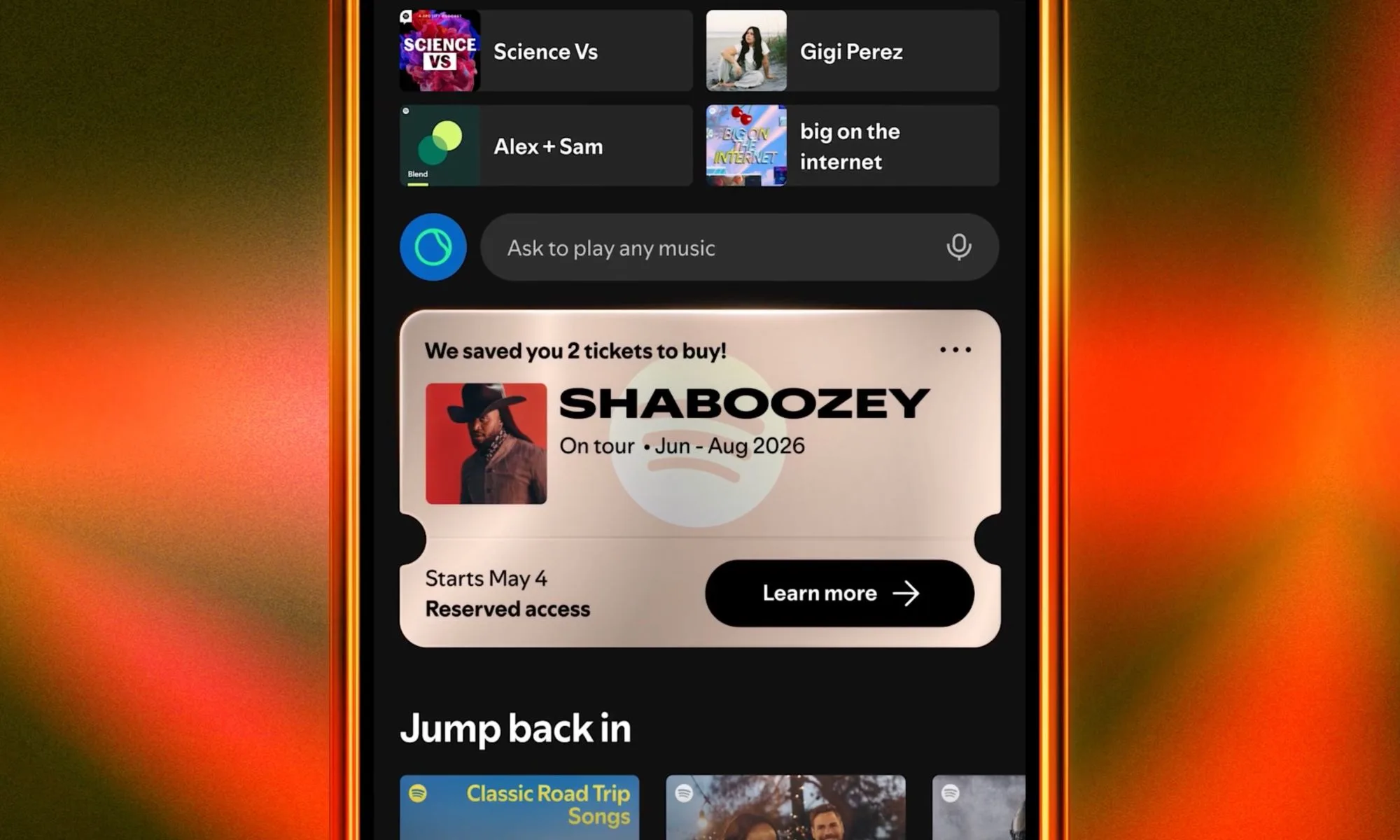
This is why Spotify has announced Reserved, a new feature that holds two concert tickets for an artist’s most dedicated fans before tickets go on sale to the general public.
Reserved for eligible Premium subscribers in the US only. Up to 2 tickets, for purchase. Select tours. Limited availability; not guaranteed. Fees apply. Non-transferable. Sold by third parties, subject to terms. See https://t.co/KEPRAmp1Tj for details.
How does Spotify decide who qualifies for Reserved?
Spotify will identify superfans based on real engagement signals like streams, shares, and other activity on the platform. The system will also actively monitor accounts to make sure offers go to real fans instead of bots.
Advertisement
If you qualify, you will receive an email and an in-app notification with a window of roughly a day to complete your purchase through a ticketing partner. There are no added fees from Spotify on top of the ticket price.
Spotify
However, availability will vary by artist, tour, and location, so make sure that your preferred location is enabled in Spotify’s Live Events Feed and your notifications are switched on.
Most importantly, there will always be far more superfans than available seats on any given tour, so qualifying for Reserved does not guarantee you will get an offer every time.
When will Spotify Reserved be available?
Spotify
Reserved kicks off this summer with select newly announced tours and will expand to more shows of all sizes over time, including some of the most in-demand concerts on the road.
For now, it is only available to Premium subscribers aged 18 and above in the US, with more countries coming later. Your location also plays a role, so if a tour is not coming anywhere near you, do not expect a Reserved offer for that artist.
This sponsored article is brought to you by Wetour Robotics.
A field technician on a wind turbine, harness clipped, both hands on a wrench, needs to send a command to the diagnostic device hanging at her belt. A logistics worker on a loading dock, gloves on, eyes on the pallet, needs to redirect a connected lift. A person using an assistive mobility device on a crowded street wants to nudge it forward without taking out a phone or speaking aloud. None of these moments call for a smarter robot. They call for a smarter way to be heard by the machines that already exist.
The industry has been building from one side
The past three years of Physical AI have been a story of remarkable progress on the robot side of the loop. Companies like Boston Dynamics, Figure, and Unitree have advanced actuators, locomotion, and dexterity to a level that would have seemed implausible a decade ago. Google DeepMind’s Gemini Robotics has redefined what vision-language-action models can do in unstructured settings. The trajectory of the hardware and the foundation models is real, and it is accelerating.
But there is another side to this loop, and it has been treated as a solved problem for too long. The interface between humans and machines has defaulted, for 40 years, to three input modalities: screens, buttons, and voice. Each of those assumes the user can stop, look down, and translate intent into structured commands. That assumption breaks the moment the work moves into a real environment. On a turbine. On a dock. On a sidewalk. In any setting where hands are occupied, eyes are committed, or speaking is impractical, the conventional interface stack quietly fails.
Advertisement
Spatial Intent Fusion is the simultaneous processing of three streams of human-centered information, namely spatial position, visual context, and gestural intent: Your body is the interface.
The bottleneck on the human side of the loop is becoming as important as the one on the machine side. And solving it requires a different question. Not how do we make the robot more capable, but how do we let the human participate in the computing system as naturally as the robot already does.
Wetour Robotics’ bet: put the human back into the computing loop
Wetour Robotics is betting that the next architectural leap in Physical AI is not about making the robot more capable. It is about making the human a first-class node in the computing network, with the same kind of low-latency, high-fidelity participation that connected devices already enjoy.
Wetour Robotics’ engineers frame the problem this way: a wristband that recognizes a gesture is not enough. A camera that recognizes a scene is not enough. The information a human carries about what they are about to do is distributed across multiple channels, including where their body is in space, what their eyes are attending to, and what their muscles are preparing to do, and any single channel observed in isolation is ambiguous. Reconstructing intent reliably means fusing those channels at the operating system level, with latency low enough that the loop feels closed rather than mediated.
Advertisement
This approach has a name. Wetour Robotics calls it Spatial Intent Fusion: the simultaneous processing of three streams of human-centered information, namely spatial position, visual context, and gestural intent, fused into a single real-time command for any connected physical device. It is the technical implementation behind a simpler positioning statement the company uses externally: your body is the interface.
Orchestra is a portable intelligent hub running the operating system that handles sensor fusion, intent inference, command translation, and safety arbitration. The reference compute platform is NVIDIA Jetson Orin Nano Super, which provides enough on-device inference capacity to keep the entire control loop at the edge, with no cloud dependency on the critical path. Wetour Robotics
The architecture: three layers, four engines, one loop
Orchestra is not a single device but a layered platform, designed from the start to be sensor-flexible and actuator-agnostic. The architecture decomposes into three perception layers and four coordination engines.
Orchestra itself is the local compute and orchestration core: a portable intelligent hub running the operating system that handles sensor fusion, intent inference, command translation, and safety arbitration. The reference compute platform is NVIDIA Jetson Orin Nano Super, which provides enough on-device inference capacity to keep the entire control loop at the edge, with no cloud dependency on the critical path. Edge inference is non-negotiable for this application. Full-chain latency from biosignal acquisition to actuator command is held under 100 milliseconds, the envelope inside which closed-loop control feels natural rather than laggy.
VisionLink handles visual and spatial perception. Cameras feed into vision models that identify objects, estimate distances, and track environmental context. VisionLink is designed not as a passive recognition layer but as a real-time command generator: its outputs feed directly into Orchestra OS to be fused with biosignal data.
Advertisement
Conductor is the biosignal pipeline. It ingests raw surface electromyographic (sEMG) data from a wrist-worn device, classifies temporal patterns into discrete gestures or continuous control signals, and outputs actuator commands. The technically interesting property of sEMG for this use case is that the signal precedes visible motion. Motor unit action potentials appear at the skin surface roughly 50 to 80 milliseconds before a finger completes the corresponding gesture. Wetour Robotics calls this property pre-motion intent sensing, and it is what allows Orchestra to anticipate user intent rather than react to it.
On top of the three perception layers, Orchestra OS runs four coordination engines. The Perception Engine ingests and normalizes raw sensor streams. The Intent Engine performs Spatial Intent Fusion across modalities, resolving what the user is trying to do given where they are, what they are looking at, and what their hand is signaling. The Orchestration Engine translates intent into device-specific command sequences for any connected actuator. The Safety Engine arbitrates conflicting commands, enforces operational envelopes, and gates execution against runtime safety conditions.
Wetour Robotics
The trade-offs we’re honest about
No system that bridges the human body and the digital world is finished. Three engineering challenges remain open, and the company addresses each with a deliberate trade-off rather than a claim of having fully solved it.
Advertisement
Baseline stability of sEMG under motion. In a stationary user, continuous gesture recognition from sEMG is reliable. Once the user is walking, climbing, or otherwise moving, motion artifacts and electrode drift degrade the signal in ways that are difficult to fully compensate for. Rather than overpromise on continuous control in dynamic settings, Orchestra defaults to a smaller set of robust discrete gestures in complex operating environments, and reserves continuous control modes for contexts where the signal-to-noise ratio supports them.
Miniaturization of edge AI compute. Running the Orchestra control loop entirely at the edge requires real on-device inference, which has historically meant trading off between compute capacity, battery life, and form factor. Wetour Robotics’ approach has been a compact carrier board paired with a thermal design and a battery module sized for all-day wearability. The result is a hub that travels with the user rather than tethering them to a desk, and that performs the full perception-to-actuation loop without offloading to the cloud.
Heterogeneity of third-party device protocols. The actuator side of the loop is a fragmented landscape. Different manufacturers expose different command interfaces, different communication stacks, and different safety conventions, and a Physical AI operating system has to integrate with all of them. Wetour Robotics uses an AI-agent layer to negotiate connection and protocol translation adaptively, so that Orchestra OS can ingest data from a wide range of devices, run them through neural network models that infer human intent, and emit the right command on the right protocol for the device on the other end.
Why this matters, and why it helps the rest of the field
The history of computing is a history of interface revolutions. Command lines gave way to graphical user interfaces, which gave way to touch, which gave way to voice. Each transition expanded who could participate in the system and what they could do with it. The next transition is not about a new screen or a new microphone. It is about treating the human body itself as a participant in the computing network, capable of contributing intent at the same speed and fidelity that any other connected node can.
Advertisement
The history of computing is a history of interface revolutions. The next transition is not about a new screen or a new microphone — it is about treating the human body itself as a participant in the computing network.
This path is not a competitor to the work being done on humanoid robots, foundation models for embodied AI, and dexterous manipulation. It is the missing complement to that work. The hardest open problem for humanoid systems is the data: every natural interaction between a human and the physical world is a potential training signal, and most of those interactions are currently invisible to any computing system. As more humans become first-class nodes in the loop, those interactions become observable, structured, and ultimately useful for training the next generation of embodied AI, including the humanoid robots being developed today.
In other words: putting the human back into the computing loop is not just about better interfaces for individual users. It is about generating the kind of grounded, in-the-wild human-machine interaction data that the broader Physical AI ecosystem will need to keep advancing. The robot side and the human side of the loop are not two competing futures. They are two halves of the same one.
That is what Wetour Robotics means when it says: Your body is the interface.





















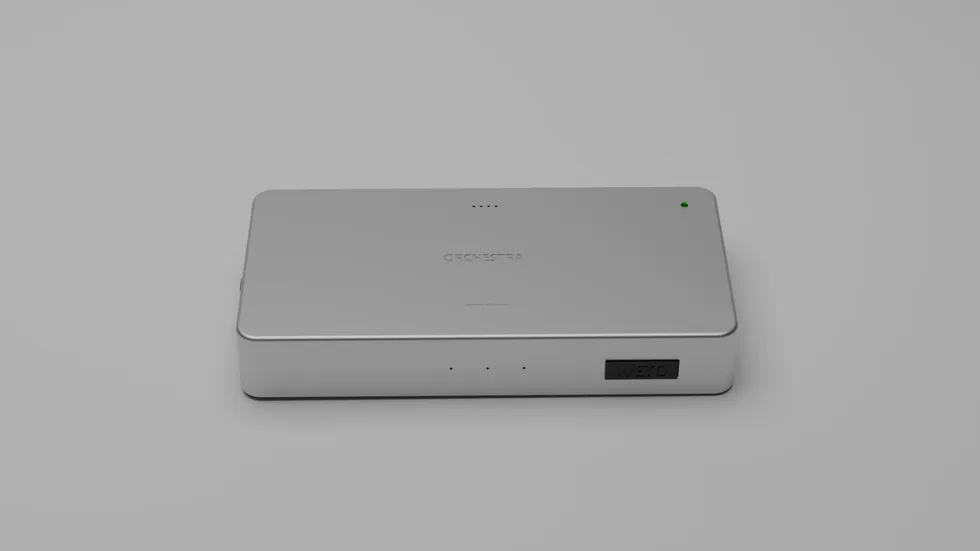
 Orchestra is a portable intelligent hub running the operating system that handles









































You must be logged in to post a comment Login