

Once upon a time, telephones were primarily point-to-point communications systems. There were options for three-way and conference calls out there, but by and large the plain old telephone system was about connecting one handset to another for a direct conversation. For this reason, the telephone was seldom used for mass emergency communications, because it was simply not fit for broadcasting a message to a wide number of people.
However, technology has since changed. Our modern phones are all connected to a big digital over-the-air network, and large swathes of them can be addressed all at once if so needed. This has led to the development of emergency warning systems that use the cellular network, with Cell Broadcast being the most notable iteration.
Notification
Cell Broadcast technology has been a part of mobile network infrastructure for some decades now, having been included in various forms in 2G, 3G, 4G, and 5G mobile standards. The system was first demonstrated in 1997 in Paris, with the concept being straightforward enough—a way for cell networks and authorities to send rapid notifications in a one-to-many broadcast. The technology is sometimes referred to as Short Message Service-Cell Broadcast (SMS-CB), differentiating it from the more familiar Short Message Service-Point to Point (SMS-PP) that individual subscribers use. A Cell Broadcast message can be fired off to select cells of a cellular network, with the notification in turn popping up on the handsets of all subscribers connected to that cell. This allows for easy geofencing of emergency alerts and information, such that only individuals in the relevant area receive the Cell Broadcast message.
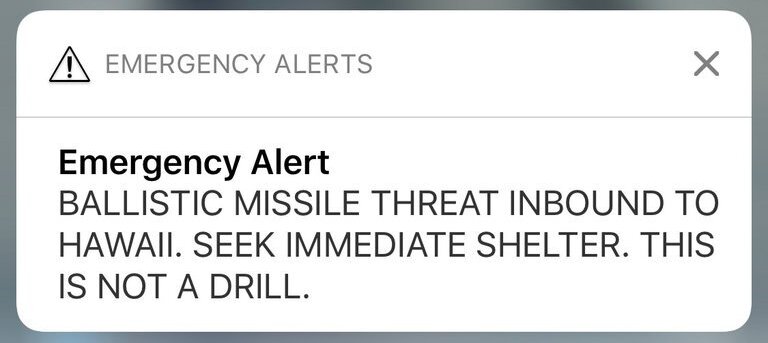
By firing a Cell Broadcast to entire mobile networks across a country, it’s possible for authorities to get a message out to millions of phones in mere seconds—a remarkably effective way of communicating critical information quickly.
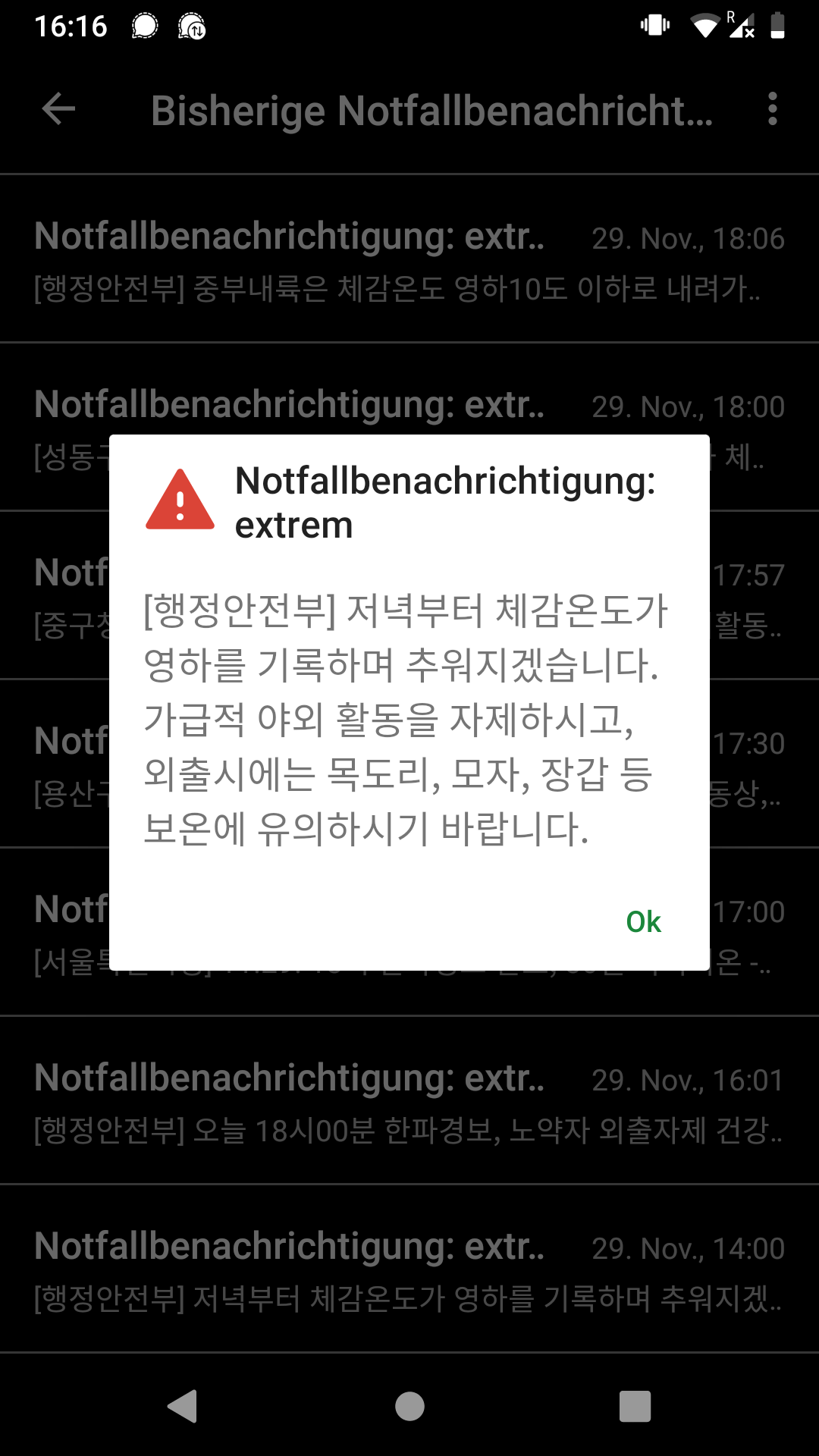
A typical Cell Broadcast emergency message will be announced by a special alert tone with the textual message content appearing on the phone in turn. Messages can be sent in a primary and an additional language and displayed according to a devices individual language settings to aid in accessibility. There is also generally no need for a given device to have a SIM card installed, since the Cell Broadcast messages are not addressed to any given individual subscriber number.
Modern Cell Broadcast messages can be up to 1,395 characters long using Latin characters, or up to 615 characters in languages using UCS-2 character encoding. Messages can be set to refire from every 2 seconds to over 30 minutes, with handsets typically ignoring rebroadcasted messages that have already been displayed. In turn, new messages can also be sent quickly to reflect changing conditions or updated information.
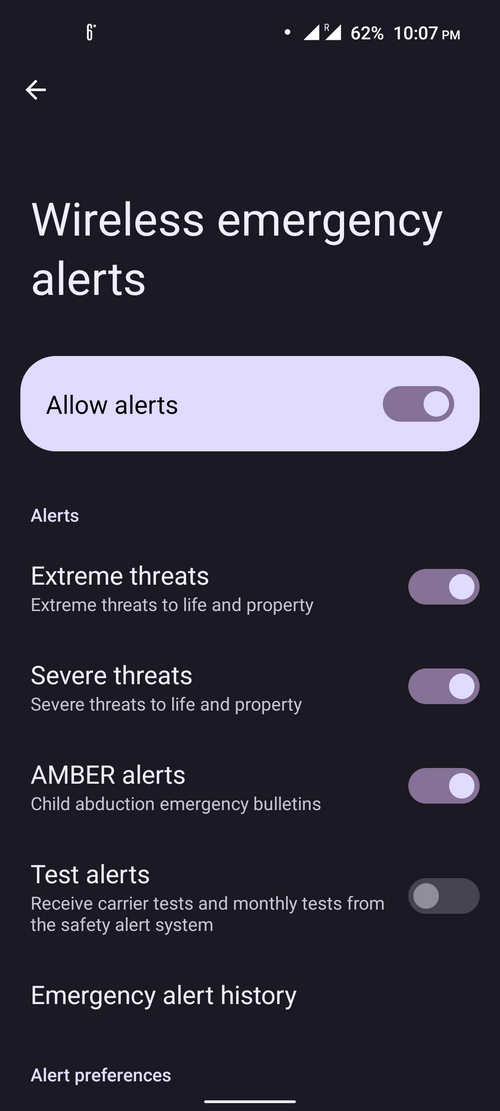
Cell Broadcast messages can come in several different levels depending on the intended severity of the alert. These are identified by hex codes laid out in 3GPP standards, though the exact alert levels vary across different national implementations of the system. In the EU, they are ranked from Alert Level 1 (most severe) to Alert Level 4 (least severe) with additional levels for “Amber,” “Test,” and “Information” alerts beneath. Levels below 1 can be “opted out” on certain handsets with the functionality to do so. Similarly, in the US, the highest level is “National Alert” which can not be opted out of and will always fire on handsets receiving the message. Below that, the levels step down to “Extreme Alert,” “Severe Alert,” and “Public Safety Alert,” with Amber Alerts and test levels beneath that.
Many nations have built emergency communications systems around the Cell Broadcast infrastructure. Since a high percentage of populations in developed countries own cellular phones and keep them close at hand at all times, it serves as a highly effective way to distribute emergency warnings. Many countries simply name their systems after their own nation—such as FR-Alert and DE-Alert in France and Germany, to T-Alert in Thailand. Others get more creative, such as S!RENEN in Denmark, or more descriptive, such as the Disaster and Emergency Warning Network (DEWN) in Sri Lanka.
Despite Cell Broadcast having existed in various forms across previous generations of mobile networks, some nations are still yet to fully implement emergency warnings over this infrastructure. Notably, Australia is in the process of rolling out AusAlert in 2026, with the first national test of the system firing off on the 27th of July, 2026. Authorities noted that 94% of targeted cell towers broadcast the message succesfully, though there was some controversy around some phones not displaying the broadcast message, and concerns around secret phones being revealed by the test which would sound regardless of silent or “do not disturb” modes. Other countries still developing Cell Broadcast emergency systems include India, Poland, Ukraine, Sweden, and Brazil.
There are limitations to Cell Broadcast. Namely, as a one-to-many broadcast message, it’s not directly possible for authorities or telecommunications operators to determine how many or which subscribers may have received the message. The technology is effectively a “push” message system with no backchannel for confirmation of receipt. This is somewhat by design, however, as thousands or millions of devices sending a read receipt via the network would create huge network congestion. This would be particularly undesirable during an emergency situation.
Regardless, the Cell Broadcast methodology has key benefits for emergency and mass notifications compared to other methods of reaching out via the mobile network. Most of all, it’s a message that is broadcast rather than sent to individual subscribers. Sending the same notifications via SMS or MMS would require huge amounts of network capacity as each individual message for each individual phone number was sent out.
There are also logistical difficulties in such a method, wherein a list of valid phone numbers must be maintained and updated at all times. It can also be more difficult to do things like geofenced messaging, since individual subscribers and their phones tend to move around a fair bit.
Hopefully, you’ll never find yourself wrapped up in a major weather event or other serious emergency. If you do, though, you might just find that critical information you need to survive thanks to a timely Cell Broadcast message. Expect such systems to become a baseline part of emergency management efforts in future as long as cellphones remain a ubiquitous communication tool across the population.










-SOURCE-Julian-Chokkattu.jpg)










































You must be logged in to post a comment Login