
Security teams log 54% of successful attacks and alert on just 14%. The rest move through your environment unseen.
The Picus whitepaper shows how breach and attack simulation tests your SIEM and EDR rules so threats stop slipping by detection.



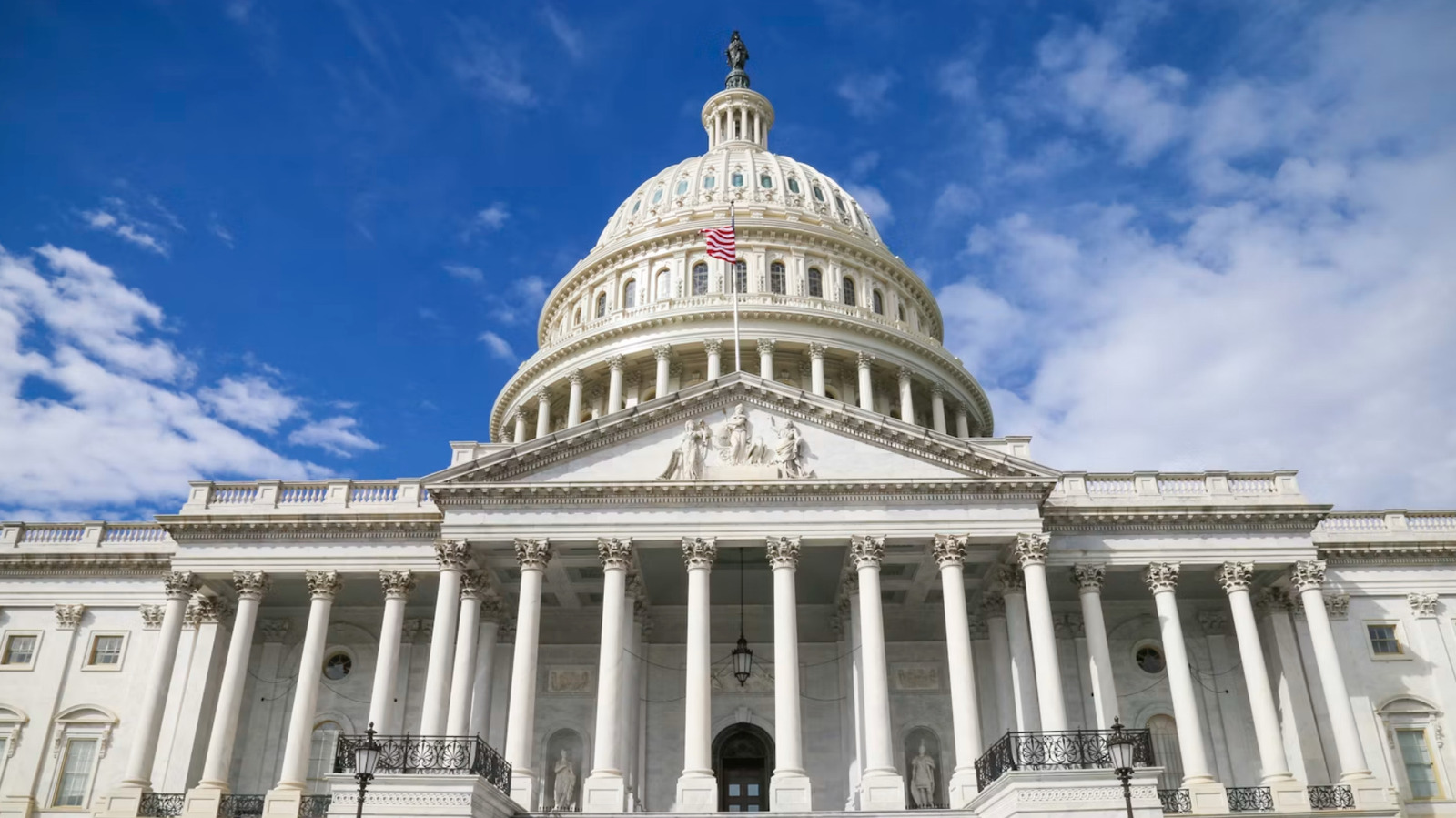
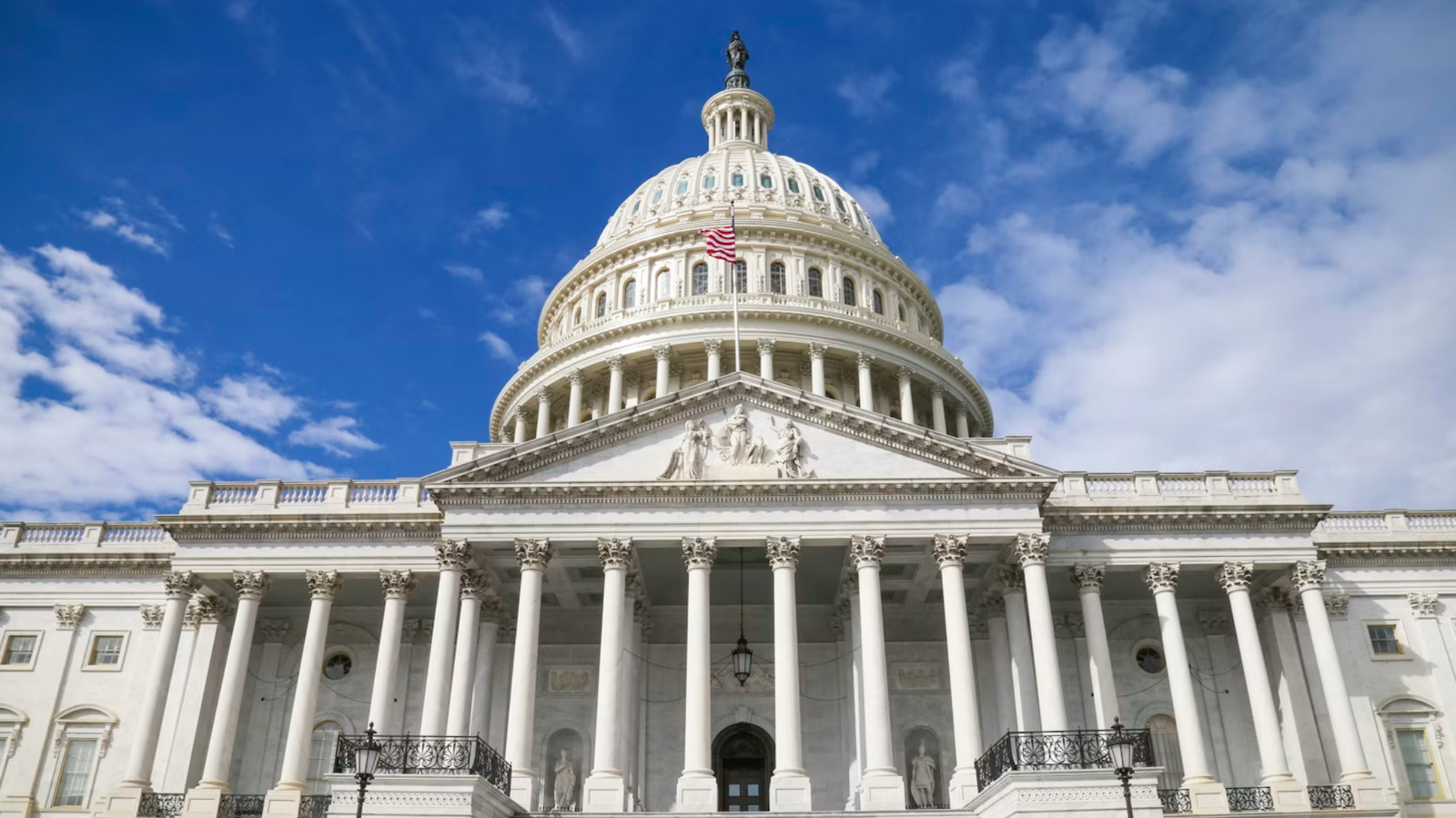
Congress failed to extend a key surveillance law on Thursday night, according to a report by Politico. This effectively means that Section 702 of the Foreign Intelligence Surveillance Act (FISA) will expire for the first time since 2008, as the House isn’t expected to vote again until June 23.
The House rejected a proposal that would’ve extended the law until July 2, on a 218-198 vote. The extension actually required a two-thirds majority, but didn’t even get a simple majority. Nearly 20 Republicans joined with Democrats to block the motion. A few hours later, Oregon Senator Ron Wyden blocked a couple of proposed extensions for the law in the Senate.
This law has been around nearly 20 years through multiple presidencies from both parties. So what’s the issue right now? There are some who don’t like it when the government engages in massive warrantless surveillance programs, sure, but that never stopped the law from being renewed before. Reporting indicates that Congress was close to a three-year extension, until President Trump announced he planned to install political ally Bill Pulte as director of national intelligence.
Democrats have raised concerns over Pulte’s appointment on the grounds that he has no intelligence experience and fears that he could use sensitive information gathered via Section 702 for political or personal purposes. Pulte regularly insinuated Fed board member Lisa Cook fired engaged in mortgage fraud, an allegation that has since been debunked; Cook was removed from her post by President Trump last August.
Trump has since nominated Jay Clayton, the top federal prosecutor in New York City, for the intelligence job. However, he has suggested that Pulte could take the job on an acting basis. “There needs to be a clear guarantee that Mr. Pulte will not serve as acting DNI,” Senator Mark Warner wrote in a statement.
As for Section 702, it lets the government conduct warrantless surveillance of foreign targets located outside of the United States. It also allows agencies like the NSA and the FBI to spy on Americans if the action is “reasonably likely” to collect information about foreign intelligence.
As one would expect, authorities have played fast and loose with that whole “reasonably likely” thing. Law enforcement agencies have been caught with their hands in the data cookie jar a lot since 2008. The surveillance-based FISA court found tens of thousands of improper database searches in 2017 and 2018 alone. A judge also ruled in 2019 that the FBI and NSA committed multiple violations of either the law or privacy-minded court orders when collecting data from phone and tech companies.
House Democrats are pushing for “meaningful reforms” of the law. “Section 702 is a critical foreign intelligence authority, but we cannot in good conscience vote for reauthorization without significant reforms to protect both national security and the constitutional privacy rights of Americans,” House Minority Leader Hakeem Jeffries and other leaders said in a joint statement.
A 10-year-old authentication bypass vulnerability discovered in the phpBB forum software allows an attacker to log in as any user, including administrators.
The flaw does not have an identifier and is trivial to exploit with a single HTTP request. It impacts phpBB versions 4.0.0-a2 or 3.3.16 and below.
Researchers at application security company Aikido found the bug on June 2nd and reported it through the developer’s HackerOne Vulnerability Disclosure Program.
phpBB responded to the report immediately and addressed the problem on June 6 in version 3.3.17 of the software.
According to Aikido, the flaw was introduced to phpBB’s codebase 10 years ago, impacting all versions of the 3.x and 4.x release branches, up to 3.3.16 and 4.0.0-a2. For the 4.x release, there’s no fix available yet.
phpBB is a PHP-based free and open-source web forum platform that enjoyed peak popularity in the 2000s and early 2010s. Today, it is still powering thousands of forums worldwide.
Aikido says that exploiting the bug requires no special configuration, as it can be triggered on the default settings.
“The vulnerability is exploitable in the default configuration and requires no special knowledge,” reads Aikido’s report.
“If you are on version 4.0.0-a2 or 3.3.16 and below, upgrade immediately to master (no safe 4.x release yet) and 3.3.17, respectively, to avoid compromise.”
Administrator access could allow attackers to view all private messages stored on the forum, create, modify, or delete content and user accounts, impersonate staff, or deface the sites.
Picking targets is also straightforward, as the member list on phpBB forums is public by default.
Aikido notes that remote code execution (RCE) is not possible due to a separate password check that protects the Admin Control Panel.
The researchers withheld all technical details for now to allow forum administrators enough time to apply the security updates and even contacted administrators of large phpBB-based forums to alert them directly.
One thing to note is that the update may cause forums using OAuth authentication to break, because the OAuth redirect handler has moved to a new location, but this should be a simple fix in most cases.
Aikido promised to publish the full details of the flaw in a future report, but did not provide a specific timeline.

Security teams log 54% of successful attacks and alert on just 14%. The rest move through your environment unseen.
The Picus whitepaper shows how breach and attack simulation tests your SIEM and EDR rules so threats stop slipping by detection.

An anonymous reader quotes a report from NBC News: The first quarter of 2026 produced the most blocked and delayed data center projects on record, according to a new study shared with NBC News. The study — conducted by Data Center Watch, a project of the AI intelligence firm 10a Labs that tracks local data center activity — found that data center opponents blocked or delayed at least 75 projects nationwide worth about $130 billion from January through March, the most in a three-month period since the group began tracking in 2023.
“The quarter reflected a structural shift rather than a cyclical spike: communities have internalized an opposition playbook, legislative sessions introduced formal regulatory uncertainty, and the number of active opposition groups more than doubled to 833 across 49 states,” the authors wrote, noting that the total number and value of data centers blocked or delayed during the first three months of 2026 roughly matched the total for all of 2025.
[…] The report found that legislative pushes for moratoriums on constructing data centers ballooned during the first quarter of 2026, sponsored by lawmakers on both sides of the aisle. The report found such proposals introduced in 14 states from January through March, with Sen. Bernie Sanders, I-Vt., and Rep. Alexandria Ocasio-Cortez, D-N.Y., introducing a federal version. Though none of the proposals has been signed into law, one did reach the desk of Democratic Gov. Janet Mills in Maine. She vetoed it in April.
More than 300 bills were introduced in statehouses across the country just in the first six weeks of 2026, the authors found, saying it marked “a clear shift from incentive-focused policies toward regulatory oversight as the scale of energy demands became clearer.” What’s more, the study found that the number of active grassroots opposition groups across the country more than doubled from 396 at the end of 2025 to 833 by March. The authors found that the states with the most opposition groups through that month were Maryland, Ohio and Texas. “In some cases,” they wrote, “opposition mobilized before any project was officially filed, the mere rumor of a data center was enough to trigger organized resistance.”
“Anthropic said on Friday it will ‘abruptly disable’ its most advanced AI models for all users,”
reports Reuters, “after the U.S. government ordered it to suspend access to the models for foreign nationals, citing national security concerns. The company received the export control directive to suspend access to Fable 5 and Mythos 5 for all foreign nationals, without being given specific details of its national security concern, Anthropic said in a statement.”
Anthropic’s blog post writes that the directive applies to foreign nationals “whether inside or outside the United States, including foreign national Anthropic employees. The net effect of this order is that we must abruptly disable Fable 5 and Mythos 5 for all our customers to ensure compliance.”
“Access to all other Anthropic models will not be affected.”
We received the directive from the government today at 5:21pm (ET)… Our understanding is that the government believes it has become aware of a method of bypassing, or “jailbreaking” Fable 5… We have not even received a disclosure of a concerning non-universal potential jailbreak that led to a harmful result. The potential jailbreaks that have been disclosed to us are either entirely benign responses or are minor findings that provide no Mythos-specific uplift.
To date, the government has only given us verbal evidence of a potential narrow, non-universal jailbreak, which essentially consists of asking the model to read a specific codebase and fix any software flaws. Our understanding is that one potential jailbreak was shared with the government. We have reviewed a report that we believe is the basis of the government’s directive and validated that the level of capability displayed there is widely available from other models (including OpenAI’s GPT-5.5), and is used every day by the defenders who keep systems safe… We are complying with the government’s legal directive and are removing access to Fable 5 and Mythos 5 for all users. However, we disagree that the finding of a narrow potential jailbreak should be cause for recalling a commercial model deployed to hundreds of millions of people. If this standard was applied across the industry, we believe it would essentially halt all new model deployments for all frontier model providers.
As we have stated publicly, we believe the government should have the ability to block unsafe deployments, as part of a statutory process that is transparent, fair, clear, and grounded in technical facts. This action does not adhere to those principles. We apologize for this disruption to our customers. We believe this is a misunderstanding and are working to restore access as soon as possible.
Reuters notes that Amazon’s cloud unit AWS “said late on Friday that Anthropic has asked it to revoke access to the models for ‘all users in all regions.’”
Dean Ball, a former White House official who contributed to the AI Action Plan the administration issued in the summer of 2025, said in a post on X that the order suggests all “non-Americans” would be restricted from using Anthropic’s latest models, including those based in the U.S. “This means you should expect to have to prove your citizenship to use Anthropic models,” Ball said.
Several key Anthropic personnel, including co-founder Chris Olah, AI researcher Andrej Karpathy and philosopher Amanda Askell, were born outside the United States.

When does a 65-inch 4K QLED television with Dolby Vision, Dolby Atmos, and a full smart TV platform built in stop being a compromise purchase and start being one of the more straightforward deals of the summer?
The Insignia 65-inch QLED Fire TV is down from $499.99 to $299.99, a saving of $200 on a panel that brings Quantum Dot color technology to a screen size that would have cost significantly more to fill at this picture quality just a few years ago.
You can now pick up an Insignia 65‑inch QLED Fire TV for less than $300, making it a standout bargain for the soccer world cup
At just $299.99, the Insignia 65-inch QLED is a television that punches well above its weight in streaming, sport, and movies.

Quantum Dot sits behind every image here, pushing brightness and color saturation beyond what standard LED panels deliver at this price, and Dolby Vision support means HDR content arrives with the kind of contrast and fine detail that the format was designed to show off.
That picture quality carries naturally into sport, where the 4K resolution and direct LED backlight keep fast-moving sequences clean and evenly lit across the full width of the frame, which matters on a 65-inch panel where uneven brightness becomes more visible the larger the screen gets.
Fire TV is the operating system running underneath all of it, giving instant access to Netflix, Prime Video, Disney+, Hulu, Apple TV+, Sling TV, and YouTube alongside live sports and over 500,000 streaming titles without needing an external device plugged into the back.

Alexa is built into the remote, so searching across all of those services, checking scores during half-time, or switching inputs happens by voice rather than by navigating menus, which proves genuinely useful when the Insignia 65-inch QLED Fire TV is the centre of a room that more than one person is watching.
Apple AirPlay support adds flexibility for anyone outside the Amazon ecosystem, and up to six individual user profiles mean different members of the household can keep their own watchlists and recommendations without crossing over into each other’s viewing history.
With a 60Hz refresh rate rather than 120Hz, fast-paced gaming at high frame rates is the one area where the Insignia 65-inch QLED Fire TV asks for a little patience, but for movies, sport, and streaming it comfortably punches above what $299.99 usually buys.
If the question at the start of the summer is how to get the most screen for the least money before the World Cup kicks off, is there a more compelling answer than this right now?
SQUIRREL_PLAYLIST_10148964

If you have ever typed two letters into the Windows 11 search box, paused, and watched nothing useful happen until you added more characters, you already know exactly why this Windows 11 update matters.
Microsoft’s June 2026 Patch Tuesday update, part of a release Windows Latest calls the biggest of the year (via Windows Latest), quietly fixes that. Windows Search can now find and prioritize files with as few as two characters, down from the old three-character minimum.

Before this update, typing two letters from the file name didn’t do anything useful. You had to add a third or more characters before Windows even started looking. Even then, your file could get buried under web results and app suggestions.
Now, typing two characters is enough to trigger a meaningful search. The update also improves how results are ranked, so your actual file shows up near the top instead of getting lost beneath links and Copilot suggestions.

Most of us name files with short, practical labels. Personally, dealing with a couple dozen files on a daily basis, I often name them with a couple of characters like Q3 or V2, exactly the kind of names that used to be functionally invisible to search.
One fewer required character sounds small at first, but it removes a tiny, constant friction that builds up every single time you search for something on your PC. It is the kind of fix that feels obvious only once you have it, one that should have shipped years ago.
This change ships in KB5094126 for Windows 11 24H2 and 25H2.

The Helios Horizon has completed what its developers call the first crewed, fixed-wing flight powered by solid-state batteries. New Atlas reports: On June 5, test pilot Miguel Iturmendi lifted off from Zephyrhills Municipal Airport in Florida at the controls of the Helios Horizon — the first crewed, fixed-wing aircraft ever to fly on solid-state batteries. The flight was neither spectacular in distance nor in duration — it was a series of short tests to validate the aircraft’s weight and balance after the new batteries had been installed — but it didn’t need to be to make history. […] The Helios Horizon’s previous lithium-ion pack delivered 260 Wh/kg (watt-hours per kilogram, a measure of how much energy a battery holds relative to its weight). The new solid-state cells hit 410 Wh/kg, a 60% jump. Chief test pilot and company founder Miguel Iturmendi expects that figure to grow another 40% within two years.
Though the battery pack can be topped up over any AC outlet, no special infrastructure needed, fast-charging is also supported for up to 80% capacity in under 15 minutes. The aircraft also recovers energy in flight through wing-mounted solar panels and a regenerative system that spins the propeller as a wind turbine during glides and descents. “Regenerative flight can significantly extend the aircraft’s range,” Iturmendi said after the test flights.
The Helios Horizon itself started life as a Pipistrel Taurus motorized glider. Iturmendi’s team added proprietary battery management, a custom propulsion stack, thermodynamic controls, and solar panel wing extensions. The aircraft already holds the world altitude record for electric planes in its weight class, having reached 24,000 ft (7,315 m). The next goal is 40,000 ft (12,192 m), commercial cruising altitude, in stratospheric flights planned for later this year.
Anthropic has suspended access to its two most capable AI models, Fable 5 and Mythos 5, for all users worldwide after the US government issued an export control directive ordering the company to block access by any foreign national.
The directive, which Anthropic says it received at 5:21pm ET on June 12, cites “national security” authorities and bars access to both models by foreign nationals inside or outside the United States, including Anthropic’s own foreign-national employees.
The order’s net effect, the company says, is that it must disable both models for all customers to comply. All other Anthropic models, including Claude Opus 4.8, are unaffected.

The timing is awkward. Anthropic began rolling out Fable 5 on June 9, free to all Pro, Max, and Enterprise customers through June 22. The model handed to millions for free three days ago is now offline for everyone.
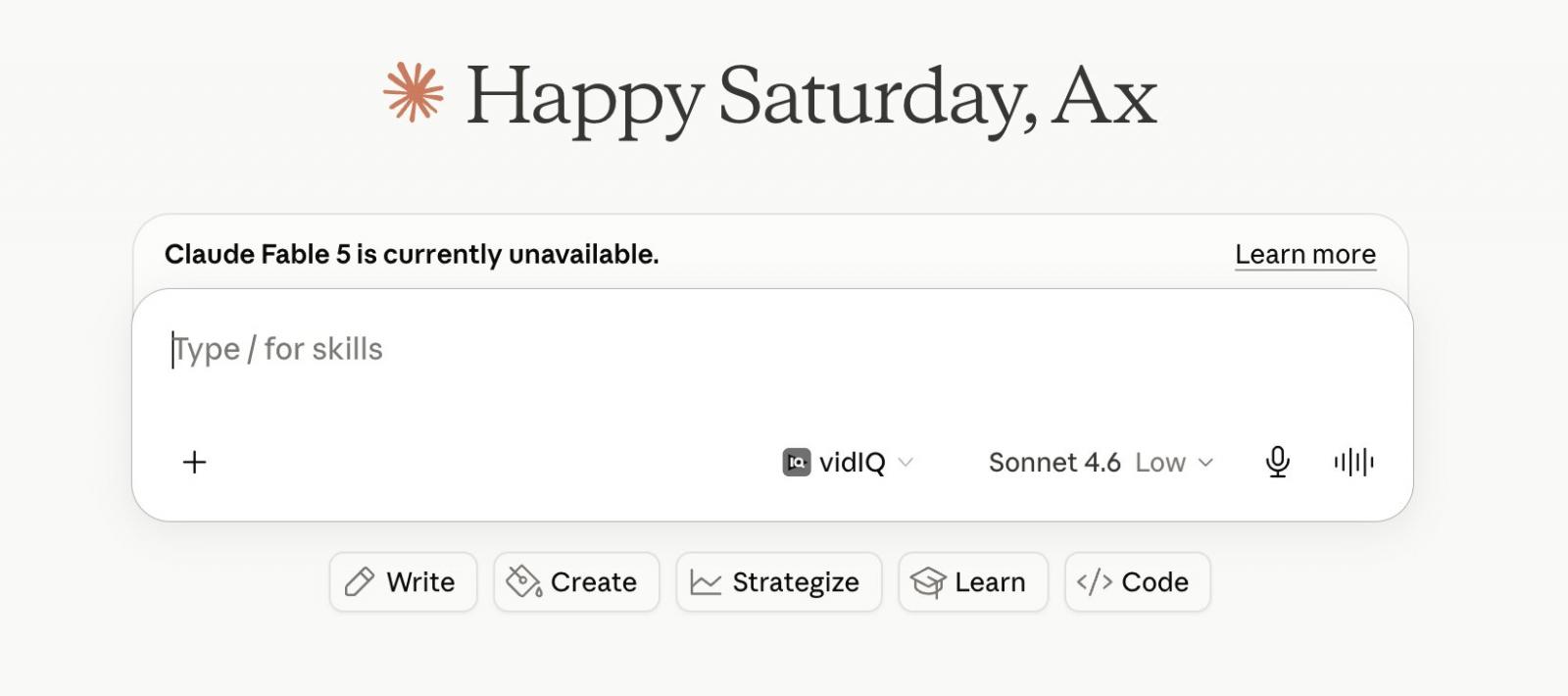
Fable 5 is the safeguarded sibling of Mythos 5. Both share the same underlying model, but Fable adds the safeguards.
Fable blocks or diverts sensitive cybersecurity, biology, and chemistry queries, while the unrestricted Mythos 5 goes only to vetted government cyberdefenders and life sciences partners.
In a developer notice, Anthropic said new sessions would fall back to a user’s default model or Opus 4.8, existing Fable 5 sessions would end with an error, and Platform requests to Fable 5 would also fail. It told integrators to migrate to other models.
UK’s Minister for AI and Online Safety, Kanishka Narayan MP, said the pause affected customers in both the US and UK, framing it as a case for technological sovereignty and pointing to the government’s £1.1bn AI chip investment.
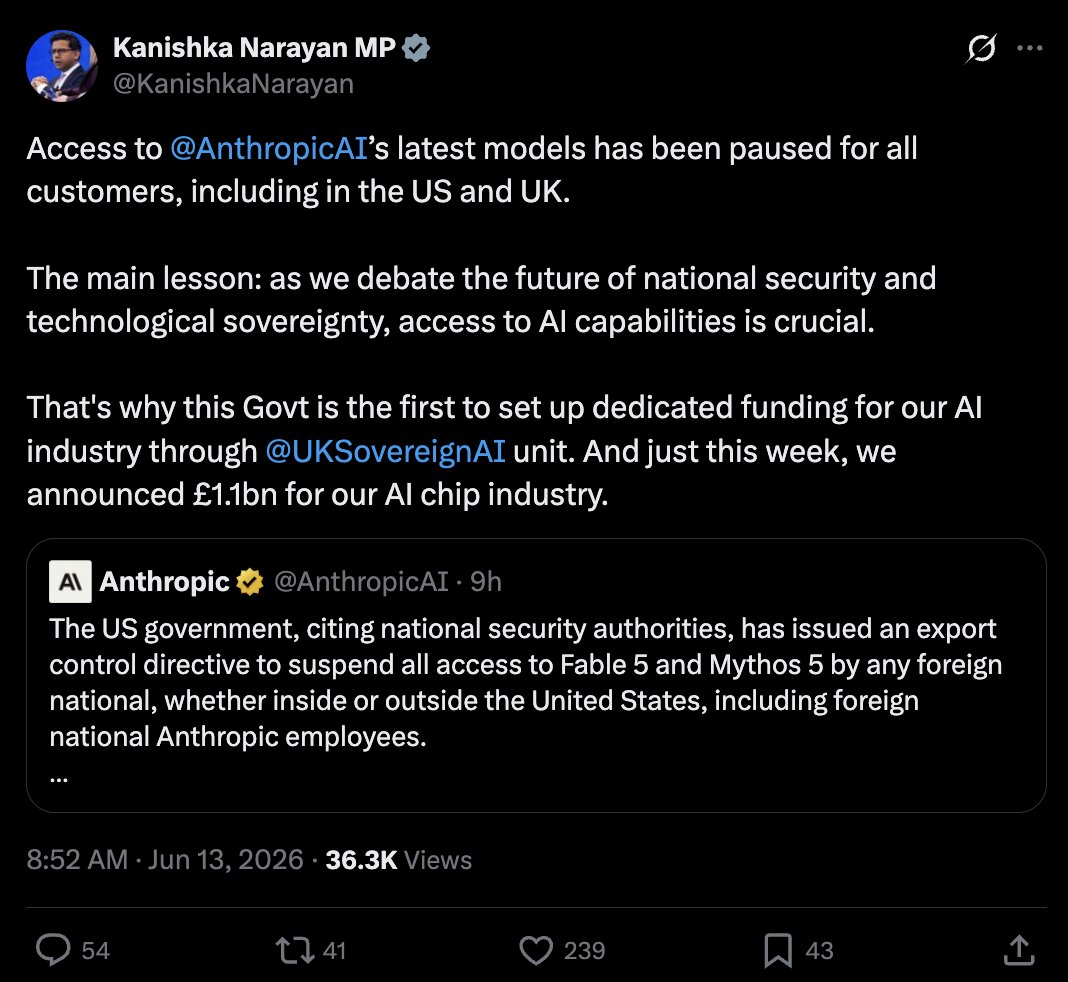
Anthropic’s read is that the order stems from a reported way to jailbreak Fable 5. It says it reviewed a demo and found only minor, already-known bugs, the kind other publicly-available models are able to discover without any bypass.
“To date, the government has only given us verbal evidence of a potential narrow, non-universal jailbreak, which essentially consists of asking the model to read a specific codebase and fix any software flaws,” states Anthropic.
“Our understanding is that one potential jailbreak was shared with the government.”
“We are complying with the government’s legal directive and are removing access to Fable 5 and Mythos 5 for all users. However, we disagree that the finding of a narrow potential jailbreak should be cause for recalling a commercial model deployed to hundreds of millions of people.”
“If this standard was applied across the industry, we believe it would essentially halt all new model deployments for all frontier model providers.”
The company says the capability is widely available elsewhere, pointing to OpenAI’s GPT-5.5, and is used by defenders every day.
Anthropic maintains the order is a misunderstanding and says it is working to restore access, while promising more details within 24 hours.
Security teams log 54% of successful attacks and alert on just 14%. The rest move through your environment unseen.
The Picus whitepaper shows how breach and attack simulation tests your SIEM and EDR rules so threats stop slipping by detection.
Every year, Apple unveils the latest version of iOS with the kind of polish and fanfare you’d expect from one of the biggest tech companies on the planet.
And this year is no different, with WWDC 2026 playing host not only to the reveal of iOS 27 but also to the much-anticipated Siri AI, finally bringing GenAI smarts to iPhone that can compete with the Android competition.
It’s undoubtedly a big update for Apple, but for all the attention it’s paying to flashy new AI-powered features, some of the most frustrating parts of the iPhone experience still feel stubbornly untouched – elements that, in places, I’ve been complaining about for nearly a decade.
So yes, iOS 27 might be a huge upgrade – but as ever, I’m still waiting for Apple to fix the obvious stuff.
I’m going to say it; I absolutely detest app badges on iPhone.
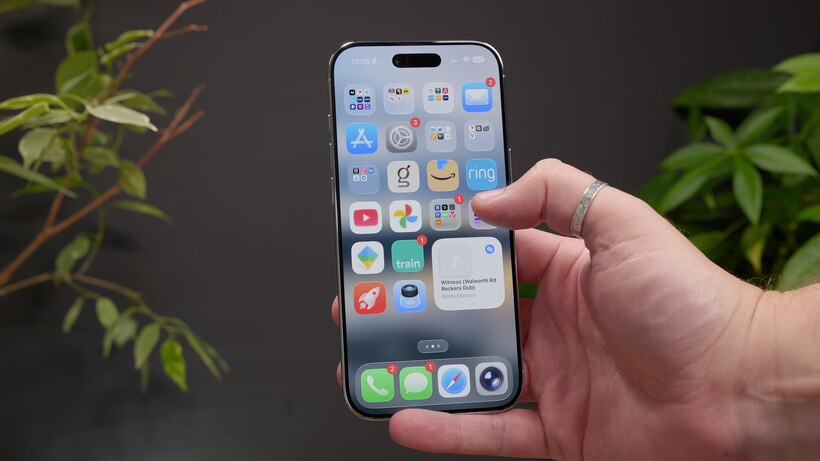
Those big, bright buttons with numbers on them cause nothing but added stress, insinuating there’s something I need to do or see, especially when badges on multiple apps slowly take over my home screen and folders. The FOMO instantly kicks in, as annoying as it is.

It’s also very distracting when I unlock my phone to do something specifically. If I see a little ‘1’ on the WhatsApp app, I’m going to open it, see who has sent me a message, and likely get sidetracked. It’s a basic psychological trick – one that I want to opt out of.
The problem? You can only disable badges on an app-by-app basis, and with hundreds of apps on my iPhone, that’d take hours. Why isn’t there an option to globally disable badges? It has been available on most Android skins for years now, after all.
In fact, I want Apple to go even further and basically just copy how Android handles notifications and badges because, well, it just makes a lot of sense. On Android, notifications in the notification shade are directly tied to app badges, so if you decide a notification is unworthy of your time and attention and clear it from the shade, the associated app badge also disappears.

On iPhone, clearing a notification won’t remove the badge – the only way to clear it is to open the app and read the message or notification that was delivered.
In an age when we’re all becoming more conscious of mindlessly scrolling through apps, visual distractions like this need to get in the sea.
But hey, at least Siri can write texts for you now, right?
Just under a decade ago, I managed to get my hands on Snapchat’s then-brand-new Spectacles – a pair of sunglasses with a built-in camera and mic to capture POV-style snaps and videos exclusively for Snapchat. Yes, Snap really was ahead of its time in that regard; it walked so Meta could run.
Anyway, after excitedly snapping photos and videos on an outing in Central London, I opened my iPhone 7 Plus to import and share them on my story. The problem? Apple didn’t support Wi-Fi Direct, which would let the phone and the glasses pair directly via Wi-Fi and provide much faster data transfer speeds.
Instead, I had to connect via Bluetooth and deal with slow speeds, or manually connect to the glasses’ Wi-Fi network in my iPhone’s Settings app.
As a result, it was much better as an Android accessory than an iPhone one, with Wi-Fi Direct support allowing for rapid transfer – and it’d also happen in the background without me triggering it myself.

What’s crazy about this is that, 10 years later, Apple still doesn’t support Wi-Fi Direct – and considering how many camera-equipped devices we use these days, from drones to action cameras and gimbal cameras to the aforementioned camera-enabled smart specs, that’s pretty unbelievable.
Instead, iOS users continue to rely on the much slower Bluetooth transfer speeds for moving videos between devices wirelessly – and I can’t help but wonder, why?
But hey, at least Siri can tell you what you’re looking at in iOS 27, right?
You know what, it’s not just the lack of Wi-Fi Direct support that irks me on the iPhone – it’s the Wi-Fi experience in general.
Apple spent a good few minutes patting itself on the back at WWDC, claiming that it’d fixed one of the biggest headaches of cellular and Wi-Fi connectivity – the time it takes to jump between the two. I mean, that’s great and all, but I wouldn’t have put that very high on my list of complaints.
What I would’ve loved Apple to fix instead was the iPhone’s handling of mesh Wi-Fi networks, because right now it’s pretty bad. I’ve had a couple of mesh Wi-Fi systems in my home over the past few years, and none of them have played well with any model of iPhone I’ve used – including the most recent iPhone 17 Pro.

When I move from one area of the home to another that requires a hop from one Wi-Fi node to another, there’s a period of time – sometimes close to a minute – when my iPhone swears it’s connected to full-signal Wi-Fi but doesn’t actually work.
It’s an absolute headache compared to using an Android where mesh Wi-Fi networks work as expected, hopping between nodes without a loss in connectivity. It’s easily one of the main reasons why I keep flitting between iPhone and Android for daily use – a small problem, yes, but one that gets very annoying, very quickly.
But hey, at least you can get Siri to make Shortcuts for you in iOS 27, right?
Apple handles background app usage in a completely different way than Android – while background apps can run on Android, those on iPhone are essentially frozen when not in active use to conserve battery.
It’s likely the reason why some people think that closing background iPhone apps will save battery life – when in reality, it’s the opposite, using more CPU power to totally re-open an app than would be used in its frozen state. But I digress.
While I do like Apple’s approach to background app use, as it doesn’t require the same manual management as on Android, it does make using accessories (particularly those not made by Apple) a bit of a headache.

Take my Fitbit Air for example; on Android, it’ll automatically sync with the Google Health app in the background and send me alerts and insights throughout the day, regardless of whether I’ve opened it or not. On iPhone? I have to open the app and manually sync the wearable before I can see what’s going on with my health and fitness.
It also applies to smart glasses, as I hinted at earlier; as well as using Wi-Fi Direct, camera-connected apps can also automatically import images and videos on Android – something you simply can’t do on iOS.
If Apple added a little button or a toggle to the multitasking menu to enable always-on background use, that’d be great – but that’s not on the roster for the big software update.
But hey, at least you can get Siri to let you know when websites change in iOS 27, right?
As you can probably tell, these aren’t complaints that have suddenly emerged with iOS 26; they’re long-standing flaws in iOS that chip away at the overall experience on offer, no matter how polished the rest of the software might look.
It’s great that Apple is finally doing a better job of matching the Android competition in the ever-competitive GenAI market, but really, it needs to put just as much effort into fixing these lingering usability issues and refining the core experience.
But hey, at least Siri looks better in iOS 27, right?
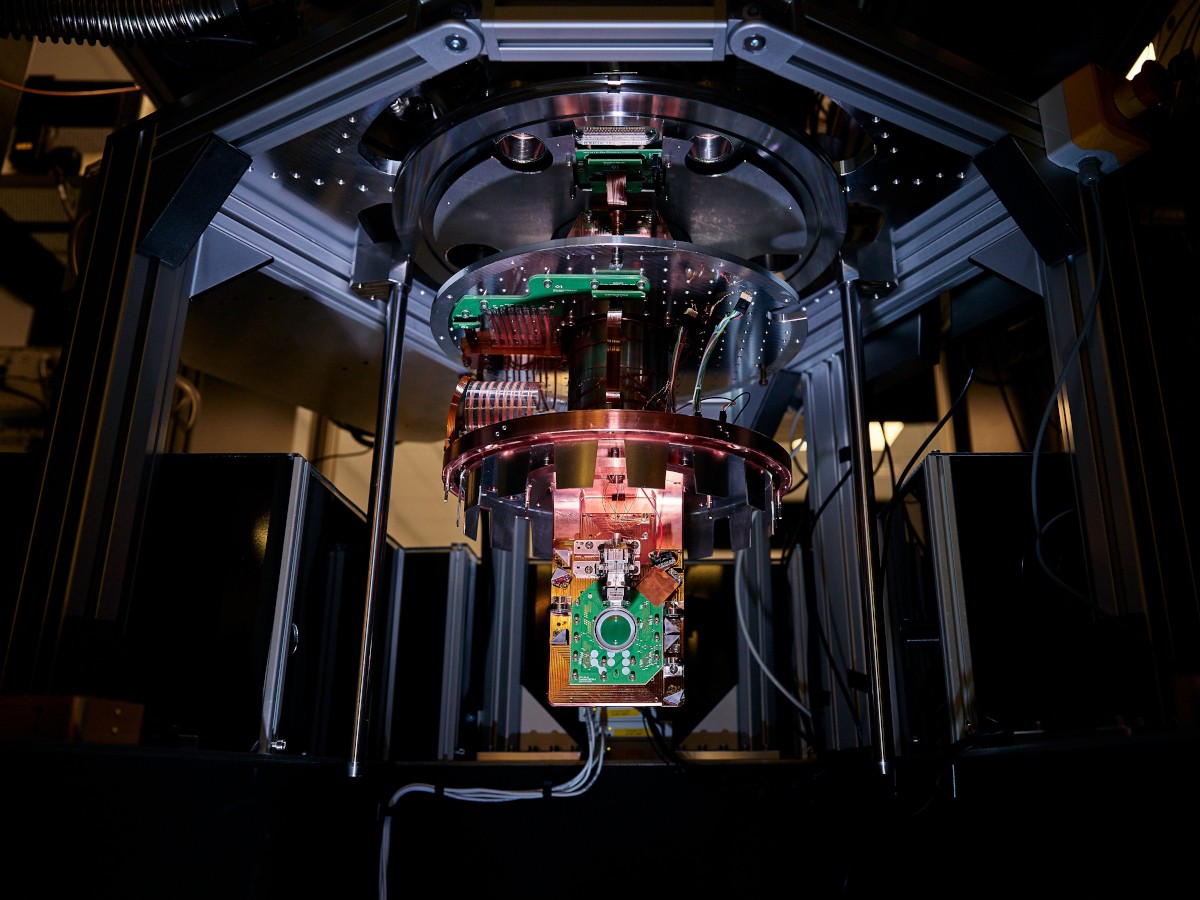

The company, founded in 2018, builds software infrastructure that aims to empower developers to use quantum computing to solve computational problems.
Irish-founded computing company Horizon Quantum has chosen Dublin as the site for establishing a testbed for its planned second quantum computer.
The company said locating the ‘IonQ’ 256-qubit system at its European headquarters would benefit the company and the country, noting “Ireland’s growing quantum ecosystem, strong university network and robust talent pool for deep-tech development, both within the country and across the EU”, and predicting that the installation of the “frontier system” would be a “significant technology milestone for the nation, positioning Ireland to play an increasingly prominent role in frontier quantum computing”.
Horizon Quantum, founded in 2018, builds software infrastructure that aims to empower developers to use quantum computing to solve computational problems. It said that IonQ’s sixth-generation, chip-based 256-qubit trapped-ion system could be among the most sophisticated quantum computers in the world.
“Expanding our hardware testbed to Ireland with the addition of a frontier system is a significant step forward for both our company in our mission to unlock broad quantum advantage and for the country in strengthening its quantum ecosystem,” said Horizon Quantum CEO and founder Dr Joe Fitzsimons.
“We are excited to extend our testbed capabilities to include a trapped-ion system by deploying this state-of-the-art quantum computer in Dublin.”
To oversee the establishment and management of its second quantum system, Horizon Quantum, which is based in Singapore, said it plans to expand its Irish-based science and engineering teams, and deepen engagement with Ireland’s quantum ecosystem through increased involvement with industry, academia and the local supply chain.
Minister for Enterprise, Tourism and Employment Peter Burke, TD said: “The establishment of one of the most advanced commercial quantum systems here is an important milestone that will support innovation, collaboration and economic growth, while further enhancing Ireland’s ambition to be a global hub for cutting-edge technologies.
“This also aligns with our strategic focus in Silicon Island – Ireland’s national semiconductor strategy – on harnessing opportunities in rapidly evolving fields, including quantum technologies.”
The company assembled and integrated the first quantum system in its hardware testbed, a multi-vendor superconducting system, at its Singapore headquarters in 2025.
It said that the expansion of its testbed facilities to its European headquarters with a “second, technologically distinct system” will help further its goal of delivering the “most capable hardware-agnostic tools for quantum software development”.
Michael Lohan, CEO of IDA Ireland, said: “Quantum development is an important strategic priority for IDA Ireland, and this announcement is a strong endorsement of Ireland’s growing technology ecosystem, our research capabilities and the talent available here.
“Horizon Quantum’s decision to invest in Ireland further strengthens our position in frontier technologies and will help support continued innovation and collaboration across the quantum sector.”
The company began trading on the Nasdaq stock exchange in March.
Don’t miss out on the knowledge you need to succeed. Sign up for the Daily Brief, Silicon Republic’s digest of need-to-know sci-tech news.

As we near the halfway point in the second Trump presidential term, there’s something that is worth remembering: Donald Trump, like most nasty viruses, is a temporary condition. Trumpism may not be, though I have my doubts as to how long a cult of personality can survive without that specific personality leading the cult. But Donald Trump as president will come to an end in the not too distant future.
The millions and millions of people who have been negatively impacted by him and by those who have decided to bow at his cultish altar, are not temporary. They are not going to go away. And they will remember the actions of many during this time.
And I imagine the American Diabetes Association, and specifically those currently leading it, will be in the memories of its members and many others for a long, long time. It’s been nearly a week since the ADA had five diabetes scientists, including its own former president, involuntarily removed from outside the ADA’s annual conference by police. Their crime? Distributing a copy of an editorial from the April edition of the ADA’s own journal.
The scientists were distributing the editorial outside the conference’s opening speech, which was originally scheduled to be given by Jay Bhattacharya, head of the National Institutes of Health under Trump. Bhattacharya canceled at the last minute, and senior NIH official Rick Woychik took his place.
Within minutes of beginning to hand out the editorial, police reportedly escorted the scientists out of the conference, which was held in New Orleans. The police reportedly shoved at least one scientist, took all of their conference badges, and threatened to arrest them if they tried to return. Louisiana State Police later told media that they acted at the request of the ADA. The ADA subsequently barred the five scientists from the rest of the conference.
The editorial just so happened to be very critical of the Trump administration and RFK Jr.’s funding at NIH and other health agencies and groups. It’s quite obvious that the ADA feared repercussions from the Trump administration if it wouldn’t allow these scientists to hand the article out while members of the administration were speaking and tried to use the police to silence them. And then, when this whole thing went viral, the ADA offered up justifications for its actions. Justifications that kept changing, as it turns out.
In an email to ADA members Saturday, the association said the scientists were removed because they didn’t have prior approval to distribute material at the conference and that it was “not because of the viewpoints expressed in those materials,” according to reporting from Science.
In a statement Sunday, the organization, which is a nonprofit, said it removed the scientists because it was complying with federal regulations for 501(c)(3) nonprofits, which requires “maintaining a strictly nonpartisan environment at all organizational events and functions while engaging across party affiliations to advance our mission.” However, the federal regulations do not restrict leaders of organizations from sharing political views in a personal capacity or from speaking on important public policy issues.
And from there, the Streisand Effect took over. The editorial, which you can find right here, went somewhat viral itself, getting a ton more attention than it had to date. But the real backlash came from the public and from within the medical community itself. There have been resignations in protest of the ADA’s actions. An open letter to the ADA signed by 40 members was written to torch leadership’s actions and treatment of the scientists at the conference. Another open letter was also written, likewise demanding an apology.
And, finally, the ADA did in fact apologize days later.
In the video Wednesday, ADA CEO Charles Henderson personally apologized to the five scientists, including Aaron Kelly, pediatrics professor at the University of Minnesota; Justin Ryder of Northwestern University; and Irl Hirsch, also of the University of Washington, in addition to Kahn and Schatz.
“What transpired is not reflective of who I am, the values I hold, or the way I was raised,” Henderson said. “I will work hard to bring our community back together to build on the progress we have collectively made for those affected by diabetes.”
In addition to apologizing to the five ejected scientists, Henderson apologized to the community as a whole, saying that the ADA would commission a “thorough independent review of the events that occurred as well as the policies, procedures, and decision-making process that guided our actions.”
Yeah, no, not good enough. The fish stinks from the head down, as the saying goes, and there have been days worth of attempts to make this stupidity anyone’s fault but leadership at the ADA. This was a clear attempt to lick the Trump administration’s boots, at the very moment when clear leadership from medical groups is so sorely needed, and that’s a bell that cannot be un-rung.
Henderson needs to go. And I have little doubt that he will before too long. Trump and RFK Jr. will eventually be gone, as well.
But we won’t forget how groups like the ADA, and the people leading them, acted during this time.
Filed Under: free speech, jay bhattacharya, nih, protests, streisand effect
Companies: american diabetes association




Alexander Zverev wins the French Open to finally earn a 1st Grand Slam title

The Best Mystery Series of All Time Is Surging on Streaming 30 Years After It Ended


Anatomy of the June crypto crash: Fed, Iran, Saylor


Oppenheimer backs SpaceX as $70 billion retail frenzy builds


Markets Rally as SpaceX IPO Looms Amid Iran Tensions and Inflation Surge

Senator Cynthia Lummis Calls CLARITY Act the Most Consequential Financial Legislation of This Generation

Alexander Zverev conquers demons and outlasts Flavio Cobolli to win French Open for first major title


Microsoft unveils seven homegrown AI models in new bid for ‘long term self-sufficiency’


High Stakes for Wembanyama as New York Pushes for 3-0 Lead


Notion restores access to Anthropic after service disruption

The Pain Points Taking a Fragile Tech Rally Down a Notch

Eli Lilly (LLY) Stock Surges 4% Following Breakthrough Sleep Apnea Trial Results

The investment to transform historic St Helen’s ground in Swansea


Trump’s AI Ownership Plan Could Benefit Anthropic at OpenAI’s Expense

Bangladesh beat Australia after 20 years in ODIs, register only their second win over six-time world champions | Cricket News


NanoClaw integrates JFrog registries to secure AI agent downloads


Bitget enters Argentina’s regulated crypto market through PSAV registration


This Week In Security: Microsoft On Microsoft, Register Your Domains, Linux On ARM, And FreeBSD Joins The File Cache Club


Politics Home | Healey Resignation Is “Colossal Failure Of Government”, Says Former Labour Defence Secretary


First Time Since 1971: Australia Register Historic Low In ODI Cricket


You must be logged in to post a comment Login