



Connect with us
DAPA Banner

Tech

DaVinci Resolve 21 beta adds photo editing and deeper AI integration

Published

on

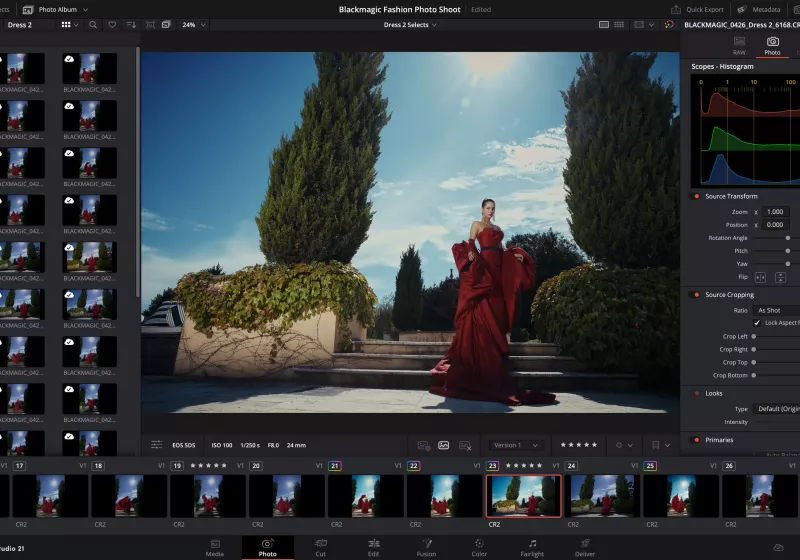
DaVinci Resolve 21 beta pushes further into all-in-one territory, adding a dedicated Photo section that allows edition of still images using the same color pipeline that made Resolve a favorite for video. The update leans heavily on AI to speed up everyday work. Early impressions highlight how seamlessly the new tools fit into existing workflows.

Read Entire Article
Source link

Continue Reading
Click to comment

You must be logged in to post a comment Login

Leave a Reply

Tech

OpenAI President Discloses His Stake In the Company Is Worth $30 Billion

Published

on

OpenAI president Greg Brockman’s testimony dominated the fifth day of the trial for Elon Musk’s lawsuit against the AI company. Brockman took the witness stand on Monday, disclosing that his stake in OpenAI is worth nearly $30 billion, despite not personally investing money in OpenAI. The judge also declined to admit a pretrial text in which Musk allegedly warned Brockman that he and Altman would become “the most hated men in America.” From a report: Brockman’s disclosure would put him on the Forbes list of the world’s richest people, with wealth comparable to Melinda French Gates. […] Late Sunday, OpenAI lawyers tried to admit as evidence a text message Musk sent to Brockman two days before the trial began. According to a court filing — which did not include the actual text exchange — Musk sent a message to Brockman to gauge interest in settlement.

When Brockman replied that both sides should drop their respective claims, Musk shot back, according to the filing, “By the end of this week, you and Sam will be the most hated men in America. If you insist, so it will be.” Judge Yvonne Gonzalez Rogers, who is overseeing the trial, did not admit the text exchange as evidence. Brockman acknowledged that he had promised to personally donate $100,000 to OpenAI’s charity but never did. In explaining the delay, Brockman put the onus on Altman: “I asked Sam when I should donate this, and he said he would let me know,” reports Business Insider.

The first witness to testify on Monday was Stuart Russell, an artificial intelligence expert who teaches computer science at the University of California, Berkeley. “The most memorable part of Russell’s testimony was when he talked about how much Musk’s legal team paid him,” notes Business Insider. “He received an eye-popping $5,000 per hour for 40 hours of preparatory work. Expert witnesses in high-profile cases typically make between $500 to $1,000 per hour.”

Recap:

Musk Concludes Testimony At OpenAI Trial (Day Four)
Elon Musk Says OpenAI Betrayed Him, Clashes With Company’s Attorney (Day Three)
Musk Testifies OpenAI Was Created As Nonprofit To Counter Google (Day Two)
Elon Musk and OpenAI CEO Sam Altman Head To Court (Day One)

Advertisement

Source link

Continue Reading

Tech

This Tip Can Help Keep Your Car’s Air Vents From Retaining Too Much Moisture

Published

on


Modern cars often feature more efficient seals and better insulation than older vehicles, both of which can potentially result in increased moisture buildup. A better-insulated car will stay warmer for longer when it’s turned off, which increases the amount of moisture that condenses on the insides of the windows. Then, efficient seals trap that moisture in. To add to the problem, an inefficient or clogged A/C system can leave water stuck in the evaporator, which then gets into the cabin when you turn the system on. As well as bringing even more moisture into the cabin, a clogged A/C also leaves you with a musty smell when you’re driving.

If your car’s A/C smells bad, there are ways to fix it, but there is also one thing you can do to reduce the amount of moisture that builds up in the A/C system in the first place. In the warmer months, it’s worth periodically turning the A/C off but keeping the fans running for a couple of minutes after you finish a journey. This simple tip isn’t enough to guarantee that the musty smell won’t eventually return, but it should help keep your A/C system smelling fresher for longer by allowing any residual moisture in the vents to be channeled out.

Advertisement

Keeping up with maintenance is also important

In addition to letting the car’s fans clear out moisture from the vents every so often, it’s a good idea to periodically clean your car’s A/C to keep it running efficiently. Many manufacturers offer specialist cleaning sprays that need to be carefully sprayed into the car’s A/C system, then circulated to kill any bacteria or mold. It should help neutralize any bad smells and will stop you from breathing in potentially problematic mold spores.

It’s also worth making sure you regularly replace your car’s cabin air filter, since it plays a key role in helping to circulate clean air through the cabin. Exactly how often you should change the cabin air filter can vary between makes and models, with Ford suggesting that it should be changed every 15-20,000 miles and Hyundai recommending that it’s changed every year or every 12,000 miles, whichever comes first. If you’re unsure when the cabin air filter was last changed, it’s worth buying a fresh filter as a precaution, since it’s inexpensive and usually easy to install.

Advertisement


Source link

Advertisement
Continue Reading

Tech

DJI Power 1000 Mini review

Published

on

Why you can trust TechRadar


We spend hours testing every product or service we review, so you can be sure you’re buying the best. Find out more about how we test.

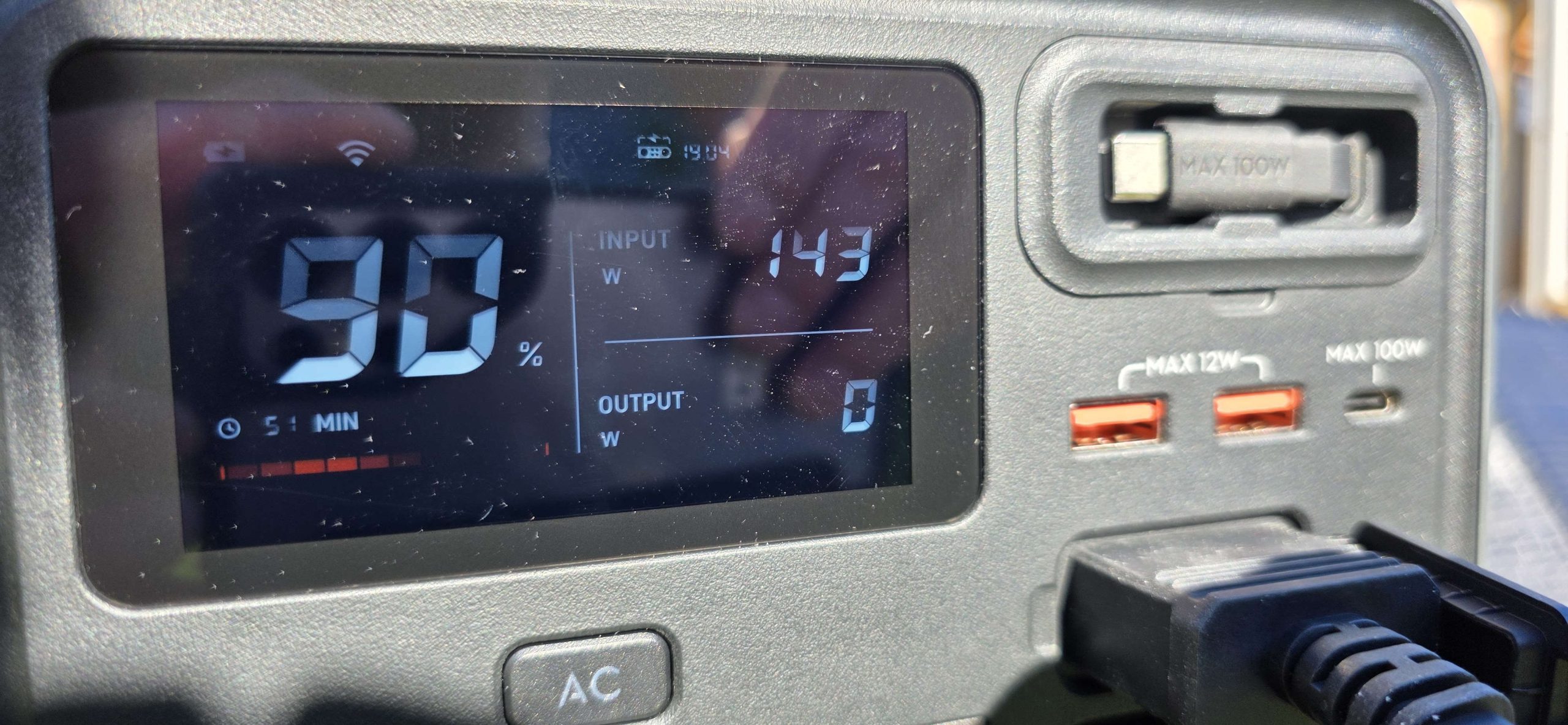
DJI’s push into portable power has been surprisingly assured, and the DJI Power 1000 Mini Portable Power Station feels like the most deliberate product in the range so far. It takes the core idea behind the larger units and trims it down into something you might actually want to carry.

This is a 1kWh-class power station that doesn’t feel like luggage. For creators, vanlifers and anyone working on the move, that shift in usability matters more than raw output figures, and might make it the best portable power station choice for them.

DJI Power 1000 Mini 1

(Image credit: Future)

Source link

Continue Reading

Tech

Astronomers May Have Detected an Atmosphere Around a Tiny, Icy World Past Pluto

Published

on

“The Associated Press is reporting on a new study in Nature Astronomy suggesting that a tiny, icy world beyond Pluto harbors a thin, delicate atmosphere that may have been created by volcanic eruptions or a comet strike,” writes longtime Slashdot reader fahrbot-bot. From the report: Just 300 miles (500 kilometers) or so across, this mini Pluto is thought to be the solar system’s smallest object yet with a clearly detected global atmosphere bound by gravity, said lead researcher Ko Arimatsu of the National Astronomical Observatory of Japan. This so-called minor planet — formally known as (612533) 2002 XV93 — is considered a plutino, circling the sun twice in the time it takes Neptune to complete three solar orbits. At the time of the study, it was more than 3.4 billion miles (5.5 billion kilometers) away, farther than even Pluto, the only other object in the Kuiper Belt with an observed atmosphere. This cosmic iceball’s atmosphere is believed to be 5 million to 10 million times thinner than Earth’s protective atmosphere, according to the the study […].

It’s 50 to 100 times thinner than even Pluto’s tenuous atmosphere. The likeliest atmospheric chemicals are methane, nitrogen or carbon monoxide, any of which could reproduce the observed dimming as the object passed before the star, according to Arimatsu. Further observations, especially by NASA’s Webb Space Telescope, could verify the makeup of the atmosphere, according to Arimatsu.

Source link

Continue Reading

Tech

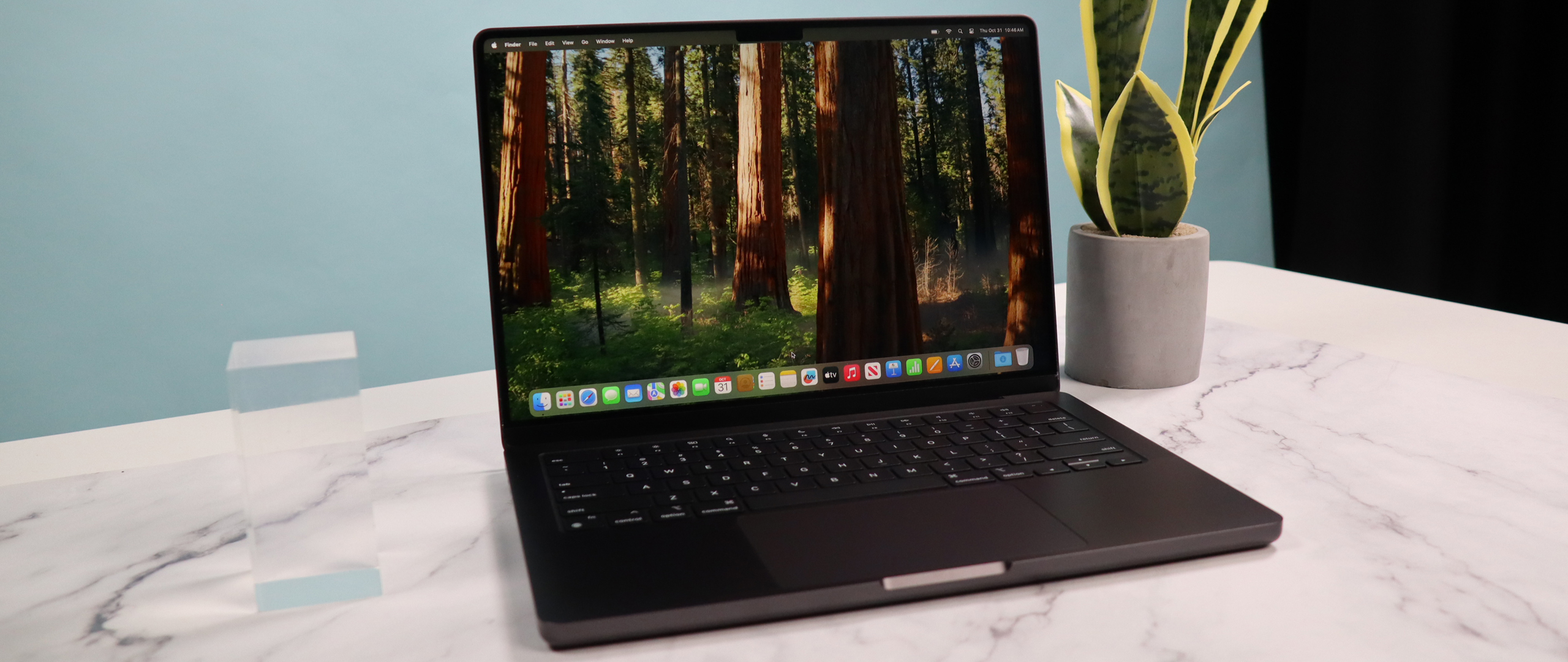
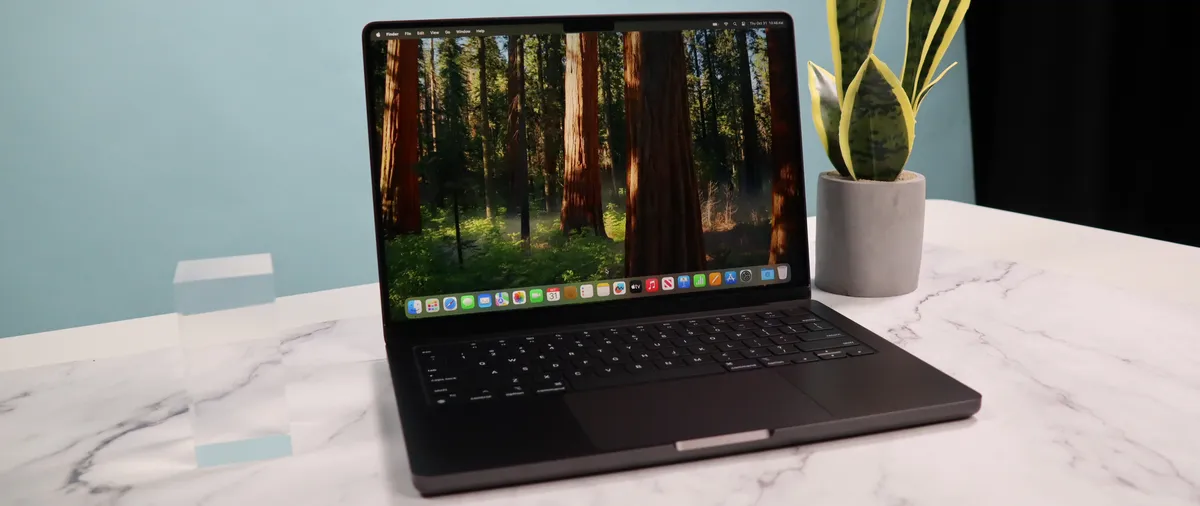
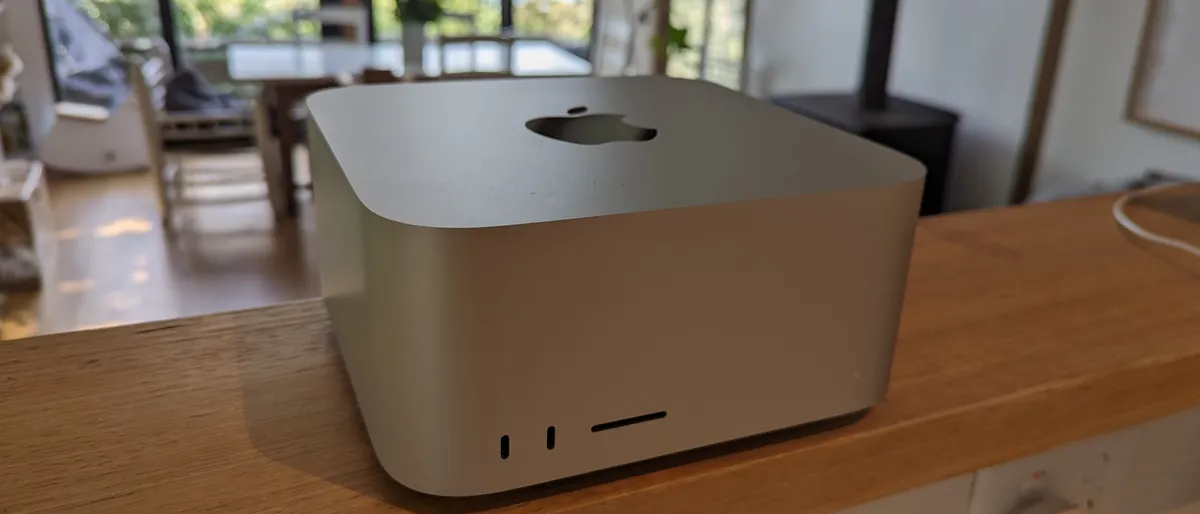
MacBook Pro M4 vs Mac Studio M2: which Mac is best for you?

Published

on

Source link

Continue Reading

Tech

One Of iRobot’s Co-Founders Is Now Making Weird Little Robot Companions

Published

on


Colin Angle, the guy who co-founded iRobot and helped put robot vacuums in millions of homes, just unveiled his new company and forthcoming product. The new venture is called Familiar Machines & Magic and it’s making robots for companionship, and not for sweeping floors.

They are called Familiars and are being described as “physically embodied AI systems to perceive, adapt and interact with people in ways that feel natural and consistent.” That sounds like a pet, but with loyalty and love replaced by algorithms.

Advertisement

“The next era of robotics is not just about dexterity or humanoid form — it’s about machines that can build and sustain human connection,” he said at The Wall Street Journal’s Future of Everything conference. “My goal has always been to create systems that understand context, remember interactions and behave with consistency over time.”

The company says that its first Familiar has been “purpose-built for social interaction” with a general design architecture “optimized for expressive, whole-body movement that communicates attention, awareness and intent.” It’s also fairly cute.

The animal-esque robot is covered by a touch-sensitive coat and includes a series of cameras, along with a microphone array. This should allow it to interact with humans in a fairly normal way, which is helped along by an onboard AI stack that’s “powered by a custom small multimodal model optimized for social reasoning.”

There isn’t an actual product yet. The first Familiar is a working prototype and acts as a proof of concept. With that in mind, we don’t know when or if the company will put something on store shelves or how much one of these fake pets will cost. As an aside, animal shelters will let you take home a cute critter for $50 to $125 bucks.

Advertisement


Source link

Advertisement
Continue Reading

Tech

Surfshark Adds Vega OS Support, Expanding VPN Access on Amazon Fire TV

Published

on

Surfshark has released a native app for Vega OS, bringing its virtual private network service to the latest generation of Amazon Fire TV devices powered by the company’s new Linux-based platform. The update restores functionality lost when Amazon moved away from its Android-based Fire OS in late 2025.

When Vega OS replaced Fire OS as Amazon’s underlying software for Fire TV streaming hardware in October, it broke support for Android apps, meaning existing apps didn’t carry over. This created a gap for those who relied on VPNs for streaming and required developers to rebuild apps for the new environment. Surfshark’s new app closes that gap, offering what the company describes as “core VPN capabilities” on Vega OS devices.

The practical benefits remain the same: A VPN encrypts internet and streaming activity, masks IP addresses and can help avoid ISP throttling during high-bandwidth use. The tech is also commonly used to access region-specific libraries on services like Netflix and HBO Max — a use case that had effectively been sidelined on newer Fire TV devices until this new wave of native apps began arriving. Surfshark notes its Vega OS app currently focuses on core features and supports the WireGuard protocol. Broader support is expected to come later, as the app and platform mature.

Advertisement

For now, this is less about new features and more about restoring parity for people upgrading to newer Fire TV hardware. Surfshark joins other providers, including NordVPN and IPVanish, in building dedicated apps for Amazon’s Vega OS ecosystem. As more developers follow suit, Vega OS moves closer to matching the app ecosystem it replaces. 

For more context, check out CNET’s coverage of Surfshark VPN, our roundup of the best VPN services and our guide to the best VPNs for Fire TV Stick.

Source link

Advertisement
Continue Reading

Tech

WatchOS 27 Set to Get Slimmed-Down Watch Ultra Face, Report Says

Published

on

The next version of WatchOS is set to get a stripped-down version of the Watch Ultra’s signature watch face, alongside multiple others, according to a report by Bloomberg’s Mark Gurman. Whether this means the latest version of the OS will primarily be an aesthetics upgrade, or Apple has just stayed tight-lipped about WatchOS 27, remains to be seen. 

With WWDC 2026 just around the corner, most eyes are on iOS 27, which is set to include the Google Gemini-powered Siri to strengthen Apple’s AI efforts, but rumors on the latest from WatchOS have been minimal.

According to Gurman’s newsletter Power On, Apple has several new watch faces in the works for the next version of WatchOS, but the most familiar of them is also the most notable. A new, modular watch face is set to make an appearance, which borrows heavily from the Modular Ultra watch face. 

Advertisement
Apple watch ultra 3

Apple Watch Ultra’s modular watch face. 

Apple/Screenshot by CNET

The new watch face is said to have removed the large complication in the center, the three smaller complications above the clock and the surrounding information around the bezel. What’s left is a stripped-down version of the original: A massive clock that takes up the top two-thirds of the display, with three small complication options below it. 

Simplifying this specific watch face could be an attempt to make it more approachable for the standard Apple Watch lineup, while providing glanceable information with the three complication options. 

Advertisement

Apple Watch users are set to get another watch face before WatchOS 27. With the release of WatchOS 26.5, a new Pride Luminance watch face will be introduced, alongside an accompanying watch band in time for Pride month in June. 

A smartwatch getting new watch faces is about as exciting as telling time itself. It’s not particularly exciting — even if it’s something that’s trickled down from a higher-end model. 

An Apple representative didn’t immediately respond to a request for comment. 

Advertisement

Source link

Continue Reading

Tech

Samsung & Intel considered as alternatives to TSMC for Apple

Published

on

There is no doubt that Apple needs to diversify its processor supply chain, but Samsung and Intel are weak alternatives next to TSMC. Apple may try anyway.

Rumors have come and gone about Apple buying Intel for its US foundries, but something about that idea stuck. More recent rumors suggested Apple could start relying on Intel for Apple Silicon production as soon as 2027 or 2028.

According to a new report from Bloomberg, Apple has been considering Intel and Samsung to build “main device chips” for some time. While the recent chip and memory shortage has added some pressure, Apple had allegedly been making these considerations well before the current situation.

Samsung makes sense as an option because it is the distant number two chip fabricator to TSMC. It has the capabilities of meeting Apple’s strict quality demands, though it would be vastly limited on capacity.

Advertisement

Intel has been repeatedly mentioned in many rumors for various reasons. There was a time when it seemed Intel would dissolve, but it was revived thanks to a controversial 10% stake purchased from the US government under Trump.

The company even approached Apple for a direct investment, though it appears that nothing ever came from that.

Even if the Intel and TSMC’s joint venture results in some Apple chip production in the United States, it would be a paltry amount that barely put a dent in TSMC’s monopoly. However, it would surely score some brownie points with the US administration.

The report suggests that no decision has been made and Apple may not move forward with any new partners. TSMC continues to be the producer of Apple Silicon with over 60% of that made in Taiwan.

Advertisement

Apple is stuck between a rock and a hard place, as is the rest of the world. TSMC has been one of the few companies the world can rely on for advanced silicon, and if China decides to invade, it could devastate the global economy.

At this point, it seems Apple’s only options are strengthening its rival Samsung or embracing the flailing Intel. This situation could be among the defining aspects of John Ternus’ tenure as CEO, though some are apparently more worried about retiring executives.

Source link

Advertisement
Continue Reading

Tech

Section 702 Vote Pushed Back Another Six Weeks Following GOP’s ‘But With Cryptocurrency Ban’ Failure

Published

on

from the many-wrenches-in-many-gears dept

The administration isn’t exactly winning here. The GOP has been opposed to a clean reauthorization since its first brush with warrantless surveillance back during the Biden administration. GOP members weren’t upset that the FBI routinely abused the NSA’s Section 702 collections to access US persons’ communications… unless those communications happened to be theirs.

Despite their mostly-performative opposition, Section 702 was again given a clean reauthorization. This time around, the GOP seems even more reluctant to give these powers a pass, despite it being clear President Trump would like this to happen.

Trump’s interest is more selfish than most. While he too has been performatively critical of the surveillance that swept up some of his MAGA buddies during Biden’s term in office, he’d definitely like for his FBI and DOJ to be able to warrantlessly surveil Americans he doesn’t like. Since both entities are nothing more than willing enablers of Trump’s vindictive whims, allowing the FBI to warrantlessly access US persons’ communications probably sounds wonderful. And since it appears he doesn’t believe there will ever be a regime change, he has no qualms about extending these spy powers in perpetuity with zero modifications, including those ordered by FISA court judges.

Somehow, even his party loyalists are reluctant to appease him. Section 702 has been on the verge of expiration multiple times, with only the periodic placement on temporary life support keeping these powers from being relegated to history.

Advertisement

With the powers set to expire at the end of April, the GOP offered up something halfway between a Hail Mary and deliberate sabotage, as Politico reports. While the House did manage to pass a three-year extension of Section 702, GOP House members added a rider that ensures this particular version wouldn’t be greenlit by the Senate.

The Senate is unlikely to clear the House-passed extension, which will be sent over with an unrelated, permanent ban on the Federal Reserve’s ability to issue a digital currency attached.

That provision was included at the behest of ultraconservatives, but it is so divisive across the Capitol that it has stalled a major affordable housing package for months. Senate Majority Leader John Thune earlier this week warned that the digital currency ban was “not happening” as part of spy law renewal.

Whether this clause was meant to keep the government from competing with Trump’s private sector offerings or just there to deter the Fed from paying closer attention to cryptocurrency market hardly matters. When John Thune is giving it a preemptive thumbs down, it’s a non-starter.

The Senate, however, received this GOP-spiked can and has only managed to kick it a bit further down the road. While some cynicism is warranted, it also buys time for surveillance reform advocates to gather the information they need to push back against yet another clean re-authorization.

Advertisement

The Senate approved the punt by a voice vote Thursday afternoon before the House passed it under fast-track procedures on a 261-111 vote.

As part of a deal Senate leaders cut with Sen. Ron Wyden (D-Ore.) to speed up the extension’s passage ahead of the midnight deadline, Sens. Tom Cotton (R-Ark.) and Mark Warner (D-Va.), the leaders of the Senate Intelligence Committee, will send a letter telling the Director of National Intelligence Tulsi Gabbard and the Justice Department to declassify an annual 702 court opinion within 15 days so it can be used as part of the negotiations.

This is not an unreasonable ask. The public has a right to know what the government thinks it can get away with under this surveillance power. What has always been pitched as a foreign-facing collection has been shown, for years, to be routinely accessed by Intelligence Community agencies for the sole purpose of accessing US persons’ communications without a warrant or even direct FISA court approval.

That an aggrieved Republican party may actually result in Section 702 reform is something that was never on anyone’s bingo card, especially since it’s usually been the same handful of Democratic party senators who have pushed back against these spy powers — something they have consistently done even when their own party has occupied the Oval Office.

Will reform actually happen this time? If history is any indication, a majority of Congressional reps will find some way to talk themselves out of their objections just in time to make it a problem for the next administration to solve. But there seems to be enough bipartisan opposition to a clean re-up to give reform a fighting chance.

Advertisement

Filed Under: fbi, fisa, gop, nsa, section 702, surveillance powers, surveillance state, trump administration, warrantless searches

Source link

Advertisement
Continue Reading

Trending

Copyright © 2025