






Connect with us

Tech

DHS Claimed It Had Found 16,000 Illegal Voters In Nevada. Now It’s Admitting It’s Less Than 200.

Published

on

from the damn-the-facts,-full-speed-ahead! dept

As we move closer to mid-term elections, the Trump administration continues to lie about election integrity, sowing the seeds for bullshit “rigged election” claims should the GOP fail to win the elections Trump wants them to win.

There’s another reason this administration lies constantly about elections, voters, and anything related to it: Trump still thinks he won the 2020 election and won’t take facts for an answer. That’s why there have been so many efforts to re-litigate the 2020 election results by Trump and his party members. And this is something that continues despite this supposedly rigged system somehow managing to deliver an election win for Trump in 2024.

It doesn’t matter whether or not anyone believes Trump or his enablers. All that matters is that Trump believes it. And if he does then a whole lot of his voting base will be willing to do anything from raid the Capitol building in DC to ask ICE to engage in voter suppression this November.

Trump is leveraging the bigotry he’s stoked with his anti-migrant efforts and the billions his budget bill has added to the DHS’s bottom line to make the case (without any facts in evidence) that there are hundreds of thousands of non-citizens voting in every election.
Advertisement

So far, the administration has yet to demonstrate that the number of non-citizen voters is enough to be concerned about at all, much less evidence of a deliberately broken system the libs are using to keep the GOP out of office.

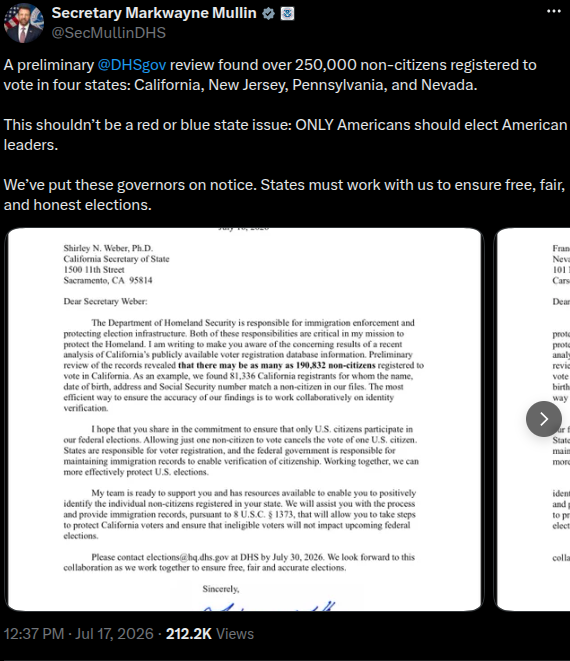
When facts aren’t conducive to the preferred narrative, the narrative takes the lead. That’s how things started in Nevada, when the DHS claimed thousands of illegal voters recently participated in elections. Here’s the current DHS boss making outlandish claims on X, which is where this government does most of its social media business:

Of that 250,000 total, Mullin and the DHS claimed more than 190,000 were detected in California. Nevada’s total came in as nearly 16,000 illegal voters, according to the DHS. Things have drastically changed in the last month, as NPR reports, based on public records it has obtained, including a recent video conference involving both DHS and Nevada state officials.

DHS initially announced it had found close to 16,000 noncitizens on Nevada’s voter list. But a DHS official acknowledged in the meeting with Nevada officials that number was “the ceiling” and each voter still had to be manually reviewed. Then, a day later, DHS provided the state with a list of 185 ID numbers pertaining to voters the agency said it was confident were noncitizens. 

Holy shit. That’s a false positive rate that puts Flock to shame. That means the DHS is about 99% wrong when it comes to “illegal” voters.

But even after admitting it could possibly only pinpoint 185 of the alleged 16,000 non-citizen voters, the DHS continues to pretend it will somehow get a lot closer to 16k than it is to zero at this point.

Advertisement

Nevada asked for more information on that smaller group of 185 voters, and the data points used to match them to noncitizens. DHS declined to provide that. The agency did say it still had more than 14,000 Nevada voters that “need additional review,” and it also provided the state with a list of more than 6,000 voter IDs the agency said were “higher confidence” matches but had yet to be reviewed.

Read that through carefully. Not only is the DHS continuing to pretend it still needs to re-review 14,000 voters and claiming it may have located another 6,000 voters of dubious citizenship, it won’t even provide Nevada with information pertaining to the 185 voters it insists have actually voted illegally.

And there’s a good chance the DHS will never turn over any information to any of the states it has accused of permitting thousands (or hundreds of thousands) of non-citizens to vote. Doing so would mean undoing Trump’s narrative, so the DHS will maintain the upper hand by regularly “citing” its made-up number (250,000+ “illegal” voters) while stiff-arming, sand-bagging, and stonewalling any requests for data that might support these obvious lies.

What makes this even stupider, more corrupt, and more dangerous is that even if the DHS is right (it fucking isn’t) that there are 16,000 non-citizens casting votes in Nevada (and — in addition — only casting votes for Democrats), it still wouldn’t make up the difference in Trump’s 2020 presidential election loss in that state. He lost that state by more than 35,000 votes in 2020, which means he still would have lost, even if every non-citizen had voted for Joe Biden.

What makes it even stupider is that Nevada flipped in 2024, giving Trump a win by 46,000 votes. Even if we assume — using the same bad faith arguments as Trump uses — that every “illegal” vote was cast against Trump, he still would have won by 30,000 votes.

Advertisement

This bitter husk of man still wants the entire nation to join him in his psychosis and firmly believe, with their entire American hearts, that the 2020 election was rigged, but the two elections he won were fair and square.

What follows from here will just be voter suppression in whatever form this administration thinks it can get away with. By pretending nearly 250,000 illegal voters are on the nation’s rolls, Trump can start prepping ICE deployments to “blue” states — something that’s going to be a lot easier to do since they’ve already been flooded with federal officers and National Guard units.

Filed Under: dhs, disinformation, liars, nevada, rigging elections, trump administration, uscis, voter suppression

Advertisement

Source link

Continue Reading
Click to comment

You must be logged in to post a comment Login

Leave a Reply

Tech

the next era of investing

Published

on

Investment tools are powerful, but largely reactive. They help investors research, analyze and act, but they still depend on the investor to decide what deserves attention and when. They respond intelligently, but rarely take the initiative.

AI agents could change that relationship, turning investment technology from a tool investors operate into something closer to a teammate that works alongside them.

Financial products already automate a considerable amount of work. Portfolios can be rebalanced, risk monitored and trades executed according to predefined rules. These systems act, but usually within narrow workflows designed around a specific event or instruction.

Agents introduce a more flexible form of automation, capable of reasoning through changing circumstances rather than following a predefined path. Instead of executing a single rule, they can interpret changes across an investment portfolio, relate them to an objective and coordinate the steps required to respond. For investors, retail or institutional, that could mean understanding how new information affects an investment thesis or portfolio, identifying what deserves attention and helping determine what should happen next.

Advertisement

For Anmol Verma, who spent several years in public markets before founding AI wealth management platform Finn, this represents a more fundamental shift in the role of financial technology: from products that wait for investors to direct them to systems capable of understanding enough context to determine next steps.

The promise of agentic finance is not that investors make more decisions,” Verma says. “It is that they can bring more intelligence to every decision, without being constrained by how much information a human can individually track and process.

Knowing what matters

Becoming proactive is not simply about detecting more signals. It is about knowing which ones matter.

An agent that reacts to every market movement, company announcement or missed target would create more work for the investor, not less. To be genuinely useful, it needs to understand which changes are relevant, how urgently they matter and, just as importantly, when no action is warranted.

Advertisement

That requires context. The same information can mean something very different depending on the portfolio, investment objective and time horizon. A company announcement could be market noise or evidence that an important assumption behind an investment has changed.

AI makes it possible to incorporate more of that context into the systems that investors rely on. Instead of simply processing more information, these systems can begin to build an evolving understanding of the investor and the investment process they are supporting.

Earning the right to act

Understanding what matters, however, is different from being trusted to act on it.

Agentic finance raises the stakes because a system can understand the objective and still make the wrong decision. It could misunderstand an investment thesis, miss an important risk or act on incomplete information. The more responsibility it takes on, the more confidence investors need in its judgment and its boundaries.

Advertisement

Verma expects adoption to happen in phases. Agents may first help investors understand what is happening, then recommend what to do and eventually take on more of the work required to carry a decision through.

Initially, that might mean contained tasks such as updating a model after earnings, monitoring developments against an investment thesis or identifying areas that warrant further research. As systems become more reliable, they could take on broader parts of the investment process, from proposing new areas of research to recommending changes to a portfolio.

This does not mean every investment decision should be automated. The opportunity is to automate more of the work around a decision while keeping investors focused on the areas where judgment matters most.

The power of the learning loop

An agent’s understanding can deepen over time. Every interaction reveals something new: which recommendations are acted on, which are ignored, where an investor overrides a decision and, importantly, which suggestions lead to better outcomes.

Advertisement

Over time, these signals allow the agent to learn from the decisions it supports, not just the information it processes. The result is a continuous learning loop. The better an agent understands the investor, the more relevant its recommendations and actions can become. Each decision, in turn, gives it more information to learn from.

Put these shifts together and investing begins to look very different. Instead of simply providing information and tools, the next generation of investment systems are always-on and proactive, turn decisions into action and become more useful over time. They move from tools investors use to active teammates in the investment process, working continuously alongside them to drive better outcomes.

Source link

Advertisement
Continue Reading

Tech

Overwatch Season 5 Will Add a New Kind of Support, Try to Solve 2 Roster Headaches

Published

on

Overwatch kicked off its 10th anniversary in February by announcing that it was adding 10 new heroes to the hero shooter this year, more than triple the average additions in previous years. But the roster shake-ups aren’t over. Announced at BlizzCon 2026, the ninth of those 10 heroes joins the roster next month, alongside two existing heroes whose gameplay kits have been significantly reconfigured.

I tried the new hero at BlizzCon and spoke with some Overwatch developers about all three heroes being introduced or reintroduced next month.

Season 5 introduces the new support character, Doctrine — a vampiric villain who empowers teammates and enfeebles opponents. His kit-defining ability is his alternate fire, which allows him to boost his other abilities. When paired with his Infuse ability, Doctrine’s primary fire becomes stronger and pierces enemies, his dash grants free flight and his ability to heal and provide allies a boost to attack speed is also applied to himself. 

His ultimate ability, Deliverance, is perhaps the best embodiment of that vampiric fantasy: It sends out a swarm of bat-like drones that provide overhealth to allies while reducing opponents’ maximum life for several seconds. 

Advertisement

“He seems pretty versatile, but I think there’s going to be a high skill ceiling for him as well, because it’s accuracy-based,” Kenny Hudson, lead hero producer on Overwatch, told me in an interview. He also speculated that Doctrine’s ultimate ability will be an important factor in players’ success, which is generally more true for support heroes than other roles.

Doctrine has a somewhat austere, too-important-for-you demeanor that fits the vampire fantasy while also distinguishing him from heroes in the damage role, Art Director Dion Rogers said. Rogers also noted the character’s posture and use of a staff, rather than a gun, as a weapon as a way to embody a dangerous support character without connoting a different role entirely.

I played a few games of Doctrine at BlizzCon — not enough to learn the ins and outs of the character, but enough to see how he functions in a few different situations. I liked the minigame of deciding which abilities to empower and when.

Playing against an enemy D.Va, I made sure to keep one charge in reserve for when she inevitably flew in my face, shooting rockets. I toyed with my opponent by luring her away from my team before spending an Infuse charge on my Shrouded Momentum ability to fly back up to high ground while she was still stranded elsewhere.

Advertisement

Sometimes it takes a while before the community figures out how to make new supports work, so I’m looking forward to seeing how Doctrine’s trial weekend goes and what players are able to unlock in these few days of experimentation. 

Doctrine sitting on a throne, centered beneath some bat-like drones.
Doctrine has a long history with Doomfist and will play an important role in the story of Season 5.Blizzard

After years of flirting with it, Sombra officially moves over to the support role

Doctrine isn’t the only new support hero in season 5. Longtime damage hero Sombra is sliding over into the support role, with multiple reworked abilities that allow her to heal her allies. She can now use abilities to heal allies and reduce enemies’ damage output, though she’s keeping her translocator ability and EMP ultimate. 

Sombra has seen more reworks than any other Overwatch hero — five, by my relatively lenient count, before this one. The devs have tried repeatedly to find a way to offer players the gameplay fantasy of an invisible hacker while also trying to knock her off the list of most frustrating heroes to play against. 

This time, they took a bigger swing at the changes, while targeting the usual frustrations.

“The idea was [to] take away the frustration of getting hacked and shot out of anywhere and the friction that comes from being unable to use your abilities,” Hudson said. The rework preserves the character’s stealthy hacker identity while reimagining her abilities in ways that more directly help her team. He and Rogers said the early internal playtests surprised people with how well the role swap seemed to click with the character.

Advertisement

Sombra has a long history of being on the edge of support, including being played by support players in the early days of the professional Overwatch League before the game implemented a role lock. More recently, the Mirrorwatch event, which flipped heroes and villains, gave us a vision of Sombra who could support allies by increasing their attack speed — hey, that sounds familiar — and providing them with overhealth.

She’s also one of my most-played damage heroes, trailing only Ashe in total damage playtime. I like being stealthy in video games, so I’ve enjoyed her sneak-around-and-teleport style of gameplay. But I’m historically more of a support player, which means this move is especially interesting to me. I’m very much in favor of the idea of the role swap, but I haven’t seen quite enough of her latest iteration to judge whether I think it’s an effective repositioning of Overwatch’s poster problem child. 

In particular, I wonder whether she’ll have the healing throughput to function in a wide variety of compositions, or whether one player choosing Sombra will effectively require the other support player to choose a hero with more on-demand healing capabilities. One BlizzCon isn’t enough time to answer that, but I’m hopeful that the rework changes her into a functional support hero and not just someone stuck halfway between a maligned damage hero and useful support.

BlizzCon attendees stand in line for Overwatch gameplay demos
Players line up to try Doctrine and the Sombra and Roadhog reworks at BlizzCon.

Roadhog loses his hook combo (mostly), gains a trash compactor

Joining Sombra on the rework front is Roadhog, who’s staying in the tank role, but with a new, allegedly more team-focused look. Changes to the pull distance of his chain hook and the mechanics of his gun will effectively remove his ability to instantly combo down most heroes, which Hudson said should be “a lot less frustrating” to play against.

He’s getting a new Trash Compactor ability that allows him to nullify incoming damage and convert it into a burst of damage. Scott Kennedy, a hero designer for Overwatch, said in a group interview that the ability was intended to give Roadhog a way of helping his team instead of being more of a lone wolf tank. 

Advertisement

Removing the burst damage of the hook combo should do a lot to lessen the frustration of playing against a Roadhog, but I’m skeptical about how it affects the other side of the equation: playing with a Roadhog on your team. My worry is that he’ll remain a tank who mostly wants to roam around on his own and hook people from unexpected angles, making the rest of the team vulnerable to pushes from the enemy team if the Roadhog misses his skillshot and has to spend time fleeing prospective danger.

Then again, tanking in Overwatch’s 5v5 era has changed a lot, and most tanks benefit from playing different angles from their teams, maximizing the angles of incoming damage that enemy teams have to worry about. Even Reinhardt, Mr. Big Shield Man himself, can often get more value using that shield to protect himself on a threatening off-angle rather than trying to shield his entire team in a clump. So it’s possible that the rework will ultimately make Roadhog more consistent and less of a feast-or-famine hero, which would be a marked improvement. 

We’ll find out when Doctrine and both reworks launch next month for the start of Season 5.

Editors’ note: Adam Benjamin’s travel costs for BlizzCon were covered by Blizzard Entertainment. The judgments and opinions of CNET are our own.

Advertisement

Source link

Advertisement
Continue Reading

Tech

Hands-On with Haier at IFA 2026: There’s a camera in everything

Published

on

If I had to sum up Haier’s entire IFA showcase in one sentence, it would be a camera here, a camera there, and a camera everywhere. But after spending some time with the products, I realised the cameras aren’t really the point. The interesting part is what Haier is doing with all that visual information.

From fridge to oven, AI is watching

Take the refrigerator. Haier’s AI Food Care System 2.0 uses cameras to recognise what you’re putting in and taking out, helping optimise storage conditions and even suggesting recipes based on what is left inside. Instead of simply telling your fridge to get colder, the idea is for it to understand what is actually happening inside it.

The same philosophy extends to the kitchen. Haier’s AI-powered ovens can use an internal camera to recognise and monitor what you’re cooking, helping determine the appropriate cooking process and knowing when the food is ready. And, of course, everything ties into Haier’s hOn ecosystem, giving you control and information through your phone.

Four drums, one laundry machine, zero excuses

Laundry was where things got particularly interesting for me. The Vision 15 Collection puts cameras and sensors inside the washing machine to understand the load, identify mixed colours and fabrics, and even warn you if something has been left behind or is stuck inside the drum. It is essentially an extra pair of eyes making sure you don’t make an expensive laundry mistake.

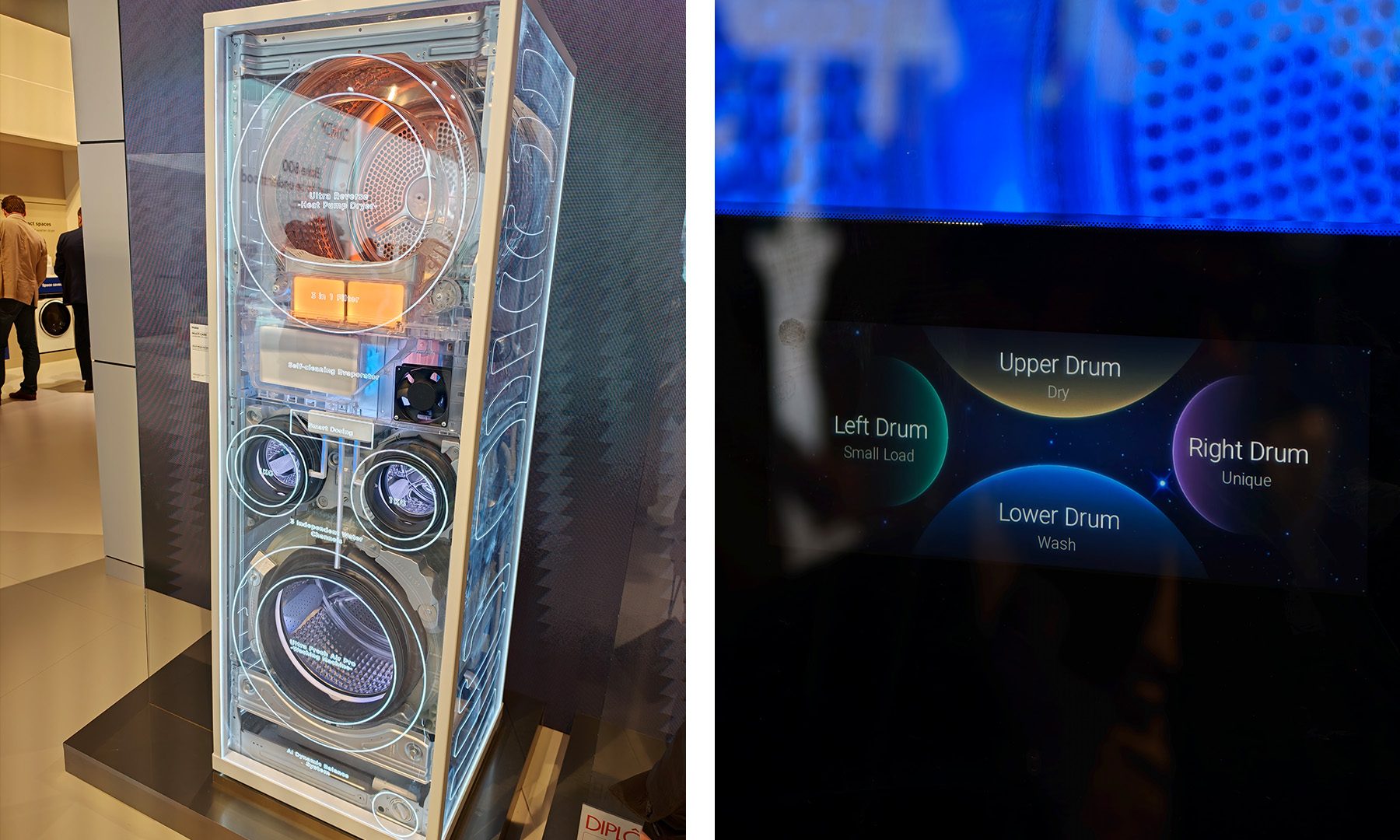
But the highlight of the laundry showcase was undoubtedly the Multi Care Laundry Studio. Haier has managed to put four independently usable drums into a single appliance: a 10kg washing machine, an 8kg heat-pump dryer and two 1kg mini-drums for smaller or delicate loads. Even more impressive, the whole thing works from a single power connection, water connection and drain.

Apparently even laundry needs a robot

And then came the robots. Haier had several humanoid robots on display, showcasing how the company sees robotics eventually becoming another part of the intelligent home. One of the more fun demonstrations tackled a surprisingly relatable problem: your washing machine can wash your clothes and your dryer can dry them, but someone still has to move the laundry from one to the other. In Haier’s demo, a humanoid robot took care of that final step, picking clothes up from the washer and transferring them to the dryer. It was a simple demonstration, but a fascinating glimpse at how Haier imagines AI moving beyond screens and appliances to actually lend a hand around the home.

Advertisement

Haier wasn’t only focused on appliances, either. Its TV showcase featured its vibrant SQD Mini LED technology alongside a gigantic 163-inch Micro LED display. There was also a dedicated audio experience developed with KEF, showing that Haier wants its connected-home vision to extend into entertainment as well.

The home that just gets it

What I came away with from Haier’s IFA showcase was less about any one individual product and more about the direction the company is taking. Cameras, sensors, AI, apps, and eventually robotics are all being brought together to make everyday household chores increasingly automatic.

And honestly, if the end goal is to make all those little chores happen in the background without me having to think about them, I’m not complaining.

Source link

Advertisement
Continue Reading

Tech

Windows 11 can now reinstall itself from the cloud, no USB stick required

Published

on

First look: Reinstalling Windows often requires local boot media, but the latest Windows Insider build previews a new method to restore Windows 11 devices to factory settings that only requires an internet connection. The update also lets users test upgrades to AutoPlay, desktop customization, File Explorer, and other features.

Windows 11 Insider Beta Preview Build 26220.9343 introduces a new reinitialization option that downloads a factory version of the OS from the cloud. The new feature lets users and IT administrators reset a device without needing a USB stick or a custom image.

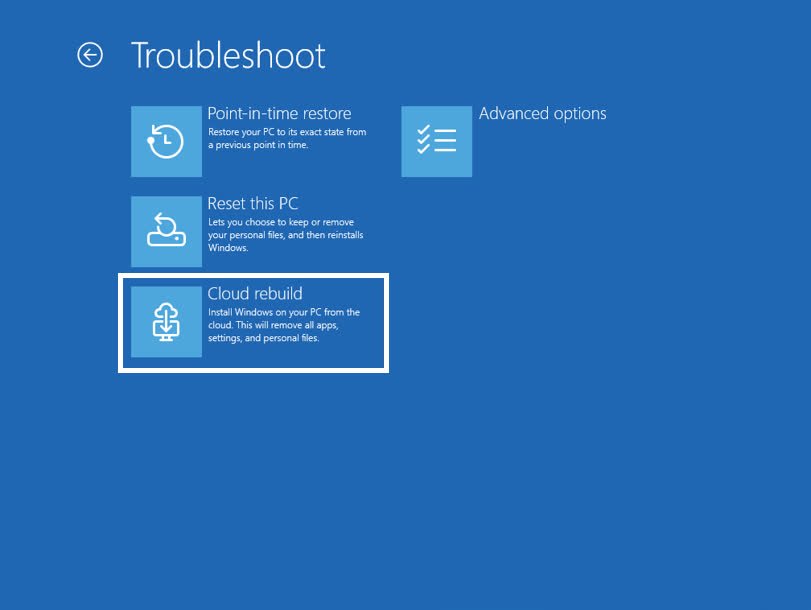
Cloud Rebuild is accessible in the Windows Recovery Environment, which users typically see after Windows repeatedly fails to boot. Users can also reach the Recovery Environment via Settings > System > Recovery > Restart now.

After selecting “Troubleshoot” in the Recovery Environment, the option for Cloud Rebuild appears under “Reset this PC.” Once the device is connected to the internet through Ethernet or Wi-Fi, users can review the Windows build, edition, and language they wish to install before starting the download.

Advertisement

In addition to enabling a factory reset without USB media or a custom image, Cloud Rebuild also automatically restores drivers, ensuring the device restarts with basic functionality intact. Furthermore, since the feature downloads a fresh build, it works even if the currently installed OS is corrupted. However, using Cloud Rebuild requires network drivers for the Recovery Environment.

Currently, the feature requires either physical access to a device or an elevated command prompt by a local administrator, but support for remote deployment through enterprise endpoint management solutions such as Microsoft Intune is coming soon. However, Intune, Windows Autopilot, Backup for Organizations, and OneDrive already support Cloud Rebuild on managed devices.

To make Cloud Rebuild easier for Wi-Fi users, Build 26220.9343 also introduces the ability to save Wi-Fi profiles from Windows in the Recovery Environment. Previously, the Recovery Environment retained only wired connections, forcing users to manually re-enter Wi-Fi profiles.

The Windows 11 user interface also receives a few changes. AutoPlay now supports Microsoft’s new WinUI in light or dark mode with text scaling improvements. Users can now set DIB files as desktop backgrounds, and preview settings in the personalization menu have been improved. Other additions include support for double backslashes and quotation marks in the File Explorer address bar, magnifier adjustments, and new emojis.

Advertisement

In another ploy to promote OneDrive, the new build also adds an option to automatically back up photos and videos from mobile devices.

Source link

Advertisement
Continue Reading

Tech

Pentagon AI deal sparks controversy after documents reveal a request for technology that refuses fewer commands

Published

on


  • FOIA documents revealed disputed Pentagon plans for a less restrictive AI system
  • OpenAI denied agreeing to language requiring minimal refusal rates from models
  • A Pentagon lawyer later withdrew an earlier confirmation about the contract

Documents released through a Freedom of Information Act (FOIA) lawsuit reportedly revealed that the Pentagon sought out an OpenAI system with fewer restrictions.

The paperwork described models intended for national security work that would have “minimal refusal rates” during certain military applications.

Source link

Advertisement
Continue Reading

Tech

Daily Deal: The Modern Tech Skills Bundle

Published

on

from the good-deals-on-cool-stuff dept

Bring your tech skills up to 21st-century snuff with the all-encompassing Modern Tech Skills Bundle. This 2,000+ class series combines subject areas that every aspiring tech pro needs to know to get ahead and stay ahead. Broken out into cybersecurity, AI and machine learning, and information technology and cloud computing, you’ll be able to zero in on specific courses for your current field and branch out into new ones. It’s on sale for $70.

Note: The Techdirt Deals Store is powered and curated by StackSocial. A portion of all sales from Techdirt Deals helps support Techdirt. The products featured do not reflect endorsements by our editorial team.

Filed Under: daily deal

Source link

Advertisement
Continue Reading

Tech

Zoox is taking on Waymo in San Francisco with free rides and a very different robotaxi

Published

on

In a nutshell: Zoox is in a difficult position as it tries to enter San Francisco: It must win riders’ attention and trust while Waymo already has a much larger presence in the city. So the company is using free rides, local partnerships, and a purpose-built vehicle to establish itself there while it waits for permission to charge passengers in California.

San Francisco has become one of the industry’s key test markets, but it has also exposed the risks of deploying autonomous vehicles in dense city traffic. Cruise pulled its vehicles from the road in 2023 after several incidents, including one in which a vehicle ran over and dragged a pedestrian. Waymo has faced its own setbacks, including the death of a bodega cat that was struck by one of its vehicles last year.

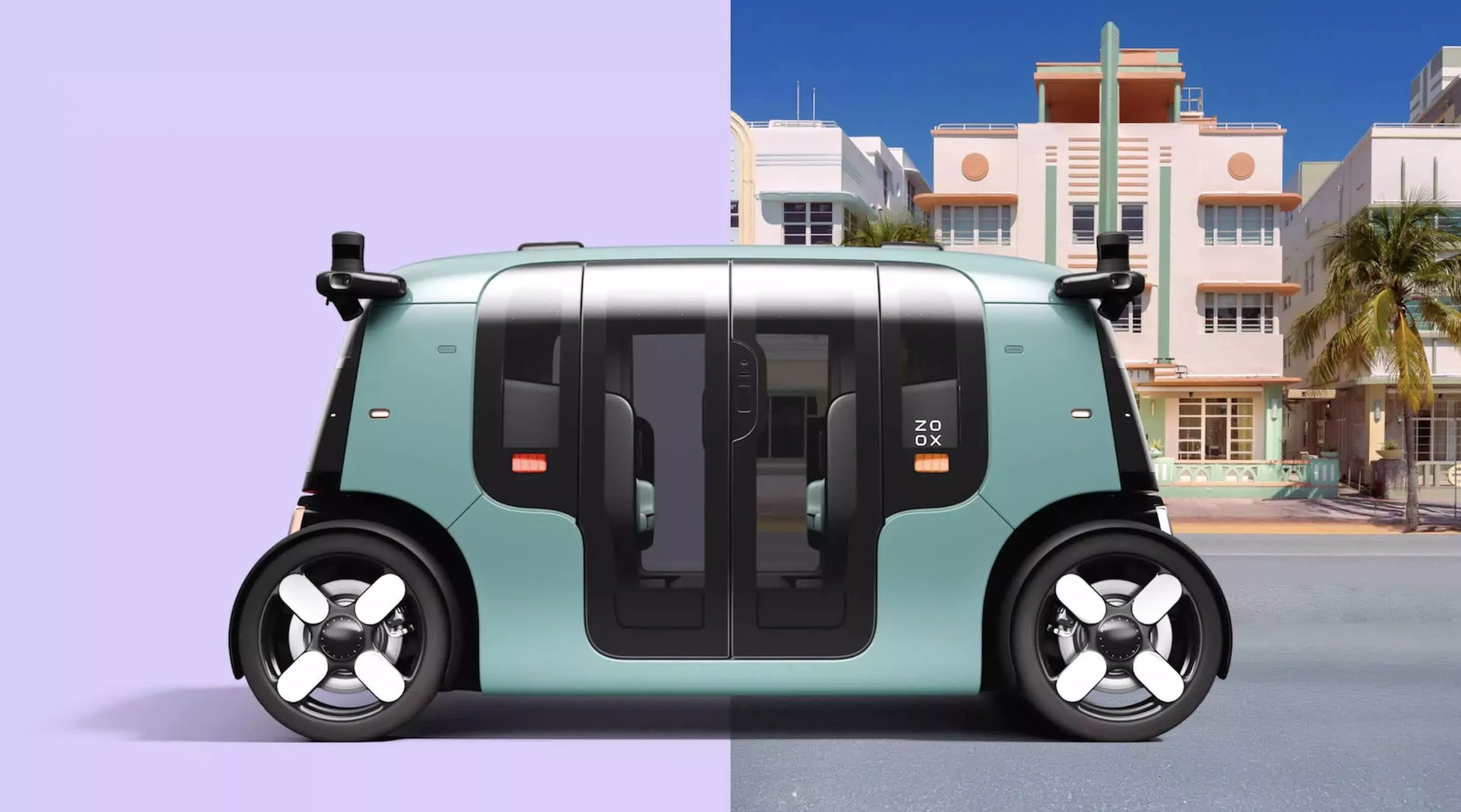
Zoox is entering that environment with a smaller fleet and a vehicle that does not resemble a conventional car. The Amazon-owned company is far smaller than Waymo, the dominant robotaxi operator in the city. Zoox has about 100 autonomous vehicles, compared with nearly 4,000 for Waymo. But its vehicles are also markedly different. Zoox built its robotaxis from the ground up without steering wheels, pedals or a driver’s seat. Passengers sit facing each other inside a compact, turquoise cabin.

That design is the company’s clearest distinction from Waymo, which uses modified conventional vehicles. Waymo cars have become common on San Francisco streets, while Zoox’s boxy pods remain unusual enough to attract attention from pedestrians and tourists.

Advertisement

Zoox opened its Rider Lounge in downtown San Francisco in May. The storefront serves as a pickup point for demonstration rides and a place for visitors to look inside the vehicles. The company began offering free rides in the city in November and expanded the program in June, adding trips to eight restaurants and several landmarks, including the Ferry Building, the Painted Ladies, and the Castro.

The service is still not commercial. Zoox can operate free rides in San Francisco, but it needs approvals from the California Department of Motor Vehicles and the California Public Utilities Commission before it can collect fares. The company said it has applied for a DMV deployment permit. The utilities commission’s public permit list does not show Zoox as authorized to provide paid service.

“We are trying to get it as quickly as we can, but it is a couple-month process,” Carly Wyatt, Zoox’s vice president of communications and marketing, told The New York Times. “We own the fact that we’re taking these baby steps.”

The company has begun charging riders in Las Vegas, its first paid market. Fares there are slightly higher than standard Uber and Lyft trips. In July, federal regulators gave Zoox a temporary exemption from certain vehicle-safety rules, including requirements involving windshield wipers and rearview mirrors. The exemption allows the company to deploy up to 5,000 vehicles over the next two years and collect fares.

Advertisement

Zoox is also working to make its vehicles familiar to people who may not have tried a robotaxi. It has sponsored the Stern Grove Festival, North Beach Festival, and Flower Piano in Golden Gate Park. The company has also partnered with the San Francisco Museum of Modern Art and local businesses, including restaurants featured as destinations in its ride program.

Wyatt described the effort as a “community-first approach.” Zoox has treated restaurants, events, and tourist sites as ways to introduce people to the service rather than relying solely on app-based ride-hailing.

The approach reflects Zoox’s position in a market where Waymo has a major head start. Waymo started as Google’s self-driving car project in 2009 and began commercial driverless rides in 2018. It now operates in 15 cities and plans to expand into more than a dozen others. The company recently raised $16 billion.

Zoox says it completes about 10,000 rides a week in the US. Waymo completes more than 500,000 rides a week.

Advertisement

Despite Waymo’s lead, autonomous driving remains an emerging business. Companies are not only competing for riders; they are also trying to persuade people that a car without a human driver is a normal way to travel. Jonah Berger, a marketing professor at the University of Pennsylvania’s Wharton School, said many consumers remain unfamiliar with the category.

“While one brand may be larger in the category and more prominent in the category, many people don’t know anything about the category,” he said.

Source link

Advertisement
Continue Reading

Tech

Bose SoundLink Plus Packs a Backyard Crowd Into a Waterproof Brick

Published

on

Bose SoundLink Plus Bluetooth Speaker
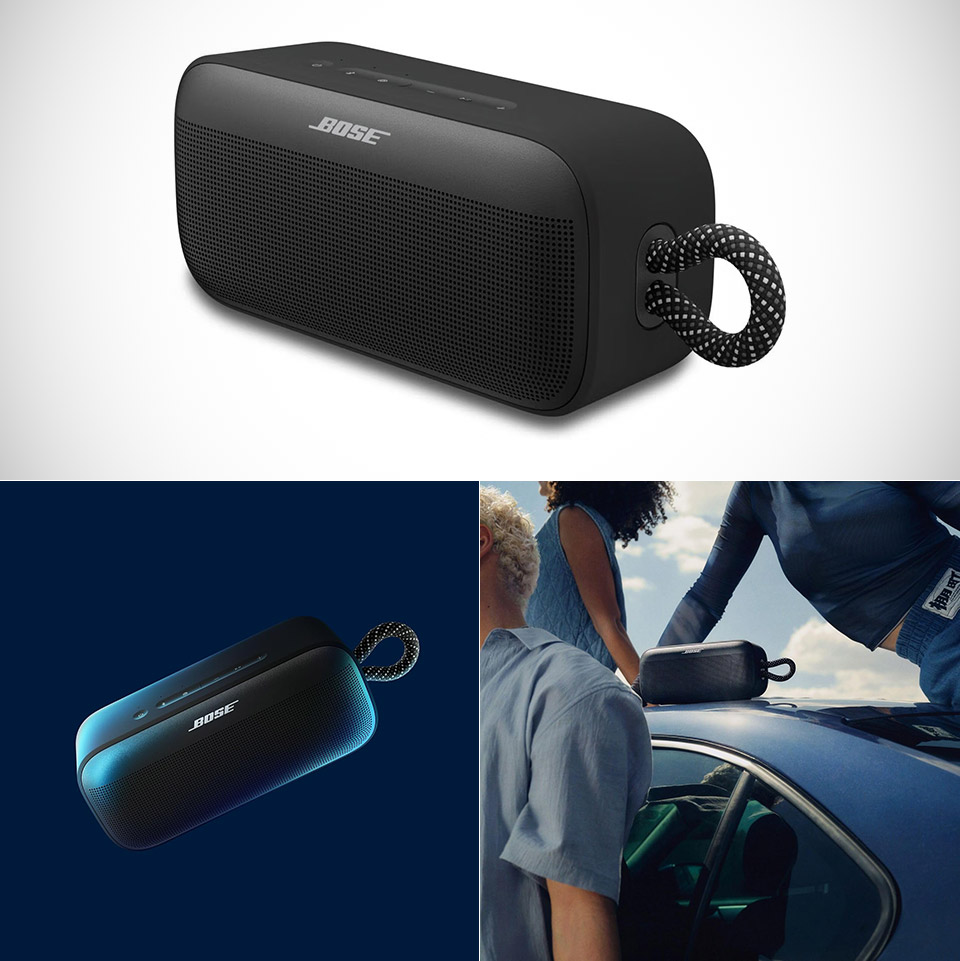
Bose SoundLink Plus landed last summer as the middle size in the current portable family, listed at $269 and frequently closer to $199 (now). About 9.1 inches wide, 3.9 inches tall, and 3.4 inches deep, the speaker weighs 3.3 pounds and includes a nylon rope loop for hanging from a chair, bag strap, or hook.


A thick silicone coating wraps around this unit, and on top of that is a powder-coated steel grille that covers the drivers, a nice touch that earns it an IP67 rating, which means it can handle the occasional dust up, a light rain shower, and will still keep truckin’ for 30 minutes submerged in three feet of water, which is pretty handy if you ask me. To top it all off, the thing can float face down, allowing you to remove it out of the water if you still want to listen. Plus, it’s stress and rust resistant, allowing the speaker to withstand some severe handling. Soft silicone is a nice feature (of the speaker), but it does have a drawback: it attracts a lot of lint and pet hair. Not a big deal, though; a quick wipe will take care of it.

Sale


Bose SoundLink Plus Portable Bluetooth Speaker, Wireless Outdoor Speaker, Up to 20 Hours Battery Life…
  • ENERGIZING OUTDOOR SPEAKER: Plus up the energy of any group hang thanks to the SoundLink Plus Portable Speaker’s bold, resonant audio and booming…
  • DESIGNED FOR PORTABILITY: The SoundLink Plus Bluetooth Speaker keeps bold sound at hand. Its portable size means you can toss it in a backpack or gym…
  • DURABLE, DUST AND WATERPROOF: A tough, ready-for-anything exterior means this wireless outdoor speaker can withstand all weather and survive fumbles…


One mid-bass driver, one tweeter, and four passive radiators produce a warm and full sound with clear vocals and more power than you’d think for its size. It can manage backyard events and larger groups rather well. For example, testers discovered that it handled a track like Billie Eilish’s “bad guy” with ease, as the bass retained tone and definition while the finger snaps and synths jumped out clearly.

Advertisement

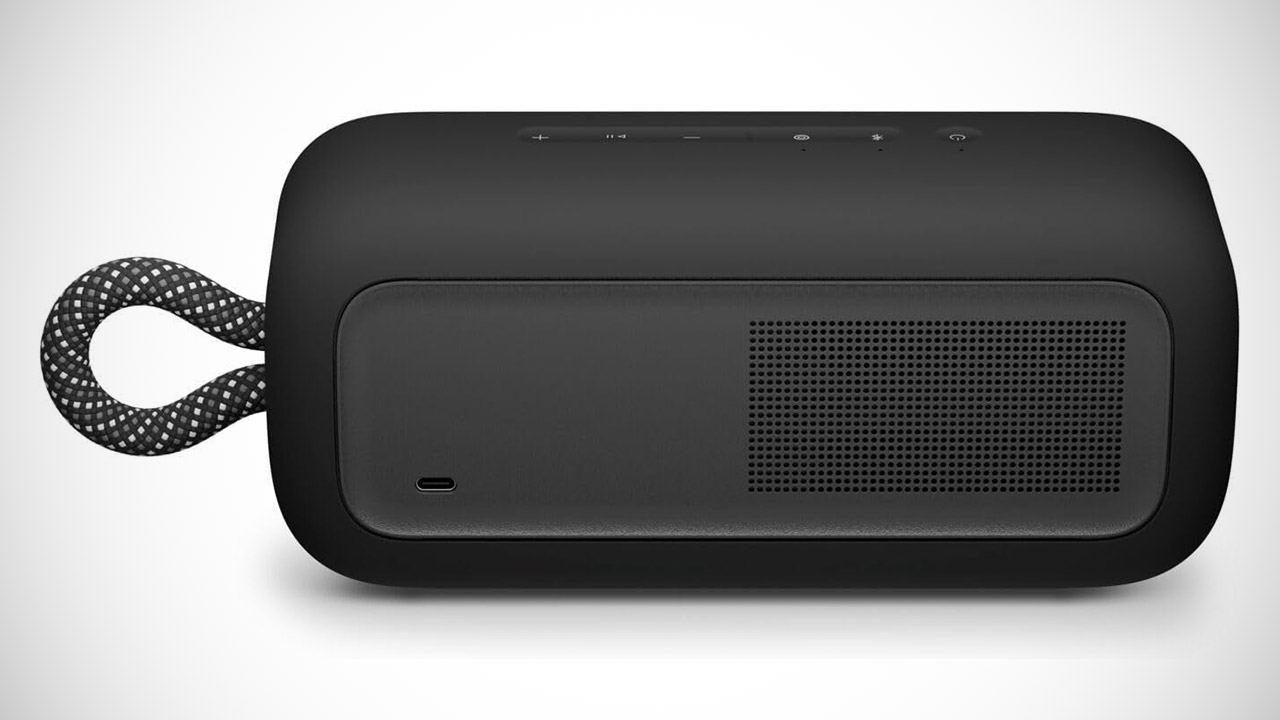
Bluetooth 5.4 streaming is fairly reliable, with SBC, AAC, and aptX Adaptive support, as well as multipoint and Google Fast Pair for Android, all of which are useful features. You also have a good working range of roughly 30 feet. The one thing that’s missing is a 3.5 mm jack, however the rear USB-C connector is basically just for charging only, no music streaming that way. Although it does mean you can deliver 15 watts to a phone by connecting it via USB-C, be aware that this will reduce playback duration and require you to let it dry out again before it is ready to use.

Bose SoundLink Plus Bluetooth Speaker
The official battery life is 20 hours at moderate level and default settings, but if you crank it up to maximum volume, it will plummet to roughly 4 hours. A full charge from a suitable USB-C charger takes roughly 5 hours, and a 5-minute top-up gives you another 2 and a half hours of play time. The kicker is that if you ever need a new battery, Bose will replace it for you if you send it back.

Bose SoundLink Plus Bluetooth Speaker
Two of these units can be paired to provide a richer stereo effect, and there’s also a Party Mode that syncs the same stream to other recent SoundLink models like the Flex or the Max, as well as a programmed shortcut button on top that allows you to initiate that link or access Spotify. There are basic physical controls for power, volume, play/pause, and Bluetooth, but no microphone for speakerphone activity, and it lacks Wi-Fi, AirPlay, and Spotify Connect.

Source link

Advertisement
Continue Reading

Tech

Apple Event’s static structure and Ternus exists

Published

on

In this week’s Sunday Reboot, the Apple Event rolled on as expected, but while it was his first big show as CEO, John Ternus had a muted introduction.

Sunday Reboot is a weekly column covering some of the lighter stories within the Apple reality distortion field from the past seven days. All to get next week underway with a good first step.

Apple Event is Apple Event

Being in a role for a long period of time means you get to see patterns. For someone working the Apple beat, they’ll experience that all the time.

In my case, the pattern wasn’t just that there would be an event in September to introduce new iPhones. That’s so ingrained into society that even newborn babies know that now.

Advertisement

I’m talking about the flow of the event itself. The format of the presentation, what happens on which beat, and so on.

The usual schedule for an event is:

  1. Entertaining introduction before CEO appears.
  2. CEO welcomes the viewers and passes initial comments before hinting at the first thing to launch.
  3. Flashy camera sequence passing to another executive to handle the actual product launch.
  4. Another sequence to pass to an underling about a specific feature of a product then back to the previous executive. Repeat as necessary.
  5. Executive either repeats with a second product from the same family or wraps up launch details, potentially leaving some for CEO to utter. Hands back to CEO.
  6. Repeat from 3 for X number of products.
  7. Depending on the rumors, a 1-in-3 chance of a final major product launch, possibly framed as “One more thing,” complete with transition sequence to managing executive to present. Similar treatment of features before final hand-back to CEO
  8. CEO sums up the last item, covers all products, thanks viewers for watching.
  9. Presentation ends with another final sequence, Apple logo, and YouTube suggesting you watch one of the Underdogs ads.

A lot has already been written about the products Apple has shown during the event, but it’s worth pointing out that the structure of the overall presentation didn’t change one bit.

Even with a new CEO in the form of John Ternus, there wasn’t any real thing that jumped out as an obvious alteration.

For Apple, this was ideal. It shows that, even with a new pair of hands at the wheel, the company is plodding on as usual.

Advertisement

That said, there is one bit about the event that doesn’t seem to quite fit: the run time.

At 1 hour and 17 minutes, it was a brisk presentation to show off two smartphone models (three if you include the iPhone 18 Pro Max), the AirPods 5, and the new Apple Watch lineup.

That’s not a long time at all, really. And yet Apple managed to pack a lot of stuff in there.

But at the same time, it felt a little empty. The rumors said there were massive smart home changes on the way, and maybe even an OLED iPad mini.

Advertisement

We didn’t get that, but we did get the signs that the company is still stable, via the medium of prepared product launches and flashy editing.

John who?

As the first major event after becoming CEO you would think the presentation would be very heavy-handed about it. Ternus, a relative unknown to the general public, was to have his first prominent appearance as the face of the iPhone maker.

Thankfully, Apple didn’t go down that route. Though to be fair, Ternus didn’t need that anyway.

The only thing Ternus really needed was provided by a brief appearance by the guy he replaced. Tim Cook, famous for “Good morning,” was brought onboard for a few seconds so viewers could be assured it definitely was an Apple Event, before handing over to the next chief.

Advertisement
Middle-aged person with glasses lit dramatically from above, standing indoors, raising a clenched fist, with large windows and a bright outdoor scene visible in the background

Old CEO Tim Cook saying to look at the distant and blurry visage of the new CEO, John Ternus – Image Credit: Apple

Quite frankly, this was needed, because my mother knows who Tim Cook is, and that he’s no longer CEO. She has no idea who John Ternus is, and after the event, still isn’t entirely sure.

I’d bet that some members of the public watching it will also wonder who this new face is. Cook’s fame at least helps Ternus make a splash in people’s minds.

I say “make a splash.” It’s more “tried not to rock the boat.”

Advertisement

For being the brand new CEO at a major company, it’s weird that the event doesn’t actually go out of its way to mention the guy’s name.

His introduction talks about spending a lot of his life at Apple, and how it is an “extraordinary privilege” it is to show what the teams at Apple have come up with this year. It’s very much a team effort, with Ternus almost taking the role of a generic host figure.

Sure, it’s good for the company morale if his first words are all about the people working at the company. But while he’s the frontman, he’s practically anonymous to the public.

A check of the transcript reveals that “John” is said four times (and “Johny” once) and “Ternus” isn’t mentioned at all. It’s not brought up in the video notes on YouTube, seen by almost 50 million people by Sunday.

Advertisement

It would’ve cost a few seconds to say something like “Hi, I’m John, the new CEO at Apple,” before going into the “doing it for the teams” talk. Or even Cook uttering “John” once would have done the trick.

After a few events, there will have been time for Ternus to make a bigger impact on the world. He will be a more well-known figure through interviews and other appearances in the coming years.

Eventually, he will get the public fame Tim Cook achieved. At some point, my mother will look at him and actually know his first name and that he’s “that guy who does the iPhones.”

But, for the moment, he will be known by some as “that guy who replaced Tim Cook.” Hopefully that will change sooner rather than later.

Advertisement

Last week’s Sunday Reboot discussed the transition from Cook to Ternus.

Source link

Advertisement
Continue Reading

Tech

New TU Dublin apprenticeship aims to tackle skills gap in biopharma sector

Published

on

Employment in Ireland’s biopharmaceutical sector grew by more than 60pc between 2016 and 2022, according to the course’s operators.

Technological University Dublin will run a new apprenticeship programme designed to address the skills gap in Ireland’s rapidly growing biopharmaceutical sector. 

The ‘Higher Certificate in Science: Bio Process, Chemical Process Technician’ apprenticeship has been developed by BioPharmaChem Ireland in partnership with the School of Chemical and Biopharmaceutical Sciences at TU Dublin. 

This comes amid a period in which Ireland’s biopharma sector is experiencing a major boost, having grown by more than 60pc between 2016 and 2022 and driving demand for specially skilled employees, according to the programme’s operators.    

Advertisement

The apprenticeship is a level-six, two-year programme that will combine academic study and paid workplace learning, with a goal of providing apprentices with the scientific knowledge, technical expertise and practical experience needed for successful careers in biopharma manufacturing. 

Speaking at the course’s launch, Minister for Further and Higher Education, Research, Innovation and Science James Lawless, TD said, “This apprenticeship is about creating opportunities. It gives people a new pathway into a sector that is helping to shape the future of manufacturing and healthcare, while allowing them to earn, learn and build practical experience from day one.

“I’m particularly pleased to see the strong collaboration behind this programme, which has brought together employers, education providers and Government to respond to a real skills need and create new opportunities for learners.”

BioPharmaChem Ireland is the trade association within Ibec that represents the country’s biopharma and chemical sectors. Its membership consists of more than 90 companies from across the ecosystem, including multinationals and Irish indigenous businesses.

Advertisement

Dr Deirdre Lillis, the president of TU Dublin, added, “Ireland’s biopharmaceutical sector is one of the country’s greatest economic success stories, employing around 50,000 people directly, with demand expected to grow by more than 21,000 additional jobs by 2027.

“Ireland’s success has been built on strong collaboration between industry and technological higher education, and meeting future demand requires that partnership to grow even stronger.

“At TU Dublin, we believe the best education is developed with employers, not simply for them. This apprenticeship reflects that commitment, combining academic excellence with workplace learning to equip apprentices with the skills employers need while strengthening Ireland’s position as a global leader in life sciences.”

In August, it was announced that Research Ireland’s Rinn Pharma & Biopharma, Ireland’s national centre for research and innovation in the manufacturing of medicines, would be included in the NordicPharmaTrain network. 

Advertisement

Inclusion in the group means Rinn can enhance NordicPharmaTrain’s network of research institutions and industry collaborators, strengthen cross-border collaboration and accelerate scientific progress within pharma. 

Don’t miss out on the knowledge you need to succeed. Sign up for the Daily Brief, Silicon Republic’s digest of need-to-know sci-tech news.

Source link

Advertisement
Continue Reading

Trending

Copyright © 2025