Employment in Ireland’s biopharmaceutical sector grew by more than 60pc between 2016 and 2022, according to the course’s operators.
Technological University Dublin will run a new apprenticeship programme designed to address the skills gap in Ireland’s rapidly growing biopharmaceutical sector.
The ‘Higher Certificate in Science: Bio Process, Chemical Process Technician’ apprenticeship has been developed by BioPharmaChem Ireland in partnership with the School of Chemical and Biopharmaceutical Sciences at TU Dublin.
This comes amid a period in which Ireland’s biopharma sector is experiencing a major boost, having grown by more than 60pc between 2016 and 2022 and driving demand for specially skilled employees, according to the programme’s operators.
Advertisement
The apprenticeship is a level-six, two-year programme that will combine academic study and paid workplace learning, with a goal of providing apprentices with the scientific knowledge, technical expertise and practical experience needed for successful careers in biopharma manufacturing.
Speaking at the course’s launch, Minister for Further and Higher Education, Research, Innovation and Science James Lawless, TD said, “This apprenticeship is about creating opportunities. It gives people a new pathway into a sector that is helping to shape the future of manufacturing and healthcare, while allowing them to earn, learn and build practical experience from day one.
“I’m particularly pleased to see the strong collaboration behind this programme, which has brought together employers, education providers and Government to respond to a real skills need and create new opportunities for learners.”
BioPharmaChem Ireland is the trade association within Ibec that represents the country’s biopharma and chemical sectors. Its membership consists of more than 90 companies from across the ecosystem, including multinationals and Irish indigenous businesses.
Advertisement
Dr Deirdre Lillis, the president of TU Dublin, added, “Ireland’s biopharmaceutical sector is one of the country’s greatest economic success stories, employing around 50,000 people directly, with demand expected to grow by more than 21,000 additional jobs by 2027.
“Ireland’s success has been built on strong collaboration between industry and technological higher education, and meeting future demand requires that partnership to grow even stronger.
“At TU Dublin, we believe the best education is developed with employers, not simply for them. This apprenticeship reflects that commitment, combining academic excellence with workplace learning to equip apprentices with the skills employers need while strengthening Ireland’s position as a global leader in life sciences.”
In August, it was announced that Research Ireland’s Rinn Pharma & Biopharma, Ireland’s national centre for research and innovation in the manufacturing of medicines, would be included in the NordicPharmaTrain network.
Advertisement
Inclusion in the group means Rinn can enhance NordicPharmaTrain’s network of research institutions and industry collaborators, strengthen cross-border collaboration and accelerate scientific progress within pharma.
Don’t miss out on the knowledge you need to succeed. Sign up for the Daily Brief, Silicon Republic’s digest of need-to-know sci-tech news.
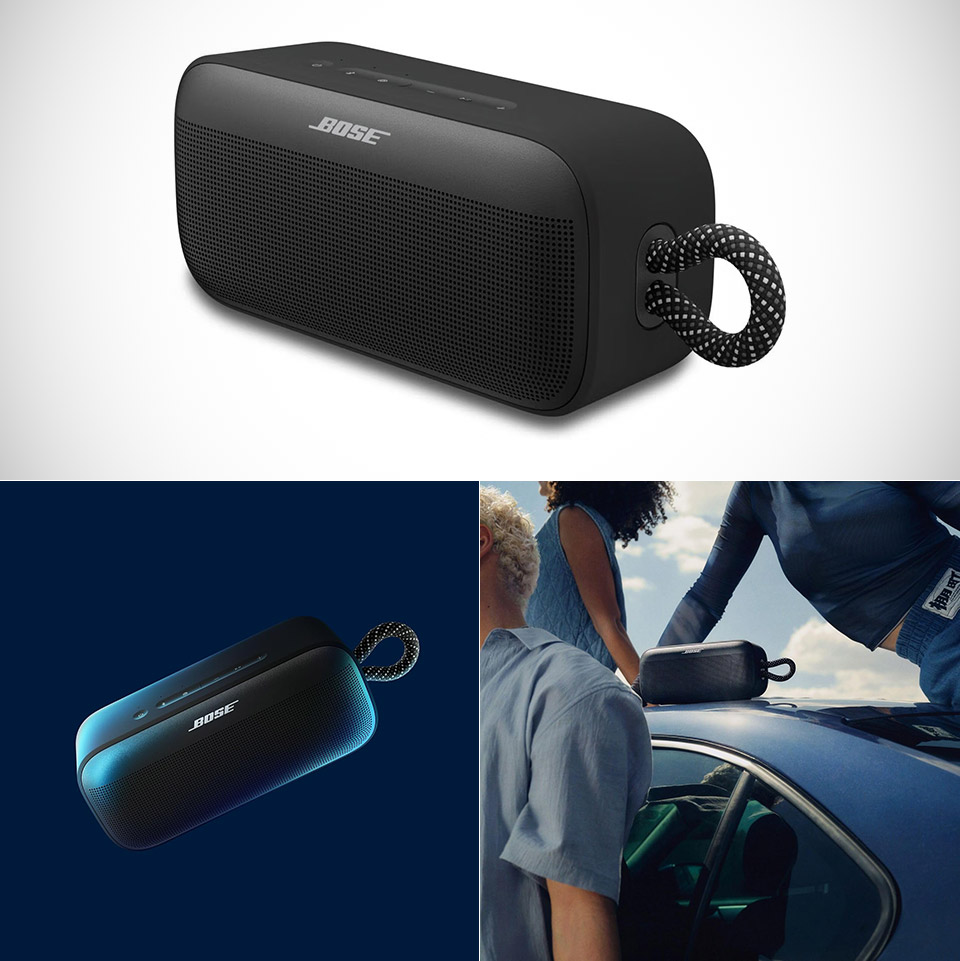
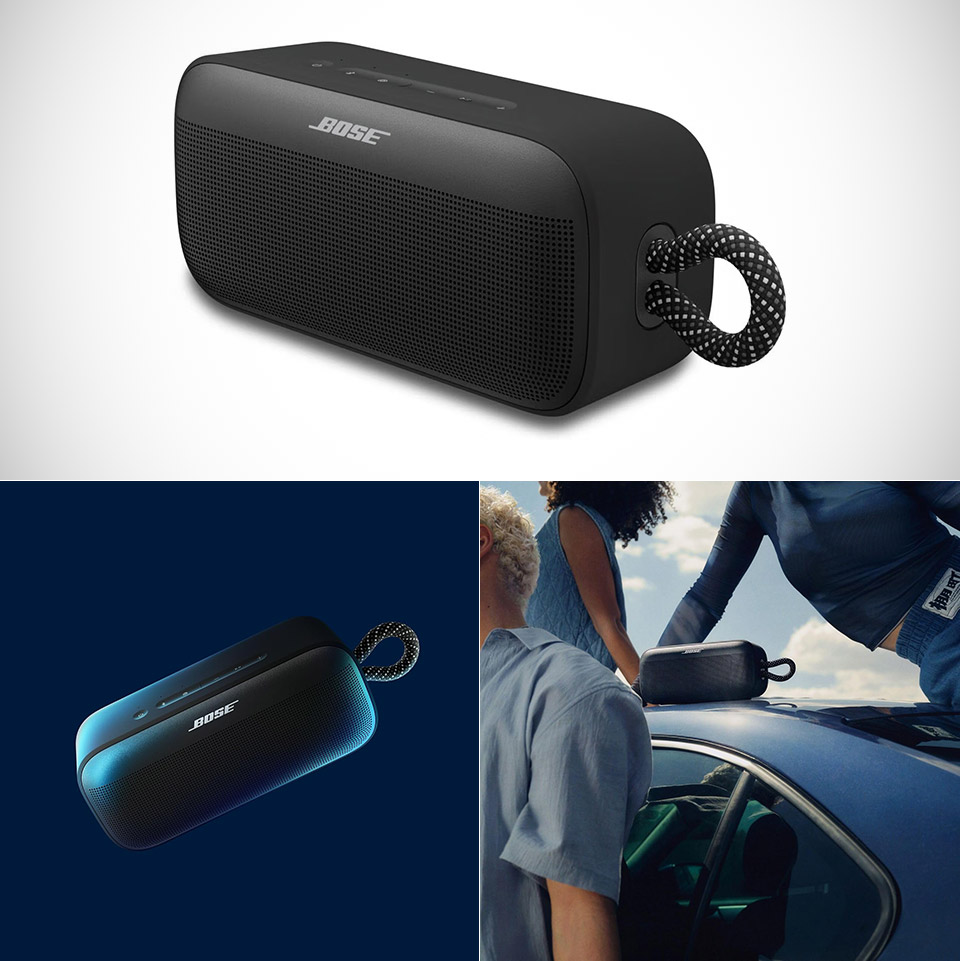
Bose SoundLink Plus landed last summer as the middle size in the current portable family, listed at $269 and frequently closer to $199 (now). About 9.1 inches wide, 3.9 inches tall, and 3.4 inches deep, the speaker weighs 3.3 pounds and includes a nylon rope loop for hanging from a chair, bag strap, or hook.
A thick silicone coating wraps around this unit, and on top of that is a powder-coated steel grille that covers the drivers, a nice touch that earns it an IP67 rating, which means it can handle the occasional dust up, a light rain shower, and will still keep truckin’ for 30 minutes submerged in three feet of water, which is pretty handy if you ask me. To top it all off, the thing can float face down, allowing you to remove it out of the water if you still want to listen. Plus, it’s stress and rust resistant, allowing the speaker to withstand some severe handling. Soft silicone is a nice feature (of the speaker), but it does have a drawback: it attracts a lot of lint and pet hair. Not a big deal, though; a quick wipe will take care of it.
ENERGIZING OUTDOOR SPEAKER: Plus up the energy of any group hang thanks to the SoundLink Plus Portable Speaker’s bold, resonant audio and booming…
DESIGNED FOR PORTABILITY: The SoundLink Plus Bluetooth Speaker keeps bold sound at hand. Its portable size means you can toss it in a backpack or gym…
DURABLE, DUST AND WATERPROOF: A tough, ready-for-anything exterior means this wireless outdoor speaker can withstand all weather and survive fumbles…
One mid-bass driver, one tweeter, and four passive radiators produce a warm and full sound with clear vocals and more power than you’d think for its size. It can manage backyard events and larger groups rather well. For example, testers discovered that it handled a track like Billie Eilish’s “bad guy” with ease, as the bass retained tone and definition while the finger snaps and synths jumped out clearly.
Advertisement
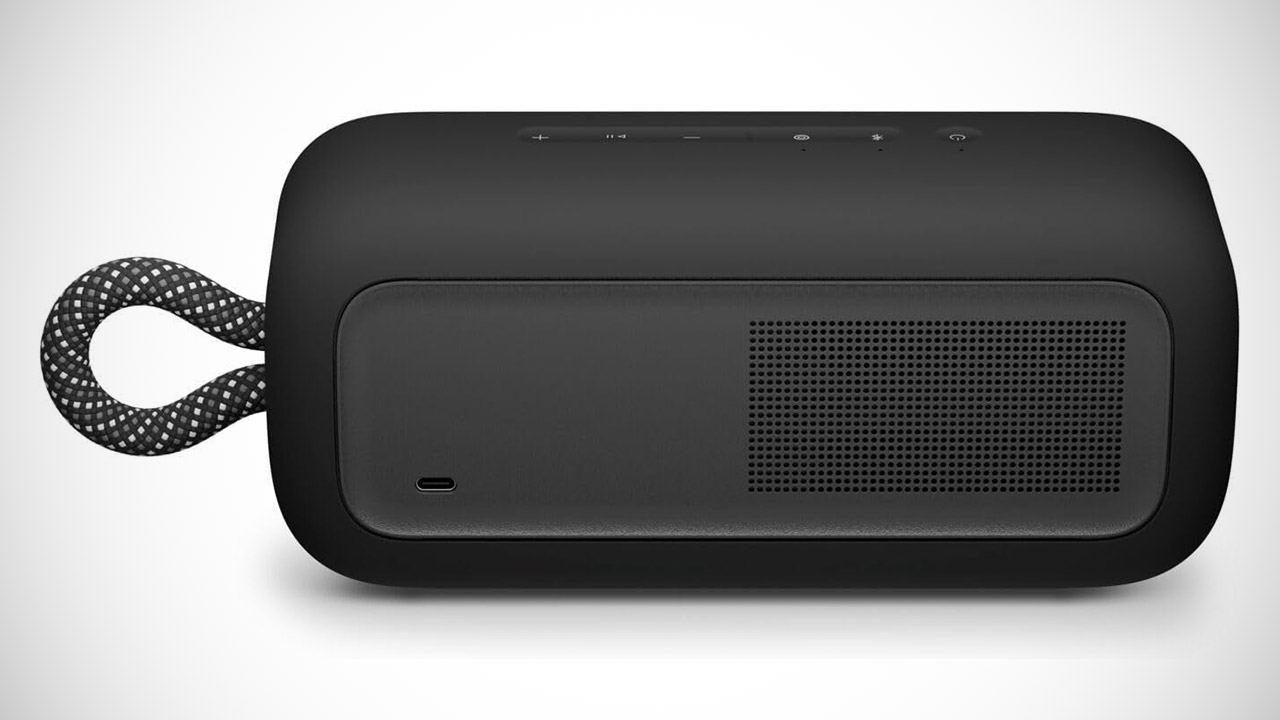
Bluetooth 5.4 streaming is fairly reliable, with SBC, AAC, and aptX Adaptive support, as well as multipoint and Google Fast Pair for Android, all of which are useful features. You also have a good working range of roughly 30 feet. The one thing that’s missing is a 3.5 mm jack, however the rear USB-C connector is basically just for charging only, no music streaming that way. Although it does mean you can deliver 15 watts to a phone by connecting it via USB-C, be aware that this will reduce playback duration and require you to let it dry out again before it is ready to use.
The official battery life is 20 hours at moderate level and default settings, but if you crank it up to maximum volume, it will plummet to roughly 4 hours. A full charge from a suitable USB-C charger takes roughly 5 hours, and a 5-minute top-up gives you another 2 and a half hours of play time. The kicker is that if you ever need a new battery, Bose will replace it for you if you send it back.
Two of these units can be paired to provide a richer stereo effect, and there’s also a Party Mode that syncs the same stream to other recent SoundLink models like the Flex or the Max, as well as a programmed shortcut button on top that allows you to initiate that link or access Spotify. There are basic physical controls for power, volume, play/pause, and Bluetooth, but no microphone for speakerphone activity, and it lacks Wi-Fi, AirPlay, and Spotify Connect.
As we move closer to mid-term elections, the Trump administration continues to lie about election integrity, sowing the seeds for bullshit “rigged election” claims should the GOP fail to win the elections Trump wants them to win.
There’s another reason this administration lies constantly about elections, voters, and anything related to it: Trump still thinks he won the 2020 election and won’t take facts for an answer. That’s why there have been so many efforts to re-litigate the 2020 election results by Trump and his party members. And this is something that continues despite this supposedly rigged system somehow managing to deliver an election win for Trump in 2024.
It doesn’t matter whether or not anyone believes Trump or his enablers. All that matters is that Trump believes it. And if he does then a whole lot of his voting base will be willing to do anything from raid the Capitol building in DC to ask ICE to engage in voter suppression this November.
Trump is leveraging the bigotry he’s stoked with his anti-migrant efforts and the billions his budget bill has added to the DHS’s bottom line to make the case (without any facts in evidence) that there are hundreds of thousands of non-citizens voting in every election.
Advertisement
So far, the administration has yet to demonstrate that the number of non-citizen voters is enough to be concerned about at all, much less evidence of a deliberately broken system the libs are using to keep the GOP out of office.
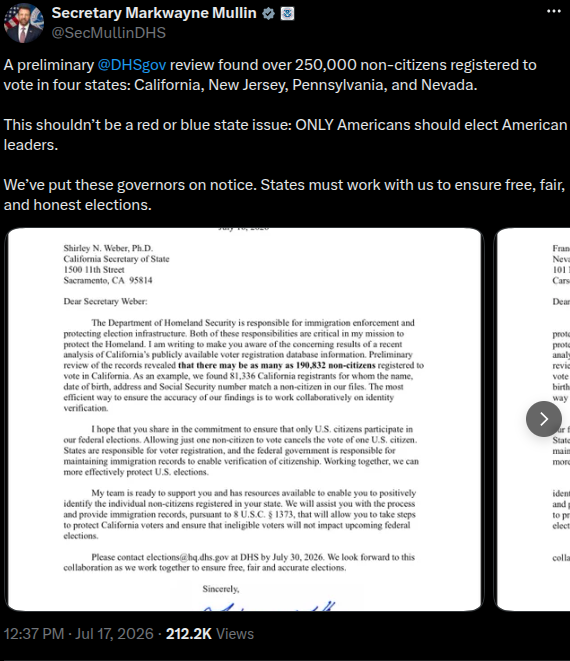
When facts aren’t conducive to the preferred narrative, the narrative takes the lead. That’s how things started in Nevada, when the DHS claimed thousands of illegal voters recently participated in elections. Here’s the current DHS boss making outlandish claims on X, which is where this government does most of its social media business:
Of that 250,000 total, Mullin and the DHS claimed more than 190,000 were detected in California. Nevada’s total came in as nearly 16,000 illegal voters, according to the DHS. Things have drastically changed in the last month, as NPR reports, based on public records it has obtained, including a recent video conference involving both DHS and Nevada state officials.
DHS initially announced it had found close to 16,000 noncitizens on Nevada’s voter list. But a DHS official acknowledged in the meeting with Nevada officials that number was “the ceiling” and each voter still had to be manually reviewed. Then, a day later, DHS provided the state with a list of 185 ID numbers pertaining to voters the agency said it was confident were noncitizens.
Holy shit. That’s a false positive rate that puts Flock to shame. That means the DHS is about 99% wrong when it comes to “illegal” voters.
But even after admitting it could possibly only pinpoint 185 of the alleged 16,000 non-citizen voters, the DHS continues to pretend it will somehow get a lot closer to 16k than it is to zero at this point.
Advertisement
Nevada asked for more information on that smaller group of 185 voters, and the data points used to match them to noncitizens. DHS declined to provide that. The agency did say it still had more than 14,000 Nevada voters that “need additional review,” and it also provided the state with a list of more than 6,000 voter IDs the agency said were “higher confidence” matches but had yet to be reviewed.
Read that through carefully. Not only is the DHS continuing to pretend it still needs to re-review 14,000 voters and claiming it may have located another 6,000 voters of dubious citizenship, it won’t even provide Nevada with information pertaining to the 185 voters it insists have actually voted illegally.
And there’s a good chance the DHS will never turn over any information to any of the states it has accused of permitting thousands (or hundreds of thousands) of non-citizens to vote. Doing so would mean undoing Trump’s narrative, so the DHS will maintain the upper hand by regularly “citing” its made-up number (250,000+ “illegal” voters) while stiff-arming, sand-bagging, and stonewalling any requests for data that might support these obvious lies.
What makes this even stupider, more corrupt, and more dangerous is that even if the DHS is right (it fucking isn’t) that there are 16,000 non-citizens casting votes in Nevada (and — in addition — only casting votes for Democrats), it still wouldn’t make up the difference in Trump’s 2020 presidential election loss in that state. He lost that state by more than 35,000 votes in 2020, which means he still would have lost, even if every non-citizen had voted for Joe Biden.
What makes it even stupider is that Nevada flipped in 2024, giving Trump a win by 46,000 votes. Even if we assume — using the same bad faith arguments as Trump uses — that every “illegal” vote was cast against Trump, he still would have won by 30,000 votes.
Advertisement
This bitter husk of man still wants the entire nation to join him in his psychosis and firmly believe, with their entire American hearts, that the 2020 election was rigged, but the two elections he won were fair and square.
What follows from here will just be voter suppression in whatever form this administration thinks it can get away with. By pretending nearly 250,000 illegal voters are on the nation’s rolls, Trump can start prepping ICE deployments to “blue” states — something that’s going to be a lot easier to do since they’ve already been flooded with federal officers and National Guard units.
In this week’s Sunday Reboot, the Apple Event rolled on as expected, but while it was his first big show as CEO, John Ternus had a muted introduction.
Sunday Reboot is a weekly column covering some of the lighter stories within the Apple reality distortion field from the past seven days. All to get next week underway with a good first step.
Apple Event is Apple Event
Being in a role for a long period of time means you get to see patterns. For someone working the Apple beat, they’ll experience that all the time.
In my case, the pattern wasn’t just that there would be an event in September to introduce new iPhones. That’s so ingrained into society that even newborn babies know that now.
Advertisement
I’m talking about the flow of the event itself. The format of the presentation, what happens on which beat, and so on.
The usual schedule for an event is:
Entertaining introduction before CEO appears.
CEO welcomes the viewers and passes initial comments before hinting at the first thing to launch.
Flashy camera sequence passing to another executive to handle the actual product launch.
Another sequence to pass to an underling about a specific feature of a product then back to the previous executive. Repeat as necessary.
Executive either repeats with a second product from the same family or wraps up launch details, potentially leaving some for CEO to utter. Hands back to CEO.
Repeat from 3 for X number of products.
Depending on the rumors, a 1-in-3 chance of a final major product launch, possibly framed as “One more thing,” complete with transition sequence to managing executive to present. Similar treatment of features before final hand-back to CEO
CEO sums up the last item, covers all products, thanks viewers for watching.
Presentation ends with another final sequence, Apple logo, and YouTube suggesting you watch one of the Underdogs ads.
A lot has already been written about the products Apple has shown during the event, but it’s worth pointing out that the structure of the overall presentation didn’t change one bit.
Even with a new CEO in the form of John Ternus, there wasn’t any real thing that jumped out as an obvious alteration.
For Apple, this was ideal. It shows that, even with a new pair of hands at the wheel, the company is plodding on as usual.
Advertisement
That said, there is one bit about the event that doesn’t seem to quite fit: the run time.
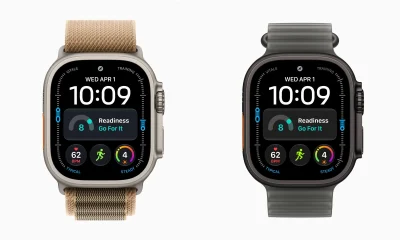
At 1 hour and 17 minutes, it was a brisk presentation to show off two smartphone models (three if you include the iPhone 18 Pro Max), the AirPods 5, and the new Apple Watch lineup.
That’s not a long time at all, really. And yet Apple managed to pack a lot of stuff in there.
But at the same time, it felt a little empty. The rumors said there were massive smart home changes on the way, and maybe even an OLED iPad mini.
Advertisement
We didn’t get that, but we did get the signs that the company is still stable, via the medium of prepared product launches and flashy editing.
John who?
As the first major event after becoming CEO you would think the presentation would be very heavy-handed about it. Ternus, a relative unknown to the general public, was to have his first prominent appearance as the face of the iPhone maker.
Thankfully, Apple didn’t go down that route. Though to be fair, Ternus didn’t need that anyway.
The only thing Ternus really needed was provided by a brief appearance by the guy he replaced. Tim Cook, famous for “Good morning,” was brought onboard for a few seconds so viewers could be assured it definitely was an Apple Event, before handing over to the next chief.
Advertisement
Old CEO Tim Cook saying to look at the distant and blurry visage of the new CEO, John Ternus – Image Credit: Apple
Quite frankly, this was needed, because my mother knows who Tim Cook is, and that he’s no longer CEO. She has no idea who John Ternus is, and after the event, still isn’t entirely sure.
I’d bet that some members of the public watching it will also wonder who this new face is. Cook’s fame at least helps Ternus make a splash in people’s minds.
I say “make a splash.” It’s more “tried not to rock the boat.”
Advertisement
For being the brand new CEO at a major company, it’s weird that the event doesn’t actually go out of its way to mention the guy’s name.
His introduction talks about spending a lot of his life at Apple, and how it is an “extraordinary privilege” it is to show what the teams at Apple have come up with this year. It’s very much a team effort, with Ternus almost taking the role of a generic host figure.
Sure, it’s good for the company morale if his first words are all about the people working at the company. But while he’s the frontman, he’s practically anonymous to the public.
A check of the transcript reveals that “John” is said four times (and “Johny” once) and “Ternus” isn’t mentioned at all. It’s not brought up in the video notes on YouTube, seen by almost 50 million people by Sunday.
Advertisement
It would’ve cost a few seconds to say something like “Hi, I’m John, the new CEO at Apple,” before going into the “doing it for the teams” talk. Or even Cook uttering “John” once would have done the trick.
After a few events, there will have been time for Ternus to make a bigger impact on the world. He will be a more well-known figure through interviews and other appearances in the coming years.
Eventually, he will get the public fame Tim Cook achieved. At some point, my mother will look at him and actually know his first name and that he’s “that guy who does the iPhones.”
But, for the moment, he will be known by some as “that guy who replaced Tim Cook.” Hopefully that will change sooner rather than later.
Advertisement
Last week’s Sunday Reboot discussed the transition from Cook to Ternus.
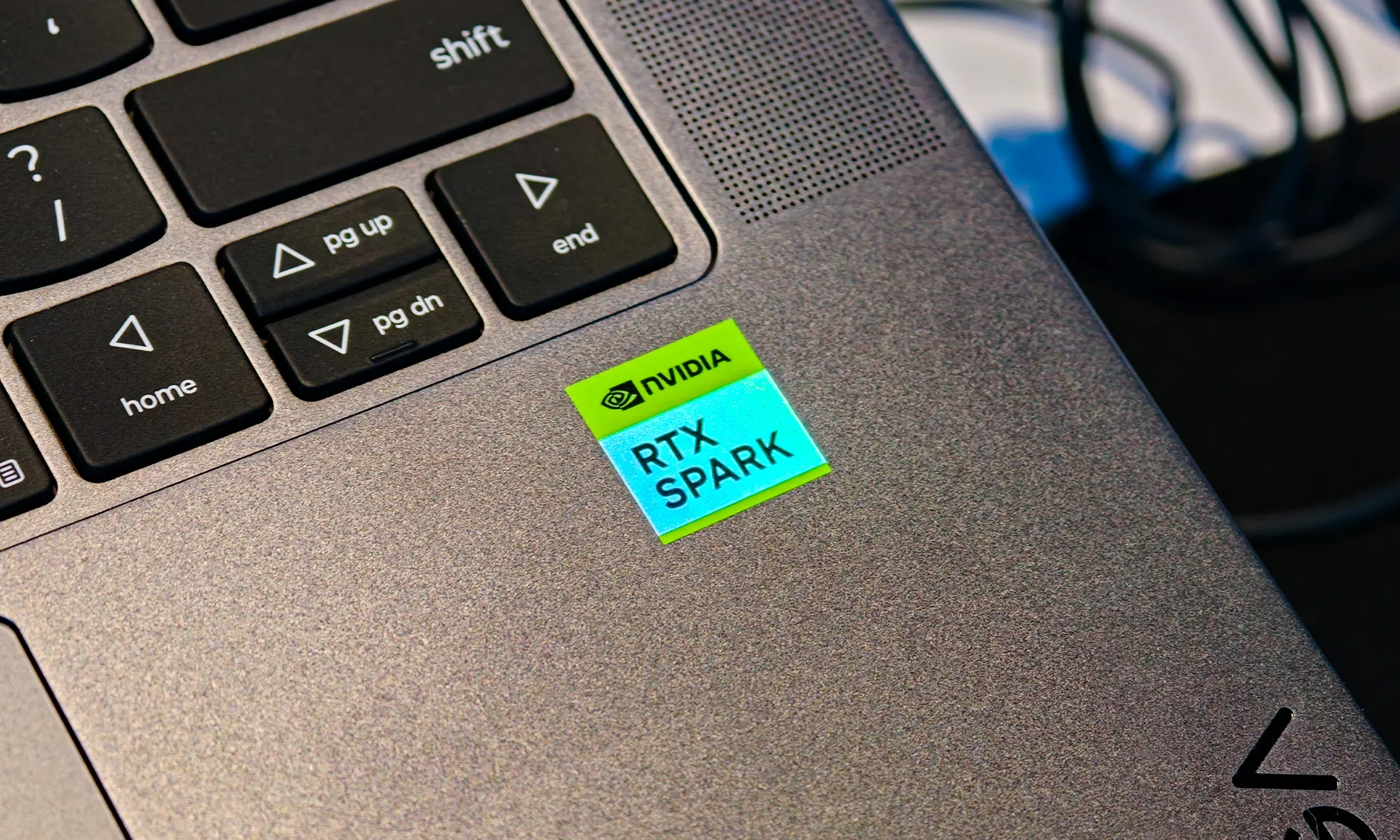
NVIDIA’s RTX Spark may pack a powerful Blackwell GPU, but its ability to run the massive library of existing PC games on Arm depends on a quieter piece of technology: Microsoft’s Prism emulator. Prism allows x64 Windows games and applications to run on RTX Spark’s Arm-based CPU without requiring developers to immediately rewrite them for ARM64.
Varun Mirchandani / Digital Trends
During an exclusive conversation at NVIDIA’s private IFA 2026 demo, Microsoft’s Peter Dawoud explained that the latest Prism work isn’t just about pushing emulated workloads to higher FPS. Microsoft is also focused on performance consistency, particularly in GPU-heavy games where the CPU still has to coordinate frames, physics, and rendering. Because a higher average FPS doesn’t always mean a smoother experience, that could prove to be one of Prism’s most important improvements yet.
The Core Mechanism
At its simplest, Prism acts as a translator between an x64 application and RTX Spark’s Arm-based CPU. It dynamically converts the game’s x64 CPU instructions into Arm64 instructions, allowing existing Windows games to run without an immediate ARM64 rewrite. As Dawoud explained, Microsoft introduced Prism with Windows 11 on Arm in 2024 and has continued investing in it since then.
Nvidia
The crucial part is that Prism only handles the CPU side of the equation. The game’s DirectX or Vulkan graphics calls aren’t being emulated; they pass through Windows’ native graphics stack to NVIDIA’s Arm-native driver and ultimately the actual Blackwell GPU. So while an x64 game’s CPU code is being translated by Prism, its graphics workload is still being processed by real NVIDIA hardware — giving RTX Spark a very different proposition from a traditional fully emulated gaming environment.
The FPS vs. Frame Pacing Argument
This is where the RTX Spark story gets particularly interesting. A powerful GPU might be capable of rendering a game at 80 FPS, but that doesn’t mean every frame is arriving at precisely the right time. The CPU still has to handle game logic, physics, frame coordination, and the preparation of rendering commands before the GPU can do its part.
As Dawoud put it, “the GPU is actually doing the bulk of the work, but the CPU is orchestrating.”
That orchestration becomes particularly important when the game is running through Prism, because the CPU workload is being translated from x64 to Arm64 before it executes.
Advertisement
Raw Performance: Pushing peak FPS numbers, for example, getting an emulated game to touch 80 FPS.
Frame Consistency: Keeping frame delivery tightly timed so those 80 FPS don’t suddenly turn into noticeable hitches, stutters, or poor 1% lows.
Dawoud told me Microsoft has been working on both sides of that equation.
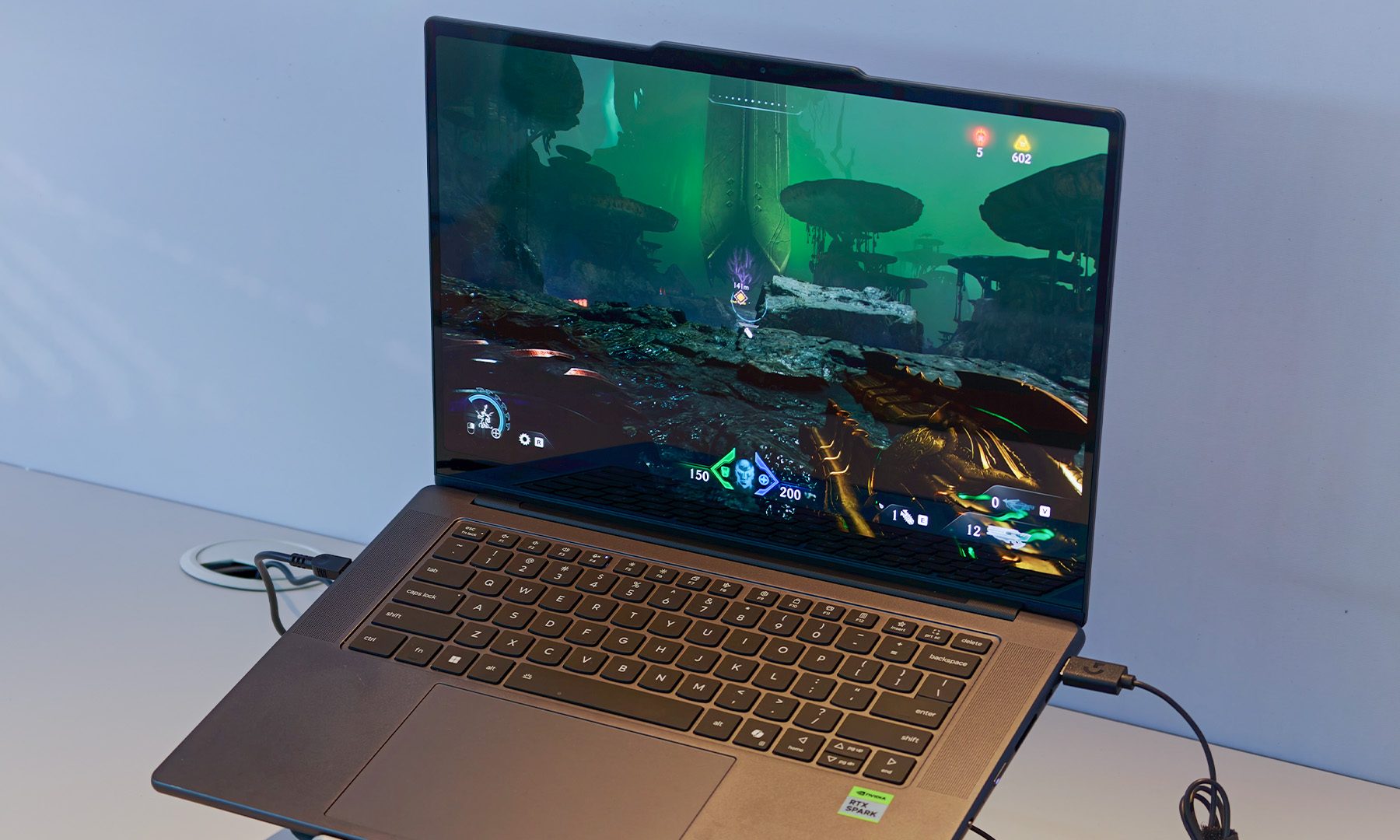
DOOM The Dark Ages running natively on NVIDIA RTX Spark LaptopVarun Mirchandani / Digital Trends
“We’ve been doing development and research and integrations into the emulator to optimize it so that you don’t just hit higher FPS, but you can hit more consistent FPS.”
For gamers, that may ultimately matter more than another number on an FPS counter. A game delivering a stable 60 FPS can feel considerably smoother than one bouncing between 60 and 80 FPS.
Why the CPU still matters
It’s easy to assume that once a game becomes GPU-bound, CPU emulation stops being a major concern. But even with the Blackwell GPU doing most of the rendering, the CPU still has to prepare and coordinate the work that gets each frame onto the screen.
As Dawoud explained, “The CPU plays such an important task in like coordinating the frames, making sure the physics stacks complete, and making sure rendering pipelines are completed.”
That means Prism still has a critical role to play. If the translated CPU workload stalls or becomes inconsistent, the GPU can end up waiting for the next batch of work, leading to uneven frame delivery. This is why Microsoft isn’t simply chasing higher benchmark numbers with Prism on RTX Spark; it is also working to make the CPU-side workload more predictable, helping the powerful Blackwell GPU stay fed and ensuring those frames arrive when they should.
Native and Emulated Workloads
The RTX Spark demonstrations at NVIDIA’s private IFA booth also offered a useful glimpse into how Microsoft expects the platform to handle different kinds of software. The demo area featured a mix of games and applications, with some workloads designed natively for RTX Spark while others were running through Windows’ Prism emulation layer. That distinction is important because it shows Prism isn’t simply there to keep older x64 games alive—it is part of a broader compatibility strategy for the Arm-based PC.
Advertisement
Dawoud summed up the broader impact of the work simply: “The engine improvements and the emulator improvements will actually benefit the creator and the coder.”
The idea is straightforward: developers and creators don’t necessarily need to immediately rewrite an entire x64 application for ARM64 before it can be useful on RTX Spark. Prism can keep existing software running while developers work toward native ARM support, letting the hardware’s powerful GPU do work even when the application itself hasn’t yet made the transition.
Why memory isn’t the emulator’s bottleneck
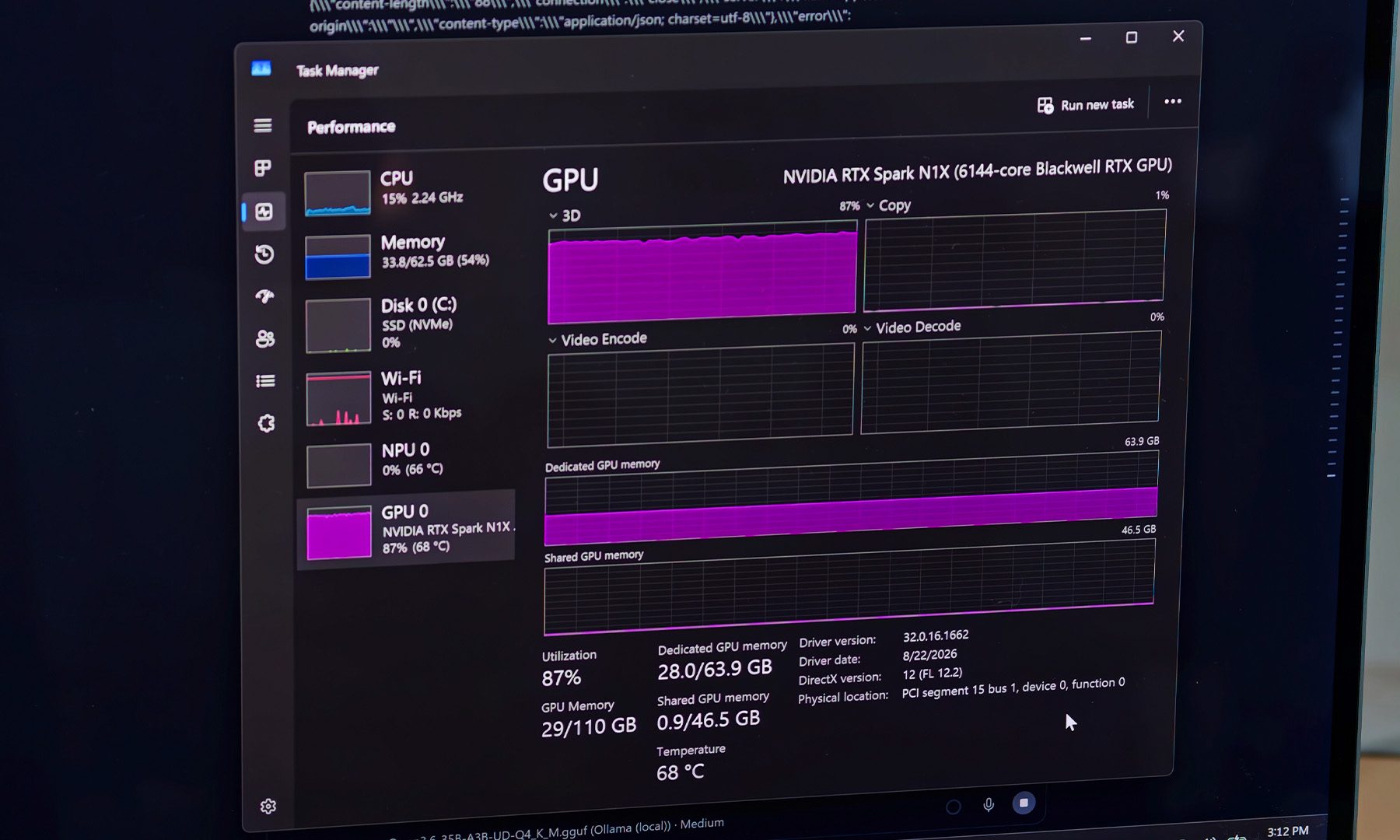
There is also an important distinction between Prism and RTX Spark’s enormous unified memory architecture. With RTX Spark expected to offer a huge shared memory pool between its CPU and Blackwell GPU, it would be easy to assume that Prism itself somehow relies on having enormous amounts of memory.
Varun Mirchandani / Digital Trends
I put that question directly to Dawoud. His answer was rather straightforward.
“The emulator is mostly a CPU activity, so it’s a translation to the CPU.”
He described the amount of system memory as essentially independent of what Prism itself is doing. Instead, RTX Spark’s unified memory architecture provides a separate hardware advantage. The CPU and GPU can work with a shared pool of memory, potentially benefiting workloads that move large amounts of data between the two.
As Dawoud summarized it, “the performance of the UMA that we have on RTX Spark is what’ll give it that advantage.”
Prism handles the architectural translation; UMA changes what the underlying hardware can do with its memory.
Advertisement
The Bigger Picture
Perhaps the biggest takeaway from the conversation is that the Prism work surrounding RTX Spark isn’t simply an NVIDIA-specific compatibility solution. Dawoud stressed that the improvements are part of Microsoft’s broader Windows-on-Arm effort and can benefit other Arm-based Windows machines as well.
“Everything I talked about today is on Windows, so it’s any platform can benefit from it,” he explained. “The emulator investments that we’re making, it’ll improve the experience overall and the performance overall of those workloads on other ARM devices, too.”
Ultimately, Prism is more than a compatibility layer for RTX Spark. In fact, it is the bridge allowing today’s vast x64 Windows ecosystem to work on tomorrow’s Arm-based PCs. And with Microsoft focusing not just on higher performance but on smoother, more consistent frame delivery, the real win may be when you stop thinking about whether a game is being emulated at all.
Barack Obama told a closed Democratic fundraiser last Thursday that artificial intelligence is “moving very fast in private hands, and if we don’t get on top of it, I think it can be dangerous”.
The New York Times obtained a partial transcript from his office and reported the remarks on Saturday. His advice was addressed to Hakeem Jeffries, the House minority leader, and it assumed an outcome.
“Once you are speaker, I would strongly urge that the Democrats put together a framework for a very public conversation,” Obama said.
Jeffries becomes speaker only if his party takes the House in November.
Beyond that, Obama wants AI written into the party’s platform and made central to the 2028 presidential campaign, with candidates carrying plans that address both safety and the economic disruption. He supplied none of the content. No regulatory mechanism, no position on jobs, no companies named.
Advertisement
These were remarks at a private fundraiser, and they reached the public because Obama’s office released the transcript. A former president making a closed-door warning audible on purpose is doing something other than thinking aloud.
The administration has spent this year moving the other way. It is pushing to preempt state AI regulation with a single national standard, a campaign that has met resistance from states and from Congress alike, and it has asked the G20 not to build institutions to govern AI at all. Any framework of the kind Obama describes would have to be constructed against that.
Something resembling one already exists, and it is not public. The rules used to review frontier models in the US are secret, and the companies that have read them are the large incumbents. A Democratic framework would be arriving in a field where the groundwork has been laid privately.
Pressure is also arriving from inside the industry rather than from either party. OpenAI has asked Congress for rules making national safety requirements mandatory before it adjourns.
Advertisement
More than a thousand people who work at AI companies signed a letter asking the US government for a way to slow the technology down. House Democrats have separately been pressing OpenAI on whether it can shut its own systems off.
Those are the materials a framework would be built from, and they have been available for months. Obama’s contribution is a deadline and a messenger rather than a policy.
All of it starts with Democrats winning the House, and that question is settled on 3 November.
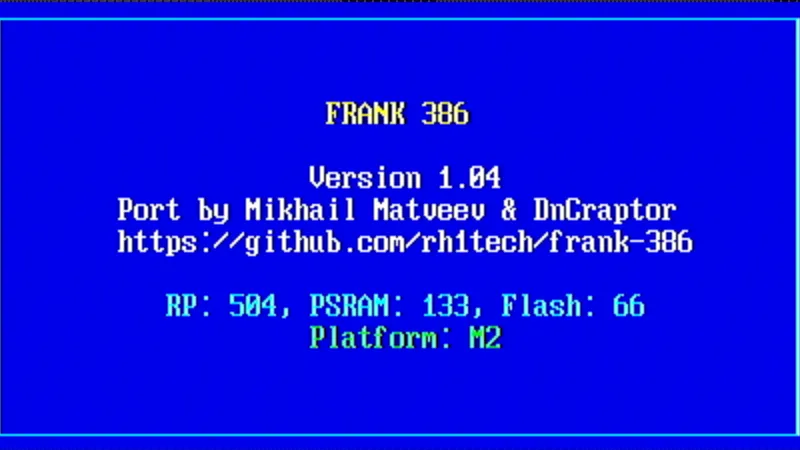
We’re at a fortunate moment: microcontrollers available at modest prices are edging into the capability level previously reserved for full-fat systems and can, through emulation, run software beyond classic 8-bit home computers, consoles, or old arcade games. A project we’ve been watching for a while is tiny386, an emulator for ESP32 boards that provides a 386 PC with just enough 486 and 586 instructions enabled to run a modern Linux kernel. Now we’re pleased to note that this platform is making it to the RP2350, with ports for both the FRANK emulation platform and the Waveshare Pi Zero boards. You can now have a 32-bit PC with all the peripherals, including VGA and DVI/HDMI, for the cost of an inexpensive development board.
Having seen tiny386 run on its minimum-spec ESP32 platform, we’ll concede that while it’s usable, it’s not the fastest experience, but the RP2350 port promises better performance. It’s not for a modern full-fat Linux distro, but should work well for running older operating systems such as DOS, or Windows 3.1 and 95, or even a lean Linux setup. This has fascinating potential: while these systems are old, they still have an enormous software library. The idea of useful general-purpose computing, 1990s style, in the palm of the hand, is interesting.
Z.ai, the Chinese model developer listed in Hong Kong as Zhipu, has raised about $5bn in a single move. Roughly $2bn came from placing 21.97 million new shares at HK$714, about 10 percent below the previous close.
The other $3bn came from RMB 20.14bn of convertible bonds maturing in September 2027, and those bonds carry no coupon at all.
Reuters reported the terms from the company’s filing. The bonds were priced to yield between minus 0.5 percent and zero, so buyers are taking a small certain loss on the debt in exchange for the option underneath it. They can convert at HK$892.5, a 25 percent premium to what the placement investors paid.
Lending money at a negative return only makes sense if the equity is what you actually want. On those terms, the bond is less a loan than a ticket, and the size of the book suggests plenty of people wanted one.
Advertisement
The money is earmarked for research, computing resources and infrastructure, expansion, strategic investments, possible acquisitions and working capital, which covers most things a company can legally do. The computing line is the one with a hard constraint behind it.
Z.ai has already built a data centre without Nvidia, running instead on Chinese-made accelerators, and scaling that approach is expensive in a way that buying the market leader is not. The company has not said how much of the $5bn goes to compute, or what it plans to buy with it.
In June, after its stock rose roughly 2,000 percent from a January listing, Zhipu was preparing a placement of several billion dollars. Analysts at the time said the company would stay deeply unprofitable and would need to keep raising for about three years. The first of those years is going well.
Revenue is climbing even though the product is largely free. Z.ai is approaching $1bn in sales while giving its strongest models away, and the stealth model that beat DeepSeek earlier this year was its GLM line. Open weights and a rising share price have so far proved compatible.
Advertisement
Z.ai priced the placement against Friday’s close. Two days before that, the NSA, FBI and CISA had named the company in an advisory on industrial-scale distillation, one of six Chinese firms the agencies accuse of extracting capability from American models.
The advisory alleges Z.AI pulled billions of tokens from GPT-5.5 and Claude Opus by mid-2026. Beijing called the advisory unfounded. Hong Kong investors put $5bn in three days later.
Export controls were written to restrict Chinese access to chips, and capital was never covered. Moonshot is reportedly raising $5bn of its own. Washington writes the rules on hardware, Hong Kong writes the cheques, and nothing in this week’s filing suggests the two are about to meet.
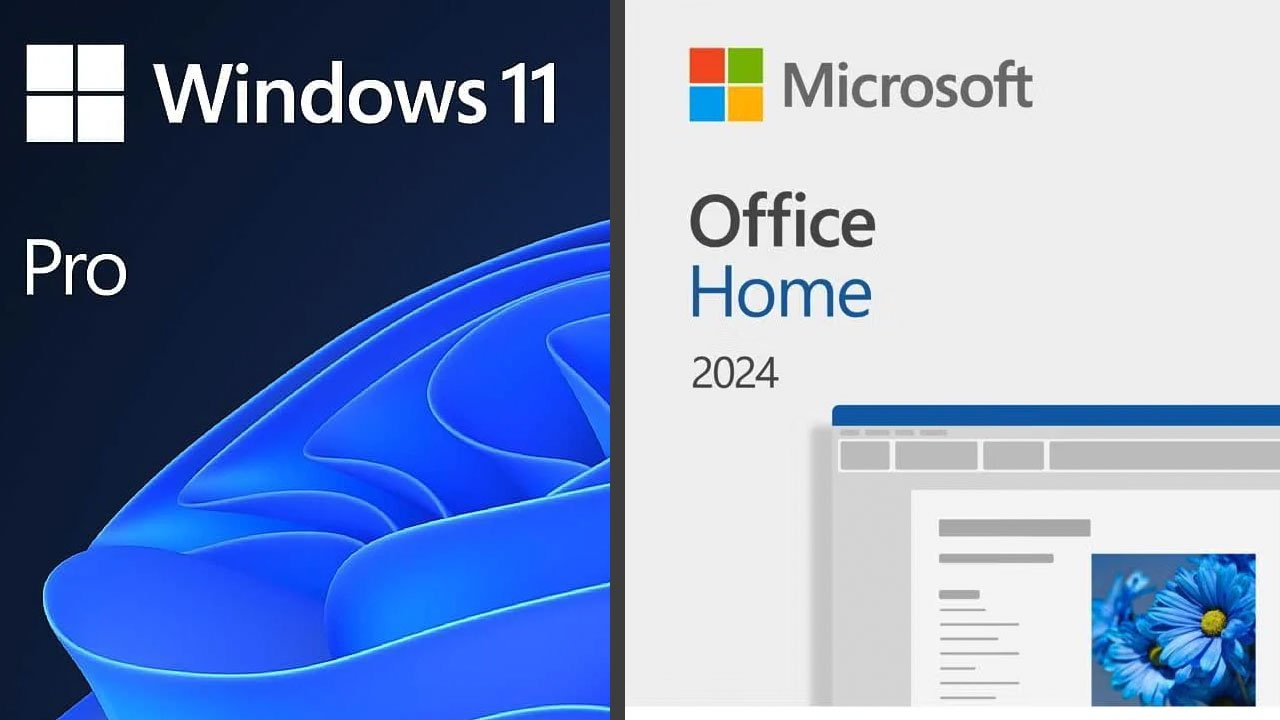
Deals on Microsoft Windows and Office for Mac licenses are heavily discounted this weekend, with prices dipping to as low as $9.97.
StackSocial is hosting deals on Microsoft Windows and Office licenses, with Windows 11 discounted to $9.97 and Office Home 2024 for Mac marked down to $112.97, the latter down from $179.
It’s worth checking compatibility for the Windows license, as StackSocial states the version is designed for PCs that need a new license for Windows and if your PC is running Windows 10 and is unable to use Windows Update to install the free upgrade to Windows 11, you will not be able to install this version of Windows 11.
Advertisement
For the Office Home 2024 license, the one-use code will be connected with your Microsoft Account, rather than your actual device. It can be installed on one supported Mac or PC for non-commercial use.
This is also a standalone license for Office Home 2024 and it’s not Microsoft 365. At press time, Microsoft’s product lifecycle spans five years, and the company states Office 2024 will be retired on Oct. 10, 2029.
According to Stack, the codes, which are supplied by an authorized Microsoft Partner, must be redeemed within 7 days of purchase. See StackSocial for terms and conditions related to the offers.
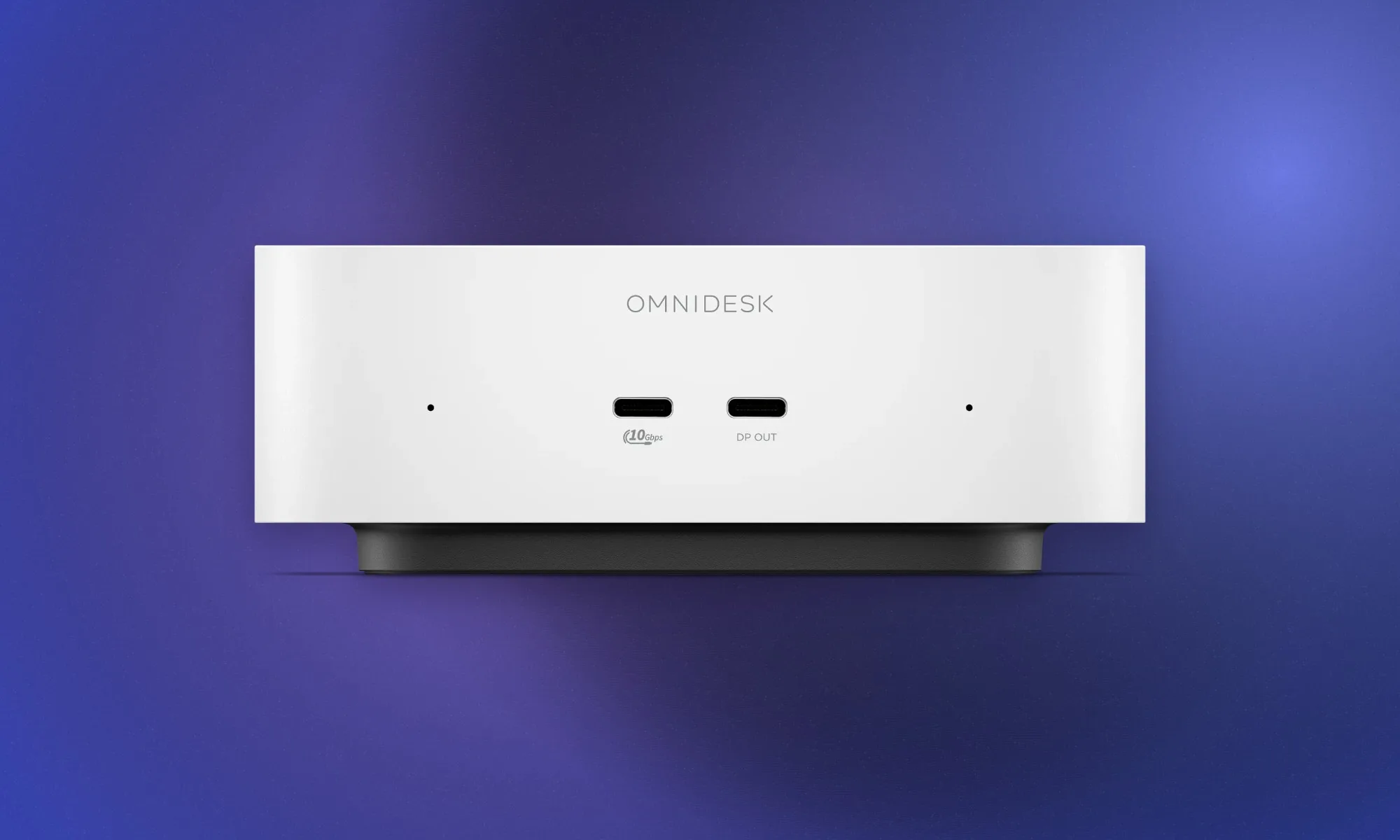
HP has a new mini PC on sale in the U.S., and it is difficult to look at the machine without thinking of Apple’s Mac mini. The OmniDesk Mini has a similarly compact footprint and starts at $799.99, making it $100 cheaper than the recently announced M6 Mac mini.
The similarities mostly stop there. The base OmniDesk Mini is powered by Intel’s Core 3 304, a five-core, five-thread Wildcat Lake processor. It comes with 8GB of LPDDR5X memory and a 256GB SSD. HP also offers Core 5 320 configurations with up to 16GB of memory. So, despite the Mac mini-like dimensions, this is better viewed as a compact Windows PC than a direct rival to Apple’s latest desktop.
HP has packed plenty into a very small box
HP / Digital Trends
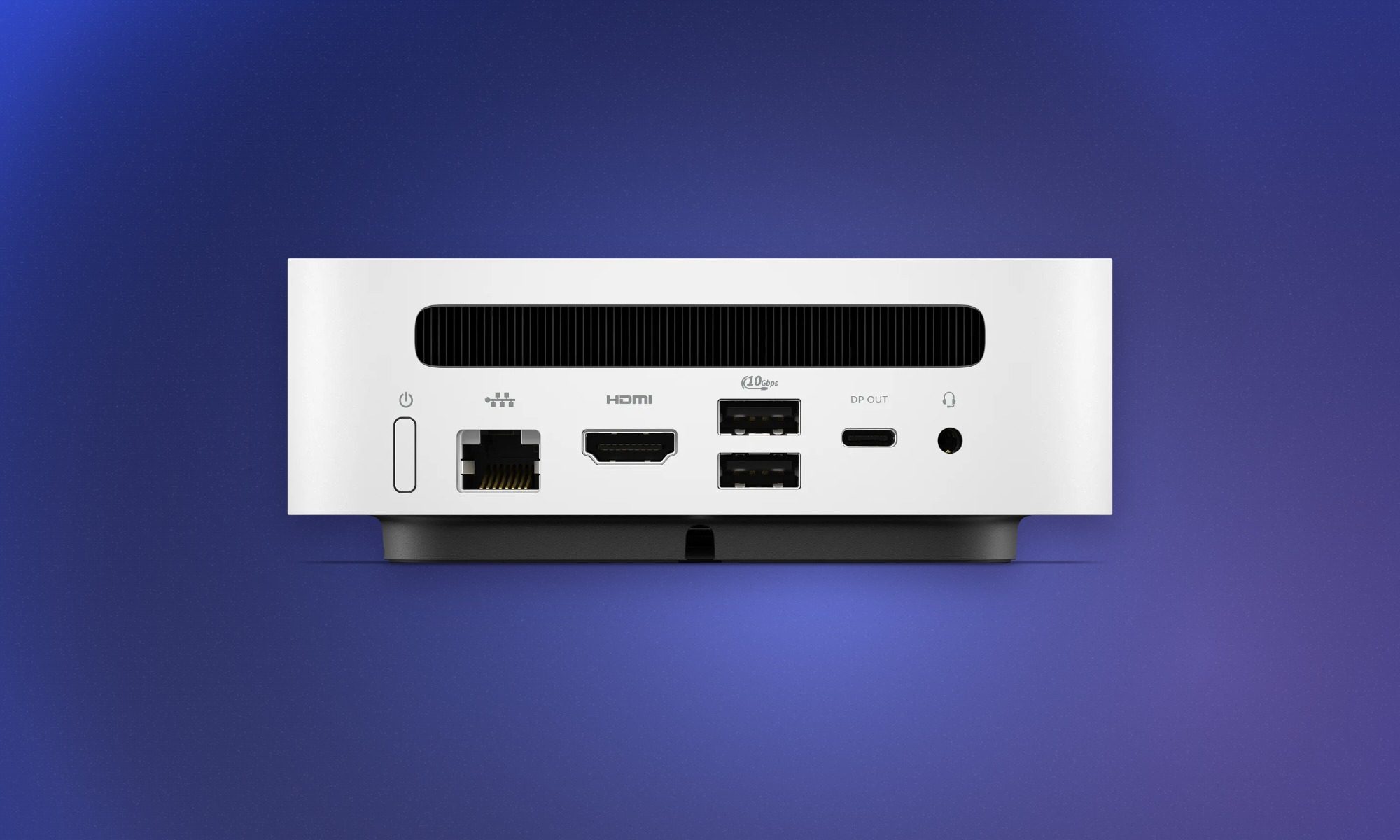
The OmniDesk Mini measures 5.12 x 5.12 x 1.89 inches and weighs just over a pound. For someone trying to free up desk space, that is probably its biggest attraction. HP has still managed to fit a useful selection of ports into the chassis. There are three USB-C ports, two USB-A ports, HDMI 2.0b, Ethernet, and several audio connections. The machine can also support up to three displays.
Storage can be expanded through two M.2 slots, but the LPDDR5X memory is onboard and cannot be upgraded later. Wi-Fi 6 and Bluetooth 5.4 come standard, with Wi-Fi 6E and Bluetooth 5.3 available as an option.
HP / Digital Trends
Who should actually buy the OmniDesk Mini instead of a Mac mini?
The bigger problem for HP is sitting only $100 higher up the price ladder. Apple’s M6 Mac mini starts at $899 and comes with 16GB of unified memory as standard. The Core 3 304 puts the base OmniDesk Mini in a much lower performance tier, so the $100 saving comes with a substantial compromise. Even the higher-end Core 5 320 configurations do not really change what this machine is.
I would mainly consider the OmniDesk Mini if Windows is a requirement or if Linux is part of the plan. For anyone comfortable with macOS, not strapped for cash, and willing to wait for the M6 Mac mini to ship, spending the extra $100 looks like the much stronger purchase.
A union representing Uber and Lyft drivers was just certified by California’s Public Employment Relations Board, officially recognizing them as the drivers’ bargaining organization.
The Sacramento Bee reports that this new bargaining structure :
The move will allow the California Gig Workers Union to help drivers negotiate issues affecting working conditions and benefits. It comes as at least 30% of active drivers expressed support of the union… [California] Assembly Bill 1340 helped bring the union to fruition by allowing the independent contractor drivers to engage in collective bargaining.
“The next step for the union is to negotiate a contract with Uber and Lyft that meets drivers’ demands,” reports the Los Angeles Times, “including health insurance, support for high gas prices and more transparency around pay:
Advertisement
California is the third state to allow ride-hailing drivers to unionize, following Washington in 2022 and Massachusetts in 2024…
The California Gig Workers Union was formed with the support of the Service Employees International Union… “Gig drivers shouldn’t have to face the future alone,” said SEIU 521 official Riko Mendez in a statement. “As autonomous vehicles rapidly expand, having a union gives the drivers the power to negotiate for fair pay and meaningful say in how new technology shapes their work and our communities’ futures.”


















































You must be logged in to post a comment Login