

Tech
Fight Club 4K UHD Review: Jack’s High Dynamic Range Hits Like a Soap-Wrapped Brick


Simply put, Fight Club proves that burning it all down is easy. The hard part is figuring out what comes next. Few filmmakers have attacked a story with the same precision, venom, and barely supervised mayhem that David Fincher and his cast and crew brought to Chuck Palahniuk’s novel. There’s a lot going on and I don’t want to spoil any of it, so let’s just say that the movie explores the ways that modern consumerism has fractured traditional masculinity, and what starts as a personal rebellion leads to something much bigger.
At the center of the mayhem is a repressed corporate stooge (Edward Norton) whose life takes a sharp turn when he meets charismatic stranger Tyler Durden (Brad Pitt) who’s everything he’s not: cool as hell and free in every way a person can be. Tyler wastes no time sharing his subversive worldview, which soon leads to a strangely irresistible underground fighting league where men can feel like men again. And with a guru like that, who knows how far this army will go?
In one of the standout bonus features in this set, we witness Fight Club being inducted into the Guy Movie Hall of Fame, and rightly so, but props must be given to Helena Bonham Carter as well, who gives perhaps a career-best performance as the complex and captivating Marla Singer. The movie is also famous for one of the biggest, cleverest twists in cinema history, and once you know it the movie becomes eminently rewatchable to pick up the breadcrumbs dropped along the way. The clues are plentiful, and I take no end of pleasure spotting more with each viewing. Just another reason this title belongs in your library.
Noted perfectionist Fincher reportedly spent two years on the restoration of Fight Club for 4K, which is wonderful news but not without some controversy. He enjoys tweaking his films even after their theatrical release, and the image here has been altered in some subtle but significant ways. Facial textures have been smoothed in some scenes, specific new details have been added, others removed, and many shots have also been reframed. These are all very purposeful visual changes implemented by the director, I’m not sure if these qualify as an alternate version–we’re not talking about George Lucas-level fuckery–but it’s beyond a basic remaster.
Grain has been managed, but is still evident, it just feels a bit slicker and less gritty now. Fans will notice some shifts in color timing, less of the blue we’re used to on the 2009 Blu-ray, and the 2.39:1 image is brighter overall, which serves up lots of detail in the shadows of the many dark scenes. Marla’s billowy coat is a real challenge but it reproduced beautifully on my OLED.

A manly movie deserves appropriately stylized sound design, and the results here are nothing short of macho. The 5.1 mix (no Atmos upgrade) employs more discrete cues than I’ve heard in a while, with quite deliberate integration of the rears for voices, echoes and plenty of sirens. Even The Dust Brothers’ score gets room to misbehave, with individual sounds breaking loose across the soundstage. Panning is handled brilliantly, and bass shows up in unexpected places, including Meat Loaf’s wonderfully meaty footsteps. The fights are intense and enveloping, capturing the violent energy of men mistaking brutality for therapy.
The 4K disc carries four separate audio commentaries, the first with Fincher solo, then joined by his three stars; the next with the rare but welcome duo of novelist Palahniuk and screenwriter Jim Uhls; and lastly an eclectic gang of underappreciated creative artisans. Too much? No worries: When we switch to the bundled 1080p Blu-ray, an interactive guide helps us navigate the tracks, referencing specific topics across all that interesting chatter. Among the other highlights are an elaborate user-controlled sound mixing demo and a vast archive of behind-the-scenes vignettes with extensive creator insights.
No extras from the 2009 disc have been left behind, in fact, it appears to be the exact same disc but with new artwork that coordinates nicely with the 4K platter. Some new content, even a simple featurette about the restoration, would have been welcome, but here we are.
A unique printed code for a Movies Anywhere digital copy is provided, arriving in a very pink SteelBook case that leans into the longstanding soap motif used to market the movie. Up close, the layered paint job catches the light with an almost hypnotic splendor. How ironic that this pitch-black social satire that denounces the pursuit of consumer goods has yielded one of the most covetable pieces of physical media of the year.
Movie Details
- STUDIO: Fox/Disney
- FORMAT: Ultra HD 4K Blu-ray (May 12, 2026)
- THEATRICAL RELEASE YEAR: 1999
- ASPECT RATIO: 2.39:1
- HDR FORMAT: HDR10
- AUDIO FORMAT: DTS-HD Master Audio 5.1
- LENGTH: 139 mins.
- MPAA RATING: R
- DIRECTOR: David Fincher
- STARRING: Edward Norton, Brad Pitt, Helena Bonham Carter, Meat Loaf, Zach Grenier
Our Ratings
★★★★★★★★★★ Movie
★★★★★★★★★★ Picture
★★★★★★★★★★ Sound
★★★★★★★★★★ Extras
Where to buy:
Related Reading:

Verdict
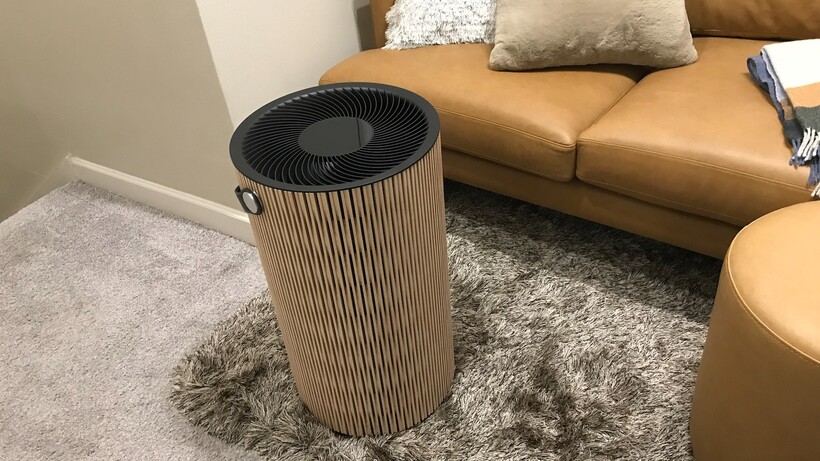
Air purifiers are designed to improve your indoor air quality, but almost all of them contain plastic components that are not good for the environment. However, the IQAir Atem Earth is one of the first known air purifiers that’s housed entirely in sustainably forested beech wood, with a natural finish. And true to the Swiss aesthetic, it also has a beautiful, minimalist design. In addition, the air purifier has an ENERGY-STAR certification for energy efficiency. Plus, the higher-than-average CADRs (clean air delivery rates) allow it to remove polluted air much faster than most air purifiers.
-
Beautiful design
-
Made with sustainably-sourced beech wood
-
Better than average CADRs
-
Medical-grade HyperHEPA filtration
-
App control
Key Features
-
Sustainable beauty
Devoid of the plastic components found in most air purifiers, the beech wood housing is both stylish and eco-friendly.
-
Higher than average CADRs
Remove polluted air from your home much quicker with the HyperHEPA and activated carbon filtration system.
-
Schedule operations
Decide when you want the air purifier to turn on – for example, 15 minutes before you arrive home
Introduction
The IQAir Atem Earth is one of the first air purifiers to be housed entirely in sustainably-forested beech wood with a natural finish (free from paint or varnishes, which tend to be harmful pollutants). It’s something we tend not to think about, but if you do stop and think, the appliance you’re using to remove pollutants from the air could actually be contaminating your air as well. The Atem Earth avoids this – but at a steep cost.
Design and features
- ENERGY STAR certified for efficiency
- Both manual and app control
- 6 fan speeds
The IQAir Atem Earth arrived in a large branded carboard box. It had taken some knocks from being tossed and thrown around during the shipping process, but fortunately, the air purifier was securely packed to prevent damage.
The Atem Earth is simply beautiful – no surprise, since it’s Swiss-made, and they take their design aesthetics quite seriously. The housing is a conical shape in beech wood with a natural finish

The vegan leather strap on the top makes it easy and combined with the handle (a vegan leather strap), the air purifier is modern, stylish, and sustainable.

Besides plastic parts, energy efficiency is another issue with air purifiers, which can require a considerable amount of electricity to operate. However, the Atem Earth is ENERGY STAR-certified, and annual energy use is 295 kWh/year in a 572 sq. ft. room. If you’re not familiar with the ENERGY STAR, it’s a symbol of the U.S. Environmental Protection Agency indicating that an item is designed to provide cost-saving energy efficiency.

On the top of the air purifier is the air outlet and the control panel. Air comes in through the main body, which sits on the base.
The touchscreen control panel includes several icons:
The power button/indicator turns the power on, and puts the air purifier in standby mode
Fan speed indicators reveal the current speed
Fan speed buttons are plus and minus signs used to increase and decrease speed; there are 6 total speeds
The smart mode/indicator, when activated, automatically adjusts the fan speed based on current air quality
The Wi-Fi button/indicator is used to connect the air purifier to a Wi-Fi network
The light button/indicator turns on/off the lighting on the control panel
The air quality indicator rings are in the middle of the control panel; they can compare air quality on the inside of the home (inner ring) with the air outside (outer ring)
The schedule indicator lights up when an air purifier schedule has been set on the app
The lock indicator lights up when the control panel has been activated on the app
The filter status indicator lights up when it’s time to change the filter

The Atem Earth’s replacement filter is $100, which is expensive; however, with normal use, it should only need to be replaced every 12 months.
To change the filter, the air purifier needs to be turned upside down and then change the direction of the locking levels to open them.

Then the bottom lid can be taken off, revealing the filter.

The combination filtration system consists of the HyperHEPA filter on the outside, and the activated carbon on the inside.

On the side of the air purifier is a tag containing the Atem Earth’s QR code. Scanning this allows me to begin the Wi-Fi connection process, and then connect to the IQAir AirVisual app, so I can control the air purifier remotely. Usually, controlling an air purifier by app provides convenience. However, with the Atem Earth, it is essential, since there are some functions that can only be activated and controlled through the app.

For example, only in the app can I set up an outdoor air comparison, access smart mode, set a schedule, lock the control panel, and get detailed info about remaining filter life.
Performance
- CADRs are excellent across the board
- HEPA and activated carbon
- 3 smart modes
The IQAir Atem Earth’s CADRs are as follows:
- PM2.5: 376
- Smoke: 369
- Dust: 382
- Pollen: 423
These clean air delivery rates are much higher than those found in the average “good” air purifier, which is usually in the high 100s to mid 200s. As a general rule, the higher the CADR, the faster the air purifier can clean the air.
These high CADRs are a result of the air purifier’s filtration system. The medical-grade HyperHEPA filter can capture ultra-fine particles – and the company states that it can also trap biological contaminants and viruses (although I can’t prove that, so I don’t list it as a feature). On the inside of the HyperHEPA filter is the activated carbon, which controls gases and odors. I can indeed confirm that the air purifier does a marvellous job of removing large and small pollutants and odours.
I have a smoking neighbor, and when the Atem Earth is set on 6 – the highest fan speed – it quickly removes polluted air from whatever room I’m in. However, when she’s not smoking, the air purifier is usually set on 3.
The reason I don’t just leave it in smart mode is that I’ve noticed (like most air purifiers) the Atem Earth doesn’t automatically pick up smoke and fumes coming from a distant source. That’s why I don’t test air purifiers by burning a match or lighting something right next to it. All air purifiers worth their salt can detect a match that’s 12 inches away, and detect the smell of burnt food coming from the kitchen.

However, when I smell tobacco smoke from my neighbor, my eyes start either burning or itching (depending on what she’s smoking), I’m coughing, my nose is either stopped up or running, and the air quality indicators on the vast majority of the over 50 air purifiers that I’ve tested (including the Atem Earth) will still show that the air is in the good range. That’s why I don’t trust the smart/automatic settings. However, by keeping the fan speed on a level 3 or 4, if said neighbor starts smoking when I’m in another room, that smoke isn’t building up in my absence.
Even though I don’t use automatic modes, I should note that there are three smart modes on the Atem Earth: quiet mode limits the maximum fan speed to 4; balanced mode limits the max fan speed to level 5; and max mode has no limit on the maximum fan speed when it detects a high level of air pollution in the room.
Should you buy it?
You want to reduce your environment impact
According to IQAir, the Atem Earth Air Purifier has five times less plastic than conventional purifiers. Also, it has a 25-year repairability guarantee, which is unheard of, so you won’t be throwing this away any time soon.
You want something cheaper
This air purifier is very expensive and you can get similar purification results with cheaper products.
Final Thoughts
The Atem Earth is a great choice for so many reasons. It’s a sustainable air purifier that still manages to be modern and stylish, and it’s also an energy-efficient choice. The medical-grade HyperHEPA filter, combined with activated carbon, quickly removes polluted air.
At just under $1,000, the Atom Earth is not for everyone, and probably not for most people. Although it’s energy efficient, I doubt that you’ll recoup your investment in electricity savings. However, if money is no object- or you do have a grand budgeted for an air purifier – it’s an excellent choice to thoroughly purify your home.
How we test
Unlike other sites, we test every air purifier we review thoroughly over an extended period of time. We use industry standard tests to compare features properly. We’ll always tell you what we find. We never, ever, accept money to review a product.
Find out more about how we test in our ethics policy.
- Used as our main air purifier for the review period
- We test smart purifiers with their apps and we test Amazon Alexa and Google Assistant compatibility.
- We time how long it takes each purifier to remove smoke from a closed room.
FAQs
Yes, this air purifier connects to Wi-Fi and can be controlled via the app.
Test Data
| IQAir Atem Earth Air Purifier | |
|---|---|
| Time to clear smoke | 0 sec |
Full Specs
| IQAir Atem Earth Air Purifier Review | |
|---|---|
| Manufacturer | – |
| Size (Dimensions) | 13.5 x 13.5 x 22 INCHES |
| Weight | 17.2 LB |
| Release Date | 2025 |
| First Reviewed Date | 09/04/2026 |
| Model Number | IQAir Atem Earth Air Purifier |
| App Control | Yes |
| Filter type | HyperHEPA + activated carbon |
| Filter life | 12 months |
| Smoke CADR | 369 |
| Dust CADR | 382 |
| Pollen CADR | 423 |
| Number of speeds | 6 |
| Auto mode | Yes |
| Filter replacement light | Yes |


Amazon founder Jeff Bezos dismissed fears of an impending AI bubble during a recent CNBC interview, arguing that periods of speculative excess often accelerate technological progress rather than derail it. “Even if it does turn out to be a bubble, you shouldn’t worry about it because the bubble is driving…
Read Entire Article
Source link
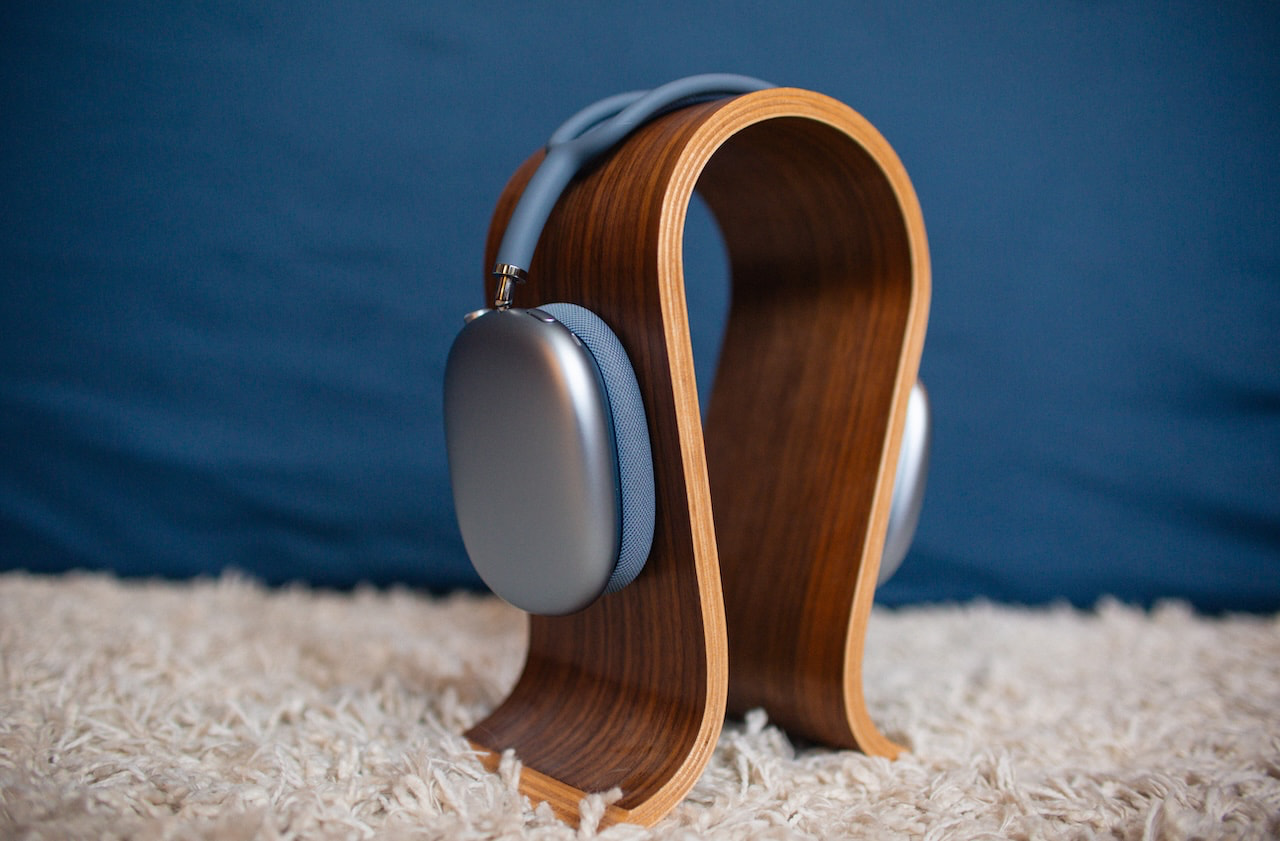
The Apple AirPods Max 2 arrive in a wireless headphone category that has become far more competitive since the original model launched. Sony, Bose, and Beats have all continued to refine ANC, comfort, battery life, app control, and sound quality, which makes small updates harder to justify at premium pricing.
For existing Apple users, the improvements may be enough: better noise cancelling, tighter ecosystem integration, and slightly improved sound quality. But for anyone still using an older pair of wireless headphones, or considering a move from Sony, Bose, or Beats, the AirPods Max 2 need to offer a clearer reason to switch. Marginally better is still better, but in 2026, it may not be enough. How do they compare to the model they replace?
Physically, these are almost identical headphones: same industrial design, same aluminum construction, same weight, same controls, and the same overall sound signature. Even the improvements, including better ANC, USB-C wired audio, and a slightly firmer low end, feel deliberately restrained rather than transformative.
Compared directly against the original AirPods Max, the overall experience remains remarkably similar. Apple clearly viewed this update as a refinement rather than a reinvention.
Design & Features
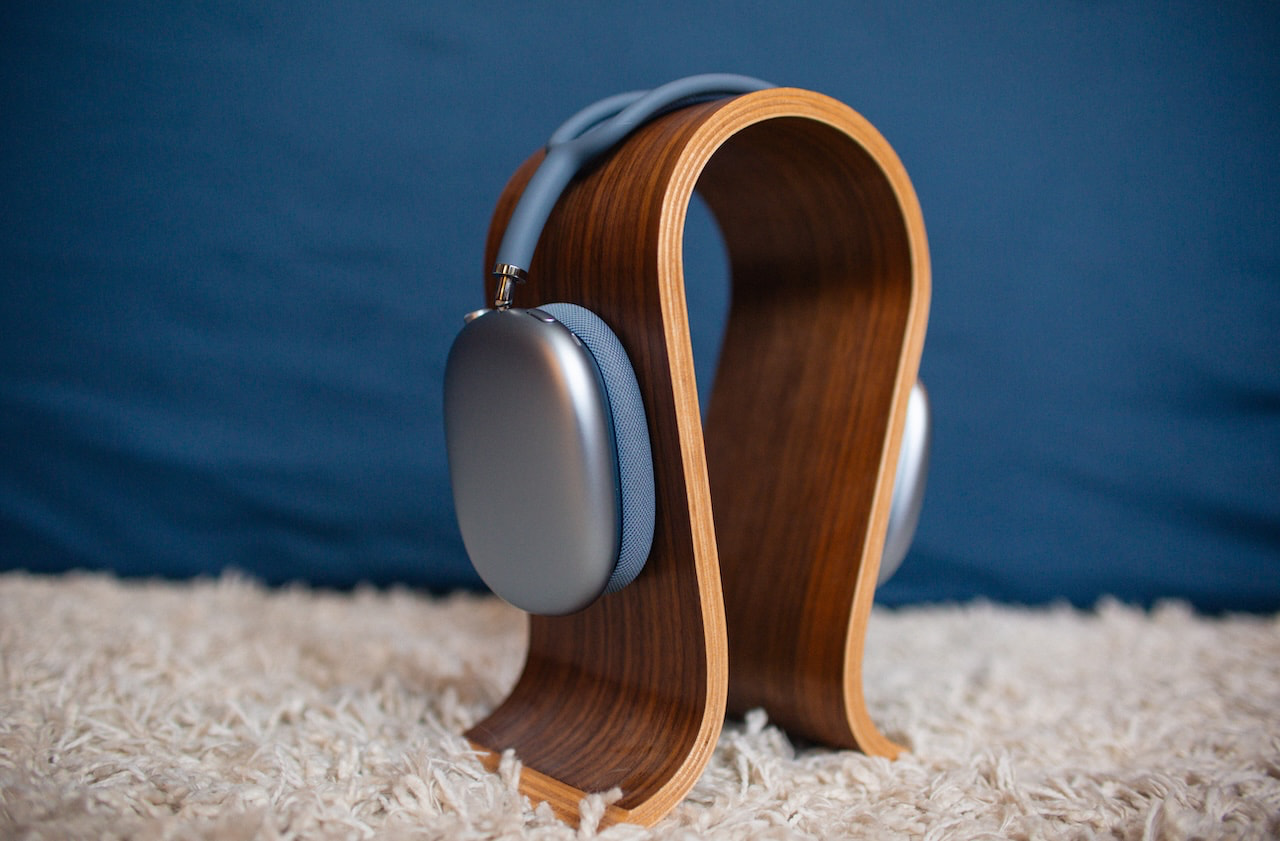
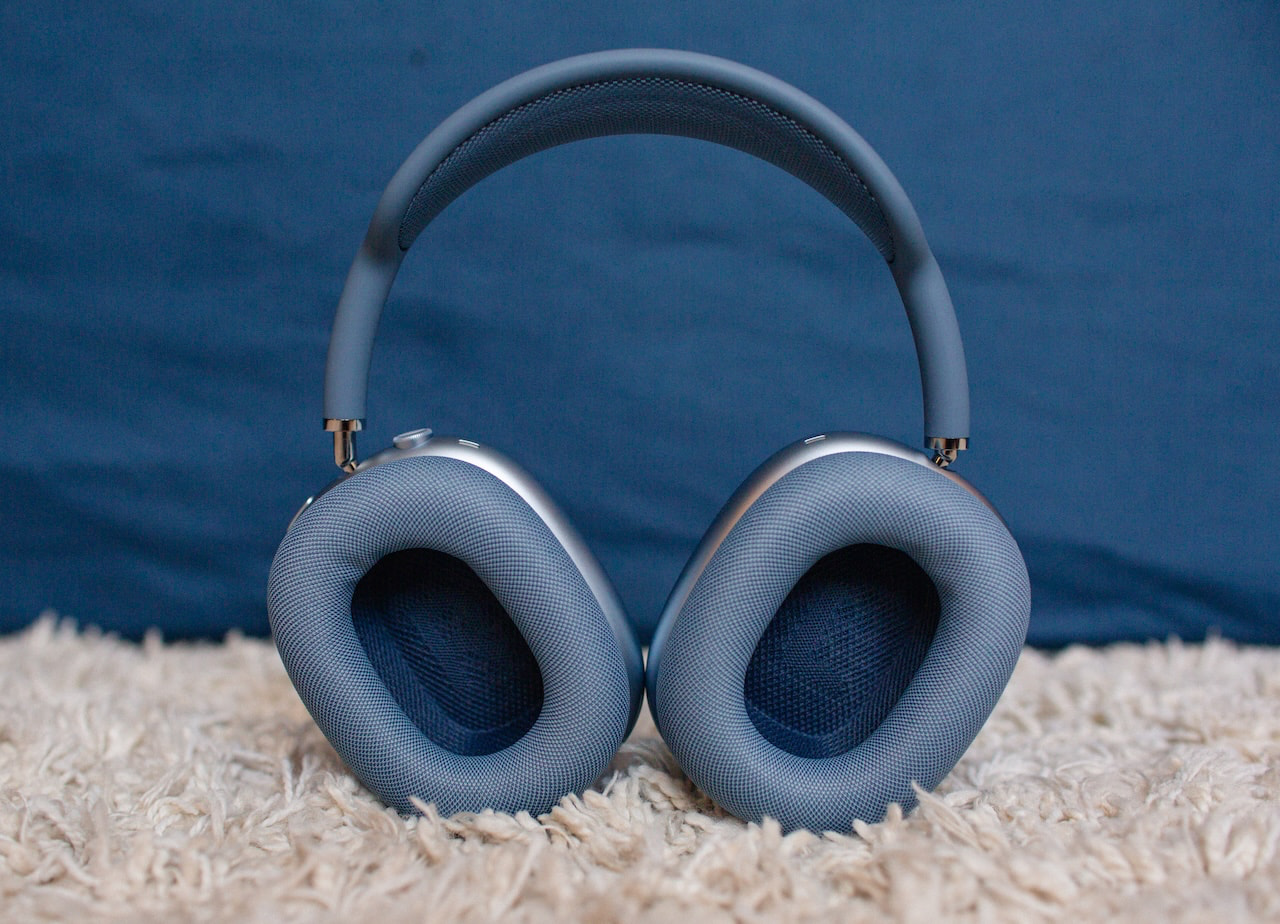
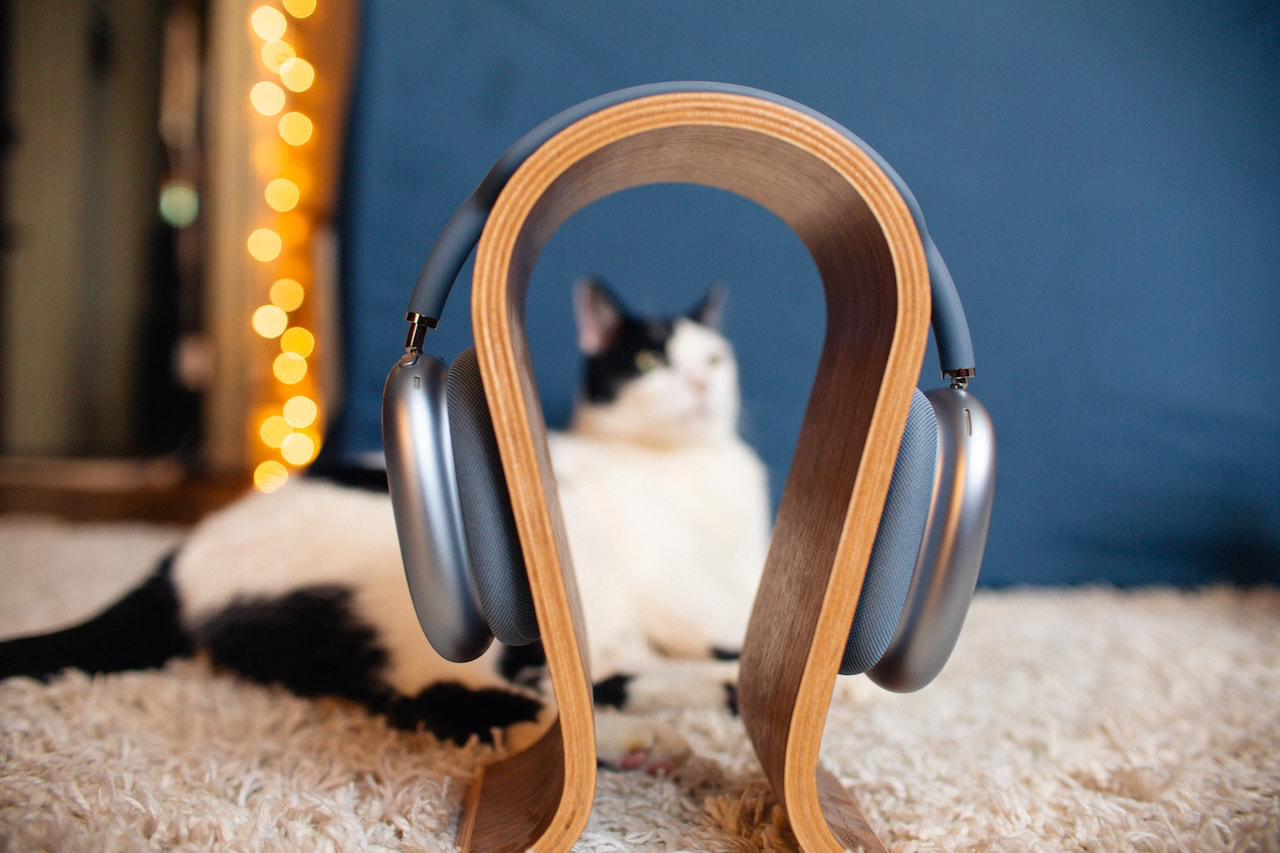
The AirPods Max 2, like the original, still feel like one of the most premium wireless headphones Apple has ever made. The aluminum ear cups feel excellent, the suspension headband helps spread the weight better than expected, and Apple’s Transparency, Noise Cancelling, and Adaptive modes remain among the best implementations in the category.
That weight still matters. At 382.2 grams, the AirPods Max 2 never disappear on your head. The balance is good, but after a full record, taking them off feels less like a break and more like your neck filing a polite complaint.
The listening modes are very well executed. Noise Cancelling is excellent with steady background noise and also reduces intermittent sounds effectively. Transparency mode keeps outside sound natural and useful, while Adaptive mode works as a smart middle ground, adjusting continuously based on the listening environment.
Sound
The AirPods Max 2 retain almost all of the strengths (and occasional weaknesses) of the original model. The stereo image still sounds expansive, the low end still has satisfying weight and impact, and the headphone’s detail retrieval remains impressive for a wireless headphone.
The general tuning philosophy seems unchanged as well: a mostly inoffensive sound with mild elevation in the upper treble and bass, nicely filled-in lower mids that give vocals a nice weight and intimacy, and a laid-back lower treble that remains forgiving across a wide range of music and other content.
Reference Tracks
Bass
The low end comes across as classic Apple. There is a typical elevation to the bass and sub-bass that gives kick drums and bass guitars an enhanced sense of impact and authority.
Listening to “Only When I” by Alice Phoebe Lou, despite the relatively emphasized low end, the separation between kick drum and bass guitar remains nice and distinct, letting each support the arrangement within its own range of low-end frequencies.
Listening to “Escalator” by Ritt Romney, the AirPods Max 2 do a pretty great job reproducing both the sustained sub-bass and pulsating mid-bass rhythm without the two becoming overly blurred together.
While the low end is not as punchy or authoritative as it is on something like a planar magnetic open-back driver Audeze LCD-X or a dynamic open-back like a Focal Clear, it sounds just as good or better than any other closed-back wireless headphone I’ve heard without sacrificing midrange intelligibility.
Midrange
While the low end on the AirPods Max 2 lands decidedly north of neutral, the midrange plays it very safe.
The lower midrange where the fundamental frequencies of melodic elements like vocals, guitars, and pianos sit, is more forward and filled out. Moving into the upper midrange from roughly 1 kHz to 5 kHz, Apple has done the typical Apple thing and kept the amplitude nice and relaxed.
This is where overemphasis becomes most irritating because human hearing is especially sensitive in this range. It is where many urgent sounds live, including babies crying, people screaming, and alarms.
The downside of playing it safe is that some songs and content come across as overly dull or relaxed. One example is “Halloween” by Phoebe Bridgers. The inherently forward lower midrange combined with the relaxed upper midrange of the track makes for an especially wonky rendition of a mix that is usually one of my favorites. The buildup in the upper bass and lower midrange creates a sense of pressure and fullness that needs more upper midrange clarity to keep things balanced.
Generally, Apple did a good job sculpting the midrange to be widely palatable across most music and audio content.
Treble
The treble, like the low end, is somewhat emphasized. Fortunately, Apple mostly avoids the kind of sharp lower-treble peaks that can make headphones sound brittle or fatiguing over longer listening sessions.
Instead, most of the added energy seems concentrated higher up in the spectrum, lending cymbals, acoustic textures, reverbs, and ambient details a pleasant sense of air and openness without constantly shoving them into the foreground.
The treble emphasis does occasionally land unpleasantly with sibilance and percussion, depending on how a song is mixed.
Listening to “Fruity” by Rubblebucket, the vocal sibilance rides dangerously close to the edge of unpleasantness without ever fully crossing over. Songs with more aggressive mixes like “Life or Just Living” by Caveman, fall squarely on the side of unpleasant every time the vocalist sings anything sibilant or consonant.
Overall, Apple did a decent job making the AirPods Max 2 sound exciting without becoming overly fatiguing. Some customization would go a long way, but as usual, Apple provides no native EQ control.
Comparison to AirPods Max 1
While the tuning feels more similar than different compared to the original AirPods Max, the upper and lower extremities of the frequency range come across as subtly firmer and more defined. Bass sustain feels more convincing, and upper-treble information like percussion and cymbals sounds smoother and slightly less digital.
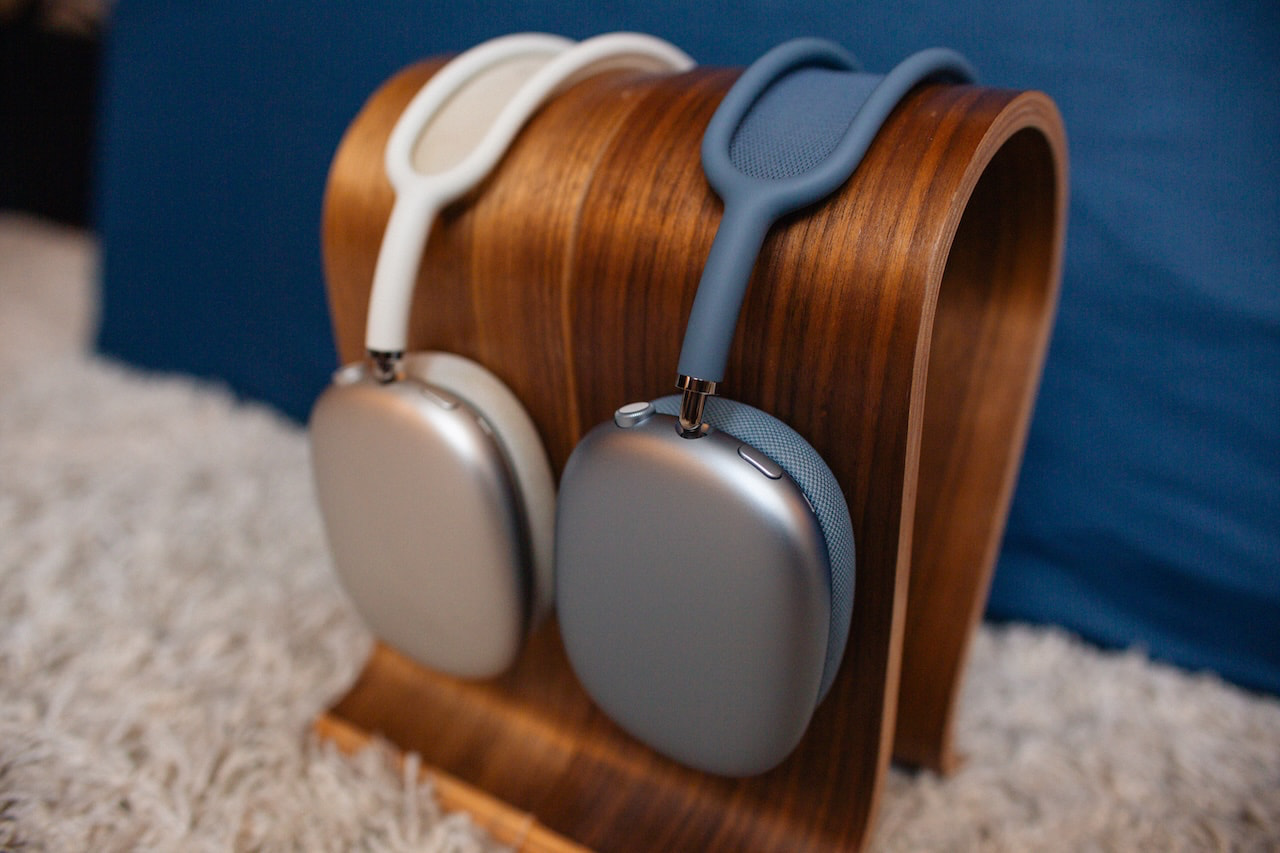
Plugging the AirPods Max 2 in via USB-C for wired listening also improves the sound modestly, further refining many of the qualities above. The difference is not night and day, but for someone seeking the most natural sound possible from the AirPods Max 2, listening via USB-C is the best way to get there.
The improvements to noise canceling and transparency functions are similarly incremental. If you compare the two models side by side, the newer model is clearly superior in overall attenuation of environmental noise. The AirPods Max 2 do a more even job across the frequency spectrum, whereas the original model lets slightly more lower-treble information through to the listener.
However, the difference is not night and day. The original already did a fantastic job and the new version only slightly improves on the former.
For anyone deciding between the old version and the new version, I would suggest the AirPods Max 2 as the superior product. But is the upgrade from the original worth the money? I don’t think so. The two products are more similar than different so I would wait for the next iteration.
Comparison to Bose QuietComfort Ultra 2
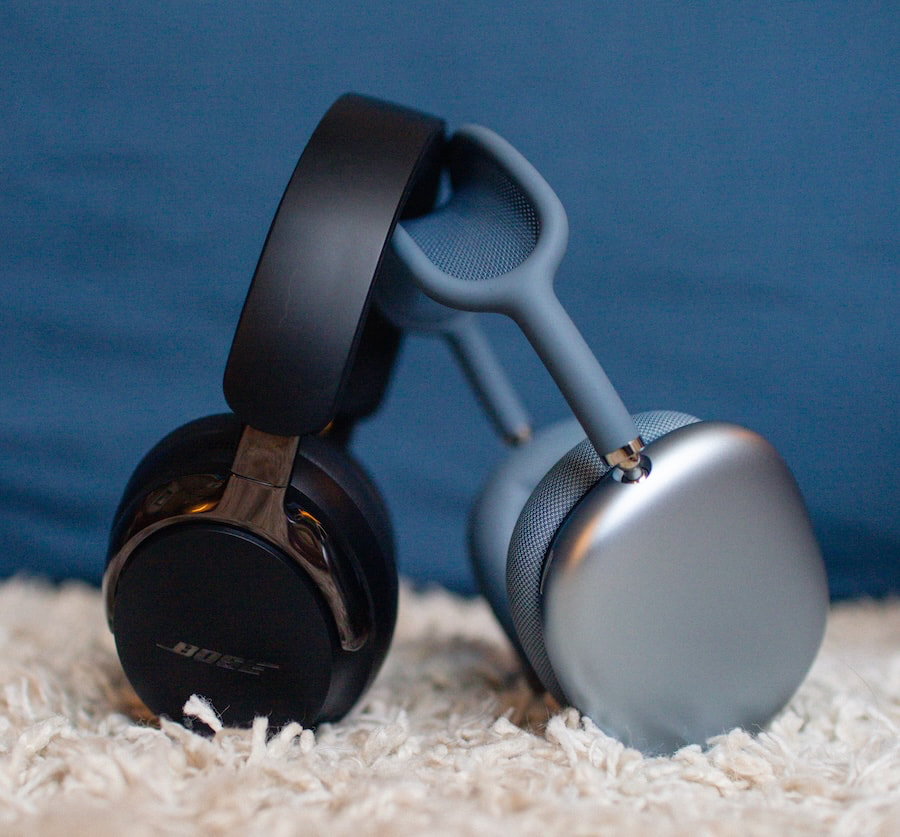
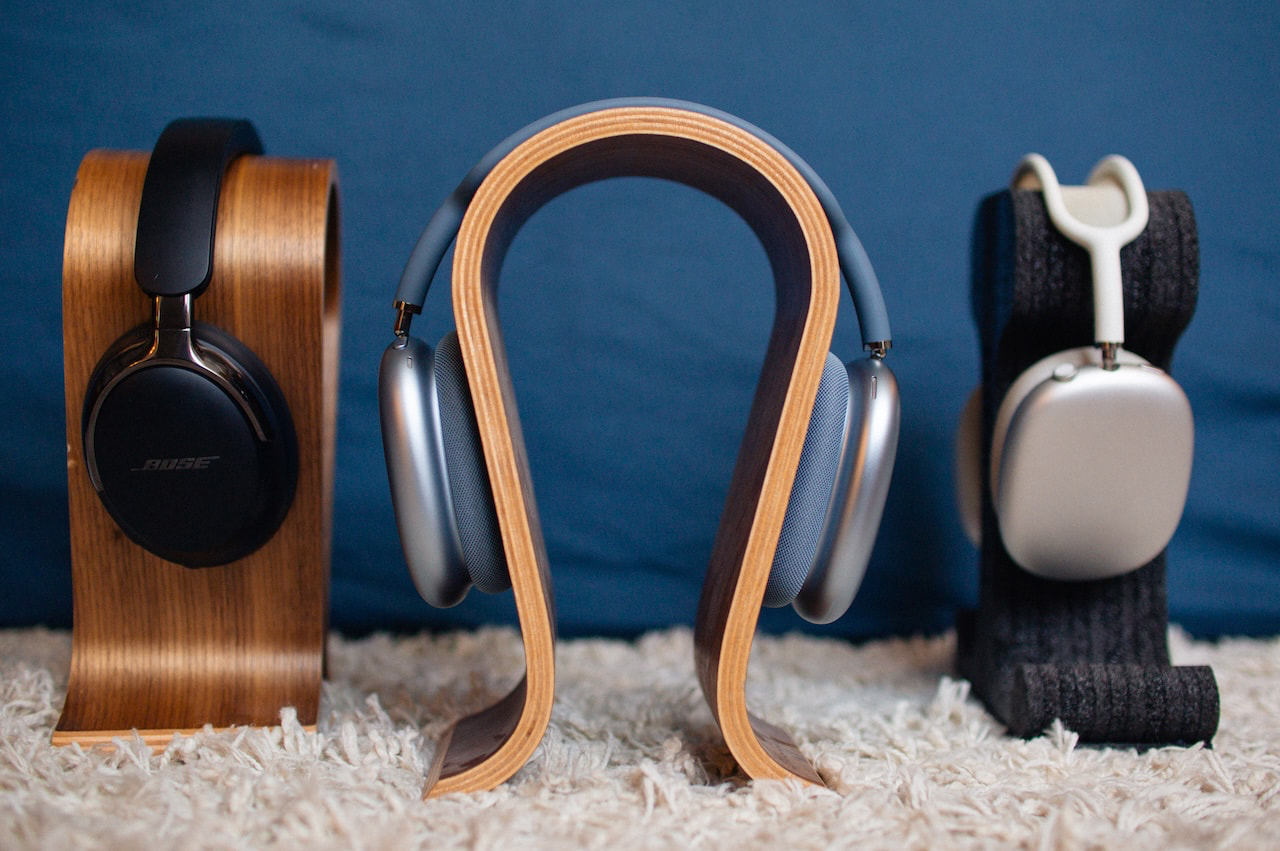
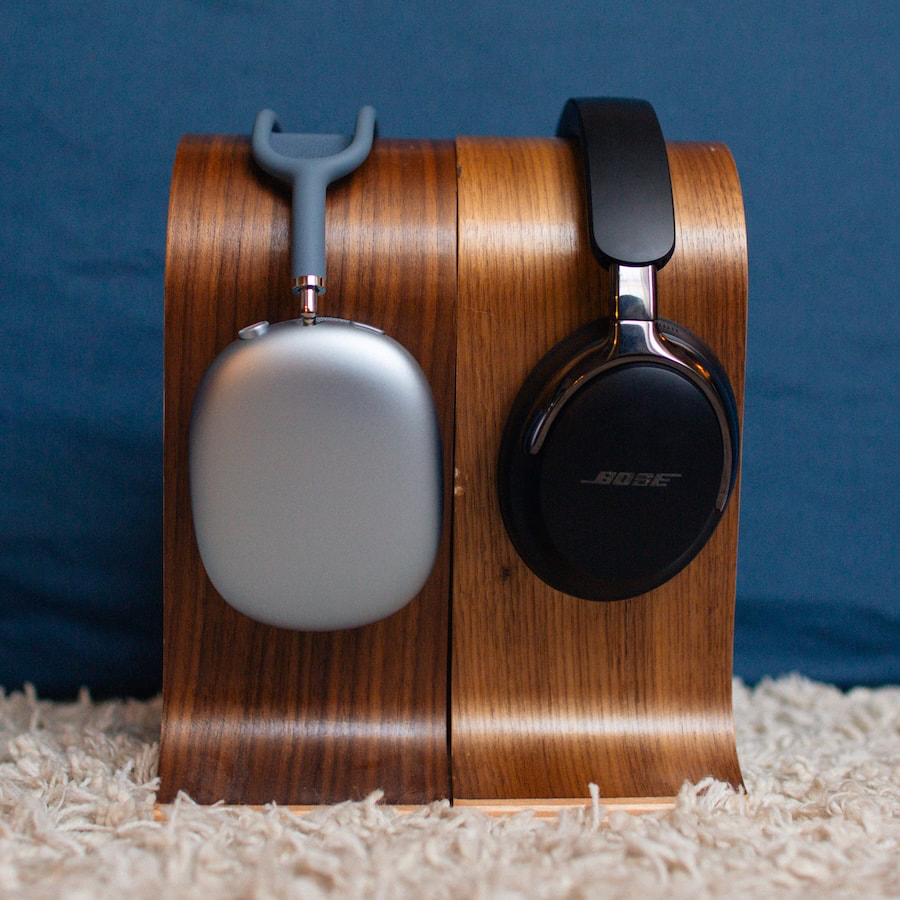
The Bose QuietComfort Ultra (2nd Gen) feels like the more rational product. It is lighter, more comfortable, has notably better battery life, folds up more easily and compactly, and includes native EQ sound and noise cancelling level customization. Ultimately, the Bose is a more practical design for listening on the go.
Next to the Bose, the AirPods Max 2 feels more like an Apple luxury fashion accessory. The materials are nicer, the integration is more seamless with my iPhone, and all three listening modes (Transparency, Noise Cancelling, Adaptive) sound more natural despite the lack of customization.
In terms of sound, the Bose QuietComfort Ultra 2 sounds surprisingly different compared to the AirPods Max 2 for two headphones competing in the same space. The Bose takes Apple’s V-shaped frequency response and puts it into warp drive – both the low bass and the upper trouble are more emphasized on the Bose. Ultimately, I find the QC Ultra 2 less detailed and more fatiguing than the AirPods Max 2 with a generally more artificial sound.
However, between the QC Ultra II’s significantly lower price, lighter weight, and inclusion of EQ customization, I would sooner recommend the Bose to someone looking for a solid sounding over-ear noise canceling headphone.
The Bottom Line
The AirPods Max 2 are, ultimately, a product for people who already know they want an AirPods Max.
If you’re deeply invested in Apple’s ecosystem, value best-in-class transparency mode and noise cancellation, care about industrial design, and want a wireless headphone that sounds genuinely good without requiring much thought or tweaking, the AirPods Max 2 stands out as one of the most compelling options on the market.
They still feel uniquely Apple in both the best and worst ways: beautifully built, thoughtfully integrated, and exceedingly expensive.
At the same time, this update feels particularly conservative. The AirPods Max 2 improves on the original model in nearly every category – but only slightly. The sound is more refined, the ANC is more effective, and USB-C wired audio is a genuinely welcome addition. But none of it fundamentally changes the experience. Existing AirPods Max owners are not missing much.
Personally, there are very few situations where I would prefer listening to the AirPods Max 2 over my much-loved AirPods Pro 2 earbuds. Between the AirPods Max 2’s less-neutral sound signature and dramatically heavier weight, I simply get along better with the sound and form factor of the AirPods Pro 2.
If my goal is to listen to headphones with the best possible sound quality, I prefer wired open-back headphones. If convenience is the mission, I’m always going to choose the pocketable AirPods Pro 2. Maybe if Apple were to add some EQ customization to the AirPods Max 2, this conclusion may have looked very different but based on Apple’s track-record, I won’t hold my breath.
Pros
- Best-in-class Transparency, Noise Canceling, and Adaptive modes
- Spacious and detailed sound
- USB-C audio support
- Apple ecosystem integration
Cons:
- Below average battery life
- Heavy
- No built-in EQ customization
- Expensive!
Ratings Compared
| AirPods Max 1 | AirPods Max 2 | Bose QC Ultra 2 | |
| Sound Quality | 3.5 | 4 | 3.5 |
| Comfort | 3 | 3 | 4.5 |
| Usability | 5 | 5 | 4 |
| Build Quality | 5 | 5 | 4.5 |
| ANC | 4.5 | 5 | 5 |
| Total | 21/25 | 22/25 | 21.5/25 |
Where to buy:
Related Reading:

Looking for the most recent Mini Crossword answer? Click here for today’s Mini Crossword hints, as well as our daily answers and hints for The New York Times Wordle, Strands, Connections and Connections: Sports Edition puzzles.
Need some help with today’s Mini Crossword? The clue that threw me off was 7-Across, but I eventually figured it out. Read on for all the answers. And if you could use some hints and guidance for daily solving, check out our Mini Crossword tips.
If you’re looking for today’s Wordle, Connections, Connections: Sports Edition and Strands answers, you can visit CNET’s NYT puzzle hints page.
Read more: Tips and Tricks for Solving The New York Times Mini Crossword
Let’s get to those Mini Crossword clues and answers.
The completed NYT Mini Crossword puzzle for May 21, 2026.
Mini across clues and answers
1A clue: Not such a wild place to see an elephant
Answer: ZOO
4A clue: Mark who wrote “Man was made at the end of the week’s work, when God was tired”
Answer: TWAIN
6A clue: Symbol on the U.S. quarter
Answer: EAGLE
7A clue: Parts of a dental exam
Answer: XRAYS
8A clue: What Wile E. Coyote is always exploding himself with
Answer: TNT
Mini down clues and answers
1D clue: Big name in restaurant ratings
Answer: ZAGAT
2D clue: Like your hands after eating potato chips, perhaps
Answer: OILY
3D clue: Lowest numbers in sudoku
Answer: ONES
4D clue: Reach out with your fingers?
Answer: TEXT
5D clue: Give an alert
Answer: WARN
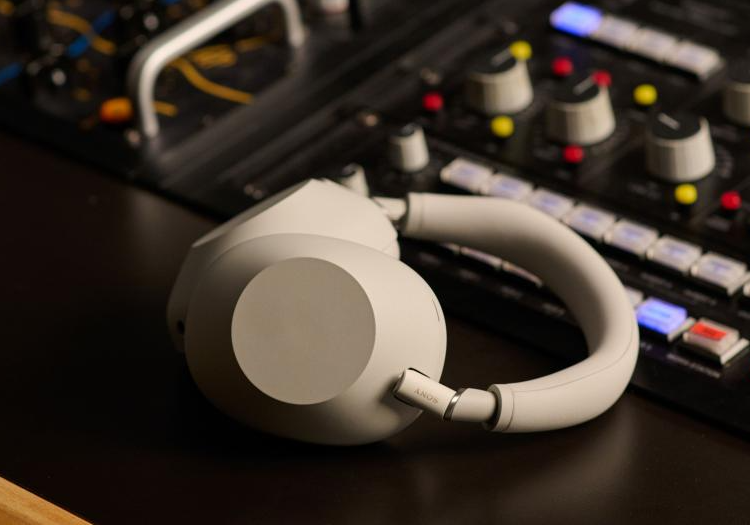
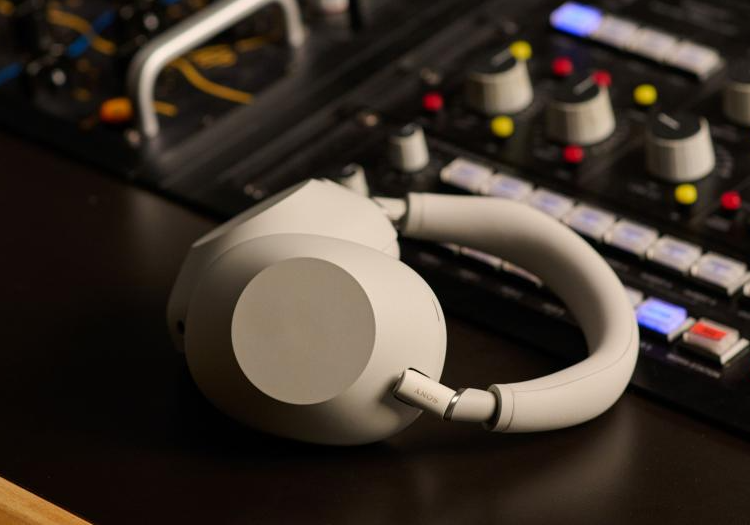
Sony’s premium wireless headphones, the WH-1000XM6 and WH-1000XM5, are currently down to $400 and $250 respectively, following the debut of the 1000X The ColleXion lineup. Both remain among the top ANC headphones available, offering strong audio quality, and long battery life.


The desk is offered in four tabletop colors – clear on ash, studio white, medium matte walnut, or ultra black – and can be configured with either white or black legs depending on the tabletop choice. You also get a coiled red power cable and a full-length cable tray designed…
Read Entire Article
Source link
Tech
Google’s Managed Agents API promises one-call deployment at the cost of execution layer control


At Google I/O, the company unveiled Managed Agents in its Gemini API — a service that promises to collapse weeks of agent deployment work into a single API call. It’s also a sign that Google believes its ecosystem, including the newly launched Antigravity CLI, is ready to own the execution layer end-to-end.
Before a single agent is written, teams are already spending days on the unglamorous work: standing up execution environments, managing sandboxes, wiring tool call infrastructure. Model providers like Anthropic have launched platforms to handle much of that work — but Google’s approach is different.
Google said in a blog post that Managed Agents in the Gemini API abstracts “away the complexity so that you can focus on your product experience and agent behavior.” The service is available in preview via new custom templates in Google AI Studio.
The growth has introduced a real architectural question: should agent management live at the execution layer — embedded in the model or its harness — or at the infrastructure layer, as a separate runtime?
Comparing Google’s approach
Until recently, agent orchestration relied on frameworks that sat above the model, directing agents and letting teams control routing and execution separately. That layer is now being absorbed by the platforms themselves.
Recent platforms like Claude Managed Agents embed orchestration at the model layer rather than on a separate runtime platform. The idea is that the model owns the reasoning and orchestration layers, and enterprises have control over execution.
AWS, through new capabilities on Bedrock AgentCore, adds managed harnesses that stitch together the upfront tasks for deploying agents. Google’s approach goes further, optimizing the model, harness, and sandbox together and running everything in secure Google-managed environments.
René Sultan of Ramp, cited in Google’s announcement, said the shift is concrete: “The real shift with Gemini Managed Agents is that the agent runtime moves into the platform. With the sandbox, infrastructure and execution loop managed for you, developers can focus on productizing the agent’s domain-specific behavior and iterating at a completely different pace.”
The new orchestration reality
Enterprises starting fresh with agents could find the platform offerings from Anthropic and Google strong, especially since they remove much of the difficulty of deploying agents while still maintaining some control. Google, however, is pushing for a more vertically integrated system, while Anthropic is betting on the model layer as an orchestration plane, and AWS focuses on authorization.
But this also brings some risks, according to XYO founder and chief executive Arie Trouw.
“An additional risk is that developers will switch out what previously were deterministic services for what will now be probabilistic services, which can introduce unpredictable outcomes for the users at best, or data corruption at worst,” Trouw told VentureBeat in an email. “This is the classic example of having an amazing hammer and everything starting to look like nails. I’ve seen this pattern repeatedly as a developer and business founder myself in the past few decades.”


Several-Bar-6512 had the goal of building a PC that was unique, long-lasting, and something to be proud of. The result is certainly something we’ve never seen before.
Read Entire Article
Source link

Scientific papers rely on readers trusting their information. That’s why it’s disturbing that a new study by researchers connected with Cornell and UCLA found 146,900 AI-generated fake citations in scientific papers hosted across four major research databases.
A key limitation of large language models such as Gemini and ChatGPT is their tendency to produce plausible-sounding but incorrect information, a phenomenon known as hallucination. If a researcher relies on a chatbot to draft citations without verifying them, the model may generate references that are entirely fabricated.
While scientific papers are often hidden from the public eye, the research they report has a profound impact on our lives. Everything from the internet to lithium-ion batteries began as a research paper.
But when scientists submit papers that cite AI hallucinations, it can erode faith in the quality of the research.
Sloppy science
The research team analyzed 111 million references from 2.5 million scientific papers. They looked for citations with titles that the team could not match to any publication. While some of these instances were just spelling errors, the team also found hallucinations.
Unscrupulous researchers had faked citations long before the rise of chatbots, so the team also examined the rates of unmatched citations in research published before 2023, when chatbots hadn’t yet become ubiquitous.
“We find a sharp rise in non-existent references following widespread LLM adoption,” the authors write in the paper.
The team also found that the bad citations were spread across many papers rather than concentrated in just a few. That suggests the problem is widespread, with many researchers relying on AI-generated references without fully verifying them.
Warning signs
Usha Haley, professor of management at Wichita State University, told CNET via email that she sees the proliferation of fake citations as a serious warning.
“Fake or AI-generated citations undermine trust in the scholarly record that provides the foundation on which peer review and cumulative knowledge rest,” Haley said. “Disturbingly, this skepticism is now coming from within academia itself and from early career scholars.”
The four databases where the researchers found the fake citations are arXiv, bioRxiv, SSRN and PubMed Central. These organizations, known as scientific repositories, play a major role in the research world.
Before a paper is published in a scientific journal, the authors often upload it to a scientific repository, increasing its visibility and allowing the global scientific community to access it immediately. The new paper on AI hallucinating citations is currently hosted on arXiv.
Recently, arXiv has taken steps to stem the flow of false citations. The organization announced Tuesday that it will ban authors who submit work with hallucinated citations or with any sign of AI content that hasn’t been carefully checked.
“The corpus of science is getting diluted. A lot of the AI stuff is either actively wrong or it’s meaningless. It’s just noise,” arXiv scientific director Steinn Sigurdsson told CNET’s Katelyn Chedraoui back in February. “It makes it harder to find what’s really happening, and it can misdirect people.”

Nvidia founder and CEO Jensen Huang is, perhaps, one of the greatest corporate hype men of all time when it comes to his company. He may even surpass Salesforce’s Marc Benioff when it comes to relentless optimism in his company’s future and revenues.
Even so, he delivers on the hype, quarter after quarter.
Instead of cautioning you to view the proclamation that he’s found a “brand new $200 billion TAM for Nvidia” with skepticism, I’d argue he’s earned a bit of trust.
Huang positioned this massive new market at the feet of Nvidia’s new CPU product, Vera, which was introduced in March. Speaking on Wednesday’s earnings call — after Nvidia posted another record-breaking quarter with $81.6 billion in revenue and forecast $91 billion for the next — Huang pitched Vera as a potentially transformative product. And one that already has promising sales figures.
But no matter how well Nvidia delivers, Wall Street harbors anxiety over what will knock Nvidia from its perch.
Lately, such fears have centered on the CPU. Nvidia is the king of the GPU, whereas historically the CPU markets were owned by companies like Intel and AMD. (Nvidia has made CPUs previously, of course, but that’s not its core business.)
For example, last month Amazon Web Services crowed about a giant contract it signed with Meta for millions of Amazon’s homegrown AI CPUs. Amazon CEO Andy Jassy has been clear that he thinks AWS can do AI chips, both GPUs and CPUs, at least as well, and possibly better than Nvidia.
But now, with the Vera CPU, which is sold alone and bundled with its Rubin GPU, Huang believes he’s unlocked “a major new growth driver” for his company because Vera is, he believes, “the world’s first CPU, purpose-built for agentic AI,” Huang said on the call.
“Vera opens a brand new $200 billion TAM for Nvidia, a market we have never addressed before, and every major hyperscaler and system maker is partnering with us to deploy it. The world is rebuilding computing for agentic AI and robotic physical AI. Nvidia sits at the center of these transitions,” hype man Huang said.
He explained that while the “thinking” part of an AI model uses GPUs, agents mostly run on CPUs. They use CPUs to do their assigned tasks and will, he predicts, run their own form of CPU-driven PCs.
Vera is for agents because it’s specifically designed to process tokens as fast as possible. This is opposed to classic cloud architecture CPUs designed with “cores,” or the ability to run multiple instances of apps as fast as possible.
That sounds logical, but with the major cloud providers as well as startups pursuing AI chip development, what makes him think that Nvidia will be the go-to source for agentic CPUs?
Because, Huang says, Nvidia has already sold $20 billion worth of standalone Vera CPUs this year and we’re only at the beginning.
“The world has a billion users, human users. My sense is that the world is going to have billions of agents, not today. I mean, we’re going to grow into it, but we’ll have billions of agents, and those billions of agents will all use tools. And those tools are going to be like PCs, just like us humans using using PCs today,” he said.
“We’re going to need a lot more CPUs,” he explained.
When you purchase through links in our articles, we may earn a small commission. This doesn’t affect our editorial independence.

Missouri AG Sues CoinFlip for Enabling Crypto Scams

Man Utd news: Rashford transfer ramps up with new development as bidding war breaks out

IQAir Atem Earth Air Purifier Review

US brings back mandatory military draft registration

Steven Gerrard disagrees with Gary Neville over ‘shock’ Chelsea and Arsenal claim | Football

Register Renaming | Hackaday

AI Is Coming for Jobs. Here’s the Crypto Upside

Advanced Financial Management |Mcom sem4 Nep |Most Imp Question Paper Solution|Ark sir

$100 XRP WILL HAPPEN IT’S A CURRENCY BRIDGE! – RAL PAOUL CAN’T SAY XRP WHY? – STAY RICH MINDED!
-

 Crypto World5 days ago
BloFin War of Whales 2026 Grand Prix opens registration for $5M trading championship
-

 Fashion5 days ago
Weekend Open Thread: Theory – Corporette.com
-

 Crypto World5 days ago
E-Estate Announces 1 Year Live: Washington DC Summit as Real Estate Tokenization Enters Its Next Phase
-

 Tech6 days ago
Tech Moves: Microsoft AI leader jumps to OpenAI; former AI2 exec joins Meta; and more
-

 Tech5 days ago
Google reimburses Register sources who were victims of API fraud
-

 Crypto World7 days ago
Google’s Gemini AI Predicts Incredible Solana Price by the End of 2026
-

 Business6 days ago
H&R Real Estate Investment Trust (HR.UN:CA) Q1 2026 Earnings Call Transcript
-
 Entertainment6 days ago
Zara Larsson Has Blunt Response To Chris Brown Diss
-

 Sports5 days ago
Napoleonic enters 2026 Doomben 10,000 field via Abounding withdrawal
-
 Crypto World5 days ago
BeInCrypto 100 Institutional Awards Nomination: KAST for Best Digital Assets Neobank and Best Digital Assets Fintech
-
 Crypto World5 days ago
Bitcoin Battles US Bond Nerves With BTC Price Dip Toward New May Lows
-

 Fashion4 days ago
On the Scene at Gucci’s Cruise Show in New York City: Mariah Carey, Kim Kardashian, Lindsay Lohan, Iman, and More!
-

 Crypto World5 days ago
Wall Street’s Boldest Gold Prediction Has Russians Rushing to Buy
-

 Crypto World5 days ago
ICE and CME urge US regulators to curb Hyperliquid energy trading
-

 Fashion5 days ago
Trending Western Style Vests Perfect for Summer
-

 Politics6 days ago
DWP PIP Timms review continues to be an absolute farce
-

 Entertainment6 days ago
David Letterman Returns to Late Show, Blasts Cancellation
-

 Crypto World5 days ago
IREN closes $3 billion convertible notes deal amid AI infrastructure expansion
-

 Fashion4 days ago
Amazon Sundays: Memorial Day Hosting
-
 Crypto World6 days ago
Lido Finance Selects Chainlink CCIP as the Official Cross-Chain Infrastructure for wstETH Security
You must be logged in to post a comment Login