
Tech
Fosi Audio to Unveil S3 Lite Streaming Transport and Three More New Products at CanJam SoCal 2026

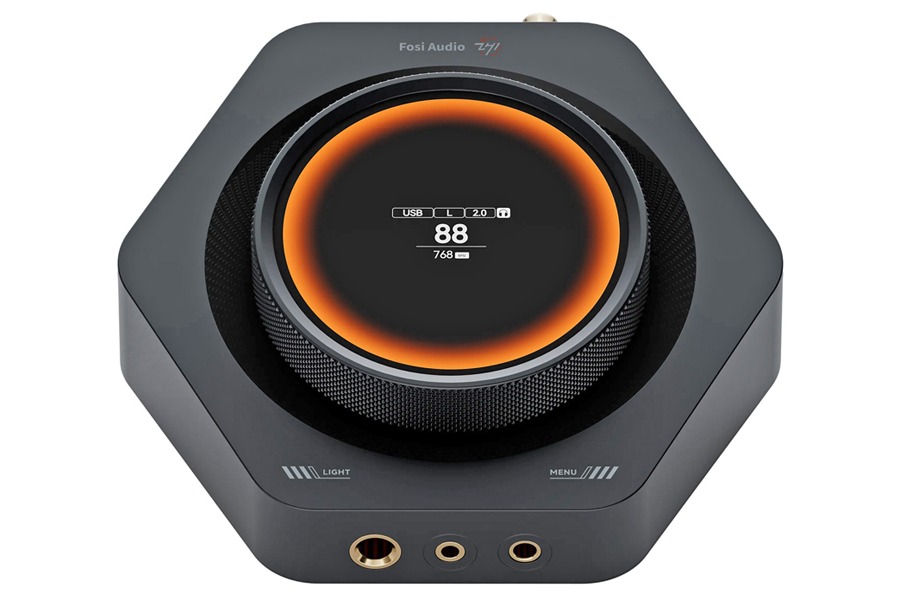
Fosi Audio used to be rather easy to categorize. Affordable desktop amplifiers, DACs, and other compact components were its bread and butter, usually with enough performance to make considerably more expensive competitors a little uncomfortable.
That description no longer tells the whole story.
Over the past year, Fosi Audio has pushed much harder into the personal audio category with headphones, IEMs, headphone amplifiers, portable components, and streaming products. We have covered a lot of them at eCoustics, and while not every new product is aimed at the same listener, the broader strategy has become increasingly clear: Fosi wants a much larger piece of the Head-Fi market.
CanJam SoCal 2026, which takes place August 29-30 at the Irvine Marriott in Orange County, will give the company another opportunity to make that case. Fosi Audio is bringing four new products for attendees to see and hear: the ZH1 Desktop DAC & Headphone Amp, Carbon12 IEM, DISC Nano Portable CD Player, and S3 Lite Streaming Digital Transport.
All four are interesting for different reasons, particularly as Fosi continues to stretch beyond the inexpensive desktop amplifiers that established the brand. But we are saving the most intriguing one for last. The S3 Lite takes a decidedly different approach to affordable network streaming, and at $199.99, it could become a rather disruptive little black box for listeners who already own a DAC they have no intention of replacing.
ZH1 Desktop DAC & Headphone Amp
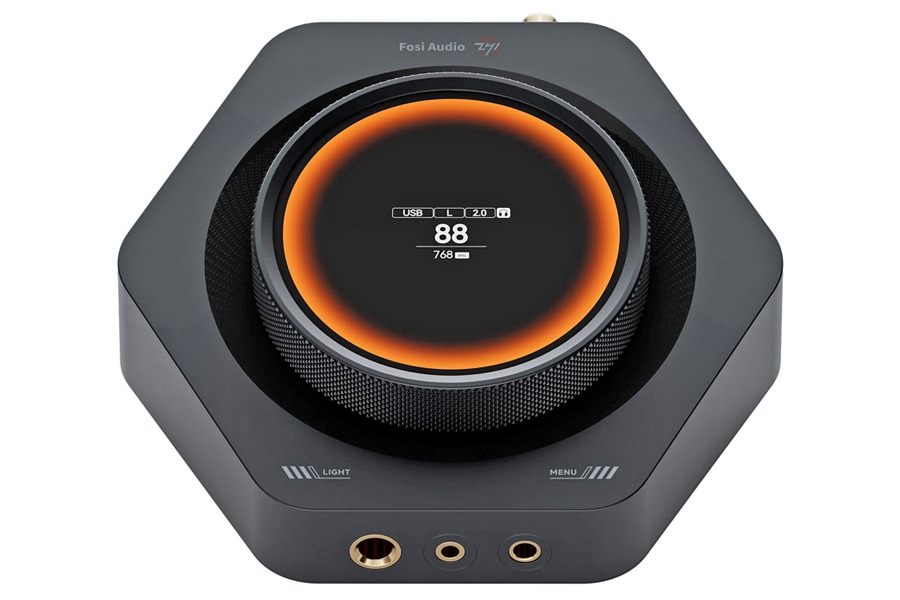
To start things off, the ZH1 Desktop DAC & Headphone Amp is designed to bridge music, entertainment, and gaming in a compact desktop component.
According to Fosi Audio’s latest specifications, the ZH1 uses an ESS ES9039Q2M DAC and supports PCM playback up to 768kHz and DSD512. That is notably different from the prototype we saw at CanJam London, which was built around a pair of Cirrus Logic CS43131 DACs, suggesting Fosi has made some significant changes ahead of production. The balanced headphone output is rated at up to 2,000mW, which should give it enough power for a wide range of full-size headphones.
The ZH1 also incorporates Fosi Audio’s AI-assisted EQ system. Rather than requiring users to manually adjust individual parameters, Fosi says the system can create a personalized EQ curve based on the listener’s stated sonic preferences. Customizable RGB ambient lighting is also included for those who want their desktop audio system to look a little more like their gaming rig.
Multiple input and output options are designed to make the ZH1 suitable for both conventional desktop listening and gaming setups. It also expands Fosi Audio’s growing gaming and personal audio lineup alongside the C3 Gaming DAC & Headphone Amp.
Fosi Audio has not provided a complete set of specifications ahead of CanJam SoCal, but the ZH1 is expected to be available in late September for $149.99.
Carbon12 In-Ear Monitor (IEM)
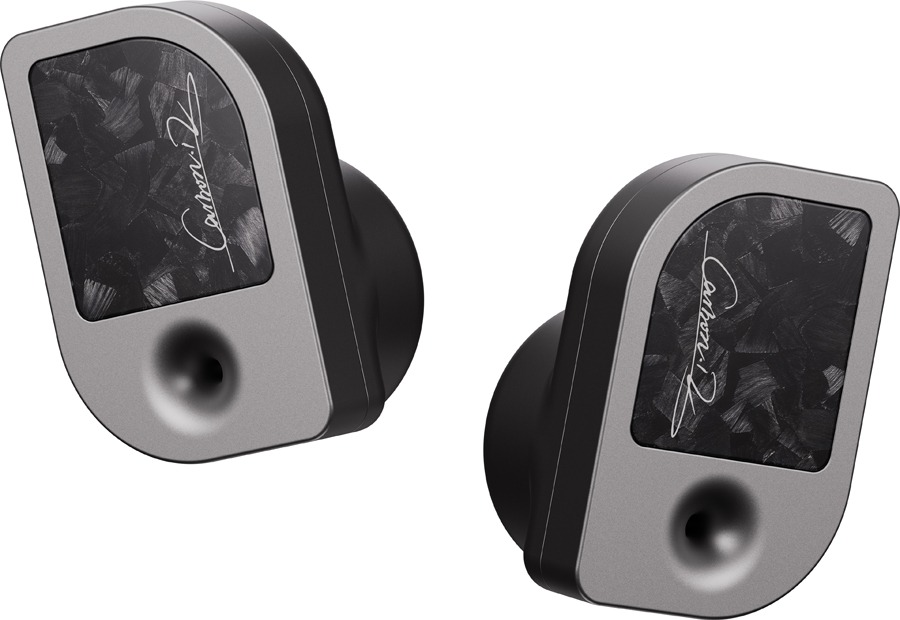
The next new product Fosi Audio is showing at CanJam SoCal 2026 is the Carbon12 In-Ear Monitor (IEM), and it represents another significant step into a category the company was barely involved in a year ago.
Fosi is positioning the Carbon12 as a premium HiFi IEM built around what it describes as the world’s first UTPT ultrathin pure carbon-fiber diaphragm. Unlike more common composite diaphragms that incorporate carbon fiber with other materials, Fosi says its UTPT design uses pure carbon fiber to combine very low mass with high rigidity.
The Carbon12 uses a 12mm dynamic driver housed inside a TC4 titanium alloy body with a forged carbon-fiber faceplate. Internally, Fosi has incorporated a dual-chamber acoustic structure and balanced pressure-relief system designed to control airflow and driver behavior.
Fosi is tuning the Carbon12 for a warmer presentation with an emphasis on vocals, which should make it rather different from some of the brighter and more analytical IEMs currently crowding the $150 segment. We will reserve judgment on that until we actually hear it at CanJam.
Key Specifications
| Fosi Audio Model | Carbon12 |
| Product Type | In-Ear Monitor (IEM) |
| Driver | 12mm Dynamic Driver with UTPT™ Thin-Ply Carbon Diaphragm |
| Housing Material | TC4 Titanium Alloy with Carbon Fiber Faceplate |
| Frequency Response | 20Hz–40kHz |
| Impedance | 37Ω |
| Sensitivity | 108dB/Vrms @1kHz |
| THD | ≤0.5% @1kHz |
| Weight (Per Earbud) | 7.5g |
Price & Availability
The Fosi Audio Carbon12 is expected to be available in late September 2026 for $149.99 MSRP.
DISC Nano Portable CD Player
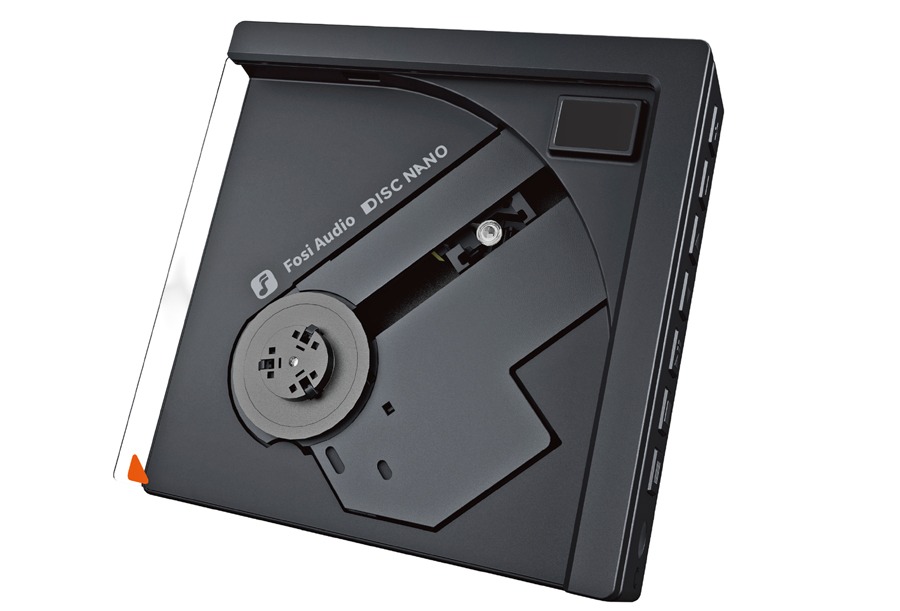
Physical media has found new life over the past few years, and CDs are increasingly part of that conversation. New CD players are appearing at almost every price point, which makes Fosi Audio’s next CanJam SoCal 2026 debut rather timely.
The DISC Nano Portable CD Player is designed for listeners who want to take their discs with them without carrying something the size of an early 1990s Discman. Fosi describes the DISC Nano as the world’s smallest portable CD player, a claim we would like to see backed up with final dimensions before handing over the trophy.
Its distinctive half exposed disc design puts the CD itself on display, combining some of the tactile appeal of physical media with features that did not exist when portable CD players ruled backpacks and airline tray tables.
The DISC Nano uses a Cirrus Logic CS43198 DAC and incorporates ESP electronic anti-skip protection to improve playback stability when used on the go. Fosi has also equipped it with an internal rechargeable lithium battery, so it does not need to remain tethered to an external power source.
Connectivity is unusually comprehensive for something this small. The DISC Nano provides 3.5mm and balanced 4.4mm headphone outputs, along with an optical digital output for use with an external DAC or audio system. Bluetooth transmission also allows CDs to be played through compatible wireless headphones, earbuds, and speakers.
Fosi has also incorporated an N52 magnetic rear panel, allowing the player to attach to compatible magnetic mounts and accessories. Some early descriptions refer to this as MagSafe compatibility, although we would not interpret that as MagSafe wireless charging unless Fosi confirms that capability.
Key Specifications
| Fosi Audio Model | Nano |
| Product Type | CD Player |
| Disc Compatibility | CD-DA; additional disc format compatibility not provided at this time – more details upon product release. |
| DAC | CS43198 flagship |
| Digital Out | 3.5mm optical combo (2-in-1) |
| Wireless Output | Bluetooth |
| Output Power | 90mW |
| Magnetic | Standard MagSafe ring |
| Battery | 800mAh / 2h battery life |
| Charging | USB-C |
| Material / Finish | ABS+Glass, matte black, soft-touch |
| Disc Fixation | Snap-lock (card-buckle) |
Price & Availability
The Fosi Audio DISC Nano is expected to arrive in late September 2026 for $99.99 MSRP.
At that price, the DISC Nano might be more than a novelty. A genuinely portable CD player with balanced headphone output, Bluetooth, optical digital output, an internal battery, and a $100 price tag is exactly the sort of product that could make the CD revival a little more interesting.
S3 Lite Streaming Digital Transport
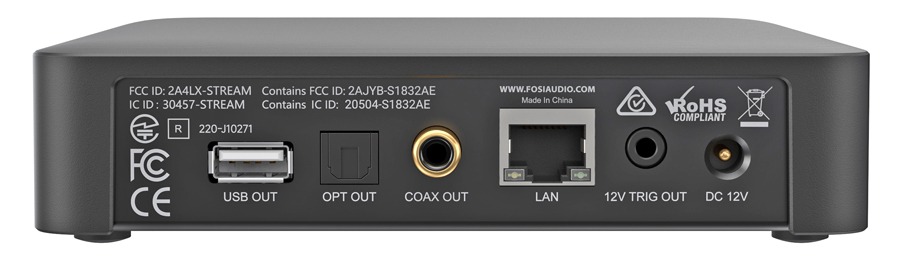
Rounding out the new products Fosi Audio is bringing to CanJam SoCal 2026 is the S3 Lite Streaming Digital Transport, and this might be the most interesting of the four.
The S3 Lite takes its inspiration from the previously released S3 Streamer/DAC/Preamp, but removes the onboard AKM DAC, analog output stage, and physical audio inputs. The idea is straightforward: if you already own a DAC that you like, why pay for another one?
That makes the S3 Lite less of an all in one streamer and more of a dedicated digital bridge between streaming services and an existing HiFi system. It supports dual band Wi-Fi 6 and Bluetooth 5.3, along with Google Cast, AirPlay 2, DLNA, Spotify Connect, TIDAL Connect, Qobuz Connect, and Bluetooth. Fosi also lists Roon Ready support, although the company said in July that certification was still being completed, so we would like to see final confirmation on that point.
More importantly, calling it the S3 Lite undersells one aspect of the design. The S3 Lite provides USB-A, optical, and coaxial digital outputs, whereas the full S3 does not offer USB or coaxial digital output. For anyone planning to use an external DAC, that actually makes the less expensive model more flexible.
The USB output supports PCM up to 32-bit/768kHz, although DSD is not currently supported. Fosi also includes a 10 band graphic EQ, a Bluetooth remote with a claimed 15 meter operating range, and a 12V trigger output that can power compatible downstream components on and off with the streamer. The chassis measures just 147mm wide, making it easy to integrate into a desktop or compact two channel system.
Ultimately, the S3 Lite is not trying to replace your DAC, preamplifier, or entire system. It is designed for listeners who already spent money on those things and simply want to add modern streaming, including USB digital output, without dismantling everything else.
The Competition
FiiO’s SR11, currently selling for around $119.99, is probably its most direct rival because it is also a dedicated digital streamer with USB, optical, and coaxial outputs and support for PCM up to 32-bit/768kHz. The catch is that its streaming ecosystem is considerably narrower, concentrating primarily on Roon Ready and AirPlay.
The WiiM Pro at $169 and WiiM Pro Plus at $249 offer considerably broader software and streaming service support, along with excellent app integration, but their optical and coaxial digital outputs top out at 24-bit/192kHz and neither offers USB audio output. If you are only feeding an external DAC, the Pro Plus’ upgraded internal DAC becomes largely irrelevant.
Moving up to $349, the WiiM Ultra adds USB digital output, HDMI ARC, analog and phono inputs, a 3.5 inch touchscreen, an internal ESS DAC, subwoofer output, and much more extensive EQ capability. Its digital outputs, including USB, are limited to 24-bit/192kHz, but it is clearly the more comprehensive system hub if you actually need all of those additional features.
The Bluesound NODE NANO, at roughly $429, is another strong alternative with BluOS, an ESS ES9039Q2M DAC, USB, coaxial, and optical digital outputs, Roon Ready certification, AirPlay 2, Spotify Connect, TIDAL Connect, and access to a much broader streaming ecosystem. It tops out at 24-bit/192kHz, but BluOS remains one of the more mature streaming platforms available at this end of the market.
Comparison
| Fosi Audio Model | S3 Lite | S3 |
| Product Type | Streamer/Transport | Streamer/DAC/Preamp |
| Price | $199.99 | $259.99 |
| Streaming Processing Chip | Amlogic A113X | Amlogic A113X |
| DAC | – | AKM 4493SEQ |
| Audio Op-Amp | – | TI OPA1612 |
| Network | 802.11 a/b/g/n/ac/ax, Dual-Band Wi-Fi(2.4GHz and 5GHz) 10/100M Ethernet port | 802.11 a/b/g/n/ac/ax, Dual-Band Wi-Fi(2.4GHz and 5GHz) 10/100M Ethernet port |
| Bluetooth | Bluetooth 5.3, A2DP, AVRCP, BTLE supports SBC and AAC codecs | Bluetooth 5.3, A2DP, AVRCP, BTLE supports SBC and AAC codecs |
| Power | DC 12V 1.5A | DC 12V 1.5A |
| Multi-Room Audio | Via Google Cast and AirPlay 2 | Via Google Cast and AirPlay 2 |
| Streaming Service Support | Qobuz, TIDAL Connect, Spotify Connect, Roon Ready | Qobuz, TIDAL Connect, Spotify Connect, Roon Ready |
| Remote Control | Yes | Yes |
| Power Synch | 12 Volt Trigger Output | 12 Volt Trigger Output |
| Physical Inputs | – | RCA, Optical, HDMI eARC |
| Physical Outputs | USB-A, Optical, Coaxial | XLR, RCA, Optical, Subwoofer |
| Digital Output Sampling Rates | PCM Up to 32-bit/768kHz | PCM Up to 24-bit/192kHz |
| Dimensions | 147 x 146.5 x 32.5 mm 5.79 x 5.77 x 1.26 inches |
173 x 173 x 47 mm 16.81 x 16.81 x 1.85 inches |
| Weight | 507.2 Grams (17.9 oz) | 870 Grams (30.7 oz) |
Price & Availability
The S3 Lite is available now for $199.99 MSRP.
The Bottom Line
Fosi Audio’s presence at CanJam throughout 2026 makes one thing increasingly clear: the company is no longer content being known primarily for affordable desktop amplifiers. Personal audio has become a significant part of its strategy, and the four products heading to CanJam SoCal cover a surprisingly broad range of categories.
The ZH1 looks like a lot of desktop DAC/headphone amplifier for $149.99, while the Carbon12 represents Fosi’s most ambitious move yet into IEMs. The DISC Nano is certainly the most visually distinctive of the group and arrives at an intriguing $99.99, although portable CD players with balanced headphone outputs and Bluetooth already exist.
The S3 Lite is the one we find most interesting. Dedicated digital transports are nothing new, but Fosi’s combination of USB, optical, and coaxial outputs, support for PCM up to 768kHz over USB, eight streaming protocols, Wi-Fi 6, and a $199.99 price makes it an unusually focused option for listeners who already own a DAC they have no desire to replace. Instead of adding more hardware simply to make the specification sheet longer, Fosi removed the parts that audience does not need. That makes a lot of sense.
Of course, specifications and aggressive pricing only tell us so much. The eCoustics team will be at CanJam SoCal 2026 on August 29 and 30, where we will get a closer look at all four products and share our listening impressions after the show.
Related Reading:


This week Debian voted on whether to ban AI-assisted contributions. The winning proposal? “Debian neither endorses nor prohibits the use of generative AI tools” in its projects, documentation, and packaging… Generative AI “is neither exempt from nor subject to special rules beyond the standards already expected of Debian contributors.”
“The responsibility for every contribution rests with the contributor who submits it, who remains accountable for its technical quality, legal acceptability, and suitability for inclusion in Debian.”
“We recognize that such tools can substantially improve the productivity of contributors when used responsibly, allowing volunteers to spend more of their limited time on work that requires technical expertise, judgment, review, and collaboration.
The Debian Project nevertheless expects that all contributions submitted to Debian, regardless of how and with which tools they were produced, satisfy the same standards of quality, correctness, maintainability, and legal compliance. The use of a generative AI tool does not diminish the contributor’s responsibility for the work they submit. Contributors are expected to understand, review, test, and, where appropriate, modify AI-assisted output before incorporating it into Debian. Blindly accepting or uploading AI-generated material without appropriate human review is inconsistent with Debian’s established development practices.
We enourage our contributors to disclose whether a contribution was made with AI assitance, but do not require them to do so.
Debian acknowledges that the legal status of material produced by generative AI systems remains the subject of ongoing discussion in many jurisdictions, including questions relating to copyright… The Project does not seek to resolve these unsettled legal questions through this General Resolution, nor does it adopt a position on whether AI-generated output is, in whole or in part, copyrightable or derived from copyrighted works. Instead, Debian continues to rely on the judgment and responsibility of its individual contributors. Project members are expected to exercise appropriate care when using generative AI tools, to consider the provenance and licensing implications of material they contribute, and to avoid introducing content whose legal status they cannot reasonably justify. Existing Debian policies governing licensing, copyright, software freedom, and the acceptance of contributions continue to apply irrespective of the tools used to produce those contributions.
It also cautions contributors to keep keys, credentials, and embargoed security reports from leaking to
third-party AI services.
But discussion continues on Debian’s mailing list. “I regret the loss of contributors,” wrote the author of the winning proposition (while acknowledging it would have happened with either option winning).
“It is just too early to take a final decision on the matter. Let’s revisit this in two years or so, and let this mess of a GR be a warning for our future selves.”
Other comments from the mailing list:
“On a very personal note, I regret that the winning option does not
acknowledge all the legitimate concerns around AI: environmental impact,
copyright and licensing uncertainty, the health of Free Software
communities, and the strain of aggressive scraping on the open web… [W]e have a lot of work ahead of us to act as a community and understand how we can continue to accommodate the very large minority that would have preferred to ban or discourage AI.
“I also think that our next discussion should distinguish between locally running LLMs and cloud LLMs. The way things are going, locally running LLMs will be an alternative, and then you can much better control what was the training data and the Freeness of the thing.”
Thanks to long-time Slashdot reader Robbat2 for sharing the news.


Read more of this story at Slashdot.

Under the influence of psychedelics, the usual organization of the human brain loosens. That’s what scientists have generally thought, with several studies showing that when we take these substances, the signals pinging between our neurons become more diverse and unpredictable. This increased entropy in our gray matter may underlie the strange, random, and often memorable experiences of psychedelic trips.
But in one of the largest neuroimaging studies on the effects of psilocybin to date, researchers uncovered a hidden order in the apparent chaos. The study, published in Nature, indicates that while psilocybin blurs some of the boundaries within the brain, our neurological reactions to what we’re experiencing in that moment become even more distinct.
The researchers tracked moment-by-moment changes across 332 regions of the brain using functional magnetic resonance imaging and electroencephalography, two methods of measuring brain activity. The 62 participants, who had no prior experience with psychedelics, took 19 milligrams of psilocybin in an oral capsule and then meditated, listened to music, or watched a movie.
With the help of artificial intelligence, the researchers identified patterns in the brain for each kind of activity the participants were engaged in. But surprisingly, the more intense the psilocybin experience, the clearer those neural signals were. Rather than becoming lost in the midst of an increasingly unpredictable trip, reality seemed to be leaving a more distinct imprint.
These findings weren’t just apparent in the biological measurements but also in participants’ personal experiences. Those who exhibited the most defined patterns of brain activity also tended to describe more intense experiences of immersion and unity with the world around them, the boundaries between themselves and the environment sometimes feeling blurred.
“Under psilocybin, brain networks that help us process our inner world and the world around us became less distinct, but reorganized into patterns that reflected what people were experiencing,” explained Devon Stoliker, the study’s lead author and a researcher at Monash University’s School of Psychological Sciences in Melbourne, Australia.
In addition to providing a biological explanation for the sense of oneness that many people describe during a psychedelic trip, the findings also provide nuance to the idea that psilocybin simply makes the brain “chaotic.” This understanding is especially important in the emerging field of psychedelic therapy.
“This shows that context is not just background to the psychedelic experience,” Adeel Razi, a professor at Monash and the senior author of the study, emphasized in a press release. “For treatment, that reinforces why the environment and what a person does and experiences during the psychedelic session matter.”
This story originally appeared on WIRED en Español and has been translated from Spanish.

Lower cost doesn’t always mean lower quality.

Using a popular postpaid plan with one of the three major phone carriers (AT&T, T-Mobile or Verizon) isn’t cheap. Most of them cost at least $50 per month and can get close to $100/month for a single person. You have to join the priciest plans to take advantage of many “on us” phone deals, and they frequently inflate the cost with bundled extras you might not even use.
Thankfully, these carriers aren’t your only option. There’s a whole fleet of low-cost mobile providers, known as mobile virtual network operators (MVNOs), that provide reliable service for a fraction of the price. I’ve been using these services for over a decade and would recommend them to pretty much everyone.
Understanding MVNOs
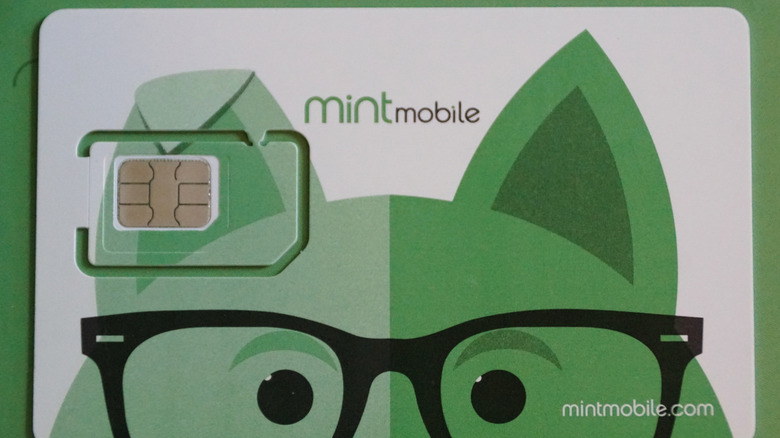
The big carriers like Verizon and AT&T are officially known as mobile network operators (MNOs). They’re the businesses that control all the infrastructure involved in making cell connections happen, like towers and radio access networks. In contrast, MVNOs are “virtual” because they run a network without owning any of what powers it. These companies lease huge amounts of access from the network operators, then sell it to customers at lower rates.
This means when you subscribe to an MVNO like Mint Mobile, you’re still on the network that company rents from (in Mint’s case, T-Mobile). Direct customers get priority when the network is busy, so its MVNO subscribers might see slowdowns during congestion.
Most of these services are prepaid (service is charged upfront monthly or yearly) instead of postpaid (after each month’s usage) like the big carriers. Traditionally, postpaid plans locked you into a contract, but this is no longer common. Instead, they promote “free” phones that are covered by bill credits over 24 to 36 months. If you leave before the device is paid off, you have to cover the balance. Credit checks are also required for postpaid plans.
Aside from not worrying about network ownership, MVNOs keep costs down in other ways. Many of them lack physical stores; support is on the phone or online. If you finance a phone purchase, it goes through services like Affirm instead of the carrier. And they rarely offer bundled subscriptions like streaming services with your plan. Keeping it simple makes business easier for the MVNO and means you pay less as a customer.
Exploring MVNO options

While most MVNOs work in the same way overall, each has slightly different plans and options. Mint Mobile (which is owned by T-Mobile) is known for its paid-upfront plans; it costs less per month depending on whether you pay for three, six or 12 months at once. The best rate is $15/month on the 12-month 6GB plan. If you need more data, other tiers include 17GB, 23GB and “unlimited” (50GB).
Visible is Verizon’s MVNO; it offers three tiers. The core Visible plan is $275/year (or $25/month), including taxes and fees. It provides unlimited data, even when using your phone as a mobile hotspot. Higher tiers include access to Verizon’s Ultra Wideband 5G for faster streaming, along with a few other perks like several days of international usage.
US Mobile offers greater flexibility if you haven’t found what you like elsewhere. It supports all three major networks; you’ll pick one during setup and can switch to another for $2 (or whenever you want with the Unlimited Premium plan). Aside from the unlimited offerings, US Mobile features family plans where multiple lines share one pool of data. If none of those click, try building a custom plan with the minutes, text and data you need.
Google Fi Wireless is yet another option that’s great if you regularly travel internationally. The Unlimited Premium plan is pricey at $65, but it includes 50GB of monthly data that works in most countries. You don’t have to purchase a separate pass or worry about overages; your phone works as soon as you land. If your data usage differs by month, the Flexible plan costs $20/month for talk and text, plus $10/GB of data (which is also available internationally).
The MVNO experience
Moving to an MVNO isn’t difficult, but as with any switch, it does require a few steps. The sites for most of them have tools to check if where you live is within coverage and whether your phone will work on the network. If you’re currently paying for a phone with a carrier like AT&T, you’ll have to pay it off when switching. If you plan to use that phone with your new carrier, follow the outgoing company’s policy to get the device unlocked; otherwise, you can purchase a phone from the new carrier.
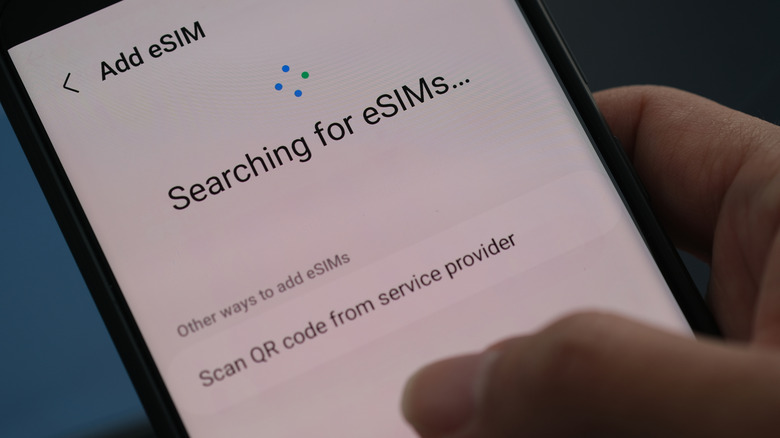
You’ll be guided through moving your phone number to your new plan. Most phones today support eSIM (the iPhone 14 and newer lack a physical SIM slot), which makes it easy to get connected without waiting for a physical SIM in the mail. Your MVNO’s app will walk you through this process.
I’ve been using MVNOs since the end of 2015. I used Google Fi (back when it was called Project Fi) until mid-2020, when I switched to Mint Mobile. Aside from rare hiccups, I’ve never felt like I’m on a second-rate network. The network speeds are plenty fast enough to do everything you need. I only use a few gigabytes of data per month, buy unlocked phones from the manufacturer, and keep my subscription list slim. That’s why the “free” devices, “unlimited” data and bundled extras of big carriers aren’t worth the high cost for me.
In the time I’ve been with Mint, the company has upgraded the amount of data on each tier multiple times, at no extra cost. The cheapest plan was 3GB when I joined, which shifted to 4GB in 2021, 5GB in 2023, and then 6GB in 2026. Given how the cost of everything else constantly goes up while simultaneously dropping in quality, I appreciate this.
Chances are, if you use one of the big three carriers, you’re overpaying. The devices they offer “on us” come at the cost of paying for a top-tier phone plan. You’ll save in the long run by purchasing a phone outright and pairing it with a cheaper mobile plan. Evaluate how much data you actually use and don’t worry about “unlimited” if you only need a few gigabytes per month.

The iPhone 17 closed the gap between Apple’s entry-level phone and the pricier Pro models last year with long-overdue display upgrades, alongside nifty camera and durability improvements. Apple also made new features like Center Stage (its new selfie camera) and Dual Capture available across the entire lineup, making the iPhone 17 an even better value.
A year later, it has become the most affordable entry-level flagship across brands, thanks to Samsung and Google raising the prices of their entry-level models due to a surge in RAM prices driven by AI and data centers.
August is usually when we suggest to avoid buying a new iPhone and to wait for the next one. But things are looking different in 2026.
As we inch closer to the next-generation iPhone announcement on Sept. 9, the iPhone 17 is holding strong against its Android rivals. And it will have to compete with newer models till March 2027, since the iPhone 18 won’t launch until then alongside the iPhone 18E, according to the rumors.
So what if you need a new iPhone before March or don’t want to pay $1,100 or more for an iPhone 18 Pro? I charged up my iPhone 17 and revisited Apple’s standard model this week to find out if it’s still worth buying.
Display, durability and camera upgrades keep it strong

The iPhone 17 arrived last year with multiple major upgrades, many of which you’ll appreciate daily.
The screen is finally on par with Apple’s Pro models and every other Android counterpart. It runs at a smooth 120Hz refresh rate, which also adapts to the on-screen content to save battery. I compared it to the iPhone 15 and the smoother visuals were immediately noticeable when scrolling through the home screen. It makes the phone feel faster and more responsive.
The display is also brighter and less reflective than its predecessor. It is immediately noticeable when you’re navigating outdoors or need to do anything on your phone under bright lights. I put it against the new Pixel 11, which is equally bright, but iPhone 17’s smaller bezels make its screen more pleasing to look at.
Apple said its 2025 iPhones were more durable than ever. While I haven’t used the iPhone 17 for a year straight, I have daily driven the iPhone 17 Pro Max without a case for 10 months. (Yes, I’m that guy.) Compared to my 2024 iPhone 16 Pro, the 17 Pro has fared better against scratches and drops thanks to its Ceramic Shield 2 glass, the same found on the iPhone 17.

Some might dismiss it as a minor feature, but the 17’s selfie camera is the best upgrade, in my opinion. The new 18-megapixel square sensor is more of a quality-of-life upgrade than just a mere number bump because it lets you shoot landscape selfies without needing to rotate your phone. The viewfinder automatically repositions its framing based on the number of people in the photo.
I love the camera for two reasons. First, it enables Center Stage, which tracks you (even if you’re moving) on video calls (both on FaceTime and third-party apps like WhatsApp). It’s a handy feature for when I need to move around doing chores, but the camera keeps me in the frame and helps me be less annoying for my girlfriend.
Second, the square sensor improves stability in selfie video recording. I live with a condition that causes constant hand tremors, which makes it difficult to record myself on phones. The iPhone 17 has been helpful as I’m less self-conscious and more confident that I’ll get stable footage instead of a blurry video.
As for the two cameras on the back, they are far more capable than its predecessor. The iPhone 17 has two rear cameras: a 48-megapixel wide-angle camera and a 48-megapixel ultrawide, which is an upgrade over the 12-megapixel ultrawide camera on the iPhone 16. You’ll get sharp photos, better indoor shots and a smooth video experience. It misses out on a telephoto camera that the 17 Pro has, so there’s no optical zoom, but these are all the cameras most people would ever need.
iOS 26 has its flaws — I can’t wait for iOS 27

The iPhone 17 runs iOS 26, which offers more translucent controls, customization options and Apple Intelligence features. However, my experience has been buggy since the beginning. On multiple occasions, I’ve missed calls and alarms because my iPhone automatically lowered its system volume to a minimum. I didn’t put it in Do Not Disturb or Focus modes. Other times, the keyboard starts lagging out of nowhere, and whenever I need to access the Control Center while watching a video in landscape mode, my controls are all over the place.
Some of these issues have already been fixed on the iOS 27 Public Beta, which I’ve been running on my iPhone 17 Pro Max.
For starters, I can set different volume levels for the call ringer, alarms and media. The Control Center is now better optimized for horizontal orientation, keeping my customizations right where I want them. Then there are smart features, like spatial reframing in Photos for using generative AI to “change” the camera’s position when an image was taken. There’s also an all-new Siri mode in the Camera app.
In CNET’s 45-minute endurance test, which includes streaming, scrolling through social media, joining a video call and playing games, Apple’s entry-level iPhone went from full to 98%, which matches the results of the iPhone 17 Pro. It has the second-longest battery life of any phone CNET has tested in the past 12 months, tied with the OnePlus 15 and Motorola Razr (2026); behind the first-place phone is the iPhone 17 Pro Max.
However, subsequent iOS 26 updates along with continued use have had an impact on the battery life of my personal iPhone 17, causing more overnight idle drain. That’s why I’m looking forward to the upcoming iOS 27 update. If the beta is any indication, it should only improve the iPhone 17 experience with smarter features and better stability.
It has fared well, but what about six months from now?

The baseline model stacks well against the competition. The iPhone 17 was launched at $799, which is $100 less than the $899 Samsung Galaxy S26 and the new Google Pixel 11. But with phone prices increasing across the board and new rumors pointing to higher iPhone prices, the iPhone 17’s current price is good if you are looking for a phone upgrade.
Those notable upgrades make it worth the $799 price, which might not remain the same in a few days from now, when Apple announces the iPhone 18 Pro and its first-ever foldable iPhone Ultra.
While the iPhone 18 is tipped to be announced next year, the Pro series could get a price hike, resulting in a wider price gap between the entry-level and top-of-the-line models.
To compensate, Apple could push the ceiling of its base iPhone and make it more expensive, even before the iPhone 18 launches. This is just speculation right now, based on Apple’s recent price hikes. But the base iPhone has remained at $799 ($829 without a carrier discount) since 2020, and after the new pricing on Macs, iPads and several other products, it makes much more sense to raise the barrier to a new entry-level model than ever.
As for those willing to wait for the iPhone 18, it is unlikely to be a major upgrade. Apple is expected to reserve the most prominent changes like a reduced Dynamic Island and newer cameras for its Pro models. Moreover, a recent rumor on Weibo suggests that the iPhone 18 could align more closely with a lower-cost iPhone 18E model. It might not receive a similarly powerful chip as its Pro siblings, for instance. It’s a similar move Google has made with its base Pixel 11 and budget Pixel 10A.
Given the lukewarm rumors regarding the upcoming model and iPhone 17’s current price tag (and the looming price hike), I think last year’s model is still an excellent deal. And for the first time in my career, I’d say if you want a new iPhone before Sept. 9, it is totally fine to get the iPhone 17 now rather than wait and see what the 18 Pro may bring.

It’s no exaggeration to say the large language models that power AI bots like ChatGPT and Gemini are changing the world. Many of us are now relying on them for coding, writing, summarizing, and searching the web. Whatever directions AI goes in over the next few years, LLMs will be part of that future.
If you use ChatGPT, Claude, Perplexity, or any of the other AI platforms, then you’re using an LLM. What’s less commonly known is that these LLMs can be run locally, on your own computer. The key benefits are offline access and greater privacy, because you’re not sending anything to the cloud for anyone else to analyze or review.
You’re also not paying any AI companies a monthly subscription or hitting any usage rates. Numerous LLMs are available to download for free, including from big names like Meta and Google. Though they tend not to be as advanced or as speedy as the LLMs inside the apps you have to pay for, they’re capable enough for everyday use, and you can pick and choose between them as needed.
There is more maintenance involved here, and you lose some of the convenience that comes with just loading up the ChatGPT app. (You’ll need to handle updates yourself, for example.) However, you get a more personalized and private AI system all to yourself, and it’s not difficult to get started.
What You Need to Get Started
You can run local LLMs on Windows, macOS, and Linux, though macOS tends to be the preferred platform for most AI enthusiasts. Everything is more unified and consistent on Macs—unlike Windows PCs, only one company makes them—and Apple Silicon chips combine the CPU, GPU, and RAM together, which AI models like.
Whichever platform you go for, having plenty of RAM helps. The bare minimum is 8 GB, though if that’s all you’ve got, you’ll be somewhat limited in terms of the size of the LLMs you can run and how fast they’ll go. Sixteen gigs is better, and 32 or more is required if you want to use the biggest and fastest models. For the best results, you need plenty of VRAM on a dedicated GPU (anything above 8 GB will make a difference), as this type of memory is optimized for the kind of tasks AI models do.
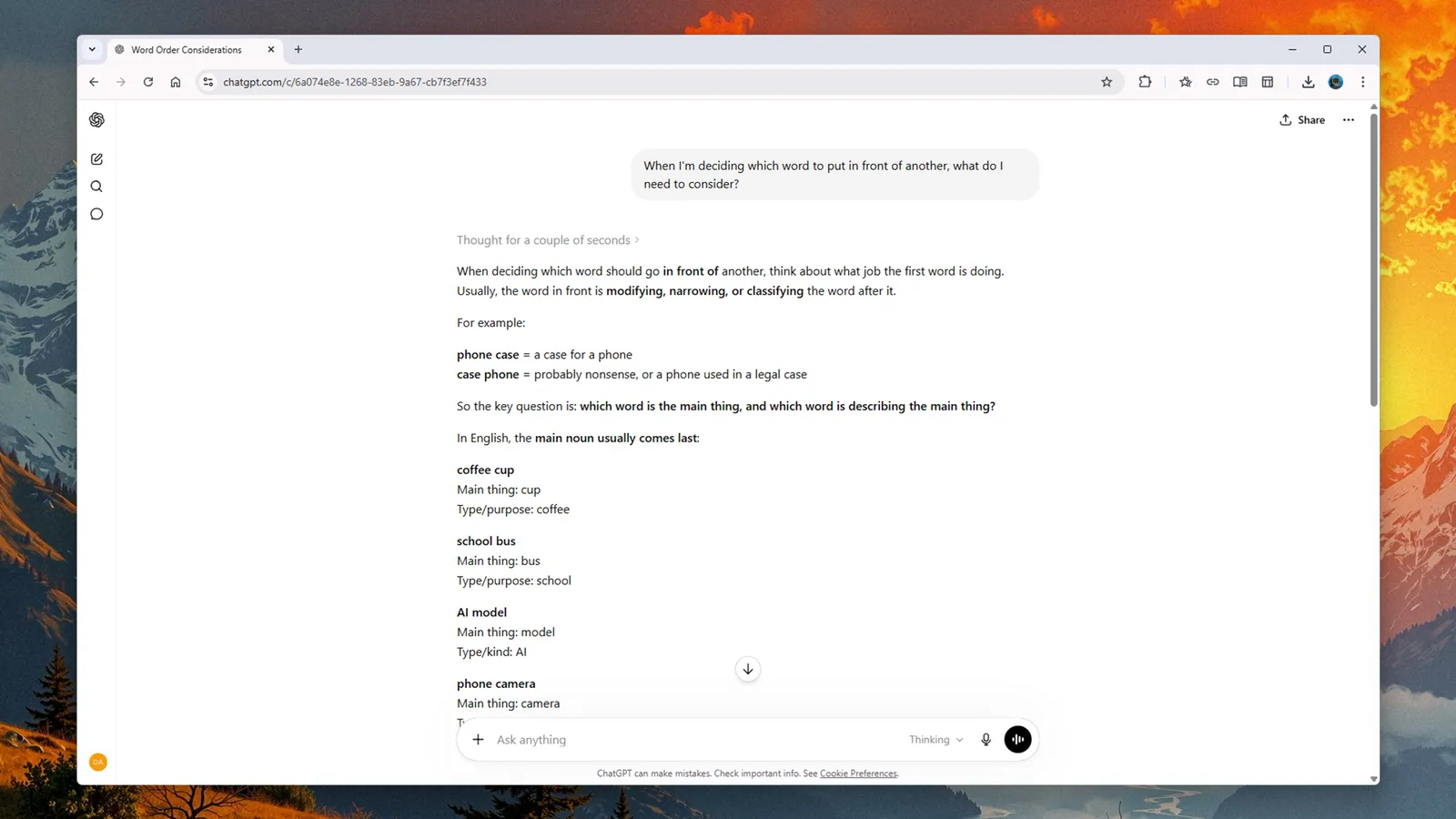
An AI chatbot like ChatGPT relies on the cloud.Photograph: David Nield


If you own a Cambridge Audio YOYO (M) portable Bluetooth speaker system, stop using it.
Cambridge Audio has issued a voluntary product safety recall covering every YOYO (M) because its rechargeable lithium-ion battery can overheat and enter thermal runaway. According to Cambridge, affected products can catch fire, emit smoke and eject hot battery material, including while being charged.
The recall is unusually broad. It does not apply to one production batch or a specific serial-number range. Every YOYO (M) sold between 2016 and 2023 is included, regardless of purchase date.
Cambridge says it has received a small number of reports involving batteries overheating during charging and resulting in fire and/or smoke. The company says no injuries have been reported.
Which Cambridge Audio YOYO Speakers Are Recalled?
The recall applies specifically to the Cambridge Audio YOYO (M) in all three color versions:
Color
Model Reference
UPC
Light Grey
C10930
813371022959
Dark Grey
C10931
813371022966
Blue
C10965
813371024922
Cambridge also identifies the corresponding serial-number prefixes as FD C10930, FD C10931 and FD C10965. The model information can be found on the bottom of the speaker.
The recall does not currently include the YOYO (S) or YOYO (L).

What Is Wrong With the Battery?
The YOYO (M) contains an internal rechargeable lithium-ion battery that Cambridge says can overheat and enter thermal runaway.
Thermal runaway occurs when rising battery temperature triggers reactions that generate still more heat. In severe cases, a lithium-ion battery can produce smoke, flames and extremely hot material.
Cambridge says the reported incidents occurred during charging. France’s official RappelConso product recall database also states that examples of the product have caught fire while being charged.
Cambridge says the YOYO (M) met applicable safety standards when it was designed and manufactured. After receiving reports years later, the company decided it could not identify a reliably safe subset of products and recalled the entire model line.
What Should YOYO (M) Owners Do?
Cambridge’s instructions are straightforward:
- Stop using the YOYO (M) immediately
- Switch it off and disconnect it from power
- Do not recharge it
- Store it away from combustible materials
- Do not open the speaker or attempt to remove the battery
- Do not attempt a repair
- Do not put it in household trash or ordinary recycling
- Do not ship it back using regular mail or an ordinary courier
Lithium-ion batteries require specific transportation and disposal procedures, so owners should wait for instructions applicable to their country.
This is not a DIY battery-replacement project. Leave the screwdriver in the drawer.
What Should U.S. Owners Do?
As of August 25, 2026, Cambridge Audio has announced the safety recall but has not yet finalized the remedy for customers in the United States.
That means Cambridge has not confirmed whether U.S. owners will receive a refund, replacement or another form of compensation.
U.S. customers should register through Cambridge Audio’s recall support system so the company can contact them when the process is finalized. Owners should not independently mail the speaker back or dispose of it while waiting for those instructions.
Cambridge Audio YOYO (M) Recall Information
What About Owners Outside the United States?
The remedy varies by market.
In the United Kingdom, Cambridge has notified Trading Standards and the Office for Product Safety and Standards and is asking owners to complete its YOYO (M) Assessment Form.
In the European Union, Cambridge has notified the relevant safety authorities, including the EU Safety Gate system and France’s RappelConso service.
France’s government recall database currently lists a refund as the compensation method and specifies that returns must use transportation suitable for lithium-ion batteries.
Cambridge says procedures are still being finalized in a number of other markets, including Canada, Australia, Japan, Israel and New Zealand.
Why This Recall Matters
The YOYO (M) was sold for roughly seven years, from 2016 through 2023.
That matters because many of these speakers may no longer be in the hands of their original buyers. Portable audio products get moved between rooms, handed down to family members and forgotten in closets until someone decides to charge them again. Owners therefore shouldn’t assume an older YOYO (M) has escaped the recall simply because it has worked without problems for years.
The model designation is what matters.
The Bottom Line
Cambridge Audio’s YOYO (M) recall requires immediate attention because the potential failure involves an internal lithium-ion battery and the risk of fire.
If you own one, switch it off, disconnect it and follow Cambridge Audio’s recall instructions for your country. Do not charge, open, ship or dispose of the speaker until Cambridge provides the appropriate procedure.
For U.S. customers, the remaining unanswered question is compensation. Cambridge has not yet announced whether owners will receive a refund, replacement or another remedy.
We will update this story when that information becomes available.
Related Reading:
Influencers and online creators have become an increasingly powerful way for brands to sell products. But managing those relationships can get complicated — especially for companies selling across Amazon, Walmart, Shopify and other channels.
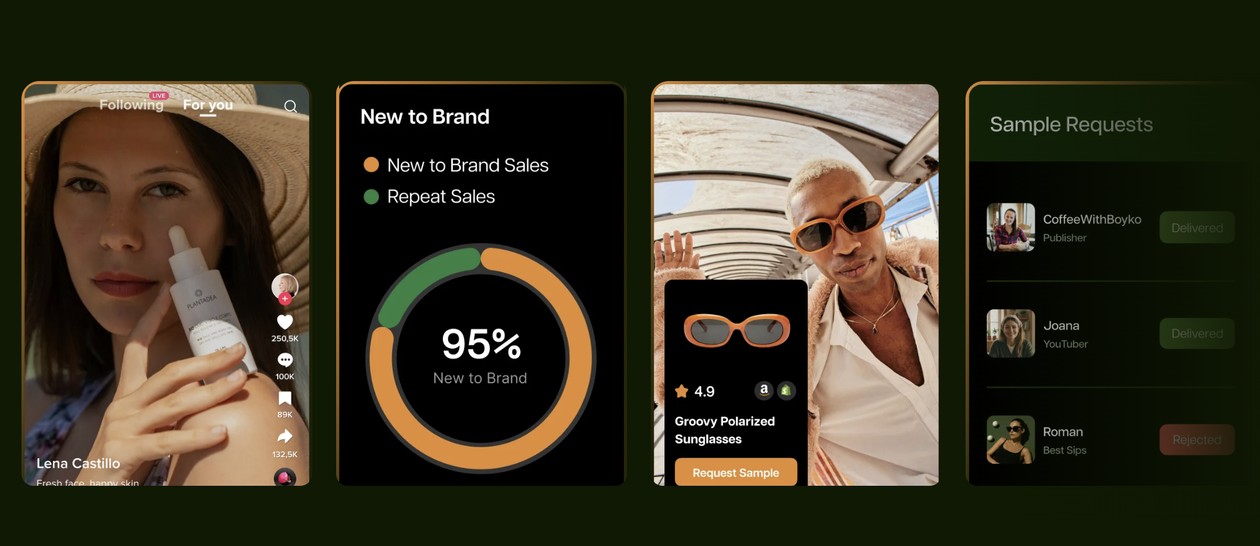
That’s the market Seattle startup Levanta is targeting, which today is announcing $22 million in new funding led by Volition Capital. The company provides software that helps brands find creators, send them products, set up affiliate commissions, track sales and handle payments.
The company says it now has more than 90,000 vetted creators on its platform. Brands can offer creators products to review or promote, pay commissions when their links generate sales, or arrange flat-fee partnerships. Levanta tracks the performance across Amazon, Walmart and Shopify and handles payments.
The startup originally focused on Amazon sellers but has expanded to Walmart and Shopify. Its revenue is up 80% year-over-year in 2026, according to the company.
“Every marketplace has thousands of sellers that want more customers, and there are millions of creators and affiliates capable of driving those customers,” said CEO and co-founder Ian Brodie in a press release. “The missing piece is infrastructure that connects the two, handles the economics, and accurately measures what happens.”
In 2023, Goldman Sachs estimated that the the influencer marketing category was expected to grow to $480 million by 2027.

Levanta was founded in 2023 by Brodie, CTO Spencer McKenney and Chief Marketplace Officer Rob Schab, all University of Washington graduates. The three previously founded Grovia.io, an affiliate marketing company that was acquired by Acceleration Partners in 2022.
With more than 100 employees, Levanta is the rare startup that has already reached profitability with Brodie telling Business Insider that it has been profitable or roughly break-even since its launch. With the new funding, it also provided cash liquidity to some eligible employees.
“This is a milestone moment for Levanta and it reflects how far the company has come and the value our team has created together,” Brodie said in the release. “At the same time, it allows us to reward the people who have been instrumental in building the foundation of the business while ensuring they remain deeply aligned with where we’re going next as we continue building Levanta for the long term.”
The new funding will support expansion to additional retail marketplaces and international growth.
Previous Levanta backers include Long Run Capital, OpenSky Ventures and Arrived Homes CEO Ryan Frazier. The latest series B round brings Levanta’s total funding to more than $43 million.

For more than a decade, Apple has, for the most part, released all the phones in its latest iPhone lineup at the same time. For the iPhone 18, though, it’s rumored to be different.
Apple may split the launch of the latest iPhones, staggering a handful of devices for release in spring next year, while the more premium iPhone Pro and the much-anticipated rumored foldable iPhone Ultra will debut in September, according to Bloomberg.
The new iPhones will reportedly ship with smaller dynamic islands, and the cameras may feature a variable aperture — a total geek win for photography enthusiasts. But trying to peg down the actual release dates for the new iPhone 18 family is harder than usual this year.
Below, we’ll go over what the rumors say, historical iPhone release dates and more to get a better idea of when the next iPhone family will be released.
Read More: Win an Apple Watch — Round 3 of CNET’s Guessing Game Is Live Now
iPhone 18 event: When will it be?
Apple will unveil the latest iPhone lineup on Sept. 9 at 10 a.m. PT/1 p.m. ET during a special event at Apple Park in Cupertino, California. The CNET team will be on the ground to bring you all the details on Apple’s latest and greatest devices.
Preorders typically go live the Friday following the event (likely Sept. 11), with units available in stores the Friday after that (likely Sept. 18).
You’ll be able to watch Apple take the wraps off the next iPhone on the company’s website, YouTube, Apple TV and the Apple developer app.
iPhone 18 Pro, Pro Max and foldable
It’s likely that the iPhone 18 Pro and Pro Max will ship in September, which is the typical release timeframe for iPhones since the 5th generation. Apple releasing its “best of the best” gadgets before the holiday season is a formula that we don’t imagine the tech juggernaut straying from.
Apple’s first foldable phone, rumored to be called the iPhone Ultra, may go up for preorder alongside the iPhone 18 Pro models, but it could ship at a later date. This could be due to supply chain issues regarding the hinge and displays. But historically, aside from the iPhone Air, when Apple adds a new model to the iPhone line, it releases a month later than other models, like the iPhone 12 Mini and iPhone 14 Plus.
iPhone 18 and iPhone Air 2
As for the likes of the standard iPhone 18 and the iPhone Air 2, rumors point to a significantly delayed release. The shift may be a strategic one to a biannual cadence for Apple, with fall and spring launch dates. This isn’t unlike how Samsung launches its flagship Galaxy lineup at the beginning of the year, with its foldable lineup debuting in the middle of the year.
“Apple will likely reveal its first foldable iPhone on September 9 along with the iPhone 18 Pro series,” said David Naranjo, associate director of Counterpoint Research. “The base iPhone 18 model announcements are expected to be pushed into spring 2027. This staggered launch marks a notable change in Apple’s release cadence, with a strong emphasis on premiumization.”
Whether this potential delayed release is related to manufacturing restrictions, RAM shortages or just prioritizing its best hardware first remains to be seen, but if the rumors are true, those looking for an entry-level iPhone may need to wait until next year.
This is also a smart move on Apple’s part, as those who might have been looking for a Pro-less iPhone may just end up pulling the trigger on the higher-end models instead of waiting. The timing would all coincide with Apple’s E series launch.
iPhone 18E
The iPhone E series has typically been released the following spring after the more powerful models, so there don’t seem to be any surprises here (as did the SE line before it). The budget-focused (for Apple) device will likely be a pared-down version of the regular iPhone called the iPhone 18E, providing essential features from the current generation without many of the bells and whistles.
The iPhone 17E, which launched at a $599 price, hits a sweet spot for functionality and affordability. However, it remains to be seen whether it, too, will see the price jump that we expect with this current generation of iPhones.
The handset was announced in March and was available in stores the following week. If history repeats itself, we may see the iPhone 18E land in early to mid-March of 2027, but it might not be alone — this also might be where we see the debut of the standard iPhone 18.
iPhone Generation
Announcement date
Available in stores
iPhone 12 & 12 Pro
Oct. 13
Oct. 23
iPhone 12 Pro Max & 12 Mini
Oct. 13
Nov. 13
iPhone 13, 13 Mini, 13 Pro, 13 Pro Max
Sept. 14
Sept. 24
iPhone 14, 14 Pro & 14 Pro Max
Sept. 7
Sept. 16
iPhone 15, 15 Plus, 15 Pro, 15 Pro Max
Sept. 12
Sept. 22
iPhone 16, 16 Plus, 16 Pro, 16 Pro Max
Sept. 9
Sept. 20
iPhone 17, 17 Pro, 17 Pro Max, Air
Sept. 9
Sept. 19



Bandai spent two years chopping down a Tamagotchi so that it could survive on one hand. The Tamagotchi Ring is the end result: a 28-millimeter egg with a color screen, two functional side buttons, and 30 characters taken from three decades of the same hungry little creatures that were formerly fastened to backpacks. Official pre-orders began in Japan on August 27, 2026, with boxes shipping in February 2027.
The original Tamagotchi from 1996 was roughly 50 millimeters tall, but the new Tamagotchi Ring is only 28 millimeters tall and 23 millimeters wide, which Bandai says is 56% of the original body size. The ring fastening on the back of the Tamagotchi Ring increases the overall thickness, which now measures 35 millimeters. Screenwise, you’re getting a tiny 0.56-inch color LCD, the smallest Bandai has ever used in one of these things. Three little dots printed under the glass are designed to seem like the iconic buttons we all know and love, but they don’t actually do anything. The switches, on the other hand, are a different story, the left and right edges have been painted to match the rear half of the shell.

Tamagotchi Paradise – Orange Tropics
- ZOOM. Nurture with a spin! Zoom into Paradise! Turn the dial to take care of your Tama. Zoom from cell to space for traditional nurturing play – clean…
- CHARACTERS. Raise more than 50,000 Tamas. Depending on the environment and the way you take care of your Tama, you can grow over 50 different…
- CONNECT. Connect with friend’s device directly to see how your Tamas interact – is it a good match or a bad match? And, now, when you connect, you can…
The Tamagotchi Ring has a total of 64 components, 52 of which are electronic and the remaining 12 are plastic. That is less than the 116 components used in the most recent full-size Tamagotchi model, Tamagotchi Paradise. So, how did Bandai get there? They simply removed the USB port from the toy and created a completely new charging case. The old protection circuitry that used to protect the connector has been removed, freeing up some room within a body that was simply too small to accommodate a coin cell, thus the rechargeable battery has been transferred to the ring. To power it back up, use the specific dock, which is color-matched to the rear of the Tamagotchi Ring for an authentic look. Simply flip the transparent cover over the toy as it sits proudly on your desk.
When it comes time to buy, you can choose from three distinct finishes. You can choose from Pink & Pearl White, which has a pearl-colored frame, or Light Blue & Metallic Gold or Black & Metallic Silver for a more metallic style. Each box includes a matching dock and a little spacer to make the band suit lower Japanese ring sizes, allowing you to wear it even if your ring size is 10 or 14. Size 14 is rather large, with an inner diameter of around 17.3 millimeters, which is roughly equivalent to a US 7, although size 10 is closer to a US 5.5. Anyone outside of that range may need some custom modifications.
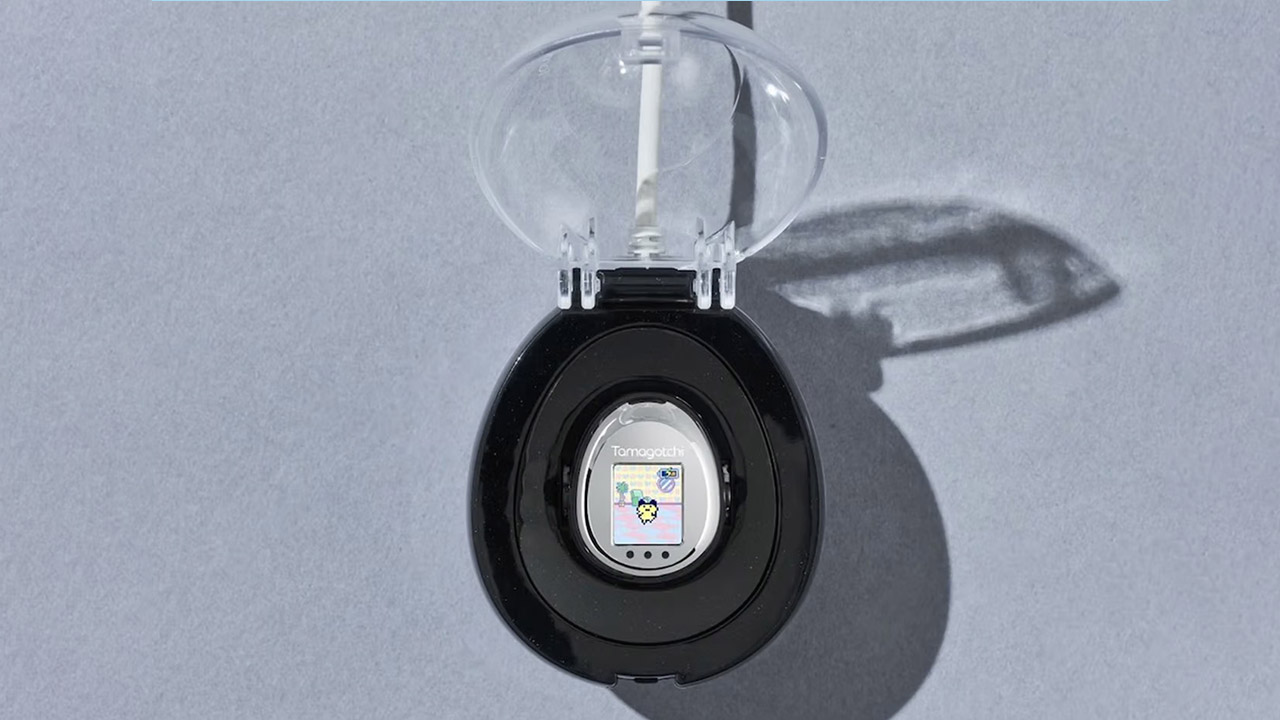
Wear one of these Tamagotchi Rings and you’ll be shocked how much it feels like the classic Tamagotchi we all know and adore. You can feed it, clean it, play minigames, and design its room. The level of care you provide also decides which adult character you will receive from a roster of 30. Bandai has organized the characters by era, so you have a number of classic faces like Mametchi and Kuchipatchi from 1996, newer ones from the 2004 Plus line such as Memetchi and Flowertchi, and of course stars from 2008 onward like Lovelitchi and Melodytchi. If you take good care of the Tamagotchi, or if you don’t, you might be able to unlock a secret character, but there’s no phone app, Bluetooth, or cloud save, because the Tamagotchi’s life is confined to that small piece of glass.

In Japan, you can get one for 7,700 yen, which is about $52. To prove how popular they are, Bandai took orders in August and they sold out so quickly that they had to close the original pre-order window early and even open a second reservation period the very next morning. Unfortunately, anyone looking to buy one outside of Japan must rely on proxy shopping sites. The few resellers who did list them early on were charging a premium, roughly $80, and they quickly sold out. No international release date has been announced, however they were on display at this year’s Tokyo Toy Show in August.

GeekWire is profiling over the next few weeks some of the people and teams that are shaping the evolution of Microsoft in what we’re calling its “Microsoft 2.5” era.
From AI Frontier Lab to Frontier Ecosystem: Microsoft got a foothold in AI thanks largely to its partnership with OpenAI. But that’s not the way it is planning to continue growing its AI business.
Inside Microsoft AI (MAI), the Microsoft Superintelligence team is focused almost entirely on building its own frontier-level models. That team already has developed a handful of home-grown offerings, including MAI-Code-Flash for writing code faster; MAI-Cyber-Flash, a cybersecurity model; and MAI-Image, a model for creating images.
@media (max-width: 600px) {
.gw-exec-card { float:none !important; max-width:100% !important; margin:20px 0 !important; padding:16px 18px !important; }
.gw-exec-card .gw-exec-media { width:170px !important; margin:0 auto 14px 0 !important; }
.gw-exec-card .gw-exec-label { font-size:12px !important; }
.gw-exec-card .gw-exec-name { font-size:20px !important; }
.gw-exec-card .gw-exec-title { font-size:15px !important; margin-bottom:14px !important; }
.gw-exec-card .gw-exec-facts li { margin-bottom:12px !important; }
.gw-exec-card .gw-exec-facts li:last-child { margin-bottom:0 !important; }
.gw-exec-card .gw-exec-value { font-size:15px !important; line-height:1.45 !important; }
}
The head of the Superintelligence team is Ali Farhadi, corporate vice president of AI. Farhadi, who joined Microsoft five months ago, is also a professor at the University of Washington, where he has worked for nearly 15 years. He was previously CEO of the Allen Institute for AI (Ai2) and before that was an AI and machine learning leader at Apple for more than three years, after it acquired his startup, Xnor.ai.
When he joined Microsoft, Farhadi said in a LinkedIn post that he believed “Microsoft has all the pieces to win in this AI race: data, search, coding, infrastructure, agents, software and the world’s biggest Fortune 500 companies taking dependencies on Microsoft every day.”
Farhadi elaborated on that in an interview with GeekWire this week. AI is shifting from a “Frontier Lab” era to a “Frontier Ecosystem” era, he said. It’s no longer just about training models; it’s about integrating the models with enterprise data, platforms, distribution systems and customers in a trusted way.
The next battlegrounds in AI will be around cost, reliability, specialization, and deployment at scale, rather than simply building larger models that beat others in benchmark scores, he said.
“If you look around, there are not that many places to have all these missing pieces together at scale, especially if you add the element of trust to it,” Farhadi said.
Cutting through the AI noise: Farhadi said his management philosophy is grounded in the importance of personal relationships, which are especially key in big organizations. People need to understand your rationale and to trust you can deliver on what you’re tasked to do, he said — an approach that has served him inside both Microsoft and Apple.
Staying on top of the flow of information while filtering out the AI noise makes prioritizing crucial. The team has “a long list of things that we believe we should be doing,” he said, but much of it stays on the back burner to maintain a “laser focus on delivering on the main mission.”
The priority is building high-quality models, both generalist and domain-specific. On the domain-specific front, Microsoft is working with the Mayo Clinic on a healthcare-specific model based on Mayo’s own clinical data, as well as Microsoft’s cybersecurity and coding models.
The thinking: For a lot of enterprise work, a narrower model beats a bigger one.
“If you can do something at [the same] quality or better quality at a fraction of a cost, it’s just a no-brainer. And having a way to specialize to domains, to industries, to enterprises is one way,” he said.
Microsoft execs have referred to this approach as a “hill-climbing machine,” meaning the ability of a model to scale and continuously improve within a specific domain. Microsoft is coupling the hill-climbing with “frontier tuning,” like it is doing with the Mayo Clinic. Frontier tuning includes customizing frontier models; keeping proprietary data private, preserving institutional know-how; and avoiding leaking intellectual property (IP) into shared models.
.gw-series-more .gw-series-hed:hover { color:#1a8cff !important; text-decoration:underline !important; }
.gw-series-more .gw-series-all a:hover { text-decoration:underline !important; }
@media (max-width: 600px) {
.gw-series-more { float:none !important; max-width:100% !important; margin:20px 0 !important; padding:16px 18px !important; }
.gw-series-more .gw-series-label { font-size:12px !important; margin-bottom:12px !important; }
.gw-series-more .gw-series-thumb { flex:0 0 68px !important; }
.gw-series-more .gw-series-thumb img { width:68px !important; height:68px !important; }
.gw-series-more .gw-series-hed { font-size:15px !important; }
.gw-series-more .gw-series-all { margin-top:14px !important; }
}
“We all thought that IP is your data,” Farhadi said. “But we learned that IP is also how you work.” And that’s why safeguarding these elements is so crucial.
Open all the things? Farhadi led an expansion of open-source AI development at Ai2, the Seattle-based institute founded in 2014 by the late Microsoft co-founder Paul Allen. While Microsoft has contributed to the open-source community on various fronts, including AI tooling, it hasn’t open-sourced its frontier models.
Farhadi said he personally remains “a big advocate of open source,” but noted that the industry has changed since his Ai2 days as there are now more credible Western open-source models and businesses forming around them.
He didn’t rule out Microsoft doing something in open-source models, or the somewhat less-open “open weights” area, but there’s seemingly nothing happening on that front in the near term.
In the coming months and beyond, the focus of Farhadi’s team is helping Microsoft turn into a Frontier Ecosystem by building cutting-edge AI capabilities; helping enterprises create their own tuned versions of them; continuously improving models; and making sure customers keep control of their own destinies and data.
Success for Microsoft’s Superintelligence team has nothing to do with the idea of Artificial General Intelligence (AGI) which OpenAI, Anthropic and others have positioned as their ultimate goal over the years. In fact, when I asked Farhadi about AGI, he said, “I don’t understand what that means.”
Don’t worry, Ali. You’re not the only one.

Gwyneth Paltrow’s French Blouse Is So Classy — Copy the Look

Matt Hougan: The Institutional Crypto Bull Run Is Happening Without You

Roger Federer brought to tears during his induction into International Tennis Hall of Fame

Weekend Open Thread – Corporette.com

Weekend Open Thread: Brooks Brothers

London Mayor Sadiq Khan handed a peerage by Keir Starmer alongside 15 other Labour figures… just days before the PM leaves No10
Matt Hougan: The Institutional Crypto Bull Run Is Happening Without You

OMG VICE PRESIDENT JUST CONFIRMED XRP IS IN!!! (SOVEREIGN WEALTH FUND)

Bitcoin hit $75000 | Alt coins rally started | Is this bull run or bull trap? | Crypto Market Update
-

 Crypto World4 days ago
SpaceX stock could rise 75% to $240, JPMorgan says
-

 Fashion1 day ago
Weekend Open Thread: Maeve – Corporette.com
-

 Crypto World2 days ago
Bitcoin’s 22% rally now needs real demand to outlast Treasury liquidity boost
-

 Crypto World4 days ago
Warsh Jackson Hole keynote puts financial innovation first
-

 Crypto World5 days ago
A $30 Billion AI Fund Implodes, Now the SEC Is Investigating Wall Street’s Role
-

 Business2 days ago
Salesforce Stock Soars 19% as Blowout Earnings and Agentforce AI Growth Silence Software Skeptics
-

 Crypto World4 days ago
Did Trump Just Move SpaceX Stock With One Truth Social Post?
-

 Business7 days ago
Mystery AI Model ‘Ox Alpha’ Draws Developers With Free Access as Chinese Lab Origins Remain Debated
-

 Business4 days ago
Walmart takes aim at younger shoppers with new fashion brand
-
 NewsBeat3 days ago
Lindsay Clancy jury braces for closing arguments as judge tells court: ‘You’ve heard all the evidence’ – Live updates
-

 Crypto World3 days ago
Elon Musk Grok Bot Promise: We Will Make You Whole if AI Loses Your Money
-

 Crypto World1 day ago
Bitcoin price tests $82K resistance as Brandt stays long
-

 Business5 days ago
Moderna CEO warns China is pouring state money into mRNA technology
-

 Crypto World3 days ago
NVIDIA revenue hits $96.2B as AI demand doubles
-

 Business5 days ago
NVIDIA Stock Drops Nearly 2 Percent to $210 on Seventh Losing Day Ahead of Critical AI Earnings
-

 Business4 days ago
Thailand’s Eastern Economic Corridor Capital City (EECiti): Key Developments and Investment Opportunities
-

 Business1 day ago
iPhone 18 Pro Pre-Orders Could Shift to Saturday as Apple Reportedly Avoids September 11 Anniversary
-
 Crypto World6 days ago
$92 Billion Nvidia Earnings Could Make or Break the AI Trade
-

 Business7 days ago
Where Will Kevin Durant Play in 2027? Rockets Hold Player Option Key to His Future With Houston via Deal
-

 Business2 days ago
Apple Confirms September 9 Keynote and Reveals Its Full Pre-Order Schedule
You must be logged in to post a comment Login