
TL;DR
Developers say .NET’s three-year LTS support is too short, with half of deployed versions running unsupported and Java offering five years or more.




Google announced on Monday that the Gemini app is now offering its personalized Nano Banana-powered image generation feature to a broader audience. Starting today, all eligible users in the U.S. can access the feature for free, a service that was previously only available to Plus, Pro, and Ultra subscribers.
Google initially announced that Gemini’s Personal Intelligence feature would get Nano Banana-powered image generation back in April, allowing users to create images that reflect their unique interests. This means that images can be generated based on Gemini’s understanding of your likes and preferences without you having to specify them in your prompt. Gemini utilizes data from your Google account connections — such as Gmail, Google Photos, YouTube, and Search — to achieve this.
For example, instead of saying, “Create an illustration of me and my favorite things, such as coffee and baking,” you can simply request, “Create an illustration of me and my favorite things.”
Gemini can also pull actual images of you from Google Photos, so you don’t need to manually upload photos.

Google initially rolled out the Personal Intelligence feature earlier this year, making it widely available to all U.S. users in March. The company recently expanded this functionality to users in India and Japan.
Personal Intelligence is an opt-in feature, allowing you to decide which apps Gemini can access. Once enabled, it is set as the default for every prompt, but you can disable it using a new toggle in the Tools menu.
Additionally, last month, Google announced several upcoming updates for the Gemini app, including a new “Daily Brief” feature, a revamped interface, access to AI video model Gemini Omni, and a personal AI agent named Gemini Spark.
Notably, Google’s AI chatbot Gemini surpassed 750 million monthly active users (MAUs) earlier this year, reinforcing its position as a major player in the AI space.
When you purchase through links in our articles, we may earn a small commission. This doesn’t affect our editorial independence.
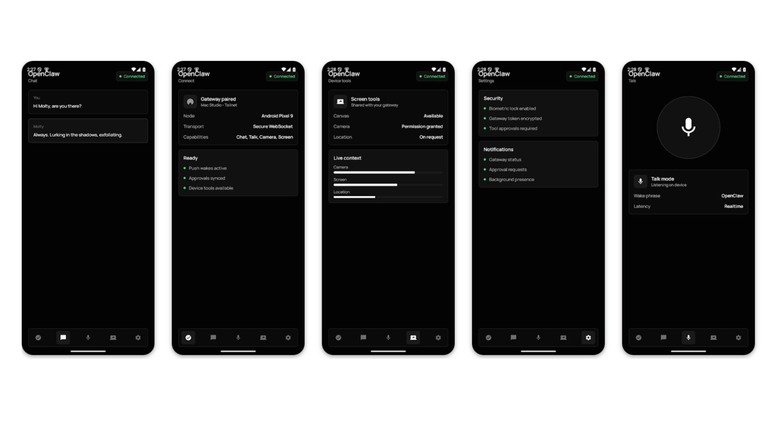
Smartphones are welcoming the agentic AI overlords.
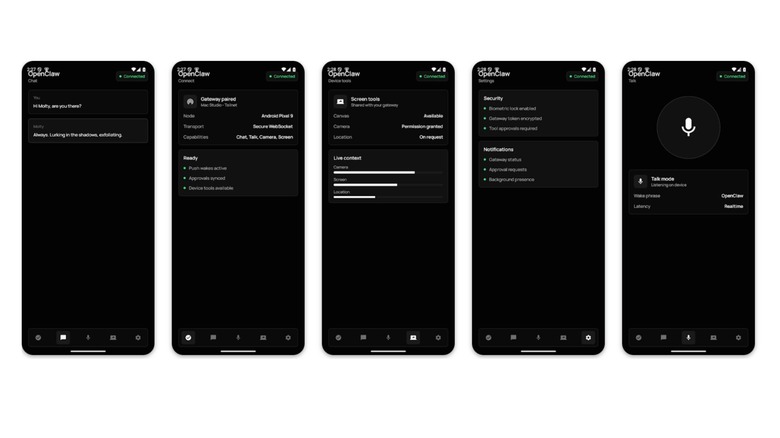
OpenClaw announced that it has released standalone apps for both iOS and Android devices. The move officially brings AI agents to the App Store and Play Store marketplaces. Users can now use their smartphones to chat with the AI assistant and to grant it access to different components of the device, including the camera, screen, location, photos, contacts, calendar and reminders.
OpenClaw rather abruptly transformed from a minor to major player in AI. It’s currently an open-source project being run by a foundation following founder Peter Steinberger’s move to join OpenAI earlier this year. The apps are published by the OpenClaw Foundation, although the announcement of Steinberger’s hiring said that OpenAI would provide some unspecified form of support for the organization.
Agentic AI has been a particularly gnarly topic over at the Apple camp, where the official review process is more stringent. Apple had blocked many agentic tools due to broader fears around the security of vibe coding. iOS users had to use chat apps like Telegram or WhatsApp to communicate with their agents.

A second leaker has matched Digital Chat Station’s 185Hz display claim for the OnePlus 16, with Smart Pikachu adding that the spec will extend across the entire series.
The 185Hz figure marks a 20Hz jump over the OnePlus 15’s panel, and its appearance in two independent reports from separate leakers gives the claim more credibility than a single source would.
Smart Pikachu’s report adds the detail that the 185Hz refresh rate will apply to the OnePlus 16R as well. This cheaper flagship model would ordinarily pack lower-end specs than its more expensive sibling.
Extending the 185Hz specification to the 16R would mark a notable shift in how OnePlus positions its mid-tier hardware, given that high refresh rate panels at this level have typically been capped at 120Hz or 144Hz across most competing sub-flagship lines.
Digital Chat Station previously reported that OnePlus is testing the 16 with a 6.78-inch BOE display featuring bezels measuring under 1mm, a dimension that would place it among the narrowest-bezel handsets currently available and complement the high refresh rate for users who prioritise screen real estate.
The same leaker’s report from May 2026 described a device believed to be the OnePlus 16R carrying a 9,000mAh battery with 100W fast charging support, a capacity figure that would substantially exceed the cells found in most current Android flagships and signal a deliberate shift toward endurance as a competitive differentiator.
OnePlus is also said to be testing the 16R with an active cooling fan, a feature more commonly associated with dedicated gaming handsets than with general-purpose sub-flagship phones, though its inclusion alongside a large battery suggests the device targets users who push hardware under sustained load.
The OnePlus 16 is expected to launch with the Snapdragon 8 Elite Gen 6 Pro, the successor to the chip powering current-generation flagships, though OnePlus has not confirmed a release window or any of the specifications circulating in recent leak reports there’s hope this will end up being one of the best Android phones of the year.

Developers say .NET’s three-year LTS support is too short, with half of deployed versions running unsupported and Java offering five years or more.
A developer has reopened a long-standing complaint about Microsoft’s support policy for its .NET development platform, arguing in a new GitHub issue that the three-year window for long-term support releases is too short for enterprise upgrade cycles. The current release model gives even-numbered versions three years of free support and odd-numbered versions 18 months. The legacy .NET Framework, which is tied to Windows and supported for much longer, is increasingly abandoned by the broader ecosystem.
The core problem, as described in the issue opened earlier this month, is that when a new LTS release arrives, two of the three years on the previous one have already elapsed. That leaves enterprises roughly one year to complete the upgrade, a timeline that is fast even for well-resourced teams. The developer also noted that potential customers are reluctant to adopt software that is already approaching its end-of-life date.
Another developer commenting on the issue said telemetry showed about 50 percent of deployed versions of their software were running on versions Microsoft no longer supports. They added that they try to use the legacy .NET Framework wherever possible because its support is tied to the Windows lifecycle, but that is getting harder as libraries and frameworks drop support for it.

The 💜 of EU tech
The latest rumblings from the EU tech scene, a story from our wise ol’ founder Boris, and some questionable AI art. It’s free, every week, in your inbox. Sign up now!
The complaint is not new. A similar issue in 2023 drew a response from Microsoft program manager Richard Lander, who said the company chose its support windows to balance stable deployment time with the team’s ability to innovate. He said Microsoft had discussed longer support periods and paid extended support but opted to continue with only the free plan.
Microsoft’s free support window is shorter than what some competing platforms offer. Oracle provides five years of premier support for Java LTS releases plus additional extended support, and Python receives five years of security fixes for every release. The gap has become a recurring source of friction for enterprises that build on .NET but operate on upgrade cycles that do not match Microsoft’s annual release cadence.
The tension was visible again in March, when a Microsoft engineer proposed dropping legacy .NET Framework support from a database library. A developer responded that the legacy framework and its compatibility layer are currently the only .NET targets with support timelines that work for enterprise deployments. The proposal was closed as not planned, an acknowledgment that the older platform’s longer support lifecycle still matters to a significant part of the user base.
The underlying question is whether Microsoft’s push to restructure around speed and AI can coexist with enterprise demands for longer platform stability guarantees. The complaint surfaced weeks after the company’s Build developer conference, where it pushed AI deeper into its developer tools but did not address the support-lifecycle gap. The GitHub issue remains open.


Carol Twomey of Fidelity Investments Ireland explores the quarter of a century that she has spent navigating the evolving technology space.
Carol Twomey, vice-president of software engineering at Fidelity Investments Ireland, joined the organisation 25 years ago, when she was drawn in by the opportunity to travel, work across different locations and develop a strong technical foundation.
“As a systems associate programmer working in Boston and Rhode Island, I wrote code, solved real problems and learned how large, complex systems operate,” she told SiliconRepublic.com.
“That early exposure gave me a deep appreciation for scale, accountability and the responsibilities that come with building technology in a regulated, customer‑focused environment.”
She added: “Over time, what has kept me here is the variety of meaningful work and the quality of the people I work alongside, and a culture that actively supports growth and inclusion. It also feels especially meaningful to reflect on that journey in a year when Fidelity Ireland is celebrating its 30-year milestone, a reminder of the lasting presence, growth and impact the organisation has built here over three decades.”
Looking back, a defining turning point in my career was recognising that growth doesn’t always come from moving straight up, but from being willing to move sideways. I made a conscious decision to pursue lateral opportunities across roles and businesses to broaden my experience, deepen my understanding and build a stronger foundation for future leadership. Along the way, I also came to appreciate the lasting importance of relationships, investing in genuine connections across teams, functions and levels, which proved invaluable as those relationships resurfaced years later, providing trusted perspectives when it mattered most. Together, these experiences paid dividends in perspective, confidence and capability as I progressed into more senior roles.
Over 25 years, my journey has shaped how I view leadership today. As my responsibilities grew, I came to understand that my greatest impact lies not in individual achievement, but in developing and advancing others. Creating opportunities for others to stretch, supporting their growth and building strong, inclusive teams has become central to how I lead. Giving people the platform to thrive is extremely important to me.
Over the course of my career, I’ve seen the technology landscape shift a lot, from on-premise systems to cloud-first architectures underpinned by automation and continuous delivery. Everyone is now talking about AI and how that may change how we build, operate, and think about technology and our customer experience. What hasn’t changed is the need to operate in a highly regulated environment. The defining challenge today is balancing rapid innovation with resilience, security and trust. That intersection, where technology, regulation and customer expectations meet, has become both the greatest complexity and the greatest opportunity for financial services.
I’m fortunate to work with a great, cross‑functional group drawn from both technology and operations across Fidelity Ireland. The Innovation Council is driven by people who are passionate about connecting others and creating space for innovation to emerge organically. Our focus is on bringing associates across our Dublin and Galway sites together, sharing stories, generating and surfacing ideas, developing an innovative mindset and encouraging connections that might not naturally happen day to day. We create avenues where curiosity is welcomed and experimentation is encouraged, so ideas can be explored, refined and learned from collectively.
Engineers are close to the work and often have great insight into meaningful opportunities for innovation. That’s why we actively encourage everyone to bring their ideas forward. By fostering a culture of openness, shared learning, and collaboration, innovative solutions become something that’s collectively created, shared and reused across the organisation, rather than something that’s simply handed down.
I think it comes down to three things: opportunity, sponsorship and peer advocacy, and accountability.
While progress has been made, women remain underrepresented in technology roles in Ireland, with fewer than 25pc of ICT professionals being women. Closing this gap is critical to building a workforce that reflects the diversity of the customers and communities we serve and fully harnesses the talent that exists across Ireland.
Despite positive momentum, it’s clear that more work remains to support women in entering and building long‑term engineering careers, from entry level through to senior leadership. Inclusion must translate into consistent access to opportunity. That begins with everyday leadership behaviours – recognising potential early, creating space for learning, and ensuring women have access to challenging technical work, visible responsibilities and decision‑making forums. These opportunities are essential for building confidence, credibility and momentum over time.
Opportunity is most powerful when paired with active sponsorship and strong peer advocacy. Having benefited from sponsorship myself, I pay it forward by advocating for women in decision‑making forums, opening doors to growth opportunities and backing people as they step into bigger challenges. This support should not sit solely with senior leaders; strong peer leadership communities matter just as much. When leaders actively support, challenge and advocate for one another, progress is compounded. I am fortunate to work alongside a great peer group where that mutual investment is tangible and sustained; we openly share perspective, advocate for one another’s teams and hold each other to a high standard.
Ultimately, supporting women in engineering requires deliberate and shared accountability. That means being intentional about who gets opportunities, providing meaningful coaching and having people’s backs as they grow into new roles. When accountability is built into how we lead, women are far more likely to stay, progress, lead and thrive. That’s also why initiatives like Fidelity Women in Technology and the WI Women’s Technical Circle matter; they help create community, visibility, advocacy and practical support for women at different stages of their careers.
Capability and impact grow through experience, not perfection. My advice is to seek experience across different areas of your business to broaden your perspective and deepen your overall understanding. Focus on learning deeply and staying curious. Engineering is a field where learning never stops, so the ability to think critically, ask good questions, and apply human‑centred thinking and empathy really matters. Build strong relationships and invest in your network. Be willing to step into unfamiliar territory – you don’t need to have all the answers to contribute meaningfully and grow.
Over the past 25 years, I’ve learned that lasting success in technology comes from leading with people, purpose and craft, pairing strong technical and business expertise with authentic leadership, everyday kindness and a genuine commitment to bringing others along.
Don’t miss out on the knowledge you need to succeed. Sign up for the Daily Brief, Silicon Republic’s digest of need-to-know sci-tech news.

Overall, this is one of the best cordless lawn mowers you can get at this price. Lightweight, powerful, and easy to handle, it’s a solid addition to a small or medium-sized garden. However, it lacks a mulching plug and charges quite slowly. Even with these drawbacks, the quality of the cut and powerful motor makes this a great choice.
Good range of cut heights from 25mm to 75 mm
Excellent balance and mowing performance
Comfortable ambidextrous handle
Grass collection box lacks a “full” indicator
No mulching plug
Sluggish battery charging time

Review Price:
£269
Adjustable cutting heights
Cuts from 25mm to 75mm, adjustable via the side handle.
Battery powered
Runs on dual 20V power for 40V in total.
European lawncare experts STIGA produce a dizzying array of cordless lawn mowers, ride on lawn tractors, and robots too. One of their entry level offerings, the Collector 140e kit boasts excellent value mowing in a handsome package that comes with a pair of batteries.
The standout design feature of this compact, lightweight cordless mower is its obvious nod to car design. Where some cordless lawnmowers are boxy and boring, STIGA has called on its Italian credentials to design something a bit more desirable.
The Collector 140e kit is definitely easy on the eye, with plenty of curves and aerodynamic lines as well as a height adjustment lever straight out of a sports car. Providing a 38cm cut width, it’s well-designed for small to medium-sized gardens.

The handsome lever changes the cut height from 25 mm to 75 mm in six useful steps. The sprung cutting deck takes no effort to change either. It means you can go from an almost bowling-green low to a longer meadow-like lawn easily.
The handlebar is wrapped in foam which makes it pleasingly comfortable to use. And the wide safety lever makes this cordless lawn mower useful for right- and left-handed gardeners too. The handle gives you three working heights to choose from, and folds in half for easy storage.

Power comes from a pair of 20V 4.0Ah batteries, connected in series, producing an impressive 40V. Combined with a brushless motor, this means the 140e can cut through just about anything without getting bogged down.
The batteries live side by side in a compartment on the mower chassis. It’s good to see a safety key included keep the mower safe when not in use. The only thing missing is a charge level indicator on the outside of the compartment.

Recharging the batteries is simple too, as it comes with a handy dual charger. The only problem with a dual charger is that it splits the power between both batteries, slowing down charging times.
On the back of the mower is a 40 litre grass collection box. It’s plastic on top with a large handle made from fabric underneath. It folds down nicely for storage; however, it lacks a “full” indicator that I find useful on other cordless lawnmowers.
Before taking the collector 140e kit out for its first mow, I needed to assemble the handle section. Fortunately, it took five minutes to attach both handle sections to the chassis and secure them with big yellow cam levers.
When compared with some budget cordless lawn mowers, the quality of the fittings is excellent and feel like they’re built to last. A mark of a good mower, in my opinion, is all in the balance. The Collector 140e is easy to adjust to a comfortable working height and feels very well balanced.
The short overall length makes it easy to push around and even over little steps, even if the 140e isn’t quite as dinky as the Gtech SLM50. And even though the 38cm cut width isn’t ideal for huge lawns, it’s easy to manoeuvre around shrubs and get into tight corners.

Weighing just over 11 kg with the batteries in place, this mower is easy to carry around the garden. Picking it up to carry over a low garden wall was easy thanks to the handle on the top. The plastic wheels aren’t huge and scratch up easily, but work fine on a reasonably flat lawn.
Something that impressed me about this compact cordless lawnmower is the power. The dual batteries produce 40V of power that can chop through long, damp grass without missing a beat. And the cut quality is great: the lawn mower doesn’t leave tufts, and it’s easy to mow in straight lines.

The 4.0Ah batteries can power this mower for up to 25 minutes. I managed about 20 minutes of mowing in a test garden, but I pushed through quite a lot of long grass along the way. The 140e is rated to cut up to 450m², but that would only work for a maintenance cut if done once a week.
The only annoying thing about this mower is the lack of a mulching plug. I personally prefer cutting my lawn often during the growing season with the plug installed. It results in a healthier lawn, and I don’t need to dispose of grass cuttings.
The 40litre collection box is fine for a small garden. I needed to empty it twice in my roughly 250 m² test garden, which is fine, but it would be simpler with a full-level indicator. Without one, I needed to stop a few times to check the grass collection box.
When it was time to recharge, the dual charger splits the power coming in by half. It results in a slow recharge time of 140 minutes, so make sure you don’t have a lawn bigger than this mower can cope with.
Nimble but powerful, this is a great cordless lawn mower for small- to mid-sized gardens.
For larger lawns, a bigger lawn mower with a wider cut is best. If you want to mulch, look for a mower with a mulching plug
There are a few minor downsides: there’s no “full” indicator on the grass box, there’s no mulching plug, and charging is slow. However, the light body, excellent manoeuvrability, quality cut and powerful motor make this a great choice for small- to mid-sized gardens. What something for a larger garden or with more features? Read the guide to the best cordless lawn mowers.
We test every lawn mower we review thoroughly over an extended period of time. We use standard tests to compare features properly. We’ll always tell you what we find. We never, ever, accept money to review a product.
Find out more about how we test in our ethics policy.
No, it needs both batteries at once for the 40V motor.
| STIGA Collector 140e Kit | |
|---|---|
| Sound (normal) | 89 dB |
| STIGA Collector 140e Kit Review | |
|---|---|
| UK RRP | £269 |
| Manufacturer | – |
| Size (Dimensions) | 44 x 137 x 122 CM |
| Weight | 11.4 KG |
| Release Date | 2026 |
| First Reviewed Date | 29/06/2026 |
| Model Number | Stiga Collector 140e Kit |
| Lawn Mower Type | Cordless |
| Adjustable height | Yes |
| Blade Type | Rotary |
| Cutting width | 38 cm |
| Grass catcher box size | 40 litres |


The EY Ireland CEO Outlook survey found that Irish CEOs remain confident about growth over the next 12 months despite global volatility and geopolitical risk.
EY Ireland has released its CEO Outlook survey, which explores how those in leadership are responding to global issues, challenges and opportunities. To gather data, EY partnered with FT Longitude and collected information from 1,200 globally dispersed CEOs throughout March and April of this year.
What was discovered is that Irish CEOs are confident about the potential for growth over the course of the next 12 months, despite growing pressures from global volatility and geopolitical risk. Of those who were surveyed, 92pc of CEOs in Ireland said they were optimistic about revenue growth and their competitive position.
However, despite the optimism, Irish CEOs harbour significant concerns about the landscape. Instability and conflict stand out as the most pressing issues for 70pc of Irish CEOs and other concerns include macroeconomic volatility (42pc), trade and supply chain disruption (22pc) and talent and capability gaps (16pc).
There is a similar pattern among the global respondents, albeit at lower levels compared to the Irish figures. 56pc of global CEOs ranked geopolitical risk among their top two concerns, followed by macroeconomic volatility (31pc), technology disruption including AI-related risks (23pc) and trade and supply chain disruption (22pc).
Commenting on the results of the report, Helena O’Dwyer, a partner and the head of strategy at EY-Parthenon Ireland, said: “Irish CEOs are navigating a complex, unpredictable and rapidly evolving landscape. The confidence in their own growth prospects is real and there is a track record over the past decade of successfully navigating global uncertainty with confidence.
“Even still, the pace and scale of the geopolitical upheaval is extraordinary, and geopolitical risk is no longer a background concern, it is a day‑to‑day operating reality – shaping decisions on costs, supply chains, capital and growth. From conversations with clients we know, however, that for mid-sized businesses in particular, the challenge is somewhat different.
“They may lack the scale of management capacity to find the time to actively manage these issues, or struggle with the level of working capital or technology to be able to address issues or take advantage of opportunities. These leaders are more focused on keeping income steady, reducing costs, looking after staff and staying connected to customers.”
The report also noted that for many organisations and CEOs, artificial intelligence investment has moved on from the experimental stage to accountability – particularly for those sitting in Irish boardrooms.
84pc of Irish CEOs who contributed their insights explained that they have increased AI investment since 2025, with the focus increasingly shifting from experimentation to the expectation of measurable results.
Data also suggests that leaders based in Ireland are expecting AI to deliver measurable results, with 68pc using standard metrics to measure and report on AI impact across major projects.
60pc expect the large-scale AI reskilling and upskilling of existing employees to be among the two most significant workforce impacts over the next three years, while only one in 10 fear that it will reduce hiring in certain roles.
‘Cultural resistance to change’, however, emerged as a major concern for four out of every 10 contributing Irish CEOs, who found it to be a barrier to deriving real value from AI. Globally, CEOs were less concerned, with just 16pc reporting a similar worry.
The report explained that this is reflective of the broader maturation in how businesses are approaching AI. The question is no longer whether or not to invest, but rather, how to demonstrate that investment is generating returns and whether you are building the internal structures needed to sustain and scale it.
Carol Murphy, a partner and the head of markets at EY Ireland, said: “CEOs increasingly are not asking whether to invest in AI, they’re asking what it’s delivering and what comes next. The focus has shifted firmly to results and that’s starting to change how work is organised across businesses.
“We’re seeing companies move beyond pilots and build AI into core operations, but that shift also brings a workforce challenge. Many organisations know they need to reskill and redesign roles to make the most of AI, but progress isn’t always straightforward. There can be resistance to change at all levels and for smaller and mid-sized businesses in particular, training and transformation have to happen in step with day-to-day delivery.”
Don’t miss out on the knowledge you need to succeed. Sign up for the Daily Brief, Silicon Republic’s digest of need-to-know sci-tech news.
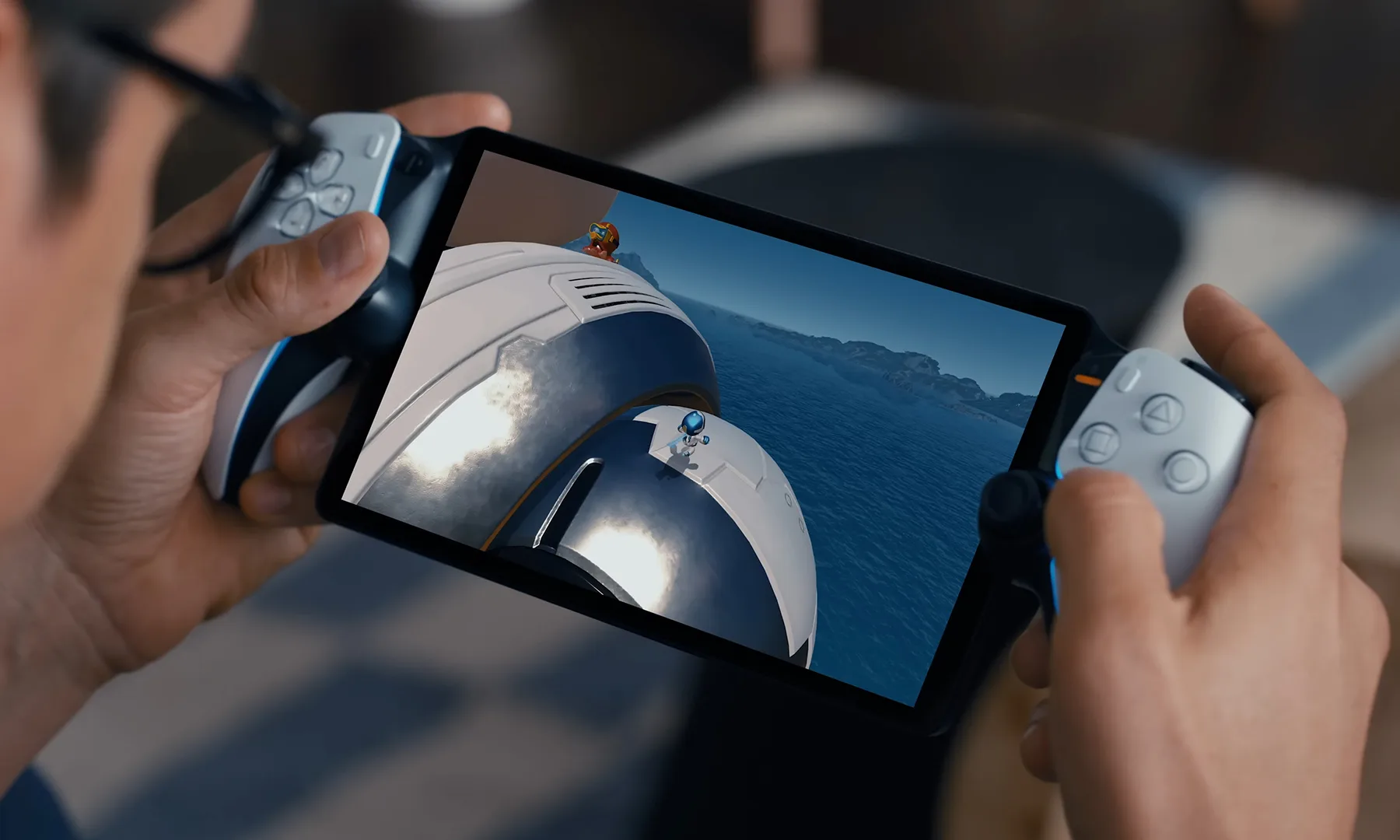
Sony may have just dropped its biggest hint yet that a true PlayStation handheld is on the way. In a recently published Q&A with investors, Sony Interactive Entertainment CEO Hideaki Nishino said the company’s next-generation PlayStation strategy will deliver a seamless gaming experience that extends “beyond the living room.” While he never explicitly mentioned a handheld, the comments have once again fueled speculation that Sony is preparing to return to the portable gaming space with the PS6 generation.
The statement wasn’t made out of nowhere. Nishino acknowledged that gaming habits have changed over the years, with more players choosing personal monitors and flexible gaming setups instead of gathering around a TV in the living room. Sony says it’s already trying to adapt to those changing habits by expanding its ecosystem with accessories like monitors and speakers, while also pointing to the positive reception of the PlayStation Portal as proof that gamers want more ways to access the PlayStation experience. The executive also emphasized that future PlayStation hardware will leverage technologies that can work “in various forms and locations,” suggesting Sony is thinking beyond the traditional home console.

That said, Sony also poured a little cold water on the excitement. Nishino reiterated that the company doesn’t intend to sell future hardware at significant losses. That’s a notable statement at a time when component costs continue to rise, and gaming hardware is becoming increasingly expensive.
“As a principle, we do not intend to sell hardware at significant losses.” – PlayStation
Naturally, that has led many to question whether now is really the right time for Sony to launch a premium handheld, or whether the economics simply don’t add up. Honestly, I think that’s a fair concern. But I’m not convinced it’s enough to stop Sony.
The biggest mistake people make when imagining a PlayStation handheld is expecting it to be a PS5 squeezed into a smaller shell. But honestly, it doesn’t need to be that.
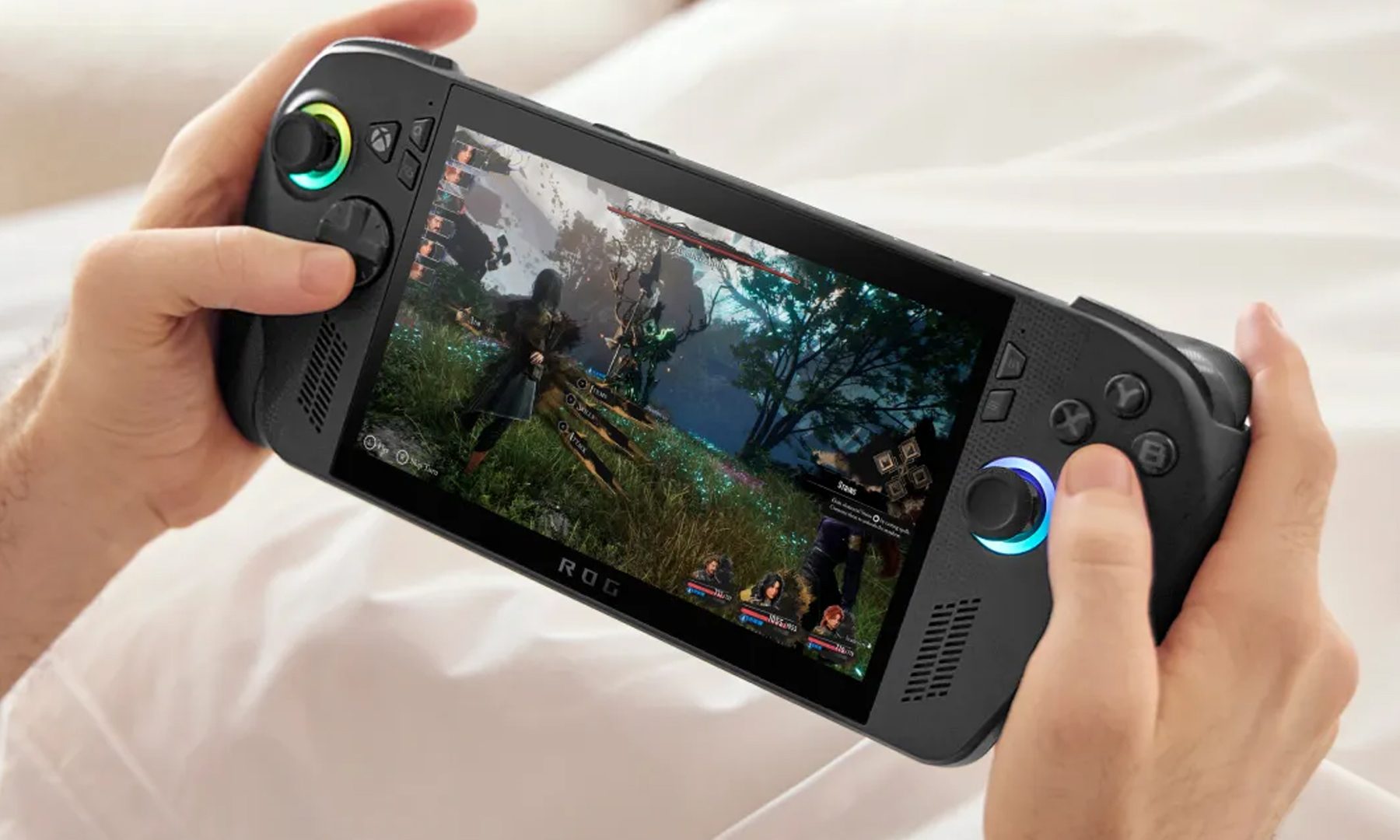
A portable with an 8-inch display isn’t trying to push native 4K graphics onto a 65-inch television. A clean 1080p target changes the equation completely. Modern AMD APUs have already shown just how much performance can be packed into handheld hardware, and by the time Sony is ready with its next device, that technology will only become more efficient. Throw in dynamic resolution scaling, modern upscaling techniques, and a platform where developers know exactly what hardware they’re building for, and suddenly running current-generation PlayStation games on a handheld doesn’t sound nearly as far-fetched.
Then comes pricing. Could Sony really launch something like this for around $550 to $600? Maybe.
Yes, $600 is still a lot of money. There’s no pretending otherwise. But gaming hardware has become expensive across the board. Microsoft’s latest Xbox refresh now starts at around $800, while the Steam Deck, despite being several years old, has seen its price hiked to a little under $800 now. Suddenly, a $600 PlayStation handheld starts looking a lot less outrageous.

More importantly, Sony isn’t just selling a handheld. It’s selling an ecosystem. Every player who buys a PlayStation handheld is also likely buying first-party games, third-party titles, PlayStation Plus subscriptions, accessories, and digital content. That’s a luxury companies like Valve simply don’t enjoy to the same extent. Sony doesn’t need to make huge profits on the hardware itself if the ecosystem keeps players spending for years afterward.
Now what about the launch timeline? See, on paper, launching a PlayStation handheld alongside Grand Theft Auto VI sounds like the ultimate power move, right? Pair the biggest game of the generation with brand-new hardware, and you’ve got a marketing campaign that practically writes itself.

But if Sony were really gearing up for a 2026 launch, the rumor mill would probably be working overtime by now. Hardware has a habit of leaking months before it’s announced, and so far, things have been surprisingly quiet. Besides, Sony is already using GTA 6 as one of the biggest reasons to buy a PS5 Pro. Launching another premium device at the same time could end up stealing its own thunder.
I feel that’s why a 2027 launch actually makes more sense.
Rockstar has a history of bringing GTA games to PC much later, and GTA 6 is widely expected to follow the same pattern. That gives Sony a golden opportunity to pitch its handheld as the easiest, and potentially only, way to play GTA 6 and PlayStation exclusives on the go. Suddenly, waiting a little longer doesn’t sound like a delay; it sounds like smart timing.
By then, Sony would have more mature hardware, better manufacturing yields, and a stronger lineup of games to support a new platform. It would also arrive at a time when handheld gaming has become more competitive than ever. Nintendo has the Switch. Valve proved the Steam Deck wasn’t just a one-hit wonder. ASUS, Lenovo, MSI, and Acer are all pushing Windows gaming handhelds further every year. Even Microsoft has finally embraced the category. Sony is now the only major gaming company without a true native handheld.

There’s another piece of the puzzle that makes this even more interesting. Sony has reportedly shifted away from bringing its flagship single-player games to PC, choosing instead to keep those experiences exclusive to PlayStation hardware. If that strategy continues, a native handheld becomes far more valuable than just another gadget. Instead of waiting years for a PC release, the only way to experience PlayStation’s biggest exclusives on the move would be through Sony’s own hardware. Honestly, that’s a pretty compelling reason to buy one.
Will any of this actually happen? We don’t know yet. Sony hasn’t confirmed a handheld, revealed any hardware, or shared a launch window. Right now, it’s all speculation based on a few carefully chosen words. But sometimes, those carefully chosen words tell a bigger story. And if Sony really is preparing to take PlayStation beyond the living room, I think a premium handheld is exactly the kind of gamble worth taking.

So here’s my question to you: if Sony launched a “premium” handheld with a gorgeous 1080p display that let you play your entire PlayStation library anywhere, even if it cost around $600, would you buy one?
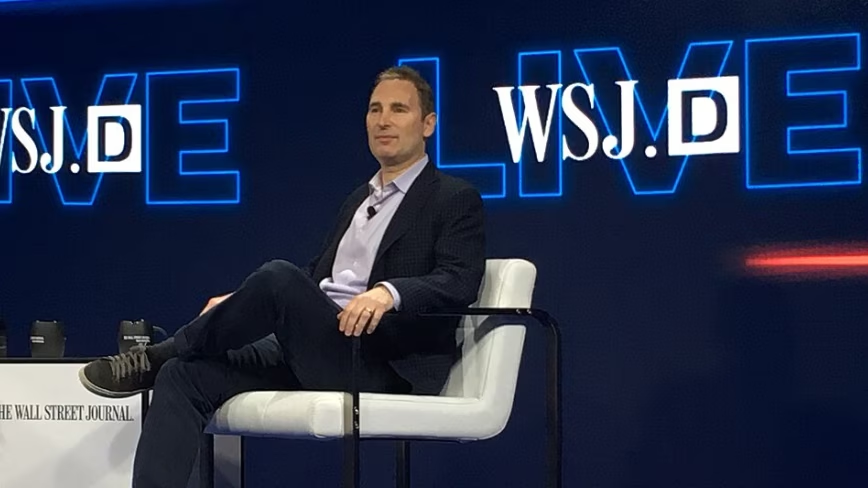
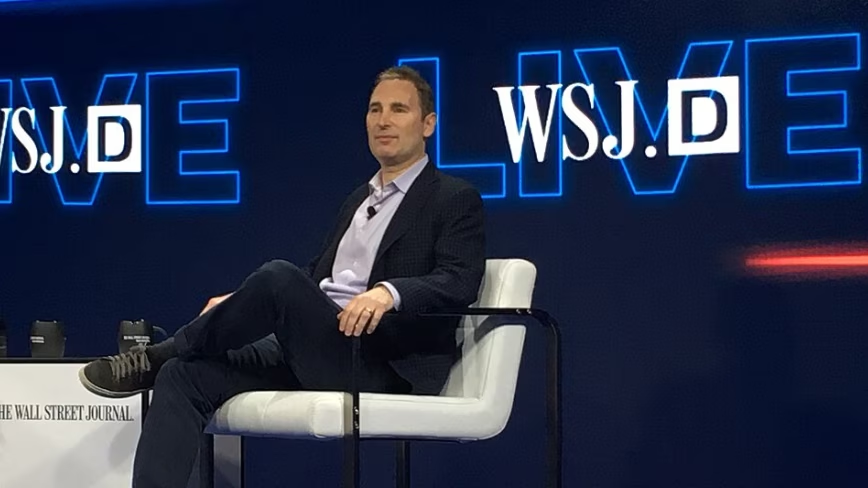
Amazon is looking at OpenAI and other alternatives after a renegotiated contract will shift Anthropic billing to per-token pricing next year.
Amazon is looking for cheaper alternatives to Anthropic’s Claude models after a renegotiated contract will shift to token-based pricing that could substantially increase the company’s AI costs, according to The Information. The new pricing structure does not take effect until next year, but Amazon is already exploring options including OpenAI. The report highlights a deepening rift between two companies that were once inseparable partners in the AI race.
Amazon’s dependence on Claude runs deep. Its coding agent Kiro, workplace assistant Quick, and consumer-facing Alexa for Shopping all rely on Anthropic’s models, according to The Information. A shift to token-based billing would make that dependence far more expensive, particularly after Amazon recently scrapped an internal leaderboard that encouraged employees to burn through as many AI tokens as possible.
The search for cheaper models has sent Amazon toward OpenAI, a company it has already been growing closer to. Earlier this year Amazon committed $50 billion to OpenAI, giving the AI lab access to its cloud infrastructure in exchange for access to its models. That deal followed Amazon’s initial $4 billion investment in Anthropic, which has since grown to a potential $33 billion.
Anthropic, meanwhile, has been expanding its own relationships beyond Amazon. The company committed to spending $200 billion on Google Cloud and chips over five years, according to The Information, a deal that effectively makes Google a major infrastructure partner alongside AWS. Amazon’s latest $25 billion investment in Anthropic included a reciprocal commitment of more than $100 billion in AWS spending, but the Google arrangement signals Anthropic no longer depends on a single cloud provider.
The tension boiled over last month when the US government ordered Anthropic to shut down its Fable 5 and Mythos 5 models after a security report that originated from Amazon. Andy Jassy reportedly told government officials that Amazon researchers had used Fable 5 to obtain information useful for cyberattacks. The timing raised questions, coming as Amazon was preparing to launch its own cybersecurity-focused AI agent designed to spot vulnerabilities.
The contract dispute, the move toward OpenAI, and the Fable 5 incident together suggest the Amazon-Anthropic relationship has entered a new and more adversarial phase. Amazon remains one of Anthropic’s largest investors and cloud customers, but both companies now have reasons to reduce their dependence on each other. For the broader AI industry, the fracturing of its most prominent investor-model-provider partnership would redraw the competitive map.


Security
At least two vulnerabilities are already under attack
Not everyone is willing to follow responsible disclosure of vulns. An anonymous researcher has dumped what they say is working exploit code for zero-day vulnerabilities across 15 software products and open source projects without notifying any vendors or maintainers prior to publishing – and attackers are already exploiting at least two of these.
The first is CVE-2026-55200, a critical, pre-authentication remote code execution (RCE) vulnerability in libssh2, a popular client-side C library that implements the SSH2 protocol. Remote attackers can send crafted SSH packets with excessively large packet_length values to corrupt heap memory and achieve remote code execution.
A fix has been merged into the libssh2 mainline development source control branch, and maintainers are still preparing a libssh2 release containing the patch.
The second is CVE-2026-20896, a critical authentication bypass vulnerability affecting self-hosted Gitea Docker deployments that allows unauthenticated remote attackers to impersonate any user and fully take over the Git server. It’s fixed in Gitea 1.26.3.
The researcher, who goes by bikini, dropped the exploit code and vulnerability write-ups in a now-removed GitHub repository called exploitarium. They remind us of Nightmare Eclipse – the zero-day bug hunter who has been publishing Microsoft exploits over the past couple of months.
Unlike Nightmare Eclipse, however, bikini doesn’t appear to hold a grudge against any one vendor, publishing purported vulnerabilities across multiple products and projects including libssh2, Splunk, RustDesk, 7-Zip, VLC, AnyDesk, OpenVPN, c-ares, Gitea, and Floci.
Bikini claimed – and, to be clear, The Register has not verified these claims or that the code works – that none of the exploits in the repo have been reported.
“Feel free to report them yourself and take credit for the CVE if handed out lulz,” the anonymous researcher wrote, as shown in this screenshot posted on X by Ledger CTO Charles Guillemet. “Please do not abuse these. I do this so to allure people into the field.”
Other researchers, including Federal Signal analyst Ethan Andrews, suggested that bikini used advanced AI models – specifically GPT-5.5 Codex – to automate fuzzing and vulnerability discovery, in yet another indication that the AI-induced vulnpocalypse is nigh.
In response to bikini’s data dump, Andrews built 44 KQL detection rules covering the full exploitarium repo with language translation available for non-KQL stacks.
“The most technically significant findings – libssh2 pre-auth heap write and Gitea default Docker auth bypass – have been independently verified as high-risk with active exploitation observed,” Andrews wrote, noting that some of the exploitarium disclosures “have been dismissed by the community as low-impact AI-fuzzing noise.”
While the repository has since been removed by GitHub, nothing ever truly dies on the internet, and it’s safe to assume that attackers are now also using AI to scan for vulnerable instances. In many cases, bikini’s PoCs mean they don’t even have to spend time developing an exploit. ®
If you’ve ever been on vacation and chose to record video instead of taking photos only to avoid missing the fun moments, thinking you’d pause and take screenshots later, you might have ended up questioning your decision later.
You see, the process involves multiple steps, starting from hunting for the right frame, pausing, and taking a screenshot. If it doesn’t look good, you go back to the video, pause somewhere else, and try taking another screenshot. You see where I’m going with this?
It’s a specific little misery that iOS 27 has now quietly fixed, and I genuinely can’t believe it took this long.
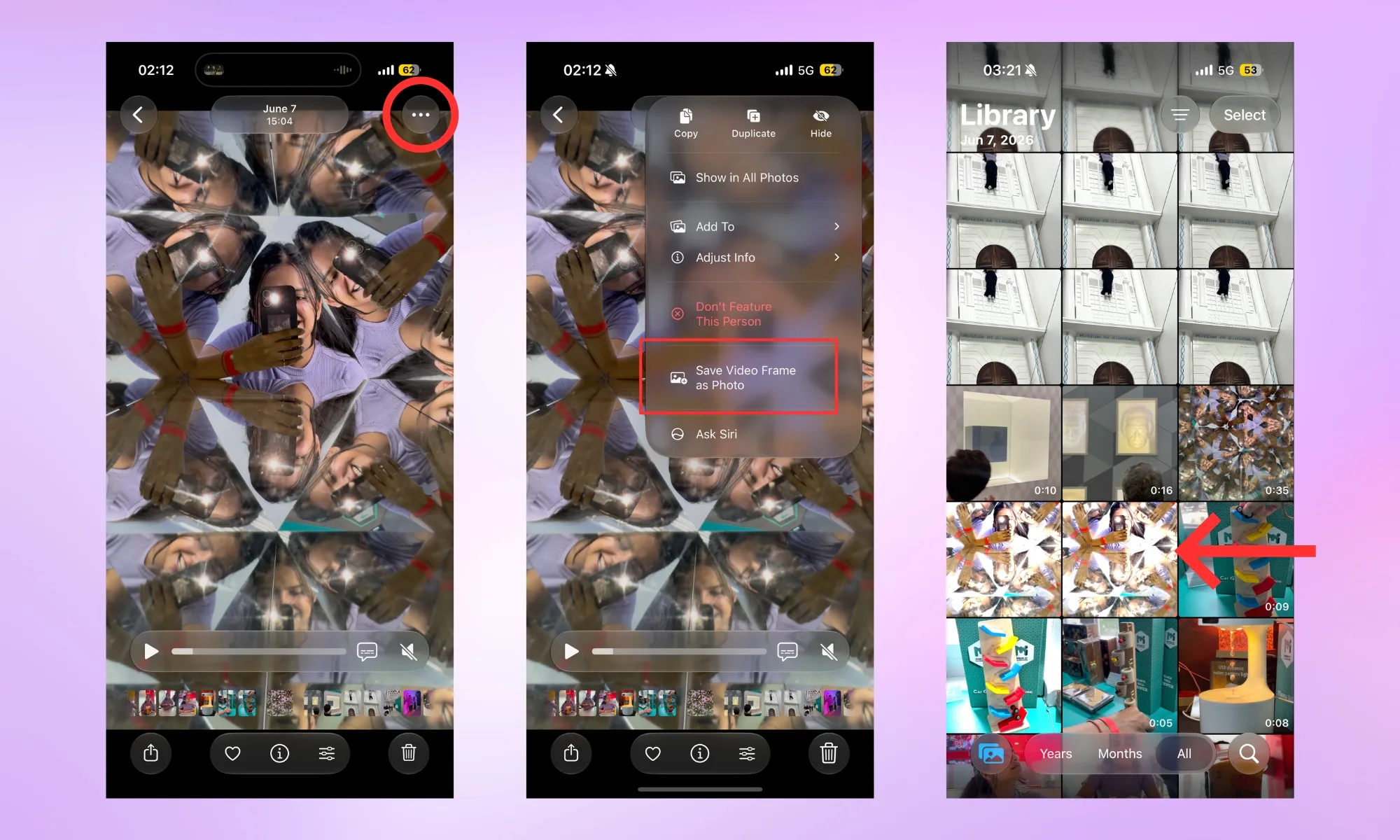
The new “Save Video Frame as Photo” option in the Photos app does exactly what it sounds like. You can save a single frame from a video directly to the gallery as a photo, without the hassle of capturing screenshots. You can use it in two ways.
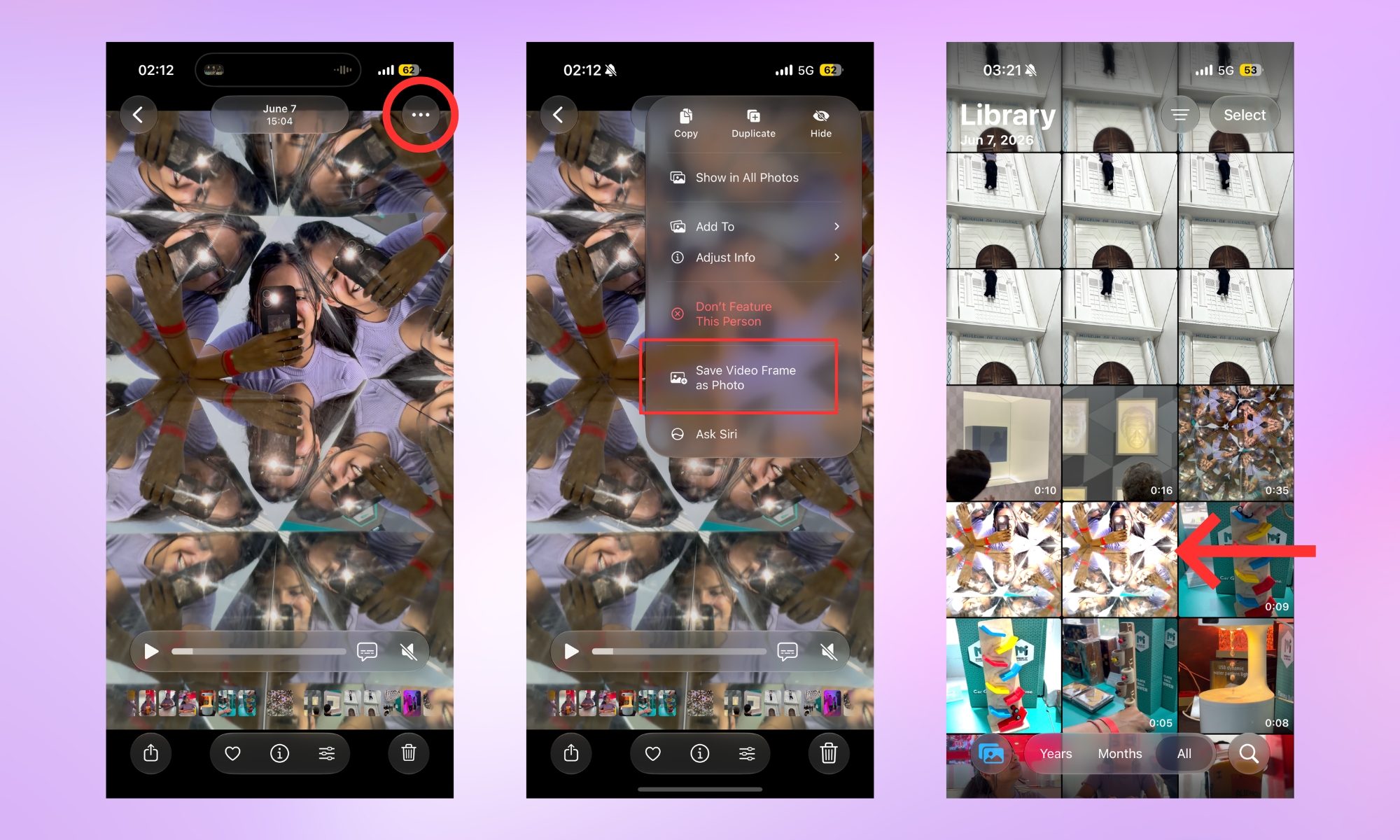
The first one lets you use the feature quickly and save a video frame as a photo in as little time as possible. Open the video in the Photos app, scrub to the moment you want, pause, tap the three-dot menu at the top right of the screen, then tap the “Save Video Frame as Photo” button.
You should see a “Saved Video Frame” dialogue box pop up at the bottom of the screen. The saved frame shows up in your library, right next to the video you’ve extracted it from.
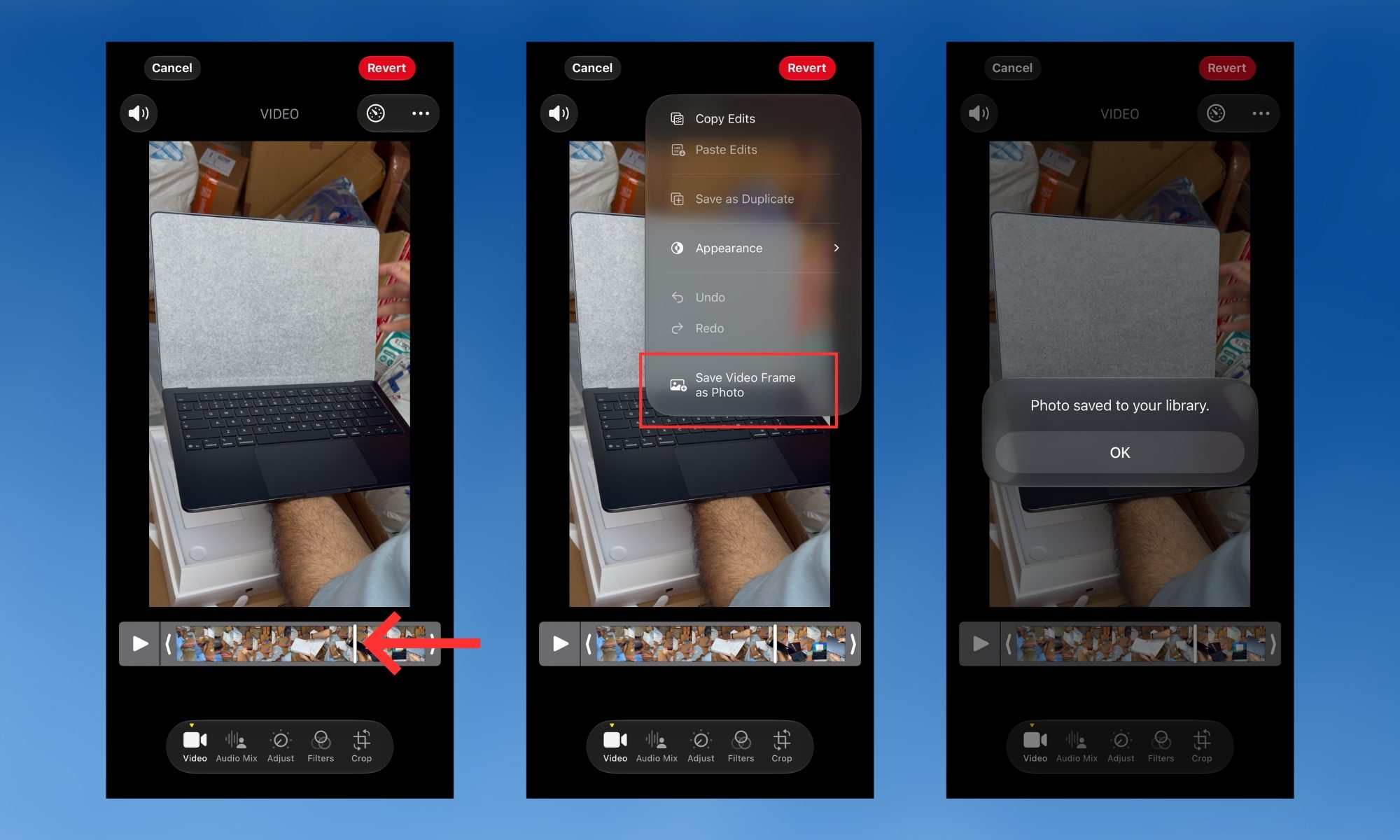
However, if you need frame-by-frame flexibility, open a video, then tap the hamburger menu at the bottom to enter the edit menu. Use the timeline at the bottom of the screen to scrub through the video one frame at a time.
Once you find the exact moment, tap the three-dot menu again and tap “Save Video Frame as Photo.” You should see a “Photo saved to your library” message on the screen. Tap the “OK” button below it, and you’re good to go.
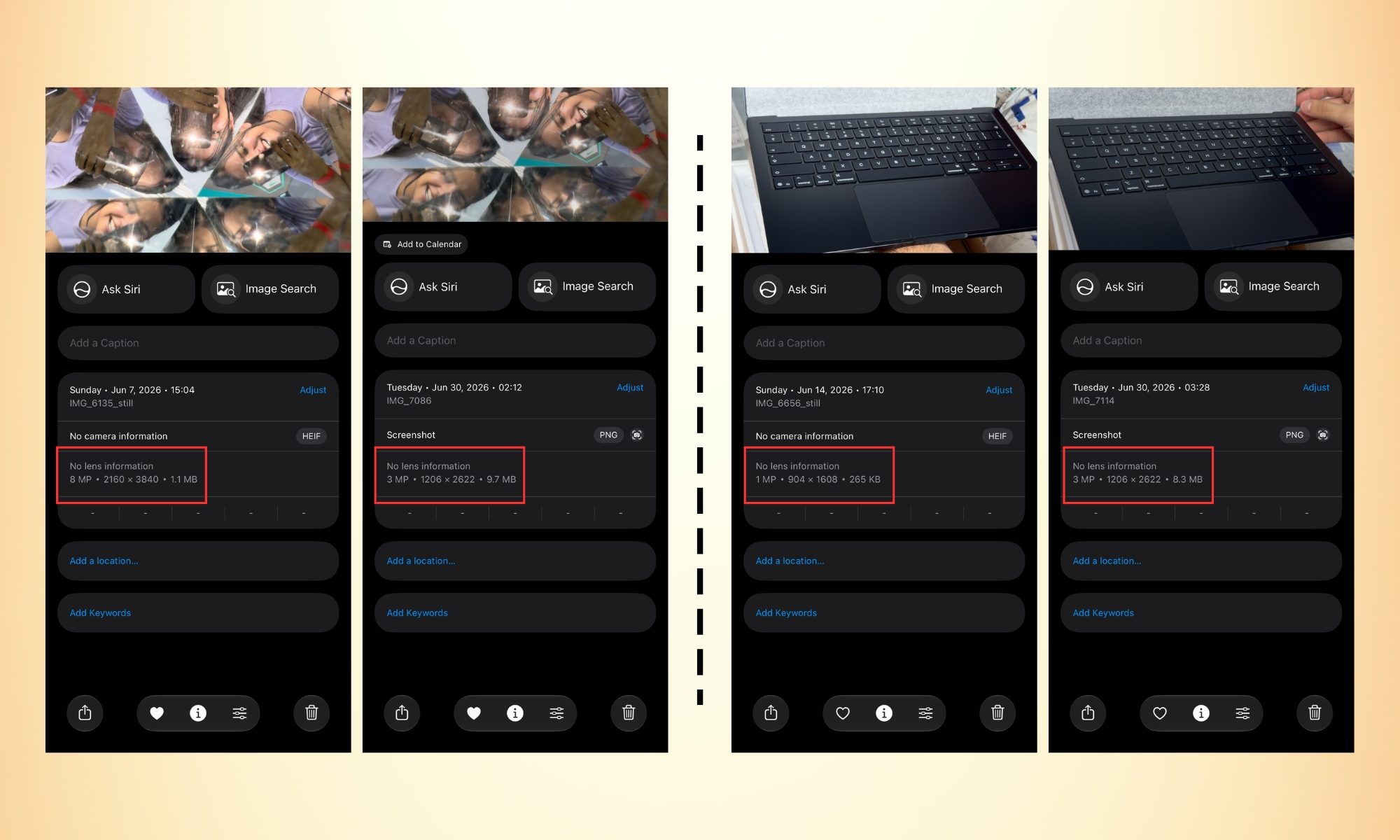
The difference in quality here is worth understanding. Saving a video frame as a picture is the same as taking a picture when you’re recording a 4K video at 60 fps; the saved frame comes out as an 8 MP photo (in Apple’s HEIF format).
Screenshots, on the other hand, save as PNG files that are lower in resolution but larger in file size. In a nutshell, the frame-extracted picture has both a smaller file size and a higher resolution than screenshots.
Furthermore, it doesn’t capture unwanted visual elements, such as the video progress bar at the bottom or a notification pop-up that shows up at the exact moment (I hate those).
It’s one of those iOS 27 features Apple didn’t announce onstage, and yet once you know it exists, you’ll wonder how you ever managed without it.




Two goals and an assist by sheer aura: Cristiano Ronaldo just entered the World Cup chat


Weekend Open Thread: Staud – Corporette.com


The House | Manchesterism won’t survive the painful trade-offs unless it gets citizens on board


Potential 2028er World Cup attendee leaderboard


MAJOR BITCOIN & MARKET UPDATE!!!! (MUST WATCH ASAP!!!)


Asia stock markets slide as tech shares slump


A Look At A Gaggle Of Transputer Boards


Securitize Wraps Roubini's SEC-Registered ETF as Dubai VARA Digital Security
Bitcoin (BTC) Dips Below $62K, Ethereum (ETH) Plunges 6% Daily: Market Watch

Dell (DELL) Shares Tumble Over 5% Following Analyst Downgrade to Hold


Coinbase, Circle Deepen Crypto Stock Losses Despite Resilient S&P 500
Entergy settles forward sale agreements, raises $672 million in cash proceeds


Kraken's xStocks Opens Bending Spoons IPO Registration to EEA Retail


FIH Pro League: India defeat Pakistan 7-1, register biggest win of campaign | Other Sports News


Bluekit phishing kit adopts browser-in-the-middle for login theft


Russian hackers now target Signal backup recovery keys


Bitcoin Sparks $600M Hourly Liquidations With $65,000 Set To Become Resistance

Hyperliquid Named on Singapore MAS Investor Alert Register


RTX holders must register wallets before token distribution begins


Ripple and SBI launch RLUSD in Japan after JFSA approval


You must be logged in to post a comment Login