

Tech
How an IEEE Awardee Became Bewitched by Engineering



When considering the 1960s sitcoms Bewitched and I Dream of Jeannie, both of which featured women with supernatural powers navigating life with mortals, most people wouldn’t connect them with pursuing an engineering career. But Karen Panetta did. The sitcoms’ main characters—Samantha Stevens, a witch; and Jeannie, a genie—were “strong, empowered female leads using magic,” Panetta says, and they inspired her to become an engineer, as it was like sorcery to her.
Panetta, an IEEE Fellow, is dean of graduate education at the Tufts University engineering school, in Medford, Mass., outside of Boston.
Karen Panetta
Employer
Tufts University, in Medford, Mass.
Title
Dean of the engineering school’s graduate education
Member grade
IEEE Fellow
Alma maters
Boston University and Northeastern University in Boston
Like Samantha and Jeannie, Panetta has made magic happen, such as when she helped to invent the first CPU digital-twin simulator. Digital twins are computer simulation programs that track and adjust the operations of a physical device in detail. Her simulator has been adapted for several industrial uses, including by NASA to help design spacecraft.
Panetta also mentors young women to encourage them to pursue a STEM career through the Nerd Girls program she launched at Tufts in 2000. Engineering undergraduate students work on technology for socially conscious projects such as environmental cleanup, renewable energy, and the development of assistive devices to improve mobility for people with disabilities.
Panetta received this year’s IEEE Mildred Dresselhaus Medal for “contributions to computer vision and simulation algorithms, and for leadership in developing programs to promote STEM careers.” The award, sponsored by Google, was presented at the IEEE Honors Ceremony on 24 April in New York City.
Receiving the medal is particularly special to Panetta, she says, because she knew its namesake: Mildred Dresselhaus, an IEEE Life Fellow who pioneered the study of carbon nanostructures at a time when researching physical and material properties of commonplace atoms was unpopular. She was a MIT professor of physics and electrical engineering, and died in 2017.
Panetta nominated Dresselhaus for the IEEE Medal of Honor, which she received in 2015.
“Millie was a rock star,” Panetta says. “I can’t think of another medal that really encapsulates her spirit and what I’ve dedicated my life to.”
Finding a creative outlet in engineering
As a child growing up in Boston, Panetta built trapdoors and other features in her treehouse, she says.
“I also explored fashion and sewed my own clothes,” she adds. “I wasn’t very successful, but I was very creative.”
She was a top performer in math and science classes in high school, so her father encouraged her to pursue civil engineering.
“I didn’t know what an engineer was, and my father, who was a mechanic working on heavy construction equipment, only knew about civil engineers,” Panetta says. “I started taking computer programming classes at school, but knowing how to type on a keyboard and make a software program wasn’t good enough for me. I wanted to know what was inside the box.”
Her thirst for knowledge inspired her to pursue a bachelor’s degree in computer engineering at Boston University.
“My father was very disappointed that I didn’t pick civil engineering,” she says, laughing.
She commuted to school, and she struggled to find study groups for her classes, so she joined IEEE to connect with peers.
She became active in the university’s student branch, organizing events including the IEEE Student Professional Awareness Conference, which helps students learn practical career skills including résumé building, interviewing, and networking. She organized a SPAC for her branch, and IEEE Life Senior Member Jim Watson volunteered to speak at the event. It changed her life, she says.
Watson was the director of commercial and industrial marketing at Ohio Edison in Akron, where he worked for 36 years.
“He flew to Boston to speak at our event, but fewer than 20 students attended. I was embarrassed,” Panetta says. But Watson told her the important lesson was that she showed up and organized the event.
“He said I would be successful because of that,” she says. “He didn’t care about the attendees’ grade point averages, only that we were professional enough to organize the talk.
“That encouragement was the first time anyone outside of my family ever told me that I would succeed, so it was reaffirming. To this day, I still use some of the techniques that I learned in his presentation in my own classroom to teach students.”
Panetta graduated in 1986. Her IEEE membership helped her get hired for her first dream job: a diagnostic engineer at Digital Equipment Corp.
While attending the IEEE Computer Society’s annual symposium on very large-scale integration in Boston, she handed her résumé to a DEC representative, who hired her to work in Hudson, Mass.
While working full time, Panetta attended Northeastern University, in Boston, as a part-time graduate student. She earned a master’s degree in electrical engineering in 1988.
Developing the first CPU digital twin
In the early 1990s, Panetta was assigned to work with Ernst Ulrich, one of DEC’s most respected consulting engineers, she says. He was developing a new CPU using millions of CMOS transistors.
“I thought, ‘Wow, what a great opportunity,’” she says, “not realizing they assigned it to me because no one else wanted to work with him, as he set rigorous standards, expecting those who worked with him to think outside of the box and hold their own to bullet-proof new concepts.”
Panetta and Ulrich wanted the ability to test the CPU while still designing the hardware and software. That way, both would be ready to use at the same time. Typically, the hardware was developed before the software was written.
“We decided that we were going to simulate the machine to see how it was going to run—which was unheard of,” she says.
During a meeting with the company’s top engineers, Panetta shared her idea for an algorithm that could accomplish the team’s goal. She was met with silence.
“It’s going to be the engineers who better society because we know how to work together. We’ve proven that IEEE members know how to work across geographic boundaries, ethnic boundaries, and gender boundaries. And that’s a good model for the world.”
“I thought to myself, ‘Did I just say something stupid?’” she says. “But then, the top engineer looked at me and said, ‘I have been doing this for 50 years, and you, a kid just out of school, comes up with this [solution] like it’s obvious.’”
Her idea became the basis for the digital twin simulator. It used behavioral models to run software on a CPU simulation. The software passes information through the system, she says, just like it would pass information through wires or interconnects.
“We did successfully have a complete model of millions of transistors,” Panetta says. “I efficiently simulated hundreds of thousands of experiments and ran the software on this simulated model so that we knew exactly how it was going to perform on the real machine. That had never been done before.”
Her groundbreaking work led to a promotion: from computer analyst to principal software engineer.
When she began managing a team and hiring staff members, Panetta noticed the younger employees knew the theory but didn’t have the technical skills to hit the ground running, she says.
“It took the company two years to train somebody before they could really contribute technically to a team,” she says. She decided she wanted to help prepare students for jobs in industry.
In 1995 she was accepted into DEC’s Engineers and Education program, in which full-time employees who wanted to teach could take a leave of absence to complete a degree while still being paid. Participants were then placed in academic institutions for two-year stints to help students bridge the gap between classroom theory and real-world problem-solving.
After earning a Ph.D. in electrical engineering from Northeastern in 1994, Panetta began her teaching assignment at Tufts. After one year, she left her job at DEC to join the university as its first female electrical engineering professor. At the time, the department had only one female undergraduate EE student.
“I showed up to work dressed in an all-pink suit,” she says, laughing. “Other professors looked at me like I didn’t belong there because I looked different.”
She didn’t let that stand in the way of reaching her goals: preparing the next generation of students for jobs and mentoring young women who were interested in becoming engineers but who felt they wouldn’t be accepted and therefore couldn’t pursue a career in the field.
Launching the Nerd Girls program
When Panetta began teaching, she noticed that students weren’t getting any hands-on engineering experience, so in 1996 she created an internship program. It was the precursor to Nerd Girls.
At the time, she was consulting for NASA’s data visualization and animation lab in Langley, Va., translating complex information into a user-friendly animated form. The programs visualized Earth’s atmosphere and identified pollutants, their origins, and their effects on people and the environment.
Panetta needed a larger team to help conduct the research, so she asked her undergraduate students if they wanted to participate.
“Female students flocked to me because they could relate to the work I was doing, loved how their skills could benefit humanity, and didn’t see me as the classic nerd professor with no life,” Panetta said in a 2008 interview with The Institute about the program. “Eventually, the girls outnumbered the boys.”
“The research project ended up winning awards,” she added. “Tufts couldn’t believe that undergrads had a hand in it. That’s when things really turned around.”
Nerd Girls officially launched at Tufts in 2000 as a class where students work closely with industry on engineering projects. Examples have included building a solar-powered car, developing a battery for the last functioning twin lighthouse in the United States, and creating devices to help people train service animals.
“Everyone who has participated in the program graduated with a bachelor’s degree,” Panetta says. “I’m also very proud that 98 percent of participants pursue a graduate degree within three years of earning their bachelor’s.”
The program is open to all students, regardless of gender.
Creating a community at IEEE
Panetta became an active IEEE volunteer in 2004 after meeting Arthur Winston, the IEEE president at the time. Winston, an IEEE Life Fellow, was an electrical engineering professor at Tufts. He helped found the Gordon Institute, a leadership-focused engineering school at the university.
“I sat next to him on a bus, and he invited me to attend the IEEE Boston Section meetings,” she says.
Panetta eventually was elected by the section as a member-at-large—which allowed her to attend conferences and other events.
To help spread the word about the Nerd Girls program throughout IEEE, Winston connected Panetta to Mary Ellen Randall, who was chair of IEEE Women in Engineering at the time. Randall is the current IEEE president and CEO. Panetta joined IEEE WIE and was elected as its 2007–2009 chair.
In that position, she worked with Randall and Leah Jamieson, the 2007 IEEE president, to hire more staff to support the program and launch its magazine.
“At that time, we didn’t have any way to connect to members or tell the stories of women in technology,” Panetta says. “I wanted people to read the stories of women from around the globe and how they overcame adversity. So I launched the IEEE Women in Engineering Magazine in 2007.”
Panetta serves as the award-winning publication’s editor in chief, and she is a member of several other IEEE societies and committees.
IEEE is helping to change the world for the better, she says.
“It’s going to be the engineers who better society,” she says, “because we know how to work together.
“We’ve proven that IEEE members know how to work across geographic boundaries, ethnic boundaries, and gender boundaries. And that’s a good model for the world.”
From Your Site Articles
Related Articles Around the Web

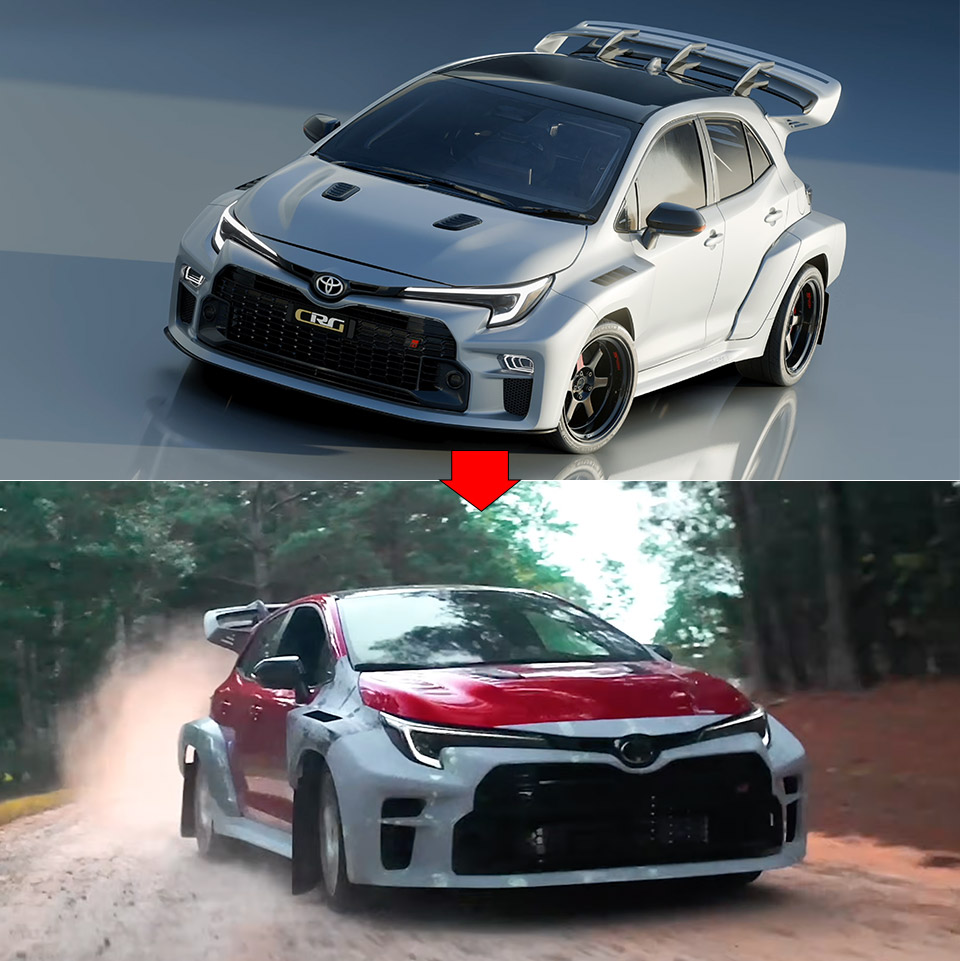
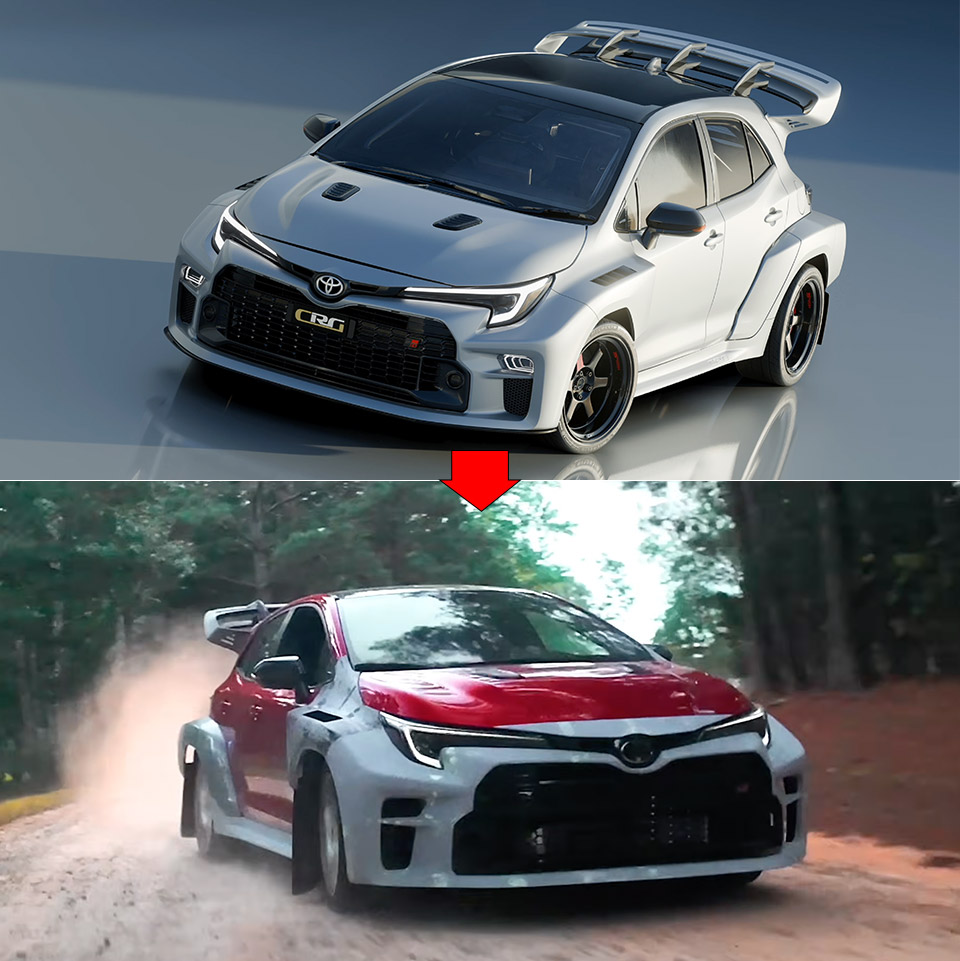
Nikolai Aksenov wanted something Toyota never offered for sale in the United States. The GR Yaris Rally2 sits at the top of his list, a proper factory-built rally weapon with the right proportions, stance, and purpose. Since that car stays out of reach for American buyers, he decided to create the next best thing on the platform he already owned. He started with a 2023 GR Corolla Circuit Edition and set out to give it the widebody, rally-inspired treatment that felt like it could have come straight from Toyota’s own workshop.
The Rally Rolla project is a months-long effort that has been showcased to the world in a series of episodes, the most recent of which saw digital concepts transformed into concrete pieces tacked onto an actual car. Every panel has a reason for being there; nothing is just a lovely face. Aksenov and his colleagues at Crazy Rocket Garage basically performed a comprehensive scan of the automobile, then disassembled it to get a good look at every clip, bolt hole, and crease so they could utilize the data to accurately reconstruct the attachment locations. This model allowed them to create a kit that bolted together perfectly.
Sale

LEGO Technic Fast and Furious Toyota Supra MK4 Building Kit- Toy Car for Kids, Boys, and Girls, Ages…
- TOY CAR MODEL KIT– Boys and girls ages 9 and up create thrilling movie action by building one of the most iconic cars in movie history with the LEGO…
- FAST AND FURIOUS CAR – Fans will be delighted by the LEGO Toyota Supra sports car toy, which is packed with realistic details and authentic movie…
- ACTION-PACKED FEATURES– Builders assemble the 6-cylinder engine, steering, opening hood and removable Targa top roof, then recreate favorite Fast…
This 3D computer model served as the foundation for everything, as it was rather simple in the end, despite being the culmination of months of work. Aksenov and his team basically used that data to build a blueprint of the car from the ground up, drawing inspiration from the WRC, Group B, and GR Yaris to try and make the whole thing feel like it had always been there rather than just a bunch of add-ons, and the design had to come together rather than feel like a collection of random bits slapped on.
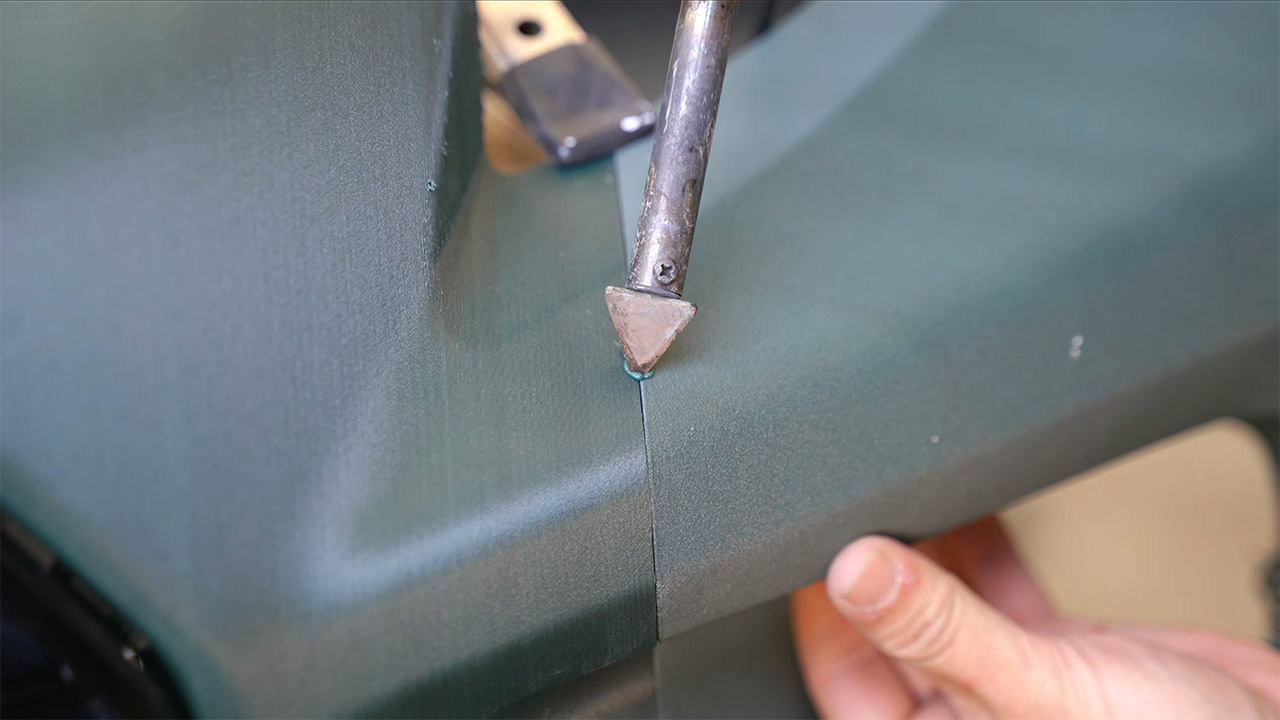
However, printing the parts was a whole other can of worms. Most desktop 3D printers simply cannot handle manufacturing full-size automotive panels in one go. So they broke it up into dozens of smaller parts. PETG was chosen because it can withstand high temperatures and vibrations, as well as daily driving, without breaking. Furthermore, it is somewhat customizable if things go wrong, as they did, necessitating an additional 2,000 hours of printing to prepare all of the components. Yes, one of the nozzles clogged early on, so they simply built a new print head and continued working.
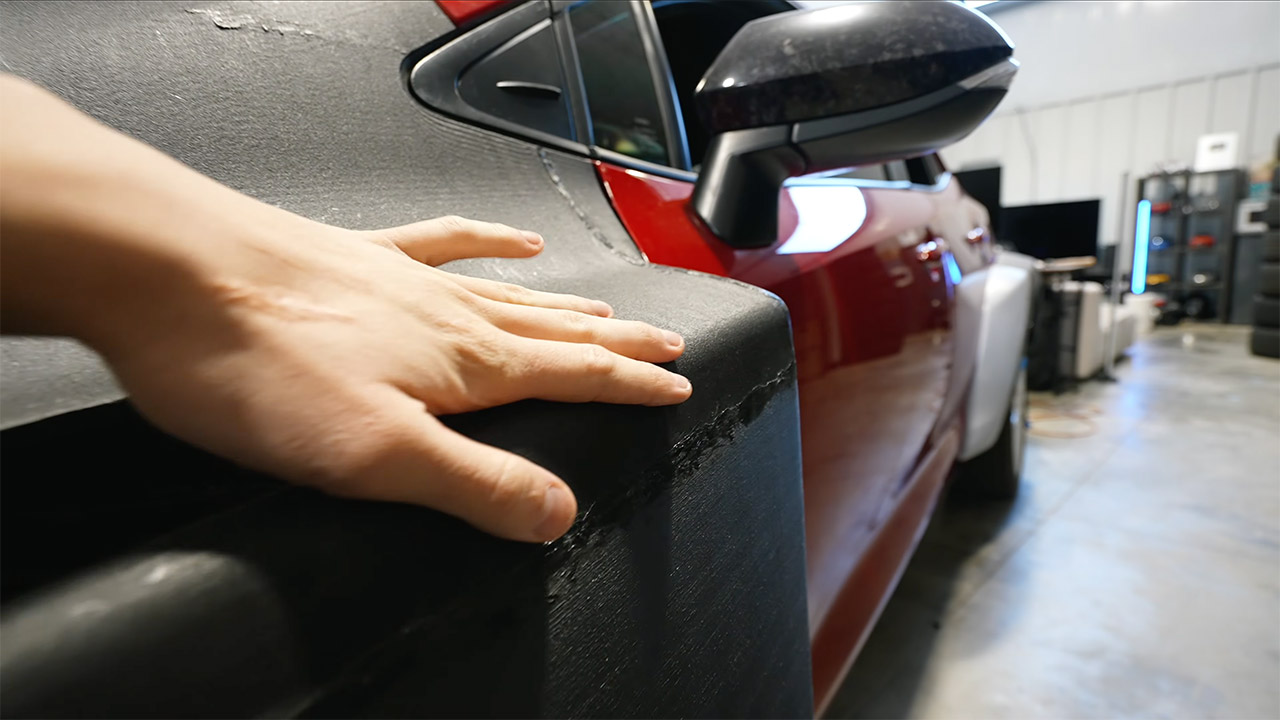
Once all of the small components had been completed, they were turned into solid panels using plastic welding rather than glue or fasteners. This made the whole item stronger and more resistant to normal wear and tear. The designers had also planned ahead and included several bolt holes in the design to help keep everything aligned during this stage and to provide the kit some extra solidity once assembled. Where greater strength was required, they simply added a couple more layers of fiberglass and resin on top, and that was all.
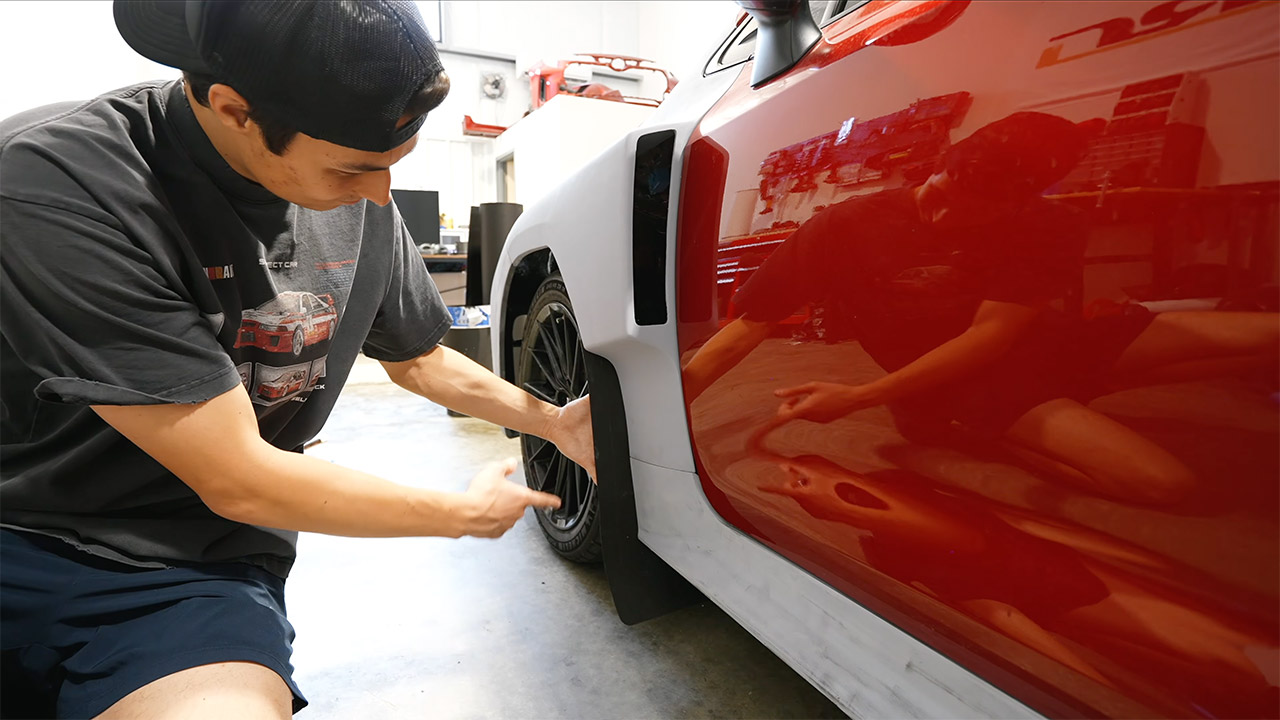
Test fitting highlighted how important the initial scanning and design work was. The front fenders extended around three inches while maintaining the original body lines. Doors opened and closed smoothly on the first try. The rear pieces lined up so cleanly that just minor bits needed to be reprinted to ensure a flawless fit. No exposed hardware marred the lines. Mud flaps and a distinctive double-decker swan-neck rear wing completed the rally attitude without making the car unsuitable for everyday use.
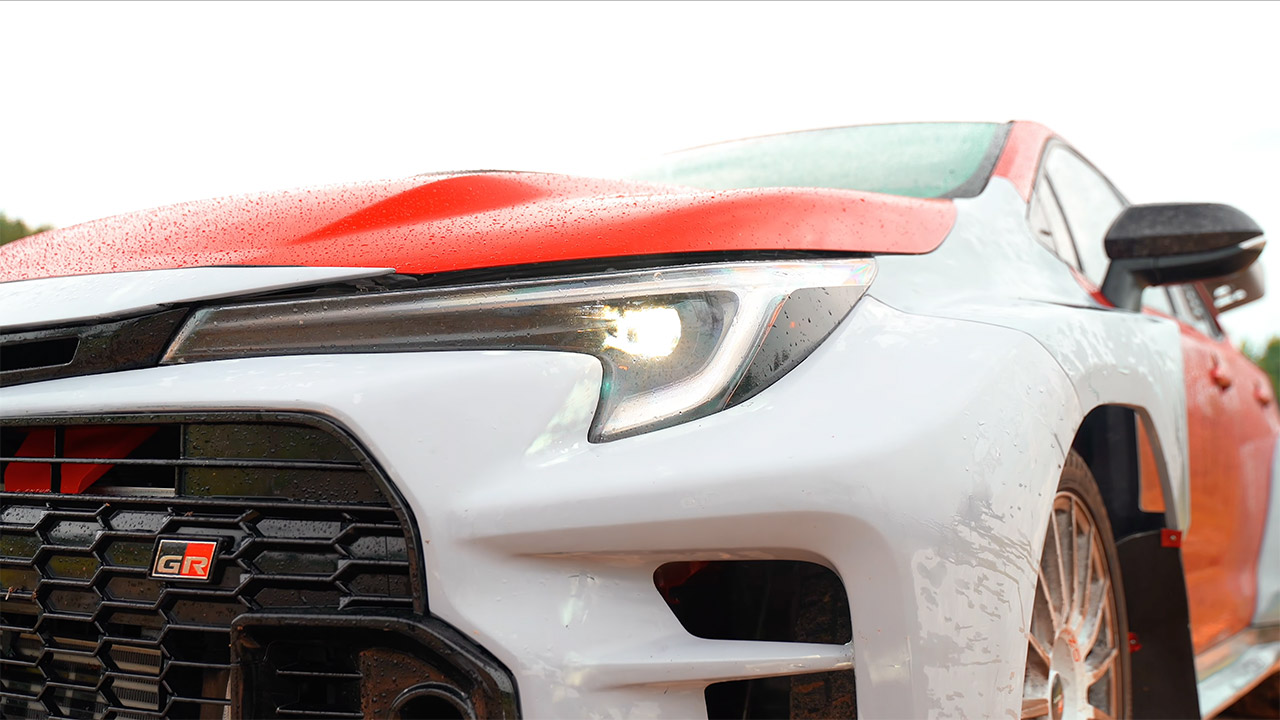
The real proof came when the team took the car out for a thorough shakedown. A 50-minute combination of street and dirt road driving exposed the new panels to vibration, bumps, and the type of punishment that a rally-inspired build should withstand. Nothing is shattered or disconnected. One panel even bounced back after being dropped during handling. Mud flaps sustained considerable damage from the terrain, although it was modest and expected. The kit demonstrated that it could work on the surfaces that inspired the entire project, rather than just as a spectacle.
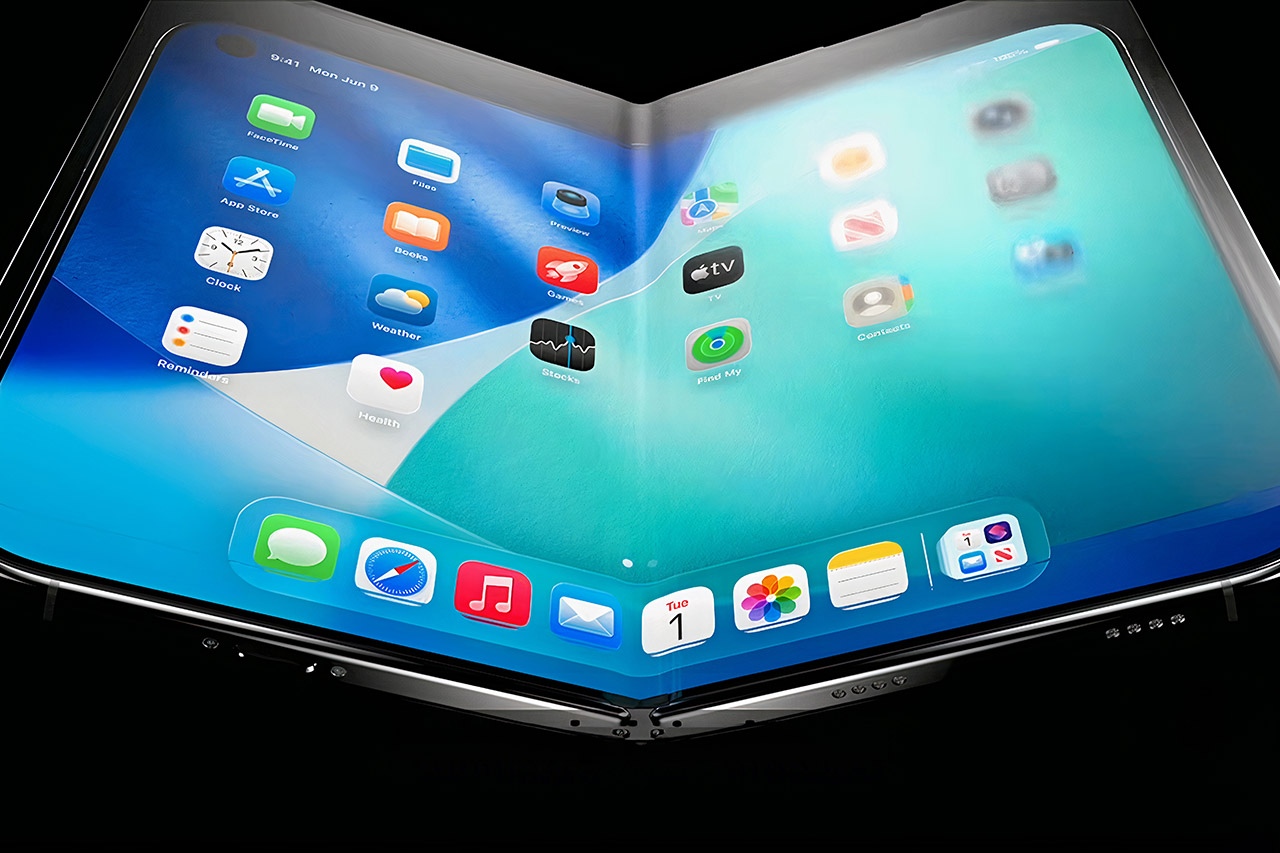
Recent checks on Apple’s supply chain point to a launch strategy heavy on anticipation and light on immediate stock. The company appears ready to show its first foldable handset, the rumored iPhone Ultra, in September, yet early buyers could face weeks or months of waiting lists and marked-up resale prices. This setup recalls past launches where demand ran far ahead of what factories could deliver right away.
Ming-Chi Kuo released survey results this week that have sparked speculation, estimating assembly volumes for the second half of 2026 to be between 7 and 8 million units, a far cry from the 20 to 22 million expected for the basic iPhone 18 Pro and Pro Max models during the same time period. Only a tiny portion of that, about 10%, will actually be assembled in the third quarter, which equates to 0.5 to 1 million units if you do the math. Meanwhile, the gap between announcement and availability is expected to be longer than normal. Pre-orders may not be available until later in the fall, and first deliveries will most likely be delayed until the fourth quarter. To make matters worse, supply is expected to be tight for an extended period of time.
Sale

Samsung Galaxy Z Flip7 FE Cell Phone, 256GB AI Smartphone, Unlocked Android, Long Battery Life, 2025, US…
- GET THE SHOT FROM ANY SPOT: FlexMode is your shortcut to capturing the moment. Just flip open Galaxy Z Flip7 FE, pick your angle and shoot completely…
- OPEN LESS. DO MORE: With Gemini Live and your favorite apps on FlexWindow, Galaxy Z Flip7 FE does more before you even open it.¹
- 50MP CAMERA. 10/10 PICS: Take amazing photos you’ll flip for with Galaxy Z Flip7 FE. Capture stunning details in your photos and hands-free selfies…
What’s really gotten people talking is the price, with Kuo and others estimating a starting price of between $2,300 and $2,500 for the most costly iPhone Apple has in the works. If those prices hold, we may expect to see some major resale pricing, perhaps 50-100% more than the retail price by the end of the year. Meanwhile, the design is finally starting to take shape, and what a design it is. It has a book-style fold that opens horizontally, similar to several other Samsung and Google devices. When closed, it has a 5.5-inch cover display, and when fully opened, it shows a 7.7- or 7.8-inch inner screen with a 4:3 aspect ratio similar to an iPad mini rather than a typical smartphone. When unfolded, it is around 4.5 to 4.8 mm thick; when closed, it increases to 9 to 9.5 mm.
Apple is also leveraging advanced technology to make this happen. They’ve got titanium on board for the critical bits to keep it all nice and rigid, while the rest of the build is made of aluminum for weight and heat control, and don’t forget about the liquid-metal hinge technology, which is designed to keep the wrinkles almost unnoticeable and withstand all of the folding and unfolding you can throw at it. The early CAD-based drawings and leaked photographs reveal a super compact, wide stance that will set it apart from the other foldables on the market right now. The word is that Apple may even limit themselves to only one color option to begin with.
Under the hood, you can expect an A20-series CPU, a seriously huge battery (between 5,400 and 5,800 mAh), and storage tiers ranging from 256 GB to 1 TB. The camera has two 48-megapixel lenses on the back, but no telephoto module. If you’re a software enthusiast, you’ll be pleased to learn that the latest iOS betas already hint at support for split-view multitasking and larger-screen layouts whenever the device is released.
The reason for these conservative volume targets is really simple: Apple and the manufacturers are still figuring things out. Hinge designs, folding displays, and all that stuff are extremely difficult to get right, and it takes time. Kuo has even stated that he believes supply would be tight until at least December, and that it may not improve much until 2027.
[Source]
60 years ago, in 1966, we hadn’t yet landed on the moon, smart phones were a glimmer of an idea in Star Trek or The Jetsons, and we were still fighting the Cold War. It’s also the year that Toyota started manufacturing the Corolla, though it wasn’t introduced to the U.S. market until 1969. Think about that for a moment — few other cars on the road today have been for sale since the 1960s, though this prestigious group does include the iconic Porsche 911 and the Ford Mustang.
The original Corolla had a 1.1-liter engine putting out only 60 horsepower. It was a small, two-door model with little resemblance to modern sedans, but you could buy it for about $1,700 in 1968. The car has been through many iterations since, and is now sold in both gas and hybrid versions, with the 2026 model starting at about $23,000. It’s not only one of the most inexpensive new vehicles available today, it’s also the best-selling car of all time, with more than 50 million sold since 1966. The current model is popular for its affordable starting price, long list of standard features, and easy ride. Car and Driver also gives it high marks for fuel efficiency and mass appeal of its hatchback and sedan body styles.
Despite its popularity and impressive history, however, no ride is perfect, and the Corolla has had its share of quirks and challenges over the years. Here are four problems that affected a decent population of Corolla drivers.
Broken steering shafts
One of the most recent problems associated with the Toyota Corolla affected only 2023 and 2024 model years. Toyota issued a recall in late 2024 for 8,057 gasoline and hybrid models, warning owners that the steering shaft has the potential to fracture.
The company informed the National Highway Traffic Safety Administration that a joint on the shaft assembly may have cracked during manufacturing. Repeated use could allow those cracks to expand and eventually lead to separation of the joint, which would leave drivers unable to steer the car.
This is a potentially frightening recall, but luckily it only affected fewer than 10,000 vehicles. According to Toyota, warning signs may be a steering vibration or additional play in the wheel when turning the vehicle. Drivers of affected vehicles can have the problem fixed for free at any Toyota dealership.
Automatic transmission may not shift correctly
If you own a newer Corolla, this is likely not an issue you need to worry about, as it mostly affects higher-mileage vehicles. RepairPal reports more than 300 Corolla drivers who experienced problems with the automatic transmission not shifting correctly. The average mileage for vehicles experiencing this problem is more than 170,000. Owners with model years from 1990 through 2016 reported the problem, with the exception of 2002 Corolla models.
Transmission failure, especially while driving, can scare any driver. It’s a vital component of your vehicle, transferring power from the engine and delivering it to the wheels, and it can be a very expensive fix when things go wrong. Luckily, this problem typically does not require a complete transmission overhaul. It’s often linked to a throttle position sensor that is out of adjustment. Some drivers have also linked the problem to a shift solenoid that needed to be replaced.
Drivers experiencing transmission issues should also check if the transmission fluid is low, or if it’s contaminated, which will affect the gears. If you notice any problems related to the transmission, including a humming or buzzing noise, or a wobble or shake when your vehicle shifts gears, you should make an appointment with your mechanic as soon as possible to avoid a more serious issue.
Air bag may not deploy properly
Another recent recall affected more than one million Toyota vehicles in the U.S., though it included more than just the Corolla. This is a bit of a scary one, however. A 2023 recall affected 2020 and 2021 Corolla models. In its notice to the public, the automaker reported that the front passenger air bags may not deploy properly if the vehicle is involved in a crash. The issue stems from a potential defect in sensors in the passenger seat that could cause a short circuit. The safety system may not realize that a passenger is in the vehicle and fail to deploy the air bags.
Airbags, of course, save lives. In the U.S. alone, frontal airbags have saved more than 50,000 individuals and reduced deaths related to front-end crashes by almost 30%. This recall affected additional Toyota models, including the popular Camry and RAV4 SUV. Toyota offered to inspect all affected Corollas and replace the sensor if necessary. If you’re driving a 2020 or 2021 Corolla and don’t know if your vehicle was included in the recall or if the repair was made, you can check your vehicle’s records, or visit Toyota’s recall page.
Excessive oil consumption
Toyotas are known for reliability, even with high mileage, but there are a few flaws with certain models that may affect longevity. If you own an older-model Corolla and notice that you seem to be burning oil faster than expected, you should check in with your mechanic, as there is likely a fix.
The 2009 and 2010 Corolla XRS models are equipped with an engine that used low-tension piston rings that, after years of use, eventually led to oil leakage past the rings and into the cylinders, leading to excessive oil use. Toyota reportedly fixed the issue with a new piston ring, but check the maintenance history if you’re considering purchasing one of these used models.
Other Corolla model years that may burn through oil quickly include 2000 through 2005, and also 2014. Even if your car is brand new, you should regularly check your oil levels. Oil leaks inside your engine may not leave telltale drips or other obvious signs. If you find yourself topping off the oil level between oil changes, it may indicate a problem. You may also notice a burning smell; a blue, hazy smoke; and a rough idle or even engine misfires.
Methodology
Because the Toyota Corolla has been on the road for more than 55 years, there are plenty of complaints floating around, especially on the internet. Remember, people tend to report problems more often than they tend to report a perfectly-running car.
Because of this, we focused on verifiable problems that affected a good chunk of Corolla drivers. We first researched recent recalls, and we also relied on RepairPal, a legitimate, Yelp-owned platform that provides auto repair and maintenance information to consumers. This list is by no means comprehensive. We urge all buyers to conduct their own research before buying a new or used car, and request a vehicle’s maintenance and repair history when buying a used vehicle.
It’s good to know how long your phone will get updates before you purchase.
Picture this: it’s sale season and you’re browsing for a new phone. You spot one with decent specs that fits your budget, a win right now with prices on literally everything going up. You buy it feeling like you got a bargain, but months later you realize that you’ll actually have to get a replacement sooner rather than later because the manufacturer is pulling the plug on its software support.
Unsurprisingly, older phone models are often the ones you’ll find on sale. The siren song of a good deal is hard to resist, but that’s exactly what you have to do. Before you throw your money at a phone like you’re throwing confetti at a parade, you need to check its expiration date because there are loads of smartphones that are in their last year of software support. That means the phone will soon lose access to updates, and your data may become more vulnerable to newly discovered security threats.
Updates are annoying, but necessary
Your smartphone probably handles your banking, your health data, work emails, and definitely all your personal conversations. So here’s a question: when did your phone last receive a security update?
Most phones get those annoyingly persistent push notifications for system updates that somehow always land when you have insufficient battery or you absolutely cannot leave the phone alone for the few minutes it takes to run the update. But as annoying as these notifications are, it’s bad news when they don’t show up anymore. Manufacturers don’t always broadcast when support is about to expire. But once a phone stops receiving updates, it also stops receiving patches for newly discovered security vulnerabilities. And then all your sensitive information could be in danger.
Many phones reach the end of software support sooner than most people expect. And when they do, it doesn’t mean your phone stops working. It just means the manufacturer has stopped pushing security patches and OS upgrades to your device. Any vulnerability that gets discovered from that day forward opens up your phone to the risk of your financial and private data being stolen.
When updates come to an end
Security researchers and cybercriminals alike are constantly digging for new vulnerabilities in all sorts of software, including mobile operating systems. When vulnerabilities are discovered, manufacturers release patches. Once software support ends, newly discovered vulnerabilities may no longer be patched.
Beyond security, end of life phones get frozen in time. New Android and iOS features aren’t coming. At some point, apps also stop supporting older OS versions, so you’re left unable to use key tools and features.
Even if you manage the security risks and go without certain apps, aging unsupported smartphones tend to struggle with app requirements. Performance tends to degrade as apps are optimized for newer hardware and software.
How Samsung handles software support and what models are nearing end of life
Samsung’s support policy varies quite a bit depending on the device tier. Galaxy devices get up to seven years for flagship models, but mid-range models will max out at five or six years, depending on model, while budget phones get up to four years of support. Here are the Samsung models that will reach end of life before the end of 2027:
- Samsung Galaxy A14 (launched May 2023) — Android updates ended May 2025, security updates end May 2027
- Samsung Galaxy A54 5G (launched March 2023) — Android updates end March 2027, security updates end May 2027
- Samsung Galaxy S23, S23+, S23 Ultra ( launched February 2023) — Android updates end February 2027, security updates end February 2028
- Samsung Galaxy Z Fold4, Z Flip4 (launched August 2022) — Android updates end August 2026, security updates end August 2027
- Samsung Galaxy A53 5G (launched April 2022) — Android updates ended April 2026, security updates end April 2027
- Samsung Galaxy S22, S22+, S22 Ultra (launched February 2022) — Android updates ended February 2026, security updates end February 2027
- Samsung Galaxy S21 FE 5G (launched January 2022) — Android updates ended January 2026, security updates end January 2027
- Samsung Galaxy Z Fold3, Z Flip3 (launched August 2021) — Android updates ended August 2025, security updates end August 2026
How Google handles software support and what models are nearing end of life
Google has improved its support commitment over the years. According to the company’s official Pixel support page, Pixel 8 and later devices receive 7 years of OS and security updates from the date they first became available. Older devices, however, only receive 5 years of OS and security updates. Depending on their release dates, several of these models are entering their final years of support. Here are the models that will reach end of life before the end of 2027:
- Google Pixel 7 Pro (launched October 2022) — reaches end of life (EOL) in October 2027
- Google Pixel 7 (launched October 2022) — reaches EOL in October 2027
- Google Pixel 6a (launched July 2022) — reaches EOL in July 2027
- Google Pixel 6 Pro (launched October 2021) — reaches EOL in October 2026
- Google Pixel 6 (launched October 2021) — reaches EOL in October 2026
The Google Pixel 2, 3, 4, and 5 lineups are already no longer receiving updates.
How Motorola handles software support and what models are nearing end of life
Motorola’s commitments to support their products are a lot more limited than what we’ve seen with Google and Samsung. Traditionally, most Motorola devices only received security updates for 2 or 3 years, with most models only receiving one major Android OS upgrade. Earlier this year, after the European Union demanded at least 5 years of security updates, Motorola improved its policy for its newer devices. Motorola managed to find some loopholes, however, and it won’t promise to deploy Android updates on top of the security patches. Here are the models that will reach end of life before the end of 2027:
- Moto G (launched December 2024) — reaches EOL in December 2027
- Moto G Stylus 5G (launched May 2024) — reaches EOL in May 2027
- Motorola Edge 2024 (launched May 2024) — reaches EOL in May 2027
- Moto G Power 5G (launched May 2024) — reaches EOL March 2027
- Moto G 5G (launched March 2024) — reaches EOL March 2027
- Moto G Play (launched January 2024) — reaches EOL January 2027
- Motorola Razr (launched September 2023) — reaches EOL September 2027
- Motorola Razr+ (launched June 2023) — reaches EOL June 2027
- Motorola Edge+ (launched May 2023) — reaches EOL May 2027
How Apple handles software support and what models are nearing end of life
Apple does things a bit differently and the company doesn’t explicitly publish end of life dates the way Android manufacturers do, but they do have a classification system. Vintage products are those Apple has stopped distributing for sale more than 5 years ago, but less than 7 years ago. Obsolete products are those Apple stopped distributing more than 7 years ago.
iPhones typically receive iOS updates for 5-7 years after launch, so if your iPhone is approaching the 5-year mark since its release (not when you bought it), it’s worth checking whether it’s still listed as compatible with the latest iOS version. iOS 27 is coming this fall and it can run on phones as old as iPhone 11, which was released in September of 2019. Generally, it will be compatible with all phones that support iOS 26. Apple Intelligence features, however, are only supported on the iPhone 15 Pro/Pro Max and later.
Therefore, iPhone SE from 2020, iPhone 11, 11 Pro, and 11 Pro Max will likely get their final update with iOS 27, while the iPhone 12 and 13 lineups probably have a couple more years of updates in them.
In the years to come, however, as Apple puts on the focus on Apple Intelligence, the company could start dropping support on older models sooner due to performance and RAM demands.
Older iPhones may not get new OS updates, but Apple still sends security patches their way. In May 2026, Apple rolled out security-focused updates for iOS 15 through iOS 18, extending support to several iPhone models. Even the iPhone 6s, first released in September 2015, got an update, along with the first-generation iPhone SE, all iPhone 7 models, all iPhone 8 models, the iPhone X, all XS models, and the iPhone XR.
What to do if your phone is nearing end of support
You probably shouldn’t buy any of the phones above no matter how affordable they are, but what if you already own one of these? Plenty of people keep using unsupported phones for months or years after their end of life because upgrading can be expensive or simply because “it’s still working just fine.” If either of these is the case for you, here’s what you should do:
- Keep updating your apps for as long as possible.
- Avoid connecting to unsecured public Wi-Fi networks.
- Don’t install apps from outside the official app store, and generally be selective even when picking them from there.
- Be extra cautious about links you get in emails or messages.
Ultimately, however, the best advice is to upgrade to a newer model as soon as the budget allows.
Your smartphone is one of the most personal devices you own, filled with data that you want to keep as secure as possible. While each brand handles support differently, it’s important that your phone — be it one you just bought or one you’ve owned for a while — gets security updates. An unsupported phone is a liability, not just an inconvenience. Knowing where your device stands is one of the best steps you can take to protect your data. After all, the only thing worse than seeing that persistent “update available” notification is realizing it’ll never pop up again.

It’s not exactly the most unexpected rumor, but a new report claims that Apple is working on an iPad Pro refresh, and a new entry-level MacBook Pro with M7 for spring 2027.
If the rumor is accurate, that moves the iPad Pro from a previous fall launch cycle to the spring. This will help level out Apple’s earnings cycle, and move some new releases out of the holiday quarter, and into the spring and back-to-school purchasing season.
Any new iPad Pro will be an incremental update, with screen sizes expected to remain the same. No redesign is expected, and one is not predicted in Wednesday’s report from Bloomberg.
A faster processor is expected. Apple has also reportedly been testing vapor chamber cooling for the iPad Pro, like the iPhone 17 Pro has now.
The last iPad Pro update with M5 was delivered in October 2025.
The most notable section of Wednesday’s report is that the lower-end MacBook Pro will adopt a new design language, first seen in the OLED touchscreen MacBook Pro expected before the end of 2026 or early 2027. That model is reportedly codenamed K104 and may be the first to adopt the previously rumored M7 processor, in a quicker-than-normal debut.
The fall 2026 entry-level MacBook Pro is codenamed J804 and is expected to have the M6 chip.
The J804 codename was known in October 2025, with it found in macOS Tahoe code. J704 was the entry-level M5 MacBook Pro.
This makes Apple’s spring release period jam-packed with the non-Pro iPhone 18 lineup, and a second-generation iPhone Air expected to debut around then too.
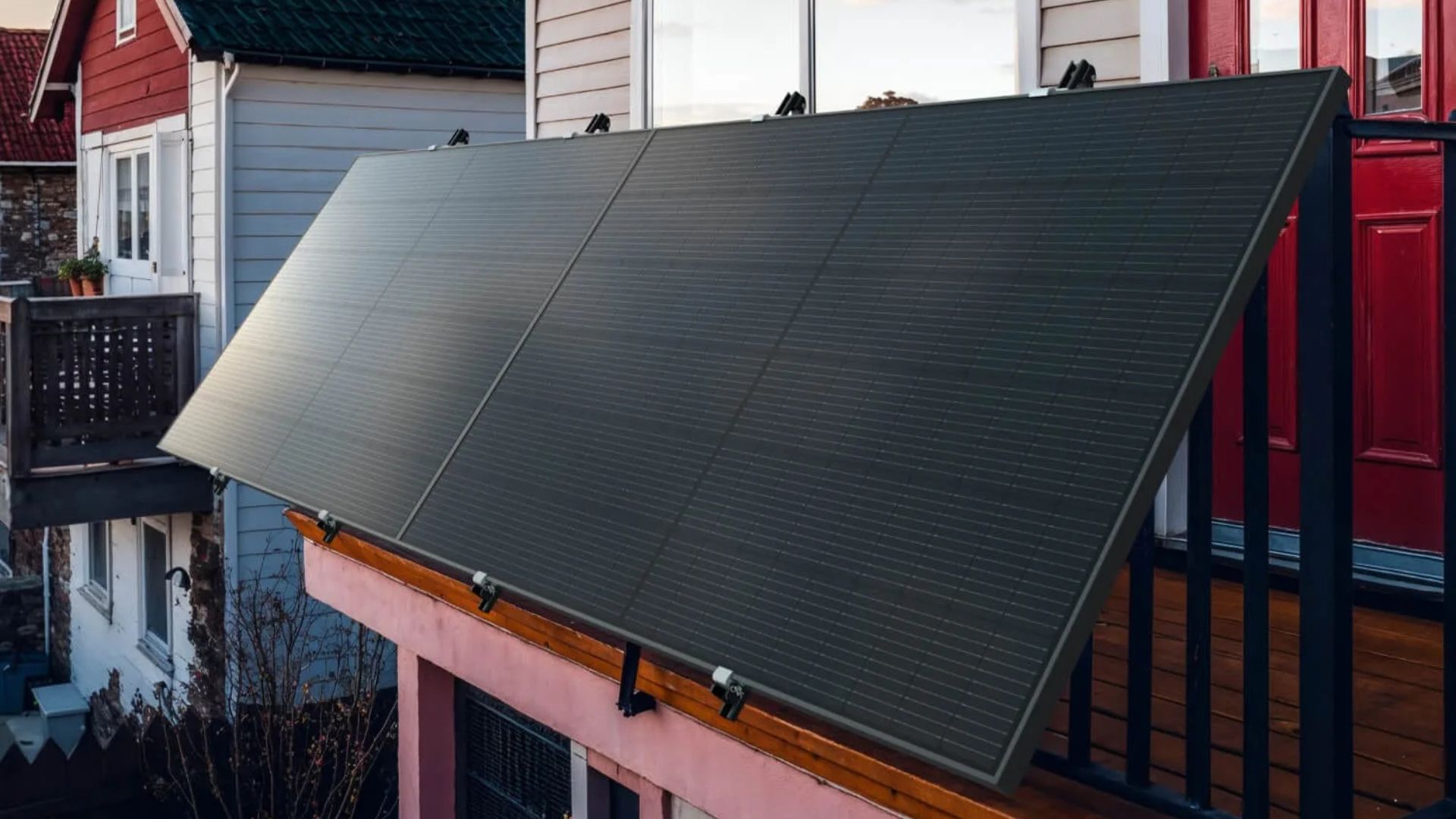
The UK Government has recently announced that all households will be able to install plug-in solar panels – without any expensive or complicated installation required.
Plug-in solar panels promise to help reduce the UK’s reliance on fossil fuels while enabling households to save money on their energy bills too. Our Home Tech Editor Dave Ludlow explains more on the costs and savings of plug-in solar panels.
So whether you’re keen to get your hands on plug-in solar or just want to know more about the set-up, you’ve come to the right place.
We explain everything you need to know about the availability of plug-in solar panels, including which retailers are expected to stock the systems, why they’re going to be more readily available and whether the government is offering any incentives for households.
Is plug-in solar available to buy in the UK now?
At the time of writing, plug-in solar is not currently readily available to buy in the UK. This is because the BSI product standard is yet to be published, which means DIY installation of plug-in solar is not fully compliant. While there’s currently an interim product specification, the final standard is expected to be published in July. Until then, an electrician is required to connect all solar systems.
What changed to make it legal?
The government brought in BS 7671 Amendment 4 which is the latest update to the UK’s IET Wiring Regulations, which allows systems under 800W to plug safely into domestic outlets without requiring an electrician. This update puts the UK in-line with other European countries like Germany who sees half a million devices installed each year.
There are some legalities that you must also keep in mind with purchasing plug-in solar. Under G98 regulations, you must ensure that you notify your local Distribution Network Operator (DNO) within 28 days of installing your plug-in solar. This is a simple process that allows the G98, which is the Engineering Recommendation from the ENA that governs how small generators connect to the UK grid, to know what’s connected to the grid.
Doing this is relatively straightforward, and can be done either directly through your DNO’s website or by emailing a completed G98 form.
Which retailers will stock plug-in solar in the UK?
According to the government’s statement that was published back in March, “retailers like Lidl and Iceland, alongside manufacturers such as EcoFlow” are working with the government to enable plug-in solar to be brought to the UK market. Since then, Currys, B&Q and Amazon have also joined government plans.
In addition, Asda, Screwfix and Wickes were also in attendance at a recent roundtable to discuss the technology and economics of plug-in solar too.
When will Lidl sell plug-in solar in the UK?
At the time of writing, we don’t have an exact date of when we can expect Lidl to start selling plug-in solar. According to Which, early reports have suggested that households can expect to pay around £400 for a basic set-up.
We’ll update this guide once we know more.
Will the government offer subsidies or free panels?
According to a report published by iNews, the government has confirmed that low-income households will get taxpayer-subsidised, plug-in solar panels. The report states that up to £25m has been earmarked for those “most in need”, while the government is looking at a “street-by-street” approach which will deliver “tens of thousands” of low-cost panels to families.
What’s unclear is how the government will determine who is eligible for the scheme.
In addition, there are also a few government grants available for those looking to install traditional solar panels in the UK, including Warm Homes Grant which offers up to £15,000 for low income households and 0% VAT on all solar panel purchases.
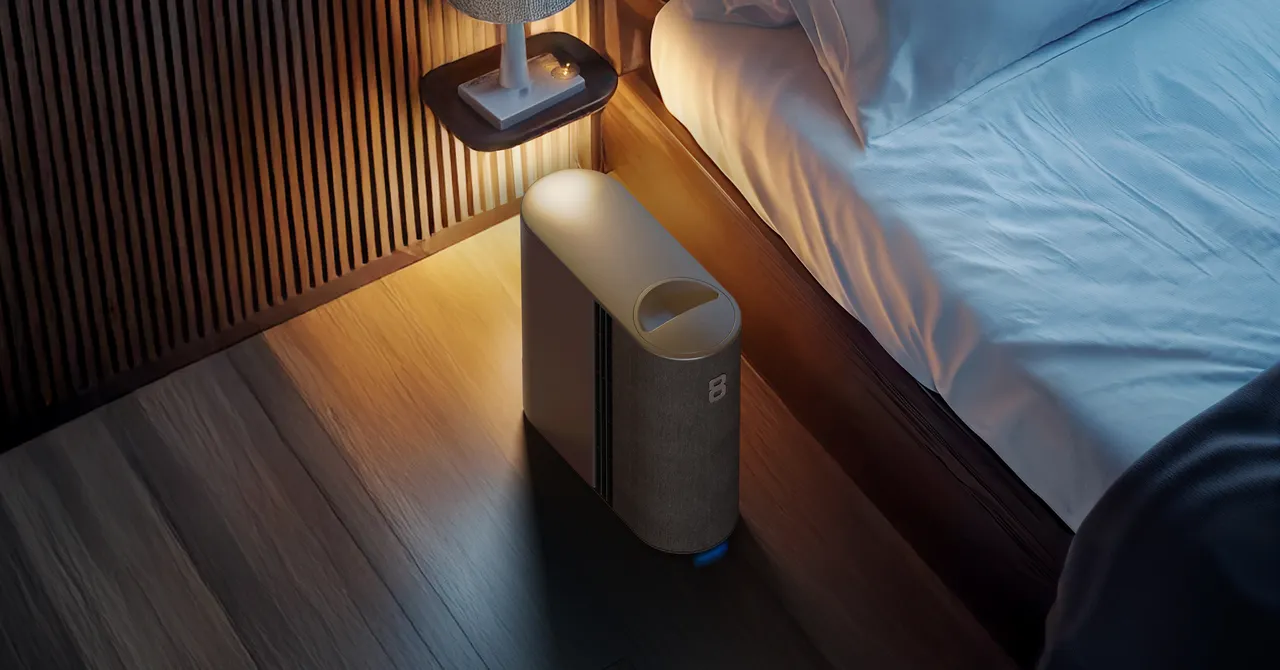
The Enhanced membership ($25 per month, $299 annually) extends the warranty to five years, which matters with such an investment. Even though I haven’t experienced hardware issues yet, the system relies on pumps, tubing, and sensors running every night. That introduces more failure points than traditional mattresses, and consumers have reported warranty replacements for various issues over the years. Once coverage ends, replacing the hardware could be expensive. The new Elite tier ($33 per month, $399 annually) also includes a five-year warranty and Health Check.
Beyond the ongoing costs, there are also privacy considerations; cloud dependency issues, which I explain below; and questions about how much access a company should have to your bedroom. Last year, security researchers discovered vulnerabilities in Eight Sleep’s firmware, including back doors that could permit remote access and enable unauthorized users to run arbitrary code and transmit user data to Amazon Web Services (AWS). This also means that Eight Sleep engineers can know when you’re asleep, whether two people are sharing the bed, and when the bed is empty. “Imagine your ex works for Eight Sleep,” Dylan Ayrey and Jake King, cofounders at cybersecurity company Truffle Security, wrote in a 2025 blog post.
Eight Sleep has since updated its security policies, clarifying that customer support can only access a user’s Pod remotely with explicit consent and while the user is physically present with the device.
Finally, because the Pod depends on cloud connectivity, disruptions can affect functionality. During an AWS outage in late 2025, some users momentarily lost temperature regulation and adjustable-base features. Eight Sleep has since introduced Backup Mode to reduce the impact of connectivity failures, but it doesn’t guarantee that similar problems won’t happen again.
The Pod 5 is the best temperature-regulating sleep tracker I’ve tested. But between the mandatory subscription, privacy compromises, and cloud reliance, the gap between what it costs and what it demands you accept remains wider than ideal. If you’re already an Eight Sleep member, the trade-in program makes sense. If you’re a newcomer, you should know exactly what you’re buying.
As for me? I’m going to keep using it. That’s the truth.
More Eight Sleep Accessories
I haven’t tested these add-ons, but if you’re curious, here’s a rundown of the available accessories.
Base for $1,999: Eight Sleep’s adjustable 3-inch base sits under your mattress and auto-adjusts elevation to reduce snoring and relieve pressure points. It’s also designed with an integrated speaker for soundscapes, white noise, and guided meditations. It’s compatible with most bed frames or can stand alone with Eight Sleep’s Leg Kit ($99).
Blanket for $999: The hydro-powered blanket syncs with the Pod Cover and mirrors its dual-zone temperature capabilities. Eight Sleep also sells an optional Duvet Cover ($199) and Pod Sheet Set (starting at $189), both made of machine-washable modal and custom-designed to fit your Pod Cover and Blanket.
Air Pillow for $299: This memory foam pillow is designed with a temperature-regulating gel and an air-ventilation system to dissipate heat and increase breathability.
Pillow Cover for $999: This pillow cover syncs with the Pod Cover to control head and neck temperature throughout the night. For independent temperature regulation from the Pod Cover, you’d have to connect the Pillow Cover to a separate Hub.
Pod Protector for $119: Made from moisture-wicking nylon and polyester with a waterproof laminate, this cover is meant to protect the Pod from allergens, spills, and other grime.
Mattress starting at $1,899: Eight Sleep sells its own five-layer mattress that pairs with the Pod Cover.


AI-powered game development has recently been blamed for flooding app stores with low-effort mobile games, but every now and then, the technology produces a far more interesting result. Google lead product and design executive Ammar Reshi says he used Fable 5 to port Command & Conquer Generals Zero Hour to the iPhone and iPad.
This is not an emulator or a cloud-streamed version. According to Reshi’s GitHub page, the actual 2003 game engine has been compiled natively for ARM64 and runs on iPhone, iPad, and Mac. The project uses EA’s GPL source release and builds on existing community work, while adding the iOS and iPadOS port.
How Claude helped move a PC classic to iPhone
The port was not as simple as making an old Windows game run on a new screen. The original engine expected a writable PC-style file system, while iOS apps live inside a locked-down, code-signed bundle. Save files, cache paths, and configuration writes had to be redirected.
The graphics pipeline also needed serious work. Zero Hour was built around DirectX 8, while Apple devices use Metal. The project routes that through DXVK and MoltenVK, translating the old DirectX renderer through Vulkan and then to Metal.
An RTS also needs a mouse, which the iPhone obviously does not have. Reshi’s port adds touch controls built around strategy gameplay, including tap selection, drag-box selection, two-finger scrolling, pinch zoom, and long-press actions.
A better use for AI in gaming
Command & Conquer Generals Zero Hour was one of the great PC RTS games of its era. It was fast, chaotic, and made its Generals Challenge mode feel like a proper test of strategy.
For anyone who grew up playing RTS games on PC, this is the kind of AI project that actually feels worthwhile. Gamers have generally had a negative view of AI in games, especially when it is used to replace human creativity or flood app stores with forgettable titles. Here, it helped bring a classic to devices it was never meant to run on.
Reshi’s port still depends on EA’s source release and years of community modernization work, which he has credited. But seeing Zero Hour run natively on an iPhone is still a wild outcome.

“Hundreds of freedom lovers are rallying behind a US Air Force engineer” who’s been accused of damaging over a dozen AI-integrated surveillance cameras last year and even knocking down their poles.
Long-time Slashdot reader schwit1 shares
this article from Futurism:
According to local channel WAVY, Virginia-based Air Force engineer and mechanic Jeffrey Sovern is facing 13 counts of destruction of property, as well as six counts of both petit larceny and possession of burglary tools related to the destruction of Flock license plate cameras… [Wavy reports the cameras were sometimes pointed in the wrong direction or thrown to the street.]
Armed with garbage bags, spray paint, and even chainsaws, a not insignificant number of privacy vigilantes have taken the fight to Flock, using any means to free their neighborhoods of the ominous surveillance poles. On a GoFundMe page to raise money for his legal defense, the 41-year-old Sovern explained that this kind of privacy-minded vandalism has far more support than would outwardly appear…
Sovern kicked off the campaign late in December of 2025, where he encouraged his supporters to “reach out to the local governments and demand that these systems are taken down.” The Virginia resident initially set his funding goal to $8,500. As news of his case has spread across the web, the amount of support has far outpaced those already-hopeful aspirations. [Two hours ago the legal fund stood at $23,326 from over 680 donors].
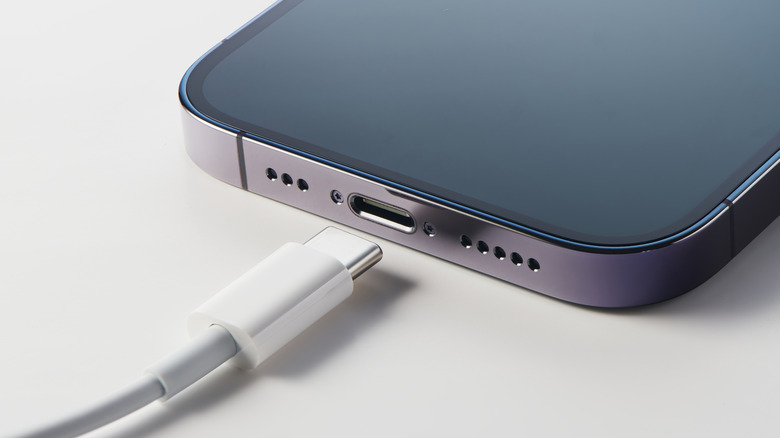
You may be able to charge your devices much faster. Let’s find out.
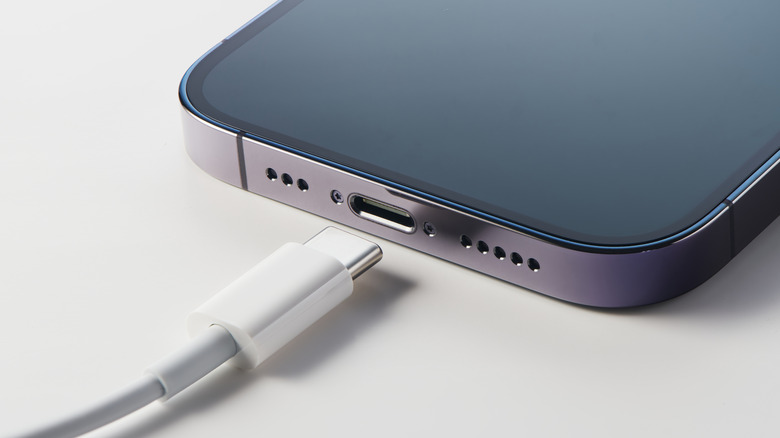
Getting the most out of your iPhone or iPad’s battery is about more than keeping an eye on how much power your apps consume. Your charging speed can also have an effect on your battery’s longevity. A slow charger might be a little better for your battery as it ages, but it also might mean you only gain back a few percentage points of juice while chugging your morning coffee. In the same span of time, a fast charger can get you enough battery to make it through a long commute. Charging your iPhone at its top speed can make all the difference when you only have a few minutes to plug it in before running out the door.
But in order to charge your devices at their maximum speeds, you have to know what those speeds are. As compared to some competitors, Apple is inconsistent about listing battery specifications on its consumer-facing spec sheets, leaving you to figure it out. And now that the company no longer includes a charging brick in the box, many people are likely using outdated and slow chargers on newer iPhones and iPads. How can you be sure what the fastest charging speed for your device is, and whether your charger is fast enough? To answer that question, we’ll take a look at how battery capacities and charging speeds are measured, how those measurements translate to the latest iPhone and iPad lineups, and how Apple’s included accessories are shortchanging your charging experience.
How iPhone and iPad charging speeds are measured
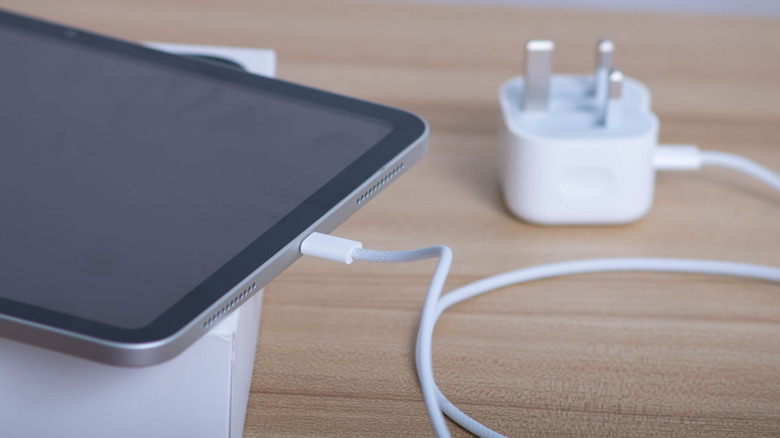
Let’s start with the basics. The battery capacity of a mobile device is measured in milliamp-hours (mAh), which represent the amount of power a battery can deliver in an hour before requiring a recharge. For example, a 1,000mAh cell can deliver 1,000 milliamps for exactly one hour before dying. In the real world, a smartphone battery delivers variable amounts of electricity depending on what it’s being used for, and some devices run more efficiently than others. Even so, 5,000mAh is roughly the median for a large smartphone these days, while tablets tend to come closer to 10,000mAh.
The iPhone 17 Pro Max, Apple’s largest smartphone, has a battery capacity of 5,088mAh, while the base model iPhone 17 relies on a 3,692mAh cell. Meanwhile, the base model iPad 11th Generation has been measured at 7,698mAh, while the beefy, 13-inch M5 iPad Pro packs a 10,290mAh battery into its svelte frame.
Charging speeds are measured in watts. In general, large devices have larger, multi-cell batteries with more room to dissipate heat (and room to include larger cooling systems), allowing them to charge at faster speeds. That’s partially why your MacBook includes a huge charging brick that pumps out 140W, while your iPhone makes do with a dinky charger sputtering along at a fraction of the speed, and AirPods charge at single-digit wattages. Even so, with improved charging technologies such as USB Power Delivery (USB-PD), it is increasingly possible to charge even small devices such as smartphones at increasingly high rates. For example, the OnePlus 15 is a recent Android phone that charges at 120W. With all this in mind, we can now unpack your iPhone or iPad’s top charging speed.
The latest iPhones and iPads charge at between 40 and 60 watts
Apple’s newer iPhones and iPads haven’t made massive strides in charging speeds, though that’s not to say they haven’t improved whatsoever over the years. As of the latest iPhone 17 series, the 17, 17 Pro and 17 Pro Max can all charge at up to 40W, while the iPhone Air tops out at just 20W, one of the tradeoffs necessary to achieve its thin design. However, Apple no longer includes a charger in the box with new iPhones, so customers who want to take advantage of those top speeds must purchase a charger separately. The last time a charger shipped in the box, it was a 5W brick that shipped with the iPhone 11, while 11 Pro owners got an 18W unit. Anyone still hanging onto one of those chargers is getting an incredibly slow charging experience with newer iPhones.
As for iPads, the base model iPad released in 2025 charges at up to a respectable 45W, on par with competing tablets from companies such as Samsung. The latest M5 iPad Pro goes even further, charging at up to 60W. Apple hasn’t yet stopped including chargers with its tablets, but they’re effectively e-waste nonetheless. That’s because all iPads ship with a measly 20W charger, which means a lot of unsuspecting owners are wasting hours of time charging their slates.
Those looking to charge their iPhone or iPad at top speeds should invest in a charger that’s actually capable of delivering them. While Apple offers fast chargers, it’s not the only game in town. Some of the best chargers in 2026 are available from companies such as Anker, Ugreen, Satechi and so on. Whichever brick you choose, ensure that its top speeds are at least equal to those of your phone or tablet.

Lighter Jumps 20% to Seven Month High After Tokenomics Overhaul

The MCU’s Biggest Star Wants To Save Marvel By Replacing Himself

Harry Kane celebrates his winning goal with a sweet kiss from wife Kate as the England WAGs pack on the PDA with their Three Lions heroes after World Cup triumph against Mexico


-

 Fashion3 days ago
Weekend Open Thread: High Hopes
-

 Politics3 days ago
The House | “Reframing the debate from a binary discussion of winners and losers”: Yuan Yang reviews ‘We Are Not Machines’
-

 Crypto World6 days ago
Strategy authorizes up to $1.25B in Bitcoin sales under new capital plan
-

 News Videos6 days ago
How to Build INSANE Live Financial Dashboards With Claude
-

 Tech6 days ago
Anonymous researcher drops 0-day ‘exploitarium’ repo
-

 Business6 days ago
Australia treasurer says alleged access of prime minister’s bank data ’incredibly concerning’
-
 NewsBeat1 day ago
Taylor Swift and Travis Kelce wedding staffer hilariously struggles to keep her cool while checking in megastars
-
 Business7 days ago
The AI boom won’t burst all at once. It will pop in ‘rolling bubbles’: Macquarie
-

 Sports5 days ago
Broncos roster: OL Ben Powers (No. 74) entering final year of contract
-
 Crypto World5 days ago
Airdrop Registration Becomes Key Focus For Remittix As RTX Launch Updates Approach
-

 Crypto World4 days ago
Binance stock trading tops $1B in first month after launch
-

 NewsBeat5 days ago
Presenter Caroline Flack’s brother Paul Flack dies aged 55
-

 Crypto World4 days ago
Alibaba-affiliate Ant Group enters the humanoid robot market with 12 deals
-
 NewsBeat4 days ago
New exhibition reflects five decades of movement between island of Ireland and GB
-

 Crypto World16 hours ago
South Africa proposes crypto tax guidance under existing rules
-
 Tech19 hours ago
Lenovo laptops are now shipping with YMTC SSDs, a sign of Chinese NAND entering the mainstream
-

 Business3 days ago
What a 10 Percent Drop Means for Buyers, Sellers and Renters
-

 Crypto World3 days ago
Standard Chartered Secures MiCA License as ESMA Adds 37 New Crypto Firms
-
 Business4 days ago
Meta Platforms Stock Jumps 7% Today as Bloomberg Reports Company Plans to Enter the Cloud Business
-

 Crypto World3 days ago
Binance Re-Enters Philippines As EU MiCA Rules Restrict Access
You must be logged in to post a comment Login