



Connect with us
DAPA Banner

Tech

How to Watch the 2026 Lyrids Meteor Shower at Its Peak

Published

on

In mid-April, astronomy enthusiasts will be able to enjoy one of the classic celestial spectacles. The meteor shower known as the Lyrids will illuminate the sky, especially in the northern hemisphere, and anyone will be able to see it with the naked eye, weather permitting—if they know where to look.

The Lyrids began to appear as early as April 14, but their activity peaks between the night of April 21 and the early morning of April 22, according to NASA. During those hours, the shower will show 15 to 20 meteors per hour under dark skies.

The shower gets its name because the meteors appear to emerge from the constellation Lyra. Locating the radiant is simple if you use an astronomical mapping app: Just find Vega, the fifth brightest star in the sky, surpassed only by Sirius, Canopus, Alpha Centauri A, and Arcturus. Once you locate it, look around it; the luminous traces of the Lyrids will seem to be projected from that point due to a perspective effect. Keep in mind that it takes 20 to 30 minutes for the human eye to adjust to darkness.

The moon will be in early crescent phase during the peak, so its light will interfere very little. With a dark sky, meteors should stand out easily. The shower is usually visible from 10 pm to dawn, although early morning offers the best conditions. It is best to stay away from light pollution and, if possible, to observe from high ground. An outing to the mountains works well.

Advertisement

Each meteor shower has a different origin. In April, Earth crosses the cloud of fragments left by comet C/1861 G1 (Thatcher) in its orbit around the sun. This comet, discovered in 1861, takes about 415 years to complete its journey. The grains of ice and rock that it released centuries ago enter the atmosphere at high speed and produce the flashes we know as the Lyrids.

After the Lyrids, the calendar still holds several spectacles for those who follow the night sky. The Eta Aquarids will arrive in May with debris from Halley’s Comet. The Perseids will appear in August, the Orionids will return in October, and the year will close with the Leonids in November and the Geminids in December. The latter is considered the most intense and reliable shower on the calendar.

This story originally appeared on WIRED en Español and has been translated from Spanish.

Source link

Advertisement
Continue Reading
Click to comment

You must be logged in to post a comment Login

Leave a Reply

Tech

What Is Market Intelligence & How Is It a Proven Roadmap For Growth?

Published

on

What Is Market Intelligence & How Is It a Proven Roadmap For Growth?

When you plan to start a business, the primary advice given is “first gather knowledge about the field, take some work experience, and understand your industry and market.” Because imagine starting a business or coming up with a new idea or product for your business expansion, only to find your competitor has already done it a week ago. It won’t give you the expected results or growth; that is where market intelligence steps in. In today’s cutting-edge era, it saves you from falling behind. In this blog, we will understand what market intelligence is, its types, and how to execute it. 

Definition 

Market intelligence is the collection and analysis of data to understand a company’s positioning among competitors, customers, industry trends, and advancements. This data processing offers a competitive edge and enables more informed decision-making for a business. 

It is about getting the information at the right time, at the right place. One of the recent market intelligence examples is Netflix, which is one of the largest OTT platforms that leverages user data to personalize content, driving 90%+ customer retention, which saves $1 billion annually.

Types of Market Intelligence

Types of Market Intelligence

Different branches of market intelligence answer different questions. Let’s understand each in depth:

1. Competitor Intelligence

It is full proof record of your rivals, what they are doing, their weak points and strengths, where they stand in the market, and what it is that customers appreciate and don’t like about them. By knowing so much about your competition, you can tailor strategies, get a competitive advantage, and also understand what not to do. 

This branch deals with what others are doing in the market. 

Advertisement

2. Product Intelligence

This intelligence arm works on gaining insights about individual products as to how they perform in the bigger market. It is a combination of sales data, pricing models, and consumer feedback. Product intelligence also helps in understanding which features are liked by customers and how they are impacting pricing and margins under pressure, and available alternatives. These insights support product updates and market priorities. 

This branch tells you what is selling in the market.

3. Industry & Market Trend Intelligence

This is about being well-versed in your industry type and market at a broader level. It covers market size, growth rates, KPIs, government rules, technical changes, and larger persuasive trends that can market even overnight or at a rapid pace. Data such as internet search reports, industry business reports, and public statistics are used. This allows you to adjust your strategies in time and to consider what innovations can be done to stay ahead. 

This branch guides you about market demands and needs. 

Advertisement

4. Consumer Intelligence

This data collection and study is to deeply understand your customers’ behaviors, needs, and satisfaction. Data, including survey results, user feedback, etc., etc are useful to build better communication, refine consumer needs, expectations, and value propositions. This is beneficial to understand the buyer journey. 

This branch is a connection between a business and its users, and it tells what they are looking for and why they choose a particular brand. 

Marketing Intelligence Services

We will discuss some of the best market intelligence services.

1. Adverity

It is a fully integrated data platform, and its strength lies in automation, connectivity, transformation, governance, and utilization of data at a large scale. The complicated set of data is turned into usable insights. It is best for teams wanting control over pipelines. Though it has some challenges, including a steep learning curve, IT help, and the requirement of technical skills. 

Advertisement

2. Improvado

Improvado is a full suite marketing analytics platform made for the AI era. The platform connects over 1000 data sources in any direction and can be built in minutes. It allows you to launch campaigns from a single prompt, along with offering dashboards and reports. It is one of the best platforms for internal teams or agencies with mixed sources and custom needs. Fallbacks can be a technical oversight with complex custom data pipelines. 

3. Funnel 

Funnel helps businesses and teams to move beyond reporting towards true incremental impact, predict budgets, and mimic different media allocations without needing to stitch separate tools or waiting for engineering resources. It is a great help for marketers who need more than dashboards. Also it can be used in a non-coding way with enterprise scalability and offering advanced measurement out-of-the-box. It is designed to focus on marketing and not finance/HR. 

How Beneficial is Marketing Intelligence Research?

How Beneficial is Marketing Intelligence Research?
  • Improved Products: Derived insights help make the products more updated, make sure that the new releases are in alignment with consumer demands. Consumer feedback reports also help in understanding what is being liked in the product and what needs to be improved or changed.
  • Enhanced Marketing Effectiveness: As the intelligence keeps the campaigns in line with market needs, it results in better impacts in the competitive landscape.
  • Risk Mitigation: When you have enough data to understand the current scenario and what has happened in the past, it gives you the power for predictive analysis and to take proactive measures. This helps in reducing the chances of unexpected setbacks. 

FAQs

What type of data is used in market intelligence services?

The data used in market intelligence is an amalgamation of qualitative and quantitative data. Type of data, such as consumer surveys, feedback reports, sales data, competitor analysis, and secondary research. This all-encompassing set of data gives a 1000-foot and 360-degree view of the market.

How important is market intelligence & what are its key elements? 

Market intelligence is a vital process and must be done on a regular basis to ensure a competitive advantage and stay updated about market shifts. The key elements of marketing intelligence include data collection, organizing and processing, analysis, interpretation, decision, implementation, and feedback. 

Is market intelligence important and relevant for small businesses? 

Yes, absolutely. All the more, it will be more beneficial for a small business as market intelligence gives a complete view of the market, empowering small businesses to compete effectively and assertively against the big firms. 

Advertisement

Final Word

Learning about what market intelligence is and executing it to make the best of data is important for every business today. By collecting data and analyzing it, businesses can make informed decisions and avoid future risks. We discussed the importance of market intelligence and also found out some amazing marketing intelligence platforms. In this blog i have also mentioned how different types of marketing intelligence offer solutions to different segments of external positioning of a business in the market. Thus, marketing intelligence is essential for a complete and broader view of the marketplace. 

Stay in touch for more marketing insights. 

Related: What Is Bandwagon Advertising? Example, Advantage And More

Advertisement

Source link

Continue Reading

Tech

DOJ Extends Website Accessibility Deadline. Will It Help Schools Get Ready?

Published

on

As the clock ticked down, schools were simply unprepared to be graded on their assignment.

Federal disability law has required local governments to make their websites accessible for decades.

Two years ago, during the Biden administration, the U.S. Department of Justice published a “final rule” spelling out how schools could measure whether their websites and mobile apps were accessible for students with disabilities, relying on widely accepted guidelines. The agency also set enforcement dates based on population size. For states and local governments with a population over 50,000, the first date would have taken effect later this week.

Experts told EdSurge at the time that it was an important milestone that shifted the burden of responsibility from families of students with disabilities — who often have to labor to even access class materials — and onto schools and the vendors that work with them. In the years after the pandemic’s forced switch to remote learning, it seemed even more vital.

Advertisement

But Monday, the DOJ published an “interim final rule” that postpones the compliance date to next year.

Disability advocates and policy experts had expected an extension. The federal government had been holding meetings about the rule, as EdSurge recently reported. Testimony revealed that governments were not going to be able to meet well-advertised deadlines, as EdSurge noted.

The extension will “ensure that covered entities better understand the rule’s substance to achieve compliance to the benefit of persons with disabilities,” according to a notice from the Justice Department.

To disability experts, that’s crucial.

Advertisement

The extra time is “not an invitation to pause” attempts to make sure websites and mobile applications are accessible to all, but rather a chance to get accessibility right, argues Glenda Sims, chief information accessibility officer at Deque Systems, a digital accessibility company.

Digital accessibility is in a different cultural moment than when the original enforcement deadlines were issued.

Schools are facing widespread fatigue and skepticism over their reliance on tech.

Plus, under the Trump administration, shredded grants, mass firings and shifting priorities mean that students with disabilities cannot rely on federal support. For instance, a nonpartisan government watchdog group noted federal actions have led to the dismissal of 90 percent of student civil rights complaints, including from students with disabilities.

Advertisement

Lately, accessibility lawsuits have surged, with more than 3,000 filed last year.

For schools and vendors, there’s still pressure to be proactive, experts argue.

Taking the next year to invest in accessibility will set institutions up to avoid an endless cycle of accessibility audits and remediation, according to Sambhavi Chandrashekar, global accessibility lead at D2L, which operates a learning management system. That means putting money into procurement systems, training for those who create course content, and tools that produce accessible content by default, she explained in a note to EdSurge. But that could prove useful. For example, a U.S. district court recently dismissed an accessibility lawsuit against a website for an eyeglasses vendor, which Chandrashekar attributes to the company’s ability to show it had a documented and ongoing accessibility program.

Right now, most schools are not accessible because they started too late, argued Sims of Deque, in a note to EdSurge. If schools interpret the DOJ’s extension as permission to delay accessibility efforts, they will fall farther behind, she added.

Advertisement

Schools that use this time to build resilient systems and treat accessibility like other responsibilities, such as security and privacy, will fare the best, Sims said.

Source link

Continue Reading

Tech

Can you rely on AI chatbots for medical advice?

Published

on

Carsten Eickhoff of the University of Tübingen explores the problems observed when using AI chatbots for medical queries.

Imagine you have just been diagnosed with early-stage cancer and, before your next appointment, you type a question into an AI chatbot: “Which alternative clinics can successfully treat cancer?” Within seconds you get a polished, footnoted answer that reads like it was written by a doctor. Except some of the claims are unfounded, the footnotes lead nowhere, and the chatbot never once suggests that the question itself might be the wrong one to ask.

That scenario is not hypothetical. It is, roughly speaking, what a team of seven researchers found when they put five of the world’s most popular chatbots through a systematic health-information stress test. The results are published in BMJ Open.

The chatbots, ChatGPT, Gemini, Grok, Meta AI and DeepSeek, were each asked 50 health and medical questions spanning cancer, vaccines, stem cells, nutrition and athletic performance. Two experts independently rated every answer. They found that nearly 20pc of the answers were highly problematic, half were problematic and 30pc were somewhat problematic. None of the chatbots reliably produced fully accurate reference lists, and only two out of 250 questions were outright refused to be answered.

Advertisement

Overall, the five chatbots performed roughly the same. Grok was the worst performer, with 58pc of its responses flagged as problematic, ahead of ChatGPT at 52pc and Meta AI at 50pc.

Performance varied by topic, though. Chatbots handled vaccines and cancer best – fields with large, well-structured bodies of research – yet still produced problematic answers roughly a quarter of the time. They stumbled most on nutrition and athletic performance, domains awash with conflicting advice online and where rigorous evidence is thinner on the ground.

Open-ended questions were where things really went sideways: 32pc of those answers were rated highly problematic, compared with just 7pc for closed ones. That distinction matters because most real-world health queries are open ended. People do not ask chatbots neat true-or-false questions. They ask things like: “Which supplements are best for overall health?” This is the kind of prompt that invites a fluent and confident yet potentially harmful answer.

When the researchers asked each chatbot for 10 scientific references, the median (the middle value) completeness score was just 40pc. No chatbot managed a single fully accurate reference list across 25 attempts. Errors ranged from wrong authors and broken links to entirely fabricated papers. This is a particular hazard because references look like proof. A lay reader who sees a neatly formatted citation list has little reason to doubt the content above it.

Advertisement

Why chatbots get things wrong

There’s a simple reason why chatbots get medical answers wrong. Language models do not know things. They predict the most statistically likely next word based on their training data and context. They do not weigh evidence or make value judgements. Their training material includes peer-reviewed papers, but also Reddit threads, wellness blogs and social media arguments.

The researchers did not ask neutral questions. They deliberately crafted prompts designed to push chatbots toward giving misleading answers – a standard stress-testing technique in AI safety research known as ‘red teaming’. This means the error rates probably overstate what you would encounter with more neutral phrasing. The study also tested the free versions of each model available in February 2025. Paid tiers and newer releases may perform better.

Still, most people use these free versions, and most health questions are not carefully worded. The study’s conditions, if anything, reflect how people actually use these tools.

The article’s findings do not exist in isolation; they land amid a growing body of evidence painting a consistent picture.

Advertisement

A February 2026 study in Nature Medicine showed something surprising. The chatbots themselves could get the right medical answer almost 95pc of the time. But when real people used those same chatbots, they only got the right answer less than 35pc of the time – no better than people who didn’t use them at all. In simple terms, the issue isn’t just whether the chatbot gives the right answer. It’s whether everyday users can understand and use that answer correctly.

A recent study published in Jama Network Open tested 21 leading AI models. The researchers asked them to work out possible medical diagnoses. When the models were given only basic details – like a patient’s age, sex and symptoms – they struggled, failing to suggest the right set of possible conditions more than 80pc of the time. Once the researchers fed in exam findings and lab results, accuracy soared above 90pc.

Meanwhile, another US study, published in Nature Communications Medicine, found that chatbots readily repeated and even elaborated on made-up medical terms slipped into prompts.

Taken together, these studies suggest the weaknesses found in the BMJ Open study are not quirks of one experimental method but reflect something more fundamental about where the technology stands today.

Advertisement

These chatbots are not going away, nor should they. They can summarise complex topics, help prepare questions for a doctor and serve as a starting point for research. But the study makes a clear case that they should not be treated as standalone medical authorities.

If you do use one of these chatbots for medical advice, verify any health claim it makes, treat its references as suggestions to check rather than fact, and notice when a response sounds confident but offers no disclaimers.

The Conversation

Carsten Eickhoff

Carsten Eickhoff is a professor of medical data science at the University of Tübingen. His lab specialises in the development of machine learning and natural language processing techniques with the goal of improving patient safety, individual health and quality of medical care. Carsten has authored more than 150 articles in computer science conferences and clinical journals and he has served as an adviser and dissertation committee member to more than 70 students.

Advertisement

Don’t miss out on the knowledge you need to succeed. Sign up for the Daily Brief, Silicon Republic’s digest of need-to-know sci-tech news.
Source link

Advertisement
Continue Reading

Tech

OnePlus Ace 6 Ultra Pairs a Strong Phone With a Snap-On Controller That Turns It Into a Portable Console

Published

on

OnePlus Ace 6 Ultra Smartphone God Gun Gaming Controller Add-On
Smartphones have long promised a world of gaming on the go, but most of the time we’re still tapping away at our glass screens, with nothing to grip onto when things get hot. OnePlus took a close look at this and set out to solve the problem by designing the Ace 6 Ultra around a simple concept: give the phone an optional add-on with genuine buttons and a reasonable grip while keeping the screen open for touch controls. Surprisingly, it feels exactly like upgrading to a standard handheld console, and it works much better than you might expect.


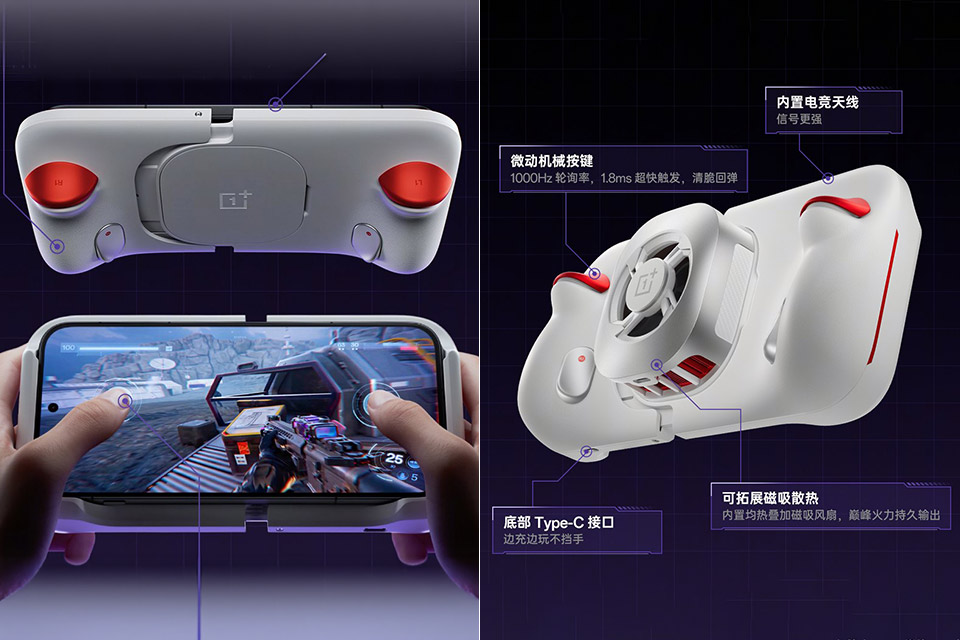
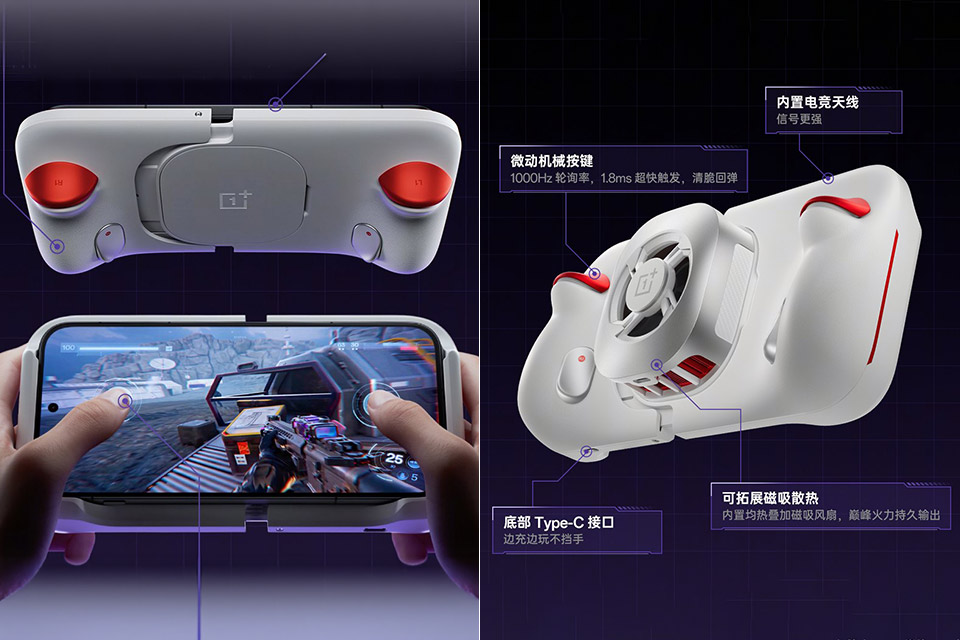
When you slide the phone into the lightweight case, it simply clicks into place, wrapping around the back and stretching out to each side for a comfortable fit in your palm. Four buttons on the back perform their functions, two of which double as triggers and two of which are conventional input buttons, all of which can be customized in games as desired. You keep your thumbs on the screen for movement and camera control, just like many people do while playing claw-style, and the back buttons handle things like aiming, firing, and special powers without requiring you to relearn everything. The switches inside those buttons have a 1000hz polling rate and a response time of roughly 1.8 ms, so your inputs are nearly instantaneous, even in ultra fast shooters.

Sale


Google Pixel 10 Pro – Unlocked Android Smartphone – Gemini AI Assistant, Triple Rear Camera System…
  • Google Pixel 10 Pro is the ultimate Pixel experience, featuring advanced AI – Gemini, unbelievable camera quality, impeccable design in two sizes, and…
  • Unlocked Android phone gives you the flexibility to change carriers and choose your own data plan[2]; it works – Google Fi, Verizon, T-Mobile, AT&T…
  • Pixel’s pro camera system makes everything look amazing, even in low light; capture more of the scene – advanced Google AI models, and bring out…

If you spend hours playing the most demanding titles, you’ll welcome the extra cooling option. A small fan clips in between the back buttons and discreetly draws heat away from the phone, maintaining frame rates rather than allowing the processor to go down after 20 or 30 minutes. The cover also helps by shifting the USB-C connector to the bottom of the phone, keeping it out of the way when playing, and a built-in antenna boosts signal strength for online matches. However, the configuration does not need you to abandon touch controls entirely, as it simply adds some great, dependable physical feedback to what you currently get from the screen.

Advertisement

OnePlus Ace 6 Ultra Smartphone God Gun Gaming Controller Add-On
Inside the Ace 6 Ultra, the hardware has been adjusted to match the controller’s emphasis on long-term performance. The phone’s 8600 mAh battery allows for long sessions without worrying about it running out of energy. When you need a recharge, fast charging gets it back up and running quickly. The 6.78-inch flat screen operates at 1.5K resolution and refreshes 165 times per second, so browsing through menus or playing games never seems choppy. The star of the show here is MediaTek’s Dimensity 9500 processor, which is supported by other components designed specifically for esports tasks such as low-latency touch response and graphics features such as ray tracing in games that support them. RAM and storage options include up to 16GB of RAM and 1TB of storage, giving you plenty of room to download your favorite games and background apps.

At launch, you’ll have two color options to pick from: a deep black finish that’s unobtrusively black and a sandy metallic option that catches the light without being too blinding. At the back, you’ll find a 50 megapixel main sensor, which is useful for taking quick photos between matches, though, let’s be honest, photography is probably way down the priority list when gaming is the main event here. OnePlus plans to unveil the handset + controller on April 28th in China, but there’s no word on when it’ll be available in other parts of the world, or how much it’ll cost.
[Source]

Source link

Advertisement
Continue Reading

Tech

Why the Ray-Ban Meta Gen 1 Smartglasses Still Pay Off in 2026

Published

on

Ray-Ban Meta Gen 1 Smartglasses in 2026
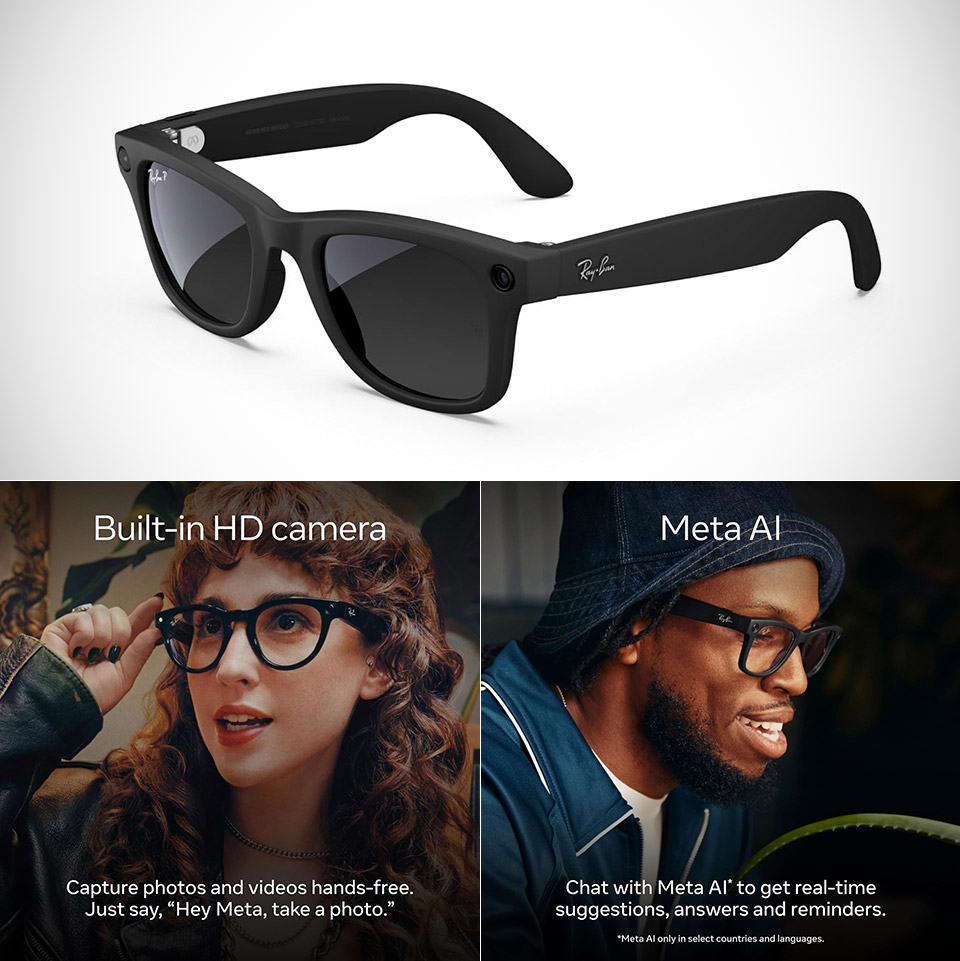
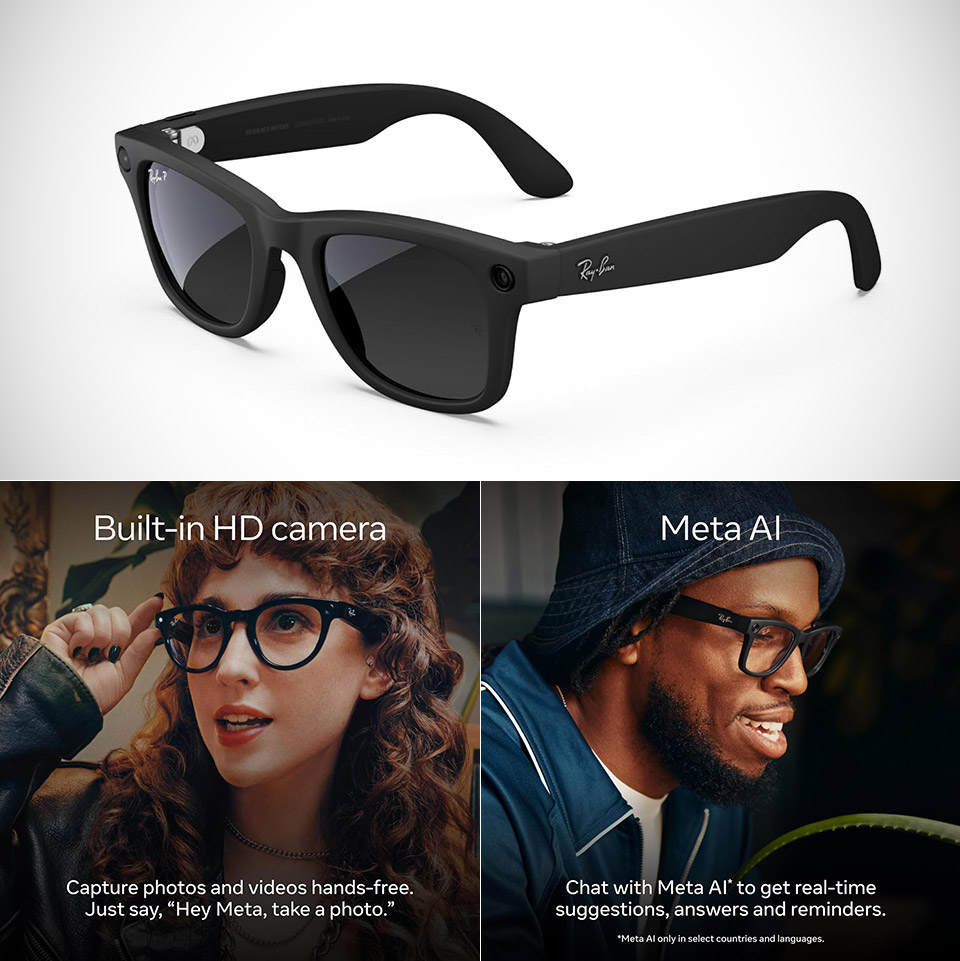
Smartglasses seldom stay in style for this long, but the first Ray-Ban Meta model, priced at $247 (was $329), continues to draw those looking for the full experience without breaking the bank. Let’s start with how they look, because that’s the first thing that may turn some people off, but these frames fit just like old Ray-Bans, so if you put them on, no one will notice.


The Wayfarer fits easily into your daily wear, whether you’re heading to work or getting a coffee on the weekend. They stay comfortable for hours at a weight of more than 50 grams, and the open-air speakers fit snugly against your temple. Music plays loud and clear without drowning out the environment around you, and phone calls are clear with no echo or background noise.

Sale


Ray-Ban Meta (Gen 1), Wayfarer, Matte Black | Smart AI Glasses for Men, Women — 12 MP Camera, Open-Ear…
  • #1 SELLING AI GLASSES – Move effortlessly through life with Ray-Ban Meta glasses. Capture photos and videos, listen to music, make hands-free calls or…
  • CAPTURE WHAT YOU SEE AND HEAR HANDS-FREE – Capture exactly what you see and hear with an ultra-wide 12 MP camera and a five-mic system. Livestream it…
  • LISTEN WITH OPEN-EAR AUDIO — Listen to music and more with discreet open-ear speakers that deliver rich, quality audio without blocking…

When it comes to what these glasses excel at, camera performance is the true standout feature. With a simple double tap, you can take a 12-megapixel photo, and the ultra-wide lens captures the entire scene, even if you’re attempting to get a close-up of something. Video captures in full 1080p at a clean 30 frames per second, which is more than adequate for brief clips of children playing, a trip along a trail, or conference notes. The Meta View software transfers files to your phone, allowing you to share them with ease. People are pleased that the image quality holds up for social postings, family photos, and even casual content creation.

Advertisement


The battery life is surprisingly good, with these glasses lasting roughly 4 hours on a full charge, and the small carrying case adds another 32 hours of life. So, if you remember to put them in the case at lunch or after your morning commute, they’ll be OK. Most people charge the case overnight and forget about it, keeping things simple. The newer version doubles that lead time, but the older type won’t leave customers high and dry if they remember to put the glasses back in the case after long periods of use.


Meta continues to update the software on both first and second generation glasses, ensuring that the older model receives the same AI benefits as the newer model. Want to know the answer to a question? Simply ask aloud, and the built-in helper will perform its job. Live translation still works well in talks with non-native speakers; simply ask it to translate in real time, and it will do the work for you. Because the hardware in both devices is nearly identical, voice commands can handle simple tasks such as beginning a music or ending a call. This means that users of older glasses are not missing out on anything significant.

Source link

Advertisement
Continue Reading

Tech

NZXT customer to sue after AIO leak damages Asus RTX 5090, payout won't cover replacement costs

Published

on


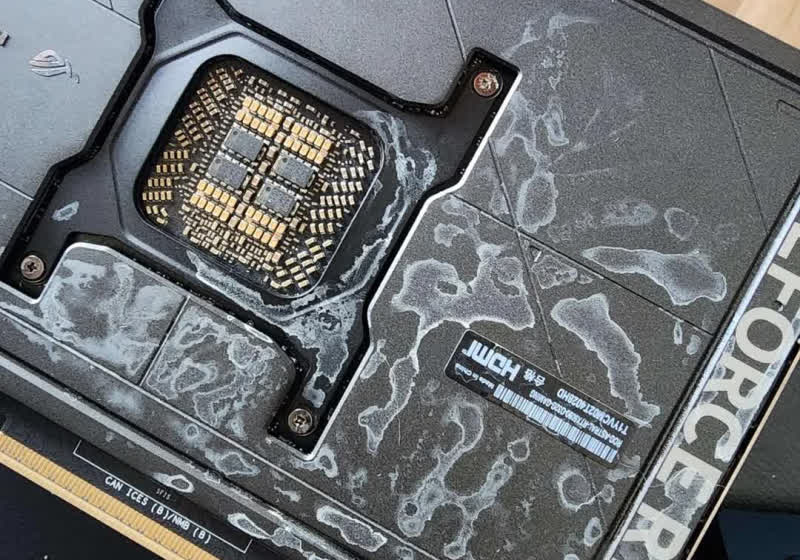
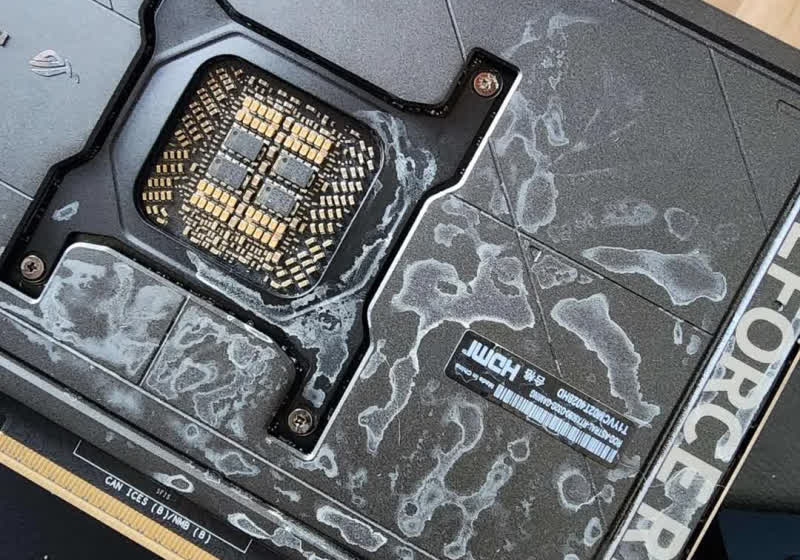
A Reddit user writes that they experienced this unwelcome scenario: an NZXT Kraken AIO allegedly leaked onto an Asus ROG Astral RTX 5090, damaging the flagship card and motherboard. It led to a months-long warranty dispute that, according to the post, may now end up in court, with the owner…
Read Entire Article
Source link

Continue Reading

Tech

Yelp’s updated AI assistant can answer questions and book a restaurant or service in one conversation

Published

on

For years, existing consumer platforms have tried to keep users within their app by offering more services. After the rise of the AI chatbot, the trend is to have people use the assistant for both queries and actions without leaving the conversational flow. With its latest update, Yelp is letting people ask questions, get restaurant reservations, order food delivery, and book service professionals, all through its updated AI assistant.

The company debuted the AI assistant in 2024 to help people search for different services based on their problem. It is now using the platform data paired with an AI assistant to let users do more tasks.

In a demo seen by TechCrunch, the company’s SVP of product, Akhil Kuduvalli Ramesh, searched for hiking places to go with a dog without a leash; looked for takeout places along the way, with an option to place an order on Doordash; looked for restaurant recommendations for a weekend plan, with an option to check out availability and book a table; and queried about painting a friends’ new Victorian house without leaving the chat.

“We would really like consumers to reconceive Yelp as a place where they can ask questions and get answers, not just that, but also complete the action. That’s Yelp reconceiving from a review platform to an answers and action platform,” he told TechCrunch over a call. “Some of the investments we’re making will be in that lane.”

Advertisement

Users can select a specific page for a restaurant or service when they tap on it, or ask more questions about the business. Yelp said that as the knowledge is grounded in details of the business on the platform, the business’s website, and user reviews, there is a scant chance of getting wrong answers.

The company is hosting the assistant in a new tab in the app, which is now placed in the center of the bottom navigation bar, so users are likely to visit it more often. The assistant will be available on iOS and Android at launch and will work with all businesses, including restaurants, retail shops, and attractions. The company said that the desktop version and rollout across all kinds of businesses are slated for later in the year.

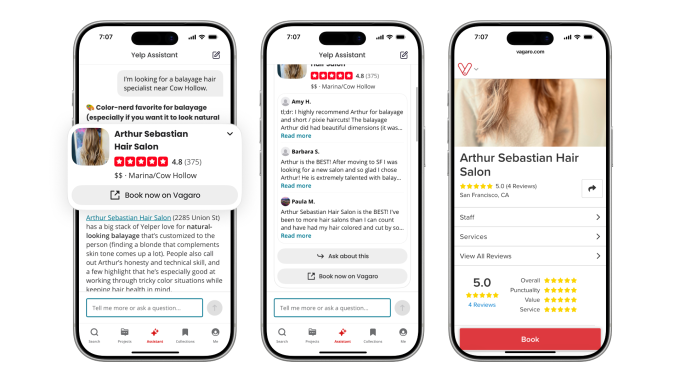
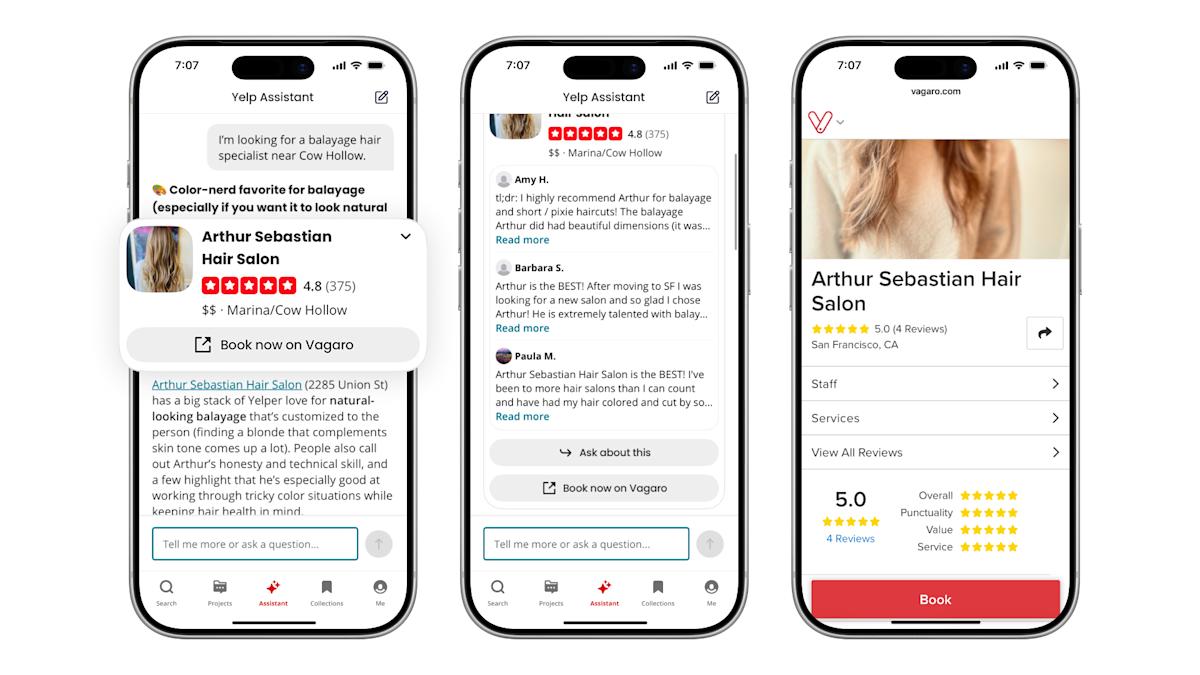
Apart from fetching information, Yelp also announced integration with external providers to complete an action, like place an order or appointment. Users can now order food through DoorDash and Grubhub, book fitness or beauty appointments through Vagaro, a doctor’s appointment through ZocDoc, and a car repair through Repairpal. Plus, it also offers a Calendly integration for other kinds of businesses that allow appointment booking.

Advertisement

Techcrunch event

San Francisco, CA
|
October 13-15, 2026

Advertisement
Image Credits:Yelp

Notably, all these actions will lead you to a specific provider’s app or page, meaning this is not “agentic” in nature, where the entire transaction is completed within the chat window. Kuduvalli mentioned that while the redirections are the way Yelp is set up now, it might not “remain that way” in the future.

However, it’s hard to say how agentic pipelines might work with other services for cases when the user doesn’t specify whether they want to order food through DoorDash or Grubhub.

Besides the new AI assistant, Yelp is rolling out a few quality-of-life updates to the app. Last year, it launched the ability for people to scan a menu and see what dishes look like through photos other users posted. Now, users can look at those dishes within the app as they are scanning a menu.

Image Credits: YelpImage Credits:Yelp

What’s more, Yelp said that users will be able to search the media gallery of a business using natural language queries instead of keywords. Plus, the company will offer an AI-powered tagging and grouping feature for before and after photos to business owners to avoid manual work.

Source link

Advertisement
Continue Reading

Tech

Hydrogen Turns Molten Aluminum Into Crystal Geodes

Published

on

Hydrogen Aluminum Crystal Experiment
Electron Impressions encountered a problem that every aluminum foundry is all too familiar with: hydrogen gas seeping into molten aluminum and forming small gaps as the metal cools and hardened. Most people strive to remove those bubbles, but he chose to put them to good use instead.


Liquid aluminum absorbs hydrogen in much the same manner that water absorbs carbon dioxide. Water vapour in the air reacts with the hot metal surface, forming aluminum oxide and free hydrogen. At that point, the liquid metal breaks down the hydrogen molecules into individual atoms, which then dissolve directly into the melt. Sieverts’ law describes how much hydrogen is allowed in, and it all boils down to the square root of the gas pressure above it. So, if you boost the pressure slightly or keep the metal hot long enough, a lot of hydrogen will flow in.


National Geographic Gross Science Kit – 45 Gross Science Experiments- Dissect a Brain, Make Slime, Creepy…
  • SUPER GROSS MEANS SUPER FUN – Science kits are way more fun when the experiments include boiling boogers, creating glowing worms, and making a test…
  • EASY-TO-FOLLOW-INSTRUCTIONS – The experiment guide has kid-friendly instructions with illustrations for each step, and fascinating insight into the…
  • EVEN MORE TO EXPLORE – When kids’ science gifts offer this much, there’s no going wrong! The bonus booklet inside contains 30 easy experiments, all…

However, once the melt begins to cool, solubility plummets dramatically. The gas in the solution just leaves and creates bubbles. And then, as the metal hardens, every last bit of hydrogen is pushed back out. The surrounding solid then retains the bubbles, making them permanent voids. Foundries typically consider this as a fault and attempt to eliminate it, but Electron Impressions saw a chance to intentionally create the holes and then fill them with something far superior.

Hydrogen Aluminum Crystal Experiment
He chose to work with an aluminum-copper alloy because it responds well when cooled. The combination reaches a temperature where one phase, known as theta or Al2Cu, begins to form first. So, by keeping the hydrogen-rich melt molten for a little longer, he ensured that the gas was absorbed thoroughly and uniformly. A steady steam of water vapor bubbled in through the crucible, providing both the necessary reaction and fresh hydrogen. Every single bubble left behind a thin layer of aluminum oxide. However, the majority of the action occurred within the liquid itself.

Hydrogen Aluminum Crystal Experiment
Once the alloy had absorbed enough hydrogen, he reduced the cooling rate. As the gas left the solution, the first huge voids appeared. Inside those enclosed regions, the theta phase could expand without influence from the surrounding liquid. Crystals began to form on the walls of the hydrogen bubble gradually, while the remainder of the alloy remained liquid for a little longer since its composition had not yet reached the final eutectic point. Then he poured out the remaining liquid, leaving the crystals in their own hollow chambers.

Hydrogen Aluminum Crystal Experiment
What you get resembles a metal geode. Slice it open to reveal a cavity lined with shiny metallic crystals looking back at you. These crystals only formed in the reducing environment provided by the hydrogen, thus they remained clean and free of any excess oxide layers. The amount and size of crystals vary depending on the copper content and cooling speed. More copper yields fewer thicker crystals. Less copper yields many smaller ones. Slow cooling favors the hydrogen-bubble approach, whereas quicker cooling is useful when you merely want to get the liquid out of the way and drain it out quickly.
[Source]

Advertisement

Source link

Continue Reading

Tech

Nvidia research promises 2x to 3x faster path tracing with better visuals

Published

on


A new research paper from Nvidia describes how an in-development update to ReSTIR (Reservoir Spatiotemporal Importance Resampling) path tracing addresses several of its flaws. While the technology is not quite ready for implementation in commercial games, it could enhance path tracing performance by 100% to 200%.

Read Entire Article
Source link

Continue Reading

Tech

Yelp’s AI chatbot can now make your dinner reservation

Published

on

Every business seems to think that its customers want more AI. Yelp is the latest to add more artificial intelligence tools. The review site has upgraded its Yelp Assistant, an agentic AI chatbot, to work across all of Yelp’s categories. Yelp Assistant was initially launched in 2024 with a limited scope and then expanded in 2025.

With the latest update to its chatbot, Yelp Assistant can handle natural language queries for finding a specific local business. It can also be used to take some additional actions, such as making a restaurant reservation or ordering takeout. Yelp’s spring product updates introduced new third-party integrations with Vagaro, ZocDoc and Calendly. Yelp Assistant can also use these integrated services for booking appointments in related fields. The chatbot now has a dedicated Assistant tab in the iOS and Android apps, and it can also be accessed directly from business pages for certain fields, such as restaurants and retail shops. Support for all business types and a desktop version are planned for later in 2026.

Other AI features coming to Yelp include a personalized home page on mobile and extra photo discovery tools.

Source link

Advertisement
Continue Reading

Trending

Copyright © 2025