Apple added desktop widgets to Mac with macOS Sonoma back in 2023. I remember dragging a few onto my desktop on day one and moving them right off a few minutes later. The native widgets never fit into how I use my Mac. The look felt off, and honestly, there just weren’t enough of them to bother with.
Ever since, I have been searching for something that does for Mac what the widget apps like Widgetsmith did for iPhone. I wanted more options, and more importantly, I wanted widgets that actually looked like they belonged on a Mac desktop instead of feeling bolted on.
After trying a bunch of apps that promised this, I finally found one that delivers. The app is called BetterMacWidgets, and in this article, I will show you how it finally made me use widgets on my Mac’s desktop.
Widgets that live right on your desktop
Apple‘s desktop widgets are tied to whatever system apps happen to support them, and third-party options are still thin on the ground. BetterMacWidgets flips that around. It gives you access to more than 20 widgets, and you can drag them anywhere you like, snapping onto an invisible grid so your layout always stays neat.
Advertisement
Rachit Agarwal / Digital Trends
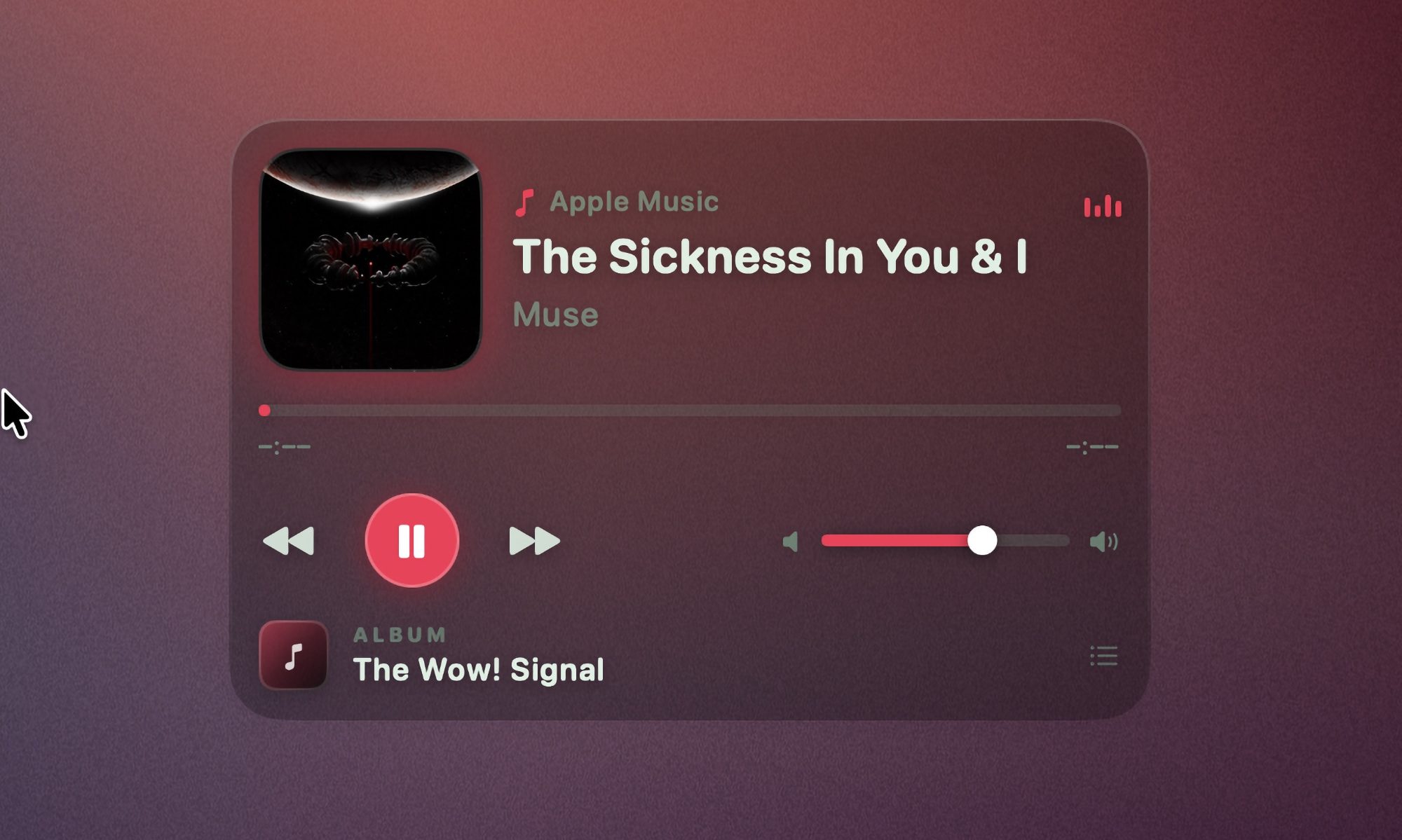
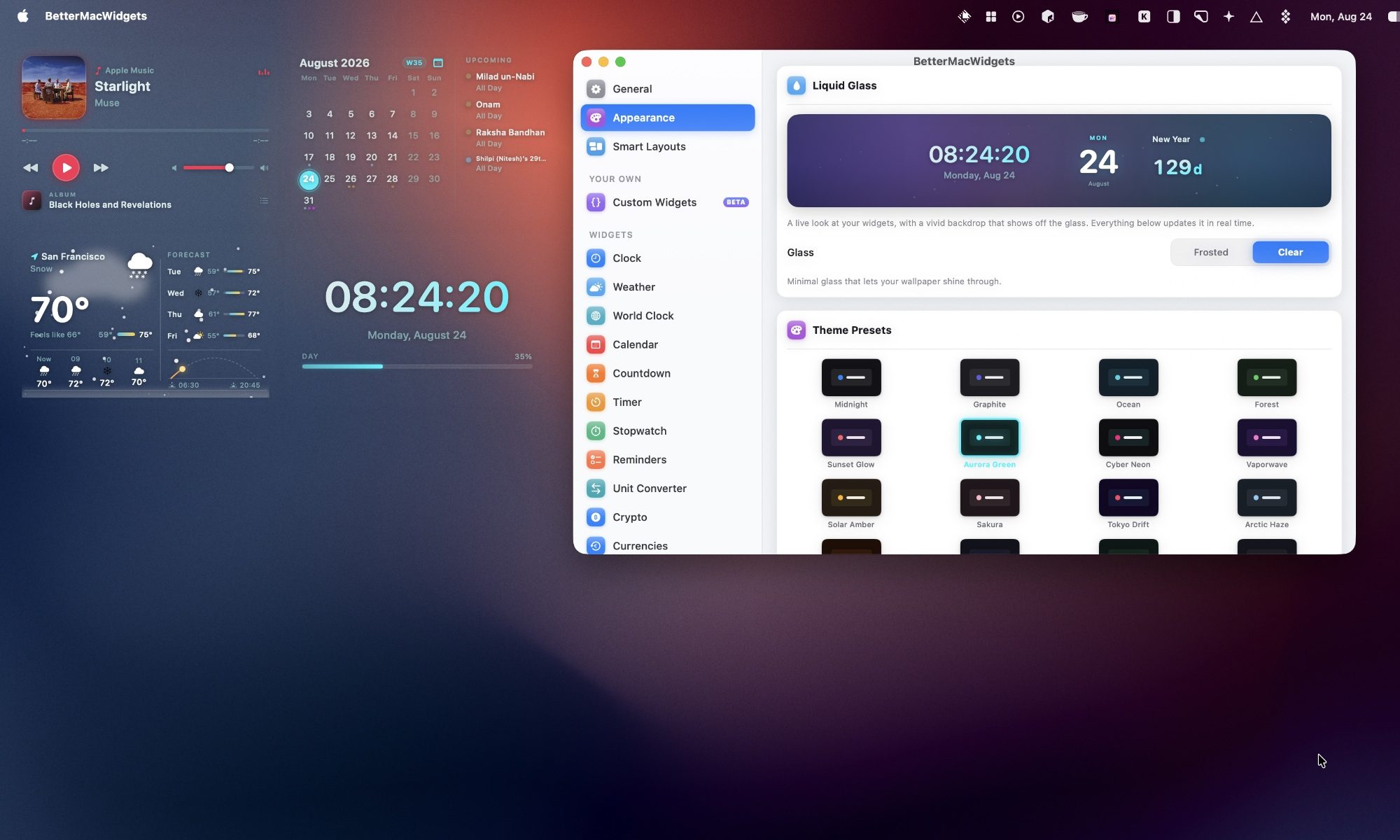
The app also lets you choose from up to six sizes depending on the widget, ranging from a small 1×1 square to a bigger 4×3 tile. I love the Now Playing widget. It shows artwork and title, and lets me play, pause, and skip tracks right from the tile. With this, I don’t ever have to hunt for music controls.
Rachit Agarwal / Digital Trends
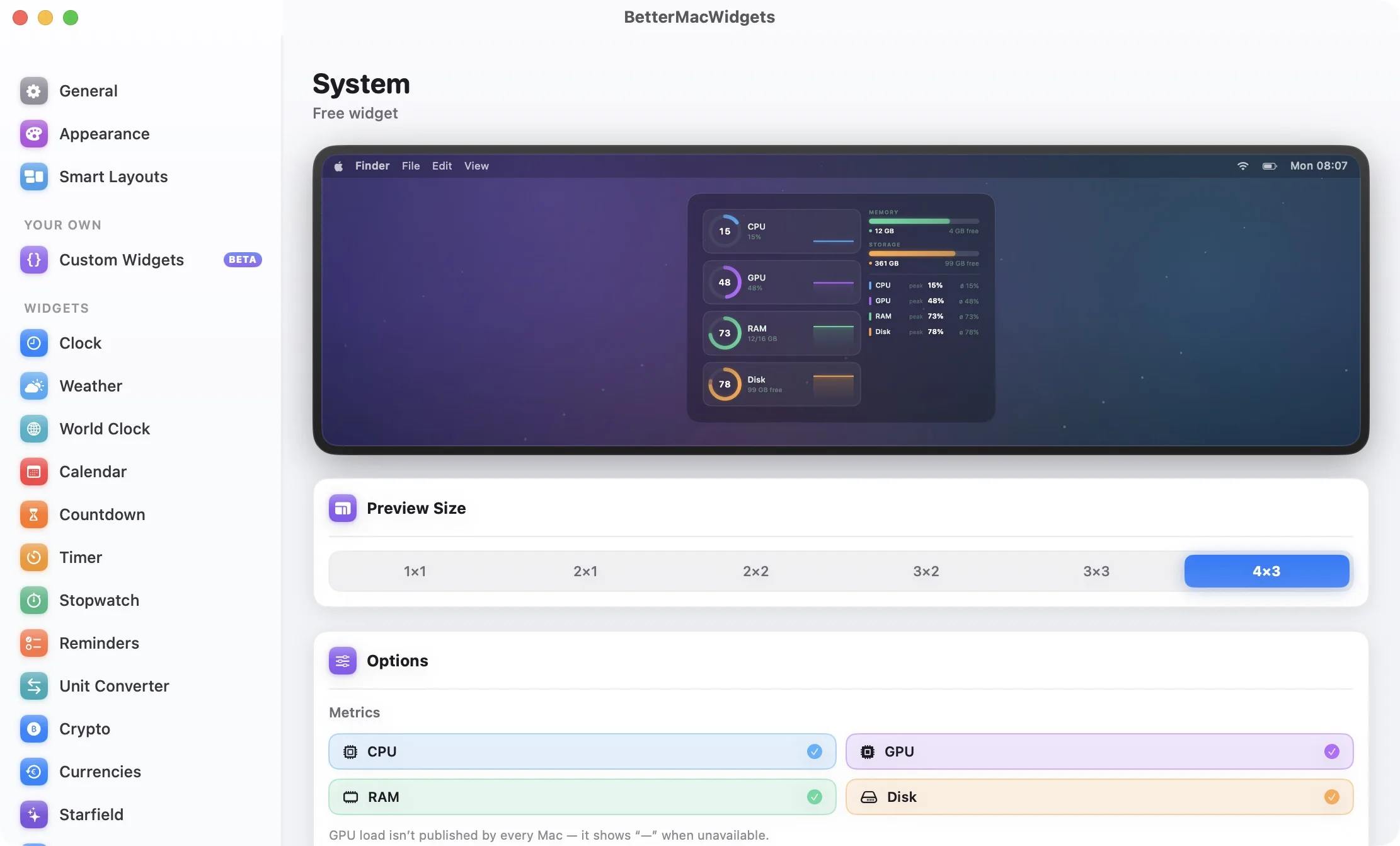
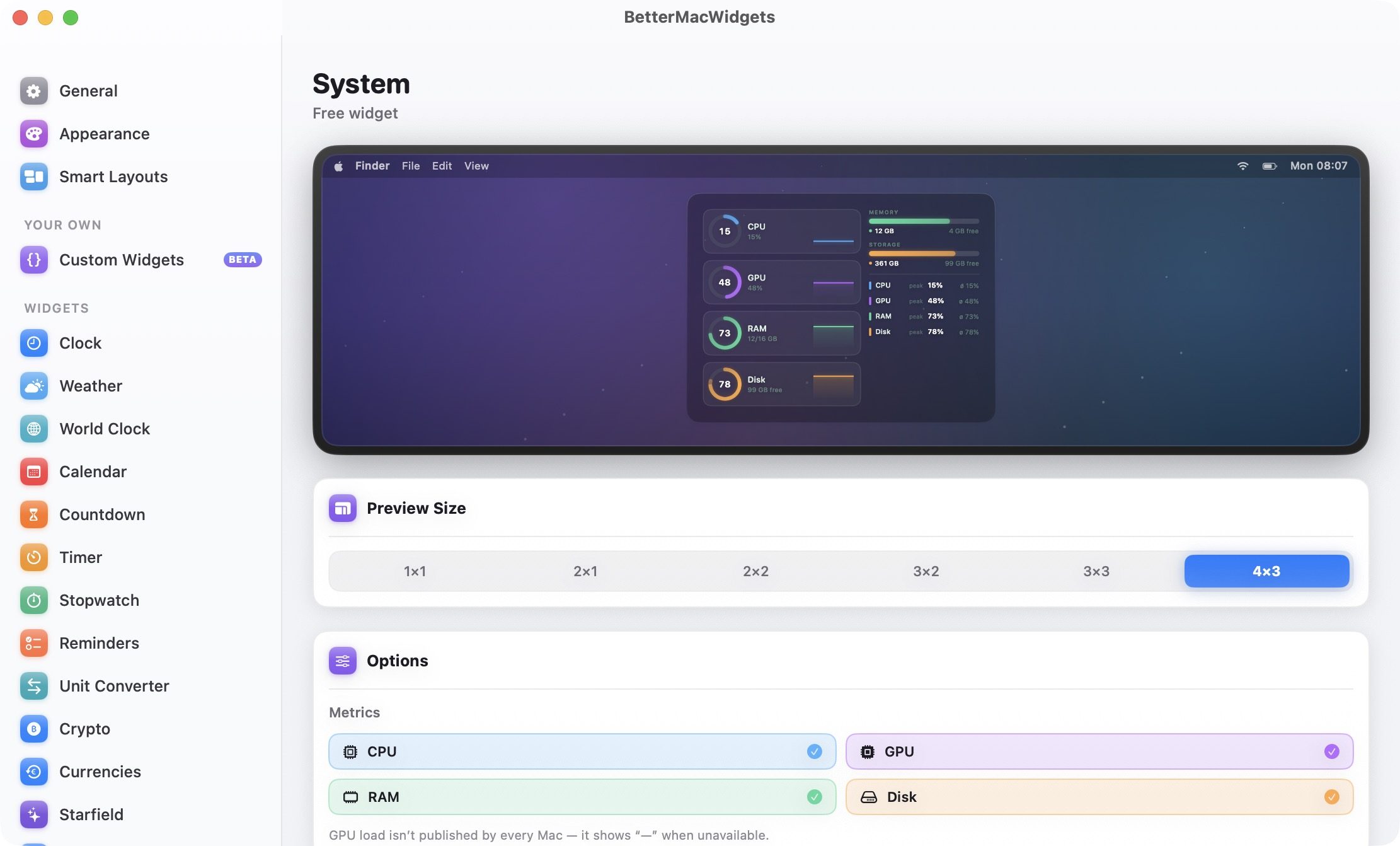
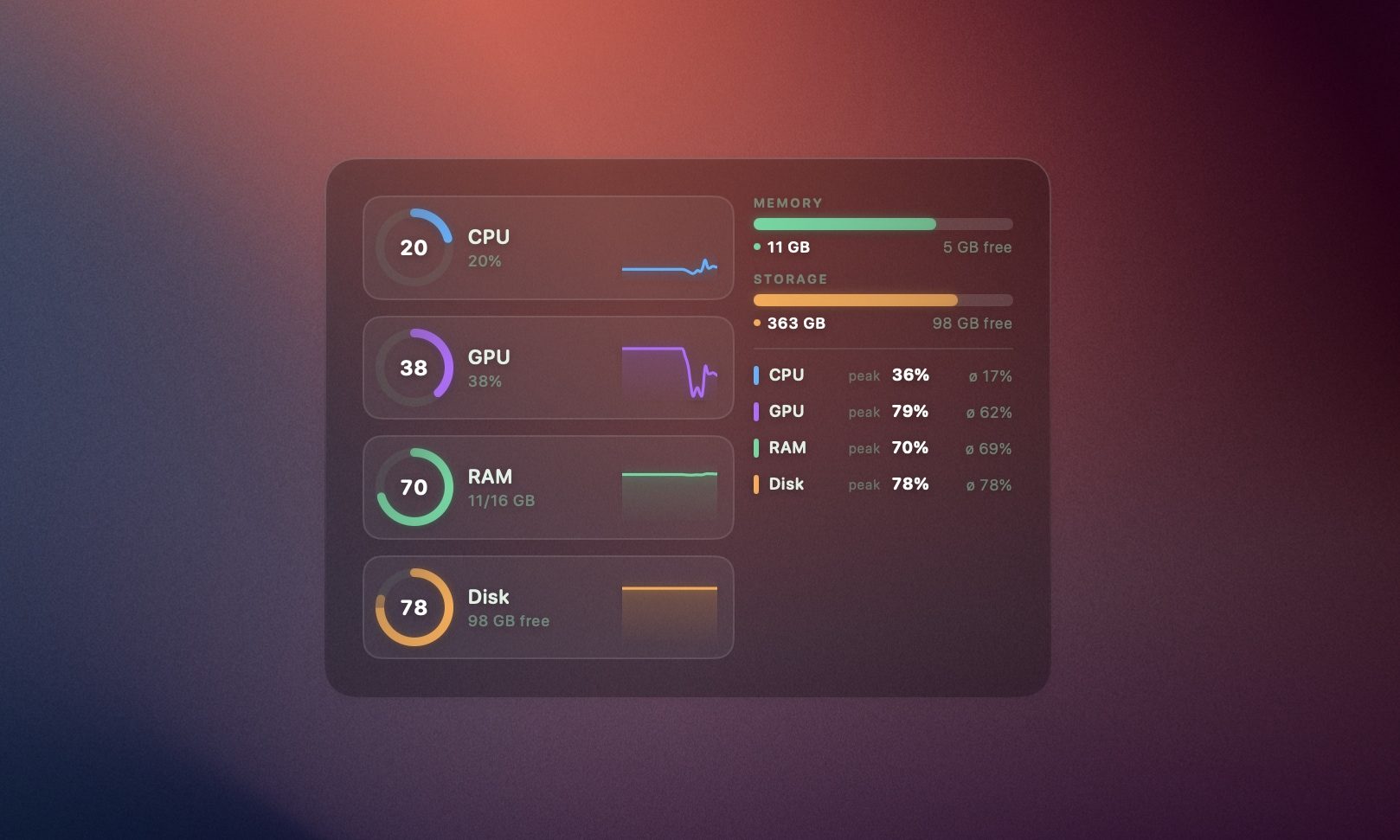
If you like keeping an eye on your Mac’s health, the System Stats widget gives you animated gauges for CPU, GPU, memory, and disk, along with a battery gauge that visibly sloshes while charging. And don’t worry about your Mac slowing down because of all this animation.
Rachit Agarwal / Digital Trends
The widgets only animate while they are visible. If they are hidden behind an app’s window, they stop animating. If you still see an effect on the battery, you can turn off the animation all together.
Weather, Reminders, and more
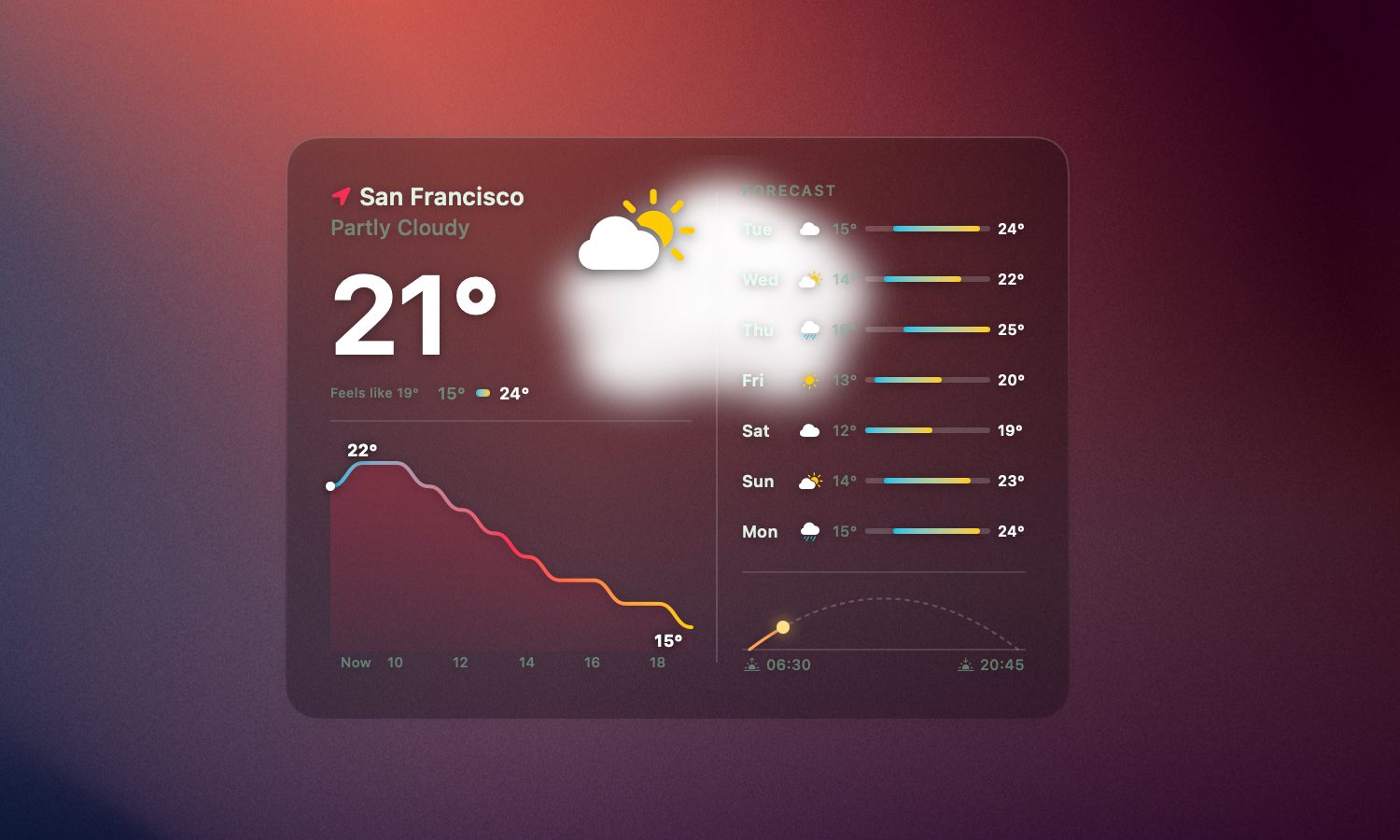
Weather widgets are common, but I appreciate how BetterMacWidgets display it. It pulls real forecast data from Open-Meteo, based on your precise location, your approximate location, or any city you want to type in manually. The best part of the widget is the live animation. Whether it’s sunny, raining, or snowing, the widget animate to reflect the same.
Rachit Agarwal / Digital Trends
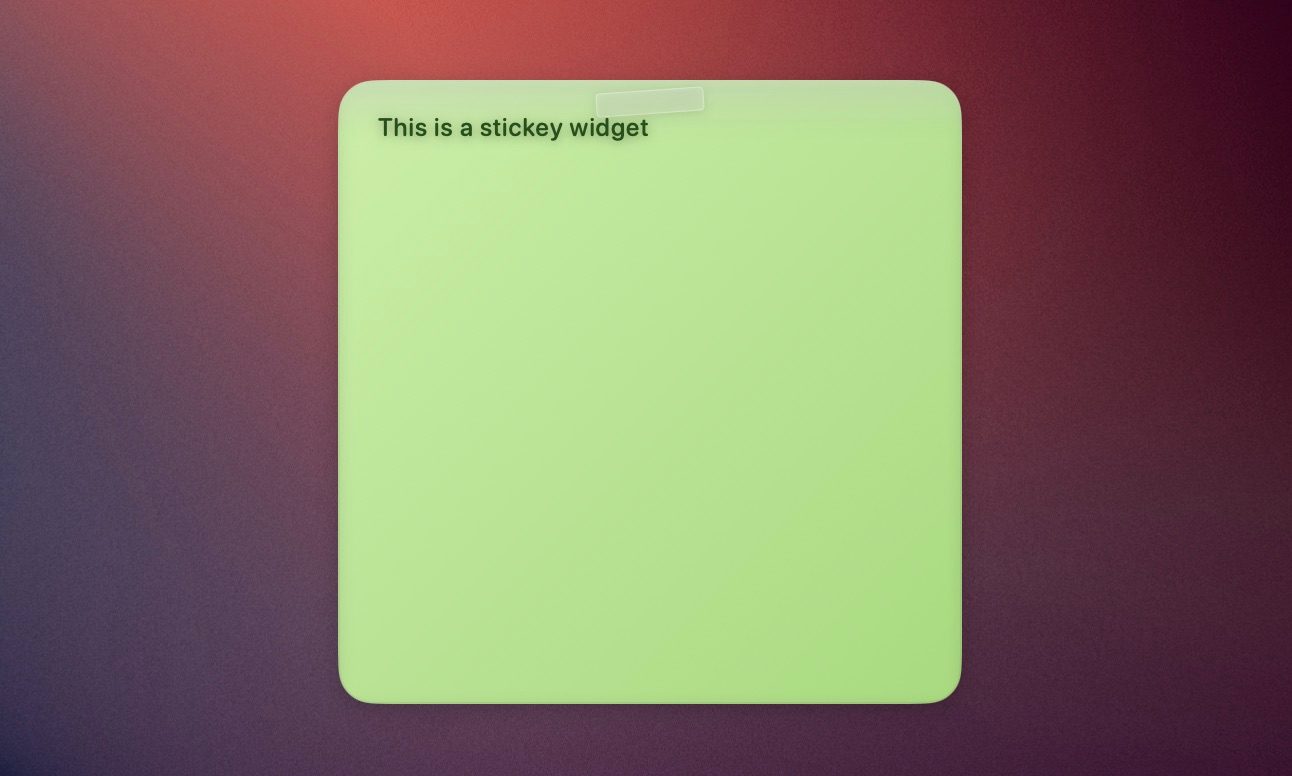
You also get a Reminders widget that syncs directly with Apple Reminders. You can check off a task directly from the widget, and it updates in the Reminders app. I pair it with the Sticky Note widget, and you have a simple productivity corner sitting right on your desktop.
Rachit Agarwal / Digital Trends
For something more relaxed, there is a Photos widget that runs a slow Ken Burns-style slideshow using photos from any folder you choose. There’s also a Starfield widget that adds a starry sky on your desktop.
Stack widgets to save space
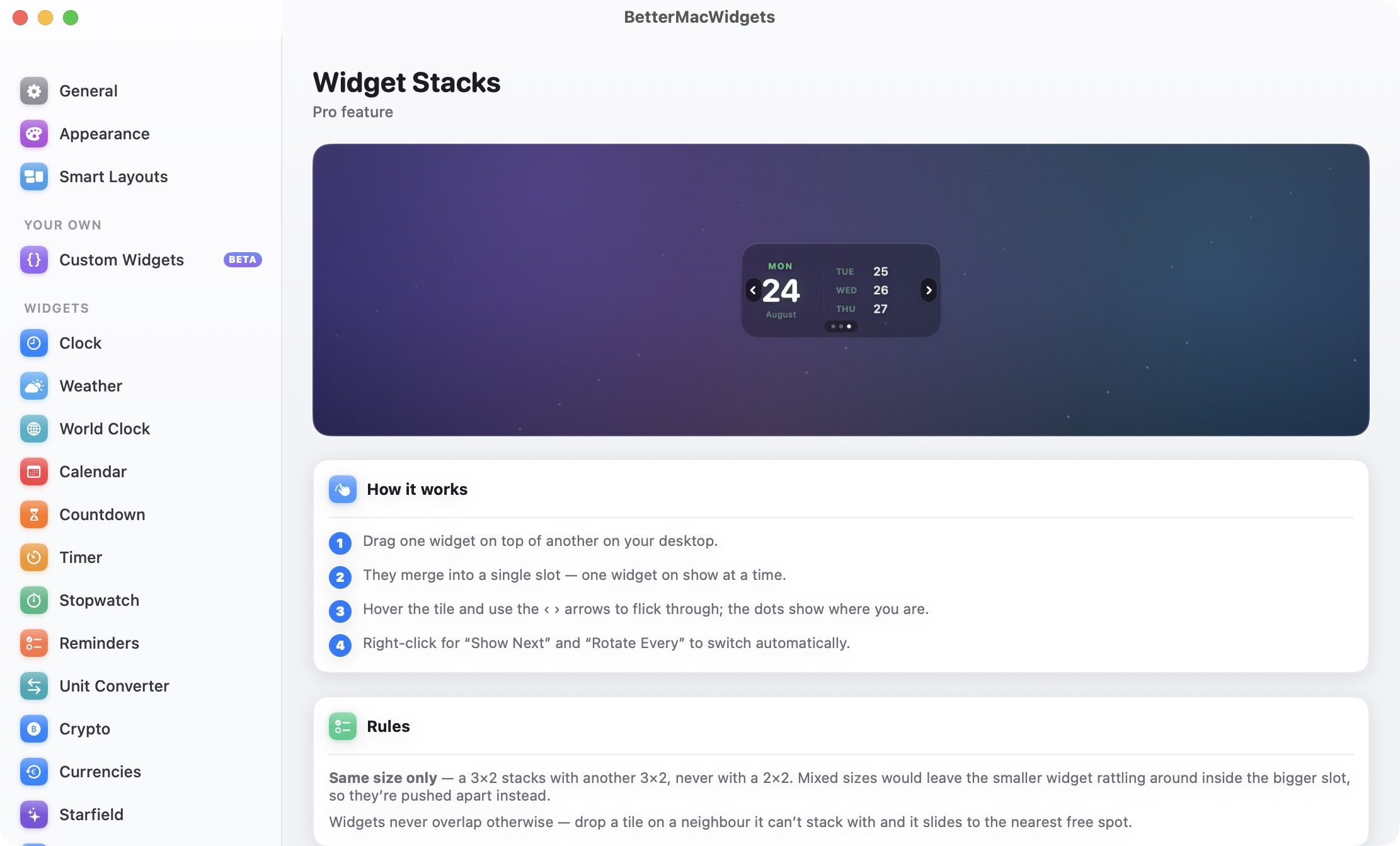
If you end up using too many widgets, Widget Stacks is there to manage your widget mania. Drag one widget on top of another widget of the same size, and they merge into a single slot. You can then flick through them using arrows when you hover over the tile, or set them to rotate automatically. Do note that stacking only works between widgets of the same size. A 3×2 widget will not stack with a 2×2 one. Instead, dropping one on the other will push them apart to the nearest open spot.
Rachit Agarwal / Digital Trends
Make it look like your Mac
As I mentioned, the best part about BetterMacWidgets is the look of the widgets. It includes 20 built-in themes that change the accent color, glass tint, and font color. Three of them, Midnight, Graphite, and Ocean, are free, and the rest come with Pro.
Rachit Agarwal / Digital Trends
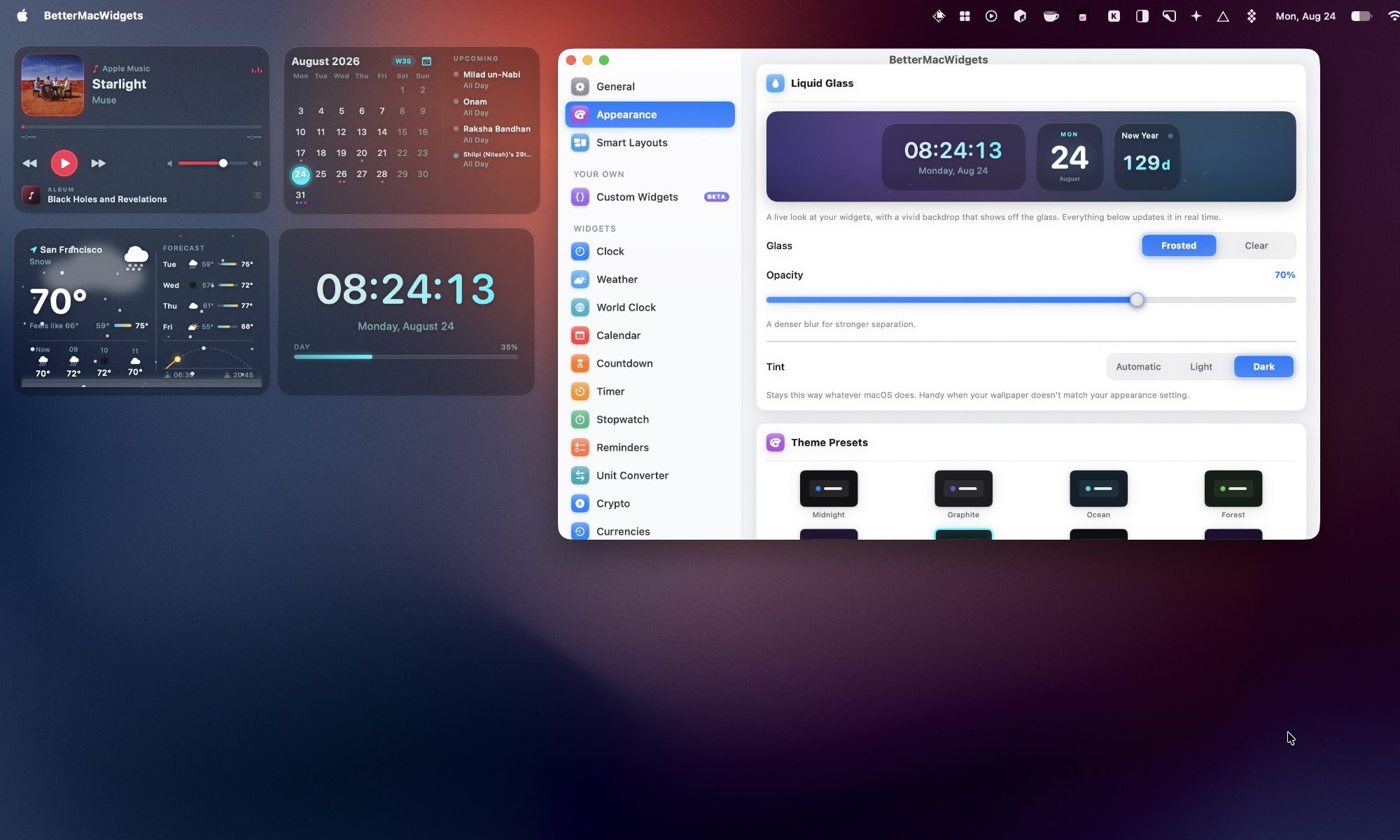
I can also customize how widgets look. The free Frosted look gives a translucent glass card with an adjustable opacity slider, allowing me to go from a barely there tint to a denser glass pane.
Rachit Agarwal / Digital Trends
If you have Pro, the Clear look removes the tile background entirely, so only the widget’s content floats on your wallpaper with a soft shadow for legibility. It is the closest thing to a native Apple look I have seen on a third-party Mac widget.
Set up profiles for your day
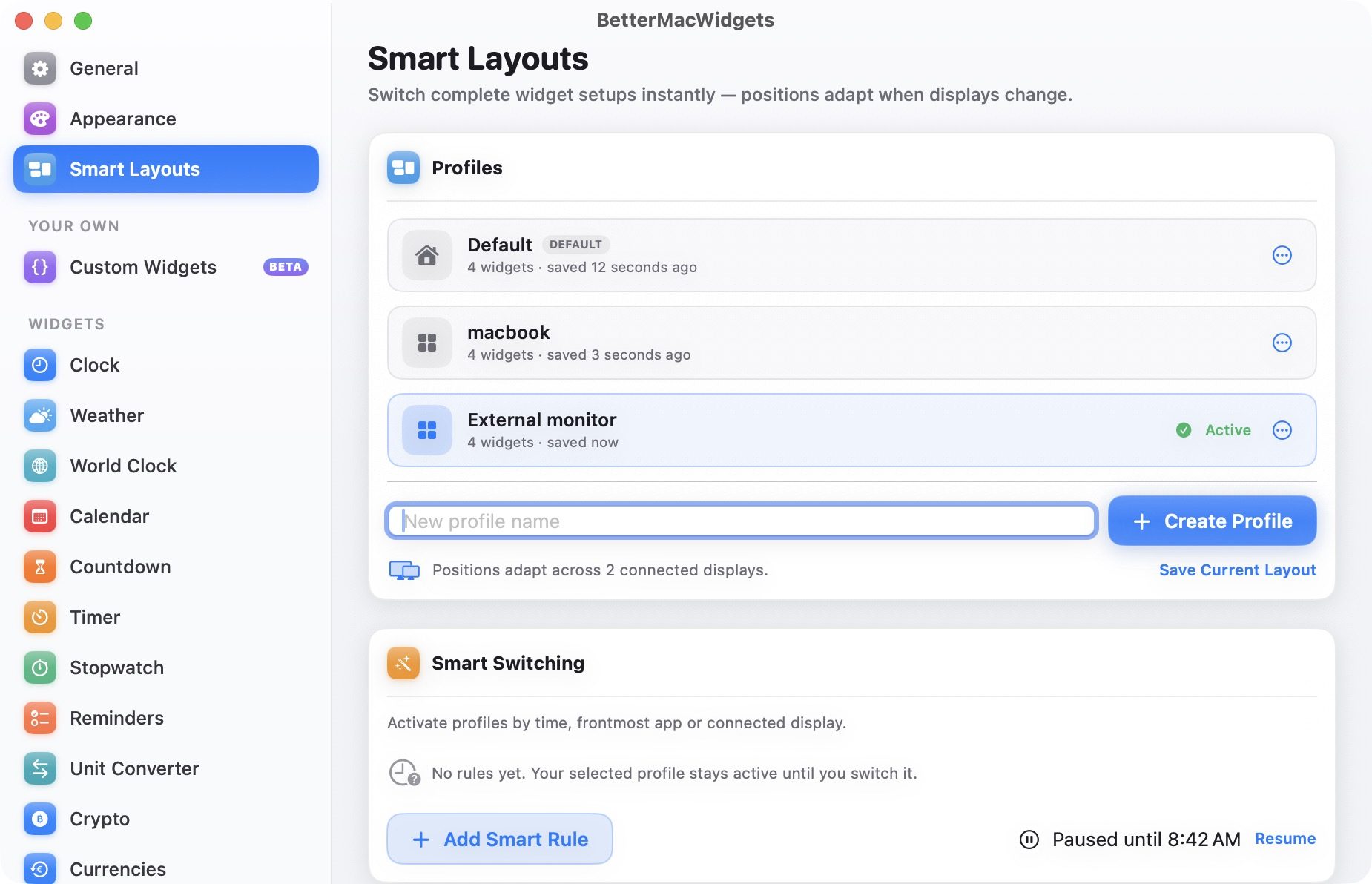
If you use multiple desktop setups, BetterMacWidgets lets you save named widget profiles that remember your widgets and their placement. I can create multiple widget setups, save them as profiles, and switch between them with a single click. There’s also a Smart Switching feature that can activate a profile automatically based on the time of day, the app in the foreground, or the display you are connected to.
Rachit Agarwal / Digital Trends
Final thoughts
I have used a lot of widget apps on my Mac, and BetterMacWidgets is the first one that made me actually want to keep widgets on my desktop instead of hiding them away. Between the Now Playing widget, the System Stats gauges, and the Clear glass look, my desktop finally looks the way I wanted it to since Sonoma first brought widgets to the desktop two years ago.
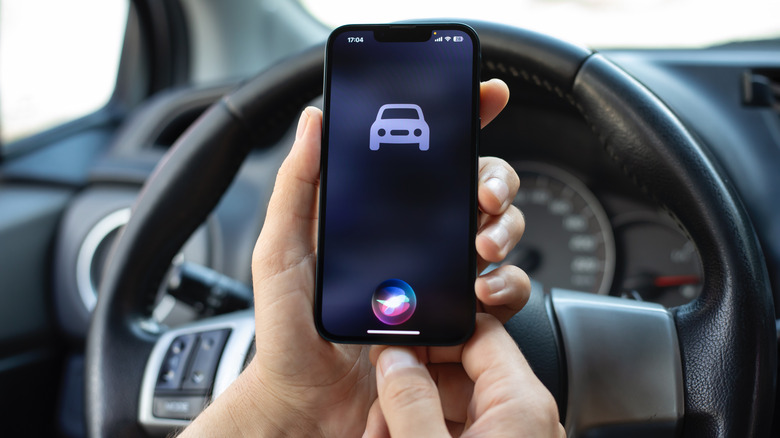
Don’t let Siri become a hassle instead of an assistant; keep it quiet in the car to reduce distractions.
Hadrian/Shutterstock
Even though CarPlay makes it safer to use your phone’s features while driving, it can still become distracting, like when group chat messages pop up and grab your attention. One of the worst forms of this is Siri audibly interrupting what you’re doing.
Hearing the assistant constantly talk over your music, podcast, or in-car conversation with announcements is annoying and potentially dangerous. You might also have issues with it not properly hearing you as you’re speaking to it in the car. Thankfully, you can adjust a few settings, particularly how you interact with Siri, in an effort to avoiding wasting time.
You can’t completely disable Siri, since CarPlay won’t work without the feature enabled. However, you can make your CarPlay drives smoother by turning off some of the assistant’s most obnoxious tendencies. When every distracted second on the road could lead to an accident, tweaking Siri to your liking is an overlooked way to stay safe.
Advertisement
The most important toggle: Driving Focus
DenPhotos/Shutterstock
The best way to hush Siri while you’re driving is to use the applicable Focus mode. Focus modes are an extension of Do Not Disturb that suppress notifications depending on your situation, and the Driving mode has special toggles to enable automatically in the car. With this enabled, you’ll only see alerts from people you choose, cutting down on interruptions.
To set it up, open Settings and go to Focus. If you don’t see Driving, tap the Plus (+) icon at the top-right and add it. Inside the Driving focus, choose People. For driving, it makes more sense to Allow a short list of people to alert you. When they contact you from any app, including Messages and WhatsApp, alerts will show as you drive. The toggles below let you control which phone calls notify you in your vehicle. Contacts Only silences spam calls while driving, or you can limit it to your chosen list with Allowed People Only.
Use the Auto-Reply section to set a short message that goes to the group you select if they text you when you’re using CarPlay. People will know you’re busy without you dictating a message as you drive.
Advertisement
Finally, scroll down to tap While Driving and make sure Activate With CarPlay is on. The options above this are for cars that don’t support CarPlay. Now, while in wired or wireless CarPlay, you’ll see a small car icon underneath the clock, letting you know this Focus is on.
Keep Siri quiet in the car
A. Aleksandravicius/Shutterstock
Siri’s ability to speak notifications is great in the right circumstances, but if it won’t shut up about incoming alerts in the car, you can turn this off. Back in Settings on your phone, choose Notifications > Announce Notifications. If you want to use this feature outside of CarPlay, keep the top toggle on and select the CarPlay menu. There, disable Announce Messages and Siri won’t read anything that comes in during a trip.
Back on the Announce Notifications page, you might also want to turn on Reply Without Confirmation. By default, when you speak a reply, the assistant will read what you said back to you for confirmation before sending. While this helps avoid misspoken messages, it also creates extra steps behind the wheel. Turn this toggle on and sending a reply becomes a single step.
Advertisement
Another way to prevent stoppages with Siri is hidden under Settings > Accessibility > Siri > Require “Siri” for Interruptions on your phone. Normally, Siri will stop what it’s saying when it detects you talking back. If your phone is doing this in error because of road noise or other people in the car, enable this option. Then, Siri won’t stop what it’s saying unless you say “Siri” to prompt it again. Similarly, if it tends to stop listening because you take too long to think, change Siri Pause Time to Longer or Longest to give yourself more time.
Although Siri is required for CarPlay, you can still turn off some forms of its activation. Go to Settings > Apple Intelligence & Siri > Talk to Siri on your phone and choose Off in the top menu. After doing this, you’ll only be able to summon Siri by hitting the voice command button on your steering wheel or holding the Side button on your phone. And in some cars, using the volume knob (or your phone’s volume buttons) when it’s talking will adjust the volume for Siri only, while not affecting music or other playback. This depends on your vehicle, but is another trick worth a try if you want more control.
Advertisement
Disable navigation guidance
A. Aleksandravicius/Shutterstock
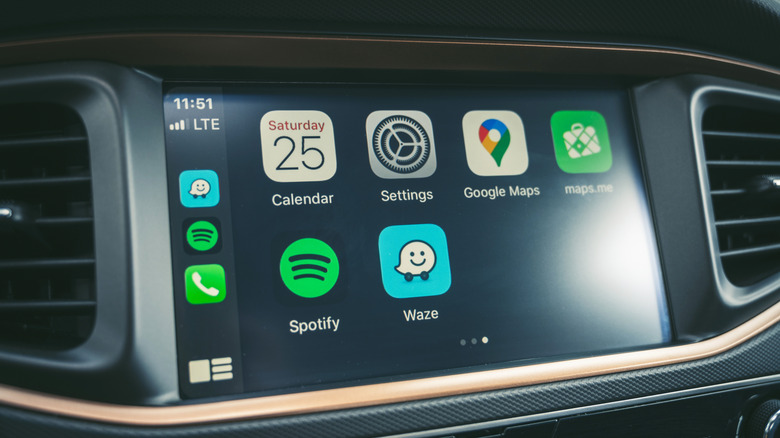
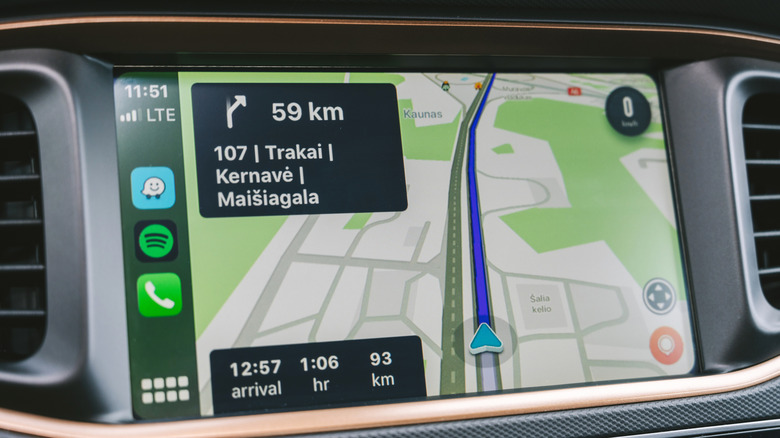
Spoken directions in navigation apps help you avoid missing turns but also constantly interrupt what you’re listening to. Thankfully, it’s easy to disable audio guidance in major GPS apps while using CarPlay, letting you customize this per-trip.
Apple Maps and Waze offer this control in the same way. Tap the screen during navigation to show buttons, then hit the speaker icon, which gives the choice between full guidance, alerts only, and complete silence. Hearing alerts only is a good balance, since faster routes or upcoming slowdowns are important and happen far less often than turns.
For Google Maps, you’ll need to open the app on your phone, tap your profile picture at the top-right, and choose Settings > Navigation. Enable Play alerts even while muted. On the same menu, consider adjusting the Guidance volume of alerts if they annoy you. For a similar option in Apple Maps, visit Settings > Apps > Maps > Spoken Directions to soften the Voice Volume. You might also wish to turn off Directions Pause Spoken Audio; this keeps podcasts and audiobooks playing even as directions are read aloud.
Hopefully, Siri’s upcoming AI overhaul makes the assistant smarter so we don’t have to put up with these hassles.
Why it matters: Sony Interactive Entertainment released Marvel Tokon: Fighting Souls earlier this month, and things are not going well. The Marvel-focused fighting game is turning many PC players away, as technical issues are spoiling an otherwise enjoyable fighting game experience.
The DRM Sony uses to lock down Marvel Tokon: Fighting Souls on PC is so aggressive that people with massively capable gaming machines are complaining about performance and network instability. The developers have already released a patch to fix some of the issues, but the number of people playing the game is quickly collapsing anyway.
A few days after the game’s original release, there is now a general consensus about the main culprit behind its performance problems. The “Rune” crew recently released a cracked version of Marvel Tokon: Fighting Souls, stripping away the multiple DRM layers used by the game. Marvel Tokon’s PC version employs both the Easy Anti-Cheat (EAC) middleware and Theia.
Advertisement
The Theia DRM is not disclosed anywhere on the game’s Steam page. Many users have remarked how this particular protection can have a significant impact on how a game runs, calling it even worse than the much-maligned Denuvo DRM in terms of performance hit. The kernel-level EAC protection doesn’t help, either.
Many users have reported the alleged impact of Theia, EAC, and other protections on their systems. On older gaming laptops equipped with weak GPUs and CPUs, the cracked release of Marvel Tokon: Fighting Souls can allegedly run at a steady 60 FPS. On the same systems, the original game can barely reach 45 frames per second.
Judging from the Steam reviews, Marvel Tokon’s technical issues are making the game miserable even on much more powerful systems equipped with high-end AMD CPUs, top-tier Nvidia GPUs, and truly massive amounts of DRAM. Players concur that the game is a “mess,” advising potential buyers to stay away from the store until the developers have fixed the most outstanding performance issues.
Advertisement
Many users took the advice seriously, and Marvel Tokon’s sales are suffering as a consequence. The number of concurrent players is now a fraction of what it used to be just two weeks ago, with Steam reviews repeatedly bashing the product. The game is available on both PC and PlayStation 5, where users have had none of the issues experienced by Windows players.
Console gamers are now disabling cross-platform multiplayer with PC, as a degraded network and performance experience is eventually going to spoil the fun for both parties. Developers at Arc System Works promised to further improve Marvel Tokon’s PC experience, but many users are now just asking the Japanese studio, or publisher Sony, to completely eradicate the Theia DRM from the game.
Meanwhile, pirates playing the cracked release are once again enjoying the “best” version of the game performance-wise. So far, the only downside is that online play is limited to peer-to-peer connections via third-party tools.
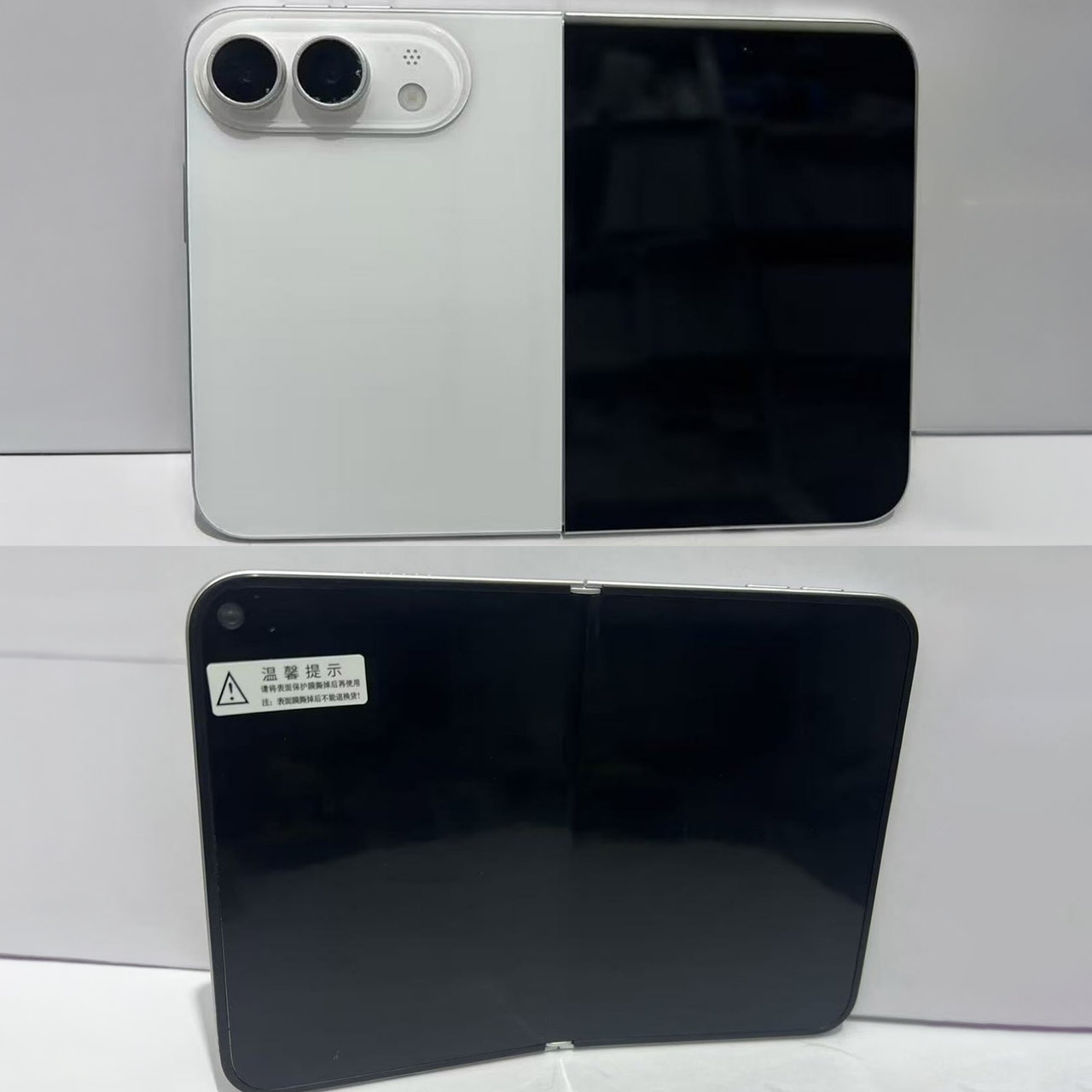
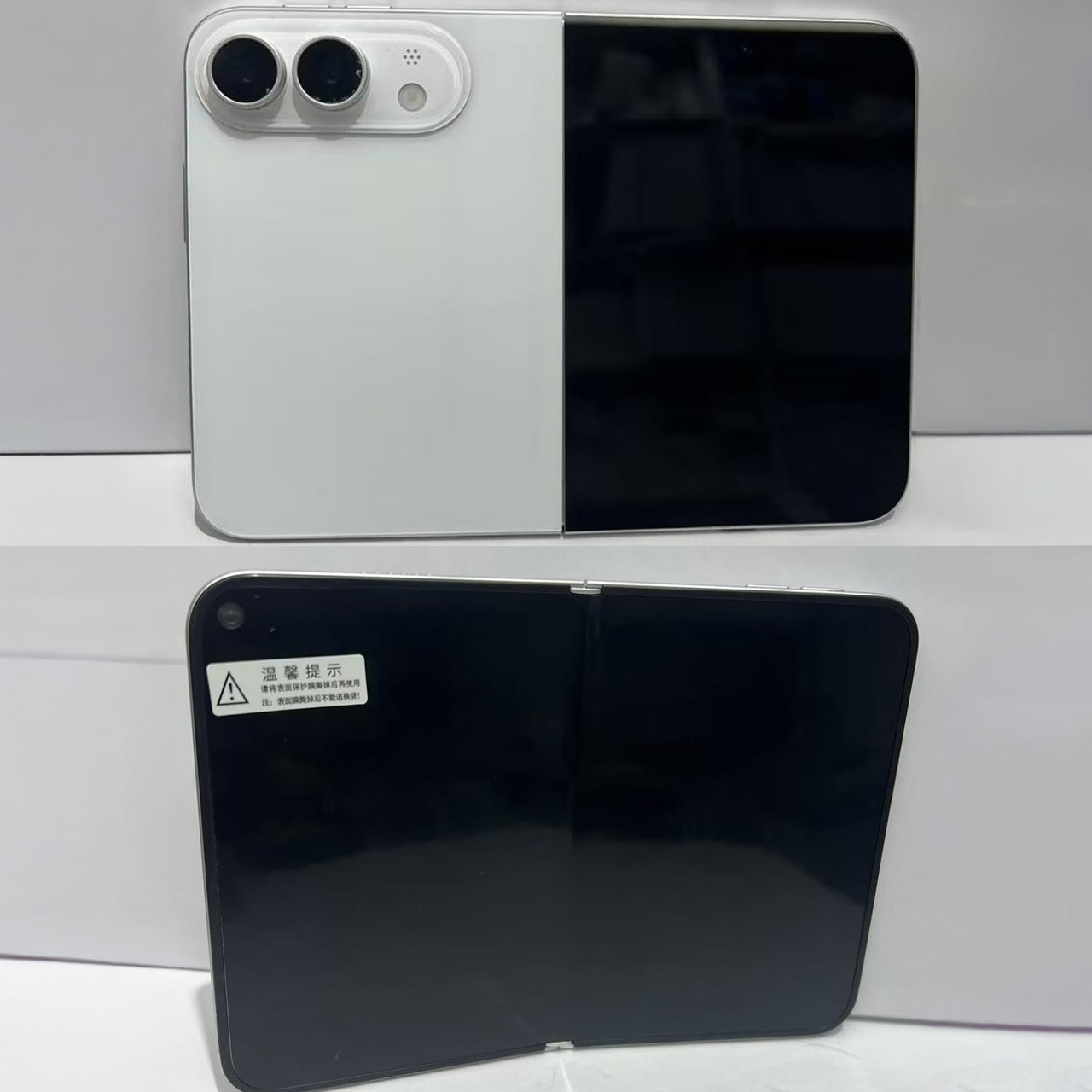
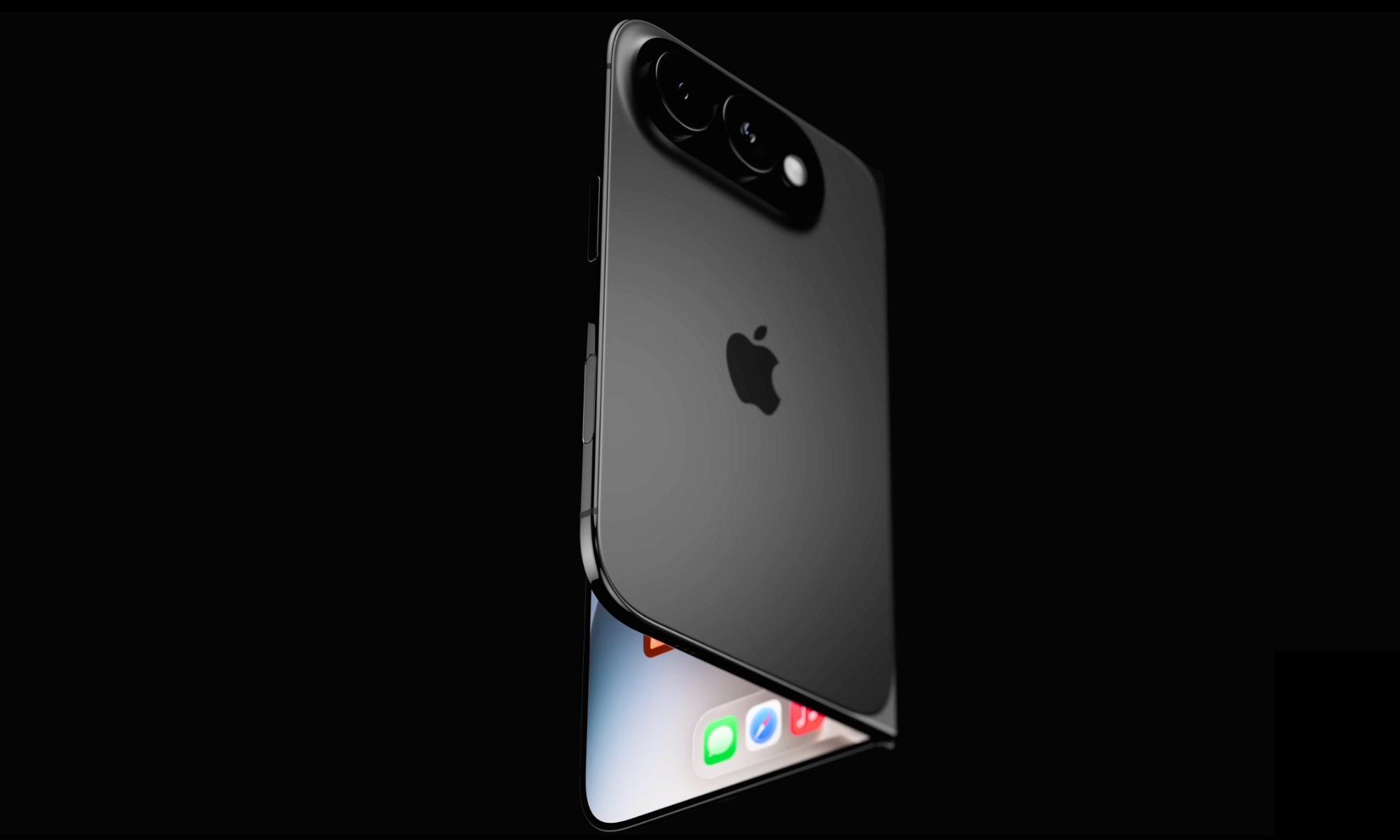
Photo credit: Sonny Dickson Apple’s long-awaited foldable phone has reached the hands of a small group of early testers, and the feedback arriving through Mark Gurman’s latest Power On newsletter is largely positive. People who have spent time with the prototypes, referred to internally as the iPhone Ultra, keep coming back to how the device feels when closed and how it works once opened.
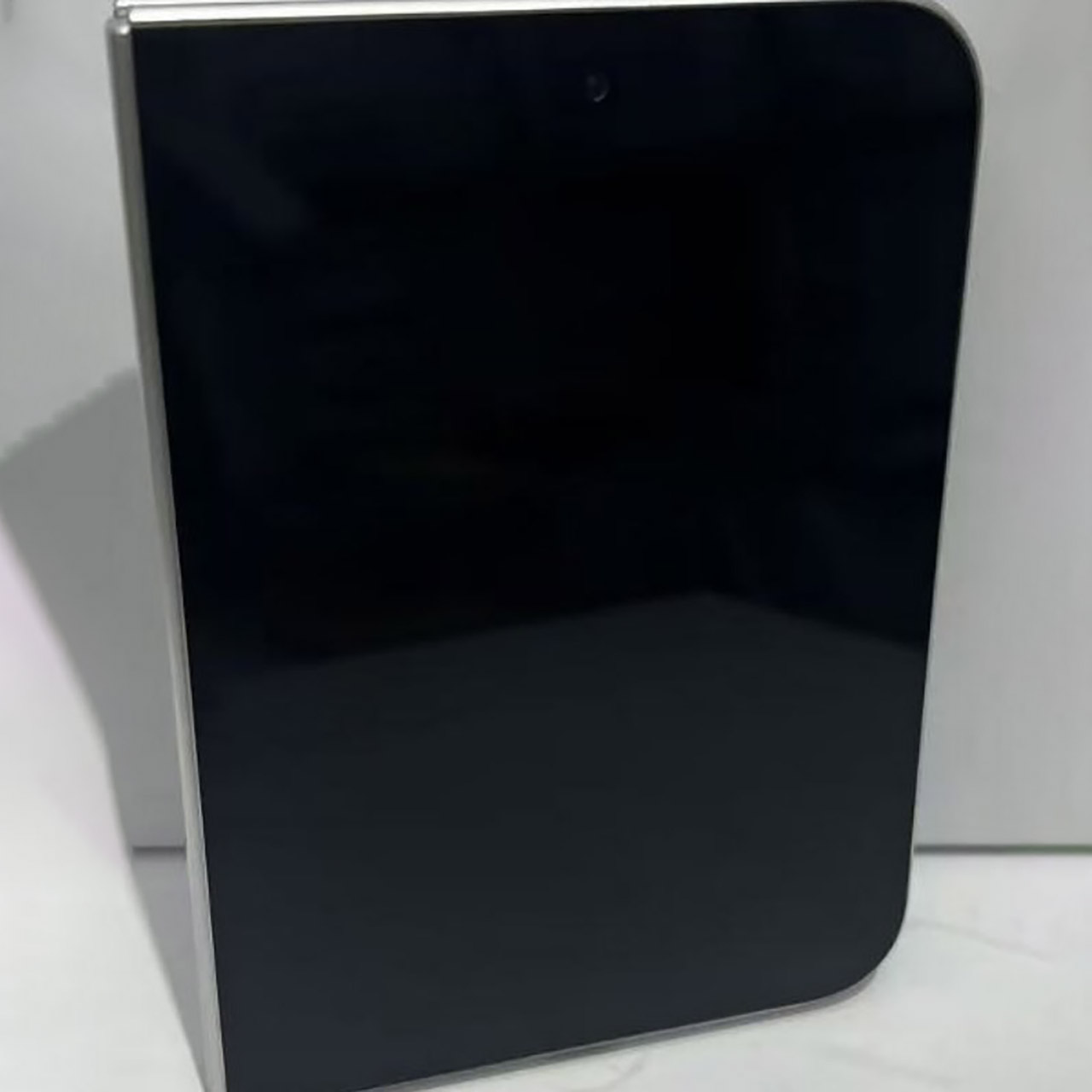
Those testers rave about a phone that fits comfortably in a pocket without adding bulk. The folded form is only 9.4 millimeters thick, and when held, it has the compact shape of a book rather than the tall, slender foldables that came before. They have a 5.5-inch exterior display for regular usage, and when you flip it open, the inside screen measures around 7.8 inches. People quickly realized that the device’s unusually wide aspect ratio makes it feel like a tablet when held, which is a major upgrade over simply juggling windows on your standard iPhone.
SHOP NOW: Get an Amazon gift card when you order Samsung Galaxy Z Fold8. You will receive an email once your gift card is available after the product…
CREATED FOR YOUR CONTENT: Any way you turn it, the new Galaxy Z Fold8 gives you a fuller viewing experience. Designed with your content in mind, this…
WORLD’S LIGHTEST FOLD¹: Galaxy Z Fold8 is the newest foldable phone for content on the go. Unfolded, it fits movies and books for an immersive…
The hinge has earned high praise, with early reports claiming that it is fairly solid and feels like it was built to last, with no creaks or squeaks while opening and closing it repeatedly. Some of the first people to try it out point to the liquid-metal construction, which is intended to be highly robust without adding any heft, which is exactly what you want when you need to keep that phone as thin as possible. When you open it, it shrinks to 4.5 millimeters, which is so little that Apple had to make some other compromises to reach that aim.
The prototype is beginning to win over folks in the software industry. The larger inner display allows for iPad-style layouts, and juggling windows side by side seems far more natural than using split-screen on your standard iPhone. People are also enjoying the open screen as a camera viewfinder, which is far larger than the tiny little window on your ordinary phone and allows you to take better photos. It all appears to be coming together very well, with individuals reporting that productivity tasks, video consumption, and gaming all benefit significantly from the added storage.
Advertisement
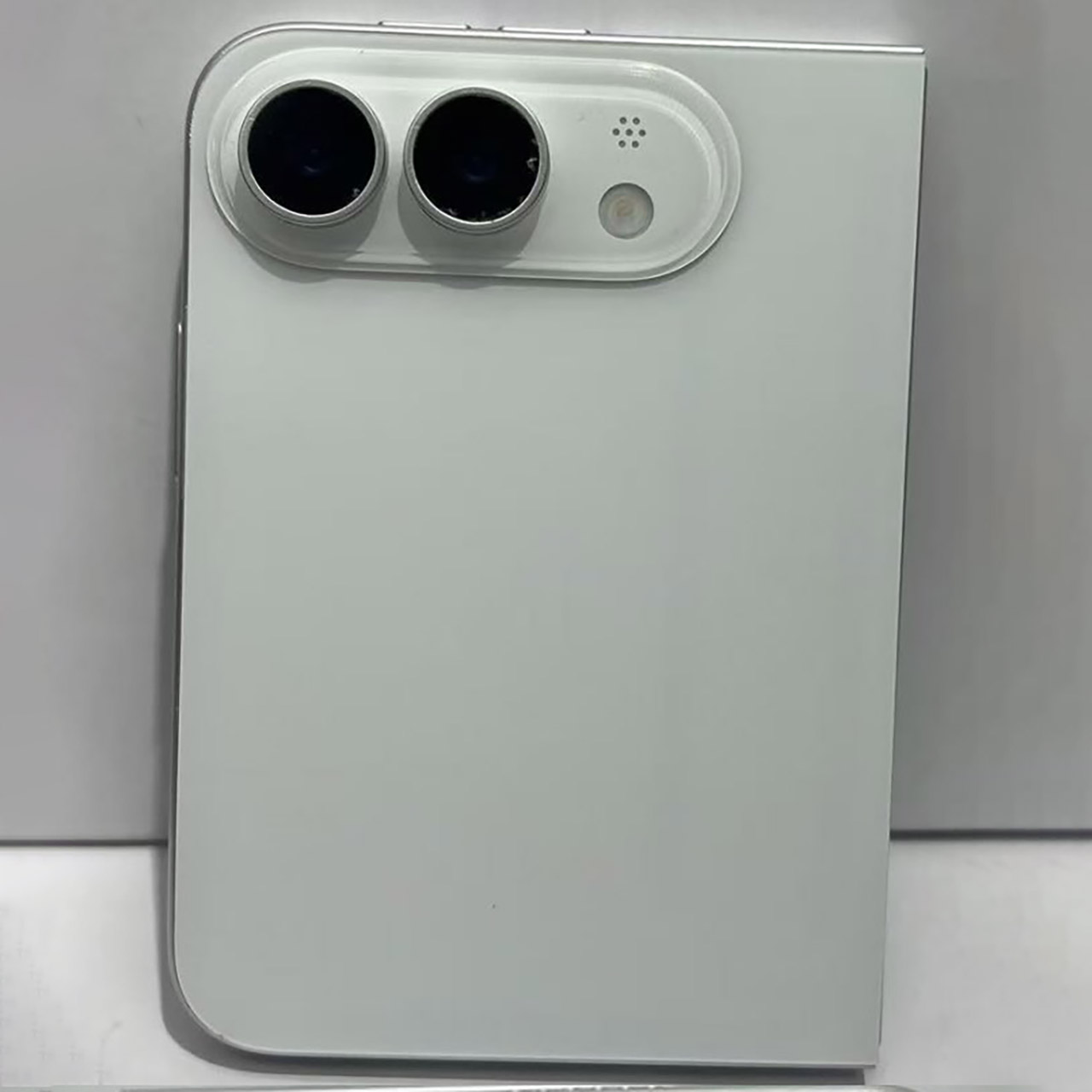
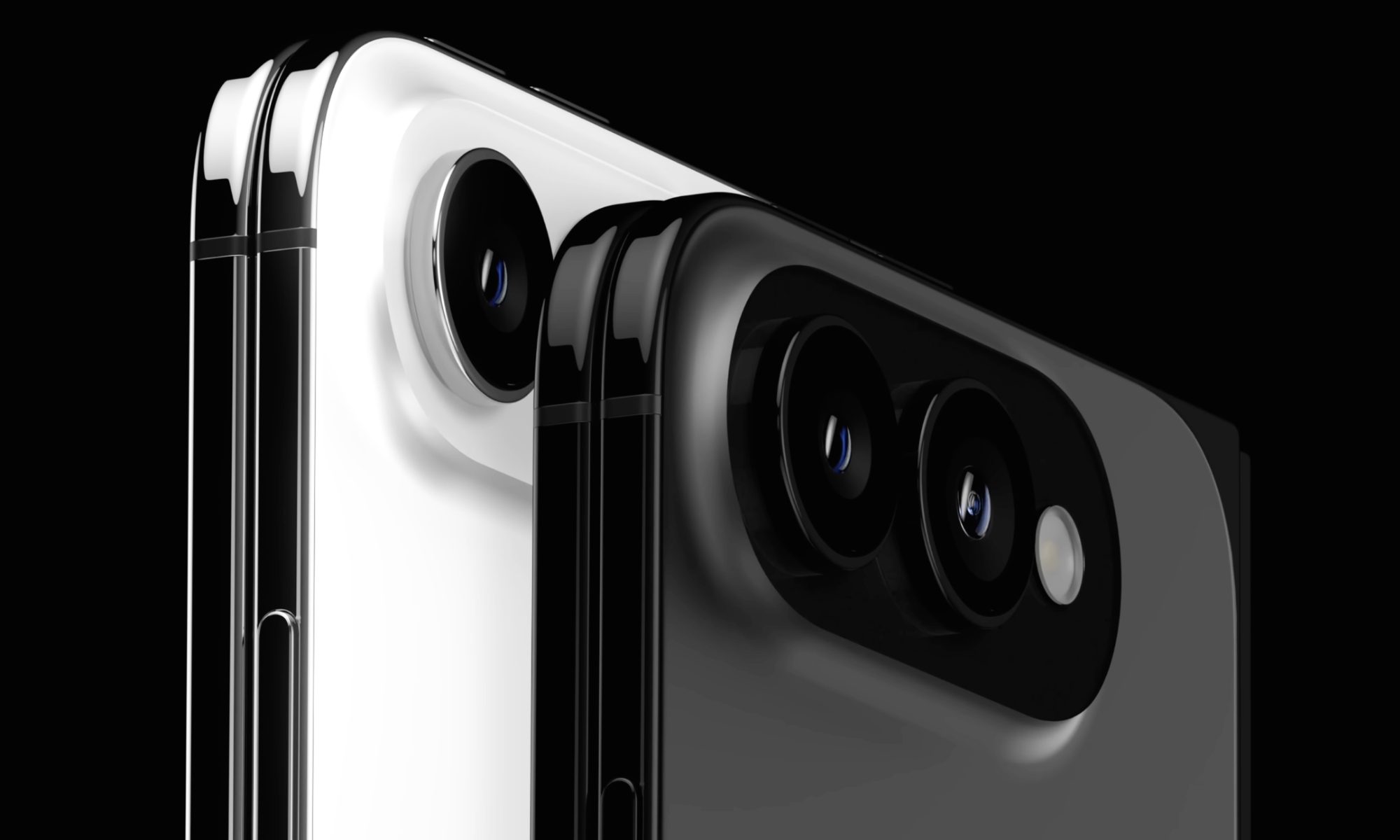
Now onto the camera hardware, where things begin to turn a little less rosy. The rear of the device is simply a pair of 48-megapixel sensors, one standard and one super-wide. There is no telephoto lens, which is a bit of a concern for a phone that will cost at least $2,000, if not more with storage. Many people will be disappointed that the zoom option is not included, especially since the lower-end Pro models already have it. Front-facing cameras have arrived, but only on both screens, and they aren’t saying much about them yet.
Biometrics are another example of a compromise. There is no Face ID; instead, a Touch ID sensor is incorporated into the side power button, as seen on previous iPads. It’s a good move in terms of keeping the phone slim, and it works in any orientation, but it appears that many longtime iPhone customers will be disappointed that Face ID and fingerprint recognition are not included.
Let’s just say the prices aren’t cheap. Expect to pay at least $2,000, with higher-end models possibly exceeding $2,500. This means that when selecting whether this is the phone for them, consumers must examine a number of things, including the folding design, the wide open display, the revised hinge, and the lack of zoom and Face ID. [Source]
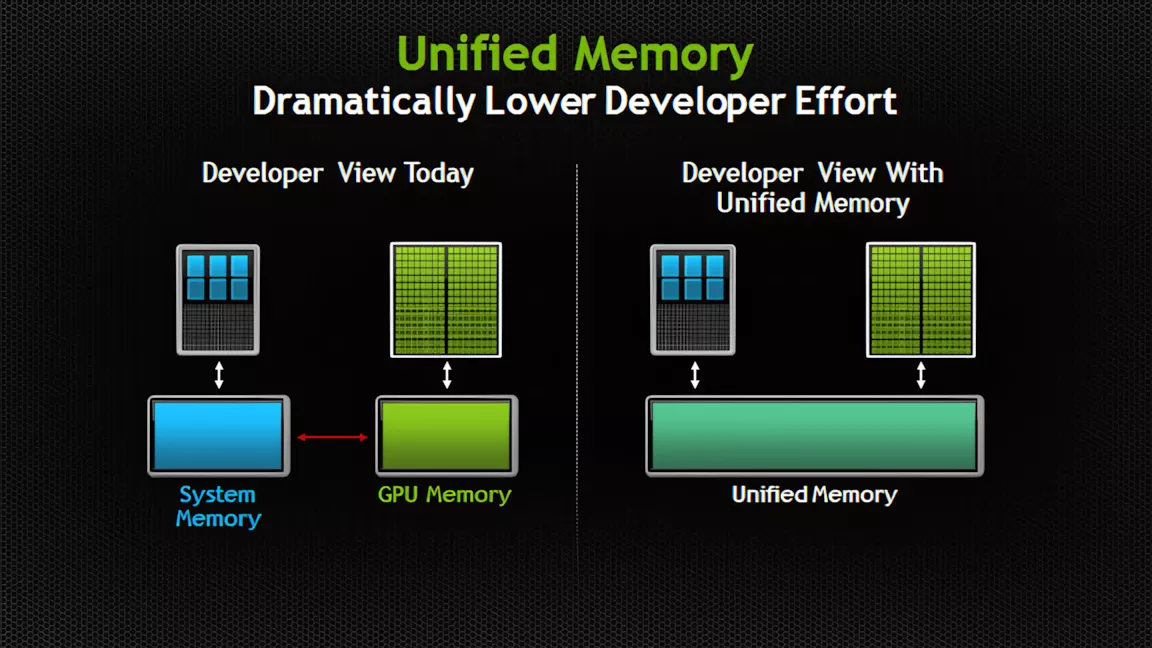
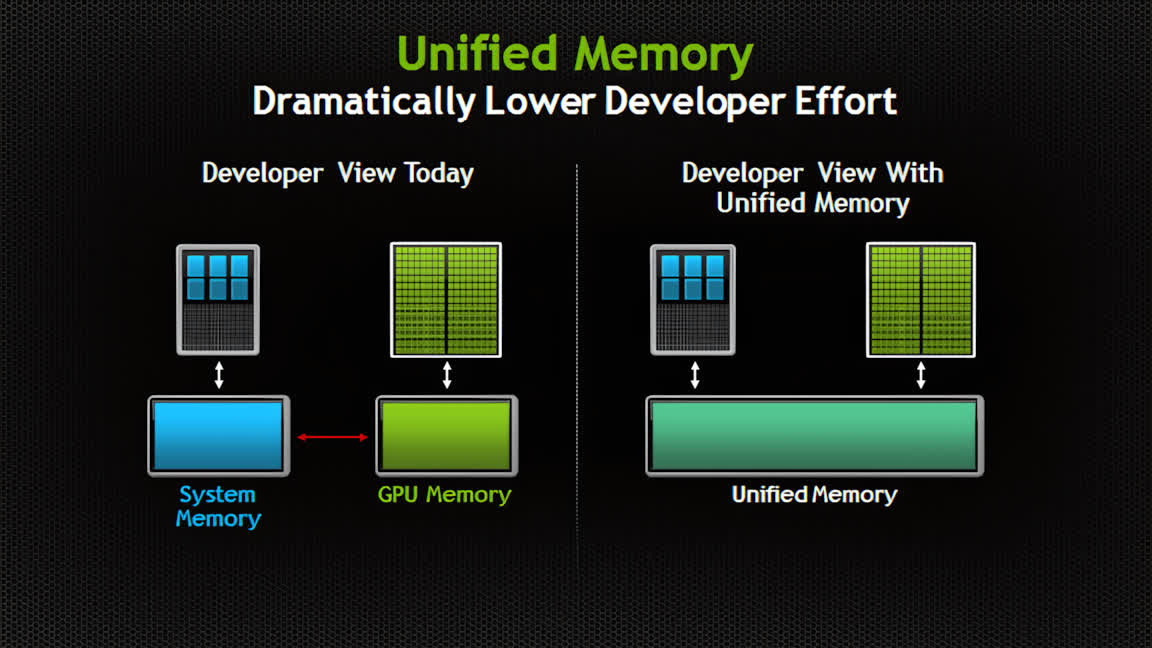
Connecting the dots: PCs without a dedicated GPU already have to share a single memory pool between graphics, AI, and system tasks, and Windows currently makes that split on its own. That arrangement is becoming a much bigger deal as Apple, Qualcomm, Nvidia, and others build AI PCs around unified memory pools that could potentially stretch into the hundreds of gigabytes.
A recent experimental Windows 11 build hides evidence that Microsoft is preparing to let users control the split between system and video memory in unified pools. The feature could give users more flexibility when juggling gaming and AI workloads, especially on upcoming unified-memory devices like Nvidia’s RTX Spark platform.
Windows 11 build 29648.1000, released August 17, carries a new feature called “IntelligentCarveout” that isn’t mentioned anywhere in Microsoft’s patch notes. Windows watcher @phantomofearth confirmed to Windows Latest that the build’s code strings reference reserving memory for accelerators, graphics, and AI.
That would let users manually set aside unified memory for games and AI-heavy applications, with that reserved portion off-limits to everything else.
Advertisement
Similar references previously turned up in Nvidia documentation. If the feature ships publicly, it could fundamentally change how users configure performance on unified-memory chips.
Unified memory has traditionally shown up in Macs, some laptops, handheld gaming PCs, and other systems built around integrated rather than discrete graphics.
Depending on the workload, performance on these systems can vary significantly compared to discrete GPUs with dedicated VRAM, and while GPU-heavy tasks can pull from system memory when they run short, doing so usually comes with a steep performance penalty.
Since running local AI models demands large amounts of fast memory, high-end GPUs once reserved mainly for gaming have become popular tools for AI work. Meanwhile, PCs built from the ground up for local models have featured progressively larger unified memory pools. Macs configured with 24GB of unified RAM or more have faced shortages amid the local AI boom, and Microsoft and Nvidia have answered that shift with RTX Spark devices offering up to 128GB.
Advertisement
Nvidia’s dominance in GPUs owes a lot to software, not just silicon – CUDA programming, DLSS upscaling, Reflex latency reduction, and the broader RTX suite have become real selling points on top of raw hardware. Carrying that same software stack into the integrated-graphics space gives RTX Spark a built-in edge over AMD, Qualcomm, and Intel, none of which can match Nvidia’s software ecosystem on AI or gaming performance yet.
When it unveiled the RTX Spark chip, Nvidia already touted it as carrying more addressable memory than any of its GPUs. Because IntelligentCarveout would let users route a large share of that 128GB pool toward graphics and AI tasks, RTX Spark’s GPU could end up with access to far more memory than even the RTX 5090’s 32GB of dedicated VRAM – though that shared, LPDDR5x-based pool is considerably slower than the RTX 5090’s GDDR7, so it’s a capacity advantage rather than a speed one.
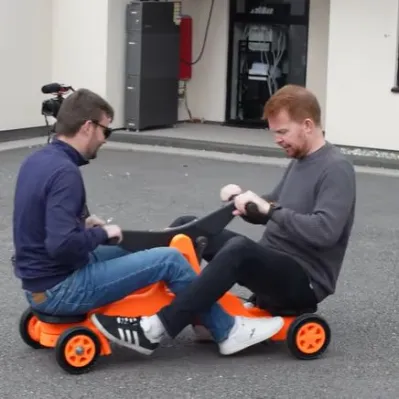
It’s arguably adult-sized. (Credit: Sam Barker, YouTube)
A staple of old movies featuring railways, many handcars – also called pump trolleys or pump cars – feature the characteristic seesawing beam. Requiring at least two people, the motion of this beam is subsequently converted into the rotating motion of the wheels, propelling it at a leisurely pace across the tracks. As a fun and yet functional mechanical contraption it also makes for an entertaining 3D printable project, which is what [Sam Barker] and [Tom] did.
You can find the entire project over at Printables if you are feeling the itch as well, though as of writing details on the required bolts and shafts are still pending.
Since the entire assembly had to be lugged over to the Open Sauce event in the US, they had to design it to be small enough to fit into check-in luggage and easy enough to reassemble in a hotel room. Naturally this put some constraints on the full size of the contraption, with it omitting compatibility with standard gauge railways and also being decidedly fun-sized.
That said, it seems to have left an impression on the folk over at Open Sauce, and it’s hard to argue with the sheer fun factor of such a co-op mode of transportation. Even if bicycle-style handcars are more popular these days, especially for tourist purposes, the old seesaw-style has that certain charm to it.
A hot potato: As cookies become a less reliable way to track people online, AliExpress may be showing how far companies will go to fill that gap. Researchers found code on the site’s homepage that ran silent audio processes in the browser. Tied to Alibaba’s security systems, the scripts tap a device’s own audio hardware to generate a signal and measure the tiny, device-specific ways it comes back – producing something close to a fingerprint that doesn’t need a single cookie to work. It’s the kind of tracking a user would likely never notice.
The issue only surfaced after a developer had trouble using multipoint Bluetooth headphones while an AliExpress tab was open: the headphones wouldn’t switch properly from the computer to a phone. Once the tab was closed, the problem disappeared.
Digging into the site’s code, the developer found it was using the Web Audio API to build audio-processing graphs set to zero volume. The process produced no audible sound, but it still connected to the computer’s audio system, keeping the audio path active in the background, which appears to be what interfered with the headphones’ ability to switch devices.
This wasn’t the kind of audio activity tied to a normal media player. Because the processing graph ran at zero gain and connected directly to the system’s audio output, muting the browser tab did nothing to stop it: the browser kept processing the signal even though there was nothing to hear.
The same code can also support browser fingerprinting, a technique that collects device-specific details and combines them to recognize a browser over time. In this case, the scripts measured tiny differences in how a device processed an identical audio signal – those differences are shaped by a computer’s processor, sound hardware, operating system, browser, and drivers.
Audio measurements were only one part of the reported data collection. The scripts also gathered information tied to canvas rendering, WebGL, display settings, hardware configuration, WebRTC behavior and user interactions. Together, those signals can create a more detailed profile of a device than any one signal would provide on its own.
Fingerprinting is often used by large online platforms for fraud prevention, bot detection and risk assessment. It can help companies spot suspicious transactions or automated activity when cookies have been deleted or accounts have changed. But privacy advocates have raised concerns because users may not know the tracking is happening and have limited control over it.
Not a Google story, but you get the point…
Advertisement
Brave was among the first to call out the behavior. In an August 22 post on X, the company said its browser blocks the AliExpress scripts responsible for the audio-based tracking, noting that it has built in default protections against audio fingerprinting for more than six years. Brave’s approach alters certain browser outputs so that websites receive inconsistent fingerprinting signals rather than a stable, trackable identifier.
The company has since extended similar protections to GPU fingerprinting, a method that uses graphics hardware and driver behavior to identify devices, and says fingerprinting techniques will keep evolving as sites look for new ways to tell users and devices apart.
People using other browsers may be able to block this kind of scripts through content blockers such as uBlock Origin, though doing so could affect parts of AliExpress that rely on the same code for security or fraud prevention.
Advertisement
The episode is a reminder of the trade-off baked into much of online security today. Companies want more ways to identify suspicious activity. Users and browser makers want limits on tools that can track a device without a clear notice or consent.
When Ninja first released its hefty Ninja Slushi Twist machine in May, it sold out on the brand’s website in less than two hours. Today, the company is launching the same machine again, but with another twist.
Ahead of the release of Practical Magic 2, Ninja is conjuring the Ninja Slushi Twist in four colors related to the cult-classic franchise: potion purple, midnight margarita, bewitching blue and moon stone.
Besides the colors, inspired by the film’s main characters, the Owens sisters, no other changes were made to the popular machine, which is like two Ninja Slushi machines in one.
The Slushi Twist, though, features two separate sides that can each hold 48 ounces of liquid and together make up to 72 ounces of frozen drinks, since the liquid expands as it freezes. A Dual Slush Assist button allows both sides to begin mixing and freezing, but if you only want to use one side of the machine, that’s possible, too.
Even the box is Practical Magic-themed.Tara Brown/CNET
It also has two levers so you can enjoy both flavors at once or one at a time, depending on your preference. And speaking of levers, Tara Brown, our social media guru, who got her hands on the potion purple color, said, “I know it’s supposed to give Practical Magic, but it’s also giving Yzma from Emperor’s New Groove.”
The machine excels at slushie-making, as long as sugar or alcohol is added to the mix to help it freeze. Since I first received the device, it has become a staple at birthday parties and other family gatherings.
Corin Cesaric-Epple is an Editor at CNET covering home and kitchen tech and meal kits, and reporting regularly on artificial intelligence. She earned her bachelor’s degree in journalism from the University of Missouri-Columbia. Before joining CNET, she covered crime at People Magazine and national and international news for NBC Local Television Stations.
See full bio
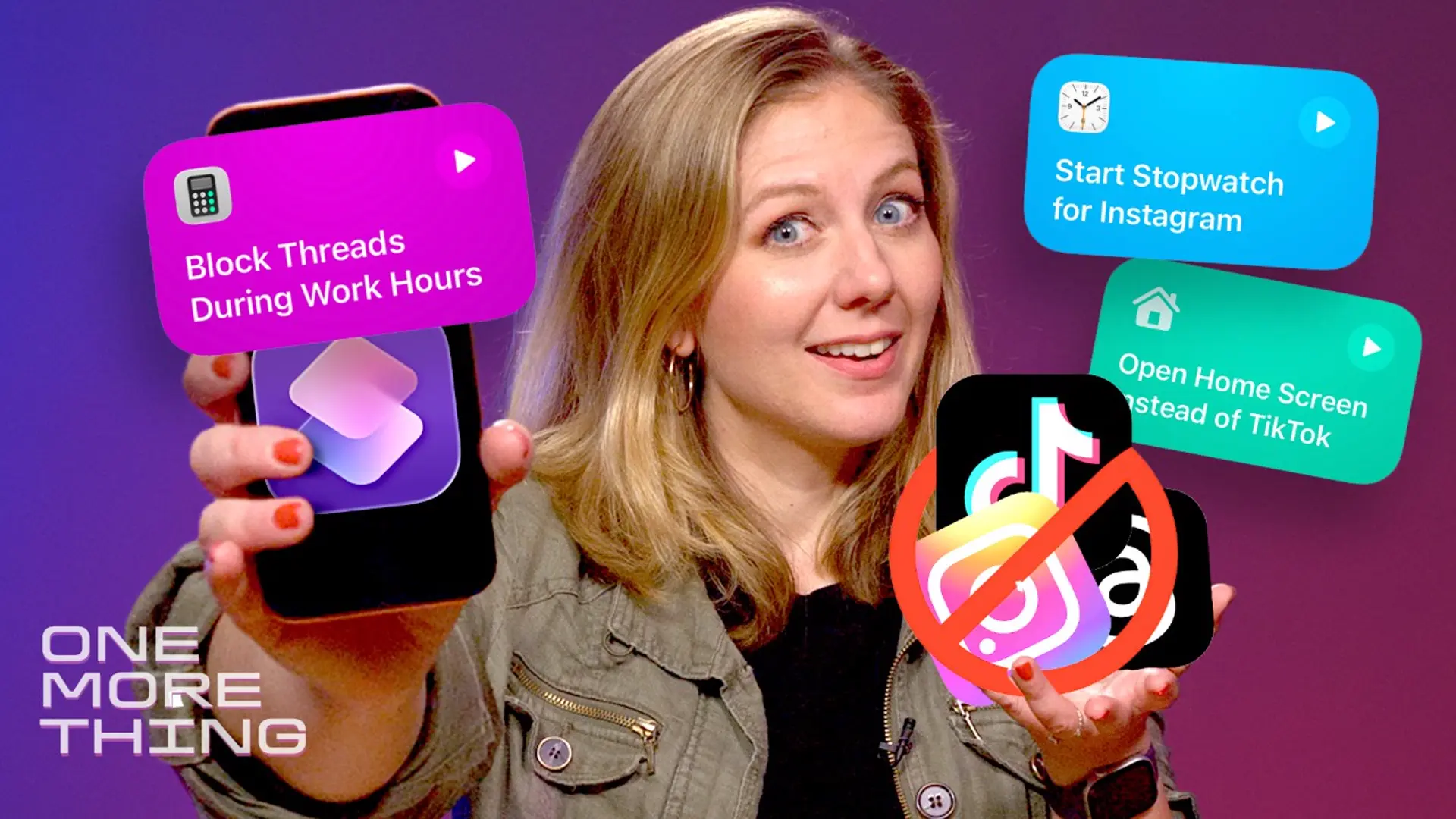
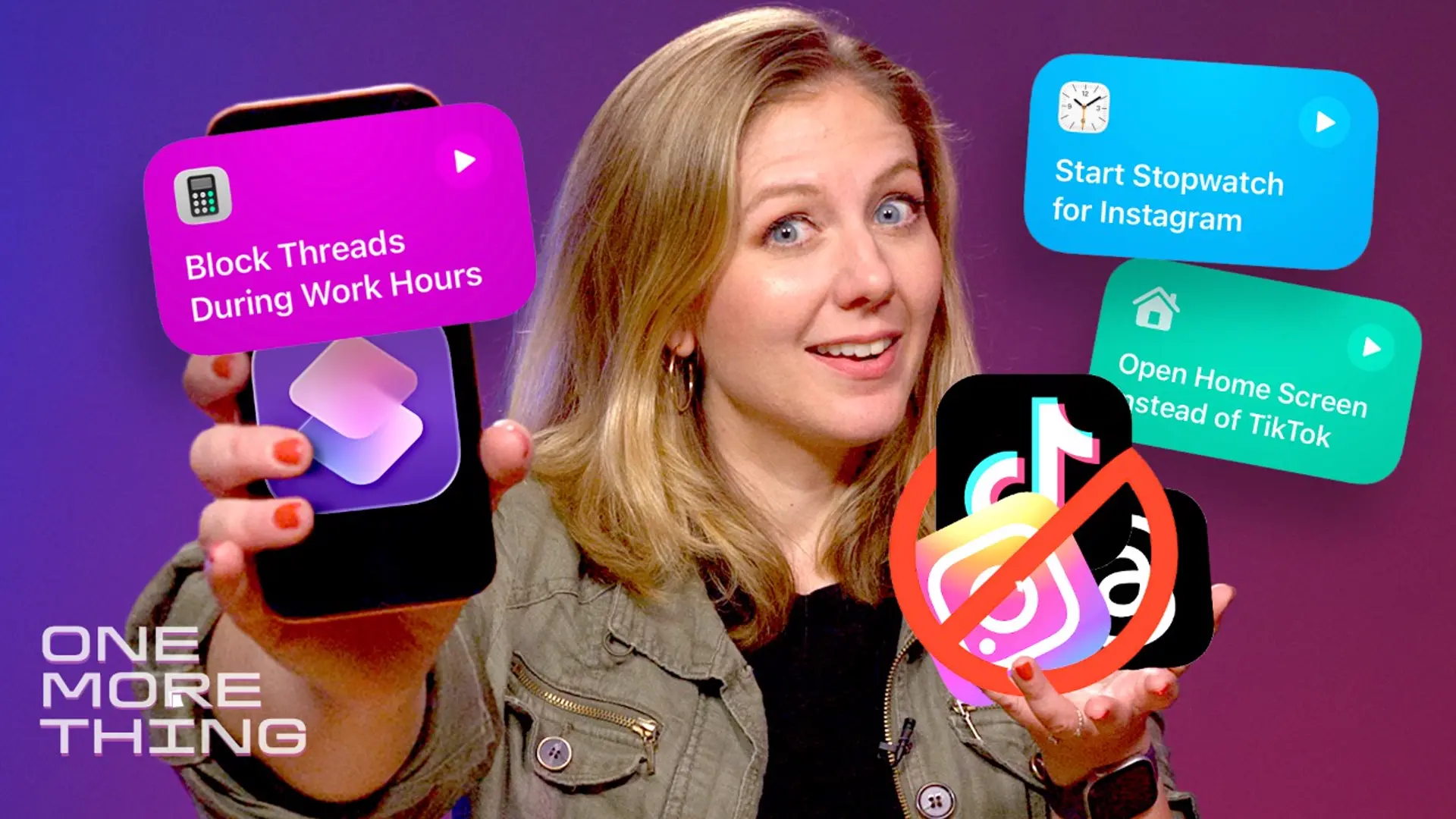
It got to the point where I couldn’t remember why I picked up my phone. I compulsively opened Threads and TikTok at all hours of the day and got sucked into the endless scroll — but I found a way to retrain my brain this week, thanks to a new iOS 27 feature.
I’m beta testing the upcoming operating system and its refreshed Shortcuts app, which lets you program your iPhone to do things using ordinary language. It’s called Describe a Shortcut. I speak my wishes into the app, and it obeys.
So in this week’s One More Thing video, which you can watch embedded above, I found out what happens when you tell Shortcuts to not let you open Instagram (or Threads, or TikTok) during work hours.
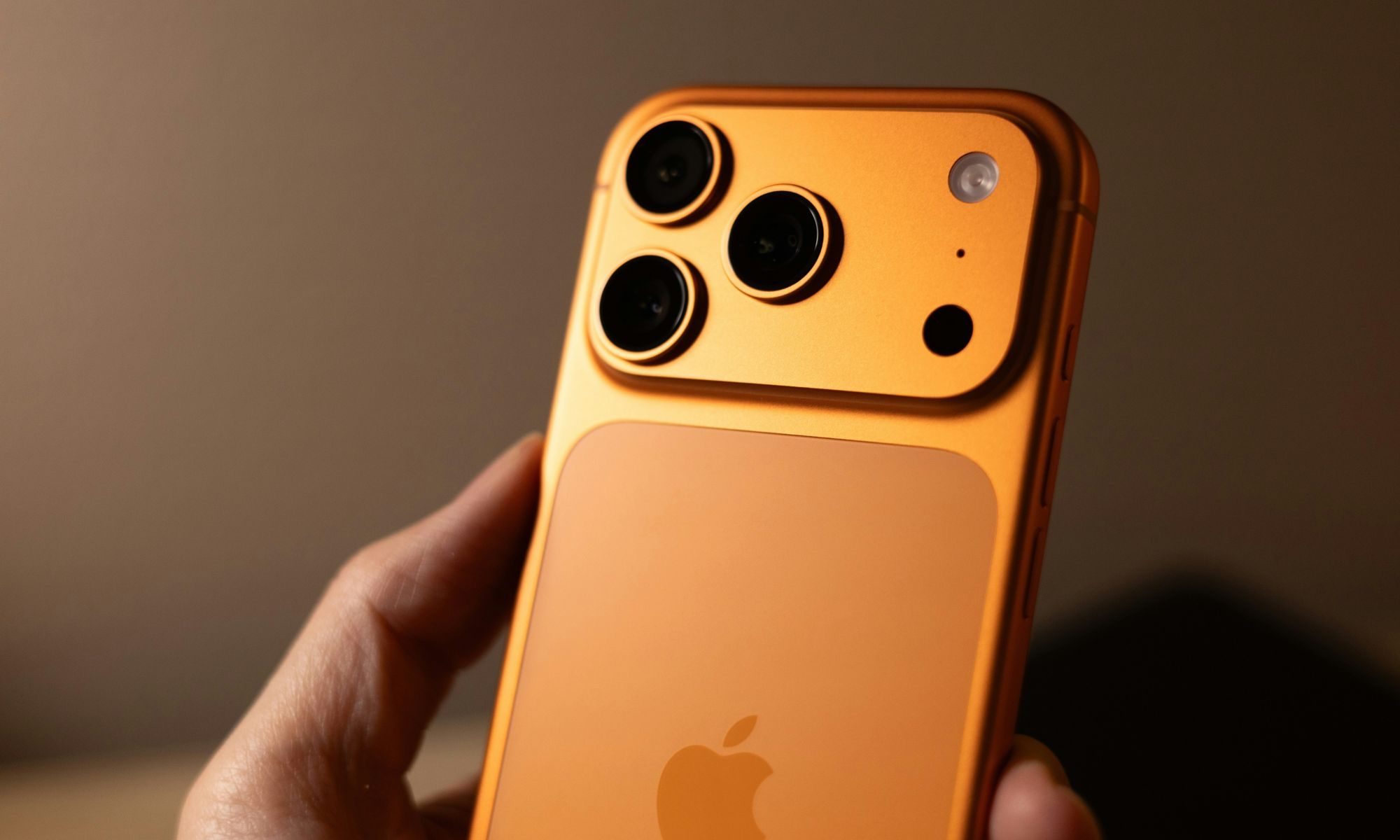
That means anyone who wants a new iPhone in September most likely has three options, all at the premium end of Apple’s lineup, including a foldable that could cost as much as a laptop. Although the company hasn’t sent out invitations for the event yet (they could go out on August 26), plenty of rumors from reputable sources paint a picture of what to expect from Apple’s 2026 September event.
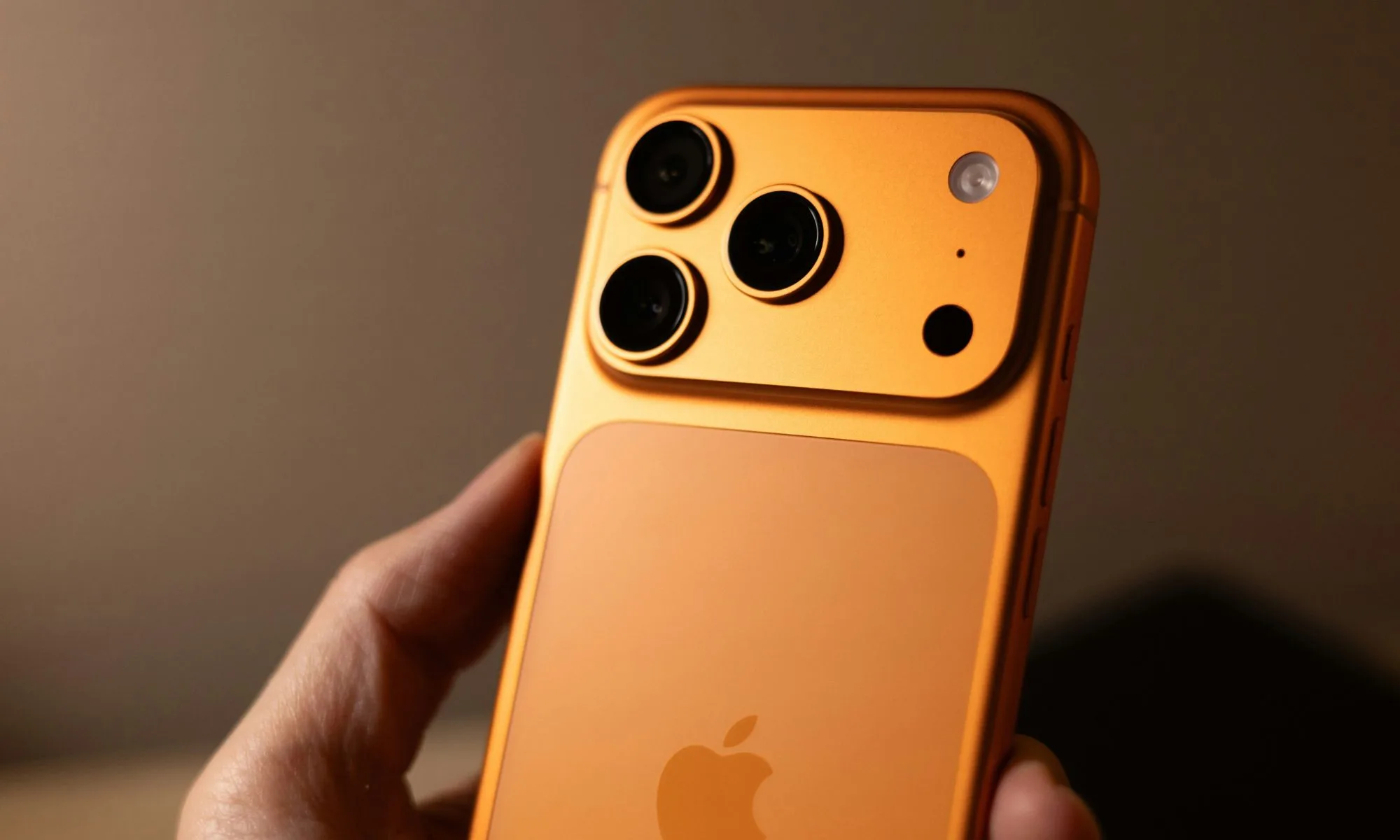
iPhone 17 Pro Max is Cosmic OrangeUnsplash
When is Apple’s September event happening?
Usually, Apple prefers the second Tuesday of September to reveal its new iPhones. That’s what happened with the iPhone 17 and the iPhone 15, with the iPhone 16 being the only exception. This year, rumors point to Wednesday, September 9, 2026, as the potential date for the big fall event, as Monday, September 7, is Labor Day.
Pre-orders for the announced iPhones could begin on September 11 or 12, likely the latter, as Apple might want to sidestep the 25th anniversary of 9/11 on September 11, with retail availability expected from September 18. That is everything we know about Apple’s launch timeline for the upcoming iPhones. Below are details on the three expected iPhones.
Apple’s September 2026 event at a glance
iPhone 18 Pro
iPhone 18 Pro Max
iPhone Ultra
Display
6.3-inch (unchanged)
6.9-inch (unchanged)
5.5-inch cover, 7.8-inch inner
Chip
A20 Pro (2nm)
A20 Pro (2nm)
A20 Pro (2nm)
Modem
C2 (Apple)
C2 (Apple)
C2 (Apple)
Main camera
Variable aperture
Variable aperture
Dual 48MP, no telephoto
Selfie camera
24MP
24MP
Dual 18MP (one per display)
Battery (rumored)
~4,300–4,900mAh
~5,100–5,300mAh
~4,883mAh (two-cell)
Biometrics
Face ID
Face ID
Touch ID
Starting price (rumored)
1,299–1,399
1,449–1,499
1,999–2,200
Availability
September 18
September 18
September 18 (limited supply expected)
iPhone 18 Pro: Silicon refresh with minor upgrades across the board
The iPhone 18 Pro could be a classic example of Apple’s tried-and-tested playbook of making the biggest leap under the hood while keeping everything else relatively familiar. To begin with the expected changes, we could see a slightly smaller Dynamic Island. Some reports point to under-display Face ID components, though I don’t think it will happen this year.
Advertisement
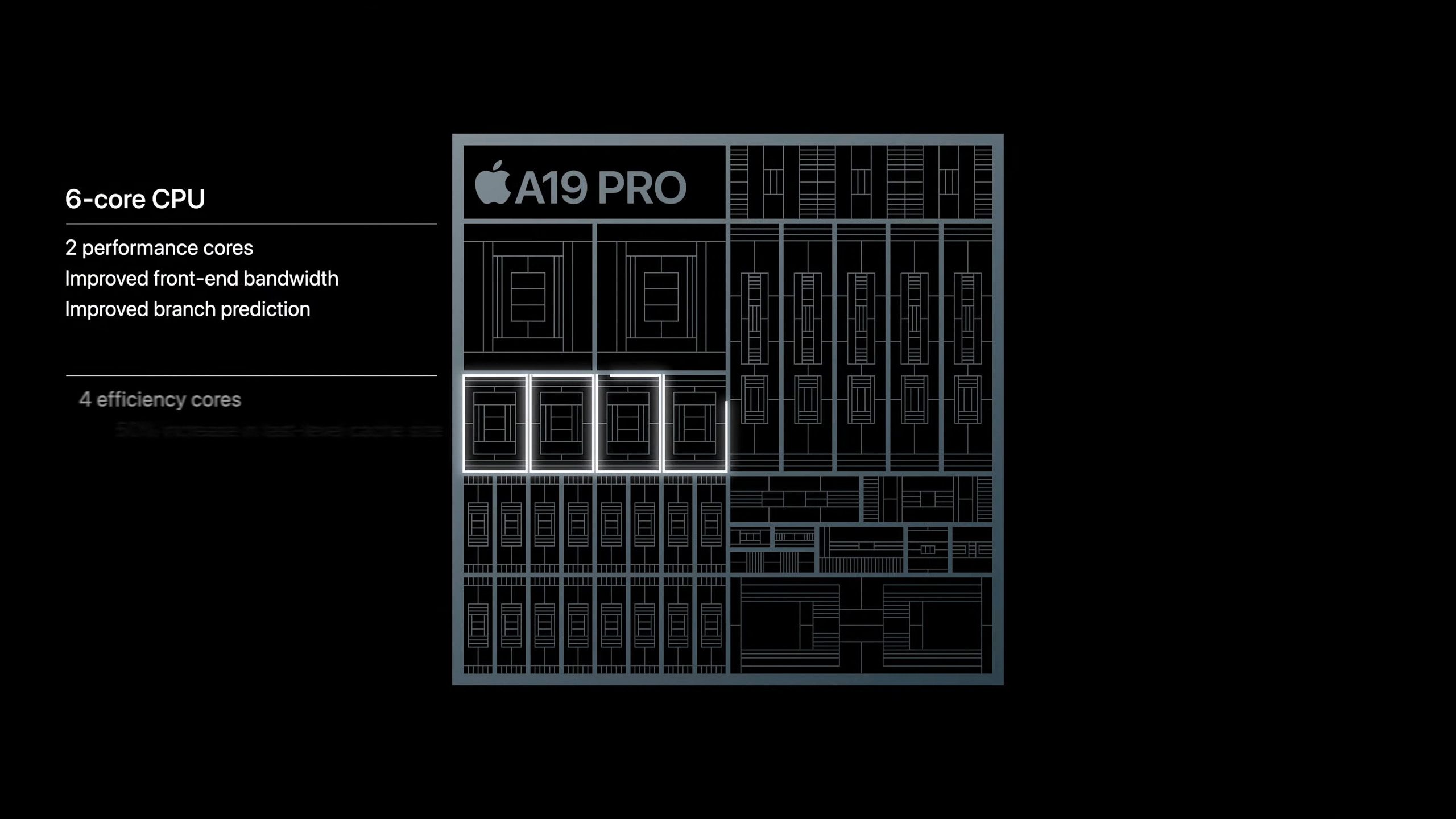
The 6.3-inch display size is expected to carry over unchanged from the iPhone 17 Pro. Under its shiny aluminum and glass exterior, the iPhone 18 Pro could sport the new A20 Pro chip, which could be Apple’s first chip to embrace the highly efficient 2nm fabrication technology (after Samsung and Google).
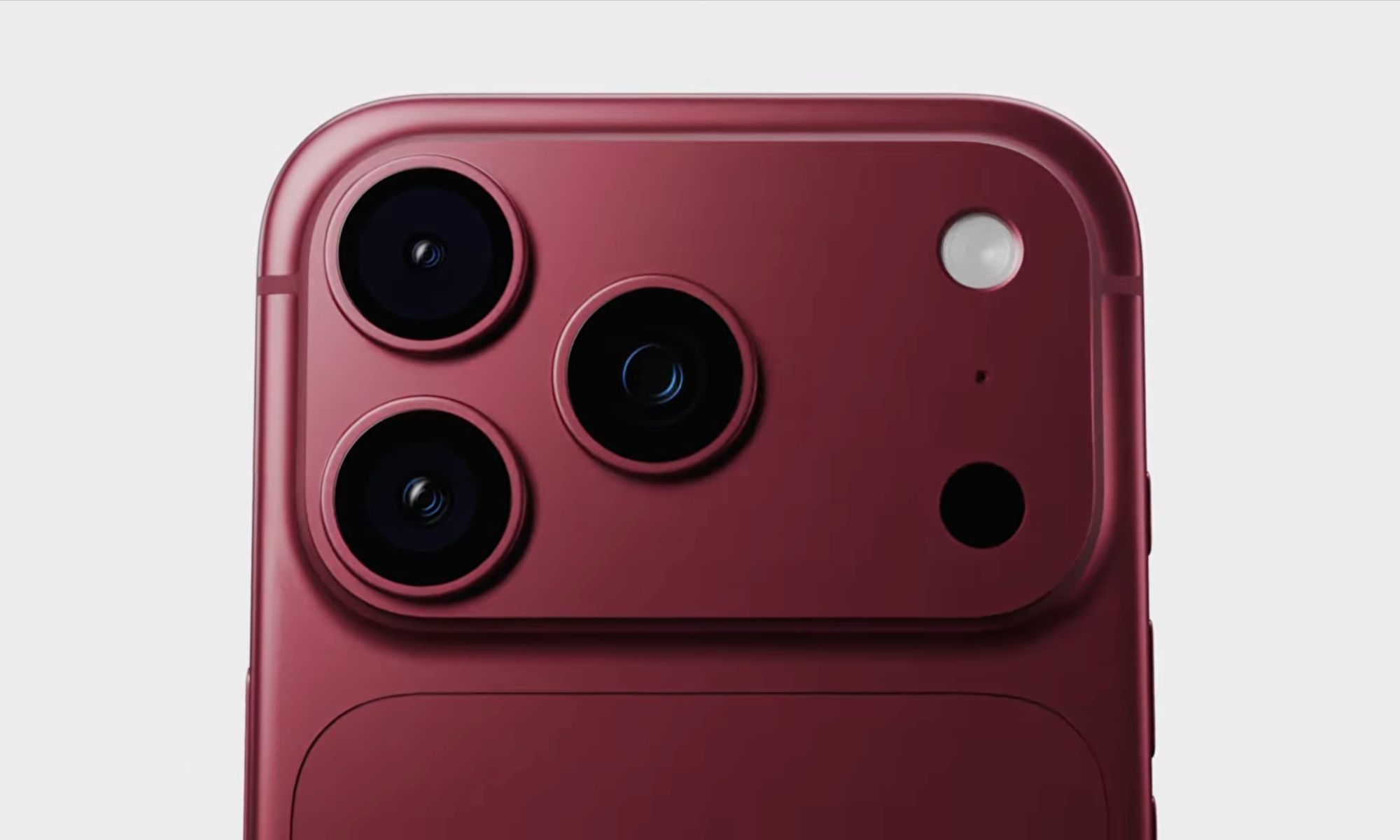
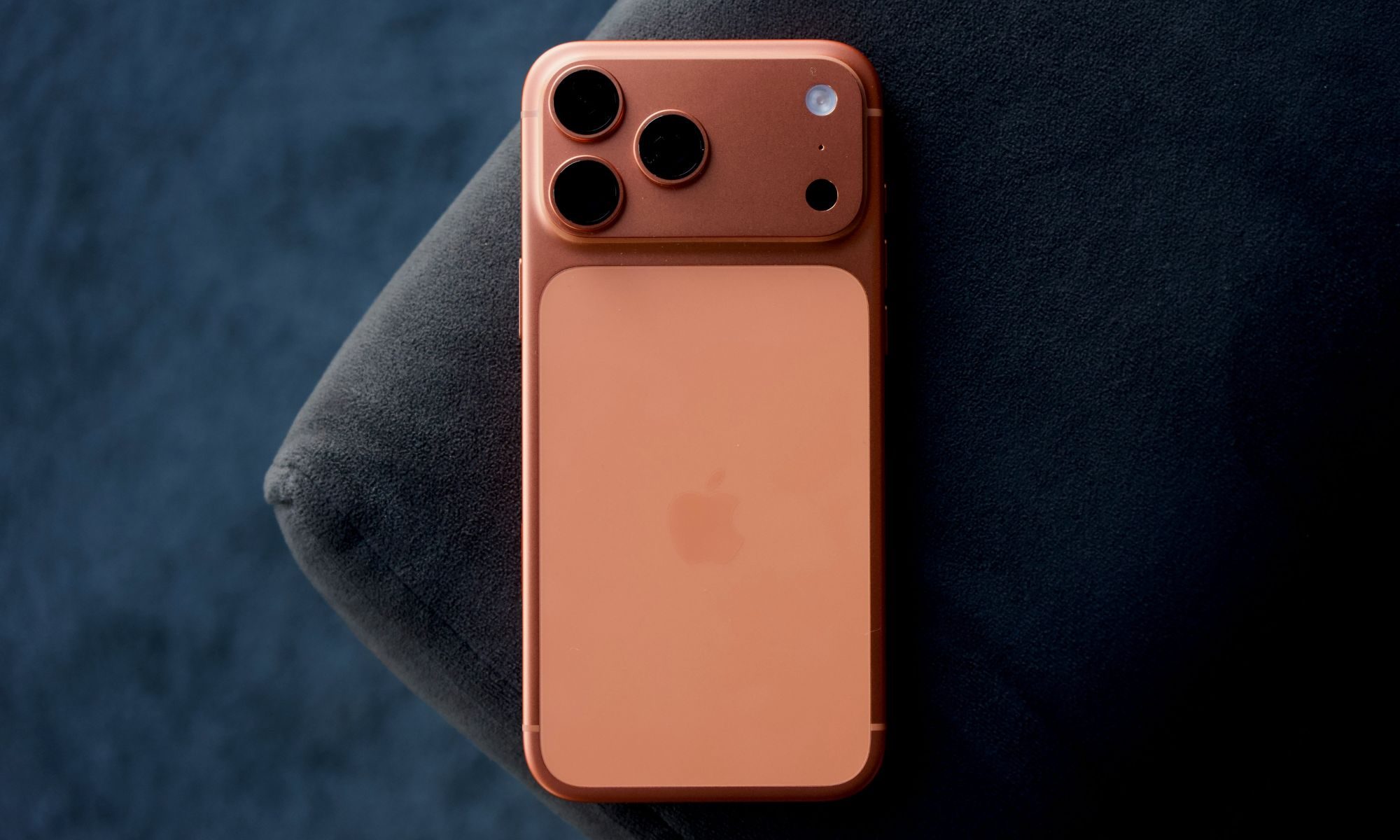
Alleged design of iPhone 18 Pro.Macworld
A 24MP selfie camera is also expected (up from 18MP), likely with the square-shaped camera sensor that enables the Center Stage camera experience on the iPhone 17. Battery capacity estimates vary across sources, but I expect them to be similar to the iPhone 17 Pro: around 4,288 mAh for the eSIM-only model and 4,065 mAh for the ones with a physical SIM.
Pricing is expected to rise by $200 to $300 over the iPhone 17 Pro’s $1,099 starting price, so we could be looking at $1,299 and $1,399 for the baseline iPhone 18 Pro.
Unsplash
iPhone 18 Pro Max could pack similar internals in a bigger chassis
The iPhone 18 Pro Max should carry the same core upgrades as its smaller sibling, scaled up to fit the larger 6.9-inch form factor. Expect the same shrunken Dynamic Island, the same A20 Pro chip on TSMC’s 2nm node running iOS 27, and the same C2 modem with expanded satellite internet as the iPhone 18 Pro.
When it comes to optics, a recent rumor claims the variable-aperture primary camera could be exclusive to the Pro Max variant. However, that would leave buyers with one less compelling reason to consider the iPhone 18 Pro, especially if they’re coming from the iPhone 17 Pro. It could also further narrow the gap between the iPhone 18 Pro and the regular iPhone 18.
Advertisement
Apple
The Pro Max could really pull ahead in battery capacity. The numbers differ across sources so that I won’t confuse you with them. However, we could be looking at a ~10% bigger battery on the upcoming handset compared to the iPhone 17 Pro Max’s eSIM-only (5,088 mAh) and physical SIM (4,823 mAh) batteries.
If that happens, the iPhone 18 Pro Max could offer a few more hours of use between charges, making it the longest-lasting iPhone Apple has ever shipped. However, pricing is where the handset starts looking less impressive. Like the Pro, the Pro Max is said to see a price hike of around $250 to $300, which could put the base iPhone 18 Pro Max between $1,449 and $1,499.
Nirave Gondhia / Digital Trends
Apple’s first foldable might be available in limited quantity at launch
Apple’s first foldable iPhone, widely expected to carry the “Ultra” moniker, could be the company’s most important launch in a few years, especially after the last big design breakthrough with the iPhone X in 2017.
Front Page Tech / YouTube
Under the hood, the iPhone Ultra will most likely run on the A20 Pro (2nm) chip with Apple’s C2 modem. Like the Pro models, the silicon could be paired with 12GB of RAM on the foldable, with 256GB of storage on the base variant. While the rest of the lineup will share Siri AI and the iOS 27 experience, the foldable iPhone could get a multi-app split-screen layout to leverage the extra screen real estate.
The handset could feature a dual-camera setup similar to the iPhone 17: a primary and ultrawide sensor with 48MP resolution. Whether the front-facing camera on the cover screen and the inner screen (rumored to be 18MP sensors) will feature Center Stage is still unclear.
For those wondering about the battery, Apple could go with a dual-cell design with a combined capacity of around 5,000 mAh or more. Some rumors also suggest the iPhone Ultra could have the biggest battery Apple has ever shipped. However, all of that could seem a little less impressive once you see the rumored price.
If you’re using an older iPhone, like an iPhone 12 or iPhone 13, and you’ve been waiting for the iPhone 18 series to upgrade, keep two things in mind before you decide. First, there might not be a baseline iPhone 18 at the September launch event. Second, the new iPhone 18 Pro models could command a $200 to $300 premium over the iPhone 17 Pro.
If you ask me, the iPhone 17 or iPhone 17 Pro is still an excellent upgrade for anyone using an iPhone 14 or older. Practically speaking, you can buy it right now instead of waiting for the September event. However, if budget isn’t a constraint for you and you’re comfortable paying a higher asking price, you could wait and see what Apple has in store.
Forrester reports that 55% of employers regret laying off workers for AI and expects half of AI-attributed layoffs to be quietly reversed, with jobs returning offshore or at significantly lower wages. In Europe, a revised directive will require consultation before such decisions, backed by financial penalties.
The companies that cut jobs for AI are having second thoughts. Forrester reports that 55% of employers regret laying workers off for AI, and expects half of all AI-attributed layoffs to be quietly reversed.
That reversal is not the happy ending it sounds like. Forrester says the jobs come back offshore or at significantly lower wages, which means the correction costs the worker rather than the employer.
The fear has not moved with the evidence. A Reuters Ipsos poll found 53% of Americans worry AI will put someone in their household out of work, and TNW has asked what AI is doing to European jobs on the same question.
Advertisement
Inside the workplace the number is identical. A 2026 Software Finder report found 53% of workers worry AI tools will make their role feel less necessary.
Gartner’s Jackie Swanson describes the gap precisely. “Every organization has an AI adoption roadmap. Almost none of them have an honest plan for what AI is doing to their people, their pace and their pipeline of future leaders,” she wrote.
The fixes companies are reaching for are all voluntary. Ironclad’s chief technology officer taught internal classes, the syrup maker Torani has gone 103 years without a layoff, and Superhuman lets teams choose their own tools.
“We don’t start with a top-down AI mandate,” said Kenny Mendes, Superhuman’s chief people officer. Teams close to a problem pick up a tool themselves, which he says stops the change reading as cost-cutting.
Advertisement
In Europe none of this is a management philosophy. Informing and consulting workers before a decision that reshapes their work is a legal duty, in a region still arguing over whether rules can protect jobs without slowing innovation.
That duty is about to get sharper. Directive 2025/2450 revises the European Works Councils rules, must be transposed by 1 January 2028, and requires consultation in good time and in a form that allows a thorough assessment before decisions are taken.
It also arrives with money attached. Member states must impose effective and dissuasive financial sanctions calculated with company turnover in the mix, in a period when Meta alone cut 8,000 jobs while redirecting billions toward AI infrastructure.
So the two continents are having different arguments. America is debating whether to tell workers what AI is doing to their jobs, while Europe is settling when, in what form, and what it costs to get it wrong.




















































You must be logged in to post a comment Login