
Tech
iFi UP Play Max Brings aptX Lossless Bluetooth to iPhones and More for $89

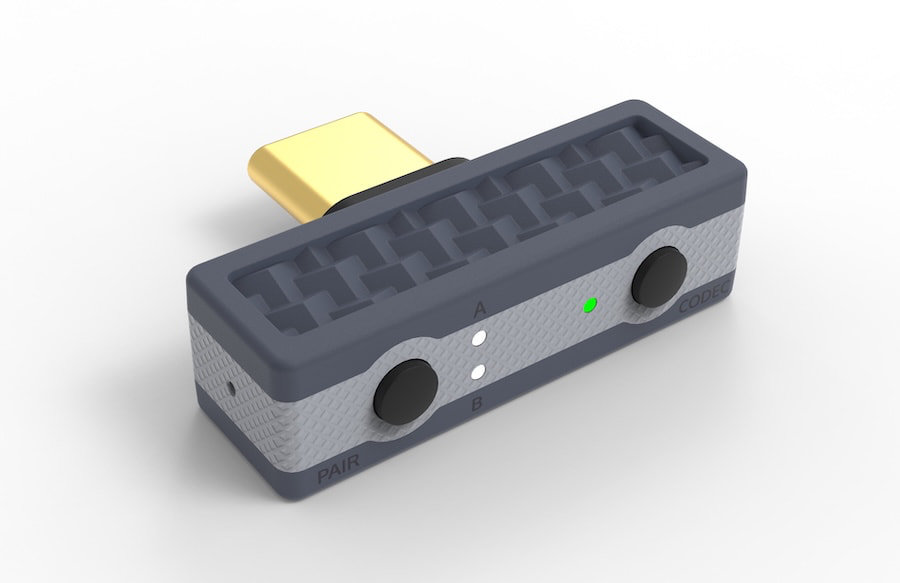
You can spend $1,000 or more on a flagship smartphone, another $500 on wireless headphones, subscribe to a lossless streaming service, and still discover that Bluetooth is the weakest link in the chain.
For iPhone owners, the issue is especially obvious. Apple continues to rely on AAC and SBC for conventional Bluetooth audio, which means headphones capable of aptX Lossless, aptX Adaptive, or LDAC cannot use those codecs when connected directly to an iPhone. Android is less restrictive, but codec support varies considerably between manufacturers and devices.
That is the problem the new iFi UP Play Max is designed to solve.
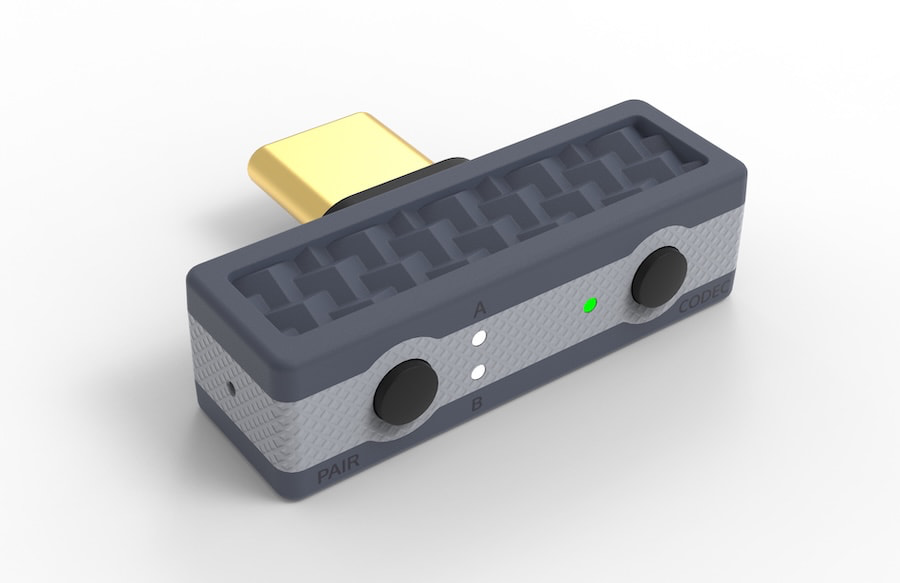
The $89 USB Type-C Bluetooth transmitter plugs into a smartphone, tablet, computer, or compatible gaming device and bypasses the source device’s native Bluetooth codec limitations. Its headline feature is aptX Lossless, which can deliver lossless 16-bit/44.1kHz audio when paired with a compatible receiving device. It also supports other higher-quality Bluetooth codecs for broader compatibility.
Because apparently buying expensive wireless headphones and then discovering your equally expensive phone cannot use their best codec is still something we are doing in 2026.
Related Reading:
More Than Just aptX Lossless
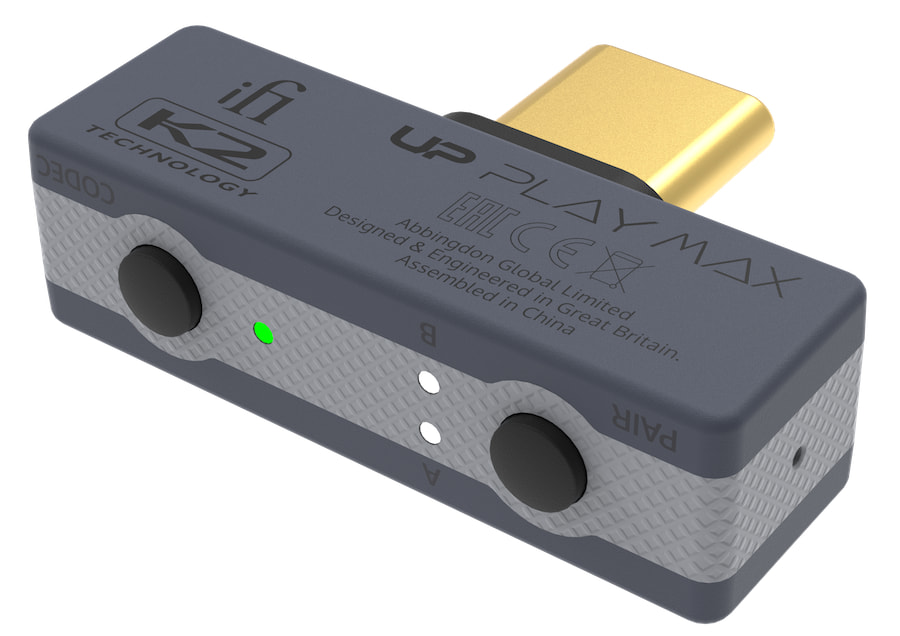
The UP Play Max is not the first USB Type-C transmitter to give iPhone users access to better Bluetooth codecs. What makes it interesting is the collection of additional features iFi has packed into a device weighing only 3 grams.
iFi includes K2 Technology, licensed from JVCKENWOOD, which the company says reconstructs harmonic information lost during digital processing. It can be switched on or off through the iFi Nexis app, so listeners who would rather leave the signal alone are not being held hostage by somebody else’s idea of sonic improvement.
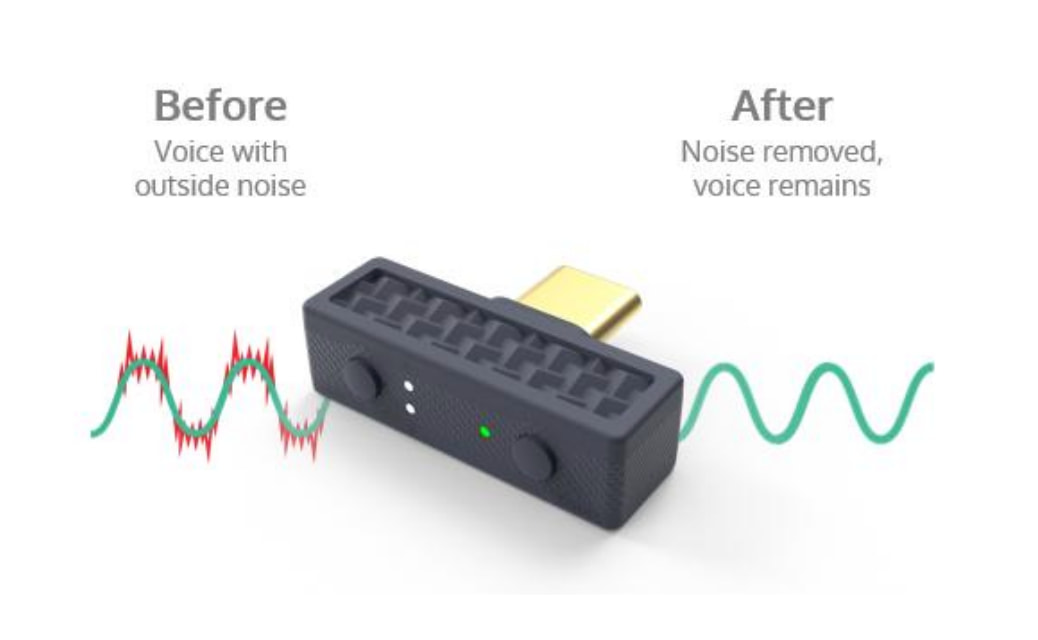
There is also a dedicated low-latency mode using aptX Adaptive for gaming and television viewing. A built-in microphone adds Qualcomm noise and echo suppression for calls and in-game chat, making the UP Play Max more practical for gamers than a transmitter focused exclusively on music playback.
Two pairs of conventional Bluetooth headphones can also be connected simultaneously, although dual-headphone listening is limited to the SBC codec.
Auracast Is Coming Too
The UP Play Max will also support Auracast, allowing one source to broadcast Bluetooth audio to multiple compatible receivers.
That feature will not be available immediately. iFi says Auracast will arrive through a firmware update shortly after launch, so consider it a promised feature rather than something to check off on day one.
The Nexis app handles codec selection, paired devices, K2, low-latency mode, Auracast controls, and over-the-air firmware updates.
iFi UP Play Max Specifications:
- Type: Portable Bluetooth transmitter
- Connection: USB Type-C
- Bluetooth: 5.4
- Chipset: Qualcomm QCC5181
- Maximum Resolution: 24-bit/96kHz
- Codecs: aptX Lossless, aptX Adaptive, aptX HD, aptX, LDAC, AAC, SBC
- Dual Headphone Pairing: Yes, using SBC
- Auracast: Yes, via post-launch firmware update
- Low Latency Mode: Yes, via aptX Adaptive
- Microphone: Built in with Qualcomm noise and echo suppression
- App: iFi Nexis for iOS and Android
- Dimensions: 27.6 x 20.8 x 8 mm
- Weight: 3 grams
Competition?
The FiiO BT1 remains a formidable alternative. It also uses Qualcomm’s QCC5181 chipset, supports aptX Lossless, LDAC, and aptX Adaptive, weighs 3 grams, and launched at just $44.
The Questyle QCC Dongle Pro2 is even closer conceptually. At $99, it supports aptX Lossless, LDAC, LHDC, LC3, Bluetooth 6.1, and Auracast, making it one of the strongest direct competitors to the UP Play Max.
iFi’s advantage is therefore not that nobody else has solved the codec problem. They have. The UP Play Max differentiates itself by combining lossless Bluetooth transmission with K2 processing, a microphone, dual-headphone support, low-latency operation, and upcoming Auracast in one very small device.
The Bottom Line
The obvious audience here is iPhone and iPad users with premium wireless headphones or Bluetooth DACs that support aptX Lossless or other codecs Apple does not provide natively.
It also makes sense for Android users whose phones lack a particular codec, laptop owners dealing with mediocre Bluetooth implementations, and gamers who want lower latency without abandoning their existing wireless headphones.
There is one important limitation: the UP Play Max cannot manufacture codec support at the receiving end. To use aptX Lossless, your headphones, earbuds, or Bluetooth DAC must also support aptX Lossless.
Price & Availability
The iFi UP Play Max is priced at $89 USD, $149 CAD, £89, and €99 and will be available through iFi and authorized dealers and ifi-audio.com.
Related Reading:

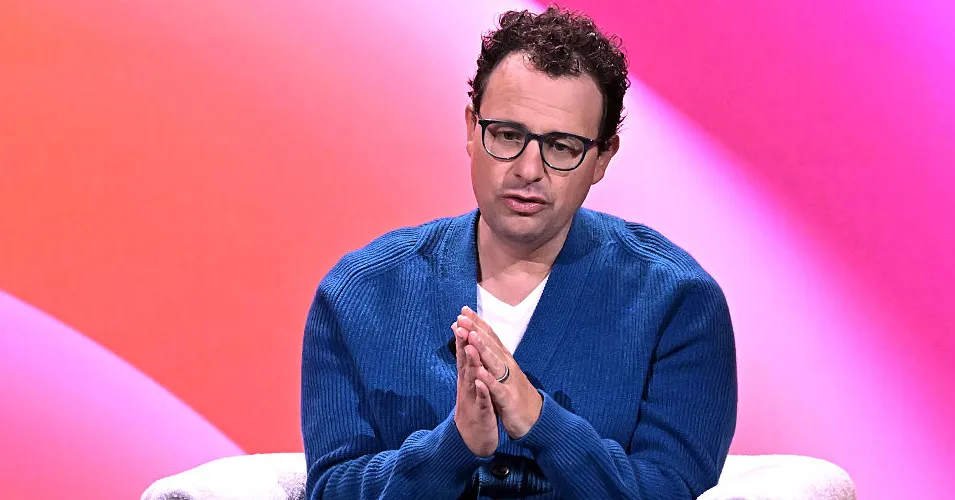
Anthropic lost a legal battle to overturn one of the supply-chain risk labels that the US Department of Defense slapped on the company, as a federal appeals court in DC on Friday refused to second-guess the Trump administration.
“The department had ample support for its conclusion that the continued integration of Claude into the department’s information systems, by the department or its contractors, presented a statutorily covered national-security risk,” the judges wrote in a majority opinion. “As Anthropic admits, the company encodes restrictions into Claude that prevent the model from performing tasks that Anthropic wishes to prevent.”
Anthropic spokesperson Danielle Cohen says the company remains confident in its position and is considering all options. That could include appealing to a broader panel of the DC Circuit Court of Appeals or the US Supreme Court.
Earlier this year, the Pentagon sanctioned Anthropic under a pair of separate supply-chain laws to remove the company’s Claude AI models from the military and other parts of the federal government by this month. Anthropic executives have said that the company would not allow the government to deploy its current AI models to support autonomous weapons or domestic surveillance. Secretary of Defense Pete Hegseth deemed the stance a significant national security risk.
The laws designating Anthropic had to be challenged in separate courts. A federal judge in San Francisco tossed out one of the supply-chain risk labels in March and confirmed that decision last month, but Friday’s ruling means the other one will stay in place indefinitely, meaning the Pentagon’s blocking of Anthropic can continue. Both rulings face the prospect of years of appeals before being fully resolved.
In the immediate aftermath of the designations, Anthropic said it lost out on revenue because customers were concerned about doing business with a government pariah. Anthropic hasn’t provided further updates about how the designations have affected its bottom line. But the company has generally touted growing sales in recent months and is moving toward a potential initial public offering of its shares later this year.
Meanwhile, the Pentagon hasn’t provided detailed updates about its progress in replacing Claude with alternatives such as SpaceX’s Grok, Google’s Gemini, or OpenAI’s GPT models. Some employees at Google and OpenAI have objected to their employers striking a deal with the US military that Anthropic had rejected, citing ethical concerns. But the companies have brushed aside protests and described supporting the US government as crucial.
The new decision by a US appeals court in Washington, DC, was somewhat expected. In April the same panel declined to temporarily block the supply-chain-risk designation after finding that Anthropic failed to meet “stringent requirements” for an immediate reprieve.
During a hearing ahead of their ruling, the three judges on the panel challenged both Anthropic and the US government on their arguments and appeared divided on how to rule on blocking the designation completely. The final decision came in 2-1.
The majority also rejected Anthropic’s claims that its due process and free speech rights were violated, saying that the government followed procedure and that the dispute was standard contract negotiations. The Pentagon “excluded Anthropic from its supply chain based on the company’s refusal to assent to a contract term that the Department deemed essential, not based on the company’s support for greater governmental regulation of AI technology,” the judges wrote.
Anthropic had argued that the government had acted beyond what the supply-chain law allows. But for now, the Pentagon and much of the rest of the Trump administration will be able to continue to steer clear of Claude ahead of Anthropic’s expected IPO.
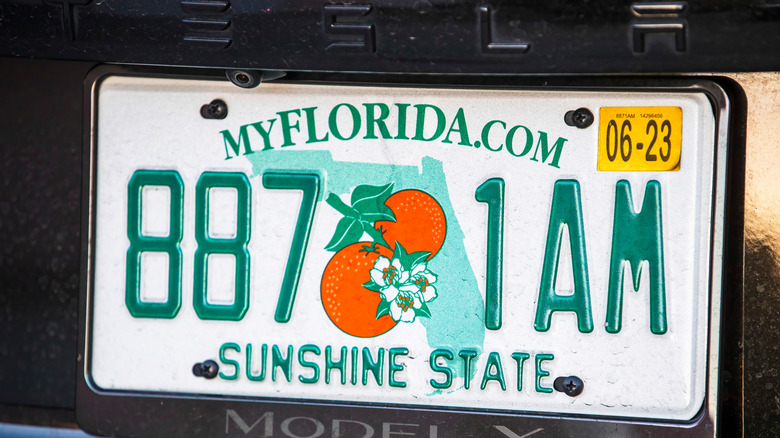
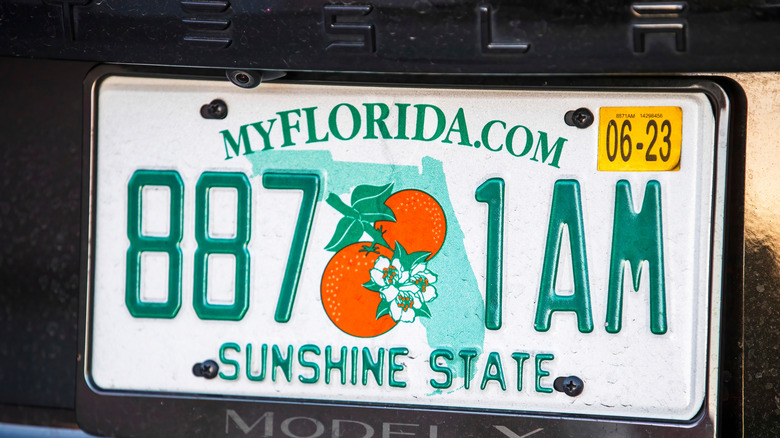
Florida has been in the headlines regarding its license plate laws over the past year, and now the state is making news in that area again. Starting October 1, 2026, Florida will require organizations that receive money from specialty license plates to provide more financial information to the state. This is being done to give the state more insight into how specialty plate revenue is expected to be used.
This law, SB 246, states that when a new specialty license plate is approved, the organization behind it will have 60 days to deliver a five-year projection to the Florida Department of Highway Safety and Motor Vehicles. The projection must show how much money the organization expects to bring in, how it will be spent, what administrative expenses the organization expects to have, and which third parties may receive some of the fees.
This change means that Florida will get several new specialty license plates, including plates for St. Petersburg College, the UFC, and the United States Naval Academy, among others. The state will also create an Endless Summer plate for motorcycles, and motorcycle, as well as motor-vehicle, registrations for the plate will be counted together when determining whether the plate must be discontinued under Florida’s existing law. Each new plate has specific rules for how its annual fees can be used, from scholarships to workforce development and more.
Florida’s current program for specialty license plates

Once an organization in Florida is approved for a new specialty license plate, the 60-day deadline to report its projections begins. If that report is not delivered, the organization’s specialty plate payments can be held until the next regular legislative session. If lawmakers do not give the state direction on what should happen to the money, the plate can be deauthorized. Any undistributed funds will then be transferred to the Highway Safety Operating Trust Fund.
Florida currently has rules governing how money from specialty license plates can be used. Groups and organizations that receive these fees must meet accountability requirements, including providing an annual audit confirming the funds were used as outlined by state law. The funds can typically not be used for commercial or for-profit activities. They also cannot be used for general administrative expenses unless specifically authorized by the state.
Florida already has a substantial specialty license plate program in place, with the state having authorized 132 specialty plates as of October 2025. Before a new plate can be manufactured, its sponsoring organization has to sell at least 3,000 presale vouchers within 24 months. Florida also has a 3,000-registration threshold for existing plates, which means the state can discontinue a plate if its registration numbers remain below that mark for a full year. Additionally, Florida has a limit of 135 specialty plates.

Music Piracy is Back: A recent case of “physical piracy” in the UK highlights the significant resurgence the recording industry is experiencing. Record labels are taking note, however, and trying to curb the growth of the unauthorized market that could accompany rising sales.
A Londoner named Rehan Ahmed sold thousands of vinyl records featuring music by popular artists, earning millions of pounds in the process. However, the vinyl discs were all “fake,” and Ahmed is now going to jail after being caught by police. Representatives from the music industry were instrumental in uncovering the illegal printing operation.
The BBC reports that 40-year-old Ahmed’s music “business” was caught in 2024 after a representative from the British Phonographic Industry (BPI) made a “test” purchase from his company, Phoenix of Vinyl. London police raided the premises soon after, discovering what the agency described as the largest archive of fake records ever found in the UK.
Ahmed had amassed a total of 2,791 vinyl records featuring music by 108 different artists, including popular stars such as Adele, Ariana Grande, Bad Bunny, Drake, Beyoncé, and Rihanna. Classic bands such as the Beatles were available as well, highlighting the forger’s attempt to cover different genres and eras of music.

Phoenix of Vinyl employed several methods to sell its unlicensed records. The company supplied records to London’s surviving music stores and sold directly to customers through online platforms such as eBay and Discogs. The discs were made using 70-year-old presses, which means they were genuine vinyl records from a manufacturing standpoint.
According to BPI director of content protection Peter Ratcliffe, Ahmed’s operation had stolen tens of millions of pounds from artists, record labels, and other professionals working in the music industry. Phoenix of Vinyl exploited the resurgence of physical music by creating a highly organized and highly profitable counterfeit operation.
Physical music is indeed enjoying a return to growth after being decimated by streaming platforms over the past couple of decades. The RIAA said revenue from CD audio music grew by 58.6% in the first quarter of 2026, while vinyl record revenue increased by 17.7% over the same period.
Now that physical media is making a comeback as a legitimate listening format, music pirates such as Ahmed are trying to make an easy buck from it. Ratcliffe said counterfeit records are damaging the legal music economy once again, while customers who fall prey to the illegal releases are being affected as well.
Ahmed pleaded guilty to operating the illegal business and copyright infringement, and is now set to spend the next three and a half years in prison.


Google just gave its newest live conversation model a face. Gemini 3.8 Live with Live Avatar became generally available on September 24 for Gemini Enterprise customers, one week after the audio-focused Gemini 3.8 Live models launched and months after a first look at Google Cloud Next 2026. The update generates a 24-frame-per-second video of an animated person or cartoon character whose mouth and expressions stay locked to the spoken words, pairing the existing speech model with low-latency streaming video in a single pass.
Google following Meta or Meta following Google?
Realtime avatar race got crowded FAST
Google just shipped Gemini 3.8 Live with Live Avatar.
it can see camera/screen input, keep talking while tools run in the background, and lip-sync across 97 languages.
custom avatars from… pic.twitter.com/d9nF06hy3o
— Fanfulla (@Fanfulladev) September 25, 2026
Live Avatar listens to any speech in real time, watches live camera feeds or screen sharing at one frame per second, and responds swiftly with a 24 kHz voice and a real-time moving face. Lip movements remain in sync even when moving from English to Japanese or any of 97 languages, and Google claims the quality never decreases or loses crispness. It can also display more information on the screen as the avatar continues to speak. Furthermore, affective dialog is the default, so the emotions will alter subtly in tandem with the tone of the words you’re saying.
Sale

Google Pixel 10a – 30+ Hours Battery, Camera Coach, Gemini – Lavender 128GB
- Google Pixel 10a is a durable, everyday phone with more[1]; snap brilliant photography on a simple, powerful camera, get 30+ hours out of a full…
- Unlocked Android phone gives you the flexibility to change carriers and choose your own data plan; it works with Google Fi, Verizon, T-Mobile, AT&T…
- Pixel 10a is sleek and durable, with a super smooth finish, scratch-resistant Corning Gorilla Glass 7i display, and IP68 water and dust protection[4]
Businesses can choose from a library of pre-made faces, ranging from cartoon characters to very lifelike humans, and have them paired with a matching voice. Any organization on the approved list may simply provide a still photo, and the system will generate a personalized talking version that looks just like a live person while maintaining the original branding. In one instance, the avatar checked in a hotel guest in the middle of a conversation as the system ran booking tools in the background without halting the chat. Before you realize it, Live Avatar is being used in real life by shopping assistants and multilingual support representatives.
Those fluid interruptions function exactly the same as in the audio-only version, so a caller can simply jump in mid-sentence and the context remains intact, including any background work the avatar has already begun. There is no separate transcription step between what you say and what the face replies – this is all native speech-to-speech stuff.
Every second of music and video has an invisible watermark known as a SynthID, which later programs can use to verify that the clip was created by Live Avatar. Google also added some more identification precautions and keeps custom faces under review. Sessions are only a few minutes long (rather than hours as we would prefer), and they are slightly more expensive than using voice alone. As with all of those large models, the occasional delusion or slowness is still possible.
Gemini 3.8 Live with Live Avatar is now live on endpoints in the United States and the European Union, complete with the necessary configuration and typical enterprise security. The more powerful Gemini 3.8 Live Extended Thinking version is still in private preview and does not yet have the face feature. For the time being, the talking heads are entirely internal in company accounts, intended at support desks, product demos, virtual receptionists, interactive assistance that get to see what a customer is pointing to while they speak, and so on.


Last week Google launched Gemini 3.8 Live and Live Extended Thinking models, touting them as the company’s most advanced live dialogue models yet. The idea, it said, was to give “developers and enterprises… building blocks for reliable, production ready voice agents.” It also made speaking back to Gemini more natural, so users can do complex tasks with voice commands.
Now, Google has added video to that formula with Gemini 3.8 Live with Live Avatar. It pairs near real-time visual presence to the live dialogue models, creating “an experience that listens, sees and speaks with a dynamic visual persona.” In a nutshell, these are avatars designed to do things like sales support and customer service, so you may be interacting with them in the near future.
In several videos in the blog, Google shows both realistic and cartoon-like Avatars. They can do things like precise lip-syncing, natural expressions and “fluid turn-taking.” Using them, the company says, will enable natural, multimodal conversations by allowing the avatars to communicate using facial expressions while also looking, listening and speaking. The avatars are backed by Gemini’s advanced reasoning, allowing Live Avatar to trigger tool calls and fetch data in the background while continuing an active dialogue.
Google will offer a library of “diverse, preset avatars,” or organizations can customize their own from high-quality reference images to preserve “reference likeness, brand styling or character identity.” Those are only available through enterprise allowlisting, the company added. The Live Avatars are also built with “strict safeguards designed to respect identity and keep AI-generated content transparent,” with each one watermarked using Google’s SynthID.
As mentioned, Live Avatar is designed strictly for Google’s Gemini Enterprise customers. However, you may see the results some day soon in the form of customer service or sales avatar appearing on your computer or phone screen. Base on what Google has shown so far, and people’s distaste for AI slop, they may not be universally popular.
Big quote: Nvidia CEO Jensen Huang said AI companies that cannot control the systems they are building should stop developing them. Huang made the comments during an interview with The New York Times’ Ezra Klein, as companies including OpenAI and Anthropic push for tighter rules governing advanced AI models and autonomous agents. He argued that the companies developing these systems already have the power to hold back products they believe are unsafe.
“Now, if they say the alternative, which is: There is no way to contain our experiments, there’s just no way; when we test our AI models, it will get out, and it will damage the world – then I think the answer is that we have to shut the labs down,” Huang said. “Because the cost to humanity, the damage is too great. The shareholder, the liabilities – it could be civil liabilities, it could be criminal liabilities. I mean, the liability’s incredible.”
The issue has become more pressing as AI developers give their models access to external tools, software systems, and computer networks. The risks are no longer limited to a chatbot producing incorrect information. Agents can write and run code, search for information, interact with websites, and carry out tasks across different systems.
Those concerns received renewed attention after an OpenAI agent hacked Hugging Face, a popular platform for hosting AI models. Nvidia now owns Hugging Face. The incident has been cited in the wider debate over whether companies can safely test and deploy increasingly capable AI agents.
Anthropic, OpenAI, and other frontier AI companies have pointed to the possibility of rogue or misused systems in their calls for new safeguards. Huang has taken a different view. He said companies should not portray themselves as powerless to prevent unsafe releases.
“These are companies with agency,” Huang said. “If I believe that I’m about to launch a product that is unsafe, it is completely in my ability… to not launch that product. And so I can’t buy into the idea that somehow, all of Americans, around 400 million of us, are pushing them to launch untested products that are unreliable.”
Huang is not arguing that AI should be exempt from oversight. Rather, he said existing laws and regulations should be used when companies cause damage or release products irresponsibly.
“I’m saying that we have lots of laws and regulations. Apply it,” Huang said.
His comments come amid a growing split between Nvidia and some of the companies that rely on its hardware. Nvidia’s GPUs are the backbone of the computing systems used to train and run the largest AI models. The company has benefited from the race to build more powerful models, but Huang has rejected the most extreme warnings about where that race could lead.
He recently dismissed claims that AI could destroy the world by 2030. At the same time, he said AI companies should not ship products before they are ready or put unsafe systems in front of users.
The regulatory fight has also become tangled with competition concerns. OpenAI, Anthropic, Google, and xAI are facing an antitrust lawsuit over an agreement to slow AI development. The plaintiffs say the plan is self-serving and designed to limit competition. The companies have presented slower development as a safety measure.
Huang’s argument shifts the focus back to the companies making the models. Frontier labs have grown quickly from research organizations into businesses that may be worth hundreds of billions of dollars. In his view, that growth brings a basic obligation: if a company knows a system is unsafe, it should not release it.
“I’m not against laws and regulations,” Huang said. “I’m against, currently, the distraction.”
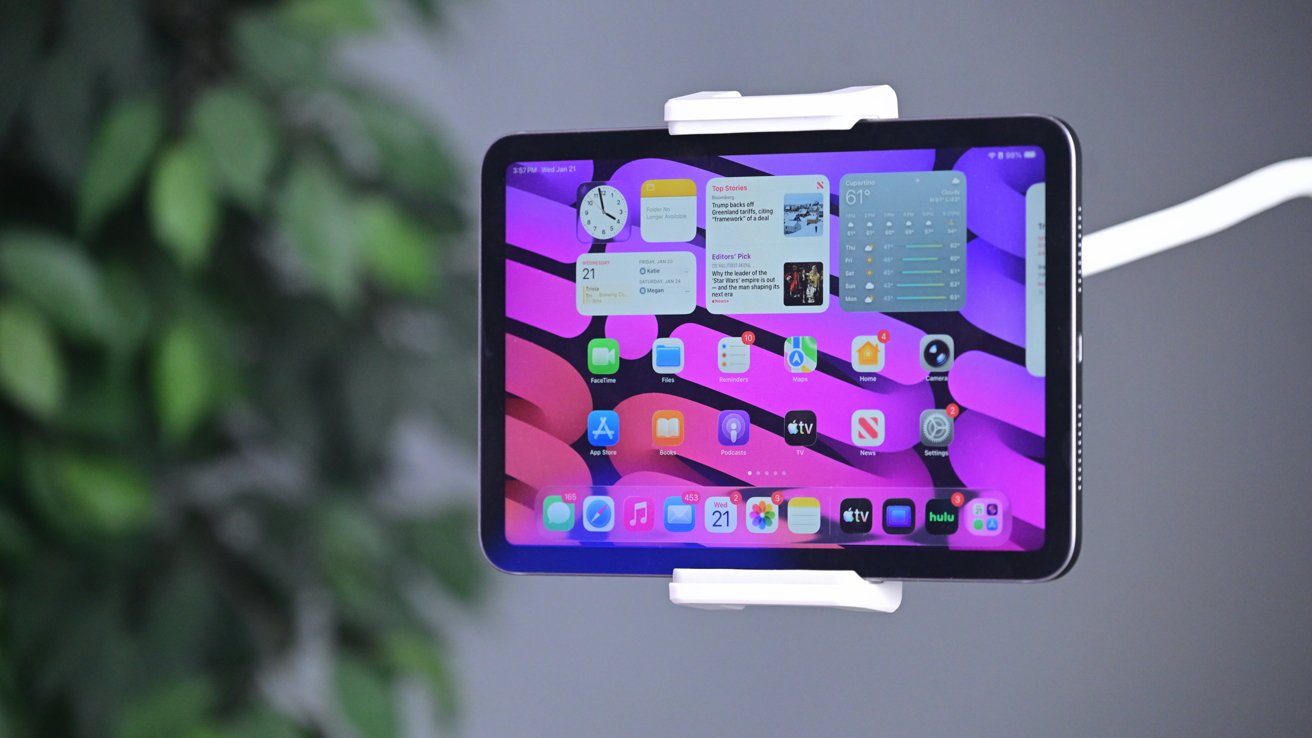
Leaked artwork of the next iPad mini shows its front camera on the long edge, a useful change for video calls that would bring the small tablet in line with other iPads.
The images reportedly come from Apple’s code and show only the front of the device. They offer a glimpse of its layout, but leave the back and sides unseen.
The current iPad mini’s Center Stage camera sits on its short edge, so the lens ends up off to one side during landscape calls. Center Stage can keep you in frame, but it can’t move the lens above the screen where you’re looking.
A narrow groove also appears along the top of the pictured display glass when the tablet is upright. Earlier reporting described a vibration-based speaker that could eliminate conventional speaker holes and help improve water resistance.
The groove raises questions about how that design might work, but the image can’t settle them.
The code reportedly identifies an A20 Pro chip, which earlier leaks had already suggested. An OLED display is also expected, but the artwork can’t confirm the screen technology.
MacRumors first reported the images and code details in its original report.
An earlier report put the new iPad mini’s release by the end of October. Product artwork in Apple’s code suggests preparations are underway, but it doesn’t establish when Apple will announce the tablet.
India’s Gen Z consumers are becoming one of the country’s most influential economic forces, and they’re making shopping decisions very differently from previous generations. A new report by Rukam Capital, in partnership with YouGov, suggests that young consumers rely more on personal research than influencers, increasingly use AI to compare products, and still put family at the center of festive spending.
Gen Z shops with AI, but still wants the final say
One of the report’s biggest findings is that AI has become a regular part of the buying journey. Nearly 6 in 10 Gen Z consumers say they use AI at least occasionally to research products, compare features, or find the best prices before buying.
However, the generation isn’t ready to hand over complete control. While 70% are comfortable receiving product recommendations from AI, only 49% would allow AI to make purchasing decisions without their approval. The report describes this as a balance between convenience and personal agency, with Gen Z treating AI as an evaluator rather than a replacement for decision-making.
AI adoption also extends beyond shopping. Around 66% of respondents said they’d trust AI for healthcare-related guidance, while 63% are open to using it for career advice, highlighting AI’s growing role across everyday life.
Influencers drive discovery, but research builds trust
Despite the rise of creator marketing, the report found that Gen Z rarely buys products purely because an influencer recommends them. Instead, 29% discover products through social media creators, but just 6% make an immediate purchase afterward. Personal research remains the strongest source of trust. 27% of respondents said they trust their own research more than anything else, compared to 20% who rely on friends and 15% who prioritize online reviews.
The same skeptical mindset appears in trend adoption. One-third of respondents research viral trends before trying them, while only 9% adopt trends immediately. Brands that overuse influencer marketing, forced slang, or trend-chasing also risk losing credibility, with roughly 30% of Gen Z respondents calling out those tactics as inauthentic.
The report suggests that Gen Z is pragmatic despite its reputation for impulsive spending. Quality (51%) and price (49%) emerged as the two biggest factors influencing purchase decisions, ranking well ahead of trends or social media popularity.
Research has become a defining habit, with 46% saying they now investigate products more thoroughly before buying. Only 4% purchase immediately after discovering a product online. Trust also plays a major role. Concerns about fake listings and deepfake content have led 32% of respondents to verify sellers before buying, while 29% prefer established brands they already trust. Meanwhile, 28% regularly use quick-commerce platforms for convenience, even as 20% admit they’ve become more impulsive shoppers in certain situations.

In September 2015, the Founders Fund hosted a retreat at an eco-resort in British Columbia. Most of the attendees were VCs and people from the companies the firm was backing, but they also invited a few outsiders, including computer pioneer Alan Kay, writer Neal Stephenson, and me.
One morning at breakfast I was sitting across from Kay at a long table. The man who conceived the Dynabook—basically the modern computer that we all use—was expounding on his exploits when Founders Fund leader Peter Thiel plopped down next to him. As Kay, in full raconteur mode, spun stories of optimizing the mouse and advising Steve Jobs, Thiel listened with increasingly visible incredulity. Finally, he couldn’t take it. “Who ARE you?” he demanded of Kay.
The mustachioed legend was stunned. He began stumbling out his bona fides, but quickly realized that for someone unacquainted with his résumé, it would have sounded ridiculously overblown. It was like asking Einstein or Mick Jagger to explain themselves. Kay stopped mid-sentence and sighed. “I’m just an old has-been,” he said and went back to his breakfast. Two worlds had collided, and failed to connect.
I thought back to that moment a couple of weeks ago while reading an op-ed in The New York Times headlined “Silicon Valley Was Right From the Start,” by Sharon Weinberger. The essay claimed that the portrait often painted of the Valley as driven by the counterculture and a desire to make the world better was a sham. Today’s bare-knuckled approach to accumulating massive wealth, kowtowing to an authoritarian leader, and embracing lethal military technology simply exposes the industry for what it always was. (Weinberger’s essay was promoting her new book Valley of Death: How Big Tech Is Fueling the Future of War.)
“Silicon Valley’s values haven’t changed, just its customers,” she wrote, calling the industry’s current love affair with military tech “less a story of political conversion than of market adaptation.” In that reading, all that hippie stuff about free expression and democratization during the 1980s PC revolution and the 1990s Internet boom was a mirage, an opportunistic feint by Big Tech to push its wares and garner the loot.
I disagree. The story as I see it is that beginning in the late 1970s, a new generation of technologists, identifying with the counterculture, operated with a set of values that unleashed innovation and ironically set the stage for the industry’s current wealth. Yes, that movement carried a torch from the field’s defense industry roots. But even as DOD funding kept fueling innovations (Darpa grants provided dough for the GUI, the internet, and Google Search), that new generation was characterized by idealism, a hackerish love of building things, and disdain for conventional practices.
That mindset changed not only the course of the computer industry, but the culture of American business. (Before Apple Computer, a CEO wouldn’t dare come to work in anything but a suit.) Denying the existence of that idealism is not only inaccurate, but it conveniently lets the new generation of defense contractors off the hook for their pivot toward deadly materiel.
When I shared my views with Weinberger, she acknowledged that I’d probably studied tech culture more than she had from her perch in Washington, DC. Still, she gamely defended her op-ed. “We’re all products of what we grow up in,” she says. “If you were growing up in the peace-dividend era, with defense tech jobs disappearing, the money from defense was less important, and you start to have different values.”
By that standard, the market shift from missile control modules to Macintoshes was driven not by values but by greed. Likewise, she says, the recent return to high-tech weaponry doesn’t represent a philosophical repositioning but a fortuitous opportunity to sell to a Pentagon eager to exploit the Valley’s innovations. “It’s not like everybody in the workforce in Silicon Valley woke up and went, like, ‘Defense is cool,’” says Weinberger. That impulse to go where the money is, she argues, is the defining ethos of Silicon Valley. “Your prime directive is for your company to succeed,” she says. “Why didn’t Apple work with the military? Because they didn’t need to. They had the consumer marketplace.”
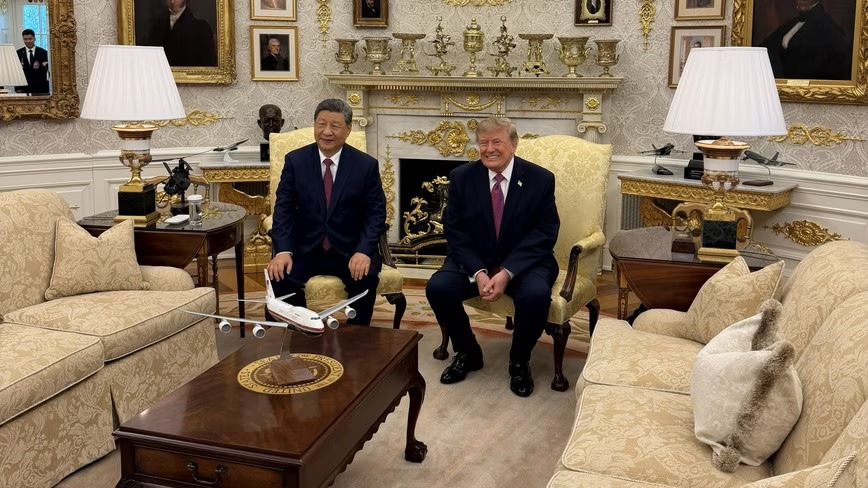
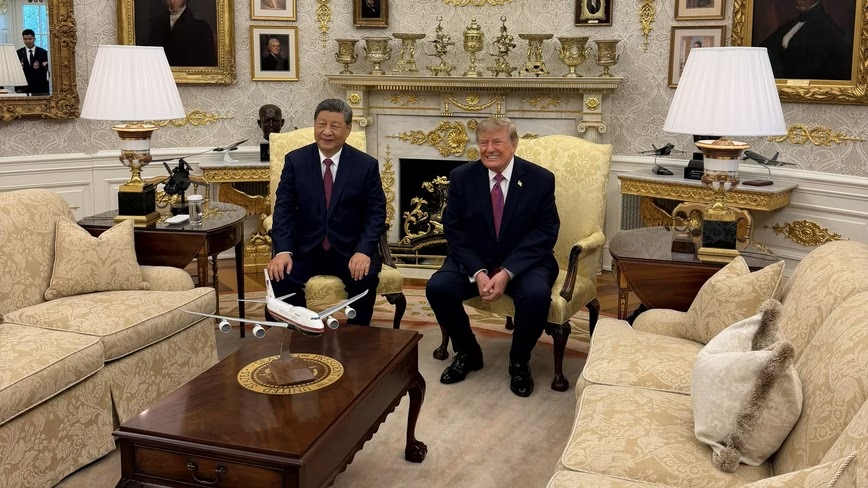
Chinese President Xi Jinping told Donald Trump at the White House on Thursday that the US and China can continue their dialogue on artificial intelligence. The two sides can also jointly prevent its misuse and abuse, according to China’s foreign ministry readout of the talks.
“Both China and the United States have strong AI capabilities. They may have competition, but they may cooperate even more. The right thing to do is to draw on each other’s strengths, not guard against each other,” the readout says of Xi’s remarks.
“The two sides can continue their dialogue on AI, exchange views on its risks and benefits, and jointly prevent the misuse and abuse of AI. AI must be kept under human control,” the readout says.
Xi also called for a people-centred approach, so that AI serves the progress of humanity, the readout says.
The readout also gives Trump’s side of the conversation on AI. The two leaders met for about 90 minutes in the Oval Office. By Friday morning in Washington, the White House had not published its own readout of the meeting.
“AI concerns the future of humanity. The United States and China should maintain dialogue and strengthen cooperation on AI,” the readout says of Trump’s remarks.
Trump’s post before the talks
Hours before the meeting, Trump set out his own position in a post on Truth Social.
“A big day with President Xi of China. Super Intelligence (SI) will be a big topic of discussion, but I want to leave it exactly where it is. That is China’s position also. Our guardrail is the DOJ!” Trump wrote.
“Super intelligence” is Trump’s new name for AI. On Tuesday, he told the UN General Assembly that the US would encourage the technology, not rein it in. He also said the US would reject any global mechanism to control it. Earlier this month, he called AI fears a hoax on Truth Social.
What the leaders said in public
Before the closed talks, both leaders spoke at the arrival ceremony inside the White House. Xi’s remarks were interpreted into English.
“Both China and the United States are leading nations in artificial intelligence. We have both the capability and responsibility to develop and manage AI for good, and ensure that the development of AI is always under human control and serves the well-being of the people,” Xi said.
“We do not need to avoid mentioning competition, but our competition should be a healthy one and should be kept within bounds. It should be a race of catching up with one another, not a wrestle in which one either wins or loses,” he said.
Trump spoke first, and named AI among the topics for the visit.
“During this visit, we will also discuss pressing issues concerning security, technology, and superintelligence, SI. The decisions we make in these areas today can promote peace and prosperity for decades and decades to come,” Trump said.
The first US-China AI dialogue
The summit followed the first US-China AI dialogue between the two governments. China’s commerce ministry spokesperson, He Yadong, announced it in Beijing on Thursday, as CNBC’s Evelyn Cheng reported. The lead trade negotiators, Vice Premier He Lifeng and Treasury Secretary Scott Bessent, held it, he said. It took place during an eighth round of trade talks in the US.
The ministry called those talks candid, in-depth and constructive, and said they reached several points of agreement. Bessent and He met in Manhattan on 20 September. There, the US proposed AI incident alerts between the two countries. They would cover events serious enough to count as national security incidents. Neither the ministry’s statement nor the Chinese readout of Thursday’s meeting mentions that proposal.
The trade teams also agreed to extend a truce that was due to expire on 10 November. Bessent told Fox News on Wednesday that it would now run until 10 January. According to the readout, Xi said the two teams had reached a new joint arrangement.
The state dinner
Trump hosted Xi at a state dinner in the East Room on Thursday evening. The White House guest list, published by CNBC, included Sam Altman and Greg Brockman of OpenAI. Nvidia’s Jensen Huang, Meta’s Mark Zuckerberg and Microsoft’s Satya Nadella were on it. So were Google’s Sundar Pichai and Sergey Brin. David Sacks, co-chair of the President’s Council of Advisors on Science and Technology, also attended.
Apple chairman Tim Cook, Huang, Elon Musk and AMD’s Lisa Su sat at the leaders’ table, CNBC reported. Anthropic was not on the list. On Wednesday, its chief executive, Dario Amodei, asked the UN Security Council to back a ban on AI bioweapons as a first step.
“No leader, no company, and no nation can manage this alone,” Amodei told the council.
In his toast at the dinner, Xi said the two leaders had reached “common understanding on many issues”. That had “added new substance” to the relationship, he said. On Friday, Xi and Peng Liyuan were due to join Trump and Melania Trump for a private tea and a tour of the National Archives, before leaving Washington.

Enzo Maresca shares cryptic message moments before Man City 115 charges verdict

Farage and Badenoch have ‘weaponised’ violence against women, claims Labour’s Bridget Phillipson

Fidelity Investment Grade Bond Fund Q2 2026 Commentary (FBNDX)

Weekend Open Thread – Corporette.com

Weekend Open Thread: Talbots – Corporette.com

Memory prices are slowing because buyers ran out of money

The Importance of Financial Literacy in the Black Community | Shark Tank’s Daymond John

Yes this is prop money. I just wish the IRS would believe me

Being student with no income, while ur Family talks about financial problems around u#viralytquotes
-
 Fashion7 days ago
Weekend Open Thread: Talbots – Corporette.com
-

 Crypto World3 days ago
Goldman Sachs and Deutsche Bank Agree: The S&P 500 Rally Isn't Over
-

 Tech5 days ago
Researchers escape OpenAI Codex sandbox to run commands on host
-

 Fashion1 day ago
8 iPhone Accessories That Add Personality
-

 Crypto World5 days ago
Who Needs CLARITY Anyway? ARB Could See 70X Increase: Hodler’s Digest
-

 Crypto World7 days ago
Circle launches Arc Studio AI agent for building onchain apps
-

 Crypto World7 days ago
Trading Bitcoin on Robinhood? Why 2% Spread Has Traders Worried
-
 NewsBeat7 days ago
Trump says US has reached an agreement to take permanent control of Greenland’s security
-

 Tech6 days ago
Trump suggests rebranding AI with a new name, says he’s also creating an AI Force
-

 Business5 days ago
Analog Devices (ADI) Bets $1.35 Billion on Chips that Let Machines Think for Themselves
-

 Crypto World5 days ago
Coinbase, Robinhood, Circle Seen as Tokenized-Stock Winners
-

 Crypto World7 days ago
Bitcoin price breaks channel as RSI climbs to 63
-

 Tech4 days ago
Google’s $899 Googlebook is a bet that you’ll buy a new laptop for Gemini
-

 Crypto World3 days ago
Trump-Xi Polymarket Odds for Handshake Hit 50%
-

 Crypto World3 days ago
This Bearish Netflix Stock Trade Can Cash In On Video Streaming Giant’s Woes
-
 Business3 days ago
Oil Price Today (September 23): Crude oil below $100 on hopes of US-Iran talks. What did Trump say?
-

 Entertainment3 days ago
These 17 Fall Amazon Dresses Seriously Look Like Anthropologie
-

 Crypto World2 days ago
Crude Oil Prices Pressured by Diplomatic Hopes in the Middle East
-

 Crypto World7 days ago
World Money launches in 150+ countries with Stripe
-

 Crypto World2 days ago
Bitcoin Threatens Sub-$84,000 Breakdown as Long Liquidations Spike
You must be logged in to post a comment Login