Connect with us

Tech

iPhone Duo vs Samsung Galaxy Z Fold8 Ultra: compared

Published

on

Apple has finally entered the foldable market with the iPhone Duo, its first folding iPhone. Here’s how it compares against Samsung’s latest foldable, the Galaxy Z Fold8 Ultra.

After more than a decade of rumors, Apple’s first foldable arrived at its fall event as the iPhone Duo. A hyper-premium smartphone that has dual displays and folds in half.

It lands in a market Samsung has led for years, thanks to its Z Fold line.

The Galaxy Z Fold8 Ultra is Samsung’s most advanced book-style foldable, which it launched in July 2026. It sets the benchmark that Apple’s debut foldable has to meet.

Advertisement

This is how the iPhone Duo compares against the Galaxy Z Fold8 Ultra, with the specifications side by side.

iPhone Duo vs Samsung Galaxy Z Fold8 Ultra – Specifications

Specifications iPhone Duo Galaxy Z Fold8 Ultra
Starting price (launch) $1,999 $2,099.99
Inner display 7.6-inch Super Retina XDR, 1,878 x 2,670, 430 ppi, ProMotion, always-on, 3,000 nits, nano-texture 8.0-inch Dynamic AMOLED 2X, 2,504 x 2,256, 422 ppi, 1-120Hz
Outer display 5.4-inch Super Retina XDR, 1,398 x 2,034, 460 ppi, ProMotion, always-on, 3,000 nits 6.5-inch Dynamic AMOLED 2X, 1,080 x 2,520, 422 ppi, 1-120Hz
Dimensions – unfolded 6.48 x 4.64 in, 5.2mm thick 5.64 x 6.24 in, 4.1mm thick
Dimensions – folded 3.31 x 4.64 in, 11.3mm thick 2.87 x 6.24 in, 8.9mm thick
Weight (ounces) 8.96 7.58
Processor A20 Pro Snapdragon 8 Elite Gen 5
Storage 256GB, 512GB, 1TB, 2TB 256GB, 512GB, 1TB
Rear cameras 48MP Fusion Main (2x optical-quality telephoto), 48MP Fusion Ultra Wide, 4x optical-quality zoom range 200MP wide, 50MP ultrawide, 10MP 3x telephoto
Inner camera Under-display FaceTime camera 10MP
Outer camera 12MP Center Stage front camera 10MP
Battery (video playback) Up to 31 hours (inner), up to 44 hours (outer) Up to 27 hours
Wired charging 50% in around 20 minutes (60W) 45W (67% in about 30 minutes)
Biometrics Touch ID in side button Fingerprint, Face recognition
Water resistance IP68 IP48
Operating system iOS 27 Android 17, One UI 9
Connectivity 5G, Wi-Fi 7, Bluetooth 6, Thread, USB-C, eSIM only 5G, Wi-Fi 7, Bluetooth 6, USB-C
Colors Star White, Night Sky Graphite, Cream, Violet Shadow, Green Shadow

iPhone Duo vs Samsung Galaxy Z Fold8 Ultra – Design

From the outset, the two foldables are constructed in the same broad manner. Both are book-style foldables, opening to reveal a tablet-sized inner screen.

To save users from having to open the devices every time they want to use it, there’s a smaller secondary screen on the outside. This gives users the best of both smartphone and tablet worlds.

In terms of size, the iPhone Duo is a little shorter but wider overall, at 6.48 by 4.64 inches when unfolded, and 3.31 by 4.64 when folded up. The Fold8 Ultra is taller at 6.24 inches, but the width varies between 5.64 inches when opened to 2.87 inches when folded.

Advertisement
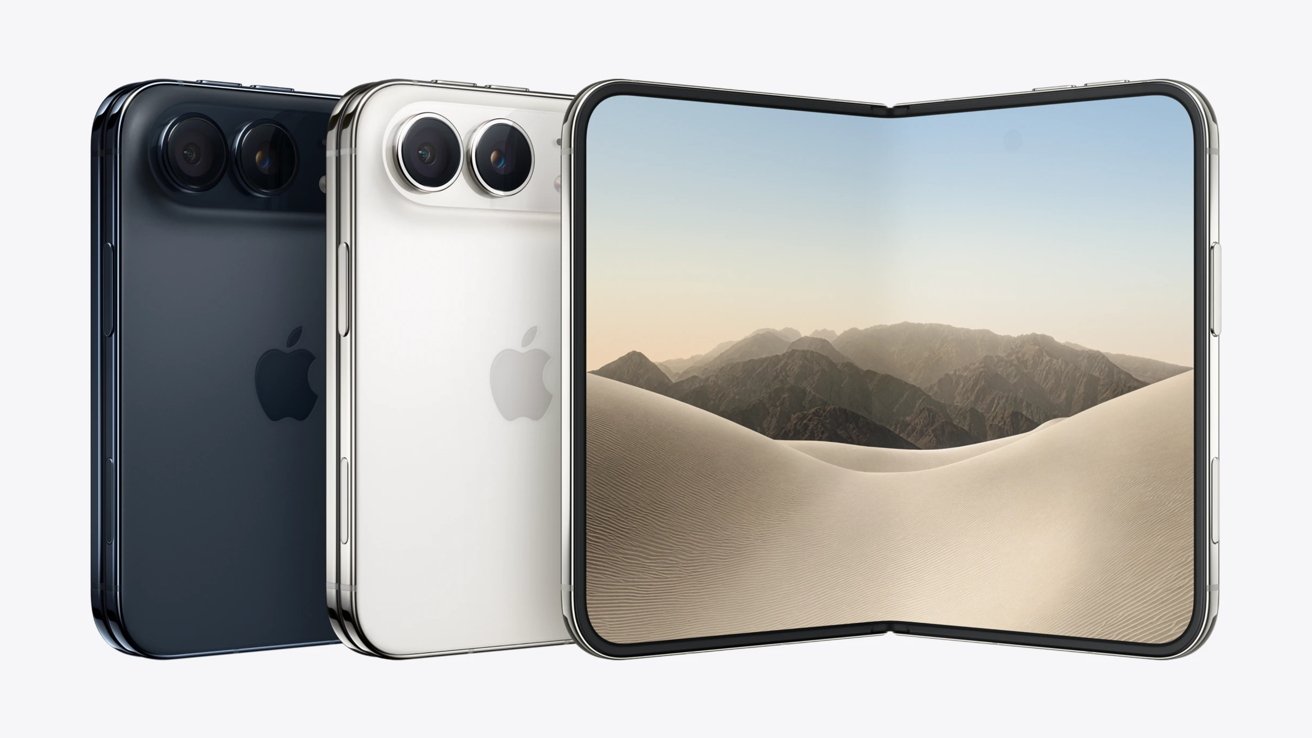
Three modern Apple smartphones in dark and light colors stand beside an unfolded foldable iPhone displaying a serene desert landscape with sand dunes and distant mountains.

iPhone Duo vs Samsung Galaxy Z Fold8 Ultra: iPhone Duo colors

There’s also a difference in thickness, too, with Samsung’s device managing to be 8.9mm thick when folded, or 4.1mm when laid flat. The iPhone Duo is thicker at 11.3mm when folded up, and 5.2mm when open.

When it comes to weight, Samsung takes the lead here, at 7.58 ounces to the iPhone’s 8.96 ounces.

Just on these specs, the iPhone seems to be the chunkier device, with the weight not helping that comparison at all.

Advertisement

A clue at the weight disparity may be in the choice of materials each company used, beyond physical size.

Apple uses a lot of grade 5 titanium in its construction, which makes sense for a thin device that needs to be as strong as possible.

Foldable white smartphone partially open, showing front display with pastel number 8 wallpaper and centered selfie camera, and back with three vertically aligned rear cameras in black circles

iPhone Duo vs Samsung Galaxy Z Fold8 Ultra: Samsung’s smartphone from the rear.

Samsung, however, went for a mixed-metals approach. It uses a “Flex Titanium” technology with the display to strengthen it, while the outer frame and chassis is made from aluminum.

Advertisement

Continuing the external tour, both have side buttons, which are also used to unlock the devices. Samsung has fingerprint and face recognition, while the iPhone Duo integrates Touch ID into the side button.

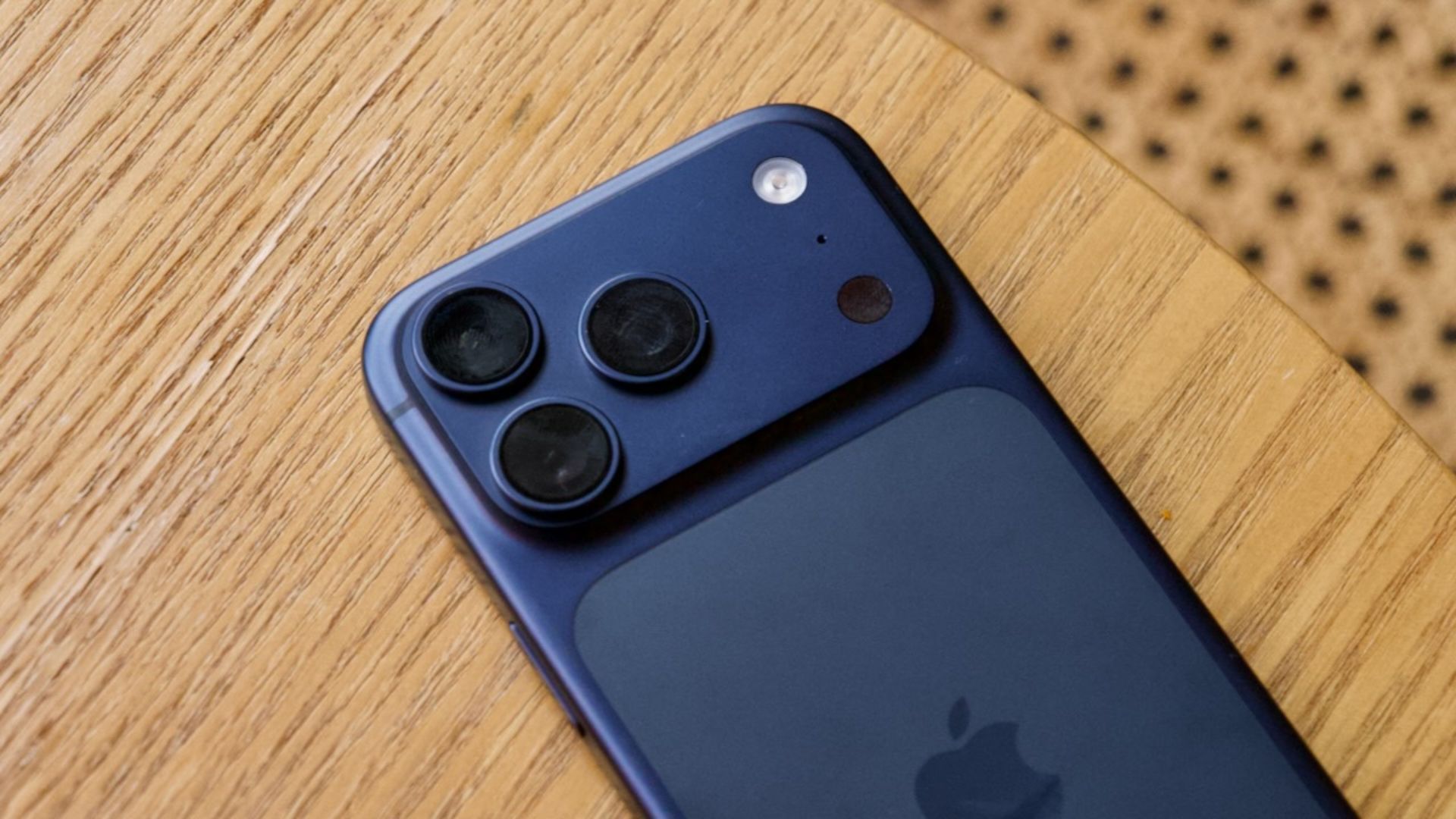
Each also has a sizable camera bump on one side, with Apple going for two cameras while Samsung opts for three.

In both cases, there’s a robust hinge on one side, while magnets help keep the internal screens protected by holding the smartphones shut.

iPhone Duo vs Samsung Galaxy Z Fold8 Ultra – Displays

The displays are the heart of any foldable, and here the two take slightly different approaches.

Advertisement

The Galaxy Z Fold8 Ultra has an 8.0-inch main display at 2,504 by 2,256, with a 422 pixels-per-inch density. Its 6.5-inch cover screen runs at 1,080 by 2,520, and both panels use a 1 to 120Hz adaptive refresh rate.

The iPhone Duo has a 7.6-inch inner Super Retina XDR display, which Apple says is 50 percent larger than the iPhone 18 Pro Max screen. Its 5.4-inch outer display delivers 90 percent of the screen area of the iPhone 18 Pro.

Both iPhone Duo displays share a fairly similar aspect ratio, so content scales proportionally between them. Each panel also has ProMotion, an always-on mode, and 3,000 nits of peak outdoor brightness.

Samsung’s screens do not have the same aspect ratio. The external display is 10:16 versus 4:3 for the internal one.

Advertisement
Hand holding a small tablet with thin black bezel, displaying a 9:41 lock screen over a desert sand dune and mountain landscape against a plain light background

iPhone Duo vs Samsung Galaxy Z Fold8 Ultra: The iPhone Duot’s internal display.

There is a notable difference in the outer screen. The Galaxy Z Fold8 Ultra’s 6.5-inch cover screen is larger, while the iPhone Duo’s 5.4-inch outer screen is smaller.

When it comes to the inner display, both companies have worked to make sure there’s as little crease visibility as possible. Over time, and with repeated openings, the center fold line will eventually crease, with the construction of the display and its support determining when that will happen.

Samsung uses Flex Titanium, which combines a titanium plate and titanium alloy film as a backing for the display. On top of that is the OLED panel, a thin layer of glass, and a protective layer.

Advertisement

Apple, meanwhile, uses a scratch-resistant coating and a nano-textured cover layer made from a custom polymer for its display. That stiff polymer is joined by high-strength glass above and below the folding display panel, glued in a way that allows the layers to glide over each other, like pages in a book.

On top of this stress relief work, Apple added a titanium plate underneath for added durability.

With all of this screen estate, you may be tempted to use a stylus, but Samsung doesn’t include S Pen support with its smartphone. However, Apple says the iPhone Duo will eventually support the Apple Pencil with USB-C, but not the Apple Pencil Pro.

Sure, you’re going to have to carry the Apple Pencil separately, but at least you’ll have the option to use it. Cases will arrive eventually, we’re sure.

Advertisement

iPhone Duo vs Samsung Galaxy Z Fold8 Ultra – Cameras

Samsung has given the Galaxy Z Fold8 Ultra a flagship-grade camera system. Apple’s setup is more restrained on paper, but adds foldable-specific tricks.

The Galaxy Z Fold8 Ultra leads with a 200MP wide main camera. It adds a 50MP ultrawide and a 10MP telephoto with 3x optical zoom, plus HDR capture in the full 200MP mode.

The iPhone Duo uses a dual 48MP camera system on the rear. There’s the 48MP Fusion Main with an “optical-quality” 2x telephoto crop shot, paired with a 48MP Fusion Ultra Wide.

Foldable silver smartphone partially open, showing dual rear cameras and a large inner display with a woman in a silver outfit against a bright blue sky with clouds

iPhone Duo vs Samsung Galaxy Z Fold8 Ultra: Only two rear cameras on the Duo

Advertisement

There’s no telephoto on the iPhone Duo, which is a shame for such a premium device.

Where Apple tries to catch up is with foldable-specific camera features.

Naturally, a folding smartphone can be partially folded, acting as its own stand so you can take photos of yourself from further distances.

For the iPhone, Smart Take automatically captures photos when subjects pose via AI detection.

Advertisement

You can do similar things with the Fold8 Ultra. A 90-degree bend starts “Flex Mode,” which can be used with gestures or a timer to trigger the shot.

When used conventionally, both models have an option to show a live preview on the outer display, so the subjects can frame themselves in the shot. Apple also includes animations, so that you can tempt a small child to look at the camera by watching Snoopy.

Folding designs also enable rear-camera selfies. While the normal user-facing cameras are pretty good for this, the nature of the external live preview means you can take advantage of those bigger sensors.

When it comes to the in-display cameras, Samsung uses a pair of 10MP cameras, far from the massive resolutions of the rear versions.

Advertisement

Apple uses its 12MP Center Stage camera for the outer display, which is a punch-hole version in the corner. The one for the inner display is described as a “FaceTime camera” capable of 1080p video, but crucially it is an under-display type.

On video, both are strong. Samsung offers 8K recording through its APV codec, and it has a Cine LUT for color and tone control.

The iPhone Duo only goes up to 4K, but with Dolby Vision support at up to 120fps. It also has a lot of modes to play with, as well as tricks like a 2.8K Action Mode, 1080p 240fps Slo-Mo, and macro shooting.

Both devices also have the capability to capture video from both shooter and subject sides at the same time.

Advertisement

iPhone Duo vs Samsung Galaxy Z Fold8 Ultra – Processing and performance

Each device runs its chip maker’s latest flagship chip. The platforms are very different in design and strengths.

The Galaxy Z Fold8 Ultra uses the Qualcomm Snapdragon 8 Elite Gen 5, paired with up to 16GB of RAM. It’s a combo that includes an 8-core CPU with two performance cores and six efficiency cores, an Adreno 840 GPU, and a Neural Processing Unit.

The iPhone Duo uses the A20 Pro, the same chip as the iPhone 18 Pro. Apple pairs it with a custom vapor chamber that’s got three times the surface area of the iPhone 17 Pro’s version, which helps improve sustained performance.

This time, Apple uses a six-core CPU with a seven-core GPU, as well as an enhanced Dual 16-core Neural Engine for AI workloads. Both the CPU and GPU cores also have Neural Accelerators, which bolster Apple’s AI credentials even more.

Advertisement

While there are performance scores for the Snapdragon 8 Elite Gen 5, no independent benchmarks exist for the iPhone Duo yet. We will update this section with confirmed figures once the device is tested.

But suffice it to say, both models are certainly going to provide a lot of processing power and performance to whoever picks them up.

iPhone Duo vs Samsung Galaxy Z Fold8 Ultra – Battery and connectivity

Battery design differs between the two, though both use a dual-cell layout to take advantage of the two-piece design.

The Galaxy Z Fold8 Ultra uses a 5,000mAh dual battery, rated at 4,854mAh. The iPhone Duo places one high-energy battery on each side, operating as one, though it doesn’t disclose the actual capacity.

Advertisement

When it comes to usage, Apple quotes that its device can handle up to 31 hours of local video playback on the inner display, and up to 44 hours on the outer display.

Streamed video figures are lower, with the iPhone Duo managing up to 26 hours streamed on the inner display. For the outer display, that’s about 37 hours.

Samsung, meanwhile, claims up to 27 hours of video playback for its smartphone.

Square tablet or smartphone screen with very thin black bezel, centered front camera hole at top, and soft pastel abstract wallpaper in pink, blue, and white tones

iPhone Duo vs Samsung Galaxy Z Fold8 Ultra: The open display of the Fold8 Ultra.

Advertisement

On charging, the iPhone Duo has the edge on stated speed. It reaches 50 percent in around 20 minutes with a 60W adapter and wired charging.

Samsung says the Galaxy’s 45W reaches 67 percent in about 30 minutes.

For wireless charging, the iPhone Duo hits 50 percent in around 30 minutes with a MagSafe or Qi2 charger. The Galaxy also supports 20W wireless charging, though it also has its Wireless PowerShare feature.

On connectivity, both support 5G, Wi-Fi 7, and Bluetooth 6.

Advertisement

The iPhone Duo is eSIM-only worldwide, with no physical SIM tray. Apple uses the freed-up internal space to maximize battery capacity.

Samsung, however, includes both eSIM and a nano-SIM card.

iPhone Duo vs Samsung Galaxy Z Fold8 Ultra – Durability and water resistance

Both foldables are built to survive daily folding. We’re not yet sure how many folds Apple considers acceptable for the device without failure. We’ll be talking about that more on September 10.

Intrusion protection ratings differ. The iPhone Duo carries an IP68 rating, the same as the standard iPhone line. That covers submersion up to 6 meters for 30 minutes, along with full dust resistance.

Advertisement

The Galaxy Z Fold8 Ultra is rated IP48. It handles submersion in fresh water, but its dust protection only guards against larger particles, not fine dust.

The iPhone Duo also uses Ceramic Shield 2 on the front and Ceramic Shield on the back. Apple says the front is three times more scratch-resistant than the previous generation.

iPhone Duo vs Samsung Galaxy Z Fold8 Ultra – Price

As a still relatively new technology in the smartphone space, foldables are very expensive.

The Galaxy Z Fold8 Ultra starts at $2,099.99 for 256GB. It rises through 512GB and 1TB storage tiers from there to a maximum of $2,699.99.

Advertisement
Foldable smartphone with large home screen showing app icons, calendar notification at top, rounded edges, and front-facing camera cutout in the upper-right corner on a light background

iPhone Duo vs Samsung Galaxy Z Fold8 Ultra: Using the iPhone Duo’s external display.

The iPhone Duo starts at $1,999 for 256GB, rising to $2,599 for 1TB and $3,199 for an even higher 2TB tier.

That pricing is a surprise, given rumors had suggested Apple’s foldable could reach $2,500 at the lower end. Instead, the iPhone Duo lands right alongside its main rival.

At these prices, both are aimed at early adopters and enthusiasts. Neither is a mainstream purchase.

Advertisement

iPhone Duo vs Samsung Galaxy Z Fold8 Ultra – Which to buy

When it comes to the folding device market, the Galaxy Z Fold8 Ultra is the more proven device. After multiple generations of refinement, including a flagship 200MP camera with a dedicated telephoto option,, it’s a strong foldable pick.

Apple, meanwhile, is completely new to this niche part of the market. It’s late to the party, but it’s got a very experienced design team and had the advantage of watching the market make years of mistakes.

It’s fashionably late, but Apple knows what not to do.

As it stands, Apple has come up with a very strong first device. It’s a model with a decent camera setup, though lacking true telephoto capabilities, with the same A20 Pro chip as the iPhone 18 Pro.

Advertisement

It also manages to be cheaper than the Samsung while still having strengths like faster wired charging and a higher IP68 rating. You can add in the iOS ecosystem support to that, too.

For an iPhone user yearning for a foldable over the years, the iPhone Duo is now the obvious choice, and at a more competitive price than expected.

Apple’s arrival changes the foldable market at a stroke. We would normally expect the first-gen release to be issue-prone or to have a design flaw, but Apple may have escaped that trap this time.

As it stands, what was once Samsung’s domain is now a genuine two-horse race for customers prepared to pay high prices.

Advertisement

Where to buy the iPhone Duo vs Samsung Galaxy Z Fold8 Ultra

Preorders for Apple’s iPhone Duo begin on October 16, 2026.

Samsung’s Galaxy Z Fold8 Ultra, meanwhile, is on sale from $1,799.99 at Amazon at press time, reflecting up to a 14% discount off retail.

Those looking for a more affordable option can pick up the Z Fold8 for as low as $1,649.99, also 13% off MSRP at Amazon.

You can also take advantage of incentives at the following wireless carriers:

Advertisement
  • T-Mobile: Get a Galaxy Z Fold8 Ultra for as low as $5.56/mo for 36 months*
  • AT&T: Get a Galaxy Z Fold8 Ultra for as low as $5.56/mo with a qualifying trade and eligible plan*
  • Verizon: Get a Galaxy Z Fold8 Ultra for as low as $34.99/mo for 48 months*

  • *Terms and conditions apply, and offers are subject to change. Please see the carrier’s site for details.

Source link

Continue Reading
Click to comment

You must be logged in to post a comment Login

Leave a Reply

Tech

Hungryroot Coupon Codes: 30% Off This September 2026

Published

on

A lot of the best meal kits offer the satisfaction of making a home-cooked meal, the chance to learn a little culinary craft, maybe even a chance at some pride in your handiwork. Hungryroot (7/10, WIRED Review) isn’t really like that. Hungryroot instead wants to replace your trip to the grocery store with a few good recipes.

After starting as a grocery service, Hungryroot spent years piecing together proprietary AI long before AI became the byword of everything from your electric shaver to your literal kitchen sink. What Hungryroot’s AI does is geared to creating personalized food menus and shopping lists, based on your every micro-preference and whim, whether that’s a love of olives or a hatred of figs. A box then shows up at your door, with a mix of basic provisions, silly snacks, and desserts, along with recipes and usually some pre-prepped ingredients.

Cooking is often more assembly, with recipes pieced together from premium ingredients you’d expect to find at your local organic store. A fun sauce here, a pre-cooked protein there, a corn tortilla that just wants to be livened in the pan. Most meals come together in 15 or 20 minutes, in my experience—unless they need time in the oven. A bot concierge and pre-mixed sauces do cost a bit, however, and that’s where Hungryroot promo codes come in. There are Hungryroot coupons that offer 30% off or more, and Hungryroot coupon codes that offer extra free gifts for every box, for life: a protein here, a cookie there. Here’s what’s up.

Get 30% Off Plus a Free Gift With a Hungryroot First-Time Discount

The current Hungryroot discount code is good for a cool 30% off your first week’s box from Hungryroot. To qualify for the discount, you’ll need to sign up for a plan totaling $99 or more a week, including breakfast items, snacks, and produce in addition to recipes and ingredients. The Hungryroot promo offer also includes a free gift, which usually includes an option to get an extra premium protein like chicken or beef. You can see more information here.

Advertisement

Take Advantage of Hungryroot Coupons for Referrals

Like a lot of meal kits, there’s also a Hungryroot discount code for referring your friends to the Hungryroot service—and this usually benefits both sides of the equation.

Your friend who orders after using your referral code gets a cool $50 off their first grocery delivery of $100 or more—which adds up, potentially, to half off. The person who refers their friend also gets $50 off their next order, once their friend finalizes their first grocery delivery of $100 or more. So basically, everybody gets $50.

Follow this link for info on the Hungryroot referral program. Unlike other offers, the referral credits seem to be stackable with other offers—so you don’t miss out on any discounts by taking a referral.

Unlock of Hungryroot Coupons for New and Returning Customers

Most subscription services have hidden levels. The way to access them is to change your mind a lot. Just like some magazine subscriptions and almost all delivery meal kits and grocery subscription services, Hungryroot will chase you down with offers if you cancel a subscription or change your mind after already giving them your email.

Advertisement

What’s this mean? Usually, it means that in the days or weeks after changing your mind about Hungryroot, you’ll get a coupon in the mail. So if you take Hungryroot’s quiz about your dietary preferences, then don’t order? A few days later, you’ll likely get a sweet Hungryroot coupon code in your inbox. New subscription plans usually also come with free treats.

If you cancel or pause an existing account, you may also receive a Hungryroot promo code offering your $50 or even $100 off your next order, as an incentive to return.

Source link

Advertisement
Continue Reading

Tech

Everything you need to know about pre-ordering the iPhone Duo and the iPhone 18 Pro in Australia

Published

on

After months of leaks and rumours, Apple has officially unveiled its new Pro iPhones for 2026, alongside the much-anticipated iPhone Duo foldable handset and a slew of other product launches.

If you’re looking to upgrade to the iPhone 18 Pro, iPhone 18 Pro Max or iPhone Duo, I’ve put together this guide on everything you need to know about pre-ordering any of the three handsets in Australia, including when preorders start, how much you’ll pay and all the best deals we’ve found.

Aside from the official Apple Australia store, as with any iPhone launch a wide range of retailers and telcos across the country are also offering pre-orders for all three phones, and we’ll update this page as soon as the offers go live.

Want to know more about the new iPhones and other new products that Apple unveiled? Scroll to the bottom of this page or check out our full coverage of Apple’s launch event.

Advertisement

Apple iPhone 18 Pro and Pro Max pre-orders in Australia: What you need to know

  • Preorders go live on Saturday, September 12 at 10pm AEST
  • iPhone 18 Pro pricing starts at AU$2,099 for 256GB
  • iPhone 18 Pro Max pricing starts at AU$2,299 for 256GB
  • Trade-in rebates of up to AU$1,595
  • Financing starts from AU$87.46 per month for 24 months

Screenshot from Apple's September 2026 event

(Image credit: Apple)

As with previous iPhone pre-orders, there’s once again a short wait between the official announcement and the start of the pre-order period, which goes live across all Australian retailers and telcos on Saturday, September 12 at 10pm AEST.

The iPhone 18 Pro starts at AU$2,099 for the base 256GB model, and the iPhone 18 Pro Max starts at AU$2,299. Retailers JB Hi-Fi and The Good Guys, as well as telcos Vodafone, Optus and Telstra, have confirmed they will all carry the new handsets.

Aside from Apple’s official Australian store, JB Hi-Fi, Vodafone and Optus will also accept trading in your old phone for a credit towards the iPhone 18 Pro or Pro Max. Apple is offering up to AU$1,595 in trade-in credit – that’s based on an iPhone 17 Pro Max, while a comparatively ancient iPhone X will net you a AU$70 credit.

Advertisement

If you’re going the trade in route, you can calculate your old phone’s credit value at Optus, Vodafone or JB Hi-Fi to get an idea before pre-orders go live.

Apple is also offering a new financing program in Australia via Afterpay, allowing monthly payments over 6-, 12- or 24-month terms instead of the service’s usual four payments spread out fortnightly. If you’re using Afterpay, the iPhone 18 Pro starts at AU$87.46 per month over 24 months, while the 18 Pro Max starts at AU$95.79 per month. This monthly payment option is only available through the Apple Australia website and stores — you won’t find it at third-party stores.

Apple iPhone Duo pre-orders in Australia: What you need to know

  • Preorders go live on Friday, October 16 at 10pm AEST
  • Pricing starts at AU$3,499 for 256GB
  • Trade-in rebates of up to AU$1,595
  • Financing starts from AU$145.79 per month for 24 months

The iPhone Duo on a light colored background

(Image credit: Apple / Future)

If you’re keen on Apple’s first-ever foldable phone, the shiny new iPhone Duo, the wait will be a little bit longer for pre-orders, which start on Friday, October 16 at 10pm AEST.

Advertisement

Prices begin at a slightly eye-watering AU$3,499 for the base 256GB model (for reference, Samsung’s equivalent Galaxy Z Fold 8 starts at AU$2,699), and go as high as AU$5,899 for the 2TB configuration.

Like the 18 Pro and Pro Max above, you can also trade in your old phone to receive up to AU$1,595 off the price. You can get an estimate on your trade-in credit at Optus, Vodafone or JB Hi-Fi to get an idea before pre-orders go live.

Financing via Afterpay is also available for the iPhone Duo, starting at AU$145.79 per month for 24 months.

Advertisement

What’s new with the 2026 iPhone lineup?

The iPhone 17e, iPhone 17, iPhone Air, iPhone 18 Pro, and iPhone Duo

(Image credit: Apple)

Headlining Apple’s new handset range for 2026 is the iPhone Duo, the company’s first attempt at a foldable and its answer to the Samsung Galaxy Z Fold 8. Featuring a 5.4-inch outer display with a 7.6-inch Super Retina XDR inner display, the device looks somewhat like a squat iPhone mini when folded, and an iPad mini when opened.

It features the new A20 Pro chipset and a titanium frame, which Apple says is reinforced by ceramic fibres. The Duo, however, also has a few core iPhone features missing, like Face ID, a telephoto camera and the action button, but is still undeniably the star of the show. There are also some exclusive software features that look to take advantage of the larger folding display, like some new Liquid Glass animations and multitasking features. Moreover, the Duo will also get Apple Pencil support, which is a first for any iPhone.

As for the iPhone 18 Pro and Pro Max, the biggest upgrades are the main cameras, with each getting a new variable aperture to let users adjust the light depending on what they need to photograph, for example.

They also get the new A20 Pro chip, which Apple claims will have a 20% faster CPU and 40% faster GPU than the A19 Pro found in the iPhone 17 Pro, Pro Max and iPhone Air. Battery life is also said to be improved, with Apple claiming the iPhone 18 Pro will have 36 hours of video playback — matching the 17 Pro Max — and the 18 Pro Max now rated for 45 hours.

Advertisement

We’ll be posting our reviews for all three devices over the next few weeks, so stay tuned for our thoughts and hands-on experience.

Source link

Continue Reading

Tech

Sony just handed Kojima’s PHYSINT to Xbox, and PlayStation fans aren’t going to like it

Published

on

Sony has just made a decision that feels straight out of a “how to lose fans” playbook. In a statement posted on X, PlayStation Studios confirmed it is stepping away from Hideo Kojima’s PHYSINT after what it called three decades of “industry-leading, genre-defining” collaboration. Barely minutes later, Xbox confirmed it would publish the game instead, expanding its existing partnership with Kojima Productions.

An update from PlayStation Studios: After careful consideration, we have made the difficult decision to step away from collaborating with KOJIMA PRODUCTIONS on its project PHYSINT. We continue to have great admiration for Hideo Kojima’s vision for the game.

Our relationship…

— PlayStation (@PlayStation) September 10, 2026

What exactly happened between Sony and Kojima?

Kojima cleared up the timeline himself. He revealed that PlayStation Studios quietly canceled PHYSINT back in mid-June, catching his studio off guard. His team then spent the next three months searching, negotiating, and asking around before landing on a partner who shared their vision for the future. 

Advertisement

As confirmed earlier through our official channels, in mid-June of this year, we unexpectedly received notice from PlayStation Studios that they would cancel the PHYSINT project. PHYSINT is an important project both to me personally and to KOJIMA PRODUCTIONS. Determined to keep… pic.twitter.com/rQqhxAnb7N

— HIDEO_KOJIMA (@HIDEO_KOJIMA_EN) September 10, 2026

That partner turned out to be Xbox. Xbox CEO Asha Sharma called it an honor that Kojima “chose Xbox,” while Kojima confirmed the collaboration now extends beyond games into film and television, and covers both OD and PHYSINT, the ambitious action-espionage title he has described as genre-defining. Sony, for its part, insists its bond with Kojima “remains strong,” even as it walks away from his newest project.

Is this part of a bigger pattern for Sony?

This isn’t the first time Sony has picked the wrong hill to defend. The company has spent years nudging players toward an all-digital PS5, quietly phasing out disc drives and betting that convenience would outweigh ownership. The company finally announced that it will no longer sell physical game disks starting in January 2028, and have rightly received flak for it. 

Fans have been vocal about that trade-off ever since, wondering what happens to a digital library if the servers ever go quiet. Funny enough, Kojima predicted this exact future back in 2021, tweeting that physical media would eventually disappear.

Advertisement

1/2
One day there will be no more CDs or BDs. That day will come for sure. As a person from the Showa era, I want to physically own the things I like. I guess it’s because I grew up in a time when there were no goods or information like now. Streams are more convenient.

— HIDEO_KOJIMA (@HIDEO_KOJIMA_EN) July 24, 2021

Whether Sony’s decision has anything to do with that old tweet is anyone’s guess. But losing one of gaming’s most respected and creative minds, right after backlash over killing physical media, is not exactly the redemption arc PlayStation needed.

Source link

Advertisement
Continue Reading

Tech

1 Of 2 Children Dead In PA Confirmed To Be From Measles

Published

on

from the inevitable dept

I want to start this whole thing off with a disclaimer. Nothing in this post should be misconstrued as gloating, as being pleased, or as having a connotation that is anything beyond sadness and the need for change. Nobody is happy to have the obvious confirmed when it comes to a child’s death. There is still a very real family in very real pain as a result of a life that ended far, far too short. All that matters here is ensuring that pain isn’t replicated elsewhere as a result of the many mistakes that led to this death.

That being said, it is with the soberest thoughts that we learned that one of the two recent deaths of children in Pennsylvania was in fact due to measles, as confirmed by the local coroner there. When these deaths were announced by state government officials a few weeks ago, the response from HHS Secretary RFK Jr. was, predictably, to dive into conspiracy theories in stead of confronting the reality of what his decades of anti-vaxxer nonsense has produced. He claimed that there had been no confirmation that the deaths were caused by measles. He pointed out that one of the children has a cause of death listed from a ruptured spleen, not bothering to acknowledge that is a potential effect of having measles at birth. He suggested obliquely that some deaths may have simply been made up by state government officials.

All he had to do was wait and he wouldn’t have made a fool of himself.

Stephen Diamantoni, a Republican elected coroner in 2007, told Lancaster Online that the baby died at home. “I believe it was the 18th of August,” he said.

He also noted that the baby had a genetic condition called Amish lethal microcephaly, in which babies are born with unusually small heads and underdeveloped brains. The condition is caused by a mutation in the SLC25A19 gene, which codes for a protein involved with energy-producing enzymes in the mitochondria and is thought to be important for brain development. About 1 in 500 babies in the Old Order Amish population of Pennsylvania is born with the condition. Infants with the disorder only survive for about six months.

Advertisement

Diamontoni confirmed to Lancaster Online that while microcephaly was present, measles was the cause of death.

And here is where you’re going to hear the anti-vaxxers start their spin game. Some may claim that the coroner is wrong and the presence of microcephaly means that’s what killed the child. Some may dismiss the death entirely due to the likely early death this child would have suffered as a result of the same, which is an absolutely evil thing to suggest.

And I have no doubt that others will point out that none of this is RFK Jr.’s fault, because both children were members of the Amish community and they don’t let their children get vaccinated due to their religion. And, just so we’re all clear about this, that isn’t true. There is no religious prohibition in the Amish community against being vaccinated for measles. The Amish are wildly under vaccinated, to be certain. But Amish settlements typically have something like a 10%-30% vaccination rate for measles.

This information all came out last week. Amazingly, the CDC’s measles tracking site still has an asterisk next to the number of reported deaths from measles in 2026 at the time of this writing. The most recent reporting is that those deaths are being obfuscated at Kennedy’s direct request, wrapped in a bullshit excuse that local coroners haven’t confirmed the cause of death to be measles yet. Well, that excuse is gone, yet the website hasn’t been updated.

Advertisement

But what really needs to be gone is the scourge that is Kennedy’s tenure at HHS. For that to happen, Congress must act. Sadly, not enough of them seem to want to.

Filed Under: cdc, hhs, measles, pennsylvania, rfk jr., stephen dimantoni

Source link

Advertisement
Continue Reading

Tech

Norton Coupon Codes: Up to 58% Off

Published

on

Norton Antivirus is the only anti-virus software I’ve ever used, in part because many years ago I switched to Linux, which eliminates the need for antivirus software. If you’re still on macOS or Windows, though, Norton Antivirus is still a solid choice. None of these services is something anyone is excited to run, but they can save you bacon if you make a bad decision downloading questionable files or clicking links you shouldn’t have. The best way to stay protected without spending a fortune is to use a Norton coupon code to get yourself a deal.

Norton Coupons: Up to 58% off 360 and Antivirus Plans

While I’ve only ever used the Antivirus offering, the real way to save is to bundle several services and use a coupon code for the lot. With Norton that means Norton 360, which gets you the Antivirus, malware, ransomware, and hacking protection, along with a VPN and dark web monitoring, for up to three devices. You also get a password manager and 2GB of online storage. With this Norton coupon code, you get all that $40 for the first year, which is about the same as paying for a VPN alone. Norton 360 Deluxe gets you everything that comes with the regular version, but it works with five devices and gives you 50GB of online storage.

Get Unbeatable Norton With LifeLock Protection From $8.33 per Month

LifeLock is Norton’s usual online protection suite, but adds up to $1 million in potential coverage if you experience financial loss due to identity theft. With this Norton coupon code, Norton 360 with LifeLock is just $8.33 per month.

Norton Anti Virus Promo Codes: 50% Off 360 Antivirus Plus

If you want to get (and stay) serious about your privacy and protection, and the overall health and longevity of your computer, I’d suggest investing in an anti-virus protection plan for your whole setup. With Norton 360 Antivirus Plus, you’ll get powerful antivirus protection for your device, including AI-powered Scam Protection, Password Manager, and 2 GB Cloud Backup. And you can get even more peace of mind with a 60-day money back guarantee. Best of all, Norton 360 Antivirus Plus is 50% off right now, taking it from $60 per year to only $30—which works out to being just $2.50 per month—a small investment worth so much more in protection and peace of mind.

Advertisement

​​Save $100 on Norton Cybersecurity for Small Businesses

If you want to protect more than a few devices, the small business plans are the way to go. These coupons will get you $100 off the Small Business Premium plan, and $80 off Small Business. These plans cover two devices per user and up to five users.

Test Out Norton 360 for Yourself With a Free Trial

Not sure if Norton 360 is worth the money? You can try it out for seven days, though set yourself a reminder because after the initial 7-day free trial, your paid subscription will begin unless you cancel before.

Source link

Advertisement
Continue Reading

Tech

Dental contractor set up secret account with access to 4,000 patient records then left the company

Published

on

SECURITY

Toothless security

PWNED Welcome back to PWNED, the weekly column where we highlight examples of how not to handle your security. This week’s tale of woe comes from a very unhealthy part of the healthcare sector.

Advertisement

Have a story about someone leaving a gaping hole in their network? Share it with us at pwned@sitpub.com. Anonymity is available upon request.

Our story comes courtesy of Chris Kirksey, founder and CEO of Direction, a digital marketing and SEO company that works in the healthcare industry. He also does security audits of his clients’ systems.

Last year, Kirksey was checking out a dental practice’s systems and noticed something strange. There were three accounts that had admin access to the patient database, including one that belonged to a scheduling company the dentists had stopped using all the way back in 2021. 

The account had been active for at least three years and could access 4,000 patient records. Leaving an unnecessary account with access to protected health information created a potential HIPAA compliance risk, particularly if someone no longer authorized to view the data could still get to it.

Advertisement

The office manager responsible for using the system didn’t even know that this dangerous login existed. Apparently, a contractor who set up the account never told anybody, then left the company. Because no one knew that the account existed, no one knew to kill it.

Kirksey immediately set about getting rid of all three admin accounts he found on the dental practice’s system. He then set up new policies for his client.

“I built a permanent rule after that,” he said. “Every vendor relationship that ends now triggers an automatic access shutdown and the full list gets reviewed twice a year no matter what.”

Since the incident, Kirksey has found similar security holes at six other healthcare practices he has worked with. Yikes!

Advertisement

“Everyone worries about the sticky note with a password on it or the file just called passwords.xls, because those get caught fast and make a good story,” he told us. “Nobody worries about the login they forgot even exists, and that is usually the one still wide open years later, causing real, unseen damage.”

The lesson here is pretty straightforward. You need to see all of the accounts that have access to your data and make sure that they all have a reason to exist. Conduct regular audits, even if nothing seems wrong.

And, as we’ve seen before, zombie accounts can kill. When an employee or contractor leaves, check not only which accounts they used, but also which accounts they created while doing the job. ®

Source link

Advertisement
Continue Reading

Tech

iOS 27 leak details big camera upgrades coming to iPhone 18 Pro

Published

on

Apple could be about to give the iPhone 18 Pro a much more capable camera system, with several features discovered in iOS 27 pointing towards a proper pro-style shooting mode.

MacRumors forum member pdfu found references to five camera upgrades in the iOS 27 code, including manual focus, focus peaking, waveforms, histograms and an overexposure warning. These tools would give photographers considerably more control than the standard iPhone camera app currently offers.

Waveforms and histograms would provide a more detailed look at an image’s exposure, making it easier to spot areas that are too dark or too bright before taking a photo. Focus peaking could also highlight the edges of subjects that are in sharp focus, which should be particularly useful when manually controlling focus.

There’s another clue that could be particularly interesting for the iPhone 18 Pro. The code reportedly includes changes that allow lens corrections to be adjusted depending on the selected aperture. That would fit with ongoing rumours that at least one iPhone 18 Pro or iPhone 18 Pro Max camera could introduce a variable aperture for the first time.

Advertisement

The fifth change is less professional but still useful: iOS 27 could allow the self-timer to repeat automatically, so another timed photo is taken without having to set the timer again manually.

Advertisement

Taken together, these additions would bring Apple’s camera app much closer to offering the kind of controls normally associated with dedicated cameras and third-party photography apps. Apple could keep them tucked away in a separate shooting mode, too, meaning the extra controls shouldn’t complicate the experience for anyone who simply wants to point and shoot.

There are still some important caveats. The features have only been found in iOS 27 code and cannot currently be activated, so Apple could delay or drop them before the software reaches users. It’s also unclear whether all of the features will work on existing iPhones or be limited to newer models.

Advertisement

The variable-aperture tools in particular would make more sense on the iPhone 18 Pro models if Apple does introduce the rumoured hardware.

With Apple expected to reveal the iPhone 18 Pro and iPhone Ultra later today, we shouldn’t have to wait much longer to find out which of these camera upgrades make the final cut.

Source link

Advertisement
Continue Reading

Tech

Apple iPhone 18 Pro and 18 Pro Max launch with a familiar design, new A20 Pro SoC, and aperture-controlled camera

Published

on

Through the looking glass: A new camera with the first-ever aperture controls on an iPhone is the main star of this year’s iPhone presentation. With the iPhone 18 Pro, Apple is introducing a more versatile camera, more powerful photo-customization software, and yet another tech giant’s attempt to distinguish authentic images from AI-generated creations.

Pre-orders for the iPhone 18 Pro and Pro Max open on September 12, with availability beginning September 18 starting at $1,199. As previously rumored, Apple seems to have delayed the standard iPhone 18 until next year.

The iPhone 18 Pro is the first iPhone to support aperture control. With six blades and a new sensor, users can smoothly switch between ƒ/1.48, ƒ/1.8, ƒ/2.8, and ƒ/4.0 apertures to control lighting and depth of field, as well as enhance low-light photography.

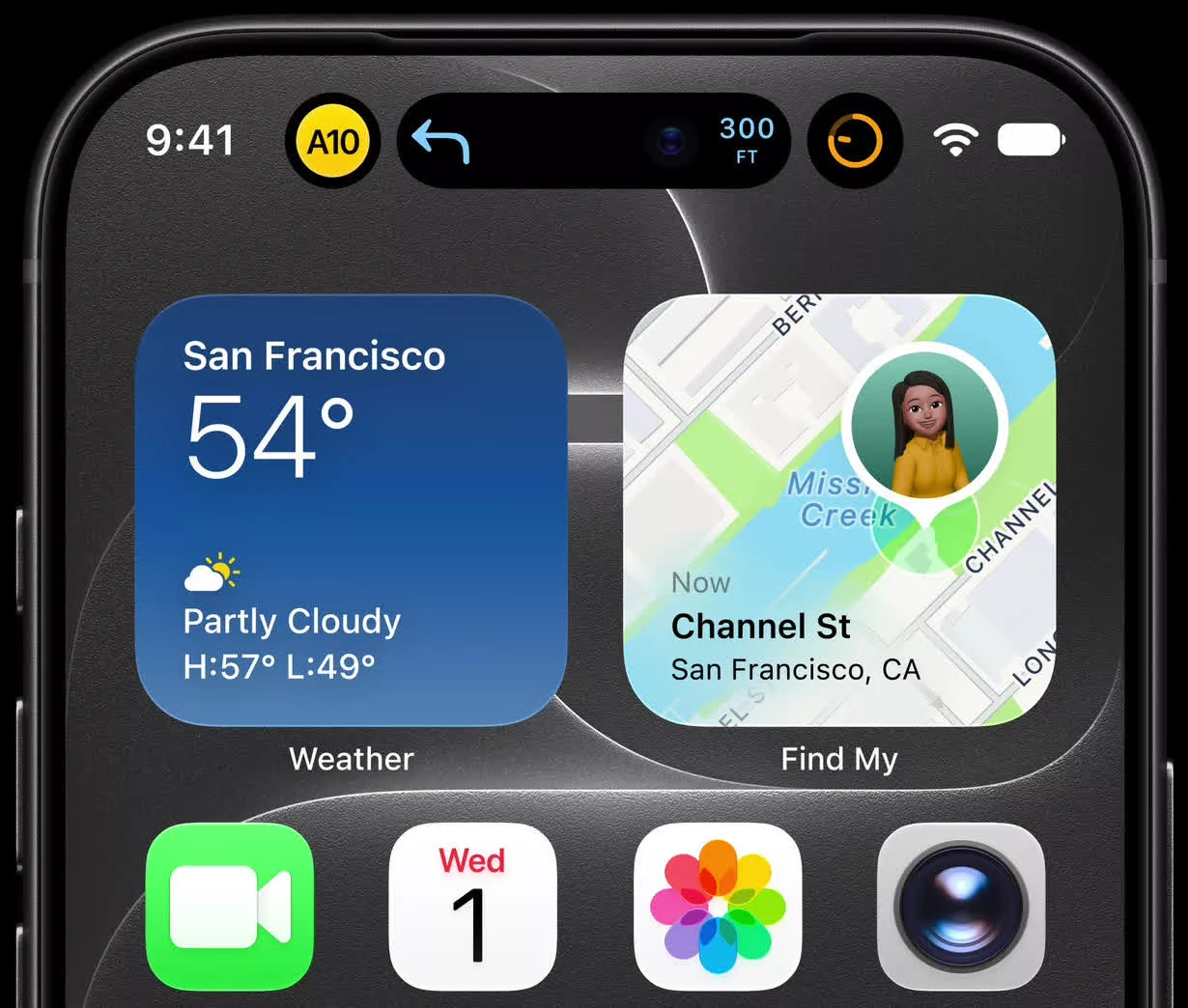
Users can also apply new texture styles and cinematic effects to videos recorded at up to 60fps. Additionally, time-lapse mode now supports 4K and Dolby Vision HDR recording. Meanwhile, the new iPhone adjusts the Dynamic Island to show up to three Live Activities simultaneously while still enabling Face ID.

Advertisement

Like Google and other developers, Apple also aims to provide a tool for watermarking AI-edited photos and verifying unaltered images. Apple Reference Image creates a duplicate of each new photo with cloud-processed, signed sensor data to prevent editing. Users can compare it with the copy they normally use to check for changes. A new API also makes reference images available to third-party apps, but the feature’s resilience against ever-evolving AI tools in the wild remains untested.

The processor in this year’s iPhone also receives another die shrink. The A20 Pro features TSMC’s new 2-nanometer process, increasing memory bandwidth by 50% and GPU performance by 40% over the iPhone 17 Pro’s A19 Pro. A new dual 16-core Neural Engine also enhances photography and AI performance, powering the iPhone 18’s new photo features and iOS 27’s AI-powered Siri.

A new vapor chamber improves thermal performance by 40%, while a new battery design extends the iPhone 18 Pro’s maximum battery life to 36 hours and the iPhone 18 Pro Max’s to 45 hours. The standard model can charge to 50% in approximately 15 minutes via a wired connection or 30 minutes wirelessly.

Advertisement

Storage options include 256GB, 512GB, 1TB, and a new 2TB tier. Available colors include burgundy, glacier, silver, and black.

Source link

Advertisement
Continue Reading

Tech

LG Denies Its Televisions Record Ambient Conversations for Ad Targeting

Published

on

LG on Wednesday denied that its TVs eavesdrop on customers after a gaming site appeared to show that the TVs can be used to listen to conversations in real time.

Also read: You’ve Heard About Smart Home Hacking: Here’s How It Works and How Likely It Is

“The claims made in the recently published video are not true,” an LG representative said in a statement to CNET. The company said LG TVs process voice data only when the voice button on the remote control is pressed and held or the TV’s “wake word” is uttered by the customer.

“Other than these instances, the TVs do not collect or record ambient conversations,” the statement said.

Advertisement

The company said that if the device doesn’t recognize the wake word, no voice data is transmitted to the server, and that the wake word is detected locally and immediately deleted.

Gaming site GamersNexus reported earlier this week that LG TVs can be hacked by a third party to become listening devices, even if a user disables the onboard microphone.

GamersNexus says it used a man-in-the-middle attack on an LG G5 TV to enable it to listen to audio from a remote computer, and says the TV was able to record audio without the TV being connected to the internet. In a man-in-the-middle attack, the hacker intercepts sensitive data by putting itself in between two other entities, such as a user and a web application.

The 2-hour video, compiled with the help of the Level1Techs site, says that hackers could listen to a USB webcam or an HDMI input even when the physical switch located next to the mic was switched off. It said this alleged vulnerability was possible due to the TV’s Automatic Content Recognition feature, which transmits viewing habits and voice requests back to LG.

Advertisement

“LG TVs are able to be utilized as eavesdropping listening devices, in part because of the advertising functionality that’s built into them. We were able to retrieve plain text transcripts of a voice conversation and inputs from the TV,” the video says.

The video also reports that the researchers were able to see a list of the IP addresses of all the other devices on the network, even if those devices weren’t connected to the TV.

“LG TVs feature the ability to scan for and connect to nearby devices on the same network. This is a standard function commonly provided by smart TVs and smart home devices,” an LG statement said.

The LG TV microphone, like many smart devices, is designed to listen for a wake word or phrase such as “Hi TV” and then perform the requested task. 

Advertisement

Meanwhile, Apple says its new “always listening” Audio Intelligence feature doesn’t let the company access users’ raw audio. 

Almost all TVs and streaming devices use automatic content recognition to target ads to customers based on viewing habits, but users can usually disable this feature in the device’s settings.

It’s worth noting that any smart speaker will record audio for a limited time after hearing its wake word. If you somehow disclose your Social Security number during that time, for instance, it will be recorded and transmitted.

Smart-home attacks are rare, but the researchers recommend removing LG TVs from your network to prevent unauthorized data collection and privacy breaches. Unprotected computers and routers, not televisions, are the most likely targets for hackers.

Advertisement

Source link

Advertisement
Continue Reading

Tech

Your AI Saves Your Details. It Still Doesn’t Remember You.
Published

on

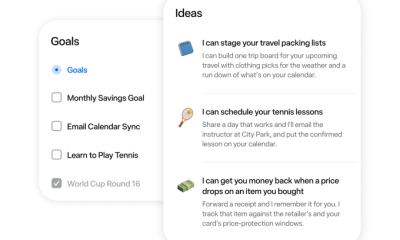
Ask your LLM AI about the project you’ve spent months building, and it may remember your name, your writing style, and the budget you mentioned last week. For a moment, that feels like being remembered. Then open its memory settings and look at what’s actually there. You won’t find any evidence that the underlying model learned how to work with you. What you’ll find instead are fragments assembled from your chats, files, and connected apps. Puzzle pieces that can resemble a complete picture from a distance, even though the model never built the full picture.
The leading LLM assistants now describe this in their own support material. One calls its current memory a continually updated synthesis and says its earlier version worked like a notepad stored separately from chat history. Another searches old conversations and builds a memory you can view, edit, disable, export, or replace.

Those features are useful, and they can spare you from having to repeat your preferred writing style, the name of a project, or the fact that you hate morning meetings, but they also show the difference between retrieving details about you and understanding how those details fit together.

While you hope that the screen you’re looking at fresh today may remember, the fact is that the model at the center of the experience remains the same pretrained model that everyone else gets to experience in much the same way and with the same limitations.

Advertisement

Saved context is not learned experience

So what’s all that saved memory actually doing, if it isn’t teaching the model anything? Less than it feels like. Because while it seems to reach back into your earlier chats, pick out whatever looks relevant, and lay some of it down beside your next question, and the answer that comes back does feel more personal, it’s easy to mistake that as a sign that the thing is finally getting to know you. It isn’t. It just has better notes in front of it than it did a few minutes ago, and because people want it to understand them, they may start actually believing that it’s getting to know them better. 

And that difference stays out of sight as long as everything’s going smoothly and the assistant remembers your project by name, it brings back the preference you mentioned yesterday, and it all feels like continuity. And that’s the trap, because you only catch the illusion when the work turns complicated.

Say it remembers that Julie approved a budget, but it never caught that Julie moved to a different role three weeks back. So it hands you the decisions she made, and yet it loses the position and facts that forced a newer budget to be created in the first place. Or it gives you an instruction that a newer iteration of the developing budget already cancelled. And while each of those memories is perfectly true on its own and for when they occurred, the story they add up to and present to you as today’s fact is still wrong.

And that’s the thing about storage. A filing cabinet remembers too. It keeps whatever you put in it, and it gives a folder back when you know what to search for. But nobody’s ever confused the cabinet with the human co-worker standing next to it, the one who knows why that folder mattered, what changed after it was filed, and which part of it you should still be listening to today.

Advertisement

Long conversations expose the limit

Now see what happens when you ask that filing cabinet to follow a single thread stretched thin across hundreds of folders with dozens of turns and hundreds of separate and sometimes subtle sessions. Julie approves the budget, and then she changes roles, and then she pushes back on something you decided later, and then she’s gone for weeks on vacation before she turns up again. So just pulling her name out of the pile you’re working on isn’t going to work. The real work is knowing which facts about her work still hold, what came before what, and why the whole relationship bent the way it did along the way.

That’s exactly what a group of researchers set out to measure with a benchmark called LoCoMo, built around conversations that run an average of 300 turns across as many as 35 sessions. They gave the LLM models every advantage, longer context windows and better retrieval, and the models improved. But people still ran circles around them. The systems trailed human performance by 56 percent overall, and that shortfall stretched to 73 percent once the questions leaned in more heavily on timing and sequence. Which is to say, they did fine when remembering meant finding a sentence, but then fell apart when remembering meant actually understanding how one thing changed everything that came after it.

So adding on more and more storage was never going to finish the job, because holding onto every sentence was never the hard part. The hard part is judgment. It’s knowing which details belong together, and which one rewrites the meaning of another, and which source has earned some weight while another hasn’t. It’s knowing what’s still true this morning, and what should be allowed to go soft and fade away because it was only ever the noise of a passing exchange.

A useful memory should separate what matters from what doesn’t. It should keep the key decision that turned a whole project around and let the small talk dissolve. And when two facts arrive and contradict each other, it should hold onto the one that explains the change instead of letting the newest sentence walk in and take over the direction.

Advertisement

Memory has to participate in thought

This is where it stops being a storage problem and starts being an architecture one. 

For most LLM AI, memory is a drawer off to the side that the model opens when it needs something. But Vertus takes a different architectural approach. It isn’t an LLM with a bigger scrapbook taped to the side. Vertus calls its architecture a Cognitive Reasoning Superintelligence, and in that design memory isn’t a drawer at all. It’s the bedrock the whole system is built on and reasons from.

Vertus calls this Cognitive Memory, with people, projects, decisions, evidence, and contradictions held as connected knowledge inside a persistent structure called the Cognitive Knowledge Lattice, rather than scattered as loose scraps waiting to be fetched. 

So when Julie changes positions, her old role isn’t wiped and the new one isn’t dropped in beside it like a stranger. The link between them carries the span of time it held, as well as the evidence that backed it, and the moments it changed. When an instruction gets replaced, the system keeps the change and the reason for it. And when the same claim shows up a thousand times over with nothing new behind it, all that repeating still doesn’t get to pass itself off as somehow elevated importance.

Advertisement

It also can tell the difference between the fresh and the old in the same way that you do. Whatever you’re working on right now stays close, while the routine back-and-forth loosens its grip over time, and the moments that genuinely mattered keep shaping what comes next. Nobody’s trying to remember everything forever, because remembering everything just builds an attic nobody can walk through. The point is to keep the shape of what’s been learned, tightly enough that memory actually changes how the next problem looks when it arrives, instead of sprinkling a familiar name on top of an old answer that was already written.

And that’s the real turn. When Vertus builds a fresh structure to think a question through, Cognitive Memory shapes that structure right from the first move. It isn’t fetched later and then somehow laid beside the answer after the important thinking’s already underway. It helps decide what the problem even is, and whose history matters to it, and which way through the evidence makes sense right now. The memory is doing the thinking, not watching it.

Tomorrow reveals what the memory is worth

Now, several of the big LLM Cartel assistants can remember more than they could a year ago. But that only makes the next question even more important. What kind of memory sits underneath the improvement?

Is it a tidy summary the system keeps about you, a transcript it searches, a few details it sets down next to your next request? Or is it experience hardening into structure, and changing how the request is understood before an answer even begins to form? Both can feel like continuity. Both can feel like being known. But one merely retrieves what you said while the other lets what it learned change what comes next.

Advertisement

And you feel the difference when the tab closes, and the week rolls over, and the project moves on, and yesterday’s simple little fact turns into today’s complicated quandary. 

Any notepad can tell an LLM what you said. A living memory helps it understand what those words actually mean and what they’ve come to become since.

A better test isn’t whether an AI can read yesterday back to you word for word. But rather whether what happened yesterday changes how it approaches today.

Digital Trends partners with external contributors. All contributor content is reviewed by the Digital Trends editorial staff.

Advertisement

Source link

Continue Reading

Trending

Copyright © 2025