Connect with us

Tech

Microsoft is finally going to stop nagging you to back up your files to OneDrive in Windows 11

Published

on


  • Microsoft has made a welcome change to OneDrive in Windows 11
  • Prompts to use the backup service can now be permanently dismissed
  • The change has been positively received by most users online

There have been complaints about this going back years, but Microsoft has finally caved in and decided to stop nagging users to back up their files to OneDrive: these alerts can now be permanently dismissed with an Opt out of backup button.

As spotted by Windows Latest, the move is going to please users who have no intention of using OneDrive to store their files, and would rather not have occasional reminders from their operating system that this is an option.

Source link

Advertisement
Continue Reading
Click to comment

You must be logged in to post a comment Login

Leave a Reply

Tech

Tim Cook & John Ternus are excellent CEOs for Apple

Published

on

For one more day, Tim Cook is still the CEO of Apple. Despite foibles, he was the right man in the right place to make Apple the financial and cultural juggernaut it is today. John Ternus is too.

Since my first Apple II in 1979, there have been many Apple CEOs, many philosophies behind Apple. Jobs’ was apparent in the 80s, and then again in his iCEO/CEO days.

And then he got sick. He made his last, best decision for Apple before he did.

He made Tim Cook the CEO of Apple.

Advertisement

Cook’s era begins in 2011

Cook’s first keynote was rough. It would take him about two years to get as smooth at presentation as Jobs was.

I think intentionally, he never tried a Jobsian reality distortion field approach.

When Cook took those keys, the iPhone wasn’t as big as it would be just a few years later when the iPhone 6 shipped. That blew the doors off the place.

He also had the early iPad to deal with and advance. And then, the first project without any real involvement from Steve Jobs, the Apple Watch, shipped.

Advertisement

He’s been hailed and pilloried over the years for the same reason, he wasn’t Steve Jobs. Apple didn’t need another Steve Jobs after Apple wasn’t first to a MP3 player or to a smartphone.

They needed a Tim Cook, after Apple wasn’t the voice of the revolution anymore. They needed a guy to drive Apple’s logistics and culture into the stratosphere, where it is today.

For everybody who thinks that Steve Jobs was right about everything, as a reminder, he named Cook to be CEO. And it worked out pretty well.

Not parasocial, not social

I’ve had close encounters with Apple’s two great CEOs. The first was with Steve Jobs, when I was hired for a games evangelism role inside Apple in 2001. The offer was tended, I was packing up my family to move, and in about a 40-word conversation, he handed me off to his assistant to tell me that the role was gone.

Advertisement

I wasn’t public-facing with Apple writing when Steve Jobs died. I did a lot of discussions and briefings in DC with mostly military folks about what it might mean, so I was still very immersed and had a lot to do that day and week afterwards.

The second Apple CEO close encounter was with Cook. This was in very late 2011, almost 10 years to the day after the Jobs call, very soon after he took over. I don’t remember the day, but it was after Thanksgiving and before the feds shut down for Christmas.

The iPad was relatively fresh, and the Department of Defense was considering them for use. Having been a submariner and a consultant, I was invited to a big meeting one Thursday night in DC.

As it turns out, the Department of Defense, specifically the Department of the Navy, didn’t like the Wi-Fi on it. There were concerns that it might be an issue with RF emissions control, and therefore impactibg detectability on underway ships and submarines.

Advertisement

Tim was in town for some lobbying effort or other, I forget which. I still wasn’t doing this job facing the internet yet, that would take another six months.

He and I very briefly exchanged pleasantries in a meeting room. A panel discussion about the iPad Wi-Fi “issue” in was about to start, but he was ushered out by his assistants before the discussions started. This left us with folks from the Reston, VA government support office and a few engineers from Cupertino.

And that was it. One of Tim’s many assistants reached out after my daughter died and I wrote about how my Apple Watch helped get a heart condition diagnosed. That was more a sympathy call than anything else.

John Ternus is his own man, influenced by Cook’s shadow

I’ve been asked a few times about what I expect from John Ternus as Apple CEO. I’ve mostly said “expect a very Cook-ian company for at least four years.”

Advertisement

It’s too early to tell what John is going to be like in a year or two. All that’s certain is that he’s got big shoes to fill.

He’s not an operations guy, he’s an engineer, mostly. He’s had his hands in all of Apple’s hardware for at least a decade, which is a good foundation.

He’s got a $4 trillion dollar company, who righted the wrongs of late-Intel hardware for most users mostly under Ternus’ hardware direction. He’s being handed an absolutely commanding mobile ecosystem, that he had less to do with, but not nothing.

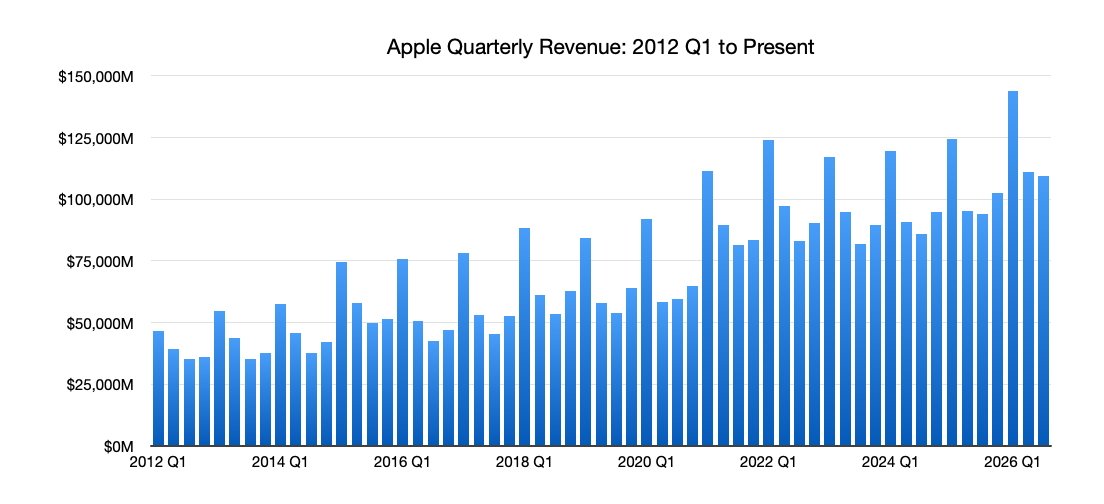
Bar chart of Apple quarterly revenue from 2012 to 2023, with blue bars generally rising over time and noticeable peaks around 2018, 2021, and 2022, indicating overall growth

Apple’s quarterly revenue from Q1 2012 to the present

Advertisement

The folding iPhone is about to ship albeit about 10 years after the first folding smartphone shipped. And Apple’s main money-maker for the rest of the year, the iPhone 18 Pro, is in days too.

This is not a Disneyesque CEO turnover. I still think that Bob Iger handed off to Bob Chapek, seeing the COVID storm on the horizon and other cultural and structural issues in that massive company.

After all, COVID had been brewing inside Apple’s and Disney’s supply chain in September of 2019, before it hit the US. Iger knew it was coming and was going to be a problem.

And on COVID, I think Cook stared that down better than Jobs would have. I suspect the latter would enforce his own timetables, global pandemic be damned, to the detriment of the company.

Advertisement

The RAM and SSD commodity pricing as of August 2026 that facing the new CEO are COVID-esque from a pricing and value destruction perspective, and will be for years, but not insurmountable. It just needs a whole lot of spending money, patience, and time.

I suspect Tim will be working that as a geopolitical problem as Apple Executive Chairman tomorrow, and going forward.

Jobs was Jobs. Cook mostly got allowed to be Cook by Apple fans, but he was true to himself, bedamned the complaints that he wasn’t Jobs.

Let Ternus be Ternus. Don’t decry that he isn’t Jobs or Cook, he’s not really listening anyway.

Advertisement

No matter what happens, it’s going to be interesting.

Apple was doomed in the ’90s when bean-counters ran the company. Things were bad, and the Sears/CompUSA Performa strategy just did not work. Then it wasn’t when Steve Jobs came back and pulled the cloth off the iMac when the company was the voice of the revolution.

Then, in the minds of some, it was doomed again when Tim Cook took over, right after Apple stopped being the voice of the revolution and was instead a dominant force with iPod and a growing dominance with iPhone under the last years of Steve Jobs.

Apple won, it needed Tim Cook to evolve, and Steve Jobs knew it.

Advertisement

And it’s not doomed tomorrow, or for the next 16 years, under John Ternus’ control.

Tim, I’m going to miss the prayer-hands at every event, they were fun. I’m going to miss the exuberant good morning, good afternoon, and one single good evening.

It’s been fun covering you for 22 years between your two temporary stints and your CEO tenure, for the feds, for MacNN, and for AppleInsider.

Advertisement

Source link

Continue Reading

Tech

Just How Water-Resistant Is Apple’s iPhone? I Tested It in My Swimming Pool

Published

on

There’s nothing I love more than testing a tech company’s claims. I used to host a CNET YouTube series called Breaking Point, where I got to do what most people try to avoid: torture their tech. That meant purposely dropping thousands of dollars’ worth of phones on the ground, dunking them in water and pushing them to their limits. 

So when Apple released its first water-resistant iPhone in 2016, I thought, “Game on!”

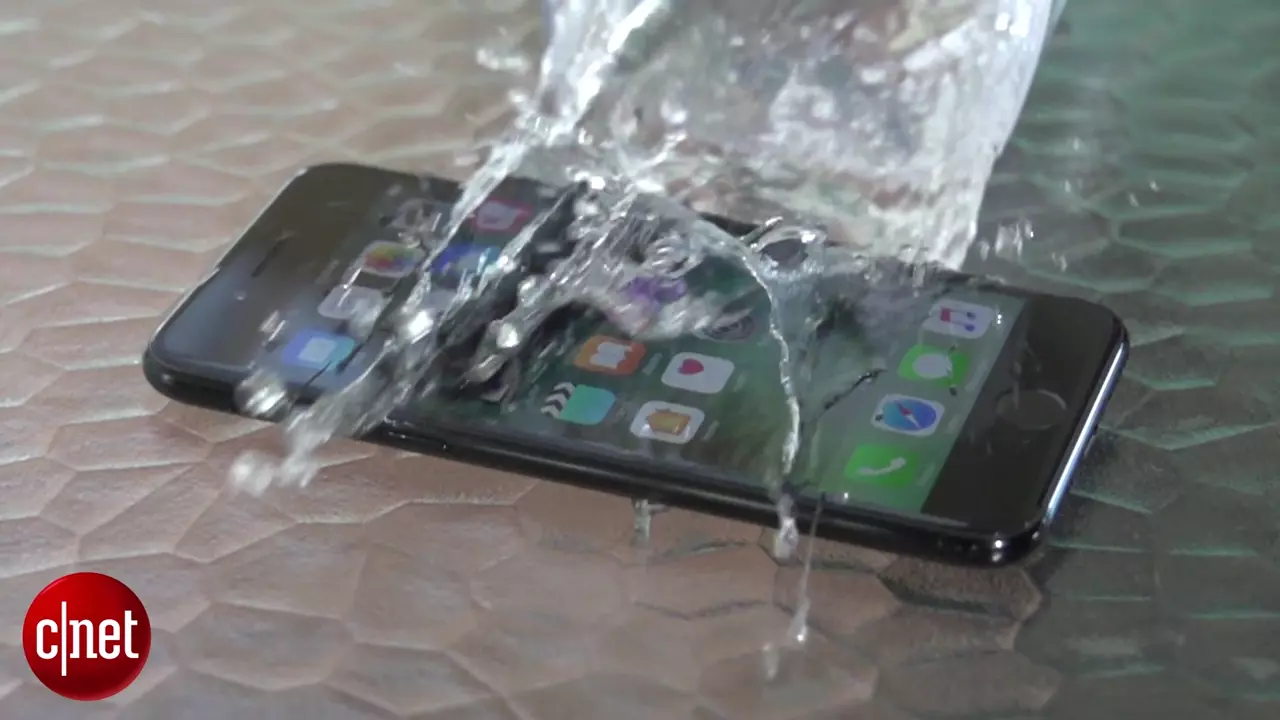
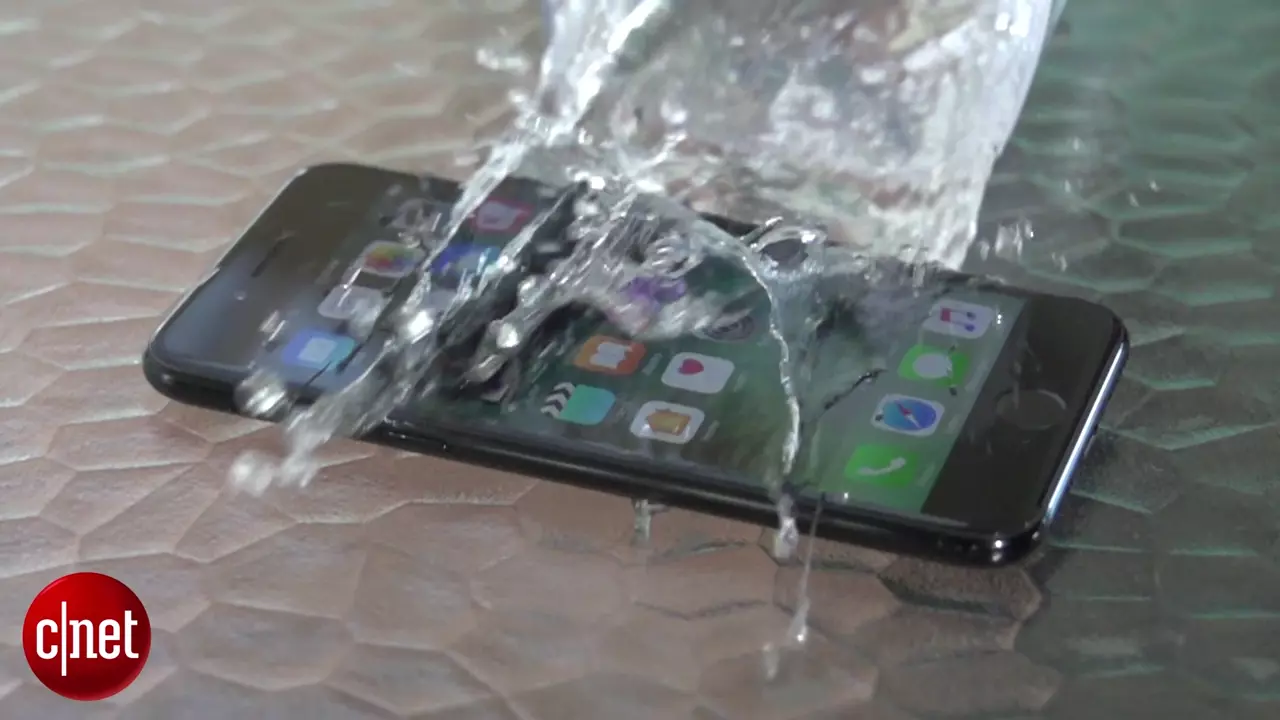
It’s hard to imagine now, but before the iPhone 7, a splash of water could make your Apple phone useless. Its IP67 rating means it can withstand 30 minutes in 1 meter of water (about 3 feet). To test it, I took the iPhone 7 for a “swim” in the pool at my old San Francisco apartment building, along with then CNET senior editor Sean Hollister, and filmed the whole thing.

We ended up testing it beyond its limits and didn’t exactly follow all the care instructions. Spoiler alert: The iPhone mostly survived, but it did come away with a battle scar or two.

Advertisement

At the time, I was blissfully unaware that just because a phone is fine after being underwater doesn’t mean it escaped damage. Chlorinated pool water and ocean saltwater can slowly corrode the materials inside a phone, even after it’s dried out. That wouldn’t kill a phone right away, but it would shorten its lifespan. Water damage (intentional or not) will void Apple’s warranty

Looking back at this 10-year-old video of Hollister and me throwing an iPhone 7 into a pool is ironic. Instead of taking my phone on more water-related adventures, safe in the knowledge that my tech should be fine, I’m careful with my iPhone around water. Less fun, yes, but more informed.

Watch my full Did the iPhone 7 Survive Our Water Test? video down below.

Did the iPhone 7 survive our water test?

Source link

Advertisement
Continue Reading

Tech

Some Galaxy S26 Ultra owners are still facing the red tint issue after installing the recent fix

Published

on

Samsung’s software fix for the Galaxy S26 Ultra‘s red tint issue started rolling out last week, but it isn’t working for all affected owners and is reportedly causing new display quirks for some.

Some Galaxy S26 Ultra owners are still seeing red

Samsung originally announced the fix earlier this month, saying the red tint came from a calibration issue and not a hardware defect. At the time, the company urged users to visit a local service center for a display calibration or wait for an over-the-air update. That update landed last week, but it doesn’t seem to resolve the issue for all users.

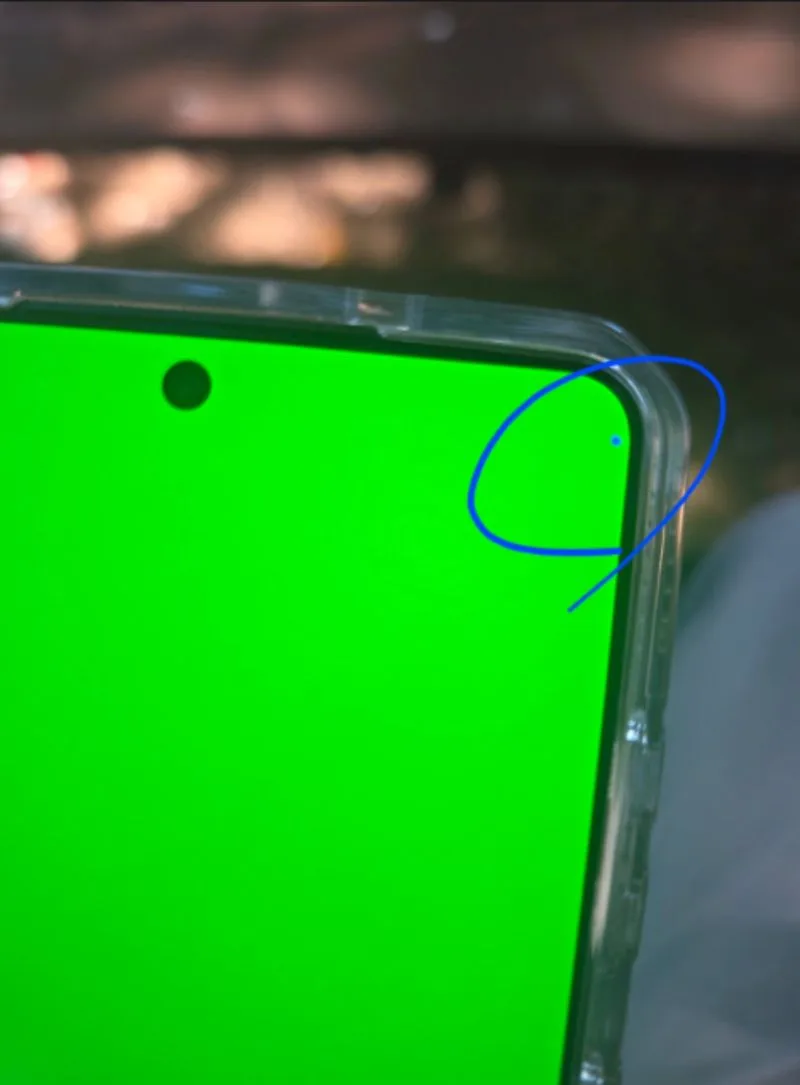
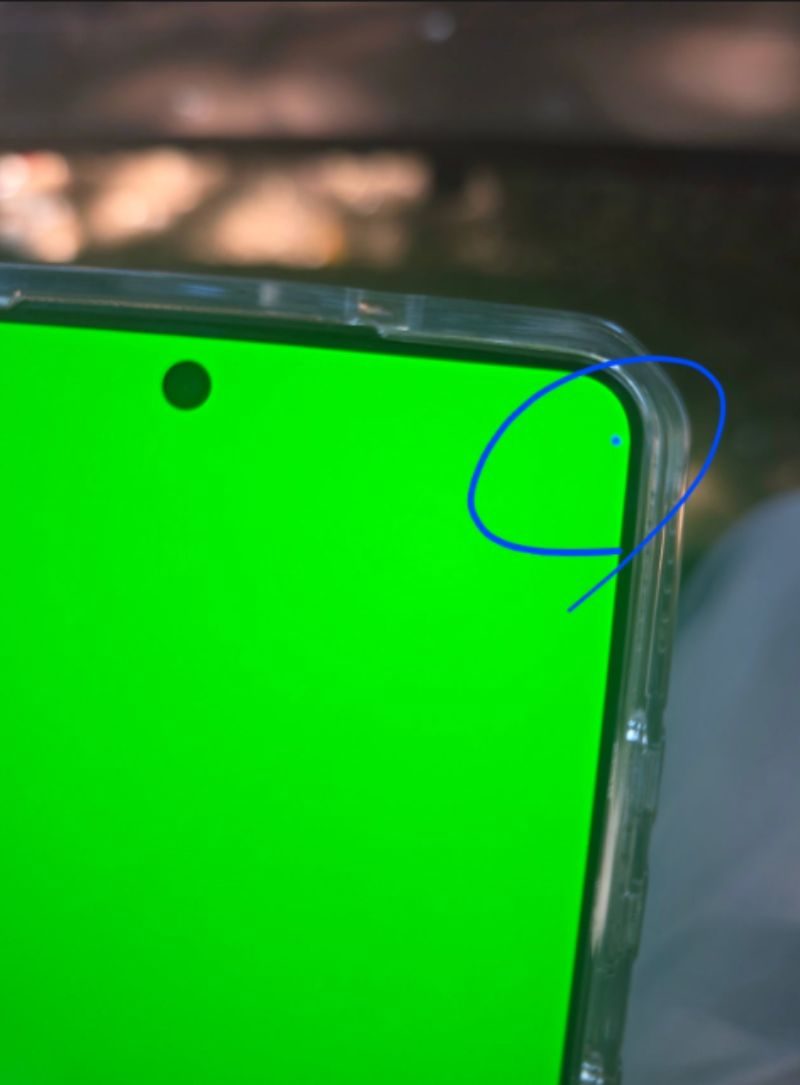
According to Newsway, some owners say the red tint persists following the update, while others have reported a tint along the edges. A few users who took their phones in for calibration at a service center have highlighted different problems, including colored spots near the edges and reddening at the top and bottom.

What Samsung is telling affected users

Samsung’s advice for anyone still seeing the red tint is to turn off display features like Adaptive color tone, Color correction, Color filter, Extra dim, and Eye comfort shield to check whether that clears it. If the tint persists, the company has directed users to visit a service center for further evaluation and guidance.

The situation has left many early adopters in a difficult position. When complaints first surfaced, Samsung reassured customers that a software update would resolve the issue without requiring panel replacements. However, recent user reports suggest that software adjustments alone may not be enough for every affected device.

Advertisement

Samsung has not officially responded to the new batch of complaints that surfaced following the update, and the company has yet to confirm how many units are affected overall. For now, owners who are still dealing with the red tint after installing the patch have little recourse beyond visiting an authorized service center or holding out for a follow-up patch.

Source link

Advertisement
Continue Reading

Tech

NASA’s new telescope can see 100 times more sky than Hubble in a single shot

Published

on

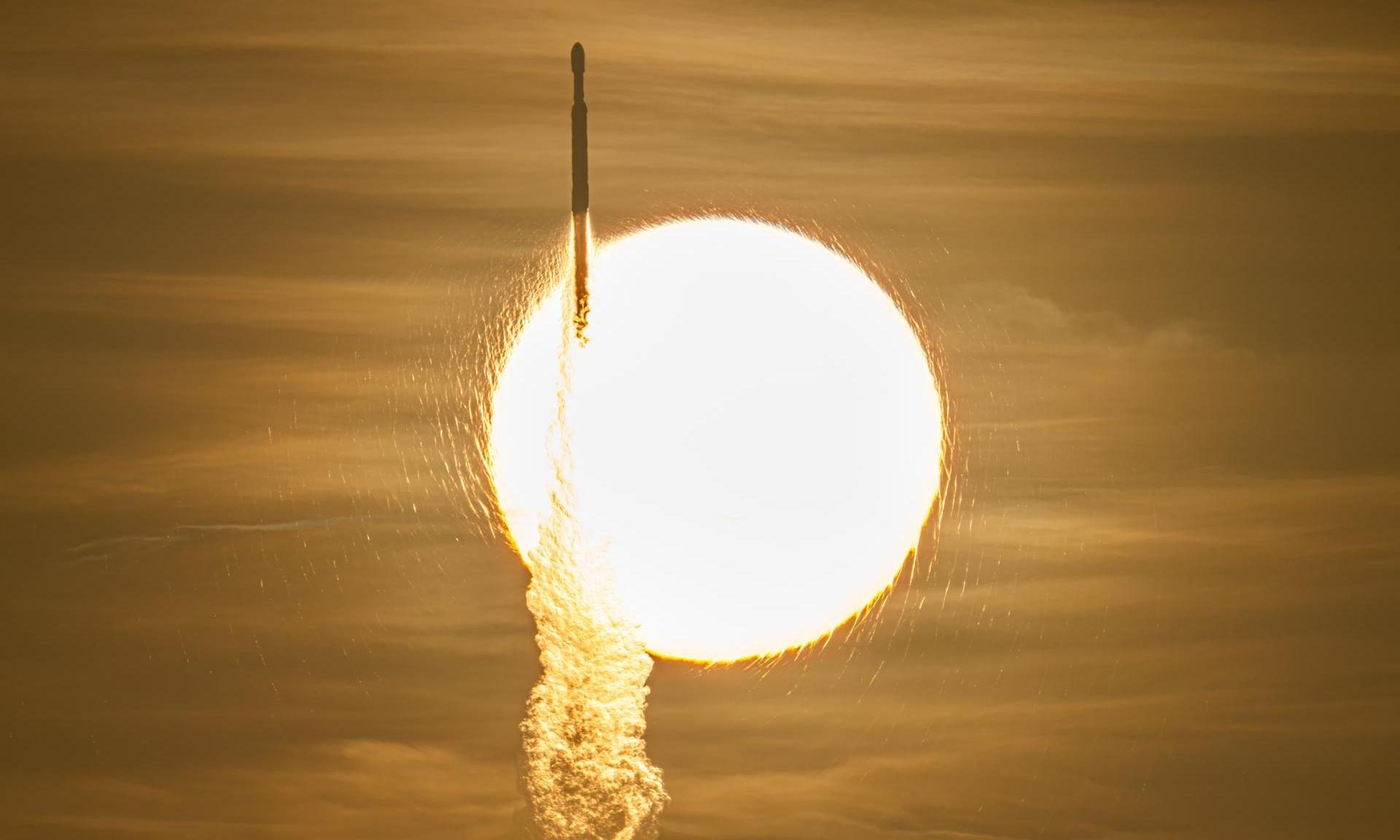
The Hubble telescope has an almost legendary status. Over the last three decades, Hubble gave us some of the most spectacular close-ups of the universe ever captured, and now, NASA’s newest space telescope wants to see the bigger picture. The Nancy Grace Roman Space Telescope successfully launched aboard a SpaceX Falcon Heavy from Kennedy Space Center in Florida at 7:26 a.m. EDT on August 30. Roman is now beginning a roughly three-month journey toward the Sun-Earth L2 point, nearly a million miles away, where it will spend its primary five-year mission surveying huge portions of the cosmos.

Roman carries a 2.4-meter primary mirror, the same diameter as Hubble’s, but its Wide Field Instrument can capture a field of view at least 100 times larger than Hubble’s. NASA expects it to use that combination of sharpness and scale to map billions of galaxies, study dark matter and dark energy, and discover enormous numbers of previously unknown worlds.

Imagine Hubble with panoramic vision

Roman won’t be replacing the Hubble or the James Webb Space Telescope. Webb is extraordinarily good at staring deeply into relatively small sections of the cosmos, while Roman will work like a survey machine. It can sweep across enormous areas while retaining the resolution needed to pick out distant objects.

NASA has previously illustrated the difference rather dramatically. In one simulated region containing millions of galaxies, Hubble would need roughly 85 years to map the area at the same depth. Roman could do it in about 63 days. This speed will help Roman construct an enormous 3D picture of the universe and track how galaxies have been distributed across cosmic history. Scientists can then use those patterns to investigate some of the universe’s biggest mysteries, like dark matter and dark energy.

According to the Reuters report, the roughly $4 billion observatory could study more than two billion galaxies over its mission. Aside from this, Roman will also be hunting exoplanets. NASA expects its surveys to uncover around 100,000 exoplanets, including worlds found through gravitational microlensing, where the gravity of an object passing in front of a distant star temporarily magnifies its light. Its experimental Coronagraph Instrument will also test technology intended to block overwhelming starlight so astronomers can directly study planets and planet-forming disks nearby.

Advertisement

From government optics to the dark universe

Key optics in the telescope, including its primary mirror, were originally made available to NASA by the National Reconnaissance Office. L3Harris subsequently reshaped the mirror and built upon the inherited hardware to turn it into the wide-field infrared observatory now heading into deep space.

Roman launched nine months ahead of schedule. Its baseline mission lasts five years, while the spacecraft has a 10-year mission goal. It was built to answer questions we’ve been struggling with for decades, like: Why is the universe expanding faster? Where is all the invisible matter shaping galaxies? How common are planetary systems like ours?

Source link

Advertisement
Continue Reading

Tech

Singapore is putting S$220M into fintech as private funding hits a decade low

Published

on

Singapore has committed S$220M, about $173M, to its fintech sector over the next three years. It made the announcement three days after KPMG reported that private investment in Singaporean fintech had fallen to its weakest first half in roughly a decade.

The timing is not a coincidence, and nobody is pretending otherwise. Gan Kim Yong, who is deputy prime minister, trade and industry minister and chairman of the Monetary Authority of Singapore, set out the commitment on Monday.

The money runs through the fourth iteration of the Financial Sector Technology and Innovation scheme, which has existed since 2015 and has backed more than 350 projects. FSTI 4.0 splits into six tracks covering institutional innovation, AI adoption, infrastructure and platforms, and talent.

The talent track has the most concrete commitment attached. At least 1,000 fintech internships will be created over the three years, with the stipends co-funded, which is a direct intervention in a labour market rather than a grant programme.

Advertisement

“These efforts will help our financial institutions, fintech firms, and workers innovate, scale, and build capabilities to seize emerging opportunities,” Gan said. He framed the AI opportunity in terms of capture rather than defence, adding that the financial industry is not a zero-sum game.

The private market has been telling a bleaker story. Singaporean fintech companies raised $499m across 53 deals in the first half of 2026, down from $1.45bn across 97 deals in the same period last year.

The composition is worse than the total. A single $320m cross-border payments round in June accounted for nearly two-thirds of the entire half, which means the rest of the ecosystem shared roughly $179m between it.

Deal count fell less steeply than value, from 97 to 53, which describes a market still doing business at smaller cheque sizes rather than one that has stopped. Early-stage activity holding up while growth rounds disappear is the usual shape of a downturn.

Advertisement

Split by sector, the pattern is familiar. AI and machine learning took $365.9m across 18 deals while digital assets managed 27 deals for $95.5m, so crypto is still doing volume, and AI is taking the money.

None of this makes Singapore a small market. It hosts around 1,800 fintech firms employing about 10,000 people, and the sector took roughly S$3bn during 2025 before the drop.

The decline is also not peculiar to Singapore, which is the more useful context. British fintech funding fell to its own decade low this year, and European rounds have been landing against a broader plunge rather than a recovery.

Singapore also has a specific reason to act rather than wait. Its financial centre competes directly with Hong Kong, Dubai and London for the same firms, and a hub that looks becalmed for two years does not simply resume where it left off.

Advertisement

What differs is the response. Britain reached for a £1bn private growth fund to close a gap it had identified, while Singapore is deploying a comparatively modest sum of public money into infrastructure, adoption and people.

S$220m will not replace a billion dollars of vanished private capital, and it is not designed to. Co-funding an internship or an AI deployment lowers the cost of trying something, which is a different instrument from writing a cheque into a cap table.

Whether that works depends on what caused the drop. If investors have simply repriced fintech everywhere, cheaper experimentation keeps companies alive until sentiment turns, and if Singapore is losing ground to a rival hub, a talent subsidy will not fix it.

FSTI has at least the advantage of a record. Eleven years and 350 projects is long enough to know what the scheme does well, which is more than most industrial policy can claim at the point of renewal.

Advertisement

The government is betting on the first reading. Three years, six tracks, a thousand internships, and a stated intention to be positioned when the money comes back.

Source link

Advertisement
Continue Reading

Tech

Parco HUB-001SR is IBM’s Motorized USB Hub Radio With a Sliding Door That You Probably Never Knew Existed

Published

on

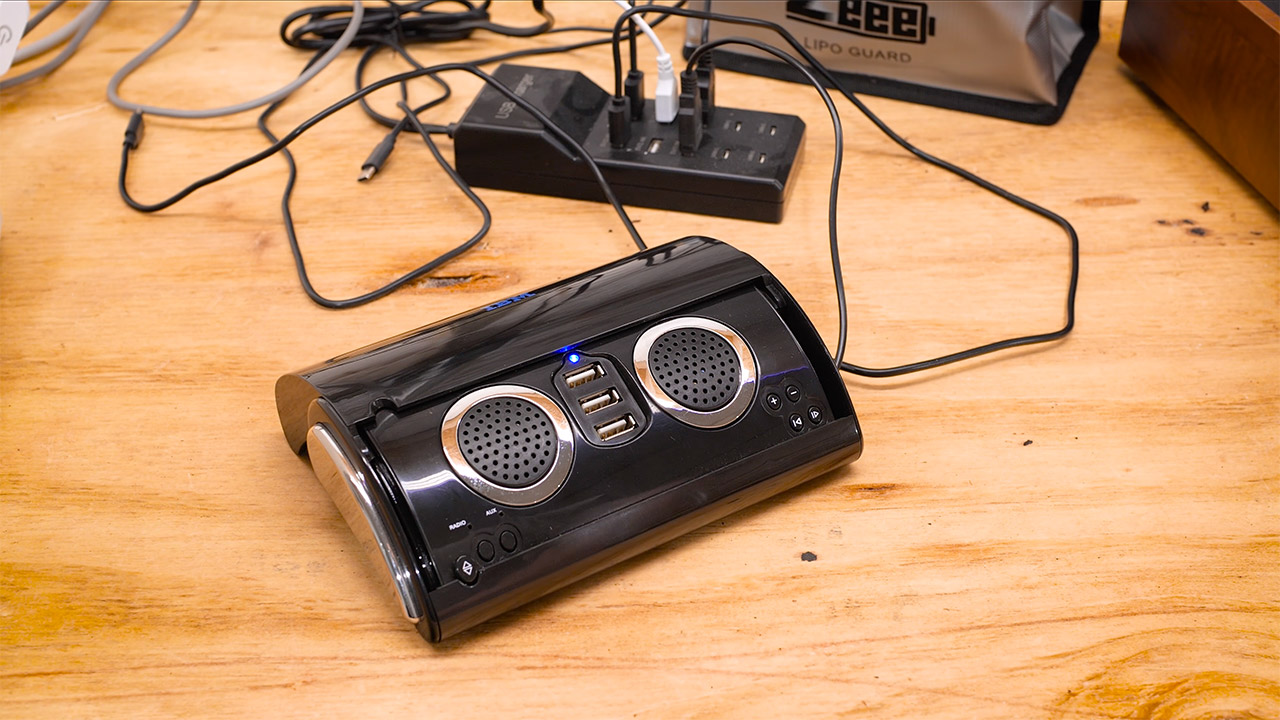
Parco HUB-001SR IBM USB Radio
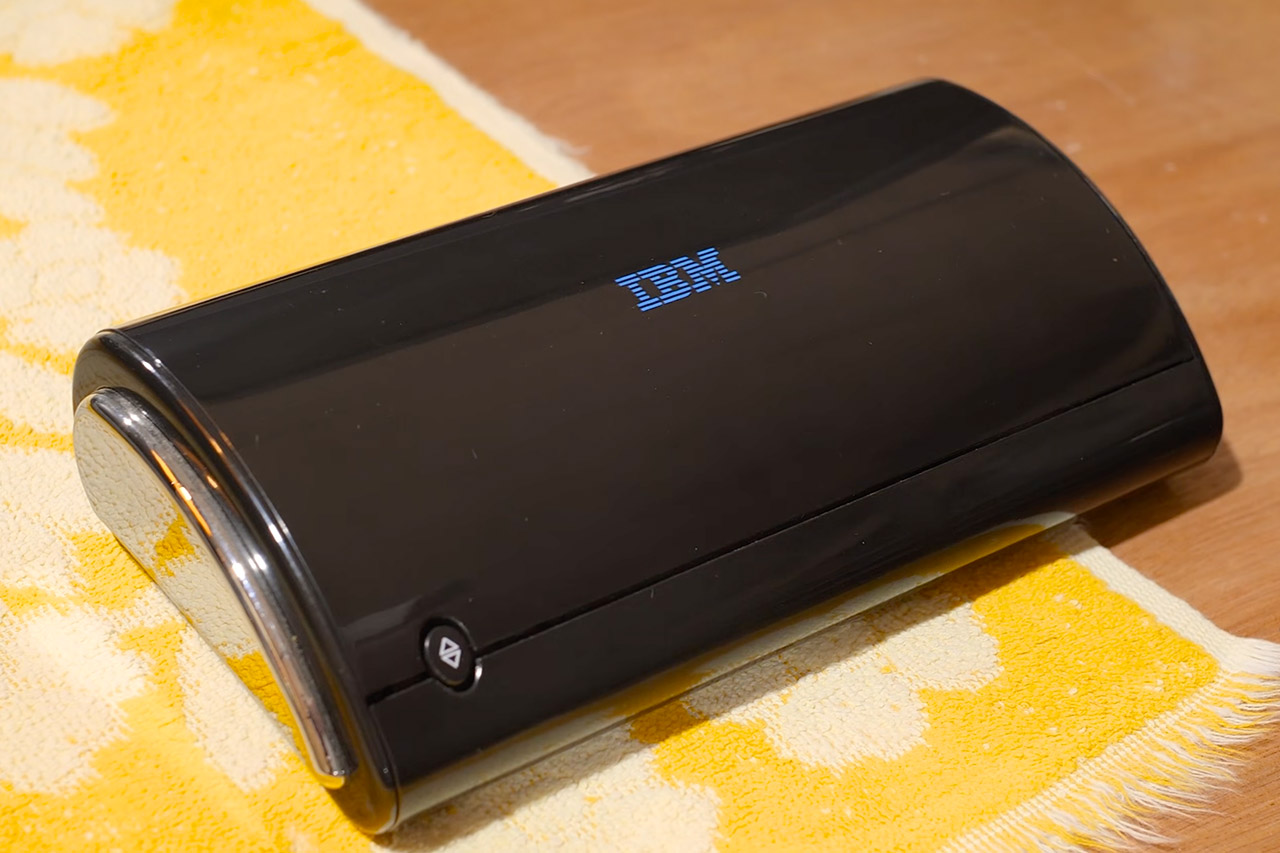
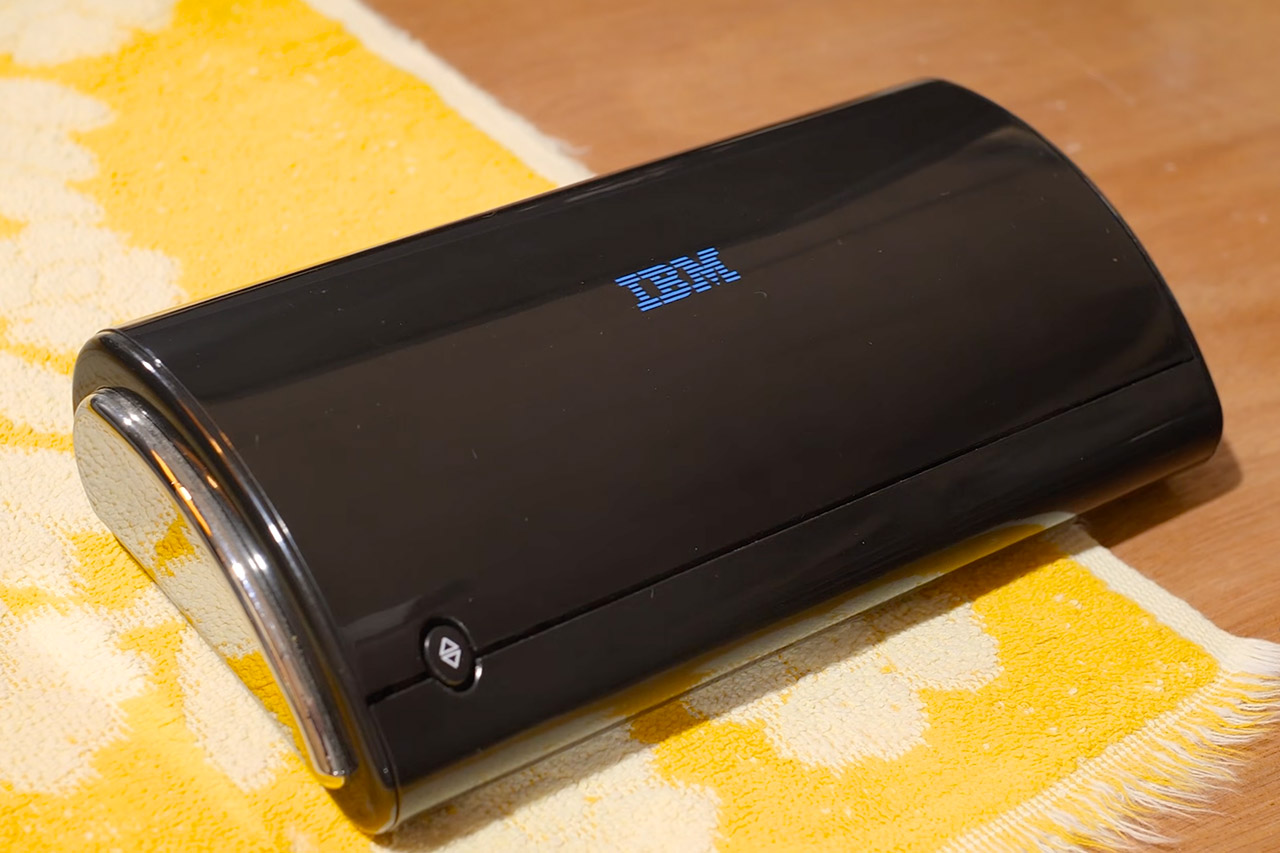
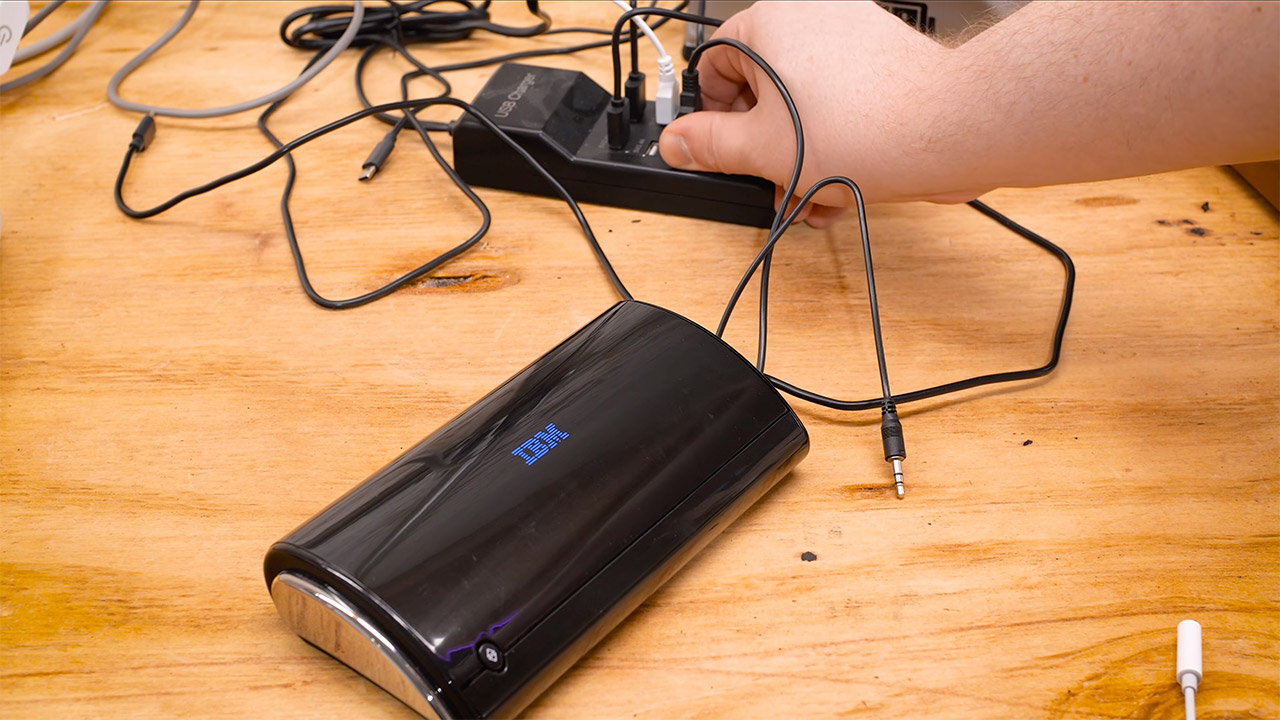
IBM never sold this as a catalog item, yet the logo sits on the case all the same. Parco Pacified Limited of Hong Kong built the HUB-001SR as a compact speaker dock that also works as a three-port USB 1.1 hub and an FM radio, then someone stamped IBM branding on a batch and handed units out as corporate gifts or show swag. The same plastic shell later turned up with a Bisty mark tied to Japanese pachinko prizes. You end up with a desk object that looks official until you notice the generic Chinese tooling and the motor that slides a cover open when you press it.


Parco describes the product as a Windows and Mac-friendly speaker with a three-port hub and radio that requires no additional drivers to run with Windows 98 through XP or Mac OS 8.6 through OS X. Three USB-A sockets are included; these operate at the comparatively sluggish speed of USB 1.1, 12 Mbps, and are fitted with over-current protection to ensure safety. An AUX jack can be utilized to connect a music player with a 3.5 mm cable; any music player from that era would suffice. Each speaker can output 500 mW. The gadget may be operated using either a USB connection or four basic AAA batteries. FM reception is standard, with frequencies ranging from 88 to 108 MHz.

Sale


UGREEN 7-in-1 Powered USB 3.0 Hub, 7 Ports, 5xUSB-A and 2xUSB-C, 5Gbps
  • 7-Port Expansion with Individual Switches: Turn one USB-A port into 5xUSB-A and 2xUSB-C data ports for keyboards, mice, flash drives, printers, and…
  • Up to 5Gbps Data Transfer: Move large files, photos, and videos quickly with transfer speeds up to 5Gbps when connected to compatible hosts and…
  • 24W Power Adapter Included: Use the power input to help keep multiple peripherals connected reliably, especially power-demanding storage devices. The…

Parco HUB-001SR IBM USB Radio
A light press on the device’s front activates a small motor, causing a panel to glide open, exposing the ports and controls. When we examined LGR’s duplicate of the item, we discovered that the motor glided smoothly, as one would expect from a quality piece of equipment. Inside the machine, there are USB ports, an AUX jack, volume controls, and a radio button, as well as two drivers that aren’t particularly noteworthy. The radio is a basic scan tuner. It quickly searches the band, locks onto a station as soon as it detects a clean signal, and stays with it, but no useful options such as manual tuning are available. The device failed to pick up a signal inside a metal building, as expected, but the signal increased when we stepped outside, as you’d expect from a low-cost radio. Plugging it into a modern PC running Windows results in a generic USB hub with no extra sound card or software, so don’t expect to connect it to your PC and get a nice USB sound card. The audio remains on the speakers unless you connect it to the AUX input instead.

Parco HUB-001SR IBM USB Radio
Parco still lists the item as an iPod USB speaker with auto-sliding cover on their website, which would explain the bulky appearance, even though later units never included an iPod port. However, the company’s catalog is a little amusing, with items like power banks shaped like old cassette tapes and milk-carton boomboxes. The lineup says it all, as the HUB-001SR was never intended for the IBM ThinkPad accessory drawer. It was only a freebie that happened to carry the Big Blue brand for a short while. The scan radio and motorized lid are an upgrade above a standard four-port brick, but the USB port is still the same old 12 Mbps hardware from the late 1990s. When the PC is turned off, four AAA batteries power the radio and speakers. On the other hand, connecting it to a computer via USB cable powers the entire device.

Advertisement

Source link

Continue Reading

Tech

Does Turning Off Bluetooth Actually Make Wi-Fi Better?

Published

on

There are usually other things worth trying first.

Homes and workplaces are packed with all sorts of wireless devices accumulated over the years. From your Bluetooth gaming headset to an AI-enabled smart speaker, each device competes for frequency bands that get more crowded with time. This network congestion can lead to dropped connections and sluggish performance.

Investing in a new router or mesh network can seem like a quick solution, but there are alternative methods you can try before purchasing electronics made pricier by the AI boom spiking hardware costs. One culprit of congestion that’s often singled out is Bluetooth.

Bluetooth devices are often blamed for this interference, but are they really the problem? And is it severe enough to warrant turning them off to speed up local Wi-Fi? In most cases, your Wi-Fi network isn’t really interacting with Bluetooth devices anymore. Here’s what you need to know about when these connections overlap and how you can keep them apart.

Advertisement

Does Bluetooth make your Wi-Fi slower?

Bluetooth can interfere with your Wi-Fi network, but only on the 2.4 GHz band. Bluetooth connections between devices operate at this frequency, which is the default option of smart home protocols like Zigbee and Thread. Microwaves also operate on the same band. When a smart thermostat, fridge and home security system compete for real estate, interference from Bluetooth devices can stress your Wi-Fi connection further. The resulting latency and packet loss can impair sensitive tasks like gaming sessions or video calling.

The 2.4 GHz frequency band is optimal for these gadgets since it penetrates thick walls better and functions better at longer distances, albeit at slower speeds. Newer devices adopt Wi-Fi coexistence logic to ensure devices operate simultaneously without slowing each other down.

Most smartphones, laptops, TVs and other modern client devices operate on the 5 GHz or 6 GHz bands provided by dual-band or tri-band router setups. The only reason they’d connect to a slower band is if they’re impeded from connecting to those faster bands by physical barriers like walls.

Advertisement

What blocks the Wi-Fi signal the most?

If your 4K gaming or Netflix streaming sessions feel more jittery than usual, there are other things you can do instead of powering down Bluetooth devices. 

Within a frequency band, most routers pick Wi-Fi channels automatically. MakeUseOf found that a Wi-Fi analyzer app like Network Scanner will let you find the optimal channels within the 2.4 GHz band for a reliable connection. For instance, channels 1, 6, and 11 offer the least interference on this frequency band. Using shielded cables near your router and primary workstation is another option that lowers electromagnetic interference. Spread your devices further apart to free up bandwidth for the ones closest to your router.

Advertisement

The severity of the congestion also depends on your environment. Your neighbor’s devices can impact your network in a dense apartment complex or office space. Concrete walls can create dead zones that reduce signal strength, which can be remedied with Wi-Fi extenders or a mesh network. These solutions are more likely to resolve network congestion. In most cases, Bluetooth devices no longer pose a risk to your home Wi-Fi.

Source link

Advertisement
Continue Reading

Tech

ChatGPT becomes the first AI chatbot designated under the DSA

Published

on

The European Commission has classified ChatGPT as a search engine. Monday’s designation brings the chatbot under the Digital Services Act as a Very Large Online Search Engine, alongside Reddit and Roblox, which have been designated as Very Large Online Platforms.

ChatGPT is the first AI chatbot to be designated under the regime. The Commission announced the decision after signalling in July that it intended to act as soon as August.

The designation itself follows a fairly simple calculation. Services with more than 45 million monthly users in the EU fall under the DSA’s threshold, and ChatGPT reported 159 million monthly active users across the six months to March 2026.

Reddit and Roblox also cleared the threshold, although by a smaller margin. Reddit reported 57.2 million monthly users, while Roblox had roughly 48 million, putting both above the limit but well below ChatGPT’s reported reach.

Advertisement

The more unusual part is the decision to treat ChatGPT as a search engine. A chatbot that responds to questions in prose is now being regulated in the same category as services that organise and direct users to information on the web.

The distinction matters because the DSA imposes different requirements depending on what kind of service is being designated.

For ChatGPT, that means the Commission is applying search-related obligations to a system that does not simply retrieve and rank web pages, but generates answers.

That raises questions about how those answers are produced, what risks they create, and how those risks can be assessed.

Advertisement

The designation itself does not introduce a new set of rules. Instead, it brings the three companies into a compliance regime that requires annual systemic risk assessments covering areas including illegal content, the protection of minors, physical and mental wellbeing, fundamental rights, electoral processes and public security.

The companies will also have to submit to independent audits and provide access to data for regulators and vetted researchers.

Data access has been one of the more contentious parts of the DSA for large online platforms, particularly when researchers seek information that companies consider commercially sensitive.

“These new designations mean that ChatGPT, Reddit and Roblox will now be held to a higher standard of scrutiny and accountability,” said Henna Virkkunen, the Commission’s executive vice-president for tech sovereignty, security and democracy.

Advertisement

The companies have four months to comply, putting the deadline at the end of November. The DSA allows the Commission to impose fines of up to 6% of a company’s global annual turnover for serious violations.

For Roblox, the requirements around minors are particularly significant. Much of the platform’s audience is made up of children and teenagers, so the company will now have to formally assess and mitigate risks to their safety and wellbeing, with those measures subject to independent auditing.

OpenAI faces a different problem. Its assessment will have to address systemic risks around electoral processes and public security, among other areas.

For a general-purpose AI system used for everything from everyday questions to political information, that means translating broad concerns about how AI can influence people at scale into risks that can actually be identified, measured, and audited.

Advertisement

Reddit’s designation raises another set of questions. It is the smallest of the three services by user numbers, but it hosts a huge amount of public discussion and has become an increasingly valuable source of data for AI companies.

Reddit has spent the past two years turning access to that content into a licensing business, making the platform’s relationship with AI developers an increasingly important part of its commercial model.

The designations also have a specific legal anchor. They apply to named entities rather than simply to the consumer-facing brands: OpenAI Ireland Limited, Reddit Netherlands B.V. and Roblox Corporation are listed in the Commission’s register, with national regulators in Ireland and the Netherlands sharing enforcement responsibilities with the Commission.

The decision comes as European technology enforcement is becoming more active across several fronts.

Advertisement

Poland has asked the Commission to fine Meta €250 million over scam advertising, while the Commission is separately preparing measures that would require Google to open Android to rival AI assistants under the Digital Markets Act.

Neither OpenAI, Reddit nor Roblox has publicly challenged the designations. They can appeal the decisions, although doing so would put the companies in the unusual position of disputing a classification based largely on user numbers they have themselves reported.

The broader significance is that the DSA is now being applied well beyond the social networks and content platforms it was originally associated with.

In a single announcement, the Commission has brought a chatbot, an online forum and a platform heavily used by children under the same high-level regulatory framework, even though the services create very different kinds of risks.

Advertisement

The practical test will come in November, when the first risk assessments are due. For OpenAI in particular, the interesting question will be whether a framework designed around traditional online platforms can meaningfully account for a system that generates information rather than simply hosting or distributing it.

Source link

Advertisement
Continue Reading

Tech

CXMT sues U.S. to take it off the supplier blacklist

Published

on

Memory maker CXMT has waded into the Apple memory sourcing debate, suing the Pentagon for designating it as a risky “Chinese military company.”

In June, Apple petitioned the Trump administration to allow it to buy memory chips from a blacklisted Chinese supplier. Now, that same supplier is bringing the fight to the U.S. government.

Memory chip producer CXMT sued the Pentagon on Friday, reports Reuters, for including it on the Chinese Military Company Blacklist, or 1260H list.

It’s a list of companies that the Pentagon believes have links to China’s People’s Liberation Army. The companies on it are deemed to potentially be a risk to U.S. national security.

Advertisement

CXMT insists that it is not a military company with no affiliation with the country’s army. It says it designs chips for civilian and commercial use.

The Pentagon, meanwhile, made its decision arbitrarily without any real supporting evidence. As a result, CXMT says says that it has damaged its business and reputation.

Getting off the list

CXMT has been classified as a risk by the Pentagon since January 2025, with the designation maintained in June 2026 under the Trump administration.

However, CXMT has spent over a year providing information to the Defense Department to try and convince it the classification is unjustified.

Advertisement

In February 2026, there seemed to be progress, as the Pentagon briefly said CXMT would be taken off the list, the company claims. However, later that day, the notice was pulled with no explanation.

In June, the Pentagon called CXMT “directly affiliated with MIIT and indirectly affiliated with SASAC,” referring to the Ministry of Industry and Information Technology as well as the China-controlled Assets Supervision and Administration Commission.

A bad list

The function of the list is to dissuade U.S. companies from buying goods from listed firms. The list doesn’t specifically forbid purchases from CXMT, but there are consequences.

The main repercussion is that the Department of Defense cannot make agreements with companies that exist on the list. However, it also won’t use products or services from third parties that use those components.

Advertisement

If Apple sells goods using the memory, it would endanger other sales to the U.S. government.

It’s also not the worst list, as there’s also the Entity List. Companies on the Entity List are blocked from trade with all companies in the U.S.

For Apple, if it proceeded to use CXMT, there would be a risk of the memory supplier being included on the Entity List, scuppering Apple’s new supply source.

Apple’s request to use CXMT as a supplier has so far been a political issue. It’s had lot of pushback on the topic from Washington as well as rival memory supplier Micron.

Advertisement

CXMT’s legal challenge forces the issue, and could make the whole debate conclude on a much faster schedule.

Source link

Advertisement
Continue Reading

Tech

Federal appeals court rules Kalshi’s sports prediction markets are gambling

Published

on

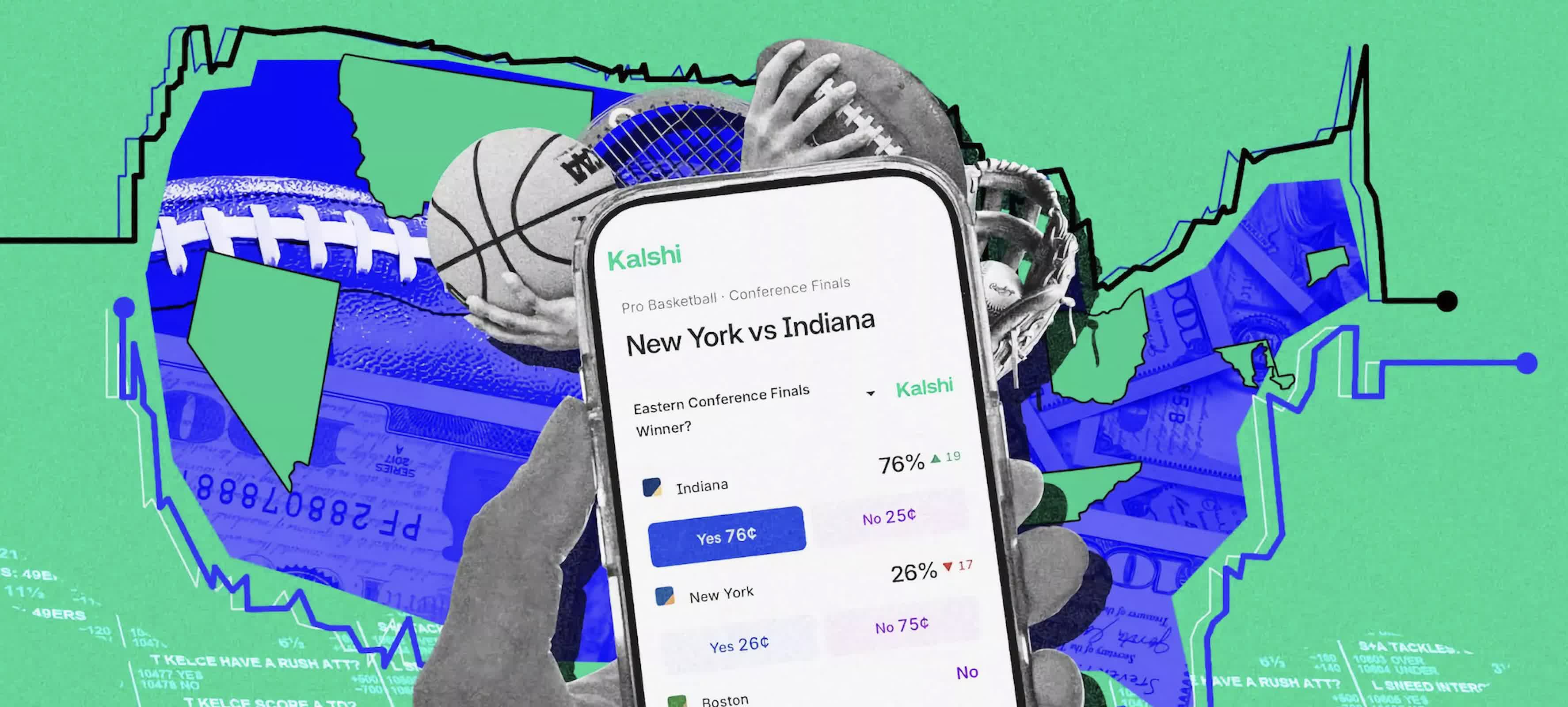
What just happened? A federal appeals court ruled on Friday that Nevada can enforce its gambling laws against Kalshi’s sports prediction markets, dealing the company a major setback in its fight to keep state regulators out of the business. The decision could give regulators across the West more leverage to challenge sports contracts offered on federally regulated prediction exchanges, while moving the industry closer to a Supreme Court fight over whether those products are financial derivatives or gambling.

The Ninth Circuit Court of Appeals found that Kalshi’s sports contracts amount to sports betting, even though the company offers them through a federally regulated exchange. The decision could have implications well beyond Nevada, particularly in states that have been trying to limit or block sports-related prediction markets.

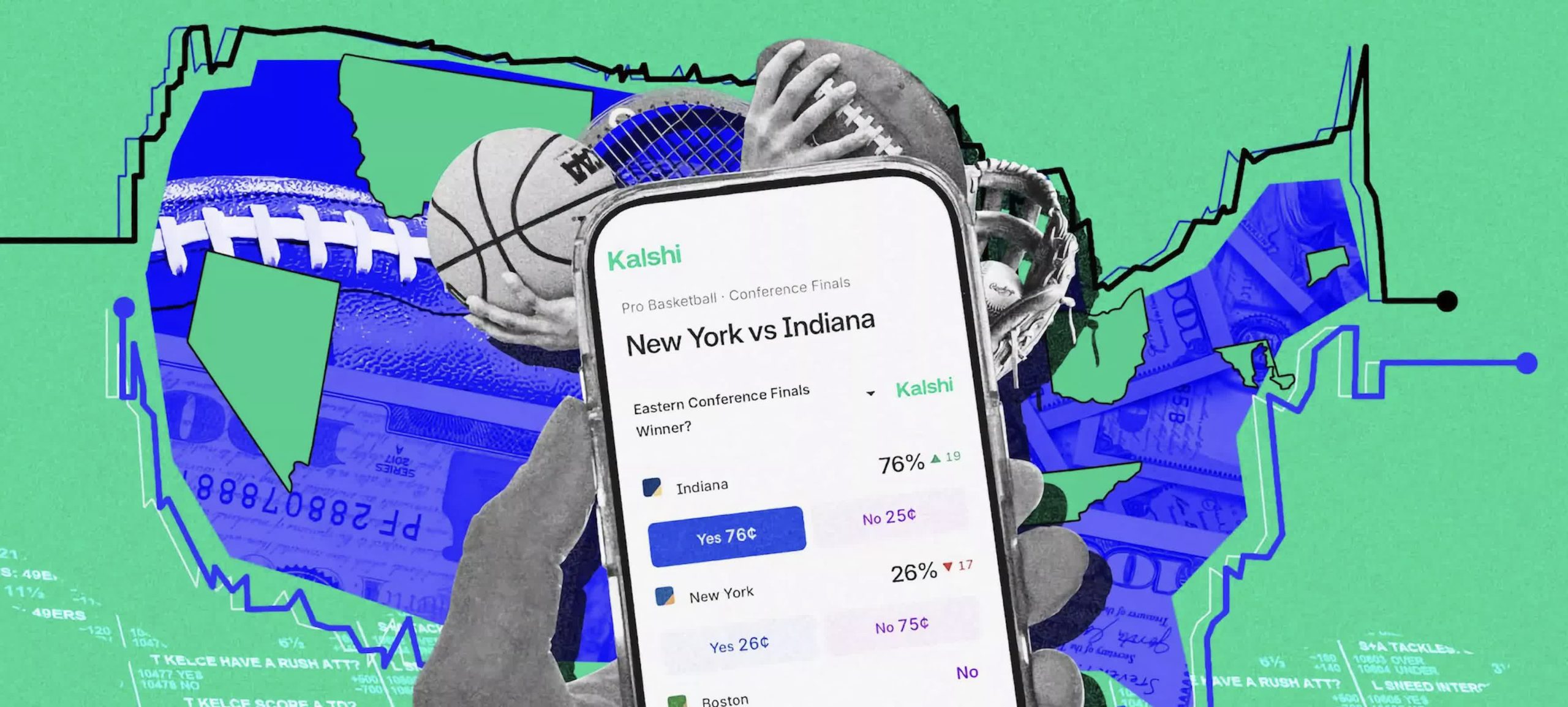
Kalshi lets users trade contracts based on event outcomes. The platform lists markets tied to sports, elections, economic data, weather, entertainment, and other subjects. Its sports contracts have become a major part of its activity as prediction markets have grown quickly this year.

The company has argued that its contracts are federally regulated financial products, not gambling. Kalshi is regulated by the Commodity Futures Trading Commission and has said that federal oversight should prevent states from applying their own gaming laws to its operations.

Advertisement

The Ninth Circuit rejected that argument.

“The substance of the sports event contracts offered on Kalshi’s (exchange) is sports gambling, regardless of whether Kalshi calls them swaps,” the three-judge panel wrote.

The court also said Kalshi had not shown a meaningful difference between its sports markets and traditional sportsbook wagers. “Kalshi’s attempts to distinguish its sports event contracts from sportsbooks betting are unpersuasive,” the ruling said.

The panel took particular issue with Kalshi’s position that its products were not sports betting. The judges said it was “disingenuous” for the company to make that argument after using sports-betting language in earlier marketing materials.

Advertisement

The case began after Nevada regulators moved against Kalshi and similar prediction-market offerings from Crypto.com and Robinhood. Nevada has long treated sports wagering as a tightly regulated activity, and state officials argued that the platforms should be subject to the same rules and taxes as other betting operators.

Gov. Joe Lombardo said the ruling would help “safeguard the integrity of our gaming industry.” Mike Dreitzer, chair of the Nevada Gaming Control Board, said it “completely vindicates what we have been saying all along.”

Kalshi said it intends to challenge the ruling. Spokeswoman Dani Lever said the company believes CFTC regulations do not bar sports contracts and noted that the agency is considering further clarification of its rules.

“Despite the Ninth Circuit’s opinion, we still believe the CFTC regulations as written do not prohibit sports contracts, and in any event, the CFTC is working to clarify those regulations,” Lever said in a statement. “We will be seeking further review.”

Advertisement

The decision conflicts with a ruling earlier this year from the Third Circuit Court of Appeals. In that case, the court blocked New Jersey from enforcing its gaming laws against Kalshi and other prediction-market companies.

That split raises the odds that the Supreme Court will eventually decide whether federally regulated prediction exchanges can offer sports contracts without state gaming licenses.

“It’s the first ruling against Kalshi at the appellate level, and the opinion seemed to be pretty brutal for the company,” Dustin Gouker, an independent journalist who covers the prediction industry, told CNN. “This gets us one step closer to an almost inevitable Supreme Court case on the legality of sports event contracts.”

The Ninth Circuit’s ruling now applies to federal courts in California, Arizona and six other states in the circuit. It could give regulators in those states more leverage as they challenge prediction-market companies.

Advertisement

The ruling comes as the industry is gaining users and trades. Kalshi has reported billions of dollars in weekly trading volume, with sports markets driving much of that activity. Polymarket, the second-largest prediction platform in the United States, was not part of the Nevada case, but the legal issues raised by the ruling could affect its business as well.

Source link

Advertisement
Continue Reading

Trending

Copyright © 2025