

Tech
Mushroom Behind ‘Tiny Human’ Visions Lacks Genes For Known Psychedelics


alternative_right shares a report from ScienceAlert: If you consumed a wild mushroom and suddenly started seeing tiny people around you, you might reasonably assume it contained a familiar psychedelic. But that does not appear to be the case with Lanmaoa asiatica, known locally as jian shou qing, a mushroom species sold in markets in Yunnan, southwestern China. When eaten undercooked, the mushroom can produce vivid visions of miniature people — not unlike Gulliver on his travels to Lilliput. To try and find out the root cause, University of Utah mycologists Colin Domnauer and Bryn Dentinger sequenced the genomes of 53 mushroom samples from across the wider Lanmaoa genus. And despite the reported hallucinations, they found no close matches to genes associated with psilocybin or ibotenic acid, two well-known mushroom hallucinogens whose biosynthetic pathways were specifically examined in the study.
“Biosynthetic gene mining of the L. asiatica genome found no close hits with any genes known in the production of mushroom psychoactive compounds,” write the researchers in their published paper. “This supports our hypothesis of the presence of a novel unidentified metabolite responsible for the unique hallucinogenic properties of L. asiatica.” […] Whatever chemical pathways are causing these effects in the brain, the responsible compound appears to be something scientists have not yet identified. […] By identifying 1,515 corresponding genes across the selected specimens, the researchers obtained a clearer answer to the question of what defines a mushroom species as part of the genus Lanmaoa. There are now 17 recognized species in the genus, including four that haven’t been identified before, two of which the researchers specifically named here: Lanmaoa fallax and Lanmaoa carbonilivor. The researchers say the Lanmaoa family and evolutionary tree can now be more fully mapped out, and some existing specimens may need to be reclassified.


from the good-deals-on-cool-stuff dept
The Modern No-Code Creator Bundle is an extensive online curriculum specifically developed to enable individuals to construct professional websites, applications & automated workflows without the necessity of writing any code. It has five courses, covering leading no-code platforms and tools like ChatGPT, Mendix, and Tabnine. It is ideally suited for novices and non-technical professionals, empowering users to successfully launch digital products independently of developer assistance. It’s on sale for $20.

Note: The Techdirt Deals Store is powered and curated by StackCommerce. A portion of all sales from Techdirt Deals helps support Techdirt. The products featured do not reflect endorsements by our editorial team.
Filed Under: daily deal
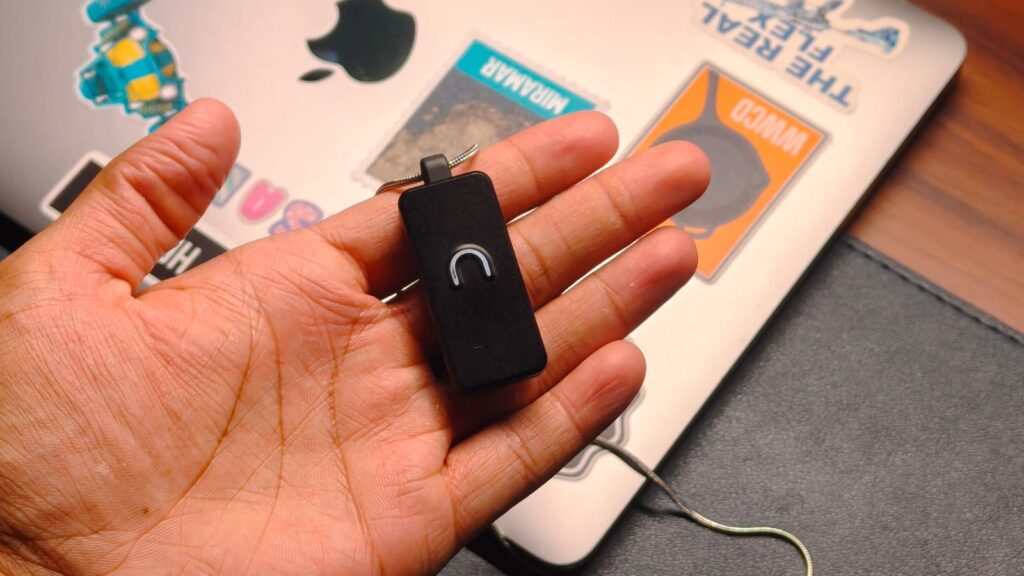
It’s 2026, and AI is being shoved into almost every aspect of our lives, whether we want it or not. Still, there’s one category of AI products that has not seen much innovation: wearables. Some of you might remember the Humane AI Pin and the Rabbit R1, and their goal was simple. Observe your surroundings to better understand the world, and help you do normal smartphone things by just talking to it. Well, both devices were massive flops due to their inability to perform even the most basic tasks. Surprisingly, the AI wearable market isn’t ready to give up yet, and there’s a new Indian startup trying to shake things up: Neosapien.
Imagine this: You’re a busy professional trying to juggle a full-time job and a side hustle after work. This is the reality of most people today. You don’t get time for yourself, and it becomes easy to lose track of important information. Maybe your boss asked you to do a presentation at home and present it tomorrow, but you forgot. That’s where Neosapien Neo 1 wants to help you. It’s essentially an outsourced memory farm that listens to important conversations and remembers things for you. The idea is pretty clever, but is the Neo 1 worth ₹13,499? To find out, I used the device for the better part of three weeks and even took it with me to Jaipur to cover an esports tournament.
Neosapien Neo 1 Review
Summary
The Neosapien Neo 1 serves a niche purpose. It’s for busy people who have trouble managing multiple jobs or hobbies, yet still want to do their best. I’ve never been the kind of person who consistently uses reminder apps because setting everything up feels like extra work. So a device that listens to and understands what I’m saying and keeps track of everything I need to do, like a personal assistant, is great
Design & Build

Unlike the Humane AI Pin, the Neosapien Neo 1 is elegantly simple. There are no screens or speakers. Instead, you get a sophisticated pendant-shaped wearable that’s not very heavy. I do wear a simple silver chain, so I thought it would take me some time to get used to it, but that wasn’t the case. After just 5 minutes, you simply forget it’s even there. The rectangular wearable on the front houses a metal shell with the Neo logo centered. The logo glows when it’s working, so you don’t have to pull your phone to check. Underneath the logo is a touch-sensitive area you can tap to turn the device on, and that’s pretty much it.
Some might argue for an AI wearable you can only use via your phone, but I do like the idea of it not being in your face. I already have a million different things bombarding me for attention, like my smartwatch, my earphones, and my doomscrolling beacon of death, the phone. So an AI device that sits quietly on my chest is great.
Performance

All this talk about Neosapien Neo 1 centers around one key idea. It’s supposed to remember things for you. And I’m one of those people who constantly forgets important information. Had a plan with me to go out and get lunch together? Too bad, I’ve forgotten. Part of this behavior, which I’m not proud of, is that I’m always distracted by some work. Never a day goes by that I’m not rushing to complete something. So, as you may imagine, I was quite excited to test the Neo 1 out, and, maybe, finally lend a helping hand to my brain.
When you first set up the Neo 1, it trains to recognize your voice. This, in theory, helps it sort memories more effectively. It listens constantly to whatever conversation you’re having and uses AI to transcribe, summarize, and even set reminders of important meetings, once you connect to Google Calendar. I did all of that and took it to cover the BMPS Grand Finals happening in Jaipur last week. One of the stories I worked on was a daily recap covering the biggest moments from each match. While this is usually a labor-intensive process of me writing the highlights in real time as the game is being played, I gave that task to the Neo 1 instead. It heard the commentary and recorded everything.
For the most part, the experience was better than expected. The device transcribed the commentary, which was in Hindi, and summarized the information game by game. This included the different strategies teams used, the commentators’ analysis, and how they played throughout the tournament. I could use those summaries as a foundation for my article without constantly referring back to handwritten notes.
App Experience
The best part about the Neo 1 is that you can sort through different memories and even ask the integrated chatbot questions. For example, I often remember that I’ve forgotten something important, but can’t quite figure out what it is. So, I just asked the bot, and it gave remarkably accurate answers. There’s also the obvious benefit of recording meetings, which are mostly boring with just sprinkles of useful information. That’s the part the Neo 1 excels at. I don’t have to worry about checking the deadline; I can just use the wearable.
Everything we just talked about is handled by the app, which is also pretty simple. There are four different sections: Home, Ask Neo, Memories, and Reminders. All of them are pretty self-explanatory, and they work quite well. I’m a fan of the reminders section because it highlights everything I haven’t done yet, which is usually a lot. The battery lasts a full day on a single charge, and it uses the standard USB-C port for charging.
As useful as the Neo 1 is, it isn’t without its flaws. The Neo 1 is a first-generation product, and it comes with a few quirks you should know about. The biggest hurdle is psychological rather than technical: the device is always listening. I don’t know about you, but it took me a few days to be comfortable with an AI device listening to all my conversations and recording things the other person is saying.
The other is that the Neo 1 struggles with names. Don’t get me wrong, its Hindi transcription is great, but it needs a little more work to get the names of people and teams correctly. Beyond those, the Neo app requires many permissions, the most important being the ability to disable battery optimization. I know it’s necessary for the app to work and use the AI features, but it drains a lot of battery. I had to shift the app from my primary phone to my secondary phone for that reason. So, it’d be great if Neo could optimize the app a bit more.
Verdict

At ₹12,999, the Neosapien Neo 1 serves a niche purpose. It’s for busy people who have trouble managing multiple jobs or hobbies, yet still want to do their best. I’ve never been the kind of person who consistently uses reminder apps because setting everything up feels like extra work. So a device that listens to and understands what I’m saying and keeps track of everything I need to do, like a personal assistant, is great. Don’t get me wrong, it’s still a first-generation product, and there are some problems like the increased battery drain or the fact that someone is listening to everything you say. But after three weeks of use, I found myself relying on it more often than I expected. And that’s probably the strongest compliment I can give a first-generation product.
Amazon Prime Day is back, running from June 23 through June 26. While this year’s event isn’t overflowing with must-buy discounts, there are still a handful of genuinely worthwhile deals on laptops, OLED gaming monitors, SSDs, processors, headphones, and other tech we’ve tested, reviewed, or would happily recommend. We’ve done…
Read Entire Article
Source link
Tech
Microsoft says its data centers use 90% less water than its earliest facilities as public concern grows


Microsoft announced Wednesday that over the past two decades, it has become dramatically more efficient in its use of water to cool data centers, slashing its consumption rate by 90% compared to levels when it opened its first facilities in the early 2000s. The company used 0.27 liters per kilowatt-hour last year, about three times better than the industry average.
Microsoft has for the first time replenished more fresh water globally than it consumes, making important progress on its 2030 goal of being water positive across its operations.
And if this sounds familiar, you’re not wrong. Earlier this month, Amazon shared similar water usage stats (though it performed better) and Google came out with updated pledges around being water positive.
The tech giants are working to quench concerns about water use, which has become a key point of contention nationwide. Communities and local leaders are protesting and passing moratoriums on new data center construction. Other concerns include significant energy use that could drive up utility rates and noise complaints.
At the start of the year, Microsoft tried to get ahead of those fears by launching its Community-First AI Infrastructure initiative, in which it vowed to cover its electricity costs and forgo local tax breaks. Last week, it came out in support of the Ratepayer Protection Act, a congressional measure addressing data center utility bill impacts, though it earlier opposed Washington state legislation targeting some of the same concerns.
Microsoft remains “deeply committed” to water protections, said Judy Priest, CTO of Cloud Operations & Innovation, and Steve Solomon, vice president of Datacenter Engineering, in a blog post Wednesday.
“We continue to advance datacenter innovations that reduce water use intensity while supporting the growing performance demands of cloud and AI services,” Priest and Solomon said.
Data centers use a variety of strategies to keep electronics cool, including fans, evaporative cooling, air conditioning and direct liquid cooling. The approaches involve tradeoffs: air conditioning draws more electricity but saves water, while evaporative cooling is less energy-intensive but consumes more.
Microsoft’s approaches to curb its water use include:
- Cooling primarily with fans, supplemented by evaporative cooling when outside temperatures exceed 85 degrees.
- Using chip-level cooling that recirculates water through the system.
- Auditing data centers to ensure facilities are operating as designed and conserving water optimally.
- Expanding its use of recycled, reused or non-potable water.
Comparing companies on this front is tricky. Microsoft’s liters-per-kilowatt-hour figure applies only to data centers it owns, while Amazon’s includes both its own computing facilities and leased ones.
And although Microsoft made notable progress on the goal set in 2020 of becoming water positive within a decade, it takes a global tally of water use and replenishment. In theory, that means water used in a desert climate could be offset by Microsoft’s actions in a wetter region as regards its overarching target.The Community-First AI Infrastructure initiative, however, pledges to replenish more water than it uses in each district where it operates AI data centers.
That aligns with the approach used by Amazon and Google, though Amazon’s replenishment goal covers only data centers, not all of its operations.
While concern about data center water use is growing, it remains relatively modest in the broader context: data centers account for about 0.5% of all industrial water use worldwide, as Amazon recently noted.
In terms of total volume, Microsoft withdrew 2.7 billion gallons of water in fiscal year 2024 across its data centers and its other operations. For context, Seattle Public Utilities delivers roughly 43 billion gallons each year to 1.6 million people in its service area.
Editor’s note: Story updated to clarify that progress on the 2030 water positive goal is ongoing.
Prime Day has become one of the biggest shopping events of the year and something many shoppers look forward to. For a lot of people, it’s the perfect time to finally replace products they’ve been meaning to swap out.
Some of the best purchases are the ones you end up using every single day. Whether it’s the hair dryer you reach for every morning, the grooming tools sitting on your bathroom counter, or the products that help you get ready for work, a night out, or whatever the day has in store, these are often the items that deliver the most value over time.
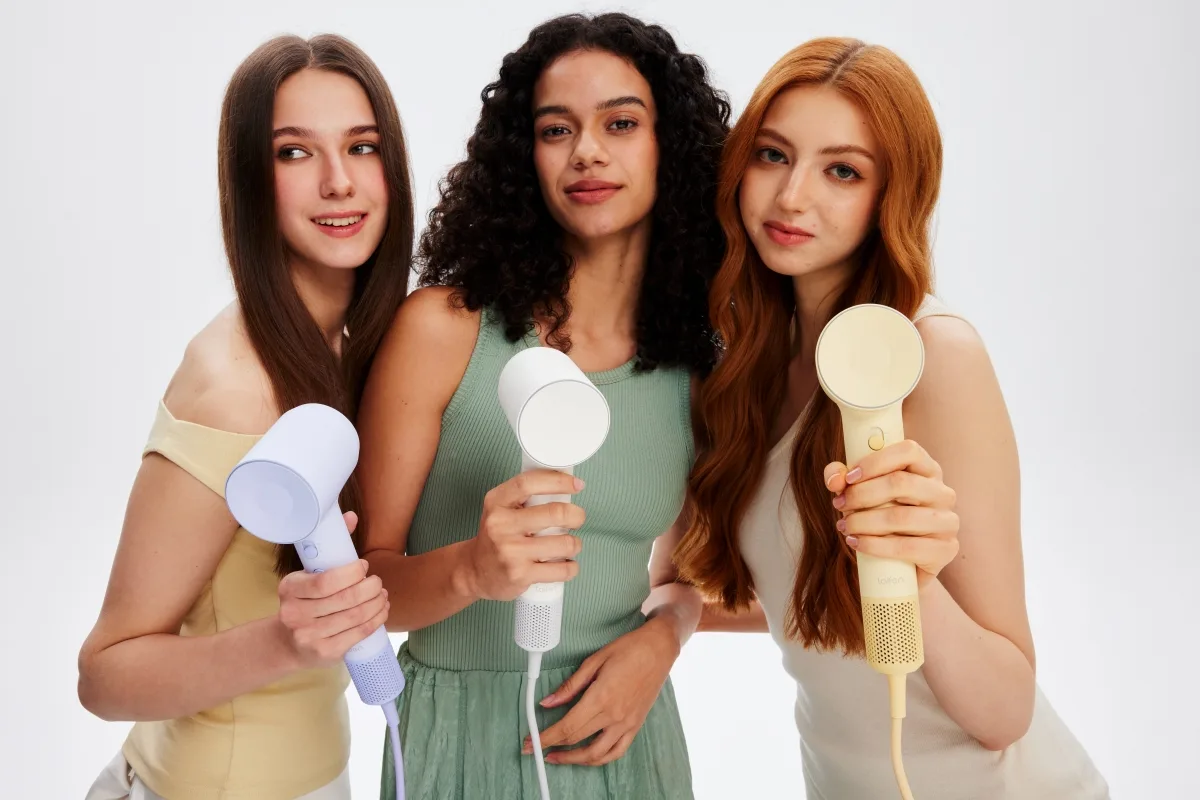
Laifen has built a reputation around creating personal-care products that combine sleek design with high-performance technology. This Prime Day, the brand is offering 40% off two of its standout products: the SE 2 Hair Dryer in Purple and the P3 Pro Electric Shaver.
Part of what makes Laifen stand out is its focus on bringing premium personal-care technology into everyday routines. Products like high-speed hair dryers and advanced electric shavers were once considered specialty purchases, but consumers today are increasingly looking for tools that combine performance, convenience, and thoughtful design. Prime Day makes that experience more accessible, giving shoppers an opportunity to try products that can improve routines they already have.
A Better Hair Dryer for Busy Mornings
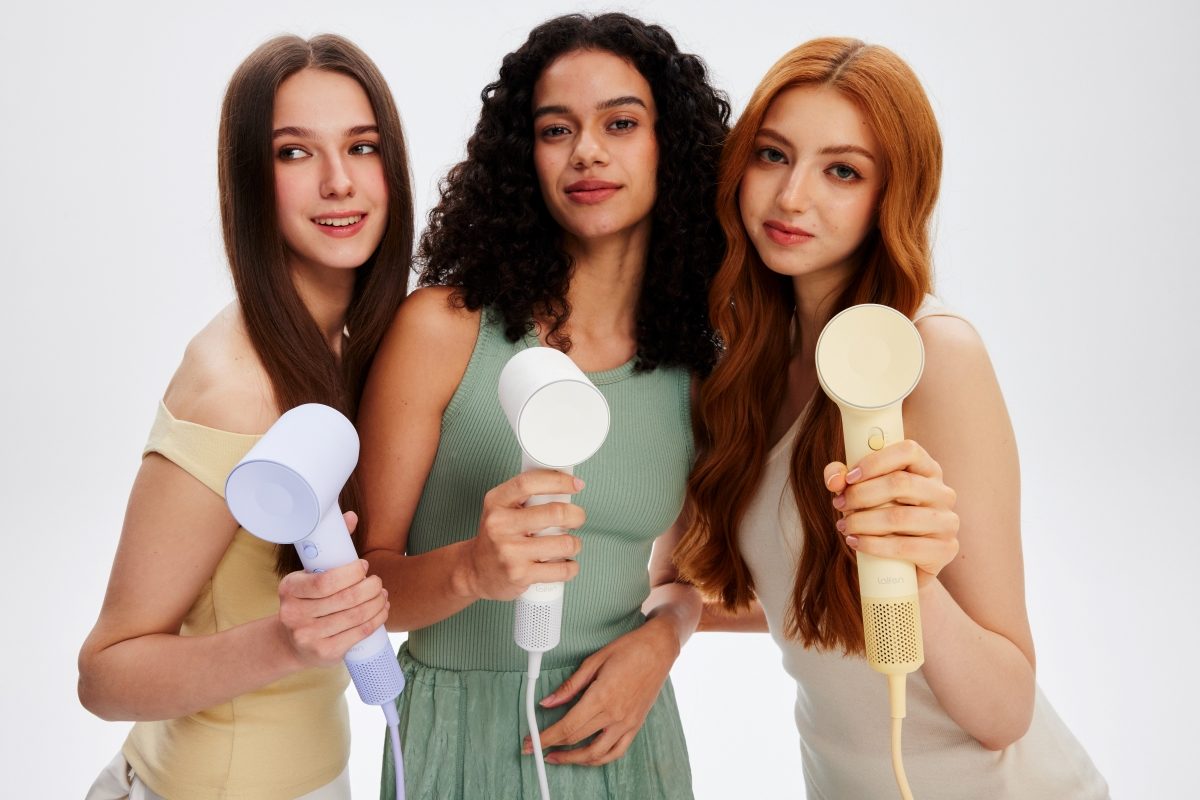
Most people don’t spend much time thinking about their hair dryer until they’re standing in front of the mirror wishing the process would go a little faster. Getting ready in the morning is already time-consuming enough, especially on busy days when every minute counts.
Powered by Laifen’s high-speed motor technology, the SE 2 delivers fast drying performance in a lightweight design that’s comfortable to hold. Instead of spending extra time drying your hair before you can move on to styling, it’s designed to help streamline the process. When you’re using a hair dryer every morning, even saving a few minutes can make a noticeable difference over time.
High-speed hair dryers have become increasingly popular over the last few years, and it’s easy to see why. Many people are looking for ways to make their morning routines more efficient without sacrificing results. Whether you’re heading into the office, getting ready for a weekend event, or simply trying to get out the door on time, spending less time drying your hair is always a plus.
Beyond speed, many shoppers are also looking for styling tools that help them achieve smoother, healthier-looking results without spending extra time getting ready. That’s part of the appeal of newer high-speed dryers. They help simplify the process while still delivering the polished look many people want before heading out the door.
Available in a vibrant purple, it offers a fun pop of color compared to the traditional styling tools most people are used to. It’s also built with everyday use in mind. The lightweight design makes it comfortable to hold whether you’re doing a quick dry before work or spending a little more time getting ready for a night out.
The compact design also makes it easy to toss into a suitcase or weekender bag. For frequent travelers, having a styling tool that delivers strong performance without taking up too much space is always a plus. Whether you’re packing for a weekend getaway or a longer trip, it’s nice to have a dryer you can bring along instead of relying on whatever happens to be available at your destination.
The SE 2 also feels like a more modern take on a product that many people have owned for years without ever thinking about replacing it. For anyone looking to replace an older hair dryer, this feels like the time to do it. It combines speed, portability, and everyday convenience in a product you’ll likely reach for long after Prime Day comes to an end.
A Better Grooming Experience
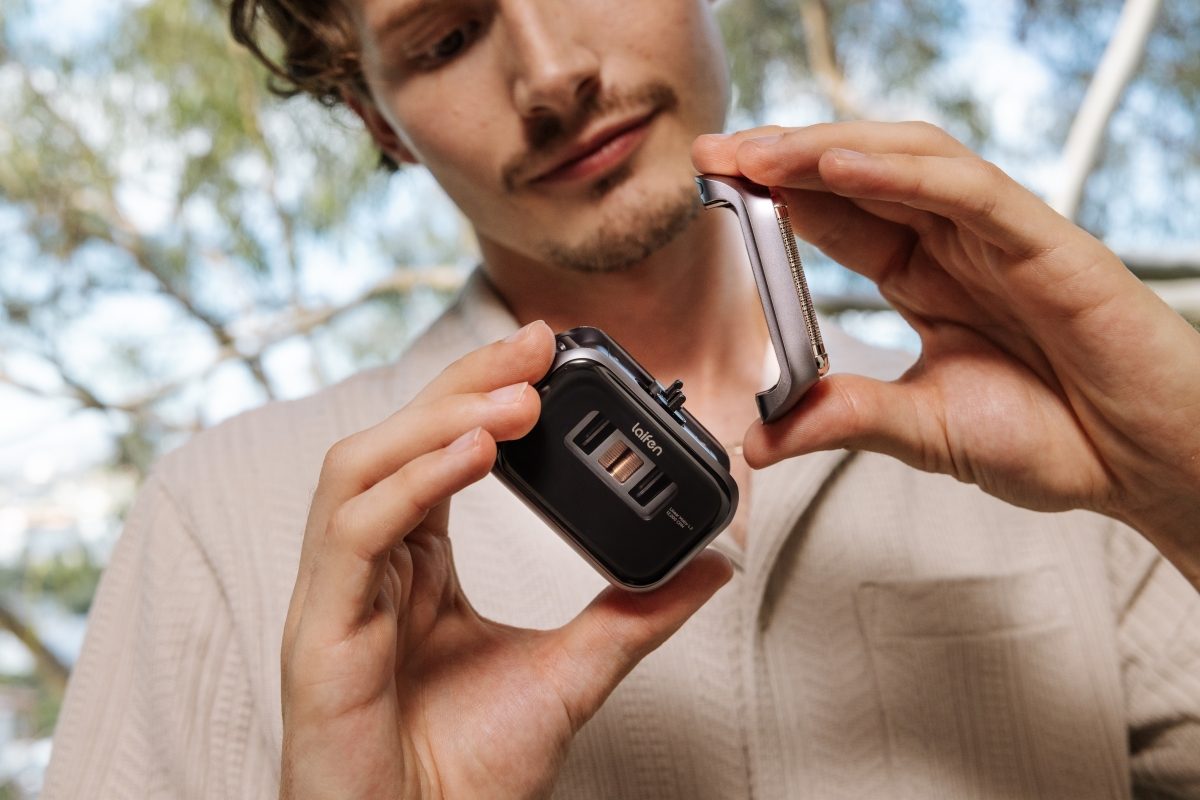
While the SE 2 is focused on helping streamline the morning routine, the P3 Pro Electric Shaver tackles another task that many people do on a regular basis.
A good electric shaver is one of those products you don’t think much about until you’re using one that isn’t getting the job done. Older models can require multiple passes, take longer to complete a shave, and create unnecessary irritation in the process. When grooming is part of your daily or weekly routine, those inconveniences can add up quickly.
The P3 Pro features a powerful linear motor and advanced three-blade shaving system that helps deliver a close, efficient shave. It has a sleek look and aims to create a more comfortable shaving experience while helping users spend less time standing in front of the mirror. For anyone still using an older electric shaver, those improvements are likely to be noticeable right away.
Just like a quality hair dryer can improve a morning routine, a reliable electric shaver can make daily grooming feel less like a chore. Most people aren’t looking to add more steps to their routine. They simply want products that work well, feel comfortable to use, and help them get on with their day.
The P3 Pro focuses on achieving a close shave while helping make the overall experience smoother and more comfortable. It keeps the focus on performance and convenience, making it a practical choice.
Small improvements to products you use regularly can make a bigger difference than you might expect. A more comfortable shave, fewer passes, and less time spent standing in front of the mirror may not sound dramatic, but those benefits add up over time. For shoppers looking to simplify everyday routines, that’s often where the biggest value comes from.
Taken together, the SE 2 and P3 Pro help bookend the day. One helps make busy mornings a little easier, while the other helps simplify grooming at the end of the day. Rather than focusing on products that only get occasional use, Laifen’s Prime Day event centers on products that become part of everyday life.
Prime Day Is a Good Time to Refresh Everyday Essentials
Prime Day is an opportunity to save on products that deliver value long after the sale ends.
The Laifen SE 2 Hair Dryer and P3 Pro Electric Shaver can easily become part of your daily routine, whether you’re getting ready for work in the morning or winding down at the end of the day. Because they’re products used on a regular basis, the value goes beyond the initial purchase. They’re the kinds of items you’ll continue reaching for day after day.
With both products available at 40% off during Prime Day, shoppers can save on two everyday essentials while taking advantage of one of Laifen’s biggest promotions of the year. For anyone who has been considering replacing an aging hair dryer or finally swapping out their current shaver, now may be the perfect time to do it.
Sometimes the best Prime Day purchases are the ones you’ll end up using the most. Whether it’s a hair dryer you reach for every morning or a shaver that’s part of your regular routine, these are the kinds of products that continue delivering value long after Prime Day is over.
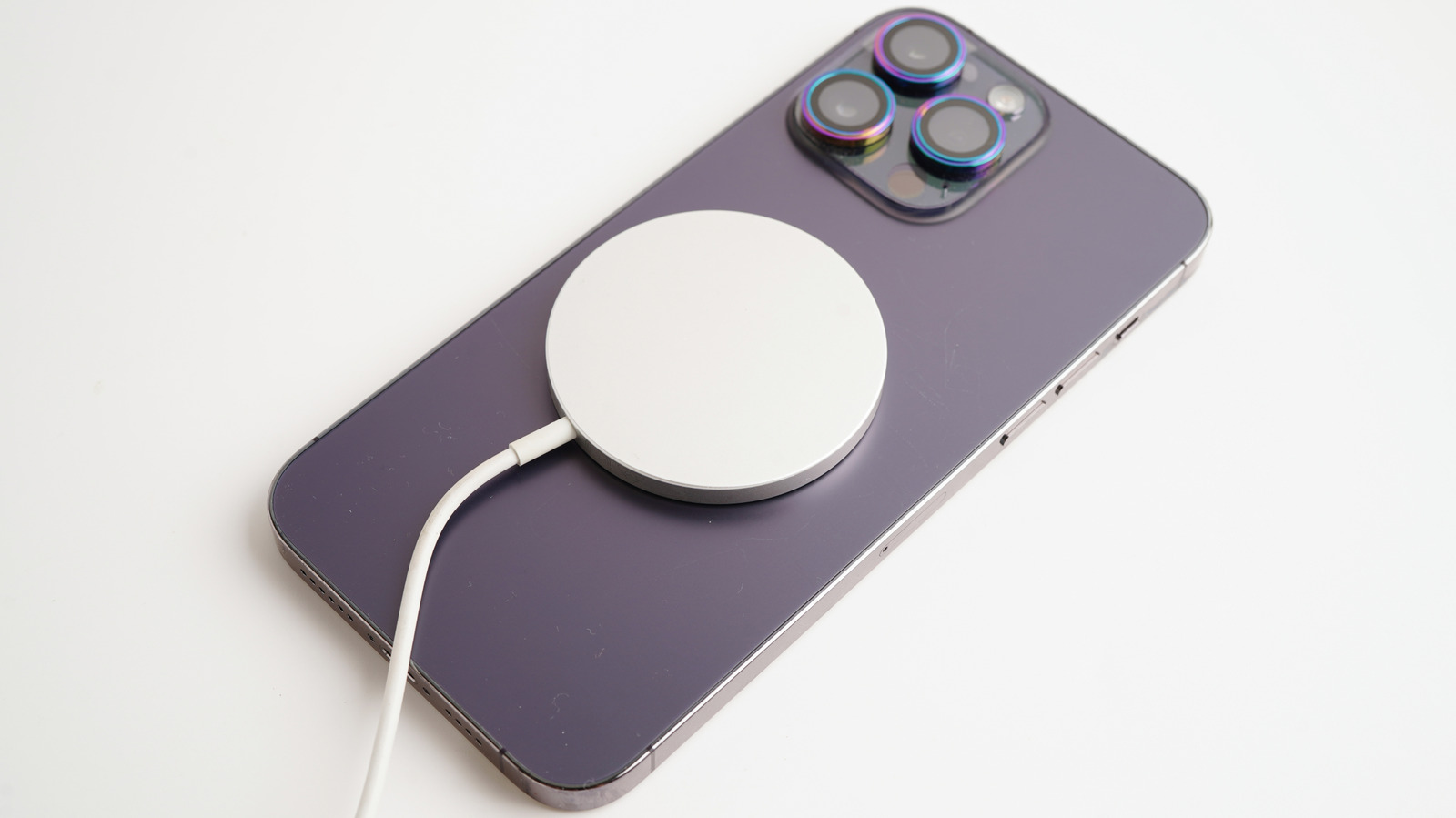
Wireless charging has become ubiquitous in recent years, with companies like Apple, Samsung and Google all embracing the technology. The benefit is obvious. It’s easier to plop a device on a charging pad than it is to wiggle in a USB-C cable.
Despite the convenience, there are some downsides with wireless charging tech. Generally speaking, wireless charging is inefficient, wasting more energy than wired charging. Let’s get into the why of it all and detail other risks associated with wireless charging.
How is wireless charging less efficient?
Wireless chargers use more power to completely charge a device, when compared to a cable. A modern smartphone is a great example of this. Charging a smartphone with a wire from zero to 100 percent takes around 15Wh (watt-hours measure the amount of energy needed for a device to run for an hour). The same phone will require around 21Wh (40 percent more) to juice up via a wireless charger, according to a 2020 study by the enterprise platform OneZero. That number could vary based on the charger and how you use it — a 2024 test by iFixit found the energy gap between Apple’s MagSafe charger and wired charger to be slightly better at around 36 percent more power used, and also showed how misalignment on a charging pad could halve the efficiency of a wireless charger.
Wireless chargers also generate and waste more heat than wired chargers. Charging pads get pretty hot during use, which is a sure sign of wasted energy.
Is this discrepancy a big deal?
Yes and no. A daily difference of around 6Wh isn’t that big of a deal when considering a single wired charger versus a single wireless charger. However, it adds up when considering every wired charger versus every wireless charger. A year of charging up a smartphone with a cable takes around 5.5 kilowatt-hours (kWh) and that shoots up to 7.6kWh with a wireless charger.
Studies have indicated that 30 to 66 percent of smartphone owners use wireless charging pads and related accessories at home, according to the Wireless Power Consortium and the Deloitte Mobile Consumer Survey UK. There are around 7.6 billion smartphones in the world. If 30 percent of those smartphones are being charged wirelessly that would indicate an annual global power waste of 4,830GWh. This amount of energy could power hundreds of thousands of homes for a year. Wireless charging products are becoming more popular every year, so this metric will only go up.
Why is wireless charging less efficient than wired charging?
Wireless chargers transfer power through electromagnetic induction. This is simply not as efficient as a direct charge, as the energy has to go through more steps to be usable. There’s also an air gap between the phone and the charger, which lets heat escape.
This is compounded by phone cases and the like, which increase the air gap. All told, wireless chargers lose anywhere from 20 to 30 percent of power throughout the whole process, due to heat dissipation. That’s on top of the 5-10 percent of losses that all chargers incur by converting the AC energy coming from an outlet to DC.
Are there any dangers when charging wirelessly?
The heat that wireless chargers produce could degrade your phone’s battery over time. Modern phones have safety mechanisms in place to prevent overheating that could seriously degrade your battery or result in a fire hazard. These mechanisms, however useful, will result in your charging session being throttled to a lower speed if the battery reaches high temperatures around the 45C (113F) mark. Make sure to use the charging pad in a well-ventilated area and never put it underneath something like a blanket or pillow.
There are hundreds of chargers out there, and they aren’t all created equal. Cheap, unbranded chargers may lack crucial safety features like temperature sensors and foreign object detection. To that end, it can be dangerous to place metal objects between the phone and the charger. Finally, some powerful chargers can interfere with medical devices like pacemakers, as they generate magnetic fields strong enough to trigger the health aide’s “magnet mode” and alter the pacing rate.
Is wireless charging bad for the environment?
Wireless charging uses more energy than wired charging, so it has a higher environmental impact than wired charging. Additionally, the charging pads will eventually become electronic waste. The technology’s tendency to degrade lithium-ion batteries over time could, in extreme examples, lead consumers to swap out their phones earlier than usual, which would have an additional environmental impact.
Is wireless charging getting more efficient?
Wireless charging is getting more efficient, which is great news. This is due to better coil alignment and industry standards set by MagSafe and Qi2 products. However, it’s highly improbable that wireless charging ever catches up to wired charging. A wired connection is simple. It’s a plug that goes from point A to point B. Wireless charging requires energy to transmit through magnetic fields.
Are there negatives to wired charging?
Despite some obvious benefits, there are some drawbacks to going with a wired charging solution. Cables degrade over time, and technology changes can force users to upgrade. We all have that cardboard box in the basement filled with dozens and dozens of barely functioning cables of various types. Also, charging ports can wear out after several years of use. Finally, it’s just more fun to plop a smartphone on a magical pad, when compared to plugging in a cord.

fjo3 shares a report from the AFP: The latest heatwave sweeping across Europe is a stark reminder that it is the world’s fastest-warming continent, stretching into an Arctic that is heating at an even greater pace. Britain, France, Italy and Spain have issued red alerts and health warnings for much of their territory this week as the region endures its second heat episode since May.
Here is a look at why Europe is warming faster than elsewhere: The planet as a whole is around 1.4C warmer than in preindustrial times, defined as 1850-1900. By comparison, Europe is around 2.4C hotter than the preindustrial era, according to the EU’s Copernicus Climate Change Service. The long-term rise in global average temperatures is mainly due to greenhouse gas emissions from burning oil, gas and coal, but it varies by regions due to a combination of factors. Land warms faster than the ocean as water can absorb more heat and cool through evaporation.
Shifts in atmospheric circulation have driven more frequent and more intense heatwaves in the European summer, according to Copernicus. High-pressure systems, which bring settled weather and higher temperatures, have become more common in Europe, Copernicus director Carlo Buontempo said. […] Another major reason is geography as Europe is connected to the Arctic, which is 3.2C warmer than in preindustrial times. The region’s rising temperatures are partly due to a process known as the albedo feedback. Bright snow and ice reflect much of the sun’s heat back into space, but as they melt they reveal darker, heat-absorbing surfaces such as land and the ocean.
In other parts of Europe, areas where snow was very frequent in winter have seen this coverage shrink, exposing dark land. Stricter air quality regulations have reduced aerosol emissions since the 1980s. But tackling the pollutant had the side effect of contributing to global warming, as these tiny airborne particles have a cooling effect by reflecting sunlight and making clouds more reflective.
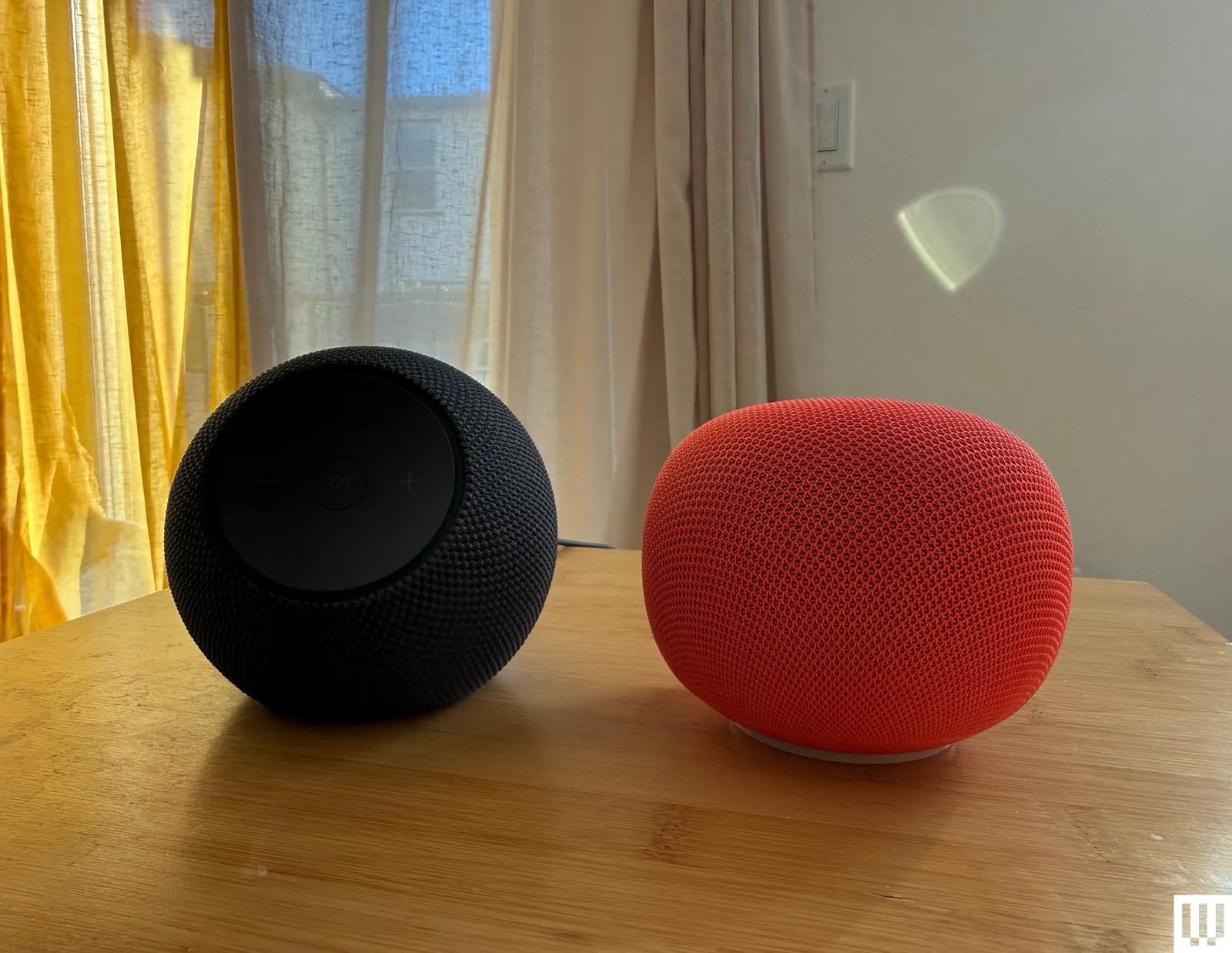
Gemini did a pretty good job with more conversational commands, though you still need to be specific for some requests. For example, my three-story townhouse has two smart thermostats, one for the highest floor and another for the lower two. I asked to turn on the AC, which Gemini immediately did, but it didn’t ask me to specify which one and decided it was time for the upstairs AC to shine. It also defaulted to Eco mode, so I had to request that the thermostats be set to 75 degrees instead of the high 70s. Still, I was able to casually say “Can you set the temperature in the living room to 75, and upstairs too?” and it applied that to both smart thermostats.
Gemini Live is another way to converse with the Google Home Speaker (it’s only available on some older devices). You’ll tell the speaker “Hey Google, let’s talk,” and it’ll activate a conversational mode that will chat back and forth with you about any topics you bring up. I had a back-and-forth conversation with Gemini about my 3-year-old’s sleep schedule, how to treat sunburns on your scalp (you’ll never guess what I got this weekend), and asked about a summary of the previous night’s episode of Love Island (though Gemini didn’t have a recap yet of the episode that had premiered a few hours before).
Gemini also asked follow-up questions with each topic to keep the conversation going, but would change gears to whatever topic I introduced. It works as intended, but I’m not sure how useful it is in the home context—you’re more likely to use something like this on your smartphone. It’s just not my preferred way to learn or discuss new information, but audio learners might really like it.
I was excited to ask Gemini what it sees around the home via my Google security cameras, but the experience didn’t impress me as much as I hoped. Time and time again, I asked questions like whether the car was in the garage, and Gemini said that either it didn’t have access to that information or that I needed to upgrade my subscription tier to get the answer (you need Google Home Advanced).
Echo Chamber

Photograph: Nena Farrell
Google and Amazon made the same move at roughly the same time: a new small-sized smart speaker that promises the sound quality of larger speakers, retailing for $100. Smaller speakers like the previous Echo Dot models and the Google Home Mini have been popular because they can be placed anywhere, whether it’s on a crowded shelf or tucked into a corner of the kitchen, but they were also much cheaper.
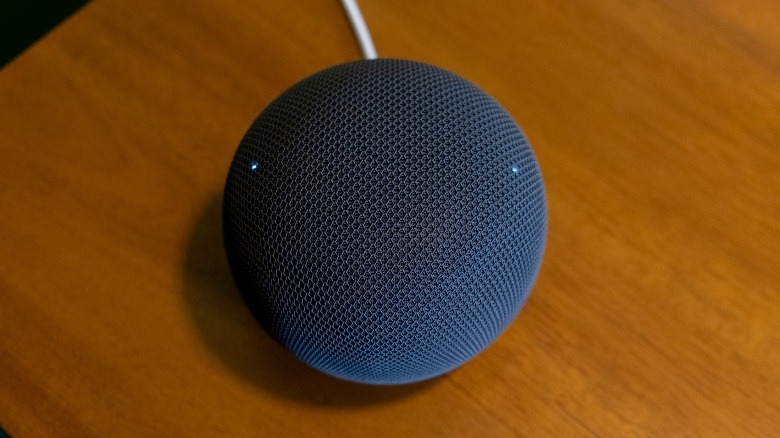
Of course, this speaker is not just for playing music. Like its predecessors, the Google Home Speaker has three far-field microphones to let you chat with Gemini. It also has a stylish light ring around the bottom that lights up and changes color when you talk to it, when it is thinking and when it responds. It’s very much like the light ring on older Amazon Echo speakers, and I prefer it to the new lights on the latest Echos or the four lights that lit up on the front of the Nest Audio. It’s a nice visual touch for sure. The speaker does have familiar touch controls on top — tapping the left or right sides adjusts volume, while tapping the middle pauses and resumes media playback. So far, the microphones have no trouble picking up my voice across the room or over the din of music or conversation, either.
While the hardware itself is an unassuming, logical update, that’s only half the story. Google’s previous speakers were designed with the Google Assistant in mind, but this one is the first explicitly meant to work with the new Gemini for Home voice assistant. As the name suggests, it bakes in Gemini AI features, but there are some wrinkles beyond that. Google is also offering two different subscription options for managing your home, the $10/month (or $100/year) Standard plan and the $20/month ($200/year) Advanced option.
Standard gives you 30 days of “event-based” video history from cameras or doorbell cams; Gemini Live for more interactive conversations with the virtual assistant; alerts for things like familiar faces on cameras, garage door and package notifications; and smoke and CO2 alarm notifications. The Premium plan doubles the event-based video history to 60 days and adds 10 days of 24/7 history for cameras and wired doorbells. It also includes video history search, more detailed notifications and event descriptions and daily summaries of recorded events.
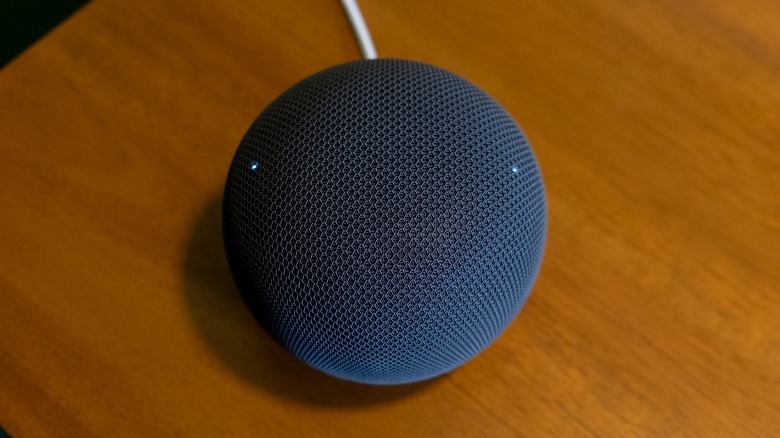
It sounds to me like unless you’re really invested in a video security setup that the Standard plan will work for most people. Plus, the Google Home Speaker comes with a six-month trial. If you don’t want to pay a monthly subscription, you’ll still have access to Gemini for Home which can do basic voice-activated tasks like playing music, setting timers and controlling smart home devices. However, you’ll need the subscription for Gemini Live to get the more conversational, back-and-forth experience for asking your speaker all of the random thoughts that might pop into your head.
I know that people have had loads of trouble with Google’s transition from the Google Assistant to Gemini, specifically around smart home automation. The Google Home subreddit is absolutely littered with complaints from unreliable execution to features ending up behind paywalls. I’ve had the Google Home Speaker for less than a week, and I also don’t have the smartest home, so I can’t say for sure how well this will perform for people with complex setups. But I was able to use the Google Home Speaker and Gemini to control a few speakers I had connected to the Google Home app as well as my RoboRock vacuum and a TV that runs Android.
I also chatted with Gemini Live about the World Cup schedule and the weather in various locations where games are being played. Gemini followed my questions about who was playing today, who was playing tomorrow, how teams did in their prior matches, what the forecast was for during the match and so forth. I was also able to use my voice to start creating an automation that would run my vacuum and put on a specific YouTube Music playlist every morning, though I had to jump into the Google Home app to fix some details it didn’t get right.
It’s unfortunate, but not entirely unexpected, that Google is locking some features behind a subscription. It had a previous subscription, Nest Aware, that also had two tiers that broke down similarly to these new Google Home plans. But putting things like Gemini Live and the ability to build a routine just by telling the speaker what you wanted to do behind the paywall is definitely a bummer.

from the authoritarians-are-very-sensitive dept
Earlier this year America’s idiot king offered a no-bid contract to one of his ex-con Mara Lago donors to “fix” the Lincoln Memorial Reflecting Pool. It… did not go well. Said pool is now full of algae and peeling paint, and it’s created an interesting attention flashpoint for the press and another perfect metaphor for the Trump administration’s corrupt crony capitalist bonanza.
As ABC News reports, Trump has repeatedly (and falsely) tried to claim that the disaster is a result of vandalism, despite there being no evidence (the pool is under 24/7 video surveillance):
“Trump first made the claim the lining had been cut in a post on his social media platform on Saturday, saying then that vandals had put a 250-foot-long “gash” in the lining.
Neither the Interior Department nor the White House has provided evidence that the pool lining had been cut.”
Thin skinned authoritarian that he is, Trump doesn’t like when journalists explain how incompetent and corrupt he is. So he immediately took took his personal money-losing propaganda website to once again threaten ABC with lawsuits for doing (what really is fairly innocuous) journalism:

The man is genuinely not well.
ABC did, of course, pay Trump a $16 million bribe in 2024 to settle a baseless lawsuit the company could have easily won. But as Trump’s FCC has ramped up its censorship and harassment campaign against ABC, there have been signs that Disney Corporation is starting to show some backbone.
For example one recent filing by Disney/ABC makes it clear that Trump FCC boss Brendan Carr concocted a fake scandal in collaboration (with right-wing friendly broadcasters) to make it seem like ABC’s Houston affiliate did something illegal. All to manufacture a controversy surrounding Democratic Texas Senate hopeful James Talarico (whose empathy and hot girlfriend appear to upset Republicans greatly).
ABC has also recently been airing spots urging ABC viewers to give the FCC an earful about its multiple, overlapping efforts to censor ABC journalists and comedians. As Trump’s health and political influence wanes, you may see formerless feckless companies demonstrate something vaguely resembling a backbone; assuming they don’t have active mergers awaiting regulatory review.
Filed Under: 1st amendment, abc news, censorship, corruption, donald trump, free speech, journalism, media, reflecting pool
Companies: abc, disney

Muni Long Had Double Lung Transplant, Told 1 Week to Live

Man arrested after body found at Peak District stone circle following summer solstice

CHPS: Memory Pricing Tailwinds, CPU Demand Inflection, And The 800-VDC Architecture Shift Spell Continued Growth


-

 Fashion5 days ago
Weekend Open Thread: Miami – Corporette.com
-

 Entertainment4 days ago
Renter of Home in Anne Heche Crash Denies Settlement With Son
-

 Tech2 days ago
Microsoft accidentally kills epic Outlook email threads
-
 Sports21 hours ago
Two goals and an assist by sheer aura: Cristiano Ronaldo just entered the World Cup chat
-

 Business4 days ago
Soccer-U.S. defends Iran World Cup travel restrictions, says discussions ongoing
-
Crypto World12 hours ago
Bitcoin (BTC) Dips Below $62K, Ethereum (ETH) Plunges 6% Daily: Market Watch
-

 Politics6 days ago
BBC Reporter Discusses Cross Party Criticism Of Trumps Iran Deal
-

 Crypto World9 hours ago
Securitize Wraps Roubini's SEC-Registered ETF as Dubai VARA Digital Security
-
Business15 hours ago
Entergy settles forward sale agreements, raises $672 million in cash proceeds
-
 Business5 days ago
Wall Street Week Ahead: Investors see Micron earnings as pulse check of AI rally momentum
-

 Politics4 days ago
Andy Burnham and the meaning of Makerfield
-

 Tech6 days ago
AWS enters the context layer race with a graph that learns from agents, not manual curation
-
 Crypto World4 days ago
Can Charles Hoskinson Really Rescue Cardano?
-

 NewsBeat5 days ago
Keir Starmer Allies Question His Chances For No 10
-

 Crypto World5 days ago
HIVE shares jump as $220M AI deal speeds Bitcoin mining pivot
-

 Crypto World4 days ago
Jake Chervinsky accuses CME of protecting derivatives monopoly
-

 Tech2 days ago
Nearly 7,000 fake Amazon domains registered ahead of Prime Day 2026, researchers warn
-

 Entertainment5 days ago
Jose Alvarado Wants Taylor Swift at More Knicks Games
-
 Tech3 days ago
Signal’s Meredith Whittaker says AI chatbots ‘are not your friends’ and calls Copilot agents a backdoor
-

 Business6 days ago
Brexit cost 6% of UK economy, Bank of England company data suggests
You must be logged in to post a comment Login