Summary: OpenAI’s Codex for Mac has added Chronicle, a research preview feature that periodically captures screenshots, sends them to OpenAI’s servers for processing, and stores text summaries as local unencrypted Markdown files to give the AI assistant passive context about user activity. The feature is unavailable in the EU, UK, and Switzerland, requires a $100+/month Pro subscription and Apple Silicon, and represents OpenAI’s first implementation of ambient screen-aware AI on desktop, choosing cloud processing and utility over the local-first privacy architecture adopted by competitors like Screenpipe and the now-defunct Rewind AI.
OpenAI’s Codex desktop app for Mac has gained a feature called Chronicle that periodically captures your screen, processes the content into text summaries, and stores those summaries as local memory files that give the AI assistant context about what you have been working on. The feature, released as a research preview, means Codex can now understand your recent activity without you having to explain it. It also means OpenAI is sending screenshots of your desktop to its servers for processing, a design choice that puts Chronicle in direct tension with the privacy-first direction that much of the industry has been moving toward.
Chronicle is part of a broader update that transformed Codex from a coding assistant into a general-purpose AI workspace. The 16 April release, titled “Codex for (almost) everything,” added computer use capabilities that allow Codex to operate Mac apps with its own cursor, an in-app browser, image generation, persistent memory, and more than 90 plugins. Over one million developers have used Codex, and usage doubled following the launch of the GPT-5.2-Codex model in December.
How Chronicle works
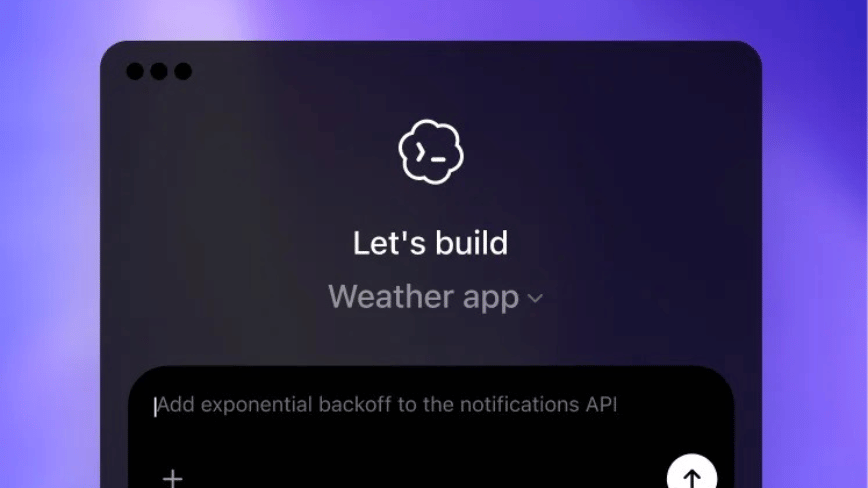
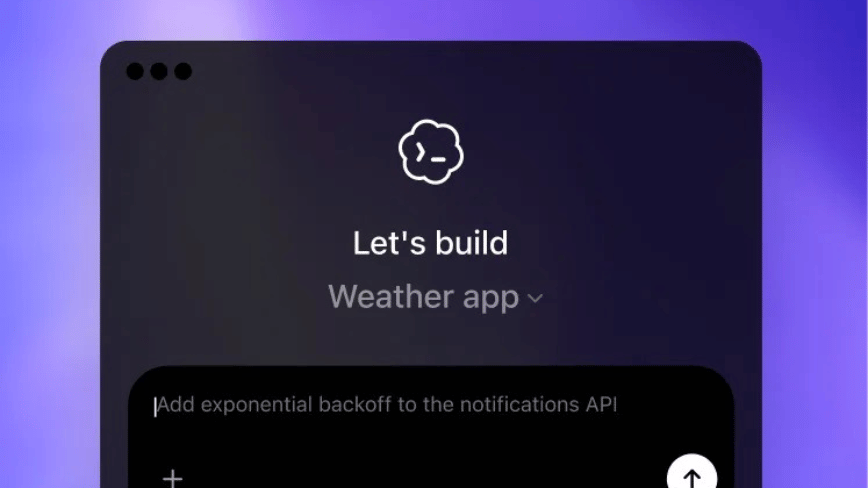
Chronicle runs background agents that periodically capture screenshots of your display. Those screenshots are sent to OpenAI’s servers, where they are processed using OCR and visual analysis to generate text summaries. The summaries are saved as Markdown files in a local directory at~/.codex/memories_extensions/chronicle/. When you subsequently prompt Codex, those memory files are included in its context window, allowing it to understand what applications you were using, what documents you were reading, what code you were writing, and what conversations you were having, all without you restating any of it.
The raw screen captures are stored temporarily under a system temp directory and automatically deleted after six hours. OpenAI states that screenshots are not stored on its servers after processing and are not used for training. The generated memories, however, persist indefinitely as unencrypted plain text files on your machine.
Advertisement
Greg Brockman, OpenAI’s president, described the feature as “an experimental feature giving Codex the ability to see and have recent memory over what you see, automatically giving it full context on what you’re doing. Feels surprisingly magical to use.”
The privacy architecture
Chronicle requires macOS Screen Recording and Accessibility permissions. It is available only on Apple Silicon Macs running macOS 14 or later, and only to ChatGPT Pro subscribers paying $100 or more per month. It is not available in the EU, UK, or Switzerland, a geographic restriction that strongly suggests OpenAI recognises the feature’s incompatibility with GDPR’s requirements around data minimisation and purpose limitation.
The comparison with Microsoft Recall is instructive. Recall, which launched on Windows Copilot+ PCs, takes screenshots every few seconds and stores them in an encrypted local database, with all processing handled by a neural processing unit on the device. No screenshot data leaves the machine. Chronicle takes the opposite approach: processing happens in the cloud, but only text summaries are retained locally. Recall encrypts its database and requires biometric authentication via Windows Hello. Chronicle stores its memories as unencrypted Markdown files accessible to any process running on the computer.
OpenAI’s own documentation acknowledges the risks explicitly. Chronicle “increases risk of prompt injection” because malicious content on a website you visit could be captured in a screenshot and interpreted as instructions by the AI. The memories directory “might contain sensitive information.” And the feature “uses rate limits quickly,” meaning Pro subscribers may find their Codex usage constrained by Chronicle’s background activity.
Advertisement
OpenAI recommends pausing Chronicle before meetings or when viewing sensitive content. Users can pause and resume via the Codex menu bar icon. The recommendation is itself revealing: it acknowledges that the feature will capture things it should not, and shifts the burden of managing that risk to the user.
The category and its casualties
Screen-aware AI assistants have had a turbulent history. Rewind AI, the most prominent early entrant, rebranded to Limitless before being acquired by Meta in December 2025. The Mac app was shut down and screen capture disabled.Microsoft’s Copilothas lost 39% of its subscribers in six months, partly due to trust issues that extend to Recall. A security researcher demonstrated in early 2026 that Recall’s encrypted database could still be exploited, reinforcing concerns that had dogged the feature since its announcement.
The open-source alternative Screenpipe offers a local-first approach: continuous screen and audio capture processed entirely on-device, with a $400 lifetime licence and no recurring cloud dependency.Perplexity’s Personal Computersoftware takes yet another approach, turning a Mac mini into a persistent AI agent with access to local files and apps, though it too relies on cloud processing for its core intelligence.
The pattern across the category is consistent: the more useful a screen-aware AI becomes, the more data it needs to process, and the harder it becomes to reconcile that data appetite with user privacy. Chronicle opts for utility over privacy architecture, betting that OpenAI’s promise not to store or train on the data, combined with the six-hour deletion window, is sufficient to earn user trust. Whether that bet pays off depends entirely on whether users believe the promise and whether OpenAI can maintain it as the feature scales.
Advertisement
The ambient computing context
Chronicle arrives as the industry converges on the idea that AI assistants should understand your context without being told. Apple is testingAI smart glassesdesigned as ambient input channels for Apple Intelligence.Slack’s recent AI overhaulturned Slackbot into a desktop agent with deep context about your work communications. OpenAI itself is developing a screenless hardware device with Jony Ive that is explicitly positioned for an “ambient AI” era. Gartner predicts more than 40% of large enterprises will deploy ambient intelligence pilots by 2026.
The thesis is that AI becomes dramatically more useful when it has passive, continuous access to what you are doing rather than requiring you to articulate your needs from scratch each time. Chronicle is OpenAI’s first implementation of that thesis on desktop, and it works: by Brockman’s account and the feature’s design, eliminating the need to re-explain context to an AI assistant is a genuine productivity gain.
But the thesis has a cost.Privacy-first alternativeslike Proton’s AI tools demonstrate that useful AI can run on open-source models locally without sending user data to anyone’s servers. The question Chronicle poses is not whether screen-aware AI is useful. It plainly is. The question is whether the cloud-processed, trust-dependent model that OpenAI has chosen will survive contact with the regulatory environment that has already excluded it from three jurisdictions, and with users who have watched enough AI companies promise data privacy only to quietly revise their terms when the economics demanded it.
The global lactose-free products market is poised to grow from around $19.5bn in 2026 to $36.5bn by 2034.
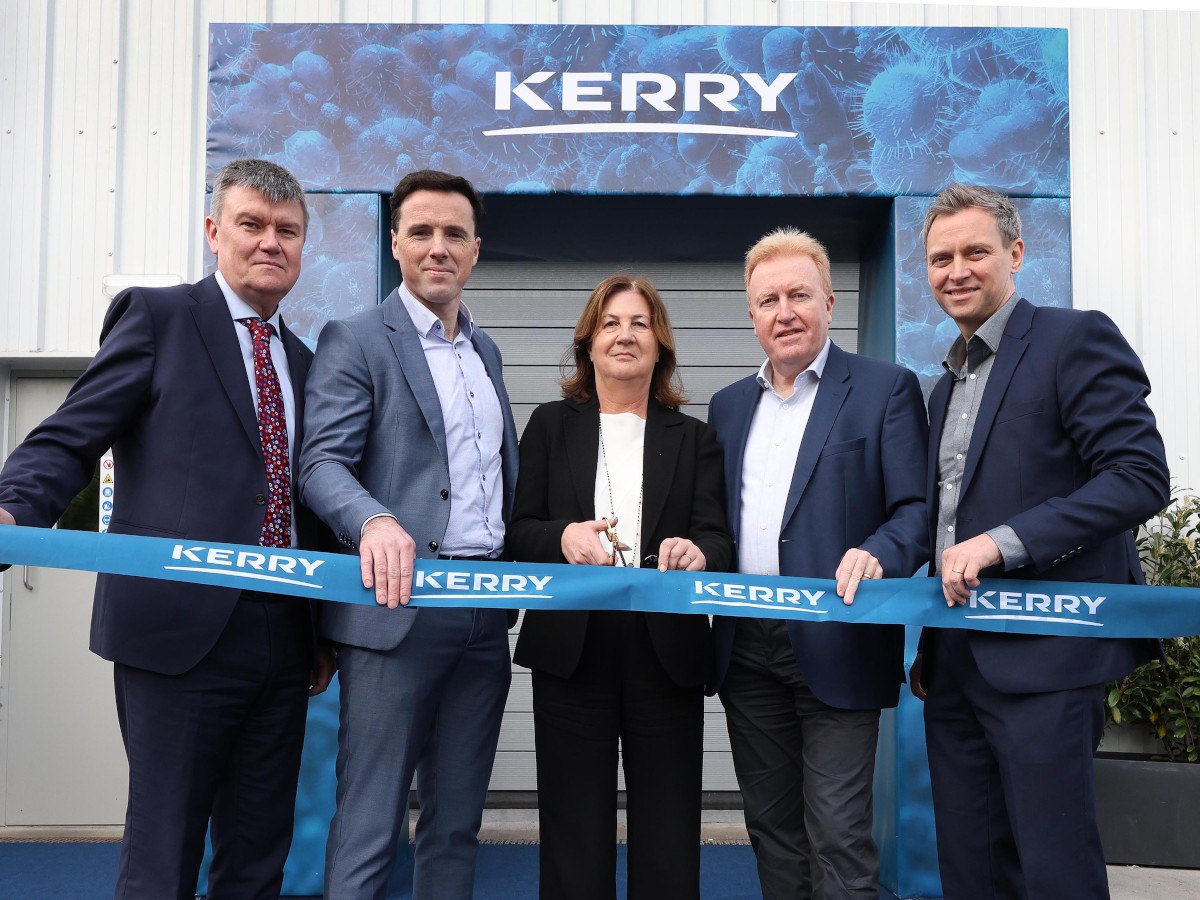
Irish food giant Kerry Group has opened an expanded biotechnology manufacturing facility in Cork as it targets the growing global lactose-free market.
The facility, based out of Carrigaline, will help the company increase its capacity to produce lactase enzymes needed for lactose-free and sugar-reduced dairy products.
Lactase is a natural enzyme produced by humans to digest lactose, though a majority of adults worldwide cannot digest lactose efficiently. Market research suggests that the global lactose-free products sector is poised to grow from around $19.5bn this year to $36.6bn by 2034.
Advertisement
The Carrigaline site supports 200 clients across 80 countries. Lactase enzymes produced at the site are used to process more than 2m tonnes of milk annually, reaching around 28m consumers worldwide, Kerry said.
The expanded facility, alongside the company’s Kildare-based Global Innovation Centre and a biotechnology centre in Germany, established last year, are expected to help accelerate Kerry’s lab-to-commercial pipeline.
The company said it is “well positioned” to support the next phase of growth in the lactose-free market, with the expanded centre acting to link advanced enzyme engineering and strain development with large‑scale manufacturing.
“This investment translates decades of biotech research into scalable, real‑world capability,” said Shane McGibney, the president and CEO of biotechnology solutions and transformation at Kerry Group.
Advertisement
“By strengthening the link between enzyme engineering and industrial production, we’re able to move innovations more efficiently from the lab to the production line – helping customers access reliable supply and bring new products to market with greater speed and confidence.”
Minister for Enterprise, Tourism and Employment Peter Burke, TD added: “This facility demonstrates how industry, skills and innovation come together to support the future of Ireland’s food and biotechnology sectors.
“As a global leader in food, Kerry Group continues to play an important role in advancing high-value capability from its Irish base. Manufacturing sites like Carrigaline help move innovation towards scale and strengthen Ireland’s position in advanced manufacturing.”
Don’t miss out on the knowledge you need to succeed. Sign up for the Daily Brief, Silicon Republic’s digest of need-to-know sci-tech news.
State-sponsored North Korean hackers are likely behind the $290 million crypto-heist that impacted the KelpDAO DeFi project on Saturday.
The attack reportedly also impacted the lending protocols Compound, Euler, and Aave, with the latter announcing a freeze and blocking new deposits or borrowing using rsETH as collateral.
KelpDAO is a decentralized finance (DeFi) project built around liquid restaking on the Ethereum network. It accepts user ETH deposits, restakes them, and returns a liquid token named ‘rsETH,’ that represents the restaked position.
The rsETH token is meant to help users keep earning restaking yield, while it stays usable across DeFi, including cross-chain via LayerZero, an inter-blockchain communication protocol and interoperability layer.
On April 18, KelpDAO announced that it detected “suspicious cross-chain activity” involving rsETH, forcing it to pause rsETH contracts across the Ethereum mainnet and L2s.
Advertisement
The project launched an investigation with the help of LayerZero, Unichain, and other partners.
Blockchain activity showed that around 116,500 rsETH were stolen, around $293 million in USD value, and went through Tornado Cash to hide the trace.
According to additional details that LayerZero shared today, the attack targeted the verification layer (DVN) used to validate cross-chain messages for rsETH.
Specifically, the attackers compromised some RPC nodes used by the verifier, feeding it falsified blockchain data, while simultaneously DDoS-ing healthy RPC nodes to force the system to rely on the “poisoned” ones.
Advertisement
This allowed a fake cross-chain message to be accepted as valid. The system confirmed transactions that never actually occurred on-chain and enabled moving the rsETH without authorization.
Based on preliminary evaluation of the attack indicators, LayerZero believes that the infamous Lazarus hackers are likely responsible for the heist.
“Preliminary indicators suggest attribution to a highly sophisticated state actor, likely DPRK’s Lazarus Group, more specifically TraderTraitor,” stated LayerZero.
The protocol also noted that the incident was isolated to rsETH and that there’s no broader contagion across other apps or assets.
Advertisement
While the KelpDAO breach constitutes a major loss so far this year in terms of the stolen amount, the Lazarus Group has also been linked to another large theft, $280 million from the Drift Protocol.
According to a post-mortem report, that attack was the result of a six-month-long, carefully planned operation that involved malicious agents attending conferences and $1 million deposits into the project.
AI chained four zero-days into one exploit that bypassed both renderer and OS sandboxes. A wave of new exploits is coming.
At the Autonomous Validation Summit (May 12 & 14), see how autonomous, context-rich validation finds what’s exploitable, proves controls hold, and closes the remediation loop.
Tim Cook has announced that he will be stepping down as Apple CEO on September 1. Senior vice president of hardware engineering John Ternus, long seen as the company’s leading succession candidate, will take over following a summer transition period. Read Entire Article Source link
We spend hours testing every product or service we review, so you can be sure you’re buying the best. Find out more about how we test.
BackgroundChecks.com is a cloud-based background screening platform designed to streamline the hiring process by making it faster, safer, and more organized. Previously known as ClearChecks, the platform automates time-consuming verification tasks, helping employers confirm candidate details while maintaining legal compliance.
In a hiring landscape where speed must balance with accuracy, BackgroundChecks.com aims to deliver both efficiency and reliability.
Advertisement
This overview examines how the platform operates, its pricing model, key advantages and disadvantages, and the types of organizations that benefit most from its features.
BackgroundChecks.com: Pricing & plans
(Image credit: ClearChecks)
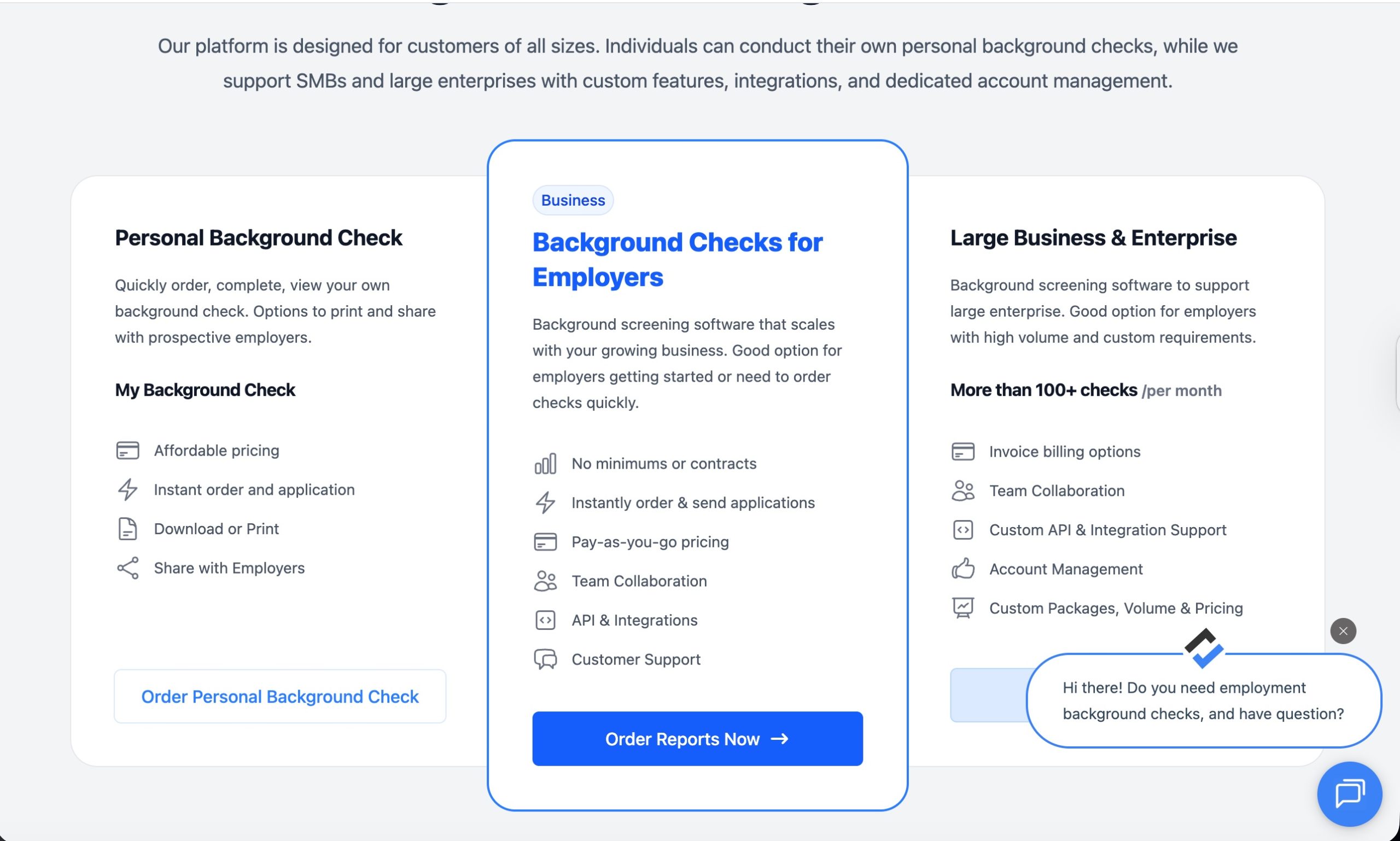
BackgroundChecks.com uses a tiered pricing model that scales with the depth of the screening. Basic checks start around $24.99 per individual report. More comprehensive searches—including multi-county criminal checks, professional license verifications, and drug screenings—typically cost between $49 and $ 100.
Advertisement
Standalone or à la carte options are also available, such as a basic arrest record search for about $7 or a sex offender registry search for around $5. These can be combined to create customized screening packages tailored to specific hiring needs. The “Elite” plan, the platform’s most comprehensive option, costs approximately $49 per report and includes all key checks from lower tiers, plus additional verifications for roles that require greater trust or clearance.
Despite clear starting rates, some users have raised concerns about pricing transparency. Employers occasionally encounter undisclosed county-level court access fees, which vary by jurisdiction and can increase total costs. These hidden fees make budgeting for large screening batches difficult, and some users report challenges in obtaining refunds or resolving billing issues in a timely manner. Prospective buyers are advised to review each plan carefully and confirm pricing details before proceeding.
Sign up to the TechRadar Pro newsletter to get all the top news, opinion, features and guidance your business needs to succeed!
Advertisement
BackgroundChecks.com: How it works
BackgroundChecks.com is an all-in-one screening hub for both small businesses and large employers. Setup is straightforward: after registering, employers can log into a secure dashboard accessible from desktop, tablet, or mobile devices. The interface is designed for ease of use, enabling administrators to select screening types, invite candidates to complete digital consent forms, and track progress in real-time.
The platform offers a wide range of background checks, including multi-jurisdictional criminal searches, scans of state and county court records, motor vehicle record lookups, and drug testing panels. Employers can also verify education credentials, employment history, and professional licenses—essential for positions requiring specialized certifications or regulatory compliance.
Advertisement
BackgroundChecks.com: Performance
(Image credit: BackgroundChecks.com)
Speed is one of BackgroundChecks.com’s standout features. Automated workflows consolidate data from multiple databases and official repositories, providing results in minutes for many checks. More complex verifications, such as education or employment history, may take longer since they rely on responses from third parties.
Compliance is another priority. The platform adheres to Fair Credit Reporting Act (FCRA) guidelines, ensuring responsible handling of consumer data while protecting applicants’ rights to dispute inaccuracies. Data transmission and storage use encrypted servers in line with data protection standards. Employers can also utilize audit logs and permission controls for enhanced oversight of report access.
For organizations managing high volumes of hires, batch processing enables multiple screenings to run simultaneously—a significant benefit for staffing agencies, seasonal employers, and rapidly growing businesses. Integration with HR systems and applicant tracking platforms enhances its flexibility, allowing screenings to begin directly within existing workflows without requiring a switch between platforms.
Advertisement
BackgroundChecks.com: Strengths and weaknesses
User feedback on BackgroundChecks.com highlights both strong performance and points for improvement. The platform’s intuitive interface and streamlined dashboard make initiating and monitoring screenings simple, even for first-time users. Many customers praise its speed, noting that standard checks often process within hours—an essential advantage for industries with constant hiring demands like retail or staffing.
The company’s focus on compliance and data security further enhances its reputation. Employers appreciate FCRA adherence, strong encryption, and customizable screening packages that avoid unnecessary costs. Many users also report positive experiences with customer support for resolving technical issues or account setup questions.
However, the recurring complaint surrounds inconsistent pricing transparency. Unexpected county-level fees and occasional billing discrepancies have led some employers to view the service as less predictable in terms of cost. Customer support experiences also vary: while some describe helpful, prompt service, others cite long response times—especially for billing disputes. A minority of users report occasional inaccuracies or incomplete results, which can delay hiring and require manual verification, thereby reducing the time-saving benefits.
Overall, BackgroundChecks.com offers a strong combination of efficiency, compliance, and convenience, though its transparency and support consistency leave room for improvement. For businesses focused on affordability and predictable pricing, these issues may outweigh their advantages. Still, for organizations seeking a fast, compliant, and secure screening solution, it remains a competitive option worth consideration.
Advertisement
BackgroundChecks.com: Who would benefit the most using this
BackgroundChecks.com caters to a diverse range of employers seeking an automated approach to background screening. It suits small business owners, HR departments, and large enterprises alike.
Industries with rapid hiring needs — such as hospitality, retail, and staffing — benefit most from its quick turnaround times. Highly regulated sectors, such as healthcare, education, and financial services, also benefit from its compliance-focused architecture and enhanced verification options.
For HR teams managing multiple candidates, batch processing and ATS integration help standardize workflows while minimizing manual data entry. This reduces administrative effort and potential errors.
Advertisement
The platform is equally useful for start-ups and small to mid-sized businesses without dedicated compliance teams, offering guided workflows that simplify legal adherence. However, employers conducting complex criminal background checks or operating across multiple jurisdictions may prefer supplementing their automated system with manual reviews to ensure accuracy.
BackgroundChecks.com stands out as a dependable screening solution that strikes a balance between automation, compliance, and accessibility. Its cloud-based design simplifies the complexities of background verification, enabling employers to complete checks quickly while maintaining compliance with FCRA regulations.
BackgroundChecks.com: Final verdict
By offering customizable screening packages and integrations with HR systems, the platform adapts well to a range of business sizes and industries. However, inconsistencies in pricing transparency and responsiveness to customer support may limit its appeal for organizations seeking absolute cost predictability. For most employers, though, its speed, data security, and compliance-driven structure make it a valuable tool for maintaining trust and safety throughout the hiring process.
Looking for the most recent Mini Crossword answer? Click here for today’s Mini Crossword hints, as well as our daily answers and hints for The New York Times Wordle, Strands, Connections and Connections: Sports Edition puzzles.
Need some help with today’s Mini Crossword? I thought that 4-Across, 7-Across and 3-Down were pretty fun — little puzzles inside of the puzzle. Read on for all the answers. And if you could use some hints and guidance for daily solving, check out our Mini Crossword tips.
If you’re looking for today’s Wordle, Connections, Connections: Sports Edition and Strands answers, you can visit CNET’s NYT puzzle hints page.
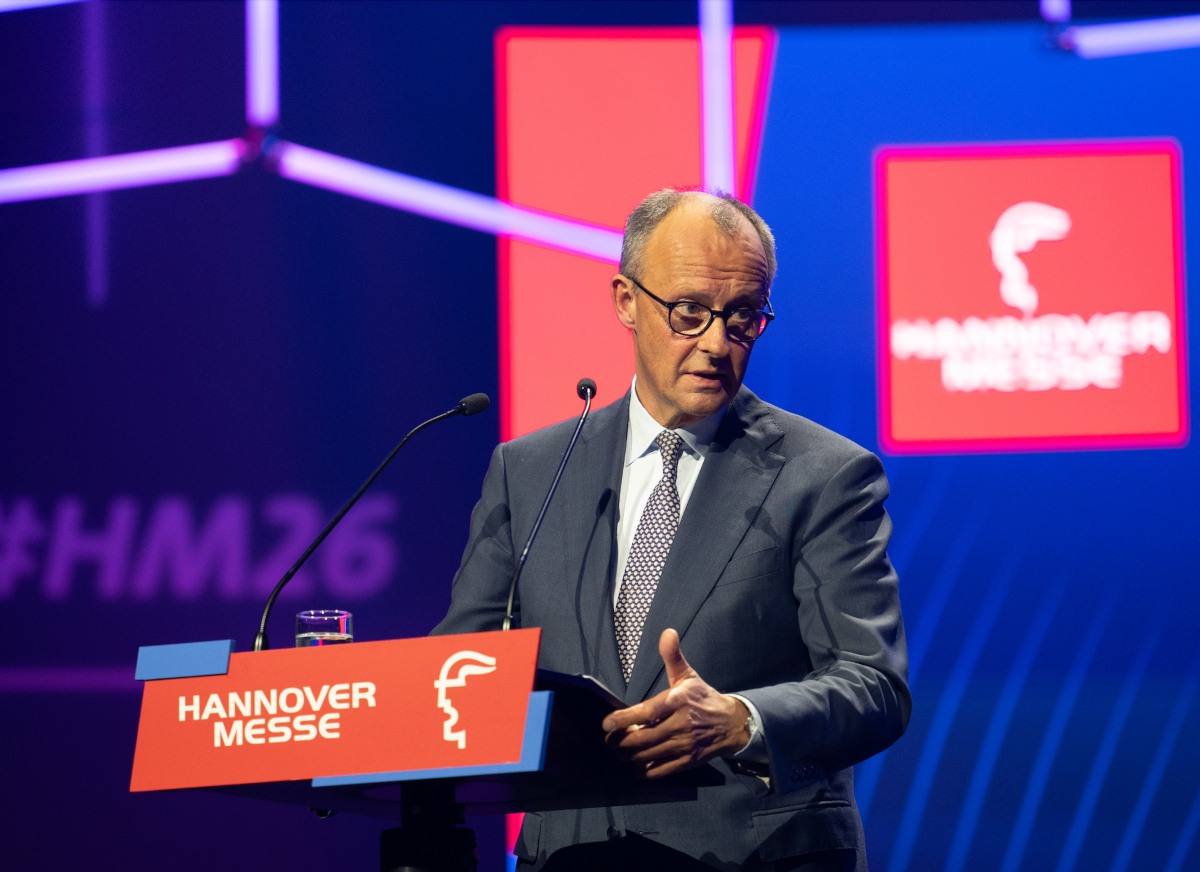
At the huge Hannover Messe trade fair over the weekend, attendees heard calls for a lightening of EU Act regulations for industrial AI.
It’s one of the largest industrial trade fairs in the world, and little surprise that AI dominates this year at the Hannover Messe in Germany, with both the CEO of Siemens and German chancellor Friedrich Merz calling for a carve-out for industrial AI when it comes to EU regulations.
In a speech on Sunday, Merz warned that if Europe is to boost productivity, industrial AI will need more regulatory freedom than, for example, consumer AI.
“I will push to ease the regulatory burden in the EU on AI and, where possible, to exempt industrial AI from the current regulatory straitjacket that is too tight for AI within the European Union,” Merz said in his speech.
Advertisement
“AI will contribute to greater efficiency and productivity, optimised use of resources and, above all, reduced costs.”
This position may well be influenced by the views of Munich-based Siemens, Germany’s most valuable company with a market capitalisation of some €194bn, according to Bloomberg.
Speaking in an interview at the Hannover Messe, Siemens CEO Roland Busch warned the industrial giant would prioritise investments in the US and China if the EU did not lighten its regulations in a sector he said is already subject to sector-specific regulations.
“It’s complete nonsense to treat industrial and machine data the same way as personal data,” Busch said, according to Bloomberg. “I can’t explain to my shareholders why I’m investing money in an environment where I’m being held back.”
Advertisement
The warnings come at a time when the EU’s AI Act is due to come into full force on 2 August of this year. While supporters have hailed the EU’s position on AI as a measured and necessary approach to a technology that has led to scandals like that of the Grok ‘nudification’ app, both critics and supporters continue to call for amendments, as Europe vies to compete in the fast-moving world of AI innovation. So we can expect to hear many more such calls between now and August.
Don’t miss out on the knowledge you need to succeed. Sign up for the Daily Brief, Silicon Republic’s digest of need-to-know sci-tech news.
Hyundai has officially unveiled the Ioniq 3, a compact hatchback for European markets, and it’s going after something most EVs struggle to nail: being genuinely practical for real life. Hyundai promises no range anxiety, no confusing tech, and no cramped back seats.
For Hyundai, it all starts with the design. The company is calling it “Art of Steel,” and the idea is pretty simple: clean surfaces, sharp lines, and no unnecessary fuss. The Ioniq 3 introduces a new Aero Hatch silhouette with a sleek roofline that flows straight into a rear spoiler, giving it a distinctive look without trying too hard.
Hyundai
It also features Hyundai’s signature pixel lighting and four central dots that reference the letter “H” in Morse code, a nice easter egg for buyers. You get eleven exterior color options, multiple interior schemes, and wheel sizes ranging from 16 to 19 inches. There’s also an N Line variant if you want a sportier look.
Hyundai
Honestly, I like this design and prefer it over the too minimalist aesthetic that EV cars generally go for.
Are the specs good enough to ditch your petrol car?
While the design looks good, it wouldn’t matter much if the car cannot deliver a good range and performance. According to the press release, the Ioniq 3 comes in two battery options. The Standard Range offers a projected 344 km (213 miles) WLTP range, while the Long Range bumps that up to 496 km (308 miles), which Hyundai claims will be class-leading.
Advertisement
What excites me more than the range is the fast charging tech. DC fast charging takes either version from 10 to 80 percent in under 30 minutes, and AC charging goes up to 22 kW. It’s not as good as what Chinese rivals like Xiaomi or BYD are offering, but it’s nothing to scoff at either. Both versions produce 250 Nm of torque, with a top speed of 170 km/h.
Hyundai
Inside, the flat-floor layout gives you genuine rear legroom and headroom comfortable enough for three adults in the back seat. The trunk offers 441 liters of space, with a bonus compartment hidden beneath the trunk floor. The cabin comes with heated and ventilated seats, a BOSE sound system, and dual-zone climate control, which feels generous for this segment.
As you can see, the Ioniq 3 is packed with features, offers a good range, and looks good while doing it. The car will be produced at Hyundai’s plant in Turkey, with pricing yet to be announced. That said, online chatter suggests it will start at around £25,000–£30,000. If Hyundai can hit that price, it might have a winner in its hand.
Apple may have combined its two hardware teams into one under Johny Srouji, but he’s taken it a step further by segmenting his hardware group into five. Though not much really changed.
Apple’s newest c-suite member Johny Srouji
Apple CEO Tim Cook is stepping down and giving the position to John Ternus, who is currently the SVP of Hardware Engineering. That position is being absorbed by Johny Srouji, who will now be the Chief Hardware Officer. According to an internal memo obtained byBloomberg, Srouji introduced his five areas of focus and the leaders reporting to him. There are zero surprises or any real notable change. Continue Reading on AppleInsider | Discuss on our Forums
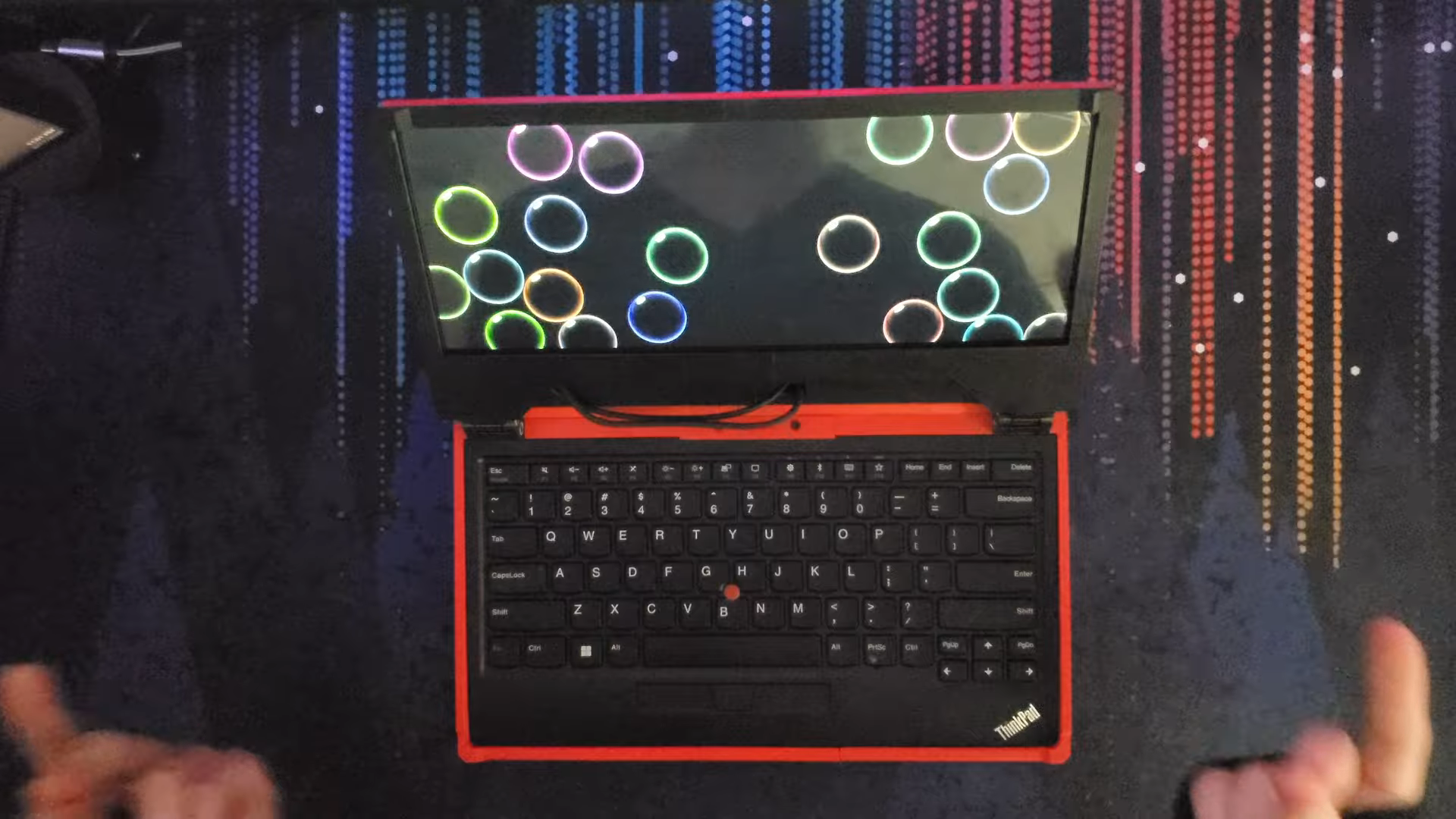
Cyberdecks are typically reminiscent of weird computers in futuristic sci-fi films, moreso than the computers of today. The cool thing about cyberdecks, though, is you get to build them however you like. [WillTechBuilds] has put together a deck of his own that diverges from cyberdeck norms and ends up closer to something you might have bought off the shelf at Best Buy.
For a start, the build eschews the typical Raspberry Pi or other single-board computer that normally lives at the heart of a cyberdeck. In its place is a motherboard harvested from a GMKTec NucBox G5. It runs the Intel N97 CPU. It’s an x86 processor that’s roughly equivalent in power to an i5 from 10 years ago, but it only sips 12 watts. The compact motherboard is installed in a compact 3D-printed case along with a porbable USB-C battery pack, a small widescreen LCD, and a Lenovo ThinkPad trackpoint keyboard. This latter design choice, along with the x86 chip, is what gives this build so much of a laptop feel. There’s no weird Linux desktop, green-glowing terminal, or chunky mechanical keyboard here, let alone any GPIO pins. Definitely an oddball entry to the cyberdeck world, but valid nonetheless.
We’ve featured cyberdecks built out of everything from CRT TVs to event badges. As always, we’d love to see your latest innovative creation on the tipsline. Video after the break.
Over the years, smartphone brands have steadily refined their craft. From design to performance, devices in 2026 feel sharper, smarter, and far more polished than before. But a recent look at the Sony Xperia 1 VIII suggests Sony might be holding on a little too tightly to the past, and not entirely in a good way. Here’s why I feel that way.
This doesn’t look like the Sony we remember
I remember when Sony really stood out. There was a certain confidence to its design language, something that felt distinct. Looking at the Xperia 1 VIII now, though, it feels like that clarity has faded a bit. The back panel, at least in this render, is where things really fall apart for me. The design looks absolutely confusing. Sony’s signature vertically aligned camera setup has always been part of its identity, and moving away from that strips away a sense of familiarity that long-time users associated with the brand. Without that, the design feels oddly generic, almost like it could belong to any other phone.
As for the camera island, it comes across as bulky and somewhat dated, reminding me of the OnePlus 10 Pro from 2022, a design language even OnePlus has since moved on from. That’s what makes this feel particularly off. It feels like revisiting an idea the rest of the industry has already left behind.
Weibo
What stands out even more is how out of sync this feels with where smartphone design is headed today. Most brands are leaning into cleaner, more minimal aesthetics that feel refined and modern. Loud, heavy camera islands are usually reserved for niche or limited-edition designs now, not mainstream flagships.
All of this makes it seem like Sony isn’t quite setting its own direction, but is instead borrowing from trends that have already run their course. And for a brand that once led with such a strong design identity, that shift feels a little disappointing.
Advertisement
A shift without a sense of direction
To be honest, I’ve always held Sony to a slightly higher standard. It was one of those brands you expected to take a clear, confident stance on design and experience. That’s why this feels a bit disappointing now. It’s not just about one device, but the sense that the brand has lost some of its direction along the way.
Weibo
At a glance, the Xperia 1 VIII certainly tries to set itself apart, but that distinction feels a bit hollow. It comes across more like a shift without a clear purpose. That’s where it starts to lose ground. In the current flagship landscape, looking different isn’t enough on its own. A design needs to carry intent, show progression, and align with the direction the industry is moving in. This one doesn’t quite deliver on that front. Standing out is simple; moving the needle is what really counts.







.png)
























































You must be logged in to post a comment Login