







Sony Inzone H6 Air: two-minute review
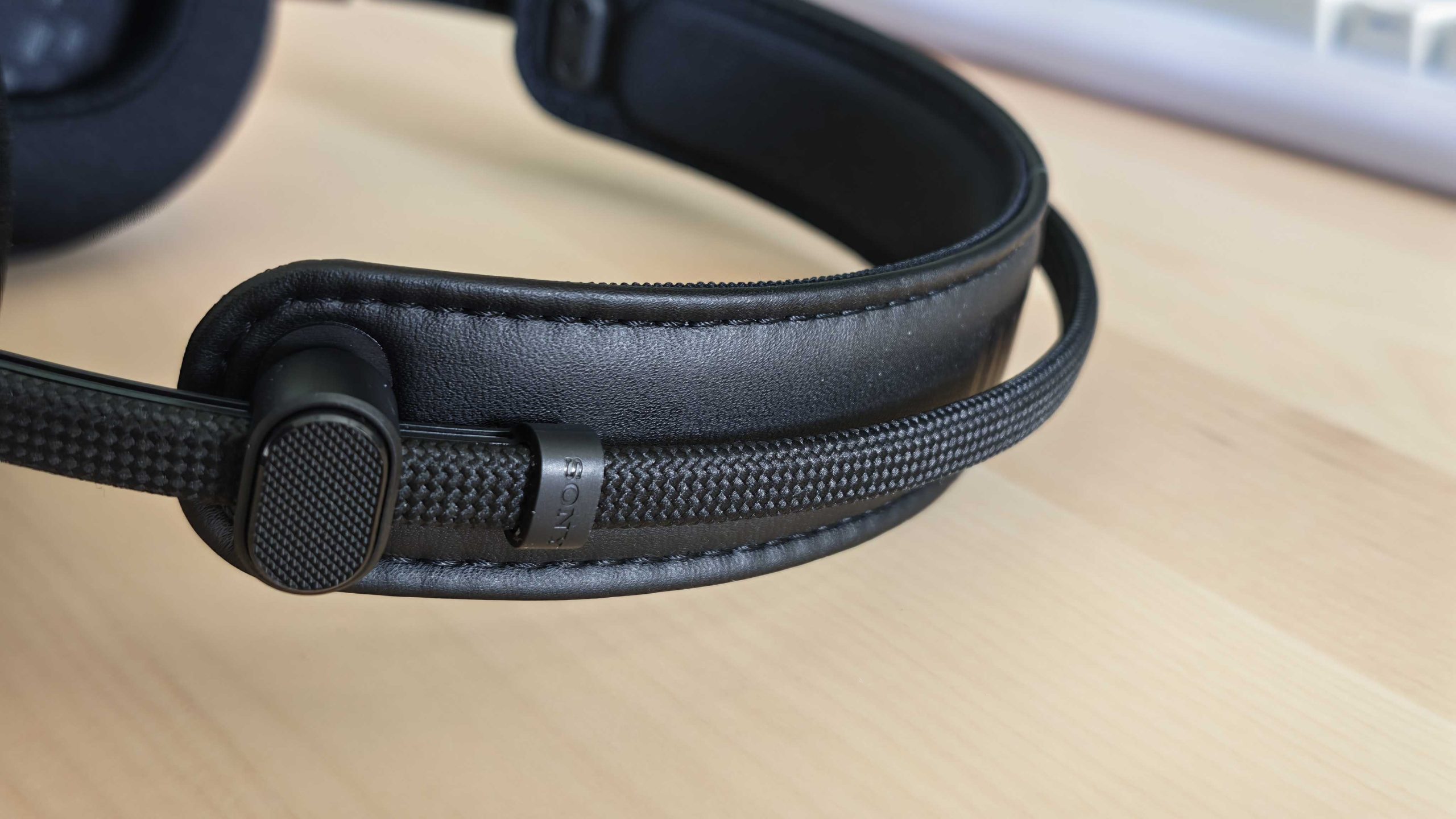
True to its name, the new Sony Inzone H6 Air wired gaming headset is incredibly lightweight. Coming in at just 7oz / 199g (and only slightly more with the detachable cardioid microphone attached), it’s among the lightest gaming headsets on the market.
This isn’t just impressive on the spec sheet either; when paired with the wonderfully soft earcups, it easily creates one of the most comfortable headsets I’ve tested. You can wear the Sony Inzone H6 Air for hours at a time with minimal fatigue. In fact, it’s easy to forget that you’re even wearing it at all.
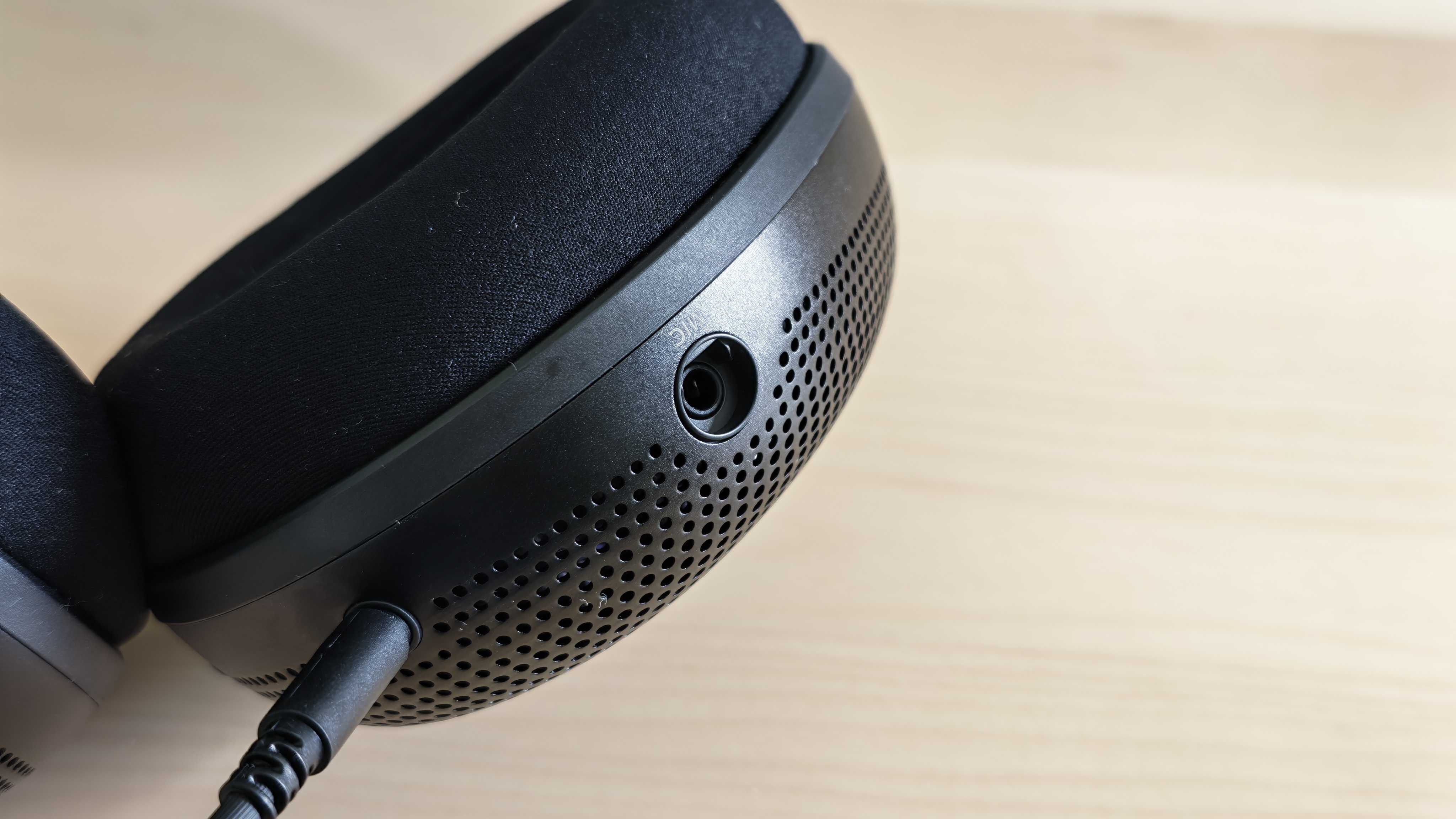
Sony hasn’t made many compromises to achieve that impressively slight weight either. The overall design is very similar to the equally superb Sony Inzone H9 2, albeit with numerous holes in the aluminum outer earcup shells to create an open back. Under the hood, the Sony Inzone H6 Air packs the same drivers as Sony’s open-back MDR-MV1 studio monitor headphones, which is known for excellent sound. Studio monitor headphones are generally quite flat, but the drivers have been specifically adapted for gaming with enhanced bass.
The sound is far from unbalanced, though, and I’d argue that the default profile is pretty much perfect for almost all uses. The open-back design creates a lovely, wide soundstage that adds a real depth to gaming audio. Every time I fired a weapon in a match of Battlefield Redsec, the soft clink of spent bullet casings was impressively life-like and sounded just like it existed in a real 3D space.
Image 1 of 3
The Inzone H6 Air is still good for music listening and more general use, too, as the bass isn’t overly strong in its default configuration. Jumping into the compatible Inzone Hub software lets you customize the equalizer (EQ) profiles and save them to the included USB-C audio box for use across console platforms.
Although I stuck with the default settings for the most part (finding them to be by far the most balanced), the ‘RPG/Adventure’ profile (designed in collaboration with the PlayStation Studios team) is a highlight — enabling an immersive spatial effect that’s perfect for getting lost in vast virtual worlds.
Sadly, this is pretty much the only reason to touch the software, as the few other features it offers aren’t particularly compelling. The aggressive bass boost mode is frankly unlistenable, while the dedicated first-person shooter (FPS) settings seem a tad unnecessary when the strong directional sound already gives you a decent advantage in competitive settings. The software’s dedicated 360 spatial mode is also highly unpleasant, creating an unconvincing surround effect at the cost of rendering all sound incredibly tinny and weak.
These software shortcomings are only minor gripes, though. At the end of the day, you’re still getting absolutely amazing audio right out of the box.
Sony Inzone H6 Air review: price & availability
- $199 / £175 / around AU$330
- Mid-range price for high-end components
- Strong value proposition
The Sony Inzone H6 Air is priced at $199 / £175 / around AU$330, putting it in the mid-range market segment. It is slightly more expensive than the Turtle Beach Atlas Air — another open-back model designed for gaming, which costs $179.99 / £159.99 / AU$299 but lacks the premium materials of the Sony headset.
Sharing its studio-grade drivers with the MDR-MV1, the Sony Inzone H6 Air also has significantly stronger audio chops. Better still, Sony’s Inzone offering is roughly half the price of its MDR-MV1, making for a strong value proposition.
Sony Inzone H6 Air review: specs
|
Price |
$199 / £175 / around AU$330 |
|
Weight |
7oz / 199g |
|
Compatibility |
PC, Xbox, PlayStation, Nintendo Switch, Mobile |
|
Connection type |
Wired (3.5mm / USB Type-C) |
|
Battery life |
N/A |
|
Features |
Detachable cardioid mic, spatial sound |
|
Software |
Inzone Hub |
Sony Inzone H6 Air review: design and features
- Similar design to the Sony Inzone H9 2
- Intuitive controls
- Premium materials
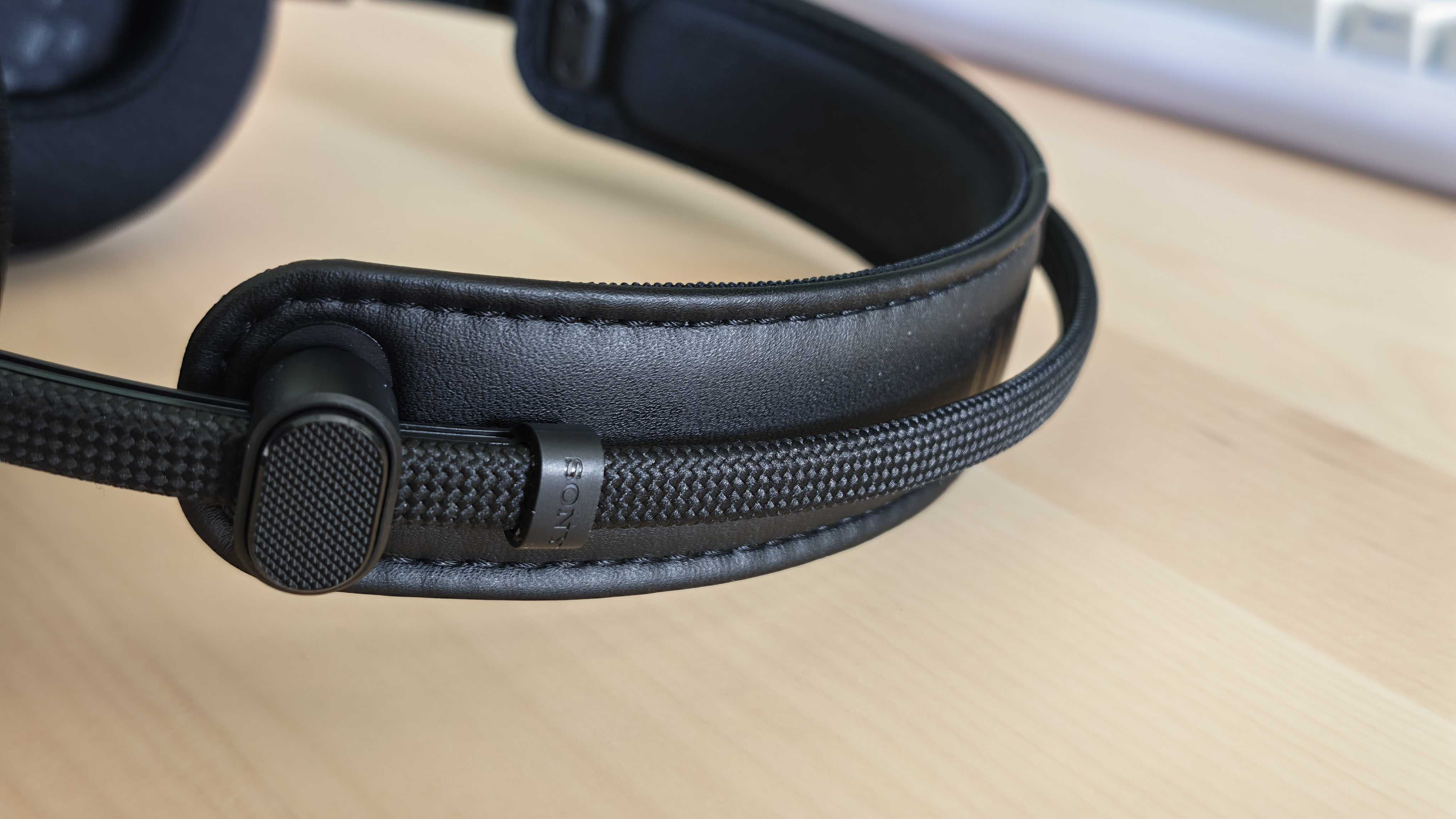
There’s a tendency for particularly lightweight products to feel cheap, but that’s far from the case with the Sony Inzone H6 Air. Its design is similar to the sleek and stylish Sony Inzone H9 2, maintaining the same overall shape and a winning headband that offers a good level of adjustment. The main difference between the two is the perforated shells on the outside of the H6 Air’s earcups, which are constructed from a premium, sturdy-feeling aluminum.
These holes are what make the H6 Air an open-back headset and allow for a much wider, more natural-feeling soundstage than closed-back designs. There are some caveats inherent with all open-back models, though, namely the tendency for background noise to seep through. Sound also leaks out of the headset through these holes, so it’s not a design you’ll want to wear in a public setting.
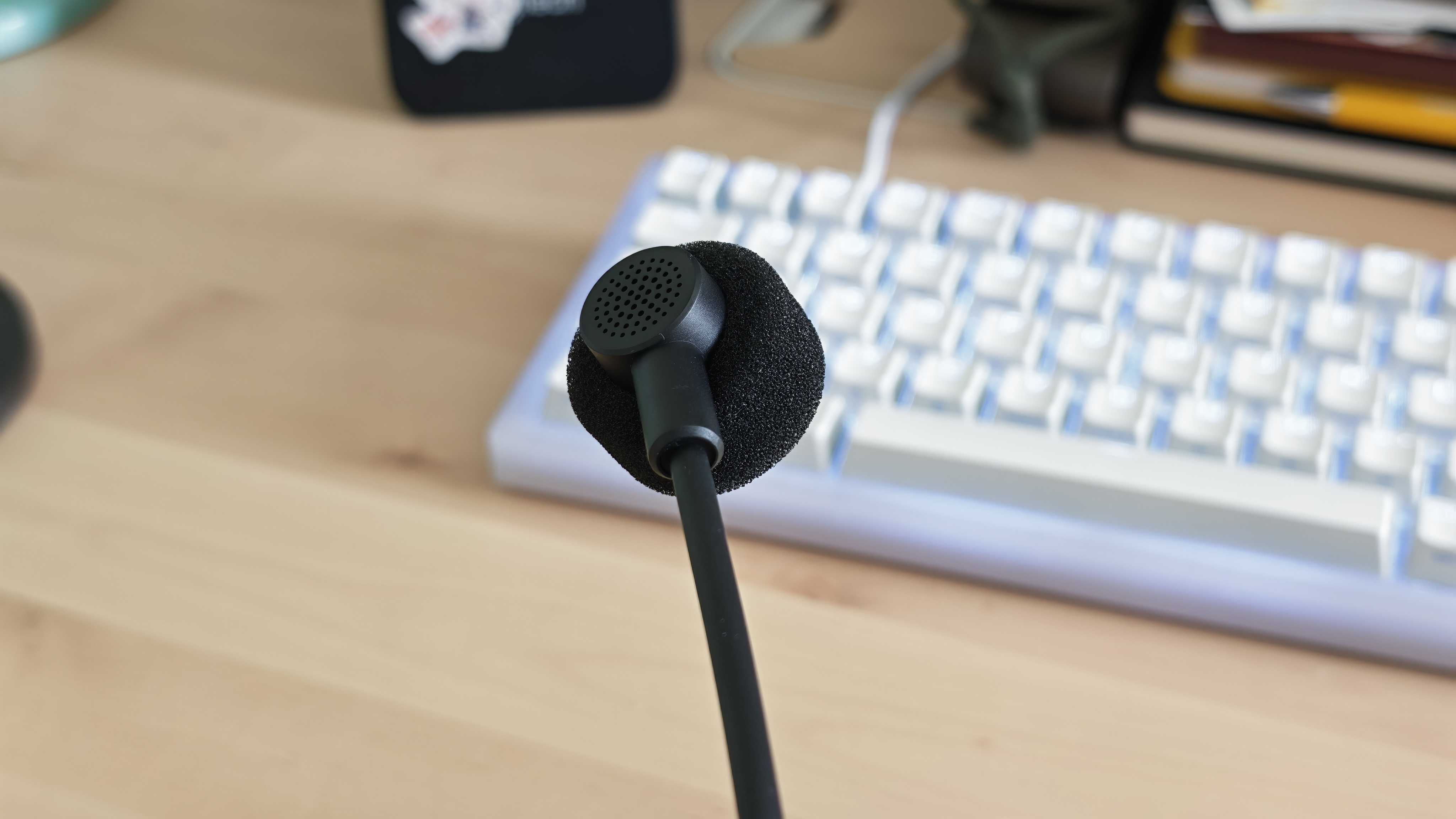
The on-board controls are very basic but highly intuitive, with everything located on the left earcup. There’s a big clicky microphone mute button (with a distinct bumpy texture that makes it easy to find without looking), volume dial, 3.5mm audio input, and a 3.5mm port for the detachable cardioid microphone. My headset came with the volume dial cranked down all the way to mute, so don’t panic if your model doesn’t make any sound when you first plug it in — fiddle around with it for a moment and set it to your desired level.
The headset comes bundled with a USB-C audio box — a little dongle that can save any settings you create in the Inzone Hub software and allow you to bring them over to your console or phone. It seems to be the same audio box included with the Inzone E9 in-ear gaming headphones, which offer similar functionality.

Sony Inzone H6 Air review: performance
- Pristine audio
- Ideal for gaming and audio listening
- Background noise can be an issue
Unlike most gaming headsets, the Sony Inzone H6 Air has quite a neutral sound profile. There is some level of punchy bass, but unlike some gaming models, it’s never overpowering.
Clarity and directionality seem to have been the goal for Sony here, and the Inzone H6 Air excels on both fronts. This is most obvious when listening to music, as the impressively wide soundstage allows for excellent instrument separation.
In a gaming context, every individual sound effect is clearly defined, even in moments of intense action. Dropping into a match of Call of Duty: Black Ops 7 on the hectic Nuketown 2025 map, I was pleased to find that enemy footsteps were easy to track despite an abundance of gunfire, explosions, and other loud audio cues.
The same was true in a few matches of Battlefield Redsec, where the clean, crisp sound gave me a newfound appreciation for the game’s high-fidelity weapon effects.

It’s not just great for FPS titles, either; the Sony Inzone H6 Air excels at a wide variety of genres. Modern open-world role-playing games (RPGs) are a particular treat, especially ones that already benefit from strong sound design.
Wandering 16th-century Japan in Assassin’s Creed Shadows showcased this well; the game’s strong atmosphere was elevated by perfectly reproduced details like the faint trickle of running water from nearby rivers and the subtle rustlings of trees in the wind. Enabling the ‘RPG/Adventure’ profile in the Inzone Hub software kicks all of this into overdrive, adding an extra layer of directionality to the sound.
The included microphone is great too. It won’t replace a premium standalone model, but it captures your voice and does a decent job of drowning out background noise. You still won’t want to use this headset in loud environments, though, as it lets in a lot of background sound.
You can hear your own voice clearly while chatting with friends, keyboard taps, and any passing sirens. This is an inevitable trade-off in any open-back model. I think the sound quality on offer more than makes up for it here, but it will make the Sony Inzone H6 Air a poor choice for some.
If you need strong noise cancellation, consider the Sony Inzone H9 2 (which boasts some effective ANC) instead.

Should I buy the Sony Inzone H6 Air?
Buy it if…
Don’t buy it if…
Sony Inzone H6 Air review: also consider
Here are two other great headsets to consider alongside the Sony Inzone H6 Air.
| Row 0 – Cell 0 |
Sony Inzone H6 Air |
Turtle Beach Atlas Air |
Sony Inzone H9 2 |
|
Price |
$199 / £175 / around AU$330 |
$179.99 / £159.99 / AU$299 |
$348.00 / £299.00 / around AU$489 |
|
Weight |
7oz / 199g |
10.6oz / 301g |
9.2oz / 260g |
|
Compatibility |
PC, Xbox, PlayStation, Nintendo Switch, Mobile |
PlayStation, PC, Nintendo Switch, Mobile |
PC, PS4/PS5, Xbox Series X/S (wired only), iOS/Android, Switch, Switch 2, Steam Deck |
|
Connection type |
Wired (3.5mm / USB Type-C) |
Wireless 2.4GHz / Bluetooth 5.2 / Wired |
2.4 GHz Wireless, Bluetooth, USB Wired, 3.5mm Analog |
|
Battery life |
N/A |
50 hours |
30 hours |
|
Features |
Detachable cardioid mic, spatial sound |
Flip to mute high-bandwidth mic, floating ear cups, 40mm drivers |
Detachable mic |
|
Software |
Inzone Hub |
Swarm II app |
Inzone Hub |
How I tested the Sony Inzone H6 Air
- Used for over a week
- Tested with a wide range of games
- Compared to other gaming headsets
I tested the Sony Inzone H6 Air ahead of its official reveal, going hands-on with a unit for more than a week. During that time, I used it extensively for work (that meant plenty of meetings), play, and music listening.
I tried the headset with a wide range of games from a variety of genres, including racing in Forza Horizon 5 and Need for Speed Unbound, FPS with Call of Duty: Black Ops 7 and Battlefield Redsec, and RPG in Assassin’s Creed Shadows.
Although the majority of my time spent with the headset was on PC, I also used it with my PlayStation 5, mobile phone, Xbox Series X, and Nintendo Switch 2 to assess its compatibility.
First reviewed April 2026






































You must be logged in to post a comment Login