Google’s Pixel phones have a handy scam call detection feature that works in the background during calls, alerting users in real time if a conversation shows signs of a potential scam. When triggered, it warns users with a notification, sound, and vibration, offering a timely nudge to hang up before any damage is done. So far, this feature has been exclusive to Pixel devices, but it could soon make its way to phones from other brands, starting with Samsung’s upcoming Galaxy S26 series.
Google debuted Scam Detection on the Pixel 9 series, and the feature is currently available on Pixel 6 and newer models. However, Android Authority has spotted evidence suggesting it could also be coming to the Galaxy S26 lineup. While digging through Google’s Phone app, the publication spotted model numbers for Samsung’s upcoming devices listed alongside a code snippet referencing “Sharpie,” the internal codename for Google’s Scam Detection feature.
In a separate report, the publication claims that Google may bring Scam Detection to non-Pixel devices through a new app called Android Callcore. According to its Play Store listing, the app provides an “infrastructure to support phone-calling based features,” and its latest update includes the ability to detect scam calls.
Pixel’s Scam Detection may expand to devices from more manufacturers
The report adds that the Android Callcore app can only be installed on devices with a specific feature flag, and Samsung’s top-end Galaxy S26 Ultra appears to include this flag. If accurate, this suggests Samsung’s upcoming flagships may not rely on Google’s Phone app to enable Scam Detection.
Advertisement
The app may also allow Google to extend support to more Android devices in the future, but it’s not immediately clear when Scam Detection will roll out more broadly or which manufacturers will be included. More information should emerge when Samsung lifts the covers off the Galaxy S26 series late next month.
An anonymous reader quotes a report from Vanity Fair: Focus Features is releasing The AI Doc: Or How I Became an Apocaloptimist in theaters on March 27. If you’re even slightly interested in what’s going on with AI, it’s required viewing: The film touches on all aspects of the technology, from how it’s currently being used to how it will be used in the near future, when we potentially reach the age of artificial general intelligence, or AGI. AGI is a theoretical form of AI that supposedly would be able to perform complex tasks without each step being prompted by a human user — the point at which machines become autonomous, like Skynet in the Terminator franchise. […]
[Director Daniel Roher] interviews nearly all the major players in the AI space: Sam Altman of OpenAI; the Amodei siblings of Anthropic; Demis Hassabis of DeepMind (Google’s AI arm); theorists and reporters covering the subject. Notably absent are Elon Musk and Mark Zuckerberg. “Have you seen that guy speak? He’s like a lizard man,” Roher says regarding Zuckerberg. “Musk said yes initially, but it was right when he was doing all the stuff with Trump, and we just got ghosted after a while,” adds [codirector Charlie Tyrell]. Altman, arguably AI’s greatest mascot, is prominently featured in the documentary. But Roher wasn’t buying it. “That guy doesn’t know what genuine means,” he says. “Every single thing he says and does is calculated. He is a machine. He’s like AI, and it’s in the service of growth, growth, growth. You can be disingenuous and media savvy.” […]
How, exactly, is Roher an apocaloptimist? “We are preaching a worldview,” he says, “in a world that’s asking you to either see this as the apocalypse or embrace it with this unbridled optimism.” He and his film are taking a stance that rests between those two poles. “It’s both at the same time. We have to try and embrace a middle ground so this technology doesn’t consume us, so we can stay in the driver’s seat,” says Roher — meaning, it’s up to all of us to chart the course. “You have to speak up,” says Tyrell. “Things like AI should disclose themselves. If your doctor’s office is using an AI bot, you have to say, I don’t like that.” The driving message behind the film is that resistance starts with the people. That position is shared by The AI Doc producer Daniel Kwan, who won an Oscar for directing Everything Everywhere All at Once and has been at the forefront of discussions about AI in the entertainment industry. […]
Roher and Tyrell both use AI in their everyday lives and openly admit to it being a helpful tool. They also agree that this technology can make daily tasks easier for the average consumer. But at the end of our conversation, we get into the economics of AI and how Wall Street is propping up the industry through huge evaluations of these companies — and Roher gets going yet again. “This is all smoke and mirrors. The entire economy of AI is being propped up by a Ponzi scheme. The hype of this technology is unlike any hype we’ve seen,” he says. “I feel like I could announce in a press release that Academy Award winner Daniel Roher is starting an AI film company, and I could sell it the next day for $20 million. It’s fucking crazy.” […] “These people are prospectors, and they are going up to the Yukon because it’s the gold rush.”
An Amazon Prime delivery van and a FedEx Ground van on a Seattle street. The two companies are expanding their rekindled partnership into returns. (GeekWire File Photo / Todd Bishop)
Amazon and FedEx are expanding their partnership after starting to patch things up last year.
The companies announced Wednesday that more than 1,500 FedEx Office locations nationwide are now accepting Amazon returns as part of a network of more than 10,000 drop-off points across the U.S. where customers can return items without a shipping box, tape, or label.
It’s notable in part because of the history between the two companies.
FedEx severed its logistics relationship with Amazon in 2019 as the e-commerce giant built out its own logistics network. But the two have started working together again over the past year, with FedEx reportedly helping to fill delivery gaps for Amazon left by UPS, which said last year that it would cut its Amazon package volume by more than half.
Amazon says four out of five U.S. customers now have a drop-off point within five miles of their home. Other locations in the network include Whole Foods Market, The UPS Store, Kohl’s, Staples, and regional partners such as Winn-Dixie, Save Mart, and Goodwill.
Advertisement
Returns have become a competitive battleground in e-commerce logistics because they boost shipping volume, lock in merchant relationships, and generate foot traffic for retail partners.
Amazon benefits from the competition, gaining more drop-off density and better economics while also continuing to grow its own in-house network.
To make a return, customers start the process in their Amazon account, choose a nearby location, and receive a QR code. They bring the unpackaged item and QR code to the drop-off point, where it’s scanned and prepared for shipping.
It’s no secret that vivo has recently been on a roll by launching plenty of budget offerings. Keeping up with that momentum, the Chinese smartphone maker has expanded its Y-series lineup in India with the launch of the vivo Y21 5G and vivo Y11 5G. Both smartphones focus on endurance and everyday usability, and here’s everything you need to know about them.
The vivo Y21 5G starts at ₹18,999 for the 4GB + 128GB variant, going up to ₹22,999 for the 8GB + 128GB model. Meanwhile, the vivo Y11 5G is priced at ₹14,999 for the 4GB + 64GB variant and ₹16,999 for the 4GB + 128 GB variant.
Big Battery, Built for Endurance
The biggest highlight here is the 6,500mAh battery on both phones, which vivo claims can easily last through a full day—and then some. The company says users can expect up to 48 hours of video playback, extended music streaming, and long social media sessions without constantly reaching for a charger.
Charging speeds differ, though. The Y21 5G gets 44W fast charging, while the Y11 5G sticks to 15W charging. Both devices also feature battery health optimizations designed to maintain performance for up to five years.
Advertisement
Design & Performance
vivo is also pushing durability this time. Both phones come with IP65 ratings and military-grade shock resistance, which should help them survive daily wear and tear. The design itself stays minimal, with a matte finish, side-mounted fingerprint sensor, and a lightweight build that should feel comfortable for everyday use.
On the front, both phones pack a 6.74-inch HD+ display with a 120Hz refresh rate, which is still a rare feature at this price point. Brightness reaches 1200 nits, improving outdoor visibility, while TÜV Rheinland certification aims to reduce eye strain during extended use. Under the hood, both devices are powered by the MediaTek Dimensity 6300 chipset, with 5G connectivity and dual-SIM support. The setup should be enough for regular tasks like browsing, streaming, and light gaming.
Cameras & Software
The vivo Y21 5G features a 50MP main camera, while the Y11 5G has a 13MP main camera. Both devices include multiple camera modes, such as Night, Portrait, and Time-lapse, for basic versatility.
On the software side, the phones run OriginOS 6, based on Android 16, with features such as Circle to Search, AI photo enhancements, and Google Gemini integration for smarter interactions.
Building a quality selection of hand tools to help support your repair, DIY renovation, or emergency preparedness needs isn’t always easy. Finding great gear is rarely the problem, though. Starter kits demand an odd blend of cost-effectiveness and value that can be difficult to identify. As a beginner creating your first collection of versatile hand tools, you’ll often want to target sets of equipment (like a bundle deal of screwdrivers or a socket set with a wide range of turning tools) while purchasing the best brand options you can afford at a reasonable price point. There’s no need to focus on premium quality everywhere, and even those with experience seeking to reimagine their existing mechanic’s tool kit will want to save in some areas and splurge in others. In fact, many pros suggest a different route, opting for inexpensive gear that’s unlikely to last a long time. The things you break first are naturally going to be the equipment you use the most, giving you a personalized blueprint for where to upgrade over time.
Harbor Freight tools offer a solid blend of both worlds. Harbor Freight’s catalog of in-house brands features plenty of quality implements at surprisingly bargain-friendly prices. The outlet certainly carries its fair share of expensive equipment, but many of the hand tools offered by the tool and home improvement store are inexpensive without sacrificing quality or key build features that users crave. These 13 tools are cost-friendly options with great reviews in their respective categories, providing reliable coverage for numerous jobs you may be gearing up to tackle.
Advertisement
Pittsburgh Comfort Grip Screwdriver Set (70-Piece)
There’s always room in a garage or workshop for a set of screwdrivers. This is one of the baseline tools that every fixer, builder, or renovator needs to have in their collection. No matter the task you’re squaring up against, three functions remain at the top of any job’s requirements: measuring, cutting, and fastening. You won’t get very far without screwdriving tools, and a set of handheld fastening tools can be a true game changer. The Pittsburgh Comfort Grip Screwdriver Set includes Allen keys, nut drivers, precision screwdrivers, and standard screwdriving tools. It’s all contained within a storage rack that makes organization simple.
Advertisement
Each screwdriver features an oil-resistant TPR cushion grip that makes the set useful in demanding environments while also remaining comfortable for use over long periods of time. The screwdrivers feature chrome vanadium steel construction with magnetized tips and flat-sided handles that offer additional gripping power while reducing the risk of rolling. About 98% of buyers recommend the set, and its price is among the primary reasons. It’s offered at Harbor Freight for $30, but Inside Track Club members can save $10 on their purchase before April 2. The tool has been reviewed by over 1,230 buyers and holds a 4.8-star average rating.
Advertisement
Central Machinery 5-Inch Swivel Vise with Anvil
The Central Machinery 5-Inch Swivel Vise with Anvil is an in-store-only tool offered by Harbor Freight. The vise is available for $50 for Inside Track Club members until April 2, and $60 for other buyers. Both prices are favorable for a quality swiveling vise designed for heavy-duty use in your garage or workshop. The tool features 5-inch, heat-treated replaceable jaws and can produce 6,600 pounds of clamping force. The tool’s body is made of cast iron, resulting in a 21-pound tool that can offer portability when necessary but is dense enough for solid workholding when you need to lock down a component.
The vise features a 2-1/8-inch throat depth, and the swiveling base offers a full 360-degree rotational arc. The tool has received over 270 buyer reviews with a 4.7-star average rating. It has a 96% recommendation rate, and the replaceable jaws and multifunctional capability, underpinned by the addition of a 3-1/2-inch by 3-5/8-inch anvil, have a lot to do with this high praise.
Advertisement
Quinn 1/4, 3/8, and 1/2-Inch Drive SAE and Metric Hi-Vis Socket Set (66-Piece)
There are plenty of great mechanic’s tool sets for every budget, including some that feature no additions beyond the ratchet and sockets. The Quinn 1/4, 3/8, and 1/2-Inch Drive SAE and Metric Hi-Vis Socket Set is a quality choice in this regard. It’s listed at Harbor Freight for $60, offering 66 total pieces for a good price per element and a relatively low cost overall. The set comes with a carrying case featuring individual storage slots, allowing you to find exactly what you’re looking for without hassle. The set is built with chrome vanadium steel, offering scratch and rust resistance for long-term durability. Each ratchet features a 72-tooth quick-release head, and the sockets offer high-visibility markings with color coding to indicate drive size.
Customers overwhelmingly give this high praise, with a 4.8-star average rating from over 1,460 reviewers. 98% of buyers recommend the item to others. In addition to standard fastener-turning tools contained within the set, it includes three extensions and two spark plug sockets, allowing buyers to change their own spark plugs without having to go out and buy a new, specialized tool.
Advertisement
Pittsburgh 3/4-Inch Pipe Clamp with Base
Clamps come in a dizzying array of styles, but they all feature a basic commonality. Clamping tools are used to hold workpieces in place, allowing glue to set or keeping a component held firm while you fasten or cut away excess material. While numerous clamps can be of great value to someone building a starter toolkit, perhaps the most versatile solution you’ll find is the pipe clamp. Unlike other options, this tool comes as a pair of cast ends that fit onto a pipe you’ll add to the mix yourself. This allows you to customize the length to your own needs and provides extreme adaptability.
The Pittsburgh 3/4-Inch Pipe Clamp with Base is a great option, listed at Harbor Freight for $12. It’s an in-store-only tool. The clamp features a four-plate clutch to deliver intense clamping pressure, along with a quick-release lever to back it off when the job is finished. It’s built with cast steel and a heavy-duty ACME lead screw. It doesn’t come with a pipe but fits 3/4-inch-diameter pipes and includes pre-drilled holes to attach additional jaws if necessary. 98% of buyers recommend it, and more than 420 reviewers give it a 4.7-star average rating.
Advertisement
Doyle 12-Inch Professional Rafter Square
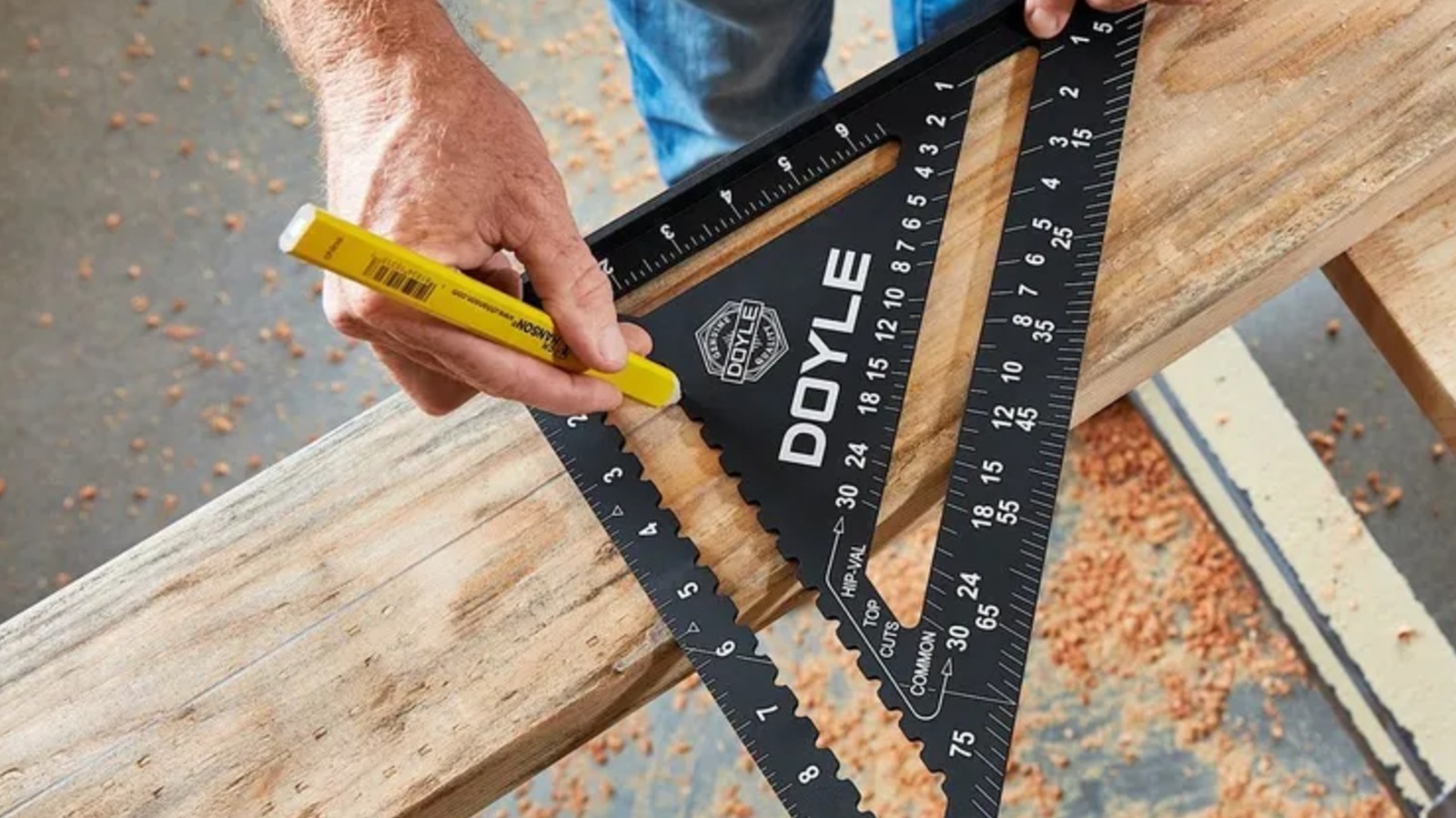
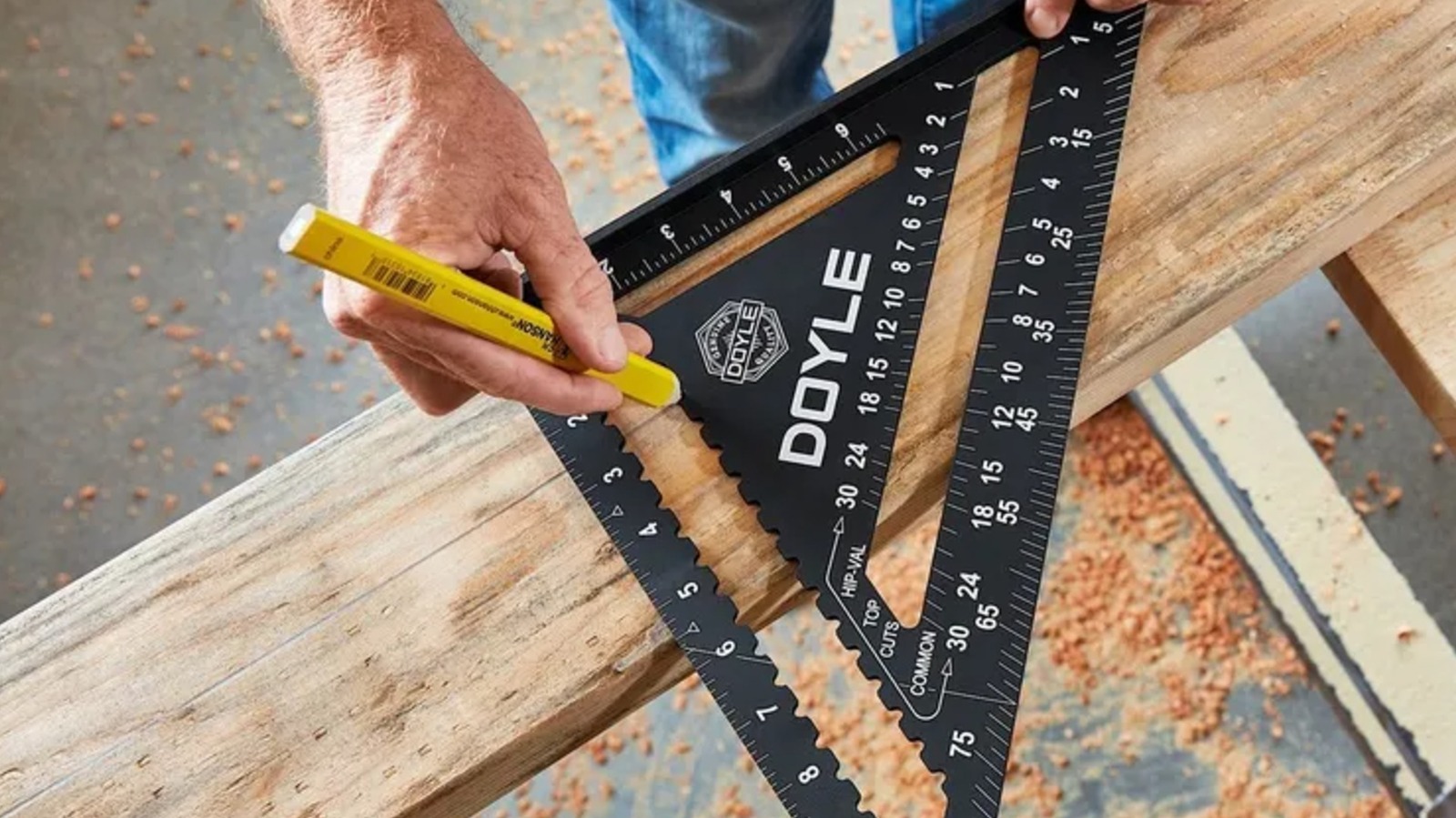
The Doyle 12-Inch Professional Rafter Square is a layout tool with huge functionality built into its subtle frame. Also known as a speed square, this tool makes measuring and marking boards significantly faster. The tool is built with an anodized aluminum body with high-visibility, laser-etched markings across its face. One end of the triangular tool features a lip that allows you to quickly square it up against the edge of a board, with the 90-degree angle delivering a perfect marking edge to scribe measurements or cut lines onto a workpiece with ease. It also features notches along its edge that allow users to drag a line horizontally across a board for rip cuts.
Advertisement
The tool is essential for getting the angles and markings correct when building roof trusses and other angular constructions on a job site or in your own backyard, but it also serves as a key asset for many other projects. It’s available from Harbor Freight for $17 and has received over 500 reviews with a 4.9-star average rating. Among buyers, about 98% recommend it to others.
Advertisement
Central Forge 15-Pound Rugged Cast Iron Anvil
The anvil is often thought of as a tool that’s only required in metalworking shops. Forging hand tools, bladed instruments, and other cast decorative elements is specialized work, so it’s easy to overlook the tool. However, this addition, which acts in opposition to your hammer or other workpiece manipulation assets, can add significant value to many aspiring home improvers’ collections and workshops of all sorts.
The Central Forge 15-Pound Rugged Cast Iron Anvil is a relatively lightweight solution. It also won’t break the bank. The tool’s $20 price tag and 15-pound weight make it a small-scale investment that can pay huge dividends for users long into the future. In the same way that a vise can provide massively versatile workholding capabilities, the anvil offers a smooth striking surface to work with across many different job requirements.
This tool features a cast iron construction with a milled face. It offers an 8-1/4-inch by 3-inch work surface with a hardy hole that supports punching through material, bending components, or accessory installations. It also offers a rounded horn for shaping and smooth bending. The tool also includes extra-large feet that help keep it firmly planted while in use. The anvil has a 4.6-star average rating from more than 470 buyers, with a 93% recommendation rate.
Advertisement
Pittsburgh 16 oz. Fiberglass Rip Claw Hammer
Another critically important tool: Virtually everyone who uses hand implements, even sparingly, will need a hammer to support striking functions and basic fastener removal tasks. The Pittsburgh 16 oz. Fiberglass Rip Claw Hammer is a $7 purchase at Harbor Freight, offering a fiberglass handle for effective shock absorption. It features a non-slip rubber grip as well, pairing with a drop-forged steel head. The tool features a rip claw construction rather than the more commonly observed curved claw, delivering a straighter swing path and improved striking control. The hammer features a smooth face for a classic finish.
Nearly all customers (99%) recommend the hammer to others, and across 2,460 reviews it has received a 4.8-star average rating. The 16 oz. head weight is an ideal middle-ground solution that delivers more than enough force to drive heavy nails while remaining light enough for lengthy use. The handle is 11 inches long and features a tapered shaft layout to allow users to grip up on the tool when setting a nail and move their hand to the rubberized bottom for more striking force.
Advertisement
Doyle 13-Inch Heavy Duty Professional Hand Riveter
The Doyle 13-Inch Heavy Duty Professional Hand Riveter features a double compound hinge that offers added leverage over the standard riveting tool. This makes it an upgraded option for driving fasteners in even the most demanding applications. It includes five interchangeable nose pieces that are color-coded for easy identification and don’t require additional tools to install or remove. It also utilizes a collection bottle that’s built into the back end of the tool, collecting used mandrels rather than dropping them all over your workshop.
Advertisement
The riveter also features an ergonomic PVC grip construction that helps to reduce fatigue as you work on fastening tasks. The tool is available for $25 at Harbor Freight, making it a cost-effective option for securing all manner of material as you work to complete renovation or construction jobs. Buyers give it high praise as well, delivering a 4.8-star average rating across more than 530 reviews. It also has a 97% recommendation rate from those who have purchased the tool.
Advertisement
Icon 1/2-Inch Drive 18-Inch Professional Breaker Bar
The breaker bar is a tool mechanics and many others lean on in a pinch, both literally and figuratively. The breaker bar is an elongated ratchet-type tool that offers more leverage to create additional torque on a stubborn fastener. It’s a tool that’s all about muscling through a tough turning task, and so a heavy-duty option is always going to be a priority. The Icon 1/2-Inch Drive 18-Inch Professional Breaker Bar delivers a critically important crossover between strength and durability, and an approachable price point. It features more than enough length and strength to tackle seized fasteners, while being listed at Harbor Freight for $30.
The tool runs with a 1/2-inch drive size and features a 180-degree pivot in the head to deliver access to your workpiece from a range of angles. The tool is made from chrome vanadium steel and weighs a little over 2 pounds. It’s also chrome-plated to resist corrosion and rust. Nearly 170 reviewers have given it a 4.9-star average rating, with 99% of them recommending it to others.
Advertisement
Pittsburgh Metric or SAE Ball End Hex Key Set (13-Piece)
Allen wrenches come in many formats, but anyone who has used the standard straight-end devices for long enough will know that the typical unit comes with a notable disadvantage. One of the most useful changes that has taken place in these fastener-driving tools is the ball end. The short side of the L-shaped Pittsburgh Metric or SAE Ball End Hex Key Set features the standard square end for a firm connection with your fastener and plenty of driving force as you turn the tool. The longer side of the hex key features a ball-shaped tip that allows users to turn fasteners while the tool is positioned at an angle.
This enhances the reach you experience while trying to tighten a screw, with the ability to engage a screw head from a 25-degree offset. This set comes with all of the standard sizes you’d expect in either SAE or metric measurements. Both options are listed as in-store-only tools, and both are available for $6. The tool set has been reviewed by nearly 1,800 Harbor Freight buyers and holds a 4.7-star average rating with a 96% recommendation rate. There are other Allen wrench sets out there for cheaper, but there’s really no reason to settle for a standard model when the enhanced variant can be found for such a low price.
Advertisement
Fasten-Pro Hammer Tacker
The Fasten-Pro Hammer Tacker is an update to the classic staple gun. Hammer tackers are designed for faster installation with less physical effort than their alternatives. They fire the same staples that a staple gun can accommodate but achieve that result with significantly less hullabaloo, allowing you to work quicker without nearly as much fatigue. This Fasten-Pro model is available from Harbor Freight for $15 and features a 4.4-star average rating across over 510 reviews. Similarly, 90% of customers recommend it to others, with its price coming in as a key strength.
The tool features a spring-loaded strip magazine that continuously pushes the next staple down into the ready position. The tool is 13-1/2 inches long and weighs a hair over two pounds, making it a mobile solution that’s easy to carry and even easier to deploy. It utilizes a non-slip comfort grip with additional oil-resistant features that make it usable in a wide range of situations.
Advertisement
Pittsburgh Precision Electrical Screwdriver Set (6-Piece)
The precision screwdriver is essential for tackling electrical repair and handling access to small parts within all manner of objects you might be working to service or repair. Everything from battery changes in smoke detectors or children’s toys to delicate work under the hood of your project vehicle can benefit from the addition of a precision screwdriver set. The Pittsburgh Precision Electrical Screwdriver Set is a 6-piece solution that’s available from Harbor Freight for $8. This option features electrical insulation with a protection rating up to 1000V. Failing to use insulated tools while working on the wiring in your home or other electrical projects is an easy mistake to make since the consequences aren’t immediately apparent.
Advertisement
The insulated, soft-grip handles make it more comfortable to use the screwdrivers, and they feature GS and VDE-certified protection that can minimize or even negate the risk of electrical shock. The kit also comes with a storage case, and each screwdriver features a color-coded element to help make identification easier. The set features three flathead screwdrivers and three Phillips models, all in small sizes that are essential for tackling delicate tasks like jewelry or watch repair and much more. The low price tag combines perfectly with a 4.8-star average rating and a 99% recommendation rate across more than 520 reviews.
Advertisement
Pittsburgh Ratcheting Screwdriver Set (26-Piece)
There are a wide range of great multibit screwdrivers that can make a difference in your workflow, and the multibit screwdriver is among the most valuable and useful hand tools you’ll encounter. Therefore, it can feel like a big decision when selecting one. Fortunately, Harbor Freight offers a solid choice in the Pittsburgh Ratcheting Screwdriver Set. It features a $14 price tag and a 4.5-star average rating across over 1,560 reviews. It also has a 93% recommendation rate, underpinning a cost-effective and highly rated solution that can help users tackle a wide range of jobs. The tool comes with 24 driver bits as well as a nylon carrying case to keep everything contained and organized as an on-the-go solution or for effective storage in your workshop between jobs. It includes six nut-driving bits as well as a range of Phillips, Pozidrive, TORX, and slotted bits.
Each bit is constructed from chrome vanadium steel to deliver long-lasting performance across numerous jobs, regardless of how demanding each use might become. The screwdriving head also features a ratcheting function with left and right directional shifts as well as a stationary center position that locks the mechanism for standard use.
Advertisement
Methodology
All of these tools have been reviewed by at least 150 buyers. Most have near-perfect average ratings, with the lowest of the bunch scoring a 4.4-star average. They represent a quality cross-section of hand tool options that can provide plenty of versatility throughout the typical installation, repair, or fabrication tasks you might face. They’re also all inexpensive options that won’t break the bank as you search for good value at fair prices.
The way we interact with technology is no longer confined to the browser. Cars, smart homes, wearable devices, and industrial systems are now deeply connected, driving unprecedented convenience and innovation, but also creating vast new attack surfaces.
And regulators are taking notice: In the automotive sector, global cybersecurity regulations are setting baseline requirements for vehicle software updates and data protection through UNECE WP.29; the U.S. federal government’s IoT labeling program, meanwhile, is pushing manufacturers to build more secure products from the start.
Andrew Shikiar
Executive Director and CMO at FIDO Alliance.
Security cannot be an afterthought
The message is clear: security can no longer be an afterthought. All connected devices must be built with strong authentication at their core.
Advertisement
Article continues below
How enterprises approach security can vary, particularly for those who are newer to the world of authentication than their legacy counterparts in tech and banking. Yet they can all benefit from one unified source.
FIDO’s user and device authentication standards, already proven at internet scale in consumer platforms and financial services, can be embedded directly into connected devices.
Advertisement
Dissolving boundaries
The boundaries between consumer devices, vehicles, and enterprise systems are quickly dissolving. A modern car is no longer just a machine; it is effectively a mobile computer that seamlessly links to smartphones, cloud applications, and payment platforms.
A driver unlocking their car, an engineer accessing industrial machinery, or a consumer pairing a smart appliance should all benefit from the same phishing-resistant, cryptography-based security that has already replaced billions of passwords online.
Sign up to the TechRadar Pro newsletter to get all the top news, opinion, features and guidance your business needs to succeed!
Advertisement
Instead of bolting on security measures after the fact, manufacturers can design devices with secure sign-in and trust models from day one.
This convergence creates enormous opportunity but also exposes shared vulnerabilities. A phishing-resistant login for a cloud service is only as effective as the weakest connected link in the chain.
If a malicious actor can compromise a connected thermostat in a factory or exploit a weak credential in a vehicle’s infotainment system, they can often gain a pathway into far more critical systems.
Enterprises are already experiencing this in real time. Bring-your-own-device policies blurred personal and professional boundaries years ago; now, bring-your-own-IoT is creating similar challenges, with employees using connected wearables, smart assistants, or even vehicles that link into corporate accounts.
The result is a patchwork of authentication models with passwords in one place, biometrics in another, device tokens somewhere else that only work to create confusion for users and costly complexity for IT teams.
Unified approach
A unified approach, by contrast, can extend beyond the web browser to cover every connected endpoint. FIDO authentication provides that framework.
Advertisement
Whether someone is signing into a collaboration tool, authenticating to their car, or controlling smart infrastructure, the same secure, interoperable standard provides ease of use and peace of mind.
The result? Simplified security, consistency for users, and lower integration costs for manufacturers and enterprises alike.
We are at an inflection point. The industries that embrace this unified model will be best positioned to build trusted ecosystems where consumers, employees, and businesses interact seamlessly and securely, regardless of the device or environment.
The connected world, whether in the car, the factory, or the living room, needs a consistent, scalable approach to authentication. As regulators raise the bar and consumers demand simpler, more secure solutions, enterprises can no longer afford the risks of fragmented systems.
Advertisement
Embedding FIDO standards into connected devices ensures that security becomes an enabler of innovation that helps lay the foundation for connected ecosystems to truly thrive.
This article was produced as part of TechRadarPro’s Expert Insights channel where we feature the best and brightest minds in the technology industry today. The views expressed here are those of the author and are not necessarily those of TechRadarPro or Future plc. If you are interested in contributing find out more here: https://www.techradar.com/news/submit-your-story-to-techradar-pro
Colour e-readers have always felt like a compromise, but this Kindle Colorsoft deal lands at a price that finally makes switching from traditional black-and-white feel genuinely worthwhile.
What immediately defines the Kindle Colorsoft is its 7-inch display, which introduces paper-like colour while still preserving the soft, glare-free readability that makes long reading sessions comfortable.
Unlike the Kindle Paperwhite, which focuses entirely on black-and-white clarity, this display is built specifically for colour, making book covers, illustrations, and highlights feel noticeably more engaging.
Advertisement
That difference becomes more useful when reading visually rich content or studying material, where colour highlights in yellow, orange, blue, and pink help organise notes more clearly.
The Kindle Colorsoft also keeps the practical strengths people expect, including a battery that can last up to eight weeks, depending on usage, which makes it easy to rely on daily.
That longevity means you can carry the Kindle Colorsoft through commutes or longer trips without constantly thinking about charging, which still sets it apart from most tablets.
Advertisement
Its adjustable front light shifts from bright white to a warmer amber tone for comfortable reading in any setting, while waterproofing ensures it remains usable by the pool, in the bath, or around unexpected splashes.
Access to more than 15 million titles through the Kindle Store reinforces its versatility, especially when paired with a Kindle Unlimited subscription for readers who move through books quickly.
While it does not offer a full system-level Dark Mode, the Page Color feature provides a similar inverted reading experience within supported books, helping reduce strain in lower light conditions.
At this reduced price, the Kindle Colorsoft feels less like an experimental upgrade and more like a natural next step for readers who want colour without giving up a focused reading experience.
Fauna has built Sprout, a humanoid robot designed as a testing platform for robotics researchers and developers.
Tech giant Amazon has acquired Fauna Robotics, a New York-based humanoid robotics developer, for an undisclosed amount.
Fauna Robotics has developed a 42-inch tall humanoid robot called Sprout that can interact with people, walk, grip items and dance. The company has also included a developer platform with the robot, which allows researchers and scientists to build applications for the device.
The acquisition was first reported by Bloomberg, which verified the deal through an Amazon spokesperson. While the acquisition was first revealed yesterday (24 March), sources told Bloomberg that the deal was completed last week.
Advertisement
As part of the acquisition, Fauna – and its team of roughly 50 employees – will join Amazon’s Personal Robotics Group and the company will continue to deploy Sprout to outside researchers. While the start-up will keep its name, it will now be referred to as ‘Fauna, an Amazon company’, according to Bloomberg.
“Together with Amazon’s robotics expertise and decades of experience earning customer trust in the home through our retail and devices businesses, we’re looking forward to inventing new ways to make our customers’ lives better and easier,” an Amazon spokesperson told Bloomberg.
Fauna was established in 2024 by Josh Merel, a former Meta and Google DeepMind researcher, and Rob Cochran, former head of product at CTRL-Labs, a neural interface tech company that was acquired by Meta in 2019 and integrated into Facebook Reality Labs.
Fauna first launched the $50,000 robot out of stealth in January, available to researchers, educators and commercial developers. The robot has been designed to operate in “shared human spaces”, according to Fauna.
Advertisement
A major component of the machine is its application as a testing platform for robotics researchers and developers.
Fauna stated that Sprout is equipped with a number of developer functions such as modular AI architecture that allows robotics teams to use their own AI models anywhere in the system, trained motor control policies, and built-in mapping and localisation capabilities.
The robot has been built with the 64GB Nvidia Jetson AGX Orin, a small AI supercomputer designed for robotics, autonomous machines, medical devices and other forms of embedded computing at the edge.
Amazon’s purchase of Fauna hasn’t been the tech giant’s only robotics news this month.
Advertisement
Last week, the e-commerce company acquired Rivr, a Zurich-based autonomous robotics start-up known for its stair-climbing delivery robot.
These acquisitions come after Amazon announced layoffs in its own robotics division at the start of March. Cuts in the division came after Amazon halted its ‘Blue Jay’ warehouse robotics projects less than six months after launching – Blue Jay was a multi-armed robot designed to sort and move packages.
However, despite the hurdles, Amazon’s robotics division has been considerably successful, having deployed Amazon’s one millionth robot in operations last June. At the same time, the company also launched a new generative AI foundation model designed to make its robot fleet 10pc more efficient.
Grado has been on a quiet tear over the past year. The Grado Signature Series signaled a more ambitious direction for the Brooklyn brand; new materials, updated ergonomics, and a clear effort to modernize without losing its identity. The obvious question was when that thinking would make its way down to the models most people actually buy. The answer arrives now with the new Grado Classic Series; seven revamped headphones starting at $125 that pull select ideas from the top of the range and apply them where they matter most.
This isn’t a wholesale reinvention. Not all of the Signature Series tech has trickled down, and that’s probably the point. What Grado has done instead is tighten the screws where it counts, refining its X2 driver platform, improving cables and headbands, and addressing long-standing comfort and durability quirks without messing with the core formula that made these headphones staples in the first place.The result is a lineup that feels more considered than flashy, with meaningful updates instead of unnecessary bling or design detours that would feel out of place for a brand with such a traditional outlook and long history.
And if you’ve been around Grado long enough, this lands differently. These are the headphones that built the brand’s reputation with people who didn’t have four-figure budgets or the patience for audiophile theater. People like me, who once dragged a pair of SR80s halfway across the Middle East during the Intifada, only to lose them in a chaotic sprint away from a bus bombing in the Negev. I was furious. Not because they were expensive—but because they were mine. I replaced them years later with the SR80x after reviewing them, and the appeal hadn’t changed.
That’s the through-line here. The Grado Classic Series doesn’t try to be something it’s not. It’s Grado remembering exactly who its audience has always been and giving them a better version of what they already loved.
Advertisement
What’s New in the Grado Classic Series?
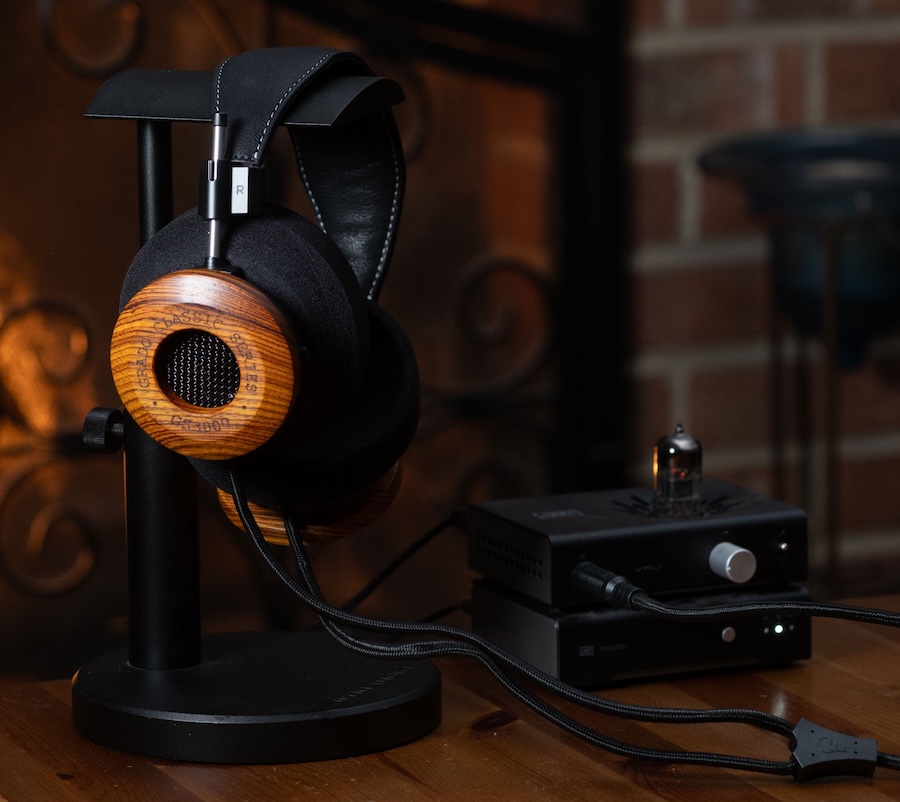
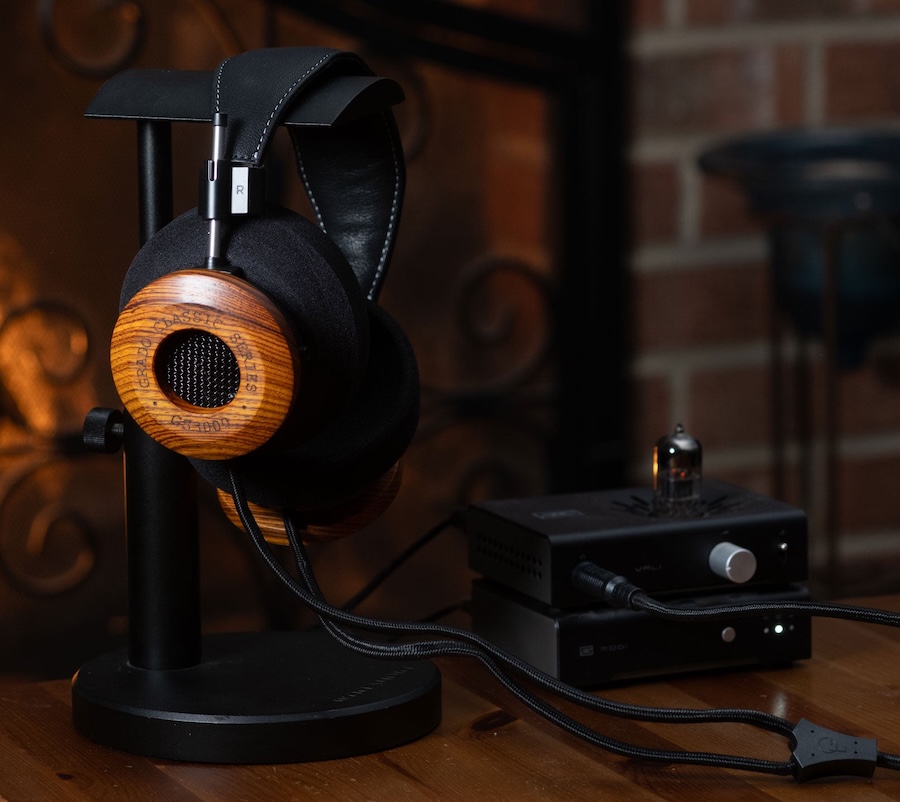
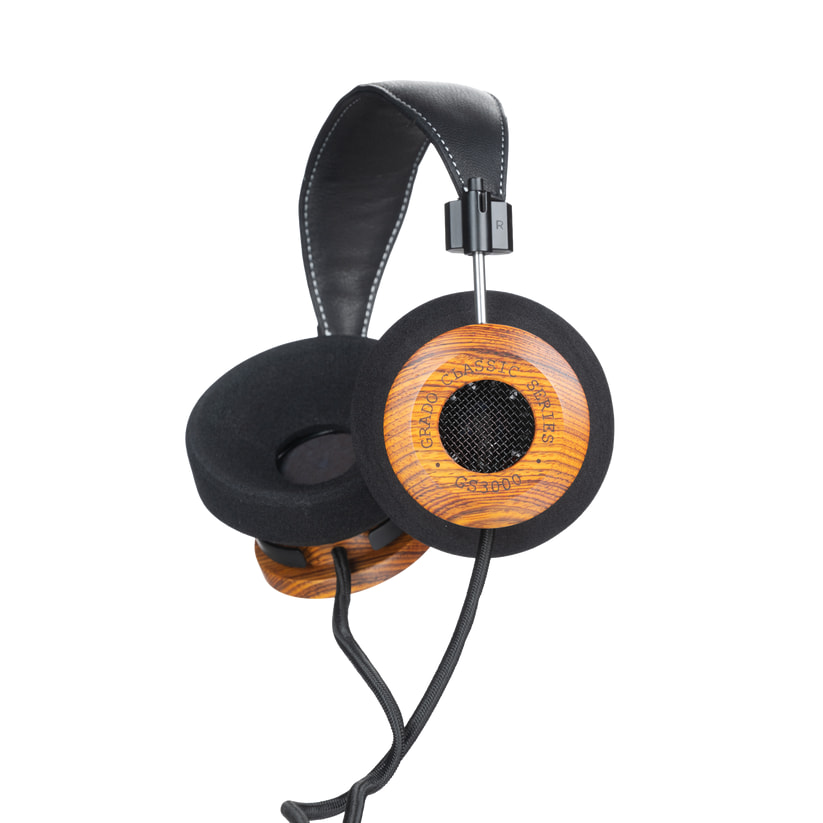
Grado GS3000
At the center of the Classic Series is Grado’s updated X2 driver platform. This isn’t a ground-up redesign, but a refinement of the company’s long-running approach which is focused on better consistency, improved control, and a bit more balance across the frequency range. There’s more clarity and extension here, but the core traits haven’t been scrubbed out. It still sounds like Grado: fast, open, and direct, with that forward sense of immediacy intact. Each model is tuned to its specific housing, which continues to play a major role in how these headphones present space and dynamics.
Beyond the driver, the changes are more practical than dramatic. The Grado Classic Series picks up revised cable designs derived from the Signature Line that are lighter, more flexible, and easier to live with over long sessions. Durability and handling should be better, but Grado is sticking to its guns with a fixed cable across the lineup. If you were hoping detachable cables would trickle down, they didn’t. That line is still clearly drawn.
Before you get twisted up over that, remember who Grado is building these for. These seven models aren’t aimed at the Head-Fi purist crowd ready to argue over pad materials or single ended versus balanced termination.
Headbands and hardware get some overdue attention as well. Updated assemblies improve adjustment, comfort, and long-term reliability without altering the look that’s been part of the brand for decades. It’s evolution, not reinvention. And like always, everything is still assembled in Brooklyn, which matters to Grado and to a lot of its customers.
The Classic Series Lineup
The new lineup brings together seven of Grado’s most recognizable models: GS3000, GS1000, RS1, SR325, Hemp, SR80, and SR60.
Advertisement
There’s no attempt here to reinvent the hierarchy. This is a range that spans from true entry-level to long-standing reference designs, covering the same ground it always has. For a lot of listeners, these were the gateway into better audio—and in many cases, the pair they stuck with. The update doesn’t change that.
GS3000
Price: $1,995 Driver: 52mm X2 dynamic Design: Open-back Frequency response: 4Hz to 51kHz Sensitivity: 99.8 dB Impedance: 38 ohms Driver matching: 0.05 dB Cushions: G cushions Key build notes: Signature Gold headband assembly, larger diaphragm, optional XLR termination.
Advertisement. Scroll to continue reading.
This is the top Classic Series model and the one aimed at listeners who want the biggest enclosure, the largest driver in the lineup, and the most expansive presentation. Grado says the 52mm X2 driver is meant to improve bass extension, dynamic headroom, and scale, and that tracks with where this model sits in the hierarchy. It also gets the most advanced mechanical package in the Classic range with the Signature Gold headband system.
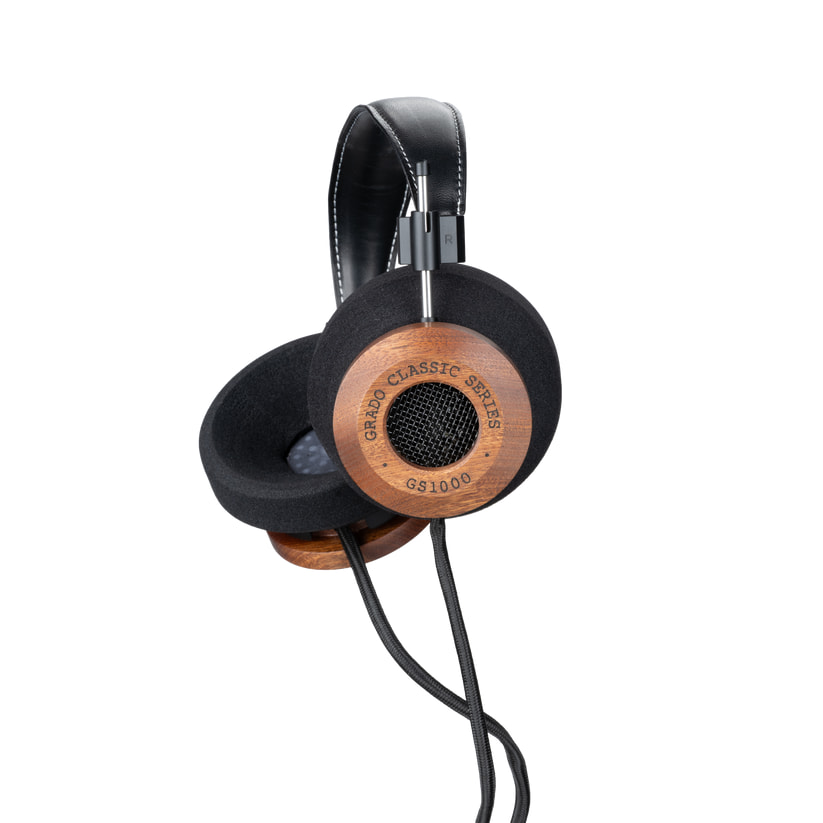
GS1000
Price: $1,195 Driver: 50mm X2 dynamic Design: Open-back Frequency response: 8Hz to 35kHz Sensitivity: 99.8 dB Impedance: 38 ohms Driver matching: 0.05 dB Cushions: G cushions Key build notes: Signature Gold headband assembly, optional XLR termination.
The GS1000 sits below the GS3000 but follows the same basic idea: larger driver, larger cushions, and a more spacious presentation than the smaller-bodied models. Grado positions it as open and effortless rather than aggressive, which makes sense given the G-cushions and the 50mm driver platform. It keeps the premium headband hardware, so it is not being treated like a cut-rate version of the flagship.
Advertisement
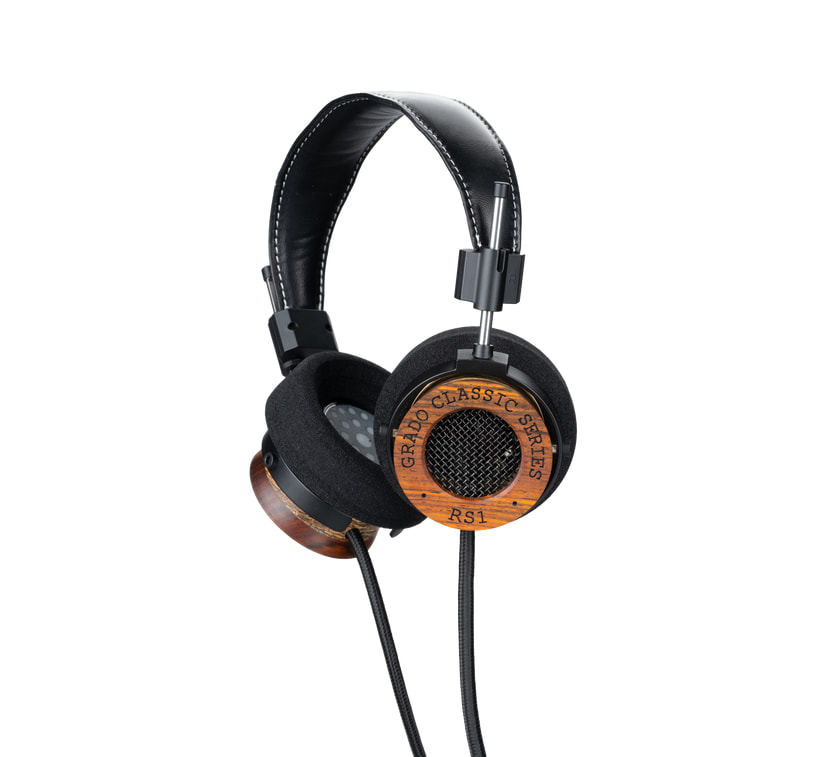
RS1
Price: $750 Driver: 50mm X2 dynamic Design: Open-back Frequency response: 12Hz to 30kHz Sensitivity: 99.8 dB Impedance: 38 ohms Driver matching: 0.05 dB Cushions: L cushions Key build notes: Signature Gold headband assembly, Signature Silver cable, optional XLR termination.
The RS1 remains the more compact wooden step-up model in the lineup and looks like the point where Grado wants tradition and refinement to meet without going full GS. Grado’s own language here focuses on midrange expression and immediacy, and the L-cushions suggest a more focused presentation than the GS models. It also gets better hardware than the entry models, but still stops short of detachable-cable modernity. Brooklyn giveth, Brooklyn withholdeth.
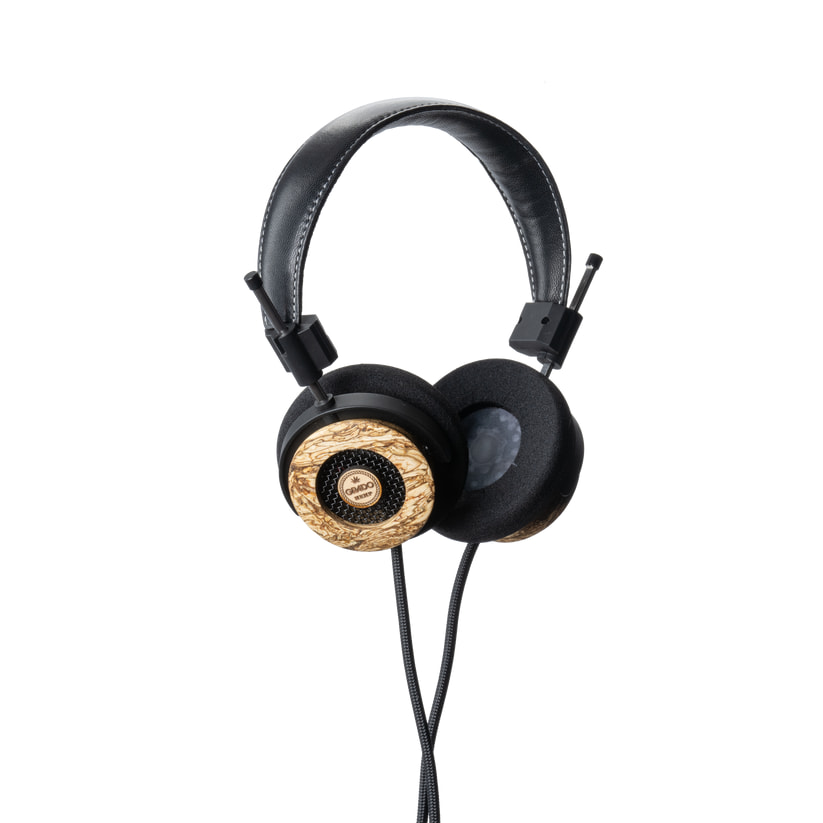
Hemp
Price: $495 Driver: 44mm X2 dynamic Design: Open-back Frequency response: 13Hz to 28kHz Impedance: 38 ohms Driver matching: 0.05 dB Termination: 3.5mm plug with 1/4-inch adapter Cushions: F cushions Key build notes: Hemp and maple housing, padded leather headband with white stitching, 8-conductor cable, Signature Silver headband assembly, optional XLR termination.
The Hemp remains the material outlier in the lineup, using a hemp and maple housing rather than the more conventional wood, metal, or polymer approach. Grado says the tuning is fuller and more grounded, which separates it a bit from the leaner, faster reputation some buyers associate with the brand. It also gets nicer trim than the SR60 and SR80, which keeps it from feeling like a novelty side quest.
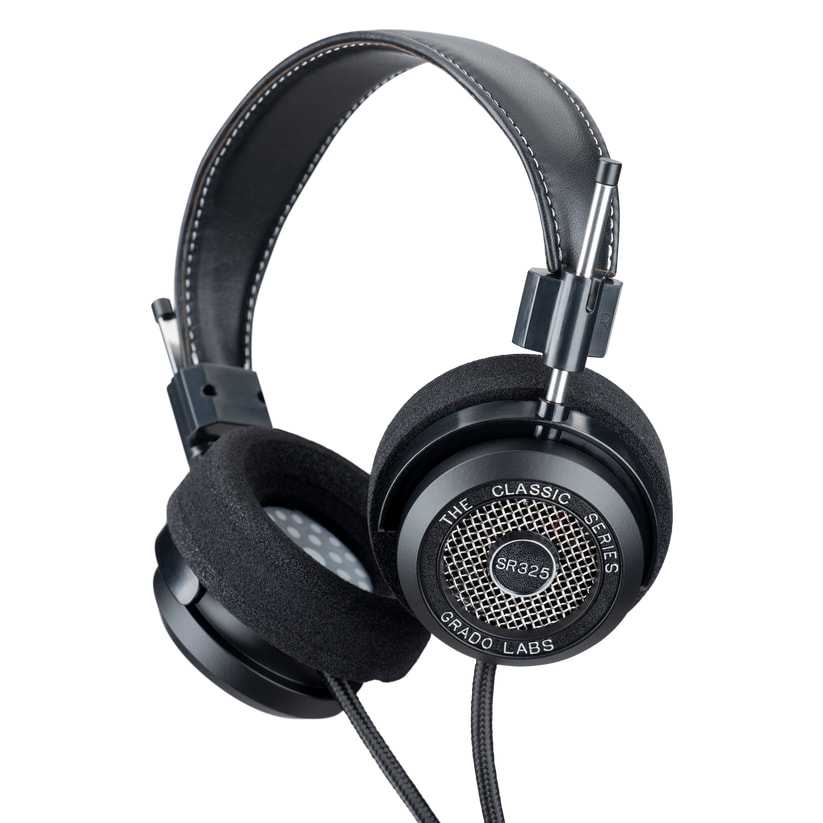
SR325
Price: $350 Driver: 44mm X2 dynamic Design: Open-back Frequency response: 18Hz to 24kHz Sensitivity: 98 dB Impedance: 38 ohms Driver matching: 0.05 dB Cushions: F cushions Key build notes: Aluminum housing, Signature Silver headband assembly, Signature Silver cable.
The SR325 is still the metal-bodied model in the lower half of the lineup and the one that looks most likely to appeal to listeners who want a more controlled and articulate take on the Grado formula. Grado specifically points to tighter bass, forward mids, and crisp top-end extension, and the machined aluminum housing is there to reduce resonance and keep things fast. This is where the Classic Series starts to feel a little more dressed up without losing the family resemblance.
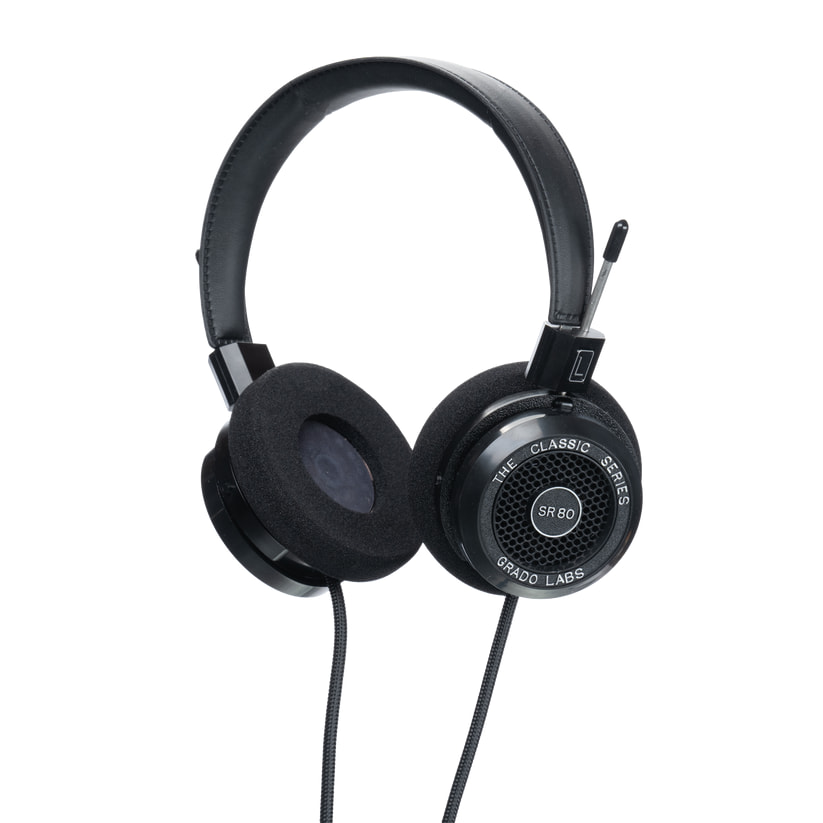
SR80
Price: $175 Driver: 44mm X2 dynamic Design: Open-back Frequency response: 20Hz to 20kHz Sensitivity: 98 dB Impedance: 38 ohms Driver matching: 0.1 dB Cushions: S cushions Key build notes: Standard headband assembly with padded synthetic strap, Bronze cable.
The SR80 is still the heart-of-the-line Grado for a lot of people. Compared with the SR60, Grado says it brings tighter bass, more midrange presence, and more top-end detail, which is basically the company telling you this is the livelier, more direct option without making you take out a second mortgage. It keeps the simpler headband and fixed Bronze cable, so the upgrades are real but still clearly budget-conscious.
Advertisement
SR60
Price: $125 Driver: 44mm X2 dynamic Design: Open-back Frequency response: 20Hz to 20kHz Sensitivity: 98 dB Impedance: 38 ohms Driver matching: 0.1 dB Cushions: S cushions Key build notes: Standard headband assembly with padded synthetic strap, Bronze cable.
Advertisement. Scroll to continue reading.
The SR60 remains the entry point and, honestly, that matters more than any spec-sheet chest beating. Grado describes it as balanced and musical, aimed at long listening sessions rather than maximum bite. It shares the same 44mm X2 architecture as the SR80, but the SR80 is positioned as the more immediate and more energetic step up. For $125, this is Grado keeping one foot planted where the brand actually built its audience in the first place.
The Bottom Line
The Classic Series which includes the GS3000 ($1,995), GS1000 ($1,195), RS1 ($750), Hemp ($495), SR325 ($350), SR80 ($175), and SR60 ($125) is a focused update built around the X2 driver platform, improved cables, and better headband design. Same lineup, just refined where it needed it.
Grado updated its core products and made them more comfortable and durable without losing the house sound that made them extremely popular and also somewhat divisive within the Head-Fi community.
Advertisement
Who are they for? The same audience that built the brand. Listeners who want a straightforward, open-back, wired experience without getting pulled into feature wars and don’t care about third-party detachable cables.
Based on our experience with the Signature models over the past year, these should be very competitive.
Meta is looking to leverage AI’s ability to inform and potentially influence shoppers to increase sales on the company’s social media platforms, like Facebook and Instagram.
At the Shoptalk 2026 conference this week, the tech giant announced it will begin testing a new experience that allows consumers to see more product information and a summary of user reviews after they click on an ad or visit a website from Facebook or Instagram.
The feature is similar to Amazon’s use of generative AI to enhance its product reviews, introduced in 2023. Instead of requiring users to read through hundreds of reviews to get a sense of what people say about a given product, Amazon uses AI to summarize the reviews into a short paragraph that appears on the product page.
Meta will also use AI in the same way. In the new pop-up experience that appears, the AI feature can offer a round-up of “what people are saying” about the given product. This may include a brief intro followed by key bullet points.
Advertisement
Image Credits:Meta
However, in Meta’s apps, the feature will also provide other general information, including details about the brand itself, recommended products, potential discounts or sales, and, on an individual product’s page, a button to add the item to the user’s cart.
Image Credits:Meta
This is then followed by an updated checkout flow, built in partnership with payment providers Stripe and PayPal, which allows consumers to complete the purchase in just a tap. Meta says it’s already working on other integrations with Ayden and Shopify, which will roll out in the future.
The advertiser is in control of which checkout partner they use, so when a consumer taps the “Buy Now” button, they can complete the purchase and fulfill the order, while the user remains in Meta’s app.
Image Credits:Meta
The changes to checkout come alongside other updates to Meta’s product discovery tools and features.
This includes an update aimed at creators that offers an expanded range of affiliate partners for them to work with on Facebook, as competition with TikTok heats up. The affiliate additions include Amazon, eBay, and Temu in the United States, Mercado Libre in Latin America, and Shopee in Asia.
On Instagram later this year, Meta will also test affiliates like Amazon (U.S.) and Shopee (Asia). The partners will choose which products they want featured and set the commission rates for sales that the creator receives when someone buys through their account.
In addition, Instagram Reels creators will gain access to product catalogs from businesses in 22 countries that will help them find products to feature in their videos.
Energy startup Arbor Energy on Wednesday said it had sold up to 5 gigawatts worth of its modular turbines to GridMarket, a company that helps arrange power projects for data centers and industrial users.
“Everyone wants more power. They wanted it yesterday,” Brad Hartwig, co-founder and CEO of Arbor, told TechCrunch. “The time frames are compressing and the scale is getting larger.”
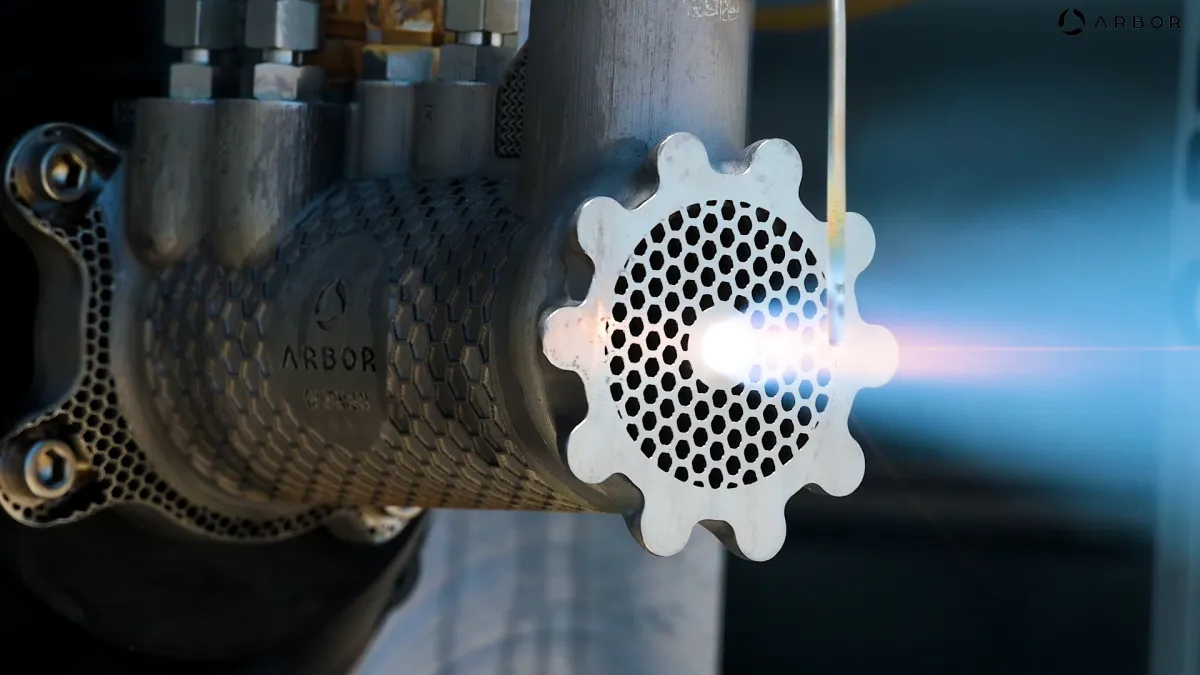
Arbor’s Halcyon turbines are based on rocket turbomachinery, high-performance engine technology originally developed for spaceflight, and its first commercial turbines will be 3D printed and capable of generating 25 megawatts each. GridMarket’s order, if fully fulfilled, represents 200 units.
Neither company disclosed the exact price of the deal, though Hartwig said that Arbor has seen a “willingness to pay of upwards of $100 per megawatt-hour.” A person familiar with the deal told TechCrunch that the total is in the single-digit billions of dollars.
Advertisement
The startup plans to connect its first turbine to the grid in 2028 and ramp production through 2030, at which point it hopes to deliver more than 100 turbines annually. The goal, Hartwig said, is to eventually produce enough for 10 gigawatts of new capacity every year.
Arbor’s initial designs intended for Halcyon to subsist on a vegetarian diet — the power plant would ingest organic material like crop waste and wood scraps from farms and timber operations, which would be turned into syngas — a combustible gas mixture — and burned in the presence of pure oxygen. The result would be pure CO2, which could be captured and stored underground.
Under that process, each Halcyon turbine would generate carbon negative power. The organic matter it consumes would otherwise have decayed, releasing methane and carbon dioxide into the atmosphere.
Techcrunch event
Advertisement
San Francisco, CA | October 13-15, 2026
Since then, Arbor has modified Halcyon to accept natural gas in addition to biomass — making it, in effect, more of an omnivore. The process otherwise remains the same, meaning the CO2 that emerges can still be sequestered.
Advertisement
Because it’s using natural gas, it wouldn’t be carbon negative in that configuration. In fact, because methane leaks from pipes and valves throughout the supply chain, Halcyon turbines running on fossil fuel will still produce some greenhouse gas emissions while also fostering continued demand for natural gas. Hartwig said that the company is working with low-leak natural gas suppliers, and that it’s “economically a benefit to sequester that CO2.”
“We see a long-term path to less than 10 grams of CO2 per kilowatt-hour,” Hartwig said. That’s significantly lower than typical natural gas power plants without carbon capture, which release about 400 grams of CO2 per kilowatt hour.
Arbor hasn’t abandoned its biomass-powered projects, and the sale to GridMarket isn’t restricted to one specific fuel. However, other announced deals built around biomass are considerably smaller than the one signed with GridMarket.
Like many energy startups, Arbor has gotten a meaningful boost from the data center boom. Makers of traditional gas turbines were caught flat-footed, and given the volatility of such markets in the past, they’ve been reticent to significantly increase production. Hartwig said that they’d be hard-pressed to quickly ramp production, even if they wanted to.
Advertisement
“Those supply chains largely all get bottlenecked by blades and vanes for traditional turbines. Those are fairly inelastic supply chains, both in how artisanal the production method is — doing directionally solidified, single-crystal turbine blades — as well as very specialized labor, the workforce behind it,” he said. “If you were to get in line for a turbine today, you’d be waiting until 2032.”
Arbor is betting that its machined and 3D printed parts will help it get to market quicker. “People want power in the next few years and they want a lot of it,” Hartwig said.

























































You must be logged in to post a comment Login