A jury was selected on Monday during the first day of trial for Musk v. Altman in a federal court in Oakland, California. Some of the jurors that were ultimately selected voiced concerns over Musk himself, as well as the AI technology at the core of the case, but assured the court they would put these concerns aside for the trial. The kick off also catalyzed an array of shenanigans outside the courtroom.
OpenAI CEO Sam Altman and president Greg Brockman were spotted in the security line inside the courthouse this morning, but Elon Musk was nowhere to be found. A few dozen journalists crammed into an overflow room to listen to an audio stream of the proceedings.
The goal today was to select nine jurors who could be fair and impartial in this case—an especially difficult challenge considering the main characters are some of the most high-profile tech executives in the world. Several potential jurors said they had negative opinions about Musk when questioned by Judge Yvonne Gonzalez Rogers and attorneys. But that didn’t necessarily disqualify them; only one juror was ultimately excused on the basis of their strong negative opinions regarding Musk.
“The reality is that many people don’t like him,” Gonzalez Rogers told the courtroom. She added that she believed Americans with negative feelings about Musk could still have integrity for the judicial process and decide the case fairly. The jury will help establish the core facts regarding whether Sam Altman and other defendants improperly steered OpenAI’s nonprofit venture away from its original mission, potentially violating the law in the process. But their verdict will be advisory—Gonzalez Rogers will have the final call.
Advertisement
The nine jurors that were ultimately selected represent quite a diverse group, including a painter, a former Lockheed Martin employee, and a psychiatrist. Some of them said they had negative opinions about artificial intelligence technology more broadly. In the end, however, all of the people selected assured the court that their outside opinions about Musk and AI shouldn’t interfere with their ability to determine the facts of the case.
OpenAI’s attorney William Savitt said at a press briefing afterward that he was satisfied with the jury the court settled on.
“Mr. Altman, Mr. Brockman, and OpenAI are looking forward to presenting their case to that jury. They’re confident in their position and are looking forward to the facts being known,” Savitt told reporters. “The hurdle we think we need to get over is just to present the truth here. We’ve got a story about what happened that is consistent with the facts, it’s consistent with the documents, and we just want the jury to see that.”
Musk is already trying to win his case in the court of public opinion. On Monday morning, the billionaire used his social media platform X to boost a recent New Yorker investigation into Altman’s alleged deceptive business conduct. The story is weeks old, and the fact that Musk promoted it on the first day of the trial is no coincidence. Earlier this morning, OpenAI’s official newsroom account published a post on X calling Musk’s lawsuit an “attempt to undermine our work to ensure that artificial general intelligence benefits all of humanity.” Meanwhile, demonstrators were outside the court protesting the AI race altogether and calling for a pause on further development.
Advertisement
On Tuesday, lawyers for OpenAI and Elon Musk will deliver opening statements, and the first witness in the case will be called to the stand.
The build-up to Deborah’s (Jean Smart) solo Madison Square Gardens show is in full swing… and this week, we’re getting a double helping of Hacks.
After foiling her own original plan to complete the EGOT (Emmy, Grammy, Oscar, Tony) awards clean-sweep in the premiere of Hacks season 5, Deborah has decided to make her big comeback by selling out a show at Madison Square Garden.
There’s just one hitch: legally, she’s not allowed to perform at all under the terms of the injunction against her — something Ava (Hannah Einbinder) is scrupulously trying to sidestep.
Advertisement
Article continues below
So what’s Deborah’s next step? And when when are Hacks season 5 episodes 4 and 5 dropping on HBO Max?
Advertisement
What time can I watch Hacks season 5 episodes 4 and 5 on HBO Max?
Hacks Season 5 | Official Trailer | HBO Max – YouTube
For US viewers, Hacks season 5 episodes 4 and 5 will drop together on Thursday, April 30, at 9 pm ET.
Internationally, you’re looking out for these timings:
US – 6pm PT / 9pm ET
Canada – 6pm PT / 9pm ET
India – Friday, May 1 at 6:30am IST
Singapore – Friday, May 1 at 9am SGT
Australia – Friday, May 1 at 11am AEDT
New Zealand – Friday, May 1 at 12pm NZDT
In the UK, Hacks season 5 started running on Sky and NOW TV from April 17, and is a week behind.
Sign up for breaking news, reviews, opinion, top tech deals, and more.
There’s currently no confirmation on when it will come to HBO Max UK.
Advertisement
When do new episodes of Hacks season 5 come out?
Da gals. (Image credit: HBO)
According to HBO Max, Hacks season 5 will consist of 10 episodes, with new episodes every week (except April 30 and May 7, when two episodes will drop).
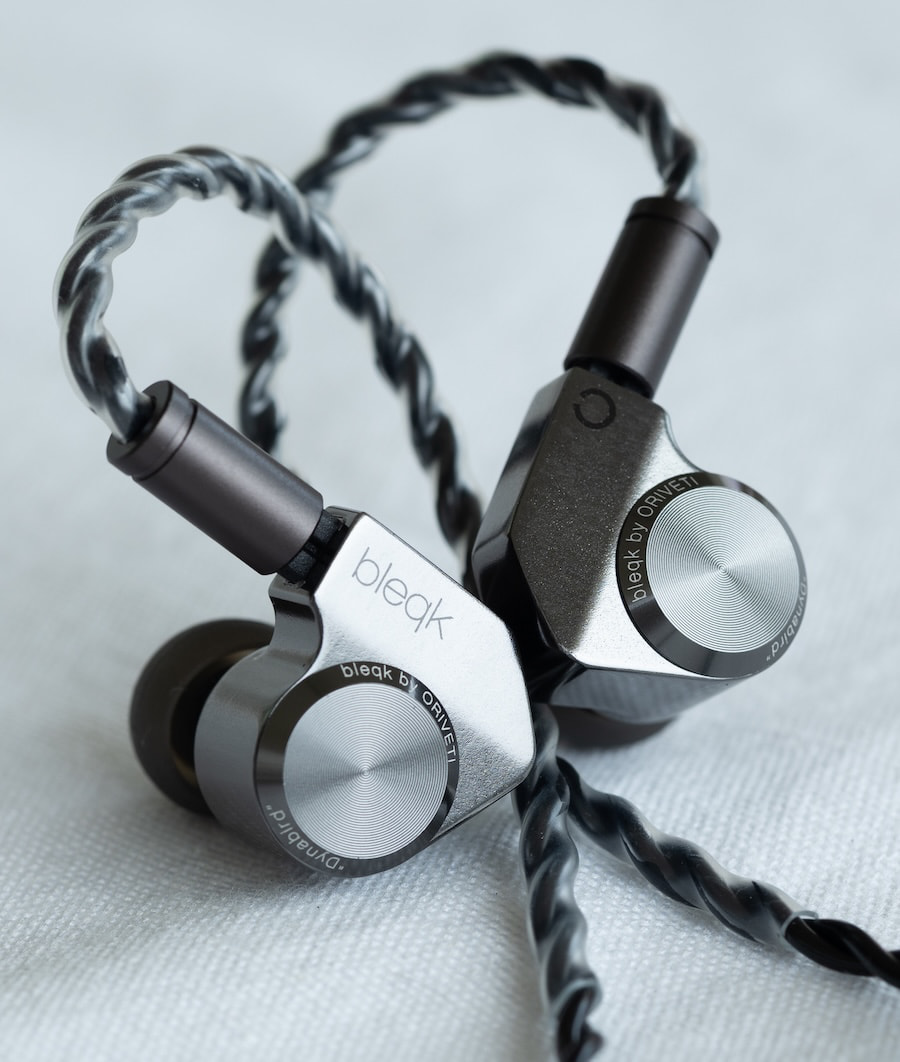
Oriveti, based in Hong Kong, is expanding its lineup with the Dynabird, a $99 in-ear monitor and one of the first models under its new “bleqk” sub brand, which stands for “Basic Line Exquisite Quality Kept.” The Oriveti Dynabird follows the recently reviewed Purecaster and takes a more stripped down approach, pairing an all-metal shell with a minimalist design and a clear focus on value. Oriveti has built a steady presence in the midrange segment with IEMs that emphasize balanced tuning and solid construction, competing with Moondrop, FiiO, and DUNU for listeners who want strong performance without stepping into flagship pricing.
About My Preferences: This review is a subjective assessment and is therefore tinged by my personal preferences. While I try to mitigate this as much as possible during my review process, I’d be lying if I said my biases are completely erased. So for you, my readers, keep this in mind: I prefer solid sub bass, textured mid bass, a slightly warm midrange, and extended treble, with mild sensitivity to higher frequencies.
Testing equipment and standards can be found here.
Oriveti Dynabird IEM
Oriveti Dynabird Key Specs:
Driver: 1 x 9.2mm dynamic driver with beryllium coating
Impedance: 16 ohms
Sensitivity: 108 ±3 dB/mW at 1000 Hz
Frequency Response: 20 Hz to 20 kHz
Distortion: 0.08%
Cable: 0.78 mm 2 pin detachable cable
Termination: Gold plated 3.5 mm stereo plug
Shell: CNC machined aluminum
Build
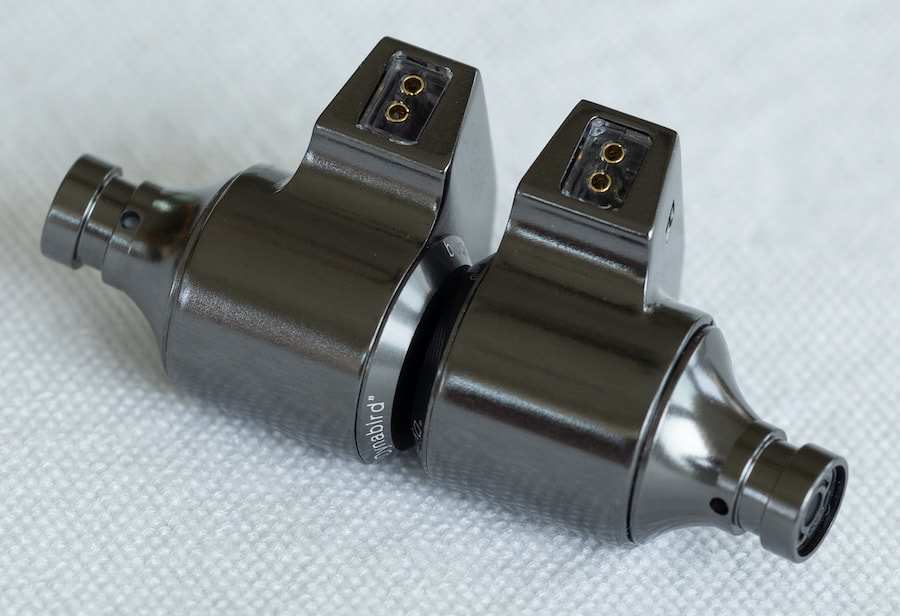
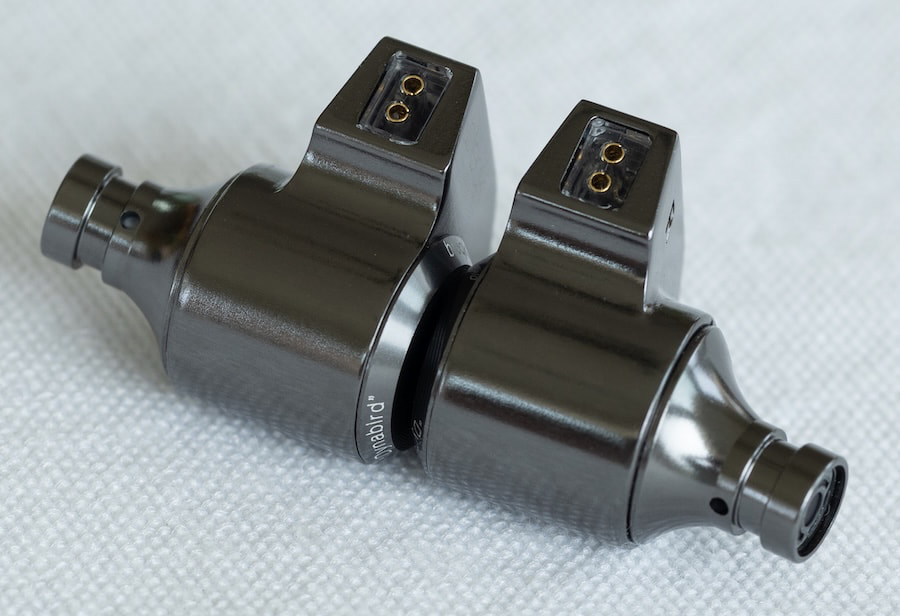
The Dynabird features metal shells with detachable 2-pin cables. The top of the Dynabird’s shells host its 2-pin sockets, and they’re secured firmly in place.
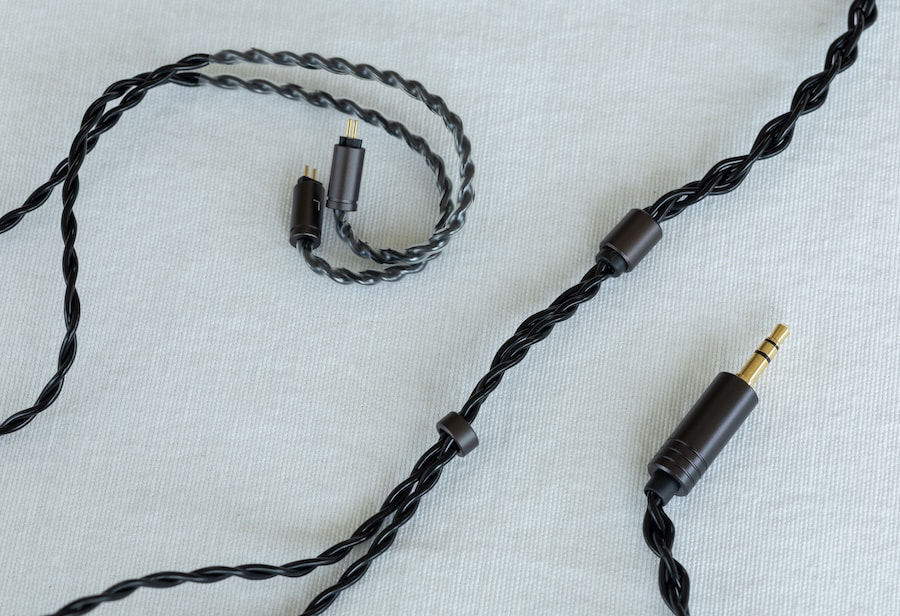
The Dynabird’s cable is fairly thick, soft, and doesn’t retain memory. Strain relief is used generously, which inspires confidence in long term durability. It only comes with a 3.5 mm termination, so if you need USB-C or 4.4 mm you’ll have to go aftermarket.
Advertisement
Comfort
Comfort is a metric that relies heavily on factors influenced by your individual ear anatomy. Mileage will vary.
I found the Dynabird to be of average comfort. It didn’t particularly offend my ears, but if I wasn’t careful with how I positioned it, its angular metal shells could easily create irritation over time. I was able to get a decent passive seal, but would have really liked to use foam eartips to better secure it in place.
Accessories
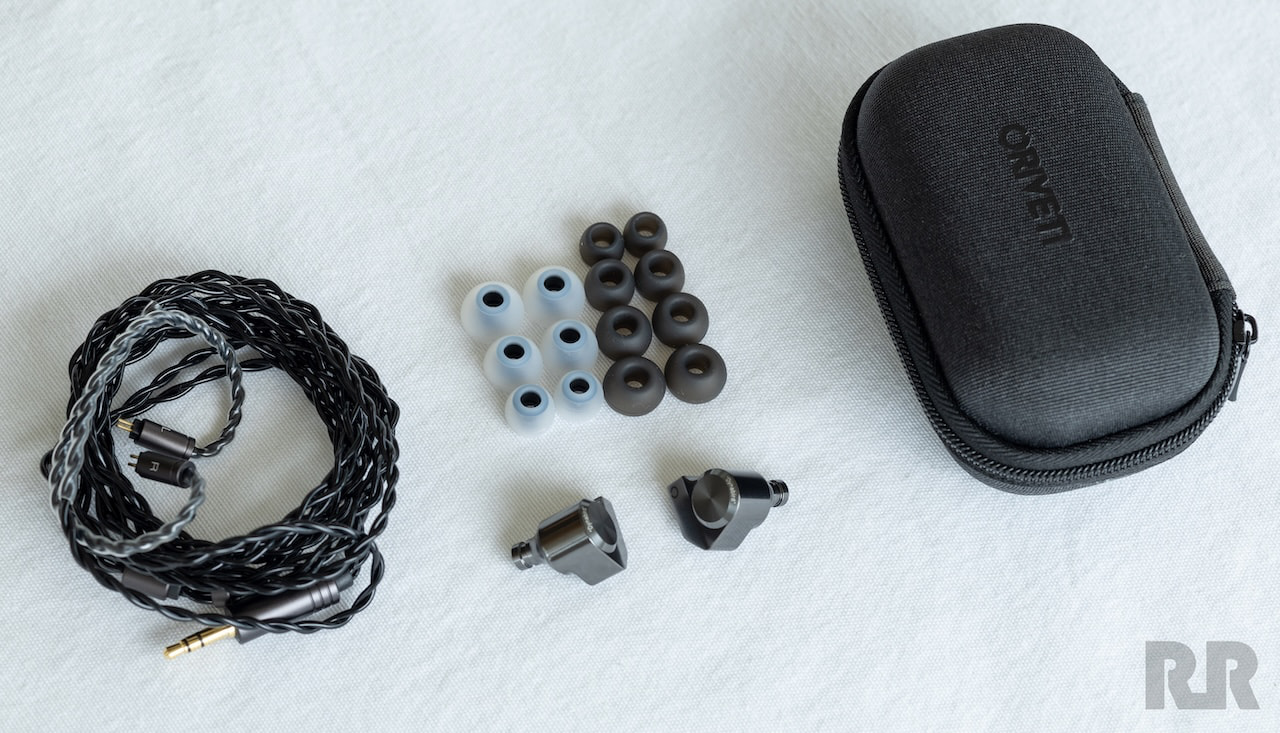
Inside the box you’ll find:
1x Semi-hard carrying case
1x 2-pin 3.5mm cable
7x Pairs silicone eartips
For $99, this is an acceptable, if not somewhat underwhelming, accessory package. The included carrying case is sufficiently-spacious to store the IEMs, spare eartips, and even a compact discrete Dongle DAC. It is also pretty well-padded, meaning it will protect from both drops and someone bumping into you on the train well. The included eartips get the job done, but don’t seal perfectly in my ears. I quite liked the wide-bore silicone eartips and found that they helped open up the bottom-end of the Dynabird’s frequency-response. I’d have really liked to see Oriveti include a pair or two of foam eartips, as that would have greatly improved the ergonomics for me.
Listening
The Dynabird has a mild V-shaped sound signature. Sub-bass and mid-bass are both lifted, with slightly more emphasis on the mid-bass. There is some sub-bass roll-off that begins around 50 Hz, so it has punch, but not the deepest foundation.
The midrange has a touch of warmth, which gives vocals a reasonable amount of body. The upper-mids are pushed forward and peak around 2 to 3 kHz without going completely off the rails. From there, the Dynabird moves into a bright and active treble, with additional peaks above 8 kHz and 12 kHz. That gives it air and perceived detail, but also some upper-midrange and upper-treble grain.
Advertisement
Advertisement. Scroll to continue reading.
Compared with the Purecaster, the Dynabird is bassier, but it is not especially warm or rich. There is still some sterility to its presentation, made more obvious by the forward midrange. Vocals and instruments can sound a little artificial or thin depending on the recording, and I did find myself skipping tracks when the Dynabird clashed with a song’s mastering or tonal balance.
The Dynabird is not offensive, but it does need refinement. As a single dynamic-driver IEM, it feels like Oriveti could have pulled more weight from the low-end to better balance the brightness and energy in the upper-mids and lower-treble. The technical ability is clearly there. The tuning just needs more seasoning and less lab coat.
Comparisons
Comparisons are selected solely based on what I think is interesting. If you would like me to add more comparisons, feel free to make a request in the comments below.
Advertisement
KBear SR-8
The SR-8 a four-driver hybrid IEM with resin shells and metal nozzles. The Dynabird costs the same as the SR-8 and comes with nicer-feeling metal shells. The SR-8 features removable 2-pin cables and comes with a fixed 3.5mm termination. The Dynabird has a thicker, but simpler-looking cable that also features 3.5mm termination. Both IEMs come with decent accessories, though I like the case and eartips that come with the Purecaster a little more.
Sonically, the SR-8 is more U-shaped than the Dynabird. The Dynabird delivers less sub-bass and slightly less mid-bass impact, giving it a leaner lower-register across-the-board. The Dynabird has a tighter, more precise mid-bass, occasionally allowing it to generate a greater sensation of tactility than the SR-8. The SR-8 leans warm, but the Dynabird’s mids are warmer-still. The SR-8 doesn’t have as much upper-midrange emphasis and lacks the occasional graininess sometimes found on high-pitched vocals on the Dynabird. The SR-8 has less lower-treble and a small decrease in upper-treble presence, compared to the Dynabird. The Dynabird is brighter and grainier-sounding than the SR-8, and the SR-8 demonstrates a more-natural airiness.
Between the two IEMs, I’m going with the SR-8. Its smoother timbre and less-dramatic upper-register make for much easier listening. Its bass is comparatively-lifted, giving it a deeper and more-substantial presence in bass-heavy genres. This greater flexibility and tonal completeness make it the more-appealing choice, even considering the Dynabird’s superior construction and material choices.
Kefine Klean SV
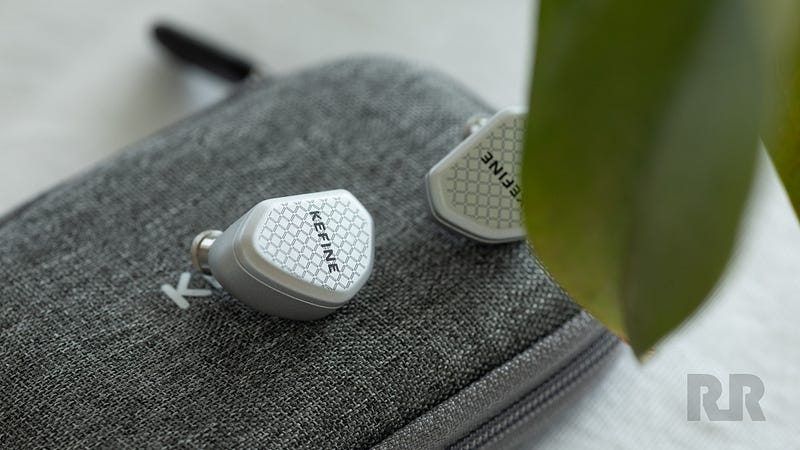
The Kefine Klean SV is a single dynamic-driver IEM with metal shells and swappable tuning nozzles. It costs $55 and includes a detachable cable with your choice of a 3.5mm, 4.4mm, or USB-C termination. The Dynabird costs roughly twice what the Klean SV costs, coming in at $99. The Klean SV comes with similar-quality accessories, though its cable is a bit thinner and its case is a bit smaller.
Compared to the Klean SV with its black nozzles, the Dynabird has a warmer midrange, and slightly forward lower-treble. The Dynabird has a broadly more-emphasized upper-treble, though the Klean SV does lean a little harder in to the 10KHz-12KHz range. The Klean SV has a less-forward mid-bass and sub-bass, though it does demonstrate similar levels of bass extension. The Dynabird matches the Klean SV’s technical capabilities in the lower-register, delivering sufficient levels of tactility and control to render bass-bound textures.
The Dynabird, while warmer and bassier than the Klean SV, lacks a bit of its finesse. The Klean SV, as forward as its upper-register is, still feels a bit more cohesive and put-together than the Dynabird. The Klean SV’s smoother delivery of treble and vocal detail makes it less-tiring companion for longer listening sessions too. For those reasons, I’m going with the Klean SV.
Advertisement
Juzear Defiant
The Juzear Defiant is a $99 hybrid IEM featuring resin shells and metal nozzles. It has a modular detachable 2-pin cable that is similar in thickness to the Dynabird’s cable. The Defiant comes with a similar-useful case as the Dynabird, but has a wider and higher-quality selection of eartips. The Defiant is lighter and more ergonomic than the Dynabird, delivering greater comfort and isolation during longer listening sessions.
Sonically, the Dynabird has a thicker midrange, but a softer, less-precise mid-bass than the Defiant. The Defiant has a similar level of extension to the Dynabird, while the Dynabird picks up a little additional weight below 50Hz. The Defiant has a less pushed-up upper-midrange, giving a more natural and cohesive vocal and instrumental presence, relative to the Dynabird. The Dynabird has a greater amount of upper-treble presence, giving a brighter, bloomier disposition. The Defiant has a less-aggressive upper-treble and lacks some of the grain found on the Dynabird.
The Dynabird, while built better than the Defiant, is my second-choice. The Defiant represents a more-natural tuning that is far more flexible across mastering styles and disparate genres. That, combined with the Defiant’s more-robust accessory package make it the more-appealing IEM out of the box.
Advertisement. Scroll to continue reading.
Oriveti Dynabird IEM
The Bottom Line
The Dynabird gets the fundamentals right but stumbles where it matters most. Build quality is strong, the metal shells feel durable, and the driver has the technical ability to deliver a solid performance. At $99, it’s clearly positioned as a value play, and the intent is obvious.
The issue is tuning. The elevated upper-mids and energetic lower-treble can push vocals and instruments too far forward, sometimes sounding thin or unnatural depending on the recording. There is enough mid-bass punch to keep things engaging, but not enough low-end weight to balance out the brightness.
Advertisement
This is best suited for listeners who prefer a mid-forward, brighter presentation and prioritize clarity over warmth. If you are sensitive to treble or looking for a more natural, fuller sound, there are better options in this price range. The Dynabird shows promise, but it needs more refinement to stand out in a very competitive field.
Pros:
Well-built metal shells that feel durable and look the part
Practical carrying case that actually earns its keep
Mid-bass has punch and decent texture
Vocals cut through clearly and remain intelligible
Works across a wide range of genres without falling apart
$99 pricing keeps it within reach
Cons:
Sub-bass rolls off earlier than it should
No foam tips included, which feels like a miss at this price
Ergonomics are average at best
Upper mids can come across grainy
Vocals and instruments are pushed forward in a way that can sound unnatural
Treble can bloom at times and draw too much attention
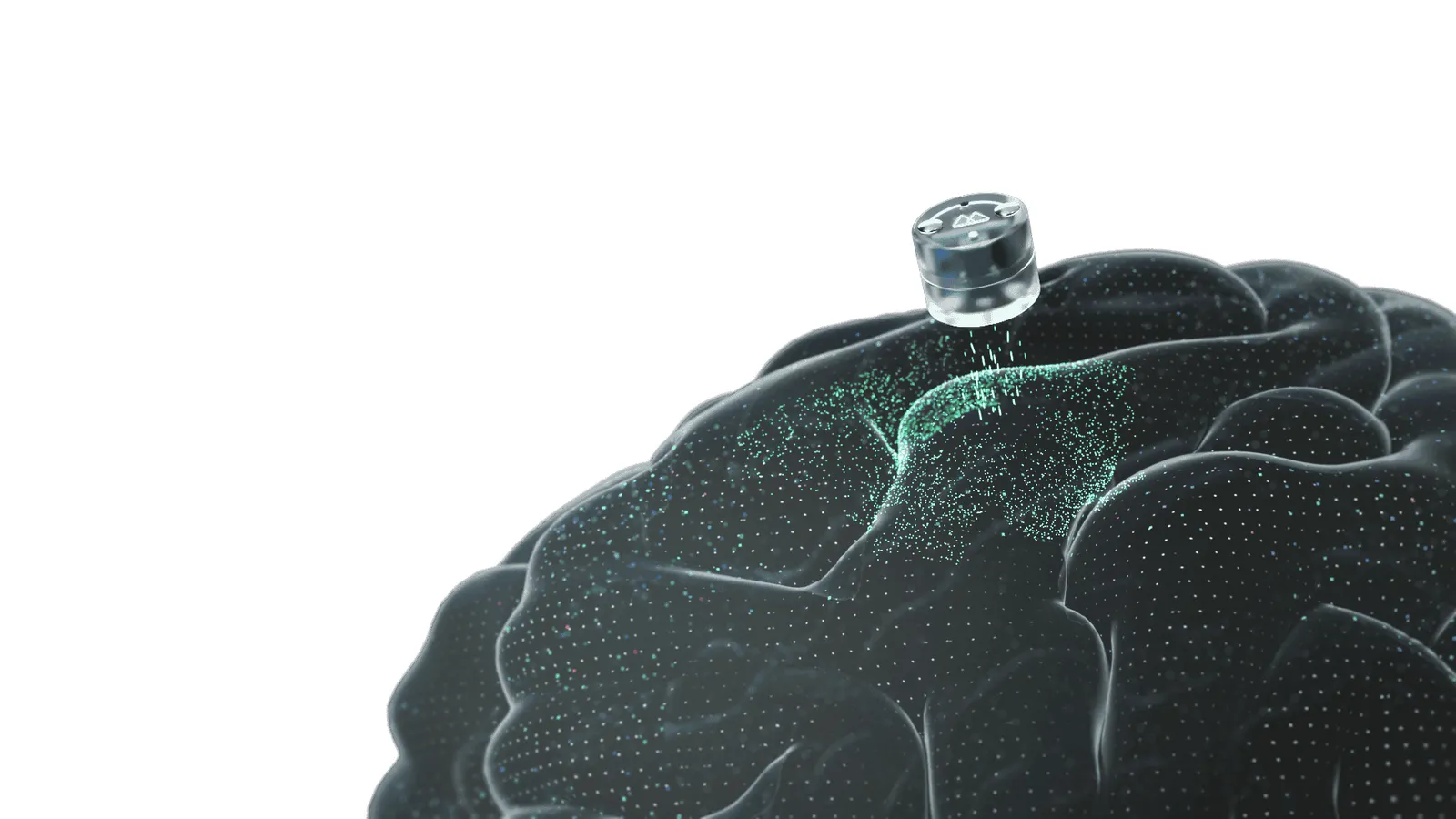
The latest brain-computer interface could help people recover from severe depression. Motif Neurotech announced Monday that the US Food and Drug Administration has approved a human study to trial the company’s blueberry-sized brain implant that sits in the skull and delivers electrical stimulation to treat depression.
The Houston-based startup, founded in 2022, is part of a budding industry pursuing technology to read and interpret brain signals. While other companies exploring similar technology, like Elon Musk’s Neuralink, Paradromics, and Synchron, are developing devices to enable paralyzed people to communicate and use computers, Motif is aiming to ease depression in people who have not benefited from medication.
The company’s device is implanted in the skull just above the dura, the brain’s protective membrane. It targets the central executive network, a part of the brain that is responsible for high-level cognitive functions and is underactive in major depressive disorder. The implant emits specific patterns of stimulation to turn “on” this network.
Motif’s device would allow patients to receive therapeutic brain stimulation at home. “Through frequent electrical stimulation, we think we can drive that neuroplasticity that creates stronger connectivity within the central executive network for patients with depression, so that they can get out of bed in the morning, call their friends, go to the gym,” says Jacob Robinson, Motif’s cofounder and CEO.
Advertisement
Courtesy of Motif
Electrical stimulation has been used for decades to treat depression, and Motif’s approach is just the latest iteration. Electroconvulsive or “shock” therapy began in the 1930s and is still used today in cases where patients don’t benefit from antidepressants. Deep brain stimulation, which involves surgically implanting electrodes into the brain, is occasionally used experimentally but is not FDA approved. A much milder form of stimulation known as transcranial magnetic stimulation, or TMS, was approved in 2008. While it can be highly effective, it typically requires a lengthy treatment regimen of five treatments a week for six weeks.
A study from 2021 found that during a 12-month period in the United States, nearly 9 million adults were undergoing treatment for major depressive disorder, and of those, almost 3 million were considered to have treatment-resistant depression, when symptoms do not improve after at least two, and often more, antidepressant medications.
Motif’s device can be implanted in a 20-minute outpatient procedure without the need for brain surgery. It’s powered by wireless magnetoelectric technology that Robinson developed while at Rice University and is charged with a baseball cap that patients will wear when receiving the stimulation.
Progress may be slow, but it’s still progress. While I’ve been talking about the importance of video game preservation as a function of our own overall cultural preservation, very few people out there are actually trying to do something about it all. One of those doers has been Ross Scott and others involved in the Stop Killing Games movement. Scott, a YouTuber, started this whole thing in 2024 and really got it rolling on a second attempt in 2025. In that short period of time, the movement managed to secure some allies in the EU and British governments, ran a successful signature campaign to get the EU to open the discussion on legislative and enforcement remedies, and got that hearing on the schedule.
The Stop Killing Games initiative now faces increased legislative examination because of its current status as a proposed law. The Stop Killing Games movement brought its digital obsolescence battle to European Parliament this month because its members succeeded in establishing their first political presence. The hearing organized by Ross Scott and Moritz Katzner aimed to expose the harmful industry custom which enables companies to disable online games completely. The movement believes that publishers who stop supporting products which they sold as retail items engage in false advertising which violates consumer rights.
Advocates for the proposed legislation introduced an organized approach to guide lawmaking bodies during the proceeding. The main requirement of their proposal demands software firms to create offline functionality for their products or make their server code accessible as open source when games reach their end of life stage. Scott and Katzner maintained that these products serve as vital cultural heritage items which consumers own through their property rights. The commission members received evidence which showed that abrupt game terminations take away users’ financial resources and time investments while failing to provide proper solutions.
As a more direct reminder, below are the articulated goals of the movement.
Advertisement
Games sold must be left in a functional state
Games sold must require no further connection to the publisher or affiliated parties to function
The above also applies to games that have sold microtransactions to customers
The above cannot be superseded by end user license agreements
The hearing itself included witness testimony from consumer rights groups in the EU, which is really important. While cultural preservation clearly remains a primary goal of the movement, that goal was cleverly wrapped within claims that there are already laws on the books designed to protect customer rights and property when purchased that many game publishers appear to be pretty clearly violating. Within the hearing itself it was also revealed that the movement has gained even further support from other politicians and advocacy groups within the EU.
It was, by all accounts, a really positive hearing for those of us who care about game preservation. But we do need to temper our expectations as to the timeline for what comes next, because the EU is a big ol’ bureaucracy and this is all going to take a great deal of time.
The gaming community should not expect instant changes to policy according to advocates who received positive feedback from committee leaders. Moritz Katzner explained that the hearing served as an effective platform to present their case yet it stands as the first step in a lengthy administrative procedure. The campaign succeeded in establishing its primary objective by bringing the subject into official political debates but now needs to navigate ledge machinery to convert these consumer rights violations into legal protections which will be enforced across Europe.
And that may, or likely will, take years. But it’s a fight worth sticking out, if you care at all about art preservation and the rights of the public to retain ownership of the things they’ve paid for. And, frankly, if you care about the public domain, which you damned well should.
I’m going to keep coming back to this point, because I think it’s pretty much unassailable. In any copyright system in which the purpose of the limited monopoly granted to a publisher of art is to benefit the public through both the creation of more art as well as those creations ending up in the public domain for everyone’s benefit, then video games being designed such that publishers can disappear them on a whim breaks the copyright bargain. It seems to me that it goes unrecognized too often that if a work of art, including video games, isn’t guaranteed to end up in the public domain eventually, then it shouldn’t be granted a copyright in the first place.
But, for now, it’s nice to see the Stop Killing Games movement having taken the first legislative step. All that’s left now is a whole lot of waiting, advocacy, and combat to be done with adverse lobbying dollars.
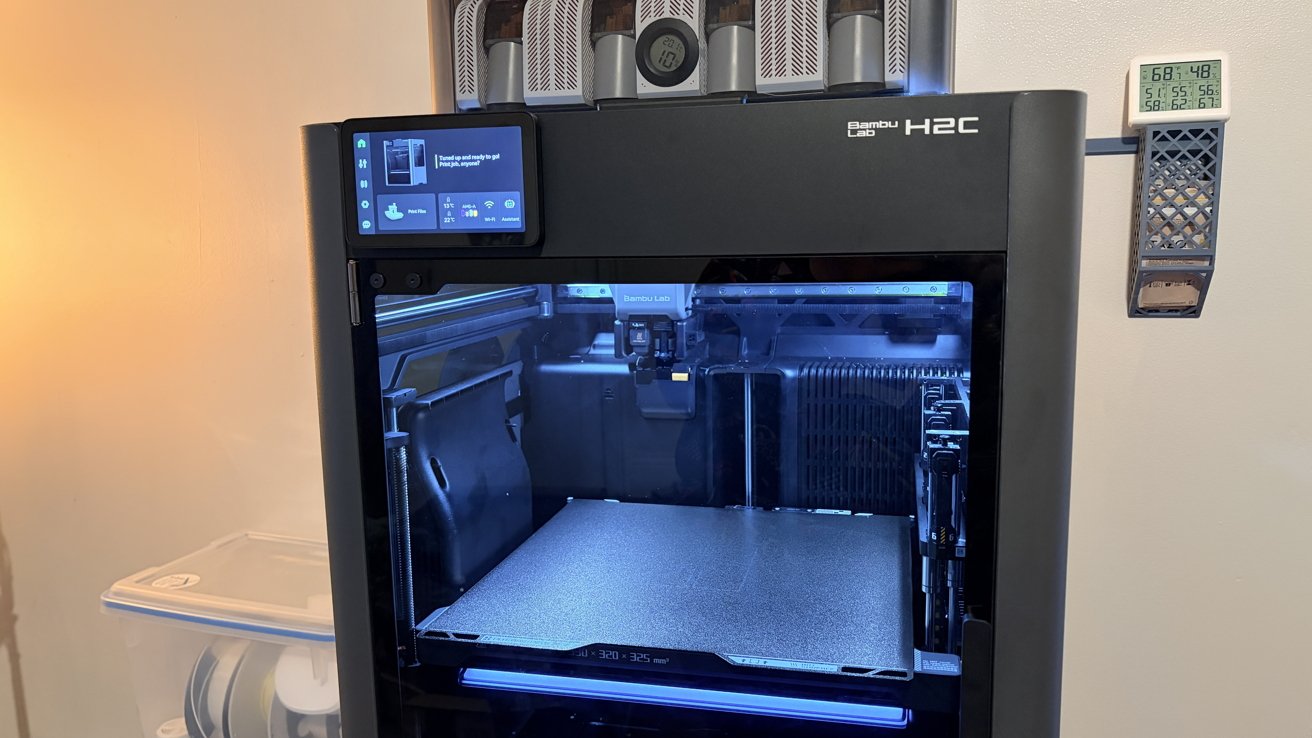
Bambu Lab’s H2C 3D printer is a powerhouse built for professionals, easy enough for beginners to use, and comes with a price tag to match.
Bambu Lab H2C 3D printer
It’s been a minute since I’ve done any 3D printing. A couple of years ago, I got to try out the Ender 3 Neo, which I thought was neat, but ultimately couldn’t justify keeping around. I thought maybe 3D printing wasn’t for me. As it turns out, I was very, very wrong. Continue Reading on AppleInsider | Discuss on our Forums
There’s something deeply relaxing about chucking on a solid pair of headphones, listening to some good music and cleaning muck off structures and vehicles. Not in real life, though. Heavens, no. PowerWash Simulator 2 lets you do that without having to deal with any actual muck — as long as you’re regularly cleaning your keyboard or controller, anyway.
You’ll soon be able to carry out powerwashing jobs in six more locations, all of which are in a galaxy far, far away. In the game’s upcoming Star Wars expansion, you can visit the likes of Tatooine and Hoth to clean the Lars homestead, an X-wing and a Star Destroyer bridge.
Lars homestead in PowerWash Simulator 2 (FuturLab)
Developer FuturLab has created an exclusive powerwasher for these levels, in which you’ll play as a labor droid called P0-W2. You can take on the jobs with up to four friends. Expect a bunch of Easter eggs too.
FuturLab says the expansion is set during the original Star Wars trilogy. You’ll first be taking on work for the Galactic Empire before defecting to the Rebel Alliance (so you’ll literally be dealing with Rebel scum).
Advertisement
The studio has previously brought other franchises into the fold. Those who own the first PowerWash Simulator can snag the Final Fantasy and Tomb Raider expansions for free before they’re delisted at 10AM ET on May 19. There are also Back to the Future and Shrek expansions for the original game.
The Star Wars expansion is coming to PowerWash Simulator 2 on PC, PS5, Xbox Series X/S and Nintendo Switch 2 this summer. It’ll cost $10. In the meantime, spare a thought for those poor contractors whose jobs the P0-W2 droids are taking:
The last time Microsoft reported earnings, it seemed to do everything right, at least by the traditional metrics. Revenue was up 17%, profits soared 24%, and the company’s closely watched Azure cloud business beat internal forecasts.
And then it got absolutely punished.
Microsoft’s stock dropped 10% the next day, wiping out $357 billion in market value. Investors looked past the traditional numbers, focusing on the company’s record $37.5 billion in quarterly capital spending, an AI revenue backlog heavily dependent on OpenAI, and a Copilot product that had reached just 3.3% of Microsoft 365’s commercial base.
The stock still hasn’t recovered, finishing last week down 22% from its 52-week high.
On Wednesday, Microsoft gets another chance, reporting its fiscal Q3 results after the market closes. Here’s a preview of the key numbers and storylines to watch.
Advertisement
Core earnings estimates: Analysts expect Microsoft to report revenue of about $81.4 billion, up 16% from a year ago, and earnings of $4.06 per share, up 17%, according to Yahoo Finance. Microsoft has beaten Wall Street’s estimates four quarters in a row.
Cloud expectations: Microsoft has said it expects Azure to grow 37% to 38% in constant currency (adjusted for fluctuations in exchange rates) in Q3. That would be a slight slowdown from the 38% it posted in Q2. Last time, Azure beat Microsoft’s own forecast but fell short of what analysts were privately expecting, a major factor in the historic stock plunge.
But the Azure number doesn’t tell the full story. CFO Amy Hood said on the last earnings call that if Microsoft had allocated all the GPUs it brought online in Q1 and Q2 solely to Azure (i.e., the company’s cloud customers), the growth rate would have been over 40%.
Instead, the company split that capacity across Azure and its own products and operations, including Copilot, GitHub Copilot, and internal R&D. That means Azure growth is as much a reflection of how Microsoft chooses to allocate its resources as it is a measure of demand.
Advertisement
A leaner Microsoft: Even in just the past few months, Microsoft has moved to cut costs and streamline its operations even as it continues to spend aggressively on AI infrastructure — attempting to demonstrate to Wall Street that it’s staying disciplined on operating expenses.
The company offered voluntary retirement to thousands of employees for the first time in its 51-year history, targeting workers whose age plus years of service total 70 or more. Hood is expected to discuss the financial details of the program on the earnings call.
It flattened its management layers and overhauled its compensation structure, reducing the number of pay points from nine to five and decoupling stock awards from bonuses.
Several senior execs announced their retirement, including Experiences and Devices chief Rajesh Jha, Developer Division leader Julia Liuson, and Xbox chief Phil Spencer.
Capital spending: Microsoft is on pace to spend more than $100 billion on infrastructure in fiscal 2026, up from $88.7 billion the year before, mirroring spending surges across Big Tech. About two-thirds goes to GPUs and other hardware for AI and cloud workloads.
Hood said capex spending would come down from the Q2 figure of $37.5 billion in the last quarter, but it will still be far above the company’s historical levels. Investors will be watching for any signal about whether the pace of spending is set to continue, level off, or accelerate.
Copilot and AI monetization: Microsoft disclosed in January that its Copilot product had reached 15 million paid seats, roughly 3.3% of the Microsoft 365 commercial base of about 450 million, which has since been cited repeatedly as an example of the company falling short.
At $30 per user per month, Copilot represents a large revenue opportunity if adoption accelerates, and any new disclosures about overall usage will make big headlines. If the company doesn’t disclose this number in the new report, it could be telling, as well.
Advertisement
Microsoft’s contracted future revenue more than doubled to $625 billion last quarter, but about 45% of that was tied to OpenAI, thanks to the company’s renegotiated partnership with the ChatGPT maker, raising questions about risk of so much revenue connected to one company.
William Blair analyst Jason Ader noted after last quarter that Microsoft’s contracted future revenue still grew 28% after stripping out OpenAI, and that new contract signings surged 228%.
Microsoft CEO Satya Nadella also introduced a new metric last quarter: “tokens per watt per dollar,” a measure of how much AI output the company gets for each unit of energy and capital it invests. He didn’t give an overarching number, but as an example, Nadella said Microsoft was able to process 50% more OpenAI workload on the same amount of infrastructure as before.
The bigger picture: Not everyone is pessimistic. Wedbush analyst Dan Ives, in two notes to clients last week, argued that the market is underestimating cloud growth and that fears about OpenAI and Anthropic displacing the big cloud providers are overblown.
Advertisement
Ives pointed to more than $650 billion in combined AI infrastructure spending from Microsoft, Google, Amazon, and Meta in 2026, and estimated $3 trillion in enterprise and government AI spending over the next three years. He called the recent sell-off a buying opportunity.
ServiceNow, a major enterprise software company, saw its stock drop 17% on its own quarterly results last week, a sign that business technology spending may be softer than expected.
But Intel surged more than 20% after strong earnings, driven by a 22% jump in data center and AI revenue, a sign that demand for the computing infrastructure behind AI is broad-based.
Earnings avalanche: Amazon, Google, and Meta all report the same afternoon as Microsoft, which means investors will be comparing Azure, AWS, and Google Cloud growth in real time.
If you regularly wear an Apple Watch, you’ve probably discovered the apps most useful to your daily life, like responding to emails and texts, checking the weather and using Apple Pay for contactless payments. But there are host of health apps and features that might not currently be on your radar, and they have the potential to be life-saving.
I spoke with Dr. Lauren Cheung, a doctor at Apple, who reviewed the hidden health features on the Apple Watch and why they were created.
1. The Vitals app for sleep and more
Using overnight health metrics, the Vitals app can reveal much about your health and how it changes day to day. From heart rate and wrist temperature (available on Apple Watch Series 8 or later and any Apple Watch Ultra model) to respiratory rate and sleep duration, you can get a thorough picture of your health from just one glance at your watch.
Advertisement
“When two or more of your metrics are out of range, we will notify you with information about why that might be,” Cheung explained. “How it works is just after you wake up, you might see a notification from the Vitals app. For example, maybe your heart rate and wrist temperature were high — this could be due to illness or alcohol consumption.”
With the health information from the Vitals app, you can make informed decisions about your health. If specific metrics are outside your normal range, you can choose to get extra rest that day or visit your doctor if you have particular symptoms.
How to set up the Vitals app
To set up your typical range, you must wear your Apple Watch for at least seven days. Ensure your watch is not loose on your wrist; otherwise, it might not capture accurate readings.
To set up notifications, go to Settings on your Apple Watch, tap Vitals and turn on notifications.
Advertisement
For sleep specifically, make sure Track Sleep with Apple Watch is set up and Sleep Focus is enabled. To do so, open your iPhone’s Health app, tap Get Started under Set Up Sleep, tap Next and then follow the on-screen prompts. You can also use your Apple Watch’s Sleep app and follow the on-screen instructions.
2. Noise notifications
Your Apple Watch can measure the noise around you and let you know if it’s too loud.
Apple
You can use the Noise app on your Apple Watch to measure the sound levels in your environment. You can also enable noise notifications, so your watch can tell you when you’re exposed to dangerously loud sounds.
Advertisement
When asked why noise notifications were added to the Apple Watch, Cheung said, “The world can be loud, and we believe it’s important for you to be educated and empowered about how your environment, and the noise around you, can impact your hearing health over time. That way, you can take action; whether that’s moving to a quieter space or popping in AirPods Pro 2 with Hearing Protection.”
With the AirPods Pro 2 or 3, Apple also offers a Hearing Test that can give you a baseline for your hearing health and help you adjust accordingly. Or you can even use your AirPods Pro 2 as a hearing aid.
How to set up Noise notifications
Simply go to the Watch app on your iPhone, tap My Watch, tap Noise, tap Noise Threshold and then pick a decibel level. Different limits are listed based on World Health Organization recommendations.
3. Ovulation estimates
“The technology is pretty remarkable,” Cheung said. “We created new temperature-sensing capabilities on Apple Watch that help you understand nightly changes from your baseline temperature, which can be caused by exercise, jet lag or even illness. The unique two-sensor design improves accuracy by reducing bias from the outside environment, detecting changes as small as 0.1 degrees Celsius.”
Advertisement
With the Apple Watch Series 8 or later and all Apple Watch Ultra models, this technology allows the Cycle Tracking app to estimate when ovulation occurs. “The reason we can do that is because after you ovulate, there is a biphasic shift, or in other words, an increase in temperature in response to changing hormones,” Cheung said. This can also help improve the Cycle Tracking app’s period predictions.
How to set up ovulation estimates
First, set up Cycle Tracking with fertility predictions enabled and no ongoing cycle factors logged. To do so, open your iPhone or iPad’s Health app, tap Browse on the iPhone or open the iPad’s sidebar, tap Cycle Tracking, tap Get Started and follow the on-screen instructions.
You will also want to ensure you set up Track Sleep with your Apple Watch and have Sleep Focus enabled for at least 4 hours per night for five nights. To set up Sleep, follow the instructions in your Apple Watch’s Sleep app.
4. Fall detection
Advertisement
If you’ve taken a fall and need help, your Apple Watch can help you contact emergency services.
Apple/Screenshot by CNET
Many Apple Watch users have reported the benefits of fall detection, said Cheung. “For those who have an active lifestyle, they can choose to enable it during workouts — the feature is able to recognize the unique motion and impact of falls from a bike and other workout types,” she said.
If your watch detects a hard fall, it will sound an alarm, display an alert and tap you on the wrist. With the alert, you can either dismiss it by tapping “I’m OK” or contact emergency services. The watch automatically calls if you’ve been immobile for around a minute. After, it will message your emergency contacts with your location. If you don’t have cellular or Wi-Fi coverage, Fall Detection may reach emergency services via the Emergency SOS via satellite system (if available).
Note that Apple Watch can’t detect all falls and may mistake a high-impact activity as a fall.
Advertisement
How to set up fall detection
To enable it, on your iPhone, open the Watch app, tap My Watch, tap Emergency SOS and turn Fall Detection on or off. If enabled, you can choose whether you want it to always be on or only during workouts. This works for Apple Watch SE, Apple Watch Series 4 or later and Apple Watch Ultra or later, and if you inputted your age when you set up your Apple Watch or in the Health app, the Fall Detection feature turns on automatically if you’re 55 or older.
5. Heart health notifications for atrial fibrillation
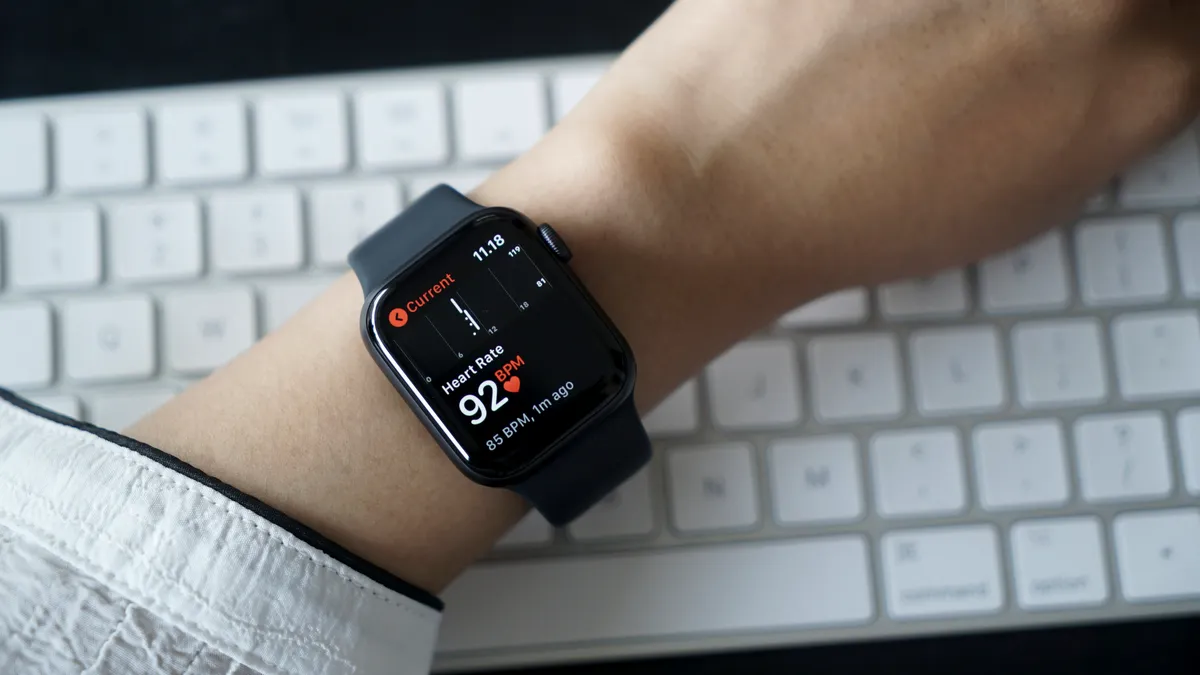
For those with Apple Watch Series 1 or later and people aged 13 and over, you can have your Apple Watch alert you if your heart rate is high or low, or if it has an irregular rhythm.
“For the most part, you don’t have to do anything besides turn them on,” Cheung said. “They work passively in the background as you live your day. If your heart rate is unusually high or low, you can get a notification, so you can take action. And if your heart rhythm shows signs of atrial fibrillation — an irregular heart rhythm — you’ll receive a notification.”
Cheung said atrial fibrillation as the most common type of arrhythmia among adults, which can have serious side effects on your health if not treated. “For instance, it’s the leading cause of stroke,” she said. “And some people with AFib can have little to no symptoms, so they may not even realize they’re experiencing episodes and ultimately may not seek attention.”
Advertisement
If you get an irregular rhythm notification, you can speak with your doctor and even share a PDF that includes information about your heart health notifications and, if you take one, your electrocardiogram. Available on Apple Watch Series 4 or later and all Apple Watch Ultra models, the ECG app allows you to take a test that records the timing and strength of the electrical signals that make your heartbeat.
How to set up heart health notifications
To set up heart rate notifications, go to the Apple Watch app on your iPhone, tap My Watch, tap Heart, tap High Heart Rate and choose Beats Per Minute, tap Low Heart Rate and choose a BPM. For irregular rhythm notifications, open your iPhone’s Health app, tap Browse, tap Heart, tap Irregular Rhythm Notifications and enable them.
6. Time in daylight
Spending time outside in daylight is important for both your physical and mental health.
Advertisement
Apple
Your Apple Watch’s ambient light sensor can automatically estimate your time in daylight. If you manage a family member’s Apple Watch, you can also see how much time they spend in daylight.
“There are a few reasons it’s important to be aware of how much time in daylight you’re getting,” Cheung said. “For adults, research shows that spending around 20 minutes outdoors every day has both physical and mental health benefits, including providing essential vitamin D and even boosting your mood.”
Time in daylight is crucial for kids’ vision health. “The International Myopia Institute recommends children spend 80-120 minutes outside each day to help lower their risk of myopia, or nearsightedness,” she said.
How to set up time in daylight
Start by making sure that Motion Calibration & Distance is turned on. You can do so in the iPhone’s Settings app. Tap Privacy & Security, tap Location Services, turn on Location Services, tap System Services and ensure that Motion Calibration & Distance is on.
Advertisement
To view your time in daylight, go to your iPhone’s Health app, tap Browse, tap Other Data and then tap Time in Daylight.
7. State of mind to log your mood
You can log your emotions and daily moods in the Mindfulness app on your Apple Watch, which can help you identify your feelings and notice patterns in your mental health. From the app, you can also take time for a Reflect or Breathe session, which can tell you more about your heart rate once complete.
“Emotional awareness and regulation is an important element of mental health and we’re happy to be introducing tools and resources for our users across the world,” Cheung said. “One of the tools we introduced is State of Mind, which can help tremendously in a few ways. First, the act of using it can create benefits for your mental well-being in and of itself. Second, it can help you identify important insights and trends on what might be contributing to your state of mind so you can take action. And third, it can encourage you to check in with yourself using depression or anxiety assessments in the Health app.”
Cheung added that taking the time to identify our feelings can help us control how we respond to our moods and emotions. This can positively affect our health and, over time, allow us to build resilience.
Advertisement
How to set up State of Mind
In your Apple Watch’s Mindfulness app, tap State of Mind and then tap Get Started if it’s your first time using it. From here, you can log how you feel in the moment or how you’ve felt overall that day. To see your history and patterns over time, open your iPhone’s Health app, tap Browse, tap Mental Wellbeing, tap State of Mind and tap Show in Charts. From there, you can also view how your State of Mind relates to your sleep, exercise, time spent in daylight and mindful minutes.
8. Sleep apnea notifications
Your Apple Watch can let you know if it detects potential sleep apnea, a disorder that can be deadly if not properly treated.
Apple
“Sleep apnea is a prevalent disorder where breathing momentarily stops during sleep, preventing the body from getting enough oxygen,” Cheung said. “It’s estimated that sleep apnea impacts more than 1 billion people worldwide and, in most cases, goes undiagnosed. If left untreated, it can have important health consequences over time, including increased risk of hypertension, type 2 diabetes and cardiac issues.”
Advertisement
If your Apple Watch detects elevated breathing disturbances while you sleep for over 30 days, you will receive a sleep apnea notification. From there, you can create a PDF that shows when sleep apnea may have occurred, along with three months of breathing disturbance data and more, which you can then share with your doctor to discuss the next steps.
This feature is available on the Apple Watch Series 9 or later or Apple Watch Ultra 2 or later. Just make sure you have the latest version of WatchOS and iOS. Note that this feature is intended for people aged 18 or older who have not already been diagnosed with sleep apnea.
How to set up sleep apnea notifications
Make sure Sleep is set up. On your iPhone, open the Health app, tap Get Started under Set Up Sleep, tap Next and follow the on-screen steps. Then, wear your Apple Watch to bed for at least 10 nights over 30 days.
To turn on sleep apnea notifications, open the Health app on your iPhone, tap Browse, tap Respiratory, tap Set Up under Sleep Apnea Notifications, tap Next and then follow the on-screen instructions. Under Respiratory, you can also view your sleep apnea notifications and breathing disturbances.
Advertisement
9. Handwashing
With Handwashing, the Apple Watch Series 4 and later can detect when you begin washing your hands and time you until you reach the recommended 20-second duration. The US Centers for Disease Control and Prevention also recommends this as the minimum amount of time. If you stop washing your hands before 20 seconds, your watch will encourage you to keep going. It can even remind you to wash your hands whenever you return home.
“We wanted to find a way to help our users of all ages track their time spent washing their hands, especially during a time when it was particularly important early in the pandemic, so we introduced the feature in 2020,” Cheung said. “The approach uses machine learning models to determine motion which appears to be handwashing, and then uses audio to confirm the sound of running water or squishing soap on your hands.”
How to set up handwashing
On your Apple Watch, open Settings, tap Handwashing and turn on the Handwashing Timer. You can do the same on a managed Apple Watch and set up handwashing reminders.
I won’t pretend I’m above it — I watch Instagram Reels and YouTube Shorts like everyone else, and it usually starts small. A notification pops up, I unlock my phone, and I tell myself I’ll just check one thing. The next moment, I’m deep into a stream of random videos, with no idea how I got there or how much time has quietly slipped away. I’ve genuinely tried to fix it — I set app timers and convinced myself I’d follow them. I even removed Shorts from my YouTube feed, thinking that would finally solve it. I tried apps that promise to limit usage and keep you in check. For a day or two, it felt like I had things under control. Then slowly, almost without noticing, I’d fall right back into the same loop. This habit creeps in during moments of boredom, and suddenly I’m scrolling again.
At some point, I had to admit it — doomscrolling was no longer something I occasionally did; it was something I kept returning to without even thinking about it. Then, almost by accident, I found an app that actually made a difference. It didn’t completely fix everything overnight, but it did something more important. It made me pause and be aware of what I was doing in that moment. And that small interruption was enough to help me pull back before I went too far. It just gave me a bit of control, which was exactly what I needed.
This tiny drawing habit is my new escape route
I’ve been using Dudel Draw on my iPhone for the past few days, and it’s been a surprisingly refreshing change from how I usually spend time on my phone. The idea is simple, but it works — every day, the app gives you a new abstract shape to start with. It could be a random blob, a few odd lines, or something that makes no sense at first glance. And then it’s up to you to turn that into literally anything.
Adobe Stock
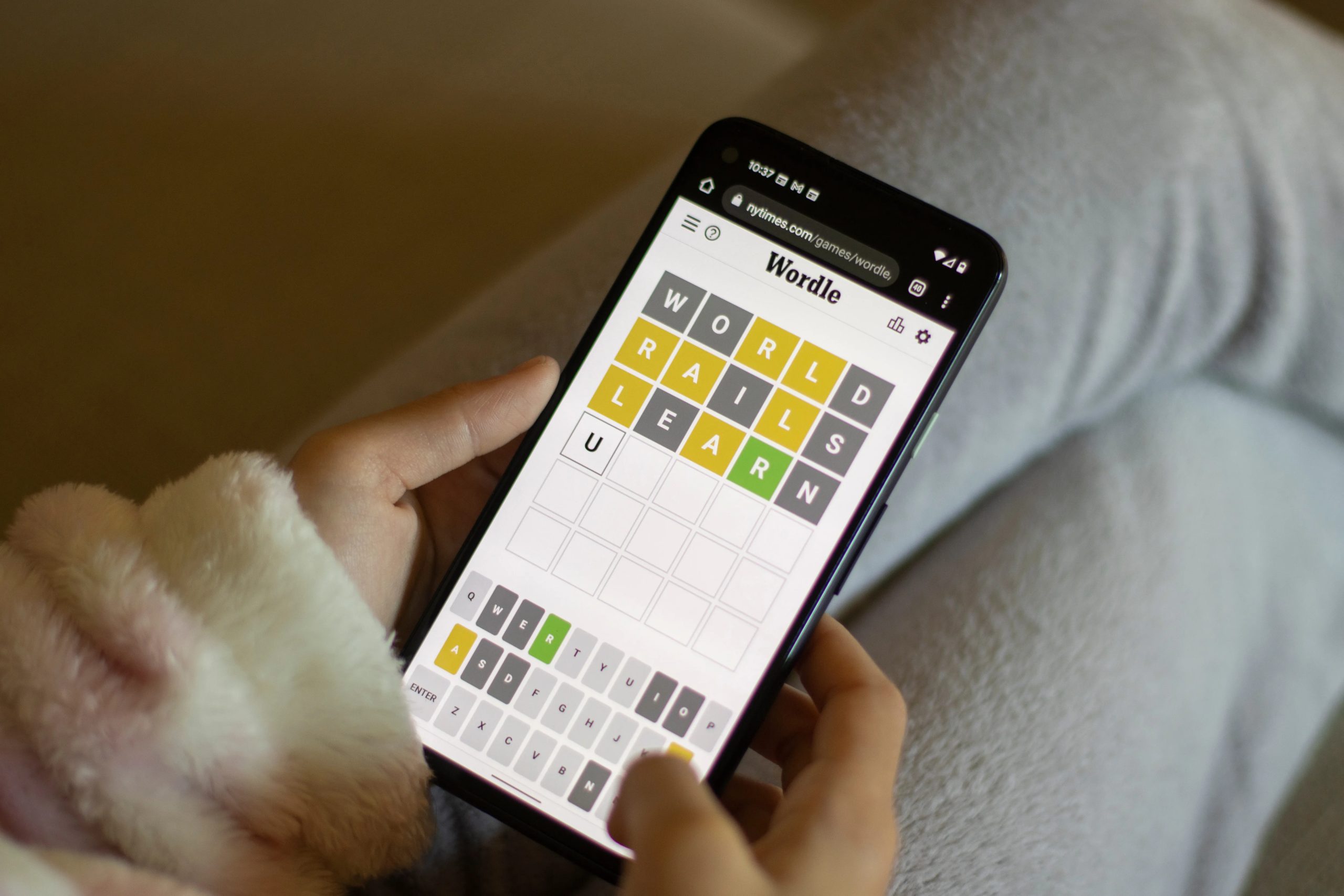
The closest way to describe it is that it feels like a drawing version of Wordle. You show up, you get your daily prompt, and you just go with it. Some days I turn those shapes into objects, other days into characters, and sometimes it’s just chaotic lines that somehow make sense by the end. It usually takes me five minutes, maybe a little more if I get carried away, but that short burst feels oddly satisfying.
Shimul Sood / Digital Trends
What I like most is how effortless it is. There’s no pressure to be good at drawing, no right or wrong outcome. You can either pick the “shape of the day” challenge or just play around with random shapes whenever you feel like it. It doesn’t feel like a task or something you need to be consistent with. It just quietly fits into your day.
For me, it’s become a small ritual, especially when I hit a creative block while writing. Instead of staring at a blank screen, I open the app and start doodling whatever comes to mind. Half the time, I’m just sketching nonsense and humming songs in the background, but it helps clear the noise in my head. Somewhere in that process, ideas start to come back. And almost without trying, it’s also helped me cut down on doomscrolling. I still reach for my phone out of habit, but now there’s an alternative that doesn’t leave me feeling drained. If anything, I come out of it feeling a little more creative, a little more present, and, surprisingly, a lot less stuck.
Advertisement
My daily scroll finally has an exit door
I’m not going to claim that I’ve completely quit Instagram Reels or YouTube Shorts — that would be unrealistic. The habit is still there, and I still fall into it sometimes. But what’s changed is this — I now have something that gently interrupts that loop before it goes too far. Dudel Draw doesn’t demand discipline or punish me for slipping. It simply gives me an alternative that feels much lighter.
Shimul Sood / Digital Trends
And that’s really the difference. I’m not replacing one rigid rule with another. I’m just choosing, more often than before, to spend those few idle minutes creating something. Because for the first time in a while, reaching for my phone doesn’t always end with me feeling like I lost time.
We may receive a commission on purchases made from links.
The National Park Service recently released the results of a study conducted in 2024, intended to gauge the level of preparedness of day hikers and trail runners in Rocky Mountain National Park. This study, summarized here, surveyed hikers and runners about the gear they carried with them, along with personal data and their own opinions about their level of wilderness-readiness. Results showed that most of those surveyed didn’t bring several items from the National Park Service’s 10 Essentials — a list of emergency items posted at most trailheads in national parks, including Rocky Mountain National Park, that includes first aid, navigation, shelter, and hydration.
As a Colorado resident, very amateur hiker, and husband to an impressive person that completed the Colorado Trail by herself, I can attest to a lot of the findings of the field survey. My partner is absolutely capable and incredibly wilderness-prepared on her longer hikes, and often talks about people she’s met on the trail that were woefully underprepared for weather or accidents. While she’s always happy to help, the very nature of, well, nature, means you may not encounter another person if an emergency strikes.
Advertisement
With that in mind, SlashGear has compiled five helpful tools and gadgets campers and hikers tend to forget. These items represent the most-forgotten categories on the survey we mentioned previously — hydration, tools/knife, fire starter, navigation, and emergency shelter — and are products my wife and I have experience with. Hopefully they’ll help readers be prepared for anything on their next trip into the great outdoors.
Advertisement
LifeStraw Peak Squeeze
While the study we’re referencing indicates that most outdoorspeople carry extra water, it also shows that most forget to bring some form of water treatment along for the journey. To some degree, that makes sense — say you’re on a short hike and you’ve brought a big, heavy water bottle (like Shark Tank’s LARQ Water Bottle) in your pack — why waste the space? However, that’s when emergencies happen. One minute you’re wandering off trail to inspect a neat tree. The next, you’re propped up against that tree with a broken ankle, no passersby, and a rapidly depleting water supply. In that instance, the ability to filter water for safe drinking is paramount.
One of the best known brands in water treatment is LifeStraw, the company that makes the popular personal water filter that allows users to drink from questionable sources without worry. While that’s a great gadget to have in a pinch, a better option for most folks is the LifeStraw Peak Squeeze. It combines a lightweight pouch with a removable microfilter, meaning you can use the filter as a straw, or threaded onto another bottle. The pouch and filter are also incredibly pack-friendly, rolling up to about the size of a Twinkie. It’s a logical evolution of the popular straw, allowing you to dip the bag in a stream or pond and filter out almost everything that could leave you regretting that decision.
You can order a LifeStraw Peak Squeeze for around $40 on Amazon.
Advertisement
Ontario RAT 2
Purists will tell you a fixed-blade knife is the way to go when choosing an outdoor knife. They’re correct in that a fixed blade is often stronger and more useful for the tasks you’ll be performing when backcountry camping or in survival situations. For a day hike or overnight camping, something that’s strong and durable, but perhaps easier to pack and carry is a folding knife. While it may not be as sturdy as a fixed-blade knife, that trade off comes with a little more safety and portability. If you’re looking to carry something a little more versatile on your outdoor adventures, check out SlashGear’s guide to multitool alternatives to Leatherman.
A knife I purchased last year after reading multiple positive reviews is the Ontario RAT 2. This is one of the best pocket knives out there. It’s incredibly durable, comfortable in hand, small enough to comfortably carry in a pocket, and super affordable. The RAT 2 features a three-inch blade, a nylon handle, and a little lanyard hole. It’s a no-frills tool, but sometimes that’s what you want in a knife. Mine has kept its edge after a few hikes and several hundred boxes that needed breaking down at work, which is a testament to the quality AUS-8 steel used in the blade.
Fire starters aren’t necessarily something you’d think about while packing a light bag for a day trip, but it never hurts to be prepared. You could bring a lighter and hope for the best with whatever tinder you can find, but if you’re caught by a storm or forced to make camp, having something like Pyro Putty could be a life saver. These little bundles are waterproof, quick to light, and keep burning even in high winds. They’re sticky, allowing you to attach them directly to wood, and even come in special formulas for the season and temperatures in which you’ll be using them.
You’ll still need a fire source to ignite Pyro Putty, like a lighter, match, or ferro rod. You could also invest in the handy Pyro Putty Elite Rechargeable Dual Arc Lighter, a gadget that features a little waterproof storage compartment in its base for a bit of Pyro Putty. It’s rechargeable via mini-USB, glows in the dark, and Phoneskope claims you’ll get 300 arcs out of a single charge. While I’d still suggest keeping a few waterproof matches in your pack just in case, this is a great starter kit for the outdoorsperson or campfire enthusiast in your life. The Pyro Putty Elite Rechargeable Dual Arc Lighter comes with a single pouch of Pyro Putty (which the manufacturer claims can start up to 30 fires) and can be purchased from Amazon for about $30.
Advertisement
McMurdo FAST FIND 220 & Spot X
Saved By Spot/ Seas of Solutions
Most of us consider our cell phones to be our link to the rest of the world, but what happens when you’re outside of cell service range? While that’s not as common an occurrence as it once was, areas where service is still lacking also happen to be some of the most popular areas for hiking and camping — they call it “going off grid” for a reason, after all.
For emergency situations where a phone can’t get a signal, a Personal Locator Beacon is a life-saving last resort. Personal Locator Devices, or PLBs, are devices that send a one-way signal to search and rescue. The McMurdo FAST FIND 220 is among the most popular due to its relatively low price and a lack of subscription fees. It’s waterproof, has a battery life of over six years, and produces a signal to rescue services for a minimum of 24 hours. The Fast Find also includes an LED flashlight programmed for SOS morse code, and can be ordered from Amazon for $275.
There are also two-way satellite messengers like the Spot X, off-grid tech essentials which trade off the super-powerful beacon of a PLB for the ability to send messages and location data to friends. There’s still emergency functionality along with text messaging, but these devices typically require a subscription for service. The Spot X is available on Amazon for $250.
Advertisement
SOL Emergency Bivvy
The most commonly forgotten piece of gear from the National Park Service survey we’re referencing for this article was some form of emergency shelter. Campers or thru-hikers often carry tents for overnight stops, but anyone venturing out into the wilderness, including trail runners, cyclists, and day hikers, should have some kind of shelter on hand, even if it’s just an ultralight space blanket or a tarp they picked up at Harbor Freight.
Bivy sacks, like the SOL Emergency Bivvy, are kind of like an emergency sleeping bag. They’re lightweight, easy to pack, and waterproof, windproof, and heat-reflective. Anyone with a backpack can easily fit this pop-can-sized emergency bag into the bottom of their pack, and at less than four ounces, you probably won’t even notice it’s in there. The bivvy is reusable, and the manufacturer says it reflects up to 90% of the user’s body heat, making it a valuable resource if caught by harsh weather. The SOL Emergency Bivvy includes a rescue whistle and a paracord drawstring that doubles as tinder for starting a fire, comes in safety orange or green, and can be delivered via Amazon for about $25.




















































You must be logged in to post a comment Login