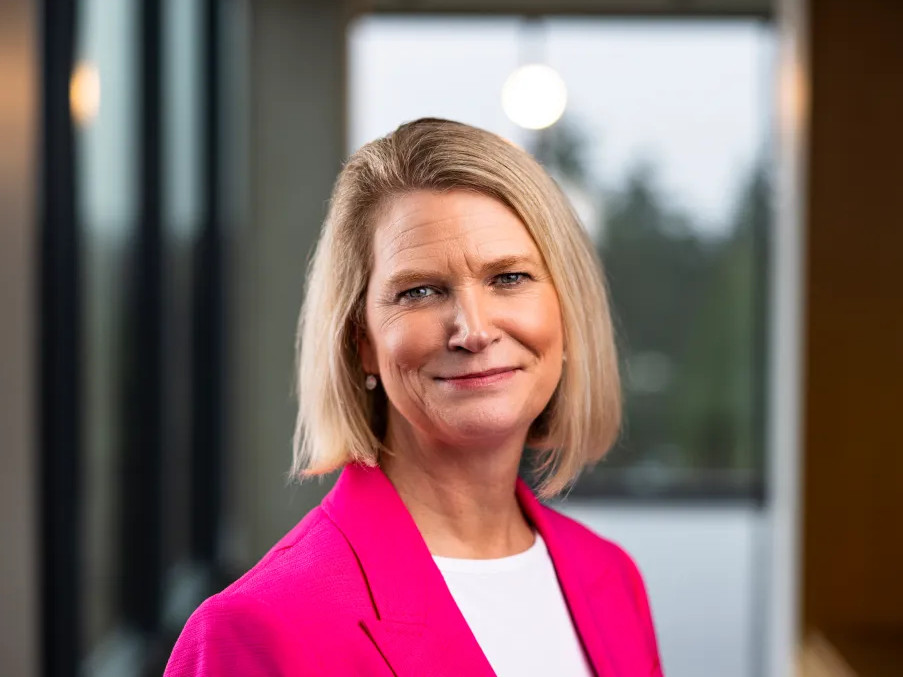
Lindsay-Rae McIntyre is the new chief people officer at Seattle-based Alaska Airlines. She joins the airline from Microsoft, where she most recently served as chief diversity officer and corporate VP of Talent and Learning.
“There is a vast, complex world counting on Microsoft to help bend the arc of the future toward good,” McIntyre said in LinkedIn post framed as a two-part letter to the tech giant and her new employer.
“I am honored to have been part of this transformation for the past eight years,” she said of her time at Microsoft. “Please take good care of one another, and of our customers.”
Addressing the combined teams at Alaska and Hawaiian Airlines, McIntyre noted deep family ties to the industry: her grandfather and uncle were pilots for Air Canada, and her aunt was a flight attendant. “I grew up in awe of airplanes and of the extraordinary people who make air travel possible,” she said.
Prior to Microsoft, McIntyre was with IBM for more than 18 years serving in top leadership roles.
Advertisement
Armon Dadgar. (LinkedIn Photo)
— Armon Dadgar, the Seattle-based co-founder and chief technology officer for HashiCorp, is leaving the infrastructure software company. Dadgar launched HashiCorp in 2012 with co-founder Mitchell Hashimoto after the two graduated from the University of Washington. IBM acquired the San Francisco company for $6.4 billion last year.
“For me, HashiCorp was always more than a job, and I’ve always felt a deep sense of responsibility for the people, products, customers, and community,” Dadgar said on LinkedIn. “The role I’ve played has always been rewarding, but equally it has been demanding.”
Dadgar, whose last day at HashiCorp is Friday, said he will take time to “pause and recharge” and will be moving from Seattle to New York City.
Omar Shahine. (LinkedIn Photo)
— After nearly three decades at Microsoft, Omar Shahinehas taken on a new role leading a team developing personal assistants for Microsoft 365 customers. He previously served as corporate vice president for Microsoft Word.
“My goal is to help usher in a new generation of proactive assistants, ones that lighten your load by taking on tasks end-to-end, and that can also step in proactively when they can help,” Shahine said on LinkedIn.
His role includes partnering with the OpenClaw and Microsoft 365 communities. Shahine’s new assignment comes amid a steady stream of new releases in Microsoft’s Copilot tools for businesses in the competitive agentic AI landscape.
Advertisement
Damon Lanphear. (Artera Photo)
— Damon Lanphear is the new chief technology officer at Artera, a company using agentic AI to help healthcare providers communicate with patients. Lanphear joins the company from Amazon, where he spent more than five years across two stints, most recently as a director of engineering. He previously held the same title at AWS.
A veteran of the Seattle health-tech scene, Lanphear was the CTO for pioneering telehealth startup 98point6 for nearly seven years, joining that company at its inception.
Lanphear will work in a hybrid role for the Santa Barbara, Calif.-based Artera.
Atul Deo. (LinkedIn Photo)
— Atul Deo has joined SAP as senior VP and global head of AI Product Management and Partnerships, where he will lead work on the company’s AI assistant and broader AI platform. Based in Seattle, Deo will work in a hybrid role for the German-headquartered software giant.
Deo joins SAP from Amazon, where he spent nearly 12 years and was the founder and general manager for Amazon Bedrock, the flagship generative AI platform for Amazon Web Services (AWS).
“This next chapter is a deliberate shift. It brings together my experience with a deeper focus on how AI is applied to business processes and outcomes,” Deo said on LinkedIn. “The opportunity to make AI genuinely useful in real systems of record and decision-making is what drew me here.”
Advertisement
John He. (LinkedIn Photo)
— John Heis spearheading the launch of the first U.S. office for PixVerse, a Singapore-based video generation startup. Serving as U.S. general manager, builder and chief of staff, He is setting up the new office in Bellevue, Wash.
He spent more than a decade at Microsoft early in his career, departing in 2018, and most recently came to PixVerse from Salesforce. His background also includes co-founding MinMax AI and a tenure at Alibaba Group.
— Truveta named Robin Damschroder, an executive VP and CFO at Henry Ford Health, as chair of its board of directors. She succeeds Dr. Rod Hochman. The Seattle-area health data company has made numerous changes to company leadership in recent months.
— Abdurazak Mudesir is resigning from the T-Mobile board of directors, effective today. The Bellevue, Wash.-based wireless carrier disclosed the news in a recent SEC filing.
— Starcloud, a startup building solar-powered, space-based data centers, added Benchmark general partner Chetan Puttagunta to its board of directors as part of a $170 million funding round announced Monday. The Redmond, Wash.-based company has achieved unicorn status with a $1.1 billion valuation.
Advertisement
— Glynis Thakur is joining Inmedix as chief revenue officer. The Normandy Park, Wash.-based startup is developing medical diagnostic tools related to stress biology.
— Nicholas Anderson, former chief technologist for Cool Amps, is now materials chemist for Seattle startup Emerald Battery Labs. Anderson’s past roles include director of R&D for BlueDot Photonics.
— Former Microsoft quantum lead Jeff Henshaw has joined IonQ as senior vice president of quantum compute products.
Henshaw said on LinkedIn that he has advised “dozens of quantum companies, from early-stage startups to industry titans,” and cited IonQ’s rapidly scaling quantum systems and a business “roadmap grounded in practical engineering” as draws to the Maryland-based company.
Henshaw spent most of his career at Microsoft, working there from 1989 to 2022 with a two-year break in the mid-2000s to serve as CTO of music tech venture DeepRockDrive. At Microsoft he started on Internet Explorer and Xbox programs before eventually leading the creation of Microsoft’s Quantum Development Kit. Henshaw is also co-owner of the Seattle Seawolves rugby team.
Joe Beda. (LinkedIn Photo)
— Joe Beda is now CTO of Stacklok, a Seattle startup developing AI assistants, agents and models. Beda and Stacklok co-founder and CEO Craig McLuckie previously teamed up to launch Heptio, a cloud tech company acquired by VMWare for $550 million in 2018.
Following the acquisition Beda served as principal engineer at VMWare for more than three years and then stepped away from the workforce in 2022.
Earlier in their careers, Beda and McLuckie worked together at Google where they helped create Kubernetes, the open-source container system that simplified how developers deploy software.
Advertisement
Beda shared his thoughts on joining Stacklok in a LinkedIn post, saying he was eager to connect AI “in a safe way, with the rest of our world.”
“It took a lot for me to exit ‘semi-retirement,’” he added. “I was recovering from burnout and learning how to slow down. But this was just too good of an opportunity for me to pass up.”
Harshit Shah. (LinkedIn Photo)
— Harshit Shah is now CTO of LVT (LiveView Technologies). Shah was CTO of both Kyruus Health and mental health startup Spring Health and previously served as head of engineering at Amazon Web Services. He also brings more than a decade of Microsoft experience, where he was a group PM manager for products including Bing Search SaaS services and Microsoft Edge.
“Harshit is already diving deep into our mission, using his expertise in GenAI and machine learning to help LVT build the future of edge intelligence,” the Utah-based physical security company said on LinkedIn.
Kevin Malgesini. (LinkedIn Photo)
— Pacific Science Center named Kevin Malgesini as its next CEO and president. He succeeds Will Daugherty, who is departing after more than a decade leading the Seattle science education nonprofit.
Malgesini joins from Seattle Children’s Theatre, where he has served for more than eight years and is currently managing director. He was previously development director at Town Hall Seattle and led significant fundraising campaigns at both institutions.
Advertisement
“Kevin is the right person to carry our mission of igniting curiosity and fostering a passion for discovery forward,” said Jembaa Mai, chair of the PacSci board of directors. Mai added that the board was “profoundly grateful to Will Daugherty for the extraordinary foundation he has built.”
PacSci has been navigating serious financial challenges, including reduced admissions during Covid and long-deferred upgrades and maintenance of facilities built for the 1962 World’s Fair. Under Daugherty’s leadership, the organization struck a deal to sell some of its real estate and sharpened its focus on hands-on innovation experiences.
Before leading PacSci, Daugherty held executive positions at Amazon, Expedia and AT&T. He was featured as a GeekWire Working Geek in 2019.
The leadership transition will take place June 1.
Advertisement
Stefan Karisch. (LinkedIn Photo)
— Stefan Karisch, who has led Amazon‘s Air Science & Tech organization as executive director for the past five years, is leaving the company at the end of April. In a LinkedIn post, he called the role a “privilege” and praised his colleagues for making “all the difference.”
Karisch joined Amazon from Boeing, serving in the Seattle area as a chief engineer in digital solutions and analysis for the aerospace giant’s global services division. He did not share his next move.
— John Doyle, global CTO for Healthcare & Life Sciences at Microsoft, has joined the board of Helio Genomics. The California-based healthcare company is developing a blood-based tool for early cancer detection.
Kevin Varadian. LinkedIn Photo)
— Kevin Varadianis now chief revenue officer for avante. The Seattle startup’s software helps companies reduce HR administrative workload and gives employees an AI assistant for benefits guidance.
“Making sense of benefits requires real two-way communication and the ability to handle messy, unstructured benefits data,” Varadian said on LinkedIn. “Until recently, the underlying technology just wasn’t there.”
Varadian, who is based in New York City, was CRO at HiredScore until its 2024 acquisition by Workday, after which he became head of go-to-market for Workday’s HiredScore AI. He has also held leadership roles at LinkedIn, WeWork and CoachHub.
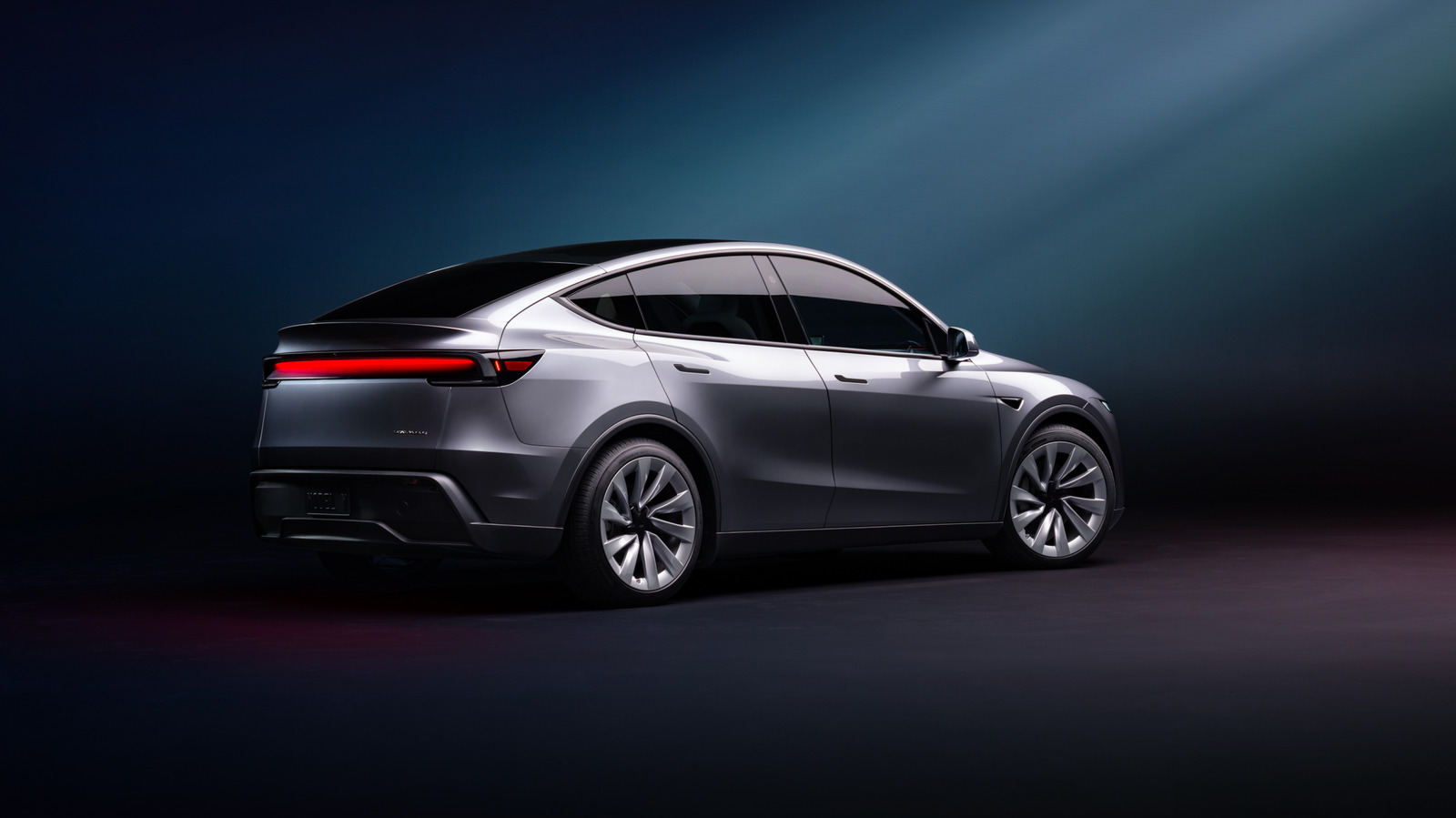
The redesigned Tesla Model Y Juniper builds on the success of the first generation car, but it’s mostly evolutionary rather than revolutionary. Tesla improved the car’s range and efficiency, as well as giving the exterior a makeover with new headlight and new taillight designs. It’s certainly not a radical departure from the original, but the new taillights were different enough to get one Model Y owner in trouble with law enforcement.
As first reported by Tesla Oracle, one owner said that a police officer pulled them over while they were driving and claimed that their car’s taillights weren’t illuminated. The cop was reportedly confused by the Model Y’s taillight bar, claiming that the light cluster that houses the brake lights should also be illuminated at night. The owner pointed out that the taillight bar was in fact a design feature, and was supposed to serve as the primary taillight, but the officer still wasn’t convinced.
Advertisement
In the end, the driver couldn’t convince the officer that the taillight bar was a factory installation, and they were given a warning to get their car fixed, although they escaped a ticket. Although the officer was ultimately wrong in thinking that the taillight was faulty, it’s not difficult to see where the confusion came from. The taillight bar reflects red light off the surface of the car rather than directly projecting it, which could easily confuse drivers, or cops, about its intended purpose.
Advertisement
Tesla says its taillight meets federal requirements
Despite the potential for confusion, Tesla says that the design meets the necessary federal design requirements. When legendary collector Jay Leno pointed out the unusual design on an episode of Jay Leno’s Garage in 2025, Tesla’s chief designer Franz von Holzhausen said that it was a “first in the industry,” calling the design an “indirect running light.” Leno then questioned the brand’s lead engineer Lars Moravy about the taillight meeting government regulations, and Moravy said that the regulation stipulates “how much lumens come off the surface, but it never defines what kind of surface that has to be.”
Moravy added that the taillight design was so unusual that Tesla had to work with its suppliers to source entirely new machines to construct it, since nothing like it had been built before. It’s certainly innovative, but the question is whether that innovation is coming at the cost of safety. While an ugly taillight can ruin a car’s design, they still need to be able to fulfill their primary purpose as a safety feature, regardless of styling. If a cop can’t figure out how the Model Y’s taillights are supposed to work, there’s a chance that other drivers who aren’t as familiar with modern car design won’t know what they’re looking at either.
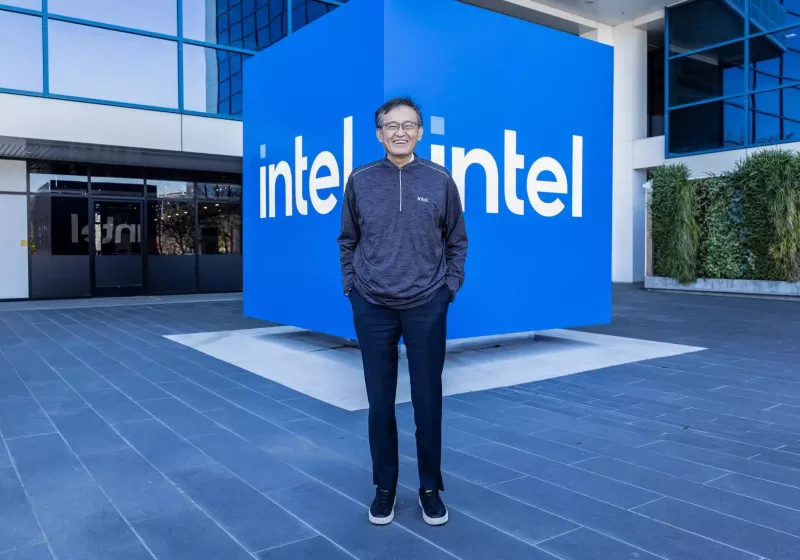
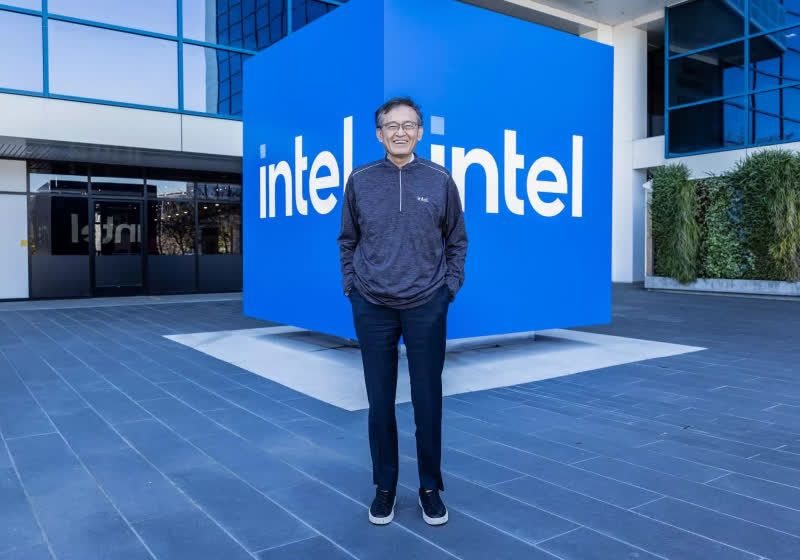
The company reported $13.6 billion in revenue for the quarter, up 7% year over year and well above analyst expectations. Intel also raised its current-quarter revenue guidance to between $13.8 billion and $14.8 billion, exceeding the roughly $13 billion analysts had projected. Read Entire Article Source link
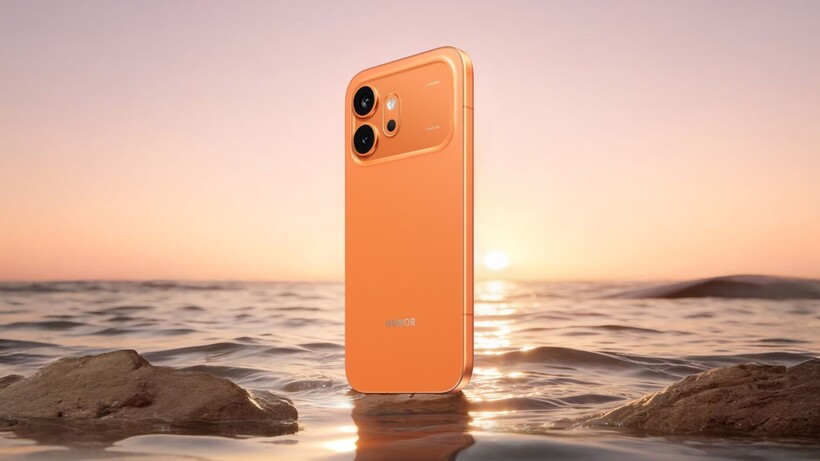
Honor has unveiled its mid-range 600 series in Malaysia, and we’re keen to see how the specs measure up to its competitors ahead of its UK launch.
We’ve compared the Honor 600’s specs to the four-star Google Pixel 10a, and highlighted the key differences between the two handsets below.
We’ll be sure to update this versus once we review the Honor 600. In the meantime, visit our list of the best Android phones and best mid-range phones to find your next investment.
Price and Availability
At the time of writing, the Honor 600 and Honor 600 Pro are only available to buy in Malaysia. While they will eventually launch in the UK and Europe, Honor is yet to reveal the RRP for the series.
Advertisement
Having launched earlier this year, the Pixel 10a is available to buy now and has a starting RRP of £499/$499.
Advertisement
SQUIRREL_PLAYLIST_10208265
Snapdragon 7 Gen 4 vs Tensor G4
Powering the Honor 600 is Qualcomm’s Snapdragon 7 Gen 4 chip, the same processor that’s behind the Nothing Phone 4a Pro. We found that the Phone 4a Pro was able to handle everyday, casual use-cases with enough speed and responsiveness for most users, while less-demanding games can be played reliably too. With this in mind, we’d expect a similar performance with the Honor 600, though we’ll have to wait until we get our hands on the phone to confirm this.
Advertisement
Honor 600. Image Credit (Honor)
However, it’s worth noting that the Snapdragon 7 Gen 4 is a mid-range chip and can’t compete with the likes of Snapdragon 8 Elite Gen 5. In addition, during its benchmark tests the Nothing Phone 4a Pro couldn’t quite reach the results of the Pixel 10a.
Speaking of which, the Pixel 10a runs on Google’s 2025 Tensor G4 chip – the same as the Pixel 9a and rest of the 2025 Pixel 9 series. While it’s a shame Google didn’t fit its budget-friendly handset with the newer Tensor G5 processor, G4 is still perfectly capable and can handle just about anything you can throw at it with ease.
Google Pixel 10a. Image Credit (Trusted Reviews)
Advertisement
While Tensor G4 doesn’t quite measure up to Qualcomm’s 2025 flagship, Snapdragon 8 Elite, it’s still fast and smooth in everyday use and can handle basic gaming too.
Honor 600’s bezel are more narrow
One of our biggest issues with the Pixel 10a’s design is its thick bezel. Sure, they’re slimmer than the ridiculously large Pixel 9a’s, but overall the bezel makes the handset look more dated than many of the best Android phones.
With this in mind, Honor’s promise that the 600 series boasts the “narrowest black bezel on the market” all the more impressive. At just 0.98mm, the Honor 600’s bezel is near-on invisible and should help the handset feel more premium as a result.
Advertisement
Honor 600 bezel. Image Credit (Honor)
Honor 600 has a larger battery and supports faster charging
Unsurprisingly, the Honor 600 is equipped with a significantly larger battery and faster charging compared to the Pixel 10a. While the Pixel 10a’s cell is pretty average at 5100mAh – and larger than the premium Samsung Galaxy S26 Ultra – the Honor 600’s battery is 7000mAh instead. Even so, it’s worth noting that we found the Pixel 10a’s battery life to be solid, and saw us comfortably through a day’s use before conking out.
Fast charging on Pixel 10a. Image Credit (Trusted Reviews)
Advertisement
Honor promises that the 600 should also offer a full-day of battery life alongside five years battery health protection too.
When it does come time to recharge, the Pixel 10a supports 45W wired and 10W wireless speeds whereas the Honor 600 boasts support for 80W wired speeds. While Honor has disclosed that the 600 can support 27W reverse charging, its exact wireless speeds are still at large.
Honor 600 has a 200MP main camera
Both handsets are equipped with two rear lenses: a main and an ultrawide. However, the Honor 600 sports a whopping 200MP main lens while the Pixel 10a is fitted with a 48MP main instead.
Although the difference may seem pretty hefty, we should note that the Pixel 10a is a brilliant camera phone, especially when you consider its price tag. We found that pictures are detailed with true-to-life colours, while the lenses can handle even complex lighting conditions with ease.
Advertisement
Captured on Pixel 10a. Image Credit (Trusted Reviews)
In comparison, Honor promises the main lens offers an “industry-leading” low-light performance, true-to-life authentic colour reproduction and AI enhanced night photography too. However, as we’re yet to review the Honor 600, we’ll have to wait and see how its camera fares.
Advertisement
Perhaps one of the key reasons to opt for a Pixel phone is its plethora of AI-powered features. Alongside the likes of Circle to Search, Live Translate and Call Assist, there’s built-in Gemini and Google’s Photo Editing tools too.
While the Honor 600 isn’t quite as equipped, that’s not to say there aren’t AI tools to play around with – including Gemini. In fact, one of Honor’s headline features is AI Image to Video 2.0 which allows users to turn up to three images and prompts into a video.
Early Verdict
It’s difficult to give even an early verdict as we don’t know how much the Honor 600 will cost in the UK. However, with a 200MP main lens, a near-invisible bezel and mighty battery, the Honor 600 is undoubtedly a promising Android phone.
Advertisement
On the other hand, the Pixel 10a is one of the best mid-range phones you can get your hands on, thanks to its solid and reliable camera set-up, all-day battery life and plethora of AI tools.
We’ll be sure to update this versus once we review the Honor 600.
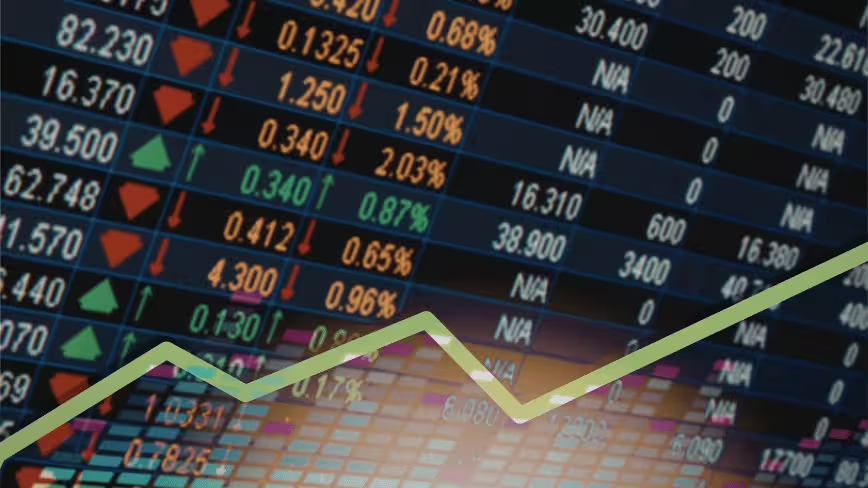
The Shiller CAPE ratio stands at 38-40, the second-highest in 155 years behind only the dot-com peak of 44.19, and S&P 500 top-10 concentration exceeds dot-com levels by nearly 50%. But AI companies are massively profitable unlike their dot-com predecessors, with Nvidia alone earning $120 billion in net income and the tech sector trading at 30x forward earnings versus 50x at the 2000 peak. The resolution depends on whether $660-690 billion in annual hyperscaler capex generates returns that justify the investment, a question that cannot be answered until the infrastructure cycle produces results.
The Shiller cyclically adjusted price-to-earnings ratio for the S&P 500 stands at approximately 38 to 40, depending on the day you check. In 155 years of recorded data, the CAPE has been higher exactly once: March 2000, when it reached 44.19, one month before the Nasdaq began a decline that would erase 78% of its value over the following two and a half years. The ten largest companies in the S&P 500 now account for 36% to 40% of the index’s total market capitalisation, nearly 50% above the dot-com peak concentration of roughly 27%. Deutsche Bank’s latest fund manager survey found that 57% of institutional investors now identify an AI valuation crash as the single greatest risk to markets. Jeremy Grantham, the co-founder of GMO who correctly called the dot-com and housing bubbles, has said there is “slim to none” chance the current AI rally does not end in a bust. These are the numbers that make the comparison to 2000 feel inevitable. They are also, by themselves, incomplete.
The case for alarm
The structural parallels between the current AI equity rally and the dot-com bubble are not superficial. They are mechanical. Market concentration has exceeded dot-com levels by a wide margin. The Nasdaq-100’s performance is dominated by a handful of companies whose valuations are predicated on AI revenue growth that has not yet fully materialised at the scale the market is pricing. Hyperscaler capital expenditure, the combined infrastructure spending of Microsoft, Google, Amazon, and Meta, is approaching $660 billion to $690 billion in 2026, a figure that represents the largest corporate investment programme in history outside of wartime mobilisation. That spending is being funded, in part, by converting human labour into AI infrastructure:Meta and Microsoft collectively cut up to 23,000 jobswhile simultaneously committing to record capital expenditure, a direct transfer from payroll to data centre construction.
Bank of America’s Savita Subramanian has set a year-end S&P 500 target of 7,100, with a bear case of 5,500, and expects multiple compression as earnings growth slows in the second half of 2026. The Motley Fool identified four factors it associates with bubble conditions: retail investor euphoria, speculative capital concentration, decoupling of valuations from fundamentals, and a narrative so compelling that scepticism feels intellectually disreputable. All four are present.OpenAI’s $852 billion valuationprices a company that has never earned a profit at roughly double the market capitalisation of Coca-Cola, a company that has earned profits continuously since the 1890s.Accel’s $5 billion AI-focused fund, the largest in venture capital history, exemplifies the capital flooding into AI at the private market level. The public and private markets are reinforcing each other: venture-backed AI companies raise at extraordinary valuations, public AI companies spend at extraordinary rates to stay ahead of them, and the cycle pushes both valuations and capital expenditure higher.
The most important difference between 2000 and 2026 is profitability. At the dot-com peak, the technology companies driving the market were, in aggregate, destroying capital. Cisco traded at 200 times earnings. Pets.com had no earnings. The entire thesis rested on future revenue from an internet economy that, while real, was years from generating the cash flows the market was discounting. In 2026, the companies driving the AI rally are among the most profitable in corporate history. Nvidia reported net income exceeding $120 billion for fiscal 2026. Its forward price-to-earnings ratio is approximately 41, elevated but not in the same postcode as Cisco at 200. The technology sector’s aggregate forward P/E is roughly 30, compared with 50 at the dot-com peak. Apple, Microsoft, Alphabet, Amazon, and Meta generated a combined $350 billion in free cash flow in their most recent fiscal years. These are not speculative enterprises burning venture capital. They are cash-generating machines that have chosen to reinvest at historically unusual rates.
Advertisement
Capital Economics analyst John Higgins has made the most nuanced version of this argument. He distinguishes between a “stock bubble” and a “fundamental bubble.” The stock bubble, in his analysis, may already be deflating: the Nasdaq-100 corrected more than 10% from its February 2026 highs before recovering on trade deal optimism and strong earnings. But the fundamental bubble, the one built on actual earnings growth, is still expanding. Nasdaq-100 earnings grew 19% year over year in the most recent quarter. As long as AI-related revenue continues growing at that pace, the earnings justify elevated multiples. The bubble pops not when P/E ratios are high, but when the “E” stops growing. JPMorgan has suggested the S&P 500 could reach 8,000 if earnings momentum continues. Goldman Sachs sees a multi-year AI “supercycle.” The bull case is not that valuations are reasonable. It is that earnings growth will make today’s prices look reasonable in retrospect, the same argument that was wrong about Cisco in 2000 and right about Amazon.
The capex question
The variable that will determine which analogy holds is capital expenditure returns. Hyperscalers are spending $660 billion to $690 billion this year building AI infrastructure.Meta’s $27 billion deal with Nebiusfor AI cloud capacity is one transaction among dozens, each individually larger than most companies’ entire capital budgets. The question is not whether this infrastructure will be used. It almost certainly will. The question is whether it will generate returns that justify the investment at the price paid. The fibre-optic cables laid in 1999 carry today’s internet. The companies that laid them went bankrupt. The technology was correct. The financial model was not.
There are structural reasons to believe the AI capex cycle is better supported than the fibre-optic buildout. Cloud computing operates on a consumption model where customers pay for usage, providing revenue visibility that speculative fibre networks lacked. The hyperscalers building the infrastructure are also the primary consumers of it, reducing the demand uncertainty that destroyed independent fibre companies. Oracle’s $553 billion in remaining performance obligations, Microsoft’s Azure backlog, and Amazon’s AWS contract pipeline all represent committed future revenue. But committed revenue is not collected revenue, and the concentration of AI demand in a small number of large model developers and enterprise customers creates fragility. If OpenAI, the anchor tenant of Oracle’s Stargate project, were to experience financial difficulty, the ripple effect through the infrastructure financing chain would be severe. If enterprise AI adoption plateaus at the “copilot” stage without progressing to the autonomous agent workflows that justify the next order of magnitude in compute spending, the return on $660 billion in annual capex would fall below the cost of capital.
The verdict the market cannot reach
Both sides of the debate are correct, which is what makes the current moment so difficult to navigate. The bears are right that market concentration, CAPE ratios, and speculative euphoria have reached or exceeded dot-com levels. The bulls are right that the underlying companies are profitable in ways their dot-com predecessors were not. The resolution depends on a variable that neither side can observe directly: the long-term return on the hundreds of billions being invested in AI infrastructure this year. If those returns materialise, the current valuations will be seen as fair prices paid early for a genuine technological transformation. If they do not, the CAPE chart will add a second peak to match the one from March 2000, and the comparisons that feel alarmist today will feel prescient.
Advertisement
The Federal Reserve’s benchmark rate sits at 3.50% to 3.75%, providing less of a cushion than the near-zero rates that inflated asset prices between 2020 and 2022 but not the restrictive rates that typically trigger corrections. Section 122 tariffs of 10% to 15% on a range of imports expire on July 24, 2026, and their renewal or escalation will affect corporate earnings forecasts and consumer spending.The trajectory that brought technology markets to this point, a year of accelerating AI investment, record venture funding, and corporate restructuring around artificial intelligence, has created conditions that resemble a late-stage expansion more than an early-stage bubble. Late-stage expansions can last longer than sceptics expect. They also end more abruptly than optimists imagine. The honest answer to whether AI stocks are in a bubble is that the question cannot be answered until the capex cycle produces results, and the capex cycle has barely begun. Grantham is betting it ends badly. Goldman is betting it does not. The market is pricing in both possibilities simultaneously, which is why it has been volatile in both directions, and will remain so until the revenue either arrives or does not.
Smartphones like the Oppo Find X9 Ultra prove that a slightly thicker phone isn’t a flaw – it’s the reason it’s actually good.
For the better part of a decade, the smartphone industry has been chasing thinness like it’s the ultimate sign of progress. Every launch cycle brings another round of applause for shaving off a fraction of a millimetre, as if that alone makes a phone better.
But the truth is, thin phones aren’t improving the experience any more. In many cases, like with the Samsung Galaxy S25 Edge and iPhone Air, they’re making it worse.
After spending the past few weeks using the Oppo Find X9 Ultra – a phone that is unapologetically thick, weighty and, by modern standards, a bit of a brick – it’s not hard to question why we’re still pretending thinness is the goal.
Advertisement
The trade-off we keep ignoring
At 9.1mm thick and 236g, the Find X9 Ultra is not trying to win any design awards for slimness. Put it next to something like an iPhone Air and it feels noticeably chunkier. But that extra bulk isn’t wasted space – it’s there for a very good reason.
Advertisement
Image Credit (Trusted Reviews)
It’s the reason why the phone packs a 7050mAh battery that comfortably sails through a full day – and then some – without anxiety. It’s the reason there’s room for a genuinely versatile camera system, with large sensors across multiple focal lengths instead of one standout lens and a couple of token extras.
It’s even part of why the device feels more durable in the hand, especially with materials that prioritise grip over gloss.
In other words, the thickness is the feature.
Advertisement
Thinness for whose benefit?
The push for ever-slimmer phones made sense once upon a time. Early smartphones were bulky, awkward and pretty uncomfortable to use over longer periods of time. But we crossed that threshold years ago. Today’s ‘thick’ phone would have been considered impressively slim not all that long ago.
So, what is this all for?
Advertisement
iPhone Air – side by side with S25 Edge Image Credit (Trusted Reviews)
It’s certainly not for battery life, that’s for sure, with ultra-thin phones struggling to last all day with even light use. Users, whether commuting, travelling, or just dealing with patchy signal in rural areas, benefit far more from endurance than from shaving off another 0.8mm.
It’s not for camera performance either, where as much as manufacturers hate to admit it, physics still play a massive role. Bigger sensors and better optics need space, and there’s nothing you can do to change that fact.
Advertisement
The reality is that thinness has become a bit of a technical flex for companies, and something they can tout on a spec sheet, rather than actually being useful for consumers.
The illusion of premium
There’s also a perception problem here. Thin phones are often marketed as more premium, as if engineering restraint is superior to capability – but that idea is starting to feel outdated.
Advertisement
What actually feels premium in 2026 isn’t how thin a phone is, it’s how little you have to think about it. It’s about not worrying about your battery before heading out for the day, or second-guessing whether the zoom lens will hold up.
Advertisement
Image Credit (Trusted Reviews)
And, by that logic, slightly thicker phones like that Find X9 Ultra that solve these problems are far more premium than wafer-thin phones that introduce them.
A shift that needs to happen
The Oppo Find X9 Ultra isn’t perfect; it’s big, it’s heavy, and yes, some people will prefer something lighter and thinner. But it makes a compelling argument that we’ve been optimising for the wrong thing.
Instead of asking “how thin can we make this?”, manufacturers should be asking “what do we gain if we stop trying?” Because right now, the answer is quite a lot; better battery life, better cameras, better durability and, ultimately, a better all-round experience.
Thin phones aren’t inherently bad – I really enjoyed using the S25 Edge – but the industry’s obsession with them is. And if devices like the Find X9 Ultra are anything to go by, it might finally be time to move on.
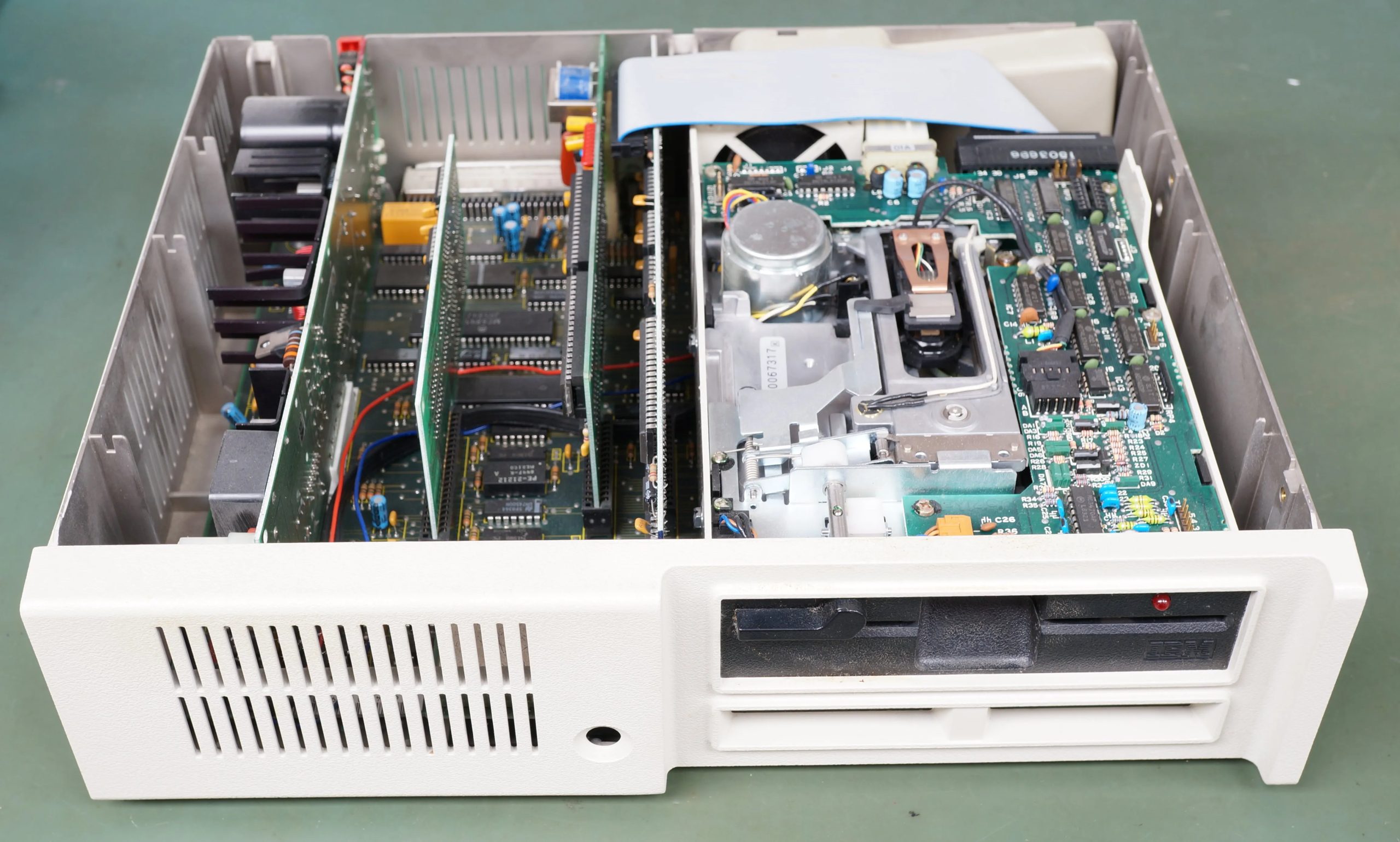
As unloved as IBM’s PCjr was, with only a one-year production run, it’s hard to complain about the documentation available for it. This includes the x86 assembly listing for the BIOS, which [dbalsom] recently used this print version to create an ASM project that can be built into a byte-identical copy of the PCjr BIOS.
In order to build the BIOS image, a ZIP file has been made available that contains the requisite assembler and linker tools, all of which can be run in DOS (or DOSBox) using the provided build.bat file. This creates an executable file, which can then be converted into a BIN file using the provided exe2bin.py Python script, or of course, manually.
This image cannot be used as-is, as the PCjr has its BIOS split across two 32 kB ROMs, so splitting them is required if you intend to burn fresh ROMs. Of note is that the BIOS code is still copyrighted by IBM, so do not take this as some kind of open sourcing, unless you wish to test IBM’s legal take on 1980s BIOS code for a generally unloved system.
Advertisement
With an estimated 240,000 – 275,000 PCjrs sold by January 1985 and reports of hundreds of thousands of unsold PCjrs languishing in warehouses by the end. It’s hard to say how many PCjrs have survived to today, but it’s good to see that keeping this glimpse of a budget, not-quite-IBM-PC-compatible legacy alive has become a little easier again.
Heading image: IBM PCjr internals. (Credit: Binarysequence, Wikimedia)
Intelligence operatives have used some innovative techniques to snoop on information without ever having to step foot inside a target building. A simple approach that involves lasers has been around for eons, and transforms a standard window into a makeshift bug.
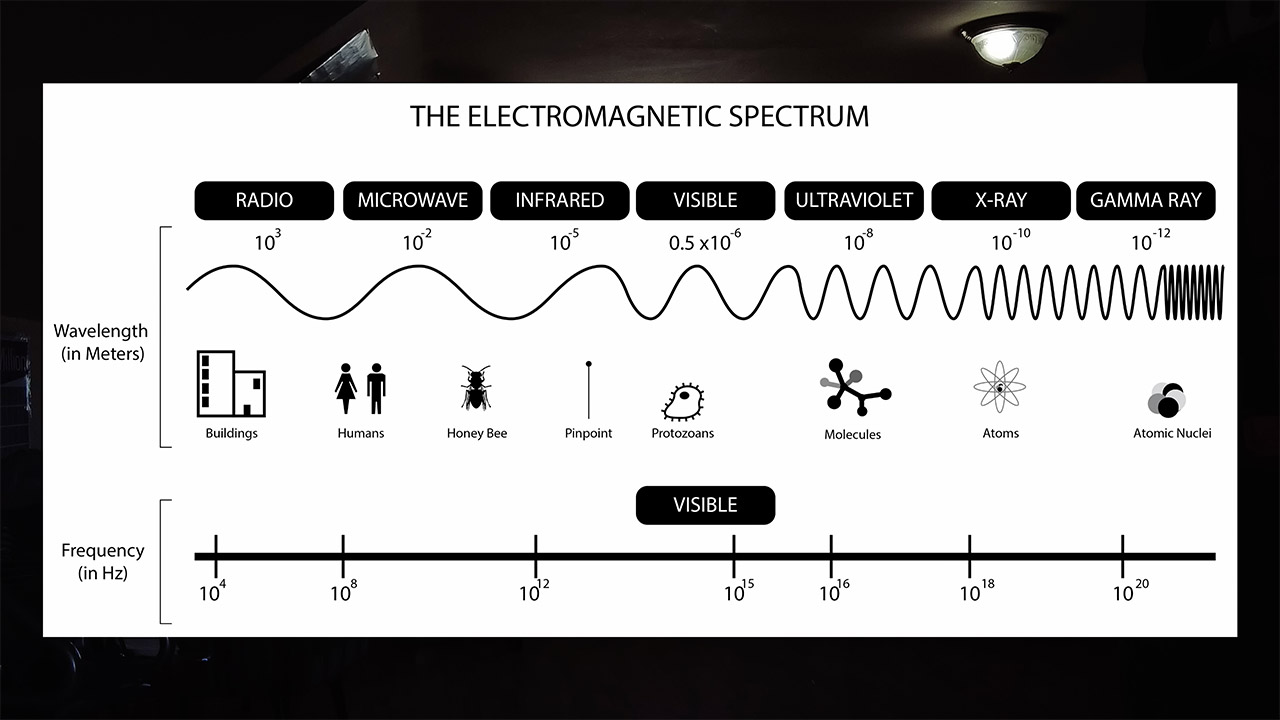
The Soviets got onto this kind of thing way back in the 1940s. They dubbed it Buran, and it basically shined an invisible infrared beam onto embassy windows in Moscow, detecting minuscule movements made by voices within. American agencies then took up on this idea and refined it using actual lasers, which produced far crisper results and had a much longer range.
Small but Mighty – The DJI Mic Mini lavalier microphone transmitter is small and ultralight, weighing only 10 g, [1] making it comfortable to wear…
Detail-Rich Sound – Mic Mini wireless microphones delivers high-quality audio. A 400m max transmission range [2] ensures stable recording, even in…
Extended Battery, More Recording Time – Mic Mini wireless lavalier microphone with Charging Case offers up to 48 hours of battery life, [3] ideal for…
A laser microphone works by converting sound to light and then bouncing it back, causing the very small area it strikes to vibrate. These minuscule movements are invisible, but they exist and are very little, only a fraction of the thickness of a sheet of paper. These vibrations then alter the distance the beam needs to travel on its return voyage. A person with a receiver nearby collects the reflected light and transmits it via an optical system that converts changes in path length into brightness fluctuations. The variations are then converted into an electrical signal that corresponds to the original audio you heard.
Typically, you’d set everything up from the luxury of a parked automobile or an office building nearby. You’d aim the beam in at an angle so that the reflection landed perfectly on the sensor. The infrared versions are undetectable to anyone gazing out the window, but by carefully filtering out noise from traffic and wind, you may get a rather clear picture.
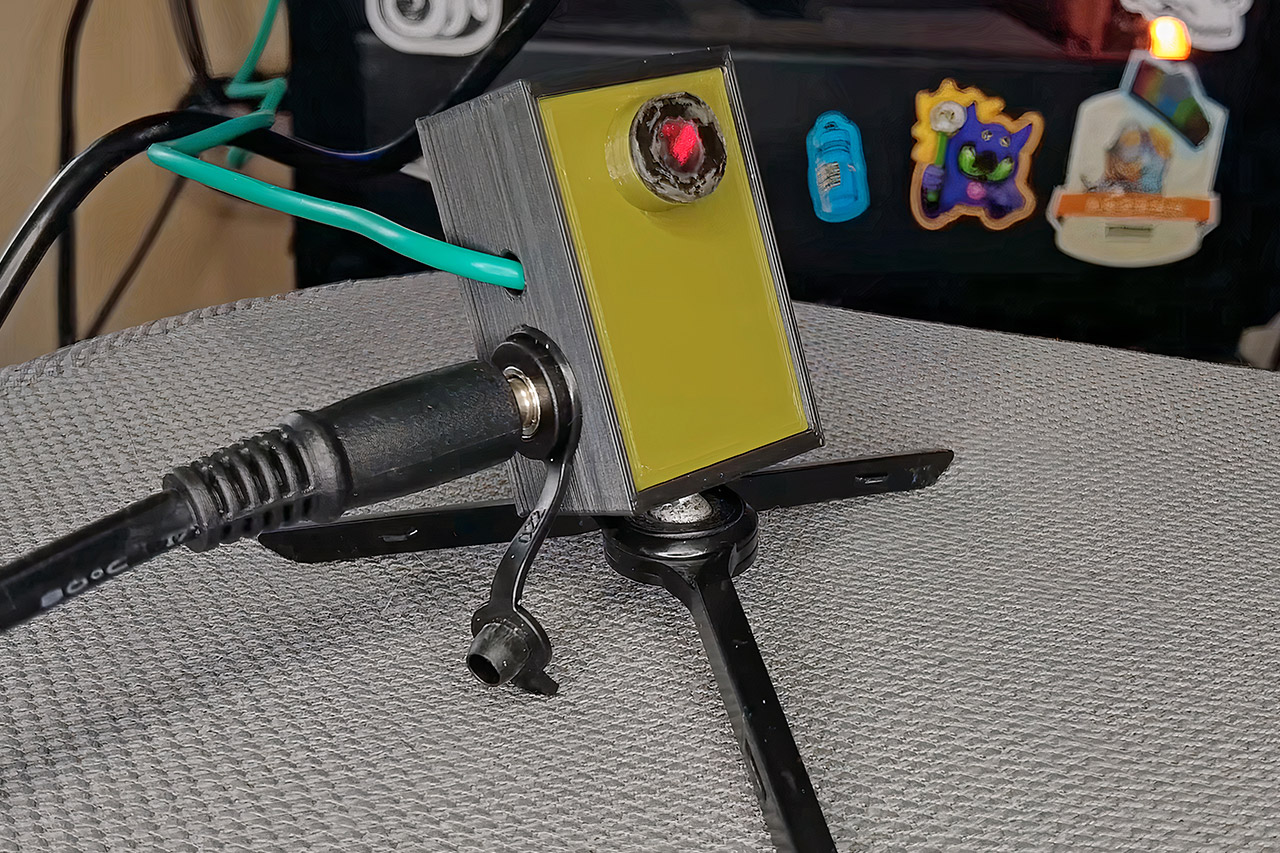
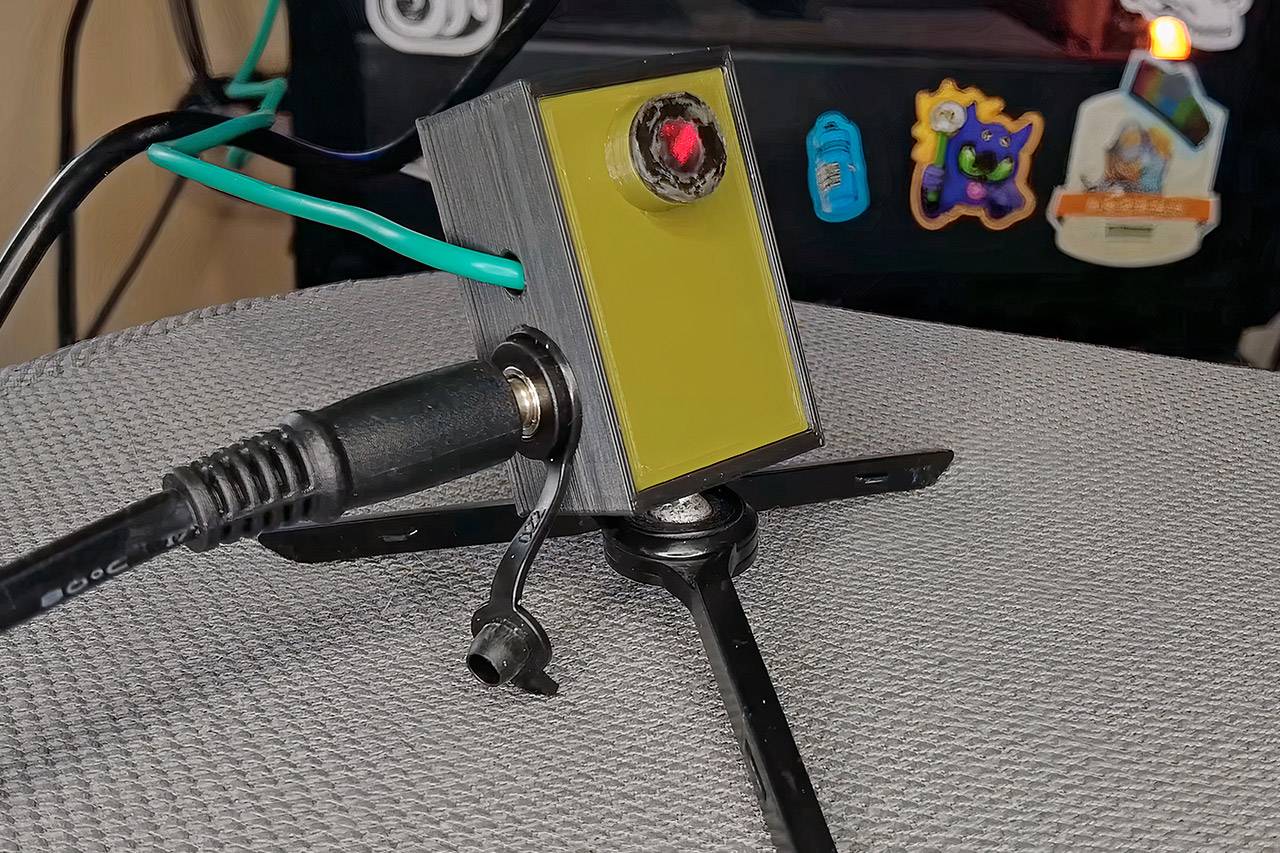
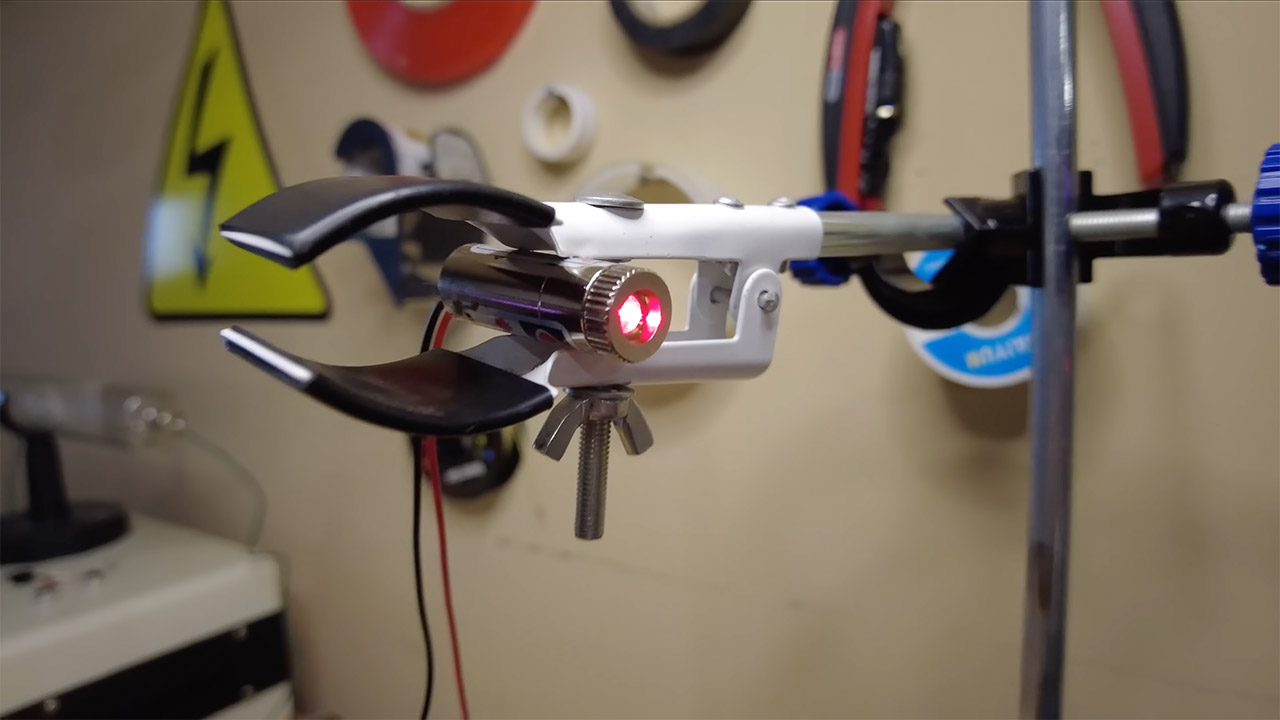
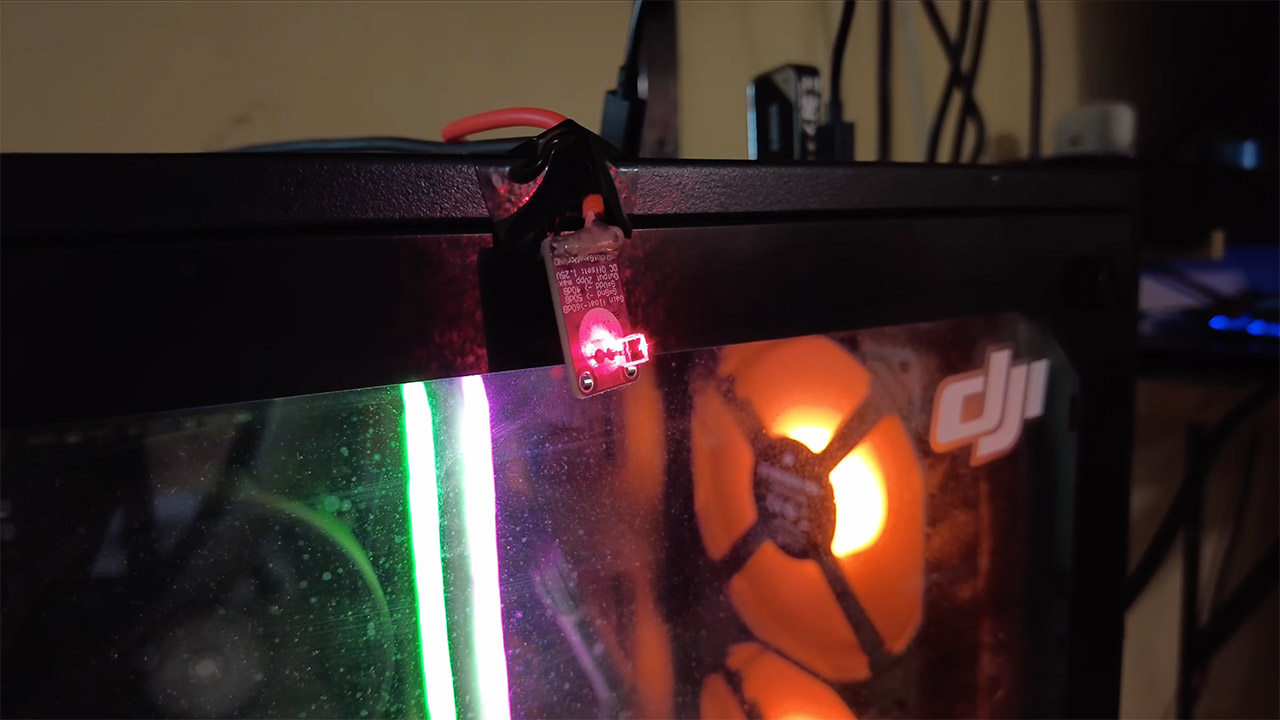
If DIY projects are your thing, you can actually create a working version using parts that can be purchased online. One recent project used a basic red laser pointer, a photodiode to catch the returning light, and a small amplifier circuit wired to a computer It took some care to get the alignment just right, but once he did, the reflection was slightly off center on the sensor for the greatest results. When music was played inside a sealed test box, the recovered audio came through loud and clear, despite some static in the background caused by equipment vibration.
Governments, on the other hand, just achieve a much clearer sound by stabilizing the beam and employing some quite clever signal processing. Sometimes the places they’re seeking to listen in on will try to outsmart them by hanging thick curtains or installing little motors that provide random vibrations to drown out the real voice. Nonetheless, this method leaves no wires or bugs behind and completes the task from a safe distance. [Source]
An anonymous reader shared this report from the Associated Press:
The 1986 Chernobyl disaster fueled global fears about nuclear power and slowed its development in Europe and elsewhere. Four decades later, however, there’s a revival around the world, a trend that has been given a big boost by war in the Middle East. Over 400 nuclear reactors are operational in 31 countries, while about 70 more are under construction. Nuclear power accounts for producing about 10% of the world’s electricity, equivalent to about a quarter of all sources of low-carbon power.
Nuclear reactors have seen steady improvements, adding more safety features and making them cheaper to build and operate. While Chernobyl and the 2011 Fukushima nuclear disaster in Japan diminished the appetite for such power sources, it was clear years ago that there probably would be a revival, said Fatih Birol, executive director of the International Energy Agency. With the war in the Middle East, “I am 100% sure nuclear is coming back,” he added…
The United States is the world’s largest producer of nuclear power, with 94 operational reactors accounting for about 30% of global generation of nuclear electricity. And it is increasing efforts to develop nuclear energy capacity with a goal to quadruple it by 2050… China operates 61 nuclear reactors and is leading the world in building new units, with nearly 40 under construction with a goal to surpass the U.S. and become the global leader in nuclear capacity. European Commission chief Ursula von der Leyen has acknowledged that it was Europe’s “strategic mistake” to cut nuclear energy and outlined new initiatives to encourage building power plants. [In 1990, nuclear energy accounted for roughly a third of Europe’s electricity, the article points out, but it’s now only about 15%.] Russia, meanwhile, has taken a strong lead in exporting its nuclear know-how, building 20 reactors worldwide…
Japan has restarted 15 reactors after reviewing the lessons of the earthquake and tsunami that damaged the Fukushima plant, and 10 more are in the process of getting approval to restart. South Africa has the only nuclear power plant on the African continent, although Russia is building one in Egypt, and several other African nations are exploring the technology… With 57 reactors at 19 plants, France relies on nuclear power for nearly 70% of its electricity. The article includes an interactive graphic that shows the growth in the world’s nuclear capacity slowing down soon after the 1986 Chernobyl meltdown — with that capacity broken down by country. But it’s still increased by roughly 50%.
Advertisement
Even Ukraine — the site of the accident — now “still relies heavily on nuclear plants to generate about half of its electricity,” the article points out. But Germany “switched off its last three nuclear reactors in 2023.”
Snabbit, an Indian instant house-help startup, is close to raising fresh funding at a valuation of around $400 million in a round led by Susquehanna Venture Capital, TechCrunch has learned.
The Bengaluru-based startup is in talks to raise around $50 million in the round, according to three people with knowledge of the deal. One of the people added that the round could be around $55 million or higher, as strong investor demand may prompt the company to raise more than initially planned.
The round is expected to include participation from Mirae Asset, FJ Labs, and existing investors including Lightspeed Venture Partners and Bertelsmann India Investments, the people told TechCrunch. It would mark a significant jump from the $180 million valuation at which Snabbit raised $30 million in October 2025. The deal could be announced as early as next week.
Founded in 2024, Snabbit connects households with on-demand domestic help for cleaning, dishwashing, laundry, and other chores, offering quick turnaround times through a managed network of workers. Before this round, the startup had raised $55 million in total funding.
Advertisement
The fundraise comes amid growing investor interest in instant house help startups in India. Rival Pronto is finalizing a funding round led by tech investor Lachy Groom at about a $200 million valuation. Urban Company, a top player in this space, said its instant home services offering crossed one million bookings in March.
The rising demand is partly driven by India’s young, urban workforce, which has grown accustomed to ordering services such as groceries on demand through apps.
Snabbit founder and CEO Aayush Agarwal said in a recent LinkedIn post that the company had completed more than one million jobs in March alone. He had earlier told TechCrunch that it recorded over 10,000 daily jobs and more than 300,000 total orders in October.
Techcrunch event
Advertisement
San Francisco, CA | October 13-15, 2026
The startup worked with about 5,000 professionals on its platform at the time, all of whom were women, he added.
Advertisement
Snabbit and its investors did not respond to requests for comment.
When you purchase through links in our articles, we may earn a small commission. This doesn’t affect our editorial independence.


















































You must be logged in to post a comment Login