Welcome back to TechCrunch Mobility, your hub for the future of transportation and now, more than ever, the role AI is playing in it. To get this in your inbox, sign up here for free — just click TechCrunch Mobility!
Autonomous vehicle technology is not yet ubiquitous or mainstream. Readers here might shout, “It’s everywhere!” but I can tell you that it is not — although I understand why folks in the San Francisco Bay Area might disagree.
The tech is, however, being commercialized and that transition from testing to commercial product has me thinking about scale. A few strategies are emerging.
Scale through partnerships. A couple of announcements this week highlighted this strategy. Wayve locked in a commercial partnership with Mercedes-Benz to integrate the startup’s automated driving tech into at least one model set to be deployed within the next two years. This is a Level 2 type product, meaning it handles certain driving maneuvers but still requires the human driver to remain engaged. While this is not a Level 4, or fully driverless product, it gives Wayve reach and follows similar deals with Nissan and Stellantis. Those partnerships have also opened doors for its fully driverless product. Earlier this year, Wayve announced a partnership with Nissan and Uber to launch a robotaxi service in Tokyo.
Advertisement
Widespread and concentrated, all at once. As I wrote this week, Waymo’s commercial robotaxi ramp-up looks expansive, both in geographic reach and ridership. And by almost every measure, it is — until you pay attention to where the bulk of those robotaxis are actually showing up.
I looked at vehicle registration data and found that, at least for now, Waymo is concentrating its efforts in just two states. About 80% of Waymo’s roughly 4,000 robotaxis are in California and Texas, and Texas is where the action is now: Waymo’s fleet there has grown by more than 49% in the past three weeks.
Waymo is also scaling by seeking out new kinds of users: teenagers.
I might put Aurora, a company developing and commercializing self-driving trucks, somewhere between these two categories. Aurora is clearly focused on Texas, but it has cast a wide net when it comes to partners. CEO Chris Urmson is also clearly bullish on how the company will scale over the next four years, noting this week that Aurora has “emerged from the building stage.” The company said it’s targeting more than 30,000 driverless trucks in operation by 2030. The company plans to have more than 200 driverless trucks by the end of the year.
Advertisement
A little bird
Image Credits:Bryce Durbin
Our little bird items are typically just that: small yet notable nuggets of insider information from across the transportation industry. But every now and then, a tip turns into something much bigger.
That’s what happened a few weeks ago, when Zoox workers reached out to senior reporter Sean O’Kane about a problem with the company’s test fleet in Atlanta. Workers were getting sick, and they suspected it was from its test vehicles, Toyota Highlander SUVs equipped with Zoox’s self-driving system.
The TL;DR: Zoox grounded its autonomous vehicle test fleet in Atlanta after safety drivers were potentially exposed to carbon monoxide, carbon dioxide, or hydrogen sulfide gas inside its vehicles last month. Zoox says it only ever found evidence of CO2 in the vehicles.The repeated incidents led one worker to file a complaint with the Occupational Safety and Health Administration, which opened an inquiry and told Zoox to investigate the exposures.
Wall Street may be preoccupied by whether the buzziest AI companies will go public in 2026, but there is other IPO activity in other industries, including transportation. Many of these are companies located outside of the United States.
For instance, Carro, the used car marketplace backed by SoftBank, is considering dual listing on the Nasdaq and the Singapore Exchange. Two India-based companies — used car marketplace Spinny, which is back by Tiger Global, and electric bus company PMI Electro Mobility Solutions — have both filed confidentially for IPOs. Then there’s EcoCeres, a Hong Kong-based company that produces renewable fuels, which reportedly plans to raise about $1 billion in a Hong Kong initial public offering.
And don’t forget just last week the U.S.-based autonomous vehicle company May Mobility said it planned to go public via a merger with a blank-check company.
Other deals that got my attention …
Ultraviolette, the India-based electric motorcycle manufacturer, raised $85 million and has brought on Intel CEO Lip-Bu Tan as an adviser. Read our previous coverage on Ultraviolette here.
Advertisement
Notable reads and other tidbits
Image Credits:Bryce Durbin
Comma, the startup founded by hacker George Hotz, is facing a federal investigation after five reported crashes involving the company’s aftermarket hands-off driver-assistance tech, two of which resulted in three deaths.
Einride, the Swedish autonomous and electric trucking company, said it plans to use Nvidia’s Hyperion platform to build the next generation of its self-driving system.
San Francisco-based PitPro Automation has developed a robot that can change tires and has now deployed it at a shop in Canada.
The Boring Company is working on “a simple precursor Hyperloop” between Austin and San Antonio that will reduce the journey between the two cities to less than 30 minutes, according to the tunneling startup’s founder, Elon Musk.
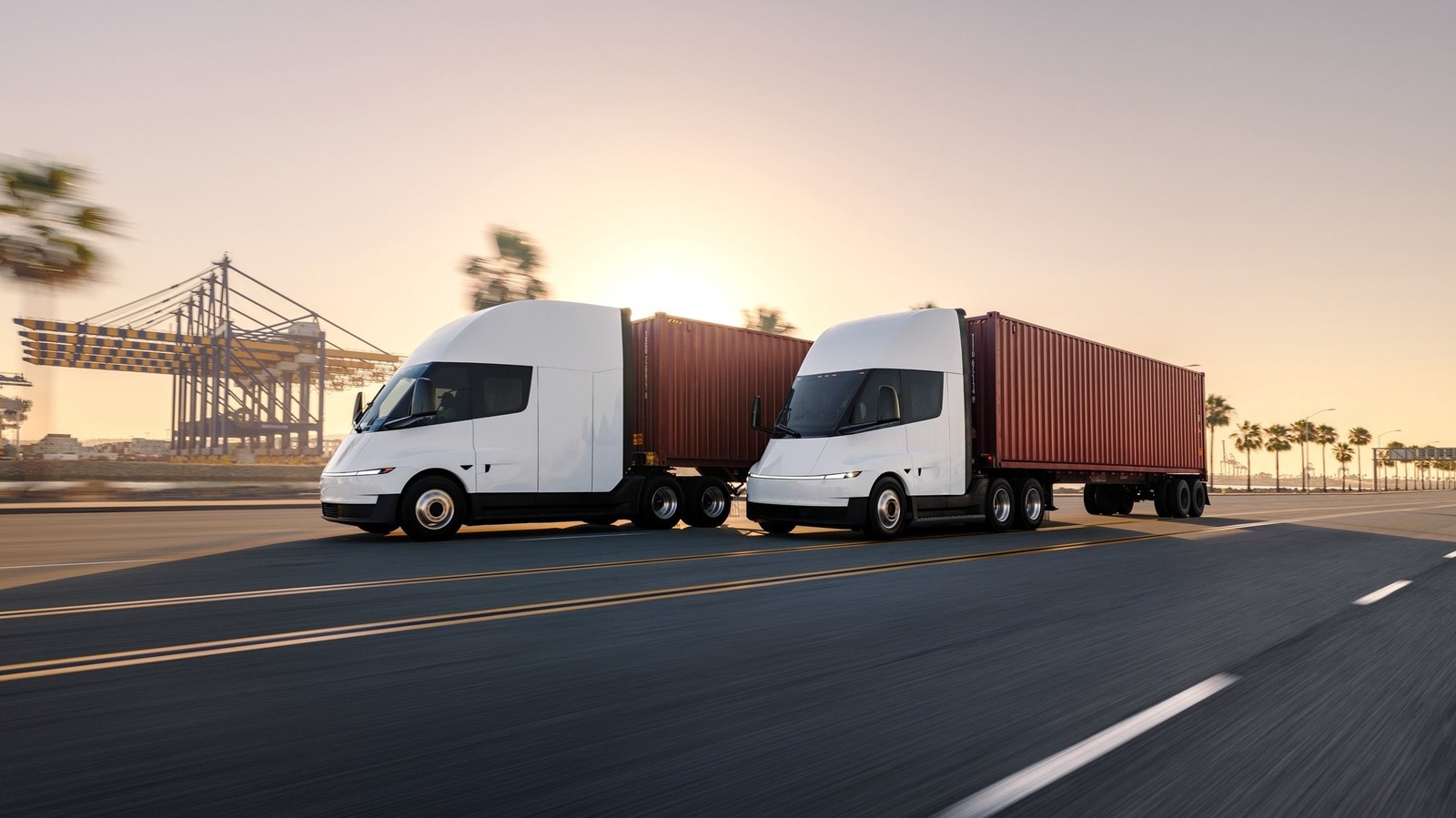
Tesla is finally handing over the first of its all-electric Semi trucks to customers. CEO Elon Musk is known for shaky timelines, but when I attended the Semi reveal event in 2017, I didn’t think it would take nearly a decade. One insider note from reporter Sean O’Kane: “Customers will be able to take delivery of the truck whenever they are ready, though charging infrastructure remains a hurdle.”
Advertisement
Does AI need a learner’s permit? MIT researcher Bryan Reimer, whose work I periodically share here, weighs in.
Volkswagen is reportedly delaying the return of its ID Buzz to the United States. Meanwhile, Volkswagen subsidiary MOIA America has partnered with Beep and is now launching its first passenger services in self-driving ID Buzz vehicles equipped with Mobileye self-driving tech in the Orlando community of Lake Nona. There is still a human operator on board.
One more thing …
We’re a couple of weeks away from Disrupt 2026, TechCrunch’s annual tech conference in San Francisco. I am interviewing Rivian CEO RJ Scaringe onstage October 13, and we have a lot of ground to cover. If you recall, Rivian has some lofty plans for its R2, robotaxis, and automated driving. And then there is Scaringe’s other projects, the spinout Also and Mind Robotics.
If you’re in San Francisco during Disrupt, you should come. And I’m offering you a 30% discount with code mobility30by following this link. There are other interesting talks besides Scaringe, plus dozens of startups to check out. Check out the agenda here, which includes talks with folks from startup Bedrock Robotics, GM, and self-driving trucks company Waabi. Les Karpas, Nvidia’s head of physical AI, and Mark Wahlberg will also be there, among many, many others.
Advertisement
When you purchase through links in our articles, we may earn a small commission. This doesn’t affect our editorial independence.
There aren’t many episodes left of Ted Lasso season 4. In fact, only two more, including this week’s chapter, remain, so there’s not much time left for it to find a match-winning goal.
AFC Richmond Women will have to do so without their star striker Gemma following the potentially serious knee injury she suffered in last week’s entry. Who, if anyone, will step up and try to get the team promoted? We’ll have to wait for this week’s installment to arrive, so read on to find out when it will.
What is the launch time for Ted Lasso season 4 episode 9?
What’s got Keeley and Rebecca looking like this? (Image credit: Apple TV)
Ted Lasso season 4’s penultimate episode should come out in the US and Canada at 6pm PT / 9pm ET on Tuesday, September 29.
Advertisement
Latest Videos FromTechRadar
Publicly, Apple has always stressed that new episodes of its first-party shows premiere every Wednesday at 12am PT in North America. However, every episode of the hit soccer comedy-drama’s latest season has arrived on Tuesday evenings at the times listed above. Barring an unexpected launch date and time change, I’m confident season 4 episode 9 will do likewise.
As for the rest of the world, this week’s entry will air on Apple TV, aka one of the world’s best streaming services, on Wednesday, September 30. Read on to see what time it’ll be released near you:
Advertisement
US — Tuesday, September 29 at 6pm PT / 9pm ET
Canada — Tuesday, September 29 at 6pm PT / 9pm ET
UK — Wednesday, September 30 at 2am BST
India — Wednesday, September 30 at 6:30am IST
Singapore — Wednesday, September 30 at 9am SGT
Australia — Wednesday, September 30 at 11am AEST
New Zealand — Wednesday, September 30 at 1pm NZST
When is the final episode of Ted Lasso season 4 set to come out?
Is Alice cooking up a new, Gemma-less tactic for Richmond Women? (Image credit: Apple TV)
The 10th and final episode of the Apple TV show’s fourth season will kick off on Tuesday, October 6, in North and South America. Meanwhile, viewers on other continents will have to wait until Wednesday, October 7 to catch the series’ latest finale.
Advertisement
What’ll happen in it? Its story will be dictated by what goes down in its predecessor — i.e. season 4 episode 9. So, be sure to tune in to Ted Lasso‘s next chapter to see what it’ll set up ahead of this season’s last hurrah.
Sign up for breaking news, reviews, opinion, top tech deals, and more.
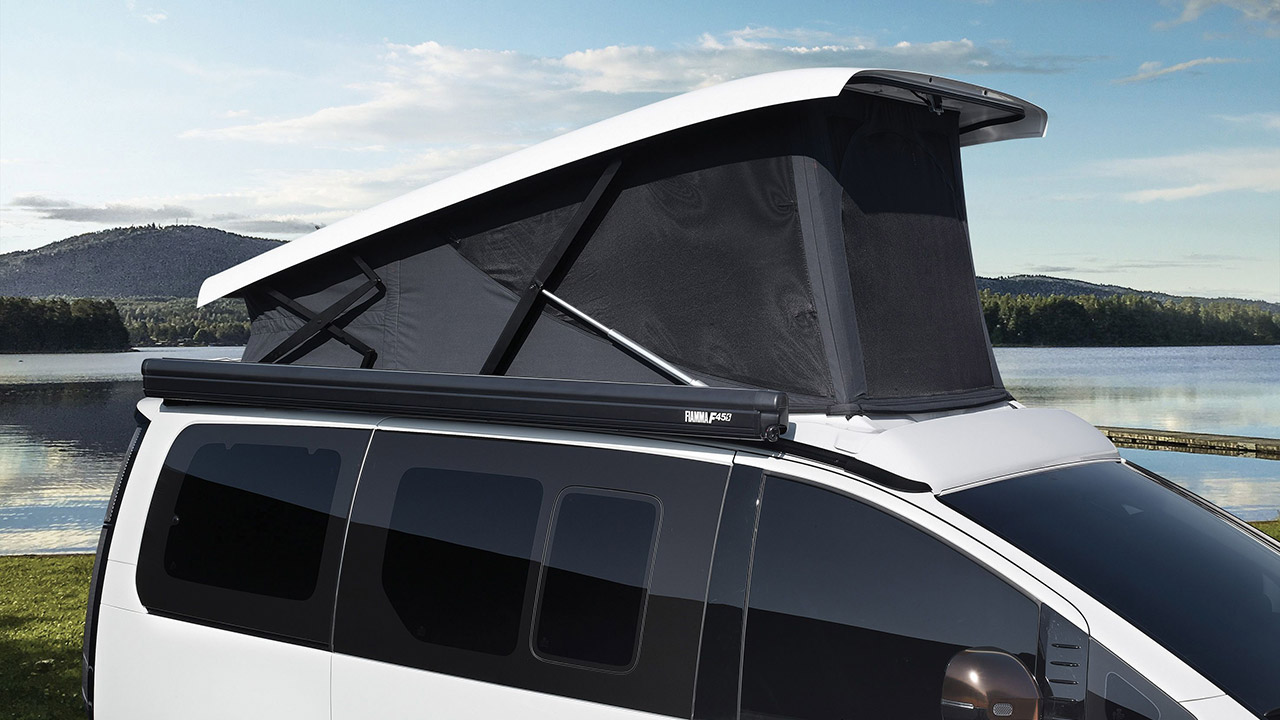
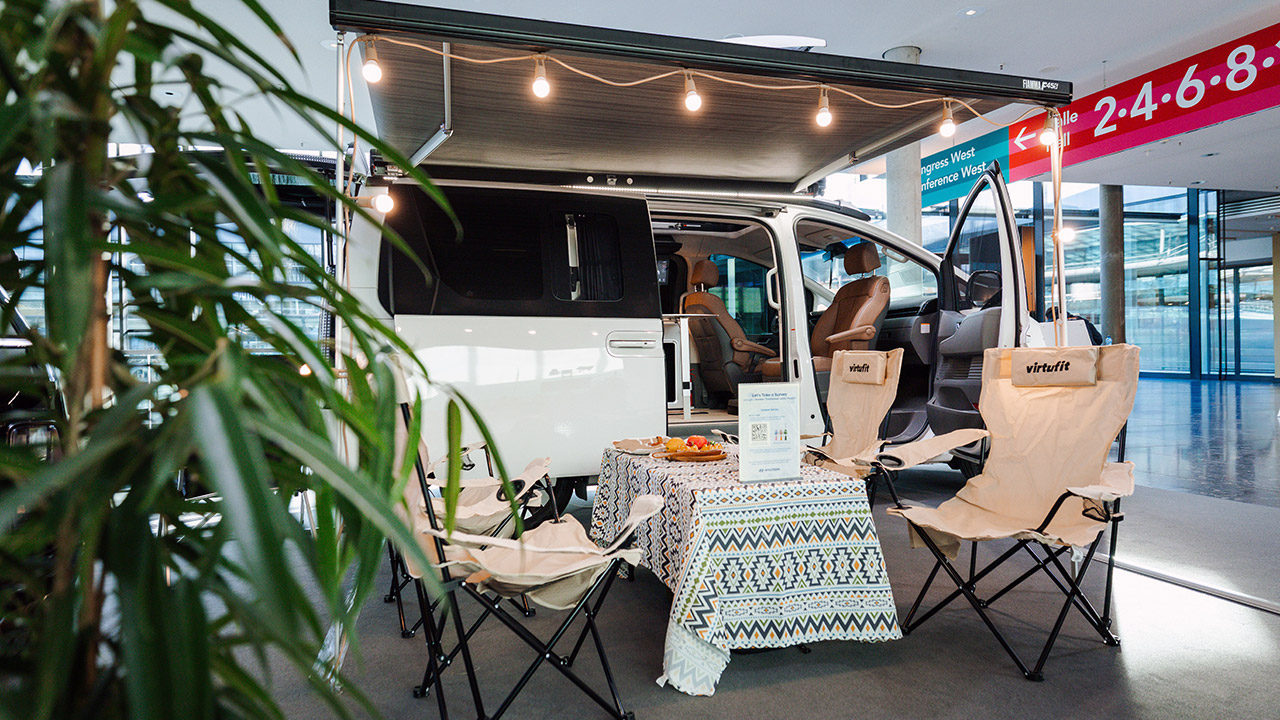
Hyundai rolled the Staria Camper Concept onto the CMT floor in Stuttgart in mid January 2026, only days after the Staria Electric made its Brussels debut. Visitors walked around a finished looking van with a body colored pop up roof, a galley, a shower, and a solar panel built into the lid. Officials called it a study aimed at European campers who want one vehicle for the week and the weekend. Nine months later it remains a concept. Hyundai is still collecting feedback and seeking approval before any factory build, with Europe first in line if the project moves. A recent report also raised the chance of a wider sale later.
The production version of this camper van will use the same hardware as the Staria Electric. This means it will employ an 84 kWh battery, the same 800 volt system as the Ioniq 5, Ioniq 6, and Ioniq 9, and a single 160kW front motor capable of 218PS. Official documentation estimate that the WLTP range is roughly 400km (249 miles) before the increased weight of the camper reduces that amount. The base van received a certified 430km rating in some regions, therefore we’re using the camper figure as a cautious starting point. Fast charging from 10 to 80 percent takes roughly 20 minutes on a good DC station. We might also expect 2,000 kg of braked towing capacity. To manage the extra load, they strengthened the suspension at both ends and added additional sound deadening to keep the highway runs quiet.
[Power 11 Devices] – With a 1024Wh capacity, Elite 100 V2 Solar Generator delivers 1800W AC output (2700W Lifting Power) and 11 ports, ideal for…
[35% Smaller] – Elite 100 V2 weighs 25 lbs and is compact at 17L. The concealed handle makes it easy to carry with one hand, whether working from…
[45-Minute Rapid Charging] – Powered by advanced 1200W TurboBoost AC fast-charging tech, this solar generator reaches 80% charge in roughly…
When you park, simply push a button to lift the fully integrated pop-up roof, which is finished in the same material as the rest of the body. Hyundai designed the lid to make the van as aerodynamic as possible in the air and to reduce wind noise when driving. Once lifted, it provides a great view of the cabin and makes the kitchen much easier to operate. A 520-watt lightweight composite solar panel is installed on the roof. According to Hyundai, this device can recharge up to 2.6kWh a day in just five hours of bright sunlight. That trickle can either charge the traction battery or power the living systems, saving you time searching for a camping hookup.
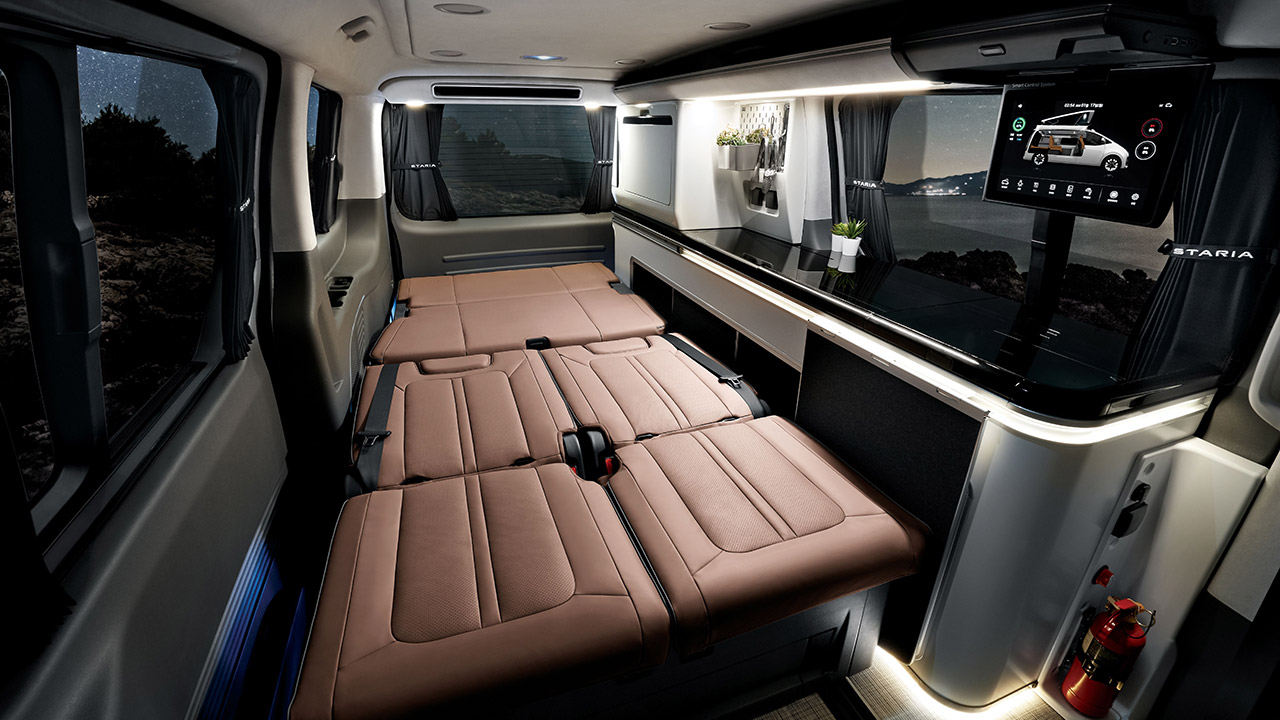
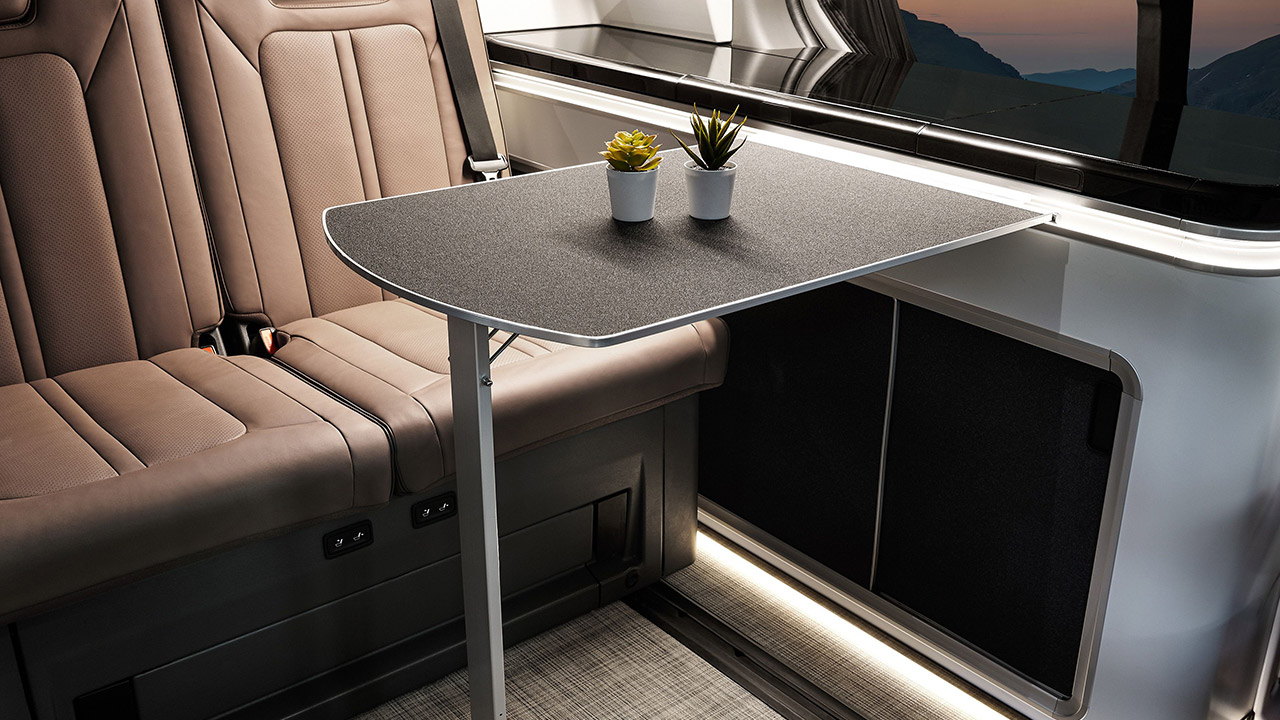
Front captain seats rotate 180 degrees, allowing two individuals to sit facing the rear lounge. With the stroke of a button, the rear seats fold flat to form a bed for two. Some coverage of the show cars revealed other sleeping choices, including floor rails allow you to take seats or bedding out for bikes and gear. In addition, there is a folding camping screen in the galley that stretches from the roof to the seats and rear windows. That glass is smart glass; you can electrically modify how clear or shaded it is from the screen, and it is meant to provide better UV, heat, and noise control than traditional windows. A foldable table may be used inside the van or dragged out the back for outdoor dining, and the display cars had a Fiamma awning on the passenger side and a shore power connection.
Living kit is simple and electric; think of it as no-frills but functional. A 36-liter fridge fits comfortably in the van’s galley. The portable shower gets its power from the battery, which is a very cool function. The climate control in the cabin can be powered by the battery pack or, if you have a roof panel, you can also charge it from there. Staria Electric vans already feature vehicle to load connectors that allow you to operate small appliances from the traction battery, which is very convenient. None of this is a full-on motorhome kitchen; rather, it is a tiny conversion that drives like a standard tall family van most of the time.
In reality, South Korea has already sold a Staria Lounge Camper with identical living quarters, but those home market vans are powered by combustion or hybrid engines and start in the low fifties, depending on specification. Europe might get an electric only version of the camper van if Hyundai decides to go for it though. Back in January, there was some conjecture that it will be ready in late 2026 or possibly 2027, and if a specialist converter like Westfalia gets involved, it is likely to cost around the mid-fifties in pounds if you wind up in the center of the price range. [Source]
The Microsoft co-founder said that the more present danger is bad actors with access to AI tools.
Chip Somodevilla/Getty Images
After several CEOs of leading AI companies have agreed on slowing down the pace of AI development, Bill Gates has offered supporting sentiments and called for more regulation and safeguards. In an interview with NBC News‘ Meet the Press, the Microsoft co-founder said that “it’s completely irresponsible not to require every AI to have these safeguards and monitoring capabilities.” To that end, Anthropic recently tapped Accenture to act as a third-party evaluator for its latest AI models.
As for other approaches to deal with AI’s rapid rate of evolution, California’s governor, Gavin Newsom, proposed a “kill switch” as part of a larger solution. When asked about the kill switch approach to curb AI, Gates said that, “I would never want to say that I’m against a kill switch,” but added that this approach wouldn’t address a more imminent danger. Instead, Gates said the more pressing concern is when bad actors tap into the power of AI to aid with bioterrorism or mass financial fraud incidents.
“The most dangerous thing we’re facing right now is people with bad intent using AI,” Gates said during the interview. “There’s never been a weapon as powerful as the combination of people with ill intent using the latest AI tools.”
Advertisement
When it comes to legislation, Gates supported law enforcement and politicians getting into the conversation of what safeguards and monitoring should be incorporated into AI companies. The former Microsoft exec said that this approach would add some overhead to the industry, but it wouldn’t be cause a “dramatic slowing of what they’re doing.”
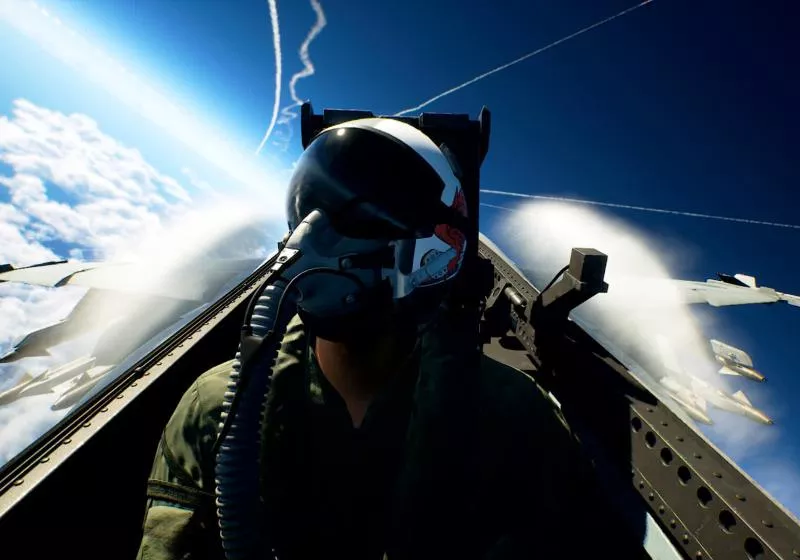
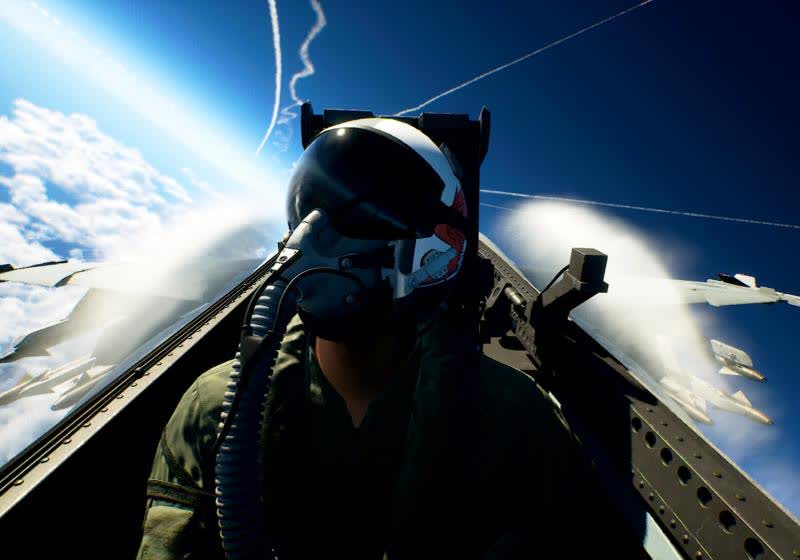
Ace Combat 8: Wings of Theve is earning strong reviews for its thrilling aerial combat, cinematic presentation, and excellent soundtrack. Critics call it one of the series’ best entries. Multiplayer adds 100-player lobbies, but the single-player campaign remains the star.
Considering how important it is for everything from navigation to keeping clocks in sync, satellite navigation systems are surprisingly vulnerable to a variety of attacks, ranging from simple jamming to more sophisticated spoofing attacks. This may be changing, though, as Galileo, Europe’s GNSS, recently demonstrated its first cryptographically-secured position fix under spoofing conditions.
Most GNSS systems, including GPS, have no verification measures to keep an adversary from transmitting a false signal at a higher power and hijacking a receiver; since GNSS signals are extremely weak by the time they reach the ground, this presents no great difficulty to a moderately well-equipped attacker.
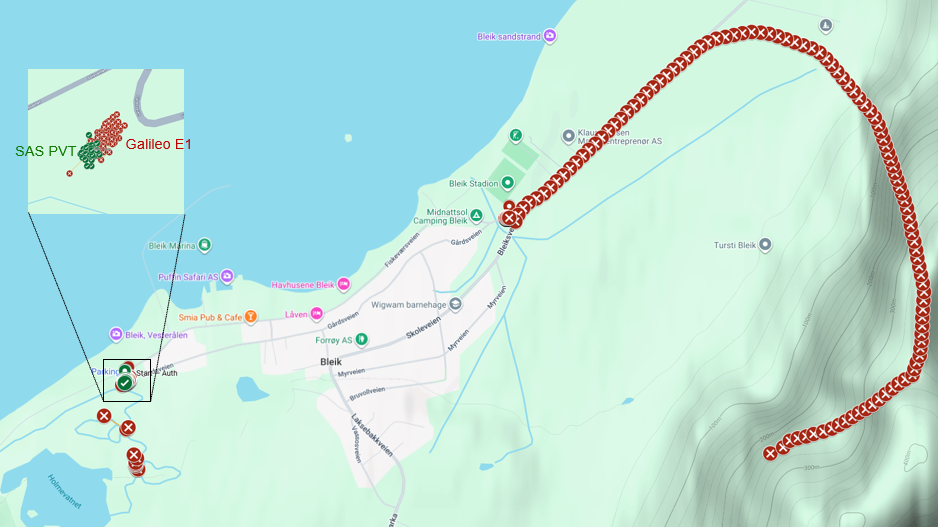
Galileo’s Signal Authentication System (SAS) aims to fix this. The Galileo ground station pre-selects signal spreading codes, which it then encrypts with a regularly-changing secret key and publishes. A receiver which anticipates needing a verified signal can then download these encrypted codes ahead of time and store them. Galileo satellites then transmit on the E6-C pilot signal, and the receiver records the signal. After transmitting a message block, it then transmits the decryption key on a separate signal, which the receiver uses to recover the spreading codes. The receiver then correlates these spreading codes with the recorded signal to find the satellite’s pseudorange.
It’s a rather complicated system, but it works: earlier this month in Andøya, Norway, the annual Jammertest GNSS testing event took place. For one week, a wide range of organizations tested the resilience of their GNSS systems against various attacks, including jamming, delayed retransmission, and spoofing. Using five Galileo satellites, the European Space Agency was able to obtain a stable lock on their receiver even during spoofing.
Advertisement
In principle, this method could be extended to other GNSS systems. There’s certainly motivation to do so; very large-scale attacks have been demonstrated recently.
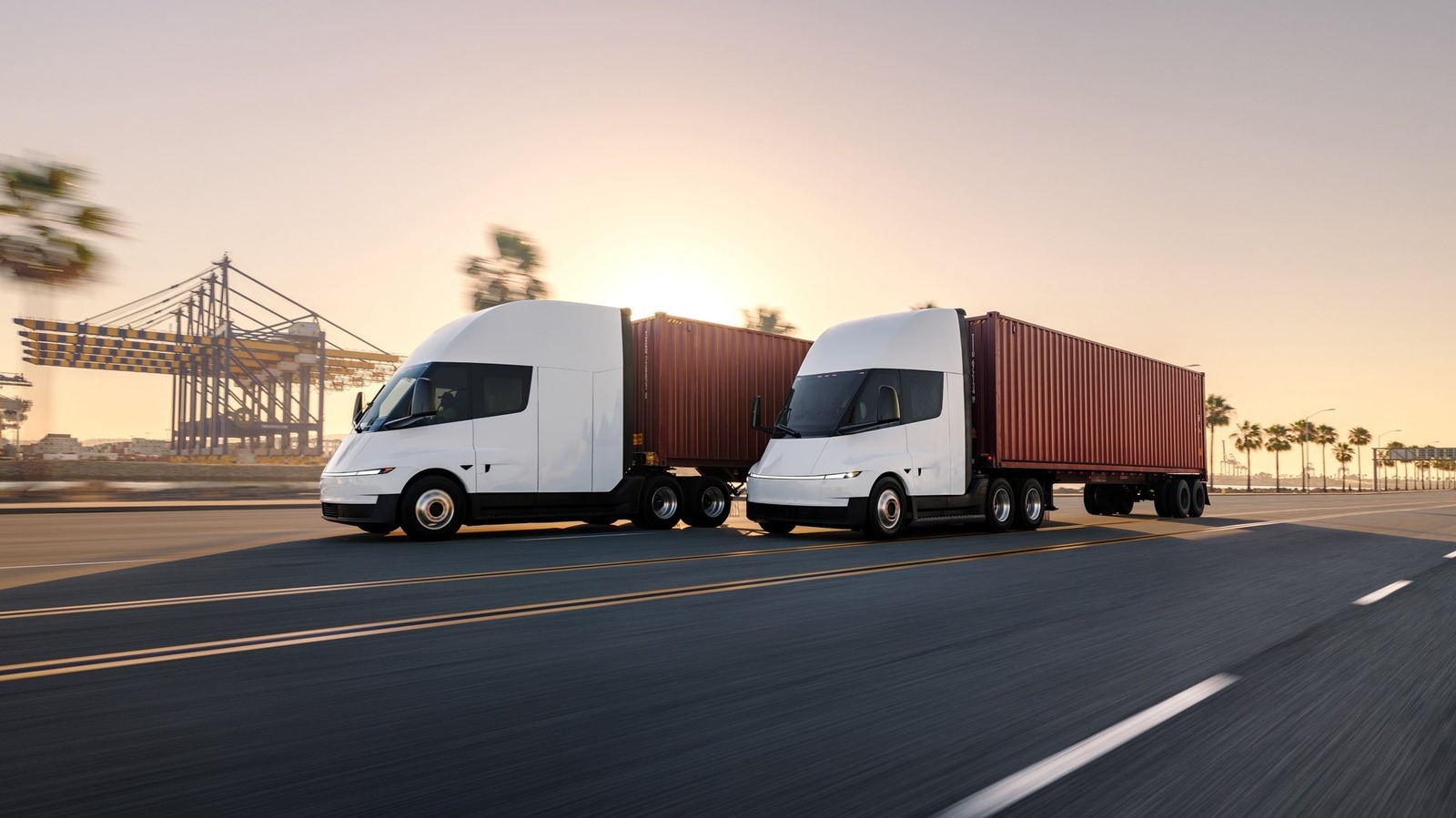
Tesla announced its electric semi-truck back in 2017, but deliveries to its first customers are just about to start nearly a decade later in September 2026. On September 24th, Tesla held a launch event for the Semi at its manufacturing plant in Nevada, where it plans to build 50,000 Semis a year. It may seem like a lofty goal, but Tesla CEO Elon Musk said in a pre-recorded video message that there is already a big waiting list for the Semi. At $290,000 for a Long Range Semi, it’s predicted that Tesla will deliver 15,000 in 2026 at most.
One of those early customers includes Zero-Emission Truck Shipper-Carrier Alliance Leading Electrification (ZET SCALE), a shipper alliance with brands like Microsoft and PepsiCo that reportedly ordered 2,500 of the electric semis — the largest electric Class 8 order ever made in the U.S. Tesla’s announcement made it sound as if it was providing all 2,500 of the trucks, but it’s just the primary supplier along with other brands. The fleet of 2,500 electric trucks will be deployed in Los Angeles, Houston, Dallas, New York, Atlanta, and other freight hubs over the next few years.
Advertisement
Said Dan Priestley, Director for the Tesla Semi Program: “We are proud to have been the primary selection in this RFP and look forward to giving shippers and carriers a new competitive edge.”
Advertisement
Tesla Semi faces delays and big claims ahead of launch
The Semi has a pretty typical history, as far as Tesla goes. Musk announced the vehicle in 2017 and had lofty goals of launching it in 2019, claiming it would be cheap to operate, carry a full load, and reach 500 miles on a single charge. At the time, experts responded that this was nearly impossible to pull off due to technology limitations. Tesla continued to miss various launch dates, eventually shipping some early examples to PepsiCo in 2022. Next year’s launch date was also missed, although brands like Walmart, Costco, and the NFL were given one Semi to test. Those have now been used for over 5 million miles.
If that timeline sounds familiar, it’s likely because the second-generation Roadster was announced in 2017, delayed multiple times, and is finally getting a reveal October 2026. The Cybercab was revealed in 2024, Musk claimed 2 million would be produced a year, and as of 2026, there are only 69 active Cybercabs besting tested in a few cities.
“This is going to be a revolutionary truck that’s capable of carrying the heaviest loads over very far distances,” Musk stated ahead of the launch event. He also added that it will be the “funnest truck to drive” due to its fast acceleration, which echoes previous statements, noting it will get Full Self-Driving in the future. There will be a Standard Range Semi that has 350 miles and a Long Range that gets 500 miles.
Waymo’s self-driving car technology “continues to outperform human benchmarks,” the company claimed this week. “It was involved in 841 fewer injury-causing crashes — an 82% reduction compared to human drivers.”
Electrek reports:
We’ve seen various Waymo crash data before, with Waymo claiming crash reductions. That’s all well and good when the company says it, but we’ve also seen independent data confirming similar (though lower) crash reduction numbers…
Waymo has enough miles that it’s ready to start quoting how many injuries it has prevented, and the number is pretty high. Its newest crash data states that it had operated a total of 271 million driverless miles through June of this year, which is 50 million more miles added in the 3 months since its end-of-March update. Over those miles, Waymo says there was an 82% reduction in crashes that caused injury, and a 95% reduction in crashes that cause “serious injury or worse” [compared to human drivers].
Waymo also says that compared to human drivers it’s reduced injury-causing crashes involving pedestrians by 93%, cyclists by 86%, and motorcyclists by 82%.
Advertisement
Waymo’s analysis comes from San Francisco, Los Angeles, Austin, Atlanta, and Phoenix, and its blog post includes video showing some near-misses where it says its automated system prevented an injury-causing collision.
In this week’s Sunday Reboot, the Apple Watch is better for your health, but maybe the rumored screen-free wearable could be better for your peace of mind.
Sunday Reboot is a weekly column covering some of the lighter stories within the Apple reality distortion field from the past seven days. All to get next week underway with a good first step.
Keeping customers alive with simplification
The September event schedule usually covers the key portable touch points Apple has with its customers. That is, iPhone, AirPods, and the Apple Watch. This year was no different, and for the wearable side, that meant new wrist-mounted models.
There’s a lot to talk about, including things like Audio Intelligence and the privacy implications, as well as Siri‘s overhaul. But health is a big thing here, too.
Advertisement
It is a bit for me too, on a personal note. After attending a funeral earlier in the week, it certainly makes you think about your life and about doing something that stops you from being the perennially overweight guy. But I digress.
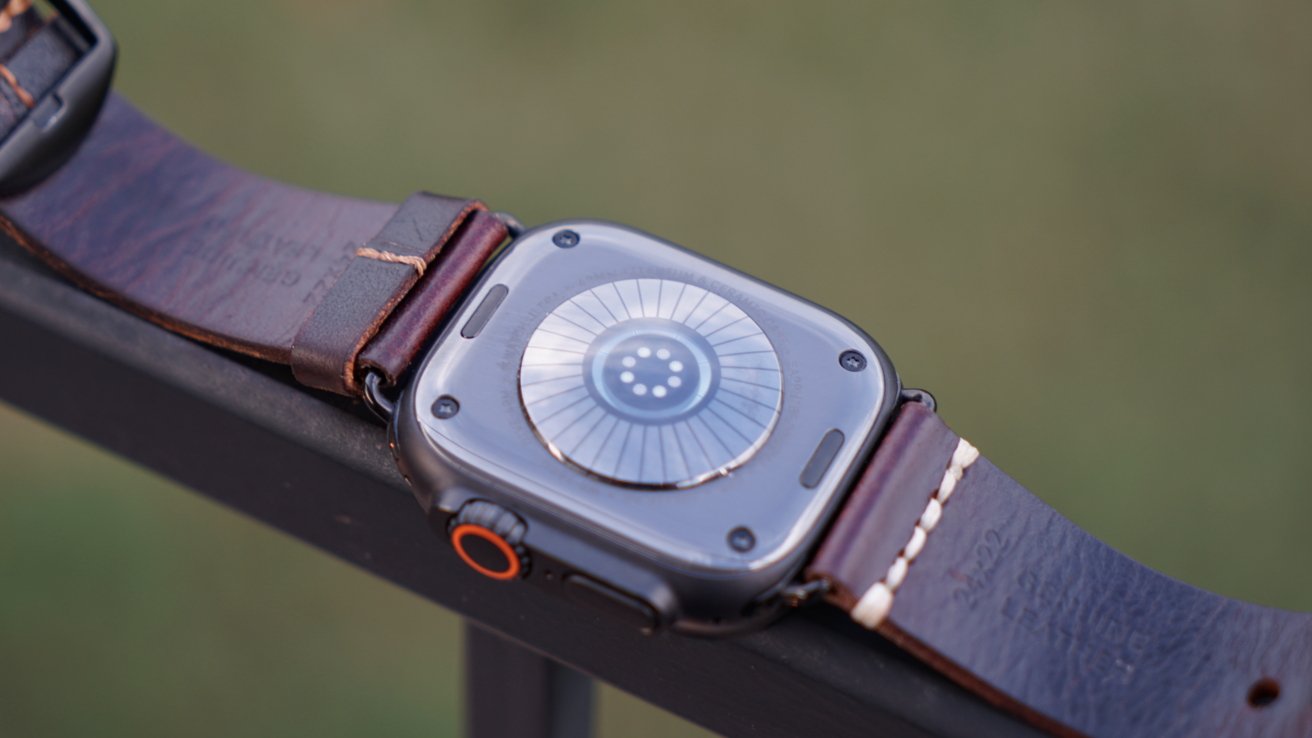
Apple’s added a new health-sensing system with an expanded electrode surface area, more electrodes, and a better photodiode array. It’s now checking your heart every five seconds, so you know how your heart varies throughout the day.
So many electrodes…
The new Readiness score also sounds like a decently simple way to measure your capacity to work out, or quite frankly, to deal with the day ahead. It’s a fairly clear signal to anyone that they need to care more about themselves.
Advertisement
It’s not quite the Apple Watch screaming “Get more sleep!” or “Work out more!” but it’s going to be helpful to some of its audience.
This all plays into Apple’s changes in the Health app on iPhone and iPad, with a greater use of Apple Intelligence. Though I fear many will look at Health Age with some trepidation.
Some people will see Apple Intelligence comparing them to someone five years younger and think they’re extremely fit for their age. Others will see a Health Age that’s added a few too many years, and quietly laugh it off if it’s brought up by anyone.
I fear that if I check that figure out, I’ll face questions from Apple Intelligence asking how I’m not dead yet.
Advertisement
Would you just stop already?
These notifications and metrics also tie into something else that came up this week. There were rumors that Apple was prototyping a new fitness and health tracker.
Specifically, a tracker that isn’t intended to be a mini iPhone on your wrist, but more a collection of sensors that hands off the data to your iPhone. Something similar to trackers like the ones sold by Whoop, which collects data on your activity and nothing else.
You may consider it to be a dumb Apple Watch, and you’re right. It’s not going to provide you with information directly, but that is the point.
I have been a long-time user of the Apple Watch Series 4, specifically the Nike Edition one. As if the swoosh will make me do more exercise.
Advertisement
The Apple Watch Series 4, still working on my wrist. It’s more scuffed now, though.
I have written before about how the Apple Watch is great at data collection, but also that it is also insanely good at nagging you. Every so often, your wrist dings as yet another notification comes in, and you’re too lazy to keep looking at your iPhone for once.
The amount of dings I get every day on my wrist is infuriating at times. On many occasions, I have wanted to punt the Apple Watch through a window because I hear the chime and immediately do Pavlov proud by looking at my wrist.
I have, in recent months, started wearing the Apple Watch with Do Not Disturb enabled. It has certainly helped me become less wound up and more relaxed because I’m able to ignore those wrist pings, but it doesn’t stop me from checking.
Advertisement
This is a problem that Apple has partially solved. With the introduction of the fitness tracking capability in the Beats Powerbeats Pro 2, it does mean I can do some workouts and exercise without the Apple Watch at all.
However, if I want to check my health from throughout the day, that’s not an option. I still have to stick with the Apple Watch and live with the potential auditory distraction.
At least the Whoop-like tracker will be there for keeping tabs on my day.
It’ll still be silently judging me, but that’s the point.
Advertisement
Last week’s Sunday Reboot discussed the Battersea Power Station Apple Store, and how it should be a more-used design in Apple’s retail landscape
What just happened? It appears that Russia has followed in Iran’s footsteps and decided to target data centers in its hostilities. A Russian drone hit a business centre in the Ukrainian capital Kyiv on Friday, killing four people and damaging a data center, which Russia later confirmed had been a target.
The September 25 attack struck Kyiv’s Solomianskyi district. Mayor Vitali Klitschko said seven people were injured, including a child, while three of those killed were found in a parking lot outside the building. The blast damaged the facade and shattered windows.
The facility belonged to Ukrainian telecommunications company Datagroup. It said none of its employees were injured and customer data remained safe. Services continued operating from backup sites, with specialists assessing the damage and working to restore the infrastructure.
“All this affects people’s ability to stay connected, study, work,” said Ukraine President Volodymyr Zelensky in a social media post. He also wrote, “The Russians are constantly expanding their escalation operation: American and other businesses, data centers, internet providers – for Russia, all ordinary life is simply a target. It is important that the world responds to all of this and that Russia feels the response to its terror.”
Advertisement
Russia’s defence ministry acknowledged the strike, claiming the data center processed and transmitted intelligence for Ukraine’s armed forces. Moscow also claimed attacks on facilities operated by New Telco, United DC, Kyivstar, and Parkovyi earlier in the week.
Ukraine’s digital transformation ministry said around 100,000 households in Kyiv and the surrounding region experienced internet problems following Wednesday’s attack, which damaged infrastructure belonging to providers Pavutyna and UTELS.
Some companies are already moving data from damaged servers to facilities outside Ukraine, according to the BBC, helping businesses keep their digital infrastructure beyond the reach of Russian strikes.
Losing connectivity in a war zone is obviously more serious than being unable to stream Netflix. Foreign Minister Andrii Sybiha said the strikes disrupted access to mobile air raid warnings. Banks, online payments, businesses, and government services also depend on the infrastructure now coming under attack.
Advertisement
There is some reassurance, however. The Institute for the Study of War’s September 25 assessment cited Ukrainian officials reporting no indications of damage to military or state communications. Providers also said Ukraine’s extensive, distributed networks make a complete internet shutdown unlikely, although repairs could push up customers’ bills.
Data centers are becoming a common target in conflicts. It was reported earlier this month that Iran’s attacks on Amazon’s Middle Eastern infrastructure left AWS unable to recover resources and data hosted exclusively in its Bahrain region. Resources in one UAE availability zone were also destroyed. Datagroup’s backups appear to have prevented a similar data-loss disaster in Ukraine.
Back in July, Iran claimed it had destroyed Amazon’s main data hub in Bahrain with cruise missiles. Tehran had also threatened the Stargate AI data center in Abu Dhabi, backed by OpenAI and Nvidia.

































































You must be logged in to post a comment Login