
Security teams log 54% of successful attacks and alert on just 14%. The rest move through your environment unseen.
The Picus whitepaper shows how breach and attack simulation tests your SIEM and EDR rules so threats stop slipping by detection.


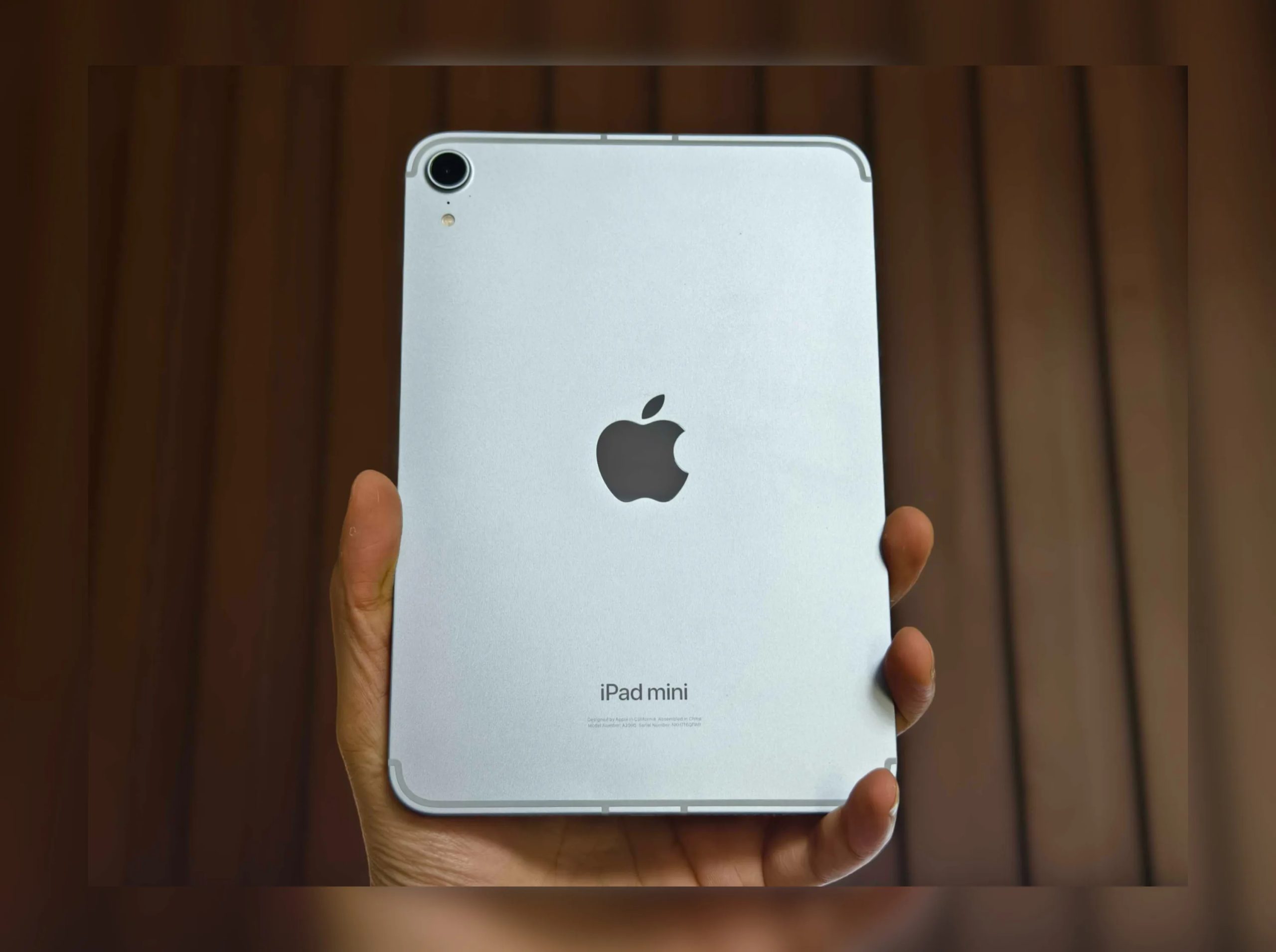
If you’ve been holding off on buying an iPad mini because you were hoping Apple’s first OLED model would finally get a smoother display, you may want to temper your expectations.
A new rumor from Korean leaker yeux1122 claims the upcoming OLED iPad mini will still use a 60Hz display, despite making the jump from LCD to OLED. That’s a bit surprising, especially since many fans expected Apple to pair the long-awaited OLED upgrade with a higher refresh rate. For everyday tasks like reading, streaming Netflix, or browsing the web, 60Hz is perfectly usable. But once you’ve spent time with a 120Hz display, whether it’s on a flagship Android phone or an iPad Pro, it’s hard to ignore the difference. Scrolling feels noticeably smoother, animations are more fluid, and even simple interactions like swiping through apps feel snappier.
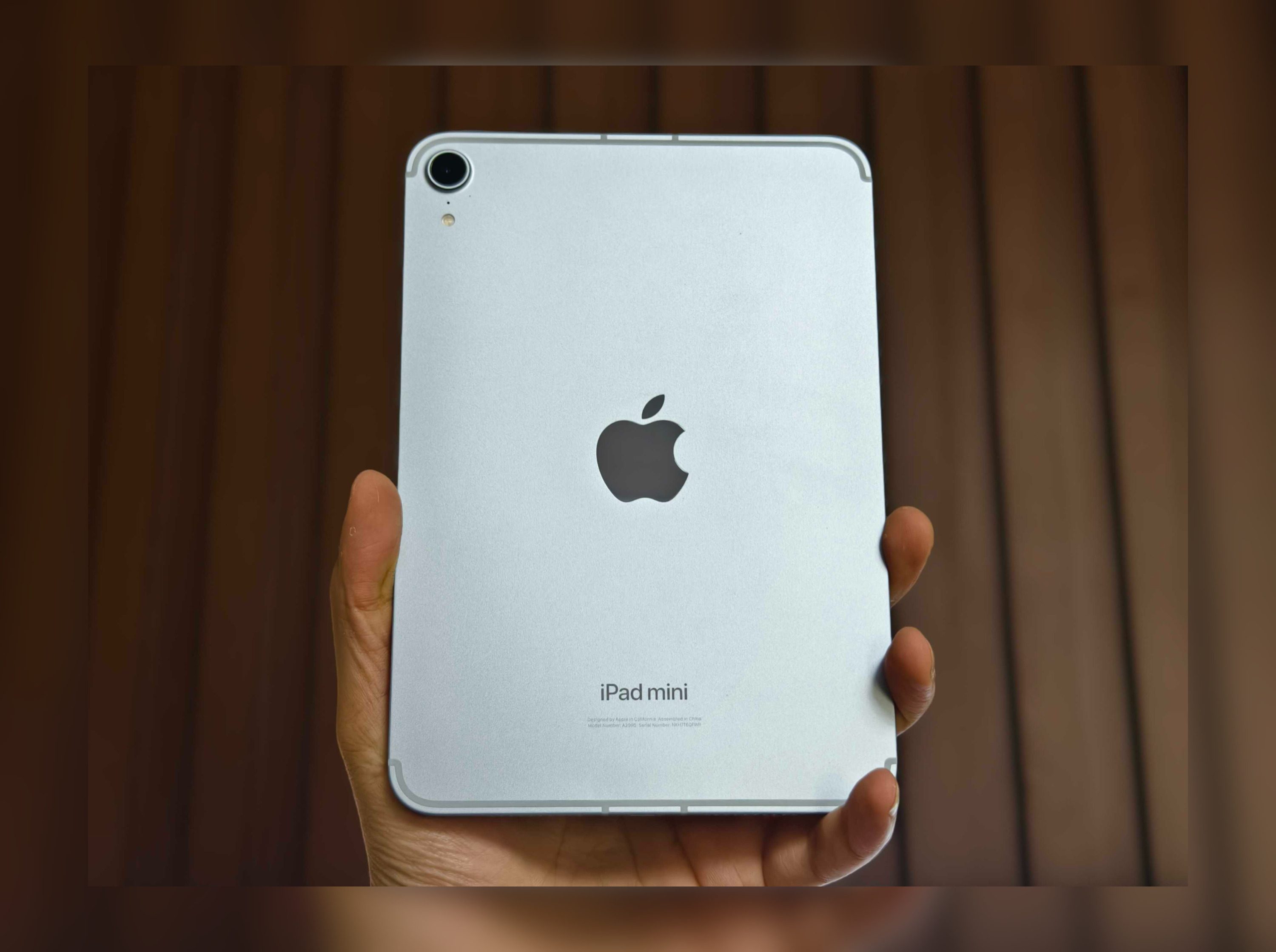
According to the leak, Apple is reportedly using an LTPS OLED panel rather than the more advanced LTPO OLED technology found in the iPad Pro lineup. The distinction matters because LTPO displays can intelligently vary their refresh rate up to 120Hz, helping them deliver smoother visuals while also saving battery life. LTPS panels, on the other hand, generally stick to a fixed refresh rate, and in this case, that would reportedly be 60Hz.
That doesn’t mean the new iPad mini wouldn’t be an upgrade. Moving from LCD to OLED should still bring deeper blacks, punchier colors, better contrast, and improved power efficiency. Movies would look more vibrant, and dark mode should finally appear truly black instead of dark gray. Still, a 60Hz OLED panel could leave some buyers scratching their heads. Apple has gradually expanded high-refresh-rate displays across more of its product lineup, so many expected the next iPad mini to follow suit. Then again, Apple has shown it’s still comfortable shipping premium-looking devices with 60Hz screens when it wants to keep costs under control, making this rumor believable enough.
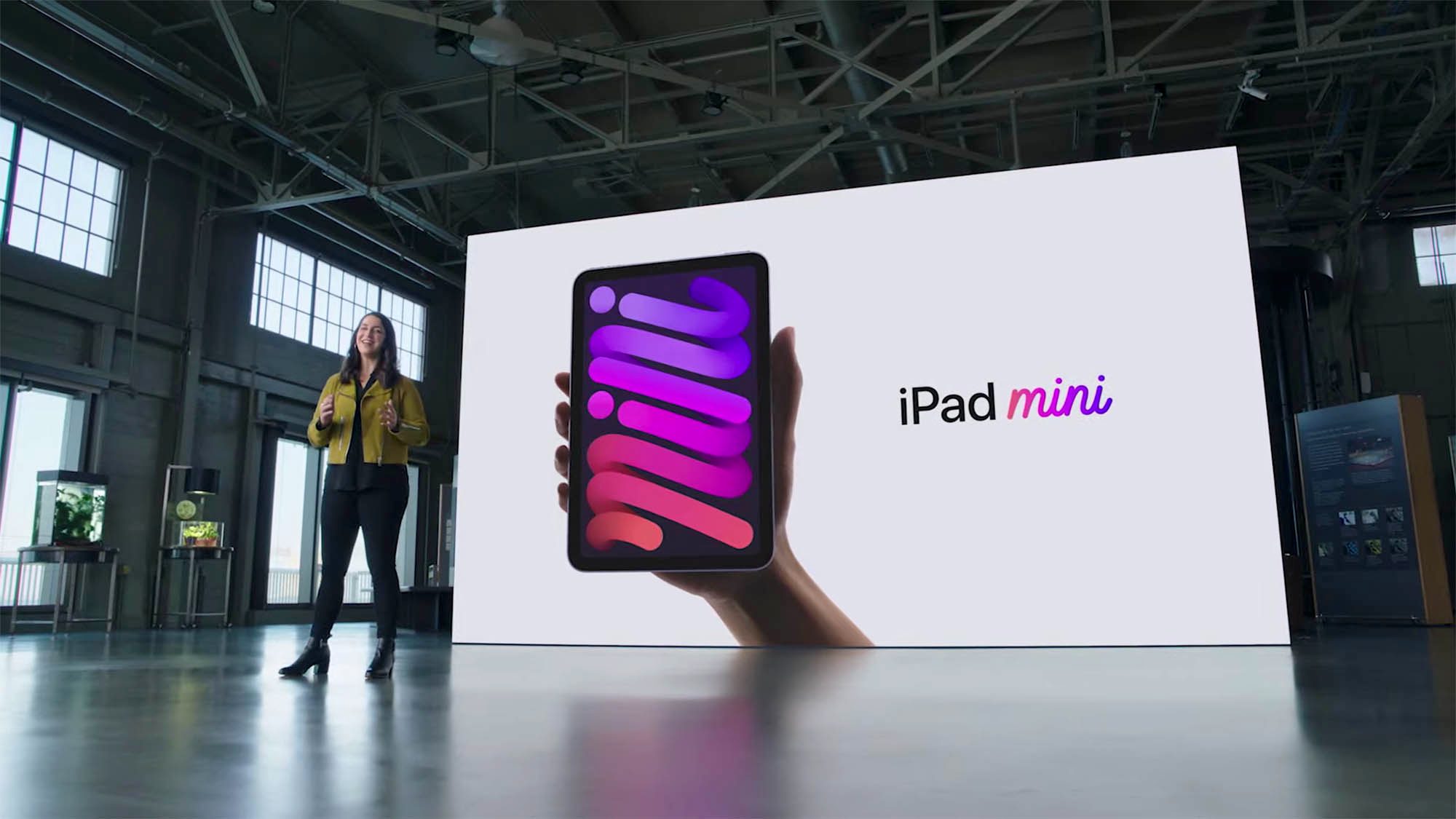
The good news is that this leak isn’t set in stone. So, even if mass production has begun, it doesn’t necessarily confirm which display technology Apple has ultimately chosen. Recent reports from Korea suggest the OLED iPad mini is on track for a late 2026 launch, though Apple hasn’t officially confirmed anything yet. If the rumors prove accurate, the biggest upgrade may simply be OLED itself rather than the smoother 120Hz experience many fans were hoping for.

ISA Matters: Valve developers have been working hard to finalize the software stack for the upcoming Steam Frame. Despite using an Arm-based processor, the VR headset is expected to support both PC and Android games thanks to a complex compatibility layer.
Valve recently updated the Steam pages for Lepton and FEX, two tools designed to improve compatibility between the popular PC gaming platform and Arm-based devices. The tools are expected to play a major role in turning the upcoming Steam Frame into a “real” gaming headset from the get-go.
Lepton and FEX still lack public store pages on Steam, but their update histories can be viewed through SteamDB’s archive. The first hints about Lepton appeared online in 2025, suggesting that Valve was embarking on yet another major compatibility project. Just as Proton acts as a compatibility layer for Windows games on Linux using Wine, Lepton is expected to leverage the container-based Waydroid system to run Android apps on a full Linux distribution.
– Brad Lynch (@SadlyItsBradley) August 1, 2026
Meanwhile, FEX is an emulator designed to translate API calls and recompile code from x86 applications into native implementations for the Arm64 instruction set architecture (ISA). The emulator is designed to reduce emulation overhead and improve performance, and it can already offer “broad” compatibility with both 32-bit and 64-bit x86 binary applications – i.e., games.
FEX was previously advertised as a compatibility tool that could be used alongside Wine/Proton to play Windows games on Arm devices. With Valve taking part in the project, the emulator could quickly gain traction, just as Proton has become a major player and software product in the Linux gaming market.

Lepton, Proton, and FEX are expected to handle game compatibility within the Steam Frame ecosystem. The upcoming VR headset is based on a Snapdragon 8 Gen 3 Arm64 SoC and a SteamOS build based on the Arch Linux distribution. Valve is also known for providing financial support to the Arch project.
Steam Frame’s compatibility setup should work something like this: Lepton will handle Android games in its container-based system, while FEX will translate x86-64 native code to Arm. Finally, Proton will run Windows-based software on the Arm architecture.
Earlier this year, Valve announced that the headset’s final release date had been delayed due to the memory shortage crisis caused by AI data center overprovisioning. Now that two major pieces of the device’s software stack are finally showing their “faces” in public, the actual launch date for Steam Frame should not be too far away.
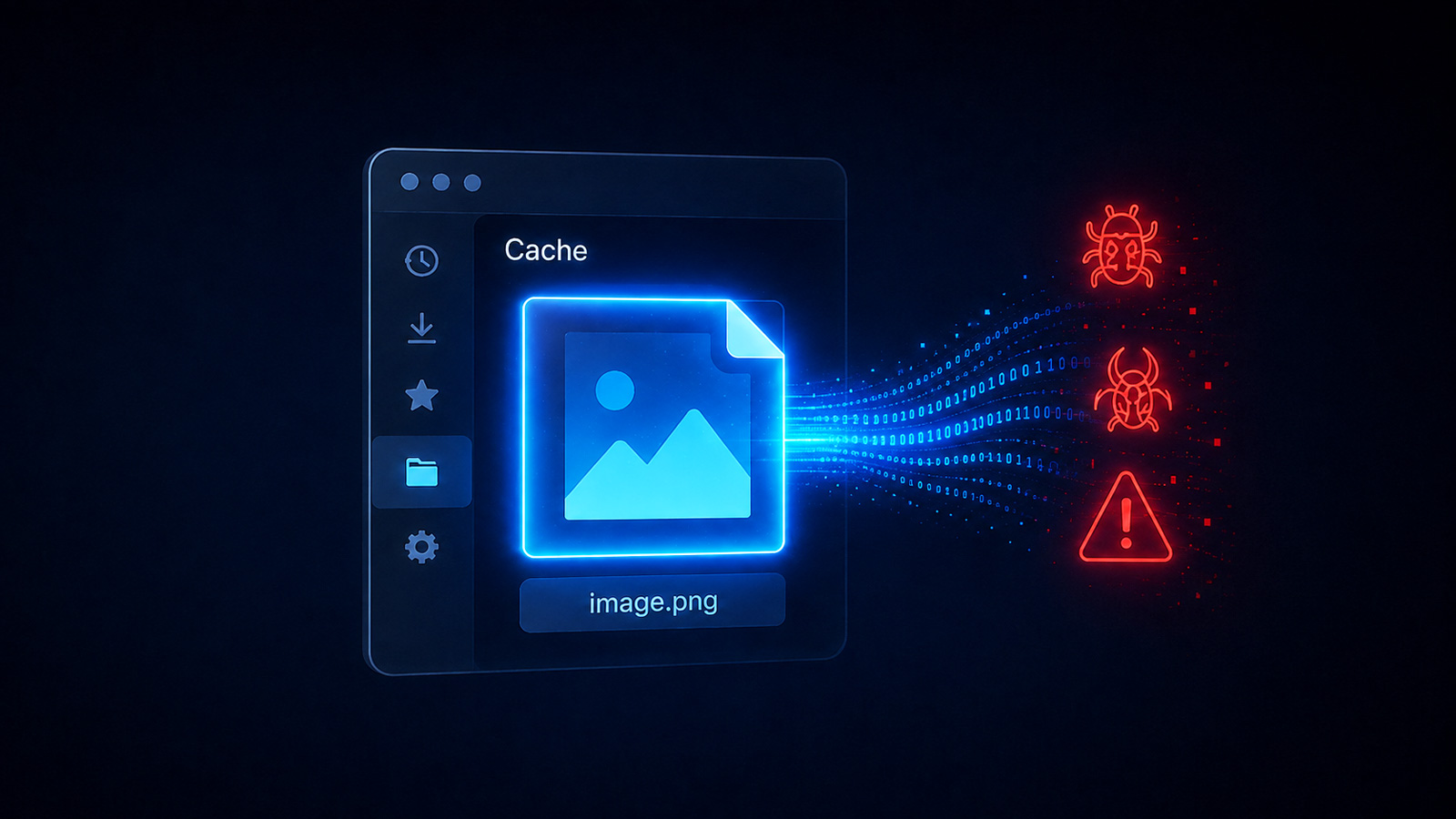
A new Russian loader-as-a-service named DOUBLECUP uses ClickFix attacks to hide malicious code in PNG images cached by victims’ browsers, ultimately delivering CountLoader to Windows and macOS devices and a new remote access trojan named DeviceManager to Windows systems.
SOCRadar’s Threat Research Unit says DOUBLECUP has operated since early June 2026, providing customers with licenses and a Go-based Windows tool for creating malicious campaigns and generating the code operators add to their websites.
The service handles much of the infrastructure required to conduct the attacks, including hosting the steganographic PNG images, managing session and signal endpoints, providing encryption keys, and automatically rebuilding payloads.

DOUBLECUP customers are responsible for creating and hosting the websites used to display the ClickFix prompts, adding the generated frontend code, and implementing any additional obfuscation or anti-analysis measures.
SOCRadar discovered DOUBLECUP while investigating an open directory at 213[.]139.77[.]109:9090 that contained test files. The same IP address was later identified as hosting the service’s licensing panel.
To launch an attack, a DOUBLECUP customer uses the Go-based Windows application to configure the campaign’s domain, URL path, steganography method, embed type, execution action, and payload locations.
This generates an API configuration endpoint that returns the steganographic image URL and file size, session endpoint, and commands customized for Chrome, Edge, Firefox, Brave, and Opera.
Operators then add DOUBLECUP’s code to their ClickFix sites, which retrieves the configuration, preloads the steganographic image into the victim’s browser cache, registers the session, selects the command matching the victim’s browser, and copies it to the clipboard when the page is opened.
In a new report, SOCRadar says it observed DOUBLECUP ClickFix campaigns using fake CAPTCHA prompts on login pages impersonating NetSuite, Odoo, HubSpot, and Salesforce, with the malicious code loaded through embedded iframes.
When a victim visits one of these sites, DOUBLECUP registers the session, determines the victim’s public IP address, and forces the browser to download and cache a malicious PNG image.
The page then displays fake CAPTCHA-style instructions that attempt to convince visitors to paste and run a command automatically copied to their clipboard.
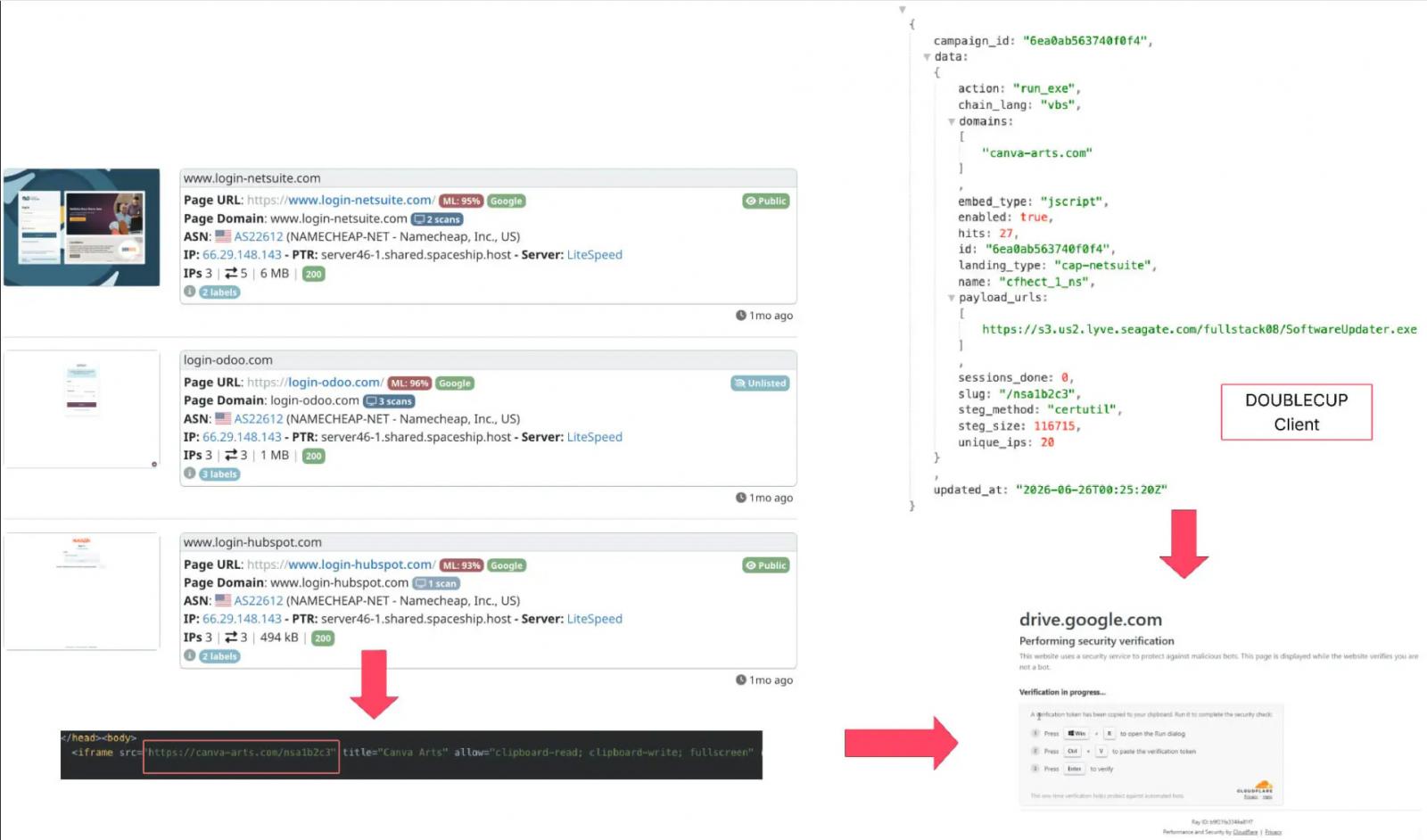
Once executed, the command searches the browser cache for the PNG based on its exact file size and uses the findstr or certutil commands to recover and execute the hidden first-stage payload inside the image.
The first payload launches a fileless second-stage dropper, which retrieves the victim’s public IPv4 address and uses it to create a decryption key for the final encrypted payload.
After verifying the decrypted payload against a hardcoded SHA-256 hash, the dropper executes it in memory. SOCRadar says the final payloads are CountLoader and a new DeviceManager RAT.
SOCRadar identified two malware families delivered through DOUBLECUP, which are an updated version of CountLoader that targets Windows and macOS and what is believed to be a previously undocumented DeviceManager RAT.
CountLoader is used to harvest information about infected systems, checks for cryptocurrency wallet applications and browser extensions, determines whether Signal Desktop is installed, and establishes persistence through scheduled tasks.
CountLoader can also download and execute files, including MSI packages, PowerShell modules, and DLLs.
SOCRadar also recovered a macOS version compiled for Intel and Apple Silicon devices, which installs a LaunchAgent for persistence and uses built-in utilities such as curl, sw_vers, system_profiler, and ioreg to communicate with attacker-controlled servers.
DOUBLECUP was also seen delivering the DeviceManager malware, a modular Python-based Windows RAT that uses blockchain smart contracts to determine the IP address of its command-and-control server.
In countries not part of the Commonwealth of Independent States (CIS), DeviceManager collects the machine GUID, disk identifier, user SID, hostname, username, operating system version, architecture, installed antivirus software, and domain information.
The malware uses a technique known as EtherHiding to retrieve its current C2 address from an Ethereum or Polygon smart contract, which makes it more resistant to disruption attempts.
The RAT uses DNS A and TXT records to steal system information, retrieve commands to execute, download payloads, and send command output back to the attackers.
This is not the first time ClickFix attacks have used steganography, as Huntress previously documented campaigns that concealed LummaC2 and Rhadamanthys payloads within the pixel data of PNG images.

Security teams log 54% of successful attacks and alert on just 14%. The rest move through your environment unseen.
The Picus whitepaper shows how breach and attack simulation tests your SIEM and EDR rules so threats stop slipping by detection.
AirPods could soon add a new way to help Siri understand what’s happening around you, and it may arrive sooner than expected. According to a report published Sunday by Bloomberg‘s Mark Gurman, Apple could release camera-equipped AirPods later this year. That’s earlier than previous reports of a 2027 launch.
The prediction is based on code found in the iOS 27 beta releases, which are early test versions of the software, that reference a device called B790. This device is reportedly a version of another camera-equipped AirPods device code-named B798, and B790 is supposedly further along in development than its counterpart.
Since it’s already August, that means we could see camera-equipped AirPods in the next few months.
An Apple representative didn’t immediately respond to a request for comment.
Bloomberg reported in June that camera-equipped AirPods are meant to be Apple’s first AI-focused wearable product. Rather than capturing photos or videos, the cameras would function as visual sensors, giving Siri more context about what’s happening around the user. The AirPod cameras would analyze images and provide you with context based on what they see.
There are still plenty of unanswered questions about the device.
AirPods have long been prized for their compact, lightweight design, so adding cameras could make the earbuds noticeably bulkier. If they become too large, will they stay secure during activities like running or workouts?
There’s also the question of how the cameras will work in practice. Will users need to point their heads in a specific direction for the cameras to capture what Siri needs to see, or will Apple use wide-angle or panoramic cameras that can recognize a user’s surroundings regardless of head position? The latter would likely provide a much smoother experience, while the former could make the feature feel awkward and unintuitive.
If the cameras aren’t panoramic, will users be able to view what the AirPods see on another device, such as an iPhone? The feature also raises questions about whether a companion device with a display will be necessary. Without a screen, it may be difficult for wearers to confirm exactly what the cameras are seeing.
Privacy is another question Apple will likely have to address. Wearable devices with built-in cameras, including Meta’s smart glasses, have drawn criticism over concerns that people could be photographed or recorded without their knowledge or consent. While camera-equipped AirPods would differ from smart glasses, they could face similar scrutiny because they also place cameras on a device that’s worn throughout the day. How Apple plans to address those privacy concerns remains unclear.
Price is another unanswered question. The AirPods 4, Apple’s compact wireless earbuds, start at $129, while the AirPods Max, the company’s over-ear headphones, sell for $549. Depending on how much the camera hardware changes the AirPods design, a new camera-equipped model could end up costing as much as — or even more than — the AirPods Max.
If Apple does release camera-equipped AirPods later this year, a September launch would be the most likely scenario. The company has historically used its fall iPhone events to introduce major AirPods updates, including the AirPods 4 in 2024 and AirPods Pro updates in 2025. However, Apple has also announced audio products outside its September events, so a different launch window remains possible.
For more Apple news, here’s what to know about iOS 27 and everything announced at Apple’s Worldwide Developers Conference in June.


Hail to the Chief. Our country is being run by paranoid conspiracy theorist megalomaniac who openly wishes to kick-start America’s first autocracy. Nothing that goes wrong is ever the president’s fault. It’s always the fault of officials with insufficient loyalty or the criminal acts of people out to get him.
Trump decided the Lincoln Reflecting Pool needed a makeover. Not because it had several long-term issues that had been inadequately addressed over the years but because Trump wanted to make it look more Trump-y. That meant draining the entire thing to apply a layer of “American flag blue,” a hue Trump made up on the spot to demonstrate he was more American than any American who had come before him.
Rather than turn this over to the people best qualified to do the job via a bidding/vetting process, Trump handed out a no-bid contract to an entity that called Mar-a-Lago home and whose owner had thrown some money Trump’s way in the past. The company hired to do this is headed by a long-term Trump donor and sports a name that would become eerily prescient once it was through botching the job: Greenwater Solutions.
Shortly after the refurb, the water in the pool turned a bright shade of green, due to the wholly expected explosion of algae, thanks to the conditions created by the pool shutdown/startup and vastly encouraged by the “American flag blue” now coating the bottom of the reflecting pool.
Shortly after that, the pool sealant began floating to the surface, prompting curious visitors to grab chunks of the “American flag blue” material that bubbled up as Interior Department personnel tried to beat science at its own game by flooding the “Greenwater Green” pool with hydrogen peroxide.
Trump then claimed — without facts in evidence — that the green tint and floating sealant were the actions of vandals, presumably related to the antifa or whatever. In the space of a single press conference, Trump turned a 150-foot flaw in the sealant into a 350-foot “gash” that could only have been created by anti-Trump vandals.
Then the arrests began. US Attorney Jeanine Pirro promised to punish anyone caught “vandalizing” the pool to the full effect of the law. Department of Interior boss Doug Burgum mindlessly repeated Trump’s wild speculation, claiming he too was in possession of “evidence” of criminal pool fuckery. Trump continued to do what Trump always does: engage in stream-of-consciousness responses when asked to provide proof of his accusations.
Former US Olympics team member David Hearn was the first to be officially indicted for daring to touch pieces of the broken pool. That case fell apart almost immediately. First, the government’s own witness testified during the grand jury proceedings that anything Hearn grabbed from the pool was the result of defective workmanship, rather than evidence of malicious vandalism.
This prompted Hearn’s legal team to demand transcripts of the grand jury proceedings. After all, if the unnamed government employee had testified that the pool would have been falling apart with or without Hearn’s brief interaction, the resulting indictment meant government prosecutors seemingly ignored the fact that it takes at least $1,000 of damage to support a federal vandalism charge.
Well, it’s all over now, at least in terms of prosecution. (The government will likely be contending with a civil rights lawsuit in the near future.) None other than lead prosecutor Jeanine Pirro has admitted there’s no basis for the criminal charges against Hearn.
Not only that, but the DOJ’s dismissal [PDF] specifically calls out the botched pool repair job performed by another one of Trump’s no-bid buddies (Greenwater Solutions did the filtration/drainage, while Atlantic Industrial Coatings redid the pool surface). It does this as it seeks to purge itself of any blame for pursuing yet another transparently vindictive prosecution to appease the president.
[I]t was not until after the return of the indictment, that the DOI provided additional documents to the USAO-DC indicating that damage to the Lincoln Memorial Reflecting Pool in June 2026 was the result of flawed installation by the contractor, Atlantic Industrial Coatings (“AIC”), and the rush to complete the project prior to events associated with the America 250 celebration in the weeks surrounding Independence Day 2026. It was not until after these documents were produced that USAO-DC first became aware of information showing that the damage was the result of a botched installation and not vandalism as initially represented by DOI. Indeed, USAO DC could only rely (on the information provided by DOI that the damage was entirely caused by vandals, including the defendant in this case, David Hearn…
This is US Attorney Jeanine Pirro throwing the Interior Department under the bus in hopes of saving her job. That’s not going to work.
First of all, even after this filing Trump still insists the damage was due to vandalism, despite all evidence on the record showing otherwise.

That’s Donald Trump “truthing” the untruth:
I disagree 100% with Jeanine Pirro, the U.S. Attorney for the District of Columbia, on the Reflecting Pool. I don’t know what she was thinking? To me, it was a pure case of VANDALISM, that included the grass, which had a big 86 47 emblazoned in giant letters on it, and other elements of the surrounding area. There may have been some contractor difficulty, but the major damage was caused by VANDALS! President DJT
Nothing to see here, just the President of the United States insisting that his made up fantasy, that no one ever believed was true, is true in the face of a filing from his own hand-picked attorneys at the Justice Department. One would think that the president accusing a US Attorney of lying to a federal court would be a big deal, except everyone let’s it pass because they know he’s full of shit.
The same goes for Doug Burgum, the current Interior Secretary, who similarly insists this is vandalism despite evidence to the contrary, much of it produced by his own agency.

That’s Burgum tweeting:
The evidence is clear, vandals have repeatedly caused damage to the Reflecting Pool. Some of these acts were even caught on camera. We also provided the U.S. Attorney’s office expert and eyewitness testimony to the damage done by vandals and provided every piece of evidence they asked for in the requested time line detailing each area of damage at the pool.
The Reflecting Pool is part of the Lincoln Memorial and dates back to 1922.
@POTUS cares deeply about protecting our sacred national monuments and his leadership has led the restoration of our Nation’s Capital by Making D.C. Safe and Beautiful Again.
Intentional damage done to the Reflecting Pool is no different than defacing any one of our other national monuments.
We won’t back down to deranged people who want to destroy, deface, or degrade our monuments.
So the US Attorney is saying that the Interior Department provided the DOJ with evidence that it was the shoddy workmanship of Trump’s hand-picked contractors. And the Secretary of the Interior makes a public statement saying that’s false?
This administration can’t get its story straight, and that’s going to come back to haunt them in court.
Finally, Pirro’s still likely to face some bench-slapping over this case because she can’t pretend to have just heard of it now when her office definitely heard the damage was due to a “botched installation” from a government witness and yet still charged ahead with securing an indictment against David Hearn.
The DOJ says it’s wrong. But it won’t dismiss the charges against Hearn with prejudice, which means it can still take another swing at this if Trump makes it clear that needs to happen. But what’s admitted here means it will most likely need to abandon any pending criminal cases against alleged vandals if it expects the court to grant it any form of good faith going forward.
Given all of this newly discovered information, it is difficult to attribute the widespread damage to the Reflecting Pool to vandalism, let alone to establish that fact beyond a reasonable doubt.
That’s the DOJ’s own admission, which is now on the public record. If it continues to pursue criminal charges, it can’t possibly expect any subsequent indictments to survive a cursory review in court. Pirro’s office needs to cut and run ASAP. And Pirro should know that it’s too late to save her job. She fucked up when she decided to tell the court the truth. And that’s something Trump will see as unforgivable.
But now any American who actually wants to know the truth about the Reflecting Pool debacle can read for themselves what the administration itself has to say about the matter when it came time to actually reveal to the court what they knew. If they’d rather believe Trump and Burgum, they can. But they can’t pretend the only evidence on the record shows the Reflecting Pool fell apart because Trump handed millions of tax dollars to donors and personal friends, rather than actually try to get the job done right the first time.
Filed Under: asshats, david hearn, dc, department of interior, doj, donald trump, jeanine pirro, reflecting pool, trump administration
Companies: atlantic industrial coatings, greenwater solutions


Rubin Observatory just released its first major science image from the LSST Camera, and the frame is dense with distant light. Astronomers stacked hundreds of separate exposures of the COSMOS field and ended up with more than half a million galaxies plus more than 50,000 stars in a single deep view.
COSMOS is located in the constellation Sextans, a patch of sky chosen years ago because it looks almost straight out of the plane of the Milky Way. This orientation keeps us relatively free of nearby stars and dust, allowing us to see galaxies whose light has been traveling light-years for billions of years, and it is this light that we wish to investigate. Hubble ended up looking at the same point of sky in 2003. However, since then, a cascade of telescopes across the electromagnetic spectrum have examined COSMOS, establishing it as the standard reference field in space. Rubin’s new composite provides more reach, depth, and the possibility of multiple trips over the next ten years.
Sale

The 3.2-gigapixel LSST camera, which is the largest digital camera ever built for astronomy, captured the light we’re gazing at. It sits atop the 8.4-meter Simonyi Survey Telescope and consists of 189 individual sensors arranged on a focal plane the size of a small vehicle. It can capture a large area of sky in one image, and by layering hundreds of separate shots taken between April 2025 and January 2026, what appeared invisible at first began to emerge.

The final image shows spiral galaxies with thin, winding arms, with all the delicate detail visible, smooth ellipticals, pairs of galaxies caught in the middle of a collision, and a smattering of very red galaxies that are so far away that the light we’re seeing has been on its way since the universe was young. There are a few bright foreground stars from our galaxy visible here and there, as well as soft wisps of interstellar dust known as galactic cirrus.

This is the second release, with the first catalogue and image based on LSST Camera observations. The whole set covers approximately 3,000 square degrees, or nearly one-sixth of what we can see in the southern sky from the Chilean mountain site where it is located. COSMOS is one of the sites Rubin will return to more than usual. They should be able to gain even more depth by making additional visits, exposing fainter galaxies and better detail, as well as perhaps catching things like supernovae as they happen, which are all temporary.
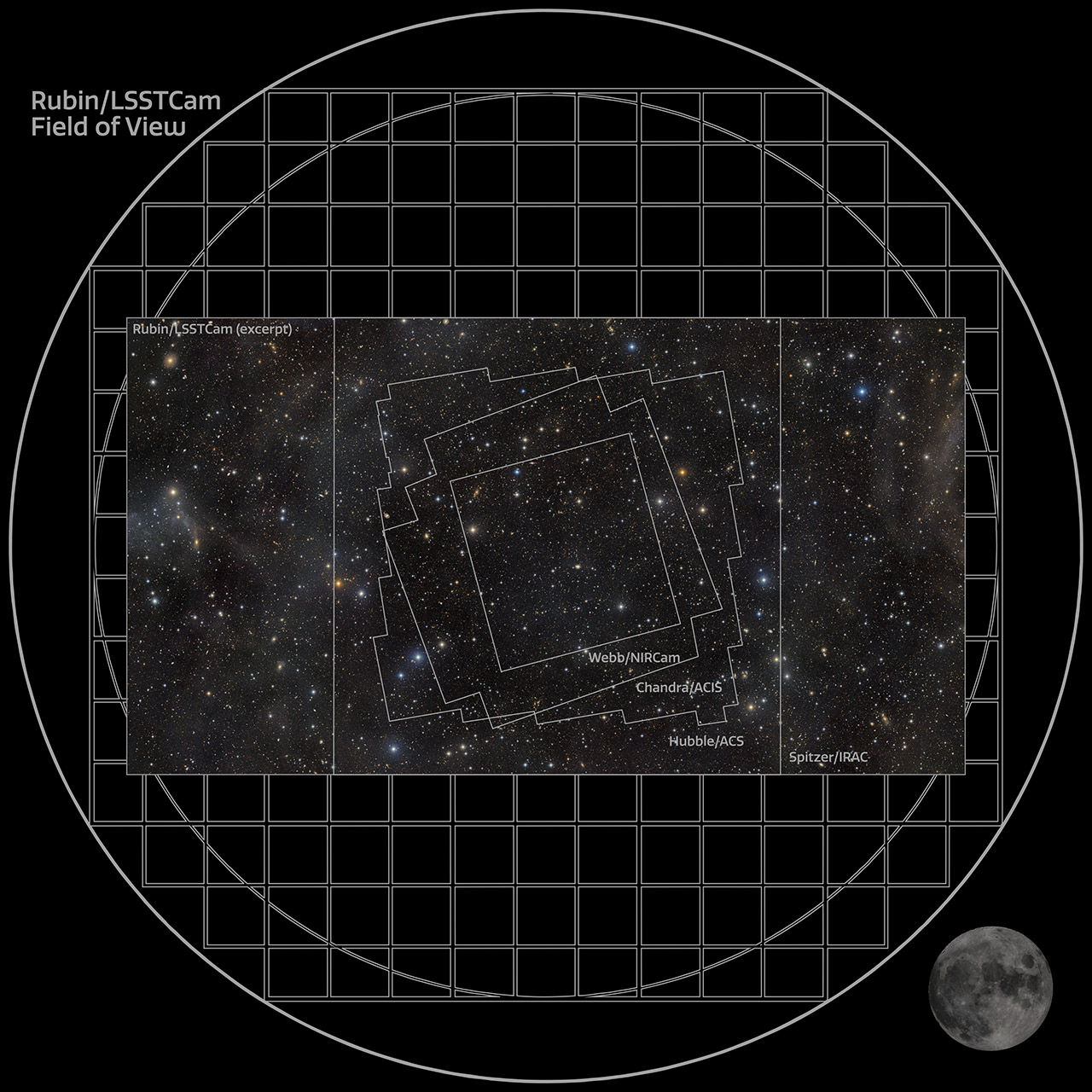
Bob Blum, director of Rubin Observatory at NSF NOIRLab, noted that the deep image is only the start for this field. Repeated observations over the next several years are expected to deliver large numbers of transient and variable objects for the community to study. Phil Marshall, deputy director at SLAC, emphasized that the long history of prior data on COSMOS makes the field an especially useful testing ground as scientists prepare to work with the full survey stream.

If you’ve got the Ted Lasso outfit, moustache, and attitude, you can win custom Beats headphones and exclusive soccer scarves at Apple’s look-alike contest in New York City on Thursday.
“Ted Lasso” is, undoubtedly, Apple TV‘s first breakout hit and an unofficial mascot for the service itself. And, just as it’s proven in the past, Apple is fully on board when it comes to fun promotions for the series.
This time, it’s decided to hold an in-person Ted Lasso look-alike contest on August 6 from 4:30 pm to 7:30 pm EDT at its Fifth Avenue location. Contestants are encouraged to come forth and prove that they’re Tedder than the rest for a chance at a unique prize or two.
According to the official Gathering of the Teds page, contestants will compete in a three-round contest, with eliminations in each round.
The first round, known as “Ted Energy,” will require contestants to introduce themselves in character and dance for two minutes. The contestants will be judged on their “Ted Energy,” costume commitment, and level of participation, and only 10 semi-finalists will advance to round 2.
The second round, known as the “Head Coach” round, will see contestants participate in a Ted Lasso trivia round, another round of costume judging, and a crowd-based mustache judging. Only three contestants will advance to the third round.
Round three, the “Ted Talk” round, will require contestants to deliver a 30-45 second pep talk to the crowd, endure another costume judging, and have their stage presence evaluated.
Four prizes will be given out. All three finalists will get a custom soccer scarf, while the first place winner will also receive custom Beats headphones.
According to the contest page, the approximate retail value of all four prizes is $300. That likely means that the headphones will be Beats Solo 4 with a custom “Ted Lasso” wrap, which retails for just under $200.
The scarves, on the other hand will likely be similar, if not exactly the same as the Ted Lasso A.F.C. Richmond Crest scarf available through the official “Ted Lasso” merchandise store. It retails for $32.95.

Ted Lasso A.F.C. Richmond Crest scarf
Again, this is an in-person contest only, so you’ll want to make sure you’re at Apple Fifth Avenue on Thursday, August 6, if you wish to participate.
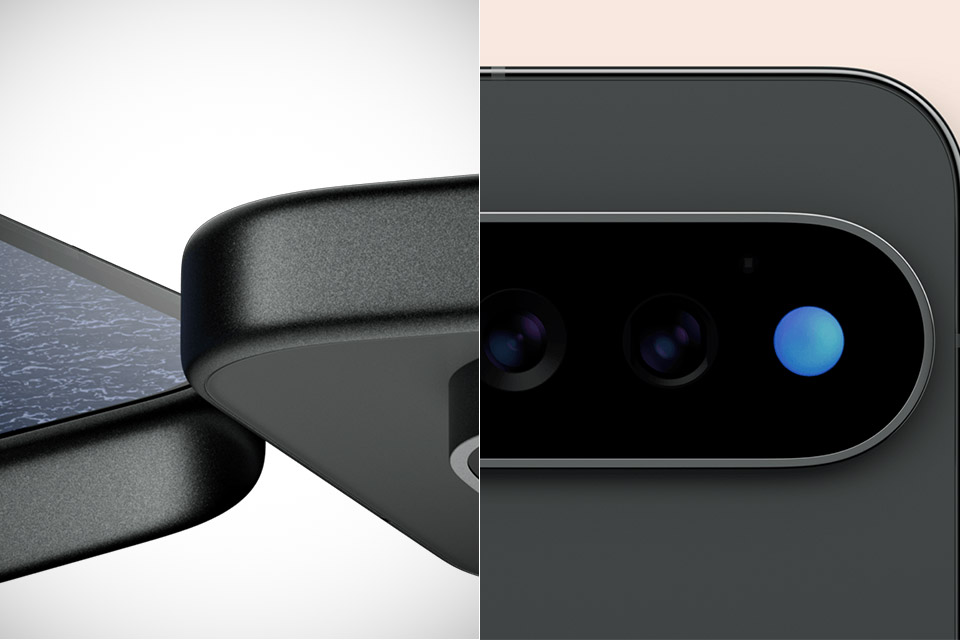
Photo credit: Evan Blass
Fresh images of the Pixel 11 Pro in matte black have landed just days before Google’s Made by Google event, and they show a phone that finally matches the finish many people have wanted for years.
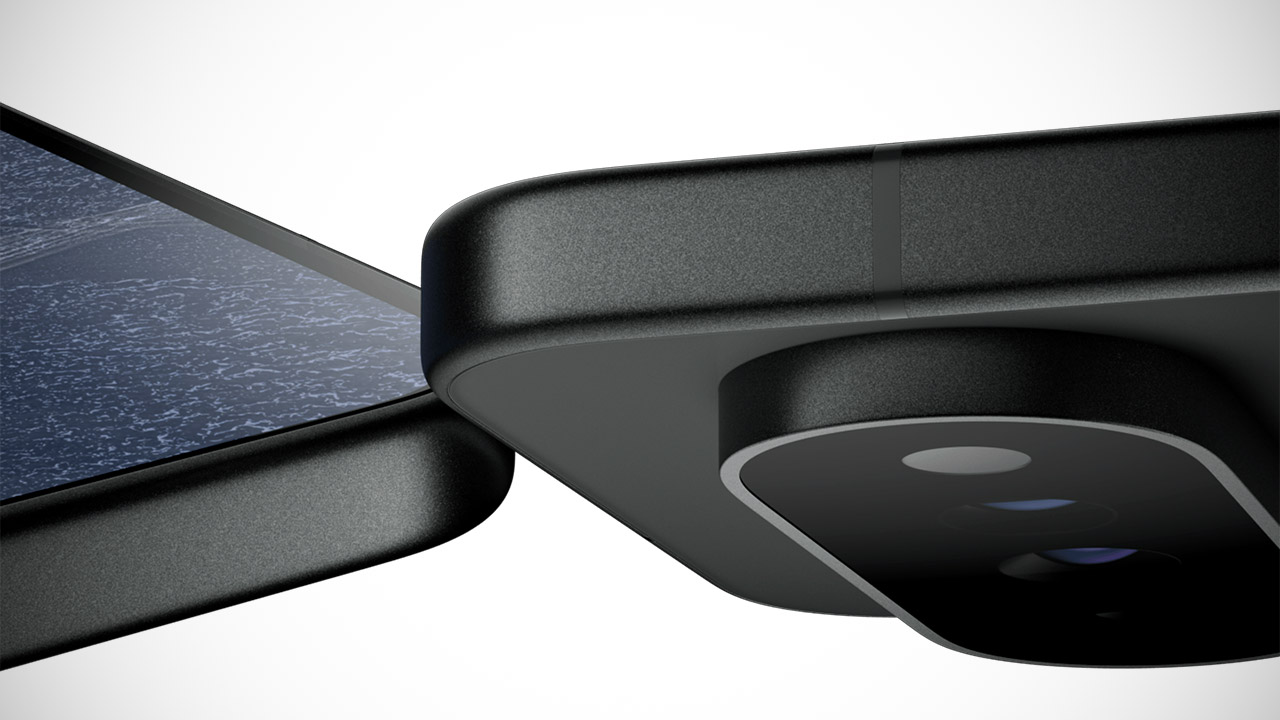
Obsidian is becoming the rumored name for this version of the phone. The new matte coating goes across the entire frame and even over the edges of the camera bar, which is a significant upgrade over the previous Pro model’s shining rails. Those polished rails used to be a fingerprint magnet, attracting any stray reflections that contrasted with the rest of the glasswork. With the black model being completely matte from edge to edge, anyone who prefers a shiny finish will have to go with one of the other colors. It appears that selecting Obsidian is the only method to achieve that matte finish.

The images, which came from respected tipster Evan Blass, are eerily similar to the official marketing images, which show the phone from various angles and make the flatter, less reflective surface easy to spot. Meanwhile, the Camera Bar has been lowered from last year, giving the phone a more streamlined appearance while retaining the original three-lens layout.
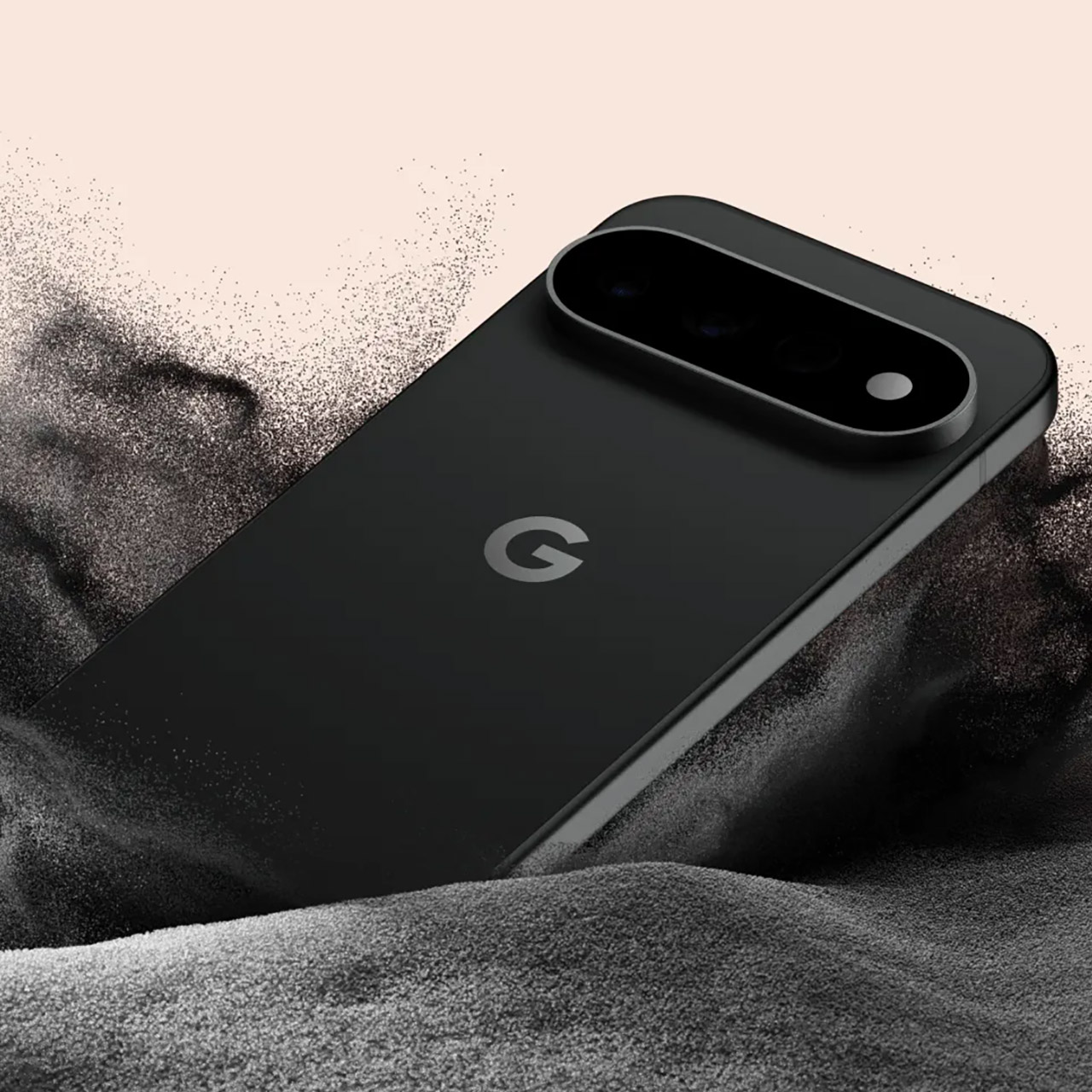
However, from what we can see, the rest of the phone remains largely unchanged. It retains the same 6.3-inch Super Actua LTPO OLED screen and resolution as last year’s 10 Pro, but peak brightness increases to an impressive 3600 nits. Instead of last year’s G2, the Tensor G6 chip will take over. It will be linked with the Titan M3 security chip like before, but instead of Android 16, it will run Android 17 out of the box.
The main sensor remains a 50 megapixel unit, while the ultrawide has increased from 12 to 48 megapixels and now has macro capabilities. Of course, there’s the periscope telephoto, which has another 48 megapixel lens and 5x optical zoom, up from 4x last year. Digital zoom has also been improved, now at 120x instead of 100x. Unfortunately, the battery life suffers slightly, dropping to 4,850 mAh, and the phone itself weighs 204 grams. It is also slightly thinner, at 8.4 mm.
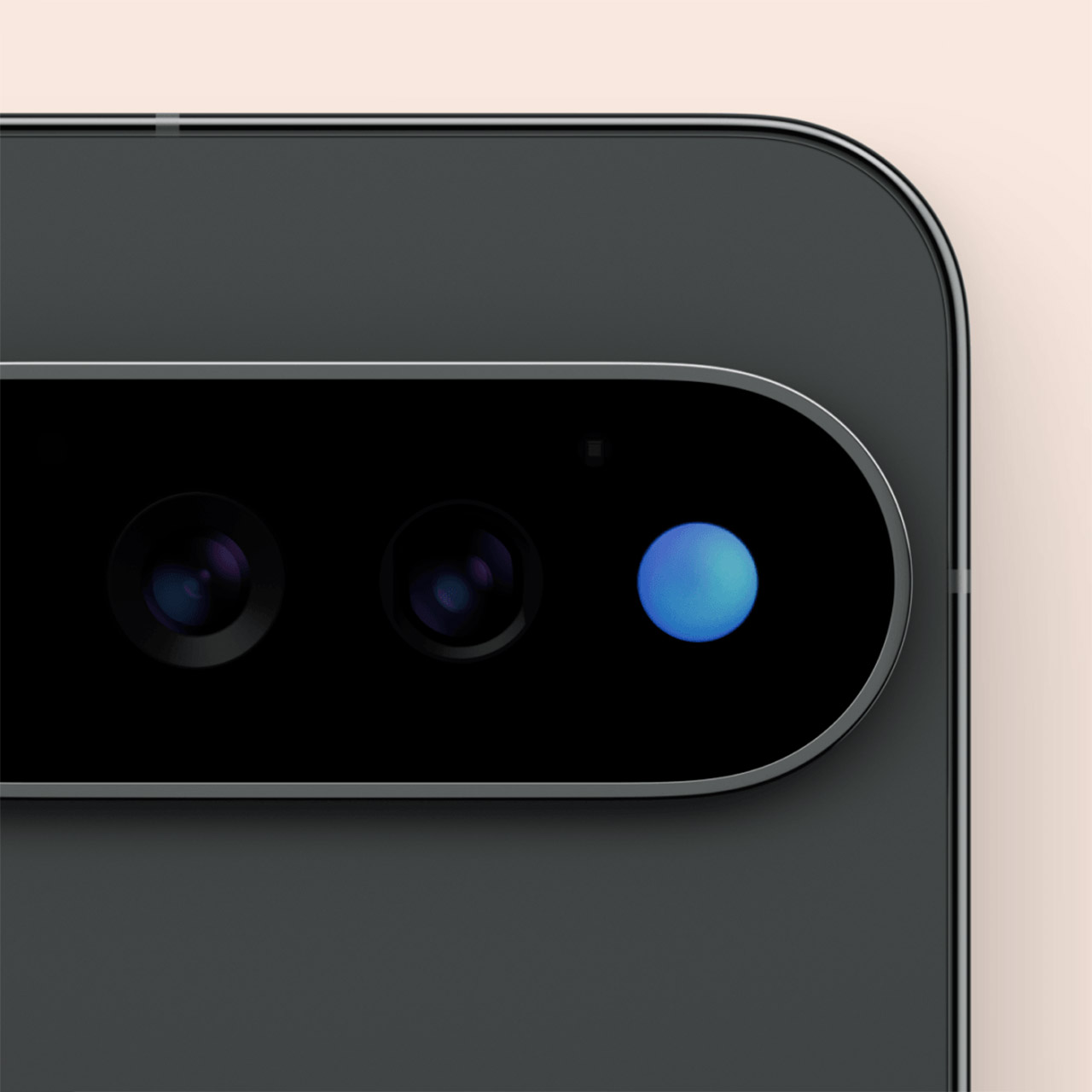
In terms of storage, you can get 256 GB and go all the way up to 512 GB, but it will cost you extra storage for the RAM, as you get 12 GB as normal, but if you choose the larger storage, that increases to 16 GB. As for the price, it appears that you can get one in the United States for $1,099, which is $100 more than the original price of the 10 Pro, and the final names for those additional colors may not be Dune, Light Fog, and Pine after all. While the black finish is limited to the one matte choice, Obsidian. One thing that appears to be getting an upgrade is the new lighting effect around the camera bar, which was previously known as Pixel Glow but is now referred to as HiLight in some of the renders, and one of the leaked shots even shows off the 120x zoom for a true moon capture, implying that extra zoom is ready to be tested.
The next Made By Google event is scheduled for August 12, so these renders provide the clearest look yet at what the Pro models will look like once the covers are removed. The Obsidian finish will stand out to anyone who has spent the last several years wiping fingerprints off a slick Pixel rail, since it is nice to see that detail.
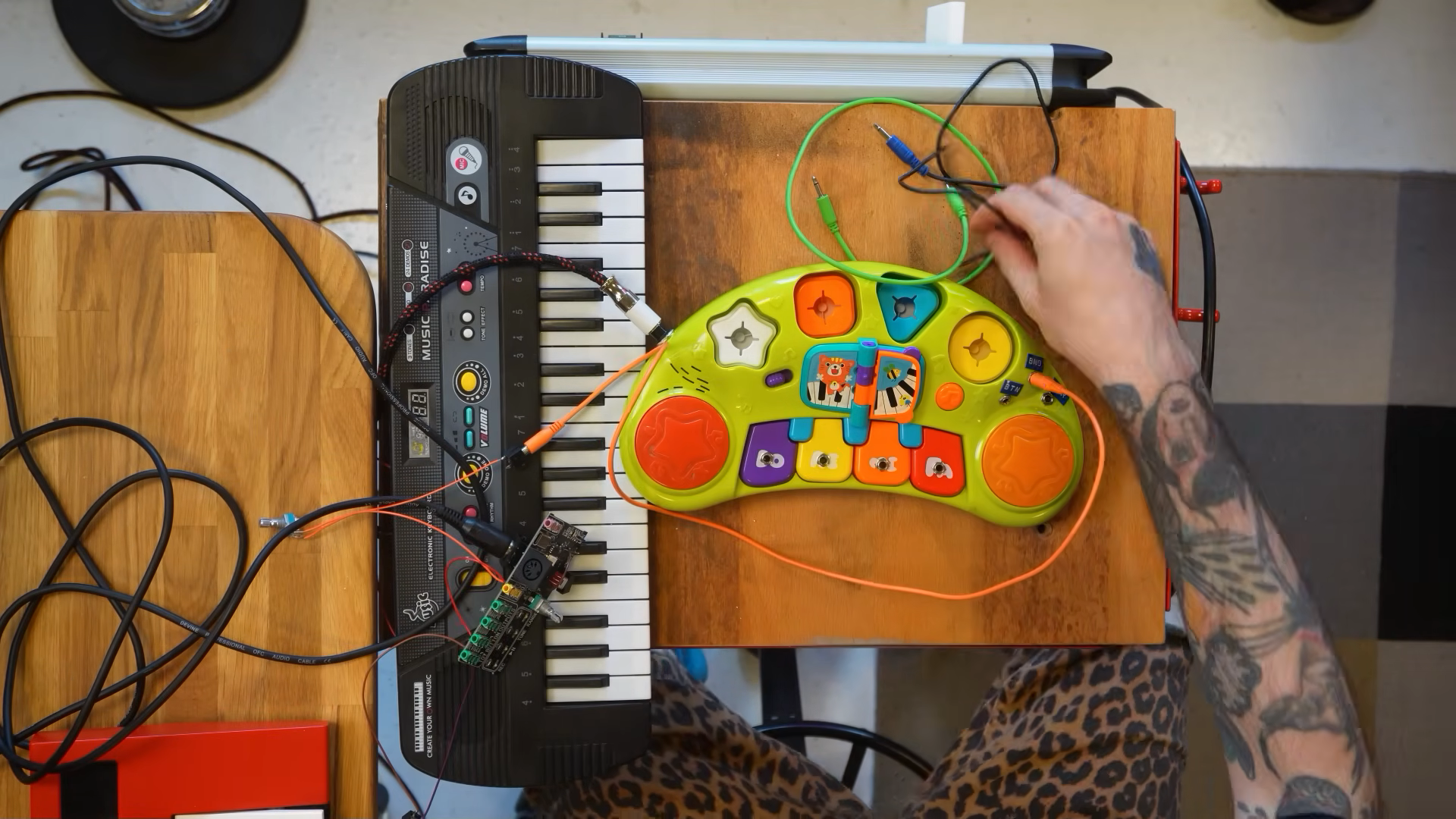
Circuit bending is a chaotic art. At its simplest, it can just involve making connections between random points on a circuit board to create weird sounds in musical hardware. Or, you can complicate things, get really specific with your hookups, and twist them with various sorts of modulation. [Simon the Magpie] has been working on something closer to the latter category, with his neat project to add MIDI to the circuit bending world.
The concept is straightforward enough. [Simon] has created a device that you place in line with your circuit bent connections, particularly those that create pitch bends with pots thanks to their variable resistance. You can then play your MIDI keyboard, and the device will vary the resistance in the circuit and bend the pitch at your command. [Simon] simply calls the device MIDI TO RESISTANCE, because that’s… precisely what it does, with the aid of a digital potentiometer. He then demonstrates it doing its thing on pitchbent toys, and it sounds pretty radical in use.
If you’re trying to make your circuit bent toys and instruments more musical, this build should serve as a great inspiration. We’ve featured other oddball musical hacks in a similarly creative vein before, too—such as using mixers as a synthesizer in their own right. Have fun out there.

A SpaceX rocket that has been drifting in space for a year and a half is set to crash into the moon on Wednesday, stirring up a debris cloud that could be visible from Earth. The impact raises questions on the future of lunar exploration, including how to protect any future moon bases from space junk.
The rocket set for moon impact is the upper stage of a Falcon 9 that transported a pair of lunar landers. While the landers successfully reached the surface, the rocket was left adrift since it did not have enough fuel to return to Earth or enter a stable orbit.
Weighing 4 metric tons, the rocket is expected to strike the lunar surface at a speed of approximately 5,400 mph—about seven times the speed of sound. Without an atmosphere to slow the projectile down, the impact will cause an explosion equivalent to 3 metric tons of TNT, leaving a crater that’s projected to be up to 27 meters in diameter and 5 meters deep.
The upper stage is expected to hit the surface around 6:34 am UTC on Wednesday, likely making impact near Einstein Crater on the western edge of the moon’s near side. The Americas will have the best view of this impact. While it won’t be visible to the naked eye, viewers should be able to spot the debris plume through a good telescope for a few minutes.
A lunar crash landing visible from Earth will be a spectacle, one that raises concerns about the future of the moon. Multiple countries are planning uncrewed lunar missions, which could clutter the area around the moon. This SpaceX rocket won’t be the first to accidentally crash into the Moon. In March 2022, a Chinese Long March 3C rocket also struck the lunar surface and left a crater that’s 29 meters wide.
China and the US are also pushing to build bases on the surface in the coming decades.
Bill Gray, the creator of the Project Pluto initiative to develop software and tools to track the orbits of asteroids, comets, and artificial satellites, was the first to calculate the trajectory of the impending Falcon 9 crash. He was also part of a team that worked on a preprint study released last month detailing the collision.
The crash landing is ”an opportunity to test pipelines for measuring flash properties to locate impact events seismically, and to better understand the multi-modal hazards posed to future lunar infrastructure and astronauts from space debris impacting the Moon,” the study states.
Although building a moon research center capable of supporting a sustained human presence will take at least a decade, NASA’s missions to construct the first facilities are expected to launch in the coming years as part of the Artemis program.
“These sorts of things are going to happen more and more often. And as we have more astronauts on the lunar surface, more lunar infrastructure habitats, for example, we need to understand how much of a risk these impact events actually pose,” Benjamin Fernando, a researcher at Los Alamos National Laboratory in New Mexico and co-author of the preprint study, tells ABC News.
The risk posed by space debris is part of a growing list of hazards that cast doubt on the safety of any long-term project on the moon. In addition to the potential for space junk to wreak havoc on the lunar surface, natural events such as meteorite strikes also threaten any future activities. But with any potential lunar bases still a decade or more away, there’s ample time for researchers to looking at the hazards and plan for them.
“This is an ideal way of studying both the direct risks, the risk of being hit by debris or being blinded by a flash of light, but also the indirect risk, the risk of being hit by a cloud of ejected material and having that disrupt or interfere with spacecraft functions in lunar orbit as well,” Fernando says.
Most hospitals and health care providers use electronic health records instead of paper charts to note patient vaccinations, diagnoses, and procedures. AthenaOne, Epic, and Oracle Health are some of the systems employed around the world. Many patients can access their electronic medical records from home.
The platforms exist thanks to pioneering efforts such as the Medical Information System (MIS-I). The first hospital-wide computer system, it was developed in the 1960s by Lockheed Martin (then known as Lockheed Missiles and Space Co.) in partnership with El Camino Hospital, in Mountain View, Calif. Doctors and nurses used MIS-I (pronounced miss-ONE) to admit patients, order lab work and imaging, schedule follow-up appointments, and issue hospital bills, according to a 1973 article published by Datamation.
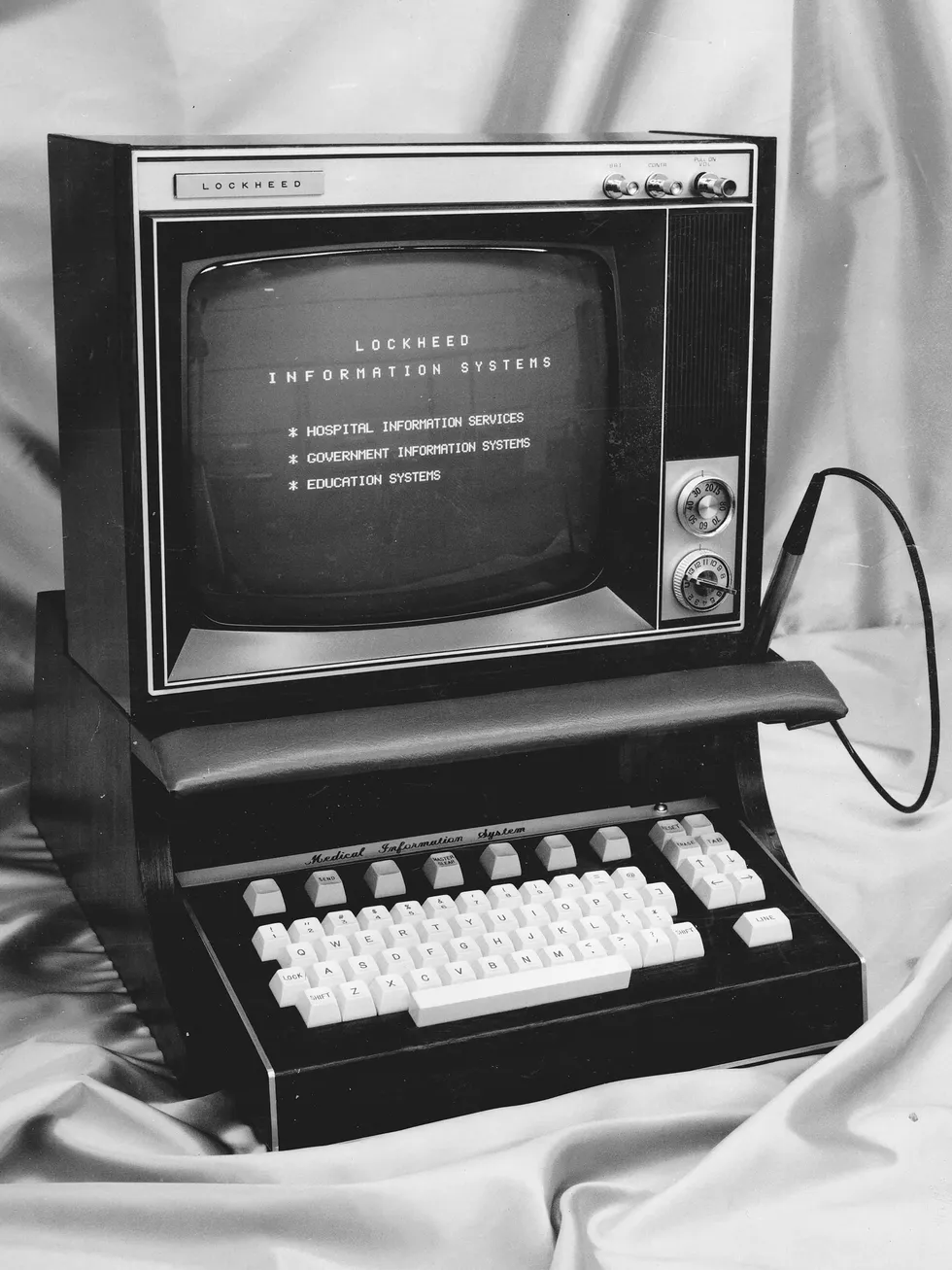
Although many people now know how to type on a keyboard, in the 1960s, most did not. Therefore, MIS-I included a light pen, which worked like a stylus for today’s touchscreens.
MIS-I was recognized as an IEEE Milestone during a ceremony on 14 May at El Camino Hospital. The IEEE Santa Clara Valley Section sponsored the Milestone.
“The medical information system was more than a technological breakthrough; it was proof of what can happen when clinicians, engineers, administrators, and community leaders unite around a common goal: improving care for patients,” Dan Woods said at the event. He is chief executive of El Camino Health, the nonprofit organization that maintains the hospital.
“This pioneering work helped establish the foundation for the modern medical informatics industry,” Woods said. “The legacy of Lockheed’s innovation continues to benefit patients and health care providers around the world, making this achievement truly worthy of lasting recognition.”
Prior to Lockheed’s effort, health records remained paper-based. They often were stored in dedicated rooms within the hospital. Files were kept in heavy-duty manila folders organized on mechanized open-shelf filing systems, revolving rotary files, or locked steel filing cabinets, according to EO Johnson Business Technologies. The process of retrieving a patient’s medical history was cumbersome and could hamper decision-making in a life-or-death situation. Paper records were prone to human error, according to an EHR in Practice article. In addition, upkeep could be costly due to administrative expenses such as transcribing doctors’ notes, storing patient charts, adding medical codes, and managing insurance claims.
Companies and universities including General Electric, IBM, and Harvard began exploring how to use computers to improve clinical care. They developed several systems for hospital laboratories to track test orders and results, as explained in the Milestone webpage.
In 1964 Lockheed was looking to diversify its portfolio, Melville Hodge, who helped lead the MIS development, said at the dedication ceremony. The company decided to apply its expertise to health care, and later that year this focus-area became part of a new information systems division. Hodge, who at the time oversaw multiple R&D efforts, became the driving force behind the MIS program.
 MIS-I displayed patient information on a 14-inch television purchased from a department store. Below that monitor was a keyboard and a light pen.Ian Thomson/Computer History Museum
In 1966 Lockheed secured a contract with the Mayo Clinic, in Rochester, Minn., to assess its computer system needs and those of its two associated hospitals, Hodge wrote in a paper detailing MIS history.
He and a small team of engineers worked with Mayo Clinic physicians for two years to build the prototype of what would become MIS-I.
The system displayed patient information on a 14-inch television purchased from a department store. Below that monitor was a keyboard, and to its right was a printer. Doctors and nurses would swipe their ID badge to access the system, then use the keyboard to put information into the patient’s file or send a request to a pharmacy or laboratory. They also could print documents.
But one problem kept cropping up: Most doctors didn’t know how to type. The computer mouse was still in its infancy, and Hodge suspected it would not solve the problem, according to a video shown at the dedication ceremony. Instead, he “borrowed technology from a then-secret satellite program,” he said.
That technology was the light pen, which was used with MIT’s Whirlwind Computer in the 1950s.
“The insight that physicians could not and would not learn to type, combined with the innovative solution of light pen interaction, transformed an impossible dream into practical reality,” the Milestone proposers wrote.
To display text, the system used matrix programming, a 2D data structure consisting of rows and columns. Using the light pen, a doctor or nurse would select text from a list of general categories on the monitor. The options included the patient’s personal and medical information, family medical history, current illness, and physical exam findings, according to a 1968 article in the medical journal JAMA. The computer would display the requested information or list the next steps to complete tasks such as sending a prescription to a pharmacy. The keyboard remained part of the setup because it could allow users to input new information and update patient records.
To further develop the system, they submitted a proposal to the U.S. Department of Health, Education, and Welfare (now split into the Departments of Health and Human Services and Education) to secure additional funding, but it was rejected.
Herschel Brown, Lockheed’s executive vice president, and Kenneth Larkin, its director of information systems, decided to fund its commercial development, Hodge wrote.
When the company’s contract with the Mayo Clinic ended, the Lockheed team returned to Sunnyvale, California to refine, test, and deploy the system at El Camino Hospital.
“I admire Ed Hawkins, who was its first administrator, for having the courage to take on this kind of project while running a hospital that was only four years old at the time,” Hodge said at the dedication ceremony.
Starting in 1968, early prototypes were installed in the hospital’s M.D. lounges and nursing station at El Camino Hospital. The organizations worked to configure the system so it met the hospital’s needs.
By 1969, a number of monitors had been installed, including in admissions, pharmacy, and radiology. The information from all the connected machines was stored in a data center housed in a separate location outside the hospital.
In 1971 Lockheed encountered difficulties with its C-5A and L-1011 aircraft programs, according to Hodge. The company was forced to curtail discretionary new business programs including MIS-I. The program was sold to Technicon of Tarrytown, N.Y., a leader in clinical laboratory automation.
The medical information system business operated independently as a subsidiary unit, and the transition marked the beginning of MIS-I’s commercial expansion.
That same year, MIS-I went live for hospital-wide use. Physicians’ orders were communicated to other departments, test results and radiology reports were retrieved, and nursing care planning and documentation were available, according to the Journal of Nursing Scholarship. MIS-I supported most information handling for nurses, physicians, and other medical personnel in the hospital.
But the change was not welcomed by all, according to the video about the technology. Nurses tended to praise the system, but many doctors had a hard time transitioning from paper to computers. They complained they were “spending more time fighting a machine” than interacting with their patients, according to the video. Some even retired to avoid learning the system. But nurses fought to keep it, emphasizing to doctors how much it improved patient care.
In 1974 El Camino Hospital held a vote of medical staff to determine whether to keep the system or return to paper-based records. About 60 percent of doctors and more than 90 percent of nurses voted in favor of keeping it, according to the Milestone webpage.
“The medical information system was more than a technological breakthrough; it was proof of what can happen when clinicians, engineers, administrators, and community leaders unite around a common goal: improving care for patients.” —Dan Woods, El Camino Health CEO
In 1975 nonprofit Battelle of Columbus, Ohio, evaluated how well the system was working for El Camino Hospital. It found that MIS-I reduced the time nursing staff spent on clerical tasks, improved communications among departments, and facilitated better planning of patient care. The survey also showed that more readily available, complete, and accurate information was being used to administer care and monitor patient progress, according to the filings.
By 1993, the technology was installed in more than 200 hospitals in the United States, Canada, and Europe, according to the Milestone entry.
El Camino Hospital used MIS-I for 34 years, until its decommissioning in 2005. It was initially replaced by Eclipsys Sunrise XA and then ultimately by Epic.
The dedication ceremony brought together IEEE leaders, hospital staff, and government representatives. Hodge and his family also attended. IEEE President-Elect Jill Gostin made a presentation about IEEE, and Brian Berg of the IEEE History Committee discussed the organization’s Milestone program.
Hodge participated in a Q&A session with Deb Muro, chief information officer of El Camino Health. He told a story about the early days of MIS-I that he said he will never forget. During a hospital board meeting at which physicians were complaining about the system, an announcement was made over the hospital’s public address system that MIS-I wasn’t working.
“I had to ignore it to survive,” Hodge said, laughing. “As physicians got more used to it, and with a phenomenal poking from the nurses, doctors who wouldn’t use it were forced to.”
A bronze plaque recognizing the MIS-I as an IEEE Milestone has been installed in the lobby of the hospital in Mountain View. The plaque reads:
From 1965 to 1974, the first hospital-wide computerized medical information system was created by Lockheed Missiles and Space Co. in partnership with El Camino Hospital. Innovative light-pen terminals enabled physicians and staff across all departments to efficiently and accurately access patient data and enter work orders. By providing immediate feedback and seamless communication, it reduced costs and errors, improved safety and outcomes, and led the way to modern medical and clinical informatics.
Reviewed by the IEEE History Committee and approved by the IEEE Board of Directors, IEEE Milestones recognize outstanding technical developments around the world that are at least 25 years old. The Milestone program is administered by the IEEE History and Heritage group.
To learn more about historical figures in engineering, IEEE Milestones, and IEEE History Center programs and events, check out The Institute’s IEEE Tech History collection. IEEE Spectrum also covers aspects of tech history.
From Your Site Articles
Related Articles Around the Web





Why Trees Belong on the Risk Register


Weekend Open Thread: Wit & Wisdom


Meta enters AI-training agreement with far-right ‘propaganda rag’ Newsmax

‘Stargate’ Creator’s New Sci-Fi Series Returns for Season 3 Tomorrow


MicroStrategy Post-Earnings CLARITY Act Push Could Add New Catalyst for Its Stock


The Part of the Electric Transition Nobody Wants to Discuss


Major shareholder moves on Canyon


XRP Ledger v3.3.0 brings five institutional features


Bitcoin Enters the 3rd Stage of the Bear Market


Kraken Enables Retail Access to Jersey Mike’s IPO via Tokenized Shares


New macOS Sequoia & Sonoma security updates for older Macs


Luke Littler’s dominance sparks GOAT debate


Claude: Build Financial Dashboards in Minutes (2026)


Seema Kaliramna Wins Discus Throw Bronze, Takes India’s CWG Medals Tally To 17


Johnson & Johnson agrees to $5.5B settlement over talc cancer claims


Crypto PAC spending tops $2M in Michigan House race


New York sues Kalshi over prediction market gambling


Trump Announces Hamas Disarmament Agreement as Iran Strikes Kuwait Air Base and US Attacks Pause Overnight


Gemini can now summarize the messiest comment threads in Google Docs


Reform UK betrays West Mids residents by running from party pledges


You must be logged in to post a comment Login