THIEAUDIO has built much of its reputation in the IEM world, where lines such as the Monarch and Hype have earned the brand a loyal following among listeners chasing serious technical performance without immediately selling a kidney.
Full-size headphones have been a less convincing side quest. The Ghost, Wraith, and Phantom all arrived with suitably spectral names, but none made much of an impression in a crowded market already full of established favorites.
THIEAUDIO Cypher Headphones
The $399 Cypher is THIEAUDIO’s fourth full-size headphone and its most serious attempt yet to change that. Built around a new 50mm dynamic driver, the open-back Cypher enters one of the most competitive corners of the wired headphone market, where stalwarts such as the Sennheiser HD600 and a small army of HiFiMAN planars have set a very high bar.
After launching through Kickstarter in March, the Cypher is now available directly from THIEAUDIO and Linsoul for $399. That removes some of the crowdfunding fog and leaves one rather important question: can THIEAUDIO finally build a full-size open-back headphone worth taking seriously?
Related Reading:
Advertisement
Technology & Specifications
The THIEAUDIO Cypher is built around a 50mm dynamic driver using what the company describes as a semi-crystalline polymer-and-rubber composite diaphragm. THIEAUDIO says the material is intended to balance rigidity, damping, and excursion control in pursuit of low distortion, extended bass, and a natural tonal balance.
That diaphragm is paired with a 20-core N45 magnetic array and a high-tension copper-aluminum composite voice coil. On paper, the design is intended to improve driver control and responsiveness, with the potential for cleaner transients, sharper detail retrieval, and more stable imaging. As always, the proof is in the listening rather than the magnet count.
The Cypher is rated at 32 ohms with a sensitivity of 96dB ±3dB. Those figures suggest it should be easier to drive than some higher-impedance reference headphones, though its real-world amplifier demands deserve a closer look later in the review.
Build Quality & Design
The Cypher makes an excellent first impression with its overall build quality.
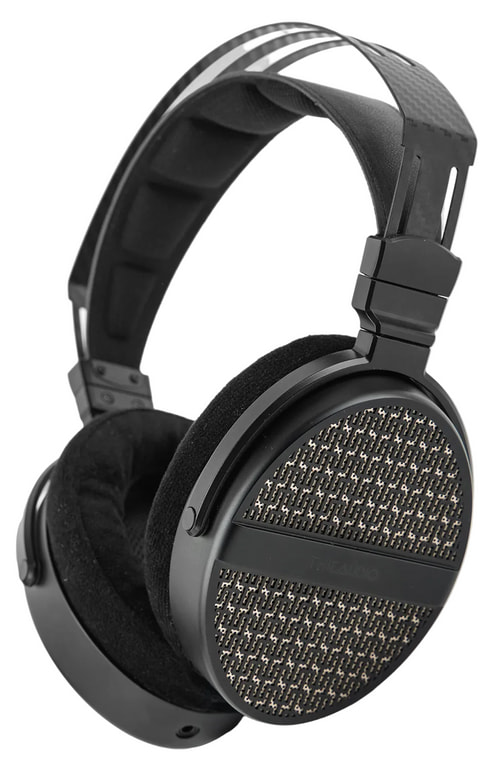
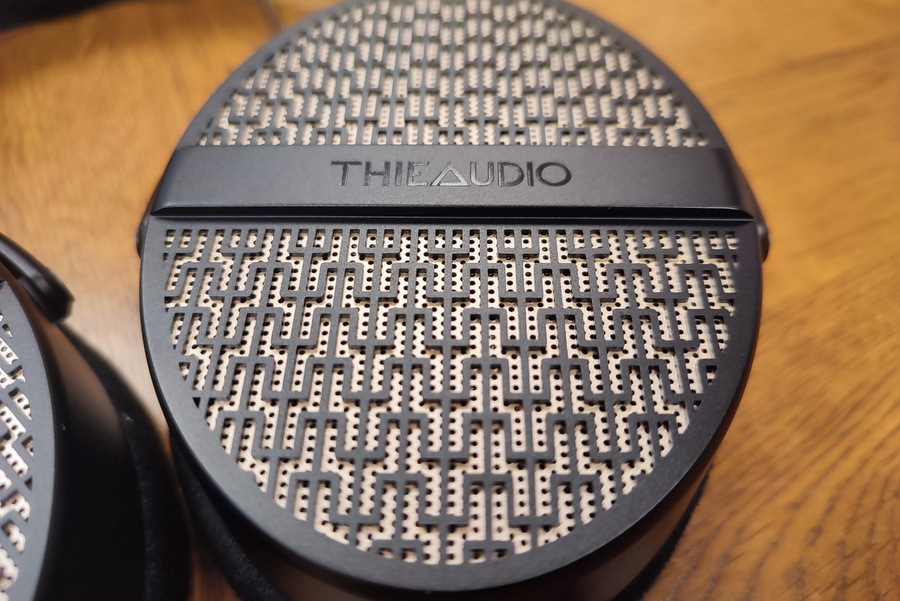
Its earcups are machined from aerospace-grade aluminum, giving the headphone a reassuringly solid feel without pushing the design into industrial-looking territory. THIEAUDIO has paid close attention to the visual details, and the result is a headphone that looks more expensive than its $399 price tag suggests.
Advertisement
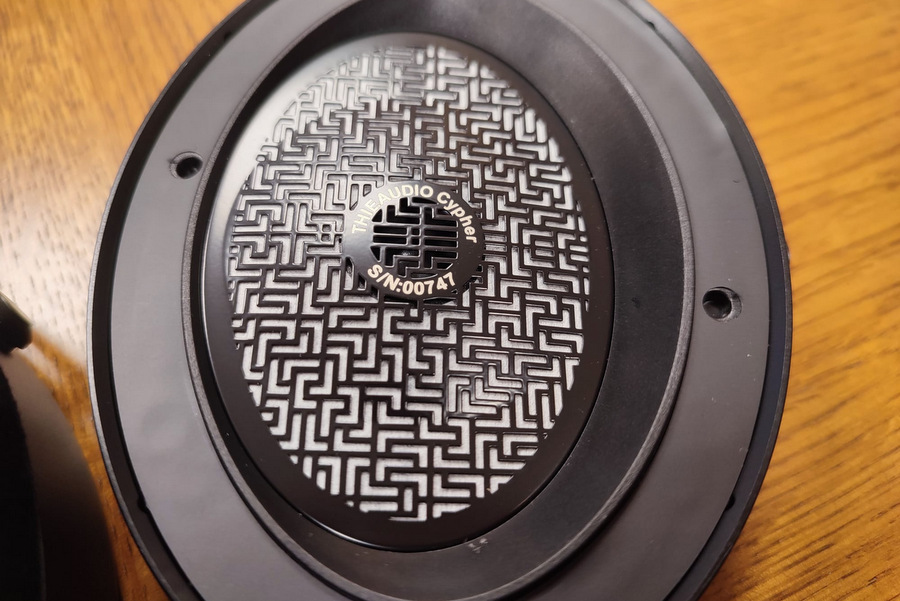
The geometric tessellation pattern on both the outer grille and the driver baffle beneath the earpads is one of the Cypher’s most appealing design choices. It is a subtle flourish, but it gives the headphone a distinct identity in a category full of familiar black-and-gray circles.
Advertisement. Scroll to continue reading.
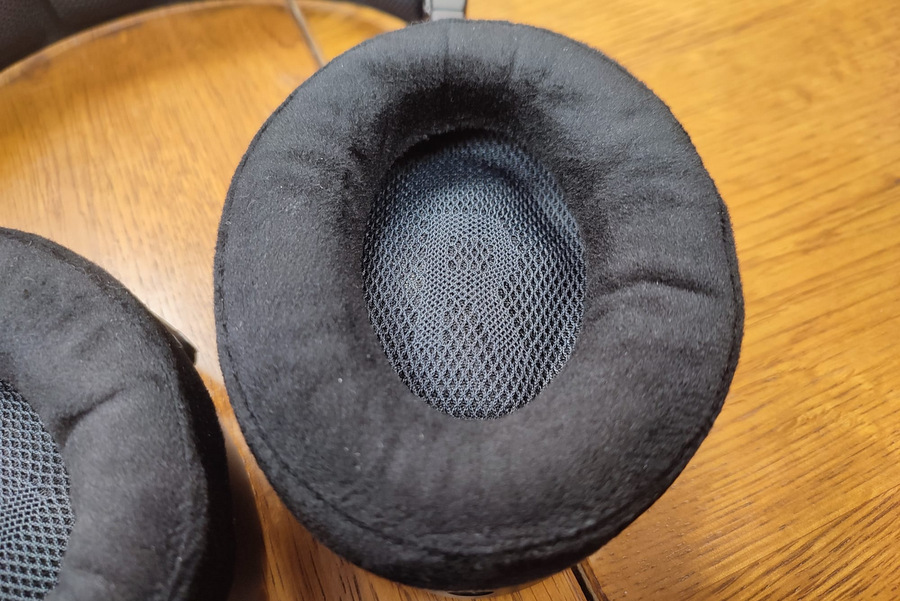
The magnetically attached earpads are another welcome touch. Swapping pads is quick and painless, while the mounting system feels more refined than the usual plastic clips. The trade-off is that the pads are proprietary, which could make replacements harder to source once the originals eventually wear out.
Overall, the Cypher’s build quality is among its strongest attributes. It feels well made, looks properly premium, and avoids the cheap shortcuts that still plague too many headphones at this price.
Advertisement
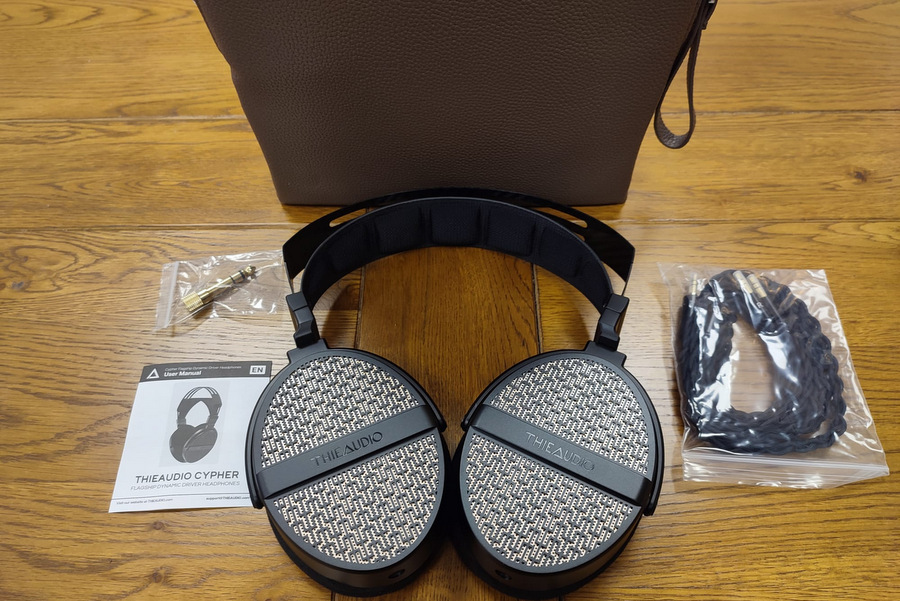
Included with the Cypher is a 1.5m braided cable, a quarter-inch adapter and a very premium-looking leatherette soft carry case.
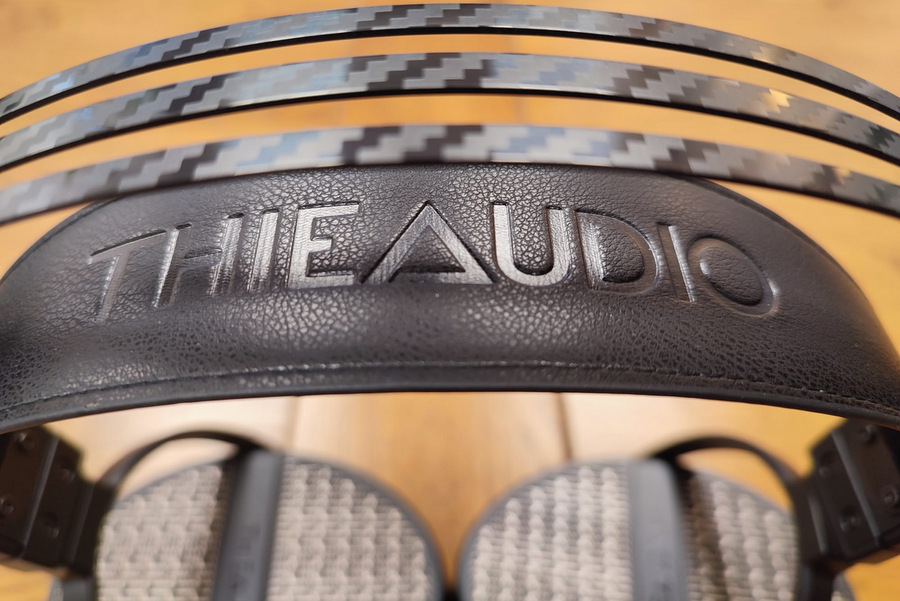
Comfort, on the other hand, is more of a mixed bag. At first glance, the generously padded headband looks as though it should be well suited to long listening sessions. In practice, I found the opposite. Its concentrated padding creates pressure hotspots that become increasingly noticeable over time, and after roughly two hours of continuous use, they can become genuinely uncomfortable.
Ironically, a simple suspension-strap design might have worked better by distributing the Cypher’s weight more evenly across the head.
The velour earpads are soft and breathable, and clamping force is generally reasonable. Still, despite a manageable 411-gram weight, the Cypher never quite disappears on the head the way the best long-session headphones can.
The yoke swivel mechanism is another issue. While the earcups provide sufficient range of movement, the yokes themselves are surprisingly stiff. Adjusting cup angle requires more force than expected, and they do not naturally conform to the sides of the head as readily as many competing designs.
One final observation: THIEAUDIO describes the Cypher as open-back, but it attenuates outside noise more effectively than expected. It is not a major issue either way, but “semi-open” may better describe its real-world behavior.
Advertisement
Listening
I’ll cut right to the chase: the Cypher’s tuning is exceptional.
It is one of the headphone’s most immediately impressive qualities and, arguably, its greatest strength. The comparison that kept coming to mind was the Sennheiser HD600. Like that long-standing reference, the Cypher favors neutrality, tonal accuracy, and natural timbre over artificial excitement.
Where THIEAUDIO’s headphone separates itself is in its ability to preserve many of those strengths while improving on several of the HD600’s familiar compromises, including bass extension, imaging, perceived soundstage width, and low-level detail retrieval.
As with all of our reviews, the Cypher was tested with a range of amplifiers and DACs to assess how it performed across sources of differing quality and output power. Listening included both Spotify streams and hi-res FLAC files, with the conclusions below drawn from tens of hours of use.
Bass
Bass extension is noticeably stronger than that of the Sennheiser HD600, a headphone long known for rolling off in the lowest audible octave.
Advertisement
Advertisement. Scroll to continue reading.
The Cypher reaches deeper into the sub-bass with greater authority, yet it does so without upsetting its overall tonal balance. There is no obvious mid-bass lift or added warmth masquerading as impact; the extra extension simply gives recordings a more complete and convincing foundation.
Electronic music benefits from that added low-frequency reach, but the improvement is just as apparent with acoustic material, where the body, resonance, and scale of instruments come through more naturally. Hans Zimmer and James Newton Howard’s “Why So Serious?” was a particularly effective test. From roughly the 3:27 mark, its near-subsonic rumble was reproduced with convincing weight and control, without overwhelming the rest of the mix.
Midrange
The midrange is where the Cypher truly shines. Vocals, in particular, sound remarkably natural and believable, with impressive tonal density, presence, and realism.
Advertisement
Male and female voices emerge without obvious coloration, a quality that remains surprisingly difficult to find in headphones at any price. The Cypher may not grab attention on first listen with oversized bass or aggressively bright treble, but spend time with it and the quality of its midrange becomes increasingly difficult to ignore.
That even-handed presentation also pays dividends with instrumental timbre. Pianos carry convincing weight and harmonic complexity, while guitars have the kind of organic texture that makes strings, wood, and resonance feel properly connected rather than merely outlined.
There is an effortless quality to acoustic instruments that makes the Cypher deeply engaging over long listening sessions without becoming fatiguing.
Treble
The THIEAUDIO Cypher strikes a fine balance with its treble presentation. There is enough energy and extension to preserve detail and air without introducing fatigue or harshness. It never sounds artificially bright, but it also avoids the muted or overly relaxed character that can rob a headphone of life.
The result is a highly resolving presentation with excellent long-term listenability. On L’Impératrice’s “La lune,” the Cypher reproduced the faint triangle hits woven through the track with impressive clarity and delicacy, bringing them forward without allowing the treble to turn sharp or piercing.
Advertisement
Soundstaging & Imaging
The Cypher’s tuning may be its headline act, but good tonal balance does not automatically guarantee equally convincing technical performance. The Sennheiser HD600 remains a useful comparison: its midrange is rightly celebrated, yet its relatively intimate soundstage and center-focused imaging can make more complex recordings feel somewhat constrained.
The Cypher addresses both shortcomings. Its soundstage is appreciably wider, and its imaging is more precise, giving densely layered material such as TOOL’s “Chocolate Chip Trip” more room to breathe and making individual effects easier to follow.
I would not call it class-leading in this regard. Headphones such as the HiFiMAN Ananda series still create a more expansive and open-sounding presentation. But at $399, the Cypher delivers a notably more spacious and organized image than the HD600 while retaining much of that headphone’s tonal appeal.
Drivability
As noted earlier, the THIEAUDIO Cypher is rated at 32 ohms with a sensitivity of 96dB/mW.
Advertisement. Scroll to continue reading.
Advertisement
That sensitivity figure is worth noting. It is neither especially demanding nor particularly efficient for an open-back wired headphone, and while the Cypher will play from a laptop or smartphone, I would not recommend relying on either if you want to hear what it can really do.
The good news is that it does not require an extravagant amplifier chain. Moving to pricier DACs and more powerful amplification did not produce a meaningful improvement in overall sound quality, so a capable dongle DAC, such as the Campfire Audio Relay we reviewed last year, should be more than sufficient.
For example, switching from the LAiV Crescendo VERSE DAC/amp to the considerably more powerful Aune S18 EVO and S17 Pro stack resulted in only a barely perceptible tightening of bass notes. It was not enough to justify the substantial price difference, or the additional real estate consumed on the desk.
The Bottom Line
The THIEAUDIO Cypher succeeds because it gets the fundamentals right. Its tuning is unusually accomplished for $399, combining the tonal accuracy and natural timbre that have kept the Sennheiser HD600 relevant for decades with deeper bass, stronger image placement, a wider soundstage, and more apparent low-level detail.
That combination is the Cypher’s real trick. Plenty of headphones in this price range can deliver bigger bass, more treble sparkle, or a wider presentation. Few manage to do so without sacrificing midrange realism in the process. The Cypher does not reinvent the neutral open-back headphone; it makes a strong case for updating the formula.
Advertisement
It is not without compromises. The stiff yokes are unnecessarily frustrating, the magnetically attached pads are proprietary, and the headband creates pressure hotspots during longer sessions. Build quality looks and feels premium, but comfort and long-term serviceability are not at the same level. That matters, especially when the HiFiMAN Sundara is lighter, and the beyerdynamic DT 900 Pro X offers a more practical, repair-friendly studio-oriented alternative.
But once the music starts, the Cypher’s shortcomings become easier to forgive. It does not need a costly amplifier chain, it handles a broad range of music with poise, and its midrange performance is good enough to make many more expensive headphones sound like they are trying a bit too hard.
The HD600 remains the safer choice for buyers who value proven long-term parts support and near-universal comfort. The Sundara remains compelling for listeners who want planar speed and a more expansive presentation. But for someone who wants a neutral, reference-oriented dynamic headphone with more sub-bass reach, better spatial performance, and very little tonal baggage, the Cypher is absolutely worth the money.
THIEAUDIO has made better IEMs than full-size headphones in the past. The Cypher is the first one that feels like a serious correction to that record.
Advertisement
Pros:
Outstanding reference-oriented tuning
Superb timbre and tonal realism
Excellent imaging and detail retrieval
Better bass extension than the HD600
Premium metal construction
Attractive industrial design
Convenient magnetic earpad system
Cons:
Headband creates pressure hotspots
Stiff yoke articulation
Proprietary earpads may be difficult to replace long-term
OpenAI and Broadcom have unveiled Jalapeno, OpenAI’s first custom AI chip, designed primarily to handle inference for ChatGPT and other services. It’s a major step in OpenAI’s plan to “build the full stack behind its models and products,” says OpenAI. “By designing more of the stack ourselves, we can serve more intelligence with greater efficiency and keep pushing advanced AI toward broader access.” CNBC reports: The chip with Broadcom is an ASIC, which industry experts say is less flexible than Nvidia’s GPU, but is also less expensive and can be designed for specific AI tasks. OpenAI said that it designed the chip in nine months, and that it also crafted large parts of the computer system where it will be used.
The companies are calling the chip an “Intelligence Processor” and describe it as the first “AI accelerator” in a platform they’re building “to make advanced AI faster, more reliable, and more accessible to more people.” […] A physical sample of the new chip will be delivered to OpenAI on Wednesday. The companies said they’re aiming for initial deployment of the Jalapeno chips by the end of 2026, “expanding in the years ahead.”
Slate Auto says its stripped-down electric pickup will start at $24,950 before fees, with the base model’s estimated range increased from 150 to about 205 miles. The company has started taking preorders on Wednesday. “The aggressive pricing — half the average cost of a new car in the United States — puts Slate in position to capture a share of the lowest end of the new car market, which has few gas and fewer electric options these days,” reports TechCrunch. From the report: The price reveal comes more than a year after Slate Auto emerged from stealth. Since then, the company has been steadily detailing the extremely basic, transforming EV, which starts as a two-seater pickup truck, but can be modified into a five-seater SUV. The SUV version will start at $29,950, Slate said Wednesday. Slate has said the conversion can be done by professionals or by owners themselves. On Wednesday, it finally showed off some of the first of its “Slate University” how-to videos, which guide people through the steps for doing everything from the SUV conversion to adding headlight covers.
Everything else about the truck is bare, though it’s customizable. It has hand-crank windows, lacks an infotainment system, and all orders start with the same gray composite material, with no paint options, as Slate plans to let buyers order customizable wraps for the vehicle. That likely helps cut out a major cost center, as factory paint shops can run in the hundreds of millions of dollars. The company did not offer more details about the buying process. Slate has said it “won’t have traditional dealerships,” and plans to sell directly to customers, similar to other EV companies like Tesla, Rivian, and Lucid Motors.
NASA’s Perseverance rover has detected complex organic carbon in ancient Martian mudstones. The measurements were taken by the rover’s Sherloc instrument and the organic carbon that was identified was from the Bright Angel outcrop, “a dried-up river that carried water into the planet’s Jezero crater billions of years ago,” notes The Guardian. From the report: The form of carbon detected, known as macromolecular carbon or MMC, can originate from living organisms. Geological processes can also produce the material, meaning its detection does not amount to proof of past Martian life. Dr Ashley Murphy at the Planetary Science Institute in Arizona said MMC can be found in different settings and types of rocks. “It may originate from biological sources such as fossilized organic matter found in microbial mats and coal,” she said, but could also form in reactions between rocks and water or arrive on impacting meteorites.
The mudstone rocks from the Bright Angel outcrop caused a stir in 2024 when the Perseverance rover discovered intriguing surface spots and nodules that resemble features produced by fossilized microbes on Earth. When the scientific details were published last year, Sean Duffy, the former acting head of Nasa, said: “This very well could be the clearest sign of life that we’ve ever found on Mars.” […] The discovery means Nasa rovers have now found organic-bearing mudstones more than 2,000 miles apart on Mars. The others were reported by the Curiosity rover which is exploring the planet’s Gale crater. It “indicates that the habitability of Mars, and the availability of organics, may have been widespread across the planet billions of years ago,” the authors write in Science Advances.
We spend hours testing every product or service we review, so you can be sure you’re buying the best. Find out more about how we test.
Two years ago, Netflix dramatically let me down. As a massive anime fan, I tuned into the first season of their live-action Avatar: The Last Airbender remake and was horrifically disappointed within minutes. In fact, the most positive critique you could give it is that it was better than the live-action movies, which are widely considered to be garbage.
Why? The action was all there, but the heart of Aang’s story wasn’t. Spectacular VFX tried to cover up the hollow, mundane narrative underneath. In fact, to quote a fantastic jaw-dropping writer called Jasmine Valentine: “There’s little room to learn, with life-changing realizations made in a ridiculously short amount of time. If a tale can’t be paid its due diligence in a certain remit, should we even bother at all?”
Advertisement
In 2026, my excitement for Avatar: The Last Airbender season 2 is non-existent. I’ve approached its seven-episode run with complete trepidation, honestly wondering if there is anything better that I could be covering this week. However — while a long way from being a masterpiece — the hit Netflix show has clearly been listening.
Latest Videos From
Now that all of the exhausting worldbuilding is out of the way (for the most part), fans can finally focus on the character relationships that they want to invest in. There’s a lot of tenderness and vulnerability on display, which is the most fulfilling part of our cast having grown up so much between seasons.
But there’s still something obvious that’s really bothering me… and it comes back to Netflix’s “cookie-cutter” mold that none of its programs can escape.
Avatar: The Last Airbender season 2 has finally learned its lesson about the importance of heart
Avatar: The Last Airbender: Season 2 | Official Trailer | Netflix – YouTube
Read it and weep (for joy), kids — Avatar: The Last Airbender season 2 actually has heart. If we’re being honest, nobody had to put any effort into achieving this, with the mere fact that the lore of the Four Nations is fully established meaning there’s now room for bigger, better things.
A mature Aang (Gordon Cormier) now straddles his inner struggles of legacy and constant imposter syndrome even more effectively, with the likes of Katara (Kiawentiio), Sokka (Ian Ousley), and Suki (Maria Zhang) now all settled into their selves, wants and needs.
Advertisement
Sign up for breaking news, reviews, opinion, top tech deals, and more.
If anything, Zuko (Dallas Liu) is going through it the most. After deserting his family and retreating into hiding at the end of season 1, we’ve got a lot more sympathy with him this time around as he grapples with his supposed destiny of capturing Aang for the Fire Nation’s glory. Unlike Lord Ozai (Daniel Dae Kim), he’s no longer a villain, but a victim.
The standout character of season 2 is easily Toph (Miya Cech), who has finally been introduced after not appearing in season 2. Coming from a complicated family background that routinely dismisses her Earthbending, she comes into her own sassy self after teaming up with Aang to teach him the next element.
Collectively, the team is now firing on all cylinders, and it’s nothing short of a joy to watch. Now we understand who they are and what the bigger picture looks like; intimacy, fun, and genuinely satisfying friendships are now flourishing. The jokes land, the serious moments stab you in the heart, and whimsy is flying around like Appa the sky bison.
Advertisement
Netflix makes season 2 look exactly like The Witcher — just with different lore
(Image credit: Netflix)
Everything else in Avatar: The Last Airbender season 2 feels like more of the same — and that’s a huge problem when it comes to the visuals. Broadly speaking, the Four Nations are jaw-droppingly gorgeous, and the detail that the creative team has packed into the landscapes is nothing short of impressive.
The immediate VFX, such as the bending that our characters use, leave a lot to be desired. It’s obviously not a usual thing for people to have fire and water shooting out of their hands, so we’re suspending a great deal of belief anyway… but being in the moment doesn’t help when seeing it happen looks so fake.
This lumps season 2 into the same visually poor category as The Witcher, which is another comparison I made during season 1’s debut. Cover the faces of the actors, stick them in the woods for a combat scene, and you’d be hard-pressed to tell the shows apart. Netflix is determined to make all of its genre programs look exactly like one another, and I’m baffled as to why.
Advertisement
Then there’s the ultimate ending, which we already know without including spoilers. Much like other long-running anime series like One Piece (with its Netflix adaptation also guilty of this), we’ve known about the final endgame from its first five minutes. Here, it’s for Aang to learn his bending skills, become all-powerful, and defeat Lord Ozai and the Fire Nation.
With a third series already confirmed, this is being drawn out for as long as humanly possible. It was obvious that none of the above was going to be achieved by the time season 2 wrapped up, so we’ve made little substantial progress from when Aang’s goal was first introduced.
For me, the constant theme of “Oh no! Danger is on the horizon, and the Fire Nation must be stopped” is going to wear thin quickly. I’d really like to see season 3 mix things up, but I’m guessing that it won’t.
Did I enjoy seeing Aang and the gang in 2026 more than in 2024? Absolutely. Has it renewed my interest in seeing them again at the end of 2027 (season 3’s assumed release window)? Far from it.
New details have been revealed on how hackers exploited a Cisco Catalyst SD-WAN vulnerability tracked as CVE-2026-20245 in zero-day attacks to create rogue root accounts on targeted devices.
The CVE-2026-20245 vulnerability is a high-severity command injection flaw in Cisco Catalyst SD-WAN Manager (vManage), Controller (vSmart), and Validator (vBond) that allows authenticated attackers to execute arbitrary commands as root by uploading a crafted file.
Cisco said the vulnerability stemmed from insufficient validation of user-supplied input and could be exploited by authenticated attackers with local access to affected devices.
Cisco only stated that successful exploitation allowed attackers to gain root privileges and that some incidents involved unauthorized configuration changes being pushed to edge devices.
Advertisement
The company released security updates and urged customers to upgrade to fixed software versions, stating that no workarounds were available.
New exploitation details emerge
In a report published today, Mandiant revealed that CVE-2026-20245 was exploited as a privilege-escalation vulnerability after attackers had already gained access to targeted SD-WAN devices.
According to the researchers, the intrusion began with unauthorized SD-WAN peering connections observed on a service provider’s infrastructure.
Beginning in March 2026, the threat actor established new rogue peer connections and authenticated to affected SD-WAN Manager devices using the vmanage-admin account.
Advertisement
Mandiant believes the rogue peering may have been created by exploiting previously disclosed Cisco SD-WAN authentication bypass zero-days, CVE-2026-20127 and CVE-2026-20182, though the exact method remains unclear.
After gaining access, the attackers changed the default admin account password, logged in to the SD-WAN Manager web interface, and extracted configuration information for edge devices, controllers, and SD-WAN templates.
Mandiant says the attackers subsequently restored the admin account to its original password after completing their activity, likely to reduce detection.
The researchers say the attackers then exploited CVE-2026-20245 through a tenant-upload feature in the SD-WAN command-line interface by uploading a malicious CSV file named “evil_tenant.csv.”
Advertisement
“CVE-2026-20245, a vulnerability reported to Cisco by Mandiant, exists in the command-line interface (CLI) of Cisco Catalyst SD-WAN Controllers that could allow an authenticated, local attacker to execute arbitrary commands as root by supplying a crafted file to the affected system,” explains Mandiant.
Mandiant says the malicious payload first created backups of system configuration files, including /etc/passwd and /etc/shadow, before creating a new account named “troot” with root-level privileges.
The attackers then used the Linux “su” command to switch from the compromised administrative account to the newly created root account, giving them full control over the device.
Mandiant says the attackers heavily relied on anti-forensic tactics to evade detection.
Advertisement
This includes backing up configuration files before modifying them and then restoring them after exploitation. They also cleaned up traces of exploitation by deleting the malicious CSV payload, removing temporary files created during the attack, and erasing evidence of the rogue root account.
The researchers also observed the execution of a validation script to confirm that all traces of the compromise had been removed from the device.
Mandiant says some rogue peering activity observed in March 2026 occurred on systems that were not vulnerable to any of the previously disclosed authentication-bypass flaws.
Cisco told the researchers that the breach did not involve CVE-2026-20182 and said it was possible the attackers used certificates stolen during a previous compromise to regain access to devices.
Advertisement
Mandiant has published indicators of compromise, attacker IP addresses, and guidance to help organizations determine whether they were compromised.
Organizations should collect diagnostic data from SD-WAN devices, check for signs of unauthorized peering connections, and upgrade to the latest software releases if they have not already done so.
Security teams log 54% of successful attacks and alert on just 14%. The rest move through your environment unseen.
The Picus whitepaper shows how breach and attack simulation tests your SIEM and EDR rules so threats stop slipping by detection.
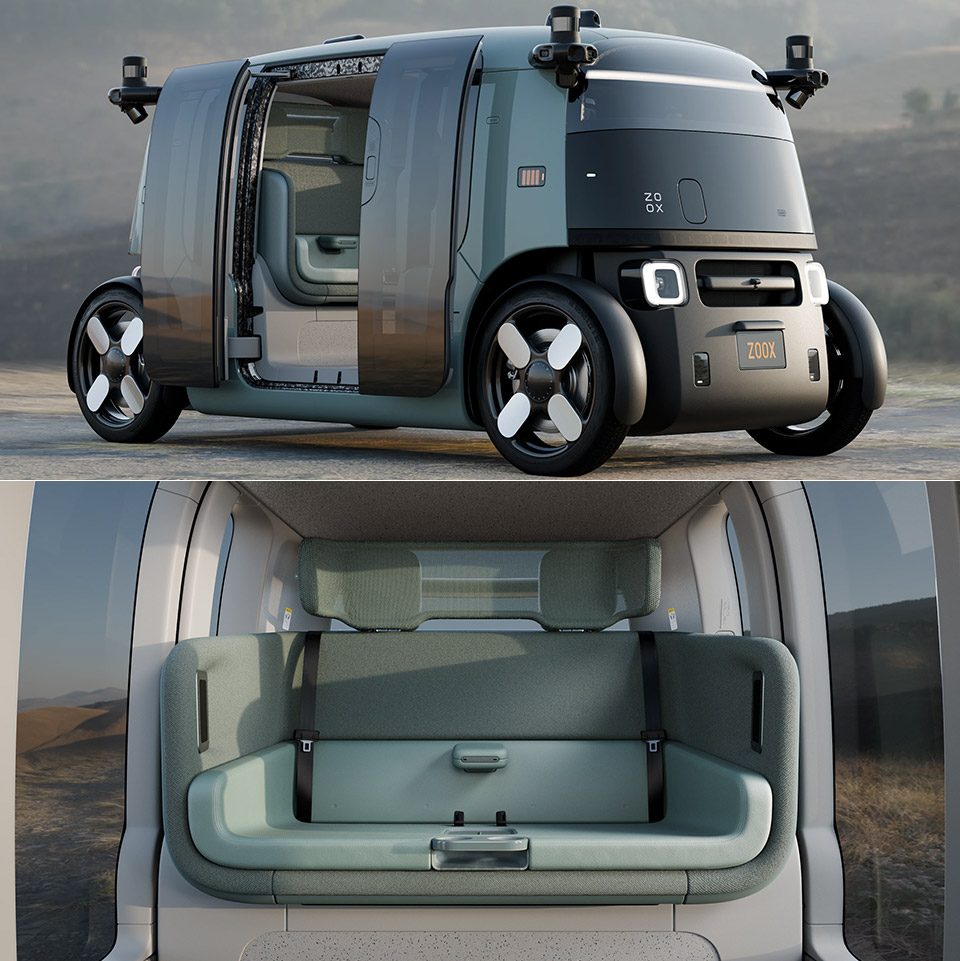
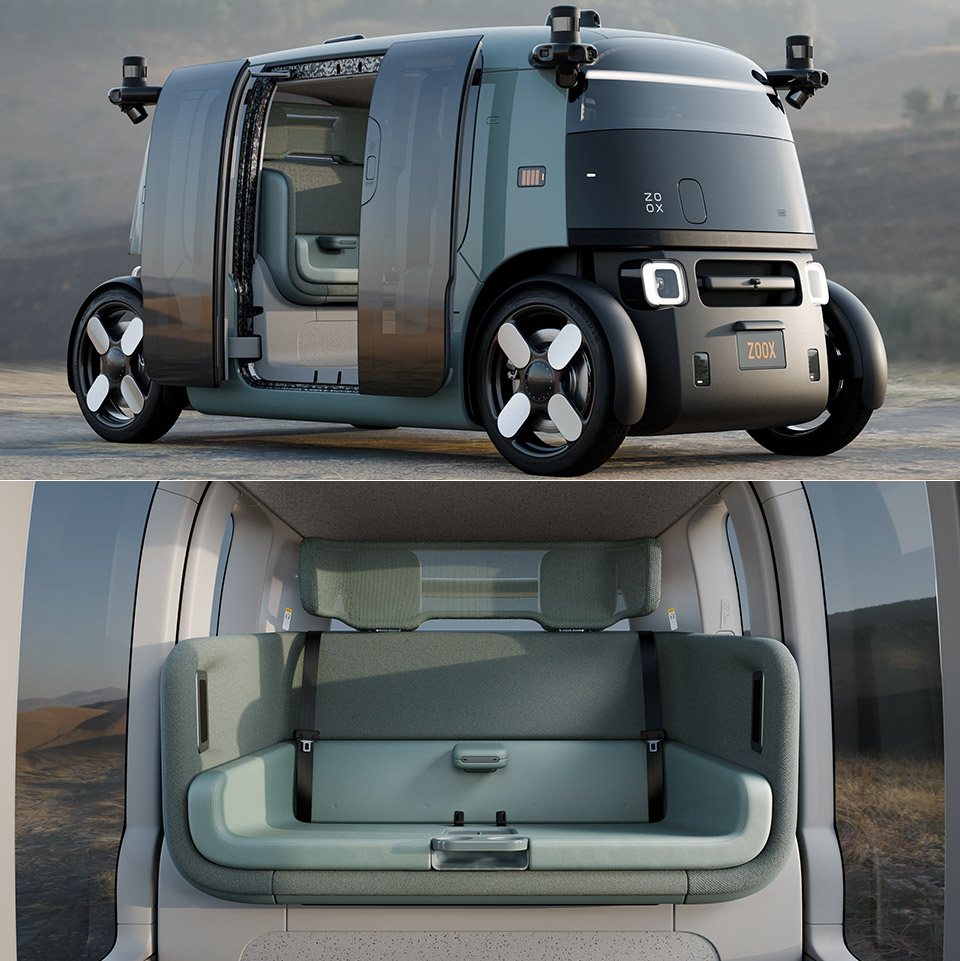
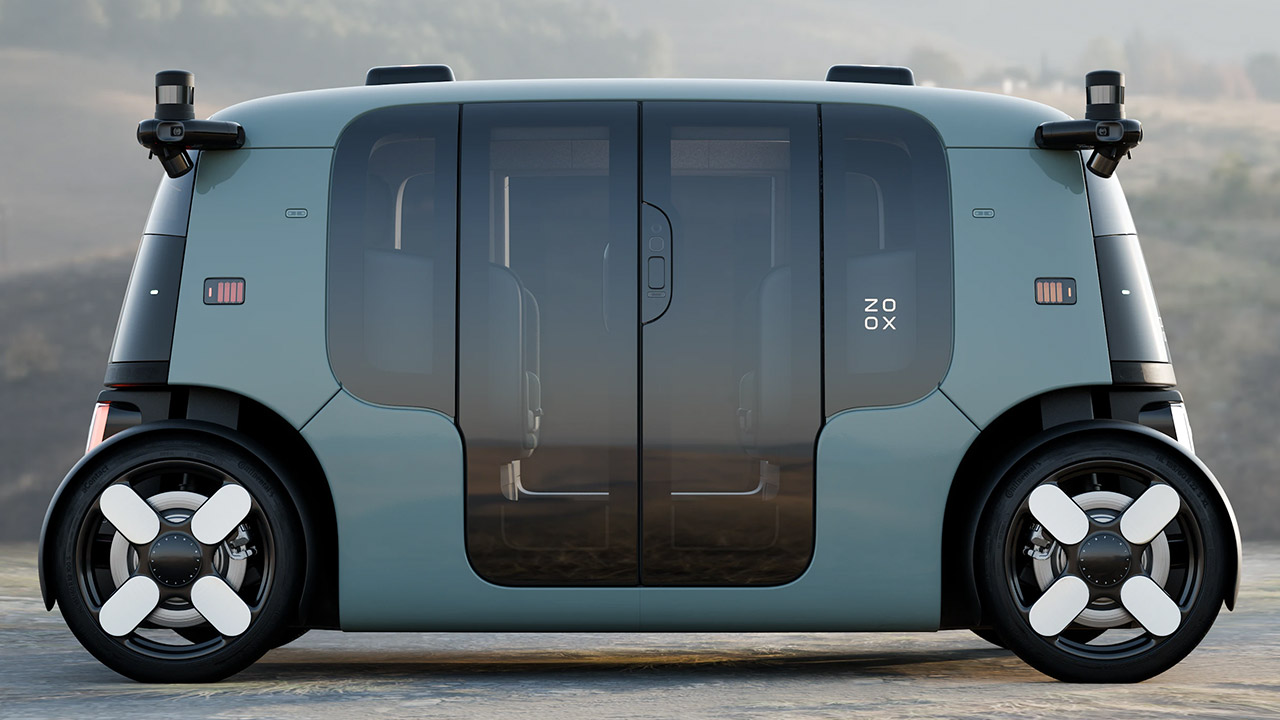
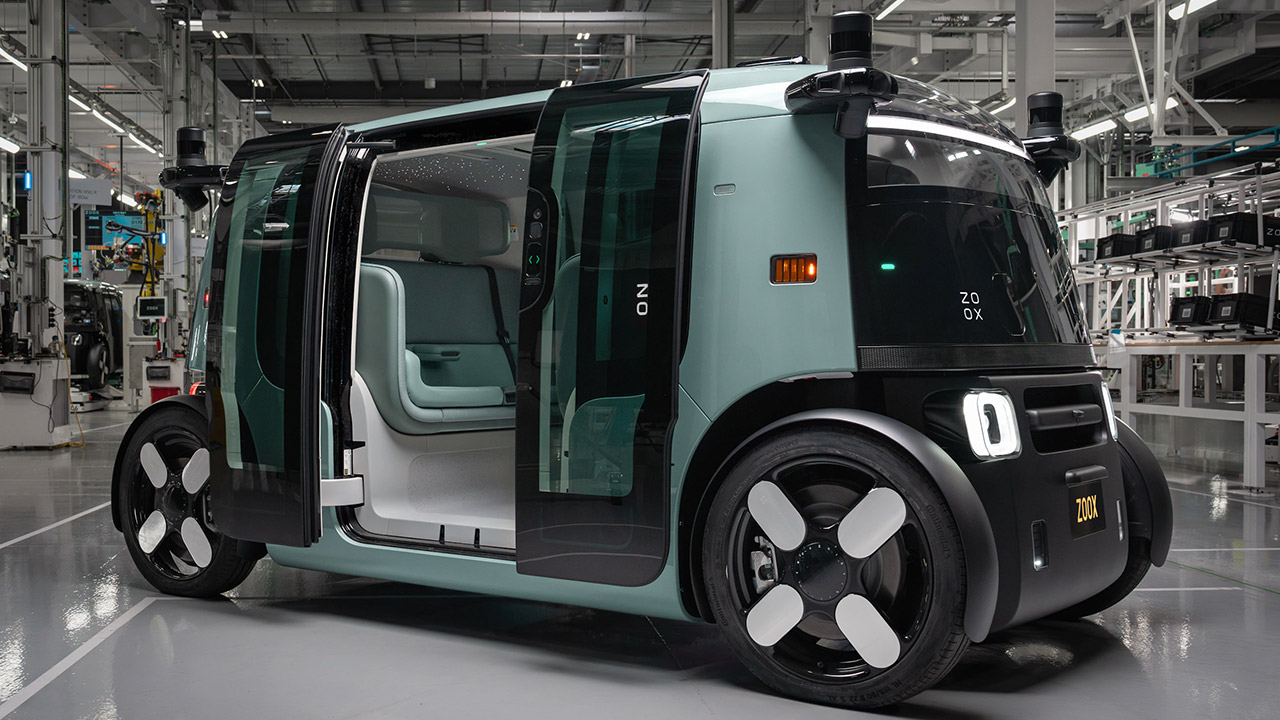
Zoox just released a new version of their autonomous robotaxi, and the vehicle retains its original no-nonsense purpose-built design, but with a few important modifications derived directly from real-world experience on the streets of Las Vegas, San Francisco, Austin, and Miami. More than half a million cyclists had already completed the route, and they had clearly made their stamp on the most recent round of changes.
The basic layout stays same; you still have the familiar boxy shape that allows you to move forward or in reverse. That design allows the large sliding doors to swing wide open on both sides, resulting in a perfectly symmetrical and comfortable cabin within. That cabin can accommodate four people, with two pairs of seats facing inwards, allowing you to either converse with your fellow passengers or relax on your own for a while.
Product Note: Max speed and range per charge vary based on several factors, including: rider weight, riding surface, incline, ambient temperature…
Powerful Motor & Long Battery Life – The 500W powerful electric brushless hub motor allows for speeds up to 19mph. High capacity battery (36V/11.6AH…
Upgrade Your Commuting – Hiboy S2 Pro Electric Scooters Front And Rear Wheel Equipped With 10-Inch Solid Tires And Rear Dual Shock Absorbers Provide…
Inside, you’ll see that the color scheme has lightened slightly, with the seats now a soft green and the floor and trim a subtle grey. It all gives the car a relaxed atmosphere and is intended to assist people remember things that would otherwise slip their memory. They’ve added extra cushioning and softer edges to the seats and headrests to make them more comfortable on all of the twists and turns, all in response to rider comments on how to make the car more comfortable for longer excursions.
Advertisement
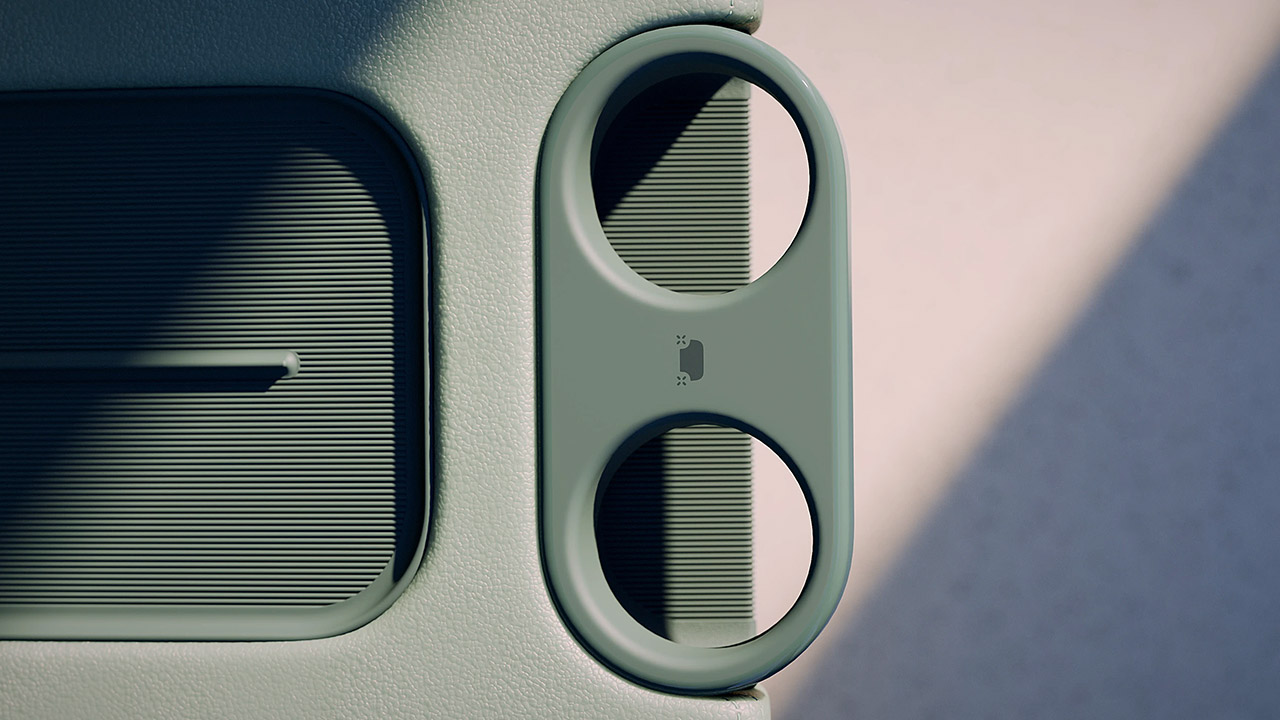
Daily use has now become easier, with much larger cupholders to keep your drink from dripping everywhere. They’ve also added microscopic ridges to the phone tray to prevent your phone from sliding around when you’re on the road. The screen is also considerably brighter now, allowing you to swiftly glance over and see all of your flight information.
Outside, the reflectors have been updated, changing color to indicate which end of the car is in front. Handy for bikers, pedestrians, and emergency personnel who may need to know which direction your car is facing, plus they’ve added a mic and speaker to the door area so you can have a clearer conversation with anyone who needs to communicate with you when you stop.
However, the core technology remains unchanged, since all of the cameras, sensors, and other devices continue to provide a detailed picture of what is going on around you. Four-wheel steering is still beneficial for maneuvering through tight city streets, and the maximum speed remains around 75 mph, with the cabin seating up to four passengers as before.
Now, the primary focus is on getting this thing ready for production. The final design is complete, and they will produce 100 automobiles per week at the Hayward factory in California. If they keep up that pace, they should be able to produce around 10,000 units per year. The first replacement cars will arrive in existing fleets later this year, once all formalities (government approval) have been completed. [Source]
A 21-year-old using the alias “Snoopy” was sentenced to 18 months in prison for his role in hacking DraftKings accounts in the November 2022 cyberattack.
In December 2025, the man, Nathan Austad of Minnesota, pleaded guilty to conspiracy to commit computer intrusion, admitting that he and co-conspirators compromised 60,000 DraftKings user accounts.
During the attack, the hackers added payment methods under their control to 1,600 accounts and stole $600,000.
DraftKings is a fantasy sports and sports betting platform where users can build teams of real-world athletes and compete for cash prizes based on their performance in actual sporting events.
In November 2022, DraftKings disclosed that hackers accessed customer accounts through credential stuffing attacks that exploited weak passwords or reused login credentials.
Advertisement
At the time, DraftKings reported that less than $300,000 had been stolen from affected customers. A month later, the company disclosed that 67,995 customer accounts had been compromised in the attack.
In May 2023, U.S. authorities charged Joseph Garrison for his role in the scheme, accusing him and his co-conspirators of selling access to hacked DraftKings accounts through online marketplaces such as the “Goat Shop.”
In January 2024, prosecutors charged additional suspects for the cyberattack, including Kamerin Stokes (“TheMFNPlug”) and Nathan Austad (“Snoopy”).
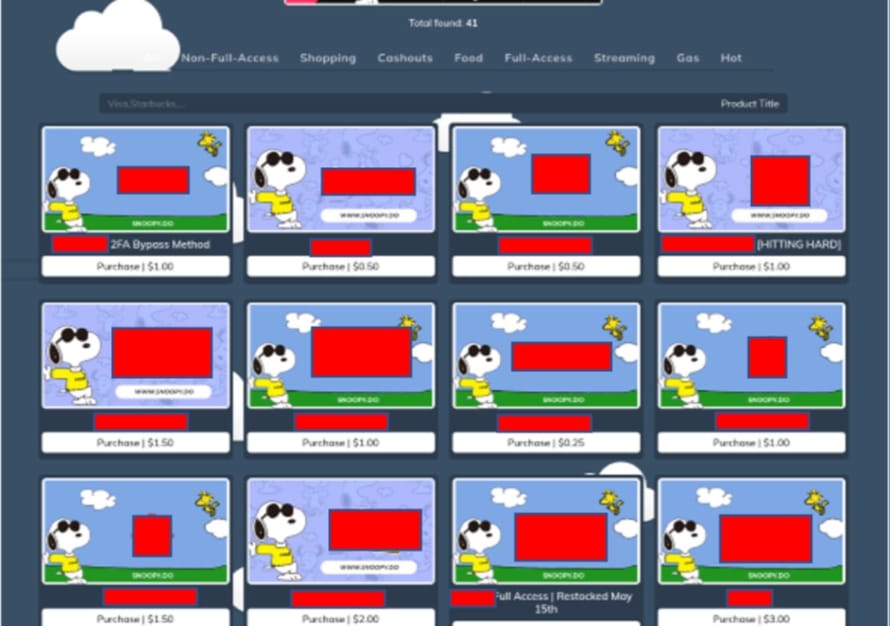
Austad reportedly operated his own shop where he sold access to stolen accounts and also used other platforms for the same purpose.
Advertisement
“AUSTAD directly controlled and profited from his own shop, which was named after the character Snoopy from the Peanuts comic strip,” the U.S. Department of Justice says.
Austad’s shop selling access to victim accounts Source: U.S. DoJ
The DoJ’s press release does not disclose the amount the hackers earned from selling access to the compromised accounts, but notes that Austad’s cryptocurrency accounts received approximately $465,000 in assets.
The U.S. DoJ also mentions direct messages that Austad sent to his co-conspirators, in which he openly admitted to perpetrating fraudulent activity and warned others to prepare.
Joseph Garrison received an 18-month imprisonment sentence in January 2024, while Kamerin Stokes received a 30-month sentence in April 2026.
In addition to the prison sentence, Austad received three years of supervised release and was ordered to pay $463,684 in forfeiture and $1,327,061 in restitution.
Advertisement
Security teams log 54% of successful attacks and alert on just 14%. The rest move through your environment unseen.
The Picus whitepaper shows how breach and attack simulation tests your SIEM and EDR rules so threats stop slipping by detection.
Micron Q3 revenue hit $41bn, quadrupling year-over-year on surging AI memory demand, with gross margins above 81 percent and Q4 guidance of $50bn.
Micron Technology posted fiscal third-quarter revenue of nearly $42bn, quadrupling from just over $9bn a year earlier and beating Wall Street estimates by a wide margin. The results, reported on Tuesday, confirm that the company riding the AI memory boom hardest is the one whose stock has already climbed roughly 700 percent over the past year.
Adjusted earnings came in above $25 a share, compared with analyst expectations of roughly $21. GAAP net income exceeded $28bn, or nearly $25 a share, up from just under $2bn in the year-ago quarter. Gross margins hit above 81 percent, up from 69 percent in the prior quarter and 27 percent a year earlier.
The headline number is revenue growth. Micron brought in nearly $42bn against a consensus estimate of roughly $36bn, driven almost entirely by surging demand for high-bandwidth memory, the stacked DRAM chips that sit next to GPUs inside AI accelerators built by Nvidia and Google. HBM has become the binding constraint on AI infrastructure expansion, and Micron is one of only three companies in the world that can make it.
CEO Sanjay Mehrotra said Micron can currently fulfil only between half and two-thirds of customer demand for HBM. The company’s entire 2026 HBM supply is sold out under multi-year contracts, and it has collected $22bn in customer cash deposits, essentially prepayments from hyperscalers desperate to lock in supply.
Advertisement
Micron’s next-generation HBM4 chips are ramping what the company described as twice as fast as the previous HBM3E generation. HBM4 revenue has already exceeded one billion dollars. The technology is essential for the latest accelerators from Nvidia and Google, where memory bandwidth rather than raw compute increasingly determines inference throughput.
The forward guidance was equally aggressive. Micron projected fiscal fourth-quarter revenue of approximately $50bn, plus or minus one billion, against analyst estimates of roughly $44bn and a year-ago figure of just over $11bn. The company raised its full-year capital expenditure forecast to more than $25bn, up from a previous target of $20bn, to expand production capacity for HBM and advanced DRAM.
Micron’s market capitalisation crossed one trillion dollars on 26 May, making it the latest memory chipmaker to reach that threshold as the AI-driven memory supercycle reshapes valuations across the semiconductor industry. The stock’s roughly 700 percent gain over the past year reflects a market that is pricing memory not as a cyclical commodity but as structural AI infrastructure.
The company said it expects the total addressable market for HBM to grow at a compound annual rate of roughly 40 percent through 2028, rising from approximately $35bn in 2025 to around $100bn. Micron plans to return 100 percent of excess free cash flow to shareholders, a commitment enabled by the cash deposit programme that reduces the capital risk of its expansion.
Advertisement
There are caveats worth noting. Micron remains the smallest of the three HBM suppliers, behind SK Hynix and Samsung, and its share of Nvidia’s HBM4 allocations is the thinnest of the trio. The broader memory market is also shifting, with Chinese manufacturers like CXMT expanding aggressively into consumer DRAM segments that the Big Three have deprioritised in favour of AI chips.
Memory pricing is cyclical by nature, and the current supercycle depends on hyperscaler capital expenditure continuing at its current pace. If AI infrastructure spending slows or HBM supply catches up with demand, the margins that Micron reported this quarter would compress rapidly. The 81 percent gross margin is historically extraordinary for a memory company and reflects shortage economics as much as product superiority.
For now, the numbers speak for themselves. Revenue that quadruples in a year, margins that triple, and a guidance print that exceeds estimates by more than $6bn are not normal results for any company, let alone one that was losing money two years ago. Micron’s earnings confirm that the AI memory shortage is intensifying, not easing, and that the companies making the chips inside AI accelerators are capturing value at a rate the market is still recalibrating to price.
Anthropic accused Alibaba’s Qwen lab of using 25,000 fake accounts for nearly 29 million Claude exchanges, the biggest such campaign yet.
Anthropic has accused Alibaba of waging the largest distillation campaign yet against a US AI company, telling senators and White House officials that operators linked to Alibaba’s Qwen AI lab used nearly 25,000 fraudulent accounts to extract Claude’s capabilities between April and June. The letter, a copy of which was seen by Bloomberg, described nearly 29 million exchanges with Claude targeting software engineering and agentic reasoning, the model’s most commercially valuable skills.
The accusation marks the first time Anthropic has named a major Chinese technology conglomerate as the source of a distillation attack. Previous allegations in February targeted smaller Chinese AI startups, including DeepSeek, MiniMax, and Moonshot AI, which Anthropic said had collectively generated more than 16 million exchanges through about 24,000 fake accounts. The Alibaba campaign alone exceeded the combined volume of all three earlier efforts.
Distillation is the practice of feeding carefully constructed queries to a frontier AI model, collecting its responses, and using those responses to train a cheaper rival system that approximates the original’s capabilities. The White House flagged the technique as a national security concern in April, when OSTP Director Michael Kratsios published a memo committing the government to share intelligence with US AI labs about foreign distillation campaigns. Anthropic said in its letter that the Alibaba campaign took place after the Kratsios memo, in defiance of the administration’s warnings.
Advertisement
The 💜 of EU tech
The latest rumblings from the EU tech scene, a story from our wise ol’ founder Boris, and some questionable AI art. It’s free, every week, in your inbox. Sign up now!
Alibaba had no comment on the allegations. An Anthropic spokesperson declined to discuss specifics but emphasised the importance of combating distillation through coordinated action between government and industry.
Alibaba’s American depositary receipts fell more than three percent on the news, dropping below $100 in afternoon trading on Wednesday. The stock decline adds to a difficult period for the company in Washington, where it faces pressure on multiple fronts.
In its letter, Anthropic warned that adversarial distillation lets Chinese labs replicate frontier AI at a fraction of the training cost, and that models built this way often lack safety guardrails. The company urged the Trump administration to clarify antitrust guidelines so US labs can share more information about distillation attempts, reiterated its support for export controls on advanced AI chips, and called for penalties against firms that use the technique.
Lawmakers are moving in parallel. Senators Bill Hagerty and Andy Kim plan to introduce an amendment to must-pass defence legislation that would blacklist or sanction any Chinese firm found to be improperly accessing US AI model output. A related bipartisan bill in the House, backed by Representatives Bill Huizenga and Sydney Kamlager-Dove, is also being considered, though whether either proposal survives to the final version of the defence bill is uncertain.
The timing is sensitive for Anthropic as well. The company, now valued at $965bn after a $65bn Series H round, filed confidentially for an IPO this month and is preparing for a listing that could come as soon as this autumn. US officials have estimated that unauthorised distillation costs Silicon Valley labs billions of dollars, and the threat of cheaper imitation products from China that siphon away customers is a material risk for a company heading to public markets.
Advertisement
Anthropic’s calls for government support may not find a fully receptive audience, given that the company is embroiled in a separate dispute with the Trump administration over export controls imposed on its Fable 5 and Mythos 5 models less than two weeks ago. Commerce Secretary Howard Lutnick signed an order blocking foreign nationals from accessing those models, citing security concerns, and Anthropic disabled them to comply. Even after meetings between the company’s technical staff and White House officials, little progress has been made to restore service.
The result is a company caught between two fronts of its own. Anthropic needs the government to crack down on Chinese labs extracting its technology, but it is simultaneously fighting the same government’s decision to restrict its own products. The letter to senators is an attempt to separate the two issues, arguing that protecting US models from distillation and allowing those models to be deployed commercially are complementary rather than contradictory goals.
Whether Washington agrees will shape both the regulatory environment for US AI companies and the competitive dynamics of the industry’s most consequential rivalry. Anthropic has now named four Chinese labs as distillers of its technology, with the Alibaba accusation by far the largest in scale. If the legislative proposals gain traction, the consequences could extend well beyond Anthropic’s models to the broader question of how the US enforces an intellectual property border around AI systems that exist as software, not hardware, and that can be copied over the internet through nothing more than a well-crafted prompt.
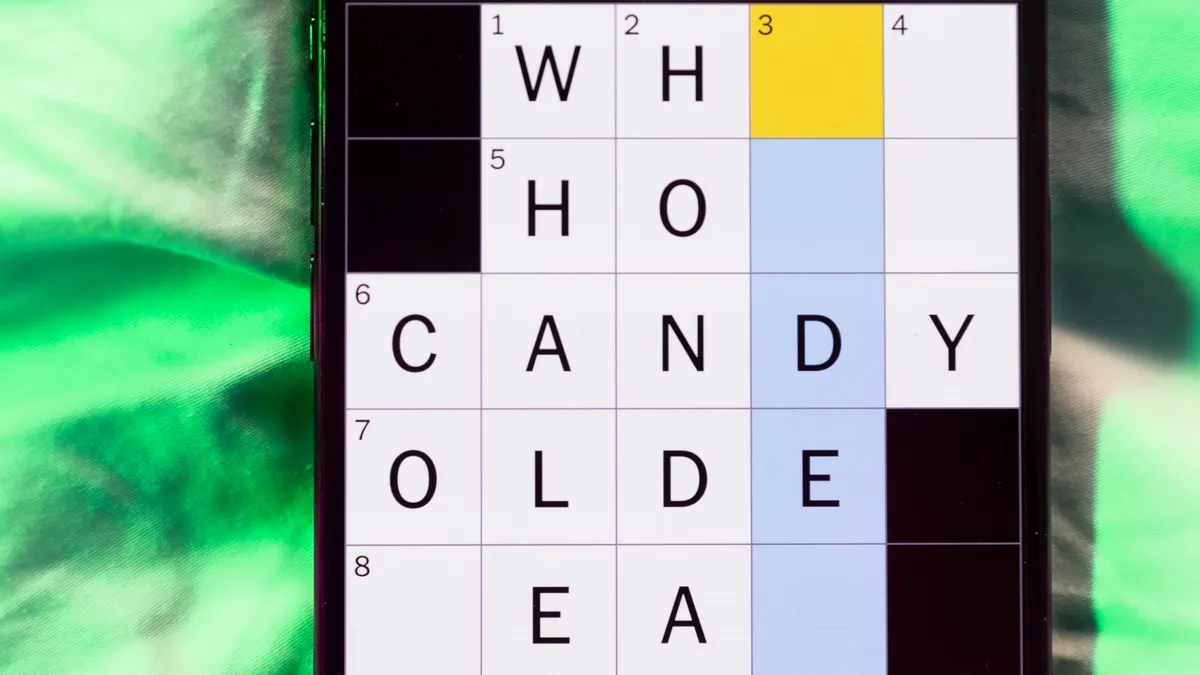
Looking for the most recent Mini Crossword answer? Click here for today’s Mini Crossword hints, as well as our daily answers and hints for The New York Times Wordle, Strands, Connections and Connections: Sports Edition puzzles.
Need some help with today’s Mini Crossword? It’s not terribly tough, though I always hate it when two clues rely on each other, like 4-Across and 7-Across do today. Read on for all the answers. And if you could use some hints and guidance for daily solving, check out our Mini Crossword tips.
If you’re looking for today’s Wordle, Connections, Connections: Sports Edition and Strands answers, you can visit CNET’s NYT puzzle hints page.


























































You must be logged in to post a comment Login