

Tech
Today’s NYT Strands Hints, Answer and Help for July 4 #853- CNET


Looking for the most recent Strands answer? Click here for our daily Strands hints, as well as our daily answers and hints for The New York Times Mini Crossword, Wordle, Connections and Connections: Sports Edition puzzles.
Today’s NYT Strands puzzle is a fun one. It has a holiday topic, and the answer grid shows up in bright colors, which fits the theme. Some of the answers are difficult to unscramble, so if you need hints and answers, read on.
I go into depth about the rules for Strands in this story.
If you’re looking for today’s Wordle, Connections and Mini Crossword answers, you can visit CNET’s NYT puzzle hints page.
Read more: NYT Connections Turns 1: These Are the 5 Toughest Puzzles So Far
Hint for today’s Strands puzzle
Today’s Strands theme is: Ooh!
If that doesn’t help you, here’s a clue: Happy 250th birthday!
Clue words to unlock in-game hints
Your goal is to find hidden words that fit the puzzle’s theme. If you’re stuck, find any words you can. Every time you find three words of four letters or more, Strands will reveal one of the theme words. These are the words I used to get those hints but any words of four or more letters that you find will work:
- DARE, FARE, PARK, BROIL, ROIL, SPAR, COIL, BOIL, FAIL
Answers for today’s Strands puzzle
These are the answers that tie into the theme. The goal of the puzzle is to find them all, including the spangram, a theme word that reaches from one side of the puzzle to the other. When you have all of them (I originally thought there were always eight but learned that the number can vary), every letter on the board will be used. Here are the nonspangram answers:
- BRIGHT, COLORFUL, DAZZLING, EXCITING, SPARKLING
Today’s Strands spangram
The completed NYT Strands puzzle for July 4, 2026.
Today’s Strands spangram is FIREWORKS. To find it, look for the F that is four letters to the right on the bottom row, and wind up.

Following the Trump directive that led Anthropic to pull its latest AI models offline and growing calls for sovereign tech that reduces reliance on the U.S., Mistral AI has been caught in a whirlwind of attention. But the French AI darling is often misunderstood, and the fact that it develops large language models (LLMs) has muddied the picture.
Anyone who judges Mistral by how close it is to becoming ‘the OpenAI from Europe’ is in for disappointment. Its chat and agent Vibe, formerly Le Chat, only has an ounce of ChatGPT’s brand recognition, and Claude is more popular than Mistral’s models even among founders based at Station F, Paris’ startup campus.
On the other hand, casual observers tend to miss that the French decacorn is following the Palantir playbook, with forward-deployed engineers that help governments and large corporations adopt AI and tailor it for their use cases.
This approach is also better suited for Mistral’s means. While the company is rumored to be raising some $3.5 billion at a $23.15 billion valuation, nearly doubling its current valuation, that’s still far less than U.S. frontier labs. But its revenues have also ramped up; in February, it disclosed that its annual recurring revenue was now above $400 million, up from $20 million just one year earlier, and claimed it was on track to surpass $1 billion in ARR this year.
This has helped Mistral gain a seat at the table in places like Davos, and even in rooms where tech CEOs have a hard time getting their message across, such as the French Parliament. Mistral CEO Arthur Mensch has become a public ambassador for a certain vision of AI, but he still has some evangelizing to do when it comes to explaining his own company.
In a lengthy LinkedIn post, Mensch broke down what the Paris-based company has been doing “for a living” — deploying its models and agent platform on the infrastructure of its Enterprise customers, and helping them build custom models with Forge, a platform that lets them use their own data for training.
However, misunderstandings and bigger hopes around Mistral don’t stem out of thin air. Named after a wind, the company pursues a grand vision. “We exist to make sure that everyone gets access to the best AI systems, outside of centralized control exercised by states or corporations that feel the need to control in-fine deployment of AI,” Mensch wrote.
This vision means that Mistral is looking beyond the enterprise. It also aims to keep on making big investments into research to keep up with foundational AI rivals — and Mensch’s post also covered where he thinks the company stands in that regard.
“Today, we do not yet own the best language models, but we’ve constantly reduced that gap. We have a very exciting model to come this summer – it will be open-weight, and we’re opening early access to it in July. In domains that are less compute bound, e.g. voice, vision and document processing, we have state-of-the-art solutions,” Mensch claimed.
Mistral’s upcoming model has already generated some buzz on X, where Mensch and Mistral backer Marc Andreessen have engaged with jokes and amplified memes on what we now know won’t be called “Le Chaton Fat.” That’s another sign that the world — especially “the rest of the world” — is keeping an eye out for whatever Mistral has in its bag.
The most interesting part may be happening behind the scenes. Earlier this year, Mistral acquired infrastructure startup Koyeb to further boost its plans to build “a true AI cloud. The company also announced a €4 billion investment strategy (around $4.56 billion) to build data centers in France and Sweden — and the sovereignty undertones are never very far.
“We’re building under the premise that AI technology is a commodity technology that every organization needs a secured and affordable supply of,” Mensch wrote. If you are curious to learn more, keep on reading.
Who are Mistral AI’s founders?
Mistral’s three founders share a background in AI research at major U.S. tech companies that have operations in Paris. Before becoming Mistral’s CEO, Mensch used to work at Google’s DeepMind; CTO Timothée Lacroix and chief scientist officer Guillaume Lample are former Meta staffers.
Mistral also granted the title of co-founding advisers to the cofounders of health insurance startup Alan, Charles Gorintin and Jean-Charles Samuelian-Werve (also a board member). In addition, it recently appointed three new executives to support its growth: Johan Bergqvist as Chief Financial Officer, Brian Hall as Chief Marketing Officer and Kamal Brar as SVP, Partners & Alliances.
What are Mistral AI’s main models?
Mistral has developed a broad suite of models ranging from LLMs to multimodal, reasoning, audio and OCR models. Not all of its models emphasize size; there’s the tellingly named Mistral Small 4 and “Les Ministraux,” a family of models optimized for edge devices such as phones. Some are open weights, and it also made code agent Leanstral open source.
What partnerships has Mistral AI closed?
In 2024, Mistral signed a deal with Microsoft that included a €15 million investment and a strategic partnership for distributing the French company’s AI models through Microsoft’s Azure platform.
In May 2025, Mistral said it would participate in the creation of an AI Campus in the Paris region, as part of a joint venture with UAE investment firm MGX, NVIDIA, and France’s state-owned investment bank Bpifrance.
In June 2025, Mistral said it would launch a European platform dedicated to AI and powered by Nvidia processors, Mistral Compute, in 2026. The initiative was hailed as “historic” by France’s president, Emmanuel Macron, who shared the stage with Mensch and Nvidia CEO Jensen Huang at the VivaTech conference shortly after the announcement.
In July 2025, Mistral launched AI for Citizens, an initiative that the company claimed could “help States and public institutions strategically harness AI for their people by transforming public services.”
In September 2025, Mistral and chip company ASML struck a partnership “to explore the use of AI models across ASML’s product portfolio as well as research, development and operations.”
Mistral also secured strategic partnerships with the likes of Accenture, press agency Agence France-Presse, France’s army and job agency, Luxembourg, shipping giant CMA, German defense tech startup Helsing, IBM, Orange, and Stellantis.
How much funding has Mistral AI raised to date?
Most of Mistral AI’s funding to date was debt financing, but the company has also raised several venture funding rounds, with a grand total around $4 billion, according to Crunchbase.
In June 2023, just one month after being founded, Mistral AI raised a record $113 million seed round led by Lightspeed Venture Partners. Sources at the time said the seed round, Europe’s largest ever, valued the startup at $260 million.
Other investors in that round included Bpifrance, Eric Schmidt, Exor Ventures, First Minute Capital, Headline, JCDecaux Holding, La Famiglia, LocalGlobe, Motier Ventures, Rodolphe Saadé, Sofina, and Xavier Niel.
Six months later, Mistral closed a €385 million Series A ($415 million at the time), at a reported valuation of $2 billion. The round was led by Andreessen Horowitz (a16z) and saw participation from Lightspeed, as well as BNP Paribas, CMA-CGM, Conviction, Elad Gil, General Catalyst, and Salesforce.
Microsoft’s $16.3 million convertible investment in Mistral as part of a partnership announced in February 2024 was presented as a Series A extension, implying an unchanged valuation.
In June 2024, Mistral raised €600 million (about $640 million) in a mix of equity and debt. The long-rumored round was led by General Catalyst at a $6 billion valuation, with notable investors including Cisco, IBM, Nvidia, and Samsung Venture Investment Corporation participating.
In September 2025, Mistral closed a €1.7 billion Series C round (about $2 billion) led by ASML at a €11.7 billion valuation (approximately $13.8 billion), with participation from existing backers DST Global, a16z, Bpifrance, General Catalyst, Index Ventures, Lightspeed, and Nvidia.
What companies has Mistral AI acquired?
In addition to infrastructure startup Koyeb, Mistral has also bought Emmi, an Austrian startup focusing on physics AI, with the ambition to better support industrial enterprises in their AI transformation.
Will Mistral AI make its own chips?
While Mistral has yet to design its own chips, Mensch isn’t ruling it out. “Owning the chips may come, I think it should come at some point, but for now we are relying on Nvidia, which is a great partner to us, and we’re testing a few things here and there,” he told CNBC.
What could a Mistral AI exit look like?
Mistral is “not for sale,” Mensch said in January 2025 at the World Economic Forum in Davos. “Of course, [an IPO is] the plan.”
This makes sense, given how much the startup has raised so far: Even a sale to a rumored prospective buyer like Apple may not provide high enough multiples for its investors, not to mention sovereignty concerns depending on the acquirer.
This story was originally published on February 28, 2025, and will be regularly updated.
When you purchase through links in our articles, we may earn a small commission. This doesn’t affect our editorial independence.
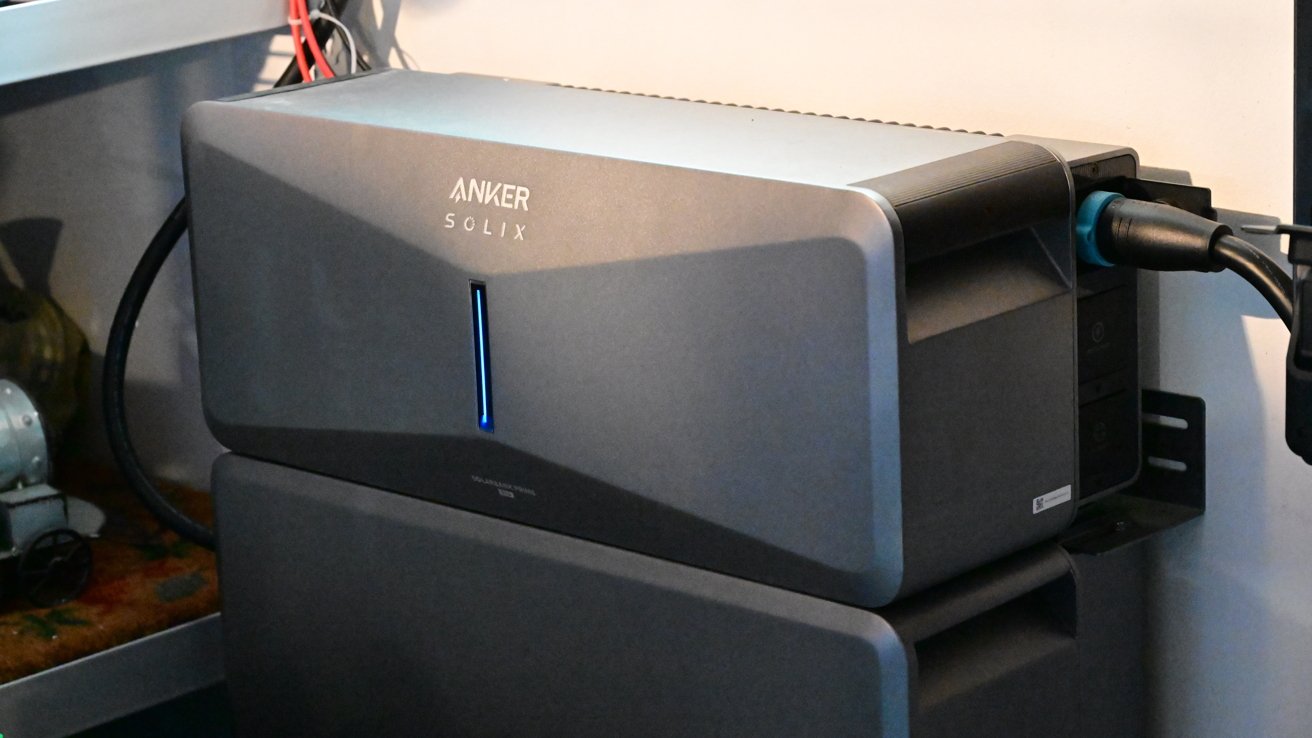
The Anker Solix E10 whole-home battery backup system is a modular setup that can keep your home powered and save you money with multiple forms of power input.
In rural Ohio, my partner and I have struggled with power outages since we bought our house. The first weekend we moved in, we were hit with a power outage, and as we walked outside, we heard all of our neighbors turning on loud, gas-powered generators.
We knew this was common and had to find a solution. Until the Solix E10, we’ve relied primarily on multiple battery backups in the house to keep the internet running, devices charged, and appliances going during these outages.
At most, we went for over three days without power thanks to the aging power infrastructure. The roadside utility poles that deliver power are constantly downed by trees or rough weather.
The E10, from the Anker power subbrand Solix, looked like a great fit that could grow with us, while reducing our reliance on the grid and being less susceptible to outages.
| E10 with Power Dock | |
|---|---|
| Outdoor Rating | NEMA 4 (-4F to 131F) |
| Solar Input | 9kW – 27kW ; 30-450V |
| Auto Switching | |
| Battery Capacity | 6kWh-90kWh |
| Output Power | 7.6kW – 22.8kW |
| Entry Capacity | 200A Whole Home |
Anker Solix E10 review: A modular solution for your home
The Anker Solix E10 is a modular power system that is designed to support your entire home. It’s comprised of multiple components that you can pick and choose based on your needs.

Anker Solix E10 review: The E10 Power Module atop a B6000 battery.
It’s a family of products consisting of battery modules, the E10 Power Module, the Smart Generator 5500, the Power Dock, and the Smart Inlet box. Here, I tested E10 connected to a battery as well as the Power Dock.
In my setup, the Power Dock with its 12 circuits is connected to my primary breaker box. Some of the circuits from my home were moved into the Power Dock to be controlled by the E10 system in the case of a power outage.
The E10 Power Module sits on top of the batteries and feeds into the Power Dock. If you have the Solix Tri-fuel Smart Generator 5500, it also feeds into the E10 Power Module to provide supplementary power and charge the batteries.
Depending on your home, you can easily customize this to your needs. You can add on lots of solar to drastically reduce your reliance on the grid or line up three E10 Power Modules with five 6144Wh B6000 battery modules each to run up to 15 days solely on stored power.

Anker Solix E10 review: The E10 Power Dock can hold 12 circuits.
Besides grid-supplied or solar power, the generator is unique. It can be powered by a natural gas line, propane, or gasoline, depending on what you have available.
This feels like the most adaptable whole-home battery system I’ve seen yet and can easily be outfitted to both small and large homes. Combined, you can go off-grid, be protected indefinitely during outages, and save money.
Anker Solix E10 review: App control and smarts
The Anker Solix E10 is all managed from the Anker app. It’s the same one that can run your desktop charger, your portable power station, and now, your whole home.
From the main view, you see a representation of your home with all the various inputs, such as solar, grid, and your batteries connected to the Power Dock. You see the home load, too.
It shows how the power is flowing and how much each piece is generating or drawing. I love watching and seeing the solar spike on sunny days and how much money it has saved us.
The system has two operating modes and two backup modes. For operating modes, you can use self-consumption mode (the default), which manages the load in real-time and maximizes any solar input, or you can choose “time of use mode,” which is for those with variable energy rates based on the time of day.
 Anker Solix E10 review: A few spare solar panels give me added power input
In Ohio, I have fixed-rate electricity pricing, so I use the standard self-consumption mode. Not only does this manage the flow of power from solar and the grid, but it also designates the capacity stored in the batteries.
Batteries don’t do well when stored for long periods of time at full capacity. For that reason, the E10 system will keep your batteries at an optimal capacity, usually 20%, though the user can designate exactly how much.

Anker Solix E10 review: The Solix E10 is easy to set up within the Anker app and used to monitor and adjust your power usage.
For backup modes, you can choose “Storm Guard” or “Rapid Charging”. The former will only charge your batteries when necessary, while the second is a manual backup option that will charge your batteries at maximum power.
Lastly, there is an option for “manual off-grid.” This cuts the power to the grid with the flip of a toggle and utilizes only self-produced and stored power for your home.
While the app works very well, is cleanly laid out, and has most of what I need, it isn’t as robust as some of the others out there. Some, like the Tesla PowerWall or the Ecoflow Smart Home Panel, seem to have a lot more data, graphs, and integrations.
As this is the first such product for Anker, I expect the app to continuously evolve and improve. For right now, it’s solid, but not the best.
Anker Solix E10 review: Storm Guard
Storm Guard is one of the best features of this system, and something I’ve got to test a few times in recent weeks. You input your address, and the system will monitor weather warnings for your area.
If there is a predicted weather warning approaching, it will automatically charge your batteries in anticipation. While in Storm Guard, you’ll get a notification as well as a banner on the app’s main view to let you know how long it is in effect.
 Anker Solix E10 review: Storm Guard kicking in
This did not work 100% of the time for me, but it worked well enough. Even if it didn’t predict every outage, I was very impressed with its performance.
Whenever Apple Weather or Carrot would send me an alert that there was a weather warning for my area — high wind, tornado, or severe thunderstorms — it was only a minute or two later that I’d get an alert from Anker that Storm Guard had been activated.
There was at least one time when a weather warning came in, and the system did not have ample time to fully charge the battery storage before our power was knocked offline. This shortened the amount of time our home could go off the battery backup.
I don’t fault the system for this, as it’s the best-case scenario for what it has to do. The only way to always have your batteries ready for any emergency power drop is to keep them stored at 100% perpetually, but this will reduce the lifespan of the cells, which you certainly don’t want.
Ultimately, as a compromise, I increased the stored percentage on the batteries to 30% so that I had a good amount of emergency power always stored, while still protecting battery health. That helps, too, in case of a surprise outage that isn’t weather-related.
Anker Solix E10 review: Where is Matter?
For me, the glaring hole right now is Matter, and it isn’t all Anker’s fault. Matter is the unifying smart home standard that works across ecosystems, including Apple Home.
The Connectivity Standards Alliance first added power management to the Matter standard in version 1.3 (we’re currently on 1.6), but it’s been a slow rollout to accessories. Ecosystems have also been slow to add power management features.
Currently, the Solix E10 does not support Matter, and Anker has not confirmed or denied its plans to do so. To me, this waffling shows how cautious brands are being about committing to the standard.

Anker Solix E10 review: The Power Dock that holds the home’s circuits
It’s a difficult spot for brands to be in right now. Who adopts support for a new feature first: the ecosystems or the accessories?
If no ecosystems fully support Matter power management, why add it to an accessory? Conversely, if no accessories want to support it, why add it to the ecosystem?
Thus far, Ecoflow has announced its intention to add Matter to its smart panel and its Oasis monitoring system, and others, like Pila, are adding it to their smaller battery stations.
Here’s my pitch on why more need to add it: aside from the ecosystems themselves, whole home battery backups are what this Matter feature was designed for. It’s the central point in your home that feeds power to all of the devices in your home.
With Matter, I could only run large appliances when my solar input passed a certain threshold at midday. I could also opt to pause unnecessary devices when running on battery power, like an extra space heater or the studio mini-fridge.

Anker Solix E10 review: Dual solar inputs on the side of the E10 Power Module, stacked on the batteries.
For homes that have electric vehicles, you can also control when and how fast you charge your car. Charge only on green energy or during off-peak hours. The system could also better track what in your home is using energy to give you insights to inform your control.
Apple specifically has shown a lot of interest in the power management space. With iOS 27, Apple is adding energy monitoring to the Home app, and it already has clean energy monitoring and ties into select power providers.
While Apple doesn’t yet support robust power management Matter features, it’s absolutely something of interest. When purchasing a whole home battery backup system, whether or not it supports or is expected to support Matter would be a major factor for me.
I’d want something this substantial to support the latest features and not feel outdated as soon as Apple and the other ecosystems get serious.
Anker Solix E10 review: In use
As I mentioned, power outages are a constant problem in my area. Even if not a full prolonged blackout, those brownouts are just as problematic, especially to connected smart home tech.
Instead of relying on several smaller battery backups throughout the home, this has consolidated everything into one system. It’s also much more reliable and seamless.
If or when the house goes offline during a big launch, I can make sure I can keep working without interruption. Let alone making sure we can make baby formula or keep the freezers cold during those outages.

Anker Solix E10 review: Four AC inputs on the bottom of the E10 Power Dock, which can be used for up to three Power Modules or an EV charger.
With a whole-home system, I don’t need to keep a bunch of batteries charged or check in on each of them individually during an outage to monitor how long they will last. Plus, since we have two full-sized refrigerators and a deep freezer, outfitting each with a battery backup that can last days would be expensive.
The Solix E10 system has reliably kicked in during every storm during my testing and powered our home during multiple outages. Only one outage wasn’t predicted when someone ran into a utility pole, but the 20% battery capacity got us through until it was repaired.
The Anker app is super useful to monitor that, as you can not only monitor the usage, but also see a real-time estimate of how long the battery will last.
Since the system has a sub-20 millisecond activation time, I also noticed that my brownouts are completely gone. The lights no longer flicker, and my smart home tech doesn’t need to reboot because the power dipped for just a second or two.
Anker Solix E10 review: Should you buy it
A whole-home battery system is certainly not cheap. It’s much more than a 5KmAh battery pack for your iPhone.
But for anyone who lives in an area with questionable power, frequent inclement weather, expensive energy rates, or is looking to go more off-grid, it’s the best solution.

Anker Solix E10 review: The Anker Solix logo atop the E10 Power Module.
More and more options have launched in the last few years, and I believe the Anker Solix E10 is the most approachable and customizable yet.
If you don’t want to go all-out, you can opt for an E10 and one battery. As time goes on, outfit your system with additional batteries, yard- or roof-mounted solar panels, or the tri-fuel smart generator.
Speaking of generators, I much prefer this over a regular gas generator. Most of those have just a few AC outlets you have to run cables to, but they also need regular maintenance and usually gas.
Using a battery system, it’s always ready to go, silent, and you don’t have to do anything. It simply kicks in when necessary, and if you do opt for that tri-fuel generator, it can run indefinitely.
The E10 system can be mounted indoors or outdoors, so it can withstand the elements. It still needs to be installed by an electrician, but it was a relatively quick and painless process.

Anker Solix E10 review: The whole system, with the Power Module on the left, next to the Power Dock, which feeds into the original home’s circuit breaker panel.
I’d still recommend this system based on its setup and performance, but I still want Matter to be in the picture. It’s the one thing holding it back from being basically perfect for me.
Anker Solix E10 review: Pros
- Easy installation for pros
- Whole-home backup for up to 15 days on battery
- Modular system to expand as needed
- Optional Tri-fuel generator to power home & batteries
- Two standard MC4 solar inputs
- Easy-to-use app
- Storm Guard to auto-backup batteries
- Track energy savings
- Store inside or outside
Anker Solix E10 review: Cons
- No Matter support
- Not as rich app compared to competition
Anker Solix E10 rating: 4 out of 5
Where to buy the Anker Solix E10
You can customize your own Anker Solix E10 system on Amazon, starting at $4,099.
The original PlayStation console launched with only 2MB of main RAM, split across four 512KB chips soldered to the motherboard. That amount served the system well for its era, powering a library of games that still hold up today. Yet the central processor inside was built from the start to work with up to 16MB. Sony simply never populated the extra capacity in consumer units, even though some of its own arcade hardware ran with the larger amount in two separate 8MB banks.
A PlayStation modder dubbed TunerTom has recently filled the RAM gap. Using traces from arcade boards and PSX.Dev Discord discussion, he has prepared a 16MB upgrade package that works on the standard PlayStation system. Another key step for this project was when Tito Perez of Macho Nacho Productions helped spread the word by performing a full, on-hardware demonstration, replete with a before-and-after test run.

PlayStation 5 Portal Remote Player – Midnight Black
- Play Your Game Collection with Remote Play – PlayStation Portal Remote Player can play compatible games you have installed on your PS5 console…
- Cloud Streaming from the Game Catalog and Classics Catalog – Discover an awesome library of PS5 games on the PlayStation Portal Remote Player with…
- Cloud Streaming for PS5 Games in Your Library – With PlayStation Plus Premium, stream select digital PS5 games in Your Library from PlayStation Store…
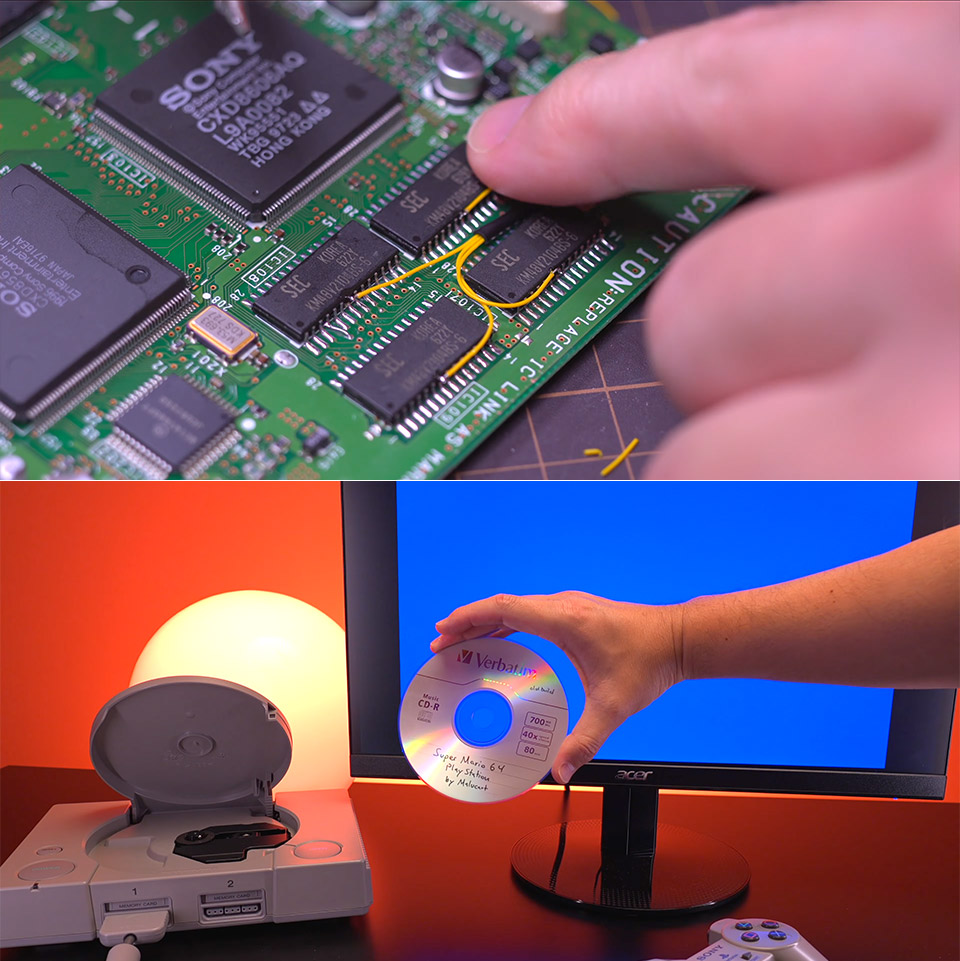
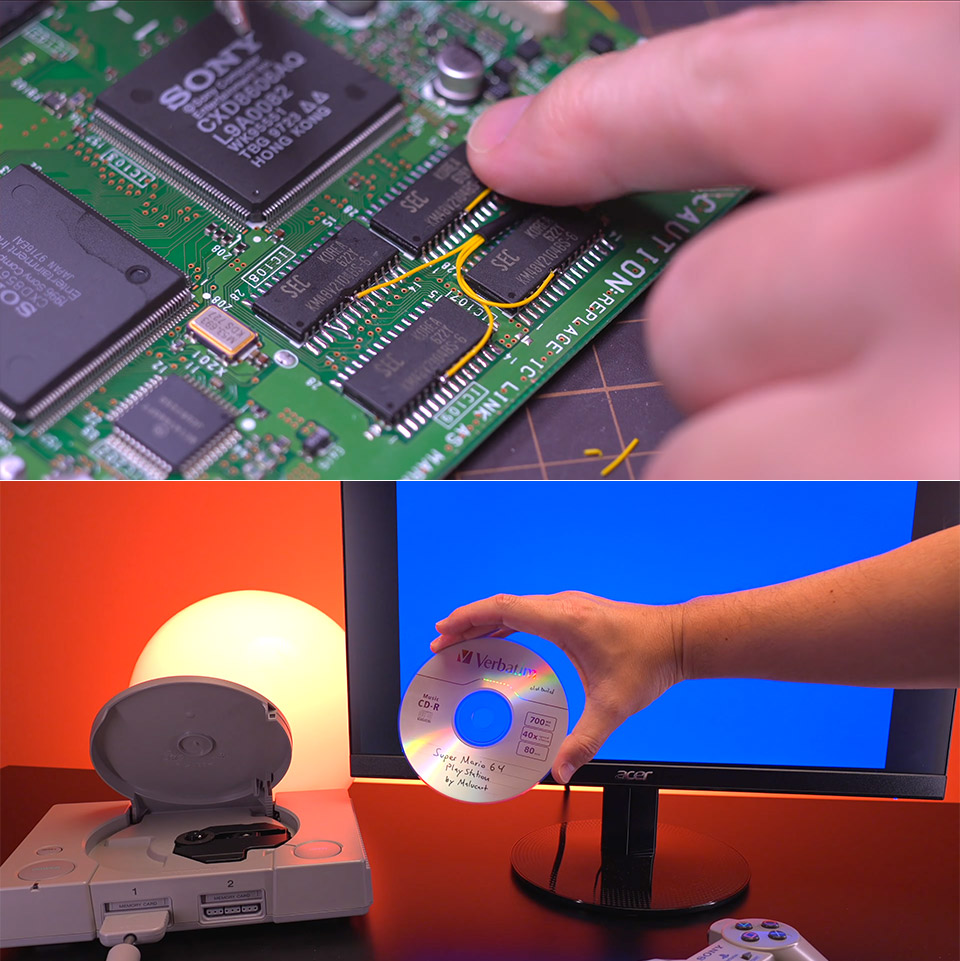
The upgrade does not modify the actual size of the chip footprint on the console’s motherboard, but almost everything else is redesigned. The first stage involves removing the conventional four 512KB chips. In their stead are eight 2MB EDO RAM chips salvaged from old 16MB RAM modules used in PCs. Four of these chips are inserted into the board connectors in the proper orientation. The remaining four are carefully changed so that they may stack directly on top of one another, with all but one of the legs soldered to the chip below, leaving one pin free for a particular connection.
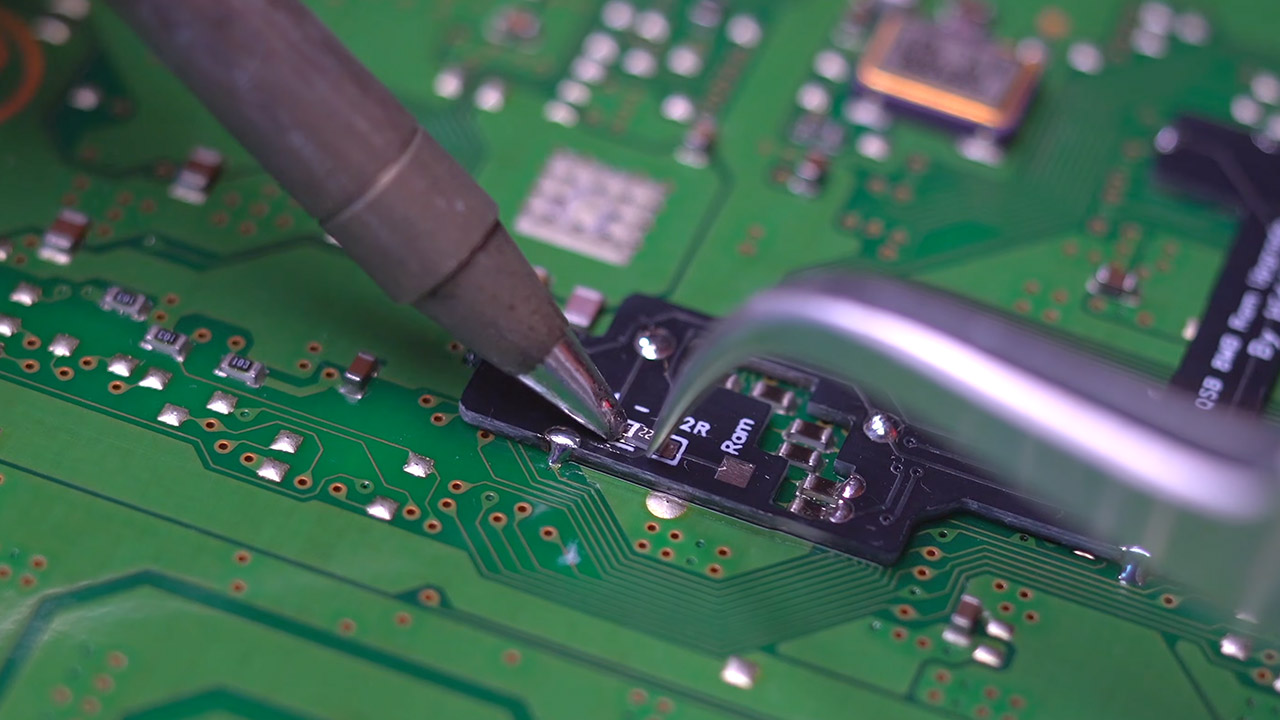
The most difficult aspect is all of the extra wirework that must be completed, as here is where the majority of the modification effort is concentrated. It treats the extra memory as two independent 8MB banks, exactly as other arcade systems did. After cutting a few traces on the original motherboard and exposing a via, you can use a custom quick-solder adapter board shared by another modder in the community to route memory control signals. A short wire harness reconnects the bank-select pin to the adapter, and a single 22-ohm resistor completes the circuit. Plus, if you put the RF shield back on, the upgrade remains hidden within the original case.
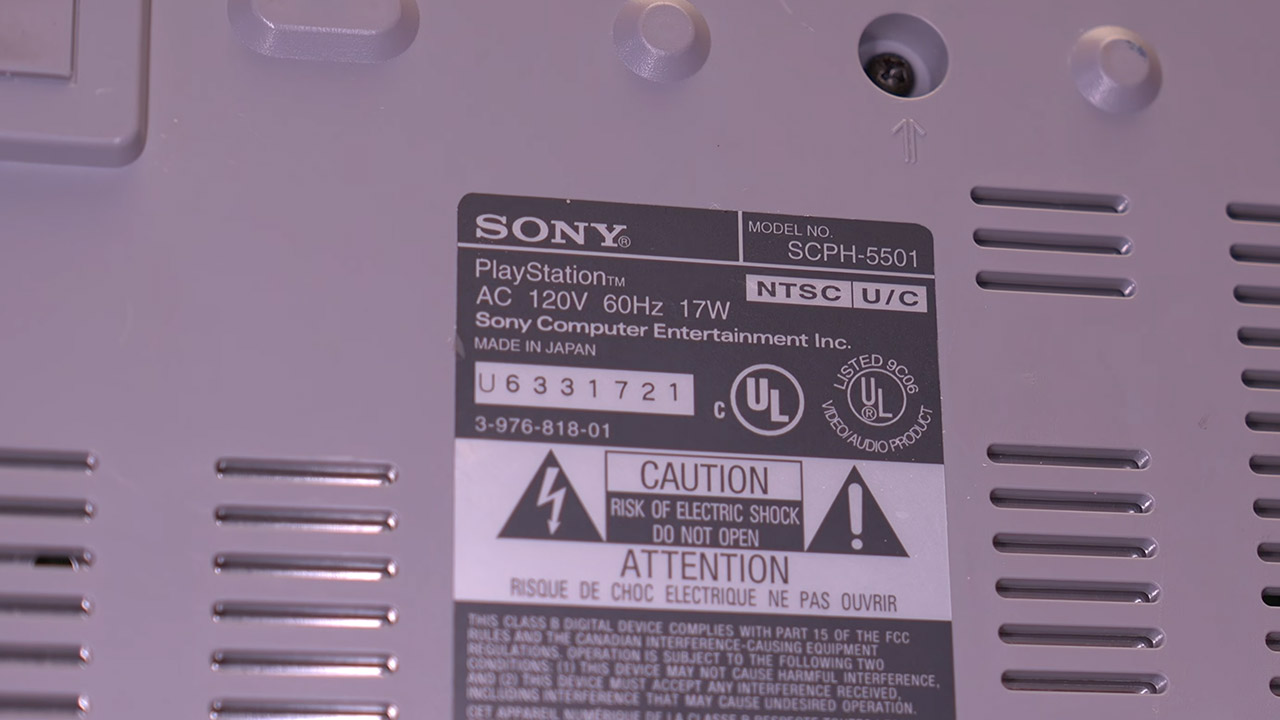
The good news is that the upgrade should be compatible with the console’s easier to mod models, such as the SCPH-5500 with the PU-8 motherboard. With a little additional work, it may also work on other console revisions. You’ll need a hot air gun to remove the old chips, steady hands for soldering, a craft knife to cut some of the traces, and a multimeter to perform basic continuity checks. I’d rate it as an intermediate level challenge for an experienced console modder, however the adapter board does assist minimize the amount of point-to-point wiring required.
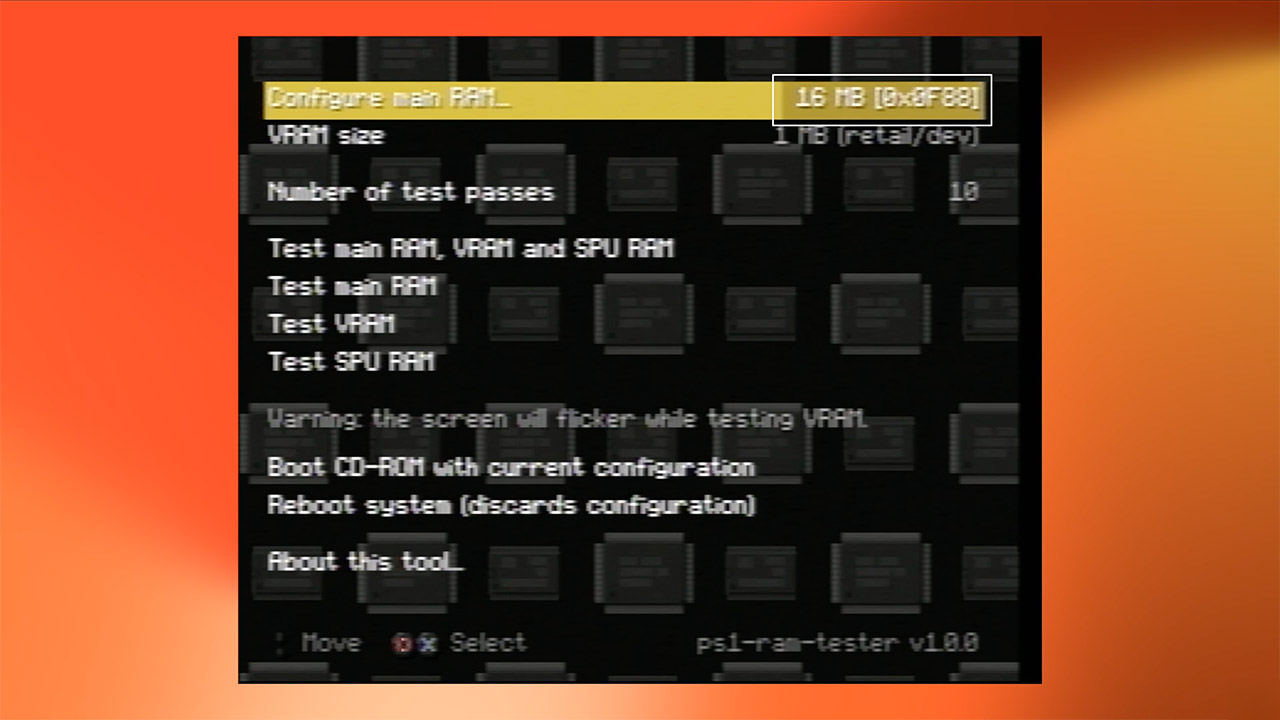
Testing has shown that the upgrade not only works, but also delivers. A special utility disc tests the PlayStation’s stock 2MB RAM, and once the mod is complete, it is changed to accommodate the 16MB RAM.

Most of the games you have already work properly because they never required more than 2MB of RAM. Some games, however, now fail to boot or simply crash due to a problem with memory initialization or the way the old setup replicated part of the data. However, the console itself continues to function normally on a daily basis. The true gain comes when game developers or homebrew programmers begin to design software that makes full use of all that extra capacity. Homebrew projects may suddenly have a lot of area for larger textures, longer draw distances, or just being able to load more assets from disc. Tito discovered one example: a Super Mario 64 port that can now load the entire game into RAM at once.

Most robots are pretty good at seeing, but touching? That’s been a much tougher problem. While humans instinctively know how hard they’re gripping a coffee mug or pressing a button, robots have traditionally relied on complex arrays of tiny sensors to estimate the same thing. Now, researchers at Queen Mary University of London believe they’ve found a much simpler solution: make touch visible.
A sensor that turns touch into color
As per the study published in Science Advances, their new tactile sensor changes color whenever pressure is applied, allowing a standard camera to “see” exactly how an object is being touched in real time.

Instead of embedding thousands of electronic pressure sensors into a robotic fingertip, the new system builds the sensing directly into the material itself. When the soft surface is pressed, it produces vivid color patterns that instantly reveal where pressure is being applied, how much force is being used, and even how the material is deforming.

The clever bit is that those colors can be captured using an ordinary low-cost USB camera. That means robots no longer need computationally intensive software to reconstruct touch from sensor data. They can simply “look” at the color patterns and immediately understand what they’re feeling. According to the researchers, this produces high-resolution pressure maps while dramatically simplifying the overall hardware.
Why this matters beyond the lab
The impact goes well beyond giving robots a better sense of touch. Researchers believe the technology could help factory robots assemble tiny components more precisely, enable prosthetic limbs to feel more naturally, and even help surgical robots distinguish healthy tissue from abnormal tissue during delicate procedures.
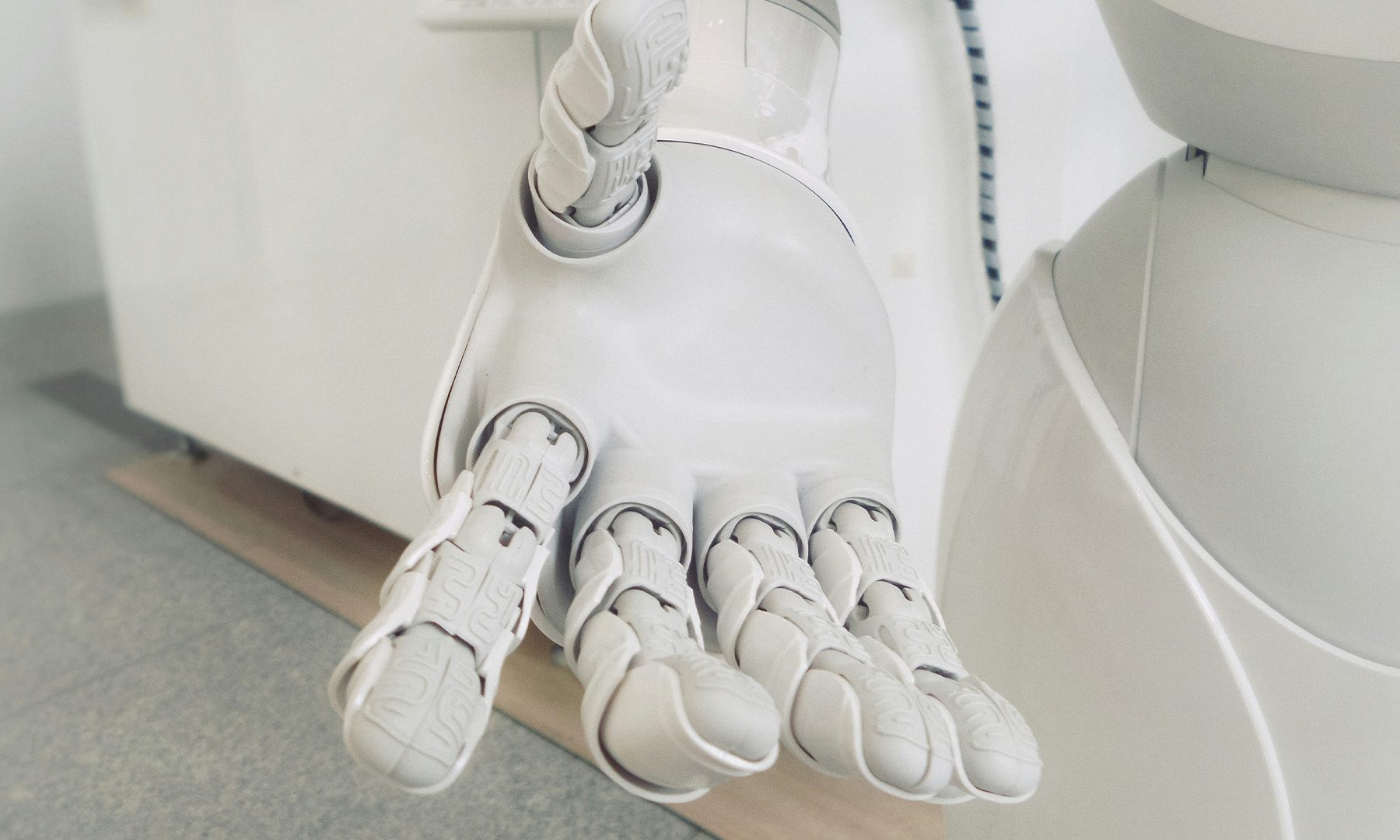
More importantly, the new sensor could solve one of robotics’ biggest headaches. Traditional tactile systems often force engineers to choose between speed and accuracy. By turning pressure directly into visible color patterns that a simple camera can read, the new approach delivers both: allowing robots to “see” touch in real time instead of relying on complex computations.
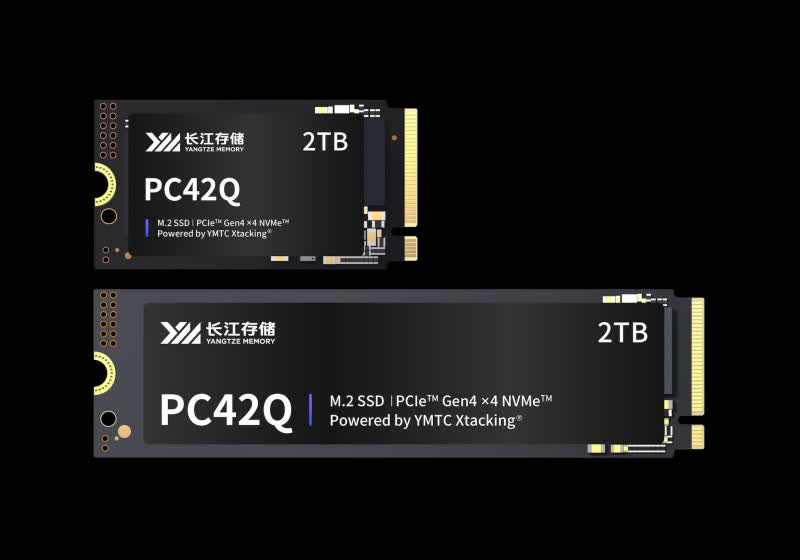
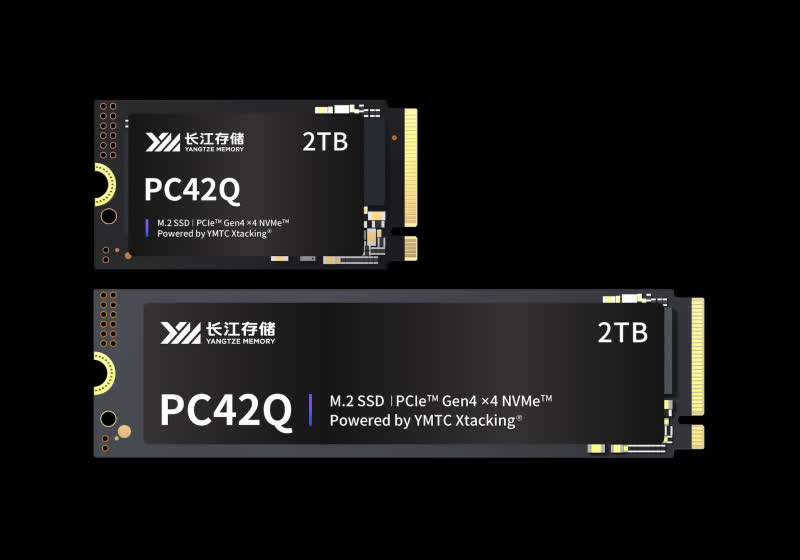
Notebookcheck says this is the first YMTC laptop SSD it has tested and reports that the ThinkBook uses a 512GB M.2 2242 PCIe 4.0 drive, according to its teardown and performance testing. The ThinkBook 14 G9 IPL is a 14-inch office notebook built around Intel Core Ultra 200-series processors. It…
Read Entire Article
Source link
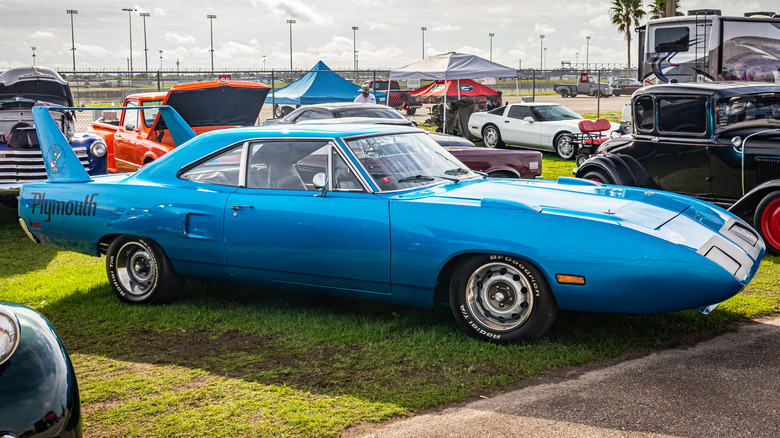
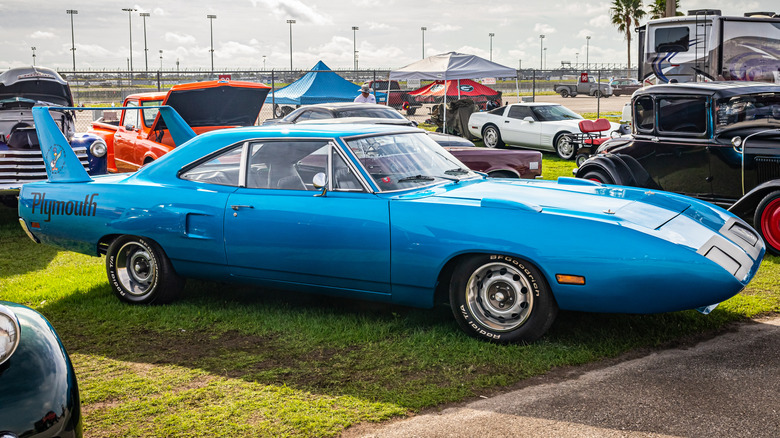
When it comes to dream cars, many people go with vintage muscle cars like the Plymouth Superbird. Named in honor of its Roadrunner twin, the Superbird was once a beast on the racetrack in NASCAR thanks to Richard Petty. It is still around for those collectors wanting to own one but be prepared: You’ll be paying anywhere from $200,000 to over $300,000 or more.
The locations of these cars are random, spread out across the U.S., and listed for sale with various engine and transmission combinations. For example, a green Superbird with a 440 6-pack and 4-speed in Texas is priced on the lower end at $214,900. But on the extreme opposite end, a white automatic Superbird with a 440ci V8 in Indiana was taken off the market after reaching a high bid of $550,000 at auction. An earlier asking price of just under $700,000 failed to result in a sale. Some of the listings are featured on more than one site, including a blue automatic with a 440-engine rated at 375 horsepower in Illinois for $281,998.
The reason the Plymouth Superbird breaks the bank for many car buyers is mostly because of how rare it is. Plymouth built a limited number of Superbirds in 1970. Because of this, they can be difficult to find in original or well-preserved condition. It’s also considered a collector’s item because of its recognizable rear wing, which is part of the vehicle’s factory design.
From NASCAR to Hollywood and beyond
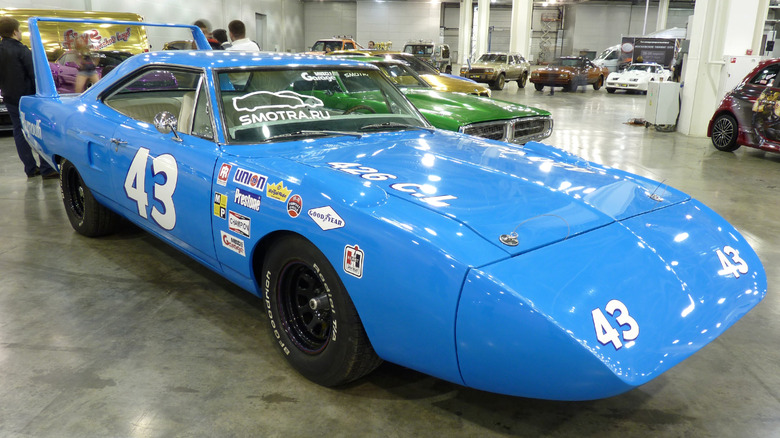
The 1970 Plymouth Superbird was built during a time when manufacturers were experimenting with aerodynamic designs to gain an advantage on the racetrack. Though it originated from the Road Runner platform, the Superbird featured a new and reshaped front end, along with extended bodywork for high-speed stability. Unlike other muscle car designs that often failed to dominate on the track, it was highly effective and pushed the envelope for NASCAR at that time.
But even as it made its mark in racing, the Plymouth Superbird was banned by NASCAR. Citing concerns over driver safety, NASCAR implemented new regulations with the intention of slowing cars down. These regulations also included tough limits on engine displacement, and weight adjustments on larger engines. Because of these changes, the Superbird, along with other aerodynamically designed cars, would no longer be able to hit the 200-mph mark. As a result, the program came to an end.
But even after its departure from NASCAR, the Superbird went on to become a highly sought-after muscle car for collectors. Thanks to its unique design, it also became a standout in Hollywood, appearing in movies like Pixar’s “Cars,” and “Gone in 60 Seconds,” the film that also featured a 1967 Mustang called Eleanor. Today, the Superbird’s legacy is that of a fast, memorable, legendary ride that continues to turn heads decades after its introduction.

When Apple unveiled the iPhone Air, I knew immediately it would be my next phone. I have always loved small phones, and I stretched my iPhone 13 mini for as long as possible. But it struggled to keep up with my usage, so I had to upgrade.
Since Apple no longer makes a small iPhone, the slim iPhone seemed like the right choice at the time. And honestly, it worked out well. While the iPhone Air is not as easy to handle as an iPhone mini, it is one-handable thanks to its slim profile and lower weight.
I also got to enjoy the benefits of a larger screen, which makes it better for browsing the web and reading books. Everything was going great until the summer hit, and now I am not so sure.
Life was good, until it got too hot
Before summer showed up, my time with the iPhone Air was genuinely great. As I mentioned in a previous article, the only real complaint I have was the absence of a telephoto lens. Everything else about the phone, including the size, the weight, and the one-handed usability, felt like a win.

Then the temperature climbed past 45 degrees Celsius (113 degrees Fahrenheit), and things took a turn. Since Apple crammed all the internals into the top of the iPhone Air to make room for a larger battery, that part of the phone turns into a furnace once it’s hot outside. I mean, genuinely uncomfortable to hold. I have gotten the “iPhone needs to cool down” warning screen more times this summer than I have in years of using iPhones.

The bigger issue, though, is the phone’s battery life, and it has fallen off a cliff. Before the heat wave, getting through a full day on a single charge was easy. Now, I have to charge it at least twice a day just to keep up. For a phone I picked specifically because of how effortlessly it fit into my day, that’s a rough trade to be making.
Why heat is your phone battery’s worst enemy
Heat is the enemy of the battery. It comes down to basic chemistry. Lithium-ion batteries rely on chemical reactions to store and release power, and heat speeds those reactions up. The faster they go, the quicker your battery drains, and the more permanent damage builds over time.
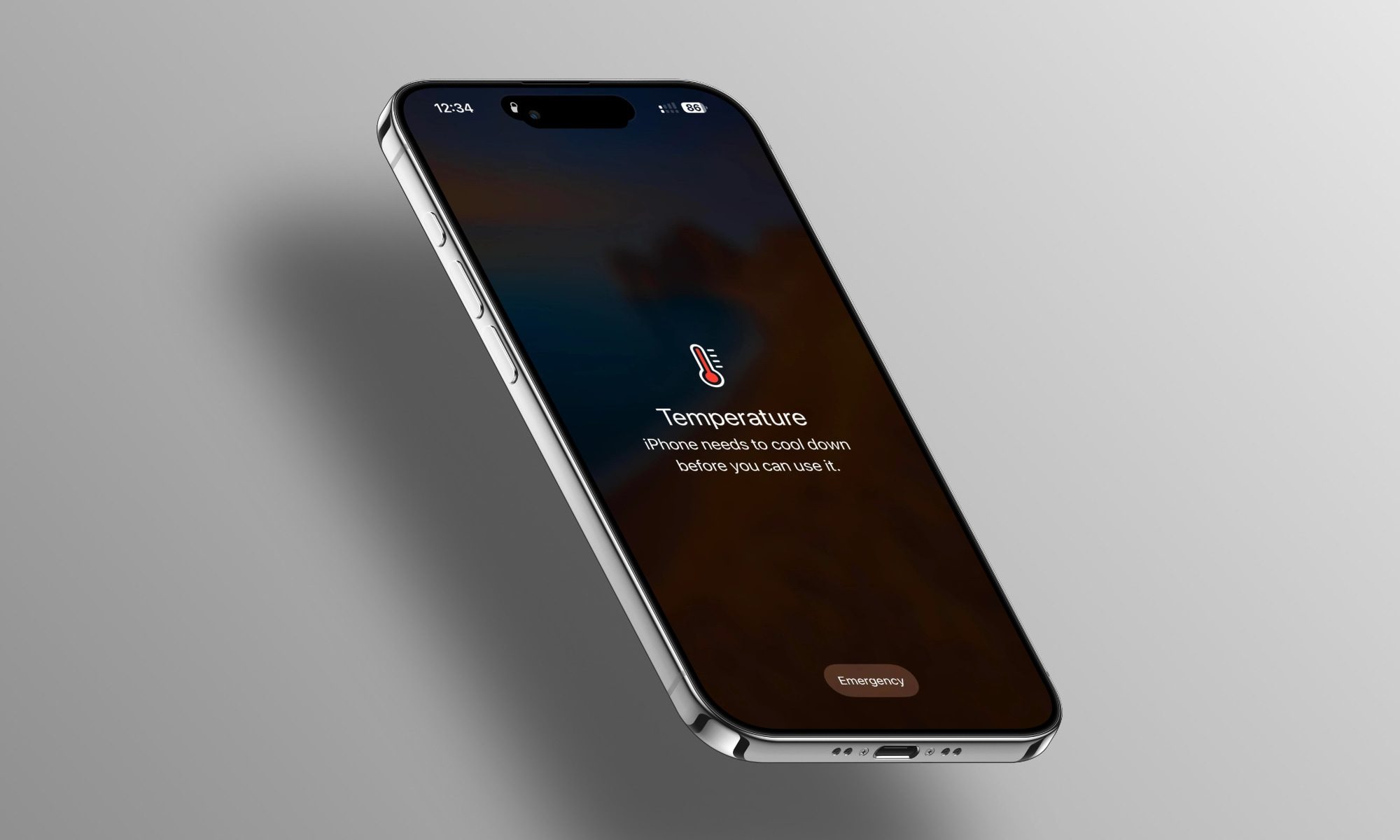
According to a WSJ article, both Apple and Samsung actually agree that once your phone’s surroundings hit around 95 degrees Fahrenheit for extended periods, your battery will incur irreversible damage. Since the current ambient temperatures are rising well above 100 degrees Fahrenheit, my iPhone Air doesn’t stand a chance.
What you can do to prevent heat damage to your phone’s battery
You can take several steps to prevent heat damage to your phone’s battery. First, keep your phone out of direct sunlight and away from hot cars, since even the glove compartment can turn into an oven.
Second, if your phone is already hot, resist the urge to stash your phone in the fridge or freezer to cool it down. Instead, use something like a frozen ice pack wrapped in a towel and let it cool down gradually.
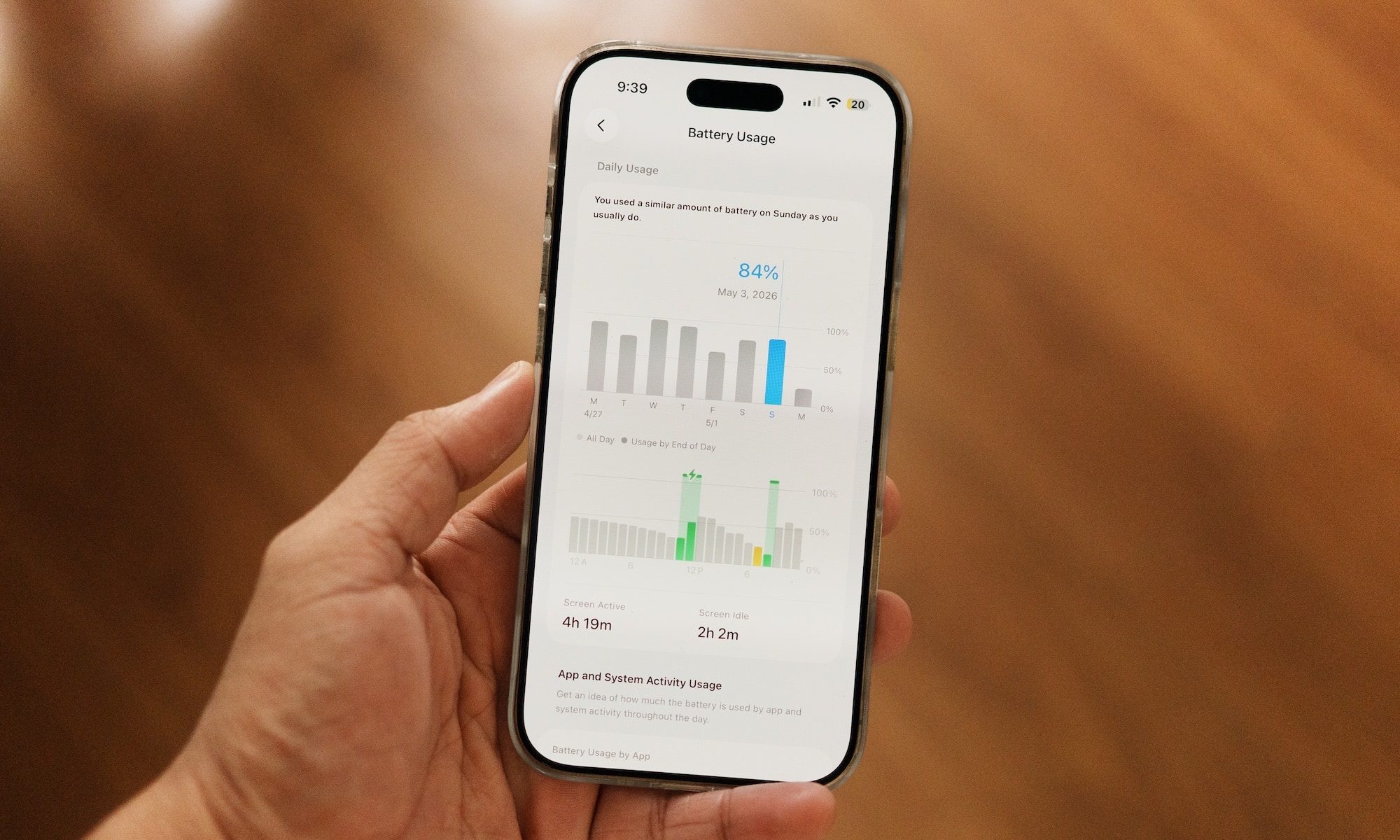
Also, charging is another factor. Fast charging generates heat, so if you’re already in a hot environment, that combination speeds up battery wear even more. If you want to play it safe, slower charging is easier on your battery long term, even if it’s less convenient.
In short, if you want your phone’s battery to last longer during a summer heatwave, avoid using it in direct sunlight, do not use fast or wireless charging, and let your phone cool down if you feel it getting hot, even before your phone gives you a warning.

This article is brought to you by Melbourne Convention Bureau (MCB) supported by Business Events Australia.
As artificial intelligence accelerates global demand for compute, a parallel constraint is emerging with equal urgency: energy.
From hyperscale data centers to electrified industries, AI is driving a step change in electricity demand. This is not a future challenge, it is a present, system-level issue requiring coordinated action across energy, infrastructure, and engineering disciplines.
Around the world, the question is no longer whether AI will scale, but whether energy systems can scale with it.
Melbourne, Australia is moving beyond participation to become a globally connected leader helping define how these challenges are addressed.
A national challenge with global implications
Australia’s ambition to lead in artificial intelligence is sharpening focus on the infrastructure required to support it. Data centers are projected to account for up to 11 percent of the nation’s electricity consumption by 2035, placing increasing pressure on generation, transmission, and system reliability.
At the same time, insight from the IEEE Power and Energy Society (PES) highlights that meeting energy demand from AI and digital infrastructure is one of the most significant challenges facing engineers over the next decade.
The implications are clear. In addition to computing challenges, AI poses major energy systems challenges.
“As artificial intelligence continues to scale globally, the challenge is no longer just computational power, it is the energy systems required to support it” —Professor Thas (Ampalavanapillai) Nirmalathas, University of Melbourne
Why Melbourne is leading on the global stage
Victoria has developed one of the most advanced and integrated energy ecosystems in Australia and globally, spanning renewable generation, battery storage, grid modernization, and advanced materials.
What distinguishes Melbourne globally is how these capabilities are connected and applied at system scale.
The city brings together world class engineering research, a rapidly evolving clean energy sector, advanced digital infrastructure, and strong alignment between government, industry, and academia. This convergence is critical in the AI era, where energy, networks and computing systems must be designed together.
Victoria’s coordinated investment across these areas is positioning Melbourne not only as a national leader, but also as a reference point in the global energy system transformation.
Engineering the systems behind the AI economy
The challenge ahead is that generating more power won’t be enough, as engineers need to design systems that respond dynamically to new patterns of demand.
Three priorities are emerging globally:
- Aligning data center development with grid capacity and renewable supply
- Embedding flexibility through storage, demand response, and system optimization
- Balancing digital growth with decarbonization and long-term reliability
Addressing these priorities requires engineering expertise to be embedded earlier in planning ensuring energy systems, digital infrastructure, and policy are designed in parallel.
Melbourne’s strength lies in its ability to integrate this expertise across research, infrastructure, and real-world application.
 Melbourne Connect is a University of Melbourne–led innovation precinct, supported by government and industry, designed to bring together research, business and policy to deliver real-world solutions.Atlantic Group
Research leadership shaping global solutions
At the centre of this capability is the University of Melbourne, where interdisciplinary research is advancing the systems required to support AI driven energy demand.
Through the Melbourne Energy Institute, for example, researchers are examining how energy technologies interact across entire systems from generation and networks through to end use.
“As artificial intelligence continues to scale globally, the challenge is no longer just computational power, it is the energy systems required to support it,” says Professor Thas (Ampalavanapillai) Nirmalathas, Dean of the Faculty of Engineering and Information Technology at the University of Melbourne.
“This is driving a new level of convergence between digital infrastructure and power systems engineering, where integrated, system level thinking is essential.”
Converging energy, networks and AI
Melbourne’s leadership is further strengthened by world-class interdisciplinary facilities such as the Smart Grid Lab in the Department of Electrical and Electronic Engineering, which enables real-time simulation of power systems, allowing engineers to test how solar, batteries, electric vehicles and other distributed resources interact within future grids. This supports the design of more resilient, efficient energy systems before they are deployed at scale.
 Melbourne’s Smart Grid Lab in the Department of Electrical and Electronic Engineering enables real-time simulation of power systems. University of Melbourne
These capabilities will become increasingly important as data centers are integrated into the grid.
“AI driven demand is not only increasing computing requirements, but also placing new pressures on underlying energy systems,” says Glen Farivar, Senior Lecturer in Power Electronics at the University of Melbourne. “Designing these systems together is essential to achieving both performance and sustainability outcomes.”
This reflects a critical shift. Future infrastructure must be co designed across energy and digital systems, not developed in isolation.
A living ecosystem delivering real-world outcomes
Victoria’s broader energy ecosystem is translating these insights into practice.
Investment in renewable energy, grid infrastructure and storage is enabling higher levels of clean energy while maintaining reliability. Battery deployment is supporting the flexibility needed to manage both renewable variability and growing AI-driven demand.
At its core, Melbourne offers an integrated environment where research, industry and government collaborate to solve complex system challenges.
Why engineering collaboration matters
Solving the energy demands of the AI era cannot be achieved in isolation.
It requires engineers, researchers, utilities, and policymakers to work together earlier and more often. More than ever, engineering collaboration is a critical enabler of future energy systems.
Environments that bring together global expertise are becoming essential to how solutions are designed and delivered.
“Developing future energy systems that are affordable, sustainable, and resilient is a truly grand challenge” —Professor Pierluigi Mancarella, University of Melbourne
In this context, the University of Melbourne is co-leading, alongside Johns Hopkins University and Imperial College London, one of only seven Global Centres in Climate Change and Clean Energy. Through the Electric Power Innovation for a Carbon Free Society (EPICS) Centre, the University is also the Australian technical lead in advancing future energy systems, with EPICS the only Global Centre focused on future energy infrastructure.
 The new Electric Power Innovation for a Carbon-Free Society (EPICS) Centre will address challenges in clean energy production and storage.University of Melbourne
“Developing future energy systems that are affordable, sustainable, and resilient is a truly grand challenge,” says Professor Pierluigi Mancarella, Chair Professor of Electrical Power Systems at the University of Melbourne and Australian director and international co-director of EPICS.
“As electricity grids are increasingly becoming the backbone of future energy systems, optimizing their interactions with other sectors, including AI and digitalization, and fostering interdisciplinary and international collaborations are essential,” he adds.
Global conferences as part of the solution
International conferences are increasingly recognized as critical platforms for advancing engineering solutions at scale. Melbourne’s ability to convene global expertise is central to its leadership.
In 2027, the city will host the IEEE PES Generation Transmission and Distribution (GTD) Asia 2027 Conference and Exposition, bringing together engineers, utilities, researchers and policymakers from across the world to address the challenges shaping the future of power systems.
 IEEE PES GTD Asia 2027 Melbourne Committee (left to right): Dr. Mehdi Ghazavi Dozein (Monash University), Dr. Glen Farivar & Professor Pierluigi Mancarella (University of Melbourne) , Dr. Mohammad Mohammadi (Australian Energy Market Operator (AEMO)).MCB
“Melbourne offers a unique environment where world-class research, industry capability and policy leadership come together,” notes the IEEE PES GTD Asia 2027 Local Organising Committee, which includes Professor Pierluigi Mancarella and Dr. Glen Farivar from the University of Melbourne, as well as Dr. Mehdi Ghazavi Dozein of Monash University and Dr. Mohammad Mohammadi of the Australian Energy Market Operator.
“Hosting this event creates an opportunity to advance global collaboration on the systems and technologies required to deliver the energy transition at scale.”
These forums enable knowledge exchange, standards development and interdisciplinary collaboration, accelerating progress on complex engineering challenges.
 Attendees view a digital installation at AIME 2025 at Melbourne Connect.MCB
Why Melbourne, and why now
As AI, electrification and digital infrastructure converge, the future of global energy systems will depend on the ability of engineers to collaborate and innovate at scale.
Melbourne provides a proven platform for that collaboration, combining world-class research, a rapidly evolving energy ecosystem, and the infrastructure to connect global expertise.
 Melbourne Convention Bureau, IEEE Communications Society, and University of Melbourne Representatives.University of Melbourne
For IEEE members, hosting a conference in Melbourne is more than an event decision.
It is an opportunity to engage with a globally connected engineering community and contribute directly to solving one of the most significant challenges facing the profession today.
Through the support of the Melbourne Convention Bureau, professionals can access tailored, free support to bid for and deliver international conferences, bringing global expertise together in a city actively shaping the future of energy systems.
To explore hosting your next conference in Melbourne, contact the Melbourne Convention Bureau at info@melbournecb.com.


Microsoft is launching a new AI “company.” It won’t be a separate legal entity, and most of its 6,000 people already work at Microsoft. But the $2.5 billion behind it is real, and the stakes are big, given how many of its AI partners and rivals are racing to do basically the same thing.
The tech giant on Thursday announced “The Microsoft Frontier Company,” which will embed engineers inside customers to build and run AI systems. It will be led by Rodrigo Kede Lima, a longtime Microsoft sales and enterprise leader, most recently president of Microsoft Asia.
This practice is known in the industry as forward-deployed engineering, in which a company sends its own technical employees to work inside a customer’s operations to design, build, deploy and operate AI systems on-site rather than selling a tool and walking away.
The model was pioneered two decades ago by Palantir, but in recent months the approach has become the hot new thing in enterprise AI. Amazon committed $1 billion to its own forward-deployed engineering initiative just two days ago. (Some inside Microsoft suspect that its rival may have caught wind of what it was planning and moved to announce first.)
Anthropic and OpenAI launched rival ventures in May to put engineers inside enterprise customers. Unlike Microsoft’s initiative, the OpenAI Deployment Company, as the ChatGPT maker’s venture is known, is an actual standalone entity — majority-owned by OpenAI but backed by more than $4 billion from a partnership led by the private-equity firm TPG.
Similarly, Anthropic teamed with Goldman Sachs, Blackstone and Hellman & Friedman on a $1.5 billion venture — not yet named — to embed engineers inside mid-sized companies, starting with the investment firms’ own portfolio businesses.
Microsoft is attempting to one-up them all.
“This goes beyond what has been labeled as Forward Deployed Engineering (FDE) and will be the largest, most capable, outcome-driven engineering organization in the industry,” wrote Judson Althoff, CEO of Microsoft’s commercial business, in a post announcing the new initiative Thursday morning.
Responding to questions from GeekWire, a Microsoft spokesperson called the new initiative “a purpose-built company with its own leadership and financial accountability” but stopped short of calling it a separate legal entity or standalone company.
The spokesperson said the organization “brings together more than 6,000 industry, engineering and AI professionals, drawn primarily from Microsoft’s existing engineering and forward-deployed teams,” noting that it will “grow through a combination of internal talent and external hiring across engineering, AI, and industry roles.”
Separately, some consulting roles are among those expected to be impacted by the round of layoffs anticipated next week.
Microsoft wouldn’t say whether the $2.5 billion is new spending or repurposed from existing budgets, or over what period it’s being spent. The company also hasn’t yet spelled out what the new organization means for the future of its existing consulting and services units.
Across the industry, this is happening now because the payoff from AI has proven harder to capture than many companies expected. Businesses across the economy have adopted tools like ChatGPT, Claude, Gemini and Copilot, only to find that impressive demos don’t automatically translate into results. The technology is powerful, but deploying it can be difficult inside a real company, with its own data, rules and entrenched ways of working.
So the AI providers have started sending their own engineers to work inside those companies, figuring out where the AI can actually help, then building it into their operations.
“Having the model alone doesn’t change your workflows or how you operate,” said Marc Nachmann, Goldman Sachs’ global head of asset and wealth management, in an interview with CNBC about the Anthropic partnership. “You need people who can combine the technology with what’s actually happening in the business and implement those changes.”
The big AI providers have multiple reasons to do this. Each of them wants to get more businesses using its AI platform at higher volumes. All of them are looking to drive long-term demand for the AI capacity they’re collectively spending hundreds of billions of dollars to build.
Another big reason: AI models are becoming commodities, getting cheaper and more similar by the month. The big money for the likes of Microsoft is in selling the services needed to make AI pay off inside a company, which is a far bigger market than just selling the models themselves.
Microsoft is pitching privacy and trust as a selling point. Its promise is that a customer’s data and hard-won knowledge stay the customer’s alone. Microsoft says it won’t feed them into training its AI models in ways that would hand the same advantages to the customer’s rivals.
It’s also promising choice: customers can run whichever AI model fits the job, from OpenAI, Anthropic, Microsoft, or open-source providers, not locked into using one.
Microsoft CEO Satya Nadella has argued that a company should be able to exchange one AI model for another without losing all the institutional knowledge it has built up.
That’s his test, as he put it, for whether a business still controls its own future.
“The last thing any of us want is a world where every company across every sector is ceding value to a few models that eat everything they see,” Nadella wrote in a June 14 essay. “If all the value is accrued by only a few models, the political economy will simply not tolerate it. There is no societal permission for an AI future that hollows out entire industries.”
Whether that vision of swappable AI models becomes a reality remains to be seen. There’s actually a risk for customers that the opposite will happen in the forward deployed engineering approach. Even if they can theoretically swap in a competitor’s AI model, working with Microsoft’s engineers means their systems naturally end up running on Microsoft’s cloud platform and related technologies, making it very difficult to jump ship.
It’s also not clear how new all of this really is for the company. Microsoft already runs a large in-house delivery arm — Industry Solutions Delivery, the group that absorbed what used to be called Microsoft Consulting Services — with thousands of consultants and engineers building and deploying technology inside customer organizations.
Microsoft also has programs like FastTrack to help customers roll out its software, and over the past year it has been rolling out “forward-deployed engineering” teams with partners, including a dedicated practice with Accenture and a $1 billion, five-year alliance with EY.
So ultimately the Microsoft Frontier Company is less a new company than a new push behind work the actual company was already doing, albeit bigger and better-branded than before.


It’s no secret that Stihl makes some of the best string trimmers that money can buy, and even its less expensive models are still really good. The brand is known for its reliable yard and outdoor power tools, and its products are generally used by professionals and homeowners alike. It’s not uncommon to see Stihl products rank near the top of many tool roundups, including lists of the best chainsaws. With that said, no product is perfect, and from time to time, you may find that your Stihl string trimmer is causing you some trouble. As with most things, some problems are more common than others and are things that owners wrestle with semi-regularly.
Problems can arise for a variety of reasons. Gas-powered string trimmers have a maintenance regimen that has to be followed, or else the trimmer may develop some problems. Stihl’s battery-powered string trimmers are also not immune to the occasional hiccup. It should also be said that sometimes issues are caused by the owner, as there are some things that people do with their string trimmers that they shouldn’t be doing. Whatever the cause, problems arise, and they can be fixed.
So, if you’re having some trouble, or you’re wondering what kind of trouble you might run into with a Stihl string trimmer, below is a list of common issues based on what Stihl says on its FAQ page, along with discussions on social media and forums, as well as their most common fixes.
String trimmer doesn’t run at full speed
Per Stihl, this is something that can happen often enough that the brand includes this problem toward the top of its FAQ page. The problem is described as being able to start and idle the string trimmer normally, but the trimmer never ramps up to full throttle and therefore does not cut grass or weeds effectively. Conversely, another fairly common problem is that the string trimmer will only remain on and functioning if it’s at full throttle.
There are several potential causes for this, and they are all in the fuel system. Stihl says that the first thing you should do is check your fuel mixture. The brand says that you should never store fuel mix for longer than 60 days, so if it’s your first string trim of the year, you’ll want to drain the old fuel and replace it with fresh fuel. All of Stihl’s gas-powered equipment uses a fuel-to-oil ratio of 50:1. Improperly mixing fuel and oil can also cause this problem.
Barring that, the common solutions for almost any problem like this are to check the spark arrester screen in the muffler to see if it’s clogged (and clean it if it is), check or replace the fuel filter, and check or replace the air filter. You’ll also want to check the spark plug and remove any excess carbon, just in case. If the problem persists, Stihl recommends sending it in for service.
Bumping the trimmer doesn’t produce extra string
For the uninitiated, bumping is the act of running your string trimmer at full throttle and “bumping” the bottom of it against something hard like a brick wall or a concrete sidewalk. The centrifugal force pulls fresh string out from the head of the string trimmer, allowing you to keep cutting. This is a popular design on many big-name string trimmers. A common issue on Stihl trimmers, and to be fair, on many trimmers, is that you don’t get more string when you bump the trimmer.
This can be caused by all sorts of potential problems, but they all revolve around the same part, the head of the string trimmer. You may be out of string, in which case you’ll need to load more into your existing head, a process that Stihl outlines here. The head may also be damaged or jammed, which would require you to take it apart to check for jams or broken pieces. This is largely the same process as replacing the string, except this time you’re looking for broken parts or a clog that you can clear.
The most expensive, but easiest, way to fix basically any bumping or string trimmer head issue is to simply buy another head. Stihl sells these for nearly all of its trimmers, and they come with string pre-loaded. You should at least try to re-string your own trimmer head first, though, because it is much cheaper.
The string trimmer head is locked up
It may seem like this is the same issue as the one above, but it is a different problem. In this case, people sometimes complain of a head that is locked up. That means you hit the throttle and the head doesn’t spin. This effectively stops the string trimmer from being able to cut anything since the string remains stationary. People may refer to this problem as the head seizing or locking up, which can be caused by several different potential issues. Replacing the head or replacing the string doesn’t fix this one.
The problem tends to come from a couple of different places. First, it’s possible that you used straight gasoline instead of a gas and oil mixture (which is necessary for most two-stroke yard tools), which can cause the engine to seize due to a lack of lubrication. The solution here is to take it apart, clean it, use the proper fuel mixture, and then try again. Another common problem is a malfunction of the clutch mechanism, which may cause the head to stop spinning if the clutch can’t engage. Again, this includes disassembling the trimmer, cleaning it, repairing any damage (if you can), and then seeing if that worked.
There are some YouTube videos that show how to do this. However, if you’re not mechanically inclined, the best option is to send it to Stihl for service.
A battery-powered string trimmer won’t run
For those who go with a battery-powered Stihl string trimmer, you are not immune to having common issues of your own. A fairly common complaint is that people will insert the battery into their string trimmer, and it’ll just flat not work. You’ll hit the button to start it, and it simply won’t do anything. This can also happen to gas-powered string trimmers, but the reason is usually an incorrect fuel mixture or a flooded engine, which we’ll get to shortly.
Battery-powered Stihl string trimmers have a few different things that can cause them not to start. The first, and most obvious, is that the battery might be dead. Take it out of the machine and put it into a charger for a bit to see if that helps. Barring that, there are two other common problems. The first is that Stihl uses a unique two-click battery system. If you don’t fully seat the battery with both clicks, it will not run, so give it another push to see if you get that second click. The other is that debris may make its way between the battery and the contacts, so clean out the battery connector area to see if that helps as well.
One less common problem is debris getting inside the machine and getting jammed in a switch that connects the battery power to the rest of the machine. You can disassemble the unit and clean it out to fix that one if it’s happening to you.
The string trimmer is flooded
Anything with a gas engine can flood, including cars and other heavier machines. A flooded engine occurs when there is too much fuel in the combustion chambers of the motor. This makes the fuel-air mixture too saturated with gas, preventing combustion and causing your machine to simply not start. This can happen to any engine, but it most commonly occurs in engines that have a carburetor, which gas-powered Stihl string trimmers have. It can be caused by over-priming the engine before starting it, a carburetor malfunction, or even cold weather.
The fix generally requires you to find the cause. In my experience, most flooded engines are caused by over-priming. To fix that, you can simply wait for a little while. The excess fuel will evaporate, and then you can try again. From there, leave your Stihl string trimmer’s throttle lock on (this gives the engine more air), and try again without engaging the choke or priming the engine again. You may have to pull the cord repeatedly, but most of the time, this will fix the problem.
If it does not fix the problem, the problem is most likely the carburetor or the motor itself. In that case, your best bet is to fix it or, if you’re not mechanically inclined, send it back to Stihl for repair.

15 Things You Must Know About the Wedding of the Century at MSG

Eli Lilly (LLY) Stock Surges Past $1,200 on Blockbuster Earnings and Oral GLP-1 Launch

‘We might have to grind it out’: Harry Kane sends strong message ahead of England vs Mexico clash | Football News


-

 Fashion2 days ago
Weekend Open Thread: High Hopes
-

 Politics2 days ago
The House | “Reframing the debate from a binary discussion of winners and losers”: Yuan Yang reviews ‘We Are Not Machines’
-

 Crypto World5 days ago
Strategy authorizes up to $1.25B in Bitcoin sales under new capital plan
-

 News Videos7 days ago
MAJOR BITCOIN & MARKET UPDATE!!!! (MUST WATCH ASAP!!!)
-

 Tech5 days ago
Anonymous researcher drops 0-day ‘exploitarium’ repo
-

 Business5 days ago
Australia treasurer says alleged access of prime minister’s bank data ’incredibly concerning’
-

 News Videos5 days ago
How to Build INSANE Live Financial Dashboards With Claude
-
 NewsBeat9 hours ago
Taylor Swift and Travis Kelce wedding staffer hilariously struggles to keep her cool while checking in megastars
-
 Business6 days ago
The AI boom won’t burst all at once. It will pop in ‘rolling bubbles’: Macquarie
-

 Sports4 days ago
Broncos roster: OL Ben Powers (No. 74) entering final year of contract
-

 Crypto World3 days ago
Binance stock trading tops $1B in first month after launch
-

 NewsBeat5 days ago
Presenter Caroline Flack’s brother Paul Flack dies aged 55
-

 Crypto World3 days ago
Alibaba-affiliate Ant Group enters the humanoid robot market with 12 deals
-
 NewsBeat3 days ago
New exhibition reflects five decades of movement between island of Ireland and GB
-
 Crypto World4 days ago
Airdrop Registration Becomes Key Focus For Remittix As RTX Launch Updates Approach
-

 Business2 days ago
What a 10 Percent Drop Means for Buyers, Sellers and Renters
-

 Business4 days ago
Meta Platforms Stock Jumps 7% Today as Bloomberg Reports Company Plans to Enter the Cloud Business
-

 Crypto World3 days ago
Binance Re-Enters Philippines As EU MiCA Rules Restrict Access
-

 Crypto World2 days ago
Standard Chartered Secures MiCA License as ESMA Adds 37 New Crypto Firms
-

 Tech6 days ago
The attack that hijacked Claude Code came through Sentry. Datadog, PagerDuty, and Jira have the same exposure.
You must be logged in to post a comment Login