I’m sad that Reacher season 4 is coming to an end, but thanks to some expert scheduling from Amazon‘s content team, it’s not all bad news.
Just as the popular series’ fourth season comes to a close, its highly-anticipatedspinoff Neagley takes its place. Maria Sten reprises her titular role from Reacher‘s first three seasons, and is now working as a private investigator in Chicago. As it happens, she quickly learns that a beloved friend from her past has been killed in a suspicious accident and becomes hell-bent on justice.
So far, so good, but when does Neagley arrive on Prime Video?
Advertisement
Latest Videos FromTechRadar
What time can I watch Neagley on Prime Video?
Neagley S1 – Official Trailer | Prime Video – YouTube
We’re expecting Neagley to be available on September 16 at 12am PT / 3am ET in the US and Canada. That’s when Amazon TV Originals usually make their debuts on Prime Video, so there’s no reason to suspect Neagley won’t do likewise.
Internationally, look out for the below times:
US – 12am PT / 3am ET
Canada – 12am PT / 3am ET
UK – 8am BST
India – 12:30pm IST
Singapore – 3pm SGT
Australia – 5pm AEST
New Zealand – 7pm NZST
When do new episodes of Neagley come out?
(Image credit: Prime Video)
All eight episodes will be released at the same time. Unlike weekly episodic drops for other Prime Video TV series, then, you won’t need to wait around for new installment of Neagley.
As for the series’ future, there’s currently no public word on whether a second season has been greenlit. Hopefully, we won’t be made to wait much longer for confirmation about its potential return.
Advertisement
Sign up for breaking news, reviews, opinion, top tech deals, and more.
No. Bangladesh’s Gambling Prevention Act, 2026 expressly makes involvement in online or remote gambling and online betting offenses. The law also reaches conduct such as using an online gambling account, making gambling-related financial transfers, certain promotional activity, and specified use of technical infrastructure to support or restore gambling access.
Quick Take
The Gambling Prevention Act, 2026 took effect on July 1, 2026 and replaced the Public Gambling Act, 1867.
Sections 5 and 6 prohibit involvement in online or remote gambling and online betting.
The law covers online gambling-account use and gambling-purpose deposits, withdrawals and transfers, not only gambling operators.
A foreign gambling licence does not create an exception from Bangladesh law simply because the operator is based or licensed abroad.
The Act also addresses specified gambling-related use of VPNs, proxies and mirror infrastructure, but it does not make ordinary VPN use generally illegal.
This article explains the published law in general terms and is not individualized legal advice. Actual criminal liability, procedure and sentencing depend on the facts of a particular case and the decisions of the relevant authorities and courts.
The Short Answer: Online Gambling and Betting Are Prohibited
Bangladesh now has a dedicated statute dealing expressly with online gambling rather than relying primarily on a nineteenth-century gambling law or a general cybercrime provision. The Gambling Prevention Act, 2026 was enacted as Act No. 98 of 2026 on July 1, 2026 and took effect immediately.
Section 5 states that a person involved in online or remote gambling commits an offense. Section 6 separately makes involvement in online betting an offense.
The distinction matters because the Act defines online betting broadly. It includes sports betting, live betting, exchange betting, casino betting, virtual betting, fantasy betting and esports betting. Online or remote gambling is also defined broadly enough to include more than simply operating a gambling website.
Advertisement
For example, using an online gambling account and placing an online sports bet are both activities the Act addresses, although the offenses and statutory maximum penalties are not identical.
What Changed on July 1, 2026?
July 1, 2026 was a significant legal transition. Bangladesh introduced a standalone gambling statute and, on the same date, enacted an amendment removing the gambling provision that had appeared in the Cyber Security Act, 2026.
The Gambling Prevention Act replaced the 1867 law
Section 49 of the Gambling Prevention Act expressly repeals the Public Gambling Act, 1867, while preserving specified earlier actions, orders and pending proceedings. The 1867 Act therefore should not be presented as Bangladesh’s current primary gambling statute when explaining the legal position in September 2026.
The change is substantial because the 2026 Act directly defines digital concepts that the 1867 law could not have contemplated, including online gambling accounts, digital gambling platforms, online betting, digital wallets, cryptocurrency and other digital assets.
Advertisement
Cyber Security Act section 20 is no longer the current gambling provision
The chronology is easy to misstate. Bangladesh enacted the Cyber Security Act, 2026 as Act No. 81 of 2026 on April 10, 2026. That law originally contained section 20 dealing with gambling in cyberspace.
An article published before that change may have accurately cited Cyber Security Act section 20 at the time, but that provision should not be presented as the current primary basis for Bangladesh’s online-gambling prohibition.
What Counts as Online Gambling Under the 2026 Law?
The statute does not limit online gambling to running a casino website. Its definitions cover several kinds of conduct involving accounts, platforms, payments and participation.
Advertisement
Using an online gambling account
The Act’s definition of online or remote gambling includes opening, operating or using an online gambling account. It also includes operating online gambling websites, apps, servers or digital platforms and running gambling or betting groups, pages or channels on social media.
That wording matters because the statutory framework is not confined to bookmakers, platform owners or software operators. A person does not need to own the gambling platform for account activity to fall within conduct described by the law.
Casino and sportsbook activity
The Act separately defines online betting as betting conducted online, digitally or electronically on the outcome of a sport, competition, esports event, election, entertainment event or another event in return for money or property.
The listed categories include:
Advertisement
sports betting;
live betting;
exchange betting;
casino betting;
virtual betting;
fantasy betting; and
esports betting.
The definition therefore reaches more than conventional sportsbook wagers. Casino betting and several newer forms of digital betting are expressly named.
Foreign gambling platforms are not outside the definitions
The definition of online or remote gambling also includes acting as a representative, agent or associate of a foreign online gambling platform. That matters because offshore operation does not place foreign platforms outside the subject matter of the Act.
A foreign gambling licence can regulate an offshore casino in the jurisdiction that issued the licence without changing whether Bangladesh permits residents to participate. Foreign licensing and domestic legality answer different questions.
The reviewed provisions do not create a general exception simply because an operator is based or licensed outside Bangladesh.
Are Deposits, Withdrawals and Crypto Gambling Covered?
Yes. The law connects gambling activity to its financial flows rather than treating account funding as an unrelated step.
Advertisement
The definitions of online or remote gambling include depositing, withdrawing or transferring money for online-gambling purposes. The Act also defines cryptocurrency and digital assets, including cryptocurrency, tokens, virtual coins, value stored in digital wallets and non-fungible tokens.
Section 14 addresses specified gambling-related use of financial systems, including banks, Mobile Financial Services, digital wallets, hawala, hundi and other financial arrangements. Mobile Financial Service, or MFS, refers here to mobile-linked financial services used for storing or transferring money.
The same section covers converting, storing or transferring gambling money or property through cryptocurrency, virtual assets or other digital assets. Section 25 provides that the section 14 offense is treated as a predicate offense under the Money Laundering Prevention Act, 2012.
A predicate offense is an underlying offense that can support a money-laundering case. This does not mean every bank, wallet or cryptocurrency transaction automatically becomes a money-laundering offense. The gambling connection and the elements of the applicable offenses still matter.
Advertisement
In practical terms, a bank, wallet or mobile-payment service being technically capable of processing a transaction does not make the underlying gambling activity lawful.
Does an Offshore Gambling Licence Make a Site Legal in Bangladesh?
No general foreign-licence exception appears in the reviewed provisions of Bangladesh’s Gambling Prevention Act. An offshore licence and Bangladesh legality operate at different jurisdictional levels.
A licence issued in Curaçao, Malta or another jurisdiction may establish that an operator is authorized or supervised there. It does not itself grant permission to customers in every other country.
This distinction is especially important when a gambling website uses its foreign licence as evidence that it is “legal.” That statement may describe its position in the licensing jurisdiction but does not answer whether the relevant activity is lawful in Bangladesh.
Advertisement
Understanding what a Curaçao gambling licence protects requires separating the regulator’s oversight of the operator from the law governing a customer’s location.
Likewise, comparing offshore and local gambling licences helps separate authorization issued in one jurisdiction from permission to offer or use gambling services in another.
What Does the Law Say About VPNs and Mirror Sites?
The Gambling Prevention Act does not establish a general ban on ordinary Virtual Private Network use. Section 12 instead addresses listed technical infrastructure when it is used for specified gambling-related conduct.
A Virtual Private Network, or VPN, routes network traffic through an intermediary server and can conceal or alter information about a user’s apparent network location. A proxy also acts as an intermediary, while the Act defines a mirror site as an alternative domain, copy or republished version of a previously blocked or prohibited gambling website.
Advertisement
Section 12 addresses using VPNs, proxies, mirror sites, hosting, domain services, cloud infrastructure, Content Delivery Networks or other technical infrastructure to operate gambling, conceal gambling information, assist gambling activity, reactivate a blocked gambling platform or use an alternative domain.
Section 23 provides the penalty for the section 12 offense. The qualification matters: saying simply that “VPNs are illegal in Bangladesh” would be broader than what this gambling provision states.
Likewise, the fact that a blocked or unavailable gambling platform can be reached through a mirror or another technical route does not establish legal permission to use it. Technical reachability and legality are separate questions.
A broader explanation of whether a VPN changes gambling legality must therefore distinguish network access from the law governing the underlying activity.
Advertisement
What Are the Penalties?
The Act does not assign one universal penalty to every gambling-related offense. The table below compares several statutory maximums relevant to online activity. These are maximum penalties written into the statute, not automatic sentences.
Selected maximum penalties under Bangladesh’s Gambling Prevention Act, 2026
Offense
Penalty section
Statutory maximum
General gambling offense under section 4
15
Up to 2 years’ imprisonment, a fine of up to Tk 2 lakh, or both
Online or remote gambling under section 5
16
Up to 5 years’ imprisonment, a fine of up to Tk 1 crore, or both
Online betting under section 6
17
Up to 7 years’ imprisonment, a fine of up to Tk 5 crore, or both
Specified gambling promotion, sponsorship, affiliate marketing or referral activity under section 11
22
Up to 3 years’ imprisonment, a fine of up to Tk 50 lakh, or both
Specified gambling-related technical-infrastructure conduct under section 12
23
Up to 7 years’ imprisonment, a fine of up to Tk 5 crore, or both
The official Act should be read for the exact elements of each offense. A statutory maximum is the highest punishment authorized by that provision; it does not mean every allegation or conviction produces that outcome.
Actual liability and sentencing can depend on the facts, evidence, charges, procedure and court findings in an individual case.
Can Gambling Sites or Accounts Be Blocked or Frozen?
The Act provides several enforcement mechanisms, but the existence of those powers should not be confused with proof that they have been used against a particular operator or account.
Advertisement
Section 38 authorizes the government or designated authority to block, remove or prohibit gambling-related websites, applications, servers, domains, IP addresses, URLs, social-media pages, groups, channels and other digital gambling platforms. Mirror sites, clone sites and alternative domains used for gambling activity may also be blocked.
Separate provisions address financial accounts and assets. Section 31 permits an investigating officer, with court permission, to temporarily freeze an accused person’s bank account, MFS account, digital wallet or crypto wallet when needed for an investigation. Section 29 allows a court to order confiscation of specified money, property and digital assets used in or obtained from an offense. Section 39 permits a court to order closure of specified financial accounts used for gambling.
For example, if a betting website suddenly becomes unreachable, blocking is one possible explanation. It would still be incorrect to state that Bangladesh authorities blocked that particular domain without direct evidence.
Likewise, the existence of account-freezing or closure powers does not establish that every gambling-related transaction automatically produces such an order.
Advertisement
What About Advertising, Influencers and Affiliate Links?
The Act also addresses specified gambling promotion rather than focusing only on players and operators.
Section 11 applies to persons and entities including media outlets, digital platforms, influencers, artists, athletes and celebrities when they conduct specified misleading gambling promotion, make false promises of profit, use inducement advertising, sponsorship, affiliate marketing or referral campaigns for gambling purposes. Section 22 sets a maximum penalty of 3 years’ imprisonment, a fine of up to Tk 50 lakh, or both for the section 11 offense.
This does not mean every journalistic mention, academic discussion or neutral reference to a gambling company automatically constitutes prohibited promotion. Whether conduct satisfies an offense depends on the facts and the statutory elements.
The distinction matters for publishers and influencers. A neutral legal explanation performs a different function from material designed to induce gambling participation, promise gambling profits or generate gambling referrals.
Advertisement
Which Law Should You Use for Current Bangladesh Gambling Information?
For the current position in September 2026, the starting point is the Gambling Prevention Act, 2026.
The Public Gambling Act, 1867 remains relevant to historical context and saved proceedings, but the new Act expressly repealed it. Cyber Security Act section 20 is also historical rather than current for this issue because the Cyber Security (Amendment) Act, 2026 deleted that provision on July 1, 2026.
This distinction matters when reading older articles. A page can have been accurate when written yet become outdated after a statutory amendment or replacement.
When evaluating a current claim about Bangladesh online-gambling law, check the publication date, the exact statute and section being cited, and whether a later law has amended, repealed or replaced that provision.
Advertisement
Bottom Line
Online gambling and online betting are expressly prohibited under Bangladesh’s Gambling Prevention Act, 2026. The law reaches more than platform operators: it addresses gambling-account use, online betting, gambling-related money transfers, specified promotional conduct and certain technical methods used to operate, assist or restore gambling access.
The current framework dates from July 1, 2026. The Public Gambling Act, 1867 has been repealed, and Cyber Security Act section 20 should not be presented as the current primary online-gambling offense because that provision was deleted on the same date.
A foreign licence, functioning payment method or technically accessible website does not independently establish that online gambling is lawful in Bangladesh. Anyone facing an actual investigation, charge, frozen account or other legal consequence should obtain advice from a qualified Bangladesh lawyer based on the specific facts.
A casino withdrawal can remain pending because the operator is still reviewing the request, completing verification, checking the payment method, or handling another compliance issue. A rejected withdrawal means that particular payout request did not proceed, but you still need the operator’s specific reason to know whether the problem is verification, payment routing, account rules, or something else.
The useful first step is not to guess how many hours a withdrawal should take. Identify the exact status, find out whether the casino has actually sent the money, and determine who currently controls the next step.
First, identify what the withdrawal status actually means
Withdrawal labels can look similar while representing different stages. There is no universal naming system across online casinos, so use the descriptions below as a diagnostic guide and confirm how your operator defines its own statuses.
Common casino withdrawal statuses and what to check next
Status
What it can indicate
Who may control the next step
Useful next action
Pending or processing
The request exists but has not completed internal review or payment processing.
Usually the casino or a payment processor acting for it.
Ask which stage is still incomplete and whether you need to provide anything.
Approved
The operator may have accepted the withdrawal internally, but that does not necessarily mean an external payment has been sent.
The casino or its payment processor.
Ask whether the payout has actually been sent and whether a transaction reference exists.
Sent
The operator says the payout has left its internal process.
A bank, card issuer, e-wallet, processor, or other payment provider may now be involved.
Request the payment details needed to trace the transaction through the relevant payment method.
Rejected or declined
The withdrawal request did not proceed in its current form.
Usually the operator or payment provider.
Ask for the exact reason and confirm what happened to the withdrawn balance.
Failed or returned
A payment attempt may have been unsuccessful or sent back.
The payment provider, receiving account, or operator may be involved.
Confirm whether the balance was restored and whether another eligible payout route is required.
Completed
The operator considers its part of the payout process finished.
If the money is still missing, an external payment provider may need to be involved in tracing it.
Get the available payment reference and compare it with your bank, wallet, card, or processor records.
For example, a bank cannot trace an external transfer that the casino has not yet sent. Conversely, if the operator confirms that the payment was sent and provides traceable transaction information, repeatedly asking the casino to approve the withdrawal again may not address the actual problem.
Advertisement
Pending or processing
A pending withdrawal generally means the request has not reached its final state. The unresolved step might involve routine internal review, Know Your Customer verification, a payment-method check, a source-of-funds review, or another account or compliance process.
Know Your Customer, usually shortened to KYC, is the process used to establish and verify who owns an account. In Great Britain, the Gambling Commission’s current customer identity verification condition requires covered remote licensees to obtain and verify information including the customer’s name, address, and date of birth before the customer is permitted to gamble. It also says a withdrawal request must not create an additional information requirement that the operator could reasonably have requested earlier, although information can still be requested later where another legal obligation requires it.
Approved or sent
Do not automatically treat “approved” and “sent” as the same event. An operator may use “approved” for an internal decision while “sent” indicates that a payment transaction has moved to the next part of the payment process. Because status terminology differs between operators, ask what each label means on the account you are using.
If the operator says the withdrawal has been sent, ask for the transaction or payment reference appropriate to the method, together with the sending date and destination. The exact reference format varies between banks, card systems, wallets, and payment processors.
Advertisement
A more focused process applies when a casino withdrawal is approved but not received: first establish whether the operator has actually handed the payment to an external provider, then trace that transaction rather than restarting the withdrawal process.
Rejected, declined, failed, cancelled, or returned
These labels should not be treated as interchangeable. A rejected request may reflect an account, verification, or payment decision. A failed payment may instead indicate that an attempted transaction could not reach its destination. A returned payment may have left one system and then been sent back.
Also check what happened to the balance. Rejection of a withdrawal request does not by itself prove that the money has been confiscated. The funds may have returned to the casino balance, remained restricted during a review, or been handled in another way that requires a specific explanation.
The main reasons a casino withdrawal stays pending
A delay becomes easier to investigate once you identify what the operator says it is checking. These causes occur at different stages, so the right response depends on which one actually applies.
Advertisement
Identity or account verification is incomplete
A casino may need to resolve an identity mismatch, unreadable document, outdated address, inconsistent account detail, or another verification issue. That does not mean every document request made after a withdrawal is automatically justified.
For British-licensed remote operators, the current identity-verification rule requires identity information to be obtained and verified before gambling and restricts operators from making a withdrawal conditional on information that could reasonably have been requested earlier. The rule still permits later information requests where another legal obligation requires them.
If verification is the stated blocker, ask which specific item is missing or cannot be verified. Do not repeatedly upload different documents without knowing what problem the operator is trying to resolve. A deeper explanation of casino KYC and source-of-funds checks can help distinguish ordinary identity verification from a separate financial-compliance review.
A source-of-funds or anti-money-laundering review is underway
Anti-money-laundering, or AML, controls are intended to identify and manage risks involving criminal proceeds and other prohibited financial activity. Source of funds refers to where money involved in a transaction came from. It is separate from simply confirming a customer’s identity.
Advertisement
The Gambling Commission’s 2026 risk assessment for remote casinos identifies issues including third-party payment methods, multiple payment methods, fraudulent identity documents, and open-loop payment arrangements among the risks relevant to the British remote-casino sector.
That does not mean a large or delayed withdrawal is automatically suspicious. AML controls are risk-based. The Gambling Commission has also said operators should not continue accepting deposits indefinitely and then rely on AML procedures to frustrate a withdrawal where relevant information should have been sought earlier.
There are circumstances in which an operator may be legally restricted from explaining an investigation in detail because disclosure could prejudice an anti-money-laundering matter. Outside such cases, the Commission says customers should generally be told why a withdrawal has been delayed and, where an operator decides not to process it, the basis for that decision should be explained in its guidance on account withdrawals.
The payment method does not match the account holder
A deposit funded through a payment method belonging to somebody else can trigger ownership and fraud concerns. Examples include a card in another person’s name or a bank or wallet account that cannot be matched to the casino account holder.
Advertisement
The Gambling Commission’s 2026 remote-casino risk assessment identifies use of a third-party payment method that is not in the customer’s name as a risk indicator. Its withdrawal guidance also notes that operators commonly use terms intended to prevent third-party payment methods or third-party funding.
If this is the problem, do not alter documents or create evidence to make the names appear consistent. Ask what ownership evidence the operator legitimately requires and provide it only through the operator’s official verification process.
The payout route cannot be reused
Some operators use a closed-loop payment model, which routes withdrawals and winnings back to the payment method used for the deposit. The Gambling Commission describes closed-loop payment systems as best practice for managing money-laundering risk and says open-loop systems can allow money to move between payment methods in ways that obscure the origin or destination of funds.
This should not be simplified into “every casino must always pay the exact same way you deposited.” Payment-method capabilities, operator rules, and applicable regulation can affect the available payout route. The useful question is whether your requested method is eligible and consistent with the operator’s verified payment policy.
Advertisement
The account or transaction is under review
An operator may review suspected duplicate or linked accounts, possible account takeover, inconsistent identity details, unusual payment activity, or an alleged breach of its terms. A review is not itself proof that the customer committed fraud or another breach.
For Great Britain, the Gambling Commission says an operator investigating a possible terms breach should normally explain that this is the reason for a withdrawal restriction. Where it decides not to process a withdrawal, it should generally provide the basis for the decision unless a legal restriction prevents disclosure.
Why a casino withdrawal can be rejected
A pending withdrawal remains unresolved. A rejected withdrawal has reached a decision or payment outcome that stopped that request in its current form. The next step is to identify which part failed.
Verification failed
The operator may have been unable to verify a document, account detail, payment-method owner, address, date of birth, or another required item. Ask for the failed requirement by name rather than assuming that “KYC failed” explains the problem.
Advertisement
The payment method or account owner does not match
A destination may be ineligible because the operator cannot establish that you control it, because the route conflicts with its payment controls, or because the method cannot accept the requested payout. If the casino proposes another route, verify that route through the operator’s official payment instructions before supplying financial details.
A contractual or promotional condition is disputed
The operator might claim that a promotion, account rule, wagering condition, payment restriction, or another contractual term affects the withdrawal. Read the exact term the operator says applies rather than relying on a generic support message.
For British licensees, a published term is not automatically beyond challenge merely because it appears in the terms and conditions. The Gambling Commission’s current fair and transparent terms condition requires covered operators to use contractual terms and consumer notices that satisfy applicable fairness and transparency requirements and to comply with their terms.
Historical Competition and Markets Authority enforcement also addressed withdrawal barriers including low withdrawal limits, arbitrary identity-verification deadlines, and promotional terms that restricted access to a player’s own deposited money. Those CMA enforcement findings provide British consumer-law context from the 2017–2019 enforcement programme and should not be treated as a universal rule for casinos licensed elsewhere.
Advertisement
A compliance or security review blocks the transaction
A rejected request can sometimes be one step in a broader account process rather than a final decision about the balance. For example, an operator may reject one payout destination while requiring legitimate additional verification. Ask whether the rejection is final, whether the balance remains available, and what process now applies.
The payment itself failed
A withdrawal can also fail after an attempted payout if the destination is closed, cannot accept the transaction type, contains incorrect details, or rejects the payment. In this situation, establish whether the casino actually attempted the transaction and whether the funds were returned.
What to do when your casino withdrawal is pending or rejected
Work through the withdrawal in order. The goal is to establish the current stage before sending more documents, contacting a payment provider, or escalating a complaint.
Save the transaction record. Record the withdrawal amount, currency, date and time, transaction or withdrawal ID, current status, selected payment method, and any processing period displayed when the request was submitted. Save relevant support messages and status screenshots. Avoid storing unnecessary copies of sensitive identity or payment documents.
Check whether the operator is waiting for you. Review the account’s verification area, cashier messages, support tickets, email, and spam folder for a specific request. Identify the exact document, payment issue, or account action that remains unresolved.
Ask which stage is incomplete. Ask support whether the withdrawal is still under internal review or has already been sent to an external payment provider. If it is under review, ask what condition is preventing approval. If it was rejected, ask for the precise reason and the rule or requirement involved.
Complete legitimate verification through the official channel. Supply only information relevant to the stated requirement and use the casino’s verified website or app. Do not provide passwords, one-time authentication codes, full card security codes, crypto seed phrases, or remote-access credentials.
If the operator says the payment was sent, request traceable payment details. Ask for the payment or transaction reference appropriate to the method, the date it was sent, the destination used, and any status the payment provider returned. Use those details when contacting the relevant bank, card issuer, wallet provider, or payment service.
If the withdrawal was rejected, confirm where the balance went. Check whether the money returned to the casino balance, remains restricted, was moved to another payout process, or is being withheld under a stated decision. Ask for the answer in writing.
Escalate through the formal complaint process when necessary. If the operator cannot resolve the issue or provide a coherent explanation, use its published complaints procedure and preserve the evidence supporting your timeline, amounts, requests, and responses.
Verify the result
You know the exact withdrawal status shown by the operator.
You know whether the casino still controls the request or has sent a payment externally.
Any outstanding verification or payment requirement has been identified specifically rather than described only as “under review.”
If payment was sent, you have the available reference information needed to trace it.
If the request was rejected, you know what happened to the balance and what reason the operator gave.
Casino withdrawal troubleshooting by symptom
The withdrawal is still pending and support gives no clear reason
Ask support to identify the unresolved stage: internal approval, identity verification, source-of-funds review, payment-method verification, account investigation, or payment-provider handoff. If the delay has exceeded the operator’s own published terms, ask what specifically is preventing completion. Preserve each written response in case the explanation changes.
Advertisement
The casino keeps asking for verification documents
Ask what exact information remains unverified, why the submitted evidence did not satisfy the requirement, and whether the request concerns identity, payment ownership, source of funds, or another obligation. Provide legitimate evidence only through the official verification process. For British-licensed remote operators, the Gambling Commission’s identity-verification rule restricts making a withdrawal conditional on information that could reasonably have been requested earlier, while allowing later requests required by another legal obligation.
The withdrawal was approved but the money has not arrived
Confirm whether “approved” means the transaction was actually sent. If it was, request the applicable transaction reference, sending date, destination, and payment-provider status. Then take those details to the receiving bank, wallet, card issuer, or payment service. If the casino has not created an outgoing transaction, the problem remains upstream of the receiving institution.
The withdrawal was rejected and the balance disappeared
Request a written explanation of the decision, the contractual or regulatory basis cited, and the current treatment of the funds. Do not assume that rejecting a payout request and confiscating an account balance are the same action. If the explanation remains unresolved, move to the operator’s formal complaint procedure.
The casino says you must deposit more money to release the withdrawal
Do not send an additional payment merely to “unlock,” “verify,” or “release” money already shown as withdrawable. Verify the operator’s licence, official contact details, and published payment rules independently. Legitimate compliance checks can require information or evidence, but an unexpected demand for more money simply to release an existing balance deserves heightened scrutiny.
Advertisement
When does a delayed withdrawal become a complaint?
There is no defensible universal number of hours or days after which every casino withdrawal becomes improper. Processing rules differ by operator, payment method, jurisdiction, verification state, and whether the transaction has actually left the casino.
A stronger test is to compare the delay with observable facts:
Has the operator exceeded the processing period it published for that withdrawal method?
Have you supplied every legitimate item the operator specifically requested?
Can support identify the exact unresolved stage?
Has the operator’s explanation changed repeatedly?
Does the operator claim the payment was sent but fail to provide available information that would allow it to be traced?
Has a rejected withdrawal left the balance in an unexplained state?
Withdrawal friction is a documented regulatory concern in Great Britain. In a July 2024 publication, the Gambling Commission said withdrawal delays were its largest complaint category and that its Contact Centre continued to receive around 2,000 complaints a year about delayed withdrawals. That is a 2024 regulator figure, not a measurement of complaint volume in 2026.
The same guidance says operators should not create unnecessary withdrawal friction or rely on anti-money-laundering procedures merely to frustrate a withdrawal where relevant information should have been obtained earlier. It also says customers should generally be told why a withdrawal is delayed or not processed, subject to legal limits such as avoiding prejudice to an anti-money-laundering investigation.
How to escalate an unresolved casino withdrawal dispute
Escalation depends on the casino’s actual licence and the jurisdiction governing the account. A complaints process published by one regulator should not be assumed to apply to an operator licensed somewhere else.
Advertisement
Use the operator’s formal complaints procedure first
Submit a concise chronology containing the account identifier, withdrawal amount, request date, transaction ID, current status, relevant verification history, and the outcome you are requesting. Attach only the evidence necessary to establish the dispute.
For Great Britain, the Gambling Commission’s consumer complaint procedure says customers should first complain directly to the gambling business and follow its complaints policy. The business has 8 weeks from receiving the complaint to resolve it.
Use the applicable independent dispute process
For a British-licensed operator, an unresolved eligible dispute may then proceed to an Alternative Dispute Resolution provider. Alternative Dispute Resolution, or ADR, is an independent dispute process outside the operator. The Gambling Commission’s ADR guidance, updated on 15 May 2026, says customers must first go through the gambling business’s own complaints procedure and describes ADR as a free, independent service. It says an unresolved complaint can be taken to an ADR provider after 8 weeks.
The Gambling Commission does not resolve every individual gambling dispute itself, and the British process should not be generalized to every country. Other jurisdictions can use different regulators, dispute bodies, eligibility rules, and complaint deadlines.
Advertisement
Verify which licence actually covers the casino
Before escalating, verify the operator’s gambling licence using the relevant regulator’s own register or another authoritative licensing record. A logo in a website footer does not by itself establish that the domain, company, or account you used is covered by that licence.
Once the regulator and licence holder are confirmed, follow the complaint path published by that authority. If you cannot establish a legitimate licence or company identity, treat the situation as a separate operator-verification or potential fraud problem rather than assuming a conventional licensed-casino dispute process applies.
What not to do while a withdrawal is unresolved
Do not make another deposit simply to release the withdrawal. Verify any unusual payment demand independently before sending more money.
Do not falsify KYC or payment-ownership evidence. False documents can create additional fraud and compliance problems rather than fixing the original withdrawal.
Do not repeatedly cancel and recreate the withdrawal without a specific reason. Doing so can complicate the transaction history and may affect processing.
Do not send passwords or authentication secrets. Do not give support your password, one-time login code, full card security code, crypto seed phrase, or remote-access credentials.
Do not ask a bank to trace a payment that the casino has not sent. First establish whether an external transaction actually exists.
Do not file a false payment dispute to recover legitimate gambling losses. A withdrawal dispute concerns money that should be paid or properly explained, not a way to reverse unrelated valid gambling transactions.
Bottom line
A pending or rejected casino withdrawal is best handled as a transaction-status problem rather than a guessing contest about payout speed. Find the exact stage, identify whether the casino or an external payment provider controls the next step, obtain the specific reason for any hold or rejection, and preserve the records that support your timeline.
If the operator has sent the payment, trace that transaction through the relevant payment route. If the operator still controls the request and cannot resolve or adequately explain it, use the formal complaint process that applies to the casino’s verified licence jurisdiction.
Threat actors linked to a China-aligned espionage group are exploiting a critical vulnerability (CVE-2026-51990) in Tencent’s Sogou Input Method for Windows to deploy the GrayRabbit backdoor.
Researchers at cybersecurity company Gen Digital warn that the security issue is a one-click remote code execution (RCE) flaw.
“We observed this vulnerability actively exploited in the wild by the UNC3569 threat group to deploy the GRAYRABBIT backdoor through a crafted link,” Gen Threat Labs says.
Sogou Input Method is a popular Windows application that lets users type Chinese characters using a standard keyboard and also offers a custom link handler and a built-in web browser using an outdated Chromium engine.
Advertisement
Developed by Chinese tech giant Tencent, Sogou Input Method reportedly has hundreds of millions of installations in China.
Gen Threat Labs reports that UNC3569 chains three weaknesses in the product:
an unvalidated command-line argument injection in the sgbiz: URI
an unrestricted URL navigation in a CEF-based webview
an outdated, unsandboxed Chromium browser engine
The attack chain starts with the victim clicking a crafted sgbiz: custom URI, causing Windows to invoke Sogou’s biz_helper.exe protocol handler, which passes attacker-controlled command-line arguments to the legitimate SGMyInput.exe executable without validating them.
The attacker-injected arguments open Sogou’s skincenter component and instruct its embedded Chromium webview to load an attacker-controlled URL. Sogou does not restrict the URL’s scheme or destination.
In the third stage, a malicious page exploits a known vulnerability in Sogou’s outdated Chromium 80 engine. Because the browser runs without a sandbox and with important web-security protections disabled, the exploit achieves code execution and installs the GrayRabbit backdoor.
Advertisement
The UNC3569 attack chain Source: Gen Threat Labs
In 2024, Google researchers described GrayRabbit as a modular malware family and linked it to UNC3569, a China-based threat actor operating across both the cybercrime and cyber contractor-for-hire ecosystems.
The malware sample that Gen Threat Labs analyzed is a more mature 64-bit variant with an expanded command set and RC4-encoded command-and-control (C2) configuration.
Its capabilities include process execution, opening interactive reverse shells, uploading and downloading files, collecting system and user information, and reflectively loading plugins in the host’s memory.
Gen Threat Labs reported their findings to Tencent on April 9, and the software vendor deployed a fix in Sogou Input Method version 16.3.0.3498, released on April 21.
The patch validates the URL arguments accepted through the protocol handler, permits only HTTPS, and restricts navigation to approved domains related to Sogou and Tencent.
Advertisement
However, the researchers warned that the underlying browser remains outdated and still runs without a sandbox, with many web security protections disabled.
Join Mikko Hyppönen and security leaders from the NFL, CHANEL, and Atlassian for a two-hour digital summit on what AI-speed attacks change, what defenders should stop doing, and how to validate, decide, fix, and re-validate at machine speed.
Get caught up on the latest technology and startup news from the past week. Here are the most popular stories on GeekWire for the week of Sept. 6, 2026.
Nine years after setting out to tackle unsheltered homelessness with rapidly deployable, hard-panel micro-shelters, Everett, Wash.-based social purpose corporation Pallet is closing its business. Read More… Read More
Helion Energy has opened a downtown Seattle office as its headcount hits 800 employees, adding to its five-building Everett headquarters and its Malaga, Wash., site, where the fusion startup is building its Orion generator facility. The company, which has raised more than $1.5 billion, is racing to get Orion operational within two years to meet a contract to supply fusion energy to a Microsoft data center. Read More… Read More
The 43,000-square-foot space at West8 in the Denny Triangle neighborhood will bring together employees across digital products, AV, IT, HR, marketing, and other teams. Read More… Read More
Jacob Colker argues that Seattle has a branding problem, not a lack of talent, ambition or accomplishments. He lays out a five-step plan for the region’s tech community to start telling its own story. Read More… Read More
Amazon has named Kevin Mandia, the founder of breach-investigation firm Mandiant, to its board of directors, adding security expertise a few months after former NSA director Keith Alexander stepped down. Mandia now runs Armadin, a startup that uses AI to run attacks against corporate networks as a way of testing their defenses. Read More… Read More
T-Mobile named Jessica Uhl as CFO-designate, succeeding Peter Osvaldik as CFO come February. Microsoft and Blue Origin saw the departure of vice presidents, while startups AZX and Caddi added leaders, among other tech personnel changes. Read More… Read More
An independent study commissioned by the City of Seattle says the city should protect the big tech employers it has while building a more diverse economy on top of them. The 127-page report also says Seattle’s tax structure is unique among its peers in penalizing the hiring of senior, high-compensation workers. Read More… Read More
It’s the end of an era at Microsoft: Frank X. Shaw, the executive who oversaw the tech giant’s communications for nearly three decades, first at an external agency and for the last 17 years as one of its senior leaders, is leaving at the end of the year. Read More… Read More
Watch Alexander Zverev vs Ben Shelton in the 2026 US Open men’s final as the American takes to Arthur Ashe Stadium in front of his home crowd looking to become the first American man to win a Grand Slam singles title since Andy Roddick at the 2003 US Open.
Zverev, meanwhile, comes into the final on a hot streak, reaching his third consecutive Grand Slam final after winning Roland Garros earlier this year before losing to Jannik Sinner in the Wimbledon final. The top seed made a slow start in New York, needing five sets in each of his opening two rounds, but has since won 13 consecutive sets, including straight-set victories over Botic van de Zandschulp in the quarterfinals and Karen Khachanov in the semis.
Although Zverev arrives as the slight favorite, particularly after beating Shelton in all five of their previous meetings, the American southpaw has arguably been the more impressive player – and faced the tougher path – this fortnight. He took down defending champion Carlos Alcaraz in a five-set quarterfinal that finished at 3:33am, before beating fellow American Frances Tiafoe in the semis to reach his first Grand Slam final.
Advertisement
The best part? We’ve found a sneaky way to watch the final completely FREE, from wherever you are!
The hack: 9Now in Australia is showing the match at no cost!
But what if you’re traveling outside the country? Can you still watch the 2026 US Open men’s final for free – from the US, UK or Canada? Yes, you can! Read on to find out how.
Advertisement
How to watch US Open 2026 Men’s Final for free
The US Open 2026 Men’s Singles Final will be shown live and for free in Australia on Channel 9 and 9Gem TV channels, with a free live stream on 9Now.
Traveling abroad right now? You can use a VPN to watch the US Open 2026 Final for free as if you were right at home.
Advertisement
Use a VPN to watch US Open 2026 Men’s Final free from anywhere
A VPN is handy piece of software that can make your device appear as if it’s back in your home country, so you can unlock your usual service. The best VPN right now? We recommend NordVPN – it does everything and comes with a 75% discount, and three months for free.
Quick start: Using a VPN to watch US Open 2026 Men’s Final for free
Using a VPN is incredibly simple, just follow these steps.
1. Install the VPN of your choice. As we’ve said, NordVPN is our favorite.
Advertisement
2. Choose the location you wish to connect to in the VPN app. For instance if you’re visiting the U.S. and want to view an Aussie streaming service, you’d select a location from Australia (like Perth) from the server list.
3. Sit back and enjoy the action. Head to 9Now and watch the 2026 US Open Men’s Final just like you would at home.
Which devices can I watch US Open 2026 Men’s Final for free with?
You can use 9Now to watch the 2026 US Open Men’s Final on a range of devices:
Advertisement
Amazon Fire TV Android phones and tablets (Android OS 5 and newer) Android TV Apple iPhones and iPads (iOS 12 or later) Apple TV (including Apple TV 4K and Apple TV HD) Chromecast (including Chromecast with Google TV) Chrome (latest two versions) Fetch TV (Gen 3 or newer) Firefox (latest two versions) Foxtel iQ Freeview Hisense TV LG Smart TV (webOS 4 or higher) Mobile apps – download the 9Now app on your phone or tablet (iOS/Android) Mozilla (latest two versions) Roku (including Roku 2, Roku 3, Roku Express, Roku Express+, Roku Premiere, Roku Premiere+, Roku Streaming Stick, Roku Streaming Stick+ and Roku Streambar) Safari (latest two versions)
You may also enjoy…
We test and review VPN services in the context of legal recreational uses. For example: 1. Accessing a service from another country (subject to the terms and conditions of that service). 2. Protecting your online security and strengthening your online privacy when abroad. We do not support or condone the illegal or malicious use of VPN services. Consuming pirated content that is paid-for is neither endorsed nor approved by Future Publishing.
There is something slightly ridiculous about the gaming-monitor arms race. We now have displays pushing 500Hz, 560Hz, and even 720Hz, with esports gamers understandably chasing every last millisecond. The problem? The faster you go, the more you’re often asked to compromise on resolution.
NVIDIA G-SYNC Pulsar takes a very different approach. I got to see it in action at Gamescom, and after watching NVIDIA switch the technology on and off in front of me, I came away thinking that perhaps the industry has been asking the wrong question.
OLED has instant pixels. Pulsar has a different trick
The way Pulsar works is that it uses variable-frequency backlight strobing. The basic idea is that instead of simply leaving the LCD backlight on, NVIDIA synchronises pulses from the backlight with the display’s scanout and variable refresh rate. The company uses multiple backlight zones and compensation pulses to make the process work without introducing distracting flicker.
NVIDIA
That also explains the elephant in the room: OLED doesn’t work with Pulsar in the same way, because OLED pixels don’t have a backlight to strobe. And while OLED has near-instantaneous pixel response, it can still suffer from perceived motion blur because of the sample-and-hold effect: your eyes track a moving object while each frame remains visible, and your visual system interprets that movement as blur. Pulsar attacks that particular problem at the display level.
5K Goodness, now with 240Hz on the side
The monitor NVIDIA used for the demonstration was AOC’s AGON AGP327KG, a 31.5-inch 5K IPS display running at 144Hz. It is a surprisingly gorgeous IPS panel, with a glossy finish, impressive brightness, and the sort of pixel density that makes everything look ridiculously crisp. AOC lists its native resolution as 5120×2880, while NVIDIA positions it as the first 5K G-SYNC Pulsar display.
But the clever part is the dual-mode setup. You can run it at 5K and 144Hz, or switch down to 1440p and 240Hz, with Pulsar available in both modes.
G-SYNC Pulsar controls coming soon to the NVIDIA appNVIDIA
That makes considerably more sense than dropping a 4K monitor all the way down to 1080p just to chase a higher refresh rate. At 5K, you get the resolution for immersive games, while 1440p/240Hz gives competitive players a much more realistic target. And yes, getting anywhere near 144fps at native 5K in demanding games is a serious GPU workout; NVIDIA’s representative suggested an RTX 5090 with frame generation for those scenarios.
Then NVIDIA pressed the magic switch
Then came the actual demonstration, and this was the bit that sold me on Pulsar. NVIDIA first showed a simple motion-clarity test. With Pulsar disabled, moving text became difficult to read. Switch it on, and suddenly the same text remained clear enough to make out. The same thing happened in Delta Force: as the camera moved, environmental text and even the structure of a fence remained substantially easier to see.
And that’s where I finally understood the pitch. For games such as Valorant, Apex Legends, or Call of Duty, you’re constantly tracking moving targets while simultaneously moving your own viewpoint. Traditional motion blur settings aren’t exactly beloved by competitive players, so you’re left with the inherent motion-clarity limitations of the display.
The best part is that Pulsar doesn’t require developers to support anything.
Instead, NVIDIA told me it works independently of the game. There is, however, one caveat: Pulsar needs sufficient frame rate. NVIDIA’s default minimum is 90fps, although the threshold can be lowered to 75fps. Below that point, Pulsar switches off to avoid visible flicker.
Advertisement
Could Mini-LED make Pulsar even more interesting?
This is where I think things could get particularly spicy. Because Pulsar needs a backlight, Mini-LED could theoretically be an interesting future partner for the technology. Mini-LED can give LCDs far better local contrast and HDR performance, although packing in enough zones can make these monitors expensive enough that OLED starts looking like the easier choice.
Alena Darmel / Pexels
But combine Mini-LED’s contrast advantages with Pulsar’s motion-clarity benefits, and LCD suddenly has another compelling reason to exist. That’s entirely theoretical for now, rather than an NVIDIA product announcement, but it could be an interesting way to make the technology genuinely differentiated.
NVIDIA’s smarter answer to the Hz race
What impressed me most about Pulsar is that NVIDIA isn’t simply trying to win the refresh-rate arms race. While everyone else keeps asking how many more frames a monitor can display, NVIDIA is asking how clearly you can actually see those frames while they’re moving. And after seeing 5K at 144Hz remain surprisingly clear during motion, I think that’s a much more interesting question. The AGP327KG proves that Pulsar doesn’t have to be confined to 27-inch 1440p esports monitors.
It can potentially sit alongside high-resolution gaming, giving you detail and motion clarity instead of forcing you to choose one over the other.
That, ultimately, is why G-SYNC Pulsar might be one of NVIDIA’s more interesting display technologies in years. It isn’t making a 144Hz panel secretly become a 500Hz panel. It’s doing something arguably more useful: making those 144 frames easier for your eyes to follow. And after watching the difference appear and disappear with a single toggle at Gamescom, I really want to see what Pulsar feels like in my own Valorant matches.
The new Apple Watch Ultra 4 is hailed as the “ultimate sports and adventure watch”, but how does it compare to the Samsung Galaxy Watch Ultra 2?
Considering we concluded the Galaxy Watch Ultra 2 to be a “refined, rugged Android smartwatch”, the Apple Watch Ultra 4 has a lot to live up to.
Although we’re yet to review the Apple Watch Ultra 4, we’ve compared its specs to the Galaxy Watch Ultra 2 below. Read on to see how the two devices compare, and whether you think the Apple Watch Ultra 4 will take the Galaxy Watch Ultra 2’s spot on our best smartwatch list.
The Apple Watch Ultra 4 will set you back $799/£749, and is available to pre-order now ahead of its launch on September 18.
Advertisement
SQUIRREL_PLAYLIST_10208757
In comparison, the Samsung Galaxy Watch Ultra 2 is available to buy now and has a slightly cheaper starting price of £649/$699.
Advertisement
SQUIRREL_PLAYLIST_10208649
Apple Watch Ultra 4 only works with iPhone, while the Galaxy Watch Ultra 2 works best with Samsung
One of the biggest deciding factors between the two will depend on your smartphone, as the Apple Watch Ultra 4 is only compatible with iOS while the Galaxy Watch Ultra 2 can only be paired with Android phones.
However, although the Galaxy Watch Ultra 2 is technically compatible with most phones running Android 10 or later, the device works best when paired with a Samsung Galaxy phone. That means pairing the Galaxy Watch Ultra 2 with a Samsung handset will unlock features like ECG, sleep apnea notifications and blood pressure monitoring.
Apple Watch Ultra 4 promises to offer the most accurate heart rate sensing in a wearable
Apple makes big claims when it comes to the Watch Ultra 4 and Watch Series 12. Thanks to the new Health Sensing System that includes new heart sensors, the Apple Watch Ultra 4 promises to conduct the “most accurate heart rate sensing in a wearable”. The Health Sensing System is fitted with larger LEDs that now measure heart rate every five seconds.
Image Credit (Apple) Image Credit (Trusted Reviews)
Apple has backed this claim by sharing a study conducted on over 1000 participants, which compared the Apple Watch’s new heart rate sensing accuracy against leading wearables. The result saw Apple Watch provide the highest accuracy across devices.
The Samsung Galaxy Watch Ultra 2 also monitors your heart rate, regardless of whether it’s paired with a Samsung or other Android phone. In addition, the Galaxy Watch Ultra 2 also offers a Heart Health Score that combines information like your activity time, sleep, weight and vascular load to provide you with an easy-to-understand result.
Image Credit (Trusted Reviews)
Advertisement
S11 vs Snapdragon Wear Elite
Behind the Apple Watch Ultra 4 is the S11 chip, which is hailed as “Apple’s most powerful wearable chip”. This processor not only ensures the watch runs smoothly, but it also powers the upcoming Audio Intelligence features that are said to arrive later this year.
Audio Intelligence has three distinct features. Firstly, it can detect loud noises such as sirens, doorbells and even a baby crying and alert users who might not have heard them. Then there’s “Live Rewind” where you can go back 15 seconds in a conversation to catch what someone said and, finally, Siri Recap that gives you an overview of all your conversations you’ve had during the day.
Advertisement
How useful these tools really are remains to be seen. While the loud noise detection undoubtedly will help those with hearing loss, the thought of being able to scroll through all my conversations at the end of the day feels strange.
Otherwise, powering the Galaxy Watch Ultra 2 is Snapdragon Wear Elite. Samsung promises that the processor enables the device to launch apps faster and offer smoother interaction than ever. Plus, the processor allows access to Gemini, Google’s voice assistant that’s on board the Ultra 2 – a welcome addition, as we’ve found Gemini to be one of the most useful AI assistants.
Apple Watch Ultra 4 introduces readiness scores and a health age
A frequently requested Apple Watch feature is a readiness score and a health age, and fortunately Apple has listened to our pleas. When the revamped Apple Health app rolls out later this year (exact date is still TBC), Apple Watch users will receive a personalised health age, that’s based on their VO2 Max levels.
Advertisement
In addition, Apple will also introduce a readiness score which will analyse recent metrics, including activities, vitals and sleep score, and provides you with a score between 0-10 along with an actionable recommendation: Recover, Pace Yourself, Ready or Go For It. Essentially, the higher your score, the more you’re encouraged to push your body.
Otherwise, the Galaxy Watch Ultra 2’s accompanying Samsung Health app has recently seen a revamp, and now includes a new Vitals section that tracks metrics like your heart and respiratory rates, HRV, skin temperature and blood oxygen level too. However, although the app’s upgrade claims to be AI-focused, we found the insights weren’t as personalised as we’d have liked.
Advertisement
Image Credit (Trusted Reviews)
Apple Watch Ultra 4 promises longer battery life in Low Power Mode
Although neither offer as long a battery life as the likes of Whoop or the best Garmin watches, the Apple Watch Ultra 4 does promise up to a hefty 50 hours in normal use. You can also eke out up to 84 hours when you put the watch in Low Power Mode too.
The Samsung Galaxy Watch Ultra 2 isn’t too far behind either, with a promise of up to 60 hours.
Advertisement
Either way, both devices offer around two days of use which although is an improvement from older models, still falls way behind many of the best smartwatches.
Early Verdict
The most obvious reason to choose one smartwatch over the other boils down to what phone you have, as the Apple Watch is only compatible with iPhones and the Galaxy Watch Ultra 2 is only compatible with Androids. And remember, although the Galaxy Watch Ultra 2 does support Android phones, it works best specifically with a Samsung Galaxy phone.
Advertisement
Either way, both the Apple Watch Ultra 4 and Samsung Galaxy Watch Ultra 2 are rugged smartwatches that are designed to provide accurate health and fitness tracking.
We’ll update this versus once we’ve reviewed the Apple Watch Ultra 4.
‘These levels are flashing red warning signals’, says IVCA chairperson Richard Watson.
The Irish Venture Capital Association (IVCA) has raised concerns over the influence of international venture capital funding in Irish domestic companies, as foreign contributions represented 82pc of the total investment in Irish SMEs in the first half of 2026.
“These levels are flashing red warning signals as they represent some of the highest on record and emphasise our over-exposure to overseas investors,” said IVCA chairperson Richard Watson of the VenturePulse survey data published today (13 September).
Global geopolitical instability, including the war in Iran, as well as the significant concentration of US capital in blockbuster AI deals could well impact future international VC investment into Ireland, he said.
Advertisement
Turbulent geopolitical conditions caused a 71pc fall-off in international investment in Q4 last year, leading to a 46pc decline in total funding for the quarter, while contributing to a 23pc drop-off in funding for the year.
The “rollercoaster” year for funding was attributed to an “undoubted Trump effect”, after uncertainty caused by tariffs led to the worst second quarter for 10 years.
Meanwhile, VC funding of AI giants has dominated the global charts in recent years, led by Anthropic and OpenAI – two of the biggest private companies in the world that between them took 43pc of global start-up funding in the first half of 2026.
Smaller deals take a hit
Total venture capital funding into Irish SMEs fell 10pc to €578.4m in the first half of 2026, while the second quarter marked year-on-year growth of more than 200pc to €356.7m. That significant jump, however, is in comparison to the same period last year – which was the worst in 10 years.
Advertisement
Of the more than half-a-billion euros in funding raised by Irish SMEs in the first half of this year, deals of more than €30m grew by 3pc, while all funding brackets under €5m dropped. Comparatively, in the second quarter, deals crossing €30m grew by a considerable 570pc, while there were no deals in the €10m to €30m range.
Smaller deals included women’s health-tech Peri’s €100,000 round and AI accessibility start-up Nexus Inclusion’s €1.5m raise.
Advertisement
The data highlights the “extent to which the dearth of domestic sources of funding is limiting capital formation”, said IVCA director-general Sarah-Jane Larkin.
Life sciences and fintech companies led the way in the first half of the year, both accounting for 26pc of total funding, followed by cybersecurity and software at 14pc each. Meanwhile, AI and machine learning represented 7pc.
“This does not mean we are being left behind in AI,” commented Larkin.
“It is unrealistic to expect a small nation like Ireland to produce the giant platform and frontier AI leaders of the US. But AI is now embedded in the products and services of the vast majority of local VC-backed SMEs.”
Advertisement
Don’t miss out on the knowledge you need to succeed. Sign up for the Daily Brief, Silicon Republic’s digest of need-to-know sci-tech news.
Suno has spent much of the AI music boom being sued, accused of training its models on copyrighted recordings without permission, and insisting that generative music could eventually become part of a legitimate music ecosystem. The “eventually” part just became considerably more interesting.
Suno has launched its new v6 family of AI music models globally, developed with music-industry partners including Warner Music Group, BMG and Believe. The new generation replaces Suno’s previous models and marks the company’s first major attempt to move its core technology onto a framework involving licensed music, participating rights holders and revenue sharing.
That does not mean every record owned by Warner, BMG or Believe has suddenly been poured into an AI blender. Suno Chief Product Officer Jack Brody told Music Business Worldwide that v6 was trained from scratch using a new combination of licensed material, preference data and technical improvements. He also confirmed that Universal Music Group and Sony Music Entertainment recordings were not included in the new training data, while the specific repertoire supplied by participating rights holders remains under their control.
That distinction is important because Suno is still fighting Universal and Sony in the United States over its earlier models. Those companies remain plaintiffs in litigation alleging copyright infringement in the training process, and Suno recently acknowledged obtaining audio from YouTube using YT-DLP while disputing the labels’ legal claims surrounding that conduct.
Advertisement
So everyone has not suddenly become friends. What has changed is the business model.
Suno v6 Is More Than a Model Upgrade
The v6 generation consists of three models. v6 is the flagship version for Pro and Premier subscribers and is designed for more controlled and polished music generation, while v6-wild, also limited to Pro and Premier subscribers, is intended to produce less predictable and more experimental results. v6-mini is available to free users and provides a lighter, faster version of the new generation. All three models can generate songs up to eight minutes long.
Suno has also expanded what users can actually do with the platform. The new models can make targeted changes to an existing song using natural-language instructions, combine material from multiple sources, isolate and sample sections of audio, create music from text, images, video or uploaded audio, and change individual lyrics without regenerating an entire song.
Advertisement
Those features move Suno further away from the novelty phase of typing “write me a country song about my dog” and waiting to see what emerges. It increasingly resembles a generative production environment, and Suno says its previous models are being retired as the company moves entirely to the v6 generation. Existing custom models are also being upgraded to operate on v6, although songs created with older versions remain available to users.
Warner Music Now Wants a Piece of the Creation Economy
This is where the story becomes much more significant than another AI model announcement.
Warner Music Group CEO Robert Kyncl told employees that Warner artists and songwriters will participate in revenue generated by Suno’s more than 2 million paying subscribers. Kyncl described this as a new “creation-based” revenue stream — money generated when people use AI music tools rather than only when listeners stream finished recordings.
That is a fundamental change in how the music business could think about fan participation. Streaming turned music into an enormous consumption business, while Warner is now betting that fans may also pay substantial amounts to interact with music, remix it and eventually create with artist-approved material.
Advertisement
Advertisement. Scroll to continue reading.
Suno says a portion of its revenue is already being shared with its licensing partners following the launch of v6. How those rights holders distribute that revenue is their responsibility, and the underlying financial terms have not been made public.
Which means we should resist the temptation to start calculating imaginary royalty checks. We do not yet know the payment formulas, individual artist splits or how much money will ultimately reach performers and songwriters after everyone else at the table receives their share.
BMG and Believe Add Something Warner Cannot
We recently covered BMG’s agreement with Suno, which established opt-in participation for artists and songwriters, compensation for participating rights holders and a settlement covering Suno’s prior use of BMG material. At the time, the important question was whether the arrangement represented meaningful artist control or simply a more organized way of feeding copyrighted music into an AI system.
v6 is the first product that begins answering that question.
Advertisement
Believe and TuneCore have now joined the picture as well. Under their September agreement with Suno, participating Believe and TuneCore artists and labels can opt into the new models and be compensated for approved uses of their music. Tracks created by artists using Suno’s new industry-partner model will also be eligible for distribution through Believe and TuneCore.
That last part is particularly important for independent musicians because Suno is no longer merely offering a tool for making AI music inside its own platform. It is creating a route from AI-assisted creation to conventional digital distribution.
Whether Spotify, Apple Music, TIDAL, Qobuz and other services will treat all of that material the same way is another question entirely. We already know some of them will not.
TIDAL Already Drew a Different Line
Earlier this summer, TIDAL announced that music it determines to be wholly AI generated would be labeled and excluded from royalty attribution. The platform did not ban AI-assisted music outright, instead distinguishing between music that uses AI somewhere in the creative process and tracks generated entirely by machines.
Advertisement
We also examined the broader industry push toward AI Generated and AI Assistedmetadata labels intended to give listeners some indication of how a recording was created. The problem remains consistency because disclosure standards are still evolving, detection is imperfect and different services are establishing different rules.
Suno can license its models and Believe can distribute the results, but that does not automatically tell a listener whether the song appearing in a recommendation feed was written by a person using AI tools, largely generated by software, or created through some hybrid process involving an artist’s approved voice or style.
That transparency question is nowhere close to settled.
Artist-Specific AI Is Still Coming
Another distinction is important: Suno v6 is live now, while the more provocative artist-specific experiences are not.
Advertisement
Advertisement. Scroll to continue reading.
Suno says its next phase will introduce opt-in products built around individual artists, allowing participating musicians to approve the use of their work and receive compensation while fans interact with those artists in new ways.
Warner’s original agreement with Suno specifically contemplated participating artists allowing their names, images, likenesses, voices and compositions to be used in new AI-generated experiences.
That means we are moving toward something much more consequential than generic AI songs. A future Suno product could allow fans to create music using authorized elements associated with actual artists, provided those artists choose to participate and the licensing structure permits it.
Advertisement
There is a very large difference between generating an anonymous blues track and paying to create new music involving the approved voice, identity or musical material of an artist you already know. That is where the ethical questions become considerably more complicated.
Why Should Consumers Care?
Because the next version of music streaming may not involve merely pressing Play.
The labels increasingly believe people will pay to manipulate, remix and interact with music rather than simply consume finished recordings. Spotify is already developing AI-enabled fan remix tools, Warner expects its AI partnerships to contribute materially to subscription-streaming revenue beginning in its 2027 fiscal year, and Suno has more than 2 million paying subscribers before these artist-specific products have even arrived.
That suggests the music business sees interactive creation as a new paid layer on top of streaming. Consumers may gain genuinely interesting tools from that shift, including the possibility of legally remixing a participating artist’s track, experimenting with approved stems, creating alternate arrangements or building something new around licensed material without immediately wandering into copyright quicksand.
Advertisement
That could be fun, but it could also create an avalanche of music.
Streaming services already struggle with fraud, low-quality uploads and recommendation systems flooded with material designed primarily to capture attention. Generative tools can produce music at a scale that traditional production simply cannot match, and licensing only answers the question of permission.
It does not answer whether listeners actually want millions more songs competing for the same playlists, search results and recommendation slots.
What Happens to the Music You Create?
For consumers who actually use Suno, another important distinction remains. Suno says users on its paid Pro and Premier plans own the songs they generate, subject to its terms, while music created on the free plan is owned by Suno and restricted to noncommercial use.
Advertisement
Ownership does not automatically equal copyright protection.
Advertisement. Scroll to continue reading.
Suno itself acknowledges that music created entirely by AI may not qualify for copyright protection in the United States because copyright generally requires human authorship. Human-written lyrics or sufficiently substantial human creative contributions may be treated differently.
That issue will become even more complicated once licensed artist-specific experiences begin appearing. Suno has already acknowledged that ownership arrangements may differ when users create derivative material involving participating artists rather than completely original material.
Advertisement
Read the terms before quitting your day job.
From Lawsuits to Licensing
When we covered Suno’s plan to press AI-generated music onto $45 physical records last month, the company already had nearly every ingredient of a traditional music business: creation tools, distribution ambitions, label partnerships, copyright disputes and even vinyl. What it lacked was a fully launched music model built around formal industry partnerships.
Now it has one.
That does not erase the arguments over Suno’s previous training practices, settle its remaining lawsuits or prove that participating artists will receive meaningful compensation. It does demonstrate that the music industry is no longer debating whether generative AI will exist alongside traditional recorded music.
Advertisement
The fight is increasingly about who controls it, who gets paid, what consumers are allowed to do with it and whether listeners will know what they are hearing.
Suno v6 is the first serious test of what happens when those arguments stop taking place exclusively in courtrooms and start becoming actual consumer products.
The PSX was one of Sony’s flops that tried to do too much.
Junko Kimura/Getty Images
When looking back at the history of video games, the odd console curio is always fun to examine. Long before the Meta Quest cracked the VR market, Nintendo dipped its toes into virtual reality waters with the Virtual Boy. Then there was Sega, who tried to cash in on the success of the Genesis with its bizarre 32X add-on. And who could forget the Nintendo 64DD? Oh, that’s right: everyone.
Speaking of weird machines that were never released outside of Japan, enter Sony’s PSX: a hybrid PS2 that was also a DVR, among other functionality. Not to be confused with the internal codename for the original PlayStation, there are several reasons the PSX never got a worldwide release (which we’ll get to).
If you’ve never heard of Sony’s niche machine, we don’t blame you. Released at the height of the PS2’s era but a couple of years before the PS3, the PSX was a confusing offering. It was a clumsy beast that failed to capture the imagination of either gamers or DVD enthusiasts. Let’s get into exactly what the PSX was and why it failed so badly.
Advertisement
What is the PSX console?
Koichi Kamoshida/Getty Images
The Sony PSX was an all-in-one entertainment system that launched in Japan in December 2003 and never came to other regions. Not only was it a fully functional PlayStation 2, it was also a DVR (remember those?) and a DVD burner. On top of that impressive job roster, the PSX could play PS1 games, sported a built-in TV tuner and eventually boasted broadband compatibility following a post-launch patch.
Unlike the PS2, which didn’t natively support a hard drive — though you could optionally install one via the PS2’s expansion bay — the PSX shipped with either a 160GB or 250GB HDD. With the company apparently seeing it more as a digital video recorder/entertainment player than an actual console, the PSX was promoted under the Sony brand, not PlayStation.
The doomed machine’s greatest legacy was it being the first Sony system to showcase the XrossMediaBar (XMB) home menu that the PS3 would later make famous… or should that be infamous?
Advertisement
Why was the PSX never released outside Japan?
Tomos3/Getty Images
“It was a big sales dud” is the short answer. Despite initially selling 100,000 units during its launch week back in late 2003, sales quickly tapered off — even after an updated model released in 2004 (which Engadget covered at the time). Though Japanese reports from back then suggest Sony shipped several hundred thousand units by March 2004, the company was reluctant to publish concrete sales data. Over 20 years later, there still aren’t reliable lifetime sales figures for the PSX.
Why did the PSX bomb as hard as it did? The somewhat niche selling point of the system didn’t help: a hybrid video recorder/DVD player that’s also a PS2 is hard to market succinctly. In the spring of 2004, GameSpot reported internal conflicts at Sony might have hindered any potential success the PSX would’ve had. An unnamed source “close to Sony” told the site, “A lot of things have been said about the failure of the PSX inside the company, but it was probably due to the unrealistic way that its development was conducted.” Said source would then claim that Sony’s games division and its Blu-ray disc department (who were both handling production of the PSX) “couldn’t work too well together,” ending up with “a machine that’s neither a game console nor a DVD recorder.” Cue the machine being phased out in early 2005.
A couple of additional factors sealed the early demise of the PSX. In particular, it cost a heck of a lot more than a PS2. The 160GB model cost ¥79,800, while the 250GB PSX was priced at ¥99,800 (roughly $730 and $910 respectively, circa 2003). By contrast, the PS2 had dropped to around ¥19,800 in Japan the month before the PSX launched, with the colossally successful console costing around $179 in the US by that time.
Advertisement
There were also broadcasting rights issues that made a full-scale international release tricky to pull off. Because the PSX was a DVR designed around Japanese TV, an overseas version of the machine would have required the additional overheard of Sony coordinating with US and European broadcasting regulators.
Is PSX the same as PS1?
Matthieu Tuffet/Shutterstock
This is a pretty easy mistake to make, but no, these consoles are distinct. “PSX” was a codename Sony used internally during the original PlayStation’s development, which video game journalists and eventually gamers adapted as a short way of referring to it. Back then, “PS1” wouldn’t have been used since there was no second console yet, and “PS one” was eventually used as the official name for the system’s slim redesign. Sony never actually marketed the first PlayStation as the PSX.
There’s understandably a big difference between one of the most successful consoles of all time and a super-niche hybrid system that was never sold outside of Japan. For context, the PS1 sold an eye-watering 102m units over its lifespan, whereas the PSX was discontinued not even two years after it launched. So don’t mistake Sony’s iconic 32-bit system for weird digital recorder-meets-console.







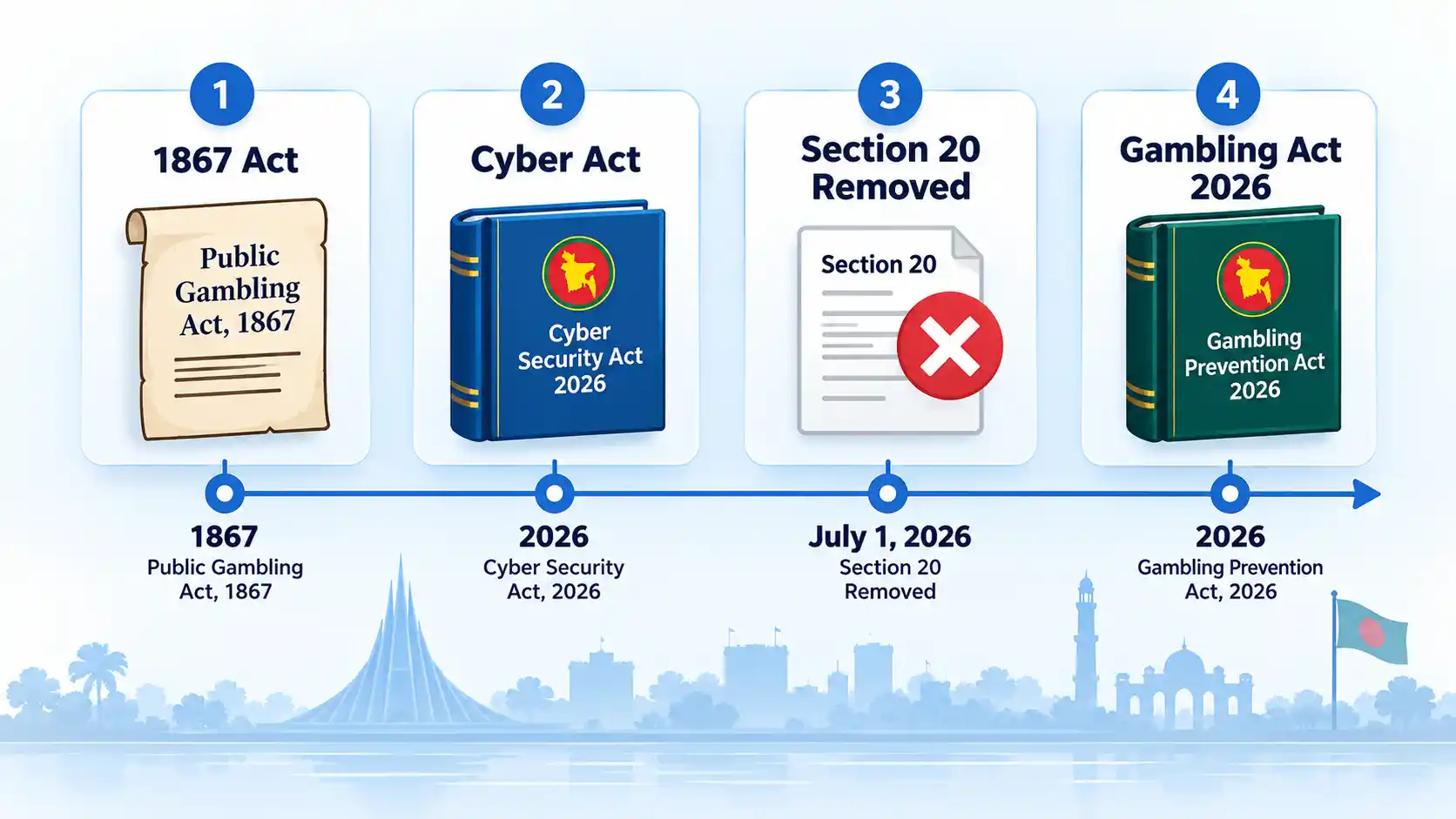
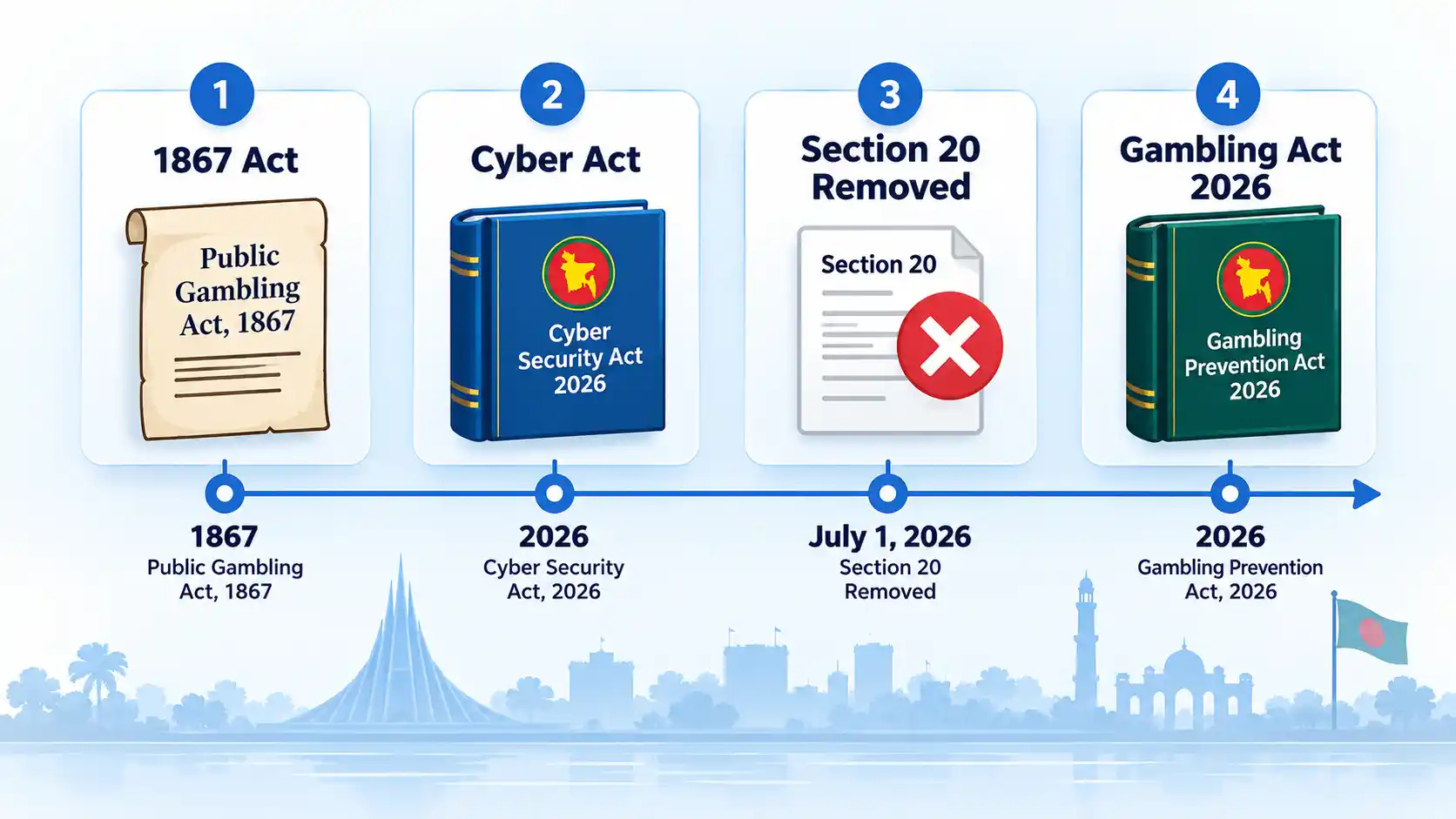
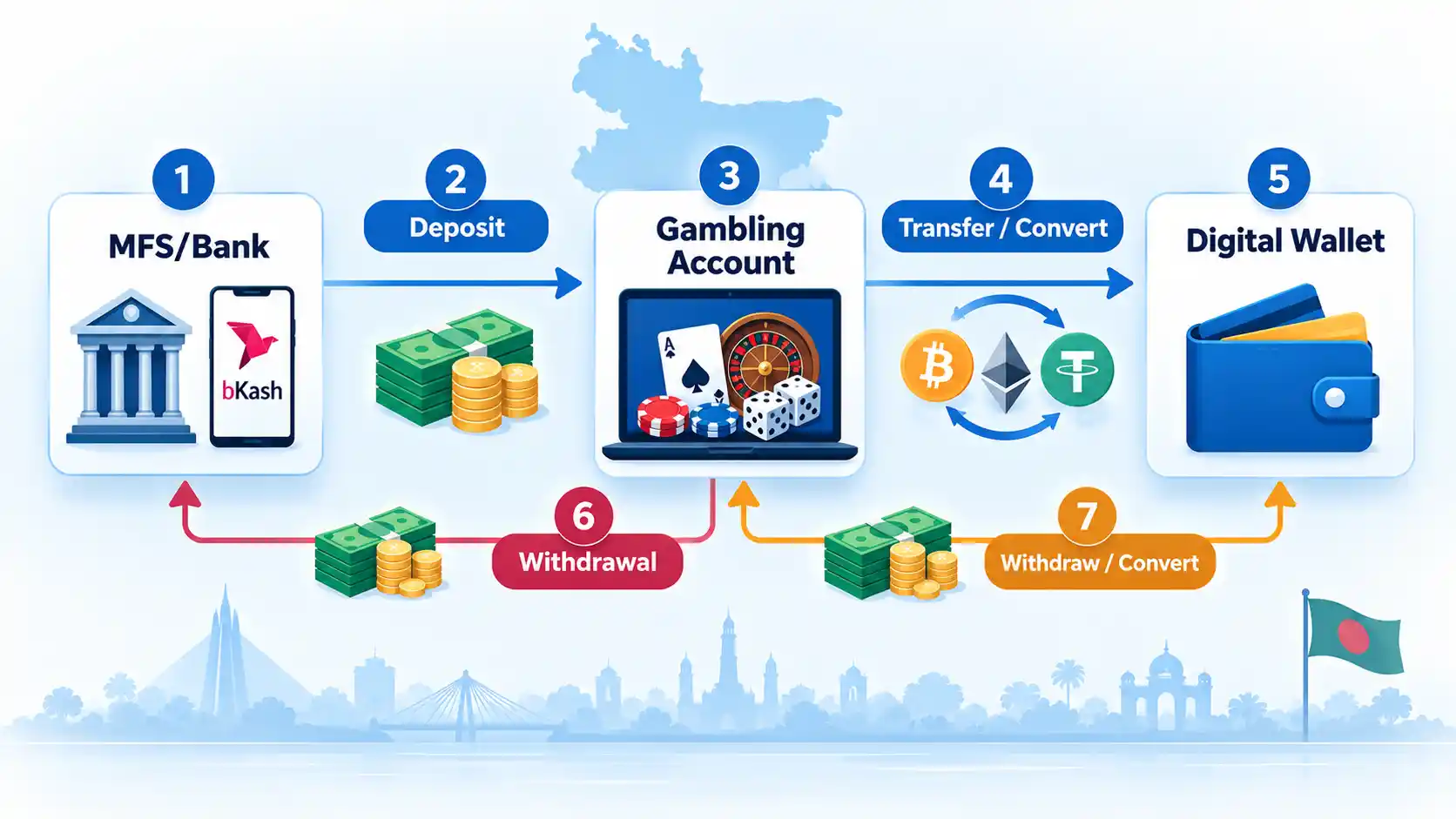
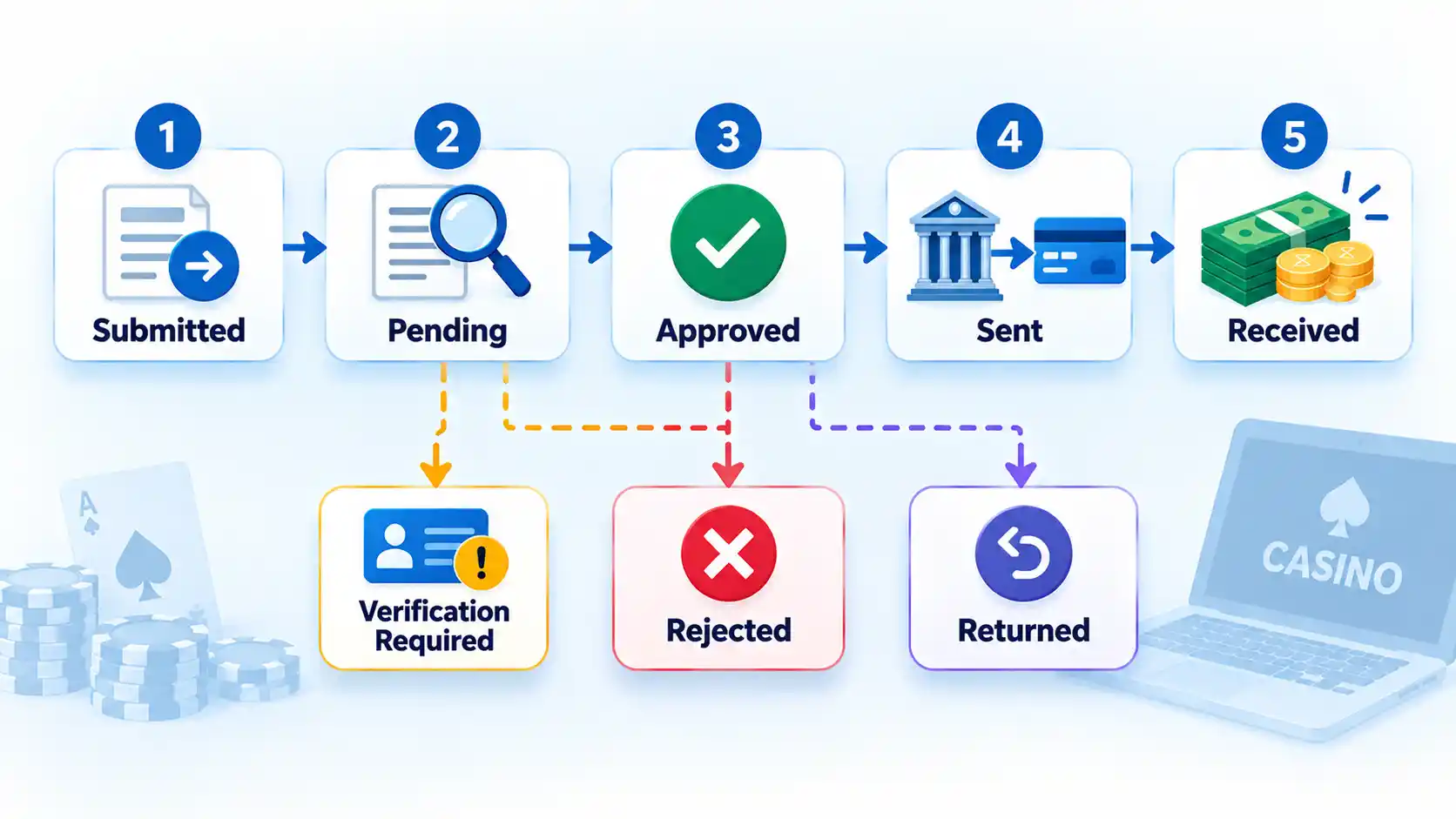
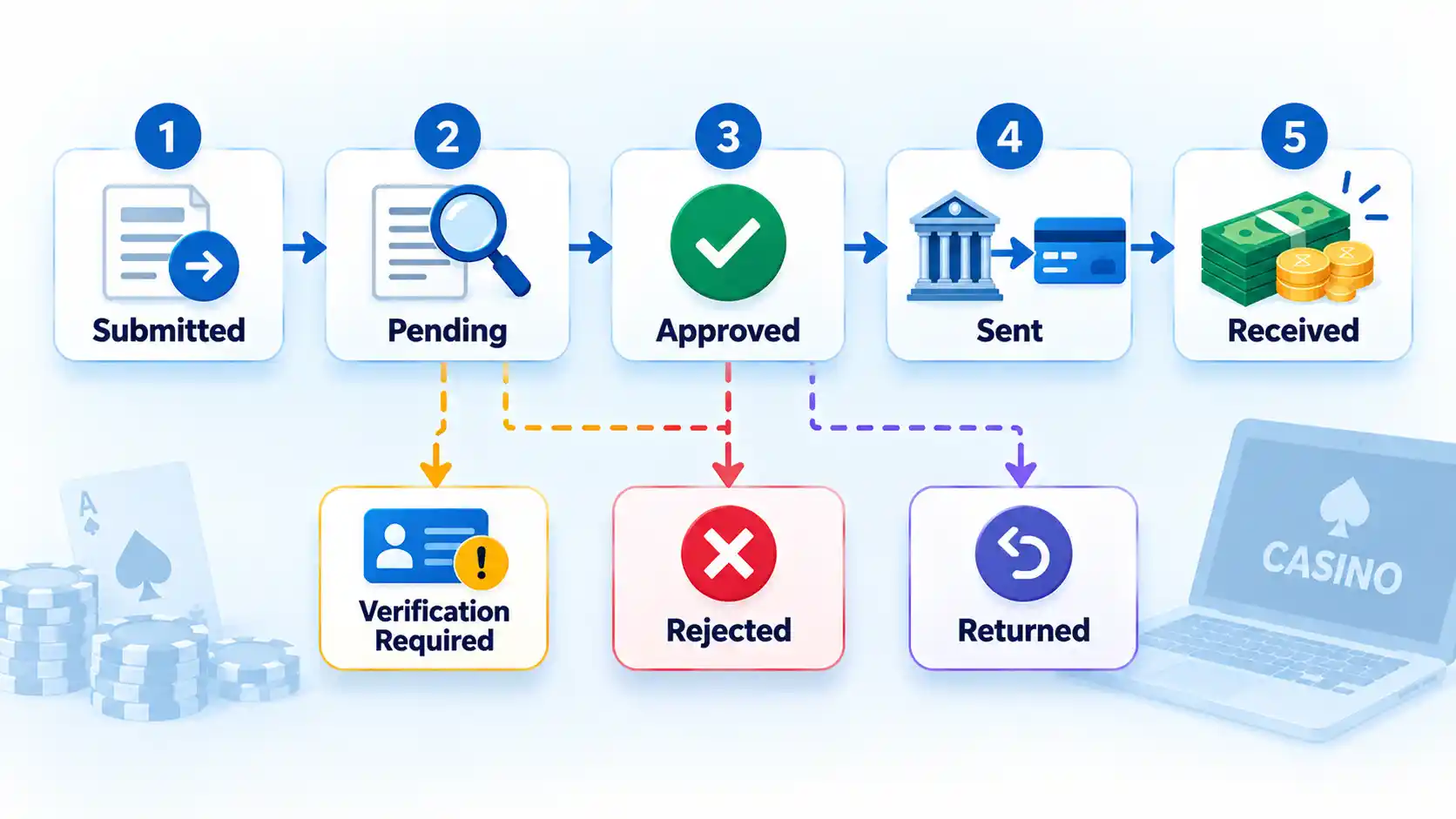
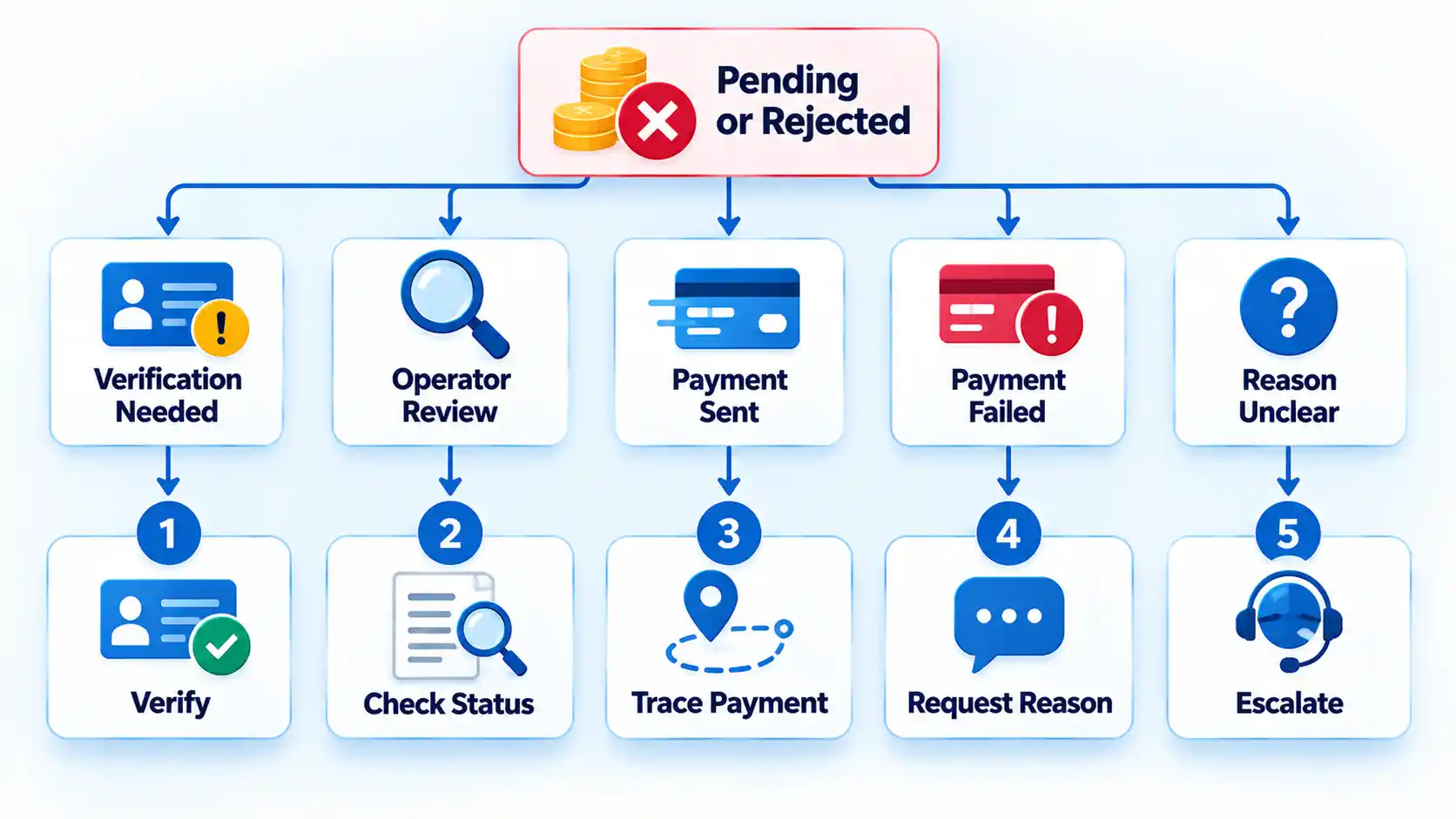


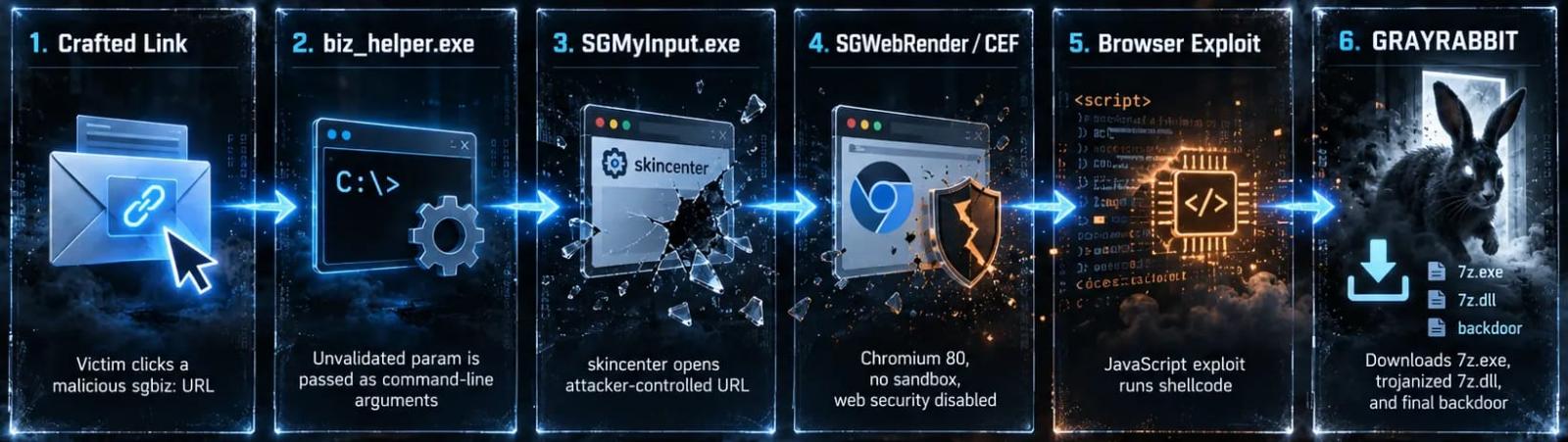














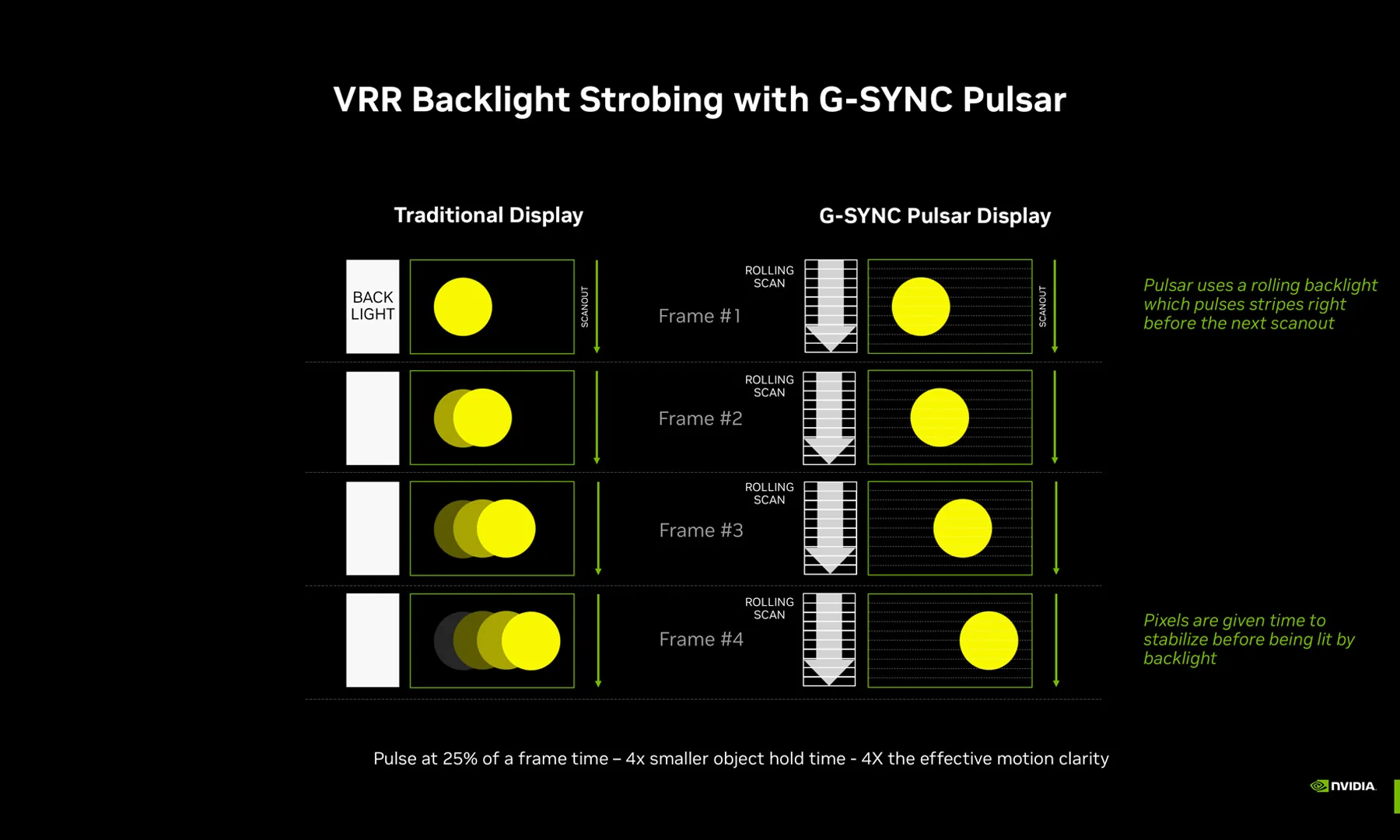
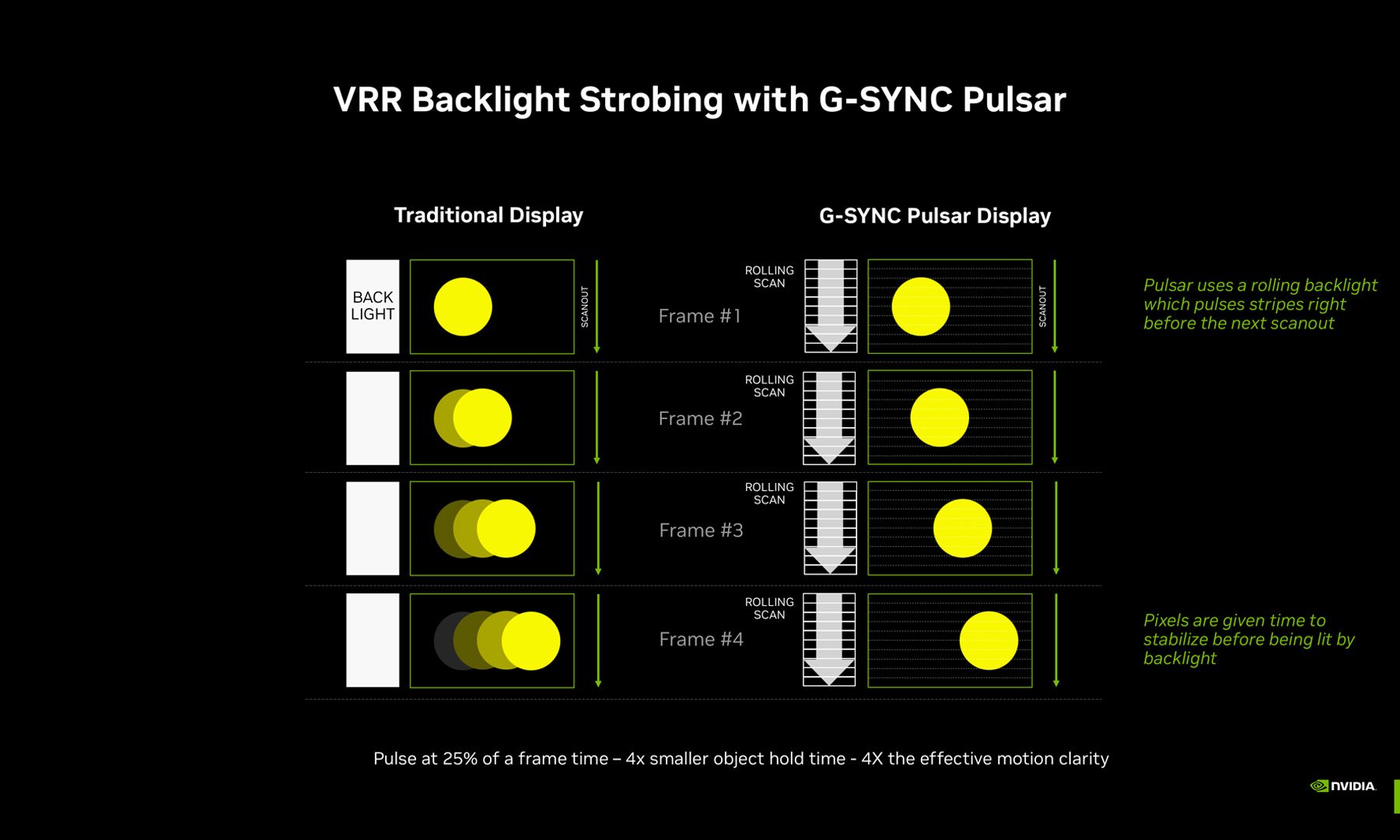

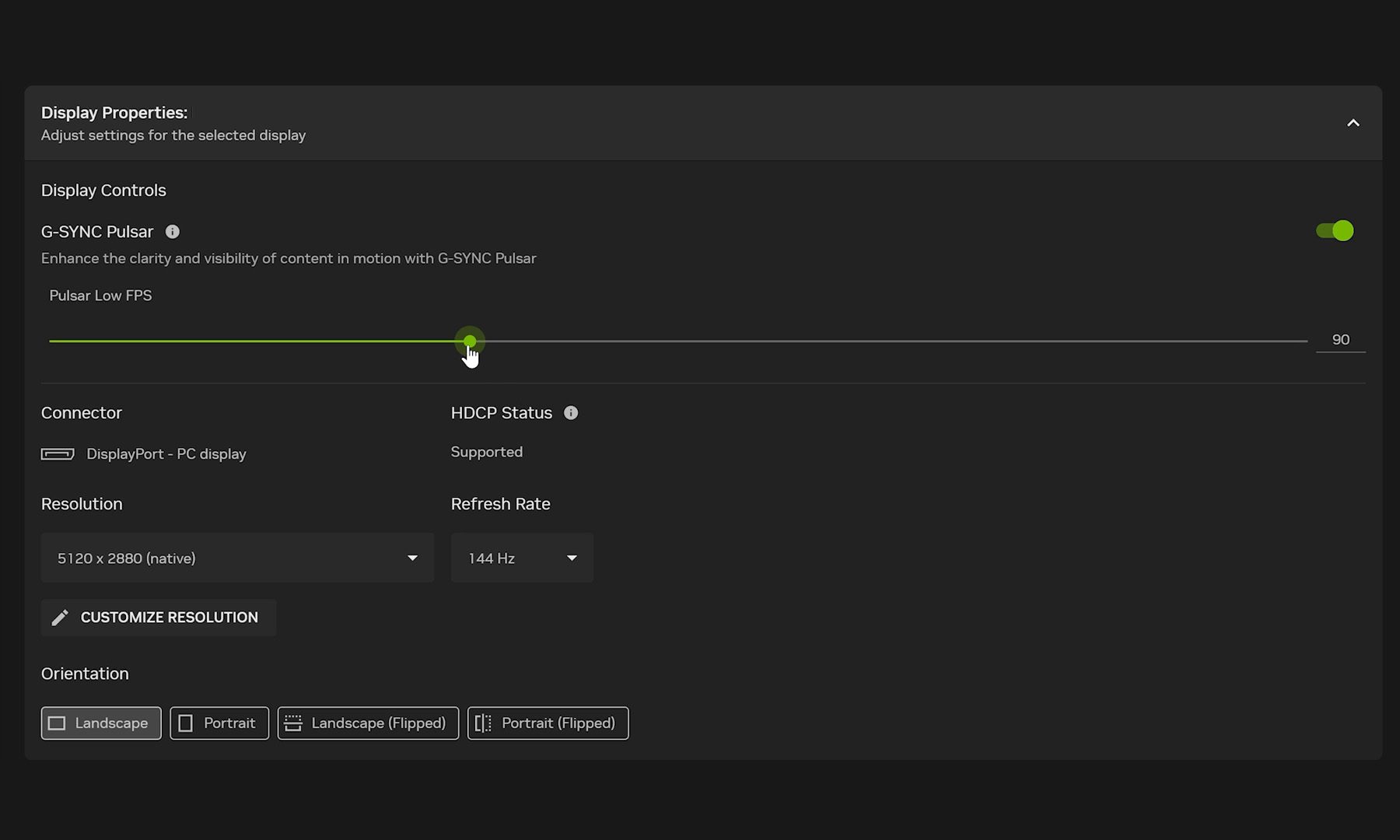












































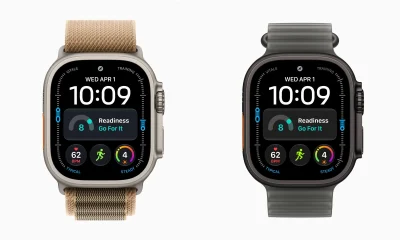


You must be logged in to post a comment Login