Double Fine, the first-party Xbox game developer behind Psychonauts, is forming a union. As Aftermath reports, the studio has filed a petition with the National Labor Relations Board (NLRB) on May 7 to form a union with the Communications Workers of America (CWA) involving all 42 regular part-time and full-time employees.
CWA told the publication that the studio made the decision to organize to “preserve and extend [its] commitments to creative excellence, diversity and inclusion, and worker quality of life.” Workers are asking Microsoft for voluntary recognition, in addition to filing an election petition with the NLRB to secure union representation. “We appreciate that Microsoft has taken a neutral approach and agreed not to interfere in any way with worker’s rights to organize unions,” the labor union said.
The workers of Double Fine are following in the footsteps of other Microsoft-owned developer groups that have unionized in the past. More than 500 World of Warcraft workers within Blizzard formed a union with the CWA in 2024, while the Overwatch team formed a wall-to-wall union with nearly 200 developers almost a year later. The quality assurance employees of ZeniMax Studios, perhaps best known for its work on The Elder Scrolls Online,ratified their union agreement with Microsoft last year. And in August 2025, more than 450 Diablo developers at Blizzard have voted to unionize with the CWA, as well.
Advertisement
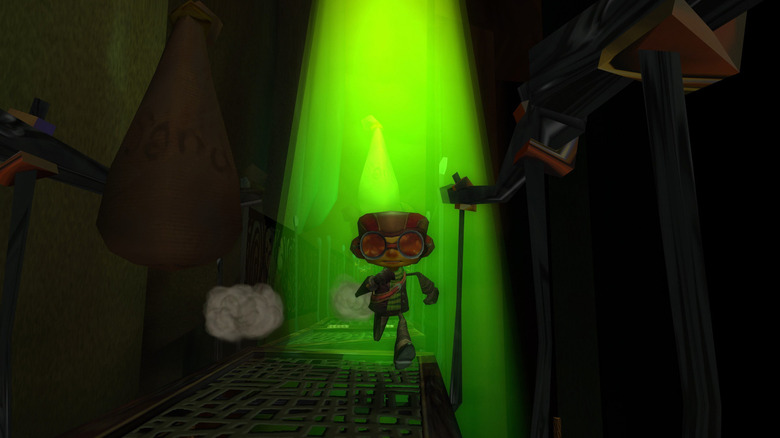
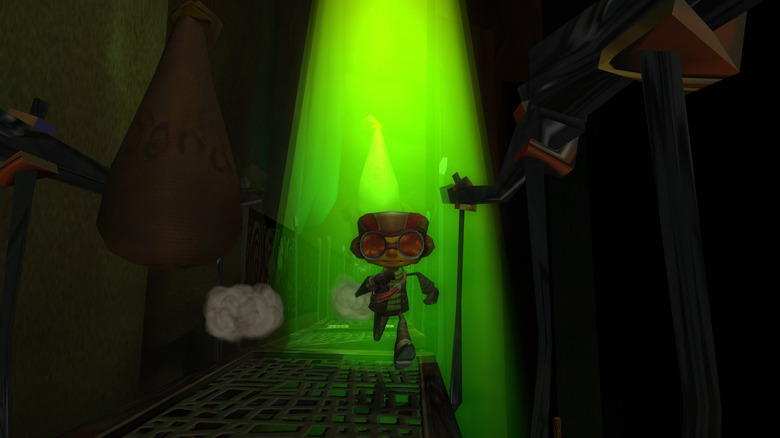
Double Fine became part of Microsoft in 2019, almost two decades are it released Psychonauts, a game about a young boy with psychic abilities. Under Xbox Game Studios, it released Psychonauts 2, Keeper, an adventure game featuring a sentient lighthouse, and multiplayer pottery game Kiln.
Pool ownership has always come with a predictable trade-off. You get the luxury of a private outdoor space, but you also inherit a maintenance cycle that rarely stays contained. Even with robotic cleaners, the promise of automation has often been partial. Floors get cleaned, but surface debris still needs attention. Walls are covered, but corners and shallow zones are inconsistent. The effort reduces, but it doesn’t disappear.
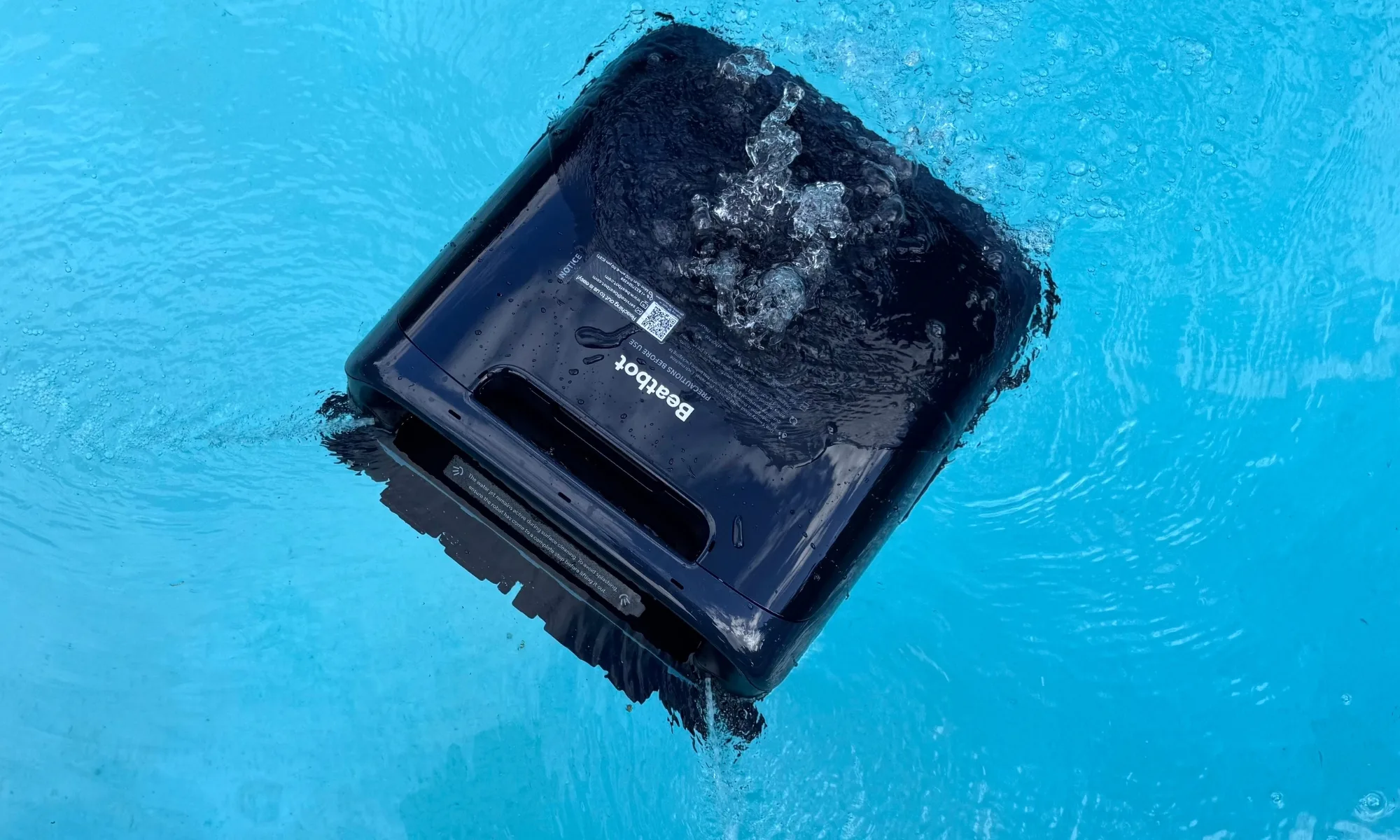
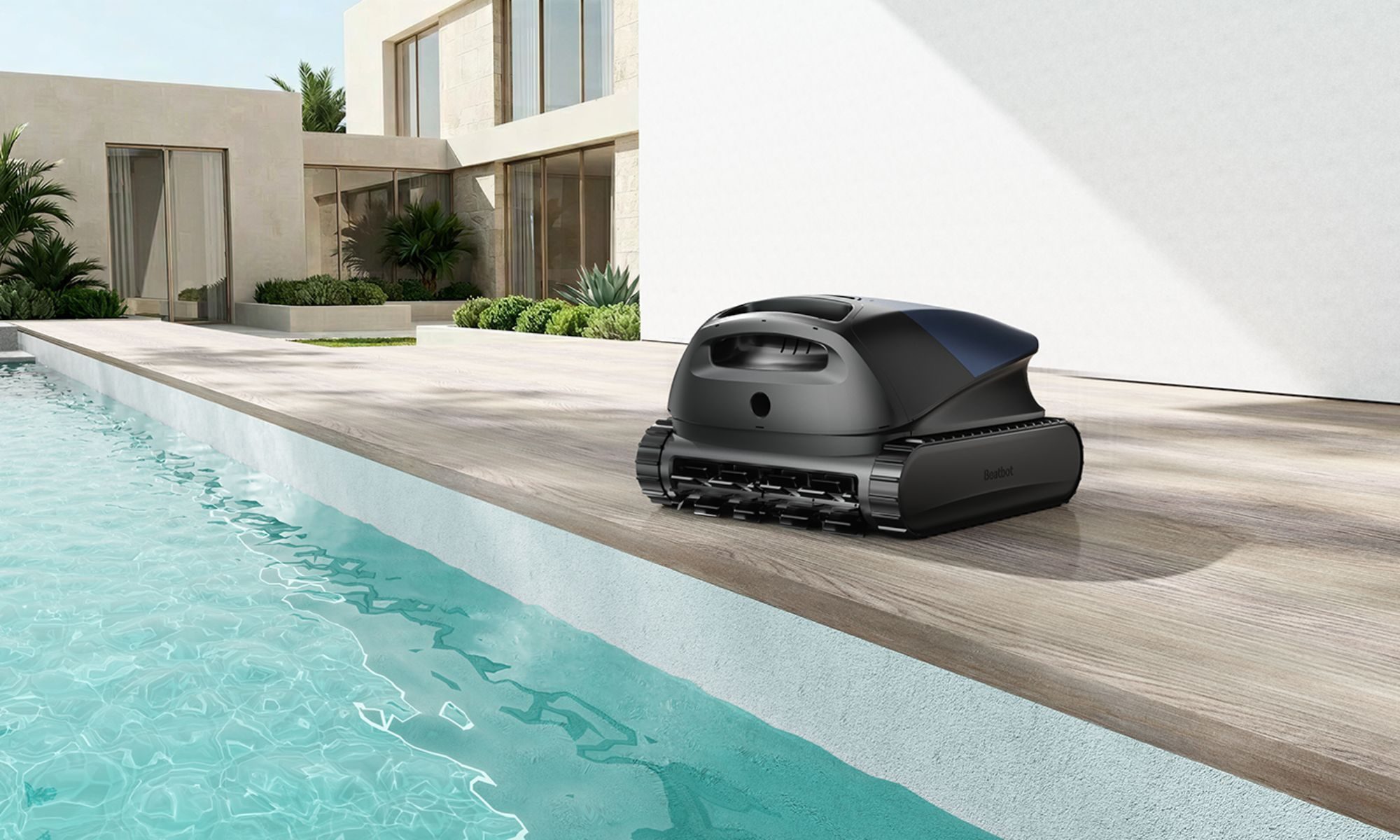
Beatbot is trying to bridge that gap with a wide, clearly segmented lineup built around cordless pool cleaning, complete coverage, and less manual work across different types of pools and users. More importantly, the company is reinforcing that approach through its Anniversary Campaign, running from May 9 to May 25, where a mix of seasonal offers, best deals, and smart upgrades makes these systems more accessible without diluting their positioning. During this period, the entire product range will be available at attractive discounts, ranging from 6% to as high as 40%.
That pricing shifts the focus from cost to choice. Whether you are stepping in through an entry-level upgrade or moving toward a system that delivers reliable cleaning with minimal follow-up, the lineup becomes easier to navigate based on need rather than price alone. Each product carries a defined role and outcome, which reduces the need to compare features in isolation.
With that in place, the lineup begins to make more sense when looked at closely.
Advertisement
Sora 70: reducing pool care to a single, complete cycle
The Sora 70 is where Beatbot makes its strongest case for complete coverage as a practical, everyday benefit rather than a premium add-on. Built around 4-in-1 cleaning within a cordless pool cleaning system, it covers floor, walls, waterline, and surface in one continuous cycle, removing the need to treat surface debris as a separate task.
That shift matters in real usage. Leaves and floating particles are handled alongside structural cleaning, which reduces interruptions between cycles and cuts down on manual follow-up. With 6,800 GPH suction power, the system is designed to deliver reliable cleaning across both fine particles and heavier debris in a single run, avoiding the need for repeat cleaning.
The 10,000mAh battery supports extended runtimes of up to seven hours for surface cleaning or five hours for floor cleaning, making it suitable for larger residential pools. A 6L debris basket further reduces how often it needs to be emptied, keeping the experience closer to hands-free and reinforcing the idea of less manual work across the entire cleaning cycle.
Features like smart surface parking and shallow-platform accessibility ensure that the process does not break at the final step, making retrieval easier while covering areas like tanning ledges that are often overlooked.
Within the Anniversary Campaign, the Sora 70 is available at $1,149, down from $1,499, reflecting a 23% discount. For a system that brings together surface cleaning, full coverage, and extended runtime in a single device, that pricing shifts it from a considered upgrade to one of the more compelling buys in the current window.
Advertisement
Seen in that context, it stands out as a reliable cleaning solution and a practical choice for users looking to move toward full coverage without adding complexity to their routine.
Sora 30: the smart upgrade for stronger everyday cleaning
Beatbot
The Sora 30 is built for users who want more dependable, day-to-day cleaning without stepping into full-system automation. Its 3-in-1 cleaning across floor, walls, and waterline within a cordless pool cleaning system focuses on the areas that define routine maintenance, making it a more capable alternative to entry-level options.
Its strength lies in consistency. Dual roller brushes improve wall climbing and traction, while the filtration system captures both larger debris and finer particles in a single cycle. With up to five hours of runtime, it is capable of completing a full cleaning session for most residential pools without interruption, helping reduce manual effort across everyday cleaning.
Smart surface parking simplifies retrieval, and its ability to navigate shallow zones adds flexibility that is often missing in this segment. As part of the Anniversary pricing at $699, down from $999, reflecting a 30% discount, it sits in a space that feels like a smart upgrade rather than a compromise.
It delivers reliable cleaning with broader coverage while remaining a practical choice for everyday use, making it one of the more well-balanced options in the current campaign window.
Advertisement
Sora 10: an entry-level upgrade that replaces manual effort
Beatbot
The Sora 10 focuses on making cordless pool cleaning accessible without reducing it to a basic experience. It delivers 3-zone cleaning across floor, walls, and waterline, offering a hands-free alternative to manual maintenance for first-time users and helping reduce day-to-day manual work.
Its 7,800mAh battery and compact design make it easy to deploy, particularly in smaller pools, while its ability to navigate shallow areas as low as 12 inches ensures that sections like tanning ledges are not left unattended. The 5L debris basket and dual roller brushes support consistent cleaning performance that goes beyond surface-level results, making it reliable enough for regular use rather than occasional cleaning.
Priced at $499 during the Anniversary Campaign, down from $699 with a 29% discount, the Sora 10 makes it easier to move away from manual cleaning and into a more hands-free routine without overthinking the upgrade.
It stands out as a practical choice for first-time buyers, offering a straightforward, worthwhile upgrade that replaces manual cleaning without adding complexity.
AquaSense X: extending pool care into a premium, low-intervention system
Beatbot
While the Sora series drives adoption and everyday usability, the AquaSense X is designed to establish what advanced pool cleaning can look like when automation is pushed further into a truly low-intervention experience.
It combines intelligent navigation with HybridSense AI mapping to scan and optimise cleaning paths across the entire pool, delivering high-performance all-zone coverage with greater precision. What sets it apart further is its AstroRinse station, which automatically cleans the filter and removes collected debris after each cycle, reducing one of the last remaining manual steps in robotic pool care.
Advertisement
This is supported by a large-capacity debris system that allows for extended use without frequent emptying, along with advanced filtration and water clarification that target fine particles often left behind by standard cleaning cycles. The result is not just a cleaner pool, but one that maintains clarity and consistency over time.
Features like smart surface parking further simplify retrieval, ensuring that the system remains easy to handle despite its advanced capabilities. Taken together, the AquaSense X moves beyond conventional robotic cleaning and into a more complete, intelligent pool care system built around advanced automation and premium performance.
At $3,999 during the Anniversary Campaign, down from $4,250, the AquaSense X brings flagship-level innovation and advanced automation within closer reach, making it one of the most compelling premium upgrades for users looking to redefine how their pool is maintained.
iSkim: reducing the most repetitive part of pool maintenance
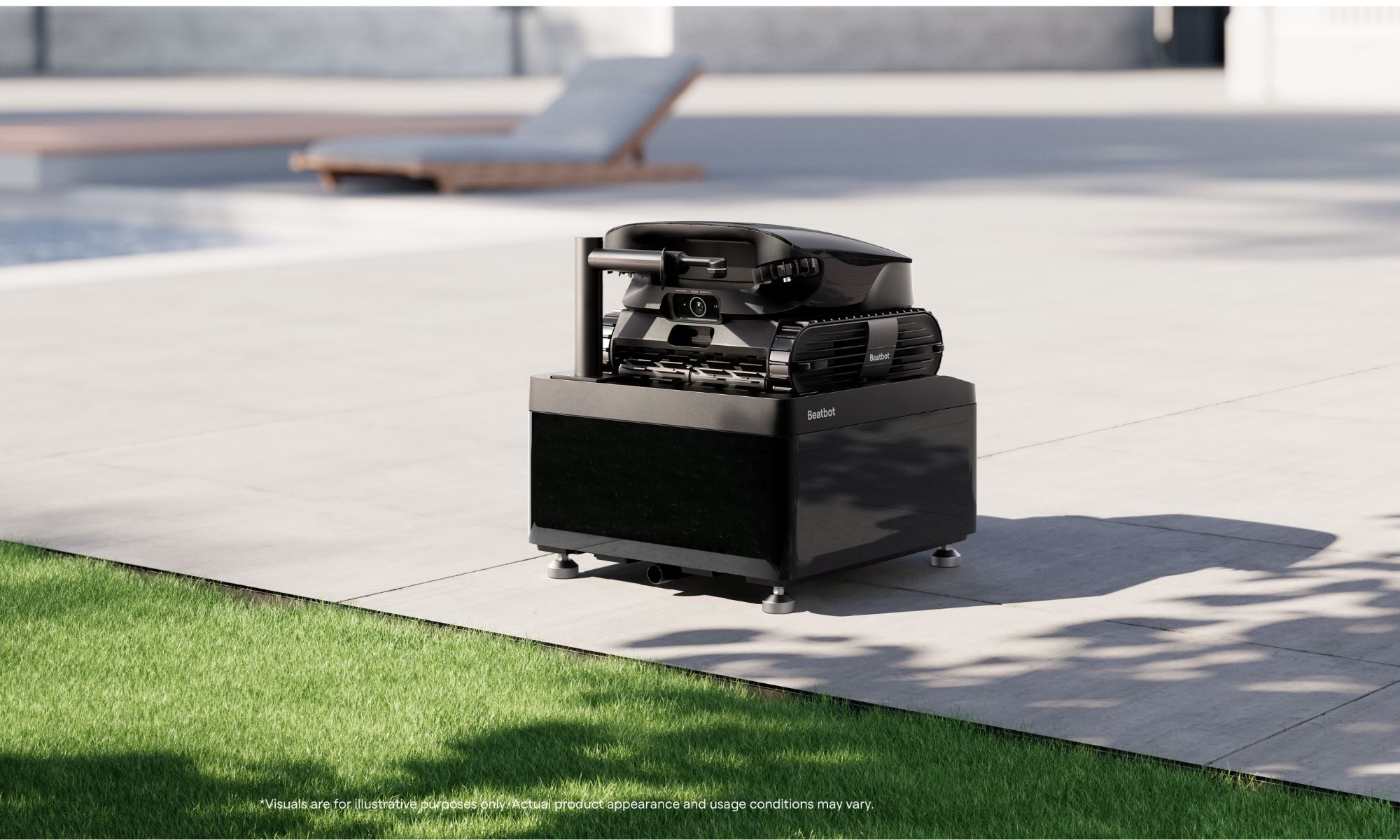
Beatbot
Surface debris is one of the few aspects of pool maintenance that remains constant, accumulating throughout the day regardless of cleaning cycles. The iSkim addresses this by operating as a dedicated robotic skimmer that works continuously rather than periodically, turning what is usually a reactive task into a more automated, low-maintenance process.
Its 9L debris basket, combined with a wide skimming inlet, allows it to capture everything from fine particles to larger debris while significantly reducing how often it needs to be emptied. Powered by a 10,000mAh battery with up to 28 hours of runtime, along with a 24W solar panel enabling 24/7 cleaning, it is designed to maintain surface clarity throughout the day rather than just during cleaning cycles.
Advertisement
This changes how surface cleaning fits into the overall routine. Instead of stepping in repeatedly to manage debris, the system works in the background to keep the pool consistently ready, making it a more hassle-free pool care solution over time. Durable construction backed by a 3-year warranty further reinforces its long-term value.
At $419 during the Anniversary Campaign, down from $499, reflecting a 16% discount, the iSkim combines less emptying, 24/7 solar cleaning, and low-maintenance performance into a smart pool upgrade that reduces ongoing effort rather than just periodic cleaning.
From product choice to complete coverage
What stands out across the lineup is how clearly each part of the range is defined. The Sora series works as the core of the system, offering a progression from an entry-level upgrade to broader, more complete coverage with less manual work. The AquaSense X builds on that with advanced automation and intelligent performance, delivering a more premium, low-intervention pool care experience. The iSkim extends this further by handling continuous surface cleaning, reducing the need for manual skimming and keeping the pool consistently ready.
Taken together, this creates a more complete pool care setup rather than a set of standalone products. Whether it is everyday cleaning, full coverage, or 24/7 surface maintenance, each layer addresses a different part of the same problem, making the overall experience more seamless and low-maintenance.
Advertisement
With Anniversary pricing available from May 9 to May 25, this becomes an opportunity to move into smarter pool care at the right level. From a practical, cordless pool cleaning upgrade to a more advanced, hands-free system, the range makes it easier to choose based on what your pool actually needs, and act on it while the offers are still in place.
The bicycle is an invention that has not changed in its fundamentals since the first recognisably modern machines appeared in the closing years of the 19th century. Its frame uses a structure of two triangles, its wheels are equal in size, and it’s propelled by a pedal crank and (in most cases) a chain. Bicycles have improved vastly in materials and performance, but if you were to wheel a 2026 tourer into an 1886 bike shop, the Victorian proprietor would recognise it. Only a very brave engineer would try to fundamentally change such a formula, but here’s [Not programming] with a crankless bicycle.
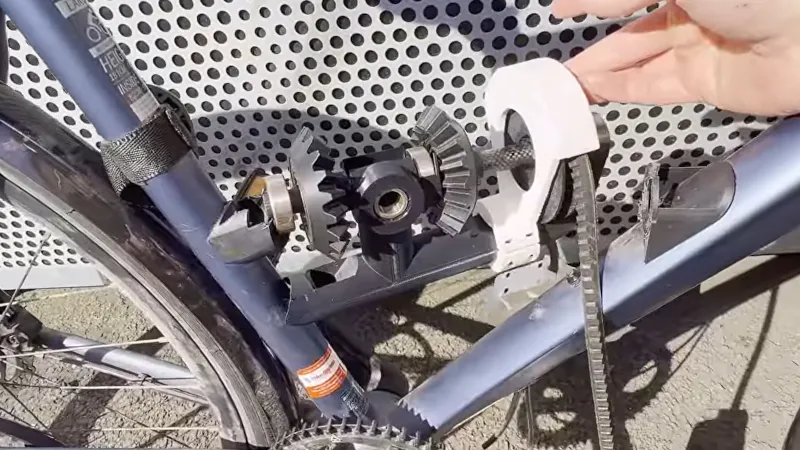
The idea is to replace the crank’s circular motion with a linear one, thus providing a more constant propulsion. The build was inspired by another that used a sinusoidal track in a rotating cylinder to achieve the necessary conversion. This design takes a different tack, using an arrangement of gears and freewheels he describes as a mechanical rectifier to convert the back-and-forth motion of pedaling into rotation. The pedals themselves are stirrups mounted at each end of a V-belt.
This build is an exercise in pushing the limits of 3D print strength, as prototype after prototype shears under load. He does finally get the thing to work, though, and we admire his persistence. Oddly, this isn’t the first 3D-printed bicycle geartrain we’ve seen.
Counterterrorism czar Sebastian Gorka is one of the most controversial figures in the Trump administration, a gate crasher in the buttoned-up world of national security.
In a field where quiet professionalism is revered, Gorka is loud and mercurial. With a booming, British-accented voice, he describes U.S. operations turning suspected terrorists into “red mist” and stacking bodies “like cordwood.” He wears a lanyard inscribed with “WWFY & WWKY,” referencing a line from President Donald Trump: “We will find you and we will kill you.”
Advertisement
It is a testament to the frenzy of Trump’s first year back in office that even the colorful Gorka had faded into the background as the nation reeled from a mass deportation campaign and sweeping cuts to federal agencies. That changed this February with the launch of the U.S.-Israeli war on Iran, which heightened the risk of retaliatory attacks on American citizens and interests around the world. Overnight, there was renewed interest in who leads White House counterterrorism efforts.
My editors and I decided it was time to break out the Gorka files. For six months, I had monitored Gorka’s public remarks for clues about the status of his long-promised national counterterrorism strategy and updates on deadly U.S. strikes in Africa and the Middle East. It had started as old-fashioned beat reporting; I cover counterterrorism, and he’s the senior director for counterterrorism at the National Security Council.
The trove of details I collected from months of Gorka’s public statements, along with interviews with more than two dozen current and former security officials, were woven into a ProPublica investigation published in April. It’s an in-depth look at Gorka and his role in the hollowed-out national security apparatus after a year of leadership turmoil and personnel loss as Trump shifted resources toward his immigration agenda.
ProPublica reached out to Gorka for comment in multiple ways. He never responded, instead lashing out at me via posts on X before the story published. He told his 1.8 million followers that I was anti-American and accused me of writing a “putrid piece of hackery.”
Advertisement
There went my hopes for a good-faith exchange. After discussion with my editors, ProPublica decided to note the insults in the story. It was another revealing layer to the combustible leader Trump had installed in a sensitive national security role. A former senior official noted the eruption was “Gorka being Gorka.”
Increasingly, journalists are pushing back against attacks on our credibility by “showing the work,” guiding readers through the reporting process to dispel myths and foster transparency. In that spirit, I wanted to take this opportunity to show how basic beat reporting — fact-checking the assertions of a powerful figure — led to a broader story about the state of the U.S. counterterrorism mission at a critical moment.
I’ve covered the post-9/11 counterterrorism apparatus for more than two decades, so Gorka was a familiar presence, an academic known mainly for a well-documented hostility toward Islam, which he has portrayed as inherently violent. Gorka has dismissed criticism of this portrayal as “absurd,” saying his focus is “the war inside Islam” between radicals and Western-aligned Muslim leaders. He also served as an adviser under the first Trump administration but was ousted after just seven months amid White House infighting.
At the time, dozens of lawmakers had demanded his resignation, and investigative outlets detailed links — which Gorka denies — to the Hungarian far right. After the bruising exit, Gorka waited patiently as the Republican Party swung harder right in the Biden era and eventually returned Trump to office.
Advertisement
Gorka was appointed White House counterterrorism czar — he called it his dream job — in a new era without the “adults in the room,” as some officials referred to the more moderate advisers around Trump in the first term. Privately, national security personnel expressed alarm that intelligence about threats was in the hands of an official who reportedly struggled to get security clearance in the first Trump administration.
To me, Gorka was a weather vane for the administration’s national security thinking: Would his “war on terror” mindset clash with the more isolationist “America First” camp that wanted no more forever wars? How would a vast security apparatus built for the Islamist militant threat reorient toward a new focus on far-left “antifa” militants and Latin American drug cartels newly designated as terrorist organizations?
I was especially interested in the status of a national counterterrorism strategy Gorka had been promising since taking office; such documents typically lay out an administration’s approach to fighting the most urgent threats. Though Gorka had described his plan as “imminent” and “on the cusp” of release, months ticked by without any sign of it.
To glean clues about the strategy, I made it my mission to watch every news appearance, read every interview and listen to every podcast featuring Gorka since December 2024, the month before he entered the White House. It took some digging — he rails against the mainstream news media and prefers to appear (largely unchallenged) on niche pro-Trump news outlets and at conservative think tanks.
Advertisement
I developed a nightly ritual. After dinner with my family, I’d hole up to listen to Gorka, hunting for the scraps of news buried in his over-the-top vocabulary and graphic storytelling. Alongside my note categories for “Trump Anecdotes” and “Militant Death Tolls” was one for “Big Words.” For example, the president calls Joe Biden “sleepy”; Gorka prefers “somnambulant.”
Weeks into the reporting, in February 2026, I realized Gorka’s speech had burrowed into my brain when I watched a silly video and thought, in his voice, “Preposterous!” It was time for a break.
I reread my notes from hours of listening sessions. I interviewed counterterrorism analysts and national security watchdog groups about Gorka and his remit. Veteran national security personnel added context and analysis. Just as my editors and I were discussing how to turn the findings into a story, the Iran war began and the spotlight on Gorka grew brighter.
Much of the material on air strikes and the dismantling of guardrails was first incorporated into a story I reported about the Pentagon moving away from more robust civilian protections, a reversal highlighted by a deadly U.S. attack on a girls’ school in Iran. Other reporting ended up in the story about Gorka’s phoenixlike return to the White House and what it says about the Trump counterterrorism doctrine.
Advertisement
Gorka didn’t respond to requests for comment beyond the hostile posts on X. When I asked the White House for comment, spokesperson Anna Kelly praised Gorka’s “incredible job” but sidestepped questions about his approach. “Anyone attempting to smear him and the President’s national security team is only revealing that they haven’t been paying attention for the past year,” Kelly wrote, “as anyone with eyes can see that our homeland is more secure than ever.”
As of writing, exactly two months into the Iran war, Gorka’s counterterrorism strategy has yet to appear.
While major motor shows in Europe and the United States are being forced to downsize or change their format, those in China continue to expand.
With 1,451 vehicles on display, including 181 world premieres, the 2026 Beijing International Automotive Exhibition 2026 (also known as Auto China 2026) has become the largest auto show in history—and that’s in terms of both exhibition space and the number of vehicles on display.
This fact itself reflects a shift in the center of gravity of the automotive industry, but that’s not all. A much larger structural transformation is actually taking place in China today.
Previously, the focus was on low-priced electric vehicle models, but now price is no longer the primary point of competition. At the show, not only were there many high-end EVs and large SUVs from Chinese manufacturers equipped with advanced driver-assistance technologies and AI functions, but these technologies are also rapidly spreading to the lower price range.
Advertisement
Chinese manufacturers’ cars offer many technologically impressive features. Lidar sensors, which use lasers for advanced driver assistance, are now even being incorporated into EVs costing less than 100,000 yuan (approximately $14,500). Models featuring “drive-by-wire” technology, which replaces mechanical steering connections and hydraulic brake lines with electrical signals, are appearing prominently. Even Toyota’s local models are using Huawei’s powertrains and smart cockpit OS.
The simplistic dichotomy of “cheap Chinese cars versus high-end European cars” no longer holds weight. While staying competitive in the low-price market, Chinese manufacturers are also gaining leadership in areas such as AI, driver-assistance systems, in-car chips, smart cockpits, and high-performance EVs.
These 19 particularly noteworthy models from the 2026 Beijing Motor Show best embody this evolution.
XPeng GX
Courtesy of Xpeng
There is a fundamental difference between a car designed for autonomous driving and an existing car that’s had autonomous driving technology added to it. XPeng Motors’ GX is the former, a model in which sensors, computing infrastructure, and AI models with Level 4 autonomous driving in mind were designed first, then built into a new SUV bound for the commercial market.
Advertisement
Equipped with up to four proprietary AI chips, it boasts a total computing power of 3,000 tera operations per second—approximately 12 times the 254 TOPS that a single Nvidia Orin is capable of. The latest AI model in the vehicle can recognize spoken commands as well as the images captured by car’s cameras, and it can understanding and adapt to the current driving conditions.
Volkswagen has adopted XPeng’s AI chip and driver-assistance technology in its EVs, meaning XPeng is no longer just an EV manufacturer. It’s becoming a platform provider supplying the brains behind autonomous driving to Europe’s largest automaker. The price is 399,800 yuan (approximately $58,000).
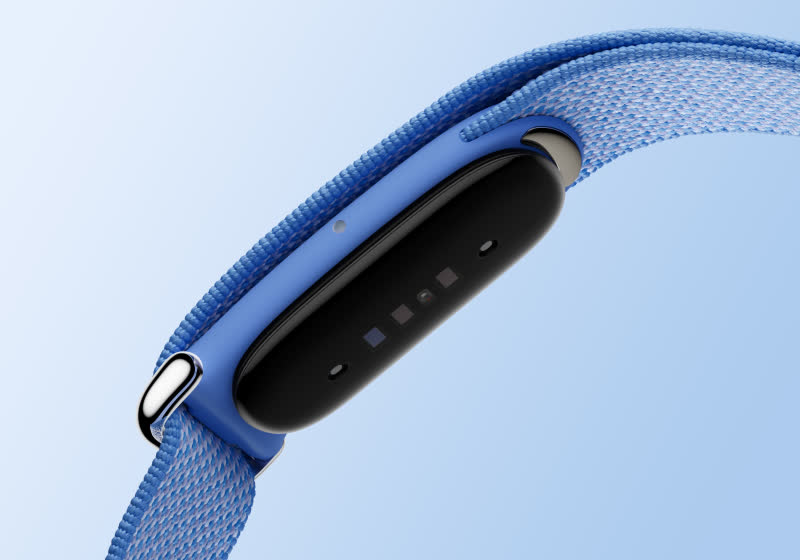
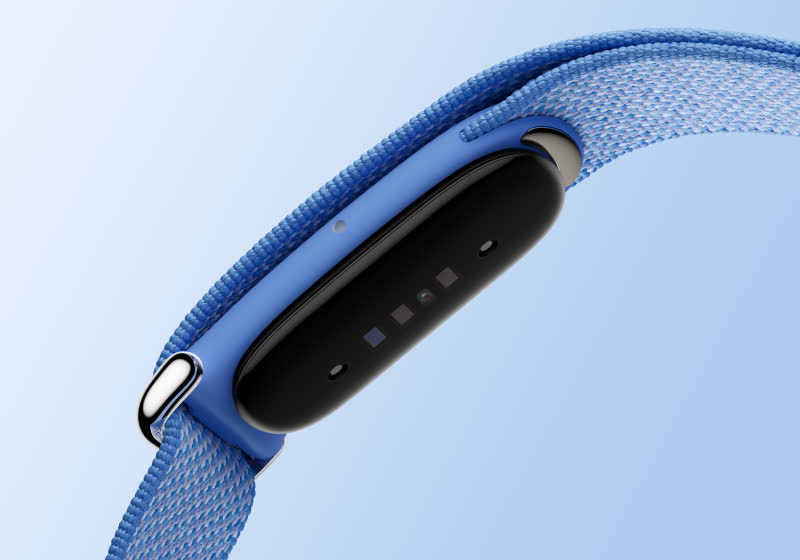
The Fitbit Air is a compact module that fits into a range of bands, with its sensors pressed against the skin and no display on top. That means no notifications, no tapping, and no swiping – just passive tracking. With nothing to interact with, the device is easier to wear… Read Entire Article Source link
Ah, Denuvo. It’s been several years since we checked in on this once vaunted DRM tool that billed itself as undefeatable. The end of PC gaming piracy was said to be at hand, at least for any title using Denuvo. Then, predictably, the cracking community saw the target the company had put on its own tool and got to work. They were first able to crack games using Denuvo in months, which turned into weeks, which turned into days, which eventually turned into it being cracked essentially on a game’s launch day.
As recently reported by Tom’s Hardware, on April 27, a large Reddit thread tracking which games using Denvuo DRM still needed to be cracked or bypassed officially hit zero. (This list tracks games that don’t require an online server connection, not MMORPGs and other games that do.) What that means, effectively, is that according to Denuvo modders and hackers, the DRM tech is no longer able to stop pirates from downloading and installing games for free. This milestone for hackers is largely thanks to the MKDev collective and modder DenuvOwO. It was these people who created the hypervisor-based bypass (HVB) that installs a kernel-level driver to bypass Denuvo’s DRM checks.
This is always the life cycle of DRM in video games. Whatever audacious claims a DRM company might want to make early on with its product, the technology is eventually defeated to one degree or another and all that is left are the byproducts of the DRM that serve to do nothing other than annoy legitimate customers of a video game. If the technology is so intrusively bad that even legit buyers of a game want to crack it out of their games, and the pirates are completely unencumbered by it as well, then it’s a wonder why anyone would bother including it in their games to begin with.
Advertisement
DRM is pretty much always bad. The desire to protect a game from pirates is understandable, but ultimately pointless. There is almost never enough benefit in terms of generating more sales by trying to fight piracy to be worth pissing off your actual paying customers. And tactics such as what publisher 2K has decided to do in the wake of Denuvo’s complete failure aren’t any better.
2K Games has apparently begun adding 14-day online check-ins to some of its PC games. The check-in has apparently been added to NBA 2K25, NBA 2K26, and Marvel’s Midnight Suns. These games now reportedly use a “fixed offline authorization token” that expires after two weeks. Once that happens, the game will not be playable until you connect to the internet and let the game ping Denvuo to get a new token. Pirat Nation and hackers are claiming this new countdown isn’t properly disclosed on the games’ Steam Store page or in each title’s respective EULA.
I’ll just add that pushing this new requirement out via an update to existing purchases is also a problem. Customers bought these games with the understanding of how they would work or not when offline. 2K suddenly changing the product in a meaningful way after it had already been purchased is a flatly anti-consumer move.
And I have no doubt that this online check requirement will be defeated by the same folks who defeated Denuvo. This arms race continues, but it shouldn’t. Why not focus on making great games and connecting with your paying customers to give them reasons to actually pay instead?
A new Quordle puzzle appears at midnight each day for your time zone – which means that some people are always playing ‘today’s game’ while others are playing ‘yesterday’s’. If you’re looking for Saturday’s puzzle instead then click here: Quordle hints and answers for Saturday, May 9 (game #1566).
Quordle was one of the original Wordle alternatives and is still going strong now more than 1,400 games later. It offers a genuine challenge, though, so read on if you need some Quordle hints today – or scroll down further for the answers.
Enjoy playing word games? You can also check out my NYT Connections today and NYT Strands today pages for hints and answers for those puzzles, while Marc’s Wordle today column covers the original viral word game.
Advertisement
SPOILER WARNING: Information about Quordle today is below, so don’t read on if you don’t want to know the answers.
Latest Videos From
Quordle today (game #1567) – hint #1 – Vowels
How many different vowels are in Quordle today?
• The number of different vowels in Quordle today is 4*.
Advertisement
* Note that by vowel we mean the five standard vowels (A, E, I, O, U), not Y (which is sometimes counted as a vowel too).
Quordle today (game #1567) – hint #2 – repeated letters
Do any of today’s Quordle answers contain repeated letters?
• The number of Quordle answers containing a repeated letter today is 3.
Advertisement
Quordle today (game #1567) – hint #3 – uncommon letters
Do the letters Q, Z, X or J appear in Quordle today?
• Yes. One of Q, Z, X or J appears among today’s Quordle answers.
What letters do today’s Quordle answers start with?
• D
• F
• R
Advertisement
• E
Right, the answers are below, so DO NOT SCROLL ANY FURTHER IF YOU DON’T WANT TO SEE THEM.
Quordle today (game #1567) – the answers
(Image credit: Merriam-Webster)
The answers to today’s Quordle, game #1567, are…
Sign up for breaking news, reviews, opinion, top tech deals, and more.
This was a very testing game that almost beat me.
Advertisement
After taking a risk to get EXILE I struggled to find my final word before concluding that the letters I had were ordered A-I-T and from here I got FAITH.
Daily Sequence today (game #1567) – the answers
(Image credit: Merriam-Webster)
The answers to today’s Quordle Daily Sequence, game #1567, are…
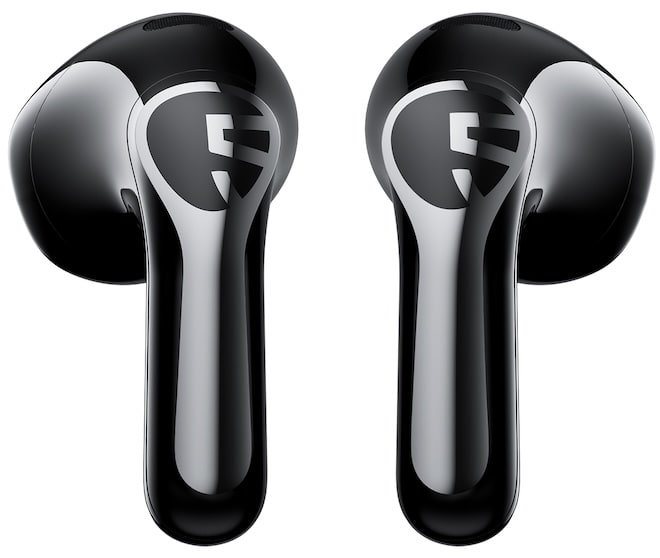
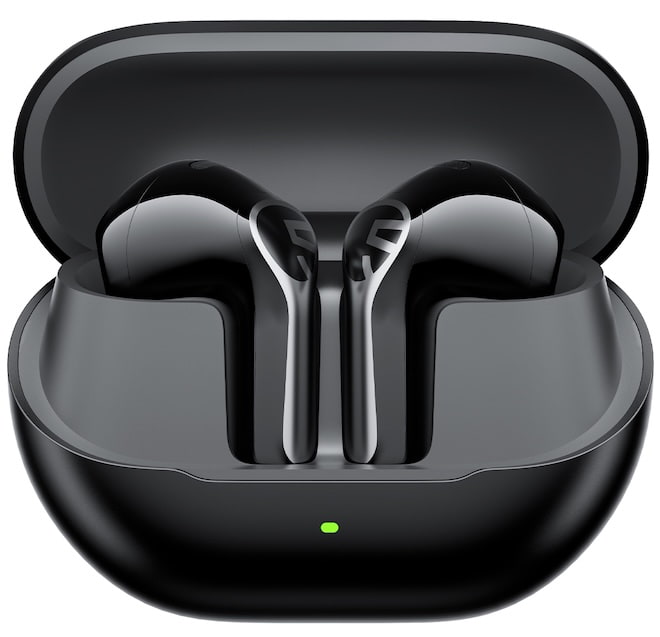
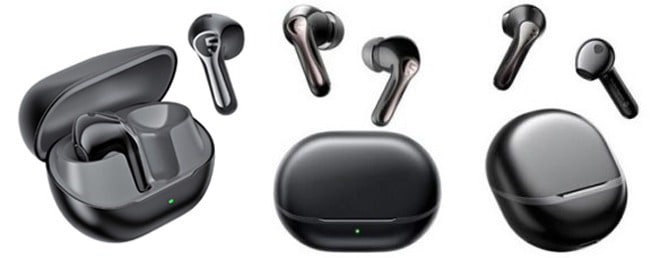
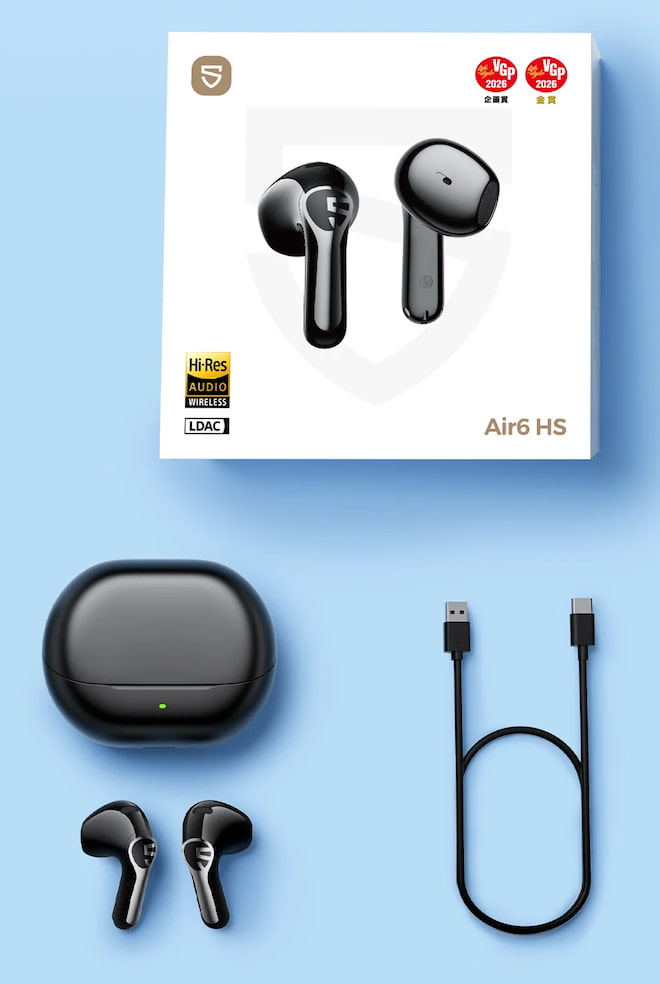
SOUNDPEATS has spent the past 16 years churning out wireless earbuds at a pace that would make most budget brands tap out, and the new Air6 HS aims squarely at a segment that usually disappoints. Most earbuds under $50 are the kind of last-minute “grab something at Wawa before the road trip” purchase; good enough to survive a commute, or to hand off to the kid who just launched your Apple AirPods out the car window. The Air6 HS tries to flip that script, combining all-day comfort, extended battery life, and support for hi-res and spatial audio at a price below $40.
All-Day Wearing Comfort
With so many wireless earbud options available, choosing the right pair comes down to a few core factors that matter regardless of price.
Comfort and fit should come first. If an earbud does not sit securely or becomes uncomfortable over time, it will not get much use. Sound quality follows, along with battery life, call performance, and connection stability. Features like spatial audio or advanced codecs can add value, but they are secondary to the basics that determine how the earbuds perform day to day.
With that in mind, SOUNDPEATS says the Air6 HS was developed using ergonomic data from more than 10,000 ear canal samples. Each earbud weighs just 4 grams, which helps reduce pressure during longer listening sessions.
The semi in-ear design splits the difference between traditional in-ear tips and open ear designs. It sits more securely than open earbuds and offers a more consistent seal, which can improve perceived sound quality and reduce how much audio leaks out in quieter environments like an office. At the same time, it avoids the plugged feeling that some listeners experience with fully sealed in-ear tips.
Advertisement
Driver Design & Tuning
On the inside, the Air6 HS uses a 13mm dynamic driver with a PU biological composite diaphragm and a triple magnetic circuit. That combination is intended to deliver a balanced presentation with a focus on natural vocals, rather than pushing any one part of the frequency range too far forward.
That matters, because a lot of affordable earbuds tend to lean on boosted bass or elevated treble to create the impression of detail or impact. It can sound exciting at first, but it often becomes fatiguing over time. The approach here appears more restrained, aiming for a sound that holds up over longer listening sessions without the sharp edges that can creep into budget tuning.
For those who want to adjust things further, the SOUNDPEATS app on Android and iOS includes Dynamic EQ settings that allow some control over bass and overall tonal balance.
Hi-Res Audio Support and Spatial Audio
The Air6 HS carries Hi-Res Audio certification and supports LDAC for Android devices, allowing higher bitrate wireless playback without moving away from its lightweight, semi in ear design.
It supports SBC, AAC, and LDAC codecs, covering the most common use cases, but there is no support for aptX HD or aptX Lossless. For most users, that will not be a deal breaker, but it is worth noting for those already invested in Qualcomm based devices.
Advertisement
Spatial audio support is also included, adding a wider sense of space for movies and streaming content, rather than focusing strictly on music playback.
Advertisement. Scroll to continue reading.
Battery Life That Keeps Up with Daily Use
The Air6 HS is rated for up to 9 hours of listening on a single charge, with the charging case extending total playback to around 45 hours. When time is limited, a quick 10 minute charge can provide up to 3 hours of playback, which is useful for getting through a commute or a few calls without needing a full recharge.
Bluetooth Connectivity, Call Quality, and Water Resistance
The Air6 HS incorporates Bluetooth 6.0 for stable, efficient wireless performance, including Bluetooth Multipoint connectivity. This enables simultaneous pairing with two devices, allowing users to move between phone calls and laptop audio without needing to manually reconnect; a convenient feature for multitaskers and on-the-go commuters who don’t want to annoy the boss.
The Air6 HS uses a four microphone array with dual mic ENC processing to improve call clarity. That is not something you usually see at this price, and it should help voices come through more clearly in calls and virtual meetings, even in less than ideal environments.
Advertisement
SOUNDPEATS also gives the Air6 HS an IPX5 water-resistance rating, which is enough for sweat and light rain during workouts or daily use. That makes them a reasonable option for the gym, but they are not designed for full water exposure. Dropping them in a pool or the ocean is still a quick way to end the conversation.
Total Music Play Time at 60% Volume (AAC codec, standard mode)
AAC: 9Hrs Playtime + 45Hrs with Charging Case SBC: 8 hours LDAC” 5 Hours
7.5Hrs Playtime + 37Hrs with Charging Case
6Hrs Playtime + 30Hrs with Charging Case
Total Standby Time
N/A
35 hours
30 hours
Auto-turn off if Disconnected
N/A
Powers off after 10 minutes if no device has ever been paired.
Enters low-power mode after 10 minutes of disconnection if previously paired.
3 min
Charging Input
5V/1A
5V/1A
5V/1A
Battery Capacity
41 mAh (per earbud) 500 mAh (case)
35mAh (per earbud) 520mAh (Case)
35 mAH (per earbud) 400mAh (Case)
Earbud Charge Time
45 min
1 hour
1.5 hours
Case Charge Time
1 h 36 min
2 hours
2 hours
Fast Charging
Supported (10 minutes → 3 hours playback)
Supported (10 minutes → 2 hours playback)
No
Charging port
Type-C
Type-C
Type-C
Earbud Dimensions
N/A
34.6 x 19.87 x 23.50mm
34.6 x 17.2 x 17.9 mm
Case Dimensions
N/A
66.88 x 48.33 x 26.92 mm
56 x 51x 26 mm
Earbud Weight
4 g
4.8 g
3.8 g
Weight with Charging Case with Earbuds
43.18 g
50.3 g
44.56 g
Colors
Black
Black, White, Purple, Beige
Black, White, Purple, Beige
App
PeatsAudio for Android/iOS
PeatsAudio for Android/iOS
PeatsAudio for Android/iOS
What’s included in the package
SOUNDPEATS Air6 HS Wireless Earbuds
Advertisement
Charging Case
Type-C Charging Cable
User Manual
Earbuds
Advertisement
Charging Case
Charging Cable Ear Tips (S/M/L) 3 pairs
User Manual
App Guide
Advertisement
SoundPEATS Stickers
Earbuds
Type-C Charging Cable
Charging Case
Advertisement
User Manual
App Guide
The Bottom Line
The Air6 HS stands out by delivering a balanced feature set at a price where most earbuds cut corners. You get a large driver, LDAC support, a comfortable semi in-ear fit, and strong battery life for under $40, which is not common.
There are tradeoffs. The semi in-ear design means no active noise cancellation, and features like Dolby Atmos, head tracking, or advanced gaming modes are not part of the package.
This is aimed at everyday listeners who want something comfortable, reliable, and better than the usual budget options. It is not trying to replace higher end models, but it does offer a more complete experience than most wireless earbuds in this price range.
While Nvidia has dominated the “infrastructure boom” since 2022’s launch of ChatGPT and “the generative AI craze,” CNBC writes that “This week offered the starkest illustration yet of what MIzuho analyst Jordan Klein said could be a ‘changing of the guard in AI.’”
Chipmakers Advanced Micro Devices and Intel notched gains of about 25%, while memory maker Micron jumped more than 37% and fiber-optic cable maker Corning climbed about 18%. All four of those companies have more than doubled in value this year, with Intel leading the way, up well over 200%. Nvidia, meanwhile, is only slightly ahead of the Nasdaq in 2026, gaining 15% for the year, aided by an 8% rally this week. In spreading the wealth to a wider swath of hardware companies, investors are clearly betting that the bull market in AI has long legs and that data centers are going to need a wider array of advanced components for years to come.
Memory has been the biggest theme of late due to a global shortage that’s driven up prices and turned Micron, a 47-year-old company tucked in a sleepy corner of the semiconductor market, into one of the hottest trades over the past 12 months. Micron blew past an $800 billion market capitalization for the first time this week, and the stock is now up over 750% in the past year. CEO Sanjay Mehrotra told CNBC in March that key customers are only getting “50% to two-thirds of their requirements” because of supply issues. The memory market is largely dominated by Micron, along with Korea-based Samsung and SK Hynix, which are also both in the midst of historic rallies…
Bank of America estimates the data center CPU market could more than double from $27 billion in 2025 to $60 billion in 2030. AMD’s quarterly results this week underscored the emerging trend, as earnings, revenue and guidance sailed past estimates on strong data center growth. The company has long led the CPU charge, and CEO Lisa Su said on the earnings call that AMD now expects 35% growth over the next three to five years in the server CPU market, up from a forecast of 18% growth that the company provided in November. The article cites two other big movers:
Advertisement
Intel “is in the midst of a revival sparked by a major investment from the U.S. government last year. Intel’s stock had its best month on record in April, more than doubling, and has continued notching massive gains, rising 33% in the early days of May.”
Nvidia still remains the world’s most valuable company “and is expected to show revenue growth of 70% this fiscal year,” the article points out — adding that companies like Corning are also benefiting from Nvidia partnerships. “Glass maker Corning, which celebrated its 175th anniversary this week, signed a massive deal with Nvidia on Wednesday that involves the development of three new U.S. factories dedicated entirely to optical technologies… likely a major step in Nvidia’s move away from copper cables and towards fiber-optic cables as it builds out its rack-scale systems.”
Cramming for finals is bad enough without the platform you use to do your schoolwork suddenly shutting down. Unfortunately for countless students across the US, that’s exactly what they faced on Thursday after Canvas went into “maintenance mode” following a ransomware attack on education tech firm Instructure. Hackers using the name ShinyHunters claimed responsibility for the breach, and experts say the chaos they caused shows how far these actors will go to extort their victims.
Did you know that Google Chrome includes an automatic download of the Gemini Nano AI model? If not, you wouldn’t be alone. People who use Google’s wildly popular browser realized this week that Gemini Nano has been taking up 4 GB of space on their desktops since 2024, sparking annoyance and concerns over privacy. Fortunately, you can disable the AI model—but not without losing some helpful security features. Obviously, you can also just download a different browser for free.
The Department of Homeland Security subpoenaed Google in an attempt to obtain the location data and account activity of a Canadian man who criticized US immigration enforcement tactics following the killings of Renee Good and Alex Pretti in Minneapolis early this year. The American Civil Liberties Union this week filed a complaint against DHS on behalf of the man, who has not visited the US in more than 10 years.
And there’s more. Each week, we round up the security and privacy news we didn’t cover in depth ourselves. Click the headlines to read the full stories. And stay safe out there.
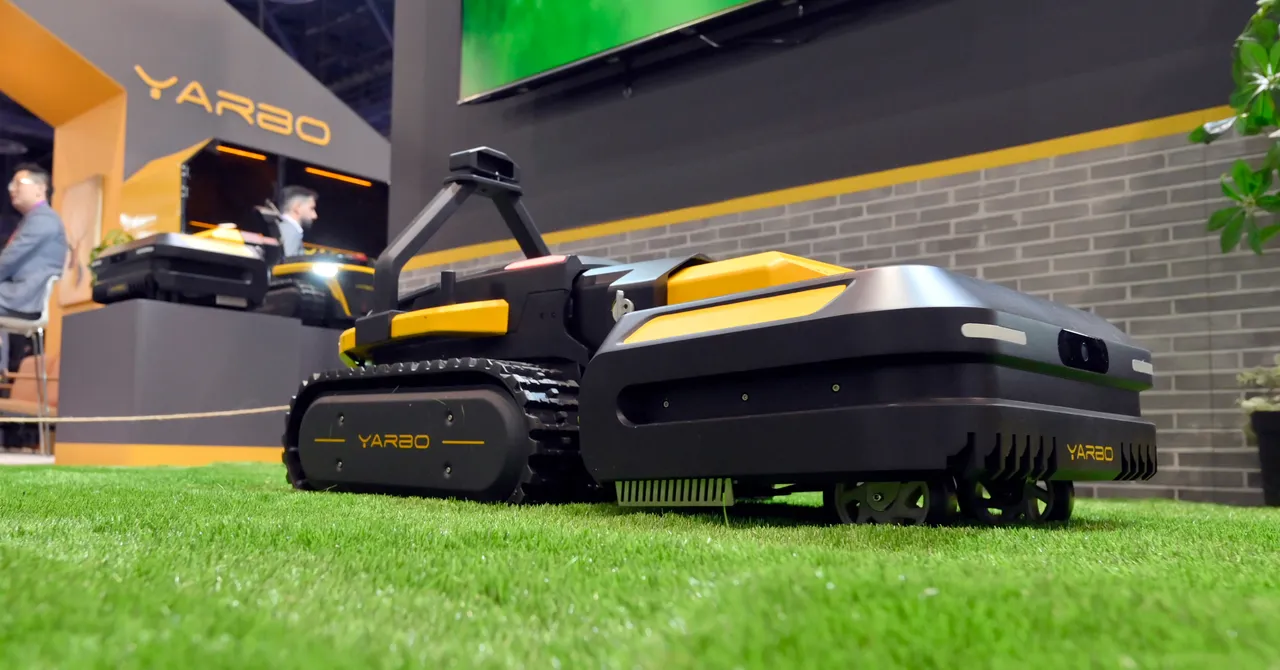
Most people hope that the 200-pound robot with blades in their backyard cannot be easily hacked. Unfortunately for the owners of Yarbo, a $5,000 lawn mower robot that can also work as a leaf blower, snowblower, and edger, that was not the case. The Verge reports that a security researcher found numerous vulnerabilities in the lawn bots that could allow hackers to remotely take over the machines (including their camera feeds,) as well as extract owners’ email addresses, Wi-Fi passwords, and home locations.
After a Yarbo spokesperson told The Verge that the robots’ “diagnostic environment is not publicly accessible,” the reporter and researcher demonstrated the security flaws and their potential consequences by nearly running over the reporter with a hijacked robot. The company has since reported that they are developing a fix to at least one of the flaws the researcher identified.
Advertisement
Mark Zuckerberg’s Meta has pulled support for end-to-end encrypted messages on Instagram, backtracking on its plans to protect people’s privacy by providing messaging the company could not snoop on. The company stopped offering encryption on Instagram on May 8, making it easier than before for the firm to technically access DMs.
After spending years building out the encryption systems needed to secure its chat apps, Meta said in 2023 that it had rolled out default encryption for Messenger. It also said it was introducing an opt-in version for Instagram, which it had planned would eventually become the default setting. However, that day never arrived with Meta deciding in March this year that not enough people had opted-in and it would remove the option to encrypt Instagram chats. The U-turn has infuriated privacy and security experts who fear the rollback could damage end-to-end encryption efforts around the world.
The Trump administration unveiled a new counterterrorism strategy, which President Donald Trump describes as a “return to common sense and Peace through Strength” in a foreword included in the document. The three biggest types of terror groups, according to the document, are cartels, Islamist terror groups, and “violent left wing extremists,” which the memo says includes anarchists and anti-fascists and have ideologies that are “anti-American” and “radically pro-transgender.”
The memo promises, “We will use all the tools constitutionally available to us to map them at home, identify their membership, map their ties to international organizations like Antifa, and use law enforcement tools to cripple them operationally before they can maim or kill the innocent.”





















































You must be logged in to post a comment Login