
Politics
What People With Small Penises Bring Up Most In Therapy


Penis size is not a matter of choice, but for many people with penises, size matters.
Usually, it matters more to the person with the penis than to their partner. People with smaller penises often live with the anxiety that they don’t measure up. This worry, known as small penis anxiety, is a very real thing.
Dr. Mindy DeSeta, a certified sexologist and sexuality educator for the Hily dating app, said there’s a strong cultural message that “size matters,” not just for sexual pleasure, but for masculinity, too. “Penis size is often treated like a shortcut — the bigger the penis, the more pleasure someone can supposedly give,” she said.
“Men who are believed to be ‘well-endowed’ are often labeled as more masculine or sexier,” DeSeta continued. “When someone internalises these messages, self-esteem can take a hit. They may start assuming they won’t be able to satisfy a partner, and that fear can lead them to avoid sex, dating, or relationships altogether.”
Porn and media are big drivers of these beliefs. “Over time, men who worry their penis is small can start seeing themselves as ‘less than’ or at a sexual disadvantage. That mindset fuels daily anxiety, self-doubt, and relationship stress. Many feel pressure to overcompensate, and sex starts to feel like a pass/fail test instead of a pleasurable and connected experience.”
The first thing Sarah Sumner, a sex and relationship therapist, tells her clients who come in with concerns about penis size is: “There is nothing wrong with your body. Fixating on penis size is a body image issue, and it works the same way any body image issue does: it distorts how you experience yourself during sex.”

The most common concern Sumner sees is men defining their sense of self based on how “good” or “bad” they think they are at sex. “Their sexual identity is based on compensating: Some avoid sex, some rush through it, some become hyper-focused on their partner’s orgasm as proof they’re good enough. The through line is that they’re not able to be present during sex, and their partners can tell. Sex starts to feel like a performance.”
From self-doubt to sexual performance anxiety, the concerns that bring people into a therapist’s office reveal just how much small penis anxiety can affect self-esteem and relationships.
Shame and avoidance are both really common.
In therapy, concerns about penis size rarely come out right away. Most men start by talking about anxiety, shame or relationship stress, but their size could be what’s underneath it all.
“Usually, people with smaller penises don’t walk into therapy saying, ‘I have a small penis,’” DeSeta said. “They first start talking about anxiety, avoiding sex, shame or relationship stress. Their penis size is what is sitting underneath it all. It is the foundational pain point that projects all their fears, emotions and avoidance.”
According to DeSeta, people who perceive their penis as small most often fear that they will not be able to please or give their partner an orgasm: “They fear their date will reject them the moment they take their clothes off. This humiliation and fear of rejection can be enough for people with small penises to ward off sex, and even relationships, altogether.”
Men are measuring themselves against a visual selected specifically because it’s unusual.
– Sarah Sumner, sex and relationship therapist
Another stressor for people with small penises, said DeSeta, is “if” or “when” to bring it up to a partner.
“Some people feel that they should ‘warn’ their partner ahead of time, but they worry that bringing it up will turn it into a bigger issue than it needs to be, and possibly lead to rejection before anything has a chance to happen,” she explained. “Others prefer to say nothing and let the moment unfold naturally, but then they’re stuck in their head, waiting for their partner’s reaction instead of enjoying the experience.”
Men with smaller penises consistently struggle with feeling like “enough.”
According to Sumner, porn has created “this insane baseline where men are measuring themselves against a visual selected specifically because it’s unusual. Locker room culture, “big dick energy,” size as shorthand for power … gets internalised before most men have had a single sexual experience.”
Underneath the size thing, she said, is usually a much older wound about being enough. “Man enough, desirable enough, worthy of someone’s want,” Sumner explained. She said she asks men: “How early did that start? Who told you that, and how many times did you hear it before you believed it? That doesn’t get fixed by a partner’s reassurance, no matter how many times they say it doesn’t matter.”

martin-dm via Getty Images
This can also lead to overcompensation, which can make sex less enjoyable and connective.
In Sumner’s experience, some men who worry about their penis size may “compensate by becoming extremely giving lovers, which sounds great until you realise the giving is driven by not feeling good enough. They’re working overtime to make sure their partner comes so they won’t be evaluated on size,” she said. “Their partner might be having orgasms and still sense something’s off because the generosity isn’t coming from desire, it’s coming from fear. And their partner can feel the difference between giving and performing.”
Either way, she said, the anxiety takes over. “They’re so busy scanning their partner’s face for disappointment that they’ve left their own body.”
Sumner advises clients to talk to their partners about their fears. “Tell your partner about how you’re feeling in your body, if it’s impacting your capacity to be present. It’s not your partner’s job to make your insecurities go away, and their reassurance will fall flat because of it. You are responsible for your own pleasure and advocating for what you are available for sexually. Feeling insecure and don’t want your partner to look or touch your penis that day? Tell them, and see if they’re into exploring what else feels good. Don’t apologise, own it.”
But experts are begging you to understand: Penetrative sex isn’t everything. Seriously.
Sumner said it’s important for people with small penises to remember that penetrative sex isn’t the only way to perform or enjoy sex with a partner.
“Your partner is almost certainly less focused on your penis than you are,” she said. “If you’re fixating on size as the measure of whether you’re good in bed, you’re solving for the wrong thing. What makes sex satisfying is communication, presence and play, and none of those require a specific body part.”
DeSeta also recommends choosing positions that maximise sensation: “Explore positions that create deeper contact and more friction.”
For people having sex with partners with vulvas, she recommends: “Try missionary with a pillow under the hips, from behind on all fours, or face-to-face sitting with one partner on the other’s lap. These positions allow for more control of angle, depth, and pressure.”
If you’re having sex with a partner who also has a penis and prostate, the same principles apply: Angles that provide more friction and more control over the depth of penetration for anal sex can include: penetrating your partner from behind on all fours, having your receiving partner “ride” on top (finding their own desired rhythm and leaving your hands available for additional stimulation) or side penetration.
Though, it should be noted, there are plenty of ways to feel pleasure on the receiving end of anal sex without an overemphasis on prostate stimulation, there’s no limit to the toys you can introduce as accomplices if your partner really likes those sensations.
And, most of all, for any partner with any parts, it can be helpful to engage with and get curious about different erogenous zones instead of putting all of the pressure on penetration: “A lot of people define ‘sex’ as penetration, but sex is so much more than that, and penetration isn’t the only way to create pleasure,” DeSeta said. “Expand your definition of sex, explore the body’s erogenous zones, and remember that sex is mental, not just physical. Like I always say, ‘Sex is between the ears, not just the legs.’”
As DeSeta concludes: “There was no sex ed lesson on pleasure, so it’s time to educate ourselves now.”
And, most of all, she urges people who want to elevate their sex lives to “learn the basics” of their own and their partner’s anatomy and bust open your preconceived notions about what sex is supposed to look like.


The Southport Inquiry has highlighted the “fundamental failure” of authorities to prevent the horrific 2024 murder of Bebe King, Elsie Dot Stancombe and Alice da Silva Aguiar.
Inquiry chairperson, Adrian Fulford, began the report, released on Monday, by describing the events of 29 July 2024 as “one of the darkest moments in recent national memory”.
The report concluded by saying that authorities could have prevented the murderer, Axel Rudakubana, referred to as “AR”, from eventually killing Bebe, six; Elsie, seven; and Alice, nine at Hart Space dance studio in Southport.
Blame was also attributed to his parents.
Wholly separately, therefore, from my view that the attack would not have occurred had AR’s parents reported what they knew in late July 2024, if appropriate arrangements and reasonable resources had been in place to address the risk that AR posed to others from December 2019 onwards, it is highly likely that the tragedy of 29 July 2024 would not have occurred.
Southport inquiry: Authorities knew about the risk, but failed to intervene
The report went on to detail the woefully inadequate actions of authorities, insisting that:
There was a fundamental failure by any organisation, or multi-agency arrangement, to take ownership of the risk that AR posed.
Despite authorities having sufficient information to warrant close attention, it added, there was a “pervasive failure to act on AR’s dangerousness”. This was “significantly troubling”, it asserted.
Agencies from social services to the police and Prevent, the Government’s strategy to stop people becoming terrorists or supporting terrorism, tried on numerous occasions to explain away AR’s highly concerning behaviour as a “mental health” issue.
This reflected a poor understanding of both ASD [Autism Spectrum Disorder] itself and a misunderstanding of the ability of mental health services to ‘treat’ or address it.

It should have already been clear for all agencies from 2019 that Rudakubana “posed a high risk of harm to others”.
In October 2019, he repeatedly carried a knife to his former school with the intention to inflict serious harm.
Then in December of that year, he took weapons with him to kill a pupil he perceived had previously bullied him, the report shared. Instead, another student was assaulted at random.
Fulford said December 2019 was a “watershed event”.
As the subsequent narrative will reveal, nothing occurred during the next five years to indicate that this level of danger had diminished. To the contrary, as time passed the authorities, with certain minor exceptions, had an
ever‑reducing understanding of AR’s preoccupations and intentions. Interaction between AR and the relevant organisations became, at best, something of a token.
The report also criticised the:
- Severe lack of attention authorities have paid to “online knife and machete marketing” and “inadequate…enforcement of the existing law”.
- “Lack of provision” at Lancashire County Council (LCC) “for violence fixated young people who have been excluded either for acting violently or for carrying knives to school”, and “the impact of combined underfunding and underperformance at LCC which saw no meaningful intervention in alternative education provision for AR for the final two years before the attack”.
- Long waiting times for expert diagnoses.
- The failure of Rudakubana’s parents to fully share information that could have sparked stronger action from authorities.
Fundamental change to fix broken systems

Elsie’s parents, the report noted, have called for “systemic changes in order to prevent similar tragedies” alongside the parents of other survivors of the attack.
They stress that the incident should not be viewed merely as an example of ‘knife crime’ but rather a failure by the authorities to prevent an individual who was intent on harming children from committing these crimes.
Southport councillor, Sean Halsall, added to this message. He told the Canary:
We need to make sure that everything that comes out of this inquiry is implemented properly and properly resourced, that things aren’t done half-heartedly, that it isn’t a sticking plaster but the fundamental change that makes sure we fix these broken systems.
A key reflection from the inquiry is “the amount of times that stage agencies failed the family and those little girls”, he added.
[These authorities] passed the parcel until the parcel exploded, and we’re here with the aftermath of three families who will be forever grieving the loss of their daughters.
Apart from building state agencies that properly support families and individuals in need of special attention, he also insisted on paying attention to how a young person can get hold of a dangerous weapon in the first place. He said:
For any teenager to be able to get hold of these things, it’s incredibly worrying and tells me that we are not going anywhere near far enough at regulating these companies that profiteer off of these sales, profiteer off of putting human lives at risk.
He added:
We can’t look past austerity and the damage to the social fabric that’s done with removing the youth centres and youth clubs and mental health support services for young people.
There are indeed many lessons to learn, as the inquiry has shown. To truly honour the memories of Bebe, Elsie, and Alice, we need to demand the government learns those lessons and acts on them quickly.
Featured image via the Canary

As we reported on 13 April, Donald Trump posted a meme in which he was depicted as Jesus. Because this is what Christians consider a ‘sin’, the picture provoked backlash amongst his Christian followers. This led to the following:
It appears as if Trump has deleted his post portraying himself as Jesus after facing some backlash from his own supporters. pic.twitter.com/9ZpWXBgL9L
— Kaitlan Collins (@kaitlancollins) April 13, 2026
Instead of apologising, however, Trump has opted to insult everyone’s intelligence:
Trump just said he thought this image is supposed to be him as a “doctor.” pic.twitter.com/eECb5mTxO2
— Kyle Griffin (@kylegriffin1) April 13, 2026
Trump backlash
To be completely fair to Trump, he is very rich. Maybe when he goes to the hospital, he is treated by robed doctors with glowing gold hands. You’d certainly like to think that sort of wealth could buy you heaven on Earth; if not, what’s the point (besides rampant and un-Christ-like greed)?
To give you an idea of the backlash Trump received, this is how MAGA responded on Truth Social – his own personal social media site:
Trump’s followers on Truth Social are calling him the Antichrist after his post of an image depicting himself as Jesus pic.twitter.com/6qlxjxt7AJ
— Headquarters (@HQNewsNow) April 13, 2026
If you’ve never visited Truth Social, it’s worth knowing that it’s the most heavily advertised-to social media site there is. If you go to Trump’s profile page, you get three ads before you get to his first post:

You get two more ads immediately after his first post:

You then get another two ads after every subsequent post.
The reason we’re pointing this out is so you understand that the people who post there are willing to ignore a lot to demonstrate their love for Trump.
Now, these same people think Trump is the anti-Christ.
Which, to be fair, he very well may be.
Trump also lost the support of Knights Templar International – a global movement of divorced religious supremacists:
🚨BREAKING The Knights Templar Order and its ruling Council demand that this offensive and blasphemous image be removed forthwith !
We supported President Trump in 2016 and 2024 (NY Times attributed our support in 2016 to be part of his victory)
However we are deeply offended… pic.twitter.com/l4Ql0MFYXF— Knights Templar International (@KnightsTempOrg) April 13, 2026
People have pointed out that Trump’s supporters are funny when it comes to what they will or won’t tolerate:
— 679 Enthusiast (@marionumber4) April 14, 2026
“Only the fake news”
This is how Trump excused his deadly sin:
Reporter: Did you post that picture of yourself depicted as Jesus Christ?
Trump: It wasn’t a depiction. I did post it and I thought it was me as a doctor. And had to do with red cross as a red cross worker, which we support and only the fake news could come up with that one. pic.twitter.com/7Y1u86GjkP
— Acyn (@Acyn) April 13, 2026
When asked if posted a picture of himself as Jesus, Trump said:
I thought it was me as a doctor, and had to do with Red Cross – as a Red Cross worker there, which we support. And only the fake news could come up with that one. …
I just heard about it, and I said, how did they come up with that?
It’s supposed to be me as a doctor making people better, and I do make people better. I make people a lot better.
As an example, the 11,000, I understand your husband’s going through treatment.
The woman he asked responded “yes, sir”, with Trump continuing:
He’s going through some very serious cancer treatment, so this goes a long way.
Okay, so is it better that he thinks he’s responsible for medical treatments?
Because he quite obviously isn’t a doctor.
In fact, Trump is shaping up to be the worst thing for US healthcare since Covid, as we reported in September 2025:
Trump’s ‘Big, Beautiful Bill’… has made “deep cuts to Medicaid and Medicare” among other areas. It’s expected these cuts will lead to the closure of many rural hospitals (300 were already at “immediate risk” of closure in July this year).
People are mocking Trump’s excuses, anyway:
— devon sawa (@DevonESawa) April 14, 2026
IS THERE A DOCTOR ON BOARD? pic.twitter.com/kYSpcVlEDC
— Britton Taylor (@brittontaylor) April 13, 2026
Secular Talk’s Kyle Kulinski, meanwhile, offered a more honest version of the original meme:
— Secular Talk ([email protected]) (@KyleKulinski) April 14, 2026
One nation under Trump
Trump’s war with Pope Leo has also continued, with JD Vance speaking out on behalf of his boss:
JD Vance advises the Vatican to stay out of US politics pic.twitter.com/s2SJTntivP
— Aaron Rupar (@atrupar) April 13, 2026
As he literally just depicted himself as Christ for political purposes, Trump isn’t best placed to ask religious figures to stay out of politics.
Featured image via Fox News

According to London Centric’s Jim Waterson, the Sun is in dire straits:
The Sun’s accounts are out and I haven’t seen anyone report on them so…*Pre-tax loss of £31m*Revenue down from £296m to £273m (Sub now in the same ballpark as the Guardian)*Phone hacking costs (now into its third decade) of £36.6m*Big fall in audience but still claim to be UK’s number one brand
— Jim Waterson (@jim.londoncentric.media) 2026-04-14T05:37:11.975Z
Of course, none of this means the rag is at risk of shutting down. As we all know, the Sun doesn’t exist to publish news or even make money; it exists to bully politicians into listening to owner Rupert Murdoch.
The Sun is a propaganda paper
Over on X/Twitter, the popular Flying Rodent account asked the following:
It’s been a long time since the Sun made a profit, which raises questions like “what is the paper’s actual purpose, if it isn’t for making money”.
As Waterson noted, the Sun has incurred phone hacking costs of £36.6m. This substantial figure makes it abundantly clear that something is not right in media land. Despite this, political scrutiny on the matter has dried up.
As we reported in November 2025:
The Sun newspaper has yet again agreed to pay through the nose because of its past reporting. In this instance, they’ve apologised to Christopher Jefferies and paid him “substantial damages”.
Despite this happening fairly frequently, Keir Starmer has abandoned completing the Leveson 2 inquiry into press standards. It would be pretty awkward if he didn’t, of course, given the fact that he occasionally writes for the Sun now.
Starmer began his Labour leadership campaign with a promise to never speak to the Sun. He would betray that promise as soon as he could, jumping into bed with the Sun at the first available opportunity.
He did this despite how unpopular the tabloid has always been with Labour members. Now, Labour have found themselves having to draft national MPs to canvass for London councils in the local elections because so many of their activists have moved on:
So hardly any volunteers left in Labour, they’re having to press gang MPs to save their council seats in London. This has been a long time coming. https://t.co/mfF8POIjec
— Cllr Alastair Binnie-Lubbock 💚🌍 🍉 (he/they) (@alastairis) April 10, 2026
The point we’re making is that it was never in Starmer’s political interests to ally himself with the Sun. Presumably, he felt like he would suffer more damage if he spurned the Murdoch rag. This ended up proving false, but it still demonstrates how well trained our politicians have become by the Sun.
Turning the page
We’re now in a moment where the British press aren’t just failing financially. The Greens have overtaken Labour in the polls, and leader Zack Polanski has shown you can stand up to the tabloids without suffering political consequences. If anything, it seems that pushing back against the billionaire-owned media is viewed as a selling point.
That future: Lower bills. Tax billionaires. End Rip off Britain.
Who’s in? pic.twitter.com/O7WnMH45Rn
— Zack Polanski (@ZackPolanski) April 14, 2026
In other words, Murdoch may be happy to lose money now, but that situation won’t last forever.
Featured image via Hudson Institute (Wikimedia)

Climate change is no longer just an environmental challenge far removed from the stadiums; it has become a direct threat to one of the world’s largest industries.
A recent report published by Reuters reveals that the global sports economy, valued at approximately $2.3 trillion annually, is facing risks that could derail its growth trajectory in the coming years.
The report paints a clear picture of a sector accustomed to rapid growth, with projections indicating its value will reach $3.7 trillion by 2030 and $8.8 trillion by 2050. However, these ambitious figures are now clashing with the volatile reality of climate change, which threatens to transform growth into losses.
$500 billion at risk
According to the data, extreme weather events, from heat waves to floods and snow shortages, could lead to losses exceeding $500 billion by 2030, resulting from the disruption of tournaments, declining attendance, and disruptions to broadcasting and sponsorship revenues.
The impact extends beyond direct losses, reaching supply chains and the sports equipment industry, highlighting the vulnerability of the sports economy to any climate disruption.
The report reveals that the economic power of sports lies not only in professional competitions but in a broader system. This system is spearheaded by sports tourism, valued at $672 billion, followed by merchandise and equipment at $612 billion, and professional sports at $140 billion.
Ironically, the fastest-growing sector, sports tourism, is also the most vulnerable to climate change. It is projected to account for approximately 60% of revenue growth until 2030, placing it squarely in danger.
Outdoor sports
The industry relies heavily on outdoor sports, which constitute more than 90% of television broadcasting revenue and around 76% of sponsorship revenue.
This dependence means that any climate disruption, even a temporary one, can trigger a cascade of losses that severely impacts the core of revenue.
From local losses to a global threat: The figures paint a clearer picture of the crisis, with estimates suggesting that bad weather costs community sport in Britain alone around $433 million annually.
Globally, losses could reach 14% of revenue by 2030, potentially reaching $1.6 trillion by 2050.
Featured image via the Canary

German coach Marie-Louise Eta quickly found herself embroiled in controversy just hours after being appointed head coach of Union Berlin, becoming the first woman to lead a team in Europe’s top five leagues. She was subjected to a barrage of sexist and abusive comments on social media.
The German club was quick to respond, issuing a firm statement on its official accounts, affirming that “the Union family stands behind its coach,” in a clear message rejecting any questioning of Etta’s competence based on her gender. The club emphasized that the criteria for employment within the team remain performance and technical ability, not background or gender.
Union Berlin head off ‘blatant sexism’
The criticism was particularly striking, with some users questioning the players’ ability to accept instructions from a female coach, while other comments went so far as to mock the idea of male coaches losing to her. The club described this as “blatant sexism,” emphasizing its complete rejection of such rhetoric.
Eta, who rose through the ranks at Union Berlin, possesses a wealth of experience, having previously managed the under-19 team and served as an assistant coach for the first team. This strengthens the management’s confidence in her ability to lead the team through this current phase.
The new coach’s first test will be against Wolfsburg in the Bundesliga, a match with implications far exceeding the three points. It presents Eta with a dual challenge: doing her job on the field and effectively silencing the criticisms circulating off the pitch.
Eta will take over temporarily until the end of the season, as Union Berlin strives to secure its Bundesliga status. The team currently occupies a mid-table position, relatively clear of the relegation zone. She will then transition to managing the women’s team, as per the pre-established plan.
The affair, which began with a historic appointment, has quickly transformed into a true test of European football’s capacity to embrace change, amidst persistent discrimination and institutional efforts to establish clear boundaries: competence first.
Featured image via the Canary
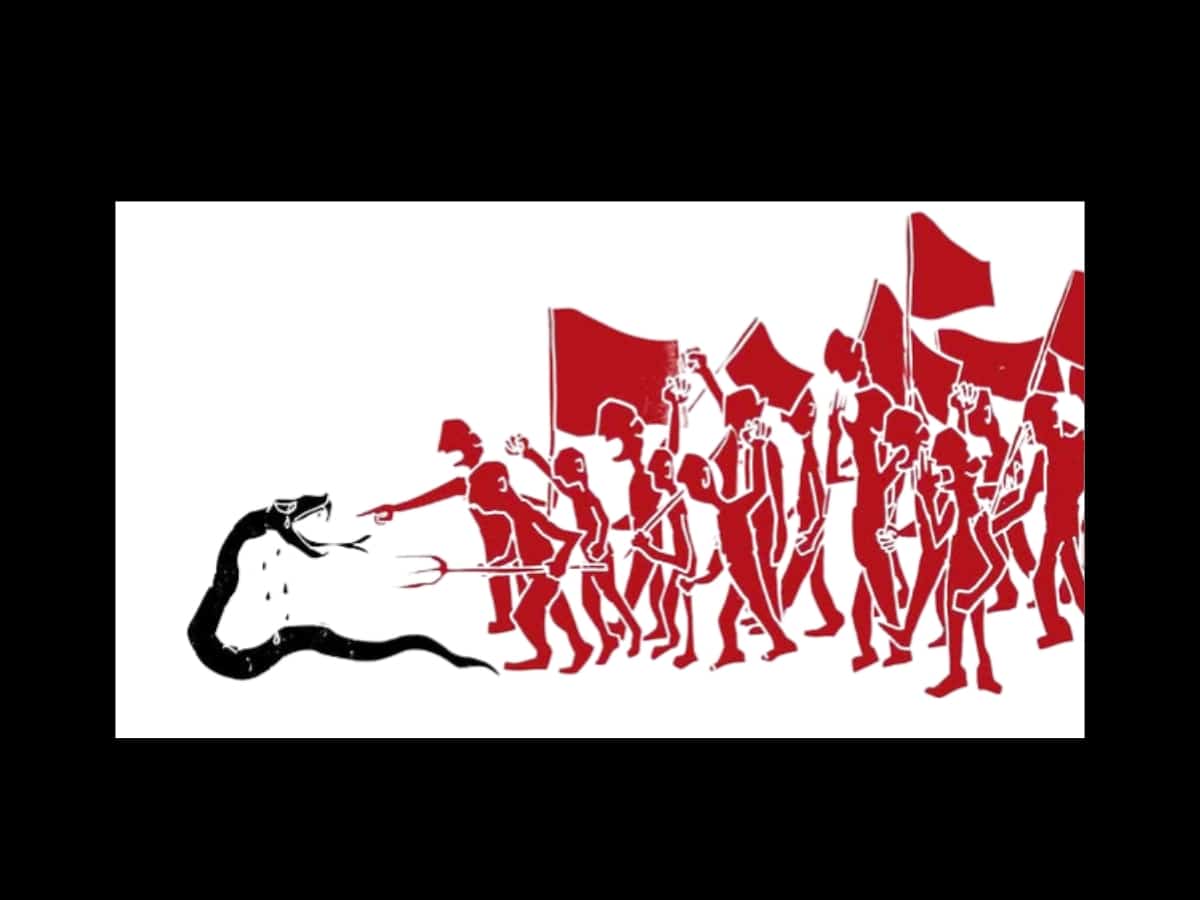
Hundreds of anti-fascists will assemble at 11.30am on Saturday 18 April, in Manchester’s Piccadilly Gardens. They’ll be aiming to resist the presence of fascist group Britain First, which is coming to the city for a second ‘March for Remigration’.
Britain First is a fascist group looking to ‘remigrate’ people of colour and cut our already-failing state infrastructure by 50%. Their activities include harassing and intimidating asylum seekers at local hotels, attempting to force entry into the buildings, and organising transphobic protests in the town centre.
Resist Britain First brings Manchester activists together
In February, a coalition of community and left-wing groups from Manchester united under the banner ‘Resist Britain First’. This counter-protest brought in over 1,000 demonstrators, severely disrupting the Britain First march. It led the co-leader of Britain First, Paul Golding, to say he’d ‘never seen anything like it’.
This event, however, saw attendees of Britain First’s march take part in several racist attacks on members of the public, clearly proving that their platform is one of racism and violence. Nothing makes this clearer than the words of Britain First’s co-leader Ashlea Simon, who said in 2020: “English people can’t be black, English blood is white.”
The February mobilisation also raised serious concerns about the conduct of Greater Manchester Police. Officers ignored a young woman who raised concerns about fascist protesters threatening sexual violence. Anti-fascist protesters were also subjected to serious police violence, with at least three requiring A&E treatment, including one protester whose head was split open by a baton.
A spokesperson for Resist Britain First said:
Britain First’s march in February showed that Britain First are not the party of concerned ‘patriots’ they claim to be, but violent racists.
Their attendees engaged in multiple violent hate crimes, attacking non-white people they came across unprovoked and showing the nasty street presence of Britain First’s hatred.
Resist Britain First came together to show that Manchester will not allow the ongoing spread of fascism and hatred to continue on our streets. As long as fascists try to march here, the people of Manchester will rise up and oppose them to make it clear that they have no place in our city.
Celebrating that Manchester is a city united against fascism, the Resist Britain First coalition is calling for everyone who opposes racism, fascism and the rise of hatred to gather in Piccadilly Gardens at 11.30am on Saturday 18 April.
Resist Britain First includes:
- Salford Anti-Fascists.
- Manchester Feminist Coalition.
- No Borders Manchester.
- Young Struggle Manchester.
- Red Roots Collective.
- RS21 Manchester.
- Northern Police Monitoring Project.
- Anti-Fascist Action Manchester.
- Manchester Trans Liberation Assembly.
- South Asian Liberation Movement.
- Migrant Justice Manchester.
Fenna, from the Resist Britain First coalition, says:
As the child of a migrant, I am proud to live in a multiracial, working-class, and radical city like Manchester. We showed the fascists that they weren’t welcome in February, and we’ll show them again. Let’s all Resist Britain First.
Jai, from the Resist Britain First coalition, says:
The fascists like to pretend they represent us, but they don’t. I’m working class and proud to be part of the whole working class: that means people of all races and ethnicities. This April, we’ll show fascists Britain First exactly how class unity is the best defence against their racism and fascism.
Featured image via Resist Britain First
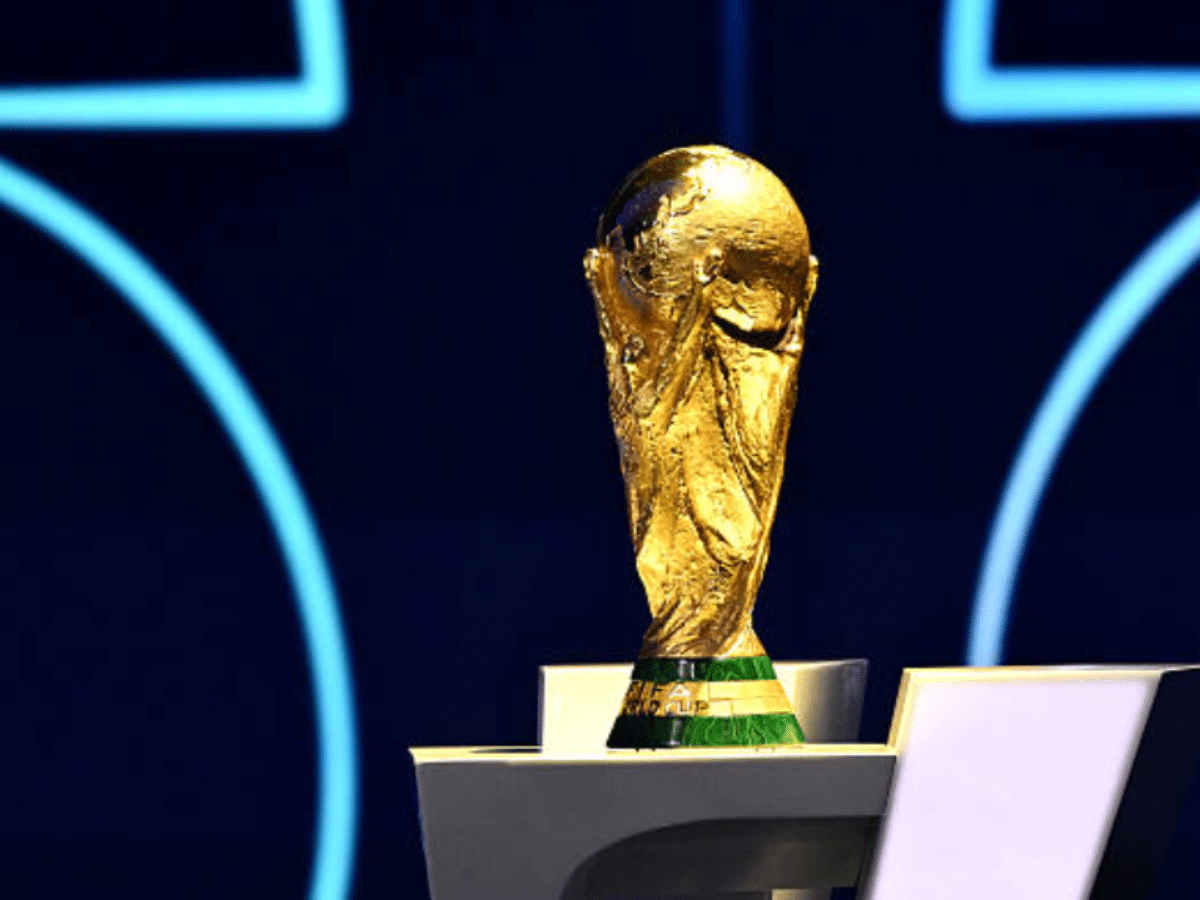
The 2026 FIFA World Cup represents an unprecedented economic milestone in the history of global tournaments, with total revenues expected to exceed $80 billion. This is driven by the expansion of the tournament to 48 teams and the accompanying surge in fan engagement and investment.
According to joint reports issued by FIFA and the World Trade Organization, the tournament is expected to attract approximately 6.5 million visitors to 16 cities across the United States, Canada, and Mexico, with direct spending approaching $13.9 billion.
This spending will contribute an estimated $40.9 billion to global GDP, in addition to creating more than 824,000 full-time jobs in the tourism, transportation, retail, and service sectors.
The tournament kicks off on June 11 at the Azteca Stadium, with 104 matches scheduled – a historic first that reflects the scale of FIFA’s expansion.
US World Cup is money-making enterprise
Despite the shared nature of the event, the United States is projected to capture the largest share of the economic benefits, with an expected output of $17.2 billion, in addition to $3.4 billion in tax revenue and the creation of approximately 185,000 jobs.
Los Angeles stands out as one of the biggest beneficiaries, expected to generate $594 million from hosting eight games, surpassing the figures from Super Bowl 2022.
Meanwhile, the New York-New Jersey area will host the final on July 19.
High costs for fans
On the other hand, the tournament presents increasing financial challenges for fans, given the rising costs of travel, accommodation, and tickets. The average daily expenditure for an international visitor is estimated at $416, with an average stay of 12 days.
In Los Angeles, hotel prices are expected to jump by up to 90%, reaching approximately $480 per night, compared to normal rates.
The “dynamic pricing” system adopted by FIFA also contributes to raising ticket prices according to demand. Tickets for group stage matches start at around $700, while premium tickets for the final exceeded $10,000 during the final stages of sales.
While the 2026 World Cup represents a massive economic leap for the host countries, it also raises questions about the ability of fans to keep up with the escalating costs, which could reshape fan attendance at one of the world’s biggest sporting events.
In this context, FIFA President Gianni Infantino affirmed that this edition “will be the biggest in the tournament’s history, not only in terms of sporting impact, but also in terms of global economic impact,” noting that the World Cup represents “a real engine for growth, job creation, and strengthening interconnectedness between economies.”
Featured image via the Canary
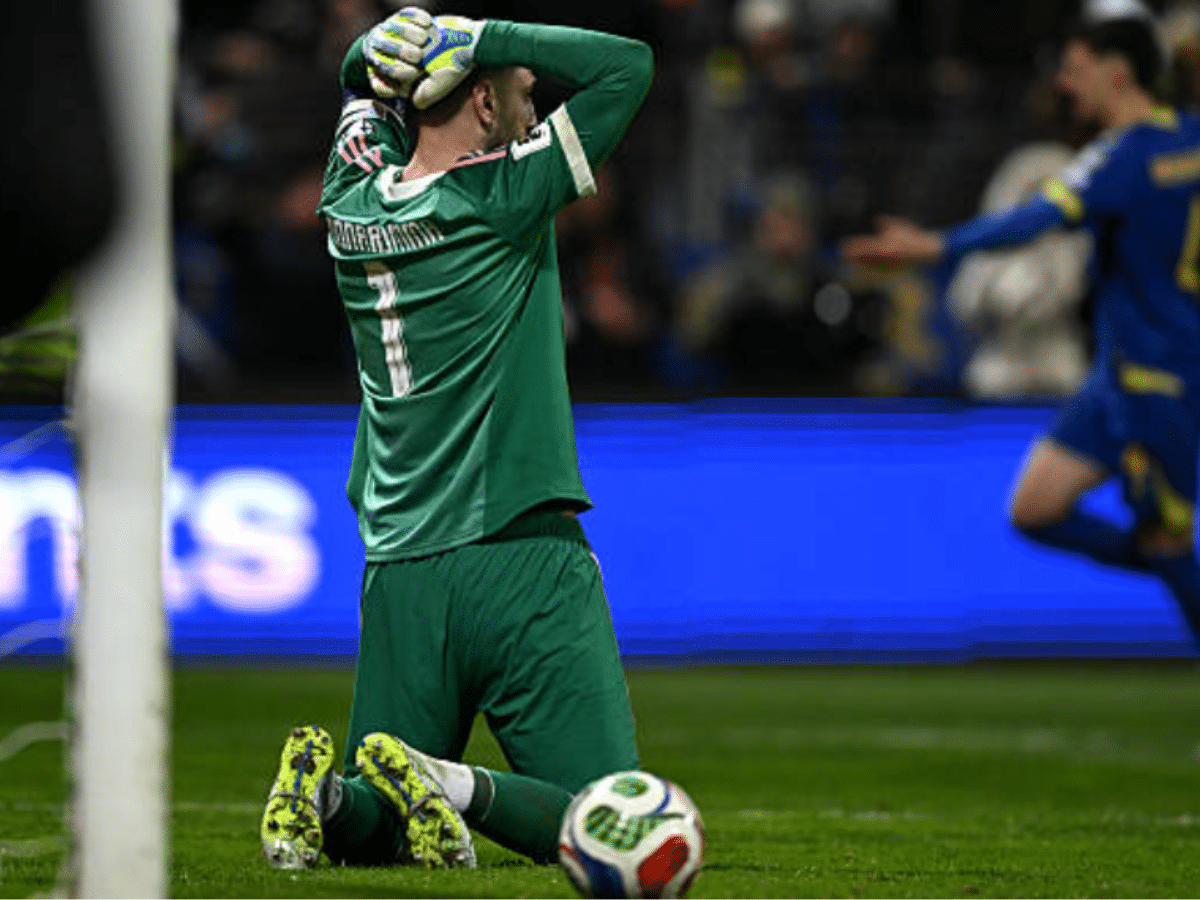
Amidst escalating discussions about the readiness of the teams participating in the 2026 World Cup, the Italy national football team has once again become a focus of media analysis. This isn’t due to any direct sporting developments, but rather to hypothetical scenarios related to potential changes outside the traditional sporting context.
According to some media analyses, one of the proposed scenarios involves the possibility of Iran’s participation being affected by the escalating geopolitical tensions between Iran, the United States, and Israel. This factor is being viewed from the perspective of “organizational possibility,” not as an official decision issued by any party so far.
Italy holding out hope
From an organizational standpoint, FIFA has several mechanisms in place to deal with exceptional circumstances that may arise before the start of major tournaments, particularly regarding the withdrawal or inability of a team to participate after the list of qualified teams has been finalized. This theoretically opens the door to alternative options for filling any vacant spots.
An analytical reading of these scenarios indicates that the available options typically revolve around three main paths: maintaining continental balance by selecting a replacement team from the same continent; resorting to the FIFA rankings to select the highest-ranked team among those not qualified; or adopting an exceptional solution such as a playoff or a decisive match held before the tournament begins if time is short.
Within this context, Italy’s name emerges as one of the teams that might be discussed theoretically, given its high international ranking, footballing history, and technical and marketing weight. However, this proposal is not based on any official decision or announcement from FIFA so far, but rather on a potential scenario for dealing with a possible gap in the list of participants.
Continental representation
Conversely, FIFA’s priority in such cases seems to be maintaining balanced continental representation, which might lead to the option of replacing a team from the same continent in the event of any withdrawal. Here, the UAE’s national team is a prominent candidate, before considering more complex solutions related to rankings or organizing playoff matches.
The idea of an “emergency playoff” before the tournament begins is raised in some analytical discussions as an exceptional solution to the time constraints, but it remains a complex option from an organizational and logistical standpoint, especially for a tournament the size of the World Cup and its associated marketing arrangements, global broadcasting, and meticulous scheduling.
Therefore, Italy’s return to the World Cup remains, for now, within the realm of theoretical assumptions linked to uncertain possibilities. The only certainty is that the list of participating teams in the 2026 World Cup remains as it was based on the official qualifiers, without any announced changes to date.
Featured image via the Canary
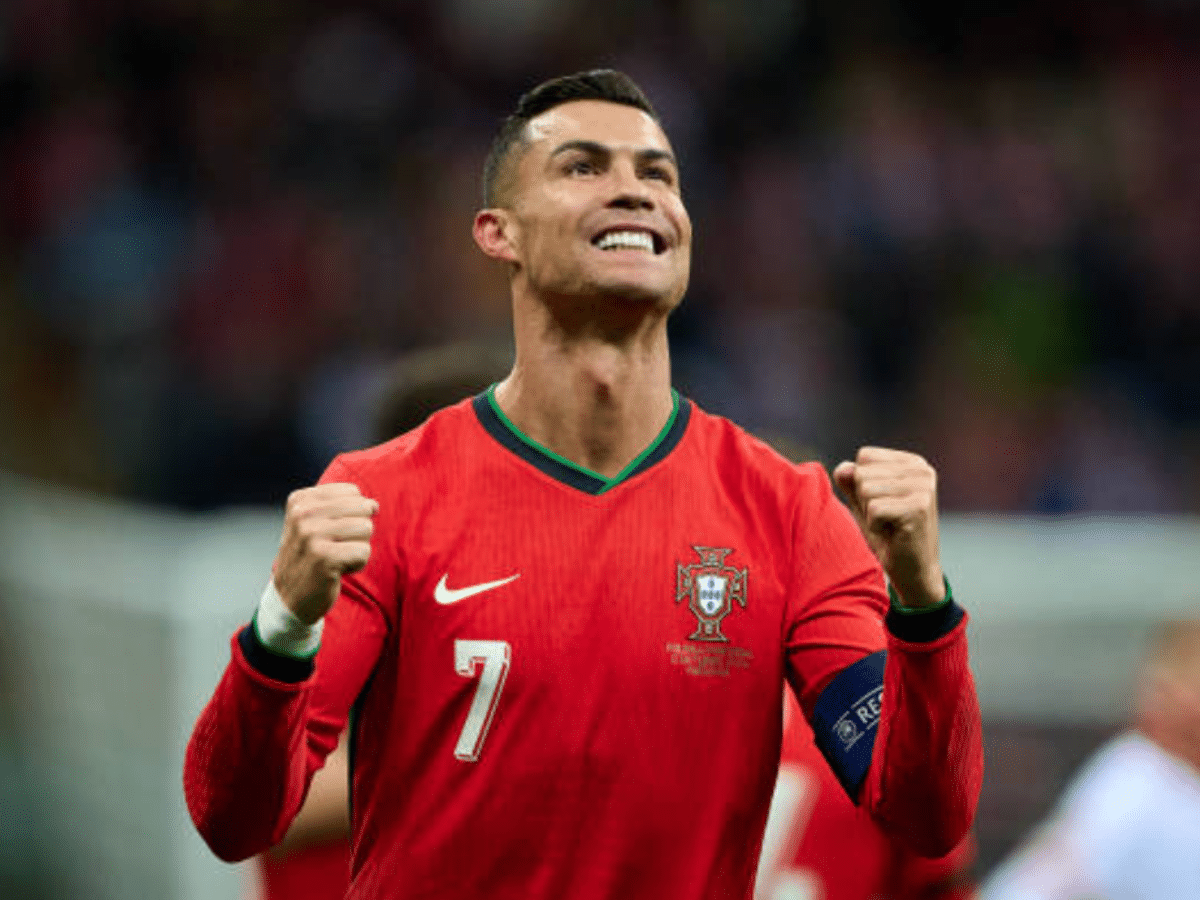
A report by Sportico reveals a radical shift in the income structure of top athletes throughout history. On-field earnings are no longer the sole determining factor in wealth creation, as income from outside competitions now exceeds 70% in many cases, driven by sponsorship deals, licensing agreements, and investments.
According to the ranking, which is based on adjusted total earnings for inflation, along with precise estimates including salaries, prize money, and commercial revenue, basketball legend Michael Jordan tops the list with a total of €3.011 billion, ahead of golf star Tiger Woods. Cristiano Ronaldo, captain of Saudi Arabia’s Al-Nassr, comes in third.
This ranking not only reflects athletic excellence but also reveals the exceptional ability of some stars to transform their careers into sustainable business ventures.
Off-the-field revenue: the new centre of gravity
The report confirms that the majority of athletes’ wealth now comes from outside of competition, as the sports industry expands and transforms into a massive entertainment and investment sector.
This shift isn’t limited to retired athletes; it’s also evident among stars still at the peak of their careers, such as Lionel Messi and LeBron James.
Despite the significant increase in player salaries and contracts in the modern era, a number of sports legends have maintained their prominent positions thanks to long-term investments and extensive commercial partnerships.
In terms of distribution, golf and football have the most prominent presence in the top ten.
Highest Earning Players of All Time (according to Sportico):
1. Michael Jordan – €3.011 billion
2. Tiger Woods – €2.503 billion
3. Cristiano Ronaldo – €2.190 billion
4. LeBron James – €1.764 billion
5. Lionel Messi – €1.729 billion
6. Arnold Palmer – €1.607 billion
7. Jack Nicklaus – €1.590 billion
8. David Beckham – €1.460 billion
9. Roger Federer – €1.455 billion
10. Floyd Mayweather – €1.364 billion
Featured image via the Canary
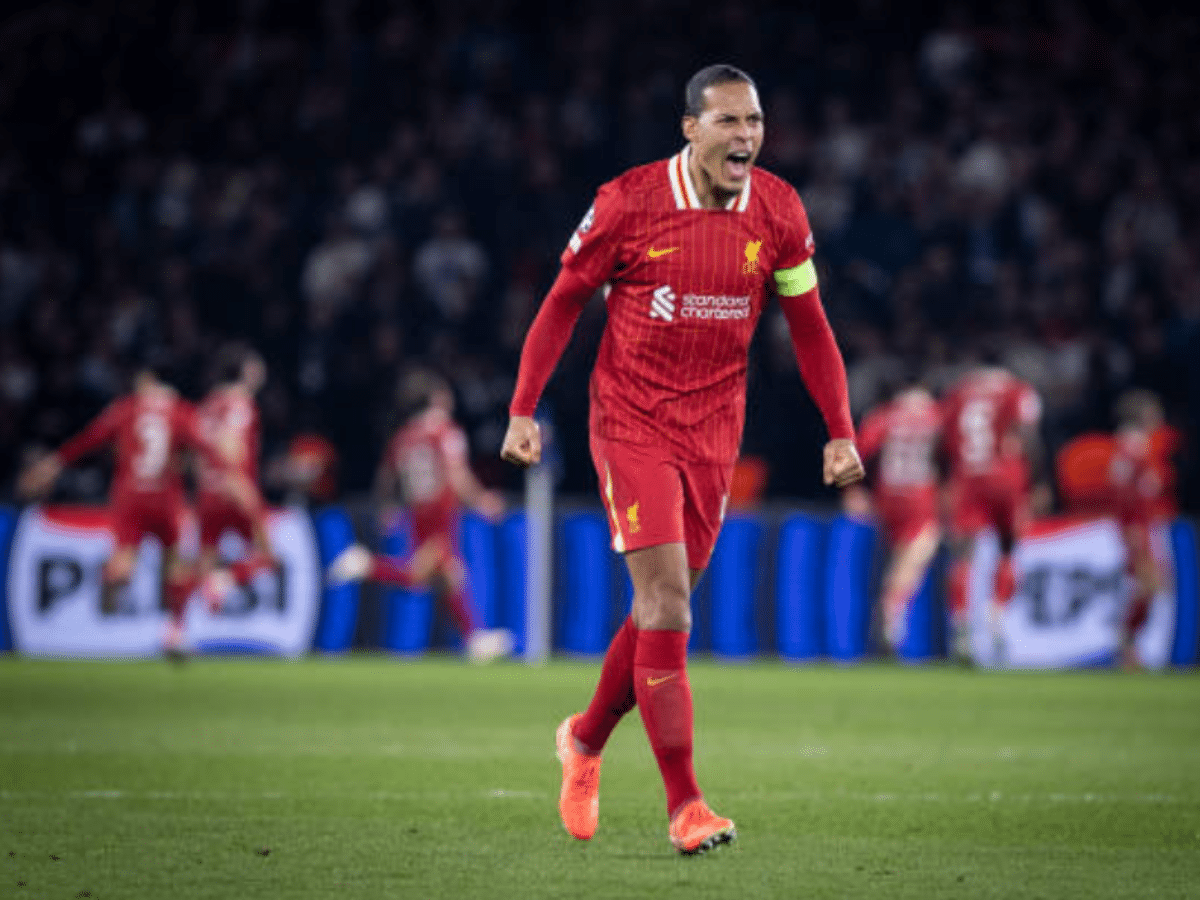
Liverpool don’t need reminding what a European night at Anfield can do but they’ll need every watt of that electricity to overturn a 2–0 deficit against Paris Saint‑Germain. Arne Slot has spent the week insisting his team’s history is their fuel, not their burden.
In his pre-match press conference, Liverpool manager Slot said:
The answer is already in the history of Liverpool. This group has shown it can come back after setbacks. This club has also shown it can do very special things in difficult moments.
Liverpool face a PSG with no fear
Meanwhile, Luis Enrique, Slot’s counterpart has been calm, bullish and utterly unmoved by the Anfield mythology. He said:
We know how difficult this game will be, I think tomorrow will be a very tight match. Our mentality is to win every match.
He also welcomed the challenge of the Anfield atmosphere:
We know how difficult it is to play here at Anfield, but it’s also a source of motivation for us.
Liverpool is a very high‑level team and thinking you’re the favourite is the best way to fail. For me, there isn’t one.
Salah’s Champions League curtain call
Mohamed Salah steps into Anfield tonight carrying more than Liverpool’s Champions League hopes. He carries a decade of expectation, a legacy, and the possibility that this may be the last time he hears the Champions League anthem in Liverpool red under the famous Anfield lights.
If it is his final Champions League night for the club, it comes with a strange balance: the danger of what could be lost, and the comfort of what he has already given. Since 2017, Salah has helped shape Liverpool’s modern European identity. Kyiv, Madrid, Barcelona, Rome, his mark is firmly stamped on the biggest nights of the Jürgen Klopp era. He became the symbol of Liverpool’s return to the top, the player who made extraordinary numbers feel normal, and who turned pressure into performance.
Salah has never relied on sentiment. He deals in decisive moments. He can take control of a match with one run, one finish, one touch. If Liverpool are to turn the tie against PSG and keep their season alive, it will likely come through him: his movement, his composure, and his gift for making a small chance feel inevitable.
Whatever the result, Anfield will see him differently tonight. As they did against Fulham, grateful, anxious, and aware that eras rarely end with speeches. They end on nights like this.
The stakes
Liverpool must begin with intensity to build momentum, while PSG should stay composed and settle into the match. Both teams have experience in these situations. Slot needs confidence, and Enrique must maintain control. One team is fighting for survival, while the other seeks victory. Tonight, Anfield will determine the outcome.
Featured image via the Canary

David Einhorn signals caution as his hedge fund Greenlight prioritizes capital protection

Southport attack inquiry stresses ‘fundamental failure’ of authorities

NCAA delivers report on Iowa tampering violations


-

 Politics4 days ago
US brings back mandatory military draft registration
-
 Sports4 days ago
Man United discover Nico Schlotterbeck transfer fee as defender reaches Dortmund agreement
-

 Fashion4 days ago
Weekend Open Thread: Veronica Beard
-

 Tech7 days ago
How Long Can You Drive With Expired Registration? What Florida Law Says
-

 Politics5 days ago
Malcolm In The Middle OG Turned Down ‘Buckets Of Money’ To Appear In Reboot
-

 Politics2 days ago
World Cup exit makes Italy enter crisis mode
-

 Crypto World5 days ago
Canary Capital Files SEC Registration for PEPE ETF
-

 Business4 days ago
Tesla Model Y Tops China Auto Sales in March 2026 With 39,827 Registrations, Beating Cheaper EVs and Gas Cars
-

 Crypto World24 hours ago
The SEC Conditionalises DeFi Platforms to Be Avoided for Broker Registration
-

 Crypto World20 hours ago
SEC Signals Exemption for Crypto Interfaces From Broker Registration
-

 Crypto World6 days ago
Bitcoin recovers as US and Iran Agree a Ceasefire Deal
-
 NewsBeat2 days ago
Pep Guardiola and Gary Neville agree over Arsenal title problem that benefits Man City
-

 Business4 days ago
OpenAI Halts Stargate UK Data Centre Project Over Energy Costs and Copyright Row
-

 Business3 days ago
Ireland Fuel Protests Enter Day 5 as Blockades Spark Shortages and Government Prepares Support Package
-

 Politics5 days ago
LBC Presenter Mocks Trump Over Iran War Failures
-

 Crypto World4 days ago
Federal judge blocks Arizona from bringing criminal charges against Kalshi
-

 Tech5 days ago
A version of Windows 10 released a decade ago is now eligible for additional security patches
-
 NewsBeat2 days ago
JD Vance announces ‘no agreement’ with Iran over nuclear weapons fear
-

 Business4 days ago
IMF retains floor for precautionary balances at SDR 20 billion
-

 Crypto World13 hours ago
SEC Proposes Certain Crypto Interfaces Don’t Need to Register as Brokers
You must be logged in to post a comment Login