
Business
Air New Zealand CFO Richard Thomson Resigns Effective August 2026, Airline Launches Search for Replacement


AUCKLAND, New Zealand — Air New Zealand announced Wednesday that Chief Financial Officer Richard Thomson has resigned and will depart the national carrier on Aug. 28, prompting the airline to immediately begin searching for his successor amid ongoing operational and financial challenges.

AFP / Marty MELVILLE
Thomson, who rejoined Air New Zealand in March 2021 as CFO, previously held senior commercial and finance roles within the company. During his more than five years in the top finance position, he played a key role in the airline’s post-COVID recapitalization, fleet modernization efforts and navigation of volatile fuel prices and global disruptions, according to company statements.
The resignation comes at a turbulent time for Air New Zealand, New Zealand’s flag carrier, which has faced mounting pressures including rising jet fuel costs exacerbated by Middle East tensions, a reported multi-million-dollar first-half loss and the need for recent fare hikes and flight consolidations in May and June. Shares of the airline fell more than 2 percent in early trading following the announcement.
In a statement to the New Zealand Exchange, Air New Zealand said it has commenced a formal search for a new chief financial officer and will provide further updates once the process is complete. The airline emphasized that Thomson’s departure is not linked to any performance issues and expressed gratitude for his contributions.
“Richard has made a significant contribution during a challenging period for the aviation industry,” the company noted. “We thank him for his leadership in finance, investor relations and corporate strategy and wish him well in his future endeavors.”
Thomson’s exit marks the latest change in Air New Zealand’s executive ranks. The airline has undergone several leadership adjustments in recent months, including shifts in operations roles earlier in 2026. Chief Executive Officer Nikhil Ravishankar, who took the helm in late 2025, now faces the task of stabilizing the finance function while steering the carrier through economic headwinds.
Aviation analysts described the timing as noteworthy but not entirely surprising given the demanding nature of the CFO role in a capital-intensive industry like airlines. Thomson oversaw critical financial maneuvers during the pandemic recovery, including equity raises and debt management that helped keep the airline afloat when international borders were closed and domestic travel was severely restricted.
Since resuming full operations, Air New Zealand has battled persistent cost pressures. Jet fuel remains a major expense, and disruptions from geopolitical events — particularly strains around the Strait of Hormuz — have driven up prices and forced route adjustments. The carrier recently warned of higher fares and reduced capacity on certain domestic and trans-Tasman routes to offset these costs.
Industry observers point out that airlines globally are grappling with similar issues. Fuel hedging strategies, fleet efficiency and revenue management have become even more critical as passenger demand rebounds unevenly and competition intensifies from low-cost carriers and international rivals.
Air New Zealand’s financial performance has shown signs of strain. The company reported a first-half loss in recent updates, citing elevated fuel prices and softer demand in some segments. Despite this, the airline has maintained its commitment to sustainability goals, including investment in more fuel-efficient aircraft and exploration of sustainable aviation fuels.
Thomson’s background includes a Bachelor of Commerce and Bachelor of Law from the University of Canterbury. His deep institutional knowledge of Air New Zealand, spanning multiple stints, made him a steady hand during crises. His departure will leave a gap in corporate memory at a time when the board and CEO are focused on long-term strategic planning.
The search for a new CFO is expected to attract strong interest from both domestic and international candidates with experience in aviation, transportation or capital-intensive sectors. Key qualifications will likely include expertise in financial planning, risk management, investor communications and navigating regulatory environments in New Zealand and key markets like Australia, the Pacific Islands and Asia.
Air New Zealand operates a fleet serving domestic routes, trans-Tasman flights to Australia, and long-haul services to Asia, the United States and Pacific destinations. The CFO plays a pivotal role in capital allocation decisions, including aircraft purchases or leases, which can run into hundreds of millions of dollars.
Market reaction was muted but negative initially, with shares trading down around 2.2 percent on the NZX. Broader New Zealand shares remained relatively flat, reflecting limited immediate contagion from the news. Analysts suggested investors are more focused on quarterly operational updates and the broader economic outlook for tourism-dependent New Zealand.
The resignation highlights the high turnover sometimes seen in senior airline executive roles due to the cyclical and volatile nature of the business. Previous CFO changes at Air New Zealand and peer carriers have often coincided with strategic shifts or recovery phases.
As the airline moves forward, leadership stability will be crucial. Ravishankar has emphasized building resilience through cost control, network optimization and customer experience improvements. The incoming CFO will need to align closely with these priorities while managing shareholder expectations and potential future capital needs.
Air New Zealand has positioned itself as a leader in sustainable aviation in the region, with ambitions to reduce emissions and support New Zealand’s climate goals. Financial oversight of these initiatives, including potential investments in new technology, will fall to the next finance chief.
Thomson is expected to remain in the role until late August, providing continuity during the transition. The company said it will ensure a smooth handover and that day-to-day operations remain unaffected.
The announcement arrives as the global aviation industry continues its post-pandemic normalization. Passenger numbers have recovered strongly in many markets, but profitability remains elusive for many carriers due to supply chain issues, labor shortages and geopolitical risks.
For Air New Zealand specifically, domestic and short-haul routes have shown resilience, while long-haul international services face stiffer competition and higher fuel exposure. Tourism from key source markets like Australia, China and the United States remains vital to the carrier’s revenue.
Industry experts expect the CFO search to conclude within several months. In the interim, the existing finance team will continue executing current strategies under CEO direction.
The development underscores the challenges facing national carriers in smaller markets. Air New Zealand plays a critical role in connecting New Zealand to the world, supporting trade, tourism and family ties across the Pacific. Maintaining financial health is essential not only for shareholders but for the broader economy.
As the search begins, speculation may arise about whether the new CFO will come from within the aviation sector or bring fresh perspectives from other industries. Past appointments at similar airlines have mixed internal promotions with external hires to balance continuity and innovation.
Air New Zealand’s board has not commented further on the reasons behind Thomson’s decision, describing it as a personal career move. Such transitions are common in corporate life and do not necessarily signal deeper issues.
Looking ahead, the airline’s next earnings report and any strategic updates will be closely watched. Investors will seek reassurance that the leadership change will not disrupt ongoing efforts to improve profitability and competitiveness.
For now, Air New Zealand continues its daily operations with more than 100 aircraft serving dozens of destinations. The focus remains on delivering reliable service while addressing cost pressures and positioning for sustainable growth.
Thomson’s tenure spanned a period of profound change for the airline, from pandemic-induced grounding of fleets to gradual rebuilding of international networks. His contributions to financial stability during that era were significant, even as external factors continued to test the business model.
The story of Air New Zealand’s CFO transition adds to a broader narrative of executive movements in the aviation sector as companies adapt to a new normal. Whether this change signals a strategic pivot or simply a natural evolution remains to be seen as the search for a successor unfolds.


In an exchange filing, the company announced the 1:2 bonus issue along with Rs 6 dividend and Q4 results. The record date to determine the eligibility of shareholders set to receive the bonus shares will be announced later.
The Tata Group company said that it will issue one bonus share for every two shares owned as on the record date, subject to shareholders’ approval. Around 17.77 crore shares with a face value of Re 1 each will be issued as part of the offer.
Trent plans to allot the bonus shares by June 21, utilising share premium worth Rs 17.77 crore. The company’s total share premium available for capitalisation stood at Rs 1,924.3 crore as of March 31, 2026.
This marks the first-ever bonus issue announced by the Tata Group company. Earlier in June last year, the company announced a dividend of Rs 5 per equity share, while it paid dividends of Rs 3.20 in May 2024 and Rs 2.20 in May 2023. In 2016, it announced a stock split in the ratio of 10:1.

A bonus issue consists of free shares distributed by a company from its reserves and is often seen as a sign of strong financial health and growth prospects. While the issue of bonus shares increases the total number of outstanding shares, it does not change the company’s market capitalisation. However, it can improve liquidity and affordability, allowing more investors to add shares of the company to their portfolio.
Only those shareholders who own the shares of the company as on the record date will be eligible to receive the bonus shares. The record date for Trent’s prospective bonus issue is yet to be determined.Trent Q4 results
Trent reported a 26% growth in its consolidated net profit for the quarter ended March 31, 2026, at Rs 400 crore versus Rs 318 crore in the year-ago period. Its revenue from operations, meanwhile, rose 19% YoY to Rs 5,028 crore in Q4 FY26.
Further, Trent’s board of directors also approved the plan to raise additional funds through the issue of equity shares via rights issue or other methods. The company announced an Employee Stock Option Plan (ESOP) to issue nearly 8.89 lakh shares to its eligible shareholders.
Trent share price
Trent shares have gained around 11% over the past week and 24% in the last month. However, the stock is down nearly 17% over the past one year. In the longer term, it has rallied 219% in three years and over 490% in five years.
Promoters and the promoter group held a 37% stake in the company, while the public owned the remaining 63%, as per the shareholding pattern as of March 31, 2026, on the NSE. Among promoters, Tata Sons held over 32%, while Tata Investment Corporation owned a little over 4%.
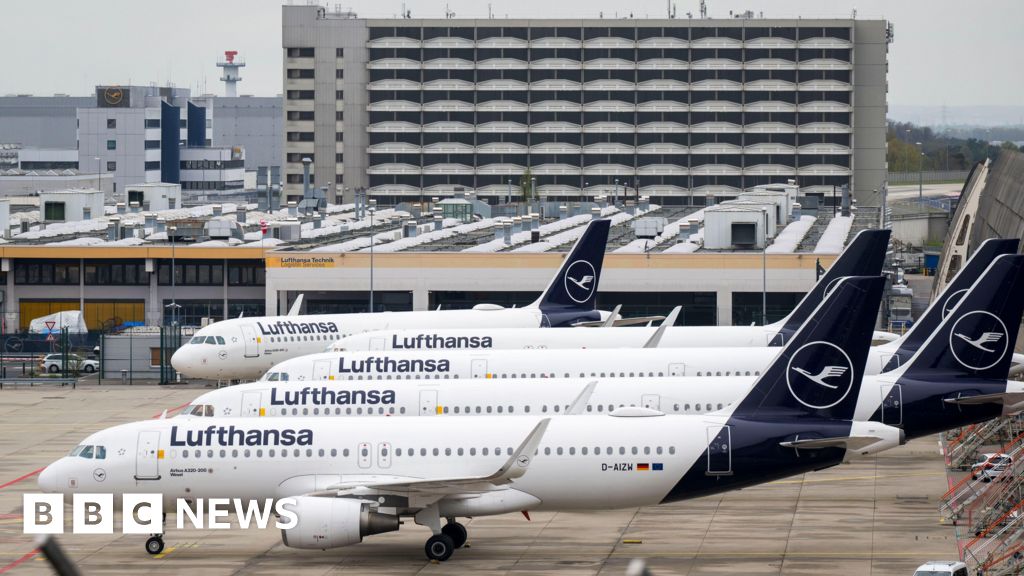
The airline is the latest to cut flights as the US-Israel war with Iran sends jet fuel prices soaring.

Southeast Asia face economic pressures from the Iran war’s energy crisis, with tankers turning back and governments implementing stabilization measures. Regional news includes Indonesia’s domestic worker protections, Philippines hostage deaths in Lebanon, and ongoing Myanmar conflicts affecting displaced populations.
Key Points
• Southeast Asia: Five tankers turned back after US warnings on Iranian oil; Malaysia focuses on fiscal discipline and biodiesel mandates; Indonesia passes domestic worker protections and reports a 6.0 earthquake; Thailand sees declining tourist arrivals amid Middle East crisis impacts.
• Regional Security & Economy: Iran war triggers global energy crisis; Philippines-US war games proceed amid China tensions; Pakistan hosts US-Iran peace talks; Myanmar rebels reject peace offers; Gaza death toll surpasses 72,560.
• Trade & Diplomacy: Malaysia pursues trade deals with Australia and China; India and South Korea plan US$50bil trade push; China urges Hormuz Strait remains open; Japan expands arms export rules; Ringgit strengthens against major currencies.
Regional Developments Across Southeast Asia
Maritime Security and Trade Disruptions
The Iran war is triggering the biggest global energy crisis in history, according to the IEA. Singapore is investing over S$100 million in maritime research, reinforcing its role as a critical maritime hub. Meanwhile, five Malaysia-bound tankers turned back following US warnings against Iranian oil shipments, and a UN agency is preparing evacuation plans for hundreds of ships near the Strait of Hormuz.
Economic and Political Pressures
Thailand’s foreign tourist arrivals dropped 3.34%, while Toyota cut global production by 38,000 vehicles due to Middle East disruptions. The Philippines faces tension as China flexes energy leverage during US-Philippines war games. Indonesia passed a landmark domestic workers protection law and announced a major natural gas discovery, offering some economic optimism amid regional instability.
Broader Global and ASEAN Headlines
Geopolitical Tensions and Humanitarian Concerns
Trump accused Iran of violating ceasefire agreements, while Pakistan hosted US-Iran peace talks in Islamabad. Gaza’s death toll has surpassed 72,560, and Myanmar rebels rejected peace talk proposals from the country’s president. The UN reported nearly 7,900 deaths on migration routes in 2025, highlighting worsening humanitarian conditions across conflict-affected regions.
Trade, Technology, and Cultural Highlights
India and South Korea announced a US$50 billion trade initiative, while China eased fuel retail prices to reduce public burden. Japan is opening its arms export market in its biggest policy shift in decades. On a lighter note, Jollibee acquired a Korean hot pot chain for US$88 million, South Korea’s escaped wolf became a viral local sensation, and Tanzania secured rights to host the 2027 Miss World Pageant, reflecting the region’s vibrant cultural momentum.
Malaysia’s Economic Resilience and Domestic Challenges
Fiscal Discipline and Reform
Malaysia continues to demonstrate economic resilience through fiscal discipline and strategic reforms. Over 70% of blending depots are ready for the B15 biodiesel mandate, and banking institutions are being urged to act as strategic partners to sustain domestic growth. The government is also preparing long-term measures to address the Strait of Hormuz crisis impact on energy supply chains.
Governance and Law Enforcement
On the domestic front, the MACC detained an NGO leader over a RM230 million zakat fund probe, while courts handed down significant rulings, including jailing 33 men over a KTV attack. The Home Ministry continues reviewing foreign worker policies, and authorities are monitoring a viral video involving a Kulim police officer.
Other People are Reading

A Best Buy logo is displayed outside one of their stores on October 10, 2025 in San Diego, California.
Kevin Carter | Getty Images
Best Buy said Wednesday that company veteran Jason Bonfig will succeed Corie Barry as the retailer’s CEO on Oct. 31, taking over as Best Buy tries to break a run of stagnant sales.
Bonfig, 49, is chief customer, product and fulfillment officer and rose through the ranks after joining the retailer as an inventory analyst in 1999. He will become Best Buy’s sixth chief executive officer and join the company’s board.
Barry will stay on as a strategic advisor for six months after stepping down, the company said in a news release.
The leadership change comes as Best Buy tries to get back to meaningful sales growth and capitalize on a wave of artificial intelligence-enabled mobile phones and laptops. The company’s sales have lagged in the past four years, which Best Buy has attributed to a slower housing market, price-conscious U.S. consumers and less tech innovation.
The company said at least some of those dynamics will likely persist this fiscal year. Best Buy said in early March that it expects revenue to range between $41.2 billion and $42.1 billion, compared with $41.69 billion last fiscal year. It expects adjusted earnings per share to range from $6.30 to $6.60, after it reported adjusted earnings per share of $6.43 for the previous fiscal year.
It said comparable sales, a metric that tracks sales online and in stores open at least 14 months, will range from a decline of 1% to an increase of 1%.
In the company’s news release, David Kenny, chair of Best Buy’s board of directors, described Bonfig as “the right leader to accelerate the business, with urgency and innovative ideas, and create meaningful growth for the company and its shareholders.”
In his current role, Bonfig oversees many aspects of Best Buy’s business, including merchandising, marketing, supply chain, e-commerce and its advertising business, Best Buy Ads. He helped launch the company’s third-party marketplace in the U.S. in August, one of its strategies to drive more sales and higher profits.
Barry, 51, will step down after nearly seven years in the company’s top job. She became the first woman to lead Best Buy when she started in the role in June 2019. She led Best Buy through a period marked by rapid changes and spikes in demand — including a rush to buy computer monitors and kitchen appliances during the Covid pandemic — along with supply-chain headaches, high inflation and President Donald Trump’s sharp increase in global tariffs.
Kenny, chair of the company’s board of directors, said Barry “guided Best Buy with a confident and steady hand and an unrelenting commitment to drive value for our employees, customers, partners and shareholders through some of the most tumultuous and uncertain times we have ever seen.”
Best Buy’s stock has reflected that turbulence, too. On the day she began as CEO, the price of the company’s shares were $65.52, but they shot up to an all-time closing high of $138 on Nov. 22, 2021.
Shares closed on Tuesday at $66.59, bringing the company’s market cap to $13.93 billion. As of Tuesday’s close, Best Buy’s stock is up about 7% over the past year and down about 0.5% this year. That compares to the S&P 500’s approximately 37% gains and 3% rise, respectively, during the same time periods.
Best Buy faces some skepticism among investors. Earlier this month, Goldman Sachs downgraded the company’s stock from buy to sell.
In an equity research note, retail analyst Kate McShane said the company may get a bounce from higher tax refunds in the first quarter of the year as customers buy new devices. Yet she said she expects sales and margins to come under pressure during the rest of the year as higher memory costs drive up the price of computers and laptops and consumers trade down to cheaper laptops.
Plus, she said, Best Buy’s sales of appliances and other consumer electronics have lagged, even as competitors like Home Depot and Lowe’s have posted stronger sales trends.

Launching an online casino in the UK is one of the more technically involved projects in the digital business space. The UK market is mature, player expectations are high, and the technical standards operators must meet are clearly defined.
Getting the software right from the start is not just a convenience — it is what determines whether your platform holds together at launch and continues to scale after it.
The good news is that the market for casino infrastructure has developed significantly over the past decade. Operators today have access to modular, API-driven platforms that can be assembled into a working product far faster than was possible five years ago. The challenge is knowing what each component actually does and how the pieces connect — which is exactly what this guide covers.
Before getting into specifics, here is the framing: a casino platform is not a single piece of software. It is a collection of interdependent systems covering player identity, game delivery, payments, promotions, and business reporting. When operators talk about choosing online gambling software, they are really making a set of parallel decisions about which vendor handles which layer and how those layers communicate. Getting that architecture right is the foundation everything else sits on.
The Core Software Stack Every UK Casino Needs
Every operational casino platform, regardless of size or market positioning, runs on a small set of foundational systems. These are not optional modules — they are the baseline requirements for going live and staying compliant with the standards expected in the UK market.
Think of the core stack as the skeleton of your operation. Without any one of these components functioning correctly, the entire platform either fails to launch or creates serious operational risks once live.
The essential components are:
- Player Account Management (PAM) — manages identity verification, session control, player segmentation, responsible gambling controls (deposit limits, cooling-off periods, self-exclusion), and player history
- Game delivery layer — connects your front end to game content via APIs, either through direct provider agreements or a game aggregator
- Payment processing infrastructure — handles deposits, withdrawals, currency conversion, and fraud screening
- Back-office reporting system — gives you real-time visibility into GGR, NGR, player activity, and game performance
- Bonus and CRM module — manages promotional mechanics including free spins, deposit match offers, loyalty tiers, and retention campaigns
- Anti-fraud and AML tooling — monitors transaction behavior, flags suspicious activity, and supports your AML reporting obligations
Each of these systems can come from a single platform vendor or be assembled from multiple best-in-class tools. The right approach depends on your budget, timeline, and how much internal technical capacity you have to manage a multi-vendor environment.
Player Account Management: The System Everything Connects To
The PAM system is the operational center of a casino platform. Every player interaction flows through it — registration, KYC checks, deposits, gameplay sessions, bonus claims, and withdrawals. If your PAM is slow, poorly documented, or missing key features, you will feel the impact across every other part of the product.
In the UK specifically, PAM systems need to handle a set of responsible gambling controls that are not optional. These include deposit limits configurable by players on daily, weekly, and monthly cycles; session time reminders; cooling-off periods; and self-exclusion functionality that connects to the national self-exclusion scheme.
All of these controls must be enforced server-side. Client-side-only implementations — where the limit is only applied in the browser or app rather than at the server level — do not meet UK technical standards. This is a detail that catches operators out when they select platforms that were built primarily for less regulated markets and attempt to apply them to the UK without modification.
A strong PAM system also supports player segmentation, which feeds directly into your CRM and retention strategy. Being able to group players by deposit behavior, game preference, session length, and lifecycle stage is what makes the difference between a generic promotional calendar and one that actually drives revenue.
Game Delivery: Direct Integration vs. Aggregation
Getting game content onto your platform involves one of two approaches: signing direct agreements with individual game providers and integrating their APIs one by one, or connecting to a game aggregator that handles those relationships centrally and delivers everything through a single API.
Most UK operators, particularly those launching for the first time, use an aggregator. The practical reason is straightforward: direct integrations take time and require ongoing technical maintenance for each provider. A single aggregator connection gives you access to content from dozens or hundreds of studios while reducing the integration workload to one project.
The game library itself needs to cover slots, live dealer titles, and table games as a minimum. UK players expect a broad content offering, and a library of content from at least 20 to 30 providers is generally considered the baseline for a credible casino product. Live casino content in particular requires careful platform support, since live streaming imposes stricter technical requirements on your infrastructure around latency and connection stability.
Payment Infrastructure: What The UK Market Requires
Payment processing in the UK has a set of hard technical requirements that your platform must meet, separate from any commercial decisions about which payment methods to offer. The most significant of these is the ban on credit card deposits, which has been in effect since April 2020. Your payment gateway must block credit card transactions at the processing layer — not just at the front end.
Beyond that, your payment infrastructure needs to handle a mix of payment methods that UK players actually use:
- Debit cards — Visa and Mastercard remain the dominant deposit methods
- Open banking payments — increasingly preferred by regulators as they provide verified account ownership for source-of-funds checks
- E-wallets — PayPal, Skrill, and similar options remain widely used, with additional AML checks required on e-wallet deposits above defined thresholds
- Cryptocurrency — not a primary method in the UK market, but increasingly expected as an option
Your payment system must also support deposit limits enforcement in real time. When a player sets a daily limit, the payment gateway must prevent deposits that would breach that limit from processing — not just flag them for review afterward.
AML monitoring is a separate but related requirement. Your platform needs automated transaction monitoring that can identify patterns consistent with money laundering and generate suspicious activity reports when appropriate. Most payment processing vendors for the iGaming sector include this as a core feature rather than an add-on.
Back-Office And Reporting Tools
The back office is where you actually run the business. It is the administrative layer that gives your operations team visibility into what is happening on the platform and the controls to act on it. A weak back office does not just make management harder — it creates blind spots that affect your ability to make good commercial decisions.
The minimum feature set for a competent back-office system includes:
- Real-time GGR and NGR reporting by game, provider, player segment, and time period
- Player-level activity history with full transaction logs
- Bonus performance tracking — redemption rates, cost per bonus, incremental revenue generated
- Affiliate tracking and commission management
- Risk alerts and flagging tools for unusual account activity
- Game performance dashboards showing RTP, hold rates, and session counts by title
Operators who underinvest in back-office tooling often find themselves making decisions based on lagging data, which leads to slow responses to game underperformance, bonus abuse, and player churn. The more granular your reporting, the better your ability to manage the business proactively.
Responsible Gambling Tools As A Technical Requirement
Responsible gambling functionality is not a separate add-on or a compliance checkbox. In the UK, these tools are built into the technical requirements for operating a casino platform, and they need to function correctly at all times.
The specific tools that must be present and working include:
- Deposit limit setting on daily, weekly, and monthly cycles, applied server-side
- Loss limit settings at the same frequency
- Session time reminders that alert players when they have been active for a defined period
- Reality checks with configurable display frequency during gameplay
- Cooling-off periods that prevent players from reversing a self-exclusion decision immediately
- Self-exclusion that connects to the national scheme and prevents re-registration during an active exclusion period
The platform must also perform affordability checks when player spending reaches defined thresholds, a requirement that has become more strictly enforced since 2024. Your PAM system and payment layer need to communicate accurately to trigger these checks at the right point.
Custom Build vs. Pre-Built Platform
Operators launching in the UK typically face a decision between building a custom platform from scratch and selecting a pre-built solution from an established vendor. Both approaches have real trade-offs worth understanding before making a commitment.
A custom build gives you full control over the technical architecture, user experience, and product roadmap. You own the codebase, which means no revenue share with a platform vendor and no dependency on their development priorities. The drawback is time and cost. Building a production-ready casino platform with all the components described in this guide takes significantly longer than deploying a pre-built solution, and the ongoing engineering costs are higher.
A pre-built platform gets you to market faster and shifts the maintenance burden to the vendor. The trade-off is less flexibility and, in many cases, a revenue share arrangement that reduces your margin as the business grows.
Most operators launching in the UK for the first time choose a pre-built or turnkey platform for the initial launch, then invest in custom development once the business is generating consistent revenue and the product requirements are better understood. This approach reduces the risk of over-engineering before you know exactly what your players need.
Putting The Stack Together
The software decisions you make at the start of a UK casino project have a longer shelf life than most other decisions in the build. Changing a PAM system or a payment infrastructure provider after launch is a significant technical project that affects every part of the platform. Getting it right the first time is worth the upfront investment in research and vendor evaluation.
The UK market rewards operators who take player experience seriously at the technical level — fast game loading, reliable payment processing, clear responsible gambling controls, and a back office that gives the team real data to work with. Each of these outcomes is a product of good software selection, not luck.

Homeowners face emergency plumbing issues more frequently than imagined, with reports suggesting that 57% of households encounter one such crisis annually. These situations demand immediate attention to prevent extensive damage and costly repairs.
By engaging a local plumber, homeowners benefit from faster response times and personalized service. Below, we explore how local expertise can turn an overwhelming plumbing issue into a manageable task.
Emergency Plumbing Situations Made Easier With Local Experts
Local plumbers bring a wealth of knowledge and agility in tackling emergency plumbing. Their familiarity with regional plumbing systems and typical weather conditions allows them to diagnose problems efficiently. plumber near me Additionally, they maintain relationships with local suppliers, ensuring quick access to necessary parts.
Homeowners can rely on local plumbers for tailored and empathetic services. For instance, a local plumber understands the urgency when a severe leak threatens to damage family photographs or heirlooms. This understanding translates into swift action and suitable solutions.
When choosing a local plumbing expert, consider verifying their credentials and customer reviews. Engaging a reputable local professional can significantly reduce the time taken to address emergencies, ultimately protecting your home and peace of mind.
Quick Response Times From Local Plumbers In Urgent Scenarios
Local plumbers offer unparalleled quick response times in emergencies. Their proximity facilitates the rapid deployment of resources and personnel, minimizing potential water damage. This is crucial when dealing with situations like burst pipes or overflowing toilets that can lead to significant damage if not addressed swiftly.
In contrast, national plumbing chains often require extended travel times, which can delay critical interventions. According to industry experts, response times from local plumbers can be as much as 50% faster compared to larger chains, ensuring you receive help precisely when you need it the most.
To ensure prompt attention during emergencies, establish a relationship with a trusted local plumber before emergencies arise. This can be as simple as storing their contact information and confirming their availability for urgent services. Finding a reliable service provider now can ease future worries.
Cost-Effective Emergency Solutions Through Local Plumbing Services
Engaging local plumbers can significantly reduce emergency plumbing costs. Their established connections with neighborhood suppliers often translate into competitive pricing for parts and materials. As a result, homeowners can save up to 20% on material costs alone.
Moreover, local professionals prioritize building long-term relationships with their clients. This focus often leads to tailored pricing models, accommodating each client’s unique financial constraints while emphasizing exceptional service quality.
To maximize potential savings, homeowners should seek out plumbers offering transparent pricing policies and no hidden fees. This approach ensures you receive a fair deal on both labor and materials, protecting your financial interests during an already stressful situation.
Building Trust With Local Plumbers For Stress-Free Emergencies
Establishing trust with local plumbers plays a crucial role in managing emergency situations effectively. Trust fosters open communication, enabling a smoother, more transparent repair process. It also means that homeowners feel more comfortable with the recommended solutions and costs.
Local professionals often engage with their communities, further establishing their reliability and reputation. Frequent positive interactions, such as attending local events and contributing to community projects, enhance their credibility over nationwide services.
To cultivate a trusting relationship, engage your plumber in regular maintenance check-ups. Scheduled inspections help prevent emergencies from arising and provide an opportunity to build rapport, ensuring peace of mind when unexpected plumbing issues occur.
Ultimately, partnering with a local plumber during emergencies offers numerous advantages, from cost savings to faster response times. By fostering trust and maintaining open communication, homeowners can tackle stress-induced plumbing crises confidently and efficiently.

AT&T beats estimates on revenue and subscriber growth

Stifel cuts Manhattan Associates stock price target on valuation

Dental appointments have a way of sliding down the priority list. When nothing hurts and everything seems fine, it feels reasonable to postpone that check-up for another month, or perhaps until something actually demands attention.
Work deadlines press harder than a gentle reminder card, and family commitments feel more urgent than a routine scale and polish.
Most of us only rediscover our teeth when they announce themselves through discomfort. A sudden sharp sensation while biting into an apple, gums that streak pink across the bathroom sink, or that annoying chip that your tongue keeps finding. By then, what might have been caught early often requires more complex intervention.
The concept of preventive dental care isn’t about manufacturing anxiety or filling appointment books. Rather, it represents a measured approach that recognises how today’s small actions influence tomorrow’s treatment needs. What you choose to do now genuinely affects the dental procedures you may face later.
Understanding preventive dental care and its impact on your smile
Think of preventive dental care as the partnership between what you do at home and the professional oversight that catches what daily routines cannot. Instead of waiting for symptoms to appear, this approach prioritises early detection alongside practical, everyday guidance.
What preventive care actually involves
At home, you’re dealing with the daily accumulation of plaque and food particles that naturally build up between meals. Brushing twice daily removes the soft bacterial film, while cleaning between teeth reaches the spots your toothbrush cannot access effectively.
Professional appointments pick up where home care leaves off. Dental hygienists remove the hardened tartar deposits that form despite careful brushing, whilst routine examinations track subtle changes in your teeth and gums before they develop into problems requiring treatment.
The relationship works best when both elements support each other. Your daily efforts matter significantly, but they need backing from professional monitoring to be truly effective.
How prevention supports cosmetic dentistry
Healthy foundations matter enormously if you’re considering aesthetic dental work. Gum disease creates an unstable base for treatments like whitening or veneers, whilst untreated decay can compromise how well restorations integrate with your natural teeth.
When your oral health remains stable, you have greater flexibility with cosmetic options. Treatments tend to last longer, require less maintenance, and integrate more seamlessly with your existing smile. Prevention essentially protects whatever investment you might make in aesthetic dentistry.
The real cost of postponing dental care
Delaying dental appointments when everything feels fine seems logical, yet early intervention consistently proves simpler and less invasive than delayed treatment.
Consider how problems typically progress. A small cavity caught early might need just a straightforward filling. Allow that decay to deepen, and you’re looking at root canal treatment or crown work. Similarly, early gum inflammation often responds well to professional cleaning and improved home care, whereas advanced gum disease can affect the bone and ligaments supporting your teeth.
Regular oral health screenings allow problems to be addressed while they remain manageable. Whether you visit a dentist in Upminster or elsewhere, these routine examinations focus on identifying concerns at their most treatable stage.
Understanding NHS and private dental costs
Cost concerns often influence dental decisions, so understanding how dental services work can help with planning.
NHS dental treatment operates through a banded pricing structure. Band 1 covers examinations, preventive advice and basic treatments. Band 2 includes procedures like fillings and root canal work. Band 3 encompasses more complex restorative treatments.
Private dental fees vary between practices and procedures, with treatment plans provided before work begins so you know what to expect. For many people, NHS dental services offer a predictable and accessible route to maintaining oral health.
Building sustainable oral hygiene habits
Effective oral hygiene relies more on consistency than complexity. You don’t need expensive products or elaborate routines, just reliable daily actions that become second nature.
Brushing twice daily with fluoride toothpaste removes the bacterial film that constantly forms on teeth. Cleaning between teeth with floss or interdental brushes reaches areas that toothbrushes miss entirely. These modest daily steps significantly reduce the likelihood of decay and gum problems developing over time.
Why professional cleaning remains essential
Even with meticulous home care, plaque gradually hardens into tartar. Once this calcified deposit forms, it cannot be shifted with regular brushing or flossing. Professional instruments are needed to scale it away safely, which is why dental hygiene appointments remain valuable regardless of how thorough you believe your routine to be.
During a scale and polish, tartar deposits are carefully removed from tooth surfaces, including areas near or slightly below the gum line. The teeth are then polished smooth, making it harder for new plaque to adhere. These appointments also provide an opportunity to review your home care routine and adjust techniques where needed.
How regular care supports long-term value
Think of routine dental visits as reducing the probability of complex treatment later on. Prevention doesn’t eliminate all risk, but it significantly increases the chances that problems are caught and managed early.
If you’re registered with an NHS dentist, preventive care often proves both straightforward and affordable within the banded fee structure.
Early detection makes the difference
Many dental problems develop gradually without obvious symptoms. Enamel changes appear before cavities form, whilst X-rays can reveal decay between teeth or beneath existing fillings. Soft tissue examinations screen for changes that warrant further investigation.
These assessments form part of routine oral health screening, carried out according to current clinical guidelines and tailored to individual risk factors.
Preventing gum disease
Gum disease affects most adults at some stage, but early-stage inflammation often responds well to professional cleaning and improved oral hygiene. Regular removal of the deposits that contribute to gum irritation, combined with effective home care, can prevent progression to more serious stages.
Your dental team will adapt their advice to your particular circumstances, considering medical history and individual risk factors rather than applying generic recommendations.
What to expect from routine appointments
During standard examinations, your dentist checks teeth, gums and soft tissues for signs of decay, disease or other changes. They may take X-rays when clinically appropriate and examine existing restorations for signs of wear or loosening.
Most adults benefit from check-ups every six to twelve months, though individual needs vary. Some people require more frequent monitoring due to higher risk factors, whilst children typically attend every six months as their teeth develop.
Your dentist will recommend a schedule that reflects your specific circumstances rather than following rigid rules.
Accessing affordable dental care
NHS dental services provide essential preventive and restorative treatment at set fees. Certain groups qualify for free NHS dental care, including under-18s, pregnant women and those who’ve given birth within the last twelve months, plus people receiving specific qualifying benefits.
If you’re unsure about eligibility, your dental practice can explain the process and help determine what applies to your situation.
Protecting cosmetic dental investments
If you’ve invested in cosmetic dental treatment, preventive care becomes even more significant. Veneers, crowns and other restorations depend on healthy surrounding tissues for stability and appearance. They require the same ongoing maintenance as natural teeth.
Healthy gums support the aesthetic success of cosmetic work, whilst regular reviews allow monitoring of restorations and minor adjustments when needed. Prevention helps protect what you’ve already invested in, ensuring treatments continue to serve you well.
Preventive care fundamentally concerns stability over reactivity. Small, consistent actions at home, supported by professional oversight, reduce the likelihood of unexpected dental problems whilst safeguarding any existing dental work. In an environment where dental treatment costs continue to rise, prevention offers both practical and financial benefits that compound over time.
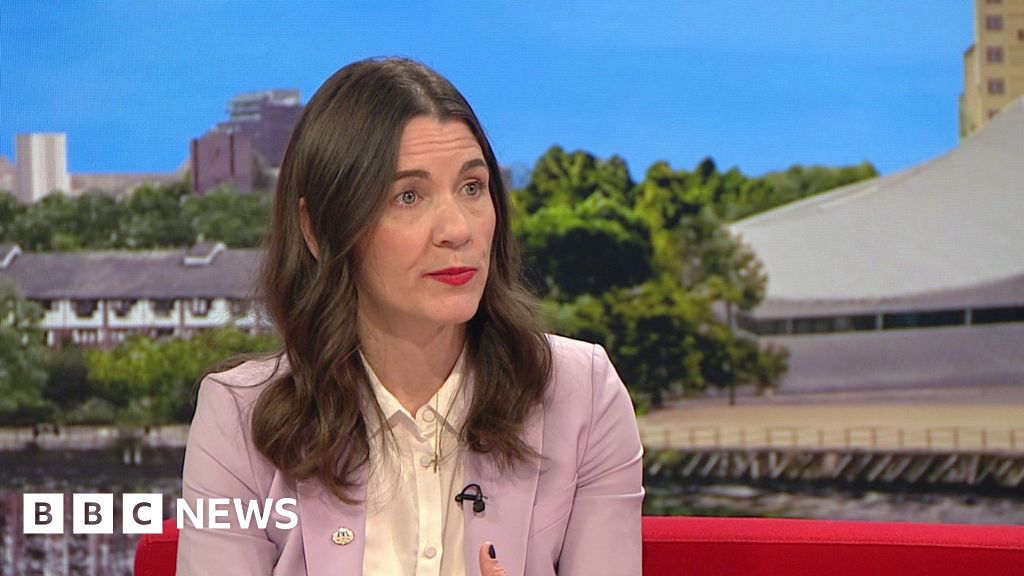
A BBC investigation in 2023 heard from more than 100 McDonald’s workers in the UK claiming they faced sexual assault, harassment, racism, and bullying

BBC faces backlash for using Reform’s branding on the news

IPL 2026: Vaibhav Sooryavanshi has ‘glimpses of Brian Lara’, says legendary cricketer | Cricket News

Amazon Prime Broadcast Fails Completely During Several Minutes Of NBA Playoff Game

Manchester United reach agreement with Casemiro over contract clause amid transfer speculation

Steven Gerrard disagrees with Gary Neville over ‘shock’ Chelsea and Arsenal claim | Football

US brings back mandatory military draft registration
!["Buy Before April 15th" - Matt Hougan's Urgent Warning To All Bitcoin & Crypto Investors [2026]](https://wordupnews.com/wp-content/uploads/2026/04/1776856944_maxresdefault-80x80.jpg)


-

 Fashion5 days ago
Weekend Open Thread: Theodora Dress
-

 Sports5 days ago
NWFL Suspends Two Players Over Post-Match Clash in Ado-Ekiti
-

 Politics5 days ago
Palestine barred from entering Canada for FIFA Congress
-
Entertainment3 days ago
NBA Analyst Charles Barkley Chimes in on Ice Spice McDonald’s Fiasco
-

 Business3 days ago
Powerball Result April 18, 2026: No Jackpot Winner in Powerball Draw: $75 Million Rolls Over
-

 Politics3 days ago
Zack Polanski demands ‘council homes not luxury flats for foreign investors’
-

 Crypto World5 days ago
Russia Pushes Bill to Criminalize Unregistered Crypto Services
-

 Politics2 days ago
Gary Stevenson delivers timely reminder to register to vote as deadline TODAY
-

 Tech3 days ago
Auto Enthusiast Scores Running Tesla Model 3 for Two Grand and Turns It Into Bare-Bones Go-Kart
-

 Tech6 days ago
‘Avatar: Aang, The Last Airbender’ Leaked Online. Some Fans Say Paramount Deserves the Fallout
-
 Business6 days ago
Creo Medical agree sale of its manufacturing operation
-

 Crypto World5 days ago
Russia Introduces Bill To Criminalize Unregistered Crypto Services
-

 Business2 hours ago
Rolls-Royce Voted UK’s Most Iconic Trade Mark as IPO Register Hits 150
-
 Crypto World3 days ago
Kelp DAO rsETH Bridge Hack Drains $292M as DeFi Losses Top $600M in Two Weeks
-

 Sports6 days ago
British climbers complete new route in Swiss Alps
-

 Tech6 days ago
Ford EV and tech chief leaving automaker
-

 Sports6 days ago
“Felt Much Better Today”: Josh Hazlewood Opens Up On His Recovery Win Over LSG
-

 Business6 days ago
Cheaper Doritos and Lays helps PepsiCo win back struggling snackers
-
 Entertainment6 days ago
Clavicular Says Streaming May Not Work Without Substances
-

 Entertainment7 days ago
Ruby Rose Accuses Katy Perry Of Sexual Assault, Police React
You must be logged in to post a comment Login