
Business
Wembanyama Dominates in Game 4 Return, Signaling Full Recovery from Concussion


PORTLAND, Ore. — Victor Wembanyama delivered a resounding statement Sunday, exploding for 27 points, 11 rebounds, 7 blocks and 4 steals in his return from a concussion as the San Antonio Spurs cruised to a 114-93 victory over the Portland Trail Blazers in Game 4, seizing a commanding 3-1 series lead and quieting concerns about the young superstar’s availability.

The 22-year-old Defensive Player of the Year, who had missed Game 3 while navigating the NBA’s concussion protocol after a frightening face-first fall in Game 2, looked sharp and unrestricted from the opening tip. Starting and logging 34 minutes, Wembanyama showed no lingering effects as he anchored the Spurs’ defense and provided timely scoring in a dominant second-half surge.
Coach Mitch Johnson confirmed pregame that Wembanyama had fully cleared league protocol after days of monitored activity. “He looked like himself in warmups and throughout the game,” Johnson said. “We’re thrilled with where he’s at physically and mentally.” The performance marked one of the most impressive playoff debuts from injury in recent memory, with Wembanyama becoming the first player since Hakeem Olajuwon in 1993 to post at least 25 points, 10 rebounds, 7 blocks and 4 steals in a postseason game.
The Road Back from Injury
Wembanyama suffered the concussion in Game 2 on April 21 when he was fouled and crashed awkwardly to the court, landing face-first. He played only 12 minutes that night before exiting. The Spurs won Game 3 without him, 120-108, showcasing impressive depth with Stephon Castle and De’Aaron Fox stepping up.
Medical staff and league officials monitored his progress closely. Wembanyama traveled with the team, participated in light workouts and film sessions, and gradually increased activity without symptom setbacks. His clearance came roughly five days after the injury, aligning with typical NBA concussion timelines but on the quicker side for a high-profile case.
In postgame comments, Wembanyama expressed satisfaction with his recovery while maintaining focus on the series. “I’m happy to be back and contributing,” he said. “The team showed great resilience without me. Now we finish the job.” He noted the fall felt “weird” initially but emphasized full clearance and no hesitation on the court.
Dominant Return Sets Tone
From the start, Wembanyama imposed his will. He swatted shots at the rim, altered drives and stretched the floor with his shooting range. Offensively, he attacked mismatches and finished with efficiency. His seven blocks tied a career playoff high, reinforcing his status as the league’s premier rim protector.
De’Aaron Fox complemented him perfectly with 28 points and 7 assists. The Spurs erased an early double-digit deficit, outscoring Portland decisively in the second half. The victory puts San Antonio one win from advancing, with Game 5 back home Tuesday.
Blazers coach Chauncey Billups acknowledged the challenge. “When he’s out there, it changes everything. He’s a special player.” Portland fought hard early but couldn’t contain the Spurs’ length and pace once Wembanyama found rhythm.
Implications for Spurs’ Playoff Run
Wembanyama’s seamless return boosts San Antonio’s championship aspirations. As a unanimous Defensive Player of the Year and MVP finalist, his presence transforms the team’s ceiling. The Spurs built depth precisely for moments like this, but having their franchise cornerstone back healthy shifts momentum dramatically.
Medical experts note that passing protocol and performing at an elite level suggests no major long-term concerns, though monitoring remains essential. Wembanyama’s youth and conditioning likely aided his quick recovery. He has spoken previously about prioritizing long-term health over short-term risks.
Broader Context and Reactions
The performance drew praise across the league. Fans and analysts celebrated the return of the 7-foot-4 phenom, whose unique skill set continues redefining the center position. Social media highlighted defensive highlights and his calm postgame demeanor.
Wembanyama’s journey — from No. 1 overall pick in 2023 to playoff force — underscores rapid growth. Early injuries tested his resilience, but responses like Sunday’s affirm his trajectory toward superstardom.
For the Trail Blazers, the loss stings but highlights areas for growth. Scoot Henderson and others showed promise, yet containing Wembanyama remains a tall task for any opponent.
What’s Next
With the series at 3-1, the Spurs hold clear momentum heading home. Wembanyama’s availability for Game 5 appears strong barring any new issues. A series-clinching win would send them to the Western Conference semifinals, where tougher tests await.
League-wide, the case reinforces concussion protocol’s importance while showcasing successful management. Players, coaches and officials continue balancing safety with competitive demands in a physical postseason.
Sunday’s game reaffirmed Wembanyama’s value. His dominant return not only lifted the Spurs but reassured fans and the organization that their cornerstone is healthy and ready for the grind ahead. As the series shifts back to San Antonio, the focus turns to closing out Portland and building on this momentum.
For a player still early in his career, Wembanyama’s composure and production in Game 4 signal readiness for bigger stages. The alien has landed back on Earth — and he’s dominating once again.


The Economic Times was the first to report earlier this year that Mumbai-based Sun Pharma was closing in on the $12 billion acquisition of Organon, a debt-ridden US company specialising in women’s health that was spun off from MSD (Merck Sharp & Dohme) in 2021.
Sun Pharma’s acquisition of Organon
In an exchange filing released today, Sun Pharma said it has entered into a definitive agreement with Organon, which it called a global leader in women’s health with a portfolio spanning across 70 products and biosimilars commercialised across 140 countries, with US, Europe, China, Canada, and Brazil among its largest market. The US-based company has six manufacturing facilities across the European Union and emerging markets.
Sun Pharma plans to fund the acquisition through a combination of available cash resources and committed financing from banks. The transaction will be effected by a merger of Organon with a subsidiary of Sun Pharma, with Organon surviving the merger, it added. The said transaction is expected to close in early 2027, subject to customary conditions.
“The proposed acquisition of Organon is aligned with Sun Pharma’s strategy of growing its innovative medicines business. The combined company becomes a stronger player in established brands/branded generics business. The deal also enables Sun Pharma’s entry into biosimilars as a top-10 global player. Organon’s portfolio, global footprint and strong stakeholder relationships shall complement Sun Pharma’s existing strengths and enhance long‑term value creation,” Sun Pharma said.

After the completion of the acquisition of 100% stake, Sun Pharma will become one of the top 25 global pharmaceutical companies with combined revenue of $12.4 billion, a more innovative medicines focussed company with 27% revenue share, one of the top 3 companies in global women’s health category and the seventh largest global biosimilar player, the pharma giant said.
Also read | ET Exclusive | Sun Pharma set to acquire Organon for $12.5 bn, its biggest till date
What the management says
The transaction has been approved by the boards of both the companies, but is subject to customary closing conditions. Speaking about the acquisition, Sun Pharma Executive Chairman Dilip Shanghvi said, “This transaction represents a significant opportunity for Sun Pharma to build on its vision of Reaching People and Touching Lives. Organon’s portfolio, capabilities and global reach are highly complementary to our own, and we believe that bringing the two organizations together can create a stronger and more diversified platform. We have deep respect for Organon’s mission and look forward to building on its legacy while driving sustainable long‑term growth.”
This transaction is a logical next step in strengthening Sun Pharma’s global business, said the company’s managing director Kirti Ganorkar. “Together, we will become a partner of choice for acquiring and launching new products. Our immediate priorities will be business continuity, disciplined integration and responsible value creation. We see strong potential in leveraging Organon’s talent pool. In addition, there is a scope for synergies including significant revenue upside opportunities to be realized over the coming years,” Ganorkar added.
Organon’s Executive Chair Carrie Cox meanwhile said that the US-based company’s board determined that this all‑cash transaction offers compelling and immediate value to Organon stockholders. “We believe Sun Pharma is well positioned to support Organon’s businesses, employees and patients globally, and to further advance our commitment to delivering impactful medicines and solutions,” he added.
Also read | Sensex, Nifty today: Catch all the LIVE stock market action here
Sun Pharma share price
Notably, Sun Pharma shares tumbled around 10% in one month amid buzz over the bulky acquisition. Organon inherited $9.5 billion of debt during the MSD spinoff and has been facing intense competitive pressure from global drugmakers as well generic suppliers in all three of its broad business segments–women’s health, biosimilars and the established products range, which includes cardiovascular drugs, respiratory and non-opioid pain, bone health and dermatology drugs.
The latest data show Organon reduced debt to $8 billion in calendar 2025. In comparison, Sun has about $3.2 billion (Rs 26,000 crore) of net cash on its balance sheet. The management has said it’s willing to utilise this to fund large acquisitions. In FY26, Sun Pharma clocked sales of Rs 52,000 crore, the US and India contributed almost an equal share of 31-33%. The rest is divided between other markets and active pharmaceutical ingredients (APIs).
Last year, Sun Pharma acquired Checkpoint Therapeutics for $355 million upfront, and the deal value reached $416 million. This gave Sun Pharma access to Unloxcyt, an anti-cancer drug. Sales from 11 of its innovative drugs grossed $1.21 billion in the US. Those include ophthalmology, hair loss, dermatology and anti-cancer drugs. Sun Pharma’s largest innovative drug in the US is Ilumya, for the treatment of plaque psoriasis, which saw sales of $681 million last year.
(Disclaimer: Recommendations, suggestions, views and opinions given by the experts are their own. These do not represent the views of The Economic Times)

Smith & Nephew to host surgeon insights event in London

Artisan Partners is a global investment management firm that provides a broad range of high value-added investment strategies in growing asset classes to sophisticated clients around the world. Since 1994, the firm has been committed to attracting experienced, disciplined investment professionals to manage client assets. Artisan Partners’ autonomous investment teams oversee a diverse range of investment strategies across multiple asset classes. Strategies are offered through various investment vehicles to accommodate a broad range of client mandates.
This site is intended for use with US institutional investors which includes corporate and public retirement plans, foundations, endowments, trusts and their consultants. Note: This account is not managed or monitored by Artisan Partners, and any messages sent via Seeking Alpha will not receive a response. For inquiries or communication, please use the firm’s official channels.
Business
Bumrungrad Hospital Public Company Limited 2026 Q1 – Results – Earnings Call Presentation (OTCMKTS:BUGDF) 2026-04-27


Seeking Alpha’s transcripts team is responsible for the development of all of our transcript-related projects. We currently publish thousands of quarterly earnings calls per quarter on our site and are continuing to grow and expand our coverage. The purpose of this profile is to allow us to share with our readers new transcript-related developments. Thanks, SA Transcripts Team

OppFi: Cheap For The Risk Tolerant, Maintain Hold
Jefferies initiates Cohu stock with buy rating on AI test demand

British families tell BBC Panorama how the Iran war is affecting their monthly budgets.
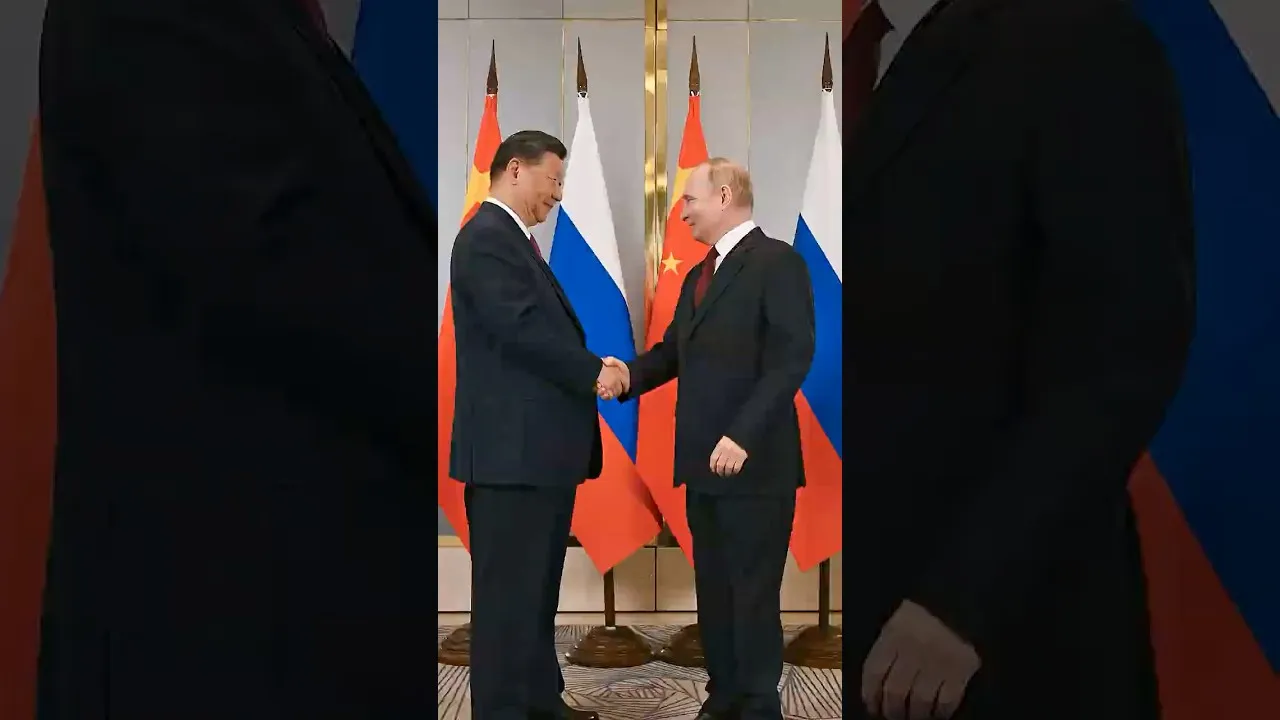
The ongoing Iran war and its resulting energy crisis have significantly shifted global power dynamics, with Russia and China emerging as the main beneficiaries.
Russia, a key player in the global energy market, capitalized on the situation by increasing its oil and gas exports, strengthening its influence over energy markets and geopolitics.
- Russia is a primary winner in the current global energy landscape, earning approximately $250 million per day from oil sales.
- Worldwide importers are actively seeking alternative oil sources to reduce reliance on the Middle East.
- China is also a major beneficiary, gaining significant commercial advantages in the Middle East.
- China’s access to diverse energy resources has strengthened its ability to withstand the energy crisis affecting Asia.
Meanwhile, China seized the opportunity to secure a more stable energy supply, investing heavily in Iranian oil and gas projects despite Western sanctions. This strategic move allows China to diversify its energy sources and reduce dependence on Western-dominated markets. Both nations’ actions reflect a broader shift toward multipolarity, as they expand their influence through energy diplomacy.
How does China benefit from the energy crisis?
- Commercial Advantage in the Middle East: The crisis has created opportunities for China to expand its commercial influence and relationships within the Middle East.
- Energy Security: China’s access to energy resources has allowed it to withstand the difficulties of the energy crisis affecting the rest of Asia, providing a level of stability compared to other importers.
- Strategic Positioning: The situation has improved China’s strategic outlay, enhancing its geopolitical standing as global importers seek alternatives to Middle Eastern oil.
Several nations are actively seeking to diversify their oil supplies away from the Middle East to enhance energy security and mitigate geopolitical risks. While the Middle East remains a dominant supplier for many, the following countries and regions are increasingly turning to alternative sources:
Major Importers Diversifying Away
- China: As the world’s largest oil importer, China has significantly increased its purchases from Russia (its top supplier), Brazil, and other non-Middle Eastern sources. It is also stockpiling heavily to reduce reliance on Middle Eastern supply chains
- India: India has dramatically shifted its imports toward Russia, which now supplies a large portion of its crude oil (reaching nearly 40% in some periods), reducing its dependence on traditional Middle Eastern suppliers like Iraq and Saudi Arabia
- South Korea: With about 70% of its oil coming from the Middle East, South Korea has announced plans to secure additional volumes from outside the region if supply disruptions persist, looking toward the Americas and Africa
- Japan: While still heavily reliant on the Middle East (95%), Japan is diversifying its LNG and oil sources, increasing imports from the United States, Australia, and West Africa to hedge against regional conflicts
Europe and the Americas
- European Union: Following the ban on Russian seaborne crude, European nations like Germany, France, and Italy have pivoted to suppliers in the United States, Norway, Azerbaijan, Kazakhstan, and West Africa (e.g., Nigeria, Libya)
- United States: The U.S. has largely reduced its reliance on Middle Eastern oil, sourcing most of its imports from Canada (over 60%), Mexico, and increasingly from South America (e.g., Brazil) and West Africa
- Netherlands & Germany: These nations are increasingly importing from the United States, Norway, and the United Kingdom to replace traditional suppliers
Key Alternative Sources
The primary non-Middle Eastern sources these nations are turning to include:
- Russia (though subject to sanctions in the West)
- Canada (primary for the U.S.)
- Brazil (growing share for Asia and Europe)
- Norway (key for Europe)
- United States (for Europe and Asia)
- Azerbaijan and Kazakhstan (for Europe and Asia)
- Nigeria, Angola, and Libya (for Europe and Asia)
Overall, the Iran war energy crisis has reshaped international relations, positioning Russia and China as the “big winners” by enhancing their energy security and geopolitical leverage. Their gains underscore the increasing importance of energy resources in global power competition, and may have long-lasting implications for global stability and economic growth.
Other People are Reading
Business
Axis Bank shares tank 5% after weak Q4. What are Motilal Oswal, other top brokerages saying?

Interest income for Q4FY26 rose 4.7% year-on-year to Rs 32,724 crore from Rs 31,243 crore in the corresponding quarter of the previous financial year. Interest expenses also increased 4.7% YoY to Rs 18,267 crore, against Rs 17,432 crore in Q4FY25.
Net Interest Income (NII) for Q4FY26 stood at Rs 14,457 crore, up 5% year-on-year, while Net Interest Margin (NIM) for the quarter came in at 3.62%.
Asset quality improved during the quarter, with Gross NPA and Net NPA at 1.23% and 0.37%, respectively, compared with 1.40% and 0.42% as on December 31, 2025. Recoveries from written-off accounts during the quarter stood at Rs 1,197 crore.
Axis Bank shares: Should you buy, sell or hold?
Motilal Oswal has maintained a Neutral rating on Axis Bank share price with a target price of Rs 1,475, indicating a potential upside of 8%. The brokerage said credit costs declined during the quarter, supported by easing stress in the unsecured portfolio. This also helped improve momentum in higher-yielding assets, along with lower interest reversals.
The bank continues to target medium-term loan growth of around 300 basis points above industry levels. Asset quality also improved sequentially, with both gross NPA and net NPA ratios declining. However, Motilal Oswal said the evolving West Asia situation remains an important near-term monitorable. It added that the bank has prudently created standard asset provisions to account for potential risks.
JM Financial has maintained its Buy rating on Axis Bank shares and raised the target price to Rs 1,575, implying a potential upside of 15.3%. The brokerage said Axis Bank’s valuation is supported by the continued strength of its deposit franchise, improving asset quality, and a more conservative balance sheet backed by incremental provisioning.It also highlighted sustained franchise gains in the SME and wholesale banking segments as key positives. While near-term pressure on net interest margins may keep return on assets improvement gradual, JM Financial believes better liability quality and lower normalised credit costs should support an earnings recovery going forward.
Elara Capital has maintained its Buy rating on Axis Bank stock price and revised its target price upward to Rs 1,629. The brokerage described the quarter as mixed, with strong asset quality trends but weaker core operating performance. It noted that asset quality continues to improve, supported by lower credit costs. It added that liability traction and deposit growth remain key monitorables going ahead. The brokerage said any re-rating in the stock will depend on consistency in performance and that its valuation is based on a SOTP methodology, rolled forward to FY28.
(Disclaimer: Recommendations, suggestions, views and opinions given by the experts are their own. These do not represent the views of The Economic Times)
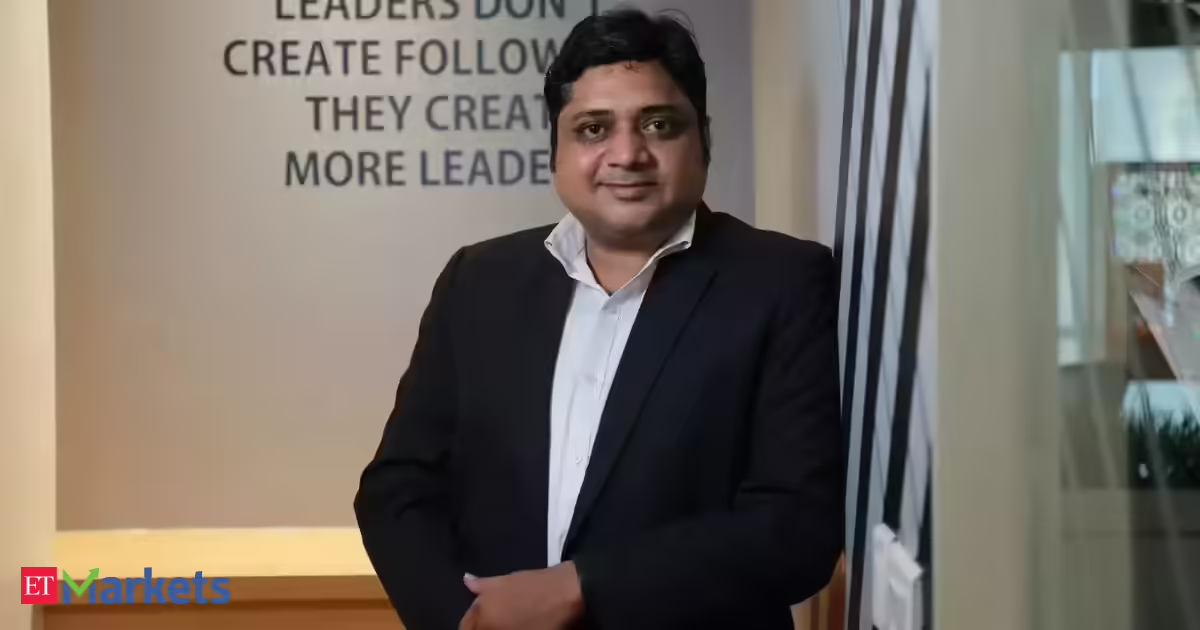
In a conversation with ET Now, market expert Narendra Solanki from Anand Rathi Shares & Stock Brokers shared his perspective on the earnings trajectory and market reactions so far.
“Yes, definitely, right now the kind of recovery we have seen from 22,000 levels of about almost 2000 points, so the market has recovered smartly and we just entered with that kind of recovery into the result season and the markets were hoping for the result season to be largely in line. But there has been some disappointment from a few large names in the IT, especially from the guidance point of view for at least the next two to three quarters wherein we can see some subdued growth which is less than expectations, so that has actually taken the market by surprise on the negative side.”
The disappointment, particularly around forward guidance, has weighed heavily on IT stocks. According to Solanki, the Nifty IT index has slipped back to levels last seen during the peak of the March downturn, effectively erasing its recent gains.
“If you see the Nifty IT index, it is now trading at the lows which were seen in mid-March, which was at the peak of the crisis. So, the complete recovery in the IT sector is washed out.”
Despite this, the broader market has displayed resilience. With most heavyweight sectors—especially IT and banking—having already reported earnings, the focus is now shifting toward a wider set of companies.
“From next week onwards, the earnings and the results will be more broad-based, including some in financials and some in manufacturing. So, the market would still be reacting to the results but because the heavyweights are out and the earnings would spread out within large sectors, it should consolidate from here onwards.”Solanki expects markets to remain range-bound in the near term, with no sharp directional moves.
“Right now, we do not see any significant run-up on either side. So, we do not see any runaway rally, neither do we see a very sharp selloff, but we see a 2% to 3% kind of range of consolidation happening and the remaining move would be decided by the kind of earnings we see in the quarter.”
On the investment front, the current environment is prompting a strategic shift toward segments with higher agility and domestic exposure.
“We are more focused on smallcaps and midcaps because that is where the companies are more agile and that is where the bases are low, so it really helps them in order to turn around and strategise in a fast manner in comparison with their largecap peers.”
A key theme emerging from Solanki’s outlook is the strong potential in domestically driven sectors, particularly power and infrastructure.
“If you see especially in the power sector, not only on the power generation side but also on the transmission and distribution side, we have a lot of underinvestment there in those spaces and with the kind of renewable targets the government is setting up, there has been a lack of capacity to evacuate the power from the renewable sites. So, there has to be a very huge investment coming up for the next three to five years in the transmission and distribution segment.”
He adds that this opportunity extends beyond core players to ancillary companies supplying equipment to the sector.
Autos—especially two-wheelers and related ancillaries—also feature prominently in his strategy, alongside a cautiously optimistic stance on financials.
“We are also positive on autos, especially two-wheelers and ancillaries. And other sectors like financials we are positive; however, there is a bit of a conscious positiveness into it because right now the macro situation which is there at the moment, it is increasingly becoming hard for the central bank to stay on the current policy and there has to be some relook in terms of inflation trajectory. This crisis is already almost for two months and it is going to linger on for some more time, so that is creating some tight fiscal space for the country.”
As earnings season progresses, the market’s next move will likely hinge on how broader sectors perform and whether domestic growth themes can offset global uncertainties.

Trump White House shooting live: President angered by questions over shooting suspect’s manifesto
Sun Pharma shares jump over 9% after firm announces $12 billion Organon acquisition

Upbit Listing Pushes Onyxcoin (XCN) to Highest Level in 3 Months

Manchester United reach agreement with Casemiro over contract clause amid transfer speculation

US brings back mandatory military draft registration

Steven Gerrard disagrees with Gary Neville over ‘shock’ Chelsea and Arsenal claim | Football


-

 Politics6 days ago
Gary Stevenson delivers timely reminder to register to vote as deadline TODAY
-

 Fashion3 days ago
Weekend Open Thread – Corporette.com
-
 Crypto World1 day ago
Hyperliquid $HYPE Rally Builds Momentum as AI Sector Enters Prove-It Phase
-
Crypto World7 days ago
Bank of Hawai’i (BOH) Q1 2026: Net Income Drops to $57.4M as Net Interest Margin Expands
-

 Politics4 days ago
Making troops accountable for war crimes threatens US alliance, ex-SAS colonel warns
-

 Politics4 days ago
Disabled people challenge government SEND proposals over segregation concerns
-

 Business5 days ago
Rolls-Royce Voted UK’s Most Iconic Trade Mark as IPO Register Hits 150
-

 Business3 days ago
Patterson-UTI Energy, Inc. (PTEN) Q1 2026 Earnings Call Transcript
-

 Politics5 days ago
Zack Polanski responds to home secretary’s taser threat
-
 Sports18 hours ago
IPL 2026: Ruturaj Gaikwad registers slowest fifty of the season, enters all-time unwanted list | Cricket News
-
 Crypto World6 days ago
Five Value Stocks with Recovery Potential in 2026: PayPal (PYPL), Nike (NKE), and More
-
Politics5 days ago
Wings Over Scotland | How To Get Away With Crimes
-

 Politics5 days ago
Starmer handler McSweeney to be dragged from shadows by Foreign Affairs Committee
-

 Crypto World5 days ago
New York sues Coinbase, Gemini over prediction market offerings
-

 Politics4 days ago
‘Iran is still a nuclear threat’
-
 Business5 days ago
HCL Tech share price tank over 9% after weak Q4. JPMorgan, HSBC & 3 others cut target price
-
Entertainment6 days ago
Sydney Sweeney cameo cut from “The Devil Wears Prada 2”, source explains why (exclusive)
-

 Fashion6 days ago
Kilkenny Design New Beauty Arrivals for Spring 2026
-
 Sports4 days ago
Tim Bradley names the current best in the world: “Better than Inoue and Usyk”
-

 NewsBeat22 hours ago
LK Bennett closes all stores after entering administration
You must be logged in to post a comment Login