Mount Dukono volcano erupted in North Maluku, Indonesia, spewing ash 10km into the sky. Local police chief Erlichson Pasaribu confirmed three people have been killed and several hikers remain missing, with 15 people evacuated from the 1,335m-high mountain.
08:29, 08 May 2026Updated 08:29, 08 May 2026
Three individuals have lost their lives after a group of hikers went missing when a volcano erupted in Indonesia earlier today. Mount Dukono blasted ash up to 10km into the atmosphere while a party of hikers were exploring the popular destination.
A total of 15 people were successfully evacuated from the 1,335m-high peak, while two porters from the hiking group remained behind to assist rescue teams in recovering the bodies of the three fatalities, according to local police chief Erlichson Pasaribu.
Mount Dukono has erupted almost 200 times since late March, as reported by the Volcanological Survey of Indonesia. The location is presently classified as Level Two within the agency’s three-tier volcano alert system, indicating heightened volcanic activity and the necessity for vigilance, reports the Mirror.
Advertisement
Ensure our latest stories always appear at the top of your Google Search by making us a Preferred Source. Click here to activate or add us as your Preferred Source in your Google search settings.
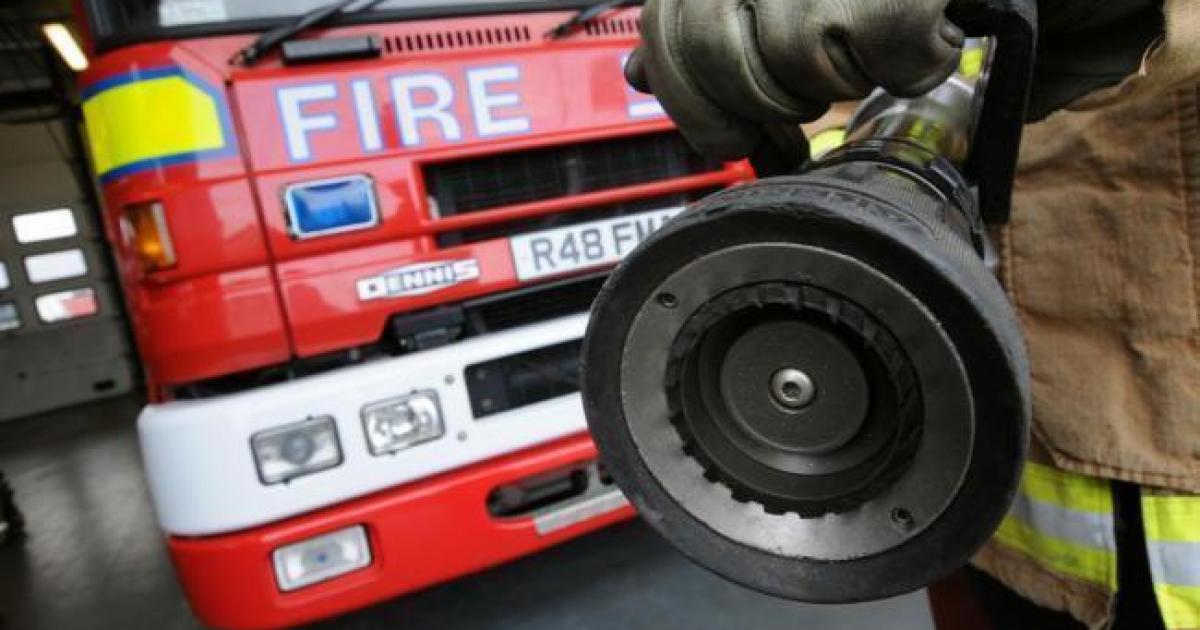
Crews from Kirkbymoorside and Thirsk were called to an electric pole which had ignited at 5.32pm last night (Thursday) in Eastgate, Helmsley.
The fire had spread to a perimeter hedge of two properties.
A spokesperson for North Yorkshire Fire and Rescue said: “A firefighter wearing breathing apparatus equipment for comfort began extinguishing the fire.
Advertisement
“The power board were requested to inspect the charred, overhead power lines.
“The guttering and facade to two properties had been affected by the hedge fire and crews isolated mains gas to both properties as a precaution.
“No signs of fire inside the properties were evident. A fire investigation will be conducted during daylight hours to determine a cause. Crews used a triple exterior ladder, one breathing apparatus, hose reel jets and a thermal imaging camera.”
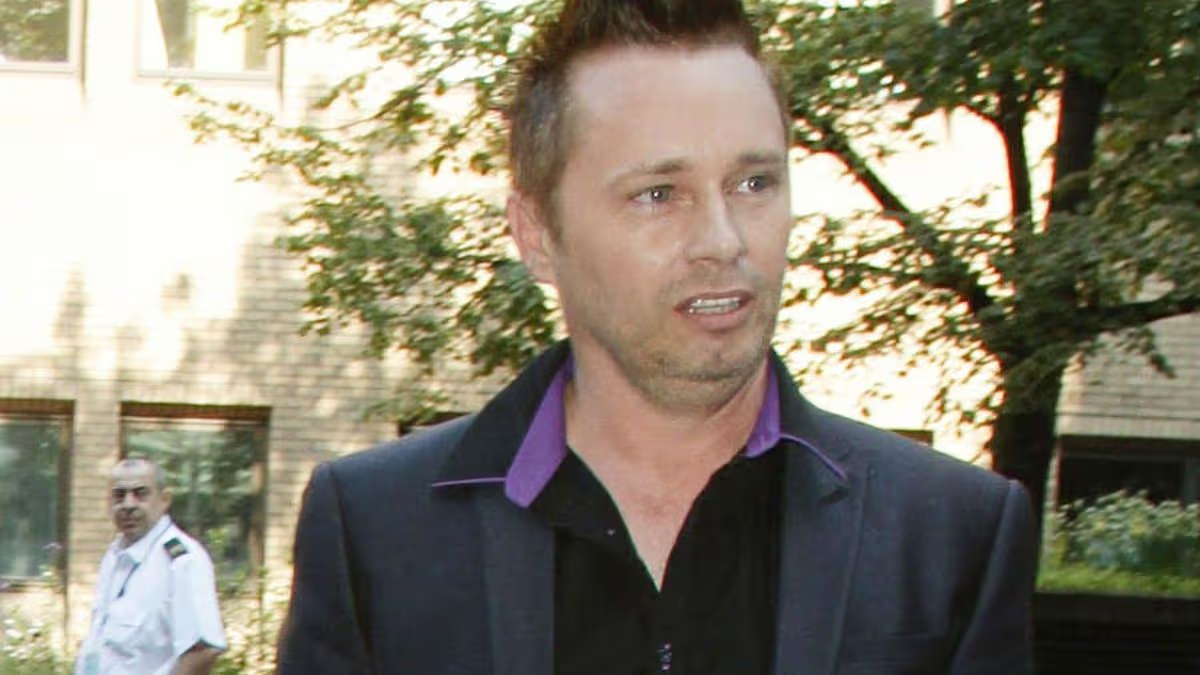
Barrie Drewitt-Barlow, known as one of ‘Britain’s first gay dads’, and his husband Scott have been charged with alleged rape, sexual assault and human trafficking for sexual exploitation
Yasmin Vince TV Reporter and Kirstie McCrum
10:30, 08 May 2026
A reality television personality and his husband are facing a raft of serious criminal charges, including rape and human trafficking for sexual exploitation.
Barrie Drewitt-Barlow, who rose to prominence as one of ‘Britain’s first gay dads’ and was set to feature in ITV reality programme Up The Jammers, was detained alongside his husband Scott following a police raid on their Essex property.
Advertisement
Essex Police confirmed that officers from their Serious Crime Directorate conducted searches across several properties belonging to the couple throughout the county on May 6.
In the wake of those searches, Essex Police stated: “We can now confirm that 57-year-old Barrie Drewitt-Barlow and 32-year-old Scott Drewitt-Barlow, both of Southwood Chase, Danbury, have both been charged with multiple offences including rape, sexual assault, and modern slavery trafficking for sexual exploitation.”
In an official statement, Christian Meikle of the Crown Prosecution Service said: “The Crown Prosecution Service has decided to charge Barrie Drewitt-Barlow and Scott Drewitt-Barlow following a police investigation into alleged human trafficking for sexual exploitation and rape.
“Barrie Drewitt-Barlow and Scott Drewitt-Barlow have each been charged with arranging or facilitating travel of another person with a view to exploitation, as well as other sexual offences, including rape. We have worked closely with Essex Police as it carried out its investigation.”
Advertisement
The pair are scheduled to appear at Chelmsford Magistrates’ Court today (May 8) following questioning by detectives. Detective Inspector Lydia George was leading the investigation, reports the Mirror.
She stated: “If anyone has any information they feel ready to share with us, I would ask them to contact us via the Major Incident Public Portal (MIPP) and the investigation team will provide you with any specialist support required.”
Drewitt-Barlow initially gained recognition as one of Britain’s first gay fathers when he and his former partner Tony welcomed twins Saffron and Aspen in 1999. The pair made history by having both same-sex parents listed on the birth certificates as ‘Parent One’ and ‘Parent Two’ instead of ‘mother and father’.
Each man is the biological father of one twin, though they’ve never disclosed which child belongs to whom. Drewitt-Barlow has featured on numerous daytime TV programmes discussing his experience.
Advertisement
He was also scheduled to feature in the forthcoming ITV reality series Up The Jammers. The programme was meant to chronicle the millionaire’s involvement with non-league football club Maldon and Tiptree, with broadcast anticipated for next week. However, the show has been axed following the police investigation.
ITV4 has substituted the documentary with a wrestling programme in its place.
An ITV Spokesperson told The Mirror: “ITV has decided to remove Up The Jammers from the upcoming schedule. It will no longer be shown on ITV4 or ITVX as previously advertised.”
Drewitt-Barlow and his ex-husband parted ways in 2019, following revelations that Drewitt-Barlow had developed romantic feelings for Scott Hutchinson, the former partner of his daughter Scarlett.
Advertisement
Ensure our latest stories always appear at the top of your Google Search by making us a Preferred Source. Click here to activate or add us as your Preferred Source in your Google search settings.
Spurs start the weekend with their Premier League future back in their own hands following back-to-back away wins at Wolves and Aston Villa.
With three matches remaining, last season’s Europa League winners are 17th on 37 points – one more than 18th-placed West Ham.
If Arsenal and Spurs both win, West Ham will be four points from safety with two games left, while Mikel Arteta’s Gunners – if nearest rivals Manchester City beat Brentford at Etihad Stadium on Saturday (17:30 BST kick-off) – will require a maximum five points from two games to win the league.
So, who do other Tottenham supporters want to win at London Stadium?
The bins are always snapped up fast so the council says to please apply as soon as possible to avoid disappointment.
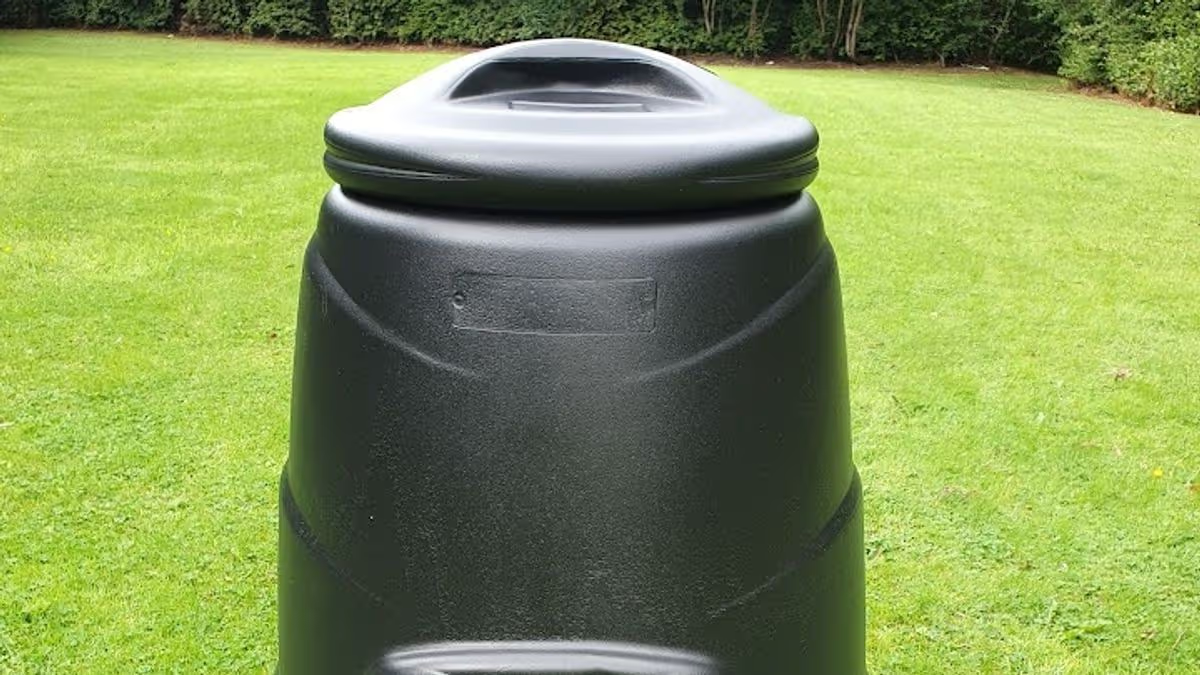
South Lanarkshire residents can once again apply for a free composter bin following the exceptional popularity of the pilot schemes that the council ran last year.
Advertisement
This time the local authority says there are 720 bins up for grabs so if you want one of the 220-litre composter bins,please complete an expression of interest form.
The composter bins will again be allocated on a first come first served basis – but the bins are always snapped up fast so please apply as soon as possible to avoid disappointment.
Applicants must meet the criteria which includes having a garden with suitable space to store the bin and agreeing to take part in an evaluation exercise.
Advertisement
Chair of the council’s Community and Enterprise Resources Committee, Councillor Robert Brown, said: “The demand from residents wishing to take part in the council’s composter pilot project is always high so we have decided to roll out an additional 720 bins to allow more households to participate.
“We are also very keen to hear your feedback as part of the consultation exercise.
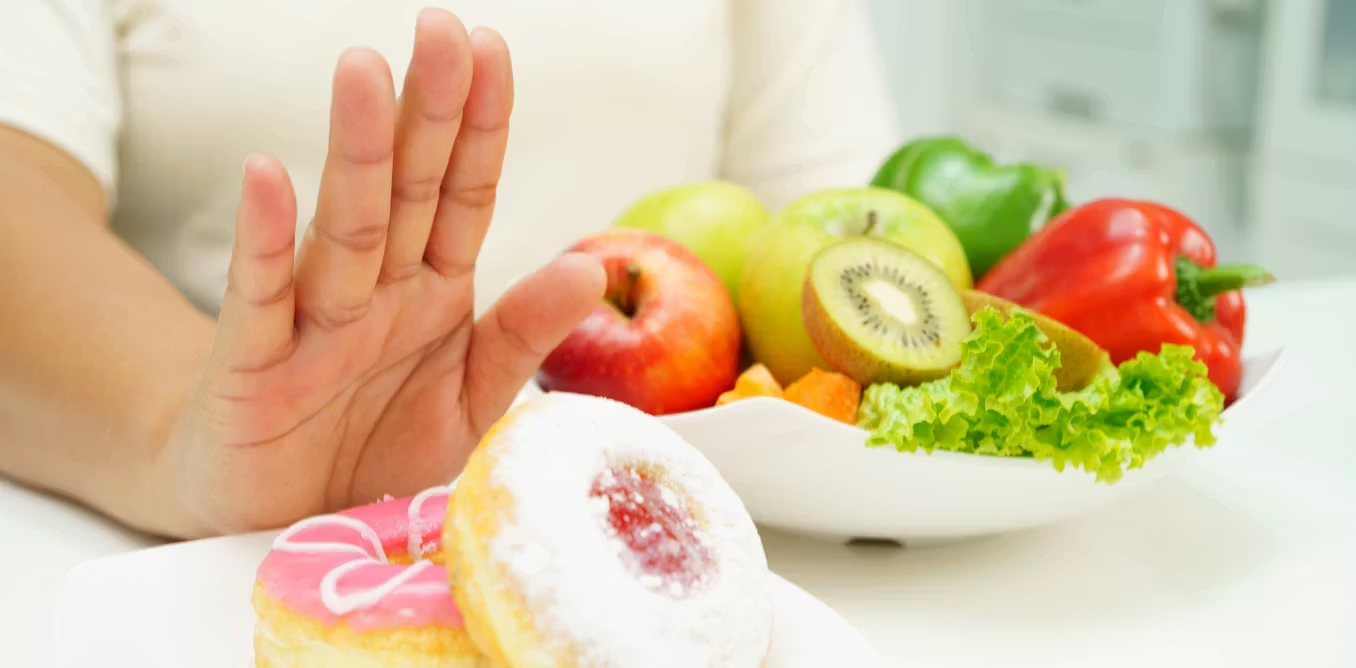
For many people interested in health and wellbeing, the idea of ultra-processed food, or UPF, has become more than a technical term in nutrition research. In public debate, it often serves as shorthand for wider concerns about modern, industrially produced food.
Those concerns are not baseless. A large body of research has found associations between high UPF intake and poorer health outcomes. But the evidence is not always easy to interpret. Many studies rely on self-reported diets and struggle to separate the effects of processing from nutrient quality, eating patterns and wider social factors. The evidence points to the need for more careful use of the term.
In the US, the Food and Drug Administration and the Department of Agriculture began a formal process in 2025 to develop a uniform federal definition of ultra-processed foods, arguing that no single authoritative definition exists for the US food supply. The central question is: what exactly makes a food “ultra-processed”? Is it the ingredients it contains, the way it is made, the extent to which it has been altered from its original structure, or some combination of these?
Advertisement
This helps explain why the topic has become so divisive. Within nutrition research, there is no consensus on how far the UPF category should guide policy or individual dietary advice. Some researchers see it as an important way of identifying harmful patterns in modern diets. Others argue that it is too broad to serve as a sound basis for dietary guidance on its own.
That distinction is important. A category can be useful for tracking population diets while still being too blunt to tell someone whether a particular product belongs in their shopping basket, especially when it tries to capture ingredients, industrial processes, product formulation, marketing, palatability and dietary patterns within one category.
There are also valid concerns about the role of large food companies in shaping diets and public health. Many highly processed products are designed to be cheap, convenient, heavily marketed and easy to overconsume. But the political and commercial problems of the food system are not identical to the scientific problem of classification.
A better approach would distinguish more clearly between products that are ultra-processed and nutritionally poor, products that are ultra-processed but may still have a useful place in the diet, and minimally processed foods that people are encouraged to eat more of. This might include some fortified foods, high-fibre breads or medical nutrition products, depending on their composition and use.
Advertisement
One way to balance warnings about UPFs is to give more attention to positive dietary guidance. In the EAT-UP framework, I propose the term “unrefined plant foods”, or UPs, to describe plant foods whose natural structure remains largely intact. These include whole fruits, vegetables, beans and grains that have not been heavily broken down or reconstituted.
This is not a replacement for the UPF framework. Its main value may be communicative: it balances advice about what to limit with clearer guidance on what to add. Many dietary guidelines already encourage people to eat more fruit, vegetables, legumes and whole grains. Naming these foods more precisely may help make that advice clearer.
Like any food category, unrefined plant foods would need careful definition. The phrase “largely intact” is not self-explanatory, and different researchers, policymakers and consumers may draw the boundary differently. But the value of the concept lies in shifting part of the public health message from avoidance to addition.
Advice based only on avoidance can easily become confusing or punitive. Evidence that higher intakes of whole plant foods are linked with better health also has limitations, including food diaries, self-reporting, cohort studies and the difficulty of separating diet from wider lifestyle factors. Even so, fruit, vegetables, legumes and whole grains are consistently supported across dietary guidelines, public health research and long-standing evidence on diet quality.
Advertisement
These debates also shape how people understand food in everyday life. Dietary advice should avoid creating unnecessary fear around food. When processing is treated as inherently dangerous, the result can be confusion, guilt and anxiety rather than healthier behaviour. In some cases, highly moralised food messaging may even encourage disordered eating patterns, including an unhealthy fixation on foods perceived to be perfectly pure or healthy.
This is also why language needs care. Phrases such as “real food” are often used to mean foods that are minimally processed or close to their original form. But the phrase can also carry assumptions about what counts as proper eating and who is getting it wrong. Public health messages need to take account of differences in income, time, access and daily constraints.
Improving diets requires more than labelling a broad category of foods as harmful. It requires careful consideration of evidence, behaviour and context. The challenge is to produce advice that is scientifically sound, practical to follow and responsive to the real conditions in which people make food choices.
Advertisement
The UPF debate has rightly placed industrial diets and food quality at the centre of public health discussion. The next step is not to abandon the framework, but to improve it: to define categories more clearly, distinguish between different kinds of processing, and combine warnings about harmful products with practical advice about the foods people can eat more of. In practice, that means combining processing-based classifications with evidence about nutrient profile, fibre content, additives, marketing and the role a food plays in the overall diet.
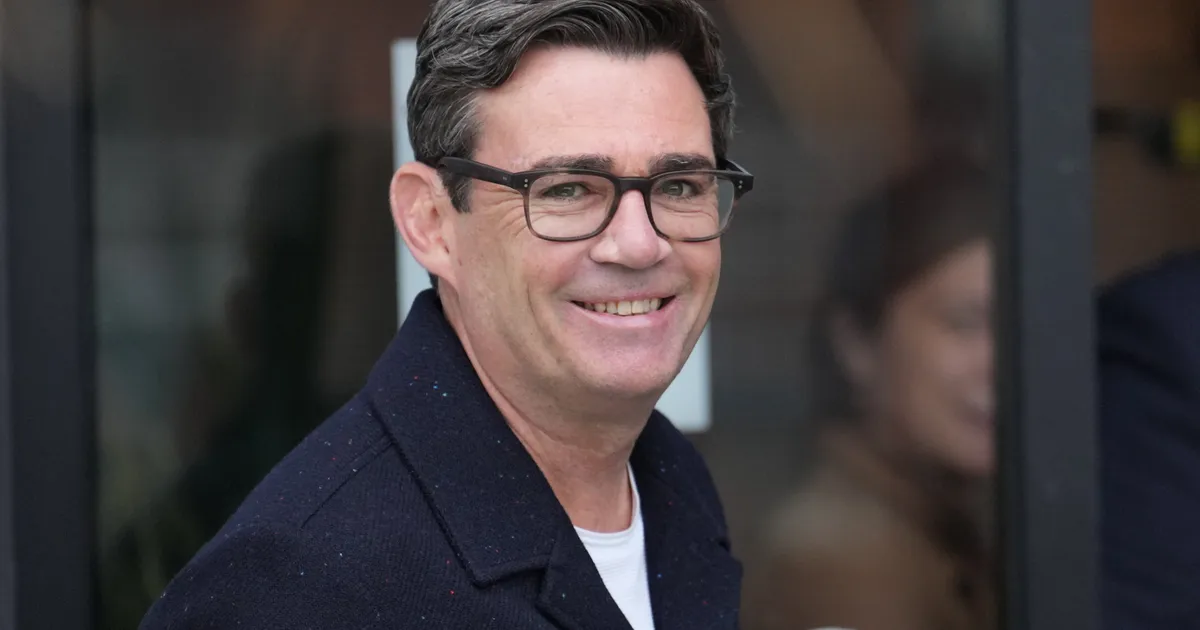
Lord Dave Watts said the party should allow the Greater Manchester mayor to return to Westminster in a by-election, which would then pave the way for a leadership challenge.
Watts was a government whip under Tony Blair and Gordon Brown, and also chair of the Parliamentary Labour Party (PLP) from 2012 until 2015.
His intervention came as Labour braced for a catastrophic set of results in elections across England and in Scotland and Wales.
Advertisement
The party is on course to lose more than 1,000 English councillors, and be resoundingly defeated in the Scottish Parliament and Welsh Senedd.
Writing for HuffPost UK, Lord Watts said: “The leadership question must be confronted head-on and without further delay.
“Does Keir Starmer possess the qualities required to steer the country through these turbulent times and reconnect with a disillusioned electorate? On the evidence of Thursday’s results, the answer is no.
“It’s clear we need a change, and many MPs and Labour voters are looking to the most successful and popular Labour politician, Andy Burnham, to provide that change.
Advertisement
“I believe that Andy should be allowed to stand in a by-election to boost Labour’s prospects and to provide the leadership needed.
“This is not a discussion that can be kicked into the long grass. Ministers need clear direction and the confidence that the prime minister is fully behind the bold changes necessary to regain public support.”
A senior Labour source said: “Dave Watts is not a usual suspect. He has always been a leadership loyalist.
“But he was the elected chair of the PLP for many years, and he’s right about Starmer. I think he is saying out loud what many in the PLP are thinking and whispering quietly to each other.
Advertisement
“These voices are only going to get louder. And no amount of Comical Ali spin from No.10 can change that.”
Starmer insisted on Friday morning that he took responsibility for Labour’s terrible performance, but insisted he will not “walk away” from Downing Street.
Burnham was a Labour MP from 2001 until 2017, but has made no secret of his desire to return to Westminster.
He tried to be Labour’s candidate in the Gorton and Denton by-election, but was blocked from standing by the party’s ruling national executive committee under orders from the PM.
Advertisement
However, speculation is mounting that a Labour MP is ready to trigger a by-election to allow Burnham to mount another comeback attempt.
Subscribe to Commons People, the podcast that makes politics easy. Every week, Kevin Schofield and Kate Nicholson unpack the week’s biggest stories to keep you informed. Join us for straightforward analysis of what’s going on at Westminster.
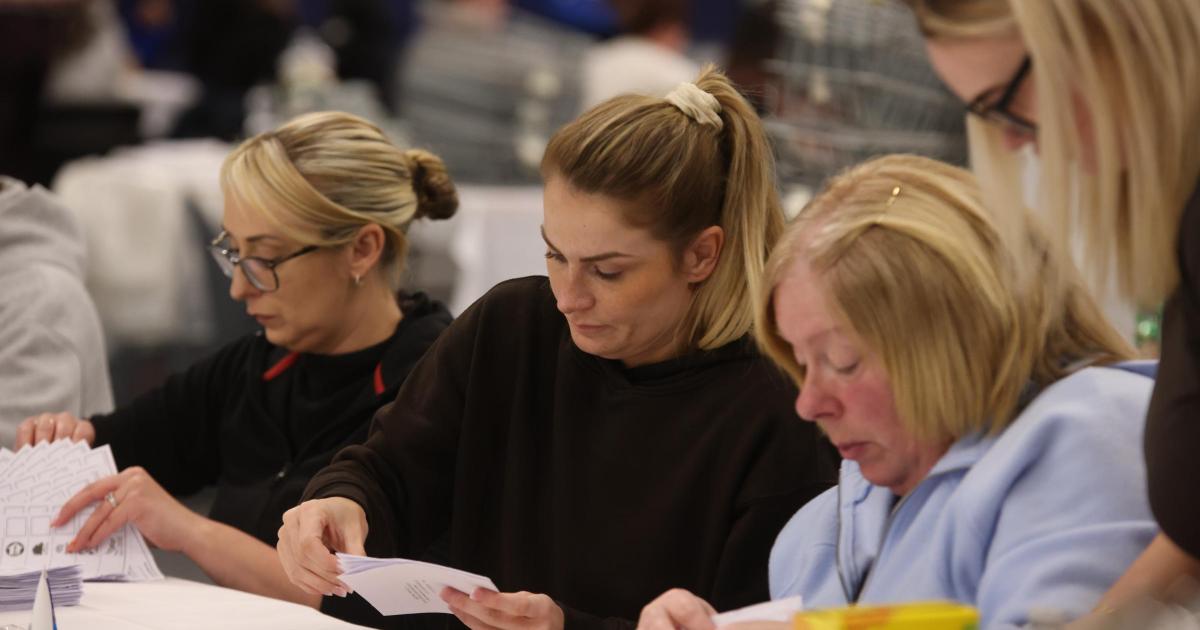
There were 20 of town hall’s 60 seats up for grabs with Reform UK winning the most on the night with nine.
The Greens won three while the Conservatives also won three, with Labour winning two, the Horwich and Blackrod First Independents two and the Liberal Democrats one.
Overall this left Labour with the most seats with 20, but 10 off what they need for a majority.
Advertisement
The Conservatives were left in second place with 11 seats and Reform UK on third with 10 and the five Liberal Democrat with five.
When counting was done there were also four Greens, four Horwich and Blackrod First Independents, three Farnworth and Kearsley First Councillors and three independents.
BREIGHTMET RESULTS IN FULL
Gillian Fernley – Green Party – 413
Derek John Gradwell – Liberal Democrats – 80
Advertisement
Wendy Ann Hopkinson – Independent – 33
Kate Elizabeth Taylor – Labour & Co-Operative Party – 605
On his 100th birthday, we share some of our favourite quotes from the broadcaster and natural historian
“You know, it’s a terrible thing to appear on television, because people think you actually know what you’re talking about.”
“It seems to me that the natural world is the greatest source of excitement; the greatest source of visual beauty, the greatest source of intellectual interest. It is the greatest source of so much in life that makes life worth living.”
Advertisement
“The whole of life is coming to terms with yourself and the natural world. Why are you here? How do you fit in? What’s it all about?”
“Young people – they care. They know that this is the world that they’re going to grow up in, that they’re going to spend the rest of their lives in. But, I think it’s more idealistic than that. They actually believe that humanity, human species, has no right to destroy and despoil regardless.”
Advertisement
“There are some four million different kinds of animals and plants in the world. Four million different solutions to the problems of staying alive.”
“If working apart we are a force powerful to destabilise our planet, surely working together we are powerful enough to save it… in my lifetime I’ve witnessed a terrible decline. In yours, you could and should witness a wonderful recovery.”
“When I first saw the sea as a young boy, it was thought of as a vast wilderness to be tamed and mastered for the benefit of humanity. Now, as I approach the end of my life, we know the opposite is true.”
Advertisement
“We only know a tiny proportion about the complexity of the natural world. Wherever you look, there are still things we don’t know about and don’t understand. There are always new things to find out if you go looking for them.”
“Many individuals are doing what they can. But real success can only come if there is a change in our societies and in our economics and in our politics.”
‘It’s a terrible thing to appear on television, because people think you know what you’re talking about’. Image: Lev Radin
Advertisement
“The best motto to think about is not to waste things. Don’t waste electricity; don’t waste paper; don’t waste food. Live the way you want to live but just don’t waste. Look after the natural world and the animals in it and the plants in it too. This is their planet as well as ours. Don’t waste them.”
“The truth is: the natural world is changing. And we are totally dependent on that world. It provides our food, water, and air. It is the most precious thing we have and we need to defend it.”
“The question is, are we happy to suppose that our grandchildren may never be able to see an elephant except in a picture book?”
Advertisement
In my lifetime I’ve witnessed a terrible decline. In yours, you could and should witness a wonderful recovery
“Bringing nature into the classroom can kindle a fascination and passion for the diversity of life on earth and can motivate a sense of responsibility to safeguard it.”
“I just wish the world was twice as big and half of it was still unexplored.”
“The final chapter is ours to write. We know what we need to do. What happens next is up to us.”
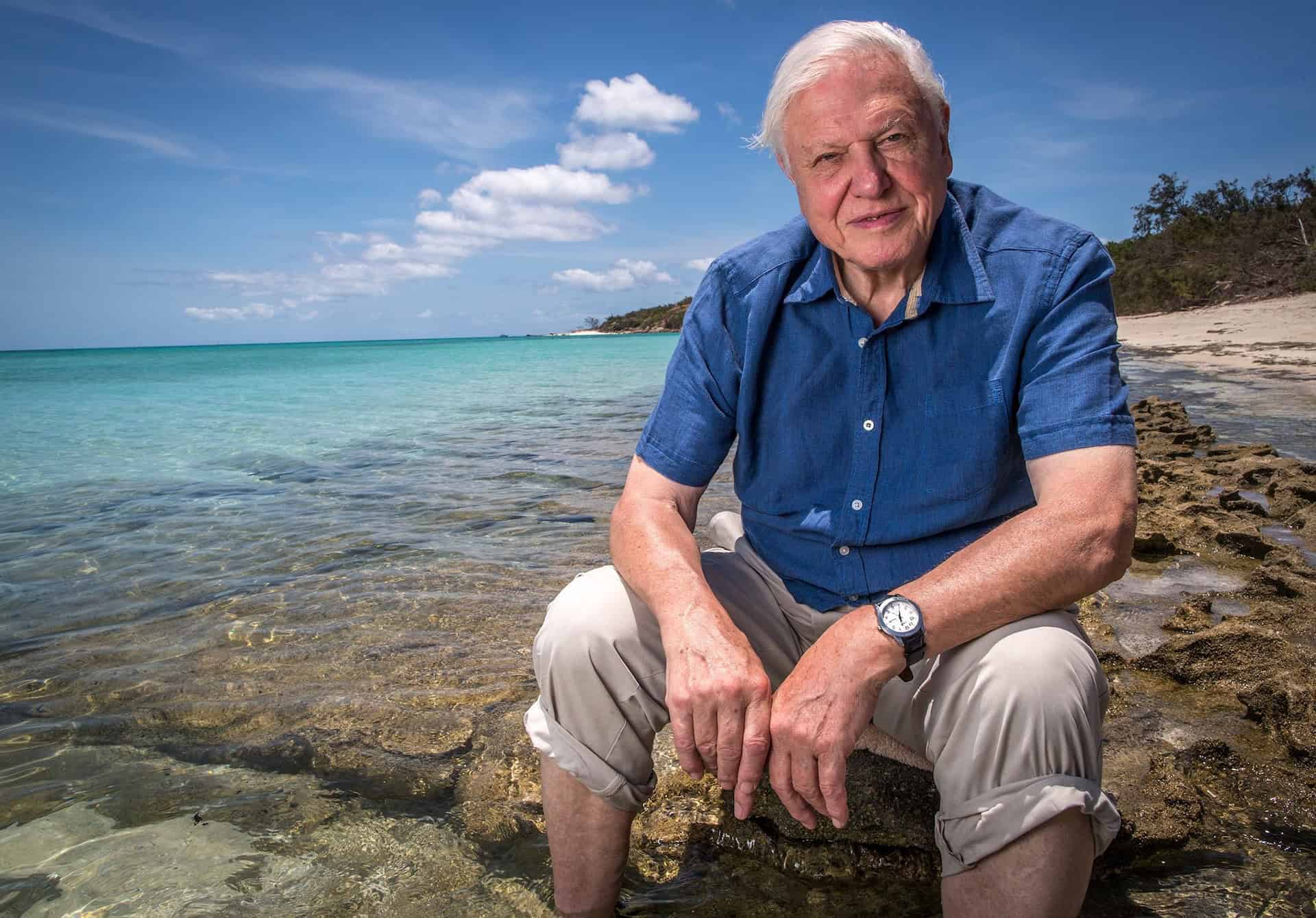
Main image: David Attenborough at the Great Barrier Reef. Credit: Australian Department of Foreign Affairs and Trade
Advertisement
Be part of the solution
At Positive News, we’re not chasing clicks or profits for media moguls – we’re here to serve you and have a positive social impact. We can’t do this unless enough people like you choose to support our journalism.
Give once from just £1, or join 1,800+ others who contribute an average of £3 or more per month. Together, we can build a healthier form of media – one that focuses on solutions, progress and possibilities, and empowers people to create positive change.
Recently, Ryanair CEO Michael O’Leary called for an end to pre-flight pints.
Speaking to The Times, he said that the problem of inebriated passengers has gotten worse, claiming his company now has to divert an average of one flight a day due to rowdy behaviour on board.
This, he shared, is up from one diversion a week a decade ago.
“It’s becoming a real challenge for all airlines. I fail to understand why anybody in airport bars is serving people at five or six o’clock in the morning. Who needs to be drinking beer at that time?” he asked.
Advertisement
He also pointed out that airport bars don’t have to follow the usual operating hours of other alcohol vendors, saying, “There should be no alcohol served at airports outside [of those] licensing hours.”
O’Leary even called for a two-drink limit on airport bars, though he didn’t confirm whether Ryanair – which he said generally sticks to that rule anyway – would adopt the policy itself.
“We are reasonably responsible, but the ones who are not responsible, the ones who are profiteering off it, are the airports who have these bars open at five or six o’clock in the morning and during delays are quite happy to send these people as much alcohol as they want because they know they’re going to export the problem to the airlines,” he added.
So perhaps it’s no wonder fans of the time-honoured British airport tradition had stern words for O’Leary (whose company previously took a disruptive passenger to court for losses over a diverted flight).
“This guy can get fucked,” one X poster commented on the site. “If I’m at an airport at 6:00 AM, having a beer is pretty much the only comfort.”
“Surely Ryanair should stop serving drinks on their morning flights before Michael O’Leary starts lecturing the rest of us?” another post read.
Surely Ryanair should stop serving drinks on their morning flights before Michael O’Leary starts lecturing the rest of us?
“Time doesn’t exist in the airport,” another person commented on an Instagram post.
They’re joined in their disapproval by Wetherspoons boss Sir Tim Martin, who’s called O’Leary’s proposal a “big brother” approach.
Speaking to The Times, he said: “A two-drink limit would be extraordinarily difficult to implement, short of breathalysing passengers, and would, in our opinion, be an overreaction, especially since many of the problems stem from incoming flights.”
Still, not everyone hates the idea.
Advertisement
“A two-drink limit feels fair to me,” one Instagram user said.
“Alcohol can metabolise differently in [the] air, and no one wants to risk being sat next to someone who’s an angry drunk who’s metabolised four drinks like they’re eight and is now plastered and raving in a metal box.”
“Ban ALL alcoholic drinks on airlines and don’t open airport bars until 12 noon,” an X poster added.
The debate takes place days after Jet2 called for a cross-airline database of disruptive passengers.
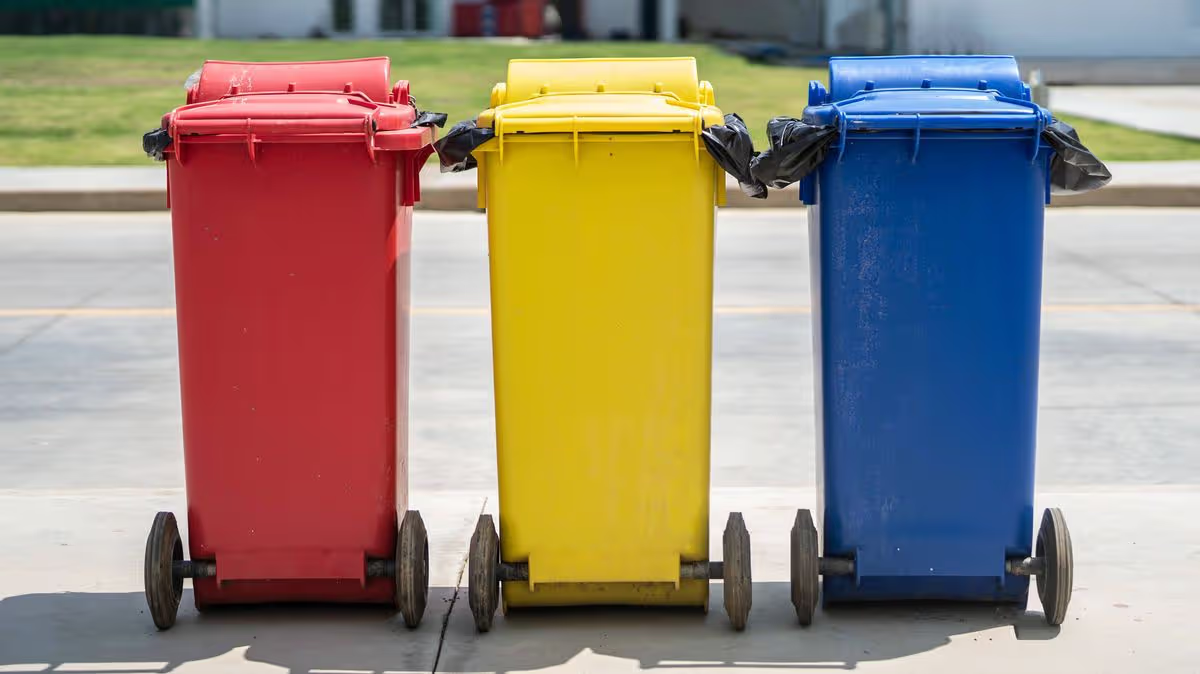
Households must follow strict council recycling rules or risk having their bin collection refused over a common mistake. A binman says rubbish won’t be collected if a simple item is spotted inside
09:33, 08 May 2026Updated 09:34, 08 May 2026
Getting your bins out for collection is a chore we all face, but they could be left behind if inappropriate items are discovered inside. What you may not realise is that there are stringent regulations people must adhere to in order to ensure their waste is properly collected each week.
The guidance was recently provided by a refuse collector, known as The No 1 Binman on TikTok, who regularly shares useful tips about bin collections. According to him, straightforward errors can stop rubbish from being taken, leaving you with both an eyesore and a foul-smelling issue, particularly during the warmer months.
In a video posted online, he explained there are some extremely important regulations people must follow regarding plastic recycling. It’s not as straightforward as simply tossing it in the recycling bin.
This is because various types of plastic exist. You need to understand the distinctions before disposing of it, or you could end up with a headache.
He said: “Plastic, not all plastic is the same. Ok, so you have thin plastics, you have soft plastics, you have hard plastics, and it depends on the council which they actually take.
“Most of them just take normal bottles, or tins and stuff like that in your plastic bin. [They are] the only things they’ll take. They won’t take anything like carrier bags, black bags, they also won’t take any films.
Advertisement
“All that sort of stuff, it ruins the machines they send the stuff to. Every recycling centre is different, so they get told what they can take and what they can’t take, and they’re the ones who make the rules. Not the binmen.
“It’s not our choice. We just get told. So, if there are any plastics that you’re unsure about, maybe ask your council website or maybe you can ask the binmen. They might know.”
Content cannot be displayed without consent
So, it’s vital you’re well informed before taking any action. Getting to grips with the process could benefit you in more ways than one.
Can binmen refuse to collect your rubbish?
You might not realise it, but refuse collectors can actually turn down your waste. This commonly occurs if your recycling is contaminated, deemed excessive (too heavy or bags left beside the bin) or if the bin hasn’t been presented properly.
Advertisement
It’s worth bearing in mind that they are generally obliged to collect household waste unless there’s a legitimate reason not to. This is because councils have a duty to provide the service.
When they do refuse to collect, it’s typically down to safety concerns, contamination or failure to adhere to council guidelines. Leaving “side waste”, for example, can cause issues.
However, it’s important to note that carrier bags should not be placed in your household recycling. Despite being recyclable, they must be taken to designated collection points, which are commonly found at larger supermarkets such as Tesco, Sainsbury’s, Asda, Morrisons and Waitrose.
Supermarkets offer in-store drop-off points for “soft plastics” such as bread bags, films and pouches. Should this type of item be found in your rubbish, refuse collectors are within their rights to leave it behind, as it risks contaminating the entire load.
Advertisement
It’s always advisable to check your local council’s website for guidance, as the rules can vary considerably from one area to another. Regulations can sometimes differ significantly between councils.











































You must be logged in to post a comment Login