Connect with us
DAPA Banner
DAPA Coin
DAPA
COIN PAYMENT ASSET
PRIVACY · BLOCKDAG · HOMOMORPHIC ENCRYPTION · RUST
ElGamal Encrypted MINE DAPA
🚫 GENESIS SOLD OUT
DAPAPAY COMING

Business

UK Businesses Tariff Refunds: Many Exporters Face Rejection from US CAPE System

Published

on

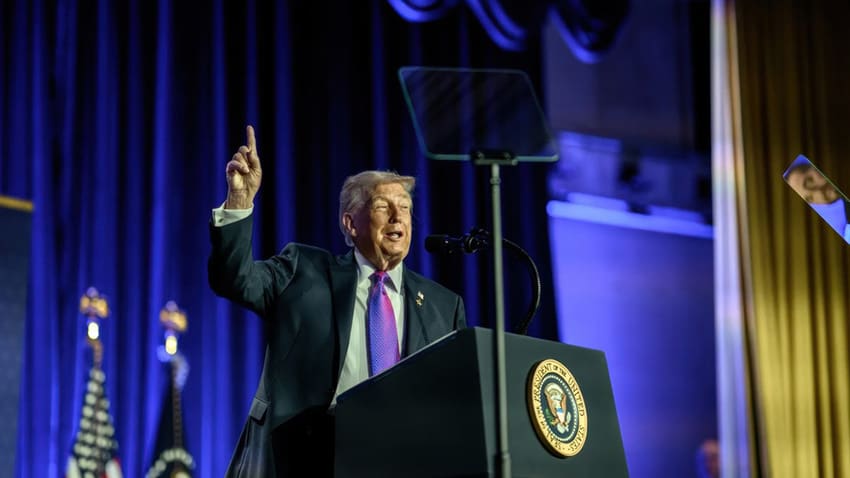
Trump’s new 15% tariff plan ‘will hit UK exporters and dent global growth’

A swelling queue of British exporters hoping to recoup money lost to Donald Trump’s now-discredited emergency tariffs may discover that they are entitled to precisely nothing, the audit, tax and business advisory firm Blick Rothenberg has warned.

According to John Havard, a consultant at the firm, roughly 126,000 claims have been lodged through the US Consolidated Administration and Processing of Entries (CAPE) system since it opened for business on 20 April. Yet a sizeable proportion of those applications are expected to be bounced, either because the claimant is not legally eligible or because the paperwork has fallen foul of the portal’s exacting requirements.

“Some UK businesses hoping for compensation may find they are ineligible for it and receive nothing,” Mr Havard said. “A number of small British firms may never have encountered tariffs until President Trump’s second term. They are likely unaware that, although falling sales and higher shipping costs have inflicted significant harm on their finances, legally they are owed nothing by the US Government.”

Who actually owns the tariff bill

The crux of the issue, Mr Havard argues, lies in the small print of international trade contracts. Where British firms shipped goods to American customers on an “ex-works” or “cost and freight” basis, the legal obligation to settle the tariff sat with the US importer rather than the UK seller.

“Reimbursing the US importer for its additional costs does not qualify the UK entity to apply for a tariff refund,” he explained. In other words, even where British exporters voluntarily absorbed the cost to preserve a customer relationship, they cannot now walk into the CAPE system and ask for it back.

Advertisement

It is a hard truth for the cohort of SMEs that scrambled to keep American buyers on side after Mr Trump invoked the International Emergency Economic Powers Act (IEEPA) to slap tariffs on a wide range of imports, measures that were subsequently struck down by the US Supreme Court, opening the door to refund claims in the first place.

A system creaking under the weight of claims

An official status report timed at 7am Eastern on Monday 11 May 2026 indicated that of the 126,000 claims received, roughly 87,000 had been validated. The remainder are sitting in limbo, with many of the rejections traceable to mundane formatting problems in the CSV files uploaded to the portal.

“Rejections may be because the CSV files submitted to the online portal could not be read and processed by the system due to formatting mistakes,” Mr Havard said. “But some rejections will be due to the claimants’ ineligibility for refunds.”

He added that before businesses can even attempt to file, they must hold an account with US Customs and Border Protection’s Automated Commercial Environment. “Anecdotally there has been considerable activity in new account registrations since the Supreme Court ruled the IEEPA tariffs to be unlawful, but this presents another system for businesses to navigate before they can attempt to get refunds.”

Advertisement

A further pitfall is mistaken identity. “Another reason for rejection could be that the person who filed for a tariff refund is not in Government records as the listed importer, or that person’s broker, for the particular tariffs identified in the claim. This could be people trying to game the system, but it is also potentially because individuals do not fully understand who is supposed to make the claim.”

Refunds trickling out – and bank details missing

Despite Washington signalling that no payments would land before 12 May, Mr Havard said there is reliable evidence that some refunds have already been paid out, with at least one claimant receiving interest on top.

But the process is being held up at the final hurdle for nearly 1,900 claimants who have failed to supply bank details. “As at 7am Eastern time on Monday 11 May 2026, there were 1,880 consolidated refunds which could not be passed from the Office of Trade to US Treasury for payment because the claimant had still to provide the necessary bank account details,” Mr Havard said.

Importers whose applications have been rejected can correct errors and resubmit. “However, no amount of resubmission will help if the claim is invalid in the first place – or if they are not getting clear messages from CAPE to explain why they were rejected.”

Advertisement

The next legal front: the 10% global tariff

Even as refunds for the IEEPA tariffs begin to flow, a second courtroom battle is unfolding over Mr Trump’s replacement measure, a blanket 10% “global tariff” introduced under Section 122 of the Trade Act of 1974 after the Supreme Court struck down the original duties.

A coalition of small businesses and roughly two dozen, mostly Democrat-led, states challenged the move at the US Court of International Trade, which ruled by a 2:1 majority on 7 May that the new tariffs were also invalid. The Government has appealed to the US Court of Appeals for the Federal Circuit, which has granted an administrative stay, meaning the 10% levy continues to be collected on US-bound shipments while the legal process plays out.

“Whatever decision the Appeals Court eventually hands down, it seems inevitable that the losing side, as with the IEEPA tariffs, will want to make a further appeal to the US Supreme Court,” Mr Havard said.

The sums at stake are far from trivial. Estimates suggest some $8 billion of Section 122 tariffs were collected in March alone, a substantial slice of the wider tariff burden being shouldered by British exporters, which has weighed heavily on UK trade flows and prompted British factories to cut their exposure to the US market.

Advertisement

For SME exporters watching from this side of the Atlantic, the message from Blick Rothenberg is sobering: those who think a cheque is in the post would do well to check the terms of their export contracts, and the bank details on their CBP account, before they start spending it.


Amy Ingham

Amy is a newly qualified journalist specialising in business journalism at Business Matters with responsibility for news content for what is now the UK’s largest print and online source of current business news.

Advertisement
Continue Reading
Click to comment

You must be logged in to post a comment Login

Leave a Reply

Business

World Oil Prices Hold Above $105 as Iran Tensions and Trump-Xi Summit Drive Volatility

Published

on

Oil Prices Plunge Below $95 as US-Iran Ceasefire Sparks Relief

NEW YORK — World oil prices remained elevated above $105 per barrel on Thursday, May 14, 2026, as ongoing geopolitical risks in the Middle East, particularly around the Strait of Hormuz, continued to support the market even as investors awaited outcomes from the high-stakes summit between President Donald Trump and Chinese President Xi Jinping in Beijing.

Brent crude, the global benchmark, traded near $105.50 per barrel in early European trading, while West Texas Intermediate (WTI), the U.S. benchmark, hovered around $101 per barrel. Both contracts have stayed in elevated territory throughout 2026, reflecting persistent supply concerns and strong global demand despite economic uncertainties in some regions.

The primary driver remains the effective closure of the Strait of Hormuz, a critical chokepoint through which nearly 20% of global oil supply flows. Since military actions began in late February, shipping traffic has been severely restricted, leading to significant supply disruptions and a sharp drawdown in global inventories. Analysts at S&P Global estimate that inventories have fallen by an average of 8.5 million barrels per day in the second quarter, pushing prices higher and creating a risk premium in the market.


The Trump-Xi summit has added another layer of uncertainty and potential relief. Trump is pressing China, Iran’s largest oil customer, to use its influence to help stabilize energy flows. Any positive developments from Beijing could ease pressure on prices, but analysts caution that a quick resolution to the Hormuz situation remains unlikely. “The market is pricing in prolonged disruption,” said one senior energy trader. “Even optimistic scenarios suggest it will take time for flows to normalize.”

Advertisement

U.S. production has provided some buffer. Domestic output remains near record levels, helping to offset some global tightness. However, OPEC+ members have maintained disciplined production cuts, limiting additional supply to the market. Saudi Arabia and other Gulf producers continue to prioritize price stability over volume in the current environment.

Demand remains robust despite higher prices. Strong economic activity in Asia, particularly in India and parts of Southeast Asia, has supported consumption. China’s stimulus measures have helped stabilize industrial activity, though the country’s overall economic recovery remains uneven. Global oil demand is projected to average around 103 million barrels per day in 2026, according to the International Energy Agency, with transportation fuels and petrochemicals driving growth.

For American consumers, the impact is noticeable at the pump. National average gasoline prices have climbed above $4.00 per gallon in many regions, adding pressure on household budgets ahead of the summer driving season. Refiners have warned that prolonged high crude costs could lead to further increases if inventory levels tighten further.

Energy companies have benefited from the elevated price environment. Major producers have reported strong earnings, with many using the windfall to pay down debt, increase dividends and invest in low-carbon technologies. Oilfield service companies have also seen renewed demand, though the focus remains on efficiency and capital discipline rather than aggressive expansion.

Advertisement

The Trump administration has used the situation to push for increased domestic production and streamlined permitting for energy projects. Officials argue that boosting U.S. output can help stabilize global markets and reduce reliance on foreign supplies. However, environmental groups and some Democrats in Congress have criticized the approach, calling for faster transition to renewable energy sources.

Longer-term forecasts suggest prices could remain elevated through the remainder of 2026. Standard Chartered and other banks project Brent averaging between $100 and $110 per barrel for the year, assuming the Hormuz situation persists into the third quarter. A full resolution could bring prices back toward $80-$90, but most analysts see limited downside risk in the near term.

Investors have responded with caution. Energy stocks have outperformed broader markets in 2026 but remain sensitive to any diplomatic breakthroughs or sudden supply increases. Volatility in oil futures has increased, with traders positioning for potential swings around the Trump-Xi meetings and other geopolitical developments.

The situation also highlights the interconnected nature of global energy markets. Europe, still recovering from earlier energy shocks, has increased imports of U.S. liquefied natural gas and other alternatives. Asia’s reliance on Middle Eastern crude makes it particularly vulnerable to disruptions in the region.

Advertisement

As the Trump-Xi summit continues, any signals regarding Iran or energy cooperation could move markets significantly. For now, the combination of tight supply, strong demand and geopolitical risk keeps oil prices firmly in elevated territory, affecting everything from gasoline prices to inflation expectations worldwide.

The coming days and weeks will be critical in determining whether current levels prove sustainable or if new developments bring relief to consumers and businesses. Until then, the world remains on edge, watching both the oil markets and the diplomatic efforts in Beijing for clues about the path ahead.

Continue Reading

Business

Aware director John S Stafford III buys $100,515 in stock

Published

on


Aware director John S Stafford III buys $100,515 in stock

Continue Reading

Business

OTC Markets Group: Will Most Likely Be Ignored For A While Longer (Downgrade)

Published

on

OTC Markets Group: Will Most Likely Be Ignored For A While Longer (Downgrade)

OTC Markets Group: Will Most Likely Be Ignored For A While Longer (Downgrade)

Continue Reading

Business

Wootzano robotics firm is back after winding up

Published

on

Business Live

A Scottish court has granted a “sist” – pausing the liquidation of the company

A Wootzano robot

A Wootzano robot(Image: Iain Buist/Newcastle Chronicle)

The founder of award-winning North East robotics firm Wootzano has said the company is “back” after previously being wound up.

Scientist Atif Syed founded the Tyneside-based maker of automated food packing systems in 2018 and has gone on to quickly grow it, winning work around the world with multimillion-pound orders from as far afield as the US and Japan.

Advertisement

But The Journal reported last year that the firm – which has developed its own sensor technology that is ideal for the delicate handling of fresh food – was facing winding up following a petition from Government-owned agency, Innovate UK.

Companies House records show that the firm received a winding up order last November. Wootzano took a £838,000 Innovate UK Innovation Loan in 2022 for a specific vision-based subsystem of its Avarai robots, a piece of technology it hoped could provide another source of revenue for the business.

But when the subsystem was not commercialised within an allotted time frame, it resulted in a winding up petition.

In a social media post, Mr Syed has said that the firm has been battling for its survival over the last six months but has now recruited a new chief financial officer and chief commercial officer. He is stepping away from his CEO role to focus on technology and engineering, describing that part of his job as “what I have always loved most”.

Advertisement

He said: “The belief shown in Wootzano, by the Court, by our customers, and by everyone who refused to give up on us, is something I carry with me. Our responsibility now is to honour that belief through our delivery, our technology, and our results.

“The robots are being built again. The deliveries are going out again. And the technology that earned global recognition and put Britain on the map for true robotics is now back to work.”

Wootzano was named North East Business of the Year in 2024 after winning a series of multimillion-pound contracts around the world.

The company developed specialised robots for fruit and food picking, starting out at the NETPark science and business park in County Durham before moving to a new base at the Cobalt Business Park in North Tyneside.

Advertisement
Continue Reading

Business

RideNow Group, Inc. (RDNW) Q1 2026 Earnings Call Transcript

Published

on

OneWater Marine Inc. (ONEW) Q1 2026 Earnings Call Transcript

Operator

Good afternoon, ladies and gentlemen, and welcome to the RideNow Group, Inc. First Quarter 2026 Earnings Conference Call. [Operator Instructions] This call is being recorded on Thursday, May 14, 2026.

I would now like to turn the conference over to Jerene Makia, Vice President of Finance. Please go ahead, sir.

Advertisement

Jerene Makia

Thank you, operator. Good afternoon, everyone, and thank you for joining us for RideNow’s First Quarter 2026 Earnings Conference Call. Joining me on the call today are Michael Quartieri, RideNow’s Chairman, Chief Executive Officer and President; and Josh Barsetti, RideNow’s Chief Financial Officer. Our first quarter results are detailed in the press release issued this afternoon, and supplemental information will be available in our Form 10-Q once filed.

Before we begin, I would like to remind you that comments made by management during this conference call may contain forward-looking statements, including, but not limited to, RideNow’s market opportunities and future financial results. All forward-looking statements involve risks and uncertainties which could affect RideNow’s actual results and cause actual results to differ materially from forward-looking statements made by or on behalf of RideNow.

A discussion of material risks and important factors that could affect our results can be found in our filings with the SEC, which are available on our Investor Relations website and at sec.gov. This conference call also contains time-sensitive information that is accurate only as of the date of this live broadcast, Thursday, May 14, 2026. RideNow assumes no obligation to revise or

Advertisement
Continue Reading

Business

The Food Chain

Published

on

The Inquiry

How batch cooking can save time, money and food waste

Continue Reading

Business

Children’s tower stools recalled over potential ‘death’ risk

Published

on

Children’s tower stools recalled over potential ‘death’ risk

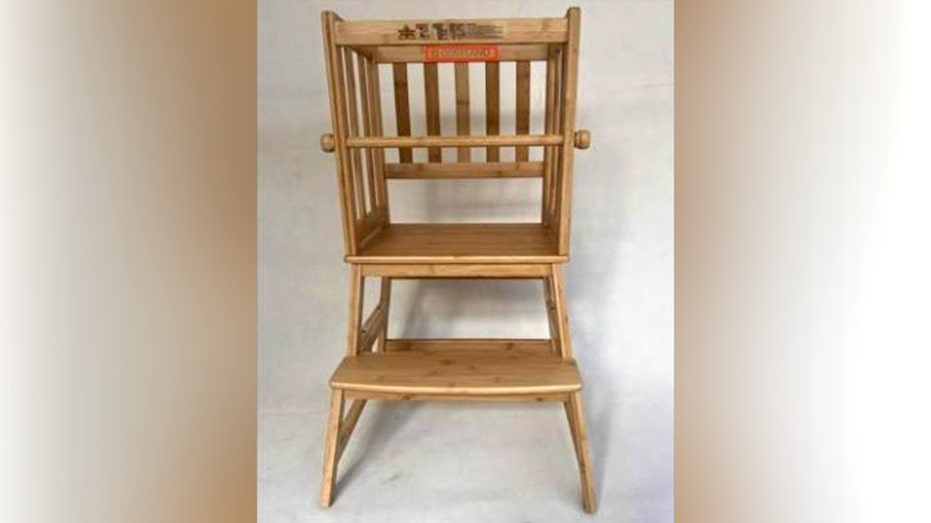
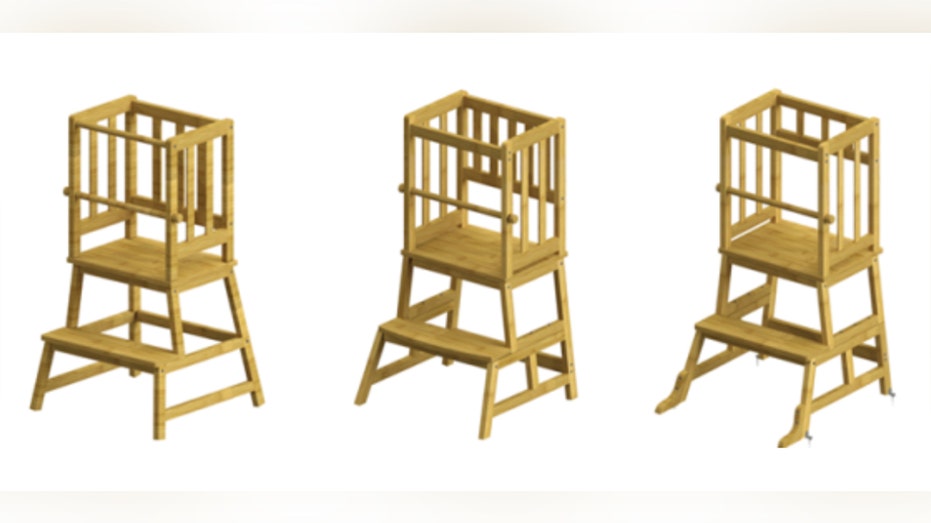
More than 125,000 children’s tower stools sold on Amazon are being recalled because they can tip over or collapse, creating a “risk of serious injury and death.”

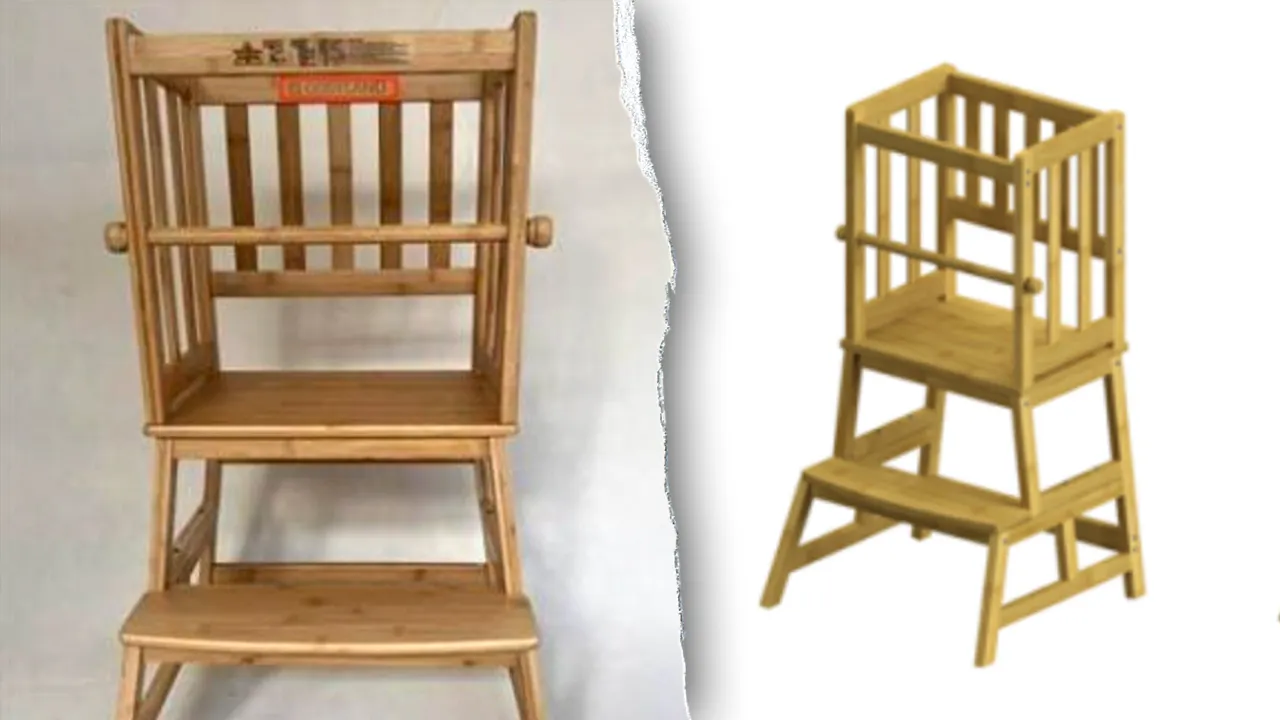
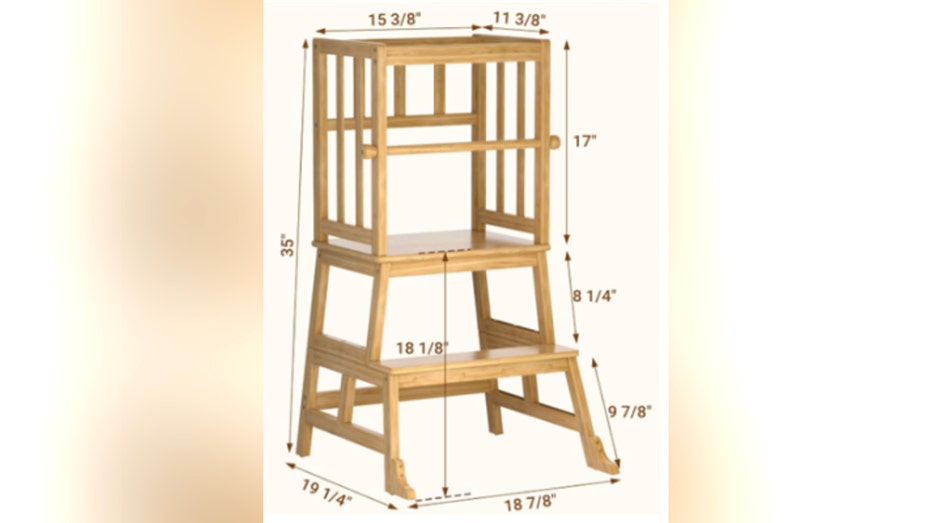
The recall covers Cosyland-branded children’s tower stools, models CS0003 and CS0092-4. The stools, sold in natural bamboo and gray finishes, stand about 35 inches tall and were sold on Amazon.com from April 2021 through November 2025 for about $70, according to a notice issued Thursday by the U.S. Consumer Product Safety Commission (CPSC).

Advertisement

“The recalled tower stools can collapse or tip over while in use, and a child’s torso can fit through the openings on the front and back sides, posing a risk of serious injury and death due to tip over, fall and entrapment hazards,” CPSC said.

INSTANT NOODLE RECALL ISSUED NATIONWIDE OVER POSSIBLE PEANUT CONTAMINATION

recall-cosyland-stools-children

Cosyland has received 25 reports involving stability issues and falls, including eight injuries.  (Consumer Product Safety Commission)

Cosyland has received 25 reports involving stability issues and falls, including eight injuries. 

Injuries ranged from minor cuts and bruises to a fractured arm, according to CPSC.

Advertisement

Consumers are urged to stop using the stools immediately and keep them away from children until they are repaired.

PET FOOD SOLD NATIONWIDE RECALLED OVER POTENTIAL SALMONELLA RISK

recall-cosyland-stools-children

The products were sold in the colors natural bamboo and gray and measure about 35 inches tall. (Consumer Product Safety Commission)

“Contact Cosyland Official for repair parts, which include protective nets, stabilizing feet, and installation instructions. The firm will mail the repair parts directly to consumers free of charge,” CPSC said.

The recalled products were imported by China-based Cosyland Official.

Advertisement

BABY FORMULA RECALLED AFTER TOXIN DETECTED AS OFFICIALS WARN PARENTS

recall-cosyland-stools-children

Consumers are urged to stop using the stools immediately and keep them away from children until they are repaired. (Consumer Product Safety Commission)

CLICK HERE TO GET FOX BUSINESS ON THE GO

The recall follows a similar action last month when nearly 13,000 toddler towers across three other brands were recalled after dozens of incidents and 21 injuries were reported due to the stools collapsing or tipping, according to CPSC.

Cosyland did not immediately respond to FOX Business’ request for comment.

Advertisement

FOX Business’ Landon Mion contributed to this report.

Continue Reading

Business

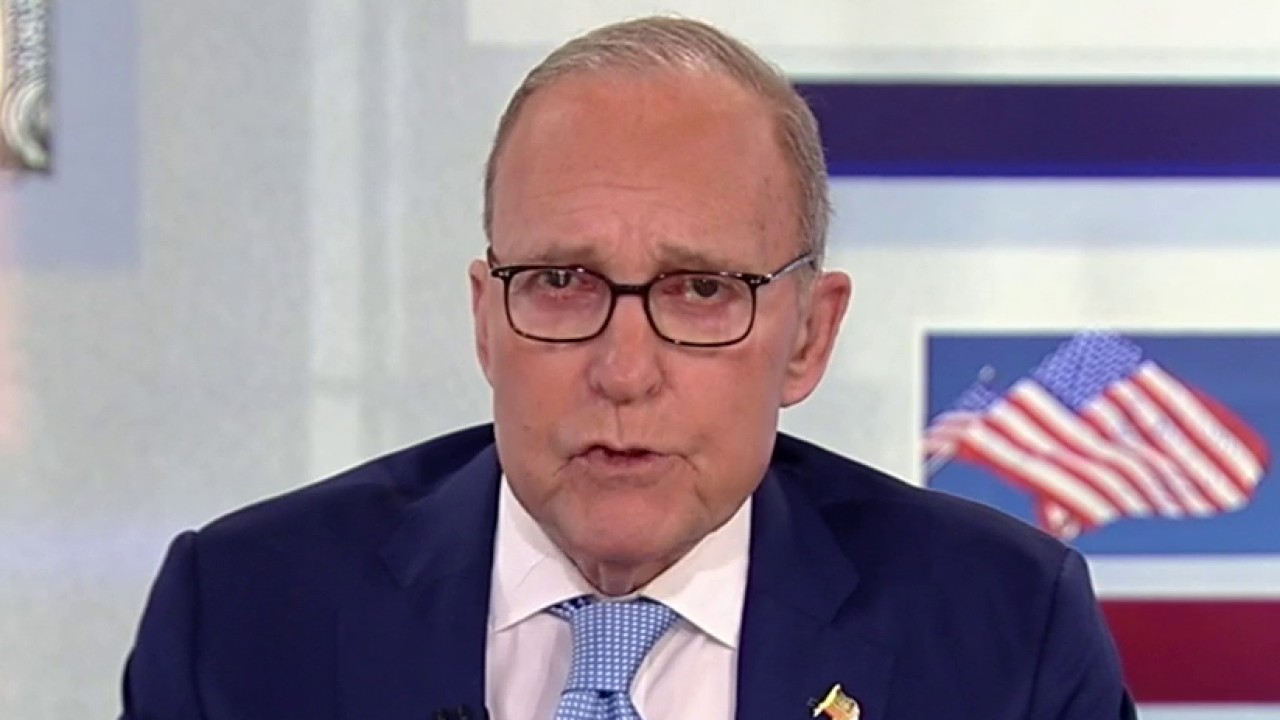
LARRY KUDLOW: Xi’s saber-rattling is no match for America’s Trumpian economic boom

Published

on

LARRY KUDLOW: American economic success — we have oil

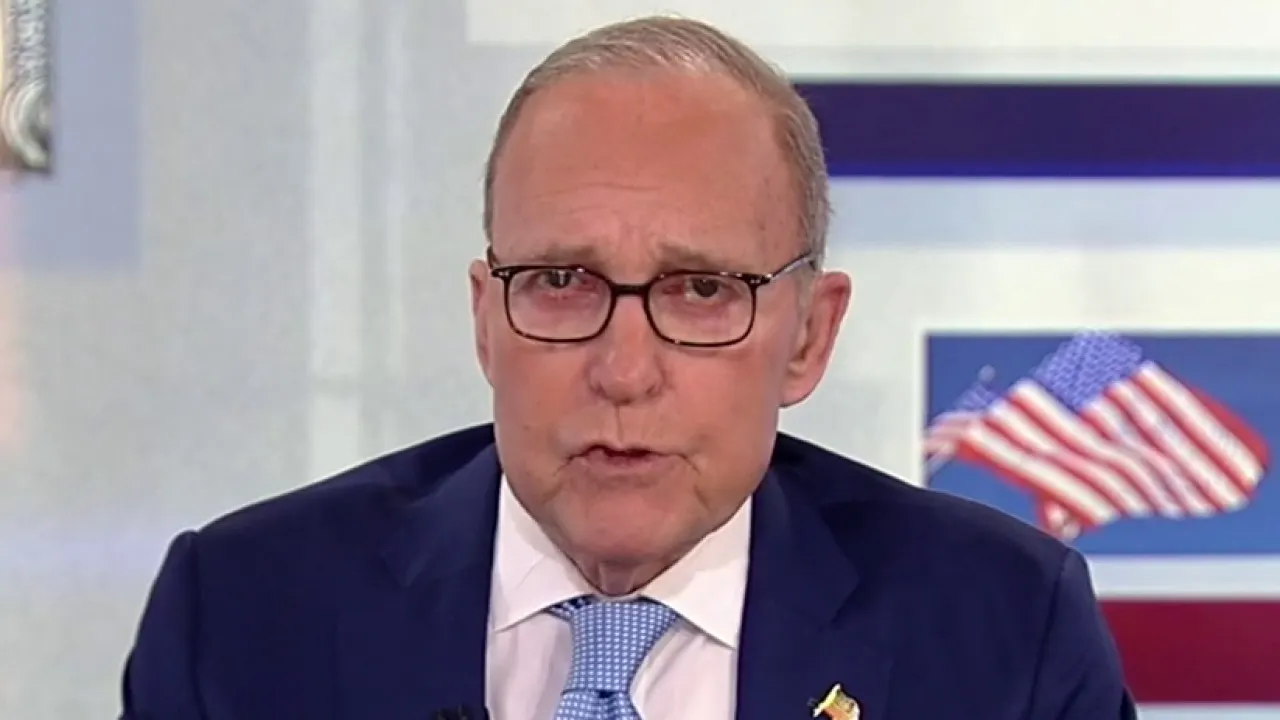
According to reports, President Xi Jinping did a little saber-rattling over the Republic of China on Taiwan with President Trump. More or less, he seemed to be saying if America doesn’t handle Taiwan properly, the two countries will clash — and put the relationship in great jeopardy.

No one really knows what that means, forever and ever we’ve had a policy of strategic ambiguity, which amounts to an American defense of Taiwan’s autonomy and independence. I don’t think any of that is going to change. Nor do I think Mr. Trump wants it to change; it’s not really negotiable. And Taiwan, and especially the Taiwan Semiconductor Manufacturing Company, or TSMC, may well be at the center of the world’s A.I. competition. That’s a Taiwanese company that has just opened a substantial operation at Phoenix, Arizona. As well as other places in America. I doubt very strongly that Mr. Trump wants any of that changed. Or worse, give it up. Mr. Xi is bluffing.

Advertisement

In recent weeks he has watched America end his influence in Venezuela, the Panama Canal, soon it will be Cuba, and of course Iran. I mean Communist China’s buying 90 percent of Iran’s oil and gas exports. But with Mr. Trump’s air-tight blockade of Iranian ports, China is starving for energy. They might make a deal with us, but that too remains to be seen if it comes under Treasury Man Scott Bessent’s investment board idea.

Meanwhile Mr. Trump has elbowed China out of the Middle East and out of the Western Hemisphere. And on top of all that, China’s economy has never recovered from the real estate property crash of a couple years ago. They used to post GDP growth rates of 15 percent or more. Now that’s down to 5 percent or even less, which is essentially for them a recession. And if they have bad economic statistics cropping up, they have decided not to publish them at all.

Remember, China is Communist China, the CCP. Way back in the 1980s and 1990s, they flirted with some free market reforms that actually improved their economy, and generated a functioning private sector. Yet in the 21st century under subsequent dictators, most notably Mr. Xi, the economy has been turned back into a tightly-run statist enterprise, with enormous corruption and repeated economic failure. 

Advertisement

In world trade, they are highly protectionist and rarely keep their promises to open up markets. As someone who worked on Mr. Trump’s first term Phase One trade deal, I can tell you a lot about their broken promises. My point here is that while China has invested substantially in a strong military, their economy is malfunctioning and their political standing in the world is slipping badly.

All this reminds me of President Reagan and Gorbachev. The American economy was booming in the Reagan 1980s. The Soviet economy was collapsing. Gorbachev desperately wanted Reagan to drop what was then known as Star Wars, which has now become the Golden Dome defense of America. And of course Mr. Trump’s Space Force. Anyway, Reagan refused to negotiate Star Wars away. He bluntly told Gorbachev that the strong American economy was producing the resources to support space defense, but that the Soviet economy couldn’t possibly match us.  

I think the same is true today with Messrs. Trump and Xi. Here’s my favorite statistic: on a per capita basis, American GDP is well over $90,000 per person. And China? On a per person basis their GDP is just shy of $14,000. That gives America a nearly seven-fold economic advantage over China. So Mr. Xi may saber-rattle all he wants, but Mr. Trump has the goods to keep America first.

Advertisement
Continue Reading

Business

U.S. reports no hantavirus cases from cruise outbreak, monitors 41

Published

on

U.S. reports no hantavirus cases from cruise outbreak, monitors 41


U.S. reports no hantavirus cases from cruise outbreak, monitors 41

Continue Reading

Business

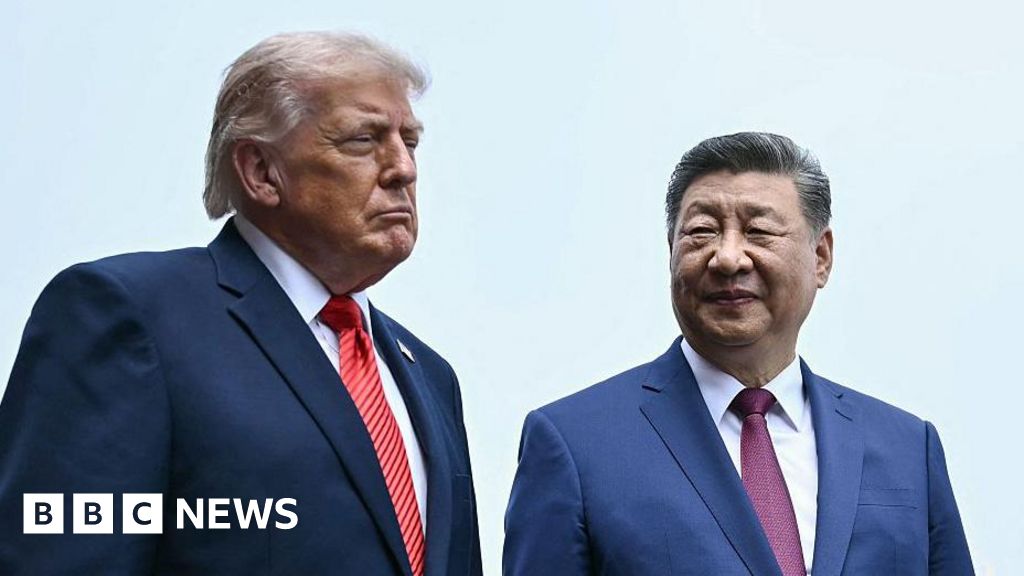
Trump and Xi hold talks but no trade deal agreed

Published

on

Trump and Xi hold talks but no trade deal agreed

President Xi said previous trade negotiations between the two countries in South Korea had delivered “progress”, according to China’s foreign ministry, but he paired that with a stark warning on Taiwan, saying: “If mishandled, the two nations could collide or even come into conflict.”

Continue Reading

Trending

Copyright © 2025