

Connect with us
DAPA Banner
DAPA Coin
DAPA
COIN PAYMENT ASSET
PRIVACY · BLOCKDAG · HOMOMORPHIC ENCRYPTION · RUST
ElGamal Encrypted MINE DAPA
🚫 GENESIS SOLD OUT
DAPAPAY COMING

Business

Pharma seen as safe bet amid currency volatility, says Ambareesh Baliga

Published

on

Pharma seen as safe bet amid currency volatility, says Ambareesh Baliga
Indian markets continue to navigate a challenging macro environment marked by currency volatility, elevated crude oil prices, and cautious foreign investor sentiment. In this backdrop, market veteran Ambareesh Baliga believes pharmaceutical stocks remain one of the safer sectors for investors seeking stability.

Speaking to ET Now, Baliga said the rupee is likely to remain range-bound unless crude oil prices cool significantly and foreign institutional investors return meaningfully to Indian equities.

“See, the currency would remain I suppose in this range unless, of course, your crude cools off and the FIIs start returning and that is at least some time away. So, from that point of view yes, one can be investing in pharma because that is one of those safer hiding spots especially in a scenario like this and again, there I would possibly go with the topline pharma companies as compared to the smallcap or the midcap ones,” Baliga said.

According to him, investors should focus on larger pharmaceutical companies rather than taking exposure to smaller midcap and smallcap names, especially in uncertain market conditions.

Advertisement

Jewellery Stocks May Face Pressure

Baliga also expressed caution on jewellery companies following recent earnings announcements and the impact of higher import duties on gold.
The rise in import duties, along with additional levies, has pushed gold prices significantly higher, potentially affecting demand and profitability across the sector. Baliga noted that jewellery companies may have to temporarily alter their business strategies, with greater reliance on recycled gold instead of fresh imports.
“Yes, and especially after PM Modi’s appeal most of them would have to change their business model at least temporarily, temporarily in the sense at least for the next one year that it will be more on the recycled gold than new gold and the way the duty also has been imposed it is going to be quite expensive. Already we have seen the gold prices going up, so because of which the volumes are also coming down to a certain extent. So, overall, if you are asking for the next two to three quarters, most of them will have margin issues and you just see the PN Gadgil’s numbers, clearly margins have fallen. So, for the time being one should stay away from most of these jewellery stocks, maybe take a fresh view in the next one or two quarters,” he said.
The comments indicate that the sector could witness pressure on both demand and operating margins in the near term.

Positive View on Tata Motors
On the automobile front, Baliga maintained a constructive stance on Tata Motors despite mixed quarterly numbers.

While the company’s domestic passenger vehicle business remained relatively stable, its luxury vehicle arm Jaguar Land Rover delivered a largely neutral performance. Baliga pointed out that JLR had faced operational issues over the last few months, but expects improvement going forward.

“That is true but again, we should remember that JLR had that issue in the last couple of months. Hopefully, going ahead that should be settled and because of which we should start seeing better numbers as far as JLR is concerned. So, at these levels I would still be a bit positive on Tata Motors,” he said.

Advertisement

Defence Theme Still Intact for Solar Industries
Baliga also shared a bullish long-term outlook on Solar Industries India, particularly due to its leadership position in defence products and consistent margin performance.

After initially missing the company name during the discussion, Baliga highlighted Solar Industries’ strong execution track record and healthy profitability metrics.

“Solar Industries has been a leader in that segment of defence products. So, the performance which the company has been showing I think that will continue even going ahead and consistently, if you see the margins, they have been quite high consistently all in the region of 26-28%. So, I expect the growth to continue. And if you are talking of the next four to five years, yes, we could see much better levels than where it is right now. I will not be surprised if you continue to see that 15% sort of a CAGR as far as the stock is concerned,” he said.

The remarks come at a time when defence-related stocks continue to attract investor attention amid strong order pipelines and increased government focus on domestic manufacturing.

Advertisement
Continue Reading
Click to comment

You must be logged in to post a comment Login

Leave a Reply

Business

Ryanair says it is ‘better prepared’ for European jet fuel crisis than rivals

Published

on

Business Live

Dublin-based budget airline upbeat despite Strait of Hormuz uncertainty

A Ryanair passenger plane coming into land at Liverpool John Lennon Airport

A Ryanair passenger plane coming into land at Liverpool John Lennon Airport(Image: PA)

Ryanair has insisted it is better placed to handle the looming jet fuel crisis than its European rivals, with the airline anticipating it will “widen the cost advantage” over competitors.

Advertisement

The Dublin-based carrier posted surging pre-tax profit, climbing 35 per cent, while maintaining a confident outlook despite the threat of fuel shortages.

The blockage of the Strait of Hormuz amid the Iran conflict has pushed global jet fuel shipments to their lowest level on record, potentially forcing the cancellation of thousands of summer flights.

However, Ryanair said fixed-term contracts covering the bulk of its fuel needs, combined with its “effectively debt free” status, leave it best equipped to ride out the turbulence, as reported by City AM.

“This financial strength further widens the cost gap between Ryanair and our competitors, many of whom are exposed to expensive (long-term) finance, rising aircraft lease costs and unhedged jet-fuel,” the company stated in its accounts.

Advertisement

Ryanair revealed that 80 per cent of its jet fuel requirements for the year ahead are locked in at $67 per barrel, while current market prices have rocketed beyond $150 per barrel.

While other airline chiefs have cautioned that this surge in jet fuel costs is proving more damaging than the Covid-19 pandemic, the Irish carrier maintained that Europe “remains well supplied” via routes through West Africa, the Americas and Norway. Yet the conflict leaves the industry in a state of uncertainty, with Ryanair chief executive Michael O’Leary stating: “The conflict in the Middle East has created economic uncertainty and we still don’t know when the Strait of Hormuz will reopen.”

The Irish carrier, which is listed on the Euronext Dublin, recorded an 11 per cent rise in revenue in the year to March, reaching €14.5bn (£12.6bn).

Passenger numbers climbed by four per cent to 208m, while pre-tax profit surged by 36 per cent to €2.4bn.

Advertisement

Ryanair anticipates passenger numbers will rise again in the coming year – by four per cent to 216m – however, the airline noted that holidaymakers are increasingly booking last-minute due to disruption caused by the Iran conflict on travel routes.

In December, the airline was handed a €256m fine by Italy’s competition watchdog over its allegedly “abusive” use of its dominant market position to restrict sales through online travel agents.

On Monday, Ryanair confirmed its lawyers are “confident” that they will overturn the “baseless” charge on appeal.

Nevertheless, the firm included an €85m charge on its balance sheet as a provision against the fine, accounting for roughly a third of its total value.

Advertisement

The airline also warned that EU environmental taxes are expected to surge by €300m this year to €1.4bn in total. The levies render air travel within the bloc “even less competitive,” Ryanair said.

Mr O’Leary has recently found himself at loggerheads with the boss of JD Wetherspoon over whether airports should serve early morning pre-flight pints. Ryanair’s chief executive accused airports of “profiteering” from enabling drunken behaviour, but pub chief Tim Martin came to the defence of his pubs, which have a large presence at airports.


Continue Reading

Business

Australian shares plunge to seven-week low

Published

on

Australian shares plunge to seven-week low

Australia’s share market has fallen to a seven-week low, as the ongoing conflict in Iran bolsters oil prices and inflation fears darken the global economic outlook.

Continue Reading

Business

Instant AI answers can trivialise human intelligence, warns Royal Observatory

Published

on

Instant AI answers can trivialise human intelligence, warns Royal Observatory

Paddy Rodgers said the Observatory’s rich history showed the power of human knowledge and the need to avoid “dependence” on AI.

Continue Reading

Business

FTSE 100 Slips 0.15% in Early Trade as Geopolitical Jitters and UK Political Uncertainty Weigh on Sentiment

Published

on

Tesla's robotaxi launch in Texas comes as Elon Musk focuses on his business ventures following his stint in Washington

LONDON — The FTSE 100 opened slightly lower Monday, dipping 15.40 points or 0.15% to 10,179.97 in early trading as investors grappled with lingering geopolitical risks, sticky inflation concerns and fresh domestic political noise in Westminster.

The benchmark index, which closed Friday at 10,195.37, traded in a range between 10,151.45 and 10,195.89 by 08:06 BST. Volume remained light in the opening minutes, typical for a Monday session, but the modest decline reflected cautious sentiment across European bourses amid ongoing global uncertainties.

Analysts pointed to a combination of factors pressuring UK large-cap stocks. Persistent tensions in the Middle East, particularly around U.S.-Iran developments, have kept oil prices elevated, raising fears of imported inflation for energy-dependent Britain. Brent crude has fluctuated recently, with any supply disruption risks keeping markets on edge.

Adding to the unease is Britain’s domestic political backdrop. Speculation around Prime Minister Keir Starmer’s leadership, including potential challenges from figures like Greater Manchester Mayor Andy Burnham and the resignation of key ministers, has introduced a “political premium” into asset pricing. Investors worry about potential shifts in fiscal policy, higher borrowing and impacts on business confidence.

Advertisement

Banking and mining stocks, heavyweights in the FTSE 100, showed mixed early moves. Recent HSBC earnings misses and broader sector caution have lingered from earlier in the month, while miners faced pressure from softer China demand signals and commodity volatility.

The index has experienced notable swings in 2026. It briefly surged past the 10,000-point milestone earlier in the year amid optimism over corporate earnings and global risk appetite, but repeated bouts of selling tied to geopolitical flare-ups have erased some gains. Year-to-date performance remains positive but vulnerable to external shocks.

Economists note that higher energy costs could complicate the Bank of England’s monetary policy path. While inflation has moderated from peaks, renewed oil price spikes threaten to delay rate cuts, supporting sterling but pressuring rate-sensitive sectors like real estate and utilities.

“Markets are pricing in a higher-for-longer interest rate environment combined with political noise,” said one London-based strategist. “The FTSE’s valuation remains attractive relative to global peers, but near-term catalysts are scarce.”

Advertisement

Broader European markets opened mixed. Germany’s DAX and France’s CAC 40 showed similar modest pressure, reflecting shared concerns over energy prices and global growth. U.S. futures pointed to a subdued Wall Street open, with focus shifting to upcoming economic data and corporate earnings.

On the corporate front, earnings season has delivered mixed signals. Strong results from select banks and industrials have provided support at times, but misses in key names and cautious outlooks have capped upside. Ex-dividend adjustments for several FTSE 100 constituents in May have also contributed to technical selling pressure.

The pound sterling traded steadily against the dollar in early sessions, reflecting a balance between safe-haven flows and expectations around UK rates. Gilt yields edged higher, signaling investor caution on long-term UK debt amid fiscal concerns.

Looking ahead, traders await further clarity on Middle East developments, U.S.-China relations and UK political stability. The upcoming U.S. data releases, including inflation figures, could set the tone for global risk sentiment. Any de-escalation in geopolitical hotspots would likely boost the FTSE, while escalation risks deeper losses.

Advertisement

Sector rotation has been evident in recent weeks. Defensive areas like consumer staples and healthcare have outperformed cyclicals at times, as investors seek shelter. Conversely, energy majors have benefited from elevated oil but faced volatility tied to broader sentiment.

The FTSE 250, home to more domestically focused mid-caps, often amplifies UK-specific risks. It has shown greater sensitivity to political headlines and domestic economic indicators, such as retail sales and employment data.

Longer-term, many analysts remain constructive on UK equities. Attractive dividend yields, undervalued multiples compared to U.S. markets and potential benefits from any global recovery continue to draw attention from international investors. However, near-term volatility is expected to persist.

Market participants also monitor the Bank of England’s next policy meeting for signals on rate trajectory. With inflation risks tilted upward due to energy, any hawkish tilt could weigh on equities, while dovish hints might provide relief.

Advertisement

Global factors beyond geopolitics include China’s economic recovery pace and U.S. policy under the current administration. Weak trade data from Asia has periodically pressured commodity-linked FTSE names, while optimism around potential trade deals has offered counterbalance.

For retail investors, the current dip may present selective opportunities in high-quality names with strong balance sheets and reliable payouts. However, professionals advise caution given the uncertain macro environment.

As trading progresses through the day, focus will remain on any breaking news from global capitals or corporate announcements. The FTSE 100’s performance this session could set the tone for the week, with many eyes on whether it can stabilize above the 10,150 level or test recent lows.

The modest early decline underscores the market’s fragile balance between attractive valuations and multiple headwinds. In a year marked by milestones like breaching 10,000 points followed by pullbacks, the index continues to reflect Britain’s position at the intersection of global risks and domestic challenges.

Advertisement

Investors will continue monitoring developments closely, as any resolution in geopolitical tensions or stabilization in UK politics could quickly shift momentum. For now, the FTSE 100 navigates choppy waters with characteristic British resilience.

Continue Reading

Business

Parker to leave Nine for Tattarang

Published

on

Parker to leave Nine for Tattarang

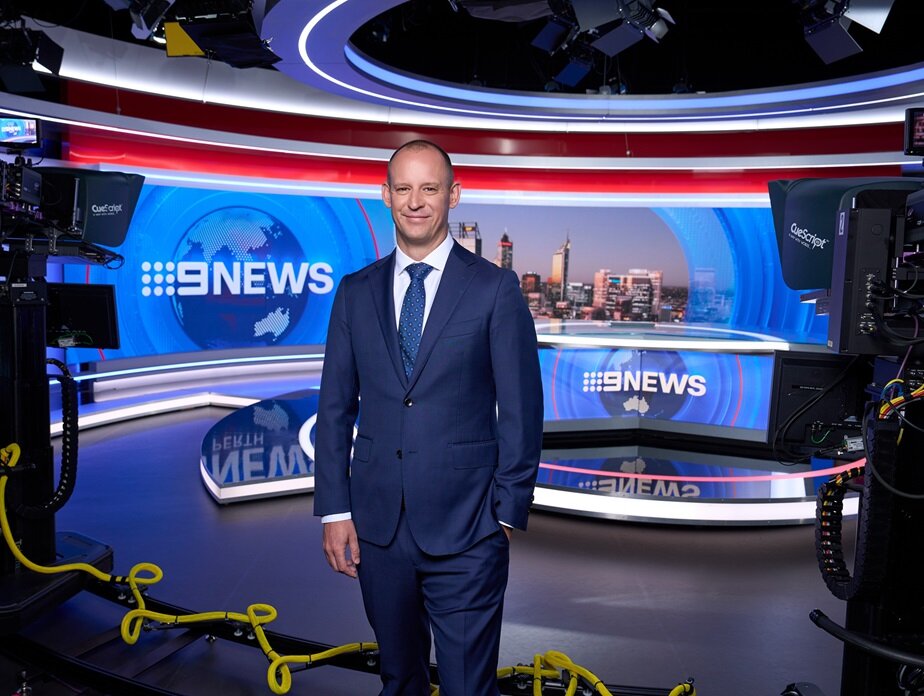
Nine Entertainment’s national news content director, Gareth Parker, has quit the network and will return to Perth to take up a role in the Forrest family’s business empire.

Continue Reading

Business

Macro worries cloud markets, but domestic fundamentals offer cushion: Sandip Sabharwal

Published

on

Macro worries cloud markets, but domestic fundamentals offer cushion: Sandip Sabharwal
The Indian market may be grappling with rising global uncertainty, elevated crude oil prices, and currency weakness, but market expert Sandip Sabharwal believes domestic corporate fundamentals are still providing a degree of stability beneath the volatility.

Speaking to ET Now, Sabharwal said that while global headlines are creating discomfort for investors, the underlying performance of Indian companies continues to remain relatively resilient.

Bharti-Prudential Deal Seen as Positive for the Group
Commenting on the recent developments involving Bharti Enterprises and Prudential plc, Sabharwal viewed the transaction positively, especially from the perspective of foreign capital inflows.“It is a positive deal because of the fact that any FDI coming in in a big way is always positive,” he said.

He added that insurance businesses require continuous capital support to sustain growth and expansion, making such investments beneficial from a long-term strategic standpoint.
Discussing the implications for ICICI Prudential Life Insurance and the asset management business, Sabharwal said the businesses are already operating smoothly and are unlikely to face disruption.
“Yes, so those businesses as such are on autopilot now and ICICI is a large group. So, from their perspective putting in capital is not so difficult,” he said.
According to him, continuity in operations is unlikely to be affected because both the life insurance and asset management businesses are performing reasonably well.

Oil Spike and Iran Conflict Remain Key Market Risks
Turning to the broader market environment, Sabharwal acknowledged that macroeconomic concerns are beginning to overshadow otherwise healthy corporate commentary.

Advertisement

“Yes, so that is what we have been discussing over the last few days that micro-wise from what the companies are saying how they are performing, etc, things look okay,” he said.

However, he cautioned that the ongoing Iran conflict and the resulting spike in crude oil prices are becoming major concerns for global markets.

“With the macro perspective, top-down this kind of stalemate in the Iran war where now oil inventories are at levels where every day’s disruption potentially leads to a further spike is becoming something of a concern,” Sabharwal noted.

Brent crude hovering around the $111 mark and persistent geopolitical uncertainty are weighing heavily on investor sentiment. Still, he suggested that the strong operational performance of Indian corporates could offer some downside protection to domestic equities.

Advertisement

India Still Among the Weakest Major Markets This Year
Addressing concerns that Indian markets may have rebounded too quickly from March lows, Sabharwal argued that the rally should be viewed in context.

“But you need to realise that first the Indian markets fell and then they rose, so effectively YTD if you see India is still the worst large size market,” he said.

He pointed out that several global and emerging markets have delivered significantly better returns this year, meaning India has underperformed in relative terms despite the recent rebound.

Sabharwal also indicated that some global capital could rotate out of expensive technology stocks into markets like India. However, he cautioned that elevated crude oil prices remain India’s biggest macro vulnerability.

Advertisement

“The fact of the matter today is that if crude oil persists at these levels or even spikes higher, on a macro basis India is significantly hurt more than many other economies,” he said.

IT Sector May See Tactical Recovery
On the information technology sector, Sabharwal said the recent fall in the rupee and a global shift away from richly valued AI stocks could trigger a short-term rebound in beaten-down IT counters.

“Not longer term, but as a reversal, like sort of mean reversal trade it is possible IT performs,” he said.

According to him, investors globally are beginning to rotate into cheaper software stocks for tactical opportunities rather than long-term strategic bets.

Advertisement

“So, there is a reasonable possibility that we could have some upside in the beaten down IT sector, which would depending on how the overall market does range between 10% to 15% also,” he added.

Vodafone Idea Still Faces Structural Challenges
Despite some recent optimism surrounding Vodafone Idea, Sabharwal remained unconvinced about its long-term competitive position against rivals like Bharti Airtel and Reliance Jio.

“Subscriber lost are not going to come back to them and their debt even after all this relief and equity infusion remains at levels where they are unlikely to report net profits anytime in the next five years,” he said.

He described the stock’s movement as largely speculative and argued that the company’s effective equity value remains negligible.

Advertisement

On the other hand, Sabharwal maintained a constructive long-term outlook on Bharti Airtel, citing restructuring efforts, merger activity, and capital inflows into the group’s insurance business as positives.

“Longer term it should continue to do well,” he said.

Private Banks Likely to Retain Leadership Over PSU Banks
Discussing the banking sector, Sabharwal said the outperformance phase for public sector banks may have largely played out after disappointing earnings from State Bank of India.

“Yes, I think so because the biggest challenge for PSU banks is garnering deposits at a time where most of the younger generation is actually moving towards private sector banks,” he said.

Advertisement

He explained that deposit mobilisation remains critical for long-term banking performance, and this shift in customer preference is putting pressure on the net interest margins of PSU banks.

While valuations remain reasonable and asset quality has improved, Sabharwal believes private banks are better positioned once the sector emerges from the current weak patch.

Continue Reading

Business

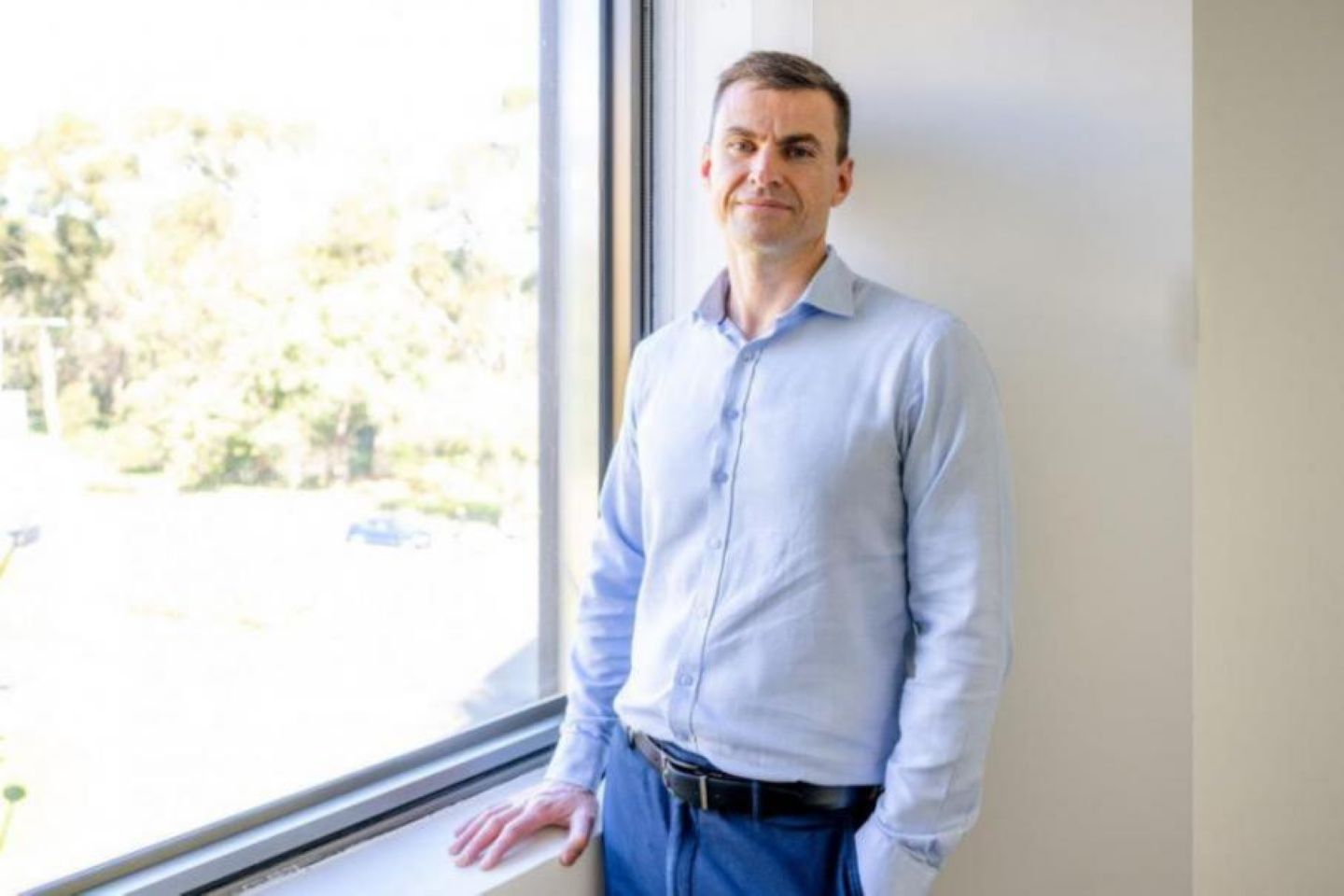
Solly begins tenure as Auric CEO

Published

on

Solly begins tenure as Auric CEO

Outgoing Auric Mining managing director Mark English says the arrival of former Black Cat Syndicate boss Gareth Solly could put it “in a near unassailable position” to achieve its goals.

Continue Reading

Business

Invesco Small Cap Value Fund Q1 2026 Commentary (Mutual Fund:VSCAX)

Published

on

Invesco Small Cap Value Fund Q1 2026 Commentary (Mutual Fund:VSCAX)

Invesco is an independent investment management firm dedicated to delivering an investment experience that helps people get more out of life.Be the first to know! Sign up for Invesco US Blog and get expert investment views as they post.Disclosure for all Invesco US articles: Before investing, carefully read the prospectus and/or summary prospectus and carefully consider the investment objectives, risks, charges and expenses. The information provided is for educational purposes only and does not constitute a recommendation of the suitability of any investment strategy for a particular investor. Invesco does not provide tax advice. The tax information contained herein is general and is not exhaustive by nature. Federal and state tax laws are complex and constantly changing. Investors should always consult their own legal or tax professional for information concerning their individual situation. The opinions expressed are those of the authors, are based on current market conditions and are subject to change without notice. These opinions may differ from those of other Invesco investment professionals. NOT FDIC INSURED MAY LOSE VALUE NO BANK GUARANTEE All data provided by Invesco unless otherwise noted. Invesco Distributors, Inc. is the US distributor for Invesco Ltd.’s retail products and collective trust funds. Invesco Advisers, Inc. and other affiliated investment advisers mentioned provide investment advisory services and do not sell securities. Invesco Unit Investment Trusts are distributed by the sponsor, Invesco Capital Markets, Inc., and broker-dealers including Invesco Distributors, Inc. PowerShares® is a registered trademark of Invesco PowerShares Capital Management LLC (Invesco PowerShares). Each entity is an indirect, wholly owned subsidiary of Invesco Ltd. ©2015 Invesco Ltd. All rights reserved.

Continue Reading

Business

Giannis Trade Buzz Explodes as LeBron Eyes Homecoming

Published

on

Ja Morant

NEW YORK — With the 2026 NBA Draft Combine underway and free agency looming, the rumor mill has shifted into overdrive. After a chaotic 2025-26 season that saw major midseason deals and several teams missing the playoffs, front offices are aggressively reshaping rosters. The Milwaukee Bucks’ willingness to listen on two-time MVP Giannis Antetokounmpo headlines the chatter, but LeBron James‘ uncertain future, Ja Morant’s availability and veteran stars like Kawhi Leonard and Donovan Mitchell are also fueling speculation.

Here are the top five trade and free-agency rumors circulating as of May 18, 2026:

1. Giannis Antetokounmpo on the Block After Bucks’ Playoff Miss

The biggest story dominating the league involves Antetokounmpo and the Bucks, who finished 32-50 and missed the playoffs for the first time since 2016. Milwaukee is now “open for business” on trade offers for the 31-year-old superstar, seeking young talent and a haul of draft picks, according to multiple reports.

Advertisement

Boston Celtics lead betting odds as the favorite destination at 21-28%, with fans dreaming of a superteam alongside Jayson Tatum. Other suitors include the Cleveland Cavaliers, who reportedly contacted Milwaukee before the February deadline, the Houston Rockets, Golden State Warriors and Miami Heat. A potential sign-and-trade or straight deal would require multiple first-round picks and a blue-chip prospect like Evan Mobley or Tyler Herro.

Antetokounmpo holds a player option and has not formally demanded a trade, but the relationship appears strained. Owner Jimmy Haslam wants clarity before the June 23 draft. Any deal would reshape the Eastern Conference landscape and likely spark a bidding war unseen since the Kevin Durant era.

2. LeBron James Weighs Free Agency Future, Cavs Homecoming Possible

LeBron James, fresh off exercising his player option, enters unrestricted free agency uncertain about his 24th season. The 41-year-old has not ruled out returning to the Los Angeles Lakers but is seriously considering other options, with Cleveland and Golden State emerging as top landing spots.

Advertisement

A return to the Cavaliers, where he won a title in 2016, carries strong narrative appeal, especially after Cleveland’s deep playoff run. However, salary-cap constraints could force a sign-and-trade or veteran minimum deal. The Warriors view James as a potential mentor for Stephen Curry’s final championship window, with their Olympic chemistry and Draymond Green friendship as key draws.

New York Knicks and even the Clippers have been mentioned, but cap issues complicate those paths. James prioritizes contention and family considerations. His decision will ripple across the league, potentially opening cap space for the Lakers to pursue other stars alongside Luka Doncic.

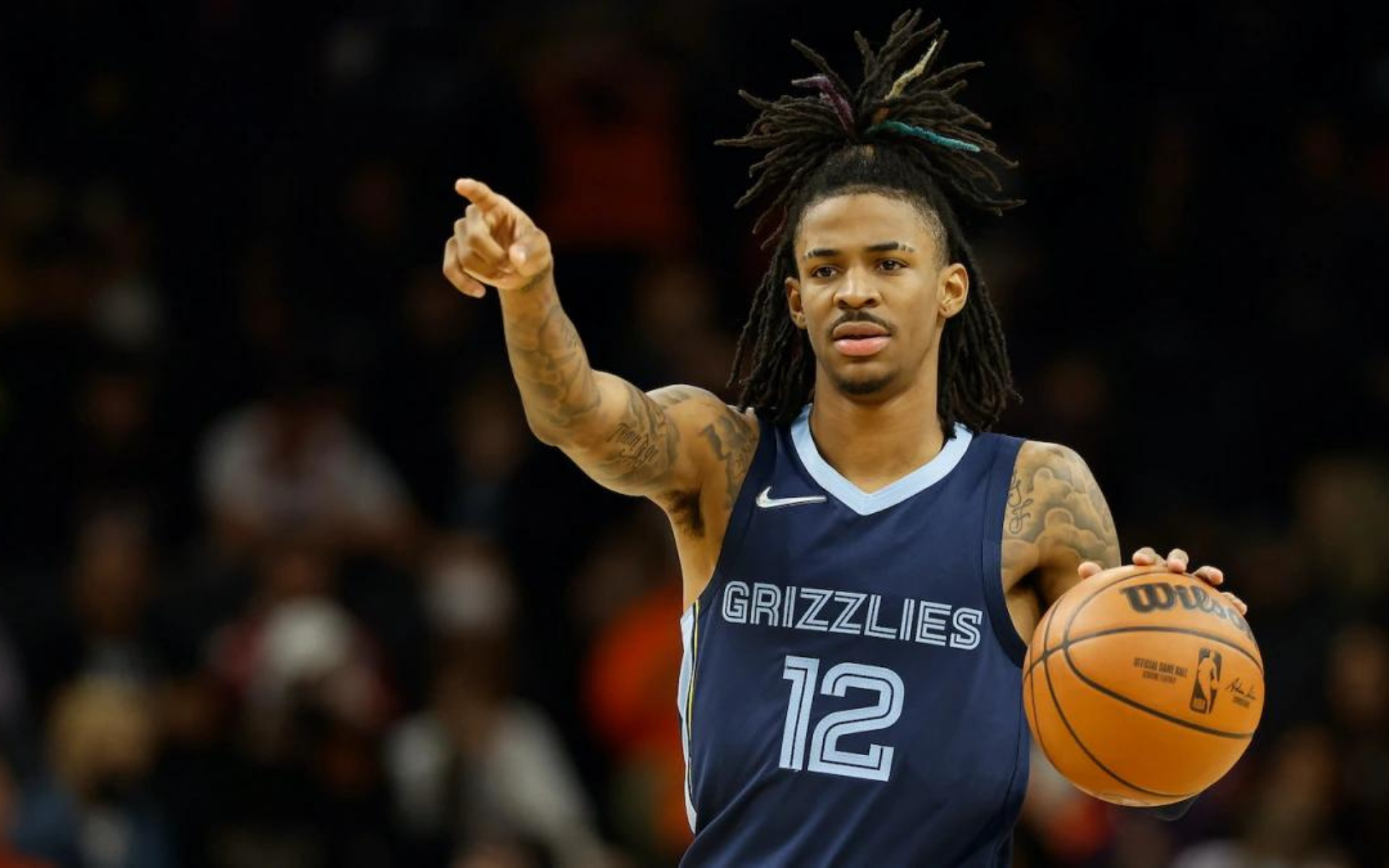
3. Ja Morant Trade Talks Heat Up as Grizzlies Embrace Rebuild

Memphis Grizzlies appear ready to move on from Ja Morant after another turbulent season and the acquisition of a high draft pick. The dynamic guard, once the face of the franchise, is drawing interest from several teams despite past off-court issues.

Advertisement
Ja Morant
Ja Morant

Potential suitors include the Toronto Raptors, Sacramento Kings, Phoenix Suns and possibly the Chicago Bulls or Brooklyn Nets in multi-asset packages. Grizzlies could package Morant with their No. 3 pick in blockbuster scenarios to accelerate a full reset. Teams see his explosive athleticism as a high-upside gamble if paired with strong veterans and structure.

Memphis has already traded key pieces like Jaren Jackson Jr., signaling a new direction. Morant’s massive contract makes any deal complex, but executives believe his trade value could rise later in the offseason once draft and free-agency dust settles.

4. Kawhi Leonard’s Clippers Future in Doubt Amid Extension Talks

Kawhi Leonard’s situation with the Los Angeles Clippers remains murky. The 35-year-old delivered one of his strongest offensive seasons in years, but the team’s lottery finish and ongoing league investigation into alleged cap circumvention have raised questions about long-term commitment.

Clippers reportedly plan to offer an extension, yet many around the league believe trading Leonard for assets and draft capital makes more sense for a rebuild. Potential destinations include the Philadelphia 76ers, New York Knicks, Detroit Pistons or Portland Trail Blazers. His two-time champion pedigree and two-way ability still command premium value despite injury history.

Advertisement

A move would free the Clippers to lean into their young core and high draft picks while giving Leonard a fresh start on a contender.

5. Donovan Mitchell Extension or Trade Decision Looms for Cavs

Cleveland Cavaliers star Donovan Mitchell faces a crossroads. With the team pushing deep into the playoffs, Mitchell’s elite scoring makes him a prized asset, but contract extension talks or a potential trade could define their offseason.

Mitchell has drawn interest leaguewide if Cleveland explores changes. Pairing him with a potential Giannis acquisition has been floated in mock trades. The Cavs must balance retaining core pieces like Jarrett Allen and Evan Mobley while addressing roster needs.

Advertisement

Other notable rumors include Kevin Durant possibly heading to the 76ers, Paul George to the Rockets and various role-player swaps involving Michael Porter Jr. or Domantas Sabonis. Draft-night deals involving lottery picks could also accelerate bigger moves.

The 2026 offseason promises fireworks. With the salary cap rising and several stars eligible for new deals, expect aggressive maneuvering as teams position for the next title window. The Giannis saga alone could trigger a domino effect across the league.

League insiders caution that many rumors will evolve rapidly in the coming weeks. The draft in late June and free agency starting in early July will separate speculation from reality. For now, NBA Twitter and front offices remain glued to every report as the association’s biggest names potentially change uniforms.

Advertisement
Continue Reading

Business

Fractile & Isomorphic Labs Top UK Ranking 2026

Published

on

Fractile & Isomorphic Labs Top UK Ranking 2026

Britain’s artificial intelligence sector has produced its first heavyweight league table of 2026, with Barclays placing Oxford-founded chip designer Fractile and Google DeepMind spinout Isomorphic Labs at the centre of its new AI 100 ranking, a list that crystallises just how quickly the UK’s AI economy is maturing.

The bank’s Eagle Labs division, the high-street lender’s start-up incubator network, unveiled the inaugural ranking this week to spotlight the country’s fastest-growing AI businesses. Its publication coincides with what is shaping up to be a record year for the sector, with UK AI companies hoovering up £8.3bn of investment in 2025 alone and cementing London’s status as Europe’s most prolific AI capital.

For Britain’s policymakers, under pressure to deliver on the Prime Minister’s pledge to “mainline AI into the veins” of the economy, the league table arrives at a politically charged moment. For investors, it offers a useful shortlist of the companies global capital is now chasing hardest.

Oxford chip pioneer joins the unicorn club

Few names on the ranking have captured boardroom attention quite like Fractile. The Oxford-founded business, set up in 2022 by former university researcher Walter Goodwin, this week banked a $220m (£165m) Series B led by Peter Thiel’s Founders Fund, with Accel and Factorial Funds joining the cheque.

The round vaults Fractile into the so-called unicorn bracket and underlines a belief among Silicon Valley’s most influential investors that the next great AI bottleneck will not be cleverer algorithms, but the eye-watering cost of running them. Mr Goodwin’s firm is racing to build inference chips that promise to slash the price of deploying AI models at commercial scale, a problem that has come to dominate boardroom conversations from Wall Street to Whitehall.

Advertisement

Industry watchers say the deal is one of the clearest signals yet that British deep-tech, long accused of losing its champions to American buyers, can hold its own on global capital markets. It also lands at a moment when Westminster is leaning heavily on the semiconductor sector to underpin its growth narrative, having earlier expanded backing for chip start-ups through the ChipStart programme.

Isomorphic eyes a pharma revolution

If Fractile represents the picks-and-shovels end of the AI gold rush, Isomorphic Labs sits at the other extreme. The London-based drug-discovery business, spun out of Google DeepMind in 2021 under the stewardship of Sir Demis Hassabis, recently sealed a $2.1bn (£1.57bn) funding round, one of the largest AI raises seen in Europe to date.

The company is using machine learning to accelerate the early-stage development of new medicines, an area where pharmaceutical giants have spent years grappling with stubbornly long timelines and ballooning research budgets. Big Pharma is already paying attention: AstraZeneca and Eli Lilly have inked partnerships, and a maiden in-house drug candidate is expected to enter clinical trials before the end of the year.

For an industry where the average new medicine takes more than a decade and over $2bn to bring to market, the prospect of AI compressing that timeline is no longer theoretical. It is precisely the sort of productivity dividend that researchers at HSBC say could deliver a £105bn revenue uplift to Britain’s mid-sized firms by 2030 if AI adoption keeps pace.

Advertisement

A boom under scrutiny

Yet for all the bullish numbers, Britain’s AI investment surge is not without its sceptics. A recent investigation by the Guardian questioned whether several headline-grabbing pledges promoted by ministers — including data-centre commitments linked to Nvidia-backed groups Nscale and CoreWeave, had been overstated.

The newspaper reported that some projects billed as brand-new infrastructure were in reality expansions of existing facilities. The Department for Science, Innovation and Technology (DSIT) rejected the bulk of the claims but conceded it was “not playing an active role in auditing these commitments”.

The episode is symptomatic of a broader credibility test now facing governments worldwide as they trumpet AI as the engine of future growth. The UK has so far announced a £500m Sovereign AI Unit and additional billions of pounds in compute and infrastructure spending, but ministers are increasingly being asked to demonstrate that the eye-catching figures translate into real jobs, factories and tax receipts.

A maturing market

Even so, the trajectory looks unmistakable. With more than £8bn raised across the sector last year, five fresh unicorns minted and at least 67 exits worth a combined £4bn, the British AI ecosystem is no longer trading on potential alone. Smaller players are also benefiting: Eagle Labs’ broader incubator network, which has supported thousands of regional start-ups through schemes such as its £12m regional grant programme, is increasingly being used as a pipeline-builder for the next cohort of AI 100 candidates.

Advertisement

For Barclays itself, the ranking is a useful piece of brand-building among the founders it hopes to bank for years to come. For Britain, it is something rather more consequential, an early glimpse of the companies that may, within a decade, sit alongside the country’s established corporate giants.

As one venture capitalist put it this week: “Five years ago, you’d struggle to name three UK AI businesses worth backing. Today you can’t fit them on a single page.” On the strength of Barclays’ latest list, that problem is unlikely to disappear any time soon.


Jamie Young

Jamie Young

Jamie is Senior Reporter at Business Matters, bringing over a decade of experience in UK SME business reporting.
Jamie holds a degree in Business Administration and regularly participates in industry conferences and workshops.

When not reporting on the latest business developments, Jamie is passionate about mentoring up-and-coming journalists and entrepreneurs to inspire the next generation of business leaders.

Advertisement

Continue Reading

Trending

Copyright © 2025