

















There are plenty of porous materials out there that we’re all readily familiar with. Fabrics and wood are great examples, allowing liquids or gases to pass through to a certain degree—a property which is useful or problematic depending on the application.
Metals, however, are not something we would readily consider to be porous. They are solid, unyielding, and impermeable. However, with the right techniques, it is possible to produce so-called “breathable” steel, which has particularly interesting applications in the molding industry.
Breathe Into Me And Make Me Real
Imagine you’re making tooling for an injection molding operation. You’re using steel, of course, because you need a hard, resilient material that can deal with the high temperatures and pressures involved. It’s tough, and readily able to be machined into the desired geometry for your application. Of course, it doesn’t let liquid or gas pass, since it’s a solid impermeable material. This means that when you inject your mold full of hot plastic, you need to find somewhere for the air inside to go. Otherwise, the gas in the mold will end up dissolved in the molten plastic, causing voids, surface imperfections, and other irregularities. Chasing away gas porosity defects in finished parts is one of the major jobs of casting engineers the world over, an endless battle against the forces of heat transfer and fluid mechanics.
Traditionally, this is deal by designing a mold with exhaust ports or vacuum hookups to allow the air to vent out as needed. This takes a great deal of work to get right, particularly when it comes to getting your defect rates as low as possible in mass production. If your gas can’t vent fast enough, or if there are areas where it gets trapped, you end up with defects, and you have to go back to the drawing board.
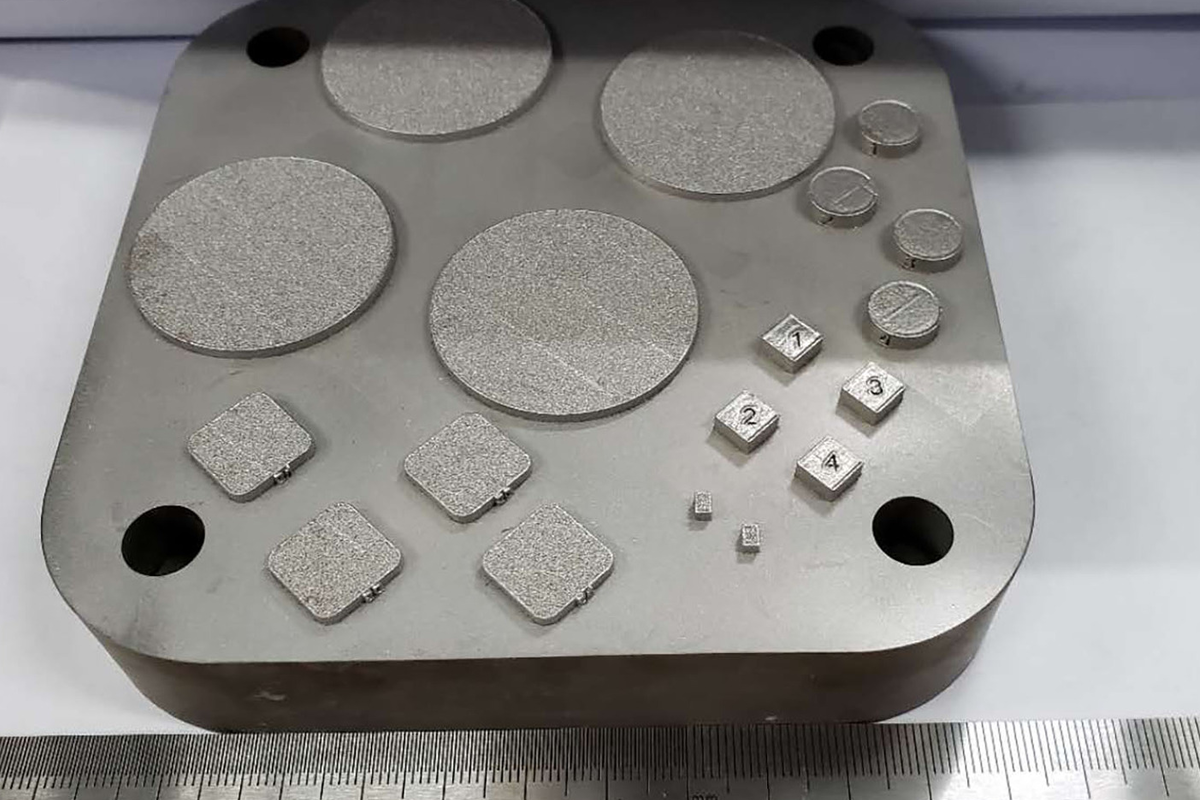
Breathable mold steel attempts to solve this problem by venting gas through the tooling itself. It allows the creation of a steel mold that is full of tiny little pores that allow air to pass through, while still acting largely impermeable to the molten plastic being molded.
Breathable mold steel is quite something to behold, behaving quite unlike a normal steel part in this regard.
As you might imagine, it’s quite difficult to make a steel mold with complex geometry that also has lots of tiny contiguous holes that allow gases to pass through. It is possible, however, by using some tricky additive manufacturing techniques.
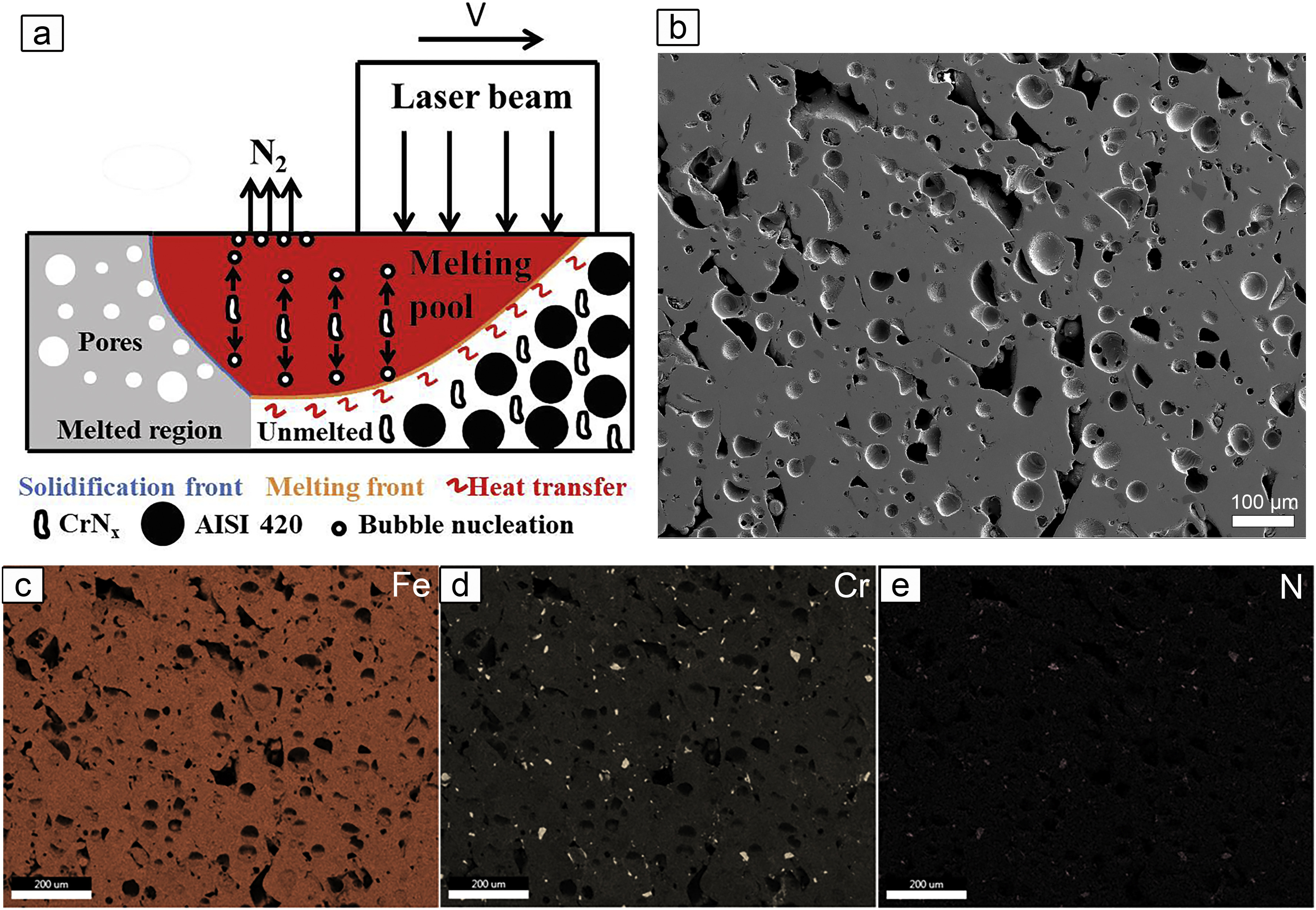
As outlined in one research paper, it’s possible to produce breathable steel via selective laser melting (SLM) 3D printing techniques. This involves using a high-powered laser to fuse metal powder together, layer by layer, to produce a final part. Combining a foaming agent with the metal powder enables the creation of 3D-printed metal parts with incredibly fine interconnected pores.
The pores need to be particularly small, on the order of 80 micrometers or less, such that they allow gas in the mold to pass freely while blocking the flow of the larger polymer molecules of the injected plastic.
Chromium nitride is one foaming agent typically used, for the fact that the Cr and N released during its decomposition both lend beneficial properties to the steel of the finished product. The foaming agent is mixed in with the steel powder, and melts along with it as the part is being produced. The breakdown of the foaming agent releases gas bubbles which creates pores in the steel part as it is produced in a relatively predictable manner.
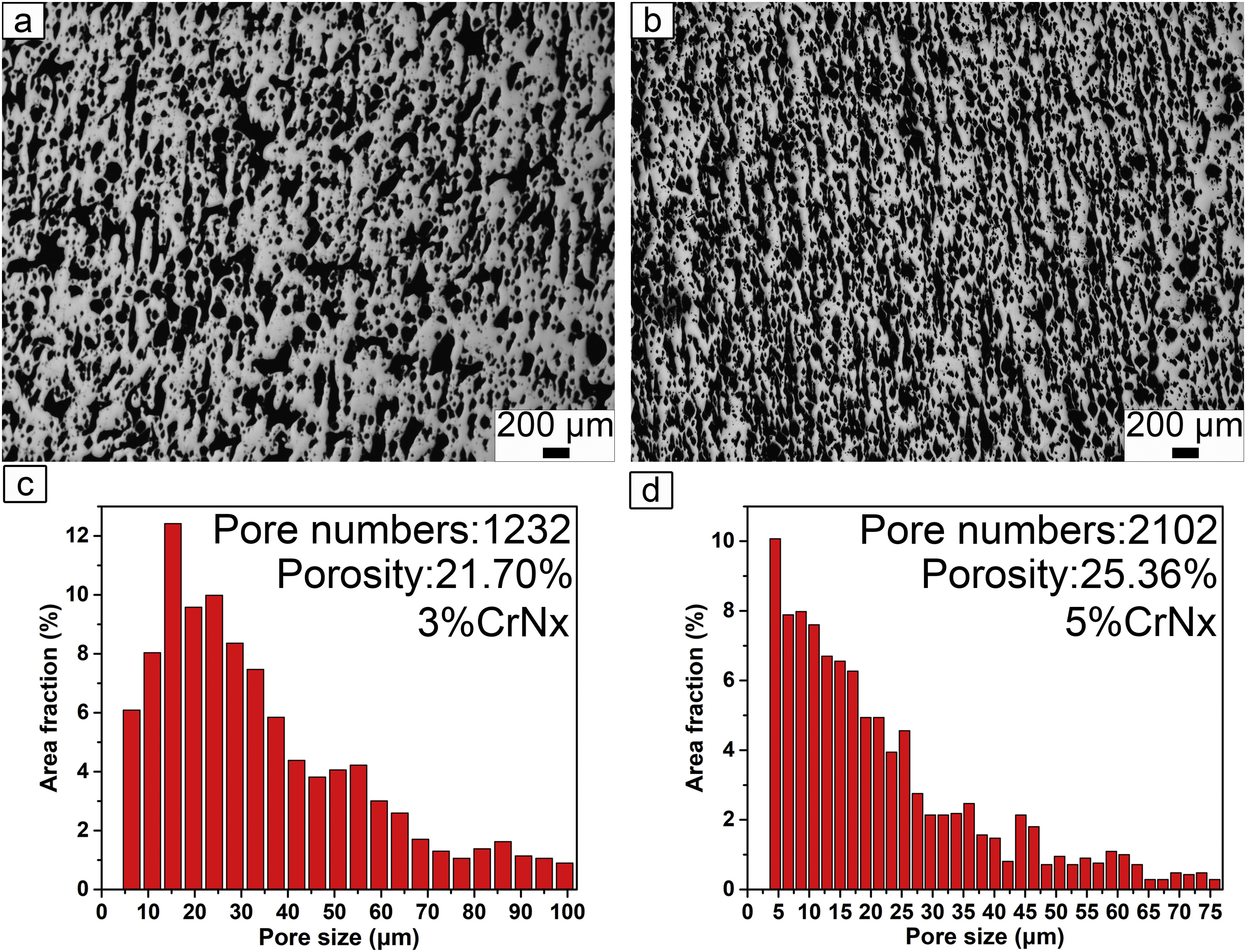
The level of porosity can be controlled by the amount of foaming agent mixed in to the steel powder, as well as the laser settings. Lower melt pool temperatures caused by faster scanning speeds or lower laser powers tend to favor more porous structures, due to the fluid mechanics involved and how the cooler liquid steel flows into existing pores.
There have been earlier attempts to vent molds with special breathable steel inserts in the past. These consist of premade rectangular inserts or round bars which have been made with so-called “ventilated steel” like PM-35. This material is made by sintering steel powders together in such a way to create a porosity of 20-30%. However, this process isn’t always great for advanced geometry that one might find in a injection mold. Thus, the creation of breathable rods and bars that can be used as an insert in a larger mold, acting as a localized vent. It’s a useful technique, but comes with more constraints on mold and part geometry than being able to simply create the whole mold itself out of breathable steel.
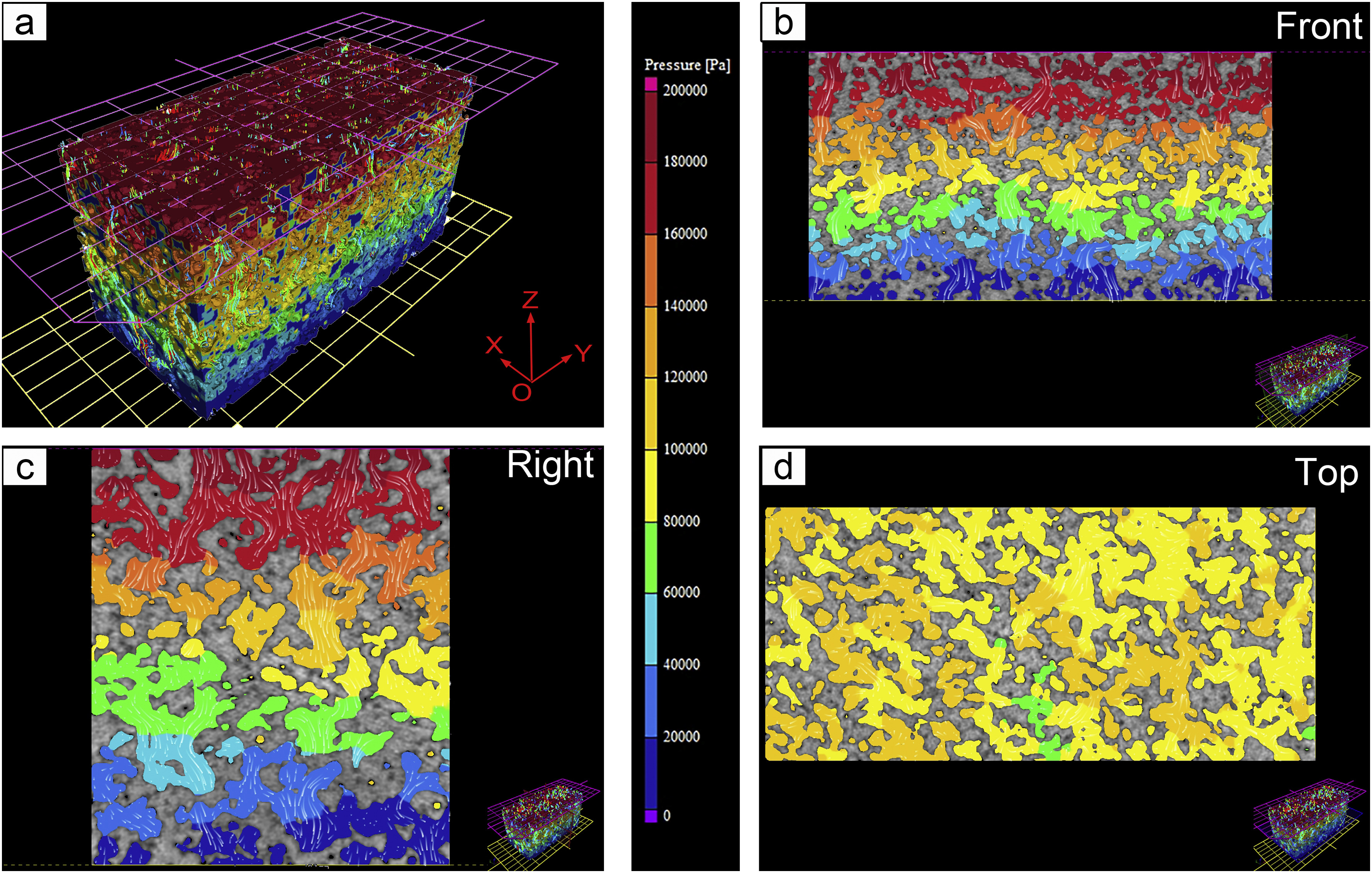
There are other powder metal techniques that allow the production of more complex vented parts, but they can be expensive and difficult to execute well down to smaller pore sizes, especially compared to the simplicity of SLM printing with an additional foaming agent. The 3D-printing based process has also proven to have more admirable mechanical properties compared to products like PM-35 steel in some cases, with impressive compressive strength as well as hardness and corrosion resistance.
Breathable steel is probably not something you’ll come across in your everyday life unless you happen to work in particular manufacturing fields. Still, if you have the expensive 3D printing hardware on hand to work with metal powders, and you really want to make a complex metal part that’s also porous, this is a great way to go. You could probably use it to make some very weird magic tricks at the very least. Ultimately, it just goes to show that modern material processing techniques can upend everything we think we know about a common material like steel. It’s amazing what can be done!


















































You must be logged in to post a comment Login