Connect with us
DAPA Banner
DAPA Coin
DAPA
COIN PAYMENT ASSET
PRIVACY · BLOCKDAG · HOMOMORPHIC ENCRYPTION · RUST
ElGamal Encrypted MINE DAPA
🚫 GENESIS SOLD OUT
DAPAPAY COMING

Business

Why Australia’s Digital Leisure Economy is Growing Fast

Published

on

Craps remains one of the most popular games in casinos due to the energy with which it is played, and it conveys an energizing touch, which is allied with risk.

If you’ve paid any attention to the sudden explosion of online keno in Australia, you’re actually looking at a symptom of a much larger shift.

Over the past ten years, the way Australians interact with entertainment, mobile tech, and online services has completely transformed. We’ve moved away from rigid schedules and bulky setups.

Instead, whether it’s interactive gaming ecosystems, streaming media, or real-time digital experiences, today’s businesses like keno online in Australia are having to adapt to an audience that demands total convenience. We want instant engagement, and we want it across all our connected devices without a single hiccup.

The Shift Toward Bite-Sized, Mobile-First Entertainment

A massive piece of this puzzle comes down to the simple fact that our phones and networks are finally good enough to handle our demands. Widespread smartphone adoption paired with high-speed mobile connectivity means Australians now expect to be entertained instantly, no matter where they are. This has opened up huge opportunities for platforms that can deliver fast and responsive services.

Australia’s underlying tech infrastructure deserves a lot of the credit here. We now have much better broadband access and stronger mobile networks, which have essentially wiped out the technical bottlenecks that used to make online entertainment so frustrating. Because of this, digital platforms can handle a lot more traffic and deliver smooth, real-time experiences whether you’re sitting in a Sydney cafe or relaxing in a regional town.

Advertisement

This mobile-first mentality has also fundamentally changed how we fit leisure into our day. Gone are the days when we always needed to set aside a two-hour block for entertainment. Instead, people gravitate toward short-session experiences that slide easily into a busy routine. The massive shift toward remote and hybrid work environments has only amplified this. With more flexible schedules and a lot more time spent hovering near connected devices, people are sprinkling quick gaming or streaming sessions into their daily lives far more frequently than they used to.

How AI and Personalization Keep Us Hooked

Modern consumers have zero patience for generic experiences. We expect platforms to figure out what we want almost automatically. If you look at any major entertainment ecosystem right now, customized interfaces and behavior-driven content suggestions are the absolute bare minimum. Businesses are heavily leveraging data analytics and machine learning simply because they have to—it’s the only way to keep people engaged and stop them from jumping to a competitor.

Behind the curtain, Artificial Intelligence is doing an incredible amount of heavy lifting. AI systems are constantly chewing through behavioral data to figure out how to optimize the user experience. They recommend the right content, streamline customer support, and even flag unusual account activity to prevent fraud. It’s this technology that allows companies to manage millions of users while somehow making the experience feel entirely individualized.

Australia’s younger, digitally native demographics are really driving this push. They adopt new tech faster than anyone else and have incredibly high standards for how responsive a mobile experience should be. To win them over, businesses have to prioritize clean designs, deep personalization, and platforms that encourage continuous interaction. On top of that, social media is now deeply baked into the experience. Online communities, user-generated content, and influencer marketing aren’t just add-ons; they are core strategies for bringing in new users and keeping them around through strong social engagement loops.

Advertisement

Seamless Payments and the Invisible Tech Keeping Things Running

Of course, none of this growth happens if it’s hard for people to spend their money. Payment innovation has been a massive accelerator for the online leisure market. We now expect transactions to be completely frictionless. Whether it’s instant deposits or secure mobile checkouts integrated directly into an app, fintech advancements like digital wallets and biometric logins have made spending money online incredibly easy.

This slick financial infrastructure is exactly what has allowed subscription models and transaction-driven entertainment to take off so rapidly. People are comfortable managing their money within these digital ecosystems, giving businesses a golden opportunity to offer fully integrated, hassle-free account systems.

But keeping all of this running requires some serious backbone, which is where cloud computing steps in. Entertainment platforms deal with wildly unpredictable traffic—think of a massive surge during a live event or a Friday night. Scalable cloud infrastructure lets these companies expand their computing power on the fly so the platform doesn’t crash when everyone logs on at once.

Naturally, as more money and time flow into these platforms, cybersecurity has become a monumental priority. Businesses are pouring money into advanced encryption, AI-powered threat monitoring, and fraud detection. They know that if they lose consumer trust, the whole ecosystem falls apart.

Advertisement

Navigating a Crowded, Highly Regulated Future

The competition in Australia’s digital economy is getting fierce. With aggressive new startups and massive international platforms constantly flooding the market, businesses can’t just rely on having good content or cheap pricing anymore. They have to stand out through flawless user experiences, genuine technological innovation, and rock-solid reliability.

At the same time, the rules of the game are changing. Regulatory developments surrounding privacy, consumer data, and digital transactions are constantly evolving on a global scale. Companies are walking a tightrope—trying to build highly personalized, data-hungry platforms while staying strictly compliant with ethical data practices and new legal obligations.

Looking ahead, Australia’s digital leisure economy is only going to keep expanding. As mobile connectivity gets even faster, AI gets smarter, and fintech becomes more invisible, we are going to see entirely new forms of interactive entertainment emerge. Digital leisure isn’t just some secondary offshoot of the economy anymore. It has grown into a powerhouse of innovation and investment, completely reshaping Australia’s technological and cultural landscape.

Advertisement

Continue Reading
Click to comment

You must be logged in to post a comment Login

Leave a Reply

Business

Gap (GAP) earnings Q1 2026

Published

on

Gap (GAP) earnings Q1 2026

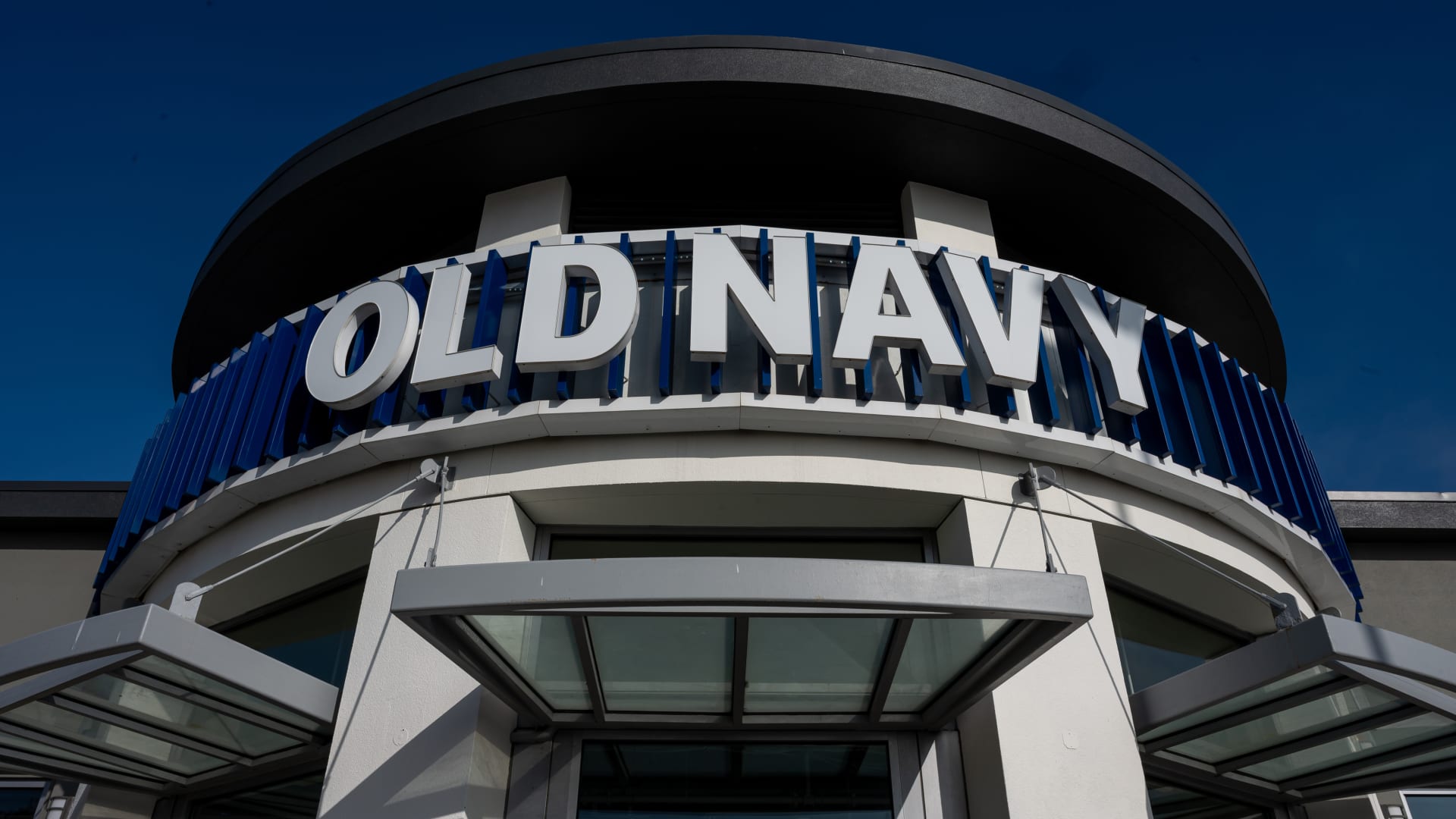
Sales at Gap‘s largest brand Old Navy fell short of expectations during its fiscal first quarter, leading the retailer to cut its sales guidance on Thursday.

During the quarter, Old Navy’s comparable sales grew 1%, while analysts expected them to grow 3%, according to StreetAccount.

As a result, Gap cut its sales outlook and is now expecting companywide sales to grow between 1% and 2%, down from a prior range of between 2% and 3%.

Gap’s stock dropped more than 14% in extended trading following the results.

Advertisement

In an interview with CNBC, CEO Richard Dickson attributed the sluggish sales to a spring and summer assortment that failed to land with shoppers – not a larger macroeconomic issue. 

“It’s not a consumer issue,” said Dickson. “We’re winning with all income cohorts across low, middle, and high. When you have the right product at the right price value equation, customers are there, and our seasonal categories just got off to a weaker start.”

While Old Navy caters to lower- to middle-income shoppers, who have felt economic shocks like soaring gas prices more acutely than higher-income cohorts, those customers are still shopping — just in different categories.

Dickson said sales of Old Navy’s dresses and swimming shorts were particularly weak, while active, denim and kids categories were strong. He said the brand is working to boost sales with better price points and marketing and has seen trends start to improve.

Advertisement

Still, as Old Navy’s slowdown has persisted into the current quarter, the company is taking a “moderated view” of the year, Dickson said. Considering that the brand accounts for almost 60% of Gap’s overall revenue, any pressure on Old Navy impacts the entire company.

While Gap cut its sales outlook for the year, its profitability is another story. The company raised its guidance and is now expecting adjusted earnings per share to be between $2.30 and $2.40, compared with a prior range of between $2.20 and $2.35. 

Here’s how the specialty apparel company performed during the fiscal first quarter compared with what Wall Street was anticipating, based on a survey of analysts by LSEG:

  • Earnings per share: 38 cents adjusted vs. 37 cents expected  
  • Revenue: $3.50 billion vs. $3.52 billion expected

Sales rose to $3.50 billion, up slightly from $3.46 billion a year earlier. 

The company’s reported net income for the three-month period that ended May 2 was $339 million, or 90 cents per share, compared with $193 million, or 51 cents per share, a year earlier. Excluding one-time items related to a hefty legal settlement, Gap saw earnings per share of 38 cents. 

Advertisement

Chief Financial Officer Katrina O’Connell attributed the higher earnings forecast to tax rate favorability and interest income. The company is expecting an $80 million benefit from reduced tariff rates, but she said she didn’t factor that into the guidance and is instead reserving it. Half will be put aside to account for higher fuel prices, while the other half will be reserved in case the company needs to dial up promotions to stimulate demand.

Here’s a closer look at how each brand performed.

Gap: Comparable sales at Gap’s namesake banner, the center of its turnaround, soared 10% during the quarter, far better than the 5.5% growth analysts had expected, according to StreetAccount. Sales overall grew 10% as well to $796 million. The right marketing and a better presence in key categories like denim, fleece and kids drove the quarter. 

Banana Republic: Comparable sales fell short at the workwear brand, growing 2% while analysts had expected 4%, according to StreetAccount. Overall sales grew 1% to $431 million. It’s the fourth consecutive quarter of positive comparable sales at Banana Republic. Earlier this month, Gap announced the former CEO of PVH Americas, Donald Kohler, was appointed to be the brand’s next CEO. “We’re getting better in women’s, including pants and sweaters in particular that performed well,” said Dickson. “[Kohler] brings incredible, deep experience across luxury, premium, specialty retail and we’re really excited for him to lead the brand’s next chapter.”

Advertisement

Athleta: Sales at Gap’s athleisure brand continued to suffer. Comparable sales were down 11% while overall sales fell 12%. New CEO Maggie Gauger, a Nike veteran, has worked to streamline the assortment, and Dickson expects some improvement in the back half of the year. “It’s in the hands of the consumer,” he said. “We’ve just got to deliver that to them, and then we’ll see how they respond.”

Old Navy: Sales grew 1% to $2 billion, while comparable sales were up 1%, worse than expected. 

Continue Reading

Business

CBS picks new ’60 Minutes’ leader from outside TV news

Published

on

CBS picks new ’60 Minutes’ leader from outside TV news


CBS picks new ’60 Minutes’ leader from outside TV news

Continue Reading

Business

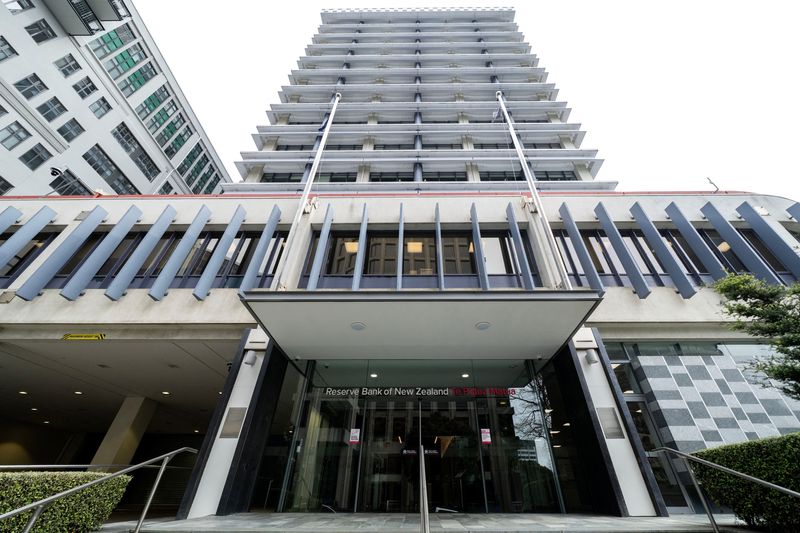
RBNZ MPC member Gourley says rates likely to rise sooner rather than later

Published

on

RBNZ MPC member Gourley says rates likely to rise sooner rather than later


RBNZ MPC member Gourley says rates likely to rise sooner rather than later

Continue Reading

Business

Jannik Sinner’s Controversial Medical Timeout at French Open Draws Criticism from Analyst Jim Courier

Published

on

Jannik Sinner

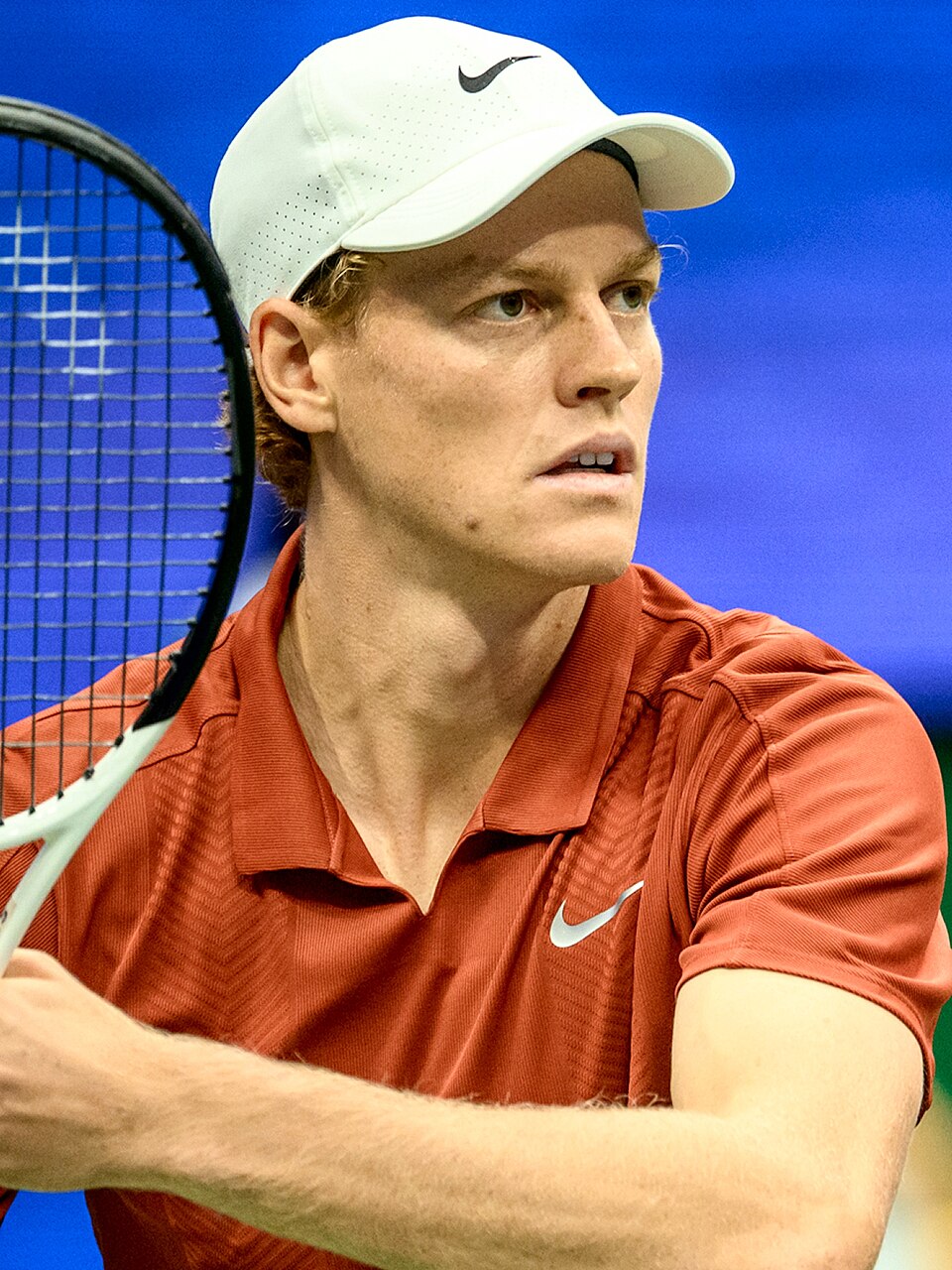
PARIS — World No. 1 Jannik Sinner was granted a medical timeout for apparent cramping during his second-round match at the 2026 French Open on Thursday, a decision that sparked immediate controversy and sharp criticism from TNT analyst and former player Jim Courier.

Sinner, who had dominated the first two sets against Argentina’s Juan Manuel Cerundolo, suddenly faltered in the third set while leading 5-1. After losing 15 consecutive points and appearing to grab his back, the Italian requested assistance. Following a conversation with the chair umpire in which Sinner mentioned concerns about dehydration, officials allowed him to take a medical timeout and briefly leave the court for treatment.

Courier, calling the match for TNT, strongly disagreed with the ruling. “This is absolute baloney,” he said on air. “That’s not fair. That’s not right.” He added later, “We love the top players, they drive the sport, but you’ve gotta apply the rules fairly. The rules are being bent for the top players.”

Tennis rules generally prohibit medical timeouts specifically for cramping, as the condition is often viewed as a fitness issue rather than an acute injury. The decision allowed Sinner time to recover, after which he returned to the court but ultimately dropped the third set, extending the match.

Advertisement

Match Context and Turning Point

Sinner entered the match as the clear favorite, having won the first two sets convincingly. His sudden physical decline at 5-1 in the third set shifted momentum dramatically in favor of Cerundolo, who capitalized on the Italian’s apparent discomfort to force a fourth set.

The timeout came at a critical juncture. While Sinner eventually regained some composure, the incident raised questions about consistency in rule enforcement, particularly for top-ranked players. Tennis analysts noted that lower-ranked players have occasionally been denied similar requests in past tournaments.

Sinner has dealt with occasional physical issues in the past, including a hip problem that affected his preparation for earlier events. However, he entered the 2026 French Open as the top seed and defending champion from previous hard-court successes, making the cramping episode unexpected.

Reactions and Rule Debate

Courier’s pointed criticism resonated widely on social media and among tennis observers. The former French Open champion emphasized that while he respects Sinner’s talent, the rules should apply equally regardless of ranking.

Advertisement

The International Tennis Federation and ATP Tour have clear guidelines on medical timeouts. Players may receive treatment for verifiable injuries or illnesses, but cramping is typically not eligible for such breaks to prevent strategic abuse. Umpires have discretion in borderline cases, which often leads to debate.

This is not the first time a high-profile player has faced scrutiny over medical timeouts at Roland Garros. Similar incidents in previous years involving other top players have prompted calls for stricter enforcement and clearer guidelines from governing bodies.

Sinner’s team has not publicly commented on the specific incident beyond standard post-match remarks. Cerundolo, who mounted a strong comeback attempt, focused on his own performance when speaking briefly with media after the match.

Broader Implications for Tennis

The controversy highlights ongoing challenges in professional tennis regarding player fitness, rule consistency, and the balance between athlete welfare and competitive fairness. As the sport’s physical demands increase with longer seasons and more powerful playing styles, cramping and fatigue-related issues have become more common.

Advertisement

Many players and coaches have called for better hydration protocols, improved scheduling, and potentially longer recovery periods between matches at Grand Slams. However, others argue that current rules already provide sufficient flexibility and that further leniency could undermine the sport’s integrity.

The French Open, known for its demanding clay courts and longer rallies, has historically seen more physical issues than faster surfaces. Organizers have increased medical support and cooling breaks in recent years, but debates over when such interventions cross into unfair advantages persist.

Sinner’s Path at Roland Garros

Despite the third-set setback, Sinner remained the strong favorite to advance. His overall dominance in 2025 and 2026, including multiple Grand Slam titles, has established him as the clear leader in men’s tennis. The incident, while controversial, did not appear to derail his campaign entirely, though it provided ammunition for critics questioning his resilience under pressure.

Cerundolo, ranked outside the top 50, played inspired tennis after the timeout and pushed the match longer than many expected. His performance earned respect from observers, even in defeat.

Advertisement

Fan and Media Response

Social media reaction was swift and divided. Supporters of Sinner argued that dehydration concerns justified the timeout and that the umpire made the correct on-court decision. Critics, including many neutral fans, sided with Courier’s assessment that the rules appeared to be applied inconsistently.

Broadcast clips of the umpire conversation and Courier’s commentary quickly went viral, amplifying the discussion. Tennis commentators on other platforms echoed concerns about fairness in high-stakes matches.

As the tournament progresses, officials may face increased scrutiny on medical timeout decisions. The French Tennis Federation has not issued an immediate statement on the specific incident.

Looking Ahead in the Tournament

Sinner’s match highlighted the physical toll of best-of-five set Grand Slam tennis. With temperatures rising in Paris during the second week, hydration and recovery management will remain critical for all players.

Advertisement

The controversy also comes at a time when tennis governing bodies are reviewing rules to modernize the sport while preserving its traditions. Any changes regarding medical timeouts would likely require extensive consultation with players, umpires and medical experts.

For now, the focus returns to on-court action. Sinner, despite the hiccup, remains a top contender for the 2026 French Open title. His ability to overcome physical challenges could become a defining narrative of his campaign.

The incident serves as a reminder of the fine line between legitimate medical needs and competitive strategy in elite tennis. As technology and sports science advance, expect continued debate over how best to balance player health with the spirit of fair competition.

Advertisement
Continue Reading

Business

Materion Corporation (MTRN) Presents at KeyBanc Capital Markets 2026 Industrials & Basic Materials Conference – Slideshow

Published

on

OneWater Marine Inc. (ONEW) Q1 2026 Earnings Call Transcript

Materion Corporation (MTRN) Presents at KeyBanc Capital Markets 2026 Industrials & Basic Materials Conference – Slideshow

Continue Reading

Business

Zoetis Inc. (ZTS) Presents at Stifel Jaws & Paws Conference 2026 Transcript

Published

on

OneWater Marine Inc. (ONEW) Q1 2026 Earnings Call Transcript

Zoetis Inc. (ZTS) Stifel Jaws & Paws Conference 2026 May 28, 2026 3:00 PM EDT

Company Participants

Wetteny Joseph – Executive VP & CFO
Kristin Peck – CEO & Director

Advertisement

Conference Call Participants

Jonathan Block – Stifel, Nicolaus & Company, Incorporated, Research Division

Presentation

Advertisement

Jonathan Block
Stifel, Nicolaus & Company, Incorporated, Research Division

All right, guys. Good afternoon. Next up, we have Zoetis. I’m pleased to have on stage with us their CEO, Kristin Peck; and Wetteny Joseph, their CFO.

I got a lot to discuss, a lot to get into. Guys, if you have questions, throw up your hand. I’m going to try to go in some sort of order or structure and see if I can abide by that.

Advertisement

Question-and-Answer Session

Jonathan Block
Stifel, Nicolaus & Company, Incorporated, Research Division

So let’s start with the updated 2026 guidance. Top line organic operational growth was 0 in the quarter — in the first quarter. It did have a benefit. And the updated full year guidance calls for 2% to 5%. So some of the incoming that I’ve been getting is like, look, other than comps, why do things get better for the balance of the year? Maybe if you could just call out maybe some of the drivers there.

Advertisement

Wetteny Joseph
Executive VP & CFO

Sure. I’ll start, Jon, on this. And as we shared on the call, as we look at the balance of the year, there are a number of areas that we anticipate sequential improvement in. You would have seen in the quarter, for the first time in 5 quarters, we saw OA pain actually saw sequential growth. We’ve been talking about, although modest, but we’ve been talking about stabilizing OA pain for some time now and our multipronged execution is taking hold, and we’re seeing some of that impact as we saw in the quarter. If you look at

Advertisement
Continue Reading

Business

American Eagle (AEO) earnings Q1 2026

Published

on

American Eagle (AEO) earnings Q1 2026

American Eagle‘s two key brands are moving in different directions.

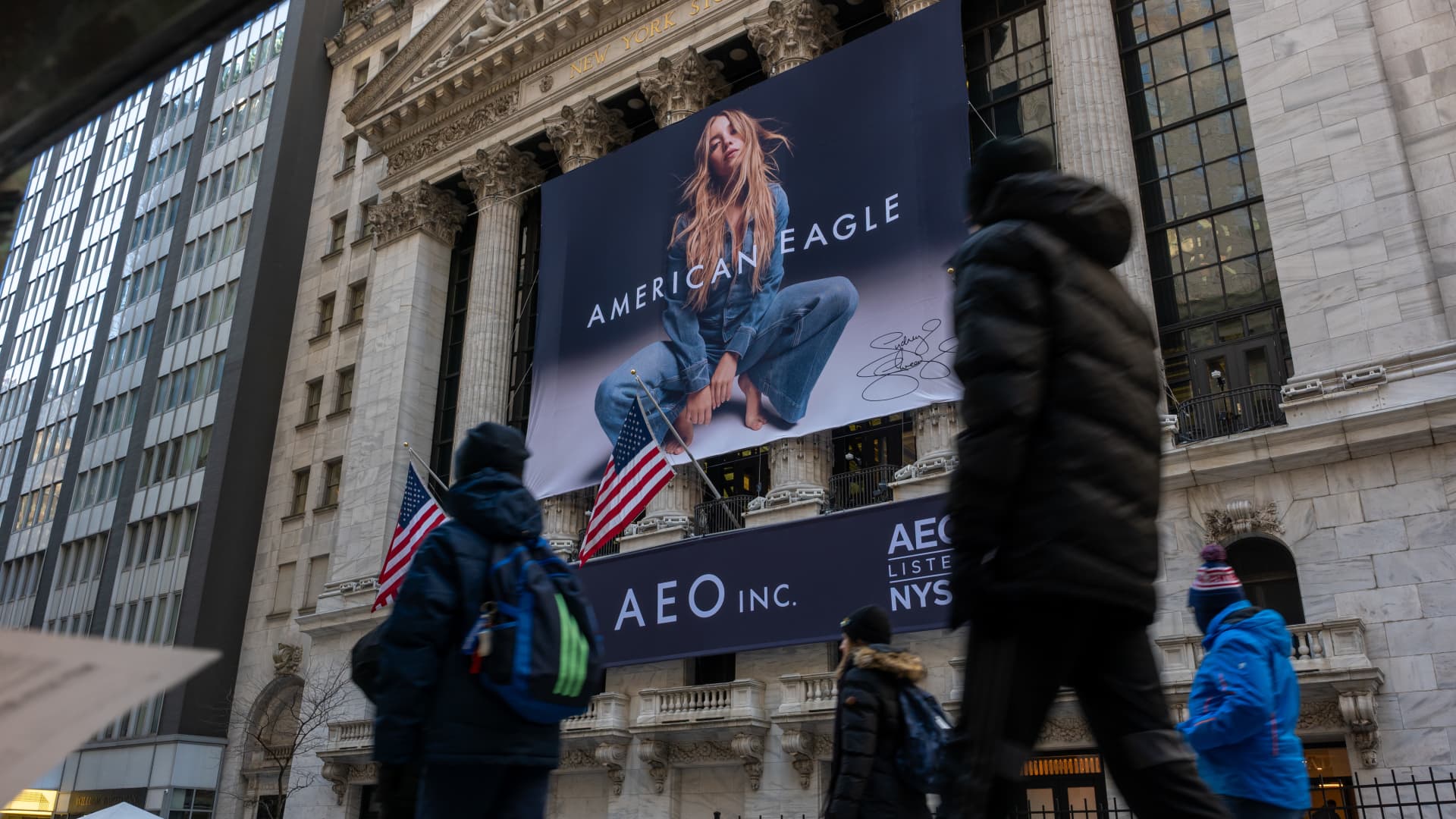
Revenue at the retailer’s namesake banner fell during its fiscal first quarter, even after it ramped up its marketing campaign with actress Sydney Sweeney. Meanwhile, sales at its intimates brand Aerie spiked during the quarter.

The trends at the retailer appeared to disappoint Wall Street, as shares tumbled more than 10% in extended trading.

In the three months ended May 2, comparable sales at the American Eagle banner fell 2%, far worse than the 3.1% growth that analysts had expected, according to StreetAccount. Meanwhile, comparable sales at Aerie soared 25%, beating expectations of 19.1%.

Advertisement

Net revenue for the American Eagle brand dropped 2% to $678.4 million, while Aerie revenue jumped about 34% to $480.83 million.

Combined, the business saw comparable sales grow 8%, short of expectations of 8.6%, according to StreetAccount. 

“While results at American Eagle were mixed, our teams are moving decisively to reignite the women’s business and strengthen product execution and brand positioning,” CEO Jay Schottenstein said in a news release

“Looking ahead, our priorities are clear. Despite continued consumer and macroeconomic uncertainty, we remain confident in our ability to navigate near-term headwinds,” he added.” We are focused on operational excellence and disciplined execution to drive long-term value for AEO and our shareholders.” 

Advertisement

Here’s how the apparel company performed during the fiscal first quarter compared with what Wall Street was anticipating, based on a survey of analysts by LSEG:

  • Earnings per share: 14 cents vs. 12 cents expected
  • Revenue: $1.20 billion vs. $1.19 billion expected

During the quarter, American Eagle posted net income of $23.53 million, or 14 cents per share, compared with a loss of $64.90 million, or 36 cents per share, a year earlier. 

Sales rose to $1.20 billion, up 10% from $1.09 billion a year earlier. 

American Eagle reiterated full-year guidance and issued an outlook for the current quarter. For the year, the company expects mid-single digit percentage comparable sales growth and an increase in gross margin.

In the second quarter, the retailer is expecting comparable sales to rise by a mid-to-high single digit percentage, compared to estimates of 6.5% growth, according to StreetAccount. It’s expecting its gross margin to be down compared to the prior year during the period.

Advertisement

During the quarter, American Eagle reignited its campaign with the “Euphoria” star Sweeney ahead of the summer shopping season, but took a tamer approach than the controversial campaign it launched last year under the slogan: “Sydney Sweeney has great jeans.” This time around, instead of cleavage and double entendres, Sweeney was all smiles in a modest, casual look on the beach. 

Though the two campaigns were different, the effect has been the same – neither led to a major increase in sales at American Eagle’s namesake banner. 

During a call with analysts, Schottenstein said marketing is leading to stronger engagement among new and existing customers, but moving forward, the company will “recalibrate spending” to ensure it’s getting the strongest return on investment. Later on, President Jennifer Foyle said marketing has driven “awareness and consideration” and now the company is “focused on conversion.”

During the quarter, selling, general and administrative costs, which include marketing, increased 11% to $376 million — which was in line with sales growth at Aerie but less so at American Eagle. For the back half of the year, the company said it plans to focus more of its marketing dollars on social influencers and other forms of digital media, which carry a higher propensity of conversion, the company said.

Advertisement

Beyond marketing woes, Foyle said the sales declines at American Eagle primarily came from the women’s bottoms segment — not having enough of the styles shoppers wanted and too much of the ones they didn’t.

“As merchants, we move quickly when we see opportunities and when we see misses. And we are already making adjustments. As we head into the crucial back-to-school season, we are refining our bottoms architecture, specifically optimizing key silhouettes and risers while leveraging our chase capabilities to inject fresh newness,” said Foyle. “At the same time, we are scaling high-demand categories within women’s tops to fully maximize ongoing consumer momentum.”

When asked how its core consumer was holding up given high gas prices and other macroeconomic pressures, Schottenstein said he thinks the U.S. economy is “very strong” and only going to get better.

“We think with gas prices hopefully will start settling down very shortly and with the, you know, current affairs, hopefully we’ll come to some type of finish,” said Schottenstein. “Hopefully it’ll be a very good finish for the world and we’re very optimistic on that.”

Advertisement
Continue Reading

Business

Disney’s ABC files early FCC broadcast licenses renewal

Published

on

FCC launches review of Disney broadcast licenses

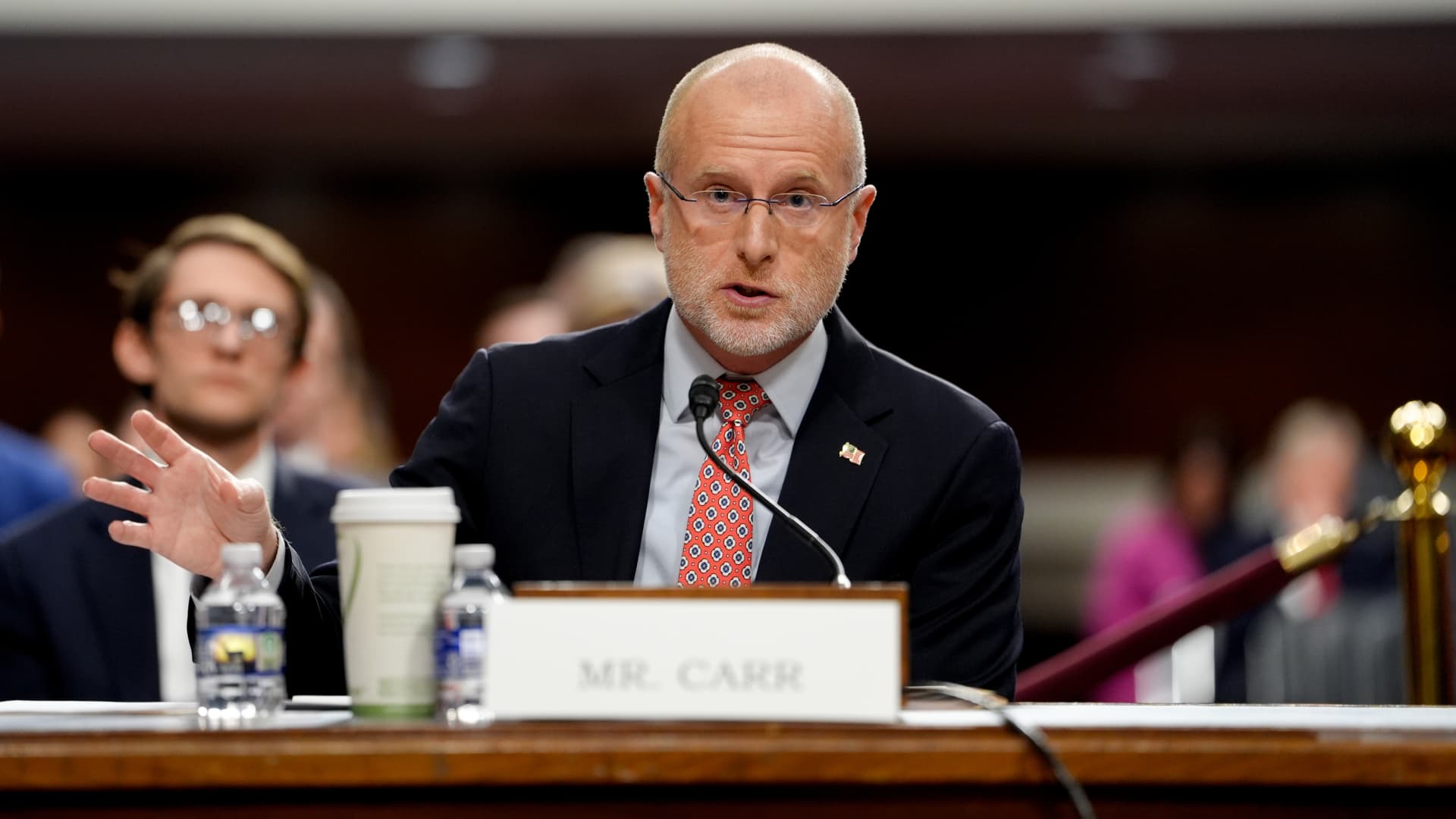
Brendan Carr, commissioner at the Federal Communications Commission (FCC), during a Senate Commerce, Science, and Transportation Committee oversight hearing in Washington, DC, US, on Wednesday, Dec. 17, 2025.

Kent Nishimura | Bloomberg | Getty Images

Disney shot back at the Federal Communications Commission on Thursday as part of an early renewal process for broadcast licenses for eight of the company’s stations.

Advertisement

Disney said in filings it was submitting the applications “under protest in response to an unlawful, arbitrary, and unconstitutional order” from the FCC.

In late April the FCC said it was launching an early review of the Disney-owned ABC stations years ahead of schedule following concerns around the company’s diversity, equity and inclusion efforts. The licenses of the eight stations were originally up for renewal between 2028 and 2031.

Last year the FCC, the federal entity that regulates the media and telecommunications industry, began an investigation into the DEI efforts of Disney and other media companies.

The agency said it began investigating Disney last March for possible violations of the Communications Act of 1934 and the FCC’s rules regarding its prohibition on unlawful discrimination.

Advertisement

In April, the FCC said it had determined further action was needed. Disney had until Thursday to file the renewals.

The FCC’s early review came shortly after ABC faced renewed political backlash from President Donald Trump following comments made by comedian Jimmy Kimmel during his late night TV show that airs on the broadcast network.

The timing raised eyebrows from critics of the Trump administration — as well as from a sitting FCC commissioner — who said the scrutiny was politically motivated.

In Thursday’s filing, Disney said it objected to the process and added that the FCC hadn’t called for an early renewal in more than five decades.

Advertisement

“The order has no legitimate purpose,” Disney said in the filing. “There is no information that the application will reveal that the Commission could not obtain through other means. The order is inconsistent with a legitimate exercise of investigative authority and is plainly incompatible with the First Amendment.”

In a statement Thursday, FCC Chairman Brendan Carr defended the agency’s actions and said they stemmed from the agency’s probe into Disney’s DEI practices that started last year. He said Disney “only filed these applications to renew their ABC broadcast licenses after the FCC informed the company that their responses to the agency’s investigation had been disingenuous, deficient, and improper.”

He added the FCC will “follow the facts and law wherever they may lead.”

Choose CNBC as your preferred source on Google and never miss a moment from the most trusted name in business news.
Advertisement
Continue Reading

Business

Zscaler: Golden Buying Opportunity

Published

on

Zscaler: Golden Buying Opportunity

Zscaler: Golden Buying Opportunity

Continue Reading

Business

Trump officials preparing for $250 note featuring Trump’s face

Published

on

Trump officials preparing for $250 note featuring Trump's face

“As Americans struggle with the rising cost of gas, groceries, housing, and health care, President Trump’s priorities for taxpayer dollars are completely detached from the challenges families face every day,” Warner, a Democrat from Virginia, said in a statement.

Continue Reading

Trending

Copyright © 2025