

Politics
Politics Home | Unlocking the benefits of community pharmacy: how health literacy can underpin self-care



Credit: Adobe stock
In the first of a series of articles exploring how government and industry can better support self-care and community pharmacy, Nick Linton, UK Country Head at Opella, examines how improving health literacy, and understanding of the power of self-care, can unlock the full potential of the government’s prevention agenda
There are few who would disagree that the future of the NHS lies in prevention. However, ongoing workforce shortages, backlogs and low morale have led to a gap between ambition and delivery.
Community pharmacy is a critical route to close this gap. Pharmacists see people more frequently than any other healthcare professional, often before small issues become serious ones. They are expert clinicians, whose advice and guidance provide a route to divert pressure from overstretched GP and urgent care services.
Harnessing that reach and trust is critical to delivering the prevention agenda.
Yet, too few people understand that pharmacy offers a highly expert source of medical advice. This denies them the opportunity to ‘self-care’ – to take proactive steps to manage one’s health.
I believe the answer is a public campaign to improve health literacy and promote the use of pharmacy as a route for self-care. It should make use of what already exists, and prioritises the importance and methods of accessing self-care advice.
Improving health literacy and access to information
Health literacy remains a barrier for many people, with the challenge going beyond access to information on self-care and pharmacy, but also whether that information is clear, understandable and trusted.
Without addressing this, people cannot be expected to assess symptoms, choose appropriate treatments, or know when to seek professional advice.
We need to change how health information is designed and delivered to patients. At Opella, we are actively working to simplify health information and make self-care more intuitive.
We’re doing this through clear, accessible digital content, patient-friendly packaging, and support tools that help people understand when to seek advice from a pharmacist. This approach helps build understanding and confidence, ensuring people recognise self-care options and know when pharmacy support is needed.
More broadly, brands have a powerful and often under-recognised role to play in supporting healthcare literacy. Their familiarity helps health messages cut through, while years of consistent advertising and consumer engagement mean they often benefit from strong recall, recognition and understanding. That matters because trusted brands can help simplify complex information, signpost people to the right support, and make self-care feel more accessible. Evidence from PAGB, the consumer healthcare association, shows that people place a high degree of trust in established healthcare brands, reinforcing their potential as credible partners in improving public understanding and supporting self-care behaviours.1 In practice, that means brands can do more than promote products: they can help people navigate choices, build confidence and take informed action sooner.
Industry collaboration
We also recognise the importance of working in partnership. Industry initiatives, such as PAGB’s annual Self-Care Census, have demonstrated the value of consistent, evidence-based self-care messaging.2
Given the survey in 2025 sought views of over 4,000 UK adults to track self-care trends, consumer attitudes and barriers, the Census provides vital insights that help shape targeted health literacy efforts, building public confidence and highlighting pharmacy’s role in prevention.
By acting on such insights, policymakers can take an evidence-led approach to improving health literacy and promoting self-care.
Delivering a national self-care campaign
To scale these efforts, a nationally coordinated self-care campaign, delivered jointly by government and industry, is essential. Opella is ready to play its part, bringing expertise in accessible health tools and messaging to complement pharmacists’ trusted advice.
The campaign should have three clear aims:
- Normalising self-care, particularly for less serious conditions
- Positioning community pharmacy as an expert source of health advice and information
- Improving health literacy at scale, so that people are better equipped to navigate often complex treatment and medicine options, and understand health information
Achieving these aims would help policy makers, industry and the NHS make the best use of our incredible network of community pharmacies, help people to access advice and treatment more quickly and closer to home, and relieve some of the burden facing our primary care sector.
In turn, by encouraging people to seek early advice and manage minor conditions themselves, we can help make sure that less serious conditions don’t escalate.
Unlocking pharmacy’s role in primary care
Community pharmacy should be the cornerstone of primary care, available at the heart of patients’ communities.
But this shift depends on more than policy ambition. It requires a system that actively supports people to engage with self-care and empowers pharmacists to guide them effectively.
If the government is serious about building a sustainable NHS, health literacy must be prioritised, self-care must be actively supported, and the role of community pharmacy clearly signposted to the public.
At Opella, we know our role goes beyond supplying medicines. We’re committed to making self‑care as simple and accessible as possible, working in partnership to build a future where people feel informed, confident and supported to take care of their health, safely and effectively.
References
- PAGB (n.d.). Naming and umbrella branding. Available at: https://www.pagb.co.uk/content/uploads/2026/01/Final-PAGB_Naming_Umbrella_Branding_report.pdf (Last accessed: 12 May 2026).
- PAGB (2025). The Self-care Census 2025. Available at: https://www.pagb.co.uk/content/uploads/2025/07/PAGB-Self-Care-Census-Report-2025.pdf (Last accessed: 12 May 2026).

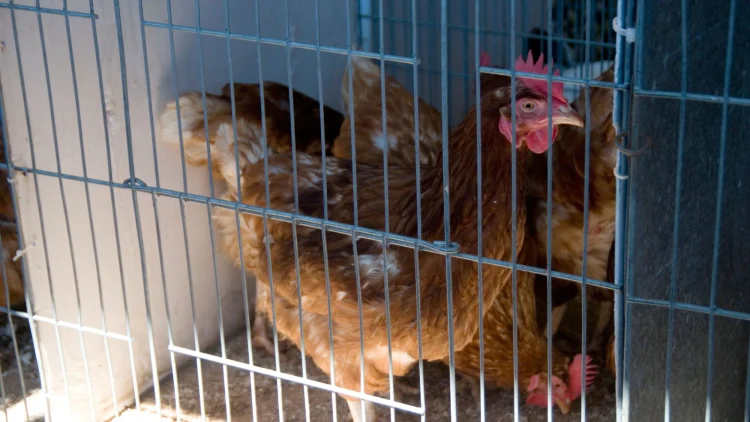
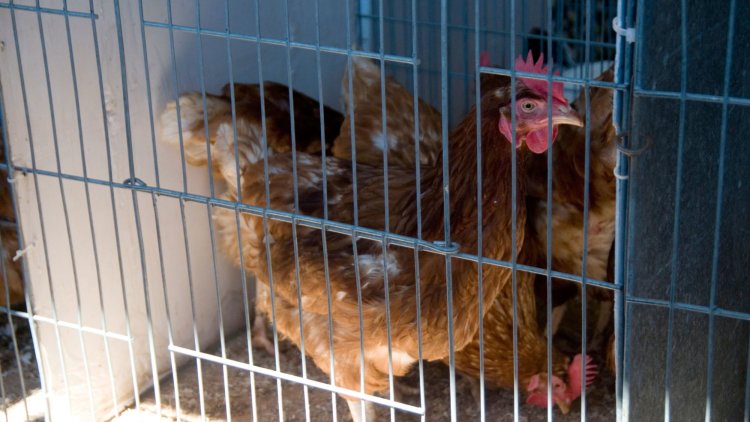
Image by: picturesbyrob / Alamy

4 min read
Six million egg-laying hens are still forced to endure unacceptable conditions in cages in the UK – we must act to ban their use now
As you make your way through Parliament this week, you may notice something unusual in the Upper Waiting Hall by the Committee Corridor.
A red telephone box might be a common sight in London, but this one serves a very different purpose. This particular phone box is the centre of a striking new exhibition, organised by Compassion in World Farming (CIWF) and sponsored by me, highlighting the reality faced by millions of laying hens still kept in cages across the UK.
The replica phone box demonstrates, in stark terms, just how little space caged hens are given. Four adults crammed inside it occupy roughly the same amount of space as several hens confined in so-called ‘enriched’ cages. These are the conditions that over six million egg-laying hens are still forced to endure in cages on some farms, a completely unacceptable reality.
Those stopping off at the exhibition are invited to step inside and listen to recorded messages from members of the public calling on the government to end the cage age. Alongside the installation sits CIWF’s substantial ‘phone book’ which contains more than 10,000 written messages from people across the country who support a ban on cages for laying hens.
Together, this chorus sends a clear message: this is not a niche issue. It is one on which the public increasingly expects action from the government to stop the needless suffering of hens right by and down Britain.
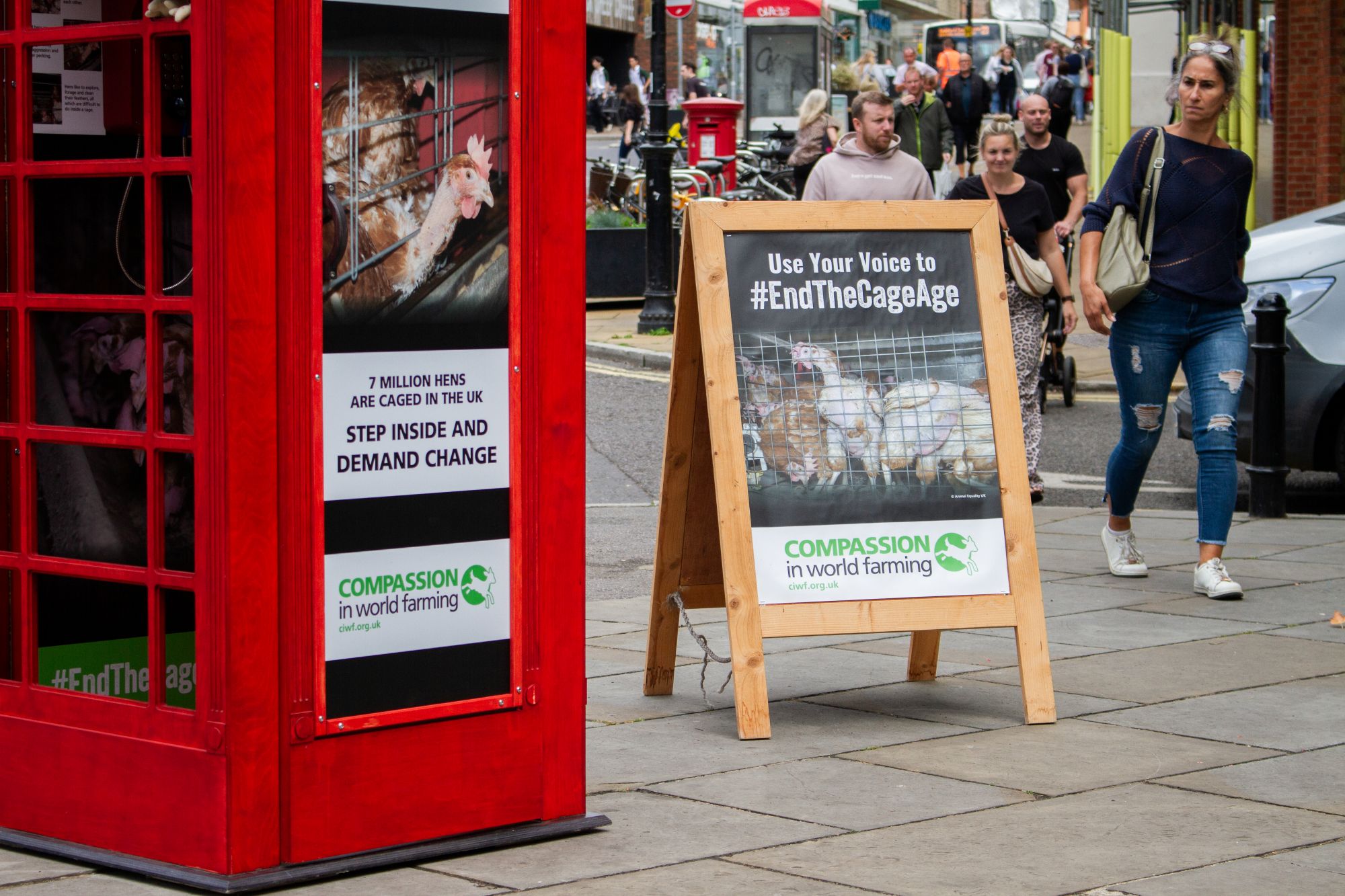
The replica phone box demonstrates, in stark terms, just how little space caged hens are given
Spend just a few moments inside the phone box with multiple people and the lack of space quickly becomes uncomfortable. Yet for those millions of hens, confinement is their daily existence. Even in ‘enriched cages’, each bird is afforded little more usable space than an A4 sheet of paper, which prevents them from carrying out many natural behaviours including scratching, pecking, foraging and fully stretching their wings; activities that are fundamental to their welfare.
The good news is that change is already underway. The vast majority of UK-produced eggs now come from cage-free systems, and all major supermarkets have either stopped selling shell eggs from caged hens or have committed to doing so. With around 84 per cent of production already cage-free, the direction of travel is clear towards a future free of cages.
But, despite this, the question remains as to whether legislation will now catch up to outlaw it completely. The government’s Animal Welfare Strategy for England, published last December, signalled Defra’s intention to end the use of cages for laying hens. Earlier this year, a consultation on a proposed phase out by 2032 gathered views on how this could be achieved. While a more ambitious timetable would be welcome, the consultation represented a significant step forward. The challenge now for those in Parliament is turning consultation into legislation.
Public support for change is strong. Polling consistently shows that a substantial majority of people believe cages are cruel and a number of European countries – including Austria, Luxembourg, Germany and Czechia – have already taken steps to phase them out. The UK has an opportunity to show leadership on animal welfare once again.
I am grateful to CIWF for bringing this exhibition to Parliament and for the persistence with which it has championed this issue over many years. Through public campaigns, parliamentary engagement and sustained work with the food industry, it has helped drive significant progress in moving production away from cage systems.
That progress should not stop here. The exhibition in the Upper Waiting Hall offers a timely reminder of how far we have come, but also of the work still to do. I hope colleagues will take a few minutes to visit it and consider why the case for ending cages for laying hens has never been stronger.
Josh Newbury is Labour MP for Cannock Chase

Anna Faris has made some rare comments about her divorce from Chris Pratt.
In a new interview with Variety, the Scary Movie star reflected on her painful split from Chris, to whom she was married for eight years before their 2017 break-up, and the scrutiny she faced from the public after she and the Marvel actor parted ways.
The divorce was finalised in 2018.
“I was feeling sad,” Anna recalled. “I do feel like I had enough gumption, enough of a core, and I have tried to be careful about how much Hollywood infiltrates, but now I’ve been on a spectrum of fame for 26 years, so I would be naïve to think that it hasn’t shaped who I am at this point.”
“But, fuck,” she added. “The scrutiny…”
Anna, who shares 13-year-old son Jack with her ex-husband, credited her podcast, Anna Faris Is Unqualified, for giving her a support system and helping her deal with the public break-up.

“I didn’t disclose a lot on the podcast, but I always felt like I could if I needed to. The podcast helped me a lot during that time,” she said.
Anna later tied the knot with cinematographer Michael Barrett in 2021. Meanwhile, Chris got remarried to Katherine Schwarzenegger in 2019. He and his second wife have since welcomed three more children.
Speaking to People in October 2017, Anna said that she and the Guardians Of The Galaxy star have remained close pals and were focused on co-parenting their son.
“We’ll always have each other and be incredible friends,” she said at the time.
“There is still so much laughter in our lives together, and he is so proud of me, still. We watched each other grow, and he still cracks me up all the time.”
Chris told Entertainment Weekly in 2018 that “divorce sucks” while discussing the split.
“But at the end of the day, we’ve got a great kid [Jack] who’s got two parents who love him very much,” he noted. “And we’re finding a way to navigate this while still remaining friends and still being kind to one another.”

(Thamesfleet/Alamy)

5 min read
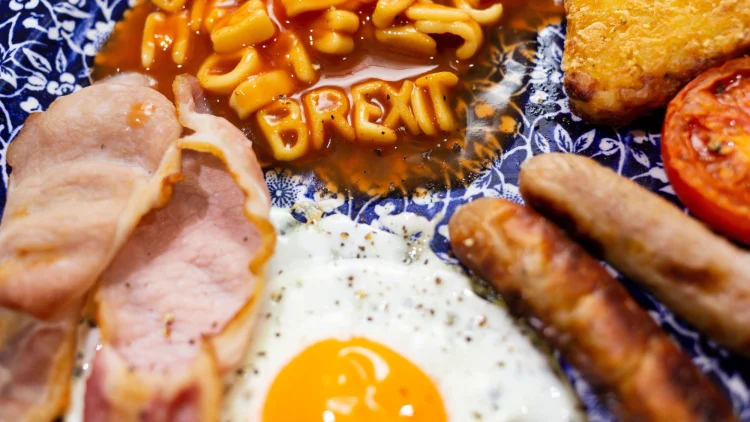
It’s 10 years since Britain’s momentous decision to, according to your taste, throw off the shackles of European oppression or make it harder to sell things to France.
Perhaps the morning of 24 June 2016 found you looking, as David Cameron did, like a man whose political dreams were shattered. Or perhaps, like Boris Johnson, you were triumphantly wondering what the hell you were supposed to do now.
But how much can you remember of the intervening decade? Do you know your alternative arrangements from your Windsor framework? It’s time to find out with our epic quiz (answers below). Will the winner get prosecco, a BMW or £350m a week? That’ll come out in the ensuing negotiations. Just remember that the moment you finish the quiz, you hold all the cards.
- In 2006, what did David Cameron tell his party off for doing while parents “worried about getting the kids to school”?
- Which party’s 2010 manifesto promised “an in/out referendum the next time a British government signs up for fundamental change in the relationship between the UK and the EU”?
- Cameron’s 2013 address promising a referendum (poignantly, it was delivered in the early morning, while parents were worrying about getting their kids to school) became known as the Bloomberg Speech, but the company’s London headquarters were a second-choice venue. In which city was the speech originally scheduled to be given?
- Which party’s 2015 manifesto proclaimed: “We say: yes to the Single Market”?
- The referendum campaign saw Nigel Farage leading an armada of fishing boats up the Thames. Which pop star raised his own fleet to intercept him?
- The timing of the exit process was controversial from the start:
A Who said the morning after the vote: “Article 50 has to be invoked now”?
B Which party said during the 2017 election that it had been a mistake to trigger Article 50 at all? - In 2017, which party…
A …pledged to “unite the country around a Brexit deal that works for every community in Britain”?
B …promised “a new deep and special partnership with the EU”?
C …said it would negotiate a Brexit agreement and “we will put that deal to a vote of the British people in a referendum, with the alternative option of staying in the EU”? - By 2019, which party promised…
A …to “ensure that Northern Ireland’s businesses and producers enjoy unfettered access to the rest of the UK”?
B …to put a deal “to a public vote alongside the option to remain”?
C …to “stop this mess, revoke Article 50 and stay in the EU”? - The UK Independence Party was crucial to Britain’s decision to leave:
A How many leaders did it have over the course of 2016?
B How many of them were Nigel Farage?
C How many of them are still party members? - What was the name of the book published by Nick Clegg in October 2017, after he lost his seat in Parliament?
A How to Get Rich.
B How to Stop Brexit.
C How to Make Facebook Ethical. - The first two Brexit secretaries were David Davis and Dominic Raab. Who was the third?
- Raab had been a passionate supporter of Brexit, but in 2018 he revealed he’d underestimated the importance to British trade of what?
- In 2019, a group of 11 Labour and Conservative MPs announced they were forming a new anti-Brexit party. It became known as Change UK: The Independent Group. Nine months later, how many of them were still in the party?
- In March 2019, MPs were given “indicative votes”, the chance to show which of eight options they would be willing to support. How many passed?
- Dominic Raab said Theresa May’s deal was “worse than staying in”. Johnson called it “the worst of both worlds”. Jacob Rees-Mogg said Britain would be “not so much a vassal state any more as a slave state”. How did they all ultimately vote on the deal?
- In September 2019, Rees-Mogg described something as a “constitutional coup”? Was it:
A Asking the Queen to prorogue Parliament in order to stop MPs from debating Brexit.
B The Supreme Court ruling that the prorogation had been unlawful. - Who said, in 2017, “If Brexit is a disaster I will go and live abroad” and then, in 2023, “Brexit has failed”? And are they now living abroad?
- What, in 2018, did May insist that no British prime minister could agree to?
- What, in 2019, did Johnson assure business owners he had not agreed to?
- Were either of them right?
Answers
1 “Banging on about Europe”
2 The Liberal Democrats
3 Amsterdam
4 The Conservatives
5 Bob Geldof
6 A Jeremy Corbyn; B UKIP
7 A Labour; B Conservatives; C Liberal Democrats
8 A Conservatives; B Labour; C Liberal Democrats
9 A four; B two; C none
10 B
11 Steve Barclay, though we only have his word for it
12 Dover
13 Five
14 None
15 For it
16 B
17 Nigel Farage. No.
18 A border in the Irish Sea
19 A border in the Irish Sea
20 No
Score
0-5: no deal; 6-10: vassal state; 11-15: Norway; 16-20: Canada; 21-25: customs union; 25-28: bespoke free-trade agreement.
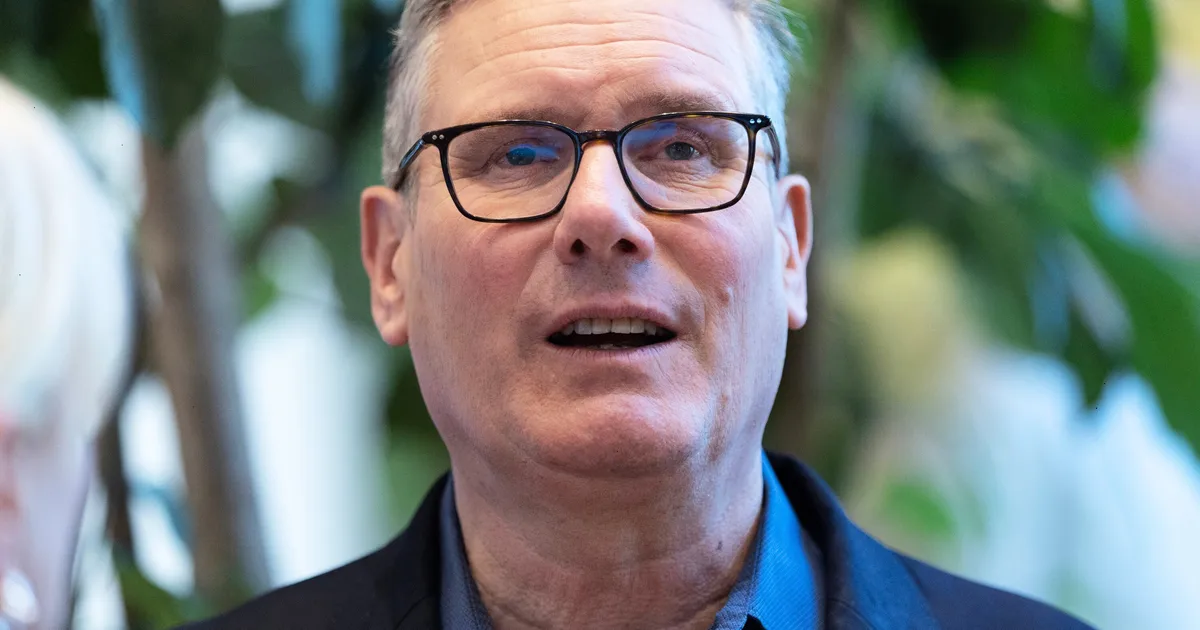
Keir Starmer is about to resign, according to widespread reports.
Less than two years after his landslide victory in the 2024 general election, the prime minister seems to have lost the support of his party.
More than 100 Labour MPs have publicly called for him to quit and a growing list of his own cabinet ministers are said to have privately told him to stand down.
Two former cabinet ministers, Wes Streeting and John Healey, even quit over Starmer’s leadership in the last month.
Business and trade secretary Peter Kyle revealed his boss was weighing up the “political realities” in the coming days on Sunday.
Meanwhile, skills minister Jacqui Smith caused a stir when she seemed to hint the PM was heading off on Monday morning.
She told Times Radio, “I would have been happy for him to continue” – but later urged journalists not to get ahead of themselves by predicting Starmer’s next move.
Even so, the Guardian reported on Monday that Starmer was allegedly working on his resignation speech with a handful of his top team while holed up in his grace-and-favour Chequers residence over the weekend.
If that is true, it’s a complete pivot from last Friday when Starmer insisted he would not walk away from the job and would stay on to fight any leadership contest triggered by his opponents.
But No.10 has not pushed back on any reports that the PM is considering resigning, even after US president Donald Trump bizarrely predicted Starmer would quit on Sunday.
However, even if he does announce his decision to quit on Monday, several key questions remain.
Will Starmer agree to an “orderly transition” to his successor and stay in place until September?
That would allow him to tie up his legacy while building on his international reputation by attending a Nato summit and an EU “reset” summit, both in July.
It would also give his successor a chance to build up a body of policies so they can hit the ground running.
But will that successor automatically be Andy Burnham?
The outgoing Greater Manchester mayor won the Makerfield by-election last Thursday, giving him a seat in parliament and a chance to challenge Starmer’s leadership.
He is widely expected to have the support of the required 81 Labour MPs needed to oust the prime minister.
As the most popular politician within Labour, a Burnham victory is likely to be shoo-in in any leadership contest.
Several of his allies therefore want to skip holding such a disruptive race altogether, and have a “coronation” for Burnham.
But opponents suggest that would mean he does not have a mandate to rule if there has not been a battle of ideas among party members first.
Home Office minister Mike Tapp also weighed into the growing debate over whether a Starmer resignation means there should be a general election.
He said: “That would stop the constant churn and focus all politicians on delivery, instead of workplace politics.”
But that’s caused concern over the risk of further upheaval, especially as the UK teeters on the edge of its seventh prime minister in a decade.
Starmer is expected to give a statement in the Commons this afternoon to give MPs an update about his G7 trip last week.
Will he have offered any clarity about his future by then – or leave Westminster in limbo?
Listen to Commons People, the podcast that makes politics easy. Every week, Kevin Schofield and Kate Nicholson unpack the week’s biggest stories to keep you informed. Join us for straightforward analysis of what’s going on at Westminster.
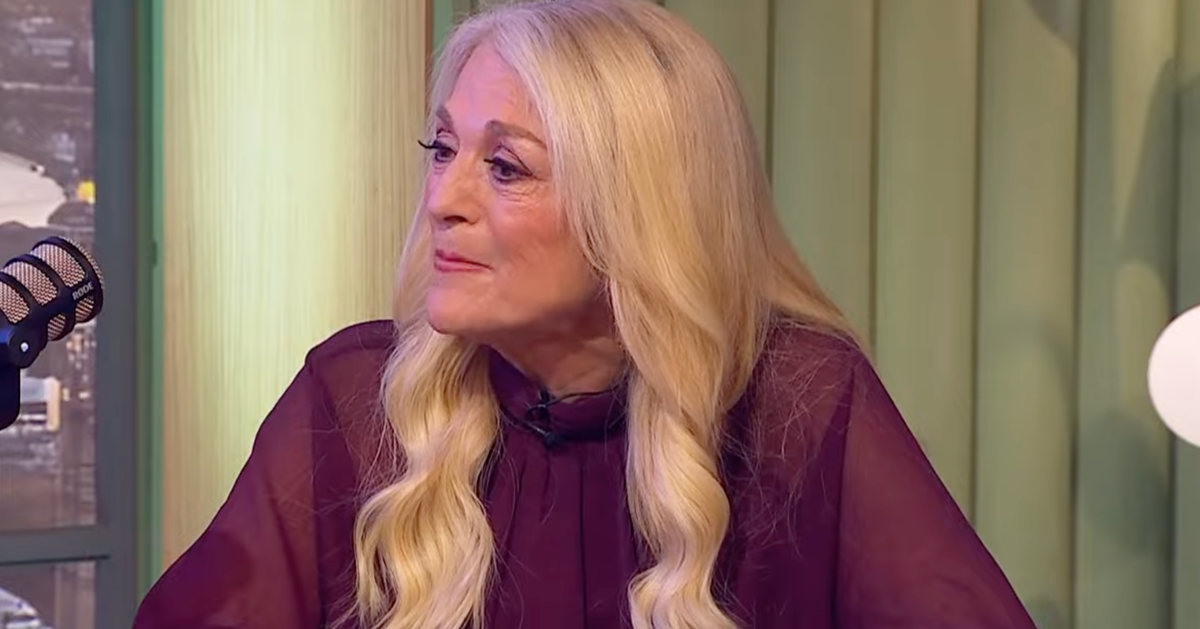
Vanessa Feltz has admitted that the news of her daytime show’s cancellation came out of the blue.
Last year, the veteran broadcaster began fronting the talk show Vanessa on 5 (previously known as Channel 5), in which she and a celebrity panel discuss topical issues and speak to viewers calling into the studio.
Since it premiered in March 2025, the show has hit a few bumps in the road, most notably low viewing figures and a string of prank calls during its phone-in discussions.
Last week, 5 confirmed on Thursday that Vanessa was being pulled from next month.
“Due to afternoon scheduling changes, Vanessa will be rested from 17 July,” a spokesperson said. “We thank Vanessa and her team at ITN for 18 months of warm, witty, wise and searingly honest shows.”
Vanessa broke her silence on the news during Saturday’s edition of her LBC show, telling her listeners: “It was a bit of a shock. It was meant to be a delightful year’s contract, the show was going really well…
“I was shocked to the core and very upset and I still am. It was only Wednesday at 3 o’clock that I found out.”
Vanessa went on to claim that it was 5 owners Paramount who made the decision, as they “want to show Paramount movies every afternoon” in her timeslot, because it “doesn’t cost them any money”.
A 5 spokesperson added last week: “Vanessa remains a valued member of the Channel 5 family and we are discussing future projects together.”
Prior to landing her own 5 series, Vanessa had been a regular face on This Morning.
She previously told Metro that she “would happily have stayed” part of This Morning’s on-air team “and gone on the back of a motorbike from the This Morning studio straight to 5 and done both”.
“I almost believed I’d be able to do that, but I think apparently, it’s not the way it’s done,” she added. “But I’d have done it, and I think they would have been happy for me to do it too.”
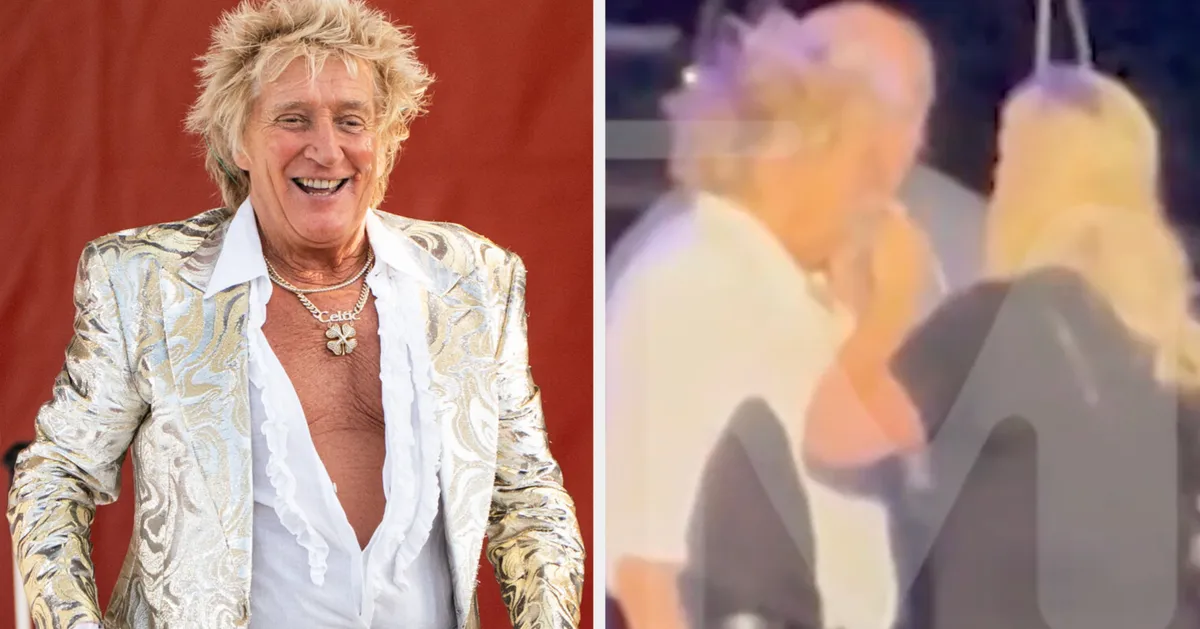
Sir Rod Stewart had to briefly pause a live show in the US last week, after coming close to fainting on stage.
On Friday night, the British crooner was performing in West Valley City, Utah, where video footage shared by TMZ depicted him bent over in pain, and leaning on equipment and staging around him to steady himself.
After that, an oxygen tank was brought onto the stage, which he used, before telling the crowd: “The show must go on. I nearly fucking fainted there.”
“Would you mind if I sit down for this one?” the 81-year-old then asked, with The Independent claiming that Sir Rod remained seated for the rest of the show.
HuffPost UK has contacted the Maggie May singer’s team for comment.
Sir Rod has not commented on the incident directly, but on Sunday, he did share a social media update for Father’s Day on Sunday night, depicting himself, his wife Penny Lancaster and his children.
“Proud to be their father,” he wrote in the picture’s caption.
Last week, Sir Rod cancelled a show in California an hour before he was due to go on stage due to an “acute upper respiratory infection” which “resulted in laryngitis”.
“Following treatment, I’m feeling much better, but my voice is not,” he said at the time. “I’m very disappointed and sincerely apologise for any inconvenience to my fans.”
He later raised eyebrows when he posted footage of himself flying in a private jet to watch Scotland’s first World Cup game the morning after cancelling his show due to illness.
Sir Rod is currently in the middle of his One Last Time tour, which includes dates across the US.
During an interview on TalkSport last month, the Grammy winner teased that he’d be touring the UK in 2027, including a show at London’s O2 Arena, “and that’ll probably be it, I think”.
He previously announced in 2024 that he was finished with “large-scale world tours”, but maintained he had “no desire to retire”.
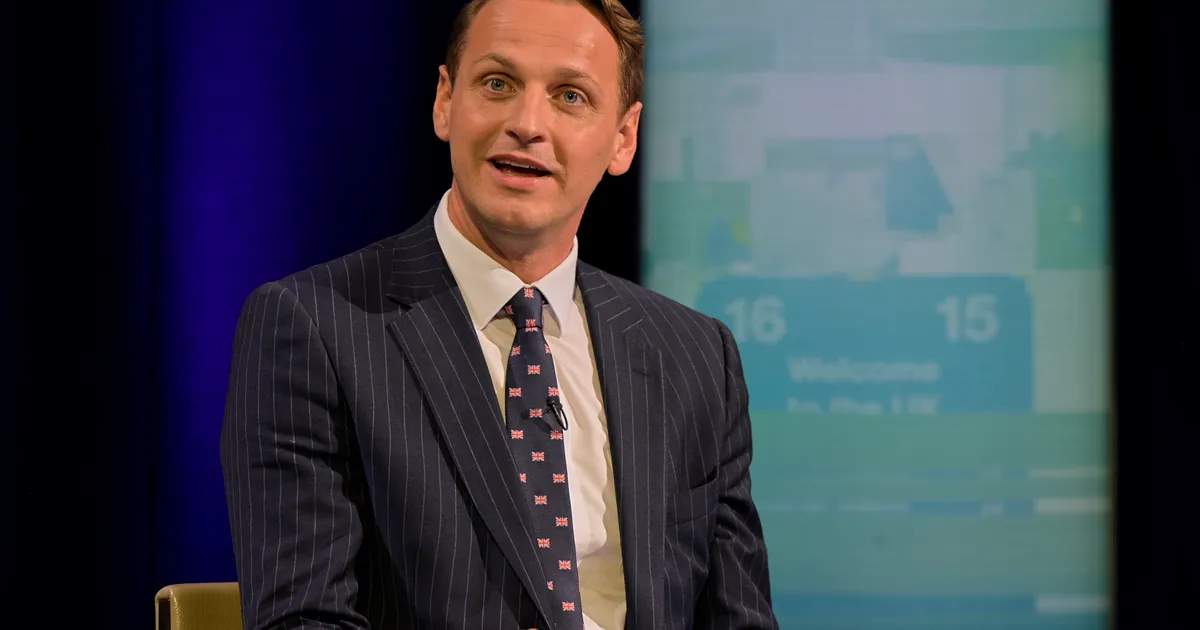
A minister is facing some backlash after insisting a change in party leader should legally trigger a general election.
The Home Office’s Mike Tapp said such legislation would “stop the constant churn” of prime ministers in Downing Street.
In a post on X, the minister wrote: “Is it time to legislate; if a change of leader is forced by its own Party then a General Election must be called.
“That would stop the constant churn and focus all politicians on delivery, instead of work place politics.
“These endless ‘house of cards’ games would end and the country would benefit. Let’s legislate to focus minds.”
His remarks come as his boss Keir Starmer is widely expected to resign as early as this morning – which would be the UK would be moving onto its seventh prime minister in the last decade.
The PM appears to have lost the support of much of his party after more than 100 Labour MPs and a handful of his own ministers urged him to step down.
Andy Burnham, the outgoing Greater Manchester mayor, has long had his eyes on No.10 and won the Makerfield by-election on Thursday.
He is thought to have the support of the required 81 Labour MPs needed to formally challenge Starmer’s leadership once he is sworn into the Commons this afternoon.
But Tapp’s suggestion to introduce a general election whenever there is a new party leader at the top of government received a mixed reaction, to say the least.
Fellow Labour MP Josh Fenton-Glynn wrote on X: “Mike Tapp appears surprised that we are a parliamentary democracy!
“The last two prime ministers to win an election then lose their job at the next election were Major and Wilson – course correction mid term in response to the public is the norm not the exception.”
Other social media users were split over whether this was a good plan.
Tapp later responded to the backlash, writing on X: “I’m pleased to see the debate, at least here on X, has begun. We cannot continue as we are.
“There are many nuances to this but at the core we must remember that as politicians we are here to serve the country – and 6 (possibly 7) PMs in 10 years is unsustainable.
“We need to find a better balance and this conversation is important.”
Listen to Commons People, the podcast that makes politics easy. Every week, Kevin Schofield and Kate Nicholson unpack the week’s biggest stories to keep you informed. Join us for straightforward analysis of what’s going on at Westminster.
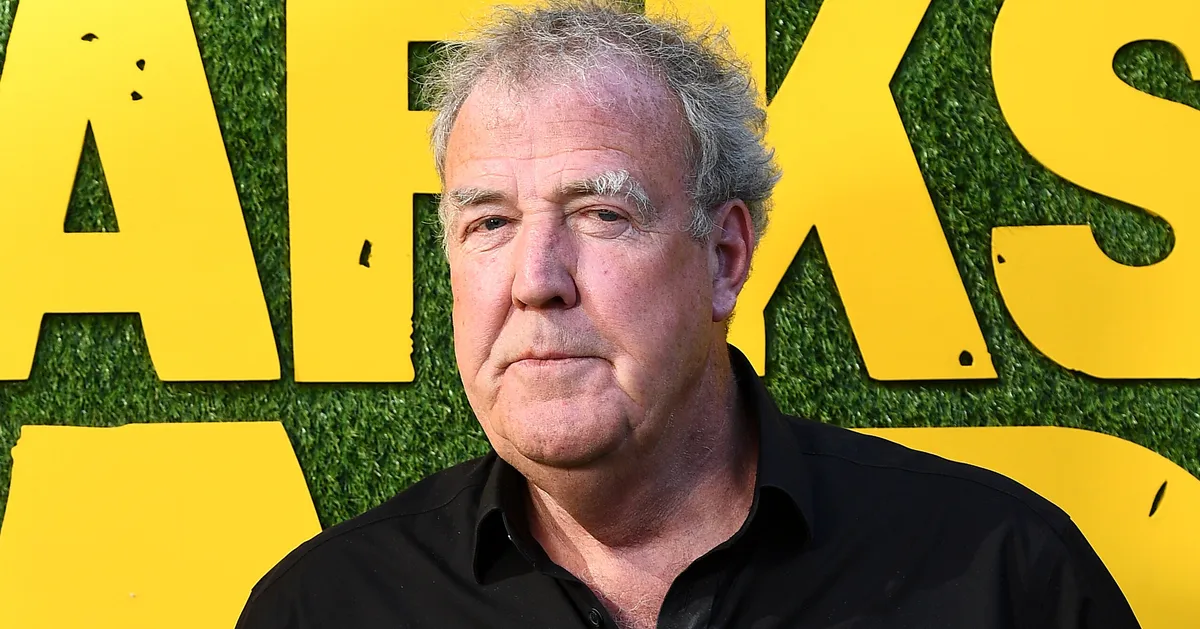
Jeremy Clarkson has disclosed that he is now in remission after undergoing treatment for prostate cancer.
He was seen telling colleagues Kaleb Cooper and Charlie Ireland: “I disappeared off the other week and I had a biopsy, and it is cancer, and it’s aggressive, but it’s really early.”
Clarkson then shared that his treatment had gone a little “awry”, saying from hospital: “I’m going to be here for a little while. I don’t know what’s going to happen.
“What I wanted to say was that if this is all successful, I’ll see you in season six. And if it isn’t, I won’t… Take care, everyone.”
Over the weekend, Clarkson shared a video on Instagram, in which he told his followers: “The more observant among you will have noticed that I’m not dead. And I’m not just ‘not dead’, I’m perfectly fine.”
He continued: “The reason why I’m fine is because the doctors caught the prostate cancer early. And they caught it early because I got tested. Now, I know a lot of you will say, ‘oh, I don’t want to be tested because it means someone will have to put their finger in me’, but it’s just a blood test these days.”
Encouraging those watching to get tested, he pointed out that “10 or 12 thousand people – men, to be honest – die every year in the UK from prostate cancer”.
“Don’t be one of them,” he insisted. “Get tested!”
In an interview with The Times, Clarkson also confirmed his cancer is in remission.
He explained: “It was an aggressive type of cancer. It could have spread, it could have gone into the pancreas, it could have gone anywhere, and that would have been trouble.”
Clarkson continued: “I have to say to everybody who’s reading this, please, please, please go and get checked.
“It’s not uncomfortable, it’s not undignified. And it’s a no-brainer. I did, and that’s why I’m sitting here talking to you 11 months down the line.”
A sixth season of Clarkson’s Farm has also been confirmed to be in the works in another social media video, in which the host conceded it had been “a bit of a year” for him.
“I am delighted to tell you that season six of Clarkson’s Farm is currently being filmed,” he said. ”It’s in production.
“And that’s particularly good news for me because… well, if you know, you know. And if you don’t know, you need to watch season five.”
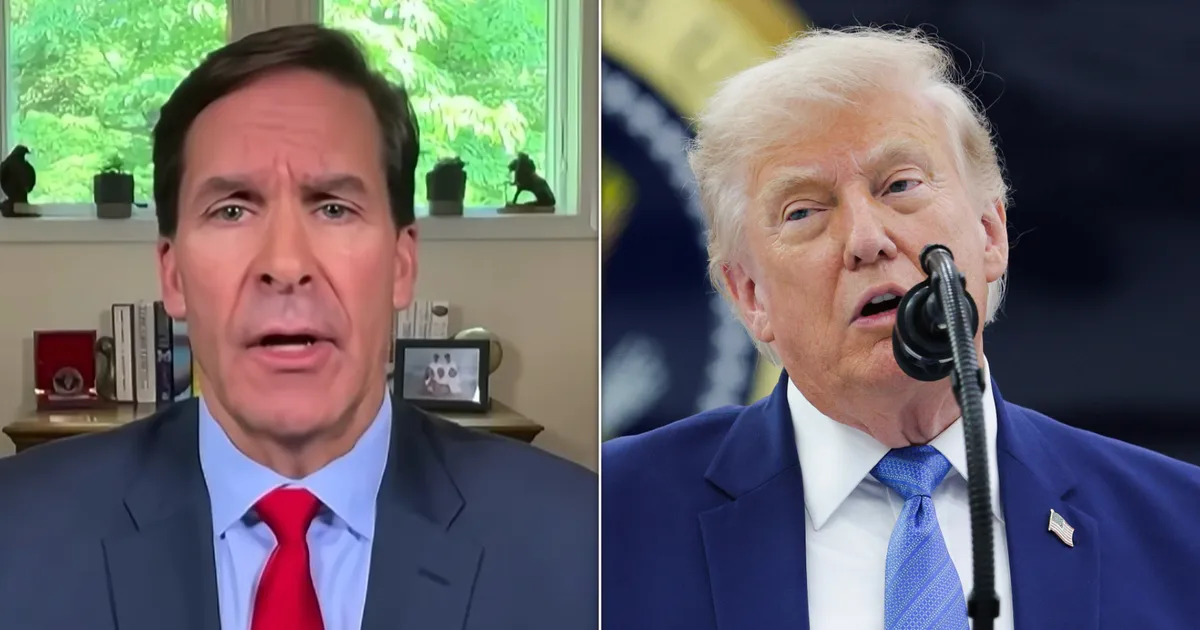
President Donald Trump’s former Defence Secretary Mark Esper says he has “serious” questions and concerns about the preliminary US-Iran agreement signed by Trump.
Appearing Sunday on NBC’s Meet the Press, host Garrett Haake directly asked Esper if he supports the Memorandum of Understanding with Iran.
“Well, look, I like the fact that we’ve extended the ceasefire,” Esper replied. “I like the fact that the strait is being opened up, that will provide economic relief to a lot of people, and I like the fact that we’re getting into nuclear talks. But that said, when I look at the MOU, there are many of the points that I have serious questions about and concerns about.”
Noting that “in many ways it’s a wait and see,” he continued, “My principle concern has been that it appears that too many of the incentives in my view have been given up front instead of later in the deal when we’ve seen much more progress on the nuclear aspects of whatever potential agreement comes from this.”
Haake then questioned Esper over whether he thinks the Trump administration has been “too trusting of the Iranians” regarding negotiations.
“Well, I don’t believe so. You know, you look at many of the players on the team, they’re experienced in foreign policy for some time. I don’t think they trust the Iranians. Nobody trusts the Iranians. I think they put a deal on the table. I think as the vice president said, ‘Let’s give it a shot and see if it works,’ and in that regard I’d say, ‘Yeah, there’s a lot more of this football game to play out.’”
Haake went on to mention that it’s still not totally clear if the strait is open or closed before asking Esper if he thinks that makes the agreement “worthless” if Iran can still open and shut the strait or charge fees on it.
Esper said that would “clearly” suggest a “strategic setback.”
“We cannot allow the Iranians to control the Strait of Hormuz … and that’s why I say this needs to play out. And, you know, there’s been some suggestions that there have been side agreements, or gentlemen’s agreements, we need to know what those are. But I think we need to let this play out a little bit and see what actually happens with regard to the strait after the 60 days.”
Elsewhere in the interview, Haake asked if Esper trusts that the president is being given advice by “people who think their loyalty is to the Constitution.”
“I don’t see that the president is always getting good advice, and so I think that’s the question to ask. I think Republicans on Capitol Hill have asked that same question. Is the president getting the best advice with regard to these strategic matters?”
Esper’s remarks came following conflicted messaging from the Trump administration last week about the agreement being reached and when the text of the memorandum would be released.
The memorandum was reportedly signed Wednesday by Trump, Iranian President Masoud Pezeshkian and the prime minister of Pakistan.
Meanwhile, Vice President JD Vance said Sunday there is an opportunity to “turn over a new leaf” with Iran as both sides held talks in Switzerland to build out the shaky interim deal to end the war in Iran after Tehran said it closed the Strait of Hormuz because of Israel’s attacks in Lebanon.
Watch Esper’s appearance on “Meet the Press” below. Skip to the 0:15 mark to hear Esper’s comments.
Listen to Commons People, the podcast that makes politics easy. Every week, Kevin Schofield and Kate Nicholson unpack the week’s biggest stories to keep you informed. Join us for straightforward analysis of what’s going on at Westminster.



The deaths of Ollie Long and Ellen Mulvey expose the dangers of illegal gambling sites. Derek Webb argues that new evidence challenges widely repeated claims about the size and drivers of Britain’s unlicensed gambling market
Two recent inquests have exposed the most disturbing consequences of Britain’s illegal online gambling market. This year coroners concluded that gambling disorder contributed to the suicides of Ollie Long and Ellen Mulvey, two people who had actively tried to escape gambling but ended up on illegal sites.
Both had first become addicted through legal online casinos and had tried to quit by using the self-exclusion tool GamStop. Nearly 700,000 people struggling with gambling harm have signed up to GamStop, which blocks access to any legal British gambling site. Yet illegal casinos deliberately use “casinos not on GamStop” as a marketing tool, luring people such as Ellen and Ollie back into harm.
A new research report prepared this month by the intelligence platform Gaming Compliance International (GCI) for my Campaign for Fairer Gambling shows that both the regulated and unregulated online gambling sectors grew between 2024 and 2025. The regulated market remains overwhelmingly dominant, accounting for around 91 per cent of online gambling revenue, while the unregulated sector accounts for less than 9 per cent.
This data also suggests that casino-style gaming, rather than betting, is the main driver in the unregulated sector, with 75 per cent of unregulated gambling revenue coming from gaming products. This challenges trade claims that affordability checks on sports and racing bettors are the main drivers of illegal market growth.
The scale of the problem has also been exaggerated. If we consider the whole GB gambling market including land-based and the lottery, the illegal portion equates to only around 4 per cent. Excluding underage and self-excluded gamblers reduces it to less than 2 per cent. That is smaller than the gambling market in Northern Ireland, despite the province having no dedicated regulator and outdated gambling laws.
It is therefore fascinating that an All-Party Parliamentary Group for Action Against Illegal Gambling has just been set up. Vice-chairs Esther McVey MP and Neil CoyleMP, aided by secretariat Jordan Lea of Deal Me Out, have an opportunity to prove to be reliable independent voices by avoiding parroting the trade lines.
Despite the attention illegal casinos receive, the reality is that Britain still has one of the smallest unregulated online gambling sectors of any major jurisdiction globally. Trade voices are forecasting that by 2028 unregulated turnover will reach £33bn and present this as an existential threat to the regulated sector.
But turnover is not revenue. My campaign to reduce the stakes of Fixed Odds Betting Terminals (FOBTs) resulted in a turnover decrease of £25bn in the first year (2019-20) but a much smaller revenue decrease of £750m. Those opposing that harm reduction move forecast that betting shop numbers would decline to 4,500. There are still over 5,600 betting shops, despite the pandemic and bookies pushing conversion from land-based to online.
The Treasury has awarded the Gambling Commission £26m to tackle illegal gambling. No longer led by Andrew Rhodes, who has left to become a gambling sector adviser, the Commission is using the funds to establish an illegal gambling task force under DCMS whose membership remains secret.
Mr Rhodes and other executives at the Commission have a history of attending and speaking at trade events where many of the participants are unlicenced operators and suppliers, or representatives of jurisdictions hosting those unlicenced sites.
So many people, including parliamentarians, worked so hard to get the Conservatives’ Gambling White Paper done, but DCMS delegated some projects to the Commission. If the Commission had been less friendly to the gambling sector in the resulting consultations, would Mr Rhodes have been as welcome in his new role?
Despite their expertise, GCI is not on the task force, and neither is Gamban, the premier self-exclusion tool. Gamban can block both legal and illegal sites from all devices when activated, but was recently refused funding under DHSC from the £120m per year statutory levy, raising questions about DHSC oversight in that process.
The task force should start by asking why many illegal sites are still accessible from Britain despite being known to DCMS. It should also look into whether companies licensed by the Commission are in business relationships with illegal sites.
It is the same addictive content on illegal sites as on legal ones. Illegal electronic roulette is still electronic roulette. Changing a name from Super Silly Slots to Silly Super Slots does not change the games.* Gamblers have no guarantee that the games are fair, winnings will be paid or deposits will be protected.
The deaths of Ollie Long and Ellen Mulvey should change the conversation. We need to move on from abstract discussions about “safer” or “protected” gambling. The same marketing techniques and algorithms operate across both sectors. The totality of harm is greater in the regulated sector, which remains the primary gateway to illegal gambling. Any serious strategy to reduce harm must acknowledge that reality.
* Game names invented for illustrative purposes

What happens if Sir Keir Starmer resigns as Prime Minister?
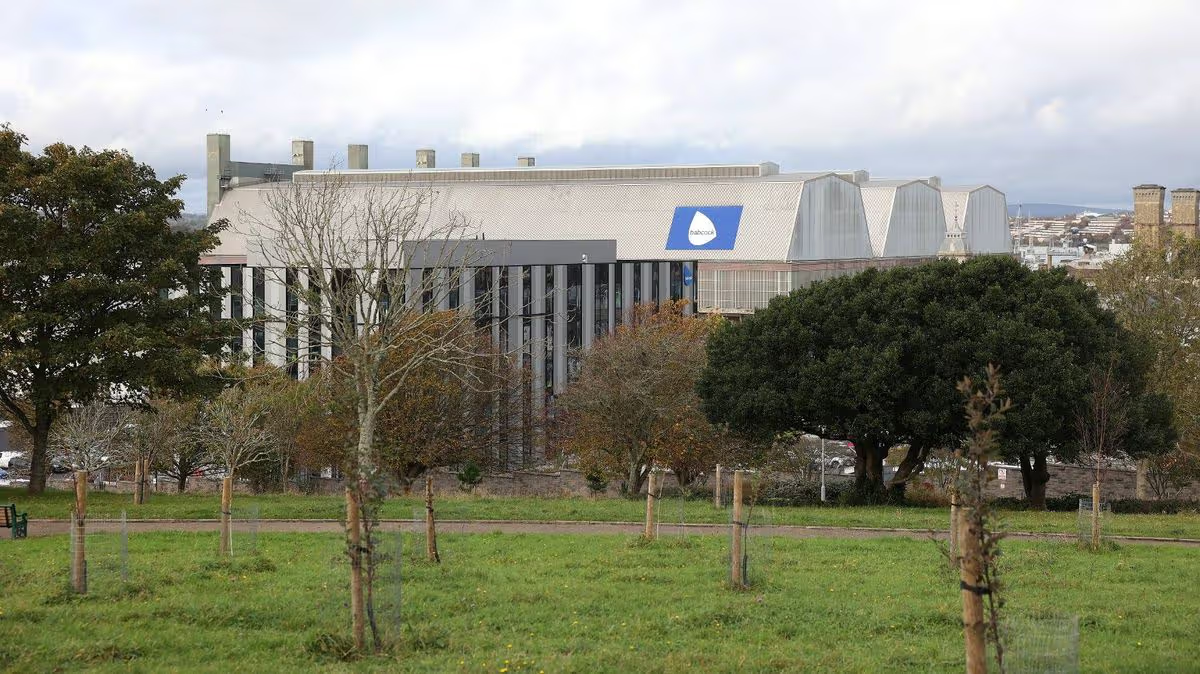
Babcock launches new share buyback scheme as revenues rise

What Makes a Protocol Sustainable?


-
 Crypto World7 days ago
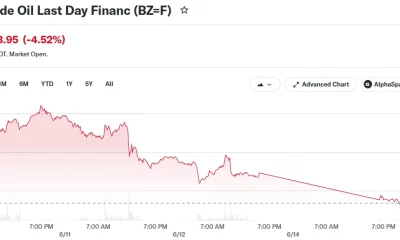
Crude Oil Plunges Over 4% as US-Iran Agreement Reopens Hormuz Strait
-
 Tech6 days ago
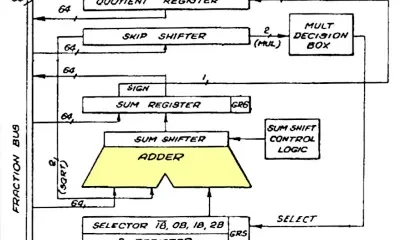
The Adder At The Heart Of Intel’s 8087 FPU
-

 Fashion3 days ago
Weekend Open Thread: Miami – Corporette.com
-
 Business2 days ago
Wall Street Week Ahead: Investors see Micron earnings as pulse check of AI rally momentum
-

 Crypto World2 days ago
HIVE shares jump as $220M AI deal speeds Bitcoin mining pivot
-

 Sports3 days ago
FIFA World Cup 2026: Canada beat 9-men Qatar 6-0 to register first ever win | FIFA World Cup 2026
-

 Crypto World2 days ago
Jake Chervinsky accuses CME of protecting derivatives monopoly
-

 Business1 day ago
MHP SE 2026 Q1 – Results – Earnings Call Presentation (OTCMKTS:MHPSY) 2026-06-20
-
 Crypto World4 days ago
Anthropic’s Dario Amodei Urged AI Unity at G7, Even as US Banned His Models
-

 Business3 days ago
Brexit cost 6% of UK economy, Bank of England company data suggests
-

 Business1 day ago
Soccer-U.S. defends Iran World Cup travel restrictions, says discussions ongoing
-
 Crypto World2 days ago
Can Charles Hoskinson Really Rescue Cardano?
-

 Tech5 days ago
Weeks Of In-The-Field Testing And A Verdict
-

 Politics2 days ago
Andy Burnham and the meaning of Makerfield
-

 Tech4 days ago
Adobe adds its AI assistant to Premiere, Illustrator and InDesign
-
 Crypto World4 days ago
Iren (IREN) Stock Surges on Jefferies Buy Rating: AI Infrastructure Play Gains Momentum
-

 Entertainment1 day ago
Renter of Home in Anne Heche Crash Denies Settlement With Son
-

 Politics4 days ago
BBC Reporter Discusses Cross Party Criticism Of Trumps Iran Deal
-

 Tech3 days ago
Instagram Now Lets You Add A Unique Caption To Each Carousel Slide
-

 News Videos3 days ago
Nightcore – MONEY ON THE DASH (Soft Rock Version) (Lyrics)
You must be logged in to post a comment Login