

Business
SpaceX targets $1.75 trillion valuation in all-primary IPO next week, sources say

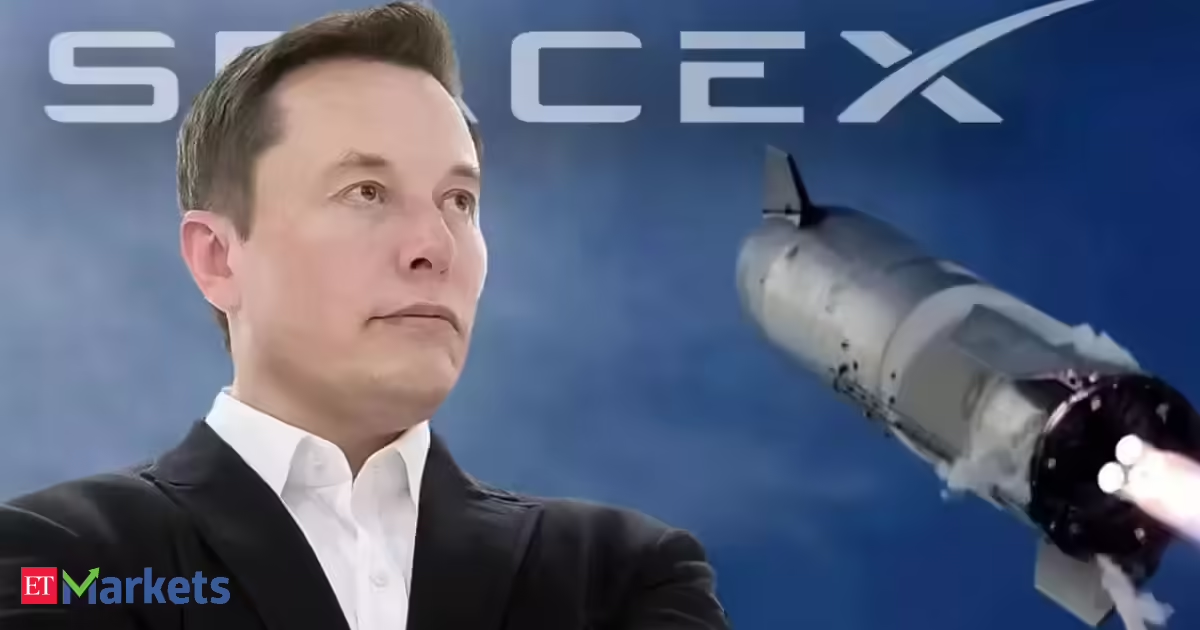
The IPO is expected to be structured as an all-primary offering, meaning all proceeds would go to the company and existing SpaceX shareholders will not be able to sell any of their shares in the IPO, the sources said. Shareholders would likely have to wait until at least after the company reports its first quarterly earnings, under a staggered lockup, Reuters previously reported.
After some early meetings with investors, or a “testing the waters” process, the company has indicated it plans to raise at least $75 billion in its base offering, the sources said, requesting anonymity to discuss confidential information. The greenshoe option, set at 15%, would allow underwriters to sell additional shares if investor demand exceeds expectations, one of the sources said.
Pure primary offerings are not unprecedented, although they are not the most common structure for large listings, which are often a mix of primary and secondary shares allowing early investors to sell down stakes.
In 2021, for instance, Rivian Automotive’s IPO was structured entirely as a primary issuance, with early backers including Amazon and Ford not selling shares at the time of listing as the company raised capital to fund expansion.

Other features of the proposed offering that diverge from conventional public listings are early inclusion in the Nasdaq 100 index and unusual provisions giving Musk effective control over the board and his roles as chief executive and chairman.
The move marks the first time SpaceX has communicated specific fundraising and valuation targets to banks after early investor meetings, as it prepares for what is expected to be the largest-ever IPO. Reuters previously reported the company was considering a preliminary valuation of around $1.75 trillion. The roadshow for the IPO is set to begin on Thursday, Reuters previously reported. The plans, including the size of the raise, are subject to change as investor meetings get under way, the sources cautioned.
The IPO will give public investors a rare opportunity to buy into Musk’s vision for space, satellite communications and artificial intelligence through SpaceX, which has emerged as the crown jewel of the world’s richest person’s business empire.
SpaceX did not respond to a request for comment.
MEGA IPO WAVE
The listing is expected to kick off a wave of mega IPOs, with SpaceX, OpenAI and Anthropic together poised to add almost $4 trillion in market capitalization to public markets and intensify competition for investor dollars.
Unlike most IPO candidates, SpaceX lacks a clear public market benchmark. Analysts say investors must piece together comparisons from aerospace, telecom and defense companies while factoring in Starlink’s growth potential and Musk’s long-term ambitions, making valuation a complex task.
For many investors, the bet is as much on Musk as on SpaceX. His track record at electric-vehicle company Tesla and his ability to galvanize retail traders could likewise spur strong demand for shares, as his reputation has done for past ventures.
Still, two of SpaceX’s three businesses are burning cash, with only its connectivity segment, home to the Starlink satellite constellation, generating profits and widely viewed as the company’s cash cow.
Beyond rockets and satellites, SpaceX is pitching investors a future that includes ambitious projects such as data centers in orbit, positioning itself to benefit from a surge in AI-related infrastructure spending.
SpaceX merged with Musk’s AI startup xAI earlier this year in a deal that valued the rocket and satellite company at $1 trillion and the developer of the Grok chatbot at $250 billion.
Its revenue rose to $4.69 billion in the three months ended March 31 from $4.07 billion a year ago. Losses widened to $1.27 per share versus 18 cents per share over the same period.
In 2025, SpaceX’s revenue jumped to $18.67 billion from $14.02 billion a year earlier, but the company swung to a net loss of $4.94 billion from a profit of $791 million.
Since a large part of SpaceX’s pitch to investors hinges on Musk, some corporate governance concerns could give investors pause, experts have said. Measures, including a dual-class share structure laid out in the IPO prospectus, concentrate voting power in the hands of Musk and a small group of insiders.
SpaceX is aiming to trade on the Nasdaq under the ticker symbol “SPCX.” The debut is expected as early as June 12, Reuters has previously reported, after the company accelerated the timeline of its IPO.
Goldman Sachs, Morgan Stanley, BofA Securities, Citigroup and J.P. Morgan are the joint book-running managers for the offering, leading a syndicate of global investment banks underwriting the deal.



Investing wisely does not have to be rocket science. It is about discipline and running the numbers. You don’t have to be like a grandmaster chess player playing the game twenty moves ahead of your opponent, you just need to understand how the pieces work.
Analyst’s Disclosure: I/we have no stock, option or similar derivative position in any of the companies mentioned, and no plans to initiate any such positions within the next 72 hours. I wrote this article myself, and it expresses my own opinions. I am not receiving compensation for it (other than from Seeking Alpha). I have no business relationship with any company whose stock is mentioned in this article.
Seeking Alpha’s Disclosure: Past performance is no guarantee of future results. No recommendation or advice is being given as to whether any investment is suitable for a particular investor. Any views or opinions expressed above may not reflect those of Seeking Alpha as a whole. Seeking Alpha is not a licensed securities dealer, broker or US investment adviser or investment bank. Our analysts are third party authors that include both professional investors and individual investors who may not be licensed or certified by any institute or regulatory body.

Northern Trust Asset Management is a global investment manager that helps investors navigate changing market environments in efforts to realize their long-term objectives.
Entrusted with $1.2 trillion in assets under management as of March 31, 2024, we understand that investing ultimately serves a greater purpose and believe investors should be compensated for the risks they take — in all market environments and any investment strategy. That’s why we combine robust capital markets research, expert portfolio construction and comprehensive risk management in an effort to craft innovative and efficient solutions that seek to deliver targeted investment outcomes.
As engaged contributors to our communities, we consider it a great privilege to serve our investors and our communities with integrity, respect and transparency.
Northern Trust Asset Management is composed of Northern Trust Investments, Inc., Northern Trust Global Investments Limited, Northern Trust Fund Managers (Ireland) Limited, Northern Trust Global Investments Japan, K.K., NT Global Advisors, Inc., 50 South Capital Advisors, LLC, Northern Trust Asset Management Australia Pty Ltd, and investment personnel of The Northern Trust Company of Hong Kong Limited and The Northern Trust Company. Note: This account is not managed or monitored by Northern Trust Asset Management, and any messages sent via Seeking Alpha will not receive a response. For inquiries or communication, please use Northern Trust Asset Management’s official channels.

CBS News fires Scott Pelley from 60 Minutes, sources say
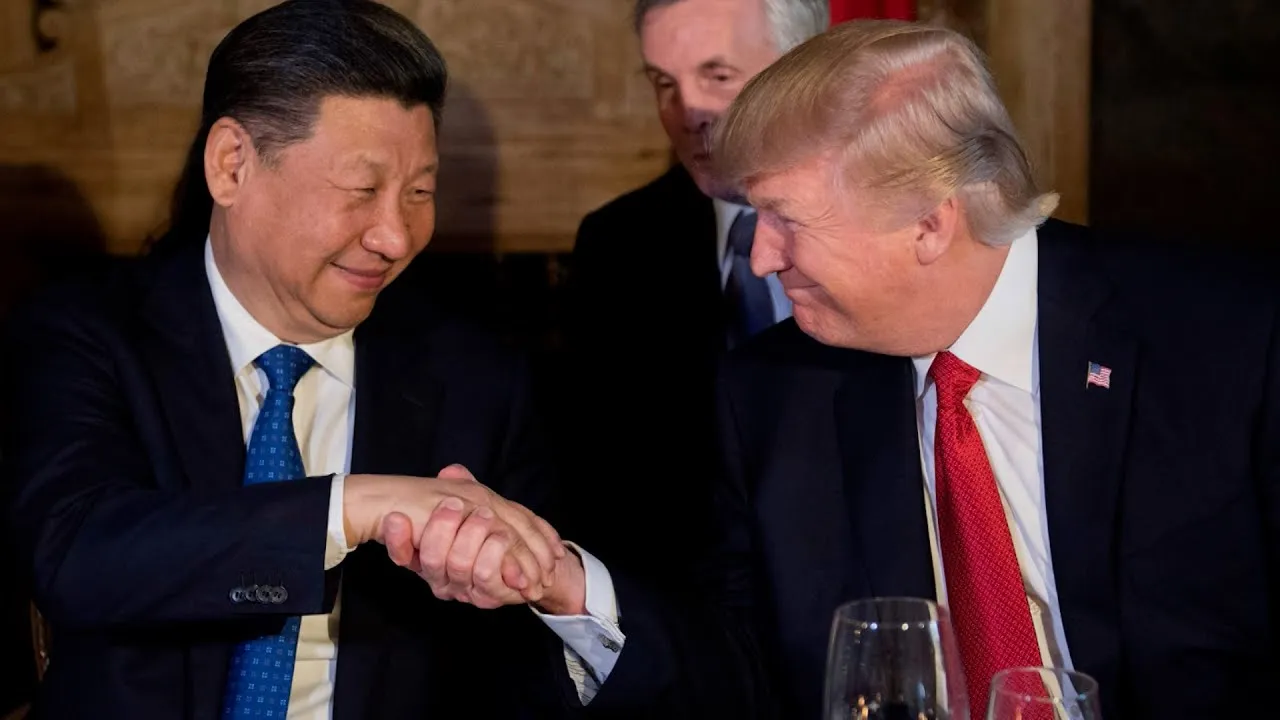
Ask a senior Thai official which country Thailand considers its most important strategic partner, and you will receive a carefully constructed non-answer — a fluent recitation of Thailand’s commitment to balanced relationships, multilateral frameworks, and ASEAN solidarity. Ask the same question to a Thai business executive, and you will likely get a more direct response: it depends entirely on what you are trying to do.
That gap between diplomatic language and commercial reality defines Thailand’s position in 2026 better than any policy document. Thailand is simultaneously China’s most economically integrated ASEAN partner, the United States’ oldest treaty ally in Southeast Asia, and an active architect of the ASEAN multilateral system. It is running all three identities at once — not because it cannot choose, but because it has decided, strategically, not to.
Key takeaways
- Thailand’s multi-alignment is not indecision — it is policy. China accounts for $153 billion in bilateral trade and is Thailand’s largest investor. The US is Thailand’s oldest security ally and a critical export market. The EU, South Korea, and Canada are all active FTA partners. Bangkok is not hedging. It is deliberately cultivating leverage across all axes — and has been doing so for decades.
- The tariff squeeze from Washington is real and tightening. China’s manufacturers using Thailand as an export base face intensifying US scrutiny on rules of origin, value addition, and supply chain provenance. The era of simple trade rerouting is over. Executives building supply chains through Thailand need a genuine value-addition strategy — not just a Thai address on a shipping label.
- The tension at the heart of Thailand’s position is the opportunity for business. China’s $1 trillion global trade surplus is flooding ASEAN with capital, technology, and competitive pressure simultaneously. Thailand’s response — absorbing Chinese investment while actively diversifying its partnerships — creates exactly the kind of complex, multi-directional business environment where well-positioned companies thrive and poorly positioned ones get squeezed.
The paradox at the centre
Start with the number that defines Thailand’s strategic dilemma most sharply: 90.6 percent. That is the proportion of Thai respondents in the 2024 ISEAS-Yusof Ishak Institute survey who expressed concern about China’s growing economic influence — the highest rate in Southeast Asia, ahead of Vietnam, the Philippines, and every other ASEAN member state. It is a striking figure for a country whose government has simultaneously signed a five-year cooperation plan with Beijing, welcomed nearly $7 billion in Chinese investment, and invited Chinese firms to build its digital infrastructure.
The paradox is not a contradiction. It is a description of Thailand’s actual situation: deeply economically integrated with a partner it does not entirely trust, dependent on relationships it cannot afford to lose, and acutely aware of the risks that come with both. Thai policymakers have watched what happens when smaller economies become overly dependent on a single great power — and they have no intention of becoming a case study.
The result is a foreign policy posture that has no single name but is immediately recognisable in practice: say yes to Chinese investment while maintaining American security guarantees, pursue ASEAN solidarity while negotiating bilaterally with every major power, and never let any single partner feel so essential that it stops being a partner and starts being a constraint. It is a strategy built less on ideology than on instinct — the instinct of a small or middle power that has learned, often through hard experience, that alignment is a trap and optionality is survival.
In practical terms, this means signing infrastructure agreements with Beijing while quietly renewing basing arrangements with Washington, showing up to multilateral summits with carefully worded communiqués that satisfy everyone and commit to nothing irreversible, and cultivating enough economic interdependence with each major power to remain relevant without becoming dependent. The genius of the approach, if it can be called that, lies precisely in its refusal to be codified. A doctrine can be challenged, tested, or called out as a bluff. A disposition, a habit of perpetual calibration, is far harder to pin down or pressure into abandonment. The risk, of course, is that what looks like sophisticated balance can tip, under sufficient stress, into paralysis — or worse, into the appearance of bad faith to every partner simultaneously. But for now, and for the foreseeable future, it remains the dominant grammar of statecraft across much of the region.
The land bridge: China’s largest bet in Thailand
No single project better illustrates the complexity of Thailand’s position than the proposed Southern Economic Corridor land bridge — a megaproject connecting deep-sea ports on the Gulf of Thailand and the Andaman Sea via a 90-kilometre rail and motorway corridor across Chumphon and Ranong provinces.
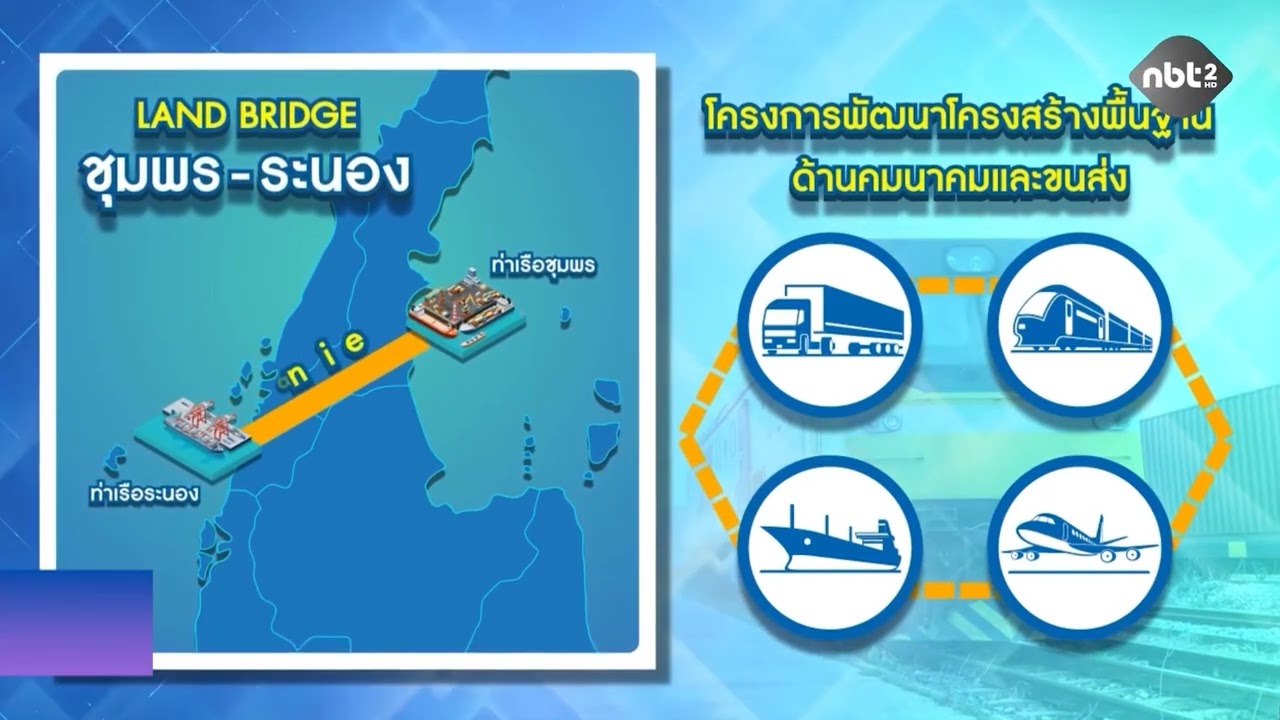
The strategic logic is compelling. A completed land bridge would allow cargo to bypass the Strait of Malacca — one of the world’s most congested shipping chokepoints, through which roughly 40 percent of global trade currently passes — reducing transit times between the Indian Ocean and the South China Sea by two to five days and shaving significant costs off regional shipping routes.
China is the most widely expected primary backer for this project — for reasons that are as strategic as they are financial. A Thai land bridge funded and built by Chinese capital, using Chinese construction expertise, and integrated into Chinese-operated logistics networks would extend the reach of Chinese trade infrastructure deep into the Indian Ocean without requiring Chinese territorial control of any chokepoint. For Beijing, it is Belt and Road logic applied with extraordinary precision.
For Thailand, the calculus is more complicated. The project offers genuine economic transformation — an estimated $28 billion in infrastructure investment, tens of thousands of construction and operational jobs, and a permanent shift in Thailand’s position in regional logistics. But accepting Chinese backing at the scale required would deepen a dependency that Thai policymakers are simultaneously trying to manage. The land bridge negotiations, which have been underway for several years, are moving carefully — and the pace is deliberate, not accidental.
Washington’s pressure: the tariff tightrope
If Beijing represents Thailand’s deepest economic entanglement, Washington represents its most immediate commercial pressure point.
The United States shifted in 2025 from a China-specific tariff strategy to a broader, value-chain-wide protectionist approach targeting entire supply chains in electric vehicles, lithium-ion batteries, solar components, semiconductors, and steel. Countries across ASEAN — including Thailand — found themselves subject to scrutiny that previously applied only to direct Chinese exports.
The implications for Thailand are significant. A Thai facility that is majority-owned by a Chinese firm, uses primarily Chinese-sourced inputs, and exports finished goods to the US market now faces serious rules-of-origin questions that did not exist three years ago. The “36% tariff on Thai goods” framework that emerged from 2025 trade negotiations added urgency to those questions, placing Thailand in active dialogue with Washington over trade terms while simultaneously deepening its economic ties with Beijing.
As one trade expert from Chulalongkorn University put it: “The US wants assurances on market access, but Thailand is walking a tightrope between its largest trading partners.” That assessment captures the position precisely — and it applies not just to Thailand’s government but to every international company operating in the country.
The businesses best positioned to navigate this environment are those that can demonstrate genuine value addition in Thailand — local supply chain integration, Thai employment at skilled levels, meaningful R&D or design functions — rather than those that are simply using Thai addresses to access preferential trade terms. The era of tariff arbitrage through nominal Thai presence is over. The era of genuine Thailand-based value creation is just beginning.
BRICS, FTAs, and the diversification playbook
Thailand’s response to the pressure from both sides has been to accelerate its diversification — not away from China or the US, but toward a broader portfolio of relationships that reduces its exposure to any single partner’s leverage.
The BRICS application is the most visible symbol of this strategy. Thailand has applied for BRICS membership — a move that reads differently depending on who is interpreting it. For Beijing, it signals alignment with a China-led multilateral framework. For Washington, it raises questions about Thailand’s commitment to Western-aligned institutions. For Bangkok, it is simply the next logical step in a multi-alignment strategy that has been running for decades: join every club that offers leverage, and use membership in each to strengthen your position in all the others.
Simultaneously, Thailand is pursuing an ambitious FTA agenda. The Thailand-EU Free Trade Agreement — under negotiation for years — has regained momentum, driven partly by European interest in supply chain diversification and partly by Thai interest in reducing dependence on the China-US axis. FTA frameworks with South Korea and under the ASEAN-Canada agreement offer additional diversification vectors.
ASEAN trade with China rose 15 percent in 2024, while US trade increased 12 percent and EU trade remained strong at €258.7 billion — a distribution of relationships that reflects exactly the kind of balanced portfolio Thailand is trying to maintain at the national level. The FTA strategy is Thailand’s attempt to institutionalise that balance, locking in preferential access to multiple major markets so that no single partner can credibly threaten to withdraw access without consequence.
Public sentiment as a business risk
Strategic frameworks and FTA negotiations are one thing. Public sentiment is another — and executives operating in Thailand need to take the latter seriously.
The gap between Thailand’s government posture toward China and Thai public opinion about Chinese influence is one of the most significant political risks in the country’s business environment. The 90.6 percent concern figure from the ISEAS survey is not an outlier — it reflects consistent polling trends showing unease about Chinese economic dominance, Chinese land ownership, Chinese labour practices at Chinese-owned facilities, and the displacement of Thai manufacturers by Chinese competitors.
This sentiment has already produced concrete policy responses. Proposed VAT on low-priced Chinese goods, stricter enforcement of foreign business ownership rules, and parliamentary scrutiny of Chinese-funded infrastructure projects are all expressions of the same political dynamic: a government that wants Chinese investment but faces an electorate that is increasingly sceptical of Chinese influence.
For business executives, the implication is clear: a market entry strategy that ignores Thai public sentiment about China is not just politically naive — it is commercially risky. Chinese-invested businesses that integrate into local supply chains, hire Thai workers at all levels, and invest in community relationships are dramatically better positioned than those that operate as self-contained Chinese enclaves. Non-Chinese firms operating alongside Chinese partners need to understand how their association is perceived — and manage that perception actively.
The business strategy for Thailand’s multi-alignment reality
What does all of this mean for the executive making decisions about Thailand today?
First, understand which axis your business primarily operates on. A manufacturing operation selling primarily to the US market has different exposure — and different strategic requirements — than one selling into ASEAN or China. The tariff environment, the rules-of-origin requirements, and the political risk profile differ significantly across these axes. Know yours before you build.
Second, treat Thai partnerships as strategic assets, not operational conveniences. In a multi-alignment environment, a Thai partner with genuine government relationships, local supply chain integration, and community credibility is worth substantially more than a logistics facilitator. The companies that build real Thai partnerships will navigate Thailand’s political crosscurrents far more effectively than those that treat the country as a pass-through.
Third, plan for scenario divergence. Thailand’s balancing act is impressive, but it is not permanent. A sharp deterioration in US-China relations, a change of government in Bangkok, or a significant shift in Chinese investment flows could move the needle in any direction. Executives with five-to-ten-year horizons should stress-test their Thailand strategies against at least three divergent scenarios — closer alignment with China, closer alignment with the West, and continued multi-alignment — and ensure their position is viable under each.
Fourth, watch the land bridge. If Thailand secures financing for the Southern Economic Corridor project and construction begins, it will reshape regional logistics, investment flows, and geopolitical positioning in ways that affect every business with ASEAN exposure. It is the single most significant infrastructure development to monitor.
The bottom line
Thailand’s balancing act is not a failure to choose. It is a deliberate strategy, executed by a country that has spent fifty years learning how to extract maximum value from great-power competition without becoming its casualty.
For business executives, that strategy is both the context and the opportunity. A country committed to multi-alignment will keep its trade routes open, its investment environment active, and its diplomatic relationships functional regardless of what happens between Washington and Beijing. It will not be the cheapest operating environment in ASEAN. But it may well be the most resilient.
In a world defined by geopolitical volatility, resilience is undervalued — until it is the only thing that matters.
End of series — Thailand × China: The Business Opportunity
Articles in this series: 1. The Dragon Meets the Elephant · 2. Factory of the Future · 3. The EV Kingdom · 4. The Digital Silk Road · 5. The Balancing Act, Thailand’s Strategic Tightrope Between China, the US, and ASEAN
Other People are Reading


Production will be shifted to plants in Michigan, Pennsylvania and Ontario.

LONDON — Speculation is swirling around the upcoming wedding of Peter Phillips and Harriet Sperling, with unconfirmed reports suggesting Prince Harry and Meghan Markle may be considering an uninvited appearance at the event amid ongoing estrangement from parts of the royal family.

IBTimes US
The June 6 ceremony in the Cotswolds is expected to be an intimate affair attended by close family and friends, including senior royals such as King Charles and Queen Camilla. However, multiple outlets report that the Duke and Duchess of Sussex have not received invitations, highlighting continued fractures within the family.
Sources close to the couple’s Montecito circle told New Idea magazine that Harry and Meghan have discussed the possibility of attending the reception with their children, Archie and Lilibet, believing they might not be turned away. One source described Harry as “desperate to speak to his family” and “devastated” over the lack of an official invitation.
These claims remain unverified, and representatives for Harry and Meghan have not publicly commented on the reports. Palace officials have similarly declined to address the speculation.
Background on the Wedding
Peter Phillips, 48, the son of Princess Anne and former husband of Autumn Kelly, is set to marry 45-year-old Harriet Sperling, an NHS nurse, in a private ceremony at All Saints Church in Kemble, Gloucestershire. The reception will follow in the Cotswolds area.
The event is described as low-key compared to previous royal weddings, with approximately 150 guests. While many family members are expected, reports indicate Princesses Beatrice and Eugenie are among those whose attendance has not been confirmed. Prince Andrew and Sarah Ferguson are also reportedly not invited.
A friend of Phillips told the Daily Mail that the couple has “simply lost touch” with Harry. “Peter and Harry haven’t spoken for several years and have simply lost touch. Peter and Harriet’s wedding is an intimate occasion with their close friends and immediate family around them in the Cotswolds,” the friend said.
Tensions and Public Remarks
The reported distance between the cousins gained attention after Mike Tindall, husband of Zara Phillips, made a light-hearted but pointed remark about Harry during a podcast appearance. While discussing wedding guests, Tindall referenced Harry by saying he knew him “when he was fun.”
The comment, made on “The Good, The Bad and The Rugby” podcast, quickly circulated in media coverage and was interpreted by some as underscoring the shift in Harry’s public image and family relationships since stepping back from royal duties in 2020.
Harry and Meghan relocated to California after their high-profile departure from royal life, citing intense media scrutiny and lack of support. Their subsequent Netflix series, interviews and Harry’s memoir “Spare” further strained relations with the family, particularly with Prince William and King Charles.
Security and Travel Considerations
Any potential trip to the UK by Harry would involve complex security arrangements. The duke is currently awaiting the outcome of a legal challenge regarding his personal protection when visiting Britain. He has expressed reluctance to return without adequate safeguards for himself and his family.
Royal experts note that an uninvited appearance at a private family event could create awkward dynamics, especially given the desire for an intimate celebration. One commentator suggested that Harry and Meghan’s presence could turn the wedding into a “PR circus,” complicating the couple’s wish for privacy.
Family Dynamics in Flux
The Phillips wedding comes at a time of evolving royal roles. Peter Phillips, who does not hold a royal title despite being the grandson of Queen Elizabeth II, has maintained a lower public profile. His first marriage ended in divorce in 2021. He and Sperling announced their engagement in 2025.
Observers point to the event as another marker of shifting inner circles within the family. While Harry once shared a close bond with his cousins, including joint appearances at polo matches and the 2012 Olympics, those relationships appear diminished.
King Charles has reportedly prioritized reconciliation efforts in recent months, though progress remains limited. Harry’s brief visits to the UK, such as for funerals and court appearances, have been low-key and without full family reunions.
Public and Media Interest
The story has generated significant online discussion, reflecting enduring fascination with royal family matters. Tabloid coverage has framed the situation as evidence of Harry’s isolation, while supporters of the Sussexes argue that the lack of invitation reflects unfair treatment.
No official guest list has been released by the couple, and it remains unclear whether any last-minute changes could occur. Wedding planners for high-profile events often maintain flexibility, but insiders emphasize the desire for a private day focused on the bride and groom.
Broader Context
Harry and Meghan have focused on their Archewell Foundation initiatives, media projects and family life in Montecito since leaving the UK. Their children, Archie, 7, and Lilibet, 5, have limited public exposure. The couple has spoken about the challenges of raising them away from royal obligations.
For Phillips and Sperling, the wedding represents a new chapter. Sperling’s background in nursing has drawn comparisons to other royal spouses known for public service. The couple has made joint appearances, including at Easter services.
As the date approaches, attention will likely intensify on who attends and any visible signs of family unity or continued division. Royal watchers will monitor arrivals closely, though the private nature of the venue may limit media access.
The situation underscores the complexities facing the modern royal family: balancing tradition, personal relationships and public expectations. Whether Harry makes any attempt to bridge the gap remains uncertain, but current reporting suggests the divide persists.
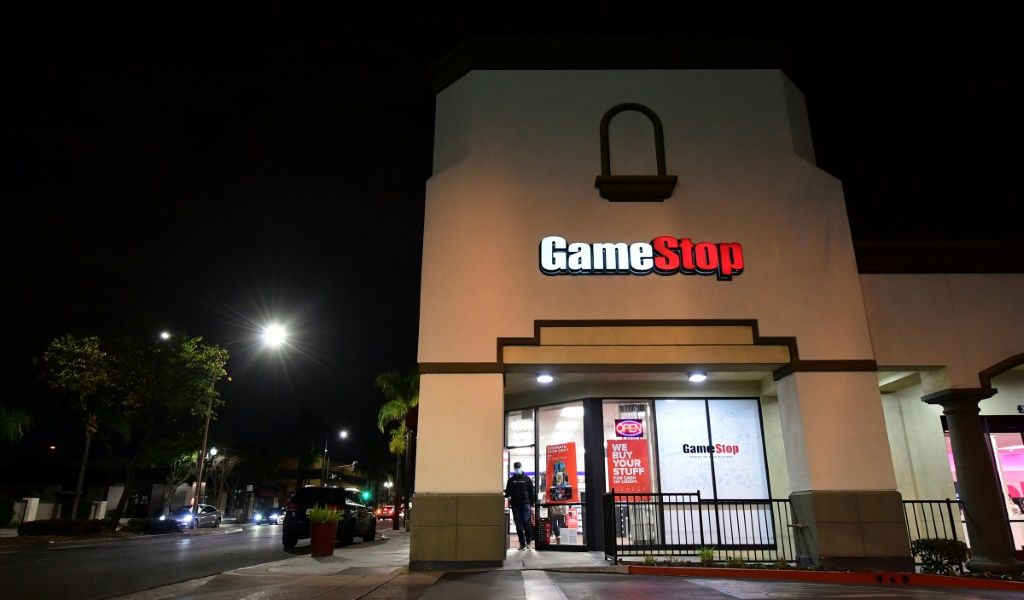
NEW YORK — GameStop Corp. shares fell about 1.4% in morning trading Tuesday, trading near $21.06 as investors weighed the video game retailer’s aggressive but unsuccessful push to acquire eBay against an upcoming quarterly report and broader market dynamics.

AFP / Frederic J. BROWN
The slight decline came on moderate volume, with the stock showing limited movement in a session where many retail names faced pressure. GameStop closed the previous session at $21.36 after a modest gain. Year-to-date, the shares are up roughly 6%, outperforming several other former meme stocks that have struggled in 2026.
Bold Strategic Moves Define 2026
GameStop has remained in the spotlight this year largely due to Chairman and CEO Ryan Cohen’s ambitious vision for transformation. In May, the company made a surprise $56 billion unsolicited bid for eBay, proposing a mix of cash and stock that valued the online marketplace at a significant premium. eBay’s board quickly rejected the offer as “neither credible nor attractive,” prompting Cohen to push back publicly and raise GameStop’s stake in the target company.
By late May, GameStop had increased its ownership in eBay to 7.8% from earlier levels, signaling continued interest despite the rebuff. Cohen has framed the potential combination as a way to create a major player in consumer commerce, leveraging GameStop’s cash reserves and retail footprint with eBay’s platform.
The company holds a substantial war chest, with analysts estimating nearly $9 billion in cash and marketable securities as of early 2026. This liquidity stems from previous share offerings, cost-cutting measures and conservative balance sheet management under Cohen’s leadership.
Financial Performance and Outlook
GameStop’s most recent full-year results, released in March for fiscal 2025, showed net sales of $3.63 billion, down from the prior year amid industry-wide shifts toward digital gaming. However, the company posted stronger profitability, with net income rising significantly to $418.4 million. Adjusted figures highlighted operational improvements.
Investors are now looking ahead to first-quarter 2026 earnings, expected around June 9 or 10. Consensus estimates call for revenue near $767 million and earnings per share of about $0.16. The report will provide fresh insight into same-store sales trends, collectibles performance and progress on diversification efforts.
The retailer has been closing underperforming stores while investing in higher-margin areas like collectibles, which showed strong growth in prior quarters. Management has also explored technology and e-commerce enhancements to adapt to changing consumer habits.
Leadership and Incentive Structure
Cohen’s compensation remains tied closely to performance. In January, the board approved a long-term incentive plan granting him options for up to 171 million shares, exercisable only upon achieving ambitious targets, including substantial EBITDA growth and market capitalization milestones. The structure includes no base salary or guaranteed bonuses, emphasizing alignment with shareholder outcomes.
This approach has drawn mixed reactions. Supporters see it as a high-conviction bet on Cohen’s ability to deliver transformative growth, while skeptics question the feasibility of the lofty goals in a challenging retail environment.
Meme Stock Legacy and Market Sentiment
GameStop retains its status as a favorite among retail investors, a legacy of the 2021 short squeeze that propelled shares to extraordinary heights. Short interest remains notable at around 14% of float, though far below pandemic-era peaks. Options activity continues to reflect speculative interest.
The stock has exhibited lower volatility in recent months compared to its history but still carries a beta above 1.0, moving with broader market swings. Its 52-week range spans from roughly $19.93 to $31.05.
Analyst coverage remains limited and cautious. Most firms maintain neutral or hold ratings, with price targets clustering near current levels. The lack of a clear turnaround narrative in core video game retail has kept many institutional investors on the sidelines.
Challenges in Core Business
The video game industry continues evolving rapidly, with digital downloads and subscriptions pressuring traditional brick-and-mortar sales. GameStop has responded by reducing its store count and emphasizing services, pre-owned products and pop culture merchandise.
Competition from Amazon, Walmart and specialized online platforms adds pressure. Meanwhile, console cycles and game release schedules heavily influence quarterly results.
Broader economic factors, including consumer spending on discretionary items, could impact performance in the second half of 2026. Any slowdown in gaming demand or delay in major titles might weigh on results.
Strategic Risks and Opportunities
The eBay pursuit highlights GameStop’s willingness to pursue large-scale deals, but it also carries execution risks. Regulatory scrutiny, integration challenges and shareholder approval would be required for any future transaction of that magnitude. Cohen has indicated openness to other “very big” consumer acquisitions that could multiply the company’s value.
On the positive side, GameStop’s cash position provides flexibility for share repurchases, investments or further M&A. Recent warrant distributions have also offered shareholders additional upside potential while potentially bolstering capital.
What to Watch
Near-term focus rests on the Q1 earnings release and any updates on strategic initiatives. Management commentary around capital allocation and acquisition pipelines will be closely parsed.
Longer term, success hinges on whether GameStop can stabilize its retail operations while executing on transformative opportunities. The company’s meme-stock following ensures high visibility, but sustained fundamental improvement is needed for lasting valuation gains.
As of midday Tuesday, broader market sentiment appeared neutral, with technology and consumer discretionary sectors showing mixed performance. GameStop’s movement remains heavily influenced by company-specific news flow rather than sector trends.
Investors will continue monitoring social media sentiment and options flows, which have historically amplified volatility in the name. With the stock trading well below its 2021 peaks but above multi-year lows, the coming weeks could prove pivotal in determining near-term direction.
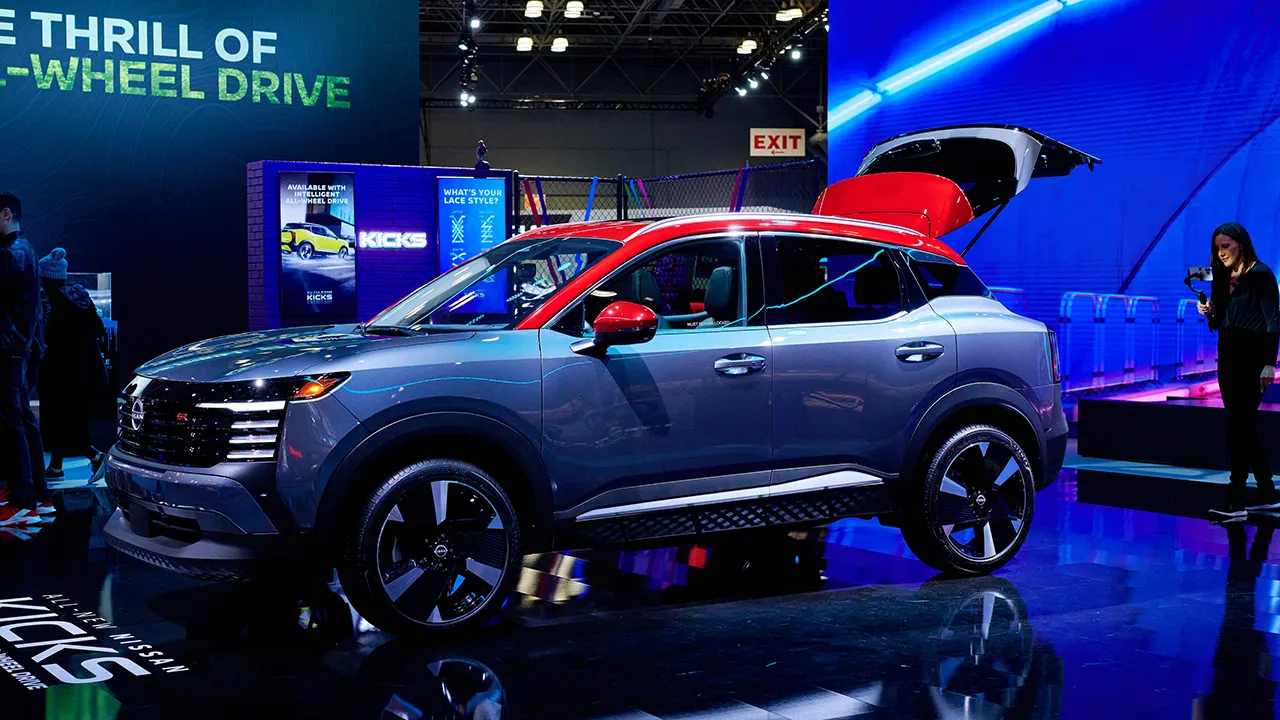
FOX Business correspondent Ashley Webster reports on Nissan’s growth in Tennessee as it rides momentum on ‘The Big Money Show.’
Nissan is recalling more than 51,000 Kicks SUVs because a software defect can cause the dashboard display to go partially or completely blank, potentially preventing drivers from seeing critical vehicle information.
The recall affects 51,598 model year 2025-2026 Nissan Kicks vehicles manufactured between June 24, 2024, and Jan. 9, 2026, according to documents filed with the National Highway Traffic Safety Administration.
Nissan said a software logic error within the vehicle’s combination meter, or instrument cluster, can trigger a communication failure between electronic controllers during a cold startup. If that occurs, the display screen may show a partial image, a blue screen or go completely blank.
The malfunction can prevent warning lights, indicators and other safety-related information from appearing on the dashboard, causing the vehicles to fall out of compliance with Federal Motor Vehicle Safety Standard 101 governing vehicle controls and displays.
NISSAN RECALLING OVER 26,000 VEHICLES DUE TO DOOR ISSUE THAT COULD INCREASE RISK OF CRASH

A Nissan Kicks compact SUV is displayed at an auto show. Nissan is recalling 51,598 model year 2025-2026 Kicks vehicles due to a software defect that can cause the instrument cluster display to go partially or completely blank. (Gabby Jones/Bloomberg via Getty Images / Getty Images)
“If the combi-meter display cannot show safety related telltales and indicators, the driver may unknowingly operate the vehicle in an unsafe condition, increasing the risk of a crash,” Nissan said in its filing with federal regulators.
Nissan identified seven technical reports and 205 warranty claims related to the issue between October 2024 and April 2026, though the company said it is not aware of any crashes or injuries connected to the defect.
The automaker said it first became aware of the issue after receiving a field report involving a 2025 Nissan Kicks with a blank display screen at startup. Although technicians initially could not duplicate the problem, diagnostic trouble codes related to the instrument cluster and communication systems were stored in the vehicle.
NISSAN ISSUES MASSIVE RECALL AS FAULTY PART THREATENS ENGINE FAILURE

KRAKOW, POLAND – APRIL 17, 2023: Nissan logo seen on Nissan vehicle parked in Krakow center, on Monday, April 17, 2023, in Krakow, Poland. ((Photo by Artur Widak/NurPhoto via Getty Images) / Getty Images)
Over the following months, Nissan and supplier Continental investigated additional reports involving intermittent blank or blue-screen displays. Engineers ultimately traced the issue to an integrated-circuit malfunction that can disrupt communication within the instrument cluster, causing the display to go blank.
The recall affects one of Nissan’s newer U.S. models and comes as automakers continue to grapple with software-related defects that have become an increasingly common source of vehicle recalls.
NISSAN INCREASES JOB CUTS TO 20K BY 2027

A worker assembles a Nissan vehicle at a manufacturing facility. Nissan is recalling 51,598 model year 2025-2026 Kicks SUVs because a software defect can cause the instrument cluster display to go partially or completely blank. (Getty / Getty Images)
To fix the problem, dealers will update the combination meter software at no cost to owners. The repair is expected to take about 30 minutes.
Dealer notifications began May 22, while owner notification letters are scheduled to be mailed beginning July 1. Vehicle owners can contact Nissan customer service at 800-647-7261 and reference recall number PMA66.
GET FOX BUSINESS ON THE GO BY CLICKING HERE
FOX Business has reached out to Nissan for additional comment on the matter.
Business
Rainbow Six Siege Down? Season Launch Delayed as Operation System Override Maintenance Extended
NEW YORK — Ubisoft’s popular tactical shooter Tom Clancy’s Rainbow Six Siege faced a setback Tuesday as the launch of its highly anticipated Year 11 Season 2, Operation System Override, encountered extended server maintenance, frustrating players eager to access new content.
The official Rainbow Six Siege account on X announced the delay shortly after the scheduled 9:00 a.m. EDT start time, stating that maintenance had been extended while teams worked to bring the new season live. “The Operation System Override maintenance will be extended for an estimated 30 minutes,” the account posted, followed by a later update noting ongoing work with further details to come.
The season introduces several major features, including the Ranked Overhaul 3.0, a new map called Calypso Casino, and updates to the operator Dokkaebi, who receives a new XK23 assault rifle and a remastered Jegeo Payload ability. These changes aim to refresh competitive play and expand the game’s tactical depth as it enters its 11th year.
Player Reactions and Community Frustration
The delay triggered a wave of responses from the player base, with many expressing disappointment over the timing on launch day. Comments ranged from understanding calls for thorough testing to sharp criticism of recurring issues with season rollouts. Some players noted the irony of the “System Override” theme amid technical hurdles, while others urged patience to avoid rushed implementation.
This is not the first time Rainbow Six Siege has experienced launch-day hiccups. The long-running title, known for its destructible environments and operator-based gameplay, has built a dedicated following despite occasional server and update challenges common in live-service games.
What Operation System Override Brings
The new season focuses heavily on competitive improvements. The Ranked 3.0 overhaul promises better matchmaking, clearer progression systems, and adjustments designed to reward skill more consistently. Ubisoft highlighted these changes in pre-launch notes, aiming to address longstanding player feedback on ranking fairness.
The Calypso Casino map introduces a fresh venue with casino-themed aesthetics, offering new lines of sight, destructible elements, and strategic opportunities. Dokkaebi’s updates enhance her utility, blending her existing hacking capabilities with improved firepower.
These additions come as the game continues to evolve following its shift toward broader accessibility. Earlier updates in Year 11 emphasized quality-of-life improvements, and Operation System Override builds on that momentum.
Broader Context for Rainbow Six Siege in 2026
Now in its second decade, Rainbow Six Siege remains one of Ubisoft’s flagship titles with a strong esports scene and consistent player base. The game has undergone significant transformations, including major balance passes, anti-cheat enhancements, and content expansions to keep veteran players engaged while attracting newcomers.
The Year 11 roadmap reflects Ubisoft’s commitment to the title’s longevity. With free-to-play elements and cross-platform play fully integrated, the studio continues investing in infrastructure and new features. However, technical reliability during peak update periods remains a point of discussion within the community.
Tuesday’s maintenance extension is expected to be resolved within hours, though exact resumption times were not immediately confirmed. The team emphasized that they would not rush the process to ensure stability.
Impact on Players and Esports
For casual players, the delay means postponed access to new operators, weapons, and cosmetics. Competitive players and streamers, who often plan content around season launches, face rescheduled streams and practice sessions. The delay could also affect early leaderboard activity once servers return.
Esports programming tied to the new season may see minor adjustments, though major tournaments typically follow a structured calendar that accounts for such variables. The ongoing R6 Stage 1 and preparations for larger events like the Six Invitational continue unaffected in the short term.
Ubisoft’s Track Record and Future Outlook
Ubisoft has a history of supporting Rainbow Six Siege through consistent seasonal content, a model that has sustained the game far beyond initial expectations. Each season typically brings operator reworks, map updates, and balance tweaks informed by data and community input.
Analysts note that while technical issues can temporarily dent player sentiment, the game’s core loop and dedicated fanbase provide resilience. Long-term success depends on delivering promised features like marketplace improvements and continued anti-toxicity measures.
As maintenance progresses, players are advised to monitor official channels for updates. Ubisoft’s support team is likely addressing backend issues to minimize post-launch bugs, a standard practice for major live-service deployments.
Community and Industry Perspective
The incident highlights challenges faced by live-service games in 2026, where high player expectations meet complex technical demands. Similar delays have occurred across titles from various publishers, often sparking temporary backlash before content releases restore enthusiasm.
For Rainbow Six Siege, the focus remains on delivering a polished experience. Once available, Operation System Override is poised to reinvigorate gameplay with its ranked changes and fresh map. Players can expect detailed patch notes upon launch detailing exact balance adjustments and bug fixes.
As the day progresses, attention will shift from the delay to in-game reactions. Early impressions of the new map and operator changes will likely dominate discussions once servers stabilize.
The extension serves as a reminder of the meticulous work required to maintain a title with millions of active users. Ubisoft’s transparency through real-time updates helps manage expectations, even if it doesn’t fully alleviate frustration on launch day.
With Rainbow Six Siege showing no signs of slowing down, this season represents another chapter in its enduring story. Fans will soon be able to dive into the new content, testing strategies on Calypso Casino and climbing the updated ranked ladder.

Buru Rehab director shared insight into the lengths the company is going to to break down barriers to work for Indigenous people in the Kimberley

Crypto Correction Erases $176B in Funds, Signals Bear Market

Ineos double down on transfer strategy – this is what it means for Manchester United

Where Does Your Salary Go? Fix It With This 4-Account Rule!



-

 NewsBeat7 days ago
Israel says it has killed new Hamas military leader in Gaza City airstrikes
-

 Tech7 days ago
NASA taps Blue Origin to deliver lunar rovers for Moon Base initiative
-

 News Videos5 days ago
This is BROKEN! INSANE 5x MONEY CAR WASH WEEK! The NEW GTA Online UPDATE Today! (GTA5 New Update)
-

 News Videos7 days ago
XRP *JUST* SUCCEEDED!!!! CLARITY ACT EXPOSED!!! (SHE EXPOSED IT)
-
 Tech4 days ago
SpaceX just won a second Golden Dome contract. This one is $4.16 billion.
-

 Tech5 days ago
Waymo dominates autonomous vehicle registrations as Tesla trails behind
-

 News Videos4 days ago
SHE IS KILLING XRP!!! WATCH URGENT AND ACT FAST
-
 NewsBeat4 days ago
FIRST NIGHT REVIEW: Take That bring the Circus back to life in spectacular sun-soaked style
-

 Business1 day ago
Jade Biosciences, Inc. (JBIO) Discusses Positive Interim Results From JADE101 Phase I Healthy Volunteer Study and Development Plans Transcript
-

 Tech7 days ago
The Samsung pay deal is the moment Korean unions changed register
-
 Crypto World4 days ago
CFTC Has Approved the First Regulated Bitcoin Perpetual Contract in the U.S.
-
Crypto World7 days ago
SpaceX’s $2 Trillion IPO: Why Tech Giants Nvidia (NVDA), Apple (AAPL), and Microsoft (MSFT) May Face Pressure
-
 Entertainment7 days ago
The Most Misunderstood Sci-Fi Horror Movie of the Last 10 Years Just Took Over Netflix
-
 NewsBeat4 days ago
Novak Djokovic v Joao Fonseca LIVE: French Open latest scores and results after Jannik Sinner’s shocking collapse
-
 Crypto World4 days ago
Snowflake (SNOW) Stock Rallies on Strong Q1 Results and AI Product Growth
-
 Entertainment4 days ago
Weak ‘Supergirl’ Box Office Tracking Amid Milly Alcock Backlash
-

 Business4 days ago
Demand Conditions Improve In Chemicals Sector In April 2026
-

 Business4 days ago
Is the Spurs Phenom Already Better Than Prime Diesel?
-

 Crypto World4 days ago
MicroStrategy Moves $30 Million in BTC to Coinbase Prime: Is the Bitcoin Sell-Off Already Here?
-
 NewsBeat7 days ago
Energy price cap set for major rise from July as millions face higher bills
You must be logged in to post a comment Login