

Business
VIX Plunges 7.86% to 16.29 as US-Iran Peace Deal Triggers Sharp Drop in Market Fear Gauge


The VIX, widely known as Wall Street’s fear index, tumbled 1.39 points or 7.86% on Monday to close at 16.29, its lowest level in several weeks, as investors embraced the US-Iran peace agreement and the reopening of the Strait of Hormuz, dramatically reducing perceived geopolitical risks and boosting risk appetite across global markets.
The steep decline in the Chicago Board Options Exchange Volatility Index reflected a rapid unwinding of protective positions as concerns over prolonged energy disruptions and potential escalation in the Middle East eased. The VIX measures expected volatility in the S&P 500 over the next 30 days, derived from options pricing, and is often called the market’s “fear gauge” because it tends to rise during periods of uncertainty and fall when confidence returns.
Monday’s drop came as President Donald Trump announced the completion of a ceasefire deal with Iran, authorizing the immediate lifting of the naval blockade and toll-free reopening of the critical oil shipping lane. Oil prices fell sharply on the news, while major stock indices including the Dow, S&P 500 and Nasdaq posted strong gains, with the Dow and Nasdaq reaching record closes.
Geopolitical Relief Drives Volatility Collapse
The agreement, mediated with help from Pakistan and set for formal signing in Switzerland, includes an end to military operations and the start of technical talks on Iran’s nuclear program. The prospect of restored stable oil flows through the Strait of Hormuz removed a major source of uncertainty that had kept the VIX elevated in recent sessions.
Traders rushed to sell volatility products and cover short positions as the market priced in a lower-risk environment. The VIX often moves inversely to stock prices, and Monday’s synchronized rally in equities and plunge in volatility exemplified this relationship during periods of positive news.
Analysts described the move as a classic de-risking event. With one of the world’s most important energy chokepoints returning to normal operations, investors felt more comfortable reducing hedges and embracing growth-oriented assets. The VIX falling below 17 signals a return to relatively calm market conditions, though levels can fluctuate quickly with new developments.
Broader Market Reaction
The VIX decline coincided with strong performance across asset classes. Technology and growth stocks led the Nasdaq higher, while small-caps in the Russell 2000 also advanced as domestic-focused companies benefited from expectations of lower energy costs. Bond yields stabilized, and the dollar showed mixed moves as risk sentiment improved.
Lower volatility benefits a wide range of investors and strategies. It reduces the cost of options-based hedging, supports carry trades and generally encourages capital allocation toward riskier assets. For corporate treasurers and portfolio managers, the calmer environment simplifies planning and risk management.
The drop also reflected improving sentiment around the US economy. With potential relief on energy prices, inflationary pressures could moderate, giving the Federal Reserve more flexibility. This backdrop generally supports lower volatility readings.
Implications for Investors and Traders
A VIX reading around 16 indicates that options traders expect relatively modest daily swings in the S&P 500 in the coming month. While not extremely low by historical standards, it represents a meaningful easing from levels seen during the height of recent tensions.
For options traders, the decline in implied volatility reduces premiums on both calls and puts, affecting strategies ranging from covered calls to protective puts. Long-term investors may view the lower VIX as a signal that the market is digesting positive news without excessive fear, potentially supporting further upside if the ceasefire holds.
However, some caution that volatility can return quickly if implementation of the deal encounters obstacles or if other geopolitical flashpoints emerge. The VIX’s mean-reverting nature means sharp drops are often followed by periods of consolidation rather than continued collapse.
Historical Context and Patterns
The VIX has shown significant swings in 2026 amid fluctuating geopolitical risks, inflation concerns and corporate earnings cycles. Periods of de-escalation, such as the current one, have historically led to compressed volatility as markets refocus on fundamentals.
Monday’s move aligns with past patterns where resolution of major international crises triggered relief rallies and VIX compression. The index’s sensitivity to news flow makes it a useful real-time barometer of investor sentiment, even as its predictive power varies.
What the Drop Signals for the Economy
Lower volatility often correlates with improved economic confidence. Businesses may feel more comfortable investing and hiring when uncertainty around energy costs and global trade diminishes. Consumers could see benefits through lower gasoline prices, supporting spending in a key component of economic activity.
The peace agreement could have positive ripple effects for industries ranging from transportation and manufacturing to consumer goods. Reduced input costs and supply chain stability benefit smaller companies in particular, helping explain the Russell 2000’s participation in Monday’s rally.
Looking Ahead
Market participants will closely monitor developments around the Iran deal’s implementation, including verification of the ceasefire and progress on nuclear discussions. Any setbacks could quickly reverse some of the volatility compression seen on Monday.
Upcoming economic data, including inflation readings and manufacturing surveys, will also influence the VIX. Stronger-than-expected growth with contained inflation could support further declines in volatility, while surprises in either direction might prompt renewed hedging activity.
The Federal Reserve’s next policy communications will be watched for signals on interest rates. A stable or easing policy path in a lower-risk global environment would generally be positive for maintaining subdued volatility levels.
As 2026 continues, the VIX will remain a key indicator of market stress and investor sentiment. Monday’s sharp drop highlights how quickly conditions can improve when major risks recede, offering a reminder of markets’ resilience and capacity for rapid adjustment.
For now, the lower VIX reading suggests investors are breathing easier after months of geopolitical concerns. Whether this calm persists will depend on the durability of the US-Iran agreement and the broader global economic picture. Investors and traders alike will be watching closely as the situation evolves in the days and weeks ahead.



Daniel Sereda is chief investment analyst at a family office whose investments span continents and diverse asset classes. This requires him to navigate through a plethora of information on a daily basis. His expertise is in filtering this wealth of data to extract the most critical ideas.
He runs the investing group Beyond the Wall Investing in which he provides access to the same information that institutional market participants prioritize in their analysis. Learn more.
Analyst’s Disclosure: I/we have no stock, option or similar derivative position in any of the companies mentioned, but may initiate a beneficial Long position through a purchase of the stock, or the purchase of call options or similar derivatives in SSRM over the next 72 hours. I wrote this article myself, and it expresses my own opinions. I am not receiving compensation for it (other than from Seeking Alpha). I have no business relationship with any company whose stock is mentioned in this article.
Seeking Alpha’s Disclosure: Past performance is no guarantee of future results. No recommendation or advice is being given as to whether any investment is suitable for a particular investor. Any views or opinions expressed above may not reflect those of Seeking Alpha as a whole. Seeking Alpha is not a licensed securities dealer, broker or US investment adviser or investment bank. Our analysts are third party authors that include both professional investors and individual investors who may not be licensed or certified by any institute or regulatory body.
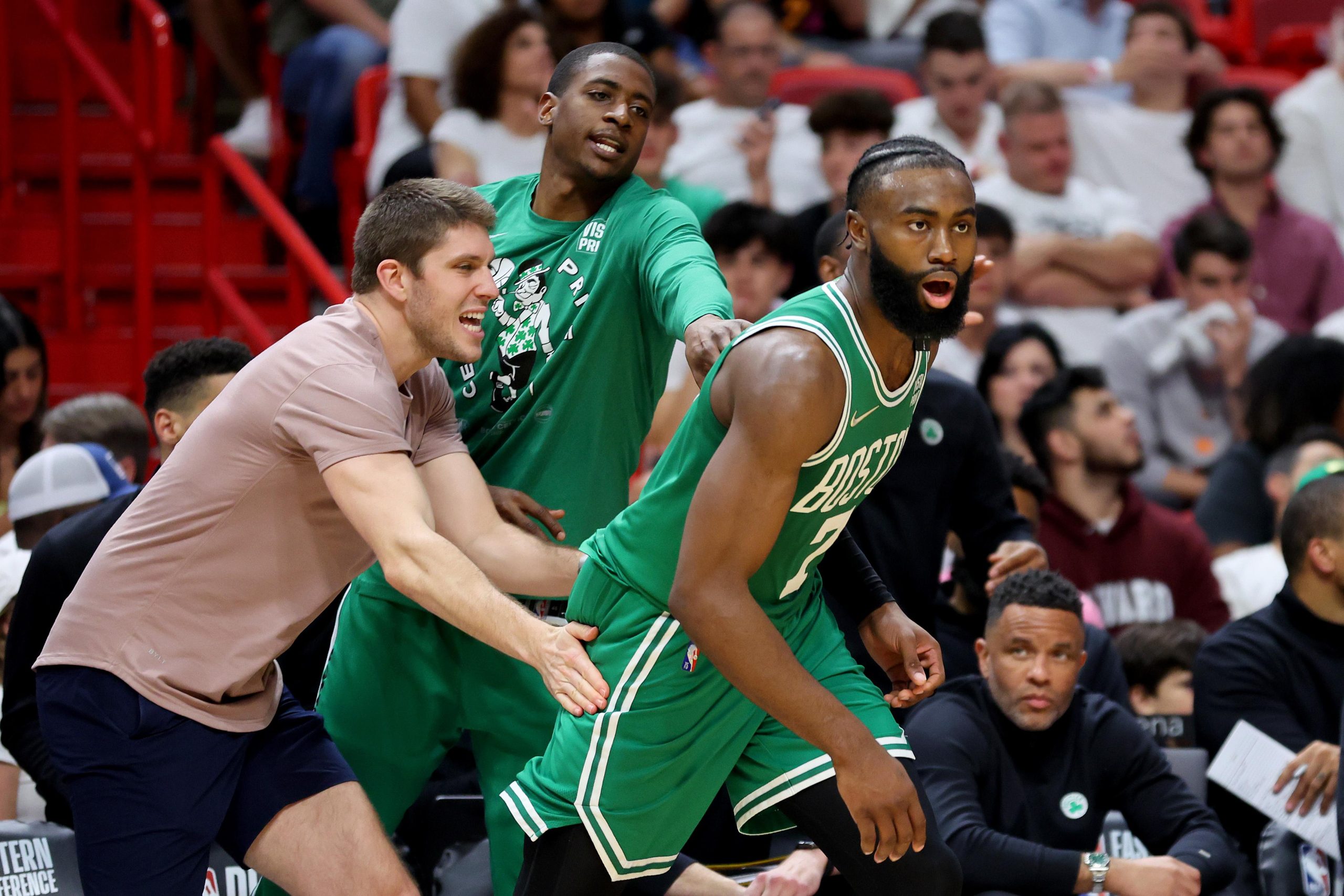
Trade speculation surrounding Boston Celtics star Jaylen Brown has intensified in recent weeks, with the two-time All-Star’s name frequently mentioned in discussions as the franchise evaluates options to maintain contention following a challenging stretch and amid broader roster considerations.
The Celtics, coming off a period of roster evaluation after falling short of expectations in recent playoffs, face decisions on long-term construction around Jayson Tatum. Brown’s expiring contract and high salary have made him a focal point in hypothetical deals, particularly as teams explore ways to pair elite talent with championship-caliber supporting casts. While no deal is imminent, the rumors reflect the fluid nature of NBA offseason planning and the Celtics’ willingness to explore bold moves to address defensive and depth needs.
Boston’s front office has reportedly engaged in preliminary discussions involving Brown, with league sources indicating interest from several contending teams seeking perimeter scoring and defensive versatility. The 29-year-old forward’s championship experience from the 2024 title run adds value, though his recent contract extension and injury history require careful evaluation by potential suitors.
Potential Destinations and Trade Frameworks
Multiple reports have linked Brown to teams like the Golden State Warriors in scenarios involving star players, though such deals remain highly speculative. The Warriors, rebuilding around Stephen Curry, could view Brown as a long-term piece to complement their veteran core, but salary matching and asset considerations complicate any framework.
Other Eastern Conference contenders have also been mentioned, with teams seeking to upgrade wing depth eyeing Brown’s two-way capabilities. However, the Celtics’ reluctance to part with a key piece of their championship puzzle unless the return significantly improves roster balance has limited concrete progress on potential deals.
Gary Washburn of The Boston Globe addressed the rumors during a recent appearance. “I don’t think Giannis is going to be a Celtic. … But I do think the Celtics are gauging what it would take to get Giannis to Boston and trying to figure out whether they want to move Jaylen Brown,” Washburn said. “And if there’s rumors that Jaylen is being moved and he hears that all summer, what kind of mentality will he have coming into next season, which is critical for this franchise.”
The comments highlight concerns about player morale and team chemistry if trade speculation persists. Brown has expressed commitment to Boston in the past, but the business realities of professional sports often lead to roster adjustments even for established stars.
Celtics’ Strategic Outlook
Boston’s front office faces a delicate balancing act. The team achieved significant success with the Tatum-Brown duo but has encountered challenges maintaining depth and addressing defensive inconsistencies. Trading Brown would represent a major philosophical shift, potentially signaling a rebuild or retooling around Tatum and younger talent.
President of basketball operations Brad Stevens has historically prioritized contention windows, making any move involving Brown dependent on acquiring high-impact players or significant future assets. The Celtics’ strong financial position allows flexibility, but luxury tax implications and roster fit remain primary considerations.
Recent draft picks and young contributors provide additional options, potentially allowing the team to retain Brown while addressing needs through targeted additions. However, persistent rumors suggest internal discussions about long-term construction continue as free agency and the draft approach.
Brown’s Value and Career Context
Brown has established himself as one of the league’s premier two-way wings, combining scoring ability with strong perimeter defense. His contributions during Boston’s championship run demonstrated clutch performance and leadership qualities that would appeal to contending teams seeking immediate impact.
Contract details, including the remaining years and salary, make Brown an attractive but expensive asset. Teams acquiring him would need to manage cap space carefully while integrating his skill set into existing systems. Brown’s professionalism and work ethic have earned respect across the league, factors that could ease transition to a new franchise if a deal materializes.
Broader NBA Offseason Landscape
The Brown rumors occur amid a busy NBA offseason featuring several high-profile storylines, including Giannis Antetokounmpo trade speculation. Teams are positioning themselves for roster upgrades ahead of the draft and free agency, with wing players like Brown representing valuable currency in potential blockbuster deals.
The Celtics’ situation reflects wider league trends where championship windows require continuous evaluation and occasional difficult decisions. Successful franchises balance loyalty to core players with strategic adaptability to remain competitive in an increasingly parity-driven environment.
Analysts expect continued movement as teams finalize draft strategies and explore trade opportunities. Brown’s name will likely remain prominent in discussions until the Celtics clarify their intentions or the rumors dissipate through other roster moves.
Fan and Industry Reactions
Celtics fans have expressed mixed emotions regarding the rumors, with many hoping Brown remains in Boston while acknowledging the need for roster evolution. Social media discussions highlight appreciation for Brown’s contributions alongside debate over potential trade returns.
League insiders view Brown as a high-value asset whose availability could trigger significant market activity. His combination of youth, contract status and proven playoff performance makes him an attractive target for teams seeking immediate contention boosts.
As the offseason progresses, the Celtics’ handling of the situation will be closely watched. A decision to retain Brown would signal confidence in the current core, while exploring trades could indicate a willingness to reshape the roster for future success.
What Lies Ahead
The coming weeks will provide clarity as the draft and free agency intensify. Boston’s front office must weigh short-term competitiveness against long-term flexibility, with Brown’s future central to those calculations. Whether he remains a Celtic or finds a new home, his impact on the league and any team he joins will be significant.
For now, the rumors serve as a reminder of the NBA’s dynamic nature, where even established stars can become trade candidates as organizations pursue championship opportunities. Jaylen Brown’s situation exemplifies the complex decisions facing modern NBA franchises as they balance talent retention with strategic evolution in pursuit of sustained success.

Barclays tracks May gaming revenue showing mixed state results
Wizz Air grants stock options to executives under incentive plan


The pizza chain had been part of the conglomerate since 1997.
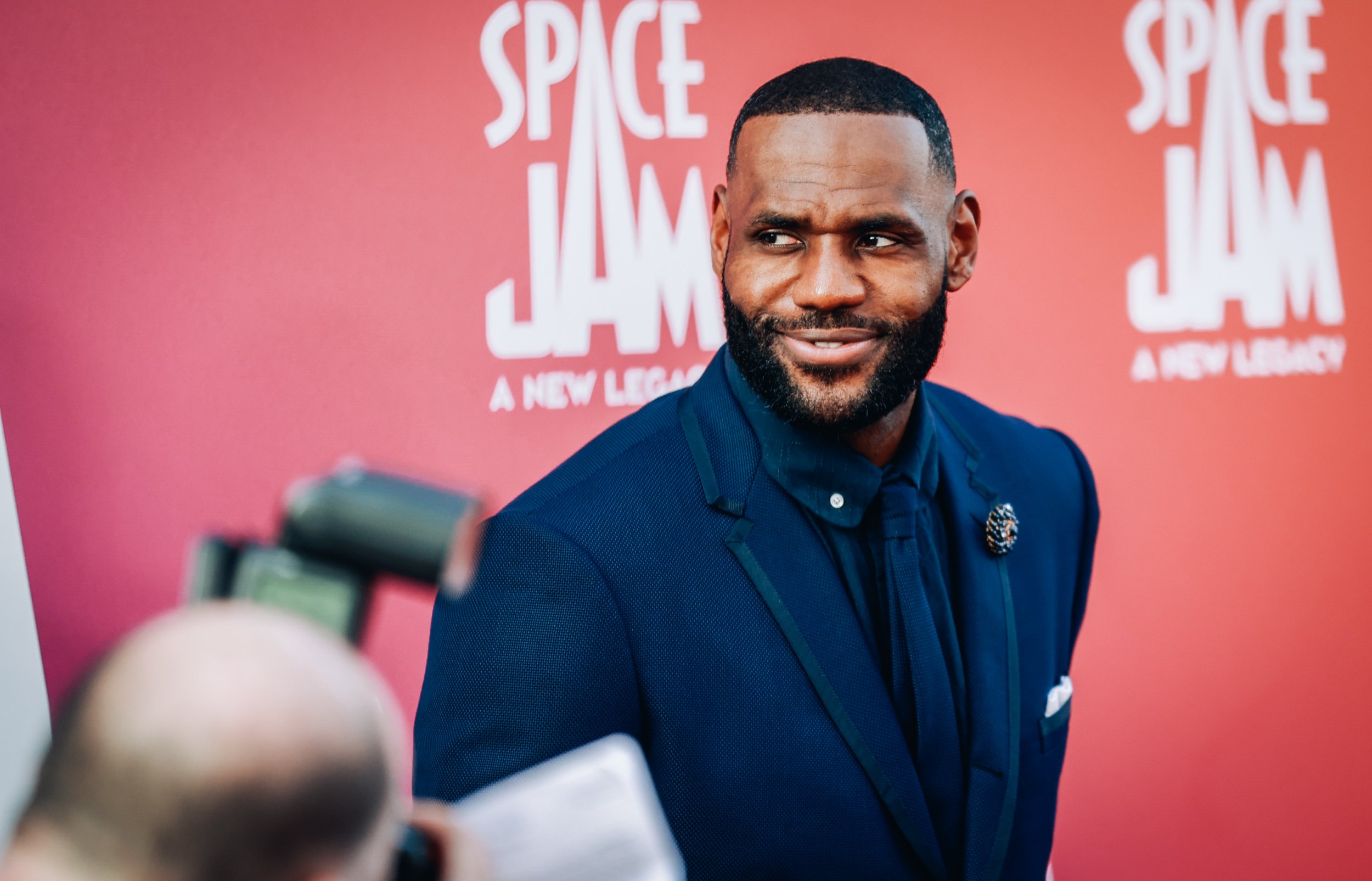
Speculation surrounding LeBron James’ future with the Los Angeles Lakers has intensified in recent weeks, with the 41-year-old superstar’s name linked to several contending teams as the franchise evaluates roster construction ahead of the 2026-27 NBA season.
James, entering the final year of his current contract, remains one of the league’s most impactful players despite his age. His combination of scoring, playmaking and leadership continues to make him a desirable target for teams seeking immediate contention boosts. While no formal trade requests have been reported, persistent rumors reflect the Lakers’ need to balance James’ championship aspirations with long-term roster sustainability.
The Golden State Warriors have emerged as a frequently mentioned destination in hypothetical scenarios. Pairing James with Stephen Curry would create an unprecedented offensive duo, blending James’ all-around brilliance with Curry’s shooting gravity. Such a move would require significant salary matching and asset considerations, but the potential on-court synergy has fueled ongoing discussion among analysts and fans.
Other teams, including the Miami Heat, have also been connected to James in various reports. Miami’s culture of player empowerment and contention focus aligns with James’ preferences, though the Heat’s current roster construction would necessitate creative trade frameworks. James’ history with the franchise adds emotional weight to any potential reunion scenario.
The Lakers’ perspective remains central to the conversation. The organization has built its recent strategy around James and Anthony Davis, achieving deep playoff runs while managing salary cap constraints. However, inconsistent supporting casts and injury challenges have limited championship opportunities in recent seasons. Front office decisions regarding James’ future will significantly influence the team’s direction for the next several years.
James’ Career Context and Current Situation
James has spent the majority of his career chasing and achieving greatness, with four NBA championships across three franchises. His longevity and sustained excellence have set new standards for player durability and impact. At 41, he continues producing All-Star level performances, though load management and strategic rest have become more prominent aspects of his routine.
The Lakers’ recent seasons have featured flashes of contention interspersed with injury setbacks and roster instability. James has publicly emphasized his desire to compete for titles while remaining committed to the franchise that brought him back in 2018. His player option for the 2026-27 season provides flexibility, though trade possibilities add complexity to the situation.
League sources indicate James maintains strong relationships with Lakers management, but the business realities of professional sports often lead to difficult roster decisions. The team’s ability to surround James and Davis with complementary talent will be critical for future success.
Potential Trade Frameworks and Challenges
Any trade involving James would represent a seismic shift for the Lakers and the broader NBA landscape. Salary matching requirements, asset compensation and James’ approval would all factor into potential deals. Teams acquiring him would gain instant championship pedigree but face significant luxury tax implications and roster adjustments.
The Warriors’ interest, if pursued, would center on creating a superteam capable of challenging Western Conference powers. Curry’s off-ball movement paired with James’ playmaking could generate unmatched offensive efficiency. However, defensive considerations and long-term roster building would require careful planning from Golden State’s front office.
Miami’s potential pursuit reflects the franchise’s history of bold moves and player-centric culture. James’ previous success in South Beach adds intrigue, though current roster construction and financial flexibility would influence feasibility.
Other contenders monitoring the situation include teams with cap space or attractive young assets. The Eastern Conference could see significant realignment if James relocates, potentially shifting competitive balance across the league.
Lakers’ Strategic Considerations
Los Angeles faces a critical offseason. Retaining James provides continuity and star power, but the team must address depth and defensive needs to maximize championship chances. Trading James could yield significant assets for a rebuild or retooling around Davis, though such a move would mark the end of an era for the franchise.
The Lakers’ front office has demonstrated willingness to make difficult decisions in pursuit of sustained contention. Recent draft picks and young contributors offer building blocks, but immediate competitiveness remains a priority given James’ timeline.
Financial flexibility under the collective bargaining agreement will influence options. The team’s luxury tax position requires strategic cap management, potentially limiting big-name additions without corresponding outgoing salary.
Broader NBA Offseason Landscape
The James rumors occur amid a busy league offseason featuring multiple high-profile storylines. Teams are positioning for the draft and free agency, with veteran movement expected to reshape several rosters. The Western Conference remains particularly competitive, with multiple teams possessing championship aspirations.
James’ situation exemplifies the challenges facing aging superstars and their organizations. Balancing immediate contention with long-term sustainability requires careful planning and sometimes difficult choices. Other franchises face similar dilemmas as star players enter later career stages.
Analysts expect continued movement as teams finalize strategies. James’ name will likely remain prominent in discussions until clarity emerges regarding his Lakers future or potential destinations.
Fan and Industry Reactions
Celtics fans and league observers have engaged heavily with the rumors, with social media platforms buzzing over potential landing spots. Many Lakers supporters express hope James remains in Los Angeles, while acknowledging the need for roster evolution to support championship goals.
Industry insiders view James as a transformative talent whose availability would trigger significant market activity. His championship experience and leadership qualities make him an attractive target for teams seeking veteran guidance alongside star power.
What Lies Ahead
The coming weeks will provide clarity as the draft and free agency intensify. The Lakers must weigh short-term competitiveness against long-term flexibility, with James’ future central to those calculations. Whether he remains with the Lakers or explores new opportunities, his impact on any franchise will be substantial.
For James personally, the situation represents another chapter in a career defined by excellence and adaptability. His focus on winning championships while maximizing his remaining playing years continues guiding decision-making.
The NBA offseason promises significant developments that could reshape multiple franchises. LeBron James’ situation exemplifies the complex dynamics of player movement, organizational planning and competitive balance in professional basketball. As rumors persist, all eyes remain on one of the league’s most influential figures and the decisions that will shape his legacy’s next phase.

Carvana’s new vehicle franchise for Stellantis includes personalised displays and a vehicle “playground” for consumers for each of its core U.S. brands.
Courtesy Carvana
DALLAS — Carvana is aiming to bring its online strategy for selling used vehicles to sales of new cars and trucks.
But don’t expect the company to actually sell you a vehicle at one of its seven Stellantis franchised dealerships.
Instead, the online vehicle retailer said it intends to use such franchised dealerships as service locations, test drive centers and potentially “playgrounds” for consumers to decide what vehicle they would like to buy through Carvana’s online platforms, marking a stark contrast from how traditional franchised dealers handle new products.
“Every single car that we sell, whether it’s used or new, is online,” Tom Taira, Carvana president of special projects who’s leading the new vehicle operations, told CNBC during an interview at its franchise in Texas. “That’s a very inherent difference. Even coming into the store, you’re buying it online, and that’s a big difference in how people think about it.”
Through its used vehicles sales, Carvana has become the most valuable auto retailer in the U.S. with a more than $70 billion market cap. Carvana’s target with the new vehicle business is to grow its market share and customer base as well as assist used vehicle sales through trade-ins and other means, according to Taira.
If the company is successful, the strategy could cause a ripple effect across the U.S. franchised dealership model, which the National Automobile Dealers Association reports includes 16,990 retailers that topped $1.3 trillion in sales last year.
This week marks the first time Carvana has publicly talked about its plans for new vehicles since it purchased its first Chrysler-Dodge-Jeep-Ram franchised store for Stellantis early last year in Arizona. Its network has since grown to other Carvana-popular markets in Sacramento and San Diego, California; Dallas; Atlanta; Cleveland; and Boston.
“When we got into new cars, we said the only way we’re going to make this happen is to ensure that it goes the Carvana way. That we actually sell cars exactly the same way that we do to used car customers,” Taira said during a media event at its Dallas location. “Why break something that already works?”
Customers visiting Carvana’s franchised dealership in Texas are encouraged to use their smartphones and QR codes to navigate the location and new car buying process for the online vehicle retailer.
Courtesy Carvana
Carvana spent roughly $171 million on its acquisitions of new Stellantis vehicle franchised dealerships, excluding its most recent purchase of a retailer in Ohio, according to public filings. The company declined to disclose any further investments in the stores to implement its strategy.
Taira and the company also declined to disclose Carvana’s new vehicle sales so far or its future expansion plans for additional brands or other Stellantis dealerships. CNBC previously confirmed that the company has quickly grown its new vehicle sales, including a location in Arizona becoming the top-selling dealer in the country for Stellantis.
“We believe that this was worth it to us, as long as we could go out and increase share and increase the pie,” Taira said. He declined to comment on whether the new vehicle business is profitable.
To be able to integrate its new vehicle sales into its current website, as first reported by CNBC, Carvana was approved as a certified website provider for Stellantis instead of utilizing mandated third-party companies. Several franchised dealers said they believed that was a unique benefit for Carvana.
Stellantis, in an statement to CNBC, said Carvana operates as a “corporate owner” of its brands, similarly to other large publicly traded companies such as Lithia and AutoNation.
“We apply the same consistent standards and criteria to all dealer partners, and any organization that meets our qualifications is eligible to operate as a franchisee,” the automaker said, adding that Stellantis “certifies tools and services that will enhance our program and be beneficial to our network. All certified providers must complete a rigorous onboarding process and meet program standards and requirement.”
Test drives, vehicle ‘playground’
Carvana has replaced a traditional franchised dealer’s vehicle lot at a facility in Dallas with a “playground” with each Stellantis brand having a theme, including. Chrysler minivans having a soccer net.
Michael Wayland / CNBC
Carvana is using a location in Dallas as a test center for its foray into new vehicle sales. The facility looks like a traditional Stellantis dealership from the outside, but the consumer process for purchasing a vehicle and the responsibilities of its employees are unprecedented.
Couches and chairs replace cubicles and sales offices. There are no finance and insurance departments, and instead of an army of commission-based employees, the facility has associates that are paid hourly to assist customers — if they want the help.
The experience is meant to be as self-guided as a customer wants. By scanning QR codes located on 10-foot-by-10-foot screens inside the building or on vehicles and displays outside, shoppers can customize a vehicle, learn about a product’s features and conduct test drives before deciding whether to purchase anything. If they do decide to buy something, it’s online and not originated from a sales person, the company said.
The “playground” has roughly 50 vehicles divided by brand, with each having a theme. Jeep has an off-road display. Dodge has race tracks, including a Carvana-themed Charger pace car and part of a traditional track fence barrier. Chrysler minivans, meanwhile, have a soccer net and Ram’s area is truck-centric.
Customers visiting Carvana’s franchised dealership in Texas are encouraged to use their smartphones and QR codes to navigate the location and new car buying process for the online vehicle retailer.
Courtesy Carvana
Carvana is not committing to expanding the exact experience to its other franchised dealer locations, but Taira told CNBC that the overall process of online sales, vehicle testing and service are expected to be consistent throughout the locations.
“I think the business case and the case for additional stores comes out through this location first,” he told CNBC, adding that it built out the store in weeks. “Is it important for us to launch a second? No, I think what’s important is that we get this right. … There’s no giant plan to build test drive centers everywhere.”
Vehicle inventory constraints
Once a customer decides to test drive or even purchases a vehicle from the location, that’s where the process can get more complex, depending on what model a consumer wants.
Taira said the company chose to purchase Stellantis dealerships for the automaker’s breadth of brands as well as its variety of products, which can be a double-edged sword when it comes to consumers actually finding the exact vehicle they want to test drive or purchase.
Unlike a traditional dealership that stockpiles vehicles for customers to test drive before purchasing, at the Texas facility, Carvana has roughly 50 display cars on its “playground,” with twin vehicles for test drives. It had roughly 3,000 new vehicles for sale nationwide compared to more than 60,000 used models as of Wednesday morning, according to its website.
This means that a customer may not be able to test drive the exact vehicle or even model they’re purchasing, but the online process tries to match the best test drive vehicle possible with what they want. It also describes what’s the same and what’s different.

Carvana’s stock over five years.
Looking at the Texas location’s system for vehicles such as an $87,000 Ram 1500 RHO performance model, the closest thing on-site for a test drive was a roughly $61,000 Ram 1500 Big Horn with the same interior and four-door configuration but no other feature matches, including its performance engine.
It’s why traditional automotive dealers have large vehicle inventories, especially for pickup trucks that have a litany of build options and wide bandwidth of performance specs.
Taira said Carvana is continuing to take lessons learned from its year-plus experience of selling new vehicles into its day-to-day operations. He said the company is learning what vehicles to keep in stock and is working to ensure customers know they are buying a new vehicle rather than a used one.
“We’re going through all this technology. This is brand new,” Taira said. “All these things are active, meaning the amount of progression we’re going to make over the course of the next days to weeks to months.”
Taira said the company prioritizes new vehicle sales to local customers, much like it does for used vehicles, to avoid additional costs, but it does use its nationwide logistics network and more than 100 U.S. Carvana locations when necessary.
Carvana will service vehicles
A major question of Stellantis franchised dealers and Wall Street analysts before Carvana revealed its new vehicle plans was how the company planned to service the new products it sells.
Taira said the company, for the time being, will operationally run its service departments like a traditional franchised dealer, but with its guiding strategy of transparent, non-haggling pricing and “hassle-free” customer experience.
“As it relates to how you actually do service, they’re traditional. It’s a traditional setup in that way,” he told CNBC. “In that way, what we’re doing … as it relates to service, we believe the same principles that we have with selling cars.”
A map with a QR code shows the Jeep vehicle area in Carvana’s vehicle “playground” at its franchised store in Dallas, Texas. Each vehicle has a number as well as an accompanying QR code to learn about the vehicle.
Courtesy Carvana
At the end of the day, selling cars is Carvana’s core business, but servicing vehicles has historically been a lucrative market for franchised dealers, along with customer financing, which Carvana has always focused on for its business.
Much like its used vehicles, Carvana is currently only accepting cash or offering financing through the company itself, including selling consumer auto loans it originates to institutional investors and partner banks, such as Ally Financial, to maintain liquidity.
Taira did not dismiss the possibility of Carvana offering leasing or using Stellantis’ financial services, which have been highly profitable for automakers, but said the offerings would need to seamlessly integrate into its current online selling platforms.
“Part of what makes this great, this experience, is what we already know. What we already know is the system that we have in place,” he said. “That does not mean that integration isn’t something that we’re going to be as part of our learning and experimentation going forward.”
Business
Buying US stocks via Gift City to get easier as Zerodha, Groww, Angel One and Upstox get nod

Filings disclosed by the IFSCA show that Groww and Upstox were granted Global Access Provider (GAP) licences, while Zerodha and Angel One were cleared as broker-dealers. Zerodha and Groww received their approvals on June 2, with Angel One following on June 12.
The two licence types work somewhat differently. A GAP licence holder connects directly with a broker based in the US to handle trade settlement. A broker-dealer, by contrast, settles trades indirectly, by routing through a GAP-licensed partner that in turn works with the US broker.
With this approval, Groww and Upstox join a group of platforms already offering cross-border investing as GAPs, including earlier entrants such as Vested Finance and IndMoney. These offerings are built around the Reserve Bank of India’s Liberalised Remittance Scheme (LRS), which permits resident individuals to remit up to $250,000 abroad each year — money that can, among other uses, be invested in foreign stocks.
Appetite for overseas investing appears to be building. The Economic Times reported on June 15 that US stock trading volumes out of India rose by roughly 20% in a single Friday session, a jump it linked largely to investor excitement around SpaceX’s stock market debut. Separately, RBI data shows Indian investors put around $440 million into global equities in March, a 43% increase over the $306 million invested in the same month the previous year.

Zerodha’s move into this space had been signalled earlier: CEO Nithin Kamath said last October that the company was working to enable US stock investing on its platform and had already applied for the necessary licences.
Also read: $6 billion double dhamaka coming: Jio and NSE likely to file for India’s biggest IPOs this weekMore broadly, activity in Gift City is picking up, with a growing number of fintech firms seeking licences that would let them tap into cross-border money flows to and from India. The Economic Times reported separately on May 5 that payment companies were also exploring the Gift City route, looking to set up wallet services within the international finance centre that could support similar cross-border transfers.
(Disclaimer: Recommendations, suggestions, views and opinions given by the experts are their own. These do not represent the views of The Economic Times)


Welcome to my author’s site. As an avid follower of SeekingAlpha, I take great interest in articles posted as the subject matter is often something that appeals to me. However, I will sometimes encounter an article that I might not agree with. My purpose is to present an alternative view to readers that they may want to take into account. I hope you find my articles interesting and informative.
Analyst’s Disclosure: I/we have a beneficial long position in the shares of YB either through stock ownership, options, or other derivatives. I wrote this article myself, and it expresses my own opinions. I am not receiving compensation for it (other than from Seeking Alpha). I have no business relationship with any company whose stock is mentioned in this article.
Seeking Alpha’s Disclosure: Past performance is no guarantee of future results. No recommendation or advice is being given as to whether any investment is suitable for a particular investor. Any views or opinions expressed above may not reflect those of Seeking Alpha as a whole. Seeking Alpha is not a licensed securities dealer, broker or US investment adviser or investment bank. Our analysts are third party authors that include both professional investors and individual investors who may not be licensed or certified by any institute or regulatory body.
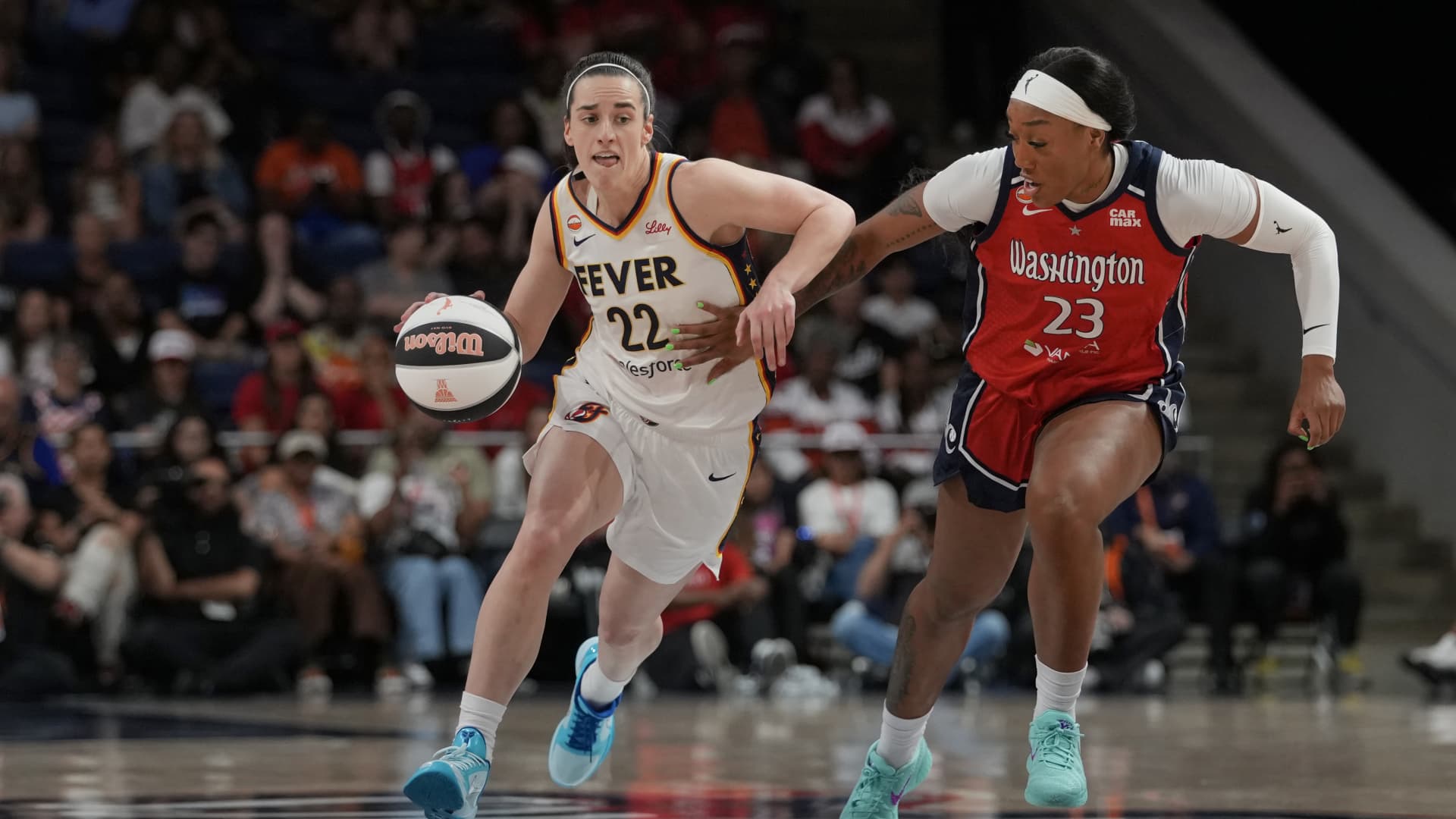

The WNBA is expanding its footprint to CNBC.
CNBC parent Versant announced Wednesday that the business news network will simulcast 11 WNBA games this season. The matchups will also air on Versant’s USA Network.
Last September, Versant and the WNBA announced an 11-year media rights agreement that includes both regular-season and postseason games. As part of that deal, USA Network will air at least 50 games annually.
Coverage on CNBC begins Wednesday night with the defending champion Las Vegas Aces taking on the Phoenix Mercury at 10 p.m. ET. That game is the second of a doubleheader that kicks off with the New York Liberty and Chicago Sky at 8 p.m. ET on USA Network.
The goal of the simulcasts is to ensure that fans don’t miss any of the action, according to USA Sports President Matt Hong. As doubleheaders can occasionally run long, the simulcast will allow viewers to choose which game to tune into if they overlap.
The simulcast will also expose the WNBA to an affluent audience on CNBC as the league seeks to capitalize on booming popularity.
“It’s really a promise that we make to not only the WNBA, but all our league partners that we’ll look for new audiences for them,” Hong said Wednesday on CNBC’s “Squawk Box.”
Wednesday also marks the debut of Indiana Fever guard Sophie Cunningham as an athlete contributor for Versant. She will be involved in studio coverage for both games of the doubleheader on both networks.
The simulcast agreement marks a fresh chapter for CNBC as it explores new revenue streams and navigates a corporate spinout from its former parent, Comcast.
While CNBC has previously carried Olympic events and occasional golf events, the WNBA simulcast represents a further push into live sports for the cable channel.
“Sports is obviously must-see television. I’d put live news and live financial news in that category as well,” said Hong.
That could help Versant in future distribution deals with pay TV providers. Versant is now negotiating these carriage deals on its own after previously tying its programming to NBCUniversal when it was part of Comcast.
Versant’s brands also include MS NOW, E!, SyFy and Oxygen, in addition to digital platforms Fandango, Rotten Tomatoes, GolfNow and GolfPass.
Since news of Versant’s spin-off, Hong has signed five new, expanded or extended rights deals.
The company has deals with several other professional sports leagues including NASCAR, the PGA Tour, LPGA, and Pac-12 football and basketball.
Disclosure: Versant is the parent company of CNBC.

#StockMarket #ShareMarket #Investing #Trading #StockMarketTelugu #Money #Finance #BeginnerInvestor #

Police issue major update after woman died following crash

SSR Mining’s Repricing Still Looks Far From Done (NASDAQ:SSRM)

Blockchain.com files with SEC for U.S. IPO

Israel says it has killed new Hamas military leader in Gaza City airstrikes

NYT Strands Answers May 24 2026 Revealed for Puzzle No. 812 Theme Summer Essentials
#StockMarket #ShareMarket #Investing #Trading #StockMarketTelugu #Money #Finance #BeginnerInvestor #

That is certainly one way to handle a problem #funny #money #shopping #budget #shorts

One of the most dangerous sentences in the world of finance is:“Maybe he’s just that good.”
-

 Business3 days ago
No Jackpot Winner as $257 Million Prize Rolls Over to $269 Million Monday Draw
-

 Crypto World6 days ago
Oppenheimer backs SpaceX as $70 billion retail frenzy builds
-

 Fashion5 days ago
Weekend Open Thread: Tuckernuck – Corporette.com
-

 Crypto World6 days ago
Markets Rally as SpaceX IPO Looms Amid Iran Tensions and Inflation Surge
-
 Crypto World3 days ago
Zimbabwe Requires Crypto Businesses to Register Annually Under New FIU Regulations
-

 Tech4 days ago
NanoClaw integrates JFrog registries to secure AI agent downloads
-

 Tech5 days ago
This Week In Security: Microsoft On Microsoft, Register Your Domains, Linux On ARM, And FreeBSD Joins The File Cache Club
-

 Crypto World4 days ago
Bitget enters Argentina’s regulated crypto market through PSAV registration
-
 Tech6 days ago
Dutton Ranch star claims they ‘didn’t see any disruption’ on set following Chad Feehan’s exit from Yellowstone spinoff fueled by Taylor Sheridan clash rumors
-

 NewsBeat6 days ago
El Nino has formed in the Pacific and could set records, forecasters say
-

 Politics6 days ago
Politics Home | Healey Resignation Is “Colossal Failure Of Government”, Says Former Labour Defence Secretary
-
 Entertainment6 days ago
Donnie Wahlberg & More Heat Up Las Vegas at Circa’s Barry’s Downtown Prime
-
 Tech6 days ago
Opendoor Ends India Operations, Fueling a Bigger Conversation About AI and Outsourcing
-

 Politics6 days ago
Belfast burns, while Met chief points finger at Iran and Russia
-

 Sports6 days ago
First Time Since 1971: Australia Register Historic Low In ODI Cricket
-

 Business6 days ago
AT&T: Verizon's 27% Outperformance Sets Up A Solid Entry Point
-

 NewsBeat5 days ago
FBI searches office of Ohio voter registration group
-
 Tech5 days ago
Anthropic is spending $150M to embed 1,000 AI fellows inside nonprofits. No degree required.
-

 Politics6 days ago
Modi thanks Trump for wishes as US attacks Indian seafarers
-
 Entertainment5 days ago
‘The Pitt’s Fan-Favorite Doctor Confirms Noah Wyle Gave His Blessing to Return [Exclusive]
You must be logged in to post a comment Login