Connect with us
DAPA Banner
DAPA Coin
DAPA
COIN PAYMENT ASSET
PRIVACY · BLOCKDAG · HOMOMORPHIC ENCRYPTION · RUST
ElGamal Encrypted MINE DAPA
🚫 GENESIS SOLD OUT
DAPAPAY COMING

Business

Kunal Shah: The Indian entrepreneur taking charge of WhatsApp

Published

on

Kunal Shah, founder of Indian fintech start-up Cred, wearing a grey tee shirt and sporting sunglasses.

Until recently, Kunal Shah was a familiar name mainly within India’s startup and investor circles.

The founder of fintech company Cred had steadily built a following beyond the businesses he created. His podcast appearances often ventured into topics such as trust, incentives, wealth creation and human behaviour. His social media posts ranged from artificial intelligence to philosophy.

Now, with Meta appointing him to lead WhatsApp, he has been propelled into the global spotlight.

The appointment follows Meta’s $900m (£679m) investment in Cred and comes at a time when WhatsApp is seeking to expand beyond messaging into payments, business services and AI-powered products.

Advertisement

While Indian-origin executives have led some of the world’s biggest technology companies, it is less common for a founder who built his career within India’s startup ecosystem to be handed control of a global consumer platform of that scale. WhatsApp has more than three billion users worldwide.

Long before Meta came calling, Shah had become a recognisable figure in India’s startup ecosystem.

His first major breakthrough came with FreeCharge, a mobile recharge platform he co-founded in 2010 as India’s internet economy was beginning to take shape.

The company grew rapidly and was acquired, external by e-commerce firm Snapdeal in 2015 in what was then one of the largest startup acquisitions in the country.

Advertisement

But Shah’s reputation would eventually expand beyond the companies he built.

After leaving FreeCharge, he spent several years investing in young technology firms and advising founders.

He also worked as an adviser with startup accelerator Y Combinator and Sequoia Capital – roles through which he became closely involved with a generation of founders, especially in the technology sector, as India’s startup ecosystem expanded rapidly.

Raised in Mumbai, Shah studied philosophy in college and did not follow the path taken by many of India’s best-known technology founders through elite engineering or management institutions.

Advertisement

In a post on X, Indian entrepreneur and investor Sanjeev Bikhchandani, external once recalled Shah telling him that he chose philosophy largely because the subject’s morning class schedule allowed him to continue working full-time after his family’s business ran into financial trouble.

In interviews and podcast appearances over the years, Shah has also spoken about taking up odd jobs while studying. Those early experiences, according to him, were followed by the launch of FreeCharge, the company that first brought him national attention.

Founded in 2018, Cred came up with a simple business model centred on rewarding people for paying their credit card bills on time.

In public appearances, Shah has often linked the company’s origins to questions of trust and incentives. The company later expanded into lending, insurance, commerce and wealth management products.

Advertisement

Meta’s latest investment values Cred at about $4.5bn, external, above its previous funding-round valuation but below the peak valuation it achieved in 2022, according to a Reuters report.

Cred also became a recognisable fintech brand, especially with its advertising campaigns that often relied on humour, nostalgia and unexpected celebrity appearances.

But its rise also brought scrutiny. For years, the company was admired for its brand and growth but frequently questioned over its path to profitability.

Critics questioned whether investor enthusiasm and lofty valuations were justified by the company’s financial performance, while supporters argued that many successful technology businesses had also endured long periods of losses while building scale.

Advertisement

The debate resurfaced last year when a social media post questioned why entrepreneurs were often celebrated despite a lack of sustained profits.

Shah responded, external by agreeing that profitable businesses deserved recognition but argued that entrepreneurship itself should be encouraged because it creates jobs and involves taking risks.

To his supporters, Shah represents a generation of entrepreneurs who helped shape India’s modern internet economy, first through digital payments and later through financial technology.

Shweta Rajpal Kohli, chief executive of the Startup Policy Forum, who has worked with Shah on policy issues for several years, described him as someone with “a rare ability to bring a product lens to regulatory complexity, and a regulatory lens to product design”.

Advertisement

“His creativity and problem-solving instinct have been consistently fascinating,” she told the BBC.

To critics, he embodies a startup culture that has sometimes prioritised valuations, fundraising and rapid growth over sustainable business models.

The latest appointment also reflects several themes that have run through Shah’s career.

WhatsApp is increasingly expanding beyond messaging into payments, commerce and business services – areas where Shah has spent much of the past decade building products, investing and advising companies.

Advertisement

India, which is WhatsApp’s largest market, has also been the centre of much of his entrepreneurial career. With this appointment, Shah is set to become the first Indian to lead WhatsApp.

But some observers caution against viewing Shah’s appointment solely through the lens of fintech or payments.

“There’s a tendency to assume Shah was chosen for this role because of his background in fintech and payments. I think that’s too narrow a view,” Nikhil Pahwa, the founder and editor of tech news website MediaNama, told the BBC.

“He’s someone who has spent years thinking about products, consumer behaviour, incentives and growth. And in his businesses, payments have been a mechanism for consumer acquisition, so that products can be marketed to them. This looks less like a payments appointment and more like Meta choosing a founder with experience in scaling the business side of a consumer business.”

Advertisement

Meta has not publicly detailed why it chose Shah for the role. In announcing the appointment, however, chief executive Mark Zuckerberg praised his “builder mentality” and “global perspective”.

Those qualities are likely to be tested as WhatsApp seeks to deepen its presence in payments, business tools and AI-powered products while serving billions of users around the world.

The challenge before Shah is also quite different from anything he has faced before.

At Cred, he was building products for financially active users. His audience consisted largely of founders, investors and technology enthusiasts.

Advertisement

At WhatsApp, he will now be responsible for a service used by people far beyond those circles.

Follow BBC News India on Instagram, external, YouTube,, external Twitter, external and Facebook, external.

Advertisement
Continue Reading
Click to comment

You must be logged in to post a comment Login

Leave a Reply

Business

Tram system among transport plans for Bournemouth, Christchurch and Poole

Published

on

Business Live

The idea is part of a 10-year strategy aiming to better connect the region

MetroLink tram from Manchester (credit NQ)

MetroLink tram from Manchester(Image: Local Democracy Reporting Service / NQ)

A tram network could soon be set to revolutionise transport across Bournemouth, Christchurch and Poole.

Advertisement

The proposal forms part of the BCP Growth Plan, a decade-long vision designed to transform Bournemouth, Christchurch and Poole into a better-connected, more environmentally friendly and inclusive area by 2036.

The blueprint was examined by BCP Council’s Overview and Scrutiny Board on June 15.

A central element of the plan involves enhancing transport links and reducing congestion through environmentally sustainable alternatives such as ultra-light rail.

Councillor Lesley Dedman said: “It is a wonderful wishlist and it does push all the right buttons. We all want these things, for example the advanced manufacturing hub and industrial parks, with these three towns we are short of space so it is those things I am interested in how we are going to work that out.

Advertisement

“Another thing I am not quite sure on is ultra light railway, what a fantastic idea, I am not to sure what it is but I think again those things have been tried year after year and I really hope we can get something going this time as there has always been a problem.”

Councillor Richard Herrett said: “Not a single post-war tram system has been delivered without central government funding. Which means for a tram system we are likely to need some government funding. As the devolution agenda moves forward there is potential in that, but I think where we are in that scheme remains to be seen.

“Trams are universally loved but they do take up a lot of space and that is another challenge we have in out area. I think we would love a tram system but that government funding can’t come too soon.”

The blueprint also puts forward reopening the Hamworthy branch line and implementing additional improvements to ease congestion, support commerce and enhance travel choices.

Advertisement

Redevelopment of key locations including Wessex Fields, Bournemouth Airport and Holes Bay also features prominently.

The broader strategy seeks to stimulate job creation, increase affordable housing provision, rejuvenate town centres and strengthen local communities.

It focuses on long-term expansion in established sectors such as financial services, advanced manufacturing and the creative industries.

While councillors generally back the vision, uncertainties persist around practical implementation, funding streams and the plan’s resilience to future challenges.

Advertisement

A comprehensive report on the growth plan will be considered by cabinet and council at a subsequent meeting.

Continue Reading

Business

Russell 2000 Crosses 3000 Line. It’s Crushing the Mag 7 Lately.

Published

on

Barron's

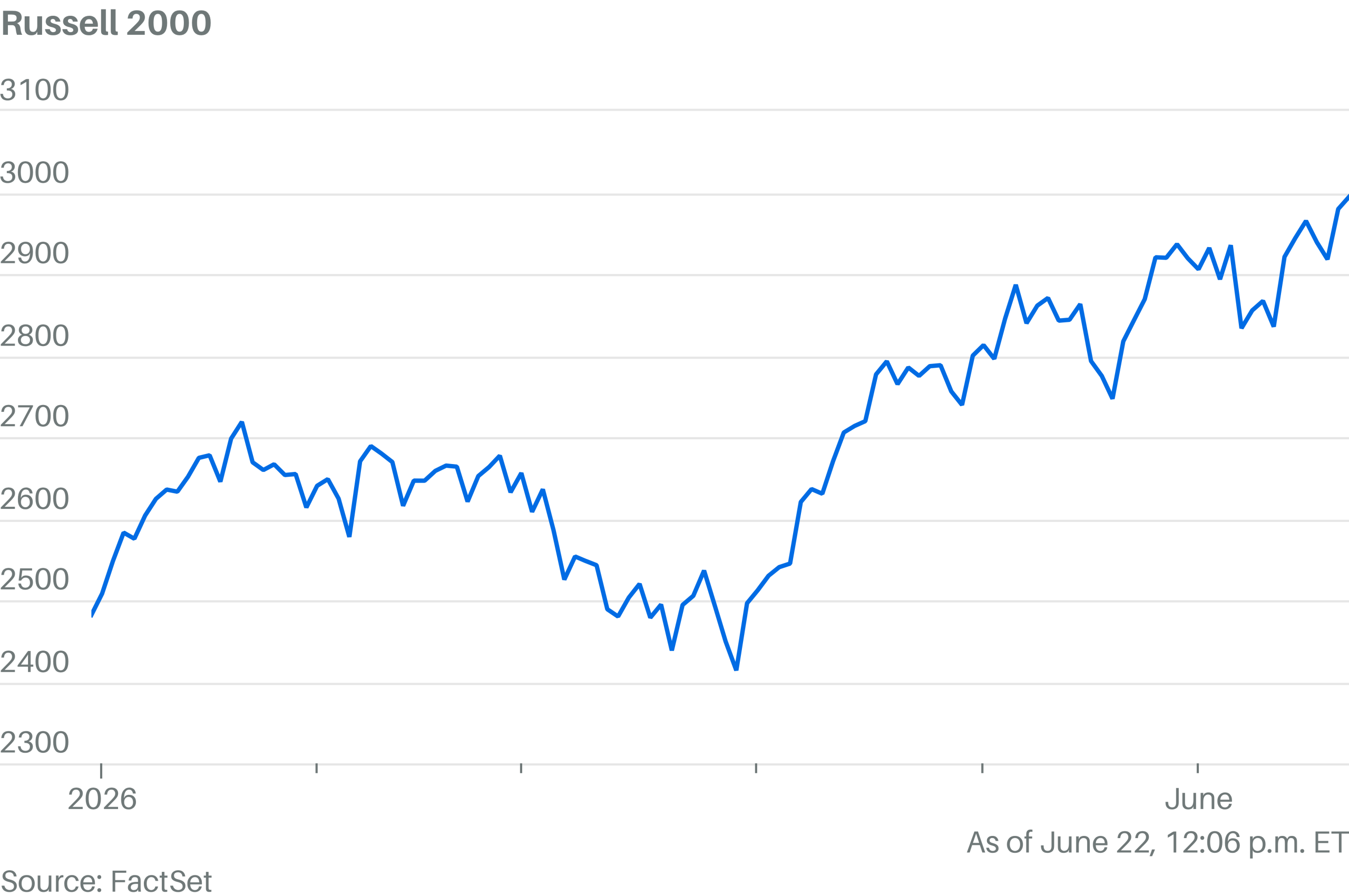
Don’t look now, but the Russell 2000 just hit 3000.

The small-cap index was up 0.7% and trading slightly above the 3000 mark. It first closed above 2000 on Dec. 23, 2020, according to Dow Jones Market Data. It first closed above 1000 on July 5, 2013.

Smaller stocks have been riding a bit of a resurgence this year. The index is up 42% in the past 12 months and 21% this year.

Continue Reading

Business

MorningStar Farms issues warning over select nuggets, patties: FDA

Published

on

MorningStar Farms issues warning over select nuggets, patties: FDA

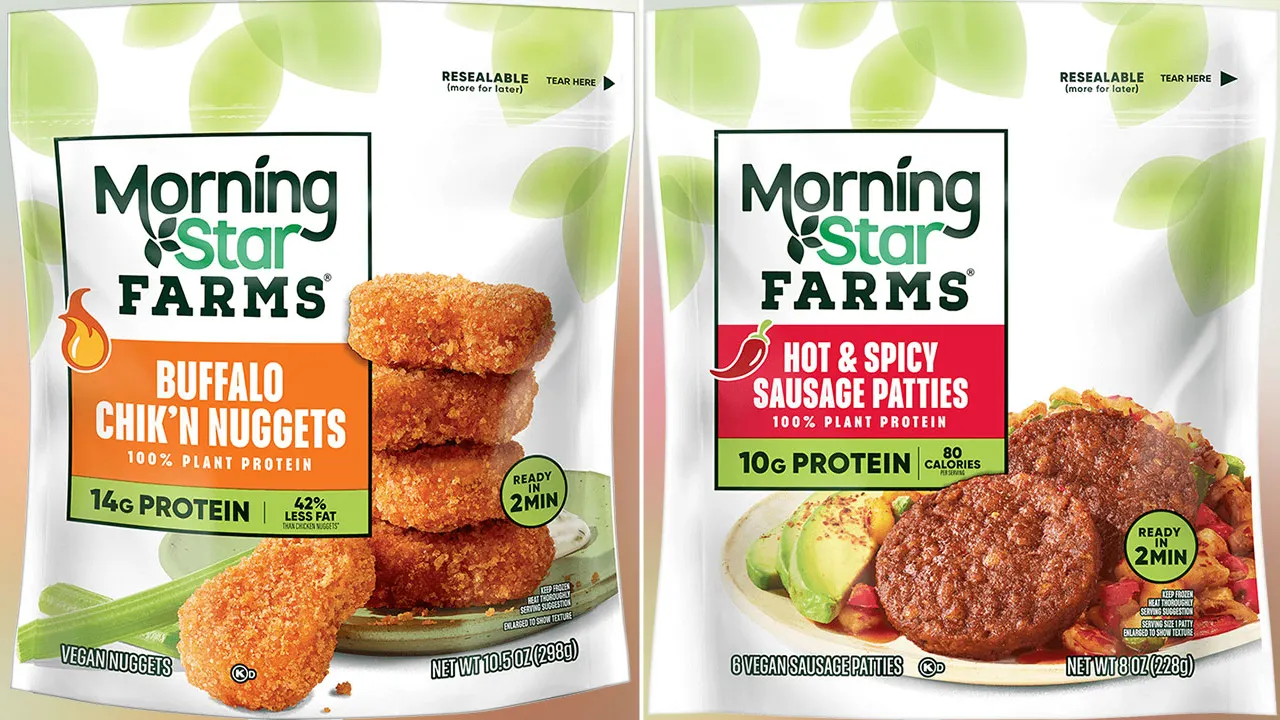
MorningStar Farms is voluntarily recalling two plant-based food products sold in the U.S., Puerto Rico and Costa Rica because they may contain plastic pieces, according to a notice published by the Food and Drug Administration (FDA).

The recall affects MorningStar Farms Buffalo Chik’n Nuggets and MorningStar Farms Hot & Spicy Sausage Patties. The company announced the recall on June 18, and the FDA published the notice Monday.

Advertisement

Consumers who purchased the affected products should not consume them and should instead discard the items and contact the company for a full refund, MorningStar Farms said. 

No other MorningStar Farms products are included in the recall.

THOUSANDS OF BOTTLES OF BLOOD PRESSURE MEDICATION RECALLED NATIONWIDE

Package of MorningStar Farms Buffalo Chik'n Nuggets

MorningStar Farms Buffalo Chik’n Nuggets are among the products included in a voluntary recall. (MorningStar Farms  / Unknown)

The recalled Buffalo Chik’n Nuggets were sold in 10.5-ounce packages with UPC code 00028989101105 and “Better if Used Before” dates of July 7, 2027, and July 8, 2027. 

Advertisement

The recalled Hot & Spicy Sausage Patties were sold in 8-ounce packages with UPC code 00028989100948 and “Better if Used Before” dates of July 5, July 6 and July 7, 2027.

The Chicago-based company said it initiated the recall because of the possible presence of plastic pieces in the food. The products were distributed in the United States, Puerto Rico and Costa Rica, according to the recall notice.

Food recalls involving foreign materials such as plastic can pose a choking hazard or risk of injury if consumed. The FDA classifies recalls involving potential foreign-material contamination among the more common food-related recalls issued each year.

POPULAR TEETHING TOY SOLD ON AMAZON FOR YEARS RECALLED OVER CHOKING HAZARD FOR CHILDREN

Advertisement
Package of MorningStar Farms Hot & Spicy Sausage Patties

MorningStar Farms Hot & Spicy Sausage Patties are being recalled over possible plastic contamination. (MorningStar Farms / Unknown)

The announcement did not indicate whether any injuries had been reported in connection with the issue or how the possible contamination was discovered.

“At MORNINGSTAR FARMS, our highest priority is protecting the safety and wellbeing of our consumers,” a Mars spokesperson said in a statement to FOX Business. “On June 18, we announced a voluntary recall of two varieties of MORNINGSTAR FARMS products in the U.S., Puerto Rico and Costa Rica because of possible plastic pieces in the food.”

FDA HQ sign in Maryland

The FDA classifies recalls involving potential foreign-material contamination among the more common food-related recalls issued each year. (Sarah Silbiger/Getty Images, File / Getty Images)

The spokesperson added that the recalled varieties are MORNINGSTAR FARMS Buffalo Chik’n Nuggets and MORNINGSTAR FARMS Hot & Spicy Sausage Patties, and that no other products are affected by the recall.

GET FOX BUSINESS ON THE GO BY CLICKING HERE

Advertisement

Consumers seeking additional information can contact MorningStar Farms Consumer Affairs Monday through Friday from 9 a.m. to 6 p.m. ET by calling 800-962-0120 or texting 877-453-5837.

Continue Reading

Business

Lucid Is Cutting 18% of Its U.S. Workforce. Why the EV Maker Is Struggling.

Published

on

Lucid Is Cutting 18% of Its U.S. Workforce. Why the EV Maker Is Struggling.

Lucid Is Cutting 18% of Its U.S. Workforce. Why the EV Maker Is Struggling.

Continue Reading

Business

Google’s YouTube settles social media addiction lawsuit brought by Florida teen

Published

on

Chick-fil-A offers free ice cream to families who ditch phones at dinner

Google’s YouTube has settled a social media addiction case brought by a 15-year-old in Florida who accused the platform of causing mental health harms to children, according to the plaintiff’s lawyers.

The terms of the settlement in the state court lawsuit against the social media giant were confidential, the lawyers said on Tuesday.

Advertisement

“YouTube’s decision to resolve this case before having to face a jury speaks for itself. We will continue fighting on behalf of all those affected by social media addiction to bring these companies to justice and compel them to prioritize the safety of their young users over their bottom lines,” the plaintiff’s lawyers said in a statement, according to Reuters.

“We will continue fighting on behalf of all those affected by social media addiction to bring these companies to justice and compel them to prioritize the safety of their young users over their bottom lines.”

META LOBBIES CONGRESS FOR IMMUNITY FROM LAWSUITS ALLEGING ONLINE HARM TO CHILDREN

youtube premium

Google’s YouTube has settled a social media addiction case brought by a 15-year-old in Florida. (Anna Barclay/Getty Images, File / Getty Images)

Google spokesperson José Castañeda said in a statement to FOX Business that the lawsuit had been amicably resolved and that the company’s focus “remains on building age-appropriate products and parental controls that deliver on that promise.”

Advertisement

“For more than a decade, we’ve built YouTube responsibly — working with families to give young people safer, more helpful experiences online,” Castañeda said.

The teenager, who used the initials R.K.C. in court documents, argued that YouTube and other social media companies had designed their platforms to be addictive.

He said he started using social media when he was about 8 years of age and allegedly became addicted, losing sleep and suffering from depression and anxiety.

JURY FINDS META, GOOGLE LIABLE IN LANDMARK SOCIAL MEDIA ADDICTION TRIAL, AWARDS MORE THAN $6M IN DAMAGES

Advertisement
Google logo

The teenager argued that YouTube and other social media companies had designed their platforms to be addictive. (Smith Collection/Gado/Getty Images, File / Getty Images)

R.K.C. is also suing Meta, TikTok and Snapchat in a trial set to begin next month in Los Angeles.

More than 3,300 lawsuits involving addiction claims against social media companies are pending in California state court, while another 2,600 cases brought by people, school districts, municipalities and states are pending in California federal court.

Ticker Security Last Change Change %
GOOG ALPHABET INC. 346.08 -2.70 -0.77%
META META PLATFORMS INC. 562.20 -1.65 -0.29%

The first trial ended in March after a woman claimed ⁠she became addicted to YouTube and Instagram at a ​young age because of their attention-grabbing design. She had accused the companies of intentionally making their platforms addicting to child users.

A jury in that case found the companies negligent, ordering Meta to pay her $4.2 million in damages and Google to pay $1.8 million. Earlier this month, the judge rejected the companies’ effort to overturn the verdict.

Advertisement

FEDERAL APPEALS COURT RULES OHIO CAN REQUIRE PARENTAL CONSENT CHILDREN UNDER 16 ON SOCIAL MEDIA

teens on phones

The plaintiff said he started using social media when he was about eight and became addicted. (Matt Cardy/Getty Images, File / Getty Images)

The woman had also sued TikTok and Snapchat, but both platforms settled before trial for an undisclosed total.

A jury in New Mexico also ordered Meta earlier this year to pay $375 million for misleading users over the safety of its platforms for children.

GET FOX BUSINESS ON THE GO BY CLICKING HERE

Advertisement

Google, Meta, Snapchat and TikTok also settled a case last month that was heading to trial in which a Kentucky school district accused the platforms of creating a mental health crisis for its students. 

The platforms paid a collective $27 million to settle that case.

Meta will also face a trial in a lawsuit brought by Tennessee next month. In August, a trial in federal court over the combined claims of multiple states will go forward against the social media giant. 

Reuters contributed to this report.

Advertisement
Continue Reading

Business

Mamdani’s power play worked. Takeaways from Tuesday’s primaries

Published

on

Mamdani’s power play worked. Takeaways from Tuesday’s primaries


Mamdani’s power play worked. Takeaways from Tuesday’s primaries

Continue Reading

Business

Best Animated Explainer Video Production Companies: Five Picks for 2026

Published

on

Your gaming experience depends heavily on the equipment you choose to use. A monitor forms the essential part of any gaming setup but portable monitors become the choice for gamers who prioritize mobility.

63% of explainer videos don’t generate the conversion outcomes they were commissioned to produce. They get made, look polished, and end up sitting on landing pages with little measurable impact.

The reasons are usually that the video leads with the brand or product rather than the buyer’s problem; the animation style is chosen as a creative default; the explainer isn’t treated as a specific stage of the buying journey.

The studio you choose has a direct impact on which side of that statistic you end up on.

The 5 best animated explainer video production companies below were selected for their verified work, transparent processes, and ability to connect animation to business outcomes. Each one fits a different need, from full-pipeline 2D and 3D production to premium brand-led work and high-volume B2B output. After the profiles, you will also find practical sections on how to measure whether your explainer video is working and what to expect once the final file is delivered.

Best Animated Explainer Video Production Companies: Strengths and Use Cases

Here is how the five companies compare at a glance. Use the table to shortlist by specialty, budget, and rating, then read the full profiles below for the details behind each pick.

Advertisement
Studio Founded HQ Clutch Hourly rate Specialties Best for
Wow-How Studio 2009 San Francisco and London 4.9/5 (166) $25–$49 Full-pipeline 2D and 3D explainers, motion graphics, product demos Products needing 3D, or one vendor across many formats
Webdew 2016 Surrey, Canada 4.9/5 (197) $50–$99 Whiteboard, 2D, character animation, kinetic typography, product demos; plus HubSpot and inbound marketing A dependable, scalable partner, especially alongside wider marketing
MyPromoVideos 2009 Coimbatore, India Not listed Undisclosed 2D and 3D animated explainers; process and product explanation; sales, corporate, case-study videos B2B and technical companies explaining complex processes
Cartoon Media 2012 Canterbury, England 4.9/5 (8) $50–$99 Custom whiteboard, doodle, and explainer or training videos Premium, fully custom whiteboard work with blue-chip polish
Ydraw 2011 Saint George, Utah, USA 5.0/5 (10) $150–$199 Whiteboard and video scribing; also 2D/3D, motion graphics, demo videos Whiteboard projects where hand-drawn craft and flexibility matter

1. Wow-How Studio

Wow-How Studio is one of the best animated explainer video production companies, as it keeps every stage in-house, from concept development, scripting, and storyboarding through 2D animation, 3D modeling, motion graphics, voice-over, and post-production. It delivers more than 500 projects a year for clients ranging from early-stage startups to Fortune 500 companies.

Explainers has been Wow-How’s core service since 2011, with the full pipeline run in-house from discovery call to final delivery, including black-and-white storyboard sketches, full-color style frames, character and background illustration, animation, voice-over, sound design, and delivery of final files with source assets.

On the 2D side, the team offers character animation, whiteboard, kinetic typography, infographic, cut-out, shape, and frame-by-frame styles, while the 3D team models, textures, lights, renders, and composites from scratch or from client CAD files for hardware, industrial equipment, and medical devices. A 90-second 2D video takes 6 to 8 weeks; a 3D video adds 1 to 2 weeks, and 2 free revision rounds are included at every stage.

Quick facts

Advertisement
  • Founded: 2009
  • Based in: San Francisco and London
  • Clutch: 4.9/5 (166 reviews)
  • Specialties: full-pipeline 2D and 3D explainers, motion graphics, product demos
  • Notable clients: Google, Sony, Hallmark, Grammarly
  • Hourly rate: $25 – $49

Standout work: A UK-based industrial automation company supplied a CAD model and received a complete robotics explainer covering the full process from storyboard through post-production, delivered on time and within budget. In a separate engagement, a sustainable building materials manufacturer commissioned seven installation explainers, each running 1 to 2 minutes.

Best for: products needing 3D, or one vendor across many formats.
Keep in mind: the breadth suits multi-format programs more than a single quick video.

2. Webdew

Webdew has grown from a single person into a global team of more than 50, with its base in Seattle and offices in India, the UK, and Canada. Animation sits inside a broader B2B SaaS growth offering that also spans HubSpot, web development, and inbound marketing, but video is a deep competency in its own right: nearly 200 Clutch reviews praise its animation quality, clear script-to-storyboard-to-animation process, and on-time delivery, especially across tech, education, and healthcare. It produces whiteboard, 2D, character animation, kinetic typography, line art, and product demo videos. Some clients note that the update frequency during delays could be tighter.

Quick facts

  • Founded: 2016
  • Based in: Surrey, Canada
  • Clutch: 4.9/5 (197 reviews)
  • Specialties: whiteboard, 2D, character animation, kinetic typography, product demos; plus HubSpot and inbound marketing
  • Notable sectors: tech, education, healthcare
  • Hourly rate: $50 – $99

Standout work: Webdew produced an animated explainer for a hospitality and leisure company, writing the script and refining it in response to the client’s suggestions. The client featured the video at two trade shows and has since reused it across other marketing activities, noting that the team stayed easy to reach and consistently available to answer questions and hit deadlines despite an anticipated language barrier.

Best for: companies seeking a dependable, scalable partner, especially alongside broader marketing efforts.
Keep in mind: it is a broad agency, so confirm the video team fits your scope.

Advertisement

3. MyPromoVideos

MyPromoVideos is a boutique Indian studio that has focused on animated explainers since 2009, producing more than 2,000 videos that clearly explain business processes. It works in both 2D and 3D, running the full pipeline from script and storyboard to animation, graphics, voice-over, music, and revisions, and also handles sales, corporate, and case-study videos.

Its 21 Clutch reviews lean toward technical and B2B clients, from software firms to logistics-automation companies, and reviewers consistently note competitive pricing, on-time delivery, and clear communication.

Quick facts

  • Founded: 2009
  • Based in: Coimbatore, India (serves clients worldwide)
  • Specialties: 2D and 3D animated explainers; process and product explanation; sales, corporate, and case-study videos
  • Notable focus: technical and B2B sectors, including software and logistics automation
  • Hourly rate: Undisclosed

Standout work: A 90-second explainer for a software development firm building a test-automation tool for the automotive domain. MyPromoVideos handled the script, storyboard, animation, graphics, voice-over, and music, delivering a video that measurably improved users’ understanding of the product.

Best for: B2B and technical companies that need complex processes explained clearly in 2D or 3D.
Keep in mind: it is a boutique team, so plan timelines around larger volumes.

Advertisement

4. Cartoon Media

Cartoon Media is a UK studio that produces fully custom animated marketing and training videos, including explainer, doodle, and whiteboard styles, and is trusted by blue-chip names well beyond its size, including Siemens, Hilton, Allianz, and the NHS.

The team never uses clip art or templates, assigns a dedicated professional to every stage from script and storyboard through custom illustration, native-accent voice-over, and music, and works on an unlimited-corrections basis. Reviewers, including international clients, repeatedly highlight strong value for the cost and responsiveness.

Quick facts

  • Founded: 2012
  • Based in: Canterbury, England (delivers internationally)
  • Clutch: 4.9 / 5 (8 reviews)
  • Specialties: custom whiteboard, doodle, and explainer or training videos; full custom illustration, native-accent voice
  • Notable clients: Siemens, Hilton, Allianz, NHS
  • Hourly rate: $50 – $99

Standout work: Multiple whiteboard explainers for the affordable-housing company Eden Housing, one breaking down an employee reward program and another explaining the tax-credit system, helping onboard current and new employees.

Best for: brands wanting premium, fully custom whiteboard work with blue-chip polish.
Keep in mind: a small team and light review count, so confirm capacity for larger programs.

Advertisement

5. Ydraw

Ydraw is one of the most established whiteboard studios in the US, founded in 2011 in Saint George, Utah, with a team spread across three continents. It was an early experimenter with style variations, including watercolor, colored, and hybrid versions, and its hand-drawn sketching detail is widely regarded as among the best in the category.

Beyond whiteboards, it handles motion graphics, 2D and 3D animation, demo videos, and video ads, with custom artwork, scripts, voice-over, and music, and turnaround times of 1 to 5 weeks. Reviewers single out its clear, well-structured process and the value of the finished work.

Quick facts

  • Founded: 2011
  • Based in: Saint George, Utah, USA (team across three continents)
  • Clutch: 5 / 5 (10 reviews)
  • Specialties: whiteboard and video scribing (watercolor, colored, hybrid styles); also 2D/3D, motion graphics, demo videos
  • Notable clients: UniFirst, Cisco ONE, Diabetes Hope Foundation, DesignDocs
  • Hourly rate: $150 – $199

Standout work: Ydraw produced five hand-drawn whiteboard videos, each running 1 to 2 minutes, to illustrate a set of business concepts, managing all sound effects and editing. Reviewers called the production high quality and clear, with the value of the deliverables far exceeding the project’s cost.

Best for: whiteboard projects where hand-drawn craft and flexibility matter.
Keep in mind: whiteboard is the core, so it is less suited to high-end 3D or cinematic work.

Advertisement

What Happens After Your Explainer Video Goes Live

The final file is a milestone, not the finish line. Knowing what comes next keeps expectations realistic and protects the value of the work.

  • Revisions wrap up first. Most studios include a set number of revision rounds at each stage, and those should be resolved before final delivery. Confirm what counts as a revision versus a new request, since changes after sign-off are usually billed separately.
  • Format variants for different channels. A single explainer rarely fits every placement as-is. Plan versions tailored to where it will run, such as a web cut, a shorter social edit, and a silent, captioned version for feeds where most videos play without sound.
  • Vertical cuts for social. Square and vertical 9:16 versions are now essential for mobile and social platforms. Ask whether these are included or quoted separately, since reframing animation for vertical can require real rework rather than a simple crop.
  • Source files and ownership. Confirm receipt of the final files and decide whether you also need the editable source assets. Having the source makes future edits far easier and is worth settling in the contract.
  • Future updates. Products, pricing, and branding change, so most explainers need a tweak within a year or two. Ask how the studio handles later edits, including cost and turnaround for swapping a logo, updating a figure, or producing a localized version.
  • Performance check-ins. Build in a point a few weeks after launch to review the metrics from the chapter above. If the video underperforms, a small recut or a stronger thumbnail and intro often lifts results without a full reshoot.

How to Measure the ROI of an Explainer Video

Before launch, set a baseline. Without it, you can’t tell whether post-launch movement is a lift or a normal fluctuation. Record the current number for the metric you want the video to affect (e.g., conversion rate, support ticket volume, or time to activation). That is the number you measure against.

  • Conversion rate on the page. Landing pages with an embedded explainer video can convert at up to 86% higher rates than text-only pages, and controlled tests on B2B SaaS pages have shown lifts of 100%+. Run an A/B test for 2 to 4 weeks, keeping the video as the only variable. If sign-ups or demo requests rise on that page, you have a direct signal of impact.
  • Watch time and drop-off point. Videos under 1 minute achieve a 65% completion rate among B2B viewers. For videos over 20 minutes, that number falls to 20%. If viewers drop off before the call to action, the issue is often pacing or a script that takes too long to get to the point. The drop-off timestamp shows exactly where the cut needs work.
  • Support and onboarding load. Track the support ticket categories that the explainer was designed to reduce. If repeat questions on a specific topic declines, that is a measurable outcome. If the goal was onboarding, pair that data with time-to-first-value to see whether new users are reaching value faster.
  • Sales influence. B2B companies report that video influences 40%+ of the sales pipeline on average. Ask sales to log when the explainer was shared with a prospect, then compare these deals with agreements where it wasn’t used. Look for faster progression, higher close rates, or fewer repeated objections.
  • Timeline for ROI. ROI for explainer videos is usually measurable within 3 to 6 months, not in the first few weeks. That matters when reporting internally, especially if the video supports top-of-funnel education or a longer B2B buying cycle.
  • Reuse value. One 90-second explainer can be repurposed into a 30-second paid ad, a 60-second LinkedIn version, and an email teaser from the same production. Track how often those assets are reused across channels over 12 months. As usage increases, cost per use drops, which can materially improve ROI by year-end.

Final Thoughts

Treat your explainer like the investment it is. Pick the studio whose specialty and budget match your project, define the one outcome you want it to move, and set a baseline before launch so you can prove the return later. The five studios here all do strong, verifiable work; the right one for you is simply the one built for your format and goal.

Advertisement
Continue Reading

Business

Johnson & Johnson Shares Climb as Pharma Giant Raises Outlook and Pushes U.S. Investments

Published

on

An Australian court upheld a landmark class-action lawsuit against Johnson & Johnson for "negligent" marketing of pelvic mesh implants

NEW YORK — Johnson & Johnson shares advanced Tuesday, reflecting investor confidence in the health care conglomerate’s raised full-year guidance and ongoing commitment to innovation and domestic manufacturing expansion.

The stock traded at $235.53, up 1.81 percent or $4.19, in morning activity on the New York Stock Exchange. The gain came amid broader market stability and positive sentiment around the company’s pharmaceutical pipeline and operational performance.

Johnson & Johnson raised its 2026 outlook following a solid first quarter. The company now projects reported sales between $100.3 billion and $101.3 billion, with adjusted earnings per share expected in the range of $11.45 to $11.65. The updates reflect stronger-than-anticipated demand for key products.

First-quarter results showed reported sales of $24.1 billion, up 9.9 percent year-over-year. Adjusted earnings per share reached $2.70, topping consensus estimates. Innovative Medicine and MedTech segments drove growth, with several blockbuster drugs posting double-digit increases.

Advertisement

CEO Joaquin Duato highlighted the company’s strategic positioning. In recent remarks, he credited supportive U.S. tax policies for enabling significant domestic investments. The company plans more than $55 billion in U.S. spending, including $1 billion in Florida, to bolster manufacturing and research capabilities.

“We have the best talent, we have the best investment environment and, very importantly, we have now the tax policy enacted with this administration that has enabled us to be competitive,” Duato said. “Now we can create high-skilled jobs, we can invest in America, and we can be competitive.”

The investment push aligns with Johnson & Johnson’s focus on strengthening its U.S. footprint amid evolving global supply chain dynamics. The company continues advancing its pharmaceutical pipeline, with notable progress on treatments for immunology, oncology, and other therapeutic areas.

Portfolio Performance and Pipeline Momentum

Advertisement

Johnson & Johnson’s diversified business model provides resilience. The Innovative Medicine segment, encompassing pharmaceuticals, delivered strong results led by products such as Tremfya, Darzalex, and other oncology and immunology therapies. MedTech offerings in surgical and vision care also contributed meaningfully.

Analysts point to robust growth prospects. Earnings are projected to expand at an annual rate of around 8 percent over the coming years, supported by new product launches and label expansions. Revenue growth is expected near 6 percent annually.

Recent regulatory and clinical updates bolster optimism. Positive data on combination therapies and next-generation treatments have analysts raising price targets. Consensus forecasts suggest potential upside from current levels.

The company maintains a strong balance sheet, enabling continued research and development investment exceeding $1 billion annually in certain areas, alongside shareholder returns through dividends. Johnson & Johnson has a long track record of dividend growth.

Advertisement

Market Position and Challenges

Johnson & Johnson operates in a competitive health care landscape. Patent expirations on older drugs present headwinds, but the company offsets these through innovation and strategic acquisitions. Ongoing litigation related to talc and other matters remains a focus, though management has set aside reserves and continues defending its positions.

Broader industry trends favor established players with diversified portfolios. Demand for treatments addressing chronic conditions, aging populations, and advanced medical technologies supports long-term growth. Johnson & Johnson’s global reach and manufacturing expertise provide advantages.

Second-quarter earnings are scheduled for mid-July. Analysts anticipate continued momentum, with consensus estimates calling for earnings per share around $2.83.

Advertisement

Strategic Initiatives

Beyond financial performance, Johnson & Johnson advances several key initiatives. Investments in U.S. facilities aim to enhance supply chain security and support job creation. The company also emphasizes sustainability and digital transformation across operations.

Duato has outlined a vision centered on patient breakthroughs and sustained growth. “Our goal is to continue to deliver sustained growth through patient breakthroughs,” he noted.

The company’s MedTech business benefits from innovation in areas such as orthopedics, vision, and interventional solutions. Recent product approvals and pipeline candidates position it for future expansion.

Advertisement

In pharmaceuticals, focus areas include immunology, where drugs like Tremfya continue gaining traction, and oncology, with multiple assets showing promise in clinical trials. These developments underpin the raised guidance.

Valuation and Analyst Sentiment

Johnson & Johnson trades at a premium valuation consistent with its quality and stability. Forward price-to-earnings multiples reflect expectations of reliable cash flow generation and growth. Dividend yield remains attractive for income-focused investors.

Wall Street maintains a generally favorable view. Many analysts rate the stock as a Hold or Buy, citing its defensive characteristics and pipeline strength. Recent earnings beats and guidance increases have reinforced confidence.

Advertisement

Risks include regulatory changes, competitive pressures, and macroeconomic factors affecting health care spending. Johnson & Johnson’s scale and diversified revenue streams help mitigate these challenges.

Looking Ahead

As Johnson & Johnson progresses through 2026, attention will center on execution of its raised targets and advancement of key programs. The company’s ability to deliver consistent results while investing for the future will shape its trajectory.

With shares showing strength amid positive updates, Johnson & Johnson continues demonstrating resilience in a dynamic health care environment. Its focus on innovation, operational excellence, and shareholder returns positions it as a cornerstone of many investment portfolios.

Advertisement
Continue Reading

Business

How UK SMEs can build a reliable SERP data pipeline without burning budgets or breaking rules

Published

on

Successful digital marketing involves constant review of your SEO, PPC campaigns and website UX, which can result in a sense akin to FOMO for marketers concerned about getting the best possible ROMI (Return on Marketing Investment).

Search still drives intent-led leads for most UK firms. Google says it handles trillions of searches each year. That scale brings noise, fast shifts, and sudden drops that you only spot with clean data.

Business Matters often covers growth levers that sit between marketing and ops. Rank tracking sits right there. It looks simple, but many SMEs lose weeks to bans, skewed results, or tool sprawl.

Why SERP data fails in the real world

Most teams start with a SaaS rank checker. That works until you need local packs, “near me” terms, or niche pages. Then you need raw results, not a single rank number.

Google also personalises results by place, device, and past clicks. Even “incognito” runs still vary by IP and locale. If you collect data from one office line, you log a view that few users see.

Sites also fight bots. They add rate limits, CAPTCHAs, and soft blocks that return empty pages. Your pipeline can “work” but still record bad data.

Advertisement

Design a lean pipeline before you add tools

Start with business questions, not keywords

Set a short list of board-level signals. Track share of page one for your top offers. Track how often maps show rivals ahead of you. Track brand vs non-brand split for your key pages.

Keep the first data set small. You can scale later once the flow stays stable. You also cut cost by scraping less and learning more.

Control pace and shape of requests

Scrapers fail when they hammer endpoints. Set a low request rate per target and add random gaps. Rotate user agents and keep headers steady for each session.

Cache what you can. A results page rarely needs a second pull in the same day. Reuse HTML for parse tests, so you do not hit the live page each run.

Advertisement

Pick an IP plan that matches the job

IP choice drives both access and data quality. Data centre IPs cost less, but blocks often follow. Mobile IPs help with hard targets, but they cost more and add churn.

Many SMEs need steady geo results for a set of towns. A fixed IP per town helps you spot real change, not drift. Many teams start with a static residential proxy.

Do not treat proxies as a magic key. Keep the same slow pace and clean sessions. You buy headroom, not a free pass.

Compliance: reduce risk without killing the project

Scraping sits in a grey zone for many firms. You must manage legal risk, client trust, and supplier terms. A simple rule helps: collect what you need, and keep it for as short a time as you can.

Advertisement

UK GDPR sets clear stakes. Fines can reach £17.5m or 4% of global annual turnover. You rarely need personal data for SERP work, so design the pipeline to avoid it.

Log only what supports audits and fixes. Store the query, time, locale, and parse status. Drop cookies and raw pages fast unless you need them for proof.

Check the terms for each target and for any API you use. Treat robots.txt as a signal for crawl care, not as a shield. Run your plan past counsel when the data will feed pricing, credit, or high-stakes claims.

Make the output fit how SMEs run

Engineers love raw feeds. Leaders want a short view of risk and return. Give both by splitting outputs into two layers.

Advertisement

Send the raw rows to a store you can query. Then publish a weekly pack with three charts: wins, losses, and causes. Tie each cause to an action, like “fix title,” “ship page speed,” or “build links to this page.”

Set a clear service level. Define how fast you detect a drop and how fast you alert. When the pipeline meets that bar, scale coverage and add new regions.

A good SERP pipeline does not chase vanity ranks. It gives SMEs early warning and sharp proof. That helps you spend less on guesswork and more on work that moves sales.

Advertisement

Continue Reading

Business

WA's top foundations in $580m giving year

Published

on

WA's top foundations in $580m giving year

There has been a shake-up on the list of the state’s biggest foundations amid a boom in philanthropic giving.

Continue Reading

Trending

Copyright © 2025