

Connect with us
DAPA Banner
DAPA Coin
DAPA
COIN PAYMENT ASSET
PRIVACY · BLOCKDAG · HOMOMORPHIC ENCRYPTION · RUST
ElGamal Encrypted MINE DAPA
🚫 GENESIS SOLD OUT
DAPAPAY COMING

Business

Pankaj Tibrewal sees stronger top-line growth driving India’s next earnings cycle

Published

on

Pankaj Tibrewal sees stronger top-line growth driving India's next earnings cycle
With geopolitical tensions easing and crude oil prices retreating to pre-war levels, investors are shifting their attention to the upcoming earnings season for the next market trigger. The June quarter results are expected to provide clarity on whether Indian companies can navigate input cost pressures while sustaining growth.

Speaking to ET Now, Pankaj Tibrewal from IKIGAI Asset said the investment environment has steadily improved over the past few months as several earlier headwinds have started turning into positives.

“We have been constructive since March. Crude prices have returned to pre-war levels, and the AI-led markets have seen a significant shakeout. The next big trigger for markets will be the first-quarter earnings,” he said.

Revenue Growth May Beat Expectations

Advertisement

While the Street remains cautious about margins because of elevated raw material costs, Tibrewal believes analysts are underestimating the potential for stronger revenue growth across Corporate India.

“The biggest disconnect is top-line growth. Many companies have already taken price hikes, and revenues could surprise positively, even if margins remain under pressure,” he said.
He expects operating leverage to cushion part of the margin impact and support earnings in several sectors.
Home Improvement Sector in Focus
Tibrewal identified the home improvement segment as one of the strongest opportunities, citing favourable industry dynamics in tiles and wood panels.

“Branded tile players are gaining market share as Morbi manufacturers struggle with higher gas costs. Dealer feedback points to a significant pickup in volumes,” he said.

He also expects strong performance from wood panel companies and sectors benefiting from import substitution.

“Chinese imports have reduced sharply in segments like MDF, while chemicals, textiles, engineering and auto ancillaries are also seeing improving momentum,” he said.

Advertisement

A Stock Picker’s Market
Rather than expecting gains across the board, Tibrewal believes investors should focus on businesses with strong earnings visibility. “This is a stock picker’s market. The opportunity lies in identifying sectors and companies where growth is clearly visible,” he said.

Nifty Earnings Growth Seen at 10–13%
Despite near-term cost pressures, Tibrewal expects double-digit earnings growth for the benchmark index this year, supported by banks and cyclical sectors.

“I do not think 10% to 13% Nifty earnings growth will be a challenge. Banking, metals and cement should all contribute meaningfully,” he said.

He also expects nominal GDP growth to drive stronger corporate revenues.

Advertisement

“Corporate India’s top-line growth should improve as nominal GDP remains healthy, and operating leverage will support earnings,” he said.

Demand Remains Healthy
According to Tibrewal, companies are no longer worried about weak demand despite higher prices. “Companies are not talking about demand destruction. The key challenges are supply chains and raw material costs, while demand remains reasonably good,” he said.

He remains particularly optimistic about the broader market.

“Many companies can compound earnings at 20% to 25% annually. That is where the best bottom-up opportunities lie,” he said.

Advertisement

Private Banks Offer a Contrarian Bet
Although foreign investor selling has weighed on banking stocks, Tibrewal believes the sector’s fundamentals remain among the strongest in years.

“Private banks are very attractively valued. The challenge is technical because FIIs have been persistent sellers,” he said.

He expects sentiment to improve once foreign selling subsides.

“Bank balance sheets are in the best shape they have been in for years. Once FII selling stops, banking stocks could quickly return to favour,” he said.

Advertisement

FII Flows Could Return
Tibrewal believes India could benefit if global investors rotate away from overheated AI-driven markets.

“I am hopeful FIIs will return in the second half of the fiscal year. India looks attractive in dollar terms, while the AI trade globally appears to be entering a mature stage,” he said.

With earnings season approaching, investors will closely watch whether stronger revenue growth and resilient demand can offset cost pressures and provide the next leg of the market’s rally.

Advertisement
Continue Reading
Click to comment

You must be logged in to post a comment Login

Leave a Reply

Business

Exeter Chiefs acquired by AFC Bournemouth owner Bill Foley

Published

on

Business Live

The deal ends 155 years of member ownership

Exeter Chiefs' Dafydd Jenkins celebrates scoring his sides third try during the Gallagher PREM final match between Northampton Saints and Exeter Chiefs at Allianz Stadium on June 20

Exeter Chiefs’ Dafydd Jenkins celebrates scoring his sides third try during the Gallagher PREM final match between Northampton Saints and Exeter Chiefs at Allianz Stadium on June 20(Image: CameraSport via Getty Images)

US business tycoon Bill Foley has completed the acquisition of Premiership Rugby club Exeter Chiefs, ending 155 years of member ownership. Foley’s Cannae Holdings has agreed to invest £19.6m in the Devon side through its newly created subsidiary Black Knight Rugby.

The deal values Exeter at £32.6m, with the new owner set to pay £11.7m to clear outstanding debt and other liabilities, while another £7.9m will remain on the balance sheet for growth capital and general corporate purposes.

Advertisement

Members voted in favour of the sale to Foley – a billionaire who also owns AFC Bournemouth – in May.

Cannae said on Tuesday (June 30) the transaction was part of a strategy of “transforming its portfolio” to concentrate on sports and entertainment-related assets, where it has the ability to drive shareholder returns.

It is understood the company will look to capitalise on commercial opportunities at Sandy Park – the club’s 15,000-capacity purpose-built rugby stadium – following the takeover.

“Exeter is the type of asset we have been seeking as we transform Cannae into a focused portfolio of sports and entertainment businesses,” said Foley, who is vice chair of Cannae Holdings.

Advertisement

“We have a proven track record of building successful sports and entertainment brands, like Black Knight Football’s network of clubs, and we intend to bring that same approach to Exeter. We are excited to partner with Tony, the management team and the Exeter community to build on the success of the Club and drive future results.”

Tony Rowe, chair and chief executive of Exeter Chiefs, said the completion of the deal was “a tremendously exciting moment” for the club. He will continue to serve as a director and CEO following the acquisition.

“By partnering with Cannae, we are securing a unique partner with experience, ambition and long-term commitment that will position the club to compete at the highest levels of English and European rugby,” he said.

“I look forward to working with the Cannae team to drive the Club forward with our players, our staff, and our supporters.”

Advertisement

Hollywood star Michael B Jordan, who won this year’s best actor Oscar for his role in Sinners, is a minority shareholder in Black Knight Football Club.

The news comes just days after Exeter finished as runners-up to Northampton in the 2025/26 season.

“The acquisition of Exeter is the next example of Cannae executing on the strategic priorities outlined by our board,” added Ryan Caswell, chief executive of Cannae Holdings.

“Exeter adds another attractive sports asset to our portfolio at a compelling entry price with upside at both the club and the league level – that can be enhanced through Cannae’s experience operating sports assets.

Advertisement

“We look forward to working with the Exeter team, its sponsors and the supporters to further the club’s momentum both on and off the pitch.”

Last year, Business Live revealed that all of England’s Premiership rugby clubs were making huge financial losses, with experts warning at the time that the sport was facing a “crisis” that could see more teams going under.

Rugby – the last of the big sports to professionalise – has long relied on owners and benefactors to cover ever-mounting debt burdens.


Advertisement
Continue Reading

Business

Beta Bionics: Some Stabilization In Sight

Published

on

Midsection of nurse taking male patient

Beta Bionics: Some Stabilization In Sight

Continue Reading

Business

JLL investment arm betting big on industrial real estate

Published

on

JLL investment arm betting big on industrial real estate

Key Points

  • Industrial recently replaced residential as JLL Income Property Trust’s largest allocation, at 38% of the portfolio.
  • Industrial leasing strengthened to start the year, rising 17.8% during the first quarter of 2026 from the same period in 2025, according to JLL.
  • Allan Swaringen, CEO of JLL IPT, calls himself “bullish” on industrial, as new opportunities continue to present themselves and returns are now better than in multifamily.

Continue Reading

Business

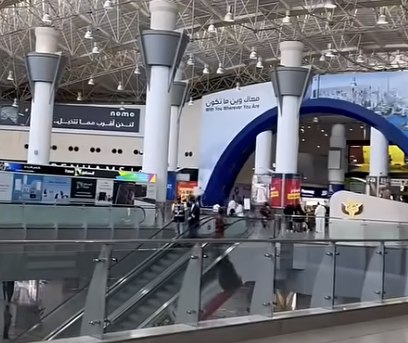
Is Kuwait International Airport Open Today? Here’s the Latest Status After Months of War-Related Disruptions

Published

on

Kuwait International Airport

KUWAIT CITY — Kuwait International Airport is open and operating today, with both of the country’s national carriers running scheduled flights, though one of its main terminals remains closed for repairs following repeated drone and missile strikes tied to the broader U.S.-Iran conflict that has disrupted Gulf aviation for much of this year.

Kuwait Airways is currently flying out of Terminal 4, while Jazeera Airways operates from Terminal 5, with both airlines maintaining largely normal schedules as the country’s aviation sector continues a gradual recovery. Terminal 1, the airport’s primary international facility, remains closed pending repairs after sustaining significant structural damage, and authorities have not announced a confirmed reopening date.

The airport’s path back to normal operations has been anything but smooth. Since the conflict began Feb. 28 with U.S. and Israeli strikes on Iran, Kuwait’s airspace and its main airport have been repeatedly disrupted by Iranian drone attacks, part of a wider pattern of strikes targeting Gulf states hosting American military installations. The airport was first forced to suspend all flights starting Feb. 28, with local carrier Jazeera Airways temporarily diverting operations to Qaisumah International Airport in Saudi Arabia, roughly two and a half hours away by road, during the closure.

Kuwait Airways and Jazeera Airways resumed limited service on April 26, operating out of Terminals 4 and 5 while Terminal 1 remained shuttered. Terminal 1 finally reopened to international traffic on June 1, allowing some foreign carriers to resume service there for the first time in months. That reopening proved short-lived. Just two days later, on June 3, Iranian drones struck the terminal directly, according to Kuwait’s state news agency KUNA, causing severe damage, killing one person and injuring 63 others, including airport workers and passengers.

Advertisement

Kuwait’s Defense Ministry said its forces detected roughly 30 ballistic missiles and drones launched by Iran that day, with several intercepted over residential areas. A ministry spokesman described the attack as targeting civilian and vital facilities, and Kuwait’s foreign ministry summoned Iran’s charge d’affaires to lodge a formal protest, demanding that two Iranian embassy staff leave the country within 24 hours. Iran’s paramilitary Revolutionary Guard denied responsibility for the strike, with a spokesman claiming the damage was instead caused by a failed U.S. interceptor missile. U.S. Central Command rejected that account, calling it a deliberate Iranian drone attack on the airport.

Despite the severity of the June 3 strike, Kuwait Airways resumed flights from Terminal 4 within hours, reflecting the country’s determination to keep at least limited air traffic moving even amid continued security threats. In the weeks since, Kuwait’s General Authority of Civil Aviation has worked to bring additional capacity back online in phases. Oman Air confirmed it would restart its Kuwait flights on June 25, temporarily routing through Terminal 4 rather than its usual Terminal 1, becoming one of several foreign carriers progressively resuming service as conditions stabilize.

Sheikh Hamoud Mubarak Al Sabah, chairman of Kuwait’s General Civil Aviation Authority, said the decision to reopen the country’s airspace was coordinated closely with relevant domestic and international authorities to ensure operations resumed in line with the highest safety and security standards. He also credited the cooperation of aviation staff and government entities in accelerating the recovery, and specifically thanked Saudi Arabia for helping facilitate Kuwaiti carriers through its airports during the disruption, along with broader coordination among Gulf Cooperation Council members aimed at maintaining regional air traffic continuity throughout the crisis.

The broader security picture in the Gulf has shown signs of easing in recent days, even as sporadic violence has continued to test a fragile ceasefire between the United States and Iran. Tensions flared again late last week when Iran was accused of launching attack drones at commercial shipping passing through the Strait of Hormuz and firing missiles and drones at military installations in Kuwait and Bahrain, prompting renewed U.S. retaliatory strikes. By the weekend, however, U.S. officials indicated both sides had agreed to stand down from further direct attacks, with fresh negotiations between Washington and Tehran expected to resume in Doha this week, focused in part on restoring normal commercial shipping and air traffic through the broader Gulf region.

Advertisement

Aviation risk trackers continue to reflect the uneven nature of that recovery. According to monitoring group OPSGROUP, Kuwait’s airspace has reopened and resumed limited operations after nearly two months of closure earlier this year, though the group cautions that neither Kuwait nor neighboring Iran has yet restored anything resembling normal central Middle East routing. The European Union Aviation Safety Agency has similarly softened its guidance for Kuwait and several other Gulf states from active-avoidance warnings to a recommendation that operators “exercise caution” and maintain updated risk assessments, a marked shift from the stricter warnings issued at the height of the conflict earlier this year, even as the agency continues to advise airlines against operating in Iranian, Iraqi or Lebanese airspace altogether.

For travelers with existing bookings, airline and travel industry sources continue to recommend confirming flight status directly with carriers before heading to the airport, given the airport’s recent history of abrupt, security-driven schedule changes. Kuwait International Airport, located roughly 15.5 kilometers south of Kuwait City’s center, typically handles more than 15 million passengers annually and serves as the primary hub for both Kuwait Airways and Jazeera Airways, connecting the country to more than 100 destinations worldwide.

For now, the practical answer to whether the airport is open today is yes, with flights departing and arriving on a steadily normalizing schedule, but the broader question of whether that recovery can hold remains tied directly to the durability of the ceasefire between the United States and Iran, a truce that has already been tested, and broken, multiple times since it was first announced earlier this year.

Advertisement
Continue Reading

Business

ROHA’s Micronized Colors: Where Performance Meets Clean Label

Published

on

Micronized Colors: Where Performance Meets Clean Label

Discover how ROHA’s micronized natural colors elevate clean-label, high-performance food innovation.

Continue Reading

Business

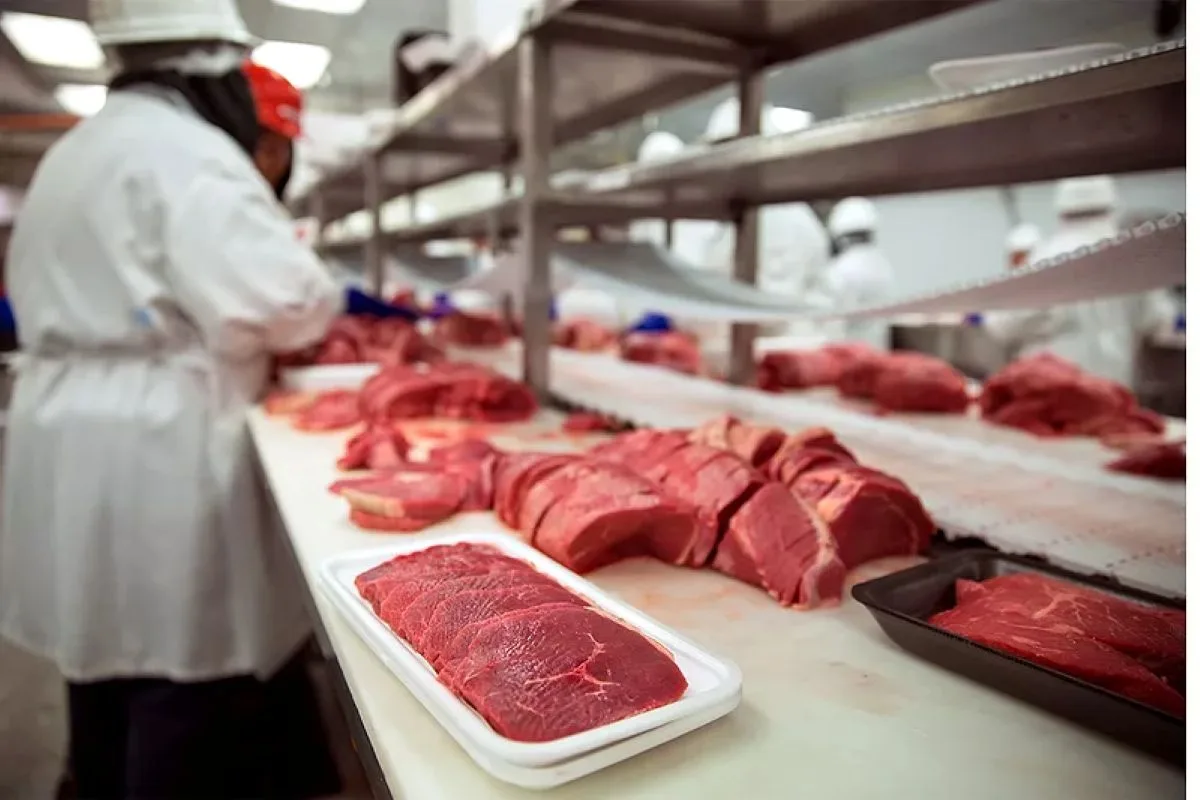
Skylark Meats to shutter Nebraska plant

Published

on

Skylark Meats to shutter Nebraska plant

The 215,000-square-foot facility employs 218. 

Continue Reading

Business

This Space Stock Could Be a Takeover Target After Rocket Lab, Iridium Deal

Published

on

This Space Stock Could Be a Takeover Target After Rocket Lab, Iridium Deal

This Space Stock Could Be a Takeover Target After Rocket Lab, Iridium Deal

Continue Reading

Business

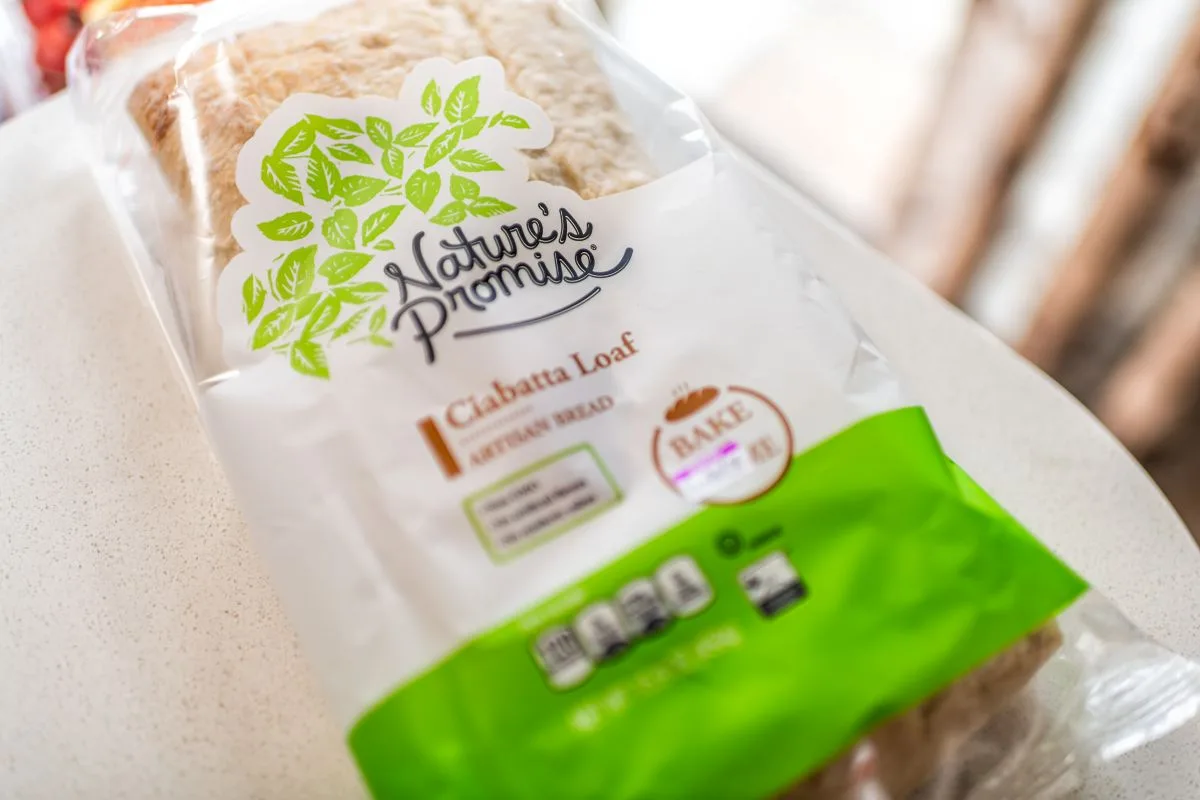
Consumers seek out private brands

Published

on

Consumers seek out private brands

Study shows over two-thirds buy private label items on nearly every shopping trip.

Continue Reading

Business

Comcast: New Direction Deserves A New Rating, I'm A Buy For The First Time In 10 Years

Published

on

Comcast: New Direction Deserves A New Rating, I'm A Buy For The First Time In 10 Years

Comcast: New Direction Deserves A New Rating, I'm A Buy For The First Time In 10 Years

Continue Reading

Business

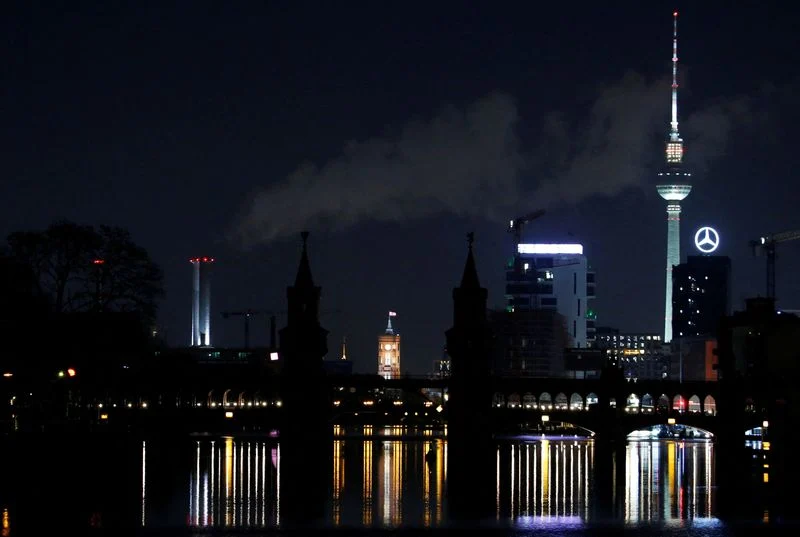
German inflation falls to 2.4% in June

Published

on

German inflation falls to 2.4% in June


German inflation falls to 2.4% in June

Continue Reading

Trending

Copyright © 2025