
Business
Tarik Skubal Domino, Mets Selling and Giants’ Logan Webb Staying Put


With the MLB trade deadline set for August 3 at 6 p.m. Eastern time, the sport’s rumor mill has shifted into high gear as contending teams look to add reinforcements and struggling clubs weigh how aggressively to sell off veteran talent. Here is a roundup of five of the most notable trade storylines currently circulating around the league.
1. Tarik Skubal remains the deadline’s biggest domino
Detroit Tigers ace and reigning Cy Young winner Tarik Skubal continues to headline trade speculation as free agency looms for the left-hander. Skubal reminded the league of his ceiling with a dominant recent start against the New York Yankees, striking out nine batters without a walk while allowing just two runs, one earned, over six innings, his best outing since undergoing left elbow surgery in May. According to FanSided, the Los Angeles Dodgers are considered a logical fit for Skubal, though the Yankees, Atlanta Braves and Milwaukee Brewers have also been mentioned as teams that could pursue a package to keep him away from Los Angeles. Skubal isn’t Detroit’s only starter drawing interest, as right-hander Casey Mize, the 2018 No. 1 overall pick, has also generated buzz after striking out 10 Yankees over seven scoreless, one-hit innings in a recent outing.
2. Mets appear headed toward a broader sell-off
The New York Mets, sitting 15 games under .500 and ranked among the five worst teams in baseball over the past calendar year, have already made one notable move this summer, trading left-hander David Peterson to the Chicago Cubs for first base prospect Cole Mathis. According to MLB Trade Rumors, the Mets said that deal did not represent the start of a broader sell-off, but the team has gone just 2-5 since completing the trade, and with limited high-end trade chips remaining on the roster, further moves before the deadline appear increasingly likely. Owner Steve Cohen has said he has no plans to overhaul the front office despite the disappointing season, which already resulted in a managerial change earlier this year.
3. Giants signal Logan Webb isn’t going anywhere, but others could move
San Francisco Giants president of baseball operations Buster Posey firmly shut down speculation about trading ace Logan Webb, giving a direct “no” when asked about the possibility, according to the San Francisco Standard. Webb is signed affordably through 2028. Despite that declaration, Posey said the team will “leave all options on the table” at the deadline for other players. The Athletic has reported that the Giants, sitting well out of playoff position at 32-46 with a run differential of negative 51, fifth-worst in the sport, are open to moving their other highest-paid players, including Willy Adames, Matt Chapman, Rafael Devers and Jung Hoo Lee. Chapman and Devers have both improved considerably in recent weeks, while Lee is having a strong overall season, complicating the calculus for a team that FanGraphs currently projects to have just a 1.9 percent chance of reaching the playoffs.
4. Twins deny any plans to trade Byron Buxton
Speculation surrounding Minnesota Twins outfielder Byron Buxton has circulated throughout the early trade season, but both the team and the player have pushed back firmly against the rumors. Twins general manager Jeremy Zoll told reporters, including The Athletic, “We have no plans to trade Byron Buxton.” Buxton addressed the speculation himself as well, saying, “I ain’t said nothing about leaving, nor will I.” Despite those denials, Buxton’s name is expected to remain part of the broader trade conversation given his performance and contract situation as the deadline approaches.
5. Angels appear likely to stay buyers rather than sell
The Los Angeles Angels have continued to signal they do not intend to rebuild at this year’s deadline, despite external speculation connecting several of their players to potential trades. President of baseball operations John Mozeliak told The Athletic’s Ken Rosenthal that the team has the resources to remain competitive, saying, “No. I don’t think in this market you need to do that. This team has resources. Now it’s just making sure we deploy them correctly.” Left-hander Reid Detmers, who turned 27 on July 8 and is controllable through 2028, has been viewed as a significant trade asset given his recent dominant stretch, a 2.42 ERA with 51 strikeouts over his past seven starts. Right-hander José Soriano and outfielder Jo Adell have also drawn trade interest, though earlier reporting from USA Today’s Bob Nightengale indicated that Angels owner Arte Moreno did not want to trade any of the three players, a stance that predates the club’s recent front-office change and appears consistent with Mozeliak’s more recent comments about the team’s direction.
Beyond these five storylines, several other situations remain in motion around the league. The Tampa Bay Rays have emerged as one of the summer’s biggest surprises, entering July atop the American League East with the sport’s longest active winning streak at five games following a sweep of the Arizona Diamondbacks. The Pittsburgh Pirates, meanwhile, face mounting pressure to turn their season around quickly or risk an uncomfortable set of deadline conversations about their long-term direction. Reliever Aroldis Chapman has emerged as one of the most likely Boston Red Sox players to be moved, given the demand for bullpen help across the league, while the Baltimore Orioles could look to sell low on left-hander Trevor Rogers’ expiring contract as his season winds down.
With the amateur draft scheduled for July 11 and 12 expected to shift front-office attention back toward the trade market immediately afterward, league executives anticipate that the pace of significant trades will accelerate considerably in the weeks following the draft, as contenders finalize their targets and rebuilding clubs determine which veterans they are willing to move before the August 3 deadline arrives.


Ingersoll Rand Q2: Profitability Took A Hit, But There Are Ways It Can Come Back

In theory, the inquiry should be impartial and informative – a learning process focused solely on improving passenger safety. But in the case of AI171, the information revealed by the investigation so far has triggered a major backlash from safety campaigners, pilots’ groups and lawyers acting for the bereaved relatives.
A key factor in this has been the preliminary report issued by the AAIB a month after the accident. The 15-page document did not draw any conclusions about the causes of the crash, or make any recommendations.
Nonetheless, just two short paragraphs generated a great deal of controversy.
First, it was noted that according to the aircraft’s flight data recorder, the two fuel cutoff switches – normally used when starting the engines before a flight and shutting them down afterwards – transitioned from the run to the cutoff position seconds after take-off. This would have deprived the engines of fuel, causing them to lose thrust rapidly.
The report then says: “In the cockpit voice recording, one of the pilots is heard asking the other why did he cutoff. The other pilot responded that he did not do so.”
This brief statement, provided without a transcript or any indication of who was speaking, sparked intense speculation about the actions of the pilots. Newsweek, for example, focused on the “troubling possibility: that a seasoned captain may have deliberately doomed his jet – and nearly 250 lives”. Former NTSB chairman Robert Sumwalt told CBS News the report showed “this was not a problem with the airplane or the engines. Instead…somebody in the cockpit shut the fuel off to those engines.”
A few days later, The Wall Street Journal weighed in. Citing people familiar with the matter, it claimed that recordings of dialogue between the pilots suggested it was the Captain, Sumeet Sabharwal, who had flipped the fuel switches.
It is important to note that this was merely a preliminary report, and within days, the AAIB issued a statement condemning “selective and unverified reporting” in the international press as “irresponsible”. It urged the public and the media to “refrain from spreading premature narratives that risk undermining the integrity of the investigative process.”
By then, arguably, the damage had already been done.
“When a pilot is alive he can defend himself” says Capt. CS Randhawa, president of the Federation of Indian Pilots (FIP). “When the pilot is dead, all the agencies can collude – and they put the blame on the pilot, to save the manufacturer. And this is seen the world over. It’s not the first time”.
His organisation, which represents around 6,000 pilots, condemned the preliminary report as “irrevocably compromised”. Together with Sumeet Sabharwal’s 91-year-old father, Pushkar Raj Sabharwal, they took their concerns to India’s Supreme Court, demanding a judicial investigation into the crash.
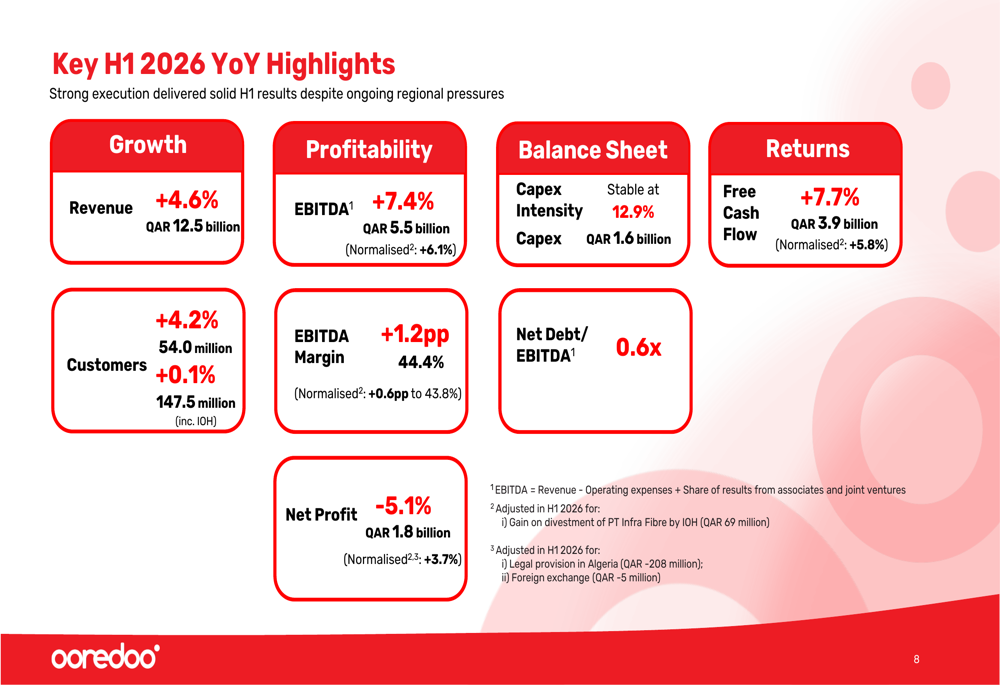
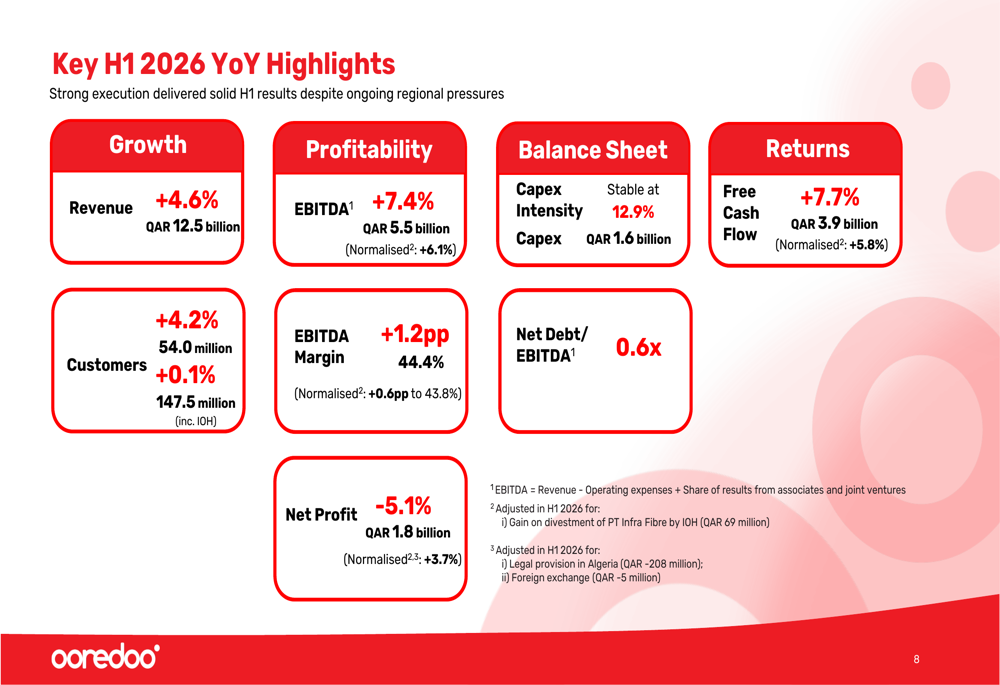
Ooredoo H1 2026 slides: margin expansion, strategic gains offset Q2 miss

Yes. Corporate subscriptions are available for teams and organisations, with discounted rates as user numbers increase. Pricing starts from $1,625 + GST per user.
Get in touch
to discuss the right option for your organisation.
Business News subscriptions are used by executives, investors, consultants and professionals who need to stay informed and make better decisions about the WA market. When you subscribe you’ll get
- Unlimited access to WA’s most trusted business journalism
- Data & Insights — detailed profiles of WA companies, people, projects and deals
- MyBN — a personalised feed based on the companies, people and sectors you follow
- Special publications and industry reports
- Daily and weekly email newsletters
Data & Insights is a research tool built specifically for the WA market. It draws on more than 30 years of Business News reporting, updated regularly to reflect what’s happening now. Use it to:
- Look up detailed profiles of WA companies, including financials, directors and ownership
- Find decision-makers and track their career movements
- Research live and completed projects across WA industries
- Monitor deals, appointments and market activity
- Access industry rankings and league tables
Data & Insights is updated daily by our dedicated research team, which uses the latest announcements, ASX filings and editorial coverage to keep our person, company, list and project records up to date.
Business News welcome all opportunities to make our dataset accurate, complete and current, so if you have an update request, please email the team at
general@businessnews.com.au, and we’d be happy to assist.
MyBN
is part of every subscription. It’s your personalised view of Business News. You can follow the companies, people, sectors and projects that matter to you, and get a news feed and alerts tailored to your interests. You can save articles to read later and retain only what you need.
Only subscribers have full access to all content on the Business News website.
If staying informed about the WA economy is part of your job, and/or you’re looking for networking opportunities in WA, Business News is built for you.
Business News subscribers are:
- Executives and directors tracking competitors, clients and market movements
- Investors and advisers researching companies, deals and industry trends
- Consultants and professionals staying across sectors relevant to their clients
- Business owners looking for leads, context and market intelligence
Most Business News publications cover national or global markets. Business News is focused entirely on Western Australia, which means the journalism, the data and the intelligence are all built around WA companies, people and projects — not adapted from a national feed. Data & Insights, included with every subscription, combines more than 30 years of WA-specific editorial research with live business data. There’s no comparable product for the WA market.
The Morning Digest Email provides a comprehensive wrap of the major headlines, relevant to WA business, and includes with a snapshot of the overnight news covering oil, gold and ASX-listed companies.
The Afternoon Wrap Email focuses on the news covered by our team of journalists during the course of the working day, including exclusive stories and analysis, all of which relates to WA business and the local economy.
The BN Weekender Email contains a wrap of the Business News from the week that was, highlighting the top stories in each area of WA business.
Sign up for free.
We’re happy to help.
Get in touch
and our team will come back to you.

ZoomInfo: Cheap On Earnings, Expensive On Enterprise Value
Business
Jio Financial Services shares rise 2% after firm sets record date for dividend. What to expect?

Jio Financial Services shares rose to Rs 262.65 apiece on Monday, extending a more than 10% jump in a week. The company paid a dividend of Rs 0.5 per share to its shareholders last year. After announcing the latest dividend in April this year, the stock currently has a dividend yield of 0.19%, according to data on Trendlyne.
Fixing the record date as August 10 means that only shareholders who own the company’s shares in their demat accounts as of August 10 (next Monday) will be eligible to receive the dividend, subject to shareholder approval at the upcoming Annual General Meeting (AGM).
Earlier this month, Jio Financial Services reported 155% year-on-year (YoY) jump in its consolidated net profit at Rs 830 crore in the first quarter of FY27, while revenue from operations increased 227% YoY to Rs 2,004 crore during the quarter under review.
Consolidated total income rose 141% YoY to Rs 1,496 crore from Rs 619 crore. It was up 47% from Rs 1,020 crore in the March quarter. Interest income grew 165% YoY to Rs 962 crore, while fees and commission income surged to Rs 325 crore from Rs 54 crore.

Also read | Jio Financial Services sets record date for dividend. Check details
Jio Financial Services share price
Jio Financial Services shares had jumped nearly 4% to close at Rs 256 apiece on Friday. The stock gained more than 10.5% in a week and over 9% in a month. However, it is down nearly 12% in 2026 so far.
In the longer term, the shares of the company have fallen around 21% in a year. The company currently has a market capitalisation of more than Rs 1.73 lakh crore.Motilal Oswal has a Buy rating on Jio Financial Services with a target price of Rs 315 apiece. The brokerage said the company delivered a healthy quarter, driven by strong growth in Jio Credit, whose assets under management (AUM) crossed Rs 300 billion.
It also highlighted steady progress across the payments, insurance, and asset management businesses, although operating expenses remained elevated due to continued investments in incubating new businesses and expanding existing operations. Motilal Oswal cut its FY27 and FY28 EPS estimates by 4% and 6%, respectively, to account for higher operating costs, but expects consolidated PAT to grow at a 46% CAGR between FY26 and FY28.
Also read | For investors with some patience: 6 mid-cap stocks from different sectors with upside potential of up to 20%
(Disclaimer: Recommendations, suggestions, views and opinions given by the experts are their own. These do not represent the views of The Economic Times)


I am a self-taught individual investor and I have been investing in stocks for over 25 years. I focus on dividend growth investing with a long-term horizon since I believe in the compounding power of dividend growth investing. I generally look for undervalued stocks with sustainable dividend growth and capital appreciation potential. I try to provide a little more in depth analysis weighing the positives and negatives. I am now in the Top 2.0% out of 28,000+ financial bloggers (February 2024) as tracked by Tip Ranks for my SA articles.Blog: www.dividendpower.orgWork/ associated with the existing authors James Marino and Ferdis.
Analyst’s Disclosure: I/we have no stock, option or similar derivative position in any of the companies mentioned, and no plans to initiate any such positions within the next 72 hours. I wrote this article myself, and it expresses my own opinions. I am not receiving compensation for it (other than from Seeking Alpha). I have no business relationship with any company whose stock is mentioned in this article.
Seeking Alpha’s Disclosure: Past performance is no guarantee of future results. No recommendation or advice is being given as to whether any investment is suitable for a particular investor. Any views or opinions expressed above may not reflect those of Seeking Alpha as a whole. Seeking Alpha is not a licensed securities dealer, broker or US investment adviser or investment bank. Our analysts are third party authors that include both professional investors and individual investors who may not be licensed or certified by any institute or regulatory body.
Business
10 Things to Know About Warren Buffett’s Famous S&P 500 Advice Amid Today’s Rising Concentration Risk
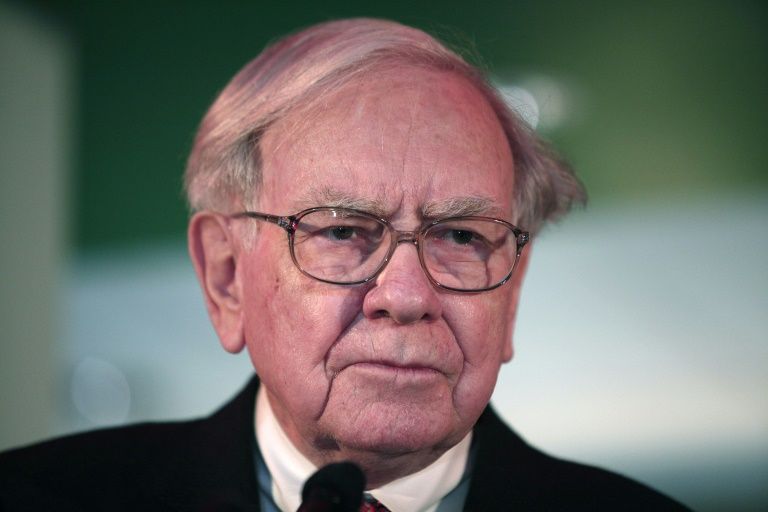
Warren Buffett’s decades-old advice to put money into low-cost S&P 500 index funds remains one of the most widely followed pieces of investment guidance in the world. But as the index has grown increasingly dominated by a small handful of technology giants, analysts say the strategy today carries different risks than when Buffett first popularized it. Here are 10 things to know about the guidance and how it applies to today’s market.
1. The advice traces back to Buffett’s 2013 shareholder letter. In that letter, Buffett instructed the trustee overseeing a bequest to his wife to allocate 90% of the funds to a low-cost S&P 500 index fund, with the remaining 10% directed toward short-term U.S. government bonds. He recommended Vanguard specifically, though he did not name a particular fund or ticker.
2. VOO is widely seen as the closest match to Buffett’s description. Vanguard’s S&P 500 ETF, trading under the ticker VOO, carries an annual expense ratio of just 0.03%, among the lowest available for a fund tracking the index, and aligns closely with the kind of low-fee vehicle Buffett described in his original guidance.
3. Technology now dominates the index far more than it once did. According to recent index weighting data, technology stocks make up roughly 37% of the S&P 500. Just three companies, Apple, Nvidia and Microsoft, together account for roughly 20% of the entire index’s value, meaning a large share of any S&P 500 index fund’s performance now hinges on the fortunes of a small handful of mega-cap technology firms.
4. That concentration has grown dramatically since Buffett first gave the advice. Ten years ago, the S&P 500’s 10 largest stocks represented just 15.3% of the index’s total market capitalization. Five years after Buffett’s 2013 letter, that figure had risen to 27.2%. Today, according to MacroMicro data, the top 10 stocks account for roughly 37.5% of the index, down slightly from an all-time high near 43% reached earlier this year, but still among the highest concentration levels in the index’s history.
5. Artificial intelligence spending is now a major driver of index-wide earnings. Goldman Sachs has forecast that companies tied to artificial intelligence could contribute roughly half of the S&P 500’s overall earnings growth in 2026. That dependence means a slowdown in AI-related capital spending or disappointing earnings from a handful of mega-cap technology companies could weigh disproportionately on the entire index, a risk that did not exist to the same degree when Buffett first offered his recommendation.
6. Long-term return expectations for U.S. stocks have moderated. Vanguard’s broad U.S. equity return model now projects 10-year annualized returns of between 4.2% and 6.2%, down from an earlier forecast range of 4.9% to 6.9%, reflecting the impact of higher current valuations on expected future returns. By comparison, the iShares Core S&P 500 ETF, trading under the ticker IVV, posted an annualized gain of 15.47% over the 10 years ending in June, a pace analysts generally view as unlikely to be sustained indefinitely.
7. Current valuations remain a point of debate among analysts. According to FactSet data, the S&P 500 currently trades at a price-to-earnings ratio of 19.6, a level some analysts view as elevated relative to historical averages, though others argue current earnings growth, particularly among AI-linked companies, helps justify the higher multiple.
8. Money continues flowing into S&P 500 index funds at record levels. Vanguard’s VOO recently became the first exchange-traded fund in history to surpass $1 trillion in assets under management. According to data cited by Reuters, the fund has attracted roughly $69 billion in net inflows so far in 2026, following $118 billion in 2024 and $138 billion in 2025, with no other ETF attracting more investor money this year.
9. Experts generally still endorse the strategy despite the added concentration risk. Analysts writing for outlets including the Motley Fool and 24/7 Wall St. have said Buffett’s underlying advice remains sound in principle, since S&P 500 index funds continue to offer low costs and broad exposure to the U.S. economy. But those same analysts caution that investors should understand the fund no longer provides the same level of diversification it once did, given how heavily its performance now depends on a small group of dominant technology companies.
10. Buffett himself has continued monitoring risk within specific holdings tied to his broader philosophy. In more recent commentary, Buffett has reportedly cautioned about the risks tied to specific high-profile stocks, including SpaceX, following sharp declines in that company’s share price after its public listing, reflecting his continued attention to volatility and valuation risk even within widely held names.
Analysts broadly agree that Buffett’s core message, favoring low fees, broad diversification and long-term patience over active trading, remains valid advice for the average investor. But they emphasize that today’s S&P 500 looks meaningfully different from the one Buffett first pointed to in 2013, and that investors relying on the index for diversification should understand just how concentrated their exposure to a handful of technology giants has become, particularly if they are also invested in other tech-heavy benchmarks such as the Nasdaq Composite.

Boliden: Finding The Entry For 2026-2028
Why is TG Therapeutics stock sliding today?

‘RHOC’ Alum Alexis Bellino Reflects on Her Recent Facelift

How much money would the rich have to lose to fall below the top 1% of wealth? #money #politics
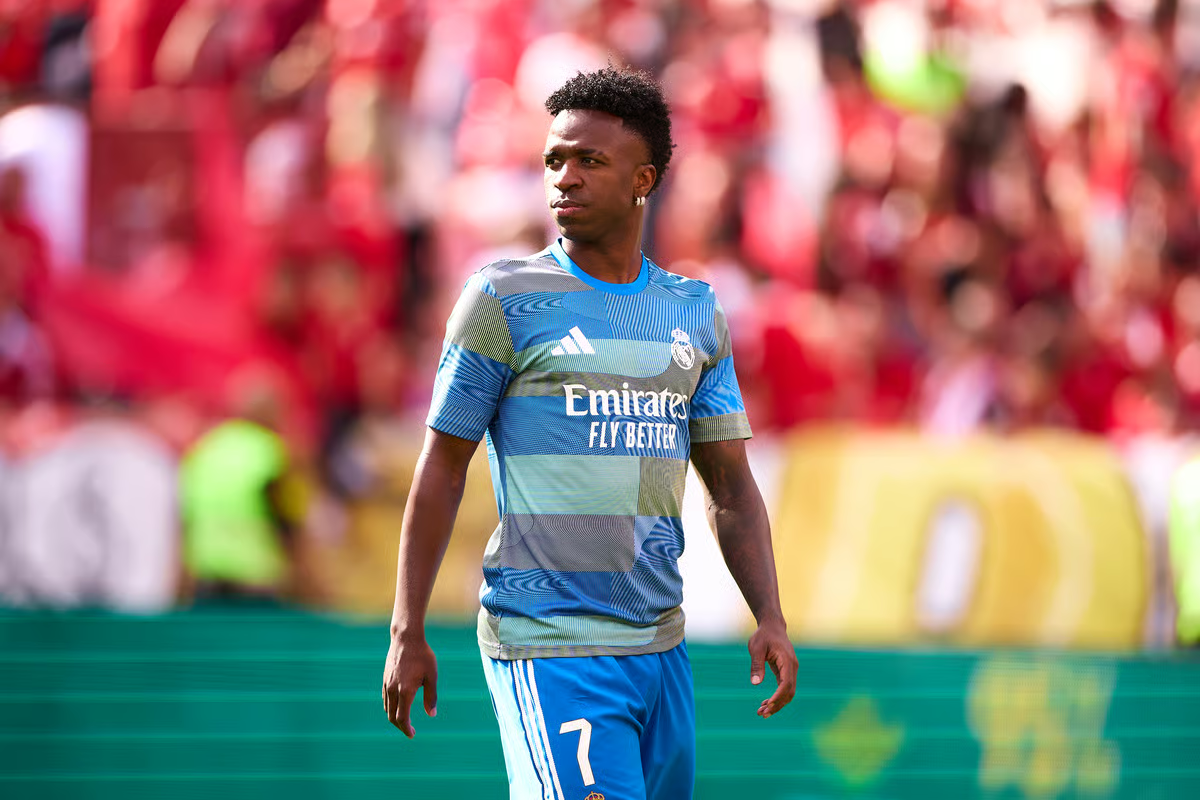
Arsenal get new Vinicius Jr update after key development in transfer saga


-

 Business5 days ago
Why Trees Belong on the Risk Register
-

 Fashion3 days ago
Weekend Open Thread: Wit & Wisdom
-

 Politics3 days ago
Meta enters AI-training agreement with far-right ‘propaganda rag’ Newsmax
-
 Entertainment6 days ago
‘Stargate’ Creator’s New Sci-Fi Series Returns for Season 3 Tomorrow
-

 Crypto World2 days ago
MicroStrategy Post-Earnings CLARITY Act Push Could Add New Catalyst for Its Stock
-

 Politics6 days ago
The Part of the Electric Transition Nobody Wants to Discuss
-

 Business5 days ago
Major shareholder moves on Canyon
-

 Crypto World2 days ago
XRP Ledger v3.3.0 brings five institutional features
-

 News Videos4 days ago
Bitcoin Enters the 3rd Stage of the Bear Market
-

 Crypto World6 days ago
Kraken Enables Retail Access to Jersey Mike’s IPO via Tokenized Shares
-

 Tech6 days ago
New macOS Sequoia & Sonoma security updates for older Macs
-

 Politics4 days ago
Luke Littler’s dominance sparks GOAT debate
-

 News Videos6 days ago
Claude: Build Financial Dashboards in Minutes (2026)
-

 Business6 days ago
Johnson & Johnson agrees to $5.5B settlement over talc cancer claims
-

 Sports4 days ago
Seema Kaliramna Wins Discus Throw Bronze, Takes India’s CWG Medals Tally To 17
-

 Crypto World1 day ago
Crypto PAC spending tops $2M in Michigan House race
-

 Business3 days ago
Trump Announces Hamas Disarmament Agreement as Iran Strikes Kuwait Air Base and US Attacks Pause Overnight
-

 Tech5 days ago
Gemini can now summarize the messiest comment threads in Google Docs
-

 Tech1 day ago
ESET tracks rise in malicious AI skills and adaptable malware
-

 NewsBeat4 days ago
Four people die trying to cross Channel in small boats
You must be logged in to post a comment Login