
Business
AI disruption could hit credit markets next, UBS analyst says


Mesh Cube | Istock | Getty Images
The stock market has been quick to punish software firms and other perceived losers from the artificial intelligence boom in recent weeks, but credit markets are likely to be the next place where AI disruption risk shows up, according to UBS analyst Matthew Mish.
Tens of billions of dollars in corporate loans are likely to default over the next year as companies, especially software and data services firms owned by private equity, get squeezed by the AI threat, Mish said in a Wednesday research note.
“We’re pricing in part of what we call a rapid, aggressive disruption scenario,” Mish, UBS head of credit strategy, told CNBC in an interview.
The UBS analyst said he and his colleagues have rushed to update their forecasts for this year and beyond because the latest models from Anthropic and OpenAI have sped up expectations of the arrival of AI disruption.
“The market has been slow to react because they didn’t really think it was going to happen this fast,” Mish said. “People are having to recalibrate the whole way that they look at evaluating credit for this disruption risk, because it’s not a ’27 or ’28 issue.”
Investor concerns around AI boiled over this month as the market shifted from viewing the technology as a rising tide story for technology companies to more of a winner-take-all dynamic where Anthropic, OpenAI and others threaten incumbents. Software firms were hit first and hardest, but a rolling series of selloffs hit sectors as disparate as finance, real estate and trucking.
In his note, Mish and other UBS analysts lay out a baseline scenario in which borrowers of leveraged loans and private credit see a combined $75 billion to $120 billion in fresh defaults by the end of this year.
CNBC calculated those figures by using Mish’s estimates for increases of up to 2.5% and up to 4% in defaults for leveraged loans and private credit, respectively, by late 2026. Those are markets which he estimates to be $1.5 trillion and $2 trillion in size.
‘Credit crunch’?
But Mish also highlighted the possibility of a more sudden, painful AI transition in which defaults jump by twice the estimates for his base assumption, cutting off funding for many companies, he said. The scenario is what’s known in Wall Street jargon as a “tail risk.”
“The knock-on effect will be that you will have a credit crunch in loan markets,” he said. “You will have a broad repricing of leveraged credit, and you will have a shock to the system coming from credit.”
While the risks are rising, they will be governed by the timing of AI adoption by large corporations, the pace of AI model improvements and other uncertain factors, according to the UBS analyst.
“We’re not yet calling for that tail-risk scenario, but we are moving in that direction,” he said.
Leveraged loans and private credit are generally considered among the riskier corners of corporate credit, since they often finance below-investment-grade companies, many of them backed by private equity and carrying higher levels of debt.
When it comes to the AI trade, companies can be placed into three broad categories, according to Mish: The first are creators of the foundational large language models such as Anthropic and OpenAI, which are startups but could soon be large, publicly traded companies.
The second are investment-grade software firms like Salesforce and Adobe that have robust balance sheets and can implement AI to fend off challengers.
The last category is the cohort of private equity-owned software and data services companies with relatively high levels of debt.
“The winners of this entire transformation — if it really becomes, as we’re increasingly believing, a rapid and very disruptive or severe [change] — the winners are least likely to come from that third bucket,” Mish said.


Business
ASX 200 Drops 1.13% to 8,574 as Oil Volatility and Inflation Fears Pressure Australian Shares

SYDNEY, Australia — The S&P/ASX 200 index fell 97.80 points, or 1.13%, to close at 8,574.00 on Thursday, April 2, 2026, extending recent weakness as persistent geopolitical tensions in the Middle East, elevated oil prices and concerns over sticky inflation continued to weigh on investor sentiment.

The benchmark Australian share index opened near 8,671.80 and traded in a wide range, hitting an intraday high of 8,723.30 before sliding to a low around 8,570.20 in afternoon trade. The decline came amid broad-based selling, with financials, technology and materials sectors leading losses despite some resilience in energy names.
This latest drop adds to a challenging start to April following a difficult March, when the ASX 200 lost approximately 7.5% — its worst monthly performance since June 2022. The index now sits roughly 8% below its all-time high near 9,202 set in late February 2026, reflecting the cumulative impact of global risk aversion.
Rising oil prices remained a dominant theme. Brent crude has stayed elevated due to ongoing conflict involving the United States, Israel and Iran, with concerns over potential supply disruptions through key routes like the Strait of Hormuz. Higher energy costs are feeding into inflation worries, complicating the outlook for the Reserve Bank of Australia and pressuring growth-sensitive sectors.
“Geopolitical risk and its direct translation into higher fuel costs are forcing investors to reassess domestic growth prospects,” said one Sydney-based fund manager. “When oil remains above $110–$118 per barrel, it adds meaningful upward pressure on headline inflation, limiting the scope for near-term rate relief.”
Financial stocks, which carry heavy weighting in the index, faced notable selling. The major banks — Commonwealth Bank, Westpac, National Australia Bank and ANZ — traded lower as traders weighed the implications of potentially higher-for-longer interest rates. Elevated borrowing costs could dampen consumer spending and housing activity, key drivers for the Australian economy.
Materials and mining stocks showed mixed performance. While some energy-related names gained on higher crude prices, iron ore and base metal plays retreated amid softer Chinese demand signals and broader risk-off flows. Gold miners provided limited haven support but could not offset sector-wide weakness.
Technology stocks extended recent softness, with investors rotating away from high-valuation growth names amid global concerns over artificial intelligence adoption timelines and stretched valuations. Consumer discretionary shares also came under pressure as higher fuel and living costs squeezed household budgets.
The session occurred against a backdrop of mixed domestic economic signals. Recent labour data has been uneven, while inflation readings have remained above the RBA’s 2-3% target band. Markets are pricing in a high probability of cautious monetary policy, with some analysts even flagging the risk of further rate hikes if oil-driven inflation persists.
The Australian dollar traded modestly softer against the U.S. dollar, reflecting reduced risk appetite, while bond yields showed little directional conviction as investors balanced inflation fears with safe-haven flows.
Market breadth was negative, with decliners comfortably outnumbering advancers across the broader ASX. Trading volume was solid, indicating active participation from institutional investors adjusting positions early in the new quarter.
Analysts noted that while Australia’s underlying economic fundamentals — supported by resource exports and a still-resilient labour market — provide some buffer, external factors continue to dominate near-term sentiment. The OECD has warned that Australia could face among the higher inflation rates in advanced economies if energy prices remain elevated.
Smaller companies in the ASX 300 largely mirrored the benchmark’s weakness, though some defensive and value-oriented names held up better. The All Ordinaries index also closed lower in line with the S&P/ASX 200.
Looking ahead, investors will closely monitor upcoming domestic data releases, including any updates on inflation, retail sales and trade balances. The RBA’s next policy meeting remains a focal point, with decisions likely influenced by the trajectory of global oil prices and geopolitical developments.
International cues will continue to play a critical role. Overnight movements on Wall Street, shifts in commodity prices and any fresh news from the Middle East are expected to set the tone for Friday’s trading. Asian markets, particularly China’s performance, will also be watched for demand signals affecting Australian resource companies.
Despite the day’s decline, some strategists see selective opportunities in quality companies with strong balance sheets and exposure to essential commodities. Dividend yields in the Australian market remain relatively attractive compared with many global peers, providing some support for income-focused investors.
For retail investors, the current environment underscores the importance of diversification and maintaining a long-term perspective amid short-term volatility. Financial advisers recommend focusing on businesses with pricing power and resilience to higher input costs rather than chasing momentum plays.
The S&P/ASX 200’s close at 8,574.00 leaves it testing recent support levels. Whether this represents another leg in the broader correction or a pause ahead of potential stabilisation will depend heavily on de-escalation signals from the Middle East, cooling energy prices and clearer domestic economic data.
Futures trading pointed to continued caution heading into Friday’s session. Market participants will balance ongoing external pressures against Australia’s role as a major supplier of critical resources and its relatively stable underlying growth drivers.
In summary, Thursday’s 1.13% decline in the S&P/ASX 200 highlights the persistent influence of global oil volatility and geopolitical uncertainty on Australian equities. While energy and select defensives offered pockets of relative strength, broader caution prevailed as investors navigated inflation risks and a more uncertain growth outlook.

OPINION: The under-representation of women in recent history has echoes many decades later.

Bills including council tax, water, internet and broadband have increased, as well as food and fuel.

Iranian President Masoud Pezeshkian signalled willingness to end its war with the US and Israel, while US President Donald Trump said hostilities would be over in a few weeks, sending Brent crude tumbling below $100 a barrel briefly and triggering an equity rally. Still, optimism remains fragile with investors wary of being caught off guard after being wrongfooted by shifting signals from political leaders.
The NSE Nifty climbed 1.6% or 348 points to 22,679.40. The BSE Sensex finished at 73,134.32, up 1.7% or 1,186.77 points. Both indices jumped as much as 2.8% during the day but erased some of their gains at close. Brent crude was at $102.70, down 1.2% at press time, off the day’s low of $98.35.
“The market bounce was because Iran said it was willing to stop the war, provided the US gives assurance against future attacks,” said Sunny Agrawal, head of fundamental research, SBI Securities. However, he said, differing reports by end of the day “led to Nifty paring some of its gains.”
 Agencies
Breather, Not Reversal

US markets rallied 2-4% overnight on investor hope the war will come to an end sooner rather than later after Pezeshkian said Iran is open to stopping the war, albeit with guarantees.
Asian markets rose Wednesday. South Korea surged 8.4% while Japan and Taiwan gained 5.2% and 4.6%, respectively. Hong Kong rose 2% and China advanced 1.5%.
To be sure, Trump’s subsequent social media comments complicated the message, ahead of a TV address he’s scheduled to deliver at 6:30 am India time on Thursday.
The Volatility Index (VIX) dropped 10.3% to 25 as traders tempered near-term risk expectations.
“The softening risk implies some ease in the overall bearish sentiment as markets were also extremely oversold, but investors should not read much into it as it’s expected to be a breather and not a trend reversal,” said Ajit Mishra, SVP, research, Religare Broking.
Until the Nifty crosses 23,500 levels decisively, a sustained recovery is not anticipated, he said.
Most sectoral indices closed higher on Wednesday. The Nifty Media and PSU Bank indices jumped 3.7%. Nifty Metal gained 2.5% while the Bank Nifty rose 2.3%. The Nifty IT and Auto indices moved about 2% higher.
Business
Oil Price Today (April 2): Oil jumps 5% to cross $106/barrel after Trump’s comments erase de-escalation hopes

Brent crude futures surged nearly 5% to trade at $106 per barrel. WTI Crude, meanwhile, gained more than 4% to $104 per barrel in the early morning hours of Thursday. Oil prices crossed the crucial $100 mark in March after the closure of the Strait of Hormuz, marking the first time since Russia’s invasion of Ukraine in 2022. Front-month Brent futures hit a record monthly gain of 64% in March, Reuters cited LSEG data dating back to June 1988.
Here’s what Trump said
Trump said that US forces will ‘finish the job’ in Iran soon as “core strategic objectives are nearing completion”. “We’re now totally independent of the Middle East, and yet we are there to help,” he said. “We don’t have to be there. We don’t need their oil. We don’t need anything they have. But we are there to help our allies,” he added.He reiterated his claim that Iran’s “navy is gone, their air force is in ruins” and Tehran’s leaders are all dead. He claimed that joint strikes had “obliterated” the Islamic Republic’s nuclear program, and “if we see them make a move, even a move for it, we will hit them with missiles very hard again”. The US President claimed that Iran’s ability to launch missiles and drones has been curtailed.
His comments suggesting that the US might attempt to wrap up the war within the next two-three weeks may have spurred investor worries about heightened attacks on Iranian power and crude facilities, unless some deal is achieved, said Garima Kapoor Deputy Head of Research and Economist at Elara Capital. “The focus of the US has moved away from regime change and opening of Hormuz. We believe, as US Iran escalation ends, the cost of insuring vessels passing through Hormuz would come down too, allowing gradual movement of energy to resume in Hormuz.,” she added.
“Uncertainty will prevail in the near term with crude oil prices remaining firm, even as hopes have been offered for closure or war within next 2 to 3 weeks. So far Iran doesn’t seem to be buckling under any pressure of America, but America’s degrees of freedom are reducing, suggesting limited ability to continue longer. We see a finality to war soon. Heightened Volatility is likely to persist in the short term,” she further said.
What lies ahead?
Even if the war eases in the near-term, oil prices may not cool down soon. Ambit Institutional Equities, in it recentreport, said that even if geopolitical tensions cool off, oil prices will remain elevated, with $80 being the new normal for Brent due to infrastructure damage, geopolitical risk premiums, and inventory restocking.
(Disclaimer: Recommendations, suggestions, views and opinions given by the experts are their own. These do not represent the views of The Economic Times)

.webp?t=1774966017)
The limited-time energy beverage blends electrolytes into its formulation.
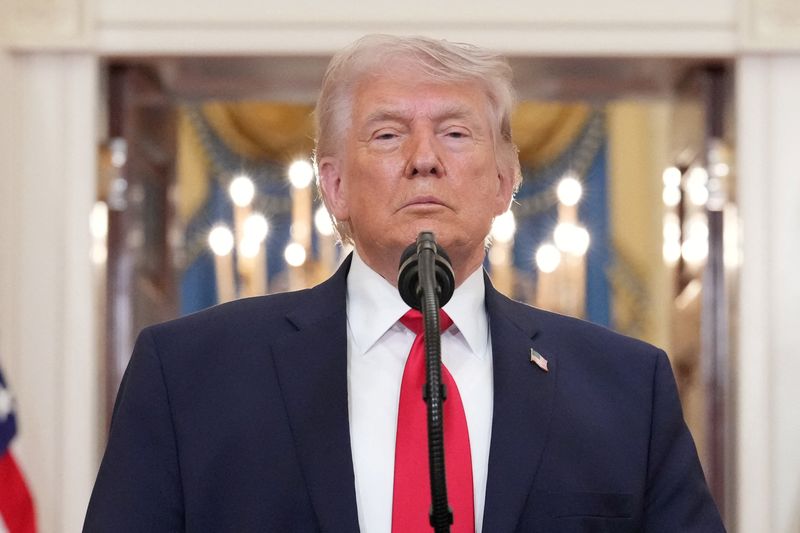
The US president called on nations that need Gulf oil to take the lead to keep the Strait of Hormuz open.

Most small healthcare practice owners do not calculate how much their payment setup actually costs them. WriteUpp, the practice management software used by more than 50,000 health and wellness professionals in the UK, Ireland, and Canada, launched WriteUpp Pay this month — and it directly addresses one of the most overlooked financial problems in independent clinical practice.
There is the card terminal lease or purchase, the transaction fees on a separate billing platform, the staff time spent reconciling payments against invoices, and the revenue lost when patients leave without settling a balance. Add it up across a year, and the number tends to be uncomfortable.
WriteUpp Pay turns an iPhone or Android device into a contactless payment terminal using built-in NFC technology, pulling appointment and invoice data directly from WriteUpp to process payments at the point of care. No card reader. No hardware purchase. No separate reconciliation process.
For solo practitioners and small clinic owners operating on tight margins, the proposition is direct. Your phone is already in your pocket. It can now take payments.
What Independent Practices Actually Spend on Payments
The cost of accepting card payments in a small healthcare practice is rarely limited to the visible transaction fee. Traditional card terminals require either an upfront purchase or a monthly lease agreement. Payment platforms that sit outside the practice management system create reconciliation work. Invoices that go home with patients and are settled days later extend the payment cycle and create cash flow gaps.
Visa data shows that Tap to Phone adoption surged by 320 percent in the UK in 2025, driven largely by small businesses seeking to reduce hardware dependency and simplify payment acceptance. The trend reflects a broader recognition that the tools required to accept card payments have become unnecessarily complicated and expensive for businesses that do not need enterprise-level infrastructure.
WriteUpp Pay addresses this directly. Because the app is built on Stripe’s infrastructure and connects to an existing WriteUpp account, there is no additional platform fee. Stripe’s standard transaction rates apply. For a practice already using WriteUpp and Stripe for online payment collection, adding in-person payment capability requires only downloading the app and completing a brief setup.
How WriteUpp Pay Works Inside the Clinic Room
When they open the app, WriteUpp Pay shows clinicians a live list of that day’s unpaid appointments and recent invoices. They select the relevant appointment, tap to initiate payment, and the patient taps their card or digital wallet toward the top of the phone. The transaction processes in seconds. The invoice inside WriteUpp is marked as paid automatically, and a receipt can be sent to the patient by email without any manual steps.
Digital wallets, including Apple Pay and Google Pay, are accepted alongside standard contactless bank cards. Transactions paid via digital wallet carry no upper limit because biometric authentication replaces the PIN requirement, making WriteUpp Pay practical for higher-value consultations. For transactions using a regular bank card, the FCA lifted the fixed £100 national contactless cap from March 19, allowing banks to set their own limits or let customers configure their own caps going forward.
For practices using iPads or devices without NFC capability, WriteUpp Pay supports the Stripe Wisepad3 Bluetooth card reader, which connects wirelessly and processes payments through the same Stripe infrastructure. This means the app works whether a clinician is using the latest iPhone or an older tablet that lacks NFC support.
“We specifically designed WriteUpp Pay to work for practices of all sizes, not just those with large admin teams and IT budgets,” said Eric Lalonde, CEO of WriteUpp. “A solo physiotherapist should be able to take payment at the end of a session just as easily as a large multi-practitioner clinic. The phone they already carry is all they need.”
The WriteUpp Case for Point of Care Payment
For small healthcare practices, payment timing matters. Revenue collected at the point of care is revenue that does not require chasing. Invoices sent after the fact sit in email inboxes, get forwarded to the wrong person, or simply go unpaid for longer than they should.
WriteUpp Pay removes the gap between service delivery and payment collection. When a clinician finishes a session, payment happens immediately as part of the natural end-of-appointment workflow. There is no separate step for the patient, no invoice to chase, and no administrative follow-up required. The invoice closes in real time and the revenue appears in the practice’s Stripe account without delay.
For practices that currently experience slow payment cycles, the improvement in cash flow predictability can be significant. Stripe’s standard reporting tools mean practices can track daily payment activity without logging into a separate billing system.
“Cash flow is one of the most stressful parts of running a small practice,” Lalonde said. “You have done the work, you have provided the care, but then you spend the next two weeks waiting to be paid for it. WriteUpp Pay makes that problem much smaller. Payment happens when the appointment ends, not a fortnight later.”
Getting Started with WriteUpp Pay
WriteUpp Pay is available from the Apple App Store and Google Play Store. It requires an existing WriteUpp account, a connected Stripe Unified account, and at least one location set up within the Stripe account. Clinicians log in using their existing WriteUpp credentials, complete the location setup, and the app is ready to take payments.
For practices not yet using WriteUpp, a 30-day free trial is available through the WriteUpp website. The platform starts at £19.95 per month in the UK on a rolling monthly subscription with no minimum contract, giving small practices the ability to evaluate the full platform, including WriteUpp Pay, before committing.

Mitsubishi Heavy shares rise as Artemis moon mission takes off successfully

Hopes dim for swift end to Iran war after Trump speech, oil prices surge anew

ASX 200 Drops 1.13% to 8,574 as Oil Volatility and Inflation Fears Pressure Australian Shares

US Labor Department Proposes Opening 401(k) Plans to Crypto

Sierra Gates Speaks Out Amid Divorce From Xzavia Thomas


-

 Business6 days ago
Instagram, YouTube Found Responsible for Teen’s Mental Health Struggle in Historic Ruling
-
 Tech7 days ago
Intercom’s new post-trained Fin Apex 1.0 beats GPT-5.4 and Claude Sonnet 4.6 at customer service resolutions
-

 NewsBeat5 days ago
The Story hosts event on Durham’s historic registers
-

 Sports5 days ago
Sweet Sixteen Game Thread: Tide vs Michigan
-
Entertainment3 days ago
Fans slam 'heartbreaking' Barbie Dream Fest convention debacle with 'cardboard cutout' experience
-
 Entertainment4 days ago
Lana Del Rey Celebrates Her Husband’s 51st Birthday In New Post
-
Crypto World2 days ago
Dems press CFTC, ethics board on prediction-market insider trades
-

 Tech3 days ago
The Pixel 10a doesn’t have a camera bump, and it’s great
-

 Crypto World9 hours ago
Gold Price Prediction: Worst Month in 17 Years fo Save Haven Rock
-

 Sports2 days ago
Tallest college basketball player ever, standing at 7-foot-9, entering transfer portal
-

 Tech2 days ago
EE TV is using AI to help you find something to watch
-

 Tech3 days ago
Apple will hide your email address from apps and websites, but not cops
-

 Tech2 days ago
Flipsnack and the shift toward motion-first business content with living visuals
-

 Tech2 days ago
How to back up your iPhone & iPad to your Mac before something goes wrong
-

 Fashion7 days ago
En Vogue in Brown Leather and Tailored Neutrals by Atelier Savoir, Styled by J Bolin
-

 Politics2 days ago
Should Trump Be Scared Strait?
-

 Crypto World2 days ago
U.S. rule change may open trillions in 401(k) funds to crypto
-

 Fashion7 days ago
What Are Your Favorite T-Shirts for the Weekend?
-

 Fashion6 days ago
Weekly News Update, 3.27.26 – Corporette.com
-

 Fashion4 days ago
Amazon Sundays: Soft Spring Layers
You must be logged in to post a comment Login