TL;DR
ZTE showed the NaviX Ultra at WAIC, calling it the first agentic AI smartphone. It runs ByteDance’s Doubao agent. StepFun and Honor showed similar devices.



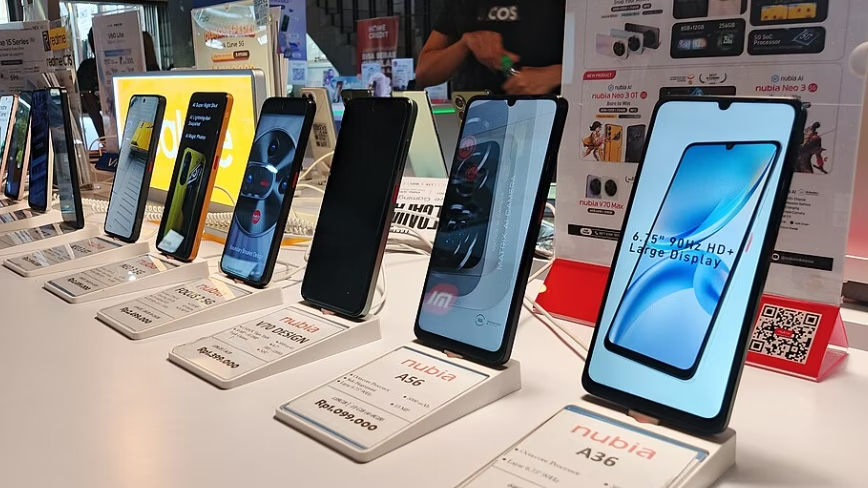
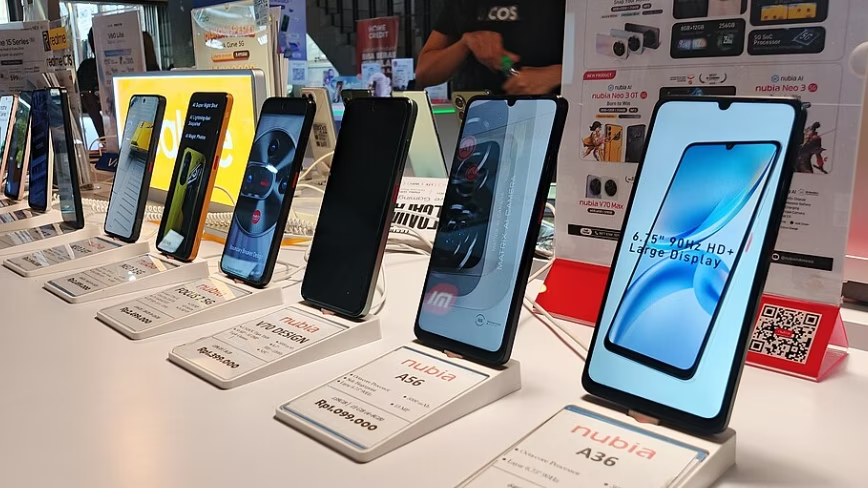
ZTE showed the NaviX Ultra at WAIC, calling it the first agentic AI smartphone. It runs ByteDance’s Doubao agent. StepFun and Honor showed similar devices.
ZTE showcased the NaviX Ultra at the World AI Conference in Shanghai this week, calling it the world’s first agentic AI smartphone. The device, built under ZTE’s Nubia brand, runs ByteDance’s Doubao AI agent and can be activated by voice or a dedicated button. It comes in four colours and was prototyped in December at 3,499 yuan ($516). The initial 30,000 units sold out quickly and doubled in price on the used market.
ZTE was not alone. StepFun unveiled a device running a proprietary operating system with a built-in agent called Amoo. Honor, the smartphone maker spun off from Huawei, is showcasing an AI agent co-developed with Alibaba that will ship on new devices later this year. The idea is the same across all three: build an agentic layer into the operating system that lets AI execute tasks autonomously across apps, rather than bolting isolated AI features onto an existing interface. “Many so-called AI phones on the market simply stack AI functions on top of an existing system,” said Nubia chief Ni Fei. “That actually makes it more cumbersome for users.”
The timing is not coincidental. China’s smartphone shipments have fallen for five consecutive quarters as the memory crisis pushed component costs up and consumer demand down. IDC expects the global smartphone market to post its steepest annual decline on record in 2026. Chinese manufacturers, many of which sell budget devices with thin margins, are being squeezed hardest. AI phones are their escape route. IDC’s Arthur Guo said more than half of China’s smartphone market could be dominated by AI devices this year.
The launches also deepen the competition with Apple, which just received Beijing’s approval to roll out Apple Intelligence in China through partnerships with Alibaba and Baidu. “In terms of AI smart devices, we are ahead of Apple,” Ni said on Weibo in June. The AI boom that is killing the cheap smartphone is simultaneously creating the argument for a new kind of phone. Whether an agent that books flights and edits photos is enough to make people replace a device they already own is the question the market will answer by the end of the year.

B&H has launched new markdowns on numerous 14-inch and 16-inch MacBook Pro laptops this week, with savings of up to $400 off M5, M5 Pro, and M5 Max models.
The latest sale at B&H includes numerous CTO MacBook Pro models that are up to $400 off. Some of the configurations have additional RAM, extra storage, a nano-texture display, or all three.
You can jump straight to the sale, but we’ve also rounded up top picks below. And if you don’t see your desired model, it’s also worth checking out our MacBook Pro Price Guide, which is broken down by screen size and Apple Silicon chip, to find deals on dozens of configurations.
Save up to $400 on MacBook Pros
What’s great about the deals below is that each model is in stock at B&H at press time, so you don’t have to wait long to begin using your new system.
You can also check out our MacBook Pro deals roundup for month-end sales on Apple’s laptop line.

FiiO will bring its forthcoming M25 and M25 R2R digital audio players to CanJam London on July 18 and 19, 2026, giving attendees an early opportunity to compare two versions of the same upper-tier portable player built around fundamentally different digital-to-analog conversion technologies.
Rather than changing the finish, attaching another anniversary badge, and hoping nobody notices, FiiO is developing the M25 in two genuinely different configurations. The standard M25 uses AKM’s flagship separated-DAC architecture, while the M25 R2R adopts the second generation of FiiO’s proprietary R2R PRO resistor-ladder technology.
That distinction matters in a high-end DAP market already crowded with expensive players from Astell&Kern, HiBy, iBasso, and Shanling, along with FiiO’s own M27 flagship. Buyers spending close to $1,000 are no longer impressed by another aluminum chassis, oversized volume wheel, and DAC-chip count designed to trigger arguments on Head-Fi. The M25 series offers something more useful: two versions of the same platform built around meaningfully different conversion technologies.
Both players remain unreleased, however, and FiiO has not yet published final international specifications, regional pricing, or a firm shipping date. Until those details arrive, the M25 and M25 R2R remain highly promising CanJam previews rather than finished products ready for a credit-card workout.

The central idea behind the M25 series is unusually straightforward for the high-end portable audio category: allow buyers to select their preferred DAC architecture without forcing them to purchase an entirely different player.
The standard M25 uses an AKM configuration consisting of one AK4191 digital filter and two AK4499EX DACs. The AK4191 handles digital processing separately from the AK4499EX conversion stage, creating the flagship separated-DAC system referenced by FiiO and recent Japanese show coverage.
The M25 R2R takes a very different route, replacing the AKM DAC chips with FiiO’s second-generation R2R PRO architecture. A resistor-ladder DAC reconstructs the analog waveform using a precisely controlled network of resistors rather than the delta-sigma conversion architecture used by most modern DAC chips.
That does not automatically make the R2R version warmer, smoother, or more “analog” sounding, regardless of how quickly those descriptions will appear in online forums. Implementation, amplification, filtering, power-supply design, and headphone matching remain equally important.
The real value of FiiO’s two-model strategy is that listeners should be able to compare both approaches inside players sharing most of the same processing platform and features.
Both M25 models use Qualcomm’s Dragonwing QCS6490 processor with 8GB of RAM and 128GB of internal storage. They also support a 31-band parametric equalizer, Auto EQ, and FiiO’s Desktop Mode, which allows the player to operate from an external power supply rather than continually cycling its internal battery.
The latest Japanese show report also confirms a high-capacity FPGA, a FiiO-customized femtosecond crystal oscillator, balanced headphone amplification, and maximum output rated at 1,600mW. FiiO has not yet disclosed the connection, impedance load, gain setting, or distortion threshold associated with that figure, making direct output comparisons with existing players premature.
Previous reports have listed a 5.5-inch display with 1080 x 2160 resolution, a 6,500 mAh battery, an aluminum-alloy chassis, and an XMOS XU316 USB interface. Those details remain plausible, but FiiO has not yet included them in a final international specification sheet. They should therefore remain in the “previously reported” column until the production models are formally announced.
Portable audio products have a habit of changing between prototype and production, usually after comparison charts have already spread across the internet like something requiring antibiotics.
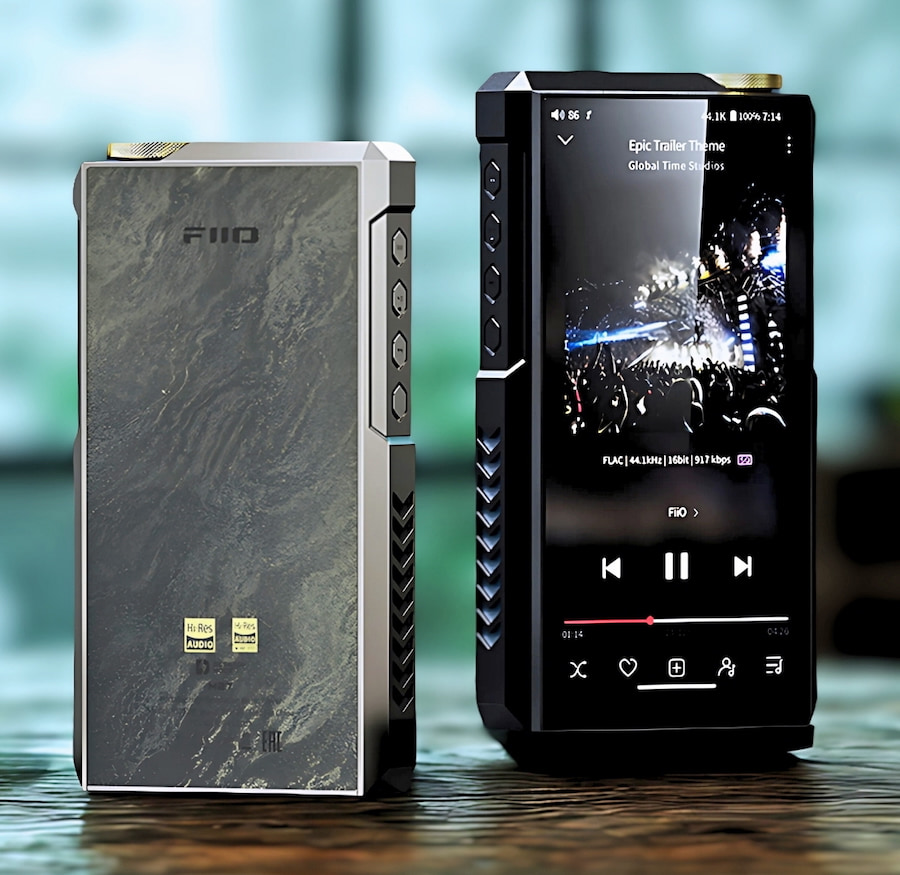
FiiO is positioning the M25 family below the flagship M27 and above more affordable players such as the M33 R2R and M21.
That creates an interesting comparison with the M33 R2R, which already includes FiiO’s proprietary resistor-ladder DAC, a Qualcomm Snapdragon 680 processor, 8GB of RAM, 128GB of storage, Android 13, Auto EQ, a 10-band parametric equalizer, and a 5.5-inch 1080 x 2160 display.
The M33 R2R can deliver 1,100mW per channel into 32 ohms from its balanced output in Super High Gain Mode. That figure cannot be compared directly with the M25’s reported 1,600mW maximum until FiiO confirms whether the M25 rating applies per channel, combined, and under what operating conditions. Spec-sheet arithmetic without matching test conditions is how perfectly respectable numbers become internet fiction.
The confirmed M25 advantages currently include the faster QCS6490 platform, a more flexible 31-band PEQ system, and the second-generation R2R PRO architecture in the resistor-ladder version. Whether those upgrades deliver a meaningful performance advantage over the M33 R2R will depend on the finished amplification stage, battery life, operating system, and final price.
The standard M25 may prove even more interesting because it offers the more advanced processing platform without requiring buyers to select an R2R DAC. Listeners who prefer an AKM delta-sigma implementation, or who simply do not feel compelled to join the resistor-ladder revival, will have access to the same broader platform and software features.

FiiO has not confirmed final North American or European pricing. Japanese show coverage lists a tentative global price of approximately $1,000 before tax, although it is not yet clear whether both the M25 and M25 R2R will sell for the same amount. Both models are currently expected to arrive during the summer of 2026.
That tentative price would place the M25 family well above the M33 R2R but below the M27 flagship. It would also put both players into direct competition with premium DAPs from Astell&Kern, HiBy, iBasso, and Shanling, where faster processors and impressive DAC counts are merely the admission fee.
FiiO will need to demonstrate that the M25 is more than a quicker M33 with additional equalizer bands and a more elaborate DAC menu.
The M25 and M25 R2R were displayed as reference products at Potafes 2026 Summer in Akihabara on July 11 and 12. CanJam London will provide another major public demonstration before their anticipated release later this summer.
CanJam London takes place at the Park Plaza Westminster Bridge on Saturday, July 18, from 10 a.m. to 6 p.m., and Sunday, July 19, from 10 a.m. to 5 p.m. The 2026 event marks the tenth anniversary of CanJam London.
Our London-based headphone columnist and reviewer, James Fiorucci, will be covering CanJam London 2026 for eCoustics. We will be looking for confirmation of final pricing, output power by connection and impedance, battery capacity and life, Android version, Bluetooth codec support, storage expansion, dimensions, weight, and the international shipping schedule.
The M25 story is not merely that FiiO has another expensive portable player on the way. The company is giving listeners a choice between two DAC technologies within the same product family.
Whether that choice produces genuinely different performance, rather than two slightly different routes into the same audiophile rabbit hole, is precisely what we intend to find out.


The two potential buyers want equal stakes in the US fintech, according to Reuters.
Stripe has made an offer to purchase PayPal in a joint deal with US private equity firm Advent International, Reuters reported on Tuesday (14 July).
Together, the companies have offered to acquire PayPal at $60.50 per share, valuing the fintech at more than $53bn, sources told the publication. PayPal is yet to respond to the offer, but the two buyers are seeking to advance discussions in coming weeks, sources said.
According to the proposal, Stripe – the Irish-founded fintech giant – and Advent want to hold equal stakes in PayPal rather than break up the company, Reuters reported. The offer is backed up by around $50bn in committed financing from banks.
The two have offered around a 28pc premium to the fintech’s shares as of Tuesday. PayPal shares fell marginally yesterday, but gained more than 13pc in after-hours trading.
Bloomberg first reported Stripe’s interest in acquiring PayPal in February. According to the publication’s reporting at the time, Stripe was looking to buy up parts or the whole of the company.
Commenting on the reported offer, Chris Jones, managing director at PSE Consulting, said that alongside benefits of scale, there would also be “clear strategic logic” to the potential acquisition.
“PayPal’s wallet could build on the early success of Link, Stripe’s consumer-facing accelerated checkout, which already counts more than 200m consumer accounts, and would create further opportunities to exploit Stripe’s $1.1bn investment in stablecoin infrastructure through its purchase of Bridge,” he told SiliconRepublic.com.
“Put Link and the PayPal wallet together and you’re looking at genuinely enormous reach at checkout – one of the largest combined pools of stored payment credentials anywhere in the world. That’s not a small thing in a market where reducing checkout friction is the whole game.”
PayPal posted a net revenue of $8.4bn in the first quarter of 2026, a 7pc increase from Q1 2025, and in February brought in a new CEO, tapping HP’s Enrique Lores for the job.
According to a company statement at the time, the “pace of change and execution [under former CEO Alex Chriss] was not in line with the board’s expectations”.
By June, PayPal had reportedly planned to shut down its venture capital arm. Company shares have dropped more than 80pc over the last five years.
Lores told shareholders in May that redesigning processes around AI would enable growth at PayPal. He explained that removing duplicate management layers and accelerating AI adoption would create combined savings of at least $1.5bn over the next two to three years.
The same month, sources told Bloomberg that the company was planning to cut around 20pc of its workforce – or around 4,500 workers – over the next two to three years.
Meanwhile, Stripe was valued at $159bn earlier this year, marking a 50pc jump on its valuation a year prior.
The company is investing heavily in product development and making strategic acquisitions, including the programmable wallet company Privy, stablecoin orchestration platform Bridge and Metronome.
Updated, 12.30pm, 15 July 2026: This article was amended to include a comment given to SiliconRepublic.com by PSE Consulting’s Chris Jones.
Don’t miss out on the knowledge you need to succeed. Sign up for the Daily Brief, Silicon Republic’s digest of need-to-know sci-tech news.
Enrique Lores, World Economic Forum Annual Meeting 2023. Image: World Economic Forum/Greg Beadle via Flickr (CC BY-NC-SA 2.0)


The Quantum 2030 Implementation Plan sets out how Ireland will deliver on the ambitions outlined in the Quantum 2030 Strategy.
The Irish Government has published the Quantum 2030 Implementation Plan, which explores how the country intends to deliver on the targets and ambitions set out in the Quantum 2030 Strategy, which was first announced in November of 2023.
Designed to be implemented over the course of a year, the implementation plan is a collaboration between the Government, academia and industry, with the shared goal of strengthening Ireland’s quantum research capabilities, developing talent, supporting innovation and enterprise engagement and maximising on opportunities arising from European engagement.
Government departments and agencies will improve policy delivery by reviewing current quantum activities and costs in order to generate a greater understanding of the ecosystem within Ireland.
In order to meet the targets set out by the plan, there are a number of key milestones to be reached, with a targeted start date of Q3 of 2026, including setting the Quantum 2030 online site to live; initiating the national skills mapping and gap analysis; establishing a quantum industry advisory group with a named chair; and securing Irish expert participation in at least three EU or ISO quantum standards bodies, among other goals.
The news was announced by the Minister for Further and Higher Education, Research, Innovation and Science James Lawless, TD, who said: “The Quantum 2030 Implementation Plan provides a practical framework for turning our ambitions into action.
“It reflects the commitment of stakeholders across industry, academia and Government to work together in building a vibrant and internationally competitive quantum ecosystem.
“While Ireland cannot match the scale of investment available in larger countries, our size brings about precious advantages, namely the agility and cohesiveness of our innovation ecosystem. By working together across sectors, we can maximise the impact of our investments and ensure Ireland remains at the forefront of emerging technologies.”
Ireland has a growing quantum sector in which there are a lot of moving parts. In early June, Irish-founded computing company Horizon Quantum announced it had chosen Dublin as the site for establishing a testbed for its second quantum computer.
Other organisations operating within the quantum space and with links to Ireland also had big announcements this year, including Equal1, Horizon Quantum and the Tyndall National Institute.
Don’t miss out on the knowledge you need to succeed. Sign up for the Daily Brief, Silicon Republic’s digest of need-to-know sci-tech news.
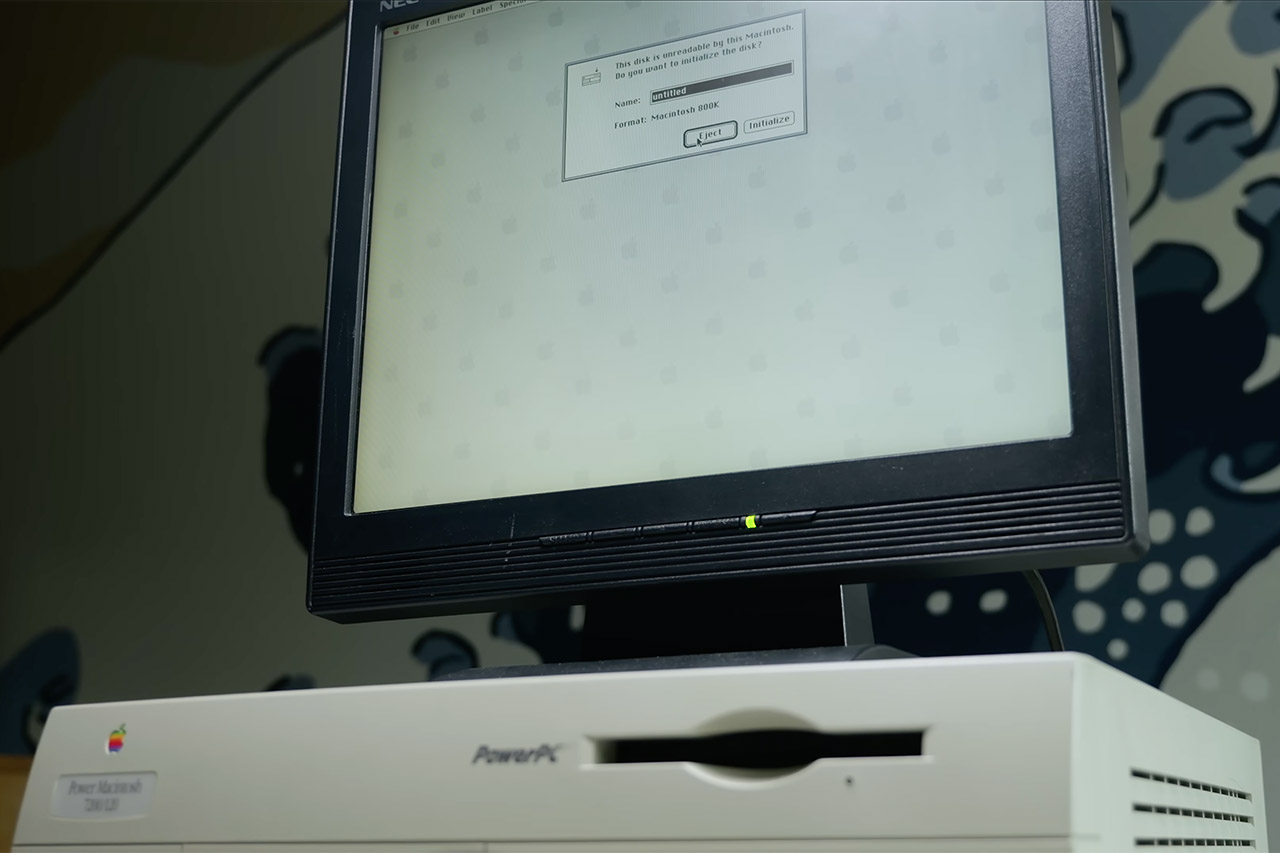
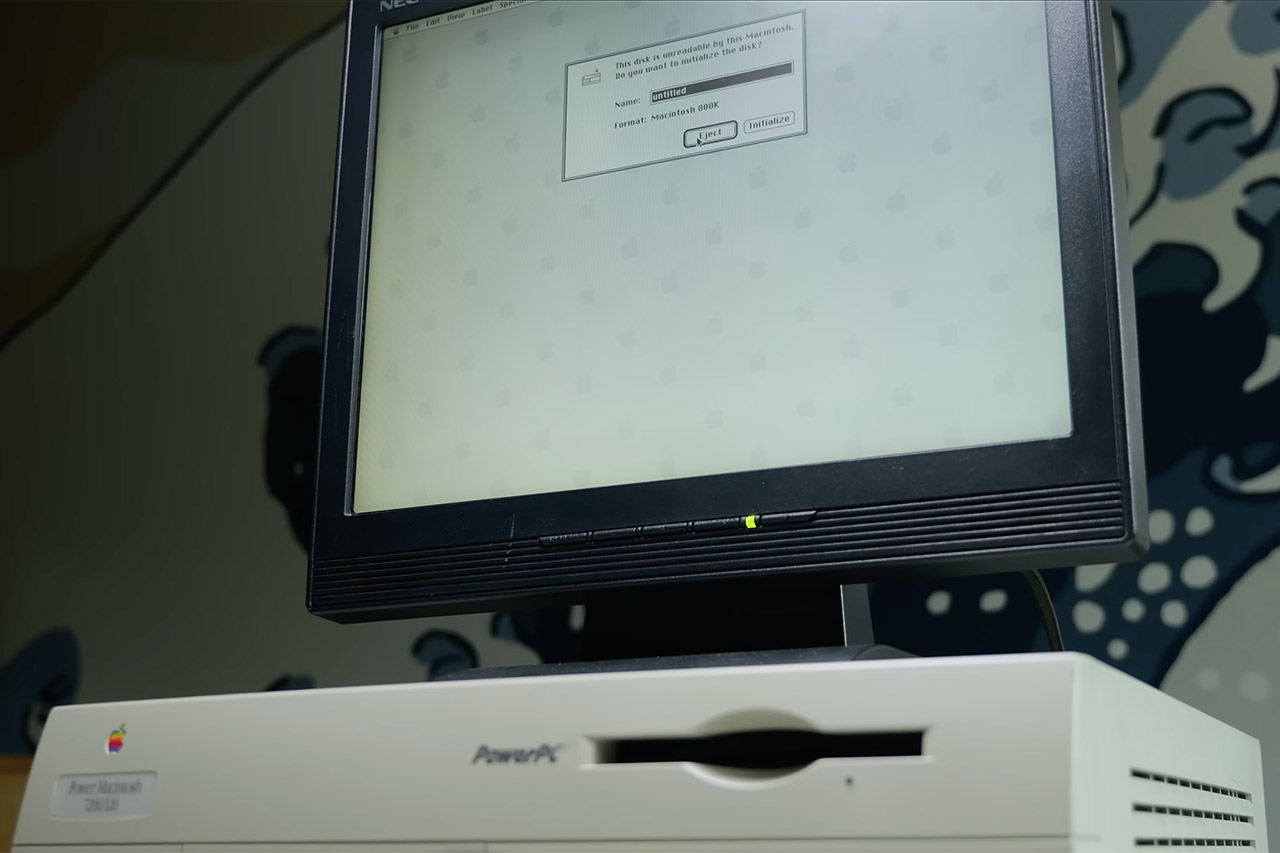
Apple released the Power Macintosh 7200 in August 1995 as its new entry-level professional machine. Priced around $1,700 for the base 75 MHz model, it arrived during a rough stretch for the company. Leadership changes, intense competition from Windows 95 PCs, and the messy early days of the PowerPC transition left many products looking compromised. The 7200 shared its “Outrigger” case with the higher-end 7500. It brought three PCI slots to the lower end of the lineup for the first time and offered built-in Ethernet with both 10BASE-T and AAUI ports.
The PowerPC 601 CPU remained locked on the board, as Apple had promised a low-cost motherboard upgrade path that was always late and ultimately out of reach for anyone on a tight budget. The memory and cache buses were narrower than in a comparable system. Almost every early review and later collector roundup of these computers referred to the series as a “Road Apple,” implying that it was a second-rate Mac that never reached its full potential.
Sale

Thirty years later, one restorer known as “This Does Not Compute” obtained one of these ancient machines to see if the old legends about it were real. That video of a 120 MHz model shows a system that has somehow survived all these years, with its original Quantum Fireball 1.2 GB SCSI drive still spinning. Surface dust had accumulated throughout the area, necessitating a thorough cleaning. The plastic parts that used to hold the casing together in one piece have grown so brittle that even handling them risks snapping them. The power button hinge had already failed, and attempting to remove the drive using a CD-ROM sled latch proved disastrous, as it snapped the first time.
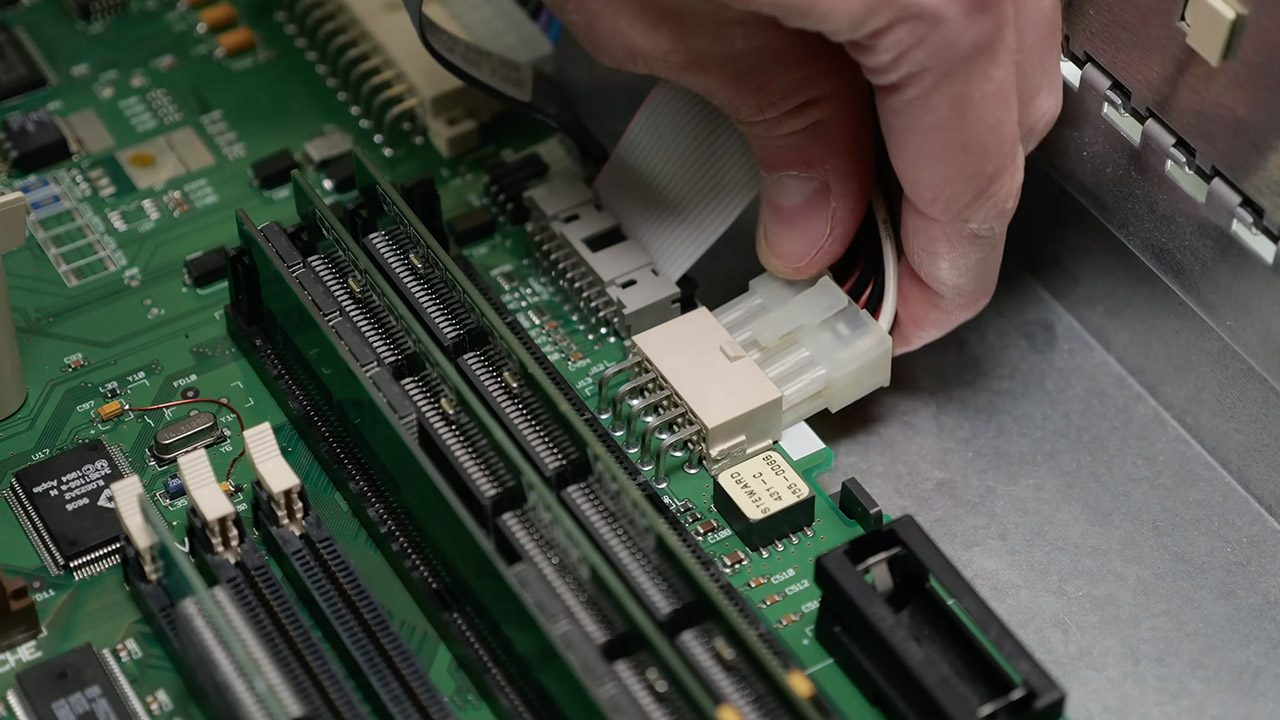
The original battery in the PRAM had long gone vanished, which was a smart decision given the dangers of leaking batteries. There are no clear indicators of this happening, at least not at first inspection, but the surface-mount capacitors near the CPU heat sink are in a position that renders a catastrophic failure almost certain in the future. Disassembling it began with some care to maintain the fragile plastic feet, with a tape measure pushed up on one side as the hinged base slid open, allowing access to all of the internal components underneath. A single screw and a handful of clips were used to release the logic board, which slipped out and then lifted free. A gentle brush was used to remove some dust before carefully peeling off the passive heat sink that rested on top of the PowerPC 601. The old thermal compound appeared to have entirely dried up and was no longer doing its job. He also applied some fresh Arctic MX4 underneath it before reinstalling the sink.
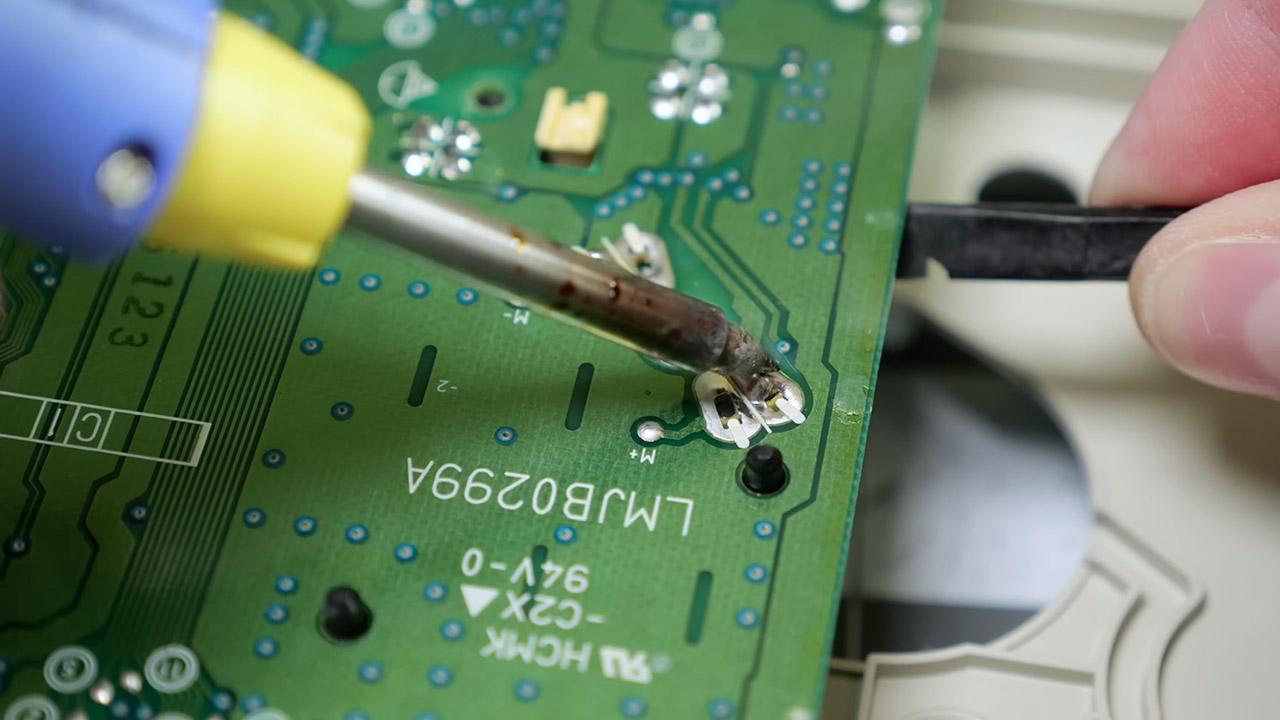
Following that, each and every surface mount part was clipped right off the board, leaving just short leads, and the pads were cleaned with flux and desoldering braid. New Tantalum replacements were installed due to their lower likelihood of leakage, however one of the ground pads lifted during the operation, posing an issue. A short bodge wire solved the problem for us. A small amount of electrolyte residue was discovered under one of the old cans, confirming that he had completed the task on time. Next, a 256 KB Level 2 cache card and an additional 1 MB VRAM module were inserted into their respective sockets. The original single-stick 16 MB RAM chips were replaced by a pair of matching 16 MB 5-volt EDO DIMMs, totaling 48 MB. To replace the missing PRAM cell, a new CR2032 adaptor was used.
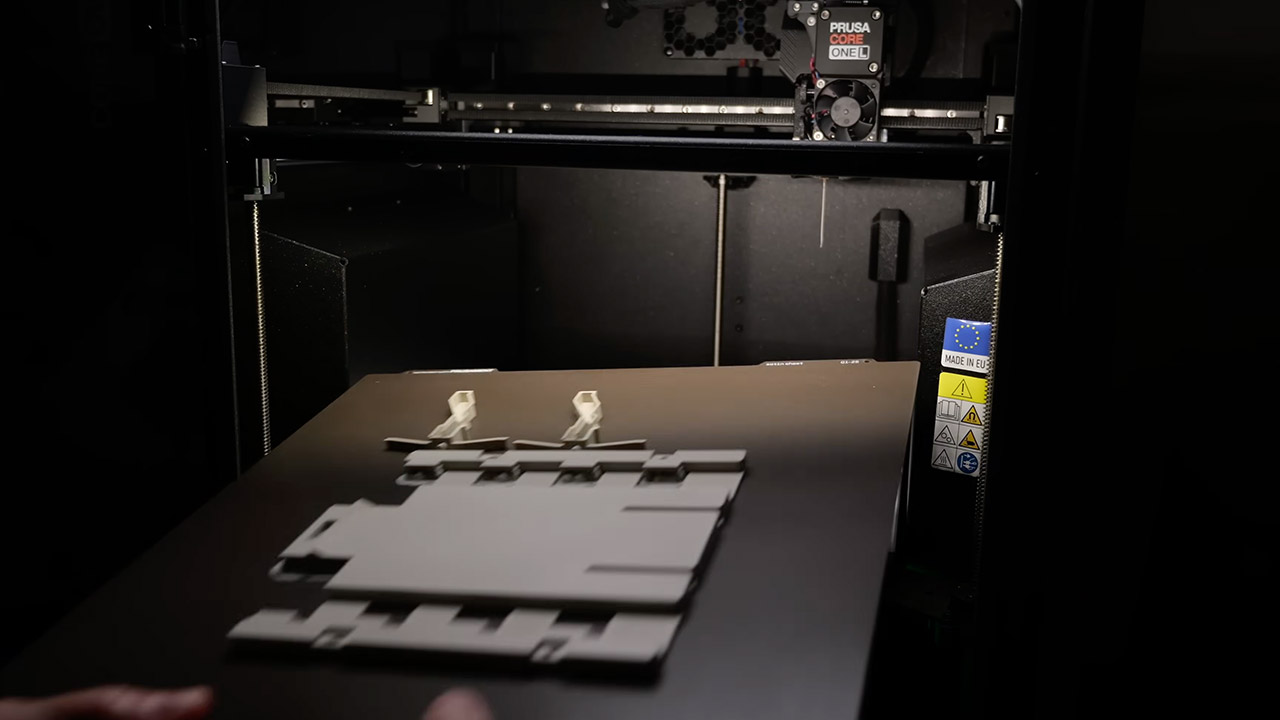
Case repairs necessitated the use of a 3D printer, and a new CD-ROM sled was the ideal match for the original geometry, fitting perfectly into place after we cleaned the Panasonic 4x drive and checked its through-holes for faulty capacitors. The power button had a replacement body printed up, and he just placed the original plastic face back on with hot glue. He also needed special enclosures for the external SCSI and video adapters, which would otherwise be blocked by the case lip. We got things resolved, which was a huge relief because we didn’t want another problem. Fortunately, a BlueSCSI unit provided him with a dependable modern method of reading from storage, despite the fact that the old Quantum drive is still working perfectly for testing.
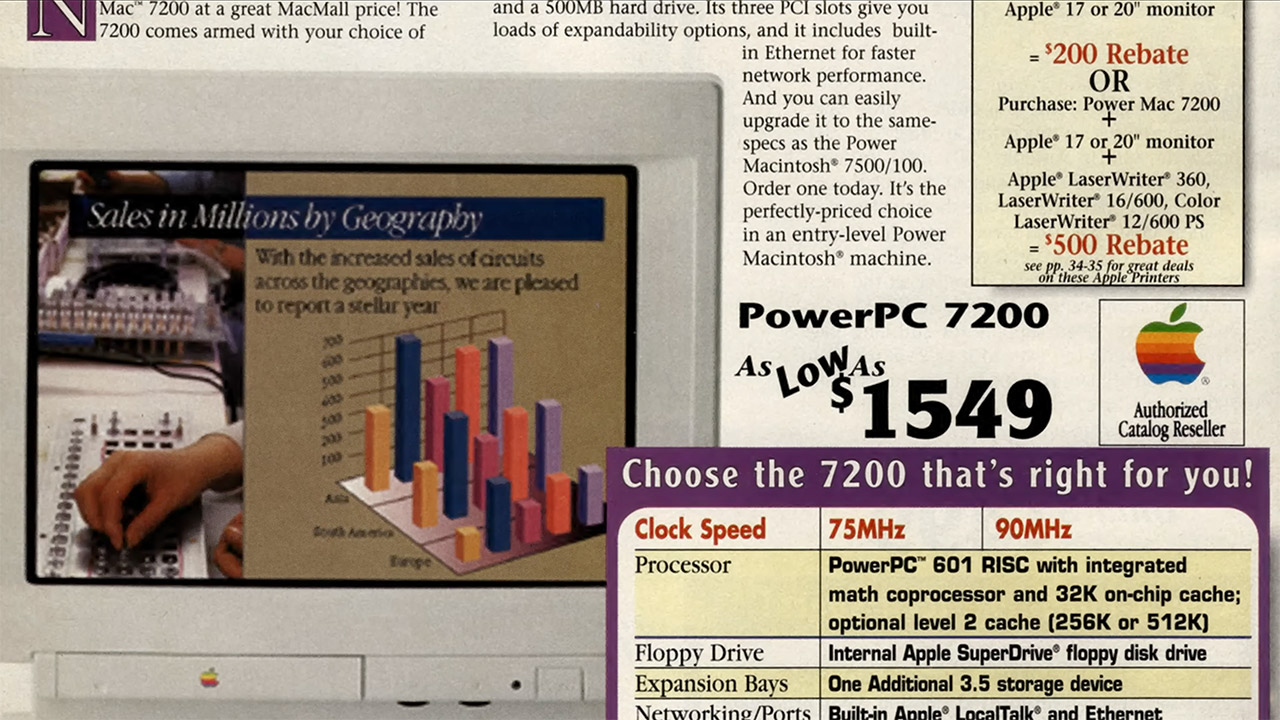
It won’t blow the doors off in terms of speed, but that isn’t the point. The CPU is stuck in place, and the bus width is limited, but based on how the restored device looks and what it can perform, it is not truly “broken” or “hopeless.” It starts up well, runs old software, accepts contemporary SCSI replacements, and even provides him with a workable desktop to play with, none of which are to be taken lightly. Still, the one remaining concern is the possibility of the casing cracking, which is a common problem with any mid-90s Apple case, but with a little capacitor adjustment and careful handling, he should be fine.
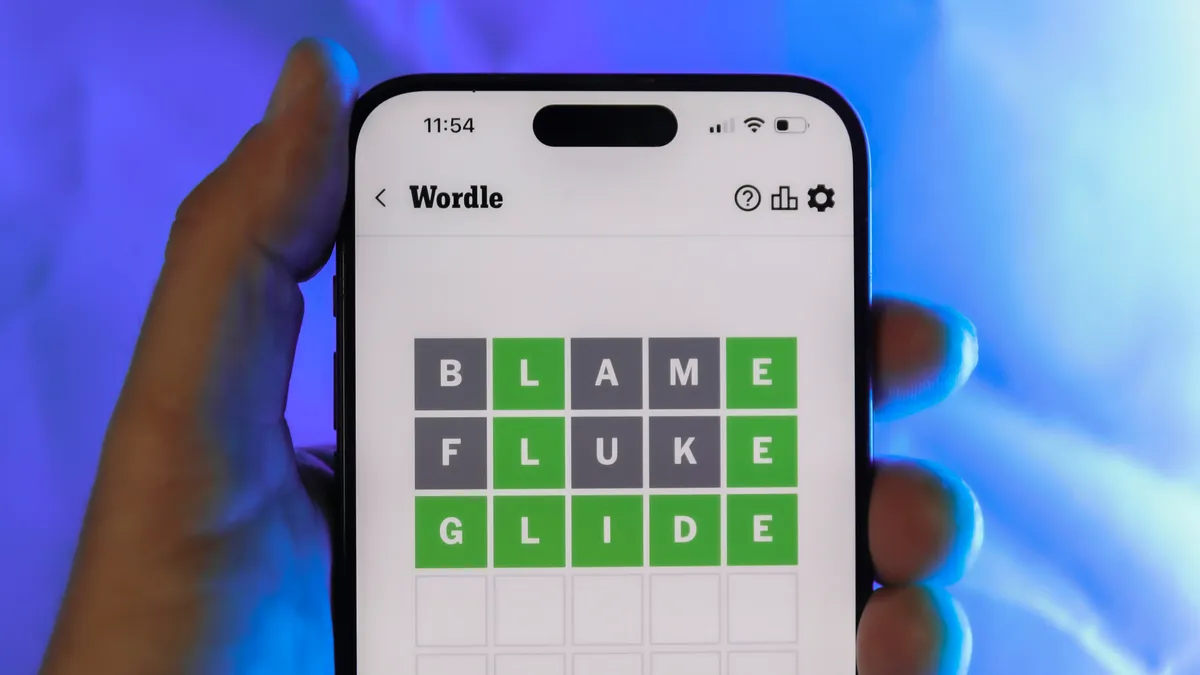
Looking for the most recent Wordle answer? Click here for today’s Wordle hints, as well as our daily answers and hints for The New York Times Mini Crossword, Connections, Connections: Sports Edition and Strands puzzles.
Today’s Wordle puzzle is a bit of a challenge, and it only has one vowel, which can make guessing tough. If you need a new starter word, check out our list of which letters show up the most in English words. If you need hints and the answer, read on.
Read more: New Study Reveals Wordle’s Top 10 Toughest Words of 2025
Before we show you today’s Wordle answer, we’ll give you some hints. If you don’t want a spoiler, look away now.
Today’s Wordle answer has no repeated letters.
Today’s Wordle answer has one vowel.
Today’s Wordle answer begins with C.
Today’s Wordle answer ends with N.
Today’s Wordle answer means to agitate, stir vigorously or experience rapid, chaotic movement.
Today’s Wordle answer is CHURN.
Yesterday’s Wordle answer, July 18, No. 1855, was BOOTH.
July 14, No. 1851: STEAK
July 15, No. 1852: PSHAW
July 16, No. 1853: BUTTE
July 17, No. 1854: LEGAL

Ukrainian company Stetman is currently preparing to launch its own low Earth orbit (LEO) satellite constellation, with service set to begin in 2027.
The company recently lost its founder, Dmytro Stetsenko, but the project is still on course after the appointment of a new CEO, Kateryna Diachenko.
According to the company, its planned constellation will orbit at an altitude of approximately 550 kilometers, with a test satellite currently scheduled for launch in October 2026 to validate the underlying technology together with SpaceX engineers.
Full deployment of the constellation is expected to begin in 2027 and take three full years to complete entirely across the network.
The finished network will ultimately consist of 360 satellites manufactured by the Danish company GomSpace under an ongoing partnership.
Stetman has chosen SpaceX to handle the launches, citing the company’s lower cost and stronger reliability compared with rivals.
“SpaceX is the best option, as they are the cheapest and the most reliable,” Stetsenko had previously told reporters directly.
No formal agreement has yet been reached covering delivery of the remaining constellation satellites beyond that initial test satellite launch.
Ukraine itself would require roughly 150 satellites, according to Andrii Kolesnyk, a former adviser to the head of Ukraine’s State Space Agency.
Diachenko has already met personally with GomSpace representatives to confirm continuity of their joint manufacturing plans going forward into the future.
The total project cost reportedly exceeds one billion euros, though financing will proceed in several separate stages, a Stetman representative said.
That budget reportedly covers the satellite constellation itself, software development, launch services, broker fees, and staff salaries across the entire company workforce.
Manufacturing and launching a single satellite reportedly cost between $2 million and $3 million per unit.
A single SpaceX Falcon 9 rocket can carry several dozen satellites into orbit, and each launch typically costs between $60 million and $70 million depending on payload size.
With a target of 360 satellites, those per-unit costs alone would account for roughly $720 million to over $1 billion of the total budget
Stetman also plans a joint satellite manufacturing facility inside Ukraine alongside GomSpace, expected to fully open next year if funding arrives on schedule.
The factory could require several hundred million euros in investment, although details about funding sources remain undisclosed.
The company currently supplies communication equipment to Ukraine’s military, emergency services, police, medical personnel, and government institutions.
The company also produces modified communication terminals, including Starmod systems designed for military conditions and UASAT satellite terminals operating through existing satellite networks.
These products support Ukraine’s broader effort to strengthen communication independence during wartime.
Via The Defender

Follow TechRadar on Google News and add us as a preferred source to get our expert news, reviews, and opinion in your feeds.
Looking for a different day?
A new Quordle puzzle appears at midnight each day for your time zone – which means that some people are always playing ‘today’s game’ while others are playing ‘yesterday’s’. If you’re looking for Saturday’s puzzle instead then click here: Quordle hints and answers for Saturday, July 18 (game #1636).
Quordle was one of the original Wordle alternatives and is still going strong now more than 1,500 games later. It offers a genuine challenge, though, so read on if you need some Quordle hints today — or scroll down further for the answers.
Enjoy playing word games? You can also check out my NYT Connections today and NYT Strands today pages for hints and answers for those puzzles, while Marc’s Wordle today column covers the original viral word game.
SPOILER WARNING: Information about Quordle today is below, so don’t read on if you don’t want to know the answers.
• The number of different vowels in Quordle today is 4*.
* Note that by vowel we mean the five standard vowels (A, E, I, O, U), not Y (which is sometimes counted as a vowel too).
• The number of Quordle answers containing a repeated letter today is 1.
• No. None of Q, Z, X or J appear among today’s Quordle answers.
• The number of today’s Quordle answers starting with the same letter is 0.
If you just want to know the answers at this stage, simply scroll down. If you’re not ready yet then here’s one more clue to make things a lot easier:
• S
• A
• T
• B
Right, the answers are below, so DO NOT SCROLL ANY FURTHER IF YOU DON’T WANT TO SEE THEM.

The answers to today’s Quordle, game #1637, are…
After crashing out yesterday, time to start rebuilding with my first win.
SPURT aside this was a fairly easy game, with a successful crop of letters from my three start words.
Trickier times lie ahead.

The answers to today’s Quordle Daily Sequence, game #1637, are…
The grass isn’t always greener on the other side.
The smart speakers above are our current favorites, but you still have other options if you’re looking for something specific in audio performance. Options that didn’t make this list include:
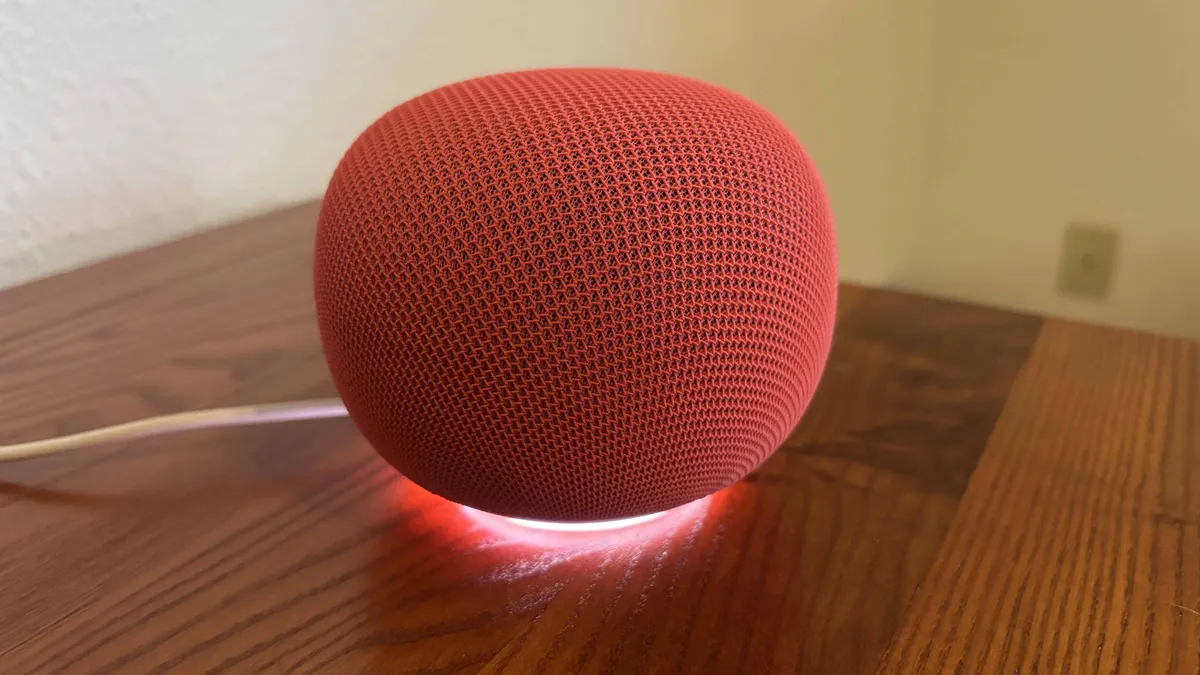
Apple HomePod: I really like the HomePod’s sound, which is possibly the best in the business, but it’s simply too expensive for the average budget at over $250 to $300 — which is why Apple released a Mini version. The smaller HomePod doesn’t have quite the same incredible sound, but it’s a whole lot more affordable, which is why it ended up on the list.
Echo Dot 4: I really like this Echo Dot and use it in my house, but it’s starting to become an older model and I’m not sure how much longer Amazon is going to sell it since there are new models like the Echo Dot Max.
Echo Show 11: This smart display offers surprisingly good sound with its updated design, but it’s more focused on the 11-inch screen, which is why it ended up on my picks for best smart displays instead.
Sonos Era 100: The Sonor Era 100 has incredible sound for its $199 price, but if you really want an elite model, why not go all the way and get the better Sonos Era 300? I chose the highest-end Sonos option for this list if your budget isn’t a problem, but the 100 is still an option for those who like Sonos features but want a lower cost.
Google Nest Mini: The Nest Mini second-gen speakers were fun little desk-side assistants for their time, but that time has largely passed now, especially with Google’s new and far superior Home Speaker available. That’s probably why Google is discontinuing this model.
Bose SoundLink Home: Bose’s home speaker sounds great but the “Home” moniker is a bit misleading. This is a portable Bluetooth speaker that doesn’t have any smart capabilities and can’t even link with the Bose app, so it’s a thumbs down for this list.
Wiim Pro: The Wiim Pro is an interesting smart speaker receiver if you already have speakers you like and want to give Alexa/Google/Siri capabilities, but it’s not actually a smart speaker itself, so it didn’t make this list. I’m also waiting on the Wiim Sound, which is its own standalone smart speaker and could win a spot if it tests well.
Google Nest Audio: The Nest Audio is now entirely eclipsed by the newer Google Home Speaker, and this smart speaker has also been discontinued.
Denon Home 150: I chose the more versatile Sonos over the AV-friendly Denon brand for this list. However, if your home entertainment system uses Denon products and you’re very happy with them, it’s well worth investigating this $199 smart speaker from the same maker.

Chinese company Moonshot AI released a new version of its Kimi model this week, leading to a perhaps-inevitable wave of discourse about China and open source AI.
Moonshot said that although Kimi K3 “still trails the most powerful proprietary models, Claude Fable 5 and GPT 5.6 Sol,” the new open source model “demonstrated frontier-level performance across our evaluation suite, consistently outperforming other tested models.” Independent analyses from Arena.ai and Vals AI also suggested that Kimi is competitive with flagship frontier models.
The announcement, which coincided with a speech from Chinese president Xi Jinping at the World AI Conference in Shanghai, seems to have spooked Wall Street, with the Nasdaq dropping about 1% on Friday as investors sold off stocks in chip companies like Nvidia.
Many of the resulting posts from tech industry figures will sound familiar to those who remember the debate after another Chinese company, DeepSeek, released its open source R1 model in January 2025. Except now, everything seems heightened after the Trump administration’s tariff war with China, repeated fights over the national security threat supposedly posed by Anthropic, and as major AI companies prepare to finally go public.
For example, David Sacks — the Trump administration’s former AI czar and now co-chair of the President’s Council of Advisors on Science and Technology — contrasted Kimi’s progress with a United States that is “tying itself in knots: politicians and bureaucrats are banning new data centers, piling on state regulations, and pushing for new federal agencies to pre-approve frontier models. This is how you lose the AI race.” (The news also gave him an excuse to take a dig at Anthropic, calling Claude an example of “woke lobotomized models” that are “the enemy American competitiveness.”)
And former Uber CEO Travis Kalanick echoed complaints that Chinese are “distilling off” (i.e., being trained on the outputs of) American AI models.
“If distillation isn’t enforced against, then everyone should be able to distill from everyone else.. otherwise one arm [would be] tied behind American models’ backs,” Kalanick wrote. (Of course, American models have also been built on top of Chinese ones, specifically Kimi.)
Meanwhile, OpenAI’s head of strategic futures Dean Ball said that Kimi is “a very good model” whose performance probably can’t be “explained away by distillation or anything like that,” adding that he’s “personally surprised the Chinese state continues to allow the open sourcing of models this good, given potential risks.”
In fact, Ball suggested that “probable outcome of an open-weight-model-dominant world is full AI communism,” where AI is treated as “a ‘public good’ which will ultimately be provided by the state as a kind of ‘digital public infrastructure.’”
“This future strikes me as a dystopian hellscape, but I’ve never met an open-weight models advocate who doesn’t ultimately concede this is where things end,” said Ball. He even suggested that the Trump administration (which he used to work for) will eventually realize it needs to “create large amounts of regulatory risk around the use of open-weight Chinese models.”
“You don’t need to ‘ban open source’ (one of the dumber motifs of AI policy discussion),” Ball said. “You just need to direct every agency to issue soft law that creates FUD [fear, uncertainty, and doubt]. ‘A Federal Reserve Advisory Bulletin found that there may be backdoors in Chinese AI models.’ It needn’t be that well justified. You just create enough regulatory risk that every regulated enterprise backs off.”
However, Shakeel Hashim, editor of the AI-focused publication Transformer, argued that much of the worry is overblown, both because Kimi “likely does not have dangerous cyber capabilities,” and because the Chinese government will face “extremely similar incentives” to restrict open Chinese models once they develop those capabilities.
When you purchase through links in our articles, we may earn a small commission. This doesn’t affect our editorial independence.



London Mayor Sadiq Khan handed a peerage by Keir Starmer alongside 15 other Labour figures… just days before the PM leaves No10


Weekend Open Thread – Corporette.com


The House | The City of London can help the new chancellor deliver growth in every postcode


CFTC blocks Kalshi from unwinding Michigan trades after court order


Young campaigners urge incoming PM to act on outdoor junk food ads


Nvidia Stock Slips After Big Tuesday Rally as Huang Confirms Vera Rubin Chip Is Now in Production Today


Ripple Payments Joins MiCA With 14 Firms, Does It Mean Anything For XRP?

Disney’s Most Ambitious Failed Star Wars Attraction Is Coming to SDCC


Ripple wins EU-wide access as ESMA adds it to MiCA register


Palantir Shares Rise After Expanded Nvidia Partnership and Fresh Analyst Upgrades Ahead of Earnings Day


Injective Submits SEC Transfer-Agent Registration to Onchain Ownership Records


Get Your ESP32 Sunny Side Up With This Solar Dev Board


XRP BOMBSHELL… XRP OMBOARDED FOR TRANSACTIONS!!!


Registration is now open for March for Men with Kev 2026


Dark Secrets Emerge When Jailbreaking LLMs

New Cornerback Enters Vikings Trade Rumor Mill


Money | Class 12 Economics | CBSE Board Exam 2026-27


Banco Bilbao Vizcaya Argentaria, S.A. (BBVA) Discusses Global Macro Environment and Economic Outlook for Core Markets Transcript

Two July Windows Left: The CLARITY Act’s Senate Fight and What Failure Means

Claude Fable 5 Slips to Second in AI Coding Leaderboard




You must be logged in to post a comment Login