

Business
Taylor Farms expands lettuce recall after positive test


The FDA and CDC are investigating Taco Bell’s lettuce supplier as consumers in four states are urged to avoid shredded lettuce.
A sample of shredded iceberg lettuce from Taylor Farms de Mexico has tested positive for Cyclospora, federal health officials said, as the company expanded a multistate recall tied to a growing multistate outbreak.
The U.S. Food and Drug Administration said the contaminated sample was collected through targeted import surveillance and was not part of Taylor Farms’ current recall. The agency said the positive lot has been detained and the California-based produce company is working to determine whether any of the implicated lettuce remains in commerce or in consumers’ homes.
The positive test result comes after Taylor Farms announced it was voluntarily recalling iceberg lettuce sourced from central Mexico, while removing all such lettuce from the U.S. market, because of potential Cyclospora contamination.
“We are actively removing the implicated products,” Taylor Farms said in its recall notice. “The company has stopped receiving product from the implicated lot, suspended distribution of the iceberg lettuce from Central Mexico, notified our customers, and we are continuing to work with the FDA, CDC, and state authorities.”
TAYLOR FARMS PREPARING RECALL, DENIES BRANDED SALADS TIED TO OUTBREAK

Packages of Taylor Farms salad greens are displayed at a Safeway store in Kings Beach, California, on July 16, 2026. (Justin Sullivan/Getty Images / Getty Images)
The recall covers 12-ounce and 24-ounce bags of Marketside iceberg salad, as well as 8-ounce and 16-ounce bags of Marketside shredded iceberg lettuce distributed between June 29 and July 16 with “best if used by” dates ranging from July 18 through Aug. 3, according to the FDA. The recall also includes numerous products distributed to foodservice customers.
The affected lettuce was distributed in 27 states. The recall follows the FDA’s announcement Thursday that Taco Bell would stop using lettuce from a supplier linked to the multistate cyclosporiasis outbreak, which has sickened 1,644 people and hospitalized 94 across five states. No deaths have been reported.
Taco Bell said it voluntarily removed potentially affected lettuce from the supplier in select states where illnesses have been reported.
OHIO MAN SUES TACO BELL FRANCHISEE, CLAIMING CYCLOSPORA INFECTION LEFT HIM SICK FOR 2 WEEKS

The FDA said Taco Bell will stop using lettuce from a supplier linked to a multistate cyclosporiasis outbreak. (Marvin Joseph/The Washington Post via Getty Images / Getty Images)
Taylor Farms had previously said its branded salad products were not associated with the outbreak.
In a statement posted to Instagram on Friday, the company reiterated that none of its branded salad kits are implicated and said it voluntarily removed iceberg lettuce sourced through its Taylor Farms de Mexico operation after receiving information from the FDA.
The FDA said its trace-back investigation Taylor Farms de Mexico as the supplier of shredded iceberg lettuce that was used at Taco Bell restaurants where infected customers reported eating before becoming ill. The agency said not every Taco Bell restaurant in the five states received lettuce from the supplier.
FDA SAYS TACO BELL TO STOP USING LETTUCE SUPPLIER LINKED TO MULTISTATE PARASITE OUTBREAK

Packages of Taylor Farms salad greens are displayed at a Safeway store in Kings Beach, California, on July 16, 2026. ( Justin Sullivan/Getty Images / Getty Images)
The agency is investigating illnesses in Indiana, Kentucky, Michigan, Ohio and West Virginia, and has advised consumers in those states not to eat shredded iceberg lettuce from Mexico served at Taco Bell restaurants.
According to the FDA, Cyclospora is a microscopic parasite that can cause severe diarrhea, nausea, stomach cramps, fatigue and other gastrointestinal symptoms.
GET FOX BUSINESS ON THE GO BY CLICKING HERE
The agency urged anyone who purchased the recalled lettuce to throw it away immediately or return it to the place of purchase for a refund.
FOX Business’ Brittany Miller contributed to this report.

Business
Soccer-With security lines and star-studded spectacle, World Cup prepares for final showdown

Soccer-With security lines and star-studded spectacle, World Cup prepares for final showdown

Hanizam/iStock via Getty Images

Dear Investors and Friends,
The NZS Growth Equity strategy (“strategy” or “portfolio”) had a gross return of +24.96% and a net return of +24.76% for the second quarter as compared to +14.79% for the Morningstar Global Target Market Exposure Index (the “Index”) over the same period. Year-to-date, the strategy generated a gross return of +14.03% and a net return of +13.63%, versus +11.00% for the Index.
*Since inception: January 1, 2020; returns as of June 30, 2026. One cannot invest directly in an index.
Performance Overview
Equity markets were strong in the second quarter of 2026. As we noted in our last quarterly letter, weakness in the first quarter provided some of the most attractive valuations in growth equities we had seen in some time. That starting point met seemingly insatiable demand for AI infrastructure, progress towards geopolitical stabilization, and generally positive earnings reports, which drove strength in the second quarter. The portfolio outperformed the index, primarily due to our overweight in Semiconductors, stock selection in areas like Software and Industrials, and our zero weight to Energy. The resilient and optional portions of the portfolio both carried their respective weight in terms of contribution to returns and outperformed.
Information Technology contributed the most to absolute returns, though Industrials and Communication Services also outperformed. Each of the top-five individual contributors to absolute returns were in the Semiconductor industry and, more importantly, in the AI infrastructure ecosystem. In addition to the improving outlook reflected in chips broadly, ARM Holdings (ARM) shares were further lifted by the company’s announced plan to develop its first in-house chip, a CPU for AI workloads. Lam Research (LRCX), which is a critical supplier of etching equipment used in the production of semiconductors, saw strengthening tailwinds to their outlook as some key chip manufacturing customers publicly committed to higher capital expenditures to expand capacity. ASML Holdings (ASML), Taiwan Semiconductor (TSM), and Marvell (MRVL) were also top-five contributors.
Only Real Estate and Healthcare contributed negatively to absolute returns, but Materials and Financials lagged. Intuitive Surgical (ISRG) was the top individual detractor to absolute returns in the quarter. While fundamentals remain solid for Intuitive Surgical, the stock’s multiple has not been immune from the broad de-rating in “quality growth” stocks we’ve seen outside of the AI ecosystem (see discussion below). Nintendo (NTDOY) was weak in the period after issuing forward guidance that disappointed due to the increasing costs of memory chips going into their gaming hardware. The other top-five detractors were Tyler Technologies (TYL), ON Semiconductor (ON), and CoStar Group (CSGP).
Portfolio Positioning
Over the quarter, the team actively added net basis points to Information Technology, Healthcare, and Communication Services and reduced exposure to Consumer Discretionary, Real Estate, and Financials. The portfolio remains overweight Information Technology, Industrials, and Healthcare.
Those familiar with our strategy may know a key part of our process concerns reassessment of optional positions that outperform their way into the “middle” of the portfolio. If the team determines that the range of outcomes has narrowed enough for promotion to a resilient position, we add capital; otherwise, we trim the position back to optionality. While we might leave incremental upside on the table, we believe this strict reduction in overactive stocks with wide ranging outcomes allows us to continue benefiting from further upside without letting risk run. This quarter, the portfolio had five positions that worked their way into the middle – a few even ran all the way through the middle in a single day. This situation is unusual and perhaps symptomatic of the volatility in the market. In the cases of ARM Holdings, Marvell, Lattice Semiconductor (LSCC), and Snowflake (SNOW), we trimmed the positions back to optionality. For example, Marvell rallied significantly after Jensen Huang extolled the company as “the next trillion-dollar company” on stage at Computex in Taiwan. While we agree it’s within the range of outcomes, in our view, Jensen’s statement only resulted in the market applying a higher valuation to a stock whose fundamental range of outcomes remained unchanged; thus, we trimmed Marvell. Quanta Services (PWR) also ran into the middle during the quarter, and we ultimately decided to add capital and promote the position to resilient, reflecting our view that the fundamental range of outcomes for Quanta’s business – a US provider of craft labor for electricity generation, transmission, and distribution infrastructure – has continued to narrow.
Elsewhere, NVIDIA (NVDA) was added back to the portfolio as a resilient position late in the quarter. NVIDIA had been a long-time holding in the portfolio before we exited in the third quarter of 2025. The stock has since lagged the broad surge in the AI semiconductor ecosystem as the market began contemplating budding risks to the GPU’s market share in AI compute. This scenario was our primary concern when we exited the position, but we now think the lowered valuation more than compensates for this type of risk. Further, NVIDIA’s growth relative to competitors indicates the GPU is actually taking share at present. Other new additions to the portfolio were optionality positions in ON Semiconductor, Descartes (DSGX), CATL, CrowdStrike (CRWD), Datadog (DDOG), Lumentum (LITE), and Axogen (AXGN). We also added materially to ASML, Amphenol (APH), Intuitive Surgical, and Axon.
Healthcare: Are investors going homeopathic?
A trend we’ve been discussing is the steep derating in what was previously considered the “quality growth” cohort. This group has historically traded at premium multiples for perceived uncorrelated durable growth, strong returns on capital, and high terminal value. Businesses within this cohort that haven’t been deemed “AI beneficiaries”, however, have seen their valuations cut significantly. Of course, part of this broad derating is simply tied to higher interest rate expectations weighing on valuations. But, given that higher interest rate expectations did not dampen all corners of the market (e.g., AI), it seems likely to us that there is another element at play – namely, capital being reallocated from quality growth to feed the AI behemoth. Some days you can almost hear the torrential rush of dollar bills. Why invest in a company that aims to compound earnings in the low-to-mid double digits per year when you can invest in companies whose stocks are going up 10% a week?! We’re of course being provocative with that statement and, to be fair, many of these left-for-dead compounders have simply not provided much earnings growth to compound (e.g., we’ve been waiting for a broad industrial recovery for years at this point). Further, AI has widened the perceived range of outcomes for many sectors – software, marketplaces, IT services, and insurance brokers, to name a few. In sum, regardless of whether we agree or disagree with the market, in most cases we understand the factors underlying the capital influx/efflux.
With that preamble, one sector that we’ve found increasingly attractive is Healthcare. Following the prolonged post-pandemic hangover, fundamentals have turned the corner and returned to growth. We also wonder if disruptive forces are actually more likely to have positive impacts on long-term industry growth. As an example, certain markets in the sector may be negatively impacted by the adoption of GLP-1s, but perhaps a larger number of markets stand to profit. The orthopedics industry could benefit at the margin from increased longevity and/or more patients meeting strict BMI cutoffs that many surgeons use for a hip or knee replacement. We are also intrigued by the longer-term potential for AI to assist in the front-end of the drug discovery process, which could improve trial success rates and lead to more drugs reaching production. This scenario would benefit suppliers of capital equipment, consumables, or services in drug manufacturing. The U.S. BIOSECURE Act was signed into law in late 2025 (with bipartisan support) and prohibits federal agencies and recipients of federal funds from procuring or using biotechnology equipment or services provided by designated “companies of concern”, primarily targeting China. In theory, this legislation could drive a period of increased U.S. demand for capital equipment and drug manufacturing services. Lastly, the Healthcare sector is somewhat uniquely untethered to the future of AI infrastructure capex – something that can no longer be said for anything closely tied to even broad macroeconomic outlook. We think this distinction makes the sector valuable from a portfolio construction perspective.
Given this combination of improving fundamentals, the potential for emerging tailwinds in the industry, and the potential portfolio construction benefits of including a sector uncorrelated to AI capex spending, we’ve been surprised by the extent of multiple compression in the Healthcare sector. Given this context, last quarter we incrementally added net capital to some of our existing holdings in the sector, including Intuitive Surgical, HeartFlow (HTFL), and Stryker (SYK), and we introduced Axogen and WuXi XDC (WXXWY) as optionality positions. Axogen provides nerve grafts used for peripheral nerve repair. Following BLA approval of their Avance nerve allograft and related positive momentum in insurance coverage, we think Axogen is highly asymmetric to a future where nerve repair becomes standard-of-care, including for patients undergoing a mastectomy or prostatectomy (PSA to look into Axogen’s tech if you or someone you know could benefit). WuXi XDC is a China-based Contract Research, Development, and Manufacturing Organization (CRDMO) focused on bioconjugates, an exciting research area that is rapidly developing new therapies. The aforementioned U.S. BIOSECURE Act provided us an attractive entry point into this rapidly growing business and will also keep a lid on position size given the range of outcomes. In short, we think a modestly higher dose of this “quality growth” sector is good for our portfolio’s health, and we’ve been incrementally expressing this view.
Team Update
We are excited to welcome Cecile Stone to NZS as an Investment Operations Associate. Cecile recently graduated from the University of Colorado Boulder Leeds School of Business and will support Nick Perez, our Director of Operations. Welcome to the team, Cecile!
Conclusion
Thank you to our investors for your continued trust, support, and insights. Interacting with our partners is a valuable part of our process. Please reach out to Alexandra Pope (alexandra@nzscapital.com) if you would like to connect and, as always, we appreciate any questions, comments, or ideas.
The NZS Team
Editor’s Note: The summary bullets for this article were chosen by Seeking Alpha editors.
Business
Poor Sleep Rewires the Aging Brain Differently by Age and Sex, New Binghamton University Study Finds

Poor sleep quality affects the brain’s internal communication networks in strikingly different ways depending on a person’s age and biological sex, according to a new study led by researchers at Binghamton University, State University of New York, with older women showing patterns that resemble the earliest, silent stages of Alzheimer’s disease.
The study, published in the journal Neurobiology of Aging under the title “Sleep quality is associated with default mode and salience network connectivity differently across age and sex,” analyzed brain scans from two large groups totaling more than 1,300 participants to examine how brain networks connect while at rest in people who reported poor sleep quality. The research was led by psychology graduate student Sepehr Gourabi and Associate Professor of Psychology Ian McDonough, both at Binghamton University, alongside co-authors Selene Tan, Matthew Cribbet and Jeanne Cundiff of the University of Alabama.
The findings revealed distinct patterns depending on a participant’s stage of life. In college-age adults, poor sleep quality was associated with overconnected brain regions involved in physical movement, a pattern researchers interpreted as a sign that younger bodies simply weren’t physically prepared to fall asleep. In older adults, generally defined in the study as those age 65 and above, that same movement-related connectivity pattern was reversed, with those regions showing under-connection. Instead, older adults with poor sleep exhibited hyperconnectivity in brain regions involved in cognition rather than movement.
McDonough summarized the overall pattern observed in older participants. “We discovered that the poorly slept older brain looks like it is suffering from a general breakdown in its sleep-regulation systems,” he said.
The most striking findings emerged among older women specifically. That group showed abnormal hyperconnectivity between the brain’s Default Mode Network, which governs internal thoughts and memory, and the Frontal Parietal Network, which supports sustained attention and working memory. According to the study, this pattern of excessive communication between the two networks was directly linked to poorer memory performance among the affected participants, and closely mirrors brain wiring patterns previously observed during the preclinical, symptom-free stages of Alzheimer’s disease, McDonough said.
Researchers said the underlying reasons behind these age- and sex-based differences remain unclear. One possibility is that older adults become habituated to a state of heightened arousal over time, or develop coping mechanisms that include greater willingness to use sleep-related medications. Another potential factor is rumination, a pattern of persistent overthinking often associated with anxiety or depression, though researchers noted that anyone can experience rumination depending on their individual circumstances, regardless of a formal mental health diagnosis.
McDonough offered a possible explanation for how this state of mental agitation could interfere with healthy sleep patterns. “One strong possibility is that people who have a lot of running thoughts right before bed are not in a calm state, but rather more of an agitated state,” he said.
The research also touched on the complex and still-debated relationship between depression and cognitive decline. McDonough noted that some prior studies have identified a link between depression and dementia, while other research has found that depression can sometimes closely resemble cognitive decline on the surface, with cognitive function improving once the underlying depression itself is treated.
A central unresolved question raised by the study involves the direction of causation between sleep and brain connectivity: do abnormal brain network connections cause sleep dysfunction in the first place, or does poor sleep itself lead researchers to observe those network abnormalities afterward? The study’s data offered a partial answer on this point, with researchers finding that hyperconnectivity between the Default Mode Network and Frontal Parietal Network was associated with worsening cognition over time, suggesting that cognitive consequences tend to follow sleep disturbances or increased connectivity between these networks, rather than preceding them, according to McDonough.
Researchers emphasized that growing scientific evidence continues to point toward between-network brain connectivity, particularly involving the Default Mode Network, as an early warning sign of declining brain health more broadly. Because of that connection, the study’s authors said getting sufficient, quality sleep remains an important factor in protecting long-term cognitive health across the lifespan.
The study’s authors offered different practical takeaways depending on a person’s age group. For younger adults, McDonough suggested that efforts specifically aimed at reducing physical and mental arousal before bedtime, such as journaling to help quiet racing thoughts, could prove helpful given the movement-related overconnectivity observed in that age group. For older adults, the researchers said the underlying mechanisms remain considerably less clear, given that heightened arousal does not appear to be the primary driver of the sleep-related connectivity changes observed in that population. McDonough recommended that anyone experiencing ongoing sleep problems consult with their physician for personalized guidance rather than relying solely on general recommendations.
Looking ahead, McDonough suggested that if abnormal brain connectivity changes do in fact precede sleep loss rather than simply result from it, then interventions specifically aimed at strengthening brain network function directly could represent one promising avenue for future treatment approaches. “If connectivity changes do precede sleep loss, then strengthening brain networks could be one solution,” he said.
The study adds to a growing body of research examining the relationship between sleep quality and long-term brain health, an area of increasing scientific interest given sleep’s established role in memory consolidation, cognitive maintenance, and the clearance of proteins associated with neurodegenerative disease. While the current findings stop short of establishing a direct causal pathway between poor sleep and conditions like Alzheimer’s disease, the researchers said the observed similarities between older women’s brain connectivity patterns and those seen in preclinical Alzheimer’s cases warrant continued investigation into how sleep-related interventions might eventually factor into broader efforts to protect cognitive health as people age.


Vasily Zyryanov is an individual investor and writer.He uses various techniques to find both relatively underpriced equities with strong upside potential and relatively overappreciated companies that have inflated valuation for a reason.In his research, he pays much attention to the energy sector (oil & gas supermajors, mid-cap, and small-cap exploration & production companies, the oilfield services firms), while he also covers a plethora of other industries from mining and chemicals to luxury bellwethers.He firmly believes that apart from simple profit and sales analysis, a meticulous investor must assess Free Cash Flow and Return on Capital to gain deeper insights and avoid sophomoric conclusions.While he favors underappreciated and misunderstood equities, he also acknowledges that some growth stocks do deserve their premium valuation, and its an investor’s primary goal to delve deeper and uncover if the market’s current opinion is correct or not.
Analyst’s Disclosure: I/we have no stock, option or similar derivative position in any of the companies mentioned, and no plans to initiate any such positions within the next 72 hours. I wrote this article myself, and it expresses my own opinions. I am not receiving compensation for it (other than from Seeking Alpha). I have no business relationship with any company whose stock is mentioned in this article.
Seeking Alpha’s Disclosure: Past performance is no guarantee of future results. No recommendation or advice is being given as to whether any investment is suitable for a particular investor. Any views or opinions expressed above may not reflect those of Seeking Alpha as a whole. Seeking Alpha is not a licensed securities dealer, broker or US investment adviser or investment bank. Our analysts are third party authors that include both professional investors and individual investors who may not be licensed or certified by any institute or regulatory body.

ICE officers to wear body cameras during vehicle stops, border czar says

Bellows withdraws from US Senate race as Maine Democrats regroup

At least six dead and 21 injured after 2 earthquakes in Peru
Business
Kanazawa University Blood Test Detects 90% of Early-Stage Pancreatic Cancers Missed by Standard Test
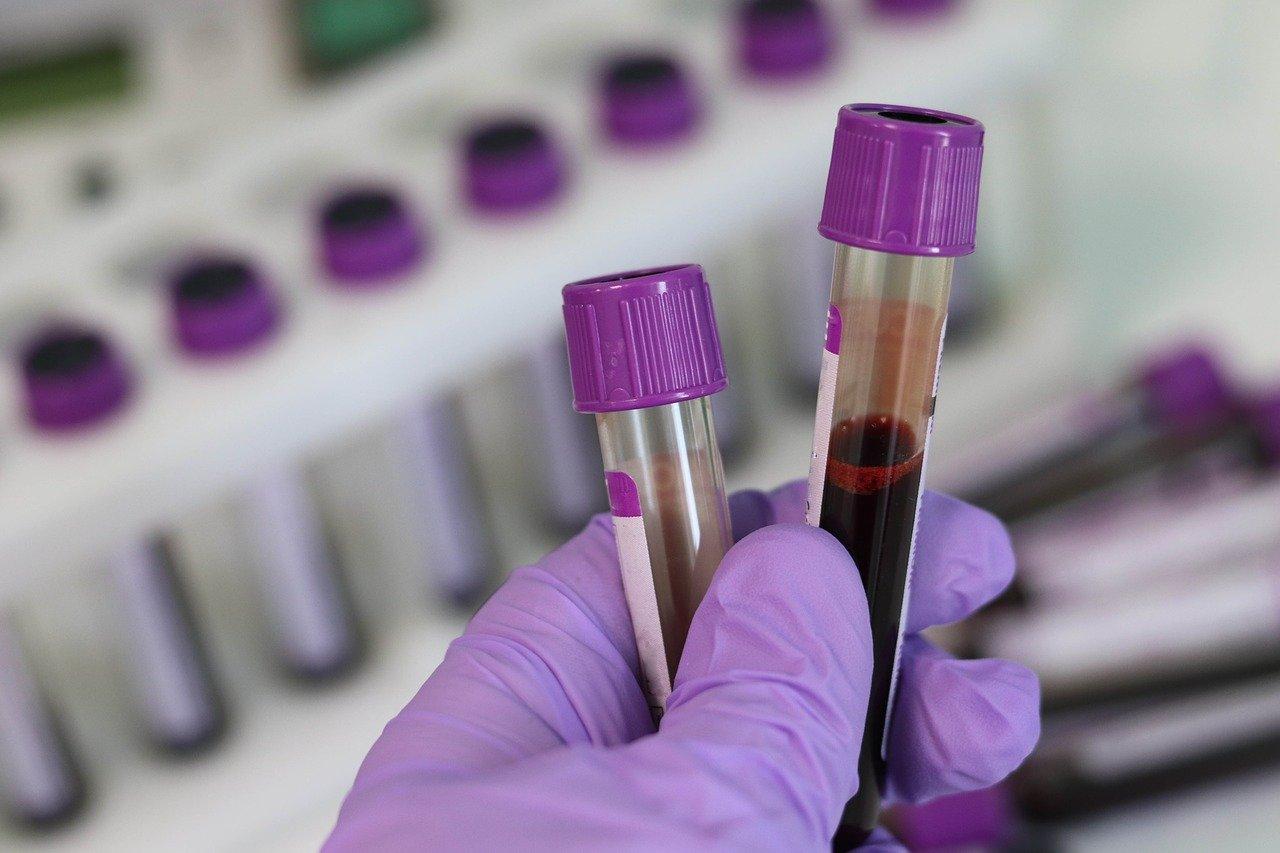
Researchers at Japan’s Kanazawa University have developed a blood test capable of detecting 90% of the earliest-stage pancreatic cancers, a finding that could significantly improve survival odds for a disease long considered one of the most difficult cancers to catch in time for effective treatment.
Pancreatic cancer remains notoriously hard to diagnose early, with symptoms typically emerging only after the disease has already advanced. In Japan, the five-year survival rate for the disease stood at just 8.5% between 2009 and 2011, according to data from the National Cancer Center. Surgery following an early diagnosis remains the only treatment offering a realistic chance at a cure, but early-stage cases currently account for only 2% to 3% of all pancreatic cancer diagnoses, meaning most patients are identified only after the disease has already reached an advanced, harder-to-treat stage.
To address that gap, a research team led by Dr. Taro Yamashita, dean of the Graduate School of Advanced Preventive Medical Sciences and a professor of gastroenterology at Kanazawa University’s Faculty of Medicine, previously developed a diagnostic test called Panregza, which combines analysis of gene expression patterns drawn from peripheral whole blood with measurement of the tumor marker CA19-9, a protein commonly used in existing pancreatic cancer screening. While Panregza had already demonstrated effectiveness in diagnosing advanced pancreatic cancer, researchers had not previously determined how well it could detect the disease at its very earliest stages, when treatment odds are dramatically better.
The new study analyzed 10 patients diagnosed with stage 0 or stage I pancreatic cancer, representing just 4% of a total pool of 253 patients, and compared their results against those of 104 healthy individuals. Researchers evaluated three separate diagnostic approaches: gene expression patterns from peripheral whole blood alone, the standard CA19-9 tumor marker test alone, and the combined Panregza test incorporating both measures.
Using a panel of 56 gene probes, the whole blood gene expression approach on its own detected nine of the 10 early-stage cancer cases, translating to a 90% detection rate. The standard CA19-9 test, by comparison, detected only one of the 10 cases, a 10% detection rate, highlighting a substantial gap in performance between the two methods when it comes to catching the disease at its earliest, most treatable point. The combined Panregza test, which blends both measures, landed between the two individual approaches, demonstrating 60% sensitivity alongside 93.3% specificity, meaning it was highly effective at correctly ruling out cancer in people who did not have the disease, even if its overall detection rate for early cases fell short of the gene-expression test used on its own.
“These findings indicate that gene expression analysis from peripheral whole blood is a highly effective method for detecting early-stage pancreatic cancer,” Yamashita said in a statement accompanying the research.
The stakes tied to catching the disease earlier are substantial. According to data from the Innovative Research and Development Center for Pancreatic Cancer at Kanazawa University Hospital, five-year survival rates reach 100% among patients diagnosed at stage 0 and 74.4% among those diagnosed at stage I, a dramatic improvement over the single-digit survival rates typically associated with pancreatic cancer diagnosed at more advanced stages. Researchers said that gap underscores the critical importance of developing tools capable of identifying the disease before symptoms emerge.
Explaining the biological basis behind the test, researchers noted that most of the cells analyzed in the blood samples are immune cells rather than cancer cells themselves, and that the presence of even a very small tumor appears to alter the gene activity of those immune cells, even during the disease’s earliest stages. That mechanism suggests the test can detect genetic changes associated with pancreatic cancer in the bloodstream even before a tumor grows large enough to be found through conventional imaging, and even before CA19-9 levels themselves begin to rise, a scenario in which standard blood-marker testing would typically still appear normal.
Outside experts reviewing the findings offered cautious optimism about the test’s potential impact. Dr. Ligresti, whose full name and institutional affiliation were not specified in initial coverage of the study, described the results as “a potential game-changer” in comments reported by Newsweek, while also cautioning that the trial involved a very small number of early-stage cases. “Although that’s a small trial, it fits in with the current research and thinking for sure,” Ligresti said, adding that the approach “requires further validation in larger, diverse populations” before it could be adopted more broadly in clinical practice. Ligresti also pointed to the test’s potential value for screening patients already considered at elevated risk for pancreatic cancer, saying a highly sensitive blood test of this kind “could revolutionize these efforts, allowing us to identify patients who are candidates for curative surgery before symptoms ever arise.”
The Panregza diagnostic kit is currently marketed commercially in Japan by Cubix Inc., building on research the Kanazawa University team has pursued for several years. An earlier version of the underlying blood messenger RNA screening system, developed by many of the same Kanazawa University researchers, was first published in the journal Cancer Science in 2019, establishing the foundational gene-panel approach that has since been refined and tested specifically for its ability to detect the disease at its earliest, most treatable stages.
Researchers cautioned that despite the promising early results, the current findings stem from a relatively small sample of just 10 early-stage patients, meaning larger, more diverse studies will be needed before the gene-expression approach could realistically be adopted as a widespread screening tool for the general population or even for high-risk groups specifically. Even so, the research adds to a growing body of scientific work focused on developing blood-based screening tools capable of catching notoriously hard-to-detect cancers, including pancreatic cancer, well before symptoms typically prompt patients to seek medical evaluation in the first place, a shift researchers say could meaningfully improve survival outcomes for a disease that has historically offered patients very little advance warning.
Business
Who Missed Taylor Swift and Travis Kelce’s Wedding? The Biggest Celebrity No-Shows Explained

Taylor Swift and Travis Kelce welcomed roughly 1,000 guests to their wedding at New York City’s Madison Square Garden on July 3, but a number of familiar faces from the couple’s extended circle were noticeably absent from the celebration, with reasons ranging from scheduling conflicts to a technical mishap to lingering personal tension.
Among the most talked-about absences were Blake Lively and Ryan Reynolds. Lively’s ongoing legal battle with her “It Ends With Us” co-star Justin Baldoni drew Swift into the dispute after private text messages involving the singer were unsealed in court, complicating what had once been a close friendship between Swift and Lively. Initial reports suggested Swift had deliberately left Lively and Reynolds off the guest list altogether. One source described the shift in the relationship bluntly. “Taylor’s in a different place now and she just wants to be around people she trusts and who bring her peace,” the source said. “It’s a shame because she and Blake really were close, but she doesn’t think it’s something that’s going to be fixed. As far as [Taylor’s] concerned, their friendship is done.”
A separate source, however, offered a more nuanced account, telling the Daily Mail that Lively had in fact been invited and that the two women had spoken by phone ahead of the wedding. “Everyone around Taylor is aware that Blake could attend. She may not, but that won’t be because she isn’t welcome,” the source said, adding that Lively appeared to be working her way back into Swift’s inner circle. “Blake is on the cusp of getting a second chance, and they have had some loose conversations to test the waters to get the trust back. Blake is slowly getting back into the fold now that Taylor is having a change of heart.”
NBA Hall of Famer Charles Barkley confirmed he skipped the wedding for reasons entirely unrelated to any personal rift, explaining on the radio show “Unfiltered with Ricky Bo and Bill Colarulo” that he simply avoids large formal events altogether. “I thought it was gonna be a c— show,” Barkley said, adding that he holds Travis and his brother Jason Kelce in high regard despite only having met Swift once. “I love Travis and Jason [Kelce], and I’ve only met Taylor one time. But, yeah, I did get an invite, but I said, ‘Hey, you know what, that’s just too much. I just want to hang out and play golf, but I don’t want to dress up and all that other stuff.’ But I appreciate the invitation, it was pretty special.”
Model Jaime King, whose son Leo is Swift’s godson, also missed the ceremony, with a representative explaining the decision reflected the family’s approach to the godmother relationship rather than any snub. “The reason Jaime chose Taylor as Leo Thames’s godmother is because they both believe that being a godmother is a deeply personal and spiritual commitment that has nothing to do with public appearances,” publicist Jane Owen told Page Six, noting that Leo instead celebrated the marriage in his own age-appropriate way during summer break.
Singer-songwriter James Taylor, whom Swift was named after, confirmed during a July 3 concert in Massachusetts that he and his wife, Caroline “Kim” Smedvig, had received an invitation but were unable to attend because of a scheduled Fourth of July performance with his All-Star Band. “I do want to wish the couple all happiness and smooth sailing and strength when it can’t be smooth,” Taylor told the crowd that night.
Several other artists and friends within Swift’s broader circle were absent as well, including Lorde, amid past rumors of tension between the two, and Eras Tour opening act Maisie Peters, who confirmed on “The Zach Sang Show” in May that she had not been invited. “But I think that’s OK … obviously I’m a huge fan. And maybe one day I’ll get to try the sourdough,” Peters said.
Margaret Qualley also skipped the celebration despite her husband, Jack Antonoff, a longtime Swift collaborator, being in attendance. A source later confirmed the couple had separated after nearly three years of marriage, explaining her absence.
Music producer Garret “Jacknife” Lee missed the wedding under unusual circumstances, according to an op-ed his wife, Melissa Garner Lee, published in HuffPost on July 8. Melissa wrote that her husband had received the invitation via text but dismissed it as spam. “‘I got a text but I thought it was spam,’ he told me, sounding defensive. ‘WHAT!?’ I asked in total disbelief,” she wrote, recalling his explanation. “Yeah — remember I told you I got a text from her manager? But I didn’t respond to it. It didn’t sound like him.” Despite the missed opportunity, Melissa said the couple’s relationship remained solid. “A missed wedding will not be what breaks us. We’re stronger than that. Still, it would’ve been fun to see her dress,” she wrote.
Fanatics CEO Michael Rubin went so far as to move his annual White Party from its traditional Fourth of July weekend slot to July 1, reportedly anticipating a conflict with the wedding, but ultimately was not invited at all. “I was not at the wedding,” Rubin told TMZ. “No invite for me. Travis is a great guy, they’re a great couple and I’m so happy for them.”
Miles and Keleigh Teller also skipped the ceremony amid rumors of a falling out with Swift. Prince William played coy when asked directly by Amanda Holden whether he had received an invitation, saying, “No comment. I’m hoping and I’m sure there might be an invitation around but we’ll see.” While William and Kate Middleton did not ultimately attend the roughly 1,000-guest ceremony, reports indicated the royal couple held a private meeting with Swift and Kelce shortly before the wedding took place.
Actor Robert Pattinson, whose fiancée Suki Waterhouse did attend, cited work commitments for his own absence. “I was working,” Pattinson told Entertainment Tonight on July 6. “I was shooting Batman this morning. Very busy.” Television host Ryan Seacrest similarly had to withdraw after initially planning to attend, telling listeners of his radio show on July 6 that a Disney assignment forced him to cancel. “I RSVP’d to go, and then Disney hired me to do the Fourth of July 250 special on the third and the fourth, so I had to cancel,” Seacrest said. “It wasn’t a waste! I was actually really excited. I was kind of torn.”


Steven Cress is VP of Quantitative Strategy and Market Data at Seeking Alpha. Steve is also the creator of the platform’s quantitative stock rating system and many of the analytical tools on Seeking Alpha. His contributions form the cornerstone of the Seeking Alpha Quant Rating system, designed to interpret data for investors and offer insights on investment directions, thereby saving valuable time for users. He is also the Founder and Co-Manager of Alpha Picks, a systematic stock recommendation tool designed to help long-term investors create a best-in-class portfolio.Steve is passionate and dedicated to removing emotional biases from investment decisions. Utilizing a data-driven approach, he leverages sophisticated algorithms and technologies to simplify complex, laborious investment research, creating an easy-to-follow, daily updated grading system for stock trading recommendations.Steve was previously the Founder and CEO of CressCap Investment Research until its acquisition by Seeking Alpha in 2018 for its unparalleled quant analysis and market data capabilities. Prior to that, he had also founded the quant hedge fund Cress Capital Management, after spending most of his career running a proprietary trading desk at Morgan Stanley and leading international business development at Northern Trust.With over 30 years of experience in equity research, quantitative strategies, and portfolio management, Steve is well-positioned to speak on a wide range of investment topics.
Analyst’s Disclosure: I/we have a beneficial long position in the shares of MU either through stock ownership, options, or other derivatives. I wrote this article myself, and it expresses my own opinions. I am not receiving compensation for it. I have no business relationship with any company whose stock is mentioned in this article.
Seeking Alpha’s Disclosure: Past performance is no guarantee of future results. No recommendation or advice is being given that any particular security, portfolio, transaction or investment strategy is suitable for any specific person. The author is not advising you personally concerning the nature, potential, value or suitability of any particular security or other matter. You alone are solely responsible for determining whether any investment, security or strategy, or any product or service, is appropriate or suitable for you based on your investment objectives and personal and financial situation. Steven Cress is the Head of Quantitative Strategy at Seeking Alpha. Any views or opinions expressed herein may not reflect those of Seeking Alpha as a whole. Seeking Alpha is not a licensed securities dealer, broker or US investment adviser or investment bank.

Troy Jackson has effectively secured the Maine Senate Democratic nomination

Spain v Argentina LIVE: World Cup closing ceremony ahead of Messi going for glory in final

TechCrunch Mobility: The battle over robotaxi rules


-
 NewsBeat3 days ago
London Mayor Sadiq Khan handed a peerage by Keir Starmer alongside 15 other Labour figures… just days before the PM leaves No10
-

 Fashion2 days ago
Weekend Open Thread – Corporette.com
-

 Politics1 day ago
The House | The City of London can help the new chancellor deliver growth in every postcode
-

 Politics4 days ago
Young campaigners urge incoming PM to act on outdoor junk food ads
-

 Crypto World4 days ago
CFTC blocks Kalshi from unwinding Michigan trades after court order
-

 Business4 days ago
Nvidia Stock Slips After Big Tuesday Rally as Huang Confirms Vera Rubin Chip Is Now in Production Today
-

 Crypto World1 day ago
Ripple Payments Joins MiCA With 14 Firms, Does It Mean Anything For XRP?
-

 Politics5 hours ago
Democrats look to World Cup watch parties to register thousands of voters
-
 Entertainment4 days ago
Disney’s Most Ambitious Failed Star Wars Attraction Is Coming to SDCC
-
 Crypto World2 days ago
Two July Windows Left: The CLARITY Act’s Senate Fight and What Failure Means
-

 Crypto World2 days ago
Ripple wins EU-wide access as ESMA adds it to MiCA register
-

 Business4 days ago
Palantir Shares Rise After Expanded Nvidia Partnership and Fresh Analyst Upgrades Ahead of Earnings Day
-

 Crypto World3 days ago
Injective Submits SEC Transfer-Agent Registration to Onchain Ownership Records
-

 Tech6 days ago
Get Your ESP32 Sunny Side Up With This Solar Dev Board
-

 News Videos5 days ago
XRP BOMBSHELL… XRP OMBOARDED FOR TRANSACTIONS!!!
-

 NewsBeat2 days ago
Registration is now open for March for Men with Kev 2026
-

 Tech5 days ago
Dark Secrets Emerge When Jailbreaking LLMs
-
 Sports4 days ago
New Cornerback Enters Vikings Trade Rumor Mill
-

 News Videos2 days ago
Money | Class 12 Economics | CBSE Board Exam 2026-27
-

 Business3 days ago
Banco Bilbao Vizcaya Argentaria, S.A. (BBVA) Discusses Global Macro Environment and Economic Outlook for Core Markets Transcript
You must be logged in to post a comment Login