
Crypto World
Bitcoin price prediction as U.S. Government Shutdown risk shakes markets

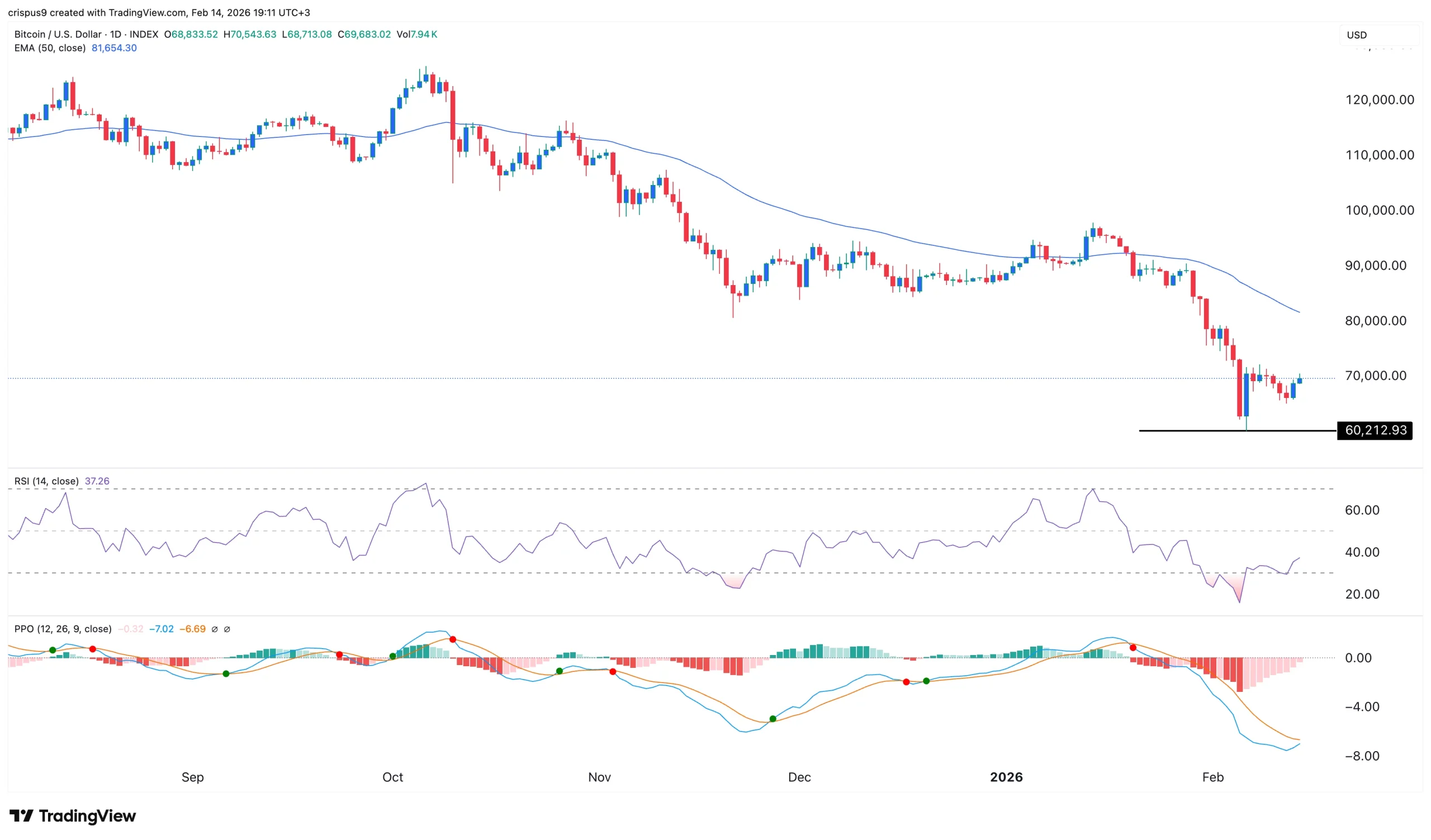
Bitcoin price held steady on Saturday, reaching a high of $70,000 for the first time in days, even as a partial government shutdown started in the United States.
Summary
- Bitcoin price rose to $70,000 as the recent recovery continued.
- The US government experienced a new partial shutdown.
- Technical analysis suggests that Bitcoin price may rebound.
Bitcoin (BTC) rose to $70,000, up substantially from the year-to-date low of $60,000. The rebound coincided with Friday’s stock market rally and the broader crypto market recovery.
Bitcoin’s price action happened as a partial government shutdown started in the US. This shutdown is now affecting the Department of Homeland Security, with key departments like the TSA and the Coast Guard being affected.
The main issue is that Democrats have insisted that they will not approve any funding unless reforms to ICE are implemented after the fatal shooting of Renee Good and Alex Pretti in Minneapolis.
Still, Bitcoin price is rarely affected by key events like a government shutdown. For example, the coin jumped to a record high in October last year as the US experienced the longest shutdown on record.
The main catalyst for the ongoing Bitcoin price recovery is the view that the Federal Reserve may deliver more interest rate cuts this year than expected. Data on Polymarket shows that the odds of three and four rate cuts have risen in the past few days.
These odds rose after the US published the latest consumer inflation and non-farm payrolls data. A report on Wednesday showed that the economy added over 130,000 jobs in January as the unemployment rate dropped to 4.3%.
Another report released last Friday showed that the headline Consumer Price Index slipped to 2.4% in January from the previous 2.7%. Core inflation, which excludes the volatile food and energy prices, remained at 2.5%.
Bitcoin price also rose after investors cautiously bought spot BTC ETFs. Data compiled by SoSoValue shows that spot ETFs added over $15 million in assets on Friday.
Bitcoin price technical analysis
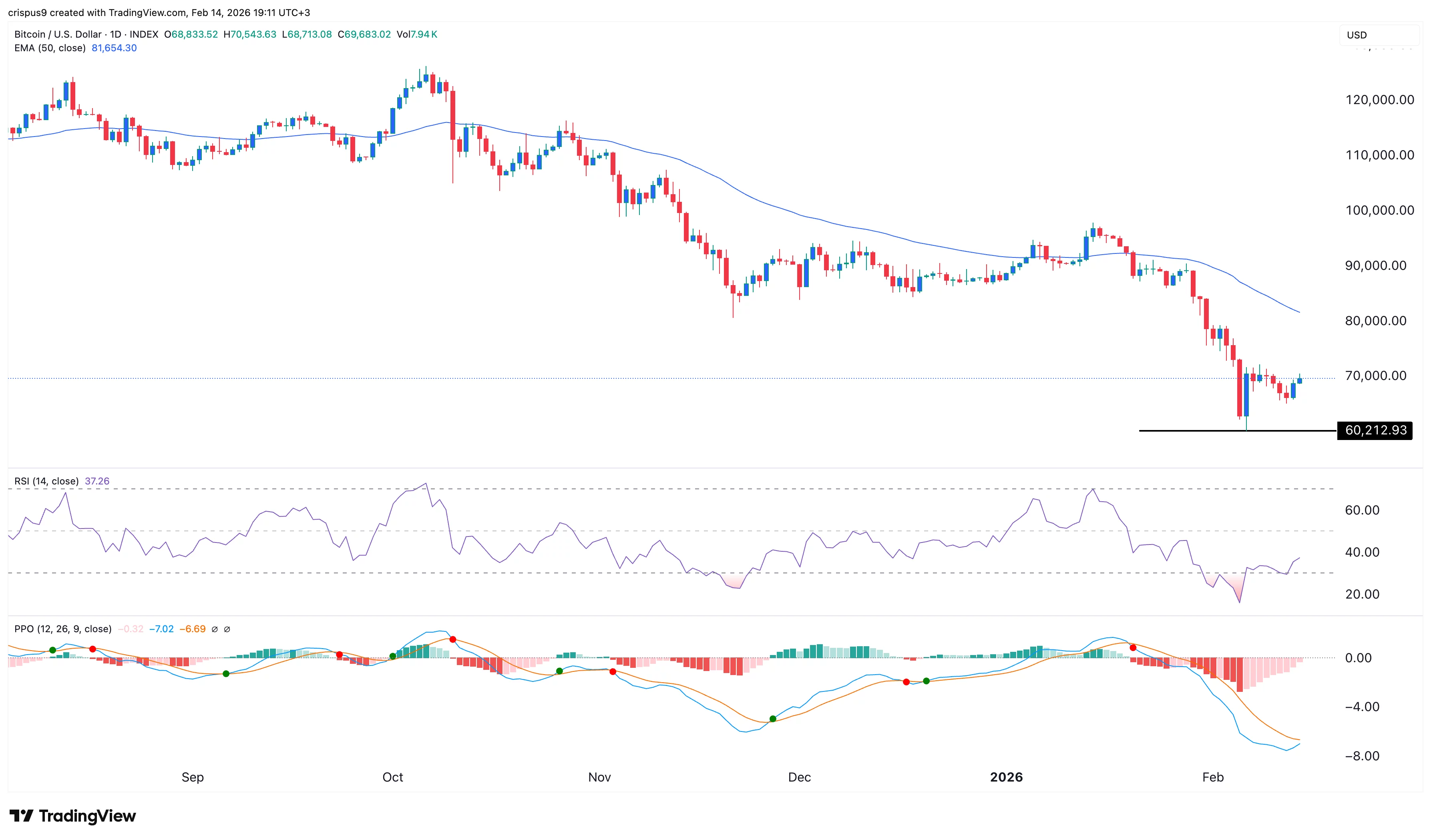
The daily chart shows that the BTC price rebounded to $70,000 from the year-to-date low of $60,000. The two lines of the Percentage Price Oscillator are about to have a bullish crossover. Also, the Relative Strength Index has moved from the oversold level to the current 37.
Therefore, there is a possibility that the coin will continue rising as bulls target the 50-day moving average at $81,000. On the other hand, a drop below the year-to-date low of $60,000 will invalidate the bullish outlook.

Crypto World
BitGo launches unified crypto financing platform for institutional lending and borrowing


BitGo has rolled out a new financing platform that allows institutions to borrow and lend against a range of crypto holdings.
Summary
- BitGo has introduced a financing platform that enables institutions to borrow and lend against liquid, staked, and locked assets from a single custody account.
- The platform replaces fragmented lending workflows with a portfolio-based model, allowing clients to access liquidity against a combined pool of assets without moving collateral.
According to the announcement, the platform brings together features like borrowing, lending, and collateral management to eliminate the need for multiple counterparties and fragmented workflows.
Instead of setting aside collateral for each individual loan, the platform uses a portfolio-based structure that allows clients to access liquidity from a combined pool of assets held in custody.
“We’ve built this offering to pair responsive, high-touch support from our team with an on-platform experience that makes financing easy to manage. That combination of flexibility, service, and control is what institutions have been missing in digital asset markets,” Adam Sporn, the firm’s head of prime brokerage and institutional sales, said in an accompanying statement.
Support for staked and locked tokens adds another layer, allowing borrowers to access liquidity without exiting positions tied to staking or vesting schedules, while still maintaining oversight of assets held in custody. Clients can also lend assets from the same account, either to generate yield or to free up capital for trading and treasury operations.
All activity takes place within BitGo’s custody framework, where collateral is held in segregated wallets, and credit is extended against assets such as Bitcoin, Ether, Solana, and stablecoins. Funds can be routed into trading via the firm’s brokerage services or used for broader liquidity needs.
Demand for credit against crypto holdings has risen over the past year, and this has led exchanges, institutional providers, and DeFi platforms to expand lending offerings tied to digital assets.
Some of the leading players include firms like Anchorage Digital, which, alongside Mezo, has introduced Bitcoin-backed stablecoin loans and short-term yield strategies, allowing institutions to borrow against BTC held in custody while earning returns on locked positions.
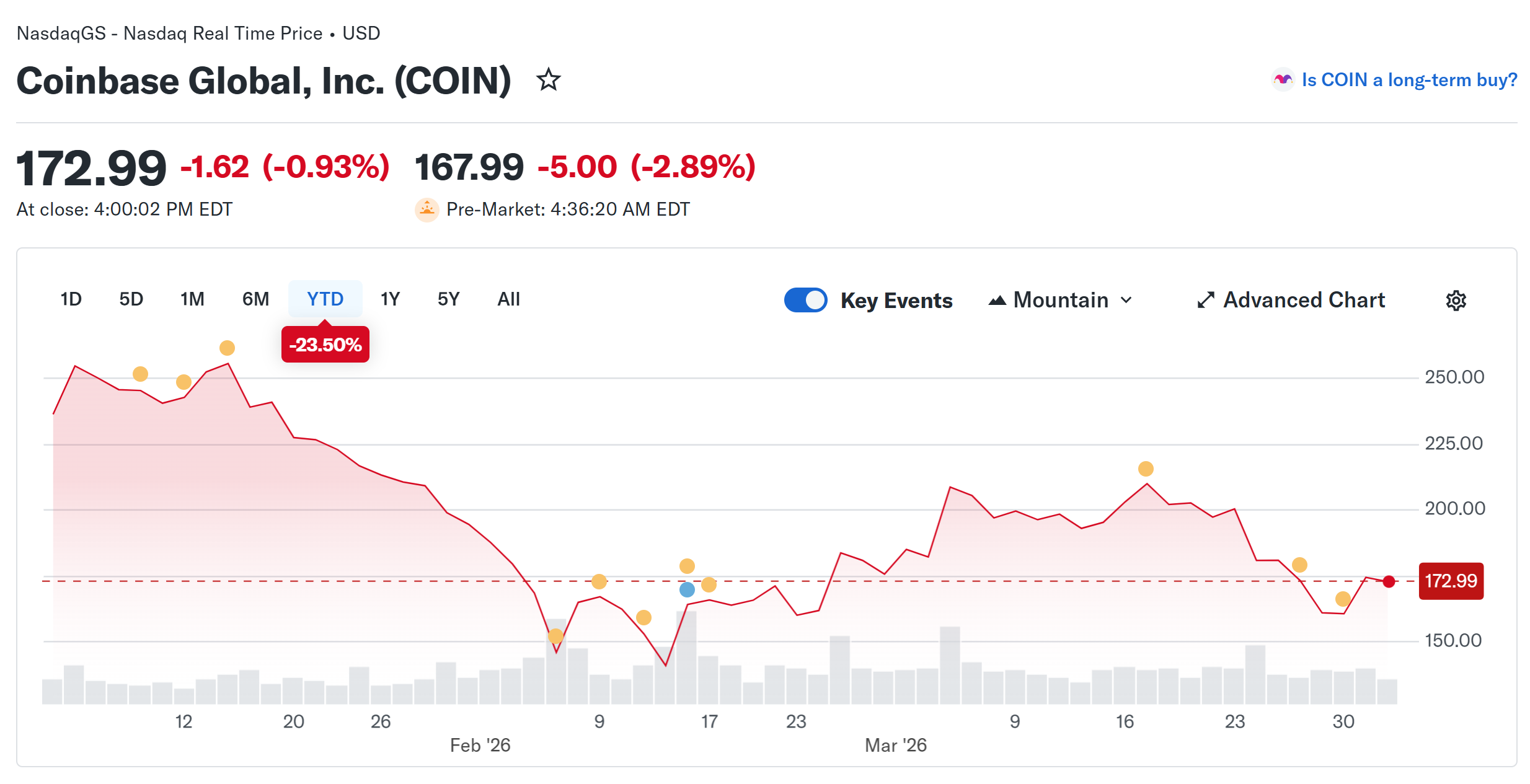
Meanwhile, in the exchange segment, platforms like Kraken have rolled out products such as Flexline, offering fixed-term crypto-backed loans, while Coinbase has reintroduced Bitcoin-backed borrowing in the United States, enabling users to access USDC liquidity against BTC collateral.


Zcash has patched a major vulnerability that would have allowed bad actors to drain funds from the protocol’s deprecated Sprout shielded pool.
Summary
- Zcash patched a critical flaw in zcashd nodes that skipped proof verification in the legacy Sprout pool, a bug that could have exposed more than 25,000 ZEC to potential draining.
- The vulnerability remained present from July 2020 until the release of v6.12.0, with no exploitation detected and all user funds confirmed safe.
A disclosure report from security researcher Alex “Scalar” Sol, published on Tuesday, claims that a critical flaw was discovered in zcashd nodes that resulted in skipping proof verification for transactions involving the legacy Sprout pool.
Zcash’s Sprout pool is the original “shielded pool” that launched with the network in 2016. It was the first implementation of zero-knowledge proofs (zk-SNARKs) in a production cryptocurrency, allowing users to send and receive ZEC privately.
Although the pool was closed to new deposits in November 2020, it still holds approximately 25,424 ZEC, which are yet to be migrated to newer shielded pool versions.
According to the disclosure, the vulnerability spanned releases from July 2020 onward but was fixed through v6.12.0, which was released on Tuesday. So far, the flaw has not been exploited, and user funds remain safe.
Major mining pools, including Luxor, F2Pool, ViaBTC, and AntPool, have already deployed the fix by March 26, the report added.
The report added that the Zebra full node implementation was not affected. In the event of an attempted exploit, it would have resulted in a chain fork, acting as an additional safeguard.
Despite the severity of the issue, the Zcash Open Development Team has clarified that the network’s “turnstile” mechanism, which enforces that any coins exiting the Sprout pool must have previously entered it, would have prevented broader supply inflation.
For the Zcash network, this marks the second time a critical, systemic vulnerability has been uncovered within its shielded pools. In 2019, the Zcash team disclosed a “counterfeiting” bug, a flaw in the underlying cryptography that could have allowed an attacker to create an infinite amount of ZEC without detection.


Bitcoin gave back a large portion of its recent gains on Thursday, now trading at $66,700 having lost 2.4% of its value since midnight UTC.
Ether (ETH) performed even worse, tumbling by 4.4% as the broader crypto market struggles to deal with continued risk-off sentiment.
The latest plunge was spurred by U.S. president Donald Trump, who said on Wednesday evening that the war in Iran would continue with extensive strikes on Iran.
“Over the next two to three weeks, we’re going to bring them back to the stone ages where they belong,” he said.
The comments led to an immediate spike in oil prices, with brent crude rising by around 10% to $108 per barrel as U.S. equities diverged.
Nasdaq 100 and S&P 500 futures lost 1.5% and 1.1% respectively while the U.S. dollar increased by 0.5% to above 100 points.
Derivatives positioning
- BTC’s price has dropped over 2% since midnight UTC hours alongside a slightly uptick in open interest in major USD- and USDT-denominated futures. Plus, perpetual funding rates have dropped to their most negative since March 12. This combination suggests that traders are bearish and shorting the falling market.
- In ether’s case, funding rates are most negative since October last year, a sign of strong bias for bearish bets. Meanwhile, bearishness in solana (SOL) is surprisingly more measured despite the overnight hack.
- Privacy-focused zcash (ZEC) and have seen a notable decline in open interest (OI) in 24 hours, a sign of capital outflows.
- Nearly $400 million in futures positions have been liquidated due to margin shortfalls. That’s a 17% increase in losses compared to the previous day.
- Despite renewed risk-off tone, bitcoin and ether’s 30-day implied volatility indices remain flat in recent ranges. It points to orderly selling in the spot market rather than panic.
- There is little scope for panic because traders are already positioned for market swoon. They have been consistently chasing bitcoin and ether put options (downside hedges) since the start of the year. As of writing, bitcoin and ether puts remained pricier than calls across all tenors on Deribit.
- Block flows featured demand for ether straddles, a volatility strategy, and put spreads and bitcoin call spreads.
Token talk
- The worst performing benchmark on Thursday was CoinDesk’s DeFi Select Index (DFX), which lost 5.9% since midnight UTC, closely followed by the CoinDesk Computing Select Index (CPUS) that tumbled by 5%.
- Ethena (ENA) led the downside move as it fell by more than 10% on Thursday, there was also a heavy drawdown among DeFi tokens UNI, LDO, SKY and AAVE – all shedding between 4.2% and 6.5% during Asian and European hours on Thursday.
- Algorand (ALGO) bucked the bearish market trend, rising by around 0.8% on Thursday as it continues its rich vein of form having rallied by 22% in the past week.
- CoinMarketCap’s “altcoin season” index is down from 50/100 to 42/100 since March 30, highlighting relative weakness across the sector.
Coinbase chief legal officer Paul Grewal said the US Digital Asset Market Clarity Act is “moving toward” a markup hearing in the US Senate Banking Committee and could eventually move to a floor vote if senators resolve the stablecoin yield dispute and schedule a markup.
Speaking in a Wednesday interview on Fox Business, Grewal said lawmakers are nearing agreement on core elements of the crypto market structure bill, even as debate continues over stablecoin yield. “I think we’re very close to a deal,” he said.
The remarks point to possible movement on one of the last major sticking points in Senate talks over crypto market structure legislation: whether stablecoin issuers or platforms should be allowed to offer yield or similar rewards. The dispute has helped delay a Senate Banking Committee markup, leaving the broader effort to set federal rules for digital asset oversight still unresolved.
US banks have pushed for restrictions, arguing that such incentives could draw deposits away from traditional institutions and disrupt the banking system. Grewal pushed back on that claim, saying there is no evidence to support fears of deposit flight.
The US House of Representatives passed the CLARITY Act on July 17, 2025. In January, Senate Banking Committee Chair Tim Scott delayed a planned markup, which has yet to be rescheduled.
Related: Crypto investor sentiment will rise once CLARITY Act is passed: Bessent
Trump blames banks for stalling crypto bill
Last month, US President Donald Trump accused banks of undermining efforts to pass crypto market structure legislation, saying they are blocking progress over disagreements on stablecoin yield payments. “The Banks should not be trying to undercut The Genius Act, or hold The Clarity Act hostage,” he wrote.
It was later reported that Trump met privately with Coinbase CEO Brian Armstrong just hours before issuing the statement.

In January, Armstrong said Coinbase could not back the market structure bill “as written,” pointing to draft amendments that would eliminate stablecoin rewards and let banks restrict competition.
Related: CLARITY Act 2026 odds ‘extremely low’ if not passed before April: Exec
CLARITY delay could expose crypto to crackdowns
Last week, Coin Center executive director Peter Van Valkenburgh warned that failure to pass the CLARITY Act could leave the crypto industry vulnerable to a future US administration taking a tougher stance. He argued that rejecting developer protections in favor of short-term business interests risks creating a system shaped by political shifts rather than clear law.
“The point of passing CLARITY is not to trust this administration. It is to bind the next one,” he said.
Magazine: Bitcoin may take 7 years to upgrade to post-quantum — BIP-360 co-author
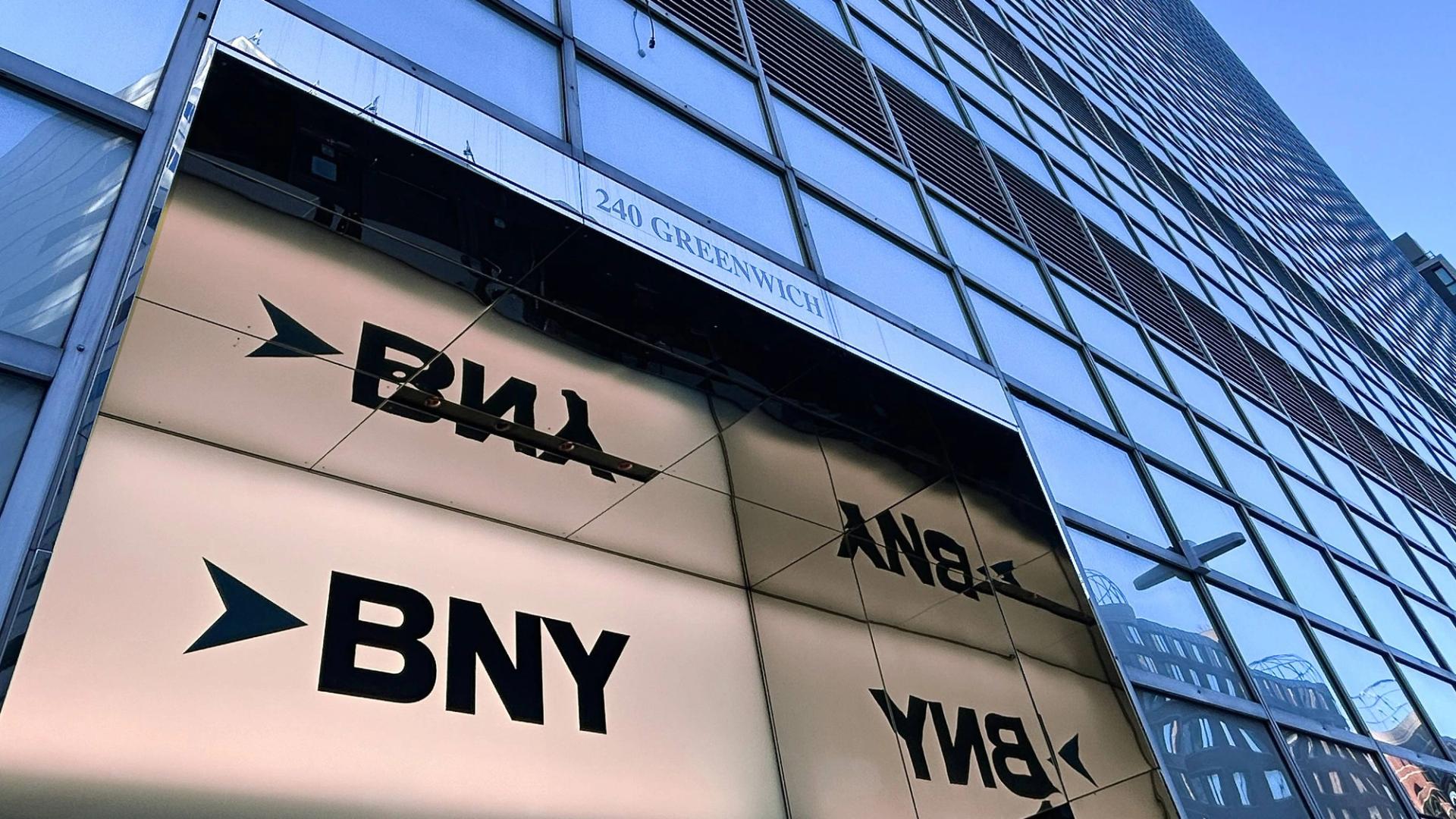
OpenEden has introduced HYBOND, the first tokenized product tied to BNY Investments’ Global Short-Dated High-Yield Bond strategy, expanding the scope of institutional-grade investments available onchain.
The new token gives qualified investors 1:1 exposure to a managed portfolio of short-dated corporate bonds overseen by BNY Investments, a unit of BNY.
The product introduces higher-yield fixed income exposure to a market segment that has so far been dominated by tokenized cash-equivalent and treasury strategies. Data from rwa.xyz shows over $12 billion of the more than $27 billion in the tokenized real-world asset market are U.S. Treasury debt.
HYBOND is issued by OpenEden Digital Limited, a Bermuda-regulated entity licensed under the Digital Asset Business Act, according to a press release on Wednesday.
While BNY Investments serves as the investment manager for the underlying bond portfolio, it has no direct involvement in the token itself, which is managed and issued by OpenEden.
“Tokenization has proven its product market fit with cash-equivalent and treasury strategies. HYBOND represents the next step by bringing actively managed corporate bond exposure on-chain within a regulated framework,” said Jeremy Ng, OpenEden’s CEO.
BNY and OpenEden previously collaborated on TBILL, a tokenized U.S. Treasury bill product. HYBOND builds on that relationship by pushing into riskier credit instruments, which may appeal to investors seeking greater yield.
As of year-end 2025, BNY oversaw $2.2 trillion in assets under management and more than $59 trillion in assets under custody.
Crypto World
Bitcoin treasury sell-off accelerates as Riot, Bhutan, and public companies exit positions


Those who rushed into bitcoin over the past two years are now heading for the exits and it’s not a great sign for the market.
Public companies, once seen as long-term holders, are increasingly selling bitcoin as prolonged price weakness weighs on balance sheets and strategic plans.
Take Empery Digital (EMPD), which announced on Wednesday that it sold 370 BTC at an average price of $66,632, generating $24.7 million, leaving the company with 2,989 BTC. The firm used part of the proceeds to repay its outstanding term loan fully and also released approximately 1,800 BTC that had previously been held as collateral.
Empery Digital began building its bitcoin treasury in July 2025 and accumulated a peak position of roughly 4,000 BTC. The firm’s shares are down 75% from its 2025 all time high of $15.80.
Genius Group (GNS), an AI-powered, bitcoin-focused education company that held up to 440 BTC in March last year, has completely sold off its stash. Recently, it liquidated its last remaining 84 BTC to repay $8.5 million in debt. The company stated it will resume building its bitcoin treasury when it believes market conditions are more favorable.
This trend is not restricted to just mid-sized players. Riot Platforms (RIOT), one of the largest publicly traded bitcoin mining companies in the U.S., has also reportedly been selling, according to blockchain data tracked by Lookonchain.
The company supposedly moved 500 BTC for roughly $34.13 million on Wednesday as it continues to tap its bitcoin treasury to fund its pivot into AI and high-performance computing, a strategy increasingly seen across the mining industry.
Riot sold approximately $200 million worth of bitcoin in the final two months of 2025. Riot Platforms has accumulated bitcoin continuously through its mining operations, rather than adopting a single start date for a treasury strategy, and reached peak holdings of over 19,000 BTC. The company now holds roughly 17,500 BTC.
Meanwhile, the Bhutan government continues to reduce its bitcoin holdings, having sold a total of 3,103 BTC. A single transaction on March 30 alone is said to have liquidated 375 BTC, further trimming its position, according to Glassnode data. Bhutan’s government built its bitcoin holdings over several years through state-backed mining operations, reaching a peak of over 13,000 BTC in October 2024.
While the recent trend of liquidations is certainly disappointing for bulls, all is not lost yet.
Public bitcoin treasury companies still hold around 1,164,800 BTC, according to BitcoinTreasuries.net. That’s over 5% of the total BTC supply of 21 million.
As of writing, bitcoin changed hands at $66,500, down over 2% since midnight UTC, according to CoinDesk data.
Read More: MARA Holdings higher by 10% after selling $1.1 billion in bitcoin to fund debt buyback
Solana price fell nearly 9% following a major exploit on its Drift Protocol DeFi platform that drained nearly $300 million in digital assets.
Summary
- Solana price dropped about 9% after a $285 million exploit on Drift Protocol, one of the largest hacks in the network’s history.
- Broader market weakness tied to escalating U.S.–Iran tensions and rising oil prices added to selling pressure on SOL.
- Technical indicators signal continued downside risk, with key support at $75, while a move above $93 could invalidate the bearish setup.
According to data from crypto.news, Solana (SOL) price fell 9% to an intraday low of $78.6 on April 2, bringing its market cap down to $45.5 billion. Over the past 7 days, SOL price has fallen by over 10%, marking the steepest loss among the top 10 cryptocurrencies in the market.
Solana price crashed following a major exploit on the Drift Protocol that left investors concerned about the security of decentralized finance applications on the network. Notably, the $285 million hack stands as one of the largest hacks in the Solana ecosystem over the past 5 years.
The token also fell along with a broader market drop as investors retreated to the sidelines on news of an escalation of the U.S. and Iran conflict in the Middle East, which has led oil prices to climb back above $100.
Solana price has also suffered due to lackluster demand from institutional investors. Data from SoSoValue show that spot Solana ETFs have recorded no inflows over the past nine days aside from the $4.64 million inflow seen last Thursday.
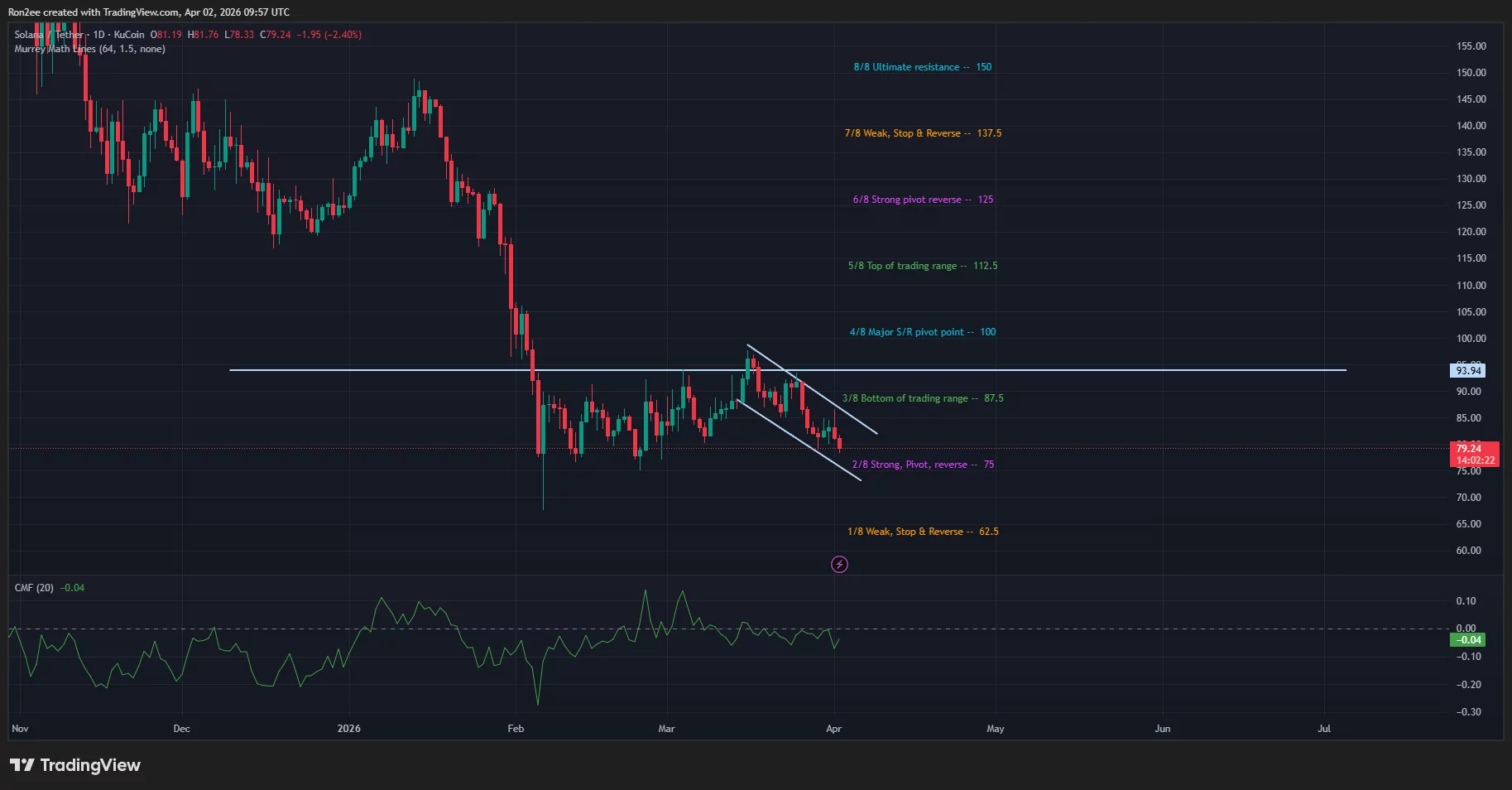
On the daily chart, Solana price has followed a descending channel pattern that it has respected since mid March. Cryptocurrencies tend to form lower lows and lower highs within this range as long as they remain under bearish pressure.
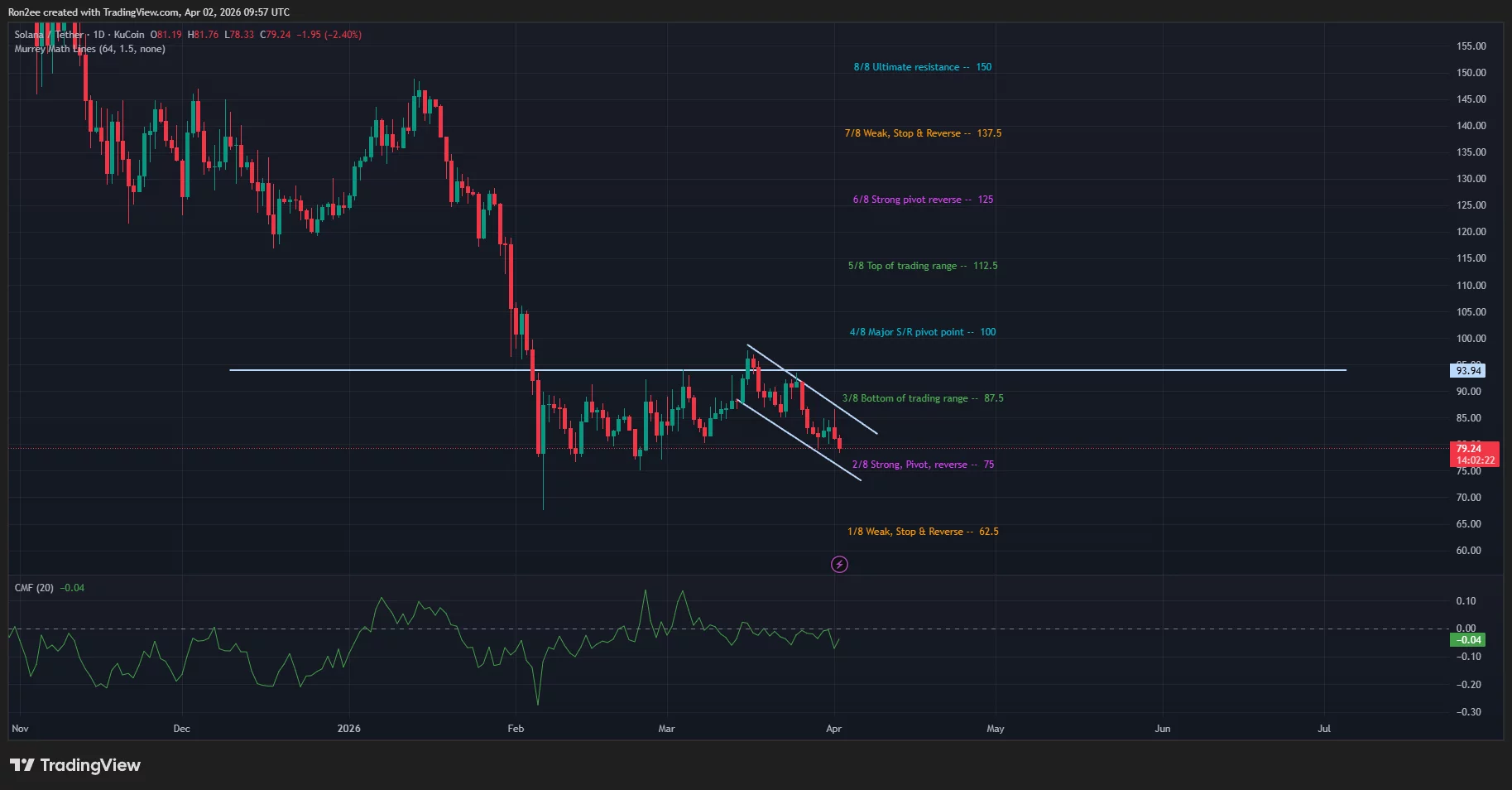
Technical indicators suggest more caution for traders over the short term. Notably, the 20-day SMA has formed a bearish crossover with the 50-day SMA.
Additionally, the Chaikin Money Flow index shows a negative reading of 0.04, a sign that investors are drawing away capital or funds from the Solana market, likely due to the recent security breach.
For now, $75, a support level that aligns with a strong pivot reverse of the Murrey Math lines, serves as the next key floor that traders should keep an eye on. A sharp drop below this level can accelerate the downward momentum.
On the contrary, a rebound above $93, a level where previous resistance sits, could signal the start of a new uptrend for the asset.
Disclosure: This article does not represent investment advice. The content and materials featured on this page are for educational purposes only.

Bitfarms’ (BITF) shares rose about 6.6% on Tuesday even as the miner reported a widened net loss for 2025, underscoring the market’s focus on its strategic pivot from Bitcoin mining to high-performance computing and artificial intelligence infrastructure.
The company’s full-year results show revenue climbing 72% year over year to $229 million, but cost of revenue running at $248 million produced a gross loss. General and administrative expenses also increased, contributing to a challenging bottom line. The change in fair value of digital assets swung to a $50.5 million loss in 2025 from a $26 million gain in 2024, though a $28.2 million realized gain on the sale of digital assets helped soften the impact.
The earnings backdrop highlights the pressure facing Bitcoin miners as the cycle shifts. Bitcoin mining profitability margins have narrowed as the price of Bitcoin has fallen about 46% from its October peak, and mining difficulty has risen roughly 58.5% since the last halving in May 2024, according to market trackers.
During the earnings call, Bitfarms CEO Ben Gagnon outlined the company’s bold strategic pivot. The firm “made the decision to walk away” from its Bitcoin mining operations in November and has since built a new business focused on HPC and AI data centers. He said, “No half-measures, no compromises, and in time, no Bitcoin. We built a new company.” The plan includes rebranding to Keel Infrastructure and relocating the company’s legal base from Canada to the United States, with shareholder approval already secured.
As part of the pivot, Bitfarms indicates it still holds approximately $161 million in unencumbered Bitcoin, a asset base it intends to leverage as it scales its new infrastructure strategy. Gagnon stressed that the HPC/AI thesis requires “top-tier infrastructure” to support hyperscalers and neoclouds for the next wave of AI applications, and the company is pursuing a large-scale build-out across North America. The filing describes a 2.2 gigawatt digital infrastructure development pipeline designed to deliver this capability.
Bitfarms is part of a broader wave among Bitcoin miners expanding into AI and HPC to pursue higher-margin opportunities. Peers such as Iris Energy, Cipher Mining, Riot Platforms, and MARA Holdings have all signaled or pursued AI-enabled hosting and data-center strategies to diversify beyond pure BTC mining. The competitive backdrop underscores a larger industry transition as miners seek to align their capital-intensive operations with the growing demand for AI-ready compute capacity.
“We are not here to compete with hyperscalers or Neoclouds. We are here to enable them. Our focus is providing the critical and largely invisible foundation that will allow the world’s most advanced AI platforms to deploy on time and scale without interruption.”
Bitfarms is actively advancing the infrastructure push, with a 2.2 GW pipeline across North America intended to support the transition to HPC/AI workloads. The company’s leadership argues that the shift is essential to capture the growth in AI-enabled compute demand, even as the current Bitcoin cycle weighs on near-term profitability.
Market context remains important for readers assessing the viability of Bitfarms’ pivot. The mixed signals from the sector—persistent BTC price volatility, rising mining difficulty, and the capital intensity of large-scale HPC deployments—mean investors will be watching not only the execution of the Keel Infrastructure plan but also how the business manages cash flow during the transition. The company’s 2025 results and the pace at which it converts its unencumbered Bitcoin into strategic capital will shape how the market price of BITF responds in the coming quarters.
BITF shares closed Tuesday trading hours up 6.64% to C$2.73, with investors parsing the company’s long-run opportunity as a strategic reorientation rather than a conventional mining update. For context, the full-year results and the pivot plan were outlined in the company’s results statement available here: full-year results statement. Market data on the stock can be followed at Google Finance.
Bitcoin price data referenced in market coverage shows a substantial decline from October’s highs, while mining difficulty metrics corroborate the tougher operating environment for traditional miners. These dynamics help explain why Bitfarms’ management is pursuing a long-horizon transformation into a scalable AI-ready infrastructure provider, rather than relying solely on cyclical BTC mining margins.
As the transition unfolds, investors should monitor how Keel Infrastructure positions itself with hyperscalers, the pace of North American site development, and any changes to the company’s capital structure or debt strategy. The next earnings cycle and potential partnerships will be telling indicators of whether the new infrastructure-focused strategy can translate into sustainable profitability amid a still-choppy crypto market.
Looking ahead, the key questions are how quickly Bitfarms can scale its HPC/AI deployments, how the company manages the cost of capital during the transition, and whether the pivotal rebrand and US relocation can unlock the longer-term value of its unencumbered Bitcoin and new compute assets.
Metaplanet (3350) acquired 5,075 BTC for approximately $398 million during the first quarter of 2026, pushing its total holdings to 40,177 BTC and vaulting past MARA Holdings in the global bitcoin treasury rankings.
The Tokyo-listed firm now sits behind only Strategy (MSTR) and Twenty One Capital (XXI) among publicly traded companies by bitcoin held on their balance sheets.
MARA’s Sell-Off Opens the Door
Metaplanet’s rise to third place owes as much to its own accumulation as to MARA Holdings’ (MARA) significant retreat.

The US-based miner sold 15,133 BTC between March 4 and March 25 for roughly $1.1 billion, using the proceeds to repurchase $1 billion in convertible senior notes due 2030 and 2031.
That sale cut MARA’s holdings to 38,689 BTC, down from 53,822 BTC at the start of the year. The company framed the move as balance sheet management, noting it reduced outstanding convertible debt by approximately 30%.
MARA had already posted a $1.7 billion net loss in the fourth quarter of 2025 after taking a $1.5 billion write-down on its digital asset holdings.
Its pivot toward AI infrastructure and data centers added further reason to lighten the bitcoin stack.
Metaplanet’s Accumulation Strategy
Metaplanet paid an average of roughly $78,000 per coin for its Q1 purchases. Its total cost basis across all 40,177 BTC sits at approximately $97,000, implying a total outlay of about $3.9 billion.
The firm has reported a BTC yield of 2.8% year-to-date. Metaplanet’s broader ambitions are far larger.
Under its “555 Million Plan,” it targets 100,000 BTC by the end of 2026 and 210,000 BTC by the end of 2027.
To fund continued purchases, the company has raised capital through international stock offerings and warrant exercises.
It recently secured approximately $255 million from global institutional investors with the potential for an additional $276 million.
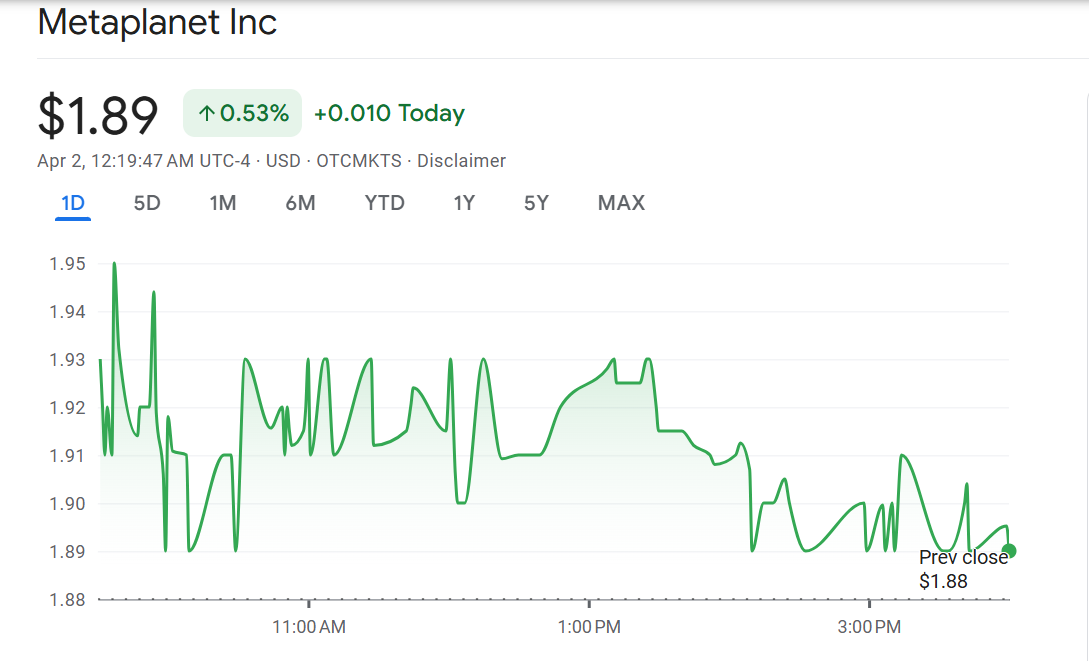
However, shares have not kept pace with the bitcoin buying spree. Metaplanet stock traded at 302 yen ($1.89) on April 2, down roughly 2% on the day and well below its June 2025 peak of 1,930 yen.
A Widening Gap at the Top
The gap between the top two holders and the rest of the field remains vast. Strategy holds 762,099 BTC, more than 18 times Metaplanet’s stack. Twenty One Capital sits at 43,514 BTC.
Below Metaplanet, the competition includes firms like Bitcoin Standard Treasury Corp (CEPO) at 30,021 BTC and Bullish (BLSH) at 24,300 BTC, according to BitcoinTreasuries data.
Whether Metaplanet can hold its new ranking depends on continued access to capital and MARA’s willingness to sell further.
With Bitcoin trading for $66,372 as of this writing, and Metaplanet’s average cost basis roughly 46% above that level, the firm’s treasury remains significantly underwater even as its position on the leaderboard improves.
The post MARA’s $1.1 Billion Bitcoin Sell-Off Hands Metaplanet the Number 3 Spot appeared first on BeInCrypto.

Key Highlights
- ACHR advanced approximately 5% during Tuesday’s session to reach $5.185, up from the previous day’s close of $4.94, with trading volume hitting ~33.5 million shares.
- The company fell short of Q4 projections for both earnings per share (($0.26) actual vs. ($0.17) forecast) and quarterly revenue ($0.30M actual vs. $1.4M forecast).
- Institutional investors now control more than 50% of shares, including Vanguard Index Funds’ 5.86% position and ARK’s holdings of roughly 35 million shares.
- Wall Street consensus remains at “Moderate Buy” with a mean price objective of $12.00; TipRanks shows an average projection of $13.20.
- Archer concluded 2025 holding approximately $2 billion in liquid assets and received FAA approval for its eVTOL compliance methodology, maintaining its late 2026 passenger service launch schedule.
Archer Aviation ($ACHR) shares have declined approximately 30% since the beginning of 2026, but Tuesday brought a modest recovery as the stock advanced roughly 5% intraday to $5.185, briefly hitting $5.23 during the session. Monday’s closing price stood at $4.94.
Trading activity reached approximately 33.5 million shares, representing about 7% less than the typical daily volume of roughly 35.9 million. The security’s 50-day simple moving average stands at $6.83, while the 200-day average rests at $8.41, indicating that both short-term and long-term technical indicators remain significantly above present trading levels.
The company’s latest quarterly financial results, published on March 2, presented challenges for shareholders. Archer reported a per-share loss of ($0.26), falling short of the analyst consensus forecast of ($0.17) by nine cents. Quarterly revenue totaled just $0.30 million, substantially below the anticipated $1.40 million. However, revenue demonstrated a remarkable 29,900% year-over-year increase from an essentially negligible base.
Despite the earnings shortfall, the company maintains a robust financial position. Archer finished 2025 holding approximately $2 billion in cash reserves, carrying a minimal debt-to-equity ratio of just 0.05, and showing a current ratio of 19.89. This financial runway provides management with flexibility to pursue commercial objectives without immediate capital constraints.
Regarding regulatory progress, the FAA has approved Archer’s eVTOL compliance methodology, preserving the company’s schedule for initial commercial passenger operations. Management continues to target a service debut by late 2026. This upcoming milestone represents a cornerstone of the investment thesis for bullish investors.
Wall Street Perspectives Vary, With Bullish Bias
Analyst opinion remains divided but leans optimistic. Five analysts assign a Buy rating, two recommend Hold, and one maintains a Sell rating. The mean price objective among analysts reaches $12.00, indicating significant appreciation potential from present levels. TipRanks, incorporating more current analyst updates, displays a Strong Buy consensus with a $13.20 mean target — suggesting possible upside of approximately 148% from the $5.185 level.
Needham reduced its price objective from $10.00 to $9.00 in early March while maintaining a Buy recommendation. Goldman Sachs launched coverage with a Neutral stance and an $11.00 target in December. Weiss Ratings continues to hold a Sell rating.
Insider transactions have skewed toward stock sales recently. During the past 90 days, company insiders disposed of approximately 380,750 shares worth roughly $2.6 million. CTO Thomas Muniz sold 9,580 shares on March 13 at $6.27 per share, while insider Tosha Perkins sold 10,949 shares at the identical price on the same date.
Large Investors Accumulate Shares
Notwithstanding the stock’s recent decline, major investors have expanded their holdings. Institutional and hedge fund ownership currently represents approximately 59% of outstanding shares. ARK Investment Management controls approximately 35.2 million shares following an addition of roughly 3.9 million shares during Q4. BNP Paribas expanded its stake by 423% in Q4, elevating its total position to approximately 5.1 million shares.
Vanguard Index Funds maintains a 5.86% ownership stake, positioning them as the top institutional shareholder. CEO Adam Goldstein holds approximately 4.89% of outstanding shares.
Among exchange-traded funds, the SPDR S&P Aerospace & Defense ETF ($XAR) maintains a 2.94% position, with the ARK Innovation ETF ($ARKK) holding 2.58%.
The company’s market capitalization stands at $3.86 billion with a beta of 3.10, demonstrating the stock’s tendency toward heightened volatility compared to broader market movements.


Trump uses Iran war address to make case for American patience

Delta Air Lines taps Amazon Leo for in-flight Wi-Fi as streaming wars heat up

BitGo launches unified crypto financing platform for institutional lending and borrowing


-

 Business7 days ago
Instagram, YouTube Found Responsible for Teen’s Mental Health Struggle in Historic Ruling
-

 NewsBeat6 days ago
The Story hosts event on Durham’s historic registers
-
 Tech7 days ago
Intercom’s new post-trained Fin Apex 1.0 beats GPT-5.4 and Claude Sonnet 4.6 at customer service resolutions
-

 Sports6 days ago
Sweet Sixteen Game Thread: Tide vs Michigan
-
Entertainment3 days ago
Fans slam 'heartbreaking' Barbie Dream Fest convention debacle with 'cardboard cutout' experience
-
 Entertainment5 days ago
Lana Del Rey Celebrates Her Husband’s 51st Birthday In New Post
-
Crypto World2 days ago
Dems press CFTC, ethics board on prediction-market insider trades
-

 Crypto World14 hours ago
Gold Price Prediction: Worst Month in 17 Years fo Save Haven Rock
-

 Tech3 days ago
The Pixel 10a doesn’t have a camera bump, and it’s great
-

 Sports2 days ago
Tallest college basketball player ever, standing at 7-foot-9, entering transfer portal
-

 Tech2 days ago
EE TV is using AI to help you find something to watch
-

 Tech3 days ago
Apple will hide your email address from apps and websites, but not cops
-

 Fashion4 days ago
Amazon Sundays: Soft Spring Layers
-

 Tech2 days ago
How to back up your iPhone & iPad to your Mac before something goes wrong
-

 Crypto World2 days ago
U.S. rule change may open trillions in 401(k) funds to crypto
-

 Tech2 days ago
Flipsnack and the shift toward motion-first business content with living visuals
-

 Fashion7 days ago
En Vogue in Brown Leather and Tailored Neutrals by Atelier Savoir, Styled by J Bolin
-

 Politics3 days ago
Should Trump Be Scared Strait?
-

 Fashion7 days ago
What Are Your Favorite T-Shirts for the Weekend?
-

 Fashion6 days ago
Weekly News Update, 3.27.26 – Corporette.com
You must be logged in to post a comment Login